Month: August 2021

Wish List

16/08/21

theSpaceUK, Triplex, Edinburgh

Tamsin (Chloë Johnson) is struggling to get through the days.

With her parents gone, she is now the sole carer for her older brother, Dean (Michael Robertson), who is housebound by severe OCD, and can’t stop himself from gelling his hair every five minutes and staring moodily at his reflection in the mirror. Attempts to obtain funding for him fall on deaf ears, as Dean’s disability isn’t visible and he’s judged ‘capable of employment.’ Tricky when he can’t push himself into stepping out of the front door.

Somebody has to bring in a wage, so Tamsin takes up a post at an Amazon warehouse, packing goods of all shapes and sizes, under the baleful gaze of the Lead (Jack Elvey), who constantly points out that she’s failing to meet her targets. Somehow, she must push herself to rise above the back ache and the paper cuts and increase her numbers. But how can she settle, when she doesn’t know what trouble Dean is getting into at home? The Lead won’t even let her have a phone for emergencies. Her only consolation is charming fellow-worker, Luke (Josh Dobinson), a good-hearted sort who goes above and beyond the call of duty to help her through her punishing schedule.

This engaging four-hander by Katherine Soper could so easily have been run-of-the-mill, but the script is nuanced and the performances are strong (particularly Robertson, who doggedly stays in character even when he’s merely helping to move the furniture). Scenery changes can be the thorn in the paw of Fringe productions, but these are, for the most part, handled smoothly. Only the scene where Elvey is obliged to double-up as a waiter in a bar seems superfluous.

I love the fact that this is such a nuanced story. Soper resists the temptation to present Lead as an out-and-out villain and, as the play progresses, we learn that he too is just another reluctant cog in the corporate machine. He dislikes having to push his workers to the limit every bit as much as they resent being pushed. I also love the fact that Tamsin and Dean’s situation is never fully resolved and, for that matter, neither is the burgeoning relationship between Tamsin and Luke. Instead, we’re shown the importance of the sibling bond, and the extraordinary resilience that everyday people have to find in order to survive in a brutal world.

Wish List is well worth your attention – and you’ll surely think of it the next time you receive an Amazon delivery.

4.2 stars

Philip Caveney

Styx

14/08/21

Assembly Speigeltent, George Square, Edinburgh

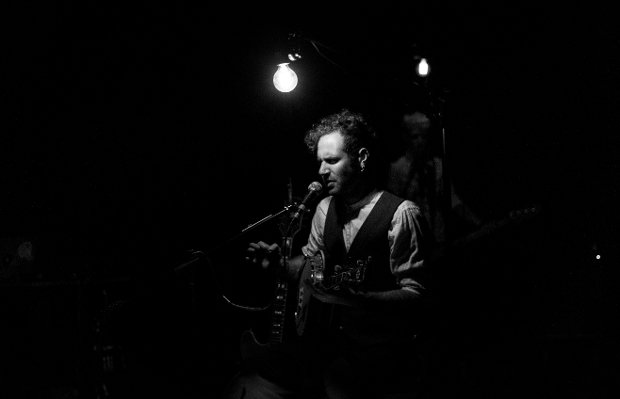
Styx was a palpable hit at the Fringe in 2019, when it featured eight musicians performing in a medium-sized venue. For obvious reasons, this reprise of the show has been severely stripped back and now there’s just singer/ songwriter Max Barton and multi instrumentalist, Jethro Cooke, performing the piece in the much more spacious Spiegeltent. The duo have used low lighting to try and give a cosier feel but, inevitably, there’s a distancing effect for something that requires so much intimacy and, though the production mostly manages to take flight, it occasionally loses impetus and falters.

There are various strands to this elaborate piece of gig theatre: perhaps too many, because they don’t all gel. On the plus side there’s the story of Orpheus and Eurydice (hence the title), which Barton occasionally relates using a voice synthesiser. There’s also the story of his grandmother, Flora, stricken by Alzheimer’s after losing her musician husband, years ago, to the same illness.The recordings of her voice provide some of the production’s most tender and affecting moments.

Less successfully, there are Barton’s memories of a fruitless attempt to track down his grandparents’ old haunt, The Orpheus Club, and also Cooke’s observations about the nature of memory (and the ways in which different parts of the brain store and synthesise it), which feel as though they’ve been lifted directly from a medical textbook.

Luckily, we have Barton’s lyrical, plaintive songs, nicely augmented by Cooke’s pulsing synthesisers and percussion. I’d enjoy them even more if they weren’t punctuated by the sounds of a louder, brasher show drifting in from another venue on George Square.

In the end Styx feels like the curate’s egg – good in parts – and I still have the over-riding conviction that, in a more intimate venue, it would be even better. As if to bear this out, I chat with a barman at the Cameo afterwards who remembers being knocked out by the show in its original incarnation. ‘I remember it,’ he says. ‘It was brilliant. All those musicians onstage, there was hardly room to move.’ Ah well.

The pandemic has enforced many changes, and Styx appears to be another of its victims.

3.6 stars

Philip Caveney

Tunnels

13/08/21

Army@ The Fringe, Drill Hall, Edinburgh

The Edinburgh Tattoo is sadly cancelled for 2021, but the armed forces are still intent on being involved in the Fringe in some capacity – which is why we find ourselves venturing out of the city centre to an Army drill hall near Bonnington. We are greeted at the venue by men and women in camouflage gear, who handle everything with er… military precision. It’s interesting to note that this is one performance where social distancing rules are meticulously applied, and, after witnessing some lackadaisical approaches at other venues, it makes me think that maybe the Army should be handling more shows at the Festival.

But I digress.

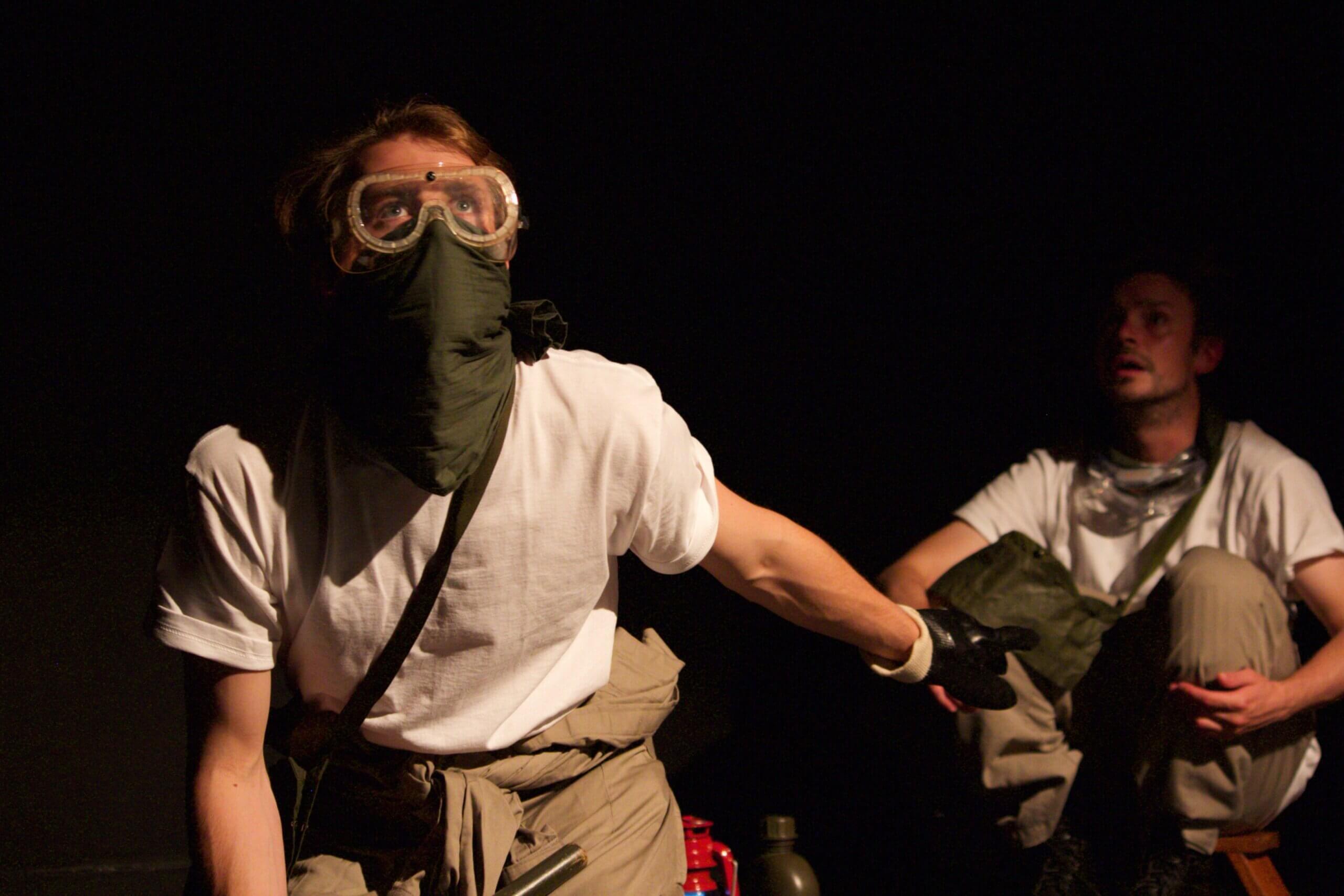
Tunnels is a tightly scripted two-hander, written by Oliver Yellop and set in 1968 Berlin. The cold war is at its height. In the West, the sexual revolution is in full swing but, on the other side of the wall, an atmosphere of suspicion holds sway. So cousins Paul (Lewis Bruniges) and Freddy (Yellop), decide they’ve had enough and are attempting a seemingly impossible task. They are tunnelling under the wall in a desperate attempt to escape to freedom.

As the duo work alongside each other, they discuss the very nature of the word ‘freedom’ – and what possibilities might await them in the West. Paul in particular has good reason to worry about his future in East Berlin. An earlier attempt to climb over the wall led to his arrest and imprisonment by the Stasi – and memories of his regular interrogations still haunt him.

Freddy, meanwhile, is keen to bring his girlfriend Lisle along if and when they finally make the break-through, but Paul doesn’t like the idea. After all, he reminds Freddy, this is the age of the Stasi, and nobody can be trusted…

Tunnels is an effective piece of drama, cleverly directed by Colin Ellwood and convincingly acted by Bruniges and Yellop. With minimal props the two actors somehow manage to convey the awful claustrophobic conditions of the tunnel, the countless hours spent inching forward through the darkness, hoping above hope that the whole construction doesn’t come tumbling down on them. Fergal Mulloy’s subtle sound design adds to the oppressive atmosphere and the conclusion of the story is shattering.

All in all, it’s well worth venturing off the beaten track for this assured and thought-provoking production.

4.2 stars

Philip Caveney

Myra DuBois: Dead Funny

13/08/21

Underbelly, George Square Gardens, Edinburgh

Myra DuBois is dead. Except for the fact that she is very much alive. But she wants us to pretend she’s dead, because this is her funeral. Clearly, she has to be here! If she waits until she’s actually dead, there’s no telling how it’ll go. This way, she’s in control, and can ensure it’s a suitably fabulous event.

As a conceit, this works well. It’s silly and audacious, and affords DuBois the chance to posture and self-aggrandise to her heart’s content. Actor Gareth Joyner’s alter-ego is an acerbic delight, bitching and carping her way through the proceedings, and eliciting helpless laughter from her audience along the way.

There’s nothing especially new here: DuBois clearly revels in exploring the old traditions of music hall, drag and cabaret. But it’s all so well done, so consummately performed, that it serves to remind us why these entertainment forms are so prevalent and popular. She’s funny. All the time.

If you’re shy, don’t sit on the front row. The Yorkshire diva’s best moments are when she’s interacting with (okay, picking on) the audience. She’s adept at choosing her victims: they’re lapping it up. Tonight, two men called Ross and Paul are singled out for special attention, along with a woman dressed in leopard print, whom DuBois keeps calling Lyndsey, even though she says her name is Louise (I can’t work out if this is part of the put-down or a genuine error). Someone shouts about a plot-hole in the punchline of a joke, and is told to fuck off, before being treated to the most venomous look I’ve ever seen. It doesn’t sound very funny when I write it down. It is though. The place erupts.

DuBois treats us to a reading, a poem by her sister and a few songs along the way. And oh, that voice. Annie Lennox somehow never managed to make Why sound quite like this…

RIP, Myra. You did yourself proud.

4 stars

Susan Singfield

Stillwater

12/08/21

Cineworld, Edinburgh

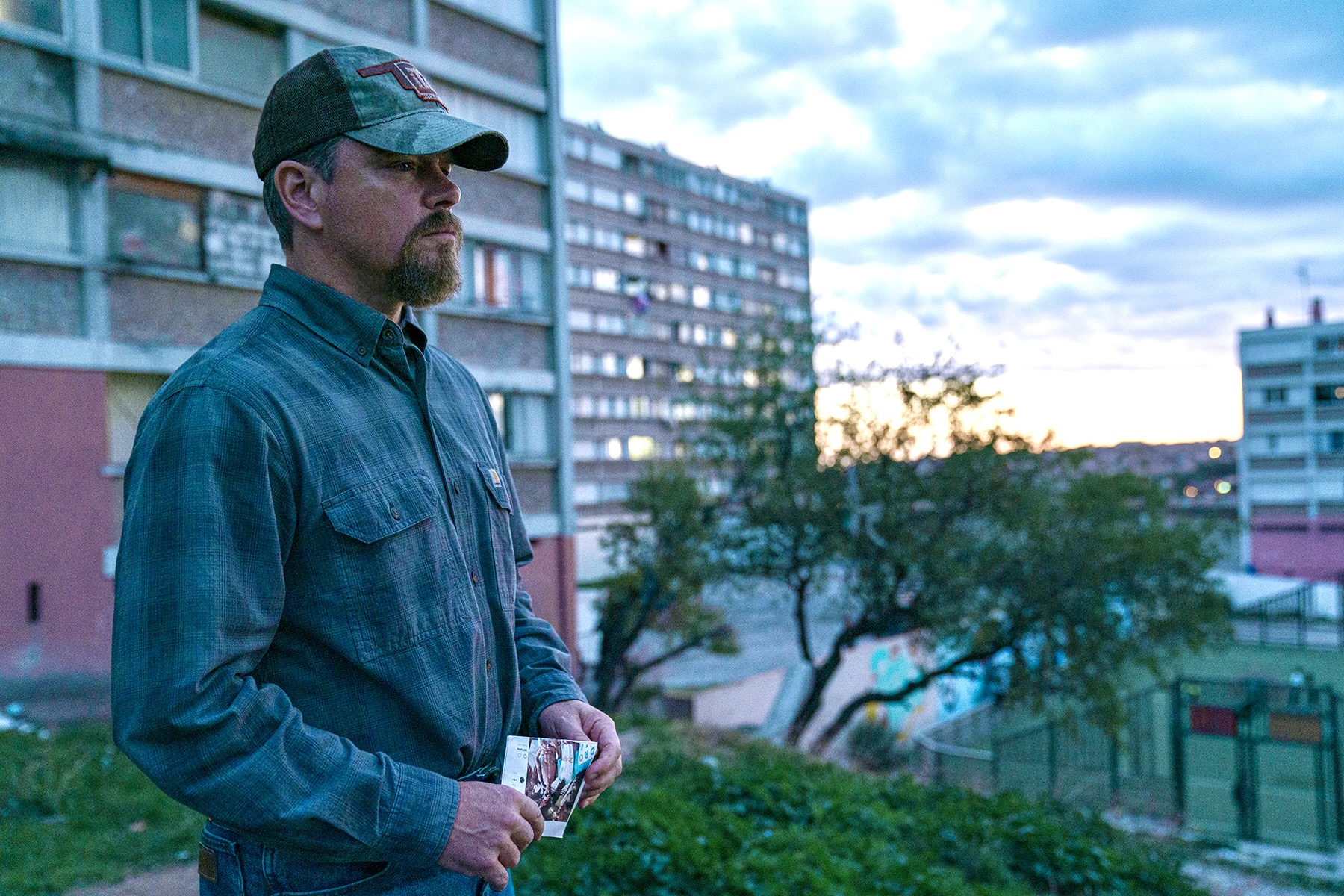
Director Tom McCarthy’s film is a slower, subtler version of the “vigilante-let-down-by-the-system-so-has-to-go-it-alone” genre, and it’s this considered approach that makes the piece both watchable and heartbreaking. Bill Baker (Matt Damon) is a flawed hero, with neither super-strength nor driving passion to propel him forwards. He’s just a guy in a difficult situation, trying his best to put things right. And, a lot of the time, failing.

Bill’s daughter, Allison (Abigail Breslin) is in prison in Marseilles. She’s been found guilty of murdering her girlfriend, fellow uni-student Lina, and has already been incarcerated for five years. Back in Oklahoma, Bill takes on all the casual labouring work he can find, and spends the proceeds making regular visits to France. He hasn’t always been the best dad – he has a history of drug and alcohol abuse – but he’s determined to be there for Alli now.

When the film opens, this is already routine. Bill’s prison visiting card is half-full of stamps; the staff at his hotel in Marseilles know him. This is just the way things are. But then Alli gives him a letter for her lawyer: a key witness, missing from her trial, has been heard bragging about getting away with murder, and Alli wants him found. But the lawyer sorrowfully dismisses her claim: it’s hearsay; it’s too late. So Bill is left with little choice but to investigate alone…

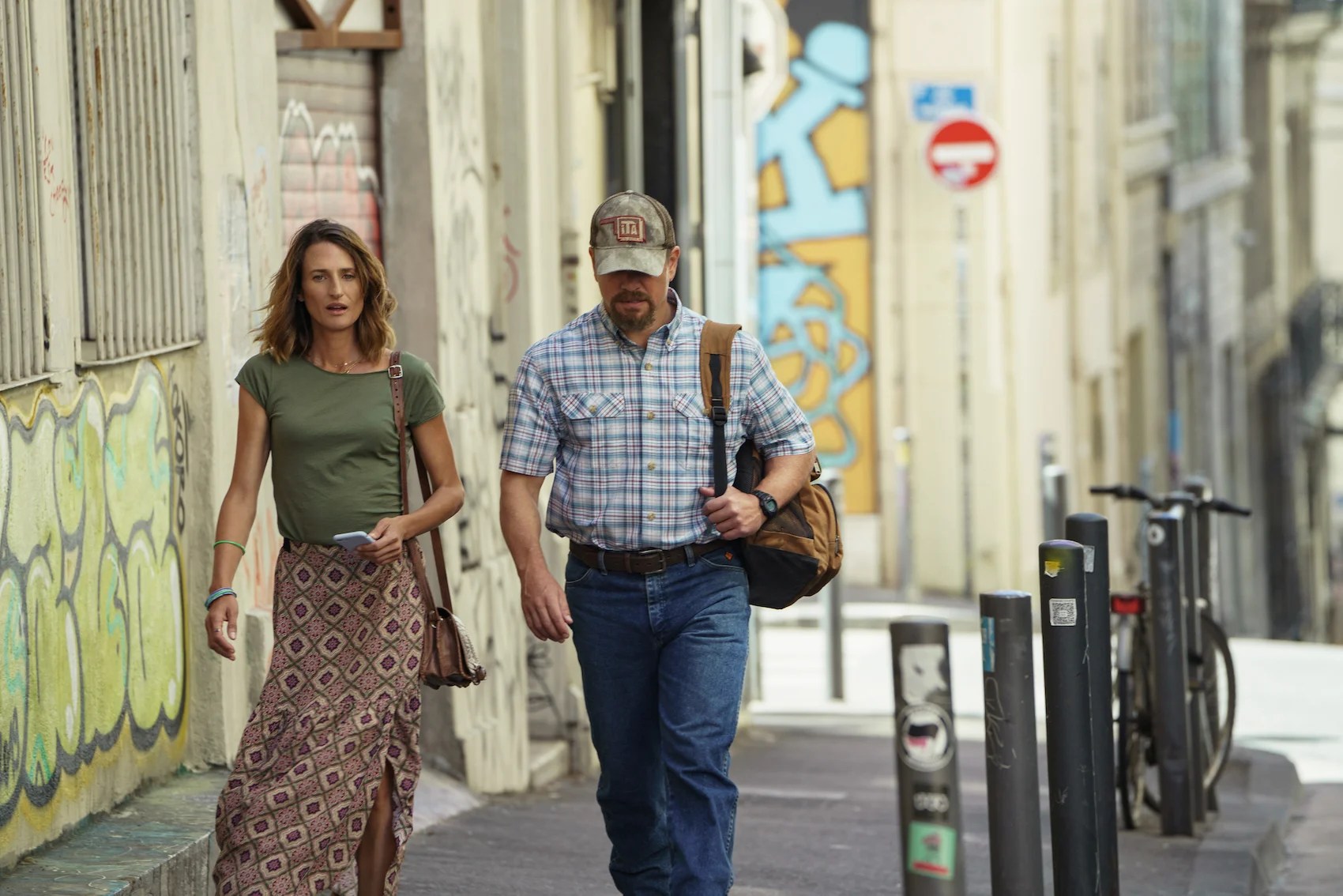
Well, not quite alone. He doesn’t speak French, so he needs an interpreter. He only has a few acquaintances in France, but Virginie (Camille Cottin), an erstwhile fellow hotel guest, seems friendly, and she owes him a favour for looking after her daughter, Maya (Lilou Siauvaud). The trouble is, she was only at the hotel for a couple of nights, while repairs were being done on her apartment, so first he has to track her down… Luckily for Bill, the hotel staff aren’t exactly big on protecting their guests’ privacy, and anyway, Virginie doesn’t mind. She collects causes and campaigns, and she’s only too pleased to help. In fact, she offers him a room. He babysits and, well, fixes things (taps, toilets, sockets), because that’s what he does, while she reads everything she can and talks to potential witnesses.

If this all sounds familiar, don’t be fooled: McCarthy shies away from the tried-and-tested path. Bill and Virginie face real obstacles, and there isn’t always a way around them. Dogged determination doesn’t always win the day, and anyway, the last thing Alli wants is for Bill to get involved…

It’s great to see Cottin in a big-screen role. Obviously, she has an illustrious career behind her, but we’ve only recently become aware of her, via the rather marvellous TV series, Call My Agent (Netflix). She has a real presence here, inhabiting her character completely, and oozing charisma. But she’s not the only one: Siauvaud is a delight, and, of course, Breslin and Damon both have real acting chops too. Damon’s depiction of the monosyllabic, fish-out-of-water American is wonderfully understated: he’s inarticulate, humble, quietly resolved – a million miles away from the brash confidence of a typical ‘hero.’

This is a very realistic film, and cinematographer Masanobu Takayanagi shows us a realistic vision of Marseilles too. We see the gorgeous white cliffs and blue waters of the Mediterranean; the romantic rooftop view from Virginie’s apartment; the glorious tumble of shuttered Provençal streets. But we also see the seamier districts – the seedy bars and no-go areas – and they’re properly integrated: we are shown the whole city, in all its vibrant contradictions.

There are echoes here of Amanda Knox’s story, but only echoes. Stillwater draws on that narrative, but it’s very much its own tale – of love and redemption and imperfect endings.

4.1 stars

Susan Singfield

Eugene

11/08/21

Pleasance Courtyard, Cabaret Bar, Edinburgh

The Edinburgh Fringe thrives on good ideas and there’s a great one one at the heart of Eugene.

Set in the not-too-distant future, this show takes the form of a presentation by ‘Hugh'(Daniel Nicholas), the CEO of Hubris Industries. (Think of the grandiose, over-sincere product launches that Apple are so fond of and you’ll get the general idea.) Hugh is here to present his new invention, Eugene. The titular star of the show is the world’s first superhuman Artificial Intelligence and is represented by a glowing cube on a rostrum. Hugh assures us it’s capable of controlling the entire planet’s electricity supply, whilst simultaneously solving climate change. In his pocket, Hugh has the three er… floppy disks needed to make all that happen.

Hugh is blissfully unaware that Eugene has already introduced itself to the audience, using lines of text on a big screen – and also on our mobile phones, via an app called The Difference Engine. Thus it’s established from the outset that Eugene is a mischievous character with a mind of its own and a propensity for telling us more about its creator than he would like us to know.

Then out strides Hugh to present his TED talk. Hugh is a delightfully monstrous creation: smarmy, self-possessed and, not to put too fine a point on it, is so up himself he’s lost all sense of proportion. His every announcement is accompanied by an artless pose and an inane laugh, a kind of deathly chortle. As the presentation continues, more and more of Hugh’s darkest secrets come bubbling to the surface – and it’s evident that his plan to get Eugene up and running as quickly as possible is probably not going to end well.

On the day I view the show, there are a few glitches with the technology, which I think throw Nicholas off his stride a little – and the middle section consequently feels somewhat muddled. This is a shame, because the idea of combining integrated captioning with live action is something I haven’t seen before and there’s so much potential here, I’d like it to be developed even further – because the show is at its best when that pesky AI is inviting us to break all the rules.

Even with some gremlins in evidence, Eugene is an enjoyable way to spend an hour at the Fringe.

4 stars

Philip Caveney

Shell Shock

11/08/21

Assembly Roxy, Edinburgh

Shell Shock is an all-too familiar tale. As a society, we fail our military veterans at every turn. We pick them up, often at sixteen years of age (the UK is, apparently, the only country in Europe that routinely recruits under-eighteens), then thrust them into the most dreadful situations. What we ask of them is immense: to live apart from their families, to risk their own lives – and to kill others, should the need arise. And then, when we’re done with them, we just turn them out, expecting them to function without support in our cosy, civilian world. Surely we can do better than this?

Neil Watkin’s diaries, adapted and performed by Tim Marriott, offer us a glimpse into the troubled life of an ex-soldier. ‘Tommy’ has served in the army for thirty years, and he’s looking forward to a bit of normality, to renting a house with his girlfriend, Shell, and finding a new job. In the meantime, he’s staying with his mum and dad, and spending a lot of time at the job centre. Work is proving elusive, because he hasn’t got any qualifications, and his experience doesn’t seem to count. He’s angry all the time: if he could just get rid of the nightmares, get some sleep, maybe he’d be able to calm down? But he doesn’t want to take pills or talk to anyone, because he’s a real man, isn’t he, and real men cope…

This is an important story. If at times it feels a little stale, well maybe that’s the point. This is a commonplace situation; Tommy’s struggles are, sadly, far from rare. Still, it seems fair to say that the script might benefit from a little updating: in places, the references feel outmoded. Of course, as the piece is based on a real diary, this makes sense, but observational commentary about Big Brother and Friends falls flat, and the lengthy speech about IKEA is pretty hack. There are some genuinely affecting moments, not least at the very end, as Tommy’s suffering reaches its peak. The soundtrack is beautifully curated, and I like the use of mime alongside the sound effects: the level of understated detail Marriott achieves is impressive.

It’s good to see a decent-sized crowd in for this lunchtime show – and to be reminded that the Daparian Foundation exists, offering support to the thousands of Tommys out there.

3 stars

Susan Singfield

On Your Bike

10/08/21

the Space@Surgeon’s Hall, Edinburgh

The members of Cambridge University’s Musical Theatre Society have a lot to live up to: their predecessors were responsible for the smash hit SiX. I’d feel a bit mean for introducing the comparison, if it weren’t for the fact that they’re touting the link as a means of promotion, so I reckon it’s fair game.

And honestly, they don’t come out too badly. Okay, so On Your Bike (words by Joe Venable; music by Ben James) doesn’t have the universal appeal of a rewritten bit of history, nor the inbuilt narrative arc. But it’s a lovely, lively – and meaningful – musical nonetheless, and I am thoroughly engaged.

It’s a timely tale. Aidan (Dominic Carrington) longs to be an artist; Gemma (Ella Nevill) just wants to pay her rent. To make ends meet, they work as ‘Eatseroo’ riders. They wait outside Felicity (Claire Lee Shenfield)’s chicken shop, desperate for work, conscious all the time of the precariousness of their situation: their zero hours contracts, their poor pay, their lack of employment rights. And when Gemma is knocked off her bike, she has nowhere to turn…

Aidan’s girlfriend, Daisy (Emilia Grace), is no help. She works for Eatseroo in a different capacity: she’s a ‘proper’ worker, with an office and a salary. She’s bought into the company’s ethos, and wants Aidan to sell out his dreams.

Although the musical addresses serious issues (unionisation, exploitation, animal rights), it does so with a lightness of touch, so that it never feels hectoring. There is humour here, and tenderness, and a gentle love story – which feels all the more romantic for never being fully resolved.

The four performers all have fabulous voices, as you’d expect, and they complement each other well. The songs are upbeat and zesty, embodying the youthful spirit of the protagonists. There is archetypal musical theatre here, but James has also incorporated rock, jazz and hip hop, to vivacious effect.

Maybe Daisy’s redemption feels a little pat, and perhaps Gemma’s post-crash desperation could be highlighted a little more. But these are only quibbles: this is, without doubt, a quality piece of work.

4.4 stars

Susan Singfield

Screen 9

_MG_6274-Edit.jpg

10/08/21

Pleasance, EICC, Lomond, Edinburgh

As we enter the venue we’re offered a bag of freshly-made popcorn – and, as we take our seats, the appetising aroma of the stuff is all-pervading. The only thing to alert is to the fact that we’re not just here to watch a movie is a series of trigger warnings unfolding on the screen in front of us…

In July 2012, in a movie theatre in Boulder Colorado, during a premiere of The Dark Knight Rises, a teenage assailant entered the auditorium armed with assault weapons and started firing. In a matter of minutes, he had killed twelve people, while seventy others were injured, fifty eight of them by gunfire. He later pleaded not guilty by reason of insanity and is now serving twelve life sentences in prison.

Screen 9 is a powerful and compelling slice of verbatim theatre, based on the real life testimonies of four survivors. To say that it’s harrowing may be understating things somewhat.

Katy (Sabrina Wu) was with her boyfriend that night and he died protecting her. Mary (Hannah Shunk-Hoffing) was seriously wounded and lost one of her sons. Alex (David Austin-Barnes) saw a close friend murdered. but used his medical training to help the wounded. And Jonny (Alex Rextrew) was ‘lucky’ – he and his girlfriend escaped any physical injury, though the psychological effects of the night would stay with him forever. As the four tell their stories, I am drawn into the edgy uncertainty of their situation, particularly when the performers move to seats amongst the audience to give their accounts from somewhere behind me, their overlapping dialogue becoming ever more confused. As they speak, the screen dissolves into a series of uncertain blurred images and a thick haze fills the room. This is not for the faint-hearted.

Obviously, I’m glad I wasn’t at that fateful screening, but this uncanny retelling brings home some of the horror of the situation – and, when, during a break, the characters are drawn to discussing the subject of gun control, it’s fascinating to note that they all have different points of view. Katy wants firearms to be banned outright, but Jonny is still arguing for the right to bear arms, pointing out that if he’d had a weapon that night, he might have been able to save people’s lives. The intent of this is clear. Gun control is a complicated issue and the fact that the survivors of such a horrifying event are still able to have a rational and understanding conversation about it demonstrates the complexity of the problem. This is a subject that still needs to be fully explored.

Piccolo Theatre have created something very special here and Kate Barton’s direction takes an audience to places it may not want to go. While this is nobody’s idea of a fun night out at the Fringe, it’s nonetheless an enervating and thought-provoking theatrical experience, not to be missed.

5 stars

Philip Caveney

The Importance of Being…. Earnest?

10/08/21

The Pleasance, EICC, Edinburgh

The clue is in that question mark. Oscar Wilde’s original must be one of the best known plays of all time. But director Simon Paris has something rather different in mind. Is it possible, he wonders, to incorporate members of an audience into the play, and produce something that’s identifiable as Wilde’s creation, but with an unpredictable, spontaneous edge? And here’s the result.

It all starts recognisably enough, with Algernon (Guido Garcia Lueches) and Lane (Rhys Tees) setting up the familiar soirée and indulging in some razor-sharp banter as they go. But then we reach the point when they introduce ‘Ernest’ – and, oh no! The actor playing him has done a runner! Enter the harassed director (Josh Haberfield), who points out that there’s a live recording tonight and the show must go on at any cost. So he quickly enlists the services of a woman from the crowd to embody the central role. She’s whipped backstage, decked out in some period clothing and let loose to strut her stuff amongst the other members of the cast – which, I have to say, she does with considerable authority and to much hilarity.

Enter Lady Bracknell (Susan Hoffman), Cecily (Louise Goodfield) and Gwendolyn (Trynity Silk), who must all interact with ‘Ernest’ as best they can, but we’re just getting started. As the play progresses, the professional actors are forced to leave the stage one after another, for a whole variety of reasons. Too much alcohol? Check! A part in a Harry Potter production? Ditto! The resulting gaps are promptly filled by other members of the audience.

It’s roistering, good-natured stuff and the actors – with much help from the ever-inventive stage manager, Josh (Benn Mann) – have to work hard to cover the confusion and ensure everything makes sense. The result is fast, frenetic and farcical. Garcia Lueches enacts a brilliant sword fight – with himself – and there’s a delightful sequence where a drunken Gwendolyn staggers around the stage flailing with a metal tray at anyone who steps into range. Oscar Wilde will probably be turning in his grave, but nonetheless, this is the kind of show that exemplifies the Edinburgh Fringe and one that delivers a truly interactive experience.

There hasn’t been much to make us smile of late, so this jaunty production is particularly welcome. Come on, get down to The Pleasance EICC and be ready to do more than just watch!

4 stars

Philip Caveney