Wils Wilson

Treasure Island

29/11/24

Lyceum Theatre, Edinburgh

A satisfying Christmas show can be a decidedly tricky thing to pull off. If Robert Louis Stevenson’s Treasure Island initially seems an unlikely vehicle for such a venture, my qualms are short-lived. Duncan McLean’s sprightly adaptation of the classic tale is perfectly pitched for family entertainment. It sticks surprisingly close to the original plot, but throws in enough delightful twists to make me forget that I’ve heard this story so many times before.

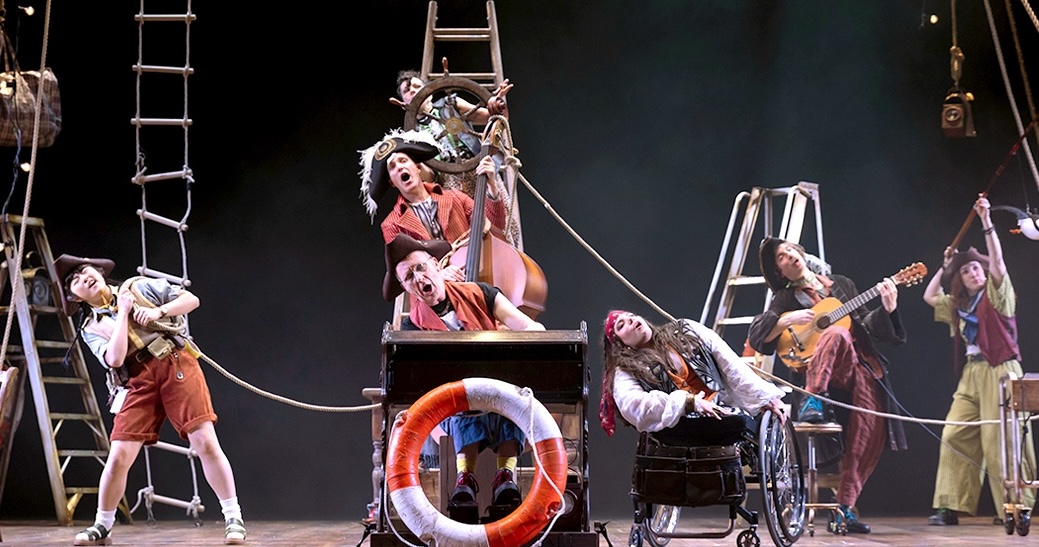
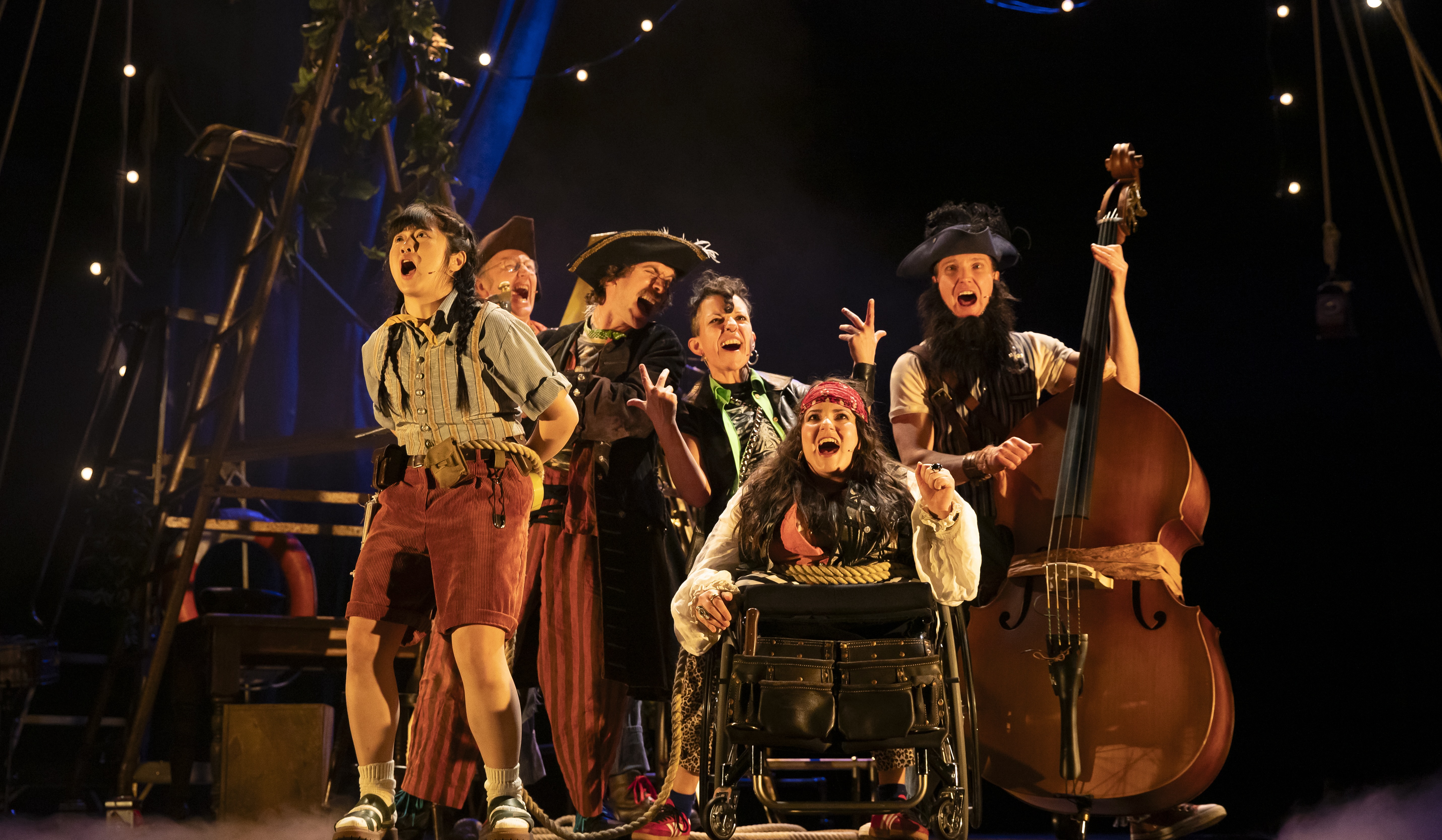
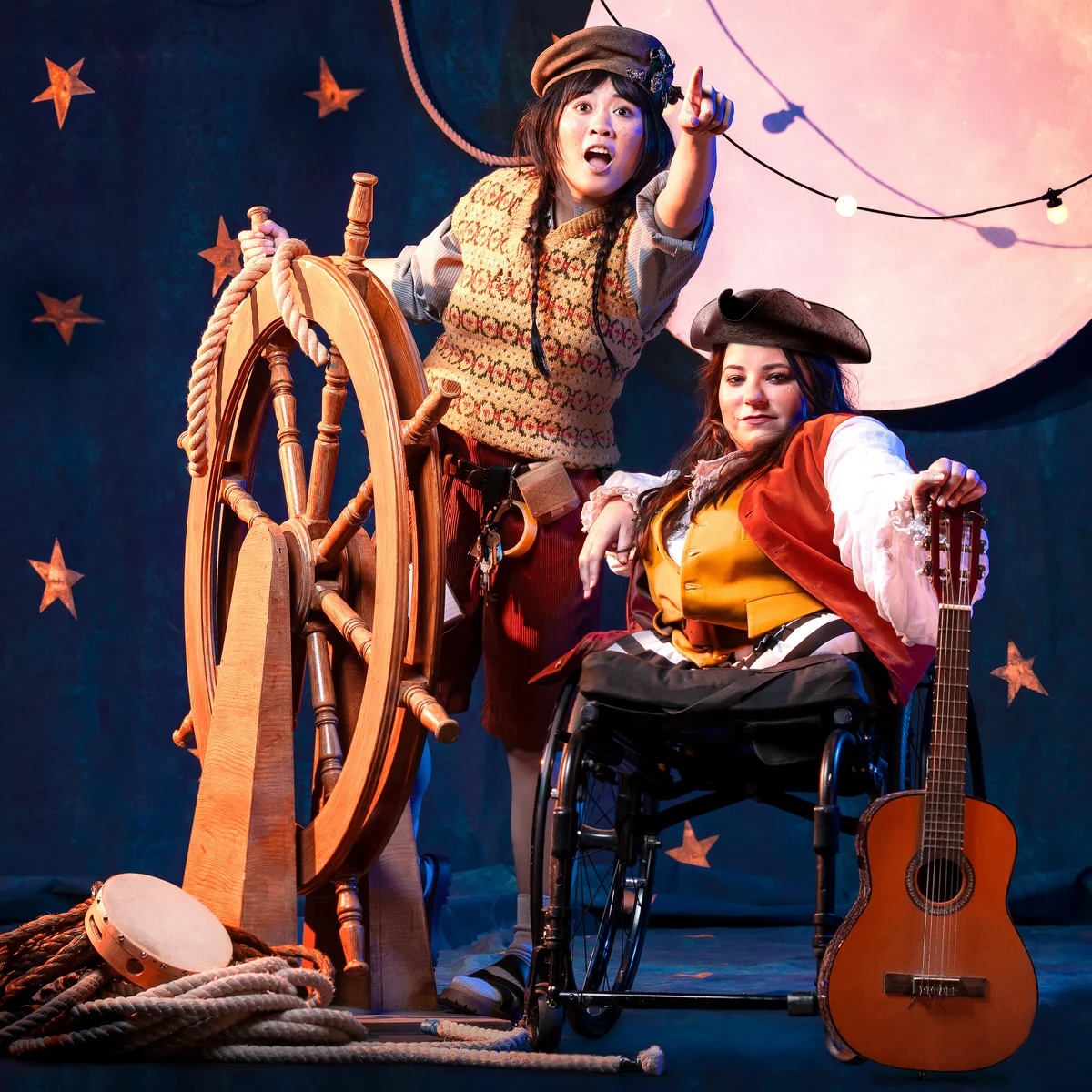
The tale begins in the Admiral Benbow Home for Reformed Pirates. It’s coming on Christmas and young Jim Hawkins (Jade Chan) is attempting to keep the unruly residents (a pack of former cut-throats) suitably entertained with a story. But it turns out that ex-buccaneers take a dim view of books about macrame and bird-spotting, so Jim reluctantly offers to recount the events that brought them all together in the first place. It helps that the pirates have plenty of talents they can bring to bear in the telling, not least the fact that they can all sing, dance and bash out tunes on a variety of musical instruments.

The story begins in time-honoured fashion with the arrival of Billy Bones (Itxaxo Moreno) at the Admiral Benbow and, of course, the delivery of the dreaded Black Spot – and it isn’t long before Jim has possession of the fabled treasure map. He enlists the help of The Laird of Leith (a delightfully silly performance by TJ Holmes), who owns a ship called The Hispaniola. The Laird engages the services of a pie-maker called Lean Jean Silver (Amy Conachan), who has a pet puffin (expertly operated by Dylan Read). But Lean Jean may not be as benign as she appears…

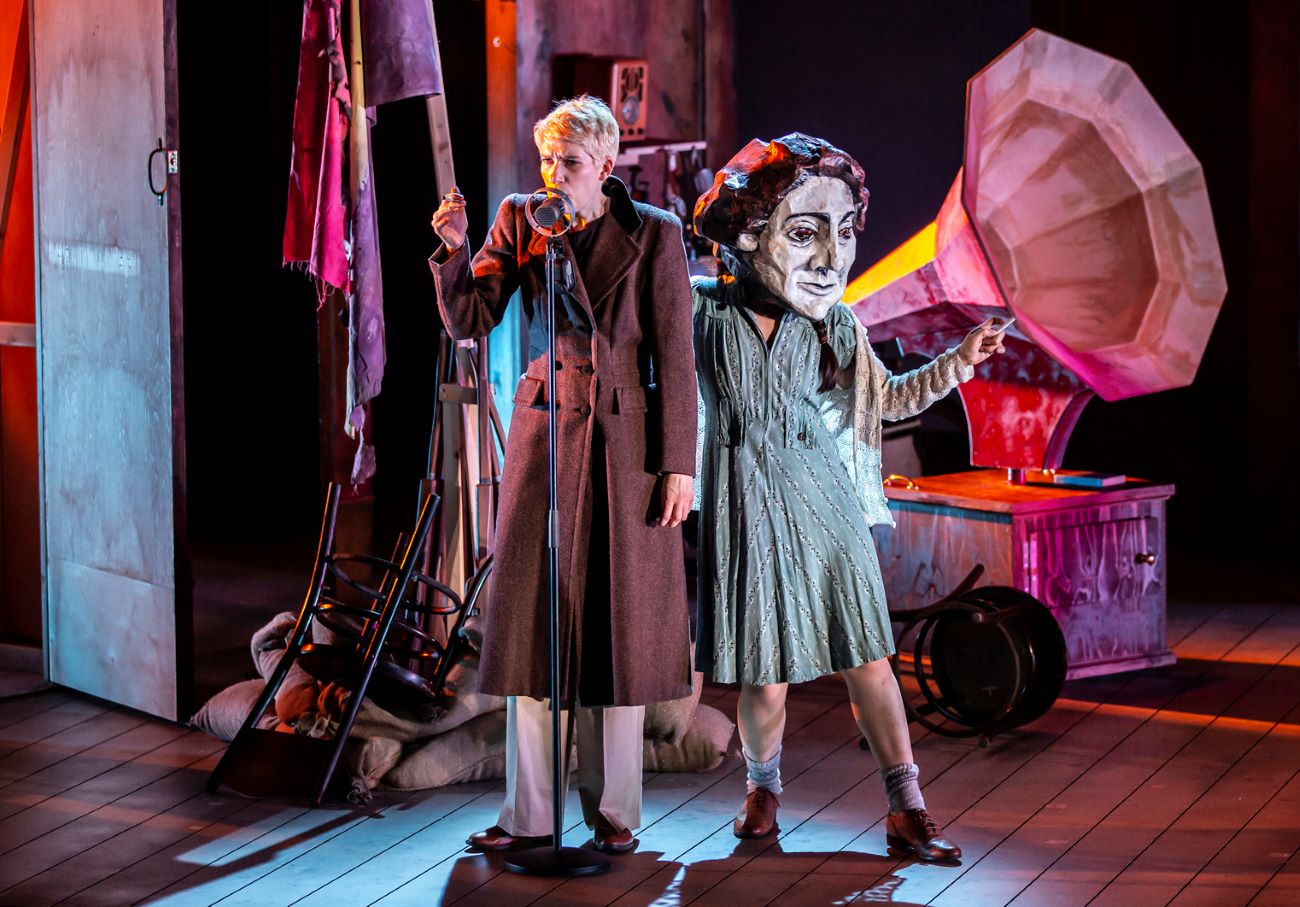
The main changes to the story are geographical. McLean is based in the Orkney Islands so, in this version of the story, the Hispaniola heads North, towards colder waters. Alex Berry’s effective set design manages to somehow encapsulate the look and feel of an old sailing ship using not much more than ropes, rigging and strategically-placed stepladders, while everyday objects are pressed into service to become boats and aquatic creatures. Director Wils Wilson expertly deploys the small cast, sending them racing and capering over every inch of the Lyceum’s spacious stage, assisted by piratical-looking stage hands. At times, it feels like there’s a much bigger crew at work.

There are sword fights and chases, thrills and spills aplenty, and Tim Dalling (who also plays an engaging Ben Gunn) has written a selection of charming songs to accompany the action, ranging from plaintive ballads to raunchy rock-and-roll.

If only he had a singalong Christmas ditty up his sleeve, something to send every audience homewards singing the chorus. Oh wait, it turns out he has.

Treasure Island is a must-see for the festive season – you’ll laugh, you’ll tremble, you’ll tap your feet to the jaunty jigs and reels – and even the youngest members of the family will find themselves riveted. So step right this way, ye scurvy dogs – and have a merry puffin Christmas!

4.6 stars

Philip Caveney

Two Sisters

15/02/24

Royal Lyceum Theatre, Edinburgh

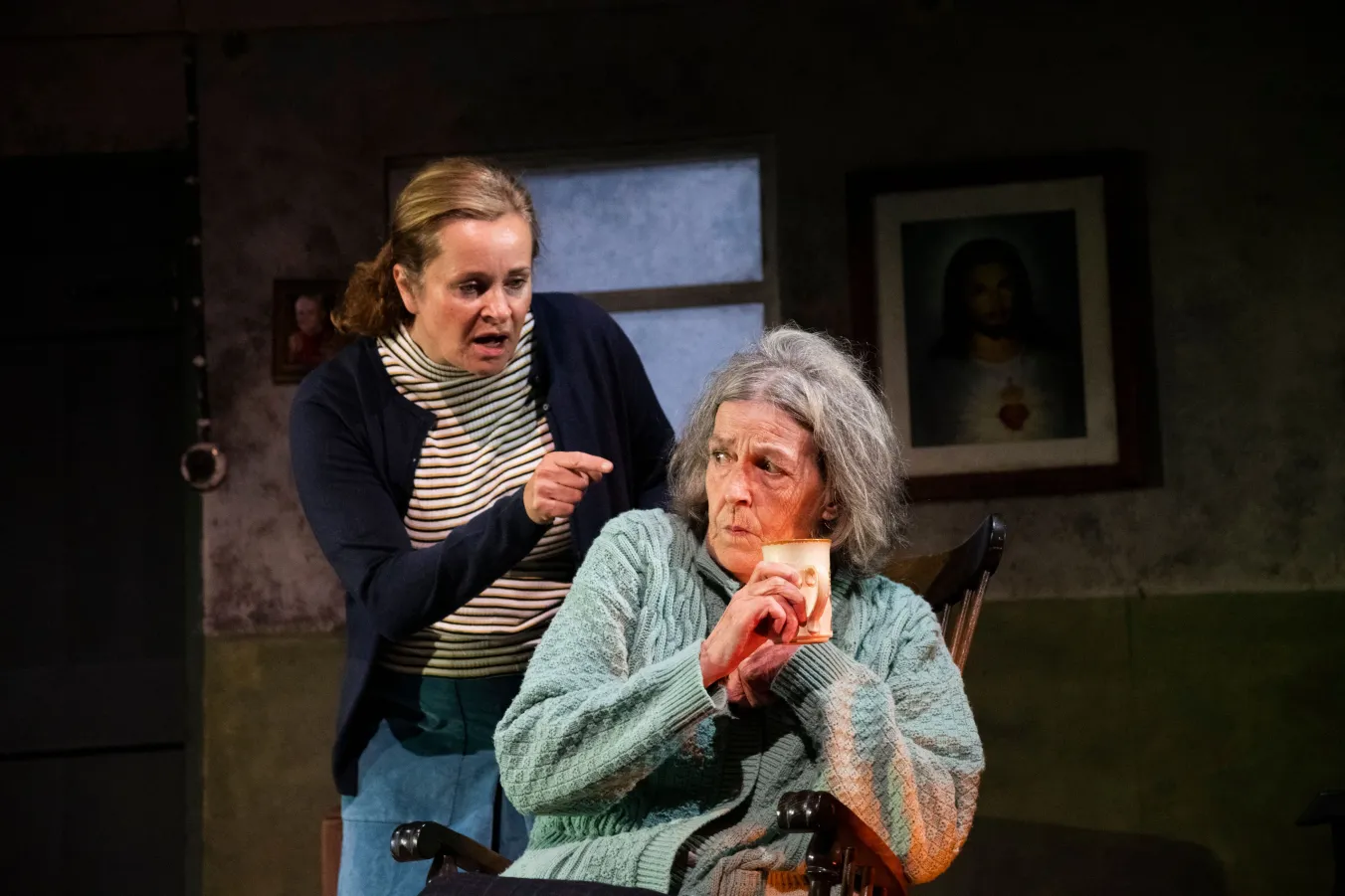
As the title suggests, there’s more than a nod to Chekhov in David Greig’s new play, Two Sisters, currently premiering at Edinburgh’s Royal Lyceum Theatre, where he’s also artistic director. And it’s not all about the gun…

That’s not to say that this is an adaptation; it’s not. The plot, structure and cast of characters are very different. And yet it is, despite all that, a cleverly updated version of the same idea, embracing the Russian’s major themes – suffering, love, longing, change – and distilling his bitter humour and nihilistic worldview into something immediately recognisable to a modern audience.

Emma (Jess Hardwick) is a corporate lawyer, married to a hotshot businessman with his own plane. She’s also pregnant and sees her impending motherhood as some kind of deadline: if she can’t pen a novel before the baby’s born, then it will be too late. With this in mind, she books herself a caravan at the holiday park she used to visit with her family as a child. A whole week to herself, reminiscing and writing. What could be more perfect?

But she’s reckoned without her flaky older sister, Amy (Shauna Macdonald), who’s always ricocheting from one crisis to another. This time, her long-suffering husband has caught her shagging the plumber, so she’s come to cry on Emma’s shoulder. 

And rekindle an old flame…

Directed by Wils Wilson, this is a slow-paced piece, reflecting the characters’ inertia. The chorus of teenagers embodies this listlessness too, at once pulsing with life and stymied by lethargy. They hang around the park, aloof and watchful. Nothing escapes their attention. It all matters too much, and yet it doesn’t matter at all.

Macdonald and Hardwick are a charismatic duo, the former’s sharp edges and barely-suppressed longing contrasting perfectly with the latter’s languid determination. Their relationship feels real and convincing. 

Lisbeth Burian’s wonderful set is like a brutal mirror, emphasising the grottiness of the seaside resort, with its peeling edges, dingy caravans and rusting climbing frame. Emma might be blind to the park’s fatal decline, indulging in nostalgia-fuelled fantasies of restoration, but we in the audience are all too aware that it is a lost cause. 

There are a few false notes. I find myself distracted by Lance (Erik Olsson)’s assertion that he’s only ever left Fife to visit Ibiza, when he clearly has a Swedish accent. I wonder too why Amy’s been sleeping in her car when she’s got a job in television; surely she can afford a hotel? These are minor points, but they snag, pulling me out of the drama. I also think that the fourth-wall-breaking teenage chorus could be given more to do; the play comes to life whenever they’re involved.

In true Chekhovian spirit, there is no easy take-home message here; the characters are not gifted with a happy ending, and the threads are not neatly tied. Instead we’re left with a sense of  melancholy. “Our life is not ended yet. We shall live! The music is so happy, so joyful, and it seems as though in a little while we shall know what we are living for, why we are suffering… If we only knew – if we only knew!”

4 stars

Susan Singfield

Theatre Bouquets 2022

After the slim pickings of the last two years, 2022 feels like a palpable return to form: finally, emphatically, theatre is back! We’ve relished the wide range of productions we’ve seen over the year. As ever, it was difficult to choose our particular favourites, but those listed below have really resonated with us.


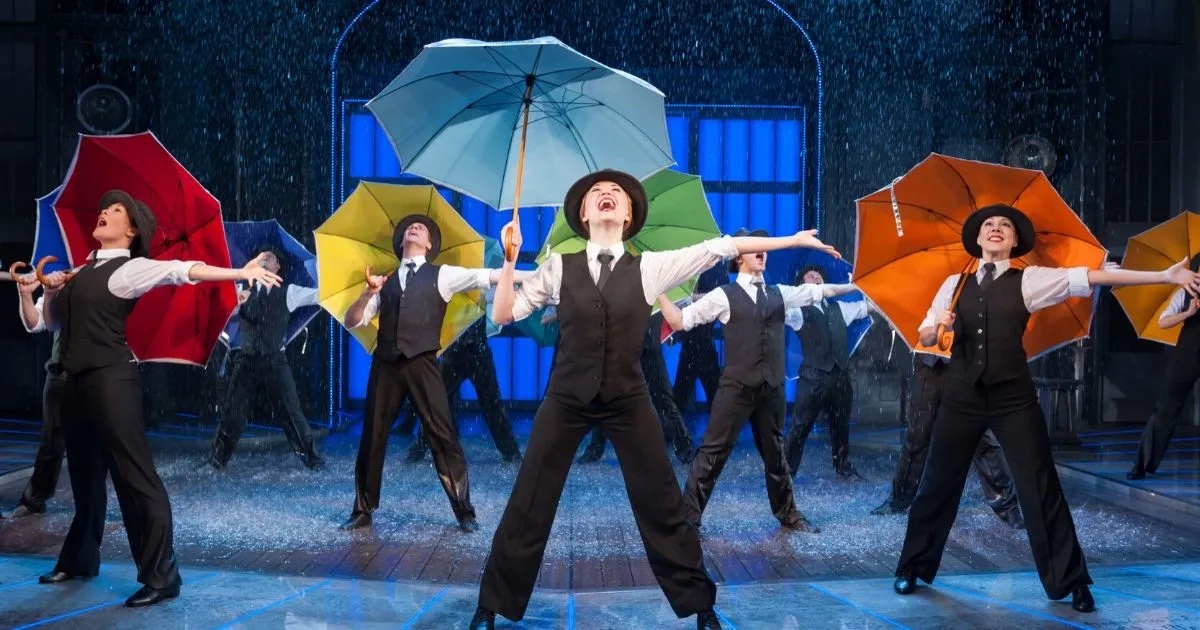
Singin’ in the Rain (Festival Theatre, Edinburgh)

Singin’ in the Rain is a delight from start to finish. It never falters, never loses pace and manages to honour the great film that inspired it. One of the most supremely entertaining shows I’ve seen in a very long time. Slick, assured, technically brilliant – it never puts a hoof wrong.

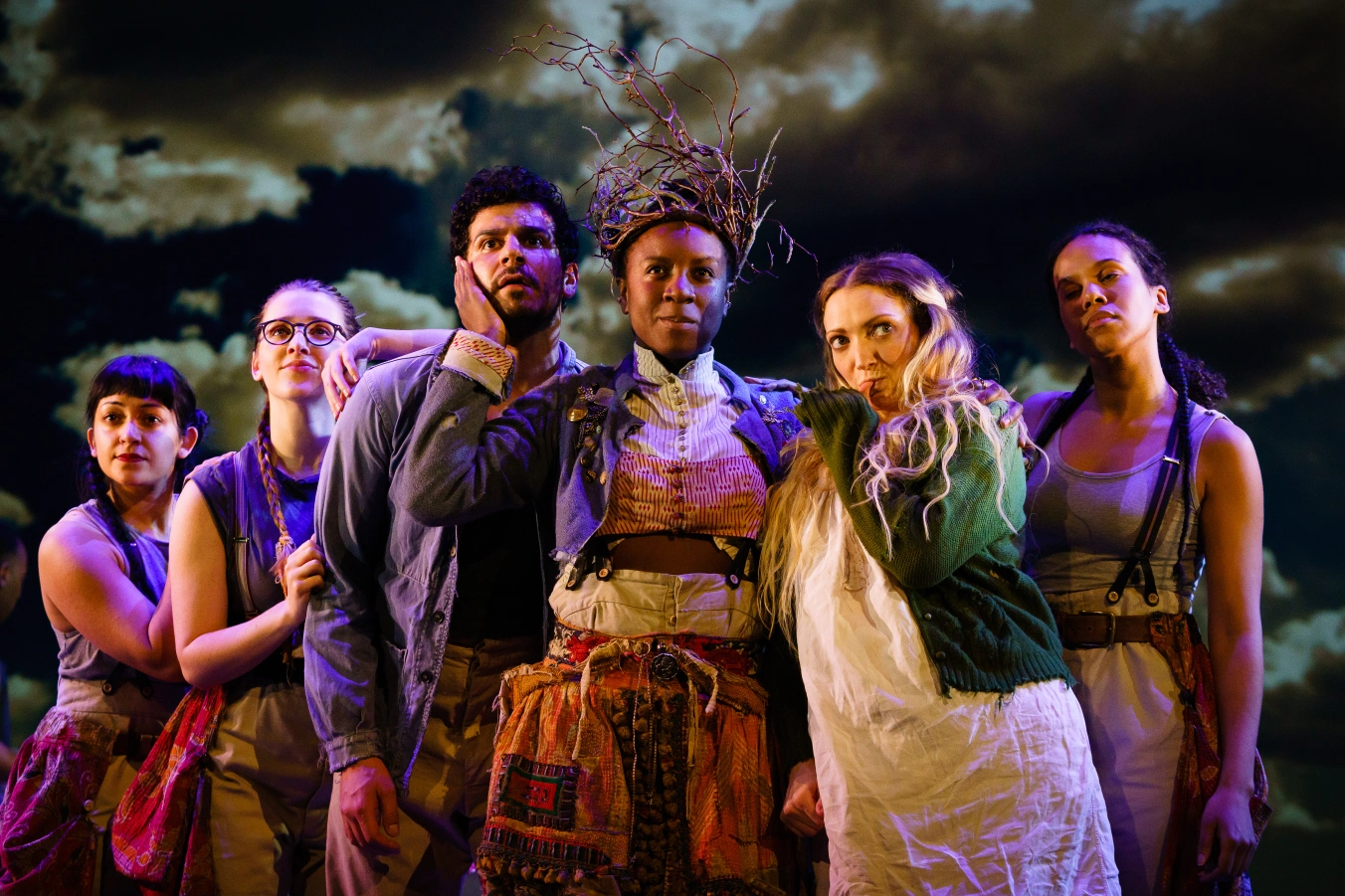
Wuthering Heights (King’s Theatre, Edinburgh)

In this Wise Children production, Emma Rice strips Wuthering Heights down to its beating heart, illuminates its essence. This is a chaotic, frenzied telling, a stage so bursting with life and energy that it’s sometimes hard to know where to look. It’s dazzling; it’s dizzying – and I adore it. 

Red Ellen (Lyceum Theatre, Edinburgh)

Red Ellen is a fascinating tale, ripped from the pages of political history. Wils Wilson’s propulsive direction has Ellen hurtling from one scene to the next, which keeps the pot bubbling furiously.

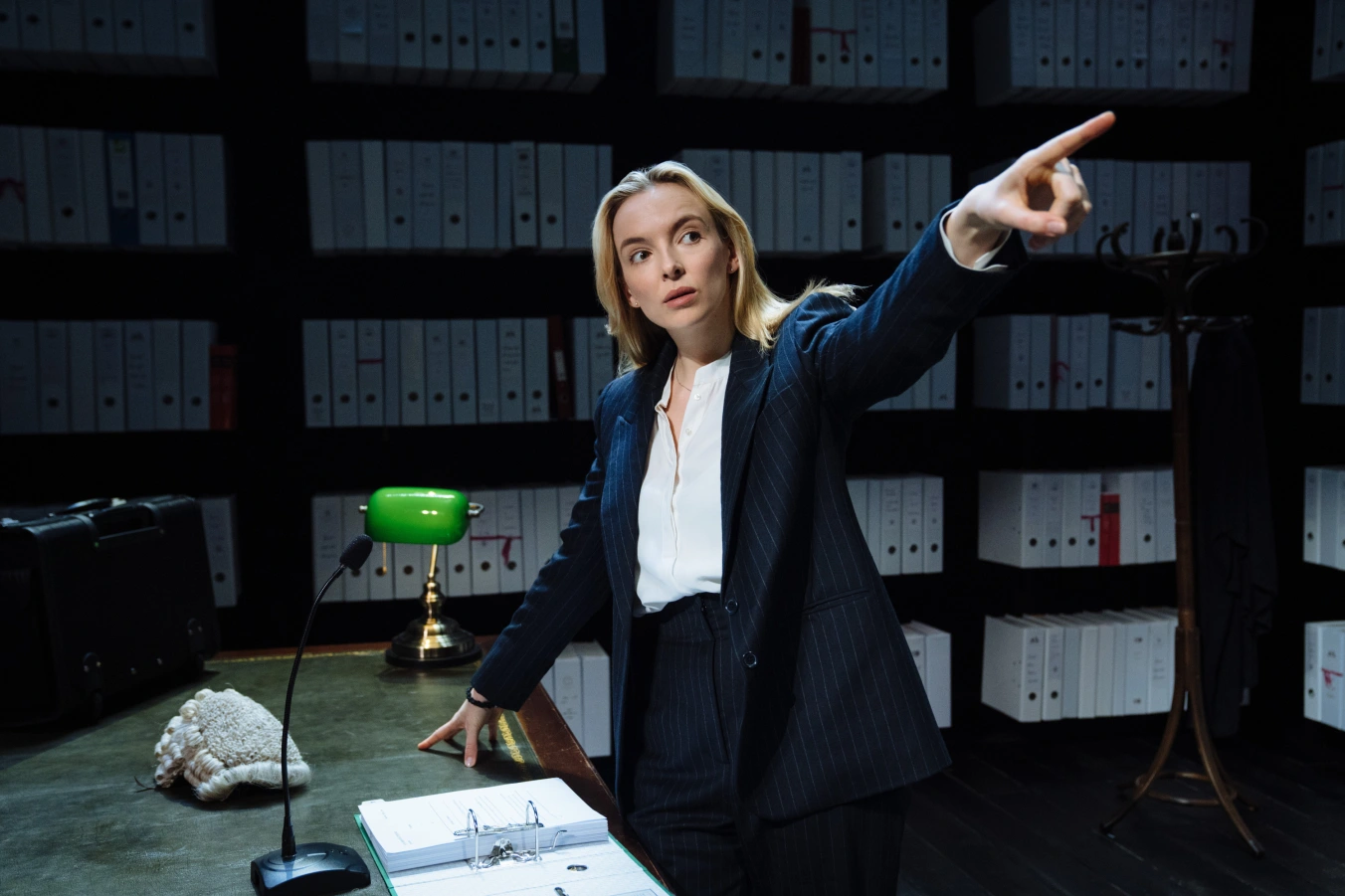
Prima Facie (NT Live, The Cameo, Edinburgh)

This is a call to action that walks the walk, directly supporting The Schools Consent Project, “educating and empowering young people to understand and engage with the issues surrounding consent and sexual assault”. It’s also a powerful, tear-inducing play – and Jodie Cromer is a formidable talent.

Feeling Afraid as if Something Terrible is Going to Happen (Roundabout @ Summerhall, Edinburgh)

Samuel Barnett inhabits his role completely, spitting out a constant stream of pithy one liners and wry observations with apparent ease. Marcelo Dos Santos’ script is utterly compelling and Matthew Xia’s exemplary direction ensures that the pace is never allowed to flag.

Hungry (Roundabout @ Summerhall, Edinburgh)

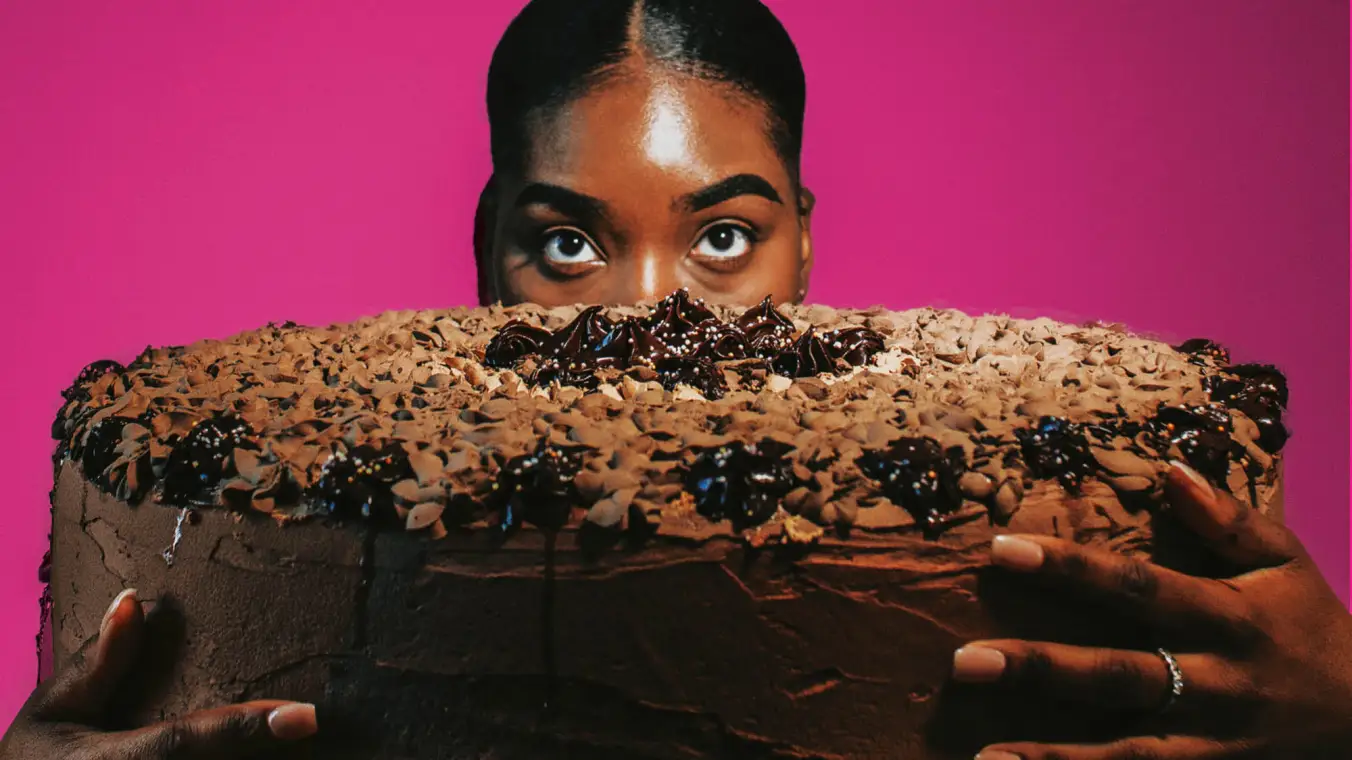
This sharply written two-hander examines the relationship between Lori (Eleanor Sutton), a chef from a relatively privileged background, and Bex (Melissa Lowe), a waitress from the local estate. This is a cleverly observed exploration of both class and race, brilliantly written and superbly acted. Hungry is a class act, so assured that, even amidst the host of treasures we saw at this year’s Roundabout, it dazzles like a precious gem.

A Very Old Man With Enormous Wings (Summerhall (Main Hall), Edinburgh)

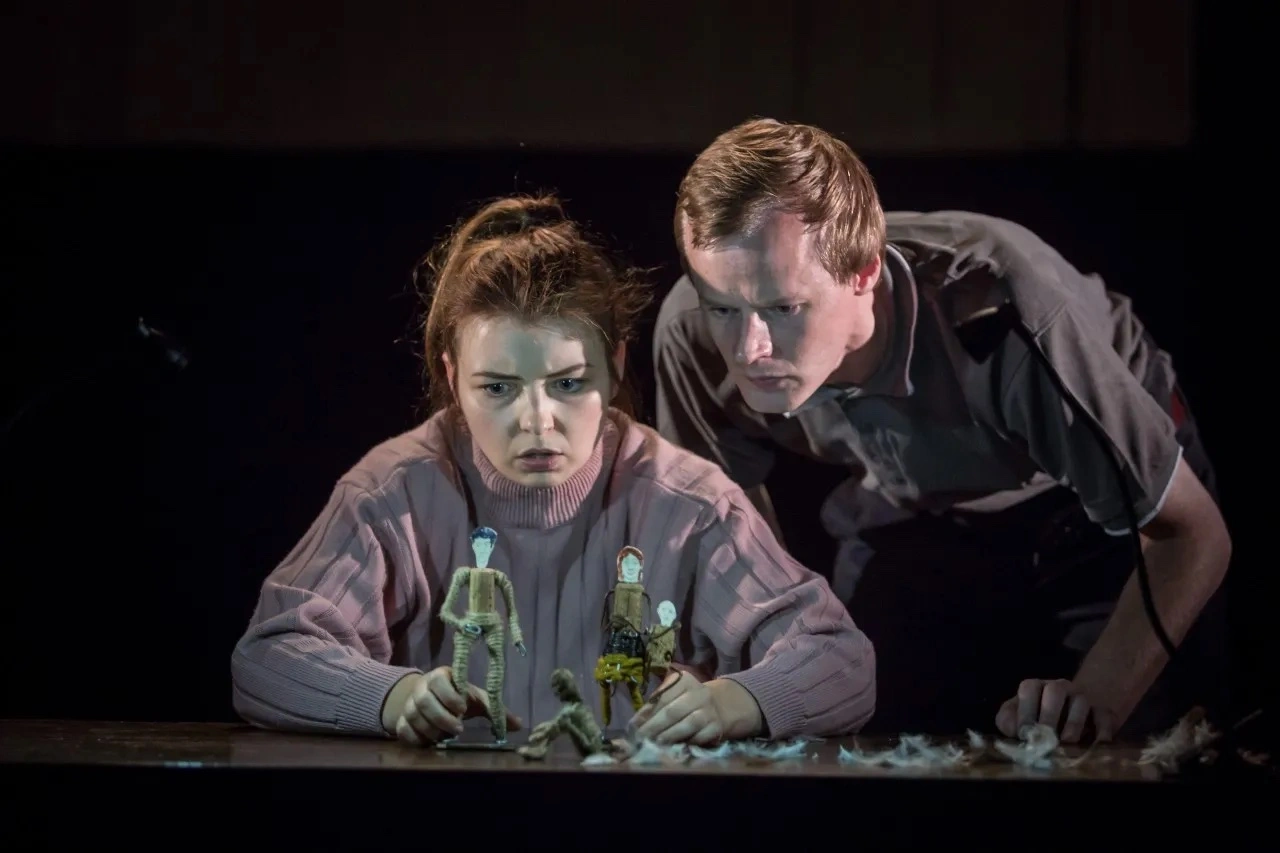
It’s hard to encapsulate what makes this such a powerful and moving experience, but that’s exactly what it is – a spellbinding slice of storytelling, so brilliantly conceived and engineered that it makes the incredible seem real. You’ll believe a man can fly.

The Tragedy of Macbeth (Assembly Roxy, Edinburgh)

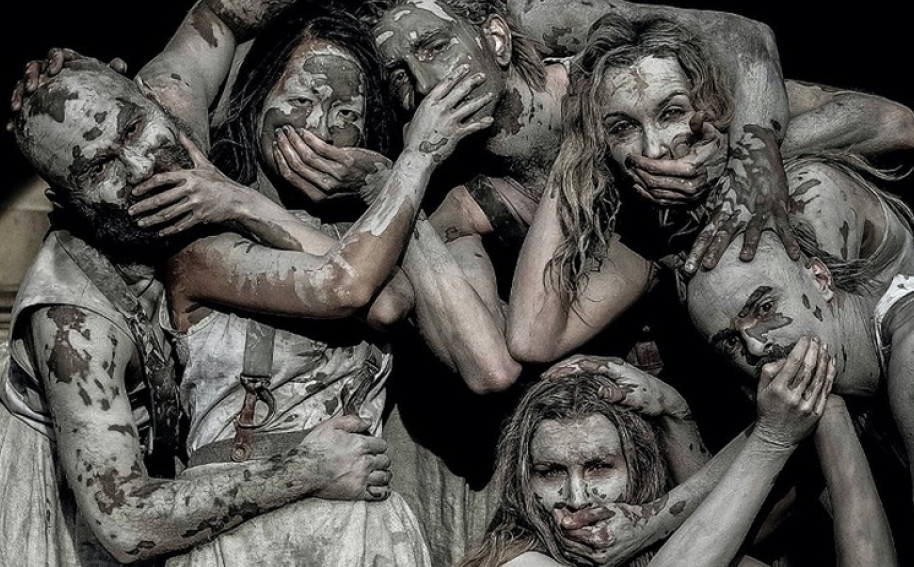
Let’s face it, we’ve all seen Macbeth in its various shapes and guises – but I think it’s fairly safe to say we’ve never seen it quite like this. This raucous, visceral reimagining of the story captures the essence of the piece more eloquently than pretty much any other production I’ve seen.

The Beauty Queen of Leenane (Traverse Theatre, Edinburgh)

This was Martin McDonagh’s debut piece and, while it might not have the assuredness of his later works, it nonetheless displays all the hallmarks of an exciting new talent flexing his muscles. The influence of Harold Pinter is surely there in the awkward pauses, the repetitions, the elevation of innocuous comments to a weird form of poetry – and the performances are exemplary.

Don’t. Make. Tea. (Traverse Theatre, Edinburgh)

Don’t. Make. Tea. is a dystopian vision of an all-too credible near future, a play laced with dark humour and some genuine surprises. Cleverly crafted to be accessible to the widest possible audience, it’s an exciting slice of contemporary theatre.

Susan Singfield & Philip Caveney

Red Ellen

04/05/22

Lyceum Theatre, Edinburgh

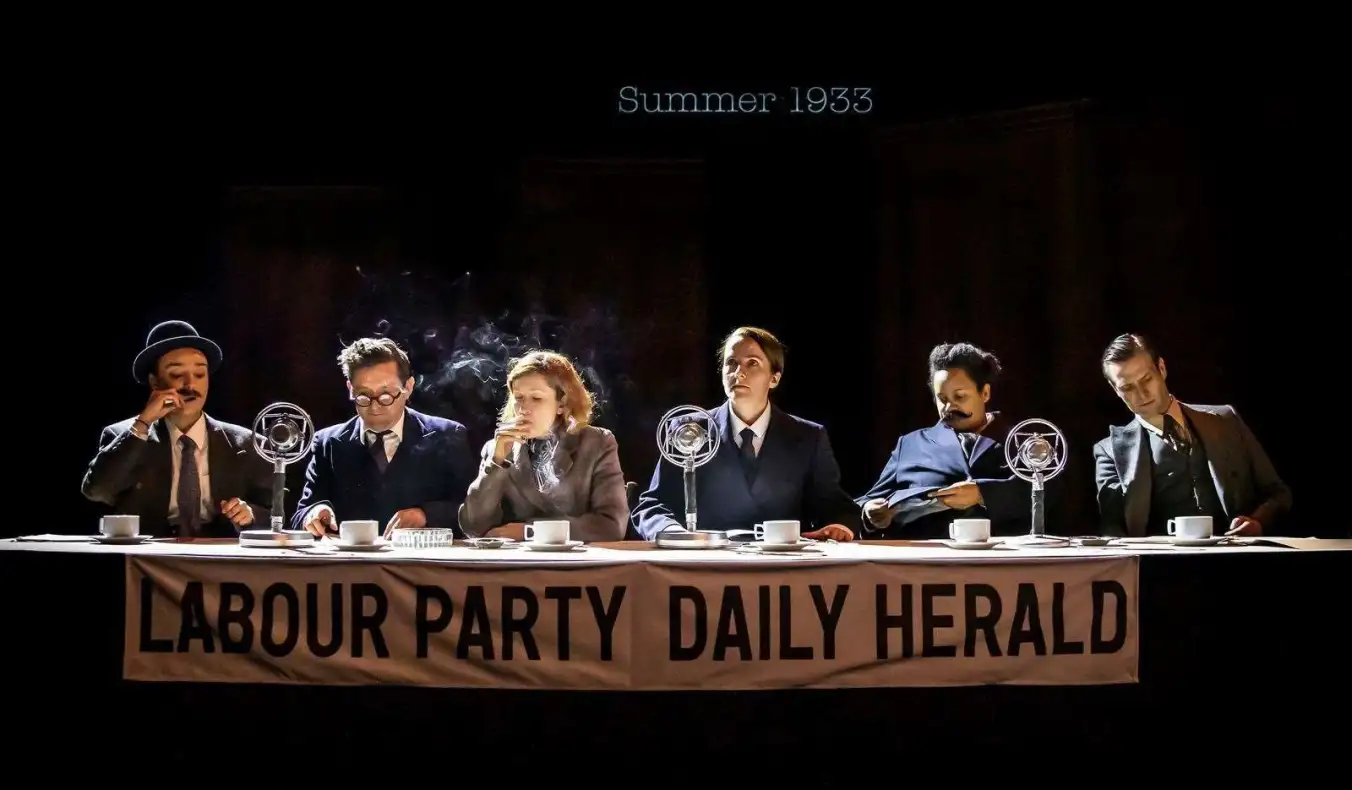
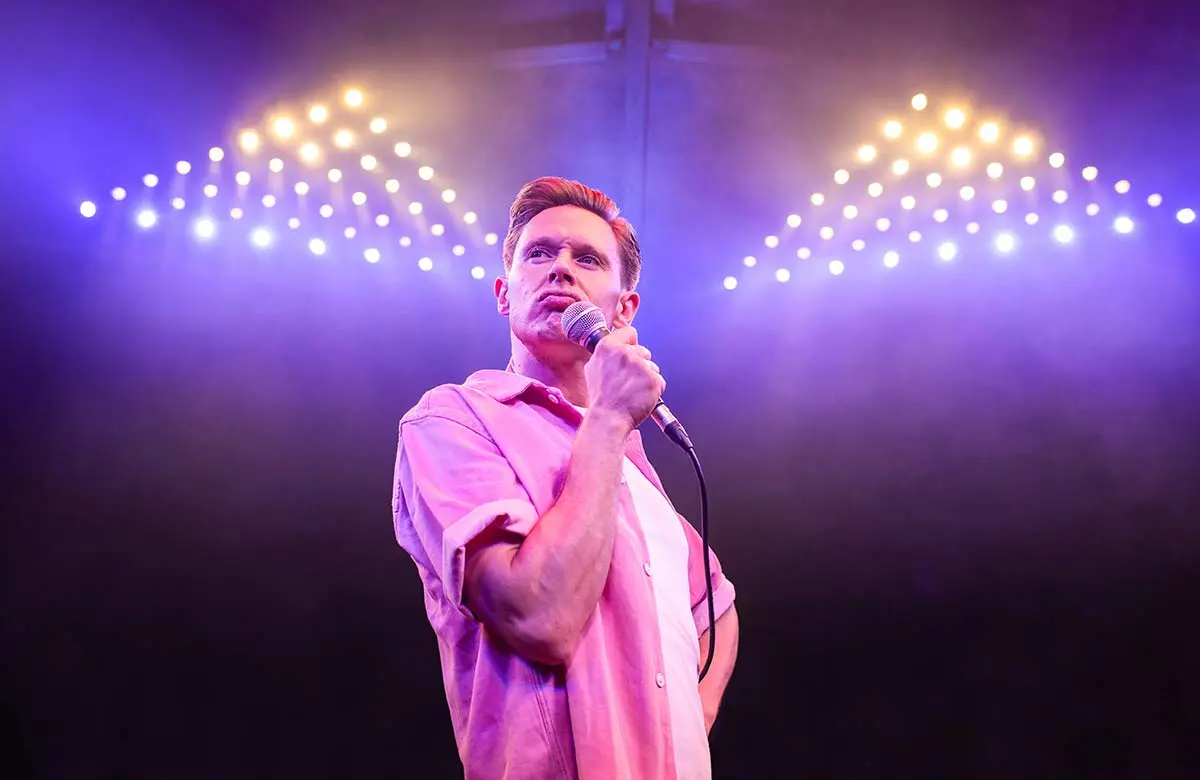
As a long-established advocate of socialism, I’m sometimes embarrassed to realise how little I know about the movement’s history – so Red Ellen proves to be both informative and entertaining. It’s the story of Labour politician Ellen Wilkinson, a woman who spent her life fighting for female suffrage and the rights of the working classes. As portrayed by Bettrys Jones, she’s a fierce little scrapper, a human powerhouse, who – despite her own struggles with ill health – is always ready to fight for her beliefs

Wilkinson is remembered mostly for her involvement in the infamous but ultimately doomed Jarrow Marches, but Caroline Bird’s play delves into other aspects of Wilkinson’s life: an amusing diversion when she meets up with Albert Einstein (Mercedes Assad); her experiences during the Spanish civil war, when she crosses paths with a drunken Ernest Hemingway (Jim Kitson); a look at her chaotic personal relationships with the shady Otto Gatz (Sandy Batchelor) and with married Labour politician, Herbert Morrison (Kevin Lennon). And there’s also a look at the groundbreaking work she did after the the war, when, as Minister for Education, she introduced free milk for all pupils, something that would stay in place until a certain Tory ‘milk snatcher’ finally undid all her hard work.

It’s a complex play but Wils Wilson’s propulsive direction has Ellen hurtling from one scene to the next, which keeps the pot bubbling furiously, whether she’s arguing with long suffering sister, Annie (Helen Katamba), or with her Communist comrade, Isabel (Laura Evelyn). Camilla Clarke’s expressionistic set design creates a bizarre, nightmarish backdrop to the unfolding story, where a bed can suddenly transform into a motor car, where piles of discarding clothing can lurch abruptly upwards to depict the Jarrow marchers. One of my favourite scenes in this turbulent production depicts Ellen as a fire warden during the blitz, frantically fighting a series of blazes in tiny doll’s houses. It serves as the perfect encapsulation of Ellen’s career in politics.

For a historical tale, her story is powerfully prescient. In the opening scene, she bemoans the rising tide of fascism that threatens to overtake the world – and how in-fighting in the Labour party would inevitably hand the reins of power over to the Tory party time and time again. It’s impossible not to reflect that sadly, very little has changed since those challenging times.

Red Ellen is a fascinating tale, ripped from the pages of political history. It’s not to be missed.

4.2 stars

Philip Caveney

Twelfth Night


18/09/18

Lyceum Theatre, Edinburgh

It’s the start of a new season and the Lyceum launches with this groovy co-production with Bristol Old Vic. Twelfth Night, written late in Shakespeare’s career, is surely one of his finest comedies, featuring as it does some very memorable (and genuinely amusing) characters. But of course, there’s no point in doing Shakesy-P (as he’s indelibly known around B & B Towers after listening to the Six soundtrack) if you’ve nothing new to add to the formula.

The conceit here is that we’re at a debauched bacchanalian party in a run down country house. It’s somewhere in the late sixties or early seventies and the guests, having been roistering and jamming for several days, are still reluctant to call an end to the proceedings. One of them happens to be reading a copy of the play, so it is decided they’ll  give an impromptu performance of it. Suitable costumes are quickly improvised and, voila! We’re off.

Actually, the very start of proceedings feels a little er… forced and I start to suspect that I’m not going to enjoy this all that much, but happily, that feeling is spectacularly short-lived. The look and morals of the era actually lend themselves very well to this surreal gender-bending comedy of mistaken identities – and, just a few lines into Dawn Sievewright’s spirited performance as Lady Tobi Belch,  I am fully on side.

I also love Guy Hughes’ performance as Sir Andrew Aguecheek. He’s dressed like a full glam Elton John, and even blessed with a thoughtful Your Song-style ballad about his former days as a knight-errant. It’s decidedly odd, but it really works.

But it’s the role of Malvolio that is the real gift to any actor. Is there a more heart-rending character in all of the bard’s canon? I suspect not. Christopher Green makes an absolute feast of the role, all buttoned-up and controlled in his earlier manifestation, and then quite spectacular when transported by the power of love. The moment when he prances onstage in yellow cross-gartered stockings and (quite literally) lets his hair down is perhaps the production’s most memorable moment, one that earns an ovation all of its own.

I should also add that musical director Aly Macrae’s turn as a kind of groovy priest, shuffling into view and blessing everything in sight, is one of the funniest things I’ve seen in ages, and that’s without him uttering so much as a word.

Wils Wilson directs with aplomb, the costumes, designed by Ana Ines Jabares-Pita, are delightfully bohemian and, as for the original songs by Meilyr Jones, I think it’s safe to say that Will would have heartily approved of them. Shakespeare haters – and they do exist, I’ve met them – will surely find much here to convert them.

What a brilliant start to the new season!

4.8 stars

Philip Caveney

Theatre Bouquets 2017

unknown-18

unknown-18

unknown-18

Once again we have been wowed by some fantastic theatre this year. Here, in order of viewing (and with the benefit of hindsight), are our favourite productions of 2017.

The Winter’s Tale – Lyceum Theatre, Edinburgh

The Winter's Tale

This thrilling, modern-day version of Shakespeare’s play was dynamic and audacious – with the whole fourth act recast in Scots. We loved every minute of it, especially Maureen Beattie’s performance as Paulina.

Chess: The Musical  – Festival Theatre, Edinburgh

Chess

The students from the Royal Conservatoire of Scotland thrilled the audience with a skilful display of all things theatrical. We loved the sophisticated choreography (often incorporating the real time use of video cameras) and choral singing that sent chills down our spines.

Nell Gwyn – King’s Theatre, Edinburgh

Nell Gwyn\

This superb production of Jessica Swales’ Olivier Award-winning comedy was a delight in just about every respect. From the superbly realised set, through to the opulent costumes and the lively period music, this was fabulous to behold.

Death of a Salesman – King’s Theatre, Edinburgh

Death of a Salesman

It was the direction that made this production so good: Abigail Graham did a wonderful job of clarifying everybody’s pain. And Nicholas Woodeson was perfect for the lead role, conveying Willy’s struggle with warmth and vitality.

The Toxic Avenger – Pleasance One, Edinburgh

The Toxic Avenger

A musical in the same vein that made Little Shop of Horrors such a pleasure, The Toxic Avenger was an unqualified delight, romping happily along powered by its own exuberance and the efforts of a stellar cast, who gave this everything they had – and then some.

The Power Behind the Crone – Assembly George Square, Edinburgh

The Power Behind the Crone

This was a wonderful piece of theatre, an exemplar of a Fringe show: beautifully scripted, and acted with precision and panache. Alison Skilbeck had absolute control of the material and created an impressive range of distinct, believable characters.

Seagulls – The Leith Volcano, Edinburgh

Volcano Theatre SEagulls at Edinburgh Fringe Festival

This was the most ambitious, exhilarating piece of theatre we saw this year. Site-specific productions – when the site is as spectacular and relevant as this (we were in an abandoned church, which had been flooded with forty-five tons of water) – can be truly exciting, and this one had a lot to offer.

Safe Place – Rose Street Theatre, Edinburgh

Safe Place

Safe Place provided a sensitive, insightful examination of the uneasy relationship between trans-activism and feminism. It asked (and answered) many questions, all within the framework of a nuanced and intelligent play.

Angels in America: NT Live – Festival Theatre, Edinburgh

Angels In America

Clocking in at just under eight hours, Tony Kushner’s play offered us a “gay fantasia on national themes” – a sprawling, painful and searingly funny depiction of New York in the 1980s, fractured and ill-prepared to deal with the AIDS epidemic. A truly iconic piece of theatre.

Twelfth Night/Romeo & Juliet – King’s Theatre, Edinburgh

Twelfth Night

Romeo & Juliet

Merely Theatre gave us some ‘stripped-back’ Shakespeare, performing Twelfth Night and Romeo & Juliet in rep. The plays featured only five actors and the casting was gender-blind. It all made for an interesting dynamic and prompted us to re-examine familiar scenes.

Cockpit – Lyceum Theatre, Edinburgh

Cockpit

Cockpit was a witty, clever play, which saw the Lyceum transformed into a truly immersive space.  Director Wils Wilson served up a fascinating piece of theatre: arresting, thought-provoking, provocative and demanding – and it kept us talking for hours afterwards.

Cinderella – King’s Theatre, Edinburgh

Cinderella

We never thought a pantomime would feature in any ‘best of’ list of ours but, for the second year running, the King’s Theatre’s stalwarts managed to wow us. Allan Stewart, Andy Gray and Grant Stott knew exactly how to work their audience, and the special effects were truly spectacular.

Susan Singfield & Philip Caveney

Cockpit

10/10/17

Lyceum Theatre, Edinburgh

If you want to see the Lyceum in a completely different light, then now is the time to do so, as the whole place has been transformed for a timely production of Bridget Boland’s Cockpit, a challenging political piece set in the aftermath of World War Two.

It’s hard to make truly immersive theatre in a Victorian proscenium arch, but the design here is radical. There is raked seating on the stage, facing the auditorium, making the performance space effectively traverse. There are suitcases spilling their guts onto random seats; ladders leading up to (and down from) the boxes; the gantry is exposed. Even the trap-room is utilised. And yet, despite being rendered almost unrecognisable, the theatre building is also given a central role in this production, which is – cleverly – site-specific. For we are all (actors and audience) cast as displaced people (DPs), released from prisons and concentration camps across Germany but not yet able to celebrate our liberation. Instead we are cooped up in a provincial German theatre, which has been requisitioned by the British Army to serve as a holding pen before we are repatriated.

There’s a strong reminder here of the complexity of war: the common enemy may have been defeated but there are other grievances just as entrenched, which may never be resolved. This exploration of European history and relations seems especially prescient, as – outside the theatre – we try to navigate the choppy waters of Brexit. Divisions within our own country are deep and rancorous; our relationships with others have yet to be determined. Cockpit feels as though it could have been written last week, although in fact it was penned in 1948. These are interesting times in which to consider the notions of idealism versus pragmatism, hope versus despair.

Cockpit  is a witty, clever play. Forcing people of different nationalities and political persuasions to co-exist in a confined space allows the arguments put forward to appear spontaneous and natural, while the plot device of a suspected plague outbreak ensures we also see the characters’ common humanity, as they put aside their differences to focus on survival. The enormity of the task faced by Captain Ridley (Peter Hannah) is made very clear. A workable exit strategy seems nigh on impossible, as tensions rise between the various factions, and no one is prepared to compromise.

There is comedy here too: Dylan Read (who also plays French farmer Duval) excels as Bauer, the uptight stage manager, who prizes saving his beloved building above all else. His pomposity is funny: he fusses over petty details, takes great delight in providing props, bristles at the suggestion he might be ‘front of house.’ Through him, Boland also explores the redemptive power of theatre, a thread which culminates in an awe-inspiring performance from La Traviata by singer Sandra Kassman. Bauer might seem ridiculous, but preserving art and culture is important, we are shown.

Director Wils Wilson has served up a fascinating piece of theatre, which, if not exactly enjoyable, is nevertheless arresting and thought-provoking. It’s provocative and demanding; it’s not an easy piece to watch. But it’s certainly worth the effort, and will have you thinking long after the curtain falls.

4.5 stars

Susan Singfield