Traverse Theatre

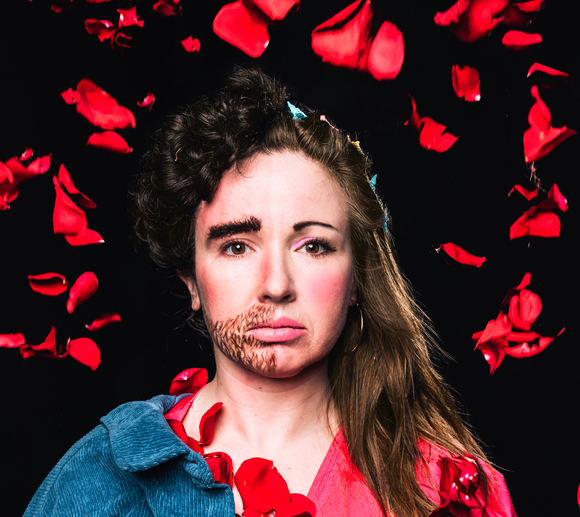
James Rowland: Piece of Work

08/03/25

Traverse Theatre, Edinburgh

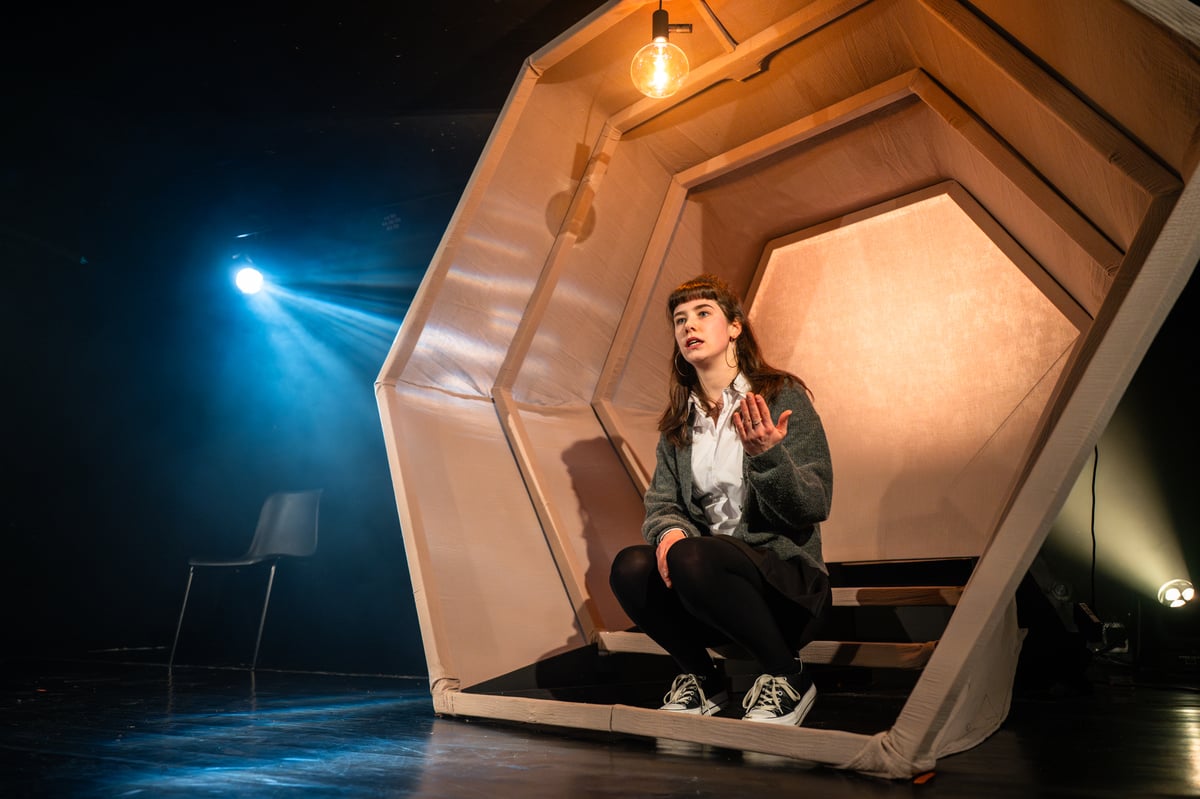
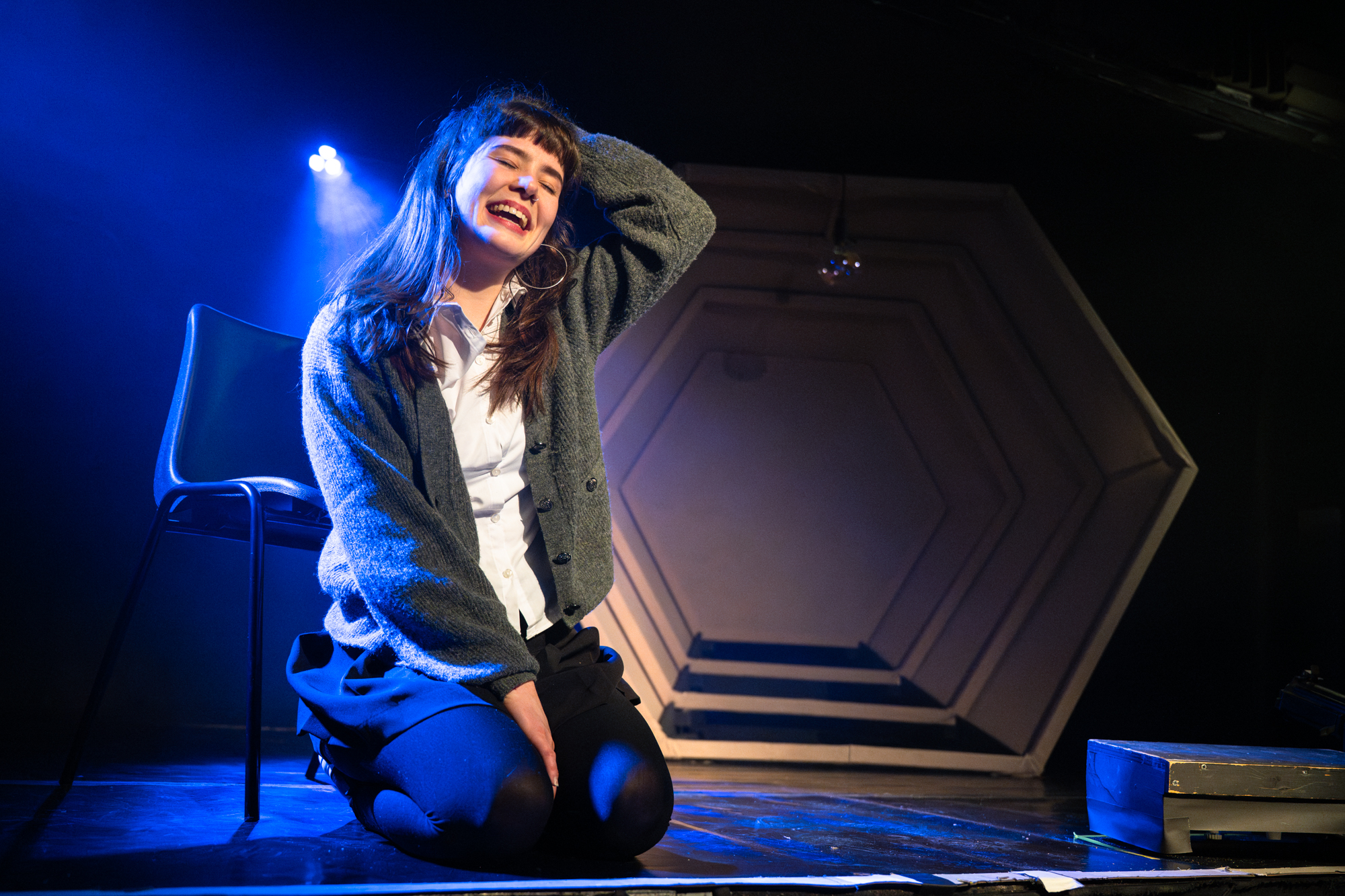
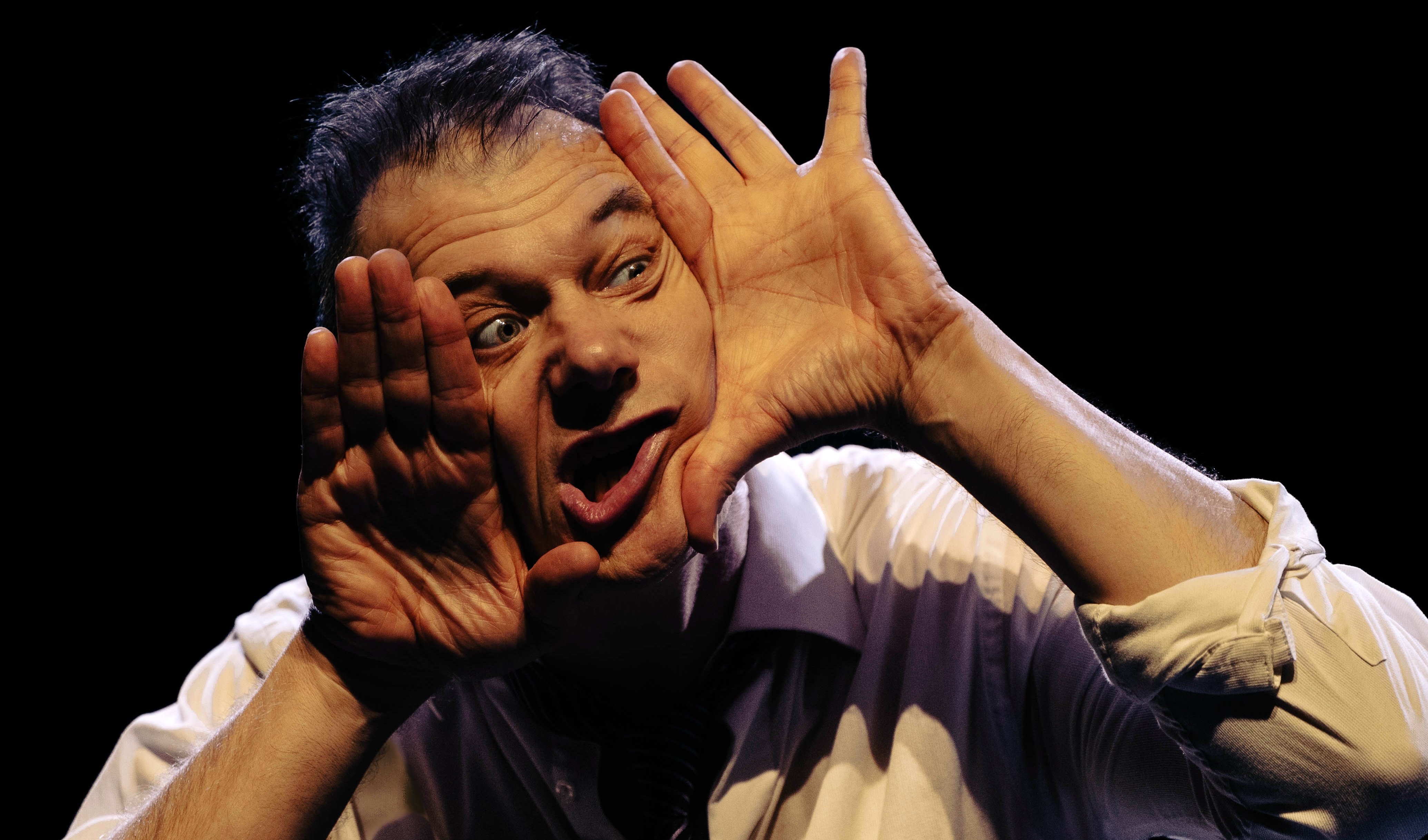
Piece of Work is the second in James Rowland’s Songs of the Heart trilogy. We saw the first, Learning to Fly, back in November 2023, and we’ve yet to catch the third, James Rowland Dies at the End of the Show. We’re here tonight with a friend and we’ve warned her about Rowland’s propensity for undressing, so none of us is particularly surprised when the show starts with him removing his T shirt and trackies and replacing them with plaid pyjamas. We’re just relieved he’s kept his undies on this time – and also a little confused by the costume choice. What do PJs have to do with anything? There’s nothing about him being in bed or even much about him being indoors…

Instead, this is a story about fathers and sons: about Rowland coming to terms with his old man’s death; about his ersatz brother, Chris, whose dad rejected him; and about The Prince of Denmark and Old Hamlet. The three narratives are interwoven, shining a (literal) light on the complexities of paternal relationships and their potentially devastating impact. Rowland, Chris, Hamlet – all abandoned, one way or another. All railing at their absent fathers for leaving them to deal with a scary, fucked-up world.

It’s also a story about suicide, and Hamlet’s ideation in the “to be or not to be” soliloquy is rendered very explicit here. It’s heavy stuff, but Rowland has a light touch, and knows just when to pull us back from the brink. His openness and affability make it easy to trust him with weighty topics without feeling overwhelmed.

It’s a great concept and Rowland has a charmingly vulnerable stage persona, but there are elements of the story that feel under-explored, especially the climactic confrontation between Chris and Dick, which feels almost thrown away. There’s surely more to explore in the tale of Rowland’s performance at the Royal College of Music too; for such a frank actor, it really seems like he’s holding back.

Nonetheless, I’m drawn into the story, and I find myself wanting to know where Rowland goes in the final part of this trilogy.

3.2 stars

Susan SIngfield

Driftwood

05/03/25

Traverse Theatre, Edinburgh

The opening moments of Driftwood are intense. To say this co-production by ThickSkin and Pentabus thrusts us straight into the action would be an understatement. One moment we’re in a brightly lit auditorium, muted chatter all around us, eyes drawn to the hypnotic rippling of the backdrop’s projected seascape. The next – without warning – there’s a blackout, paired with the thunderous roaring of crashing waves, and two boys, Mark and Tiny, in danger of drowning, are yelling each other’s names, desperately scrabbling to make it to shore.

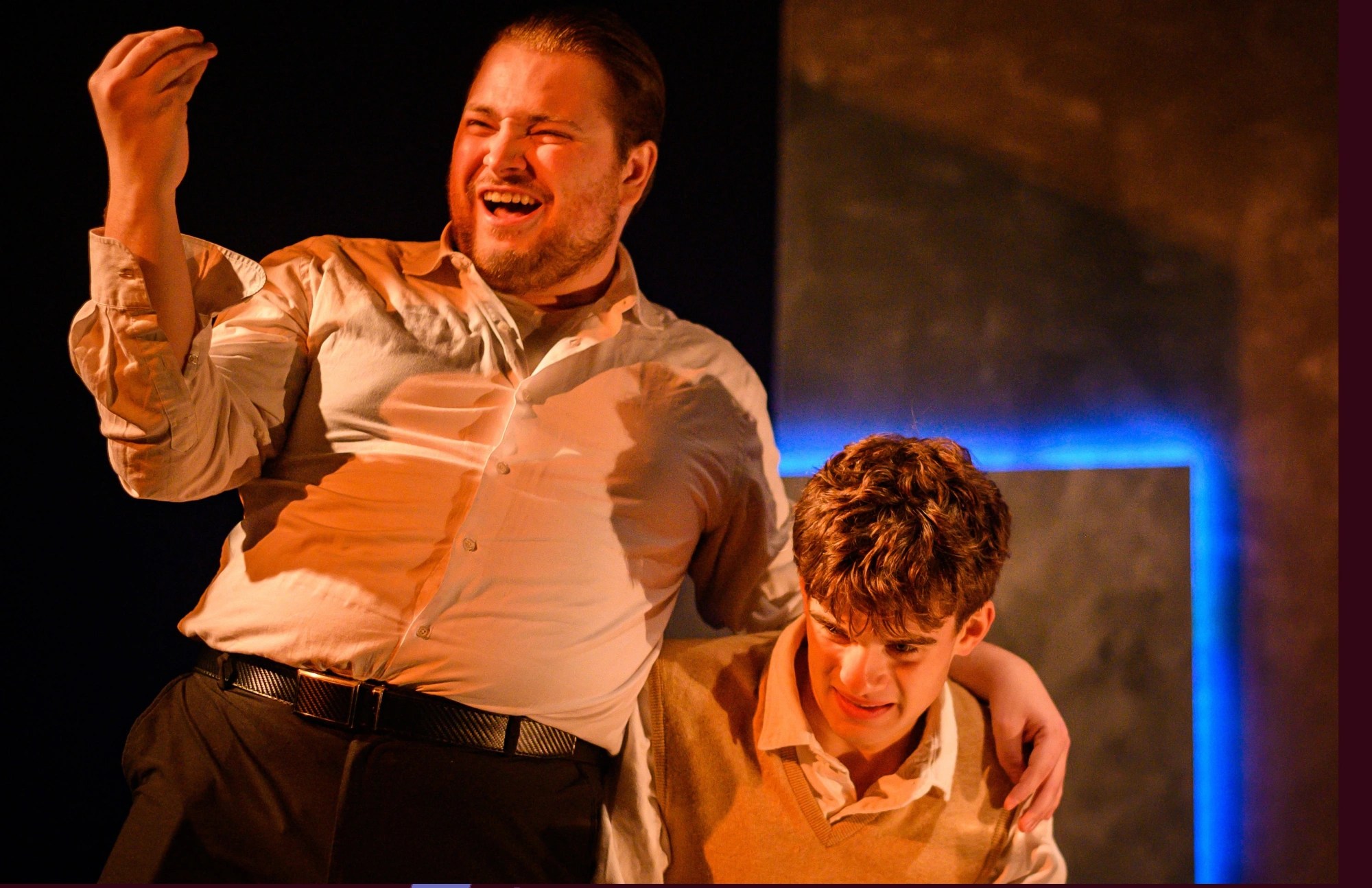
That’s the past. And then, suddenly, we’re in the present. The boys are now men. Tiny (Jerome Yates) isn’t so tiny any more, and he hasn’t seen his older brother, Mark (James Westphal) in years. Not only is Tiny still in County Durham, he’s still in Seaton Carew, still living with their dad. He feels connected to the area – to its shoreline, its myths and to his family history. Anyway, he couldn’t leave if he wanted to. His dad needs a full-time carer and Tiny has filled that role for the past four years.

But now he finds himself on shifting sands. Dad is about to die. Mark – gay, estranged from his homophobic father – has come back from Manchester to say goodbye. The brothers love each other but they resent each other too. Tiny’s angry that he’s been left alone to cope, while Mark can’t quite forgive Tiny for sticking with the old man, nor for parroting his father’s homophobic slurs when he was young.

Tim Foley’s sprightly script keeps the story moving forward, even though most of the real drama happens offstage, the focus instead on the brothers’ relationship and their attempts to reconcile their differences. So we don’t get to meet Dad, nor to attend his funeral; we don’t see the arguments that led to Mark leaving; we’re told about but never shown the environmental protests dividing the town. It doesn’t matter. The piece feels very immersive nonetheless, thanks in no small part to Sarah Readman’s videos and Lee Affen’s rousing sound design. The ever-present image of the closed steelworks looming over the bay is affecting, reminding us throughout how bleak Tiny’s life is, his stubborn attachment to his home equal parts understandable and heartbreaking.

Yates and Westphal imbue both brothers with a likeable vulnerability: Mark’s obscured by a brittle carapace of self-protection; Tiny’s writ large in his wide-eyed naïvety. Co-directors Neil Bettles and Elle While strike an impressive balance between stillness and dynamism, Mark’s quiet rationalism contrasting effectively with Tiny’s chimerical obsessions. I especially like the funereal pace of the scene where the brothers dress for their father’s burial, the conceit conveying the emotions of the funeral without explicitly placing us there.

On tour until 31st March, Driftwood has – ahem – drifted on from Edinburgh now, but you can still catch it in Coventry, Ipswich, Leeds and Salford. It’s well worth an evening of your time.

4.2 stars

Susan Singfield

Theatre Bouquets 2024

It’s been an exciting year for theatre in Edinburgh, so in time-honoured tradition, here are our ten favourite productions from 2024, plus three special mentions.

The House (Traverse Theatre, Edinburgh)

“Everything about this performance – the lighting, the music, the props – is exquisite and I love the piece’s grisly sense of humour, its celebration of the darkness of the human soul…”

The Giant on the Bridge (Traverse Theatre, Edinburgh)

“A complex, labyrinthine piece that explores a whole range of different moods, moving from plaintive acoustic ballads to propulsive electric rock…”

Blue Beard (Lyceum Theatre, Edinburgh)

“All about the seductive allure of darkness, the impulse that makes us devour murder-mysteries and glamourise the bad guys…”

The Sound Inside (Traverse Theatre, Edinburgh)

“Adam Rapp’s exquisite play has all the qualities of a great novel, pulling me deeper and deeper into its labyrinthine heart, providing the audience with puzzles to solve and mysteries to ponder…”

VL (Roundabout at Summerhall, Edinburgh)

” A whip-smart comedy that also has some incisive things to say about the difficulties of adolescence and the importance of friendship…”

Summer of Harold (Assembly Checkpoint, Edinburgh)

“An hour-and-a-half of impressive theatre, with snort-out-loud humour as well as profound emotional moments…”

The State of Grace (Assembly Rooms, Edinburgh)

“Whenever I thinkI’ve got the measure of the piece, it twists in another new direction, giving fresh food for thought, breaking down the barriers that I’ve carried around in my head for years…”

A Streetcar Named Desire (Lyceum Theatre, Edinburgh)

“Increasingly resembles a deranged carousel with the players caught in its unhealthy embrace, unable to get off the ride until it arrives at its ghastly destination…”

Angels in America: Part One – The Millennium Approaches (Bedlam Theatre, Edinburgh)

“It’s astounding what EUTC manage to achieve with their limited budget: the final scene in particular is a coup de théâtre…”

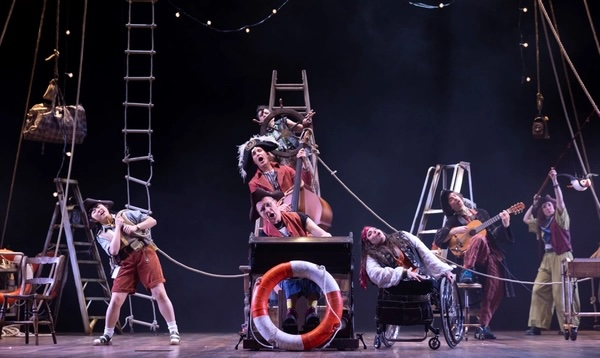
Treasure Island (Lyceum Theatre, Edinburgh)

“A must-see for the festive season – you’ll laugh, you’ll tremble, you’ll tap your feet to the jaunty jigs and reels!’

SPECIAL MENTIONS

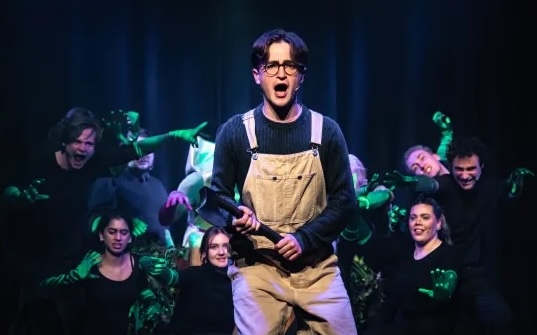
The Little Shop of Horrors (Church Hill Theatre, Edinburgh)

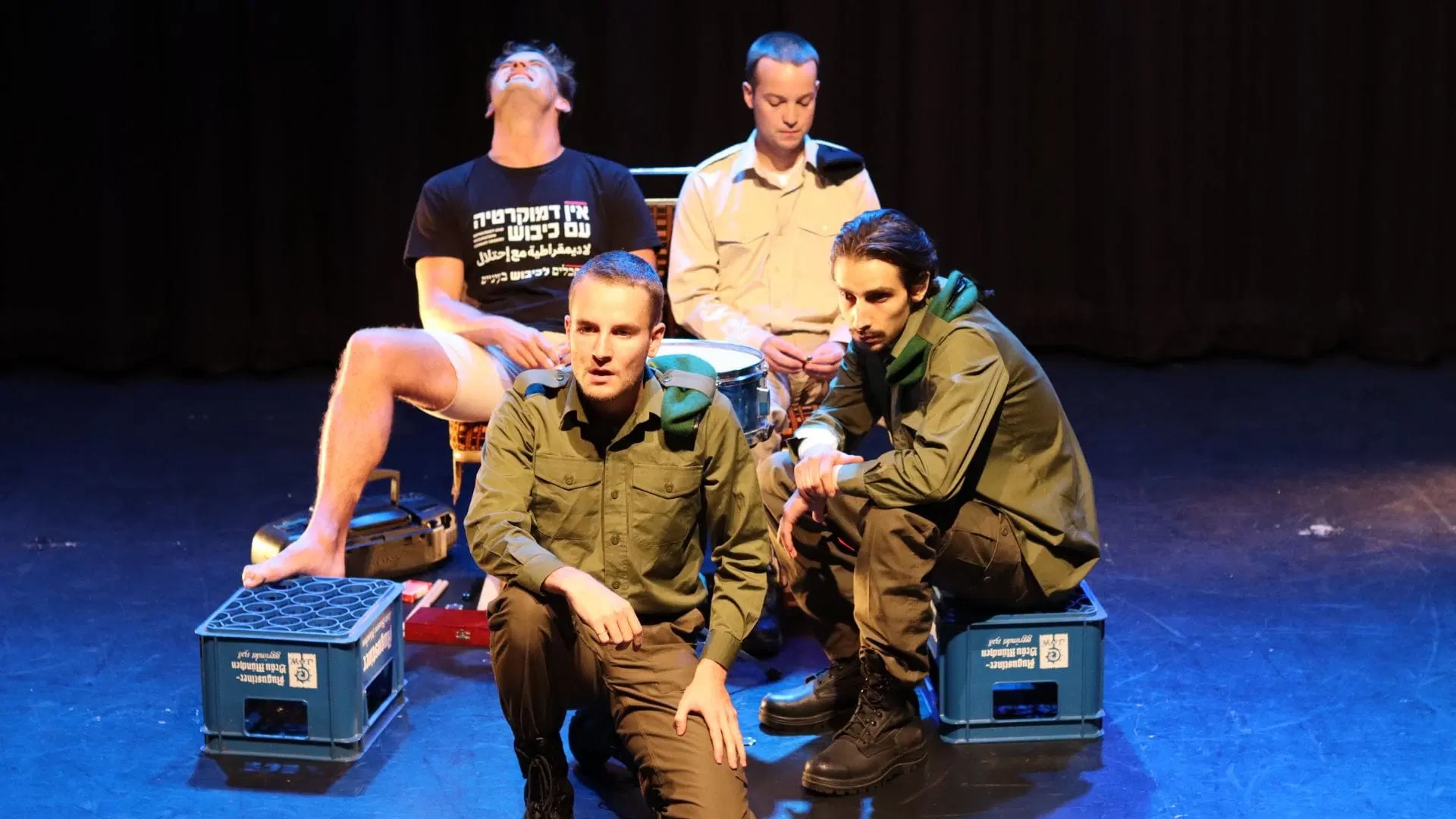
Rebels and Patriots (Pleasance Courtyard, Edinburgh)

Weer (Traverse Theatre, Edinburgh)

Susan Singfield & Philip Caveney

4PLAY: 4 New Plays from 4 Edinburgh Playwrights

05/12/2406/12/24

Traverse Theatre, Edinburgh

As Scotland’s new writing theatre, the Traverse is the natural home for the 4PLAY collective to showcase their work. Over four nights, four emerging Edinburgh playwrights see their stories brought to life on the iconic Trav 2 stage – and all are greeted with delight by enthusiastic audiences.

First up is Fuckers by Ruaraidh Murray. From its opening moments, it’s clear that this is the no-holds-barred production its title suggests. In blackout, we listen to a noisy orgasm and then, as the lights go up, we’re confronted with a naked couple, daring each other to try a new sex act. As beginnings go, this is undeniably memorable! The pair are Andrew (Liam Ballantyine), a Scot, and Lois (Olivia Caw), an American, two performers who fall in love at the Fringe. But their sexual attraction is soured by their vaulting ambition, which o’erleaps itself and dooms their relationship. Directed by Eleanor Felton – aided by Sasha Harrington as a very necessary intimacy coordinator – this is a high-octane piece with an engaging energy. However, although the nudity works at first, establishing the physical nature of the affair, the constant dressing and undressing disrupts the flow and slows down the action, which is a real shame for such a kinetic piece.

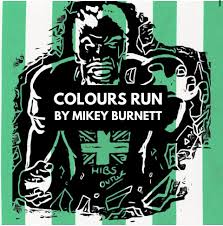
Colours Run, written by Mikey Burnett and directed by Grace Ava Baker, tells the story of self-professed Hibs-loving hardman, Pongo (Ruaraidh Murray), who may have finally taken his nihilistic antics a step too far. Fearing retribution after handing out one beating too many, he heads home, anticipating the knock at the door that could come at any moment. Pongo lives with his younger brother, Pete (Sean Langtree), who openly idolises his big bruv and does everything he’s told, which means that he rarely goes out into the real world. Both Murray and Langtree are utterly compelling in their respective roles, Langtree appealingly vulnerable, Murray cold and calculating. The section where the pair play Who Wants to Be a Millionaire is wildly funny – but in the play’s latter half, Burnett’s script takes a confident step into darker, more transgressive territory. The nail-biting conclusion (which seems to echo Of Mice and Men) is simply but brilliantly handled.

Butterflies and Benefits, written and directed by Andrea McKenzie, boasts a cast of five and looks at the lives of four young protagonists enjoying a hedonistic lifestyle in the Edinburgh of the 1990s. Maz (Amy Glass) is having a great time partying until she falls under the spell of Mik (Michael Francis), an opportunistic coke-fiend who cannot extricate himself from the grip of the drug. Pretty soon, Maz falls pregnant and her close friends Abs (Lex Joyce) and Dee (Isla Campbell) can only look on in dismay as Maz and Mik enter a spiral of destruction. The long trance/dance sequences scattered throughout the narrative occasionally impede the momentum, and a single scene featuring health worker, Doc (Laverne Edmonds), doesn’t do enough to earn the character’s place in the story. This is an all-too-familiar warning about the dangers of drug addiction and the importance of friendship.

Last, but certainly not least, is Cheapo by Katy Nixon. A tight two-hander, this is our favourite of the four plays, deftly exploring the impact of a traumatic event on a pair of frightened teenagers. Something happened to Kyla (Heidi Steel) at a recent party, and she needs Andrew (Dayton Mungai) to help her sort it out. But he knows that her version of events is just a form of self-protection, and he’s not prepared to go along with the lies she’s telling herself. In a not-especially-subtle-but-nonetheless-effective metaphor, they play a game of chess, arguing about their possible moves while fighting to avoid checkmate. Under Gwen M Dolan’s direction, the tension is undercut by some beautifully-realised flights of fancy, as the duo imagine how their lives might have played out in alternate realities. Nixon’s script is spare and succinct, without a wasted word. She’s certainly one to watch.

What a treat it has been to see this quartet of plays, exploring stories from the edges of society. We look forward to seeing what these playwrights do next, and also to 2025’s 4PLAY.

4 stars

Susan Singfield & Philip Caveney

The Brenda Line

13/11/24

Traverse Theatre, Edinburgh

Harry Mould’s debut play is an exploration of a little-known aspect of the Samaritans’ work. Until today, I hadn’t even considered that there might be any need for ethical debate around the simple kindness of providing a ‘listening ear’, offering comfort to the desperate, company to the lonely, a glimmer of hope to the suicidal. But – through their own mother’s experiences – Mould has uncovered something weirdly problematic in the organisation’s past: the eponymous ‘Brendas’, designated volunteers, who (between 1958 and 1987) consented to hear out those men who called seeking sexual gratification, wanting someone to talk to while they masturbated. Anglican vicar Edward “Chad” Varah founded the Samaritans on the principle that it should be a non-judgemental organisation, turning no-one away. But of course, these particular callers pose a moral conundrum, rife with contention.

Mould positions the issue as a debate between two chalk-and-cheese volunteers. Anne (Fiona Bruce) is an old-hand with a pragmatic approach to the work she does. She’s warm but gruff, confident but self-effacing, and perfectly comfortable listening to her “befriendable regulars” talking about the knickers they imagine she’s wearing or telling her about their erections. Karen (Charlotte Grayson) is only eighteen, and she’s Anne’s polar opposite: an engaging, opinionated character whose lively charm belies her brittle reserve. She’s innocent, prudish and very defensive about her lack of life experience – and she certainly isn’t going to hold back from telling Anne exactly what she’s doing wrong. In response, Anne smiles, shrugs and offers to make tea.

It’s a winning formula and, directed by Ben Occhipinti, the actors infuse their characters with disarming likability. This makes sense; they’re good people, giving up their time to try to help others, spurred on by the urge to make a difference in a troubled world. Mould’s dialogue is very well-written, and I especially enjoy the allusions to the women’s backstories, rendering them convincingly real: Anne’s unrequited love for her former colleague, Gracie; Karen’s inability to make friends and her struggle to deal with the prejudice she encounters as a mixed-race woman.

The detailed, naturalistic set, designed by Natalie Fern, clearly evokes that particular ilk of workplace claustrophobia, where everything outside seems oddly unreal and diminished, in this case heightened by the blacked out windows and emphatically locked door.

However, while Karen’s argument is well-defined, Mould seems on shakier ground with the older woman’s reasoning – we never hear a lucid explanation as to why Anne accepts her role as a Brenda. She has had many years to consider her position, so it seems logical that she would be able to put forward a compelling defence. Instead, she’s strangely reticent. Nonetheless, by the end, Karen seems to have accepted Anne’s line of thinking, which I find a little confusing. I don’t know what Anne has said to change Karen’s mind.

Despite the subject matter, the writing is also a little coy: although Karen refers to the inherent power dynamic between the male caller and the female listener, there’s no deeper consideration of what this means – of how Anne might derive a sense of power herself from these calls, for example, or even feel somehow that she deserves the degradation. What drives the men to call these anonymous women and is it okay for “Chad” – the leader – to ask his workers to comply? I can’t help feeling that there is more to be explored here.

Nonetheless, Mould has created two engaging, memorable protagonists and, through them, they have shed light on a fascinating piece of recent history.

And now it’s time for me to call my mum and tell her what I’ve learned tonight about her name…

3 stars

Susan Singfield

Bright Places

06/11/24

Traverse Theatre, Edinburgh

Rae Mainwaring’s Bright Places is advertised with the quirky tag-line, “a three-woman, one-woman show about Multiple Sclerosis, MS for short, not to be confused with M&S or S&M.” It’s an apt introduction to what proves to be a thoughtful yet riotous piece of theatre, exploring both the playwright’s personal experiences and the wider picture of societal responses to disability.

I love the writing. It’s to Mainwaring’s credit that she has managed to convey the brutal realities of her condition with such humour and heart. She neatly avoids any disabled-person-as-inspiration traps, presenting us instead with a young protagonist (‘Louise’) learning to navigate a landscape she never expected to inhabit, slowly adjusting to her new limitations while also finding ways to hold on to the fun-loving, lively person she’s always been. Mainwaring doesn’t shy away from the difficulties Louise faces, but they’re not all-encompassing. MS is part of Louise’s life; it isn’t the whole thing.

Produced by Carbon Theatre in association with Birmingham Rep, the style is boldly meta-theatrical, opening with the trio of accomplished actors (Lauren Foster, Aimee Berwick and Rebecca Holmes) explaining why they, three non-disabled women of different ages, races and physical appearances, are playing ‘Louise’ – who is both a fictional construction but also Rae, the playwright. It’s complex but it all makes perfect sense as they tell it, and addresses the question of authenticity head-on. Rae can’t perform this ‘one woman’ show herself: it’s literally the work of three people, and she’s got MS. It’d exhaust her.

Under Tessa Walker’s direction, Bright Places is a fast-paced and lively piece, all high-octane vitality, even as Louise’s energy flags. We’re led from nightclubs to hospitals, sickbeds to game shows, anger to acceptance. The costumes are bold, sequinned and vivid, as irrepressible as Louise. As Rae. And the soundtrack is bangin’.

A delight from start to finish, Bright Places is the most fun you’ll ever have learning about a chronic autoimmune disease. It’s got two more nights here in Edinburgh before continuing on its UK tour (next up, Exeter). Catch it if you can.

4.3 stars

Susan Singfield

No Love Songs

31/10/24

Traverse Theatre, Edinburgh

No Love Songs is a sweetly bleak piece of gig theatre, at once an unflinching exploration of post-natal depression and a testimony to the power of, well, love.

With music by The View’s frontman, Kyle Falconer – lifted from his solo album, No Love Songs for Laura – the book comes courtesy of the titular Laura (Wilde), his partner, and Johnny McKnight and is based on their real-life experiences.

Jessie (John McLarnon) is a musician. Sure, he’s mostly playing weddings and sweaty Dundee dive bars, but he has big dreams. Lana (Anna Russell-Martin), newly arrived in town to embark on a fashion course at the college, is full of creative ambition too. Together, they think, they can take on the world. When Lana becomes pregnant, they’re excited about their shared future.

But reality can be a bitch, and Lana – like one in five new mothers – struggles with post-natal depression. In a master-stroke of bad timing, Jessie is offered a big break: the chance to go on tour in America. Not only is this important for his musical career, it’s also an opportunity for him to earn some proper money for his family. If all goes well, they might even be able to buy a house.

“You have to go,” says Lana. It’s only a couple of months, right? She’ll be fine.

But Lana is not fine and a gulf opens up between the pair, as Jessie embraces his new life while Lana spirals into despair. What’s wrong with her? Why isn’t she ‘yummy’ like all the other mummies out there? She’s humiliated by her failure.

Jessie’s role as a musician means that the songs fit seamlessly into this play, with the conceit that we are witness to their creation: they are being written in response to the events as they unfurl. There’s a wide variety of styles, ranging from poppy to plaintive, and there’s some real emotional heft here too. I’m not much of a crier, but there are definitely tears in my eyes at moments tonight.

Directors Andrew Panton and Tashi Gore create a gentle, natural tone: there’s a relaxed ease between McLarnon and Russell-Martin that makes them convince as a couple. It could be argued that their obvious affection undermines the tension, suggesting from the start that everything is going to be okay. But I don’t mind that: the subject matter is so dark that it helps to know that there is a glimmer of light on the horizon.

As heart-warming as it is heart-wrenching, No Love Songs is – despite its title – a lyrical musing on the very notion of love.

4.4 stars

Susan Singfield

Arán & Im

25/10/24

Traverse Theatre, Edinburgh

Although the so-called Sapir-Whorf hypothesis – a theory of linguistic relativity, suggesting that the language a person speaks influences how they think about reality – is somewhat out of fashion these days, writer-performer Manchán Magan mounts a convincing argument in its favour. Arán & Im is Irish for bread and butter and it’s the perfect name for this gentle hybrid of a show/lecture. The titular items baked, churned and eaten during the seventy-five minute running time symbolise the words we use: they’re essential, elemental; the basic “bread and butter” of our lives.

About half of the show is in Irish, but you don’t need any prior knowledge of the language to follow what’s happening. Magan is an experienced guide, switching between Irish and English, explaining the myriad meanings behind key words and expressions. He’s clearly fascinated by the way language connects us to our histories and our lands, our mythologies and beliefs. He asks questions of the Scottish Gaelic speakers in the audience (including a whole row of enthusiastic high school students) and delights in the similarities and patterns he observes.

There’s a lot here about not losing sight of our roots, about maintaining our understanding of the fundamental aspects of life – how to make our own bread and butter, if you will. If there’s an issue, it’s that there are so many words. The breaking of bread helps, as does the conversational tone, but there are times when I’d like more visual clues to anchor me: I’d like to be able to read the words being discussed, or to see the constellation maps being described. Admittedly, any obvious tech would be jarring and intrusive: the carefully homespun nature of the piece would come unravelled, so I don’t know what the answer is. But there are moments when I’m overwhelmed by the amount of information and need a different way to absorb it all.

Still, I find the premise fascinating. I grew up in Wales and, although I’m not a Welsh speaker, I’m still steeped in the language. The hymns I know are all in Welsh, because that’s what we sang in primary school. There are certain expressions that always come to me in Welsh before English: dewch i mewn (come in); dwylo i fyny (hands up); ga i fynd i’r toiled os gwelwch yn dda? (can I go to the toilet, please?). This show speaks to me. Language is integral to who we are.

And if nothing else, Arán & Im is surely the most aromatic piece of performance art you’re ever likely to witness.

3.5 stars

Susan Singfield

Lost Girls/ At Bus Stops

15/10/24

Traverse Theatre, Edinburgh

Lost Girls/At Bus Stops is my favourite so far in this PPP season: I love the marriage of Róisín Sheridan-Bryson’s fragmented, non-linear writing with Laila Noble’s kinetic direction. 

At its heart there’s a simple will-they/won’t they love story. Ever since Jess (Catriona Faint) approached Iona (Leyla Aycan) at a bus stop with a flyer for a Fringe show several years ago, the two have been friends, meeting up every August to make the most of the Festival buzz, weaving their way from show to bar to show again, navigating the crowds, the hills, the closes, the booze. On the surface, theirs is an easy alliance, born of a shared hedonism and an openness about who they are. Underneath, they’re a mess of repressed longing, each too nervous to risk their precious friendship by declaring how they really feel. And this time, with Iona about to leave for pastures new, there’s an added pressure. If neither of them makes a move, it’ll be too late.

Sheridan-Bryson’s script skips nimbly between dialogue and narration, the protagonists referring to themselves in both third and first person, almost mythologising the city, their accounts of various Edinburgh nights colliding as they disagree about details and bring different moments to the fore. The disrupted timeline mirrors a real-life conversation, almost stream-of-consciousness in its construction, bouncing back and forth through their shared memories.

The two actors portray the contrasting characters with aplomb, Aycan’s gentle stillness a perfect foil for Faint’s more manic, agitated demeanour. As Jess reacts to the pressure by downing drink after drink, snogging random men and trying to start fights, Iona – while matching her on the booze front – is altogether calmer, trying time and again to make Jess stop and talk, to say the things they need to say. Their emotions are palpable and it’s impossible not to feel engaged, not to sit silently urging them to take the plunge. 

Zephyr Liddell’s set is simple but effective, the grimy bus stop and disco lights echoing the superficial glamour of a sequin-clad performer in an archetypal dingy Fringe venue. 

Sheridan-Bryson pulls off the difficult task of creating a play that is at once meta-theatrical and down-to-earth, complex in structure but easy to follow. It’s an impressive piece of work. 

4.6 stars

Susan Singfield

Anna/Anastasia

08/10/24

Traverse Theatre, Edinburgh

Berlin, February, 1922. Following a failed suicide attempt, Anna (Kirsty McDuff) is brought to a local police station. She’s dripping wet after trying to drown herself in a local canal. She is interviewed by Franz (Chris Forbes), a straight-laced police officer with a liking for equally straight talking. But when she claims to be the Grand Duchess Anastasia, the lone survivor of the assassination of her entire family by Bolshevik revolutionaries two years earlier, Franz isn’t quite sure what to believe. For one thing, Anna talks so lucidly about her glamorous past: her memories from the court of Nicholas and Alexandra, the glittering balls, the wonderful meals.

And for another, she is wearing an expensive-looking tiara that’s clearly been dented by a bullet…

Inspired by real events, Anna/Anastasia approaches its subject matter with an endearing sense of humour, playing Anna’s volatility off against Franz’s restrained, analytical approach. Franz, we are told, paints china swans as a hobby and keeps them up in the attic out of harm’s way. Anna, with her unrestrained bursts of exuberance, represents something he is unaccustomed to, something that threatens to bring all his most established convictions clattering down around him in pieces – and yet, as the years pass and Anna’s fortunes rise and fall, the couple keep re-encountering each other and a kind of guarded relationship develops.

The sprightly script by Jonny Donahoe (whose Every Brilliant Thing is a popular yearly visitor to the Edinburgh Fringe) maintains just the right mix of comedy and pathos, while the two performers make perfect foils for each other. McDuff stays in character the whole way through, inhabiting Anderson’s turbulent persona with considerable skill, while Forbes occasionally steps out of his main role to play a number of subsidiary characters – at one point breathlessly re-enacting the murder of the entire Romonov family single-handedly. Liz Caruthers handles the direction with an assured touch.

The story of Anna Anderson has formed the basis for many plays and films over the years and, though the mystery has recently been pretty much solved thanks to DNA testing, it continues to exert considerable powers over the public imagination. As Anna/Anastasia seems to emphasise, the actual truth of the story is somehow less important than the speculation it has always kindled – and the play’s bitter-sweet conclusion still manages to leave us wondering about the possibilities.

4.4 stars

Philip Caveney