Paul Mescal

Gladiator 2

17/11/24

Cineworld, Edinburgh

Back in the year 2000, Gladiator was a significant game-changer. Ridley Scott’s sword and sandal epic, starring a lean, mean Russell Crowe, wowed audiences and critics alike. It was nominated for twelve Oscars and actually won five, including Best Picture and Best Actor for Crowe. Over the intervening years, Scott has often stated his intention of doing a sequel, if only he could find the right story. And finally, nearly twenty-five years later, I’m sitting in front of an IMAX screen, eager to see what he’s come up with.

I seriously doubt that Gladiator 2 will be picking up any awards (except perhaps for special  effects) because I suspect that galley has sailed. And to be honest, in most respects it plays more like a re-run of the original than an honest-to-goodness sequel. But don’t let that put you off.

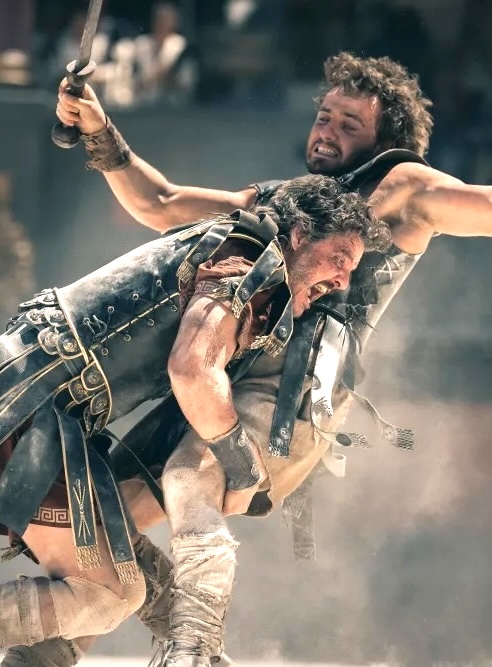
It’s some thirty years after the death of Maximus when we first meet Lucius (Paul Mescal), a soldier living and working in Numidia, alongside his wife, Arishat (Yuval Gonen.) But it isn’t long before a huge fleet of Roman warships, led by General Marcus Acasius  (Pedro Pascal), appears on the horizon. As ever the Romans are looking to extend their empire and this is just the next step in their bid for world domination. An epic battle ensues, replete with giant trebuchets and fusillades of arrows. In the carnage, Arishat is killed and Lucius taken prisoner and ferried back to Rome. On the long sea voyage he (understandably) nurtures a desire for revenge on Acasius. 

Rome is no longer the glorious empire it once was. Ruled by despotic brothers, Geta (Joseph Quinn) and Caracalla (Fred Hechinger), it’s become a place where corruption holds sway and where cunning players like gladiator-master, Macrinus (Denzel Washington), can rise to positions of influence. Does the latter have bigger ambitions than buying and selling gladiators? Well, naturally he does.

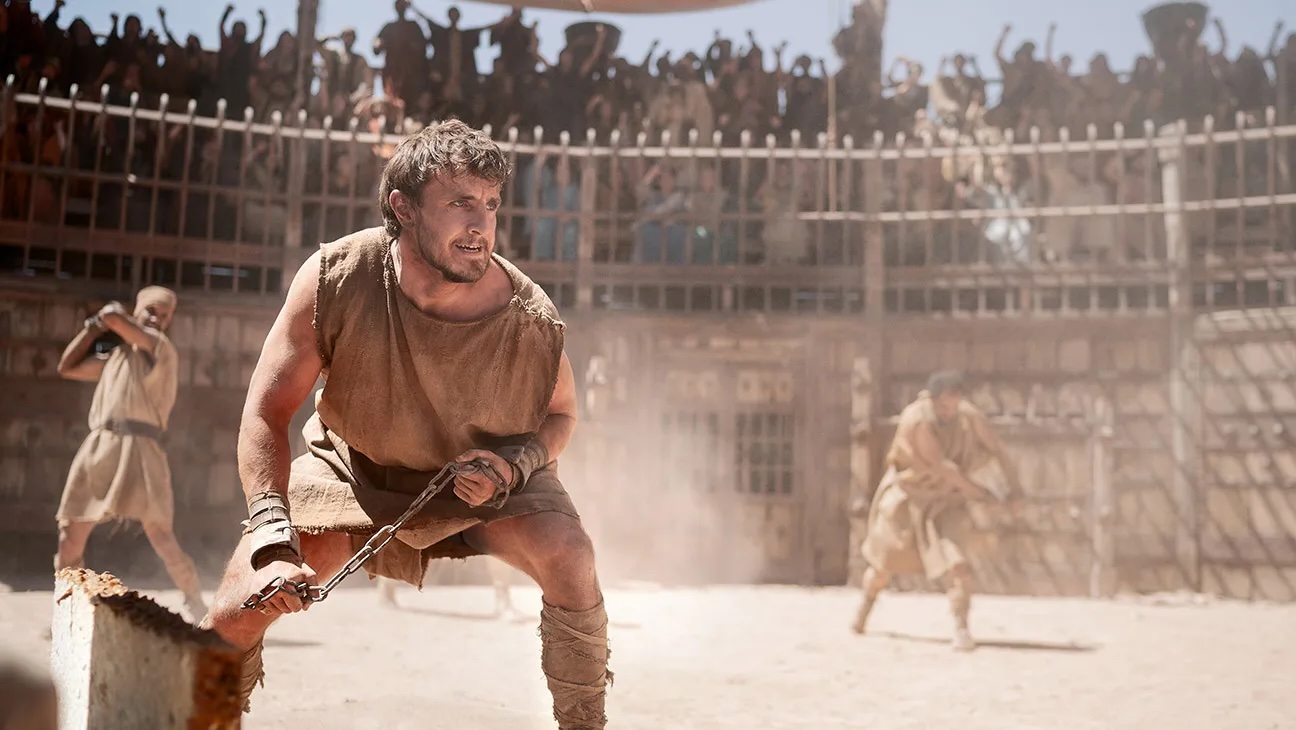
Macrinus quickly spots a quality in Lucius that he feels he can exploit and gets him into the arena at the earliest opportunity. Lucius, it turns out, has the ability to pulverise all who oppose him, even if he does pause every so often to quote Virgil. Could it be that he has some connection to the late Maximus? When we learn that Acasius’s wife is Lucilla (Connie Nielsen – the only major character to return from the original film), it soon becomes clear where this story is headed…

Gladiator 2 could justifiably be criticised for failing to explore new ideas, but this film’s DNA is all about its sheer sense of scale. Scott has always been a master of battle scenes, and lovers of spectacle can hardly complain about being short-changed in that department. Deep into his eighties now, Scott is a director who knows how to capture massive action set-pieces at testosterone-fuelled levels that are rarely even attempted these days. Wherever possible, he utilises real sets and thousands of extras in order to convey their magnitude.

There are some call-backs to the first film – scenes featuring wheat, whole lines of dialogue lifted from Gladiator 1 and that trope of stooping down to pick up a handful of earth, as though such actions can be inherited. And screenwriter David Scarpa even throws in a cheeky ‘I am Spartacus’ moment, which I think is fair enough under the circumstances. A suitably beefed-up Mescal effortlessly places a sandal-clad foot onto the A list while Washington is clearly having a whole ton of fun, camping it up as a devious player, who will seemingly let nothing get in the way of his rise to power.

There are a couple of missteps. An early dust-up in the Colosseum has Lucius and his fellow-captives pitched against a tribe of what appear to be shaved baboons, CGI creations that seem to have wandered in from some kind of demented science-fiction movie – and quite how the skinny, blonde-haired kid from the flashbacks has grown up to be Paul Mescal is one for the geneticists of the world to figure out.

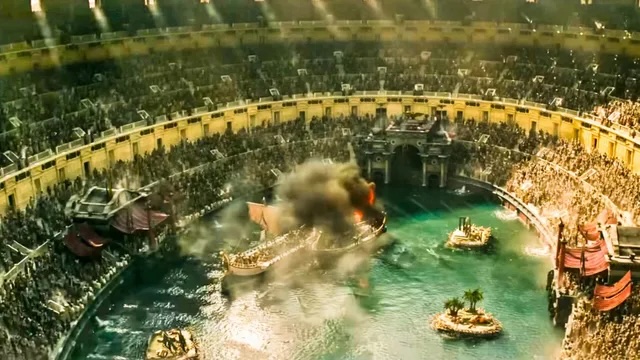
But if the aim of this film was to go bigger and louder than what came before (and I suspect that was exactly the object of the exercise) then it has succeeded in spades. The sequence where a pitched sea battle is enacted in the flooded coliseum is an extraordinary slice of action cinema (and, before you Google it. let me assure you such things did actually happen – though the addition of sharks might be a touch of artistic license). Likewise, Scarpa’s cast of characters is, for the most part, loosely based around real historical figures.

I know I say this a lot but don’t wait for streaming. See this on the biggest screen available and, as you watch, ask yourself that all important question:

“Am I not entertained?” For me, the answer is, most definitely a resounding, “Yes, I am entertained!”

4.5 stars

Philip Caveney

All of Us Strangers

27/01/24

Cineworld, Edinburgh

All of Us Strangers is a curious creature. Not exactly a tale of the supernatural, not really a love story, it borrows elements from both genres and weaves them seamlessly together to create something that’s impossible to classify. More than anything else, this feels like a lament for lost opportunities – a meditation on longing and regret.

Written and directed by Andrew Haigh and based on a novel by Taichi Yamada, it tells the story of Adam (Andrew Scott), a lonely screenwriter, currently plying his trade in a near-empty high-rise somewhere in London. He’s currently attempting to write a screenplay based on a true incident from his childhood: the death of his parents in a car crash back in 1978, when he was eleven years old.

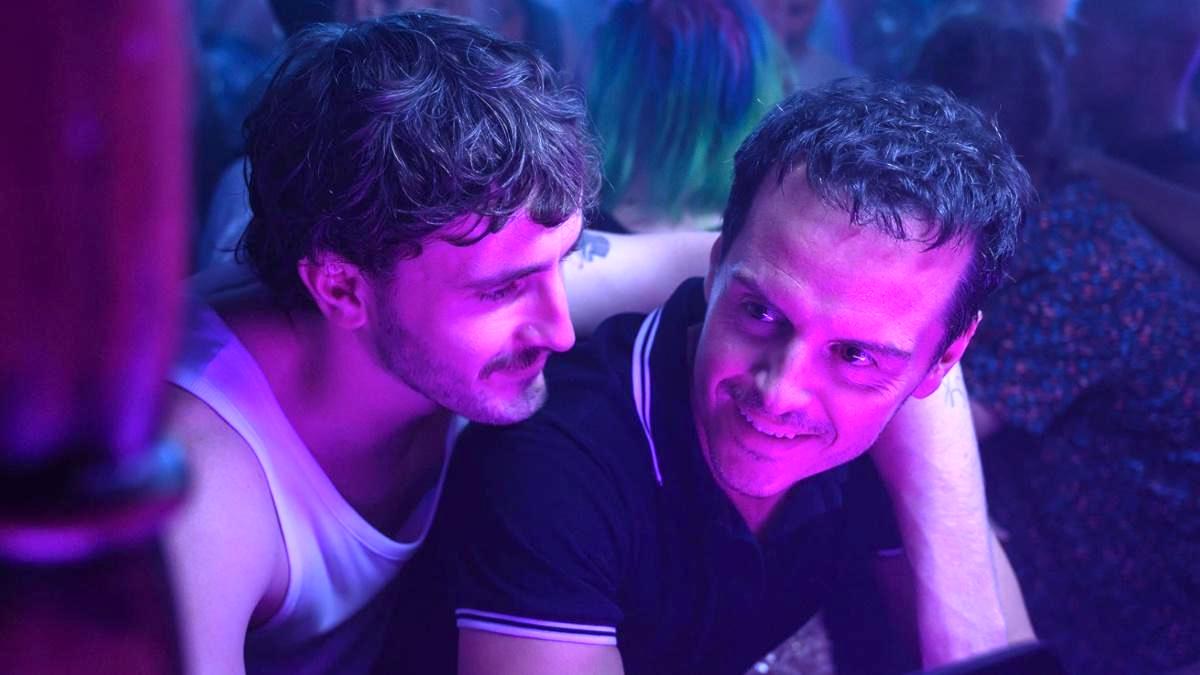
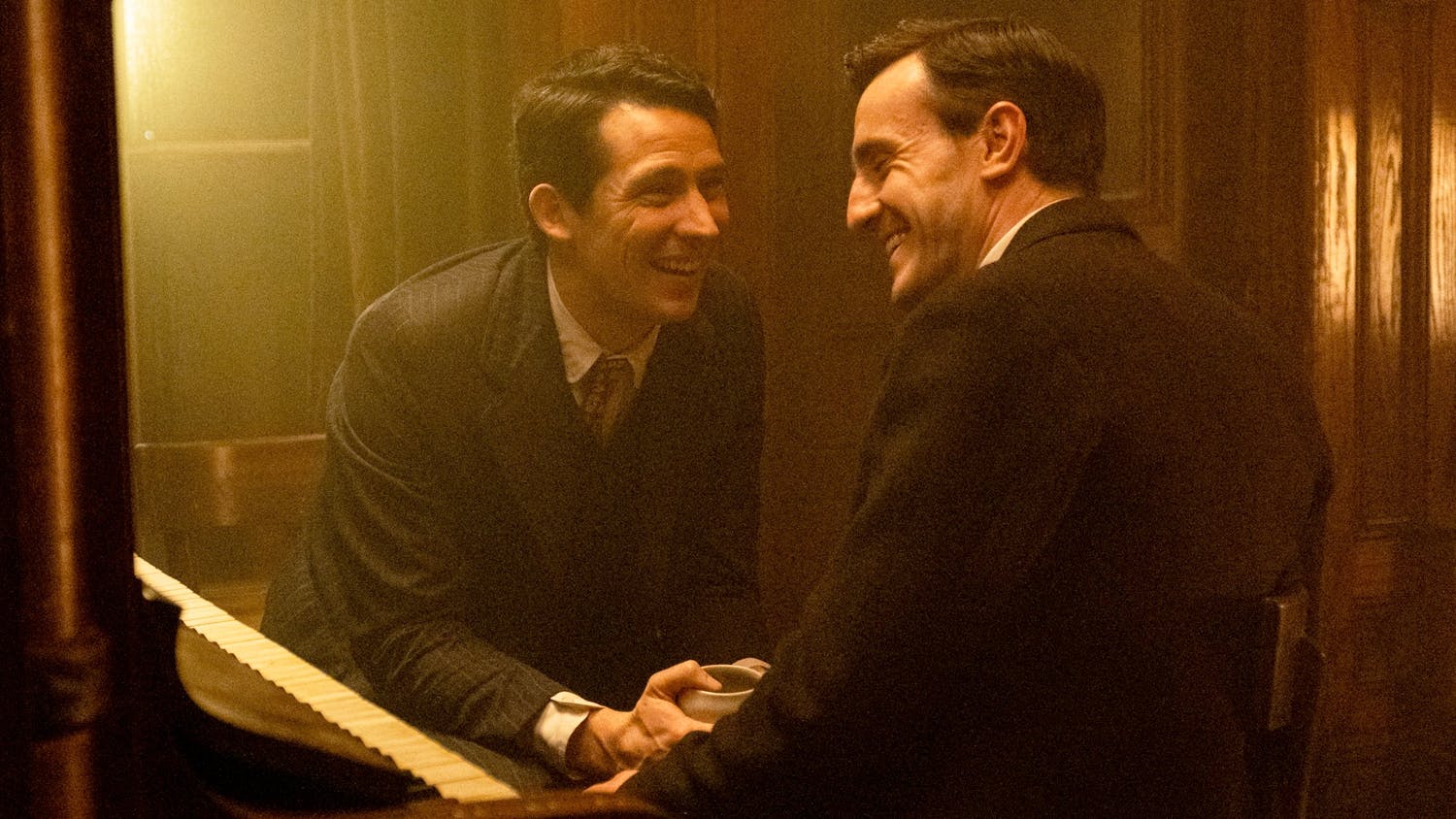
Adam’s musings are interrupted by the arrival of the man who appears to be the block’s only other resident. He’s Harry (Paul Mescal), currently halfway through a bottle of whisky and clearly looking for company. But Adam is nervous and politely refuses Harry’s advances.

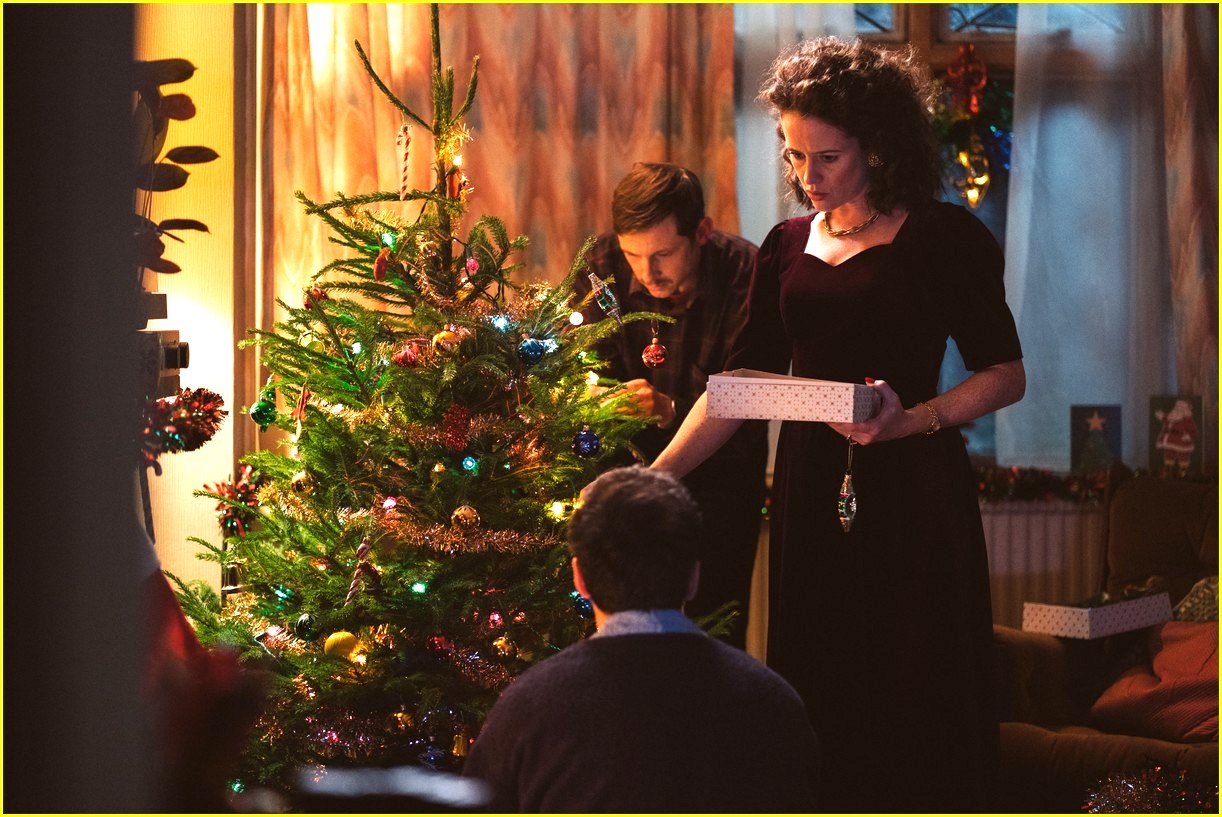
Seeking inspiration, Adam makes the train journey to his parents’ old house in the suburbs of Dorking and is astonished to discover that both Dad (Jamie Bell) and Mum (Claire Foy) are still alive, looking exactly as he remembers them. The 70s aesthetic of their lives is convincingly evoked, right down to the soundtrack of Erasure and Frankie Goes to Hollywood, and his folks are eager to find out how their boy has fared since they last saw him.

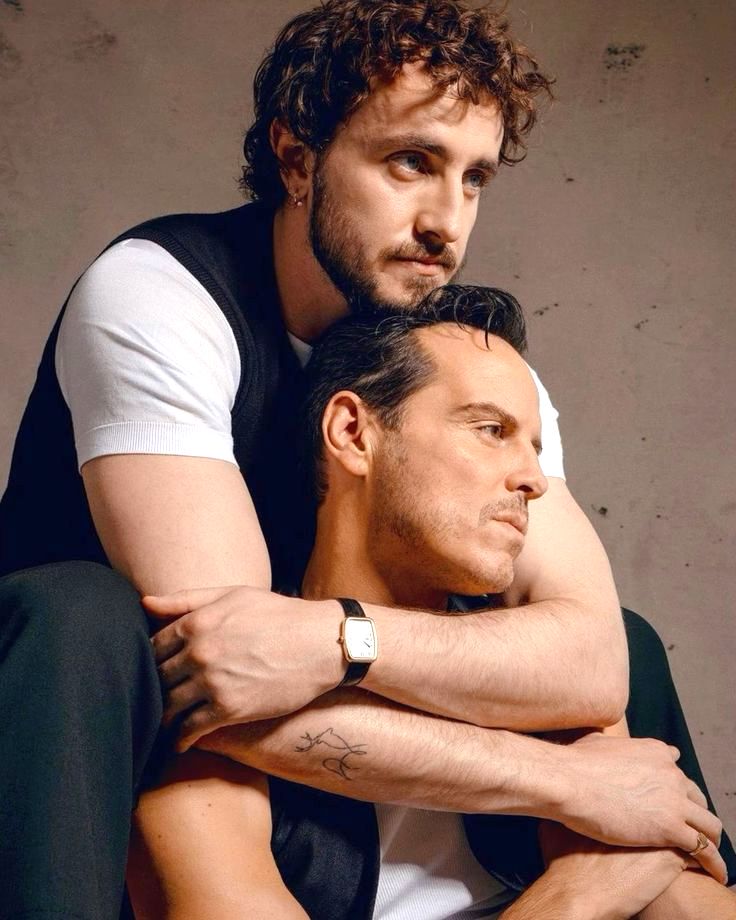
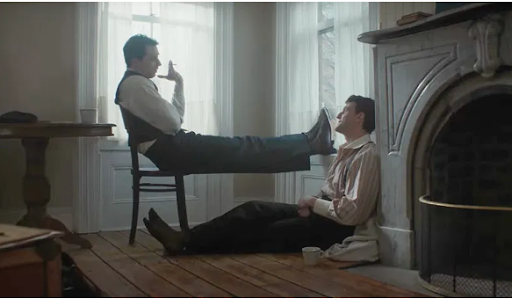
And then, Adam reconnects with Harry and an intense sexual relationship develops, their first encounter sensitively captured, their wild hedonistic nights in London’s gay clubs accompanied by a succession of pounding nightclub bangers. But where are they – and the story – heading?

Essentially a four-hander – we never meet any other characters – this sweetly-sad narrative is anchored by impressive performances from the four stars. Scott, in particular, creates a beautifully-judged picture of loneliness and regret, a man struggling to come to terms with a world where he struggles to function. In the scenes where he’s enjoying some time with his parents, he effortlessly slips into a state of childlike wonder.

Many viewers have said that watching this moved them to tears, though I stay resolutely dry-eyed throughout. Perhaps this says more about me than it does about Haigh’s film, but what All of Us Strangers captures particularly well for me is the curious way a writer’s mind works; how half-remembered incidents from childhood can be developed into something tangible, the stuff of alternative reality, and how such discoveries can sometimes become almost overwhelming.

If not the five-star masterpiece I’ve been led to expect, this is nevertheless an exciting and provocative slice of contemporary cinema.

4.2 stars

Philip Caveney
Film Bouquets 2022

2022 was a surprisingly good year for film, although – as cinephiles – it was worrying to note that audiences seemed happy enough to continue watching movies at home after last year’s lockdowns ended. Cinemas were feeling the pinch and there was a lot of talk of this being the end of an era, while others pinned their hope on Avatar: The Way of Water bringing people back in droves. Here at B&B, we’ve always believed that the big screen is the best possible place to watch a movie, so we were delighted to be back in our local multiplex and indie venues. Here’s our selection of the films that have really stayed with us throughout the year.

Belfast

Kenneth Branagh’s semi-autobiographical film was the first must-see of the year – an absolute joy, with a brilliant central performance from newcomer Jude Hill. This film is all about formative experiences, the kind that shape a young boy’s future.

Nightmare Alley

A new film from Guillermo del Toro is always cause for celebration. This bleak, dark tale is the work of a gifted director at the peak of his powers, handling a tricky subject with consummate skill.

Red Rocket

Director Sean Baker’s ability to depict working-class life is his real strength and Red Rocket, powered by astonishing performances by Simon Rex and Suzanna Son, offers a brilliant exploration of Trump’s America.

The Worst Person in the World

Joaquin Trier’s film is a rare beauty, a picaresque tale of life and love in contemporary Oslo. It’s built around a superb, award-winning performance by Renate Reinsve. A film that positively buzzes with invention.

Elvis

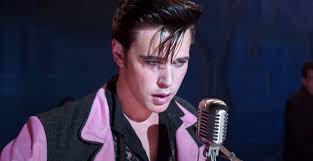
Baz Luhrmann’s biopic is a big, brash, noisy exploration of the late singer’s life and times. Against all the odds, Austin Butler makes the role his own and Tom Hank’s portrayal of the sleazy, manipulative Colonel Tom Parker is also right on the button.

Bones and All

Luca Guadadigno’s visceral tale of love and cannibalism is a brilliant reinvention of a well-worn trope which can be seen as an allegory about drug addiction. It’s brilliant stuff, but not for the faint-hearted – by turns romantic and repugnant.

She Said

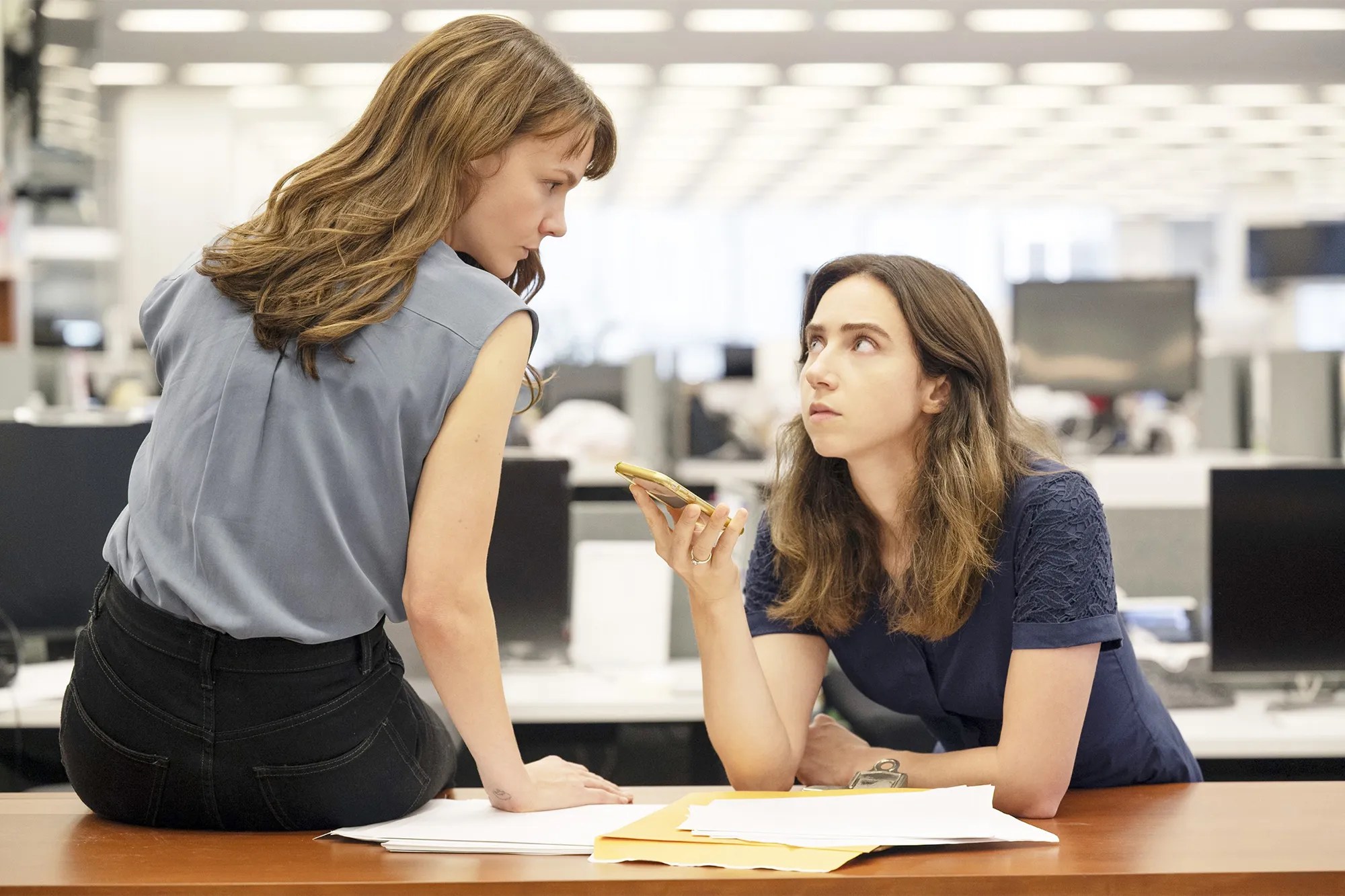
This searing account of the uncovering of Harvey Weinstein’s crimes by two Washington Post journalists is timely and superbly recreated, with excellent performances from Carey Mulligan and Zoe Kazan in the central roles.

The Banshees of Inisherin

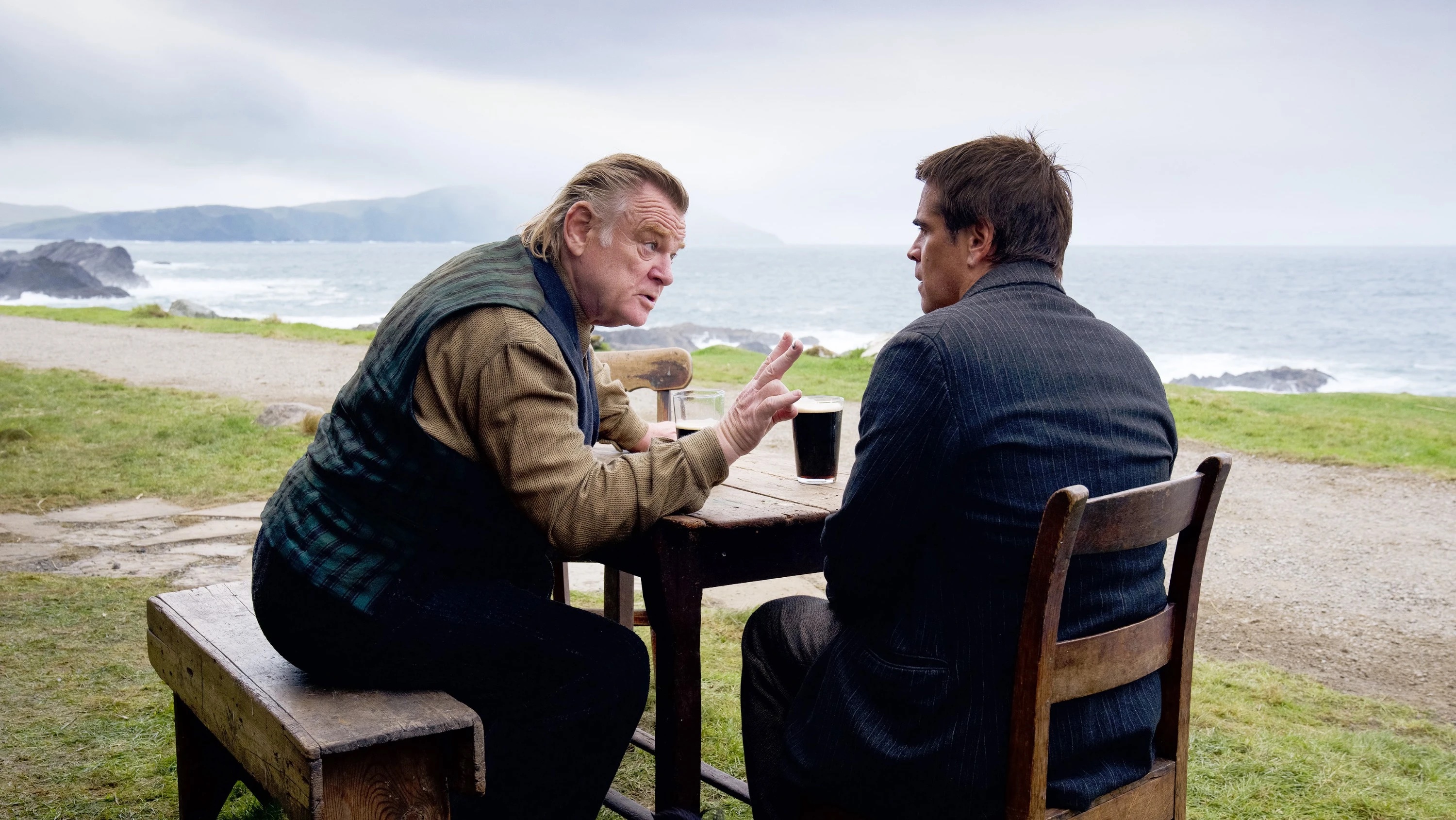
Martin McDonagh’s film is a beautifully observed contemplation of the thankless futility of human existence. This is his best offering since the sublime In Bruges, with wonderful performances from Colin Farrell and Brendan Gleeson.

Aftersun

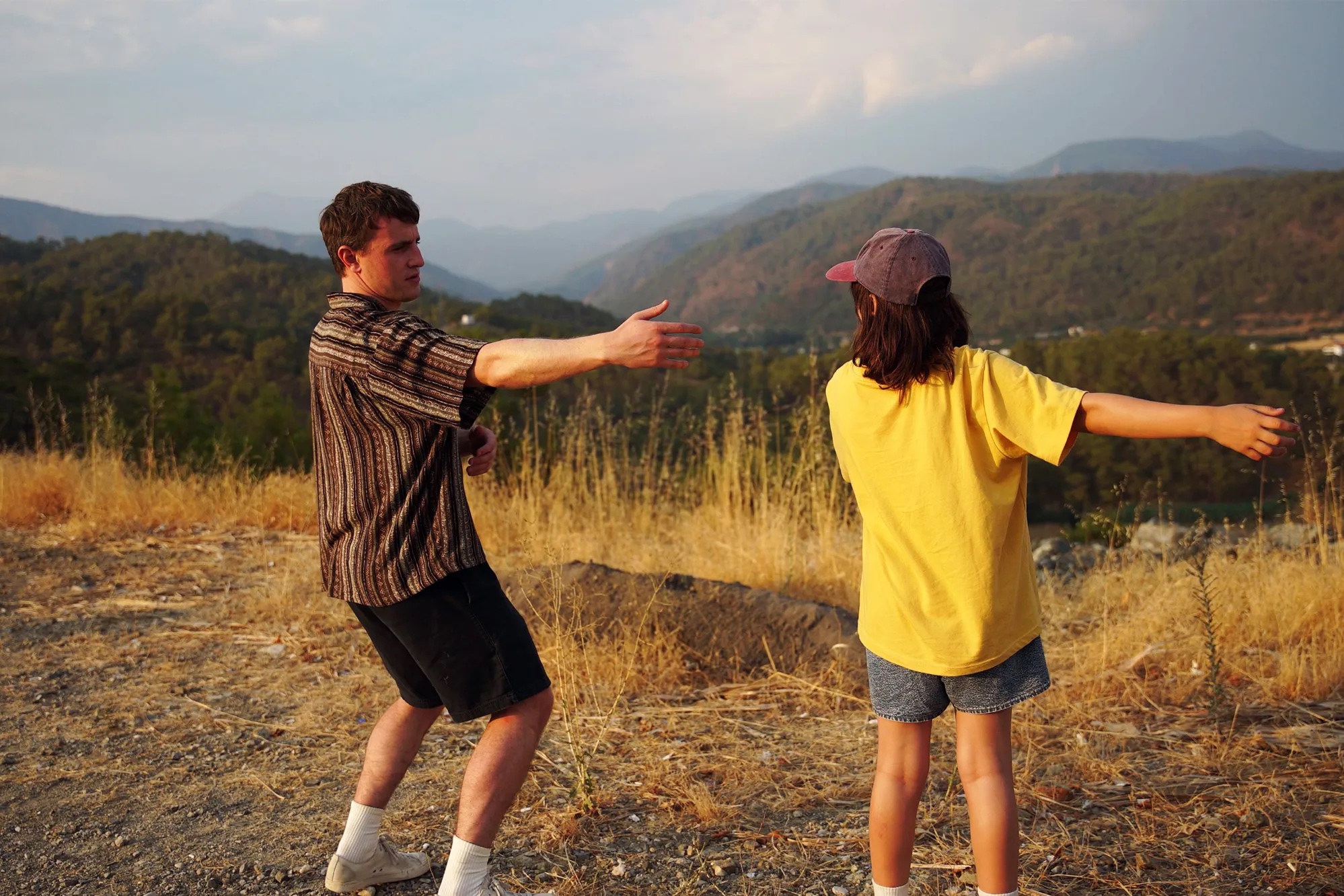
A gorgeous film, sweetly sad and tinged with tragedy. Debut writer/director Charlotte Wells knocks it out of the park with her first feature, coaxing extraordinary performances from Paul Mescal and Frankie Corio. An absolute must-see.

Guillermo del Toro’s Pinocchio

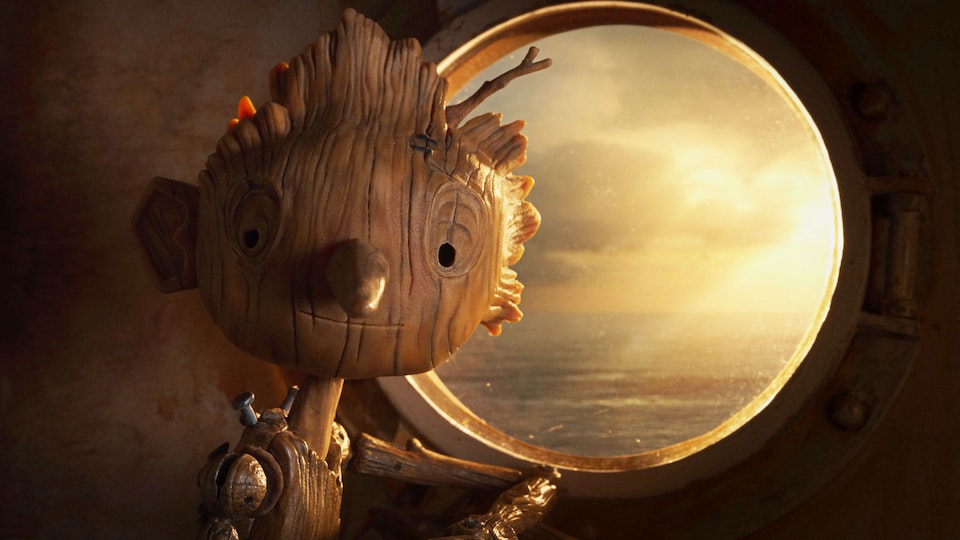
Not content with one title in our selection, del Toro has two – despite the fact that we had to watch Pinocchio on the small screen. Few films deserve the description ‘masterpiece’ as thoroughly as this one.

Philip Caveney & Susan Singfield

Aftersun

24/11/22

Cineworld, Edinburgh

Writer/director Charlotte Wells’s debut feature arrives in UK cinemas, virtually creaking beneath the wait of a whole series of prestigious award nominations. It’s easy to see what influenced those who bestow such accolades. Aftersun is far more experimental than the average British independent; indeed, at times I’m put in mind of the work of American genius, Sean Baker, which is intended as a compliment. This sad, lyrical little film, set in the late 90s, follows the misadventures of a young father and his eleven-year-old daughter as they attempt to bond on a package holiday to Turkey.

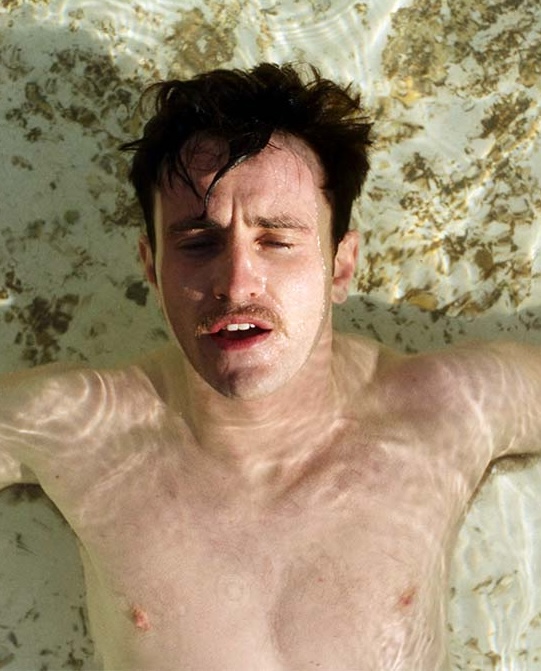
Calum (Paul Mescal) and Sophie (Frankie Corio) arrive at their hotel in the dead of night to a series of familiar disasters. Paul has asked for two beds in their room and there’s only one. Furthermore, in daylight, the resort resembles a building site with hammers and drills providing an intrusive soundtrack to those seeking a relaxing day’s sunbathing. But the two of them are here for a holiday and that’s exactly what they’re going to have.

As the languorous days unfold, it becomes apparent that not everything is quite as it should be. We learn early on that Paul is divorced from Sophie’s mother and that she has started a relationship with someone else. Paul seems sanguine about it, though on phone calls home, he still tells his ex-wife that he loves her. And there are some unanswered questions. Why does Paul have a plaster cast on his arm when he arrives? And why is he so vague when Sophie asks him how it happened?

The film unfolds like a series of half-remembered experiences, which makes perfect sense when we are offered scenes of a grown up Sophie (Celia Rowlson-Hall), now a mother herself, looking back on the events of that trip and trying to piece the experience together. Cinematographer Gregory Oke makes everything look ephemeral, often choosing to depict scenes as reflections on a TV screen or in a hotel room mirror, sometimes offering us half-obscured images that don’t tell the whole story. Much of the action is captured as playbacks on Paul’s modest little video camera.

Mescal is terrific but it’s Corio who really knocks it out of the park, nailing the insecurity and apprehension of a young girl at a difficult age, just beginning to experience a growing interest in the teenage boys who hang about the resort. In the skies, a parade of colourful hang gliders often appear to be just out of Sophie’s reach, offering her some kind of escape. But Paul keeps telling her she’s too young to try them out…

This is a gorgeous film, sweetly sad and tinged with tragedy and is as ambitious a first feature as I’ve seen in a very long while. Wells surely has a bright future ahead of her but, for now, Aftersun is a pretty impressive start.

5 stars

Philip Caveney