Patrick Marber

The Critic

15/09/24

Cineworld, Edinburgh

A film about a theatre critic? Well, that’s irresistible for a start, despite a series of rather sniffy advance reviews that have – much like this film’s protagonist might – damned the endeavour with faint praise. So I’m both surprised and delighted that I enjoy this as much as I do.

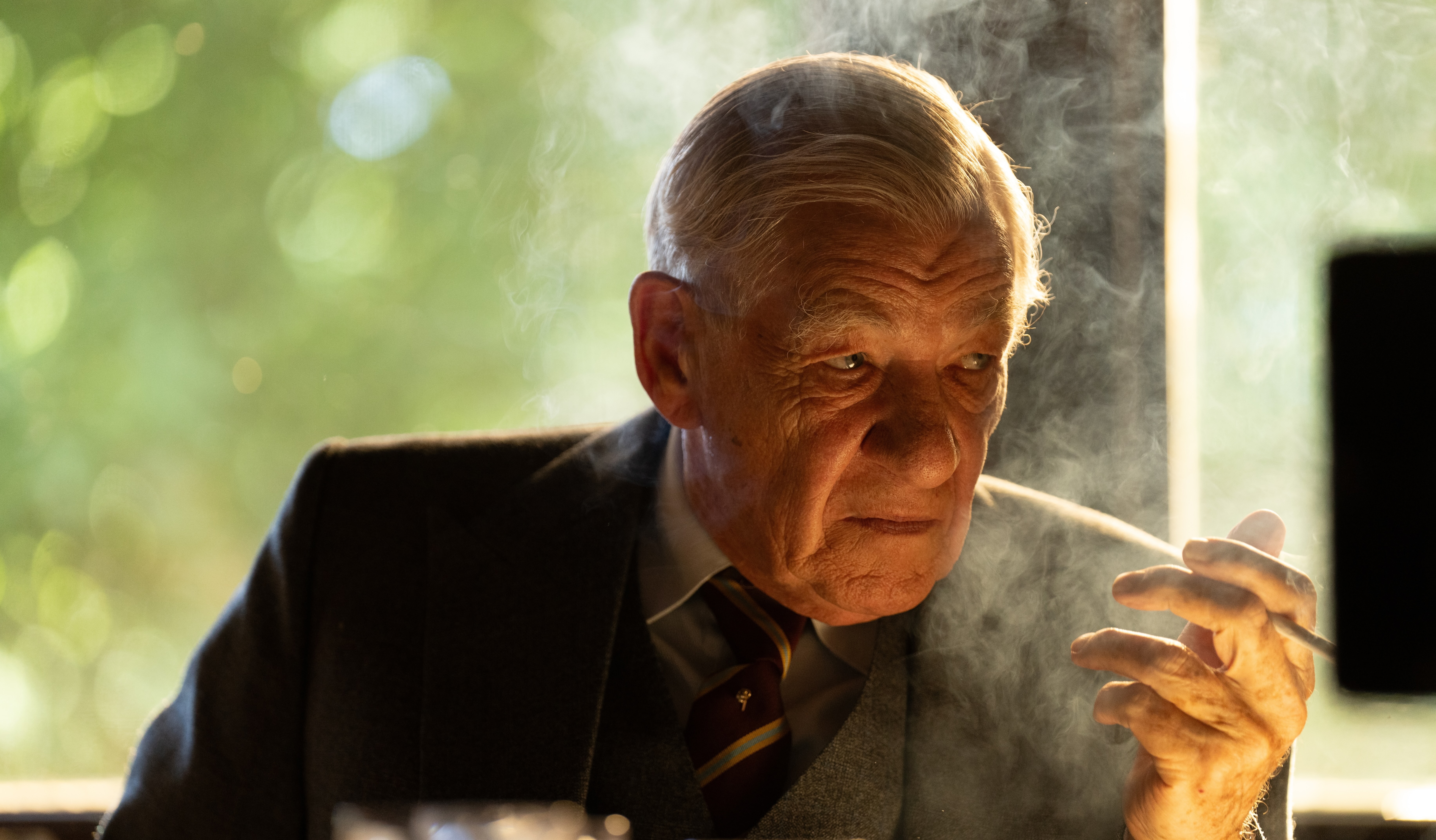
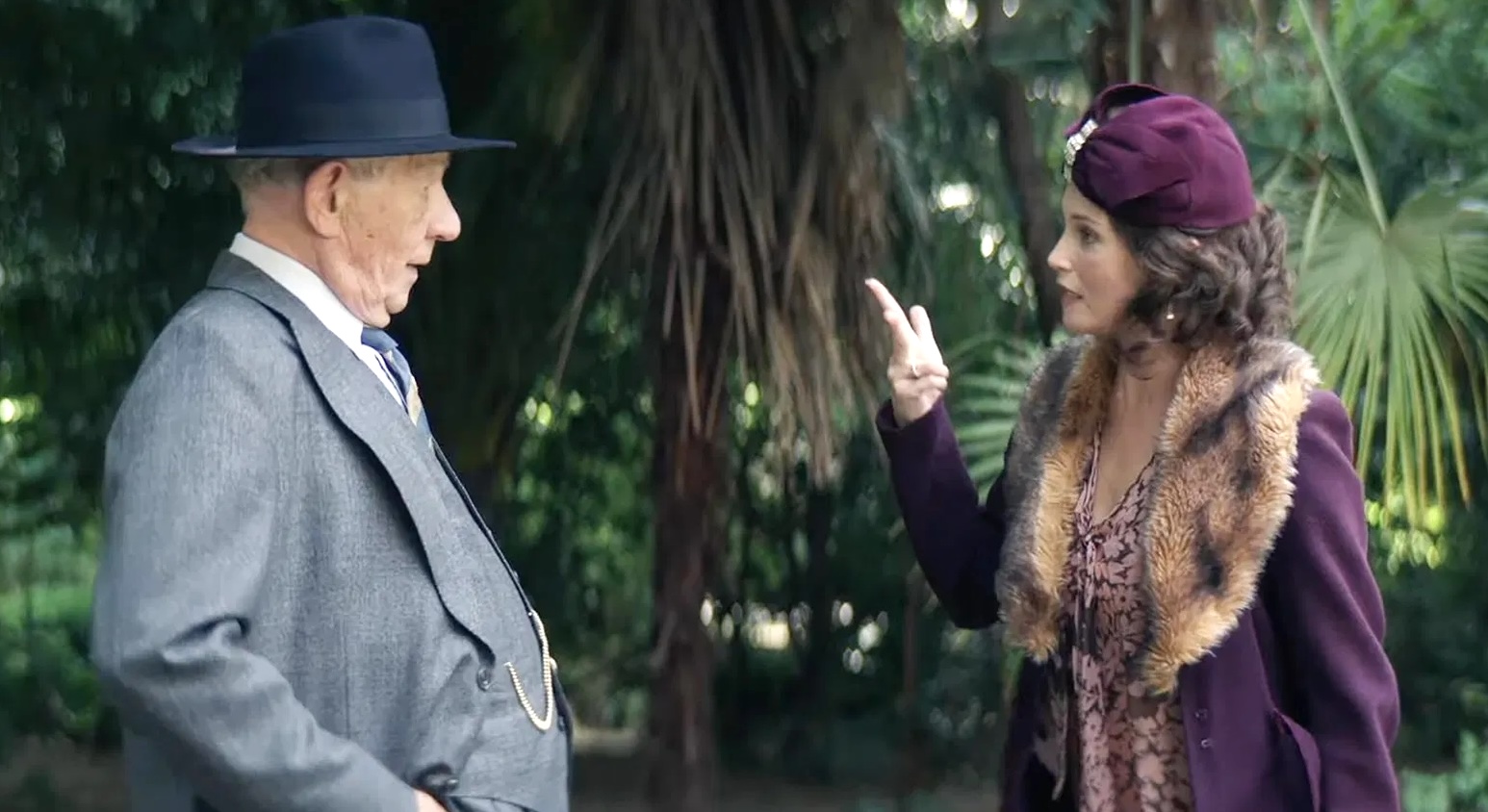
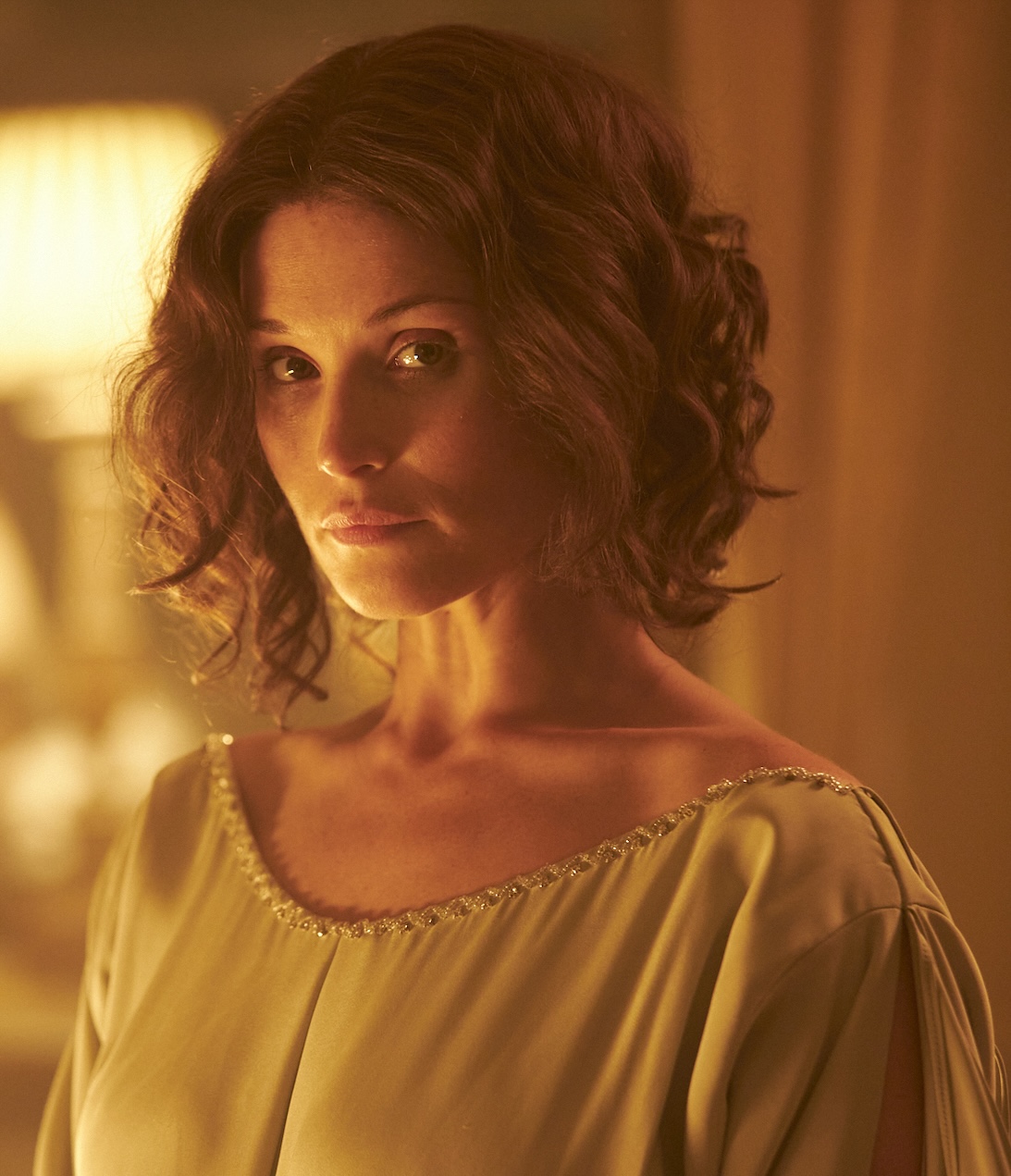
Written by Patrick Marber and loosely based on Anthony Quinn’s novel, Curtain Call, this is set in London in 1935, a time when the titular critic, Jimmy Erskine (Ian McKellen), the long-established theatre reviewer at ‘The Chronicle,’ really does have the clout to sink a production with a few well-aimed barbs. Jimmy is quick to point out that he has a genuine love of the theatre and will always dispense praise when he feels it’s been earned. Lately, most of his ridicule is directed at actress Nina Land (Gemma Arterton), who Jimmy believes has no business being on the stage. It doesn’t help that she holds him in high esteem – indeed, it was reading his reviews as a little girl that lured her into becoming an actor in the first place.

Jimmy is covertly gay – a crime punishable by imprisonment in the 1930s – and when one night he is caught in a compromising position with his live-in assistant, Tom (Alfred Enoch), he is called in to the office of The Chronicle’s new proprietor, David Brooke (Mark Stong), and handed a month’s notice. But Jimmy isn’t going to take it lying down. He has too much to lose, not least the opportunity for fine dining and lashings of booze to go with it.

And it has come to his attention that Brooke is an avid fan of Nina Land…

What’s particularly enjoyable about The Critic is the fact that all of the characters we encounter are nuanced enough that, despite a stereotypical set-up, none of them ever feels like a caricature. McKellen is clearly having a whale of a time as the venal and calculating Jimmy, a man who – because of his sexuality – has had to learn to be adaptable in order to survive, yet is bold enough to coyly ask a follower of Oswald Mosley if he has ironed his black shirt all by himself. There’s the delicious paradox of Arterton playing an allegedly bad actress, giving quite the best performance I’ve seen from her, by turns vengeful and vulnerable. There’s a lovely cameo from Lesley Manville (who seems to be popping up in just about everything lately) as Nina’s mother, Annabel – and Strong too invests his character with just the right touch of pathos.

The 30s setting is nicely evoked and, as The Critic moves ever deeper into the realms of tragedy, I find myself wondering what compelled others to be so er… critical of it. For my money, this is an assured film, nicely directed by Arnand Tucker and hauntingly photographed by David Higgs. It would, of course, have been great fun to lay into this with a hatchet (oh, the irony!) but, annoyingly, I find myself completely unable to do so. The Critic is, in my humble opinion, an absolute delight.

4.5 stars

Philip Caveney
Leopoldstadt

16/06/23

National Theatre At Home

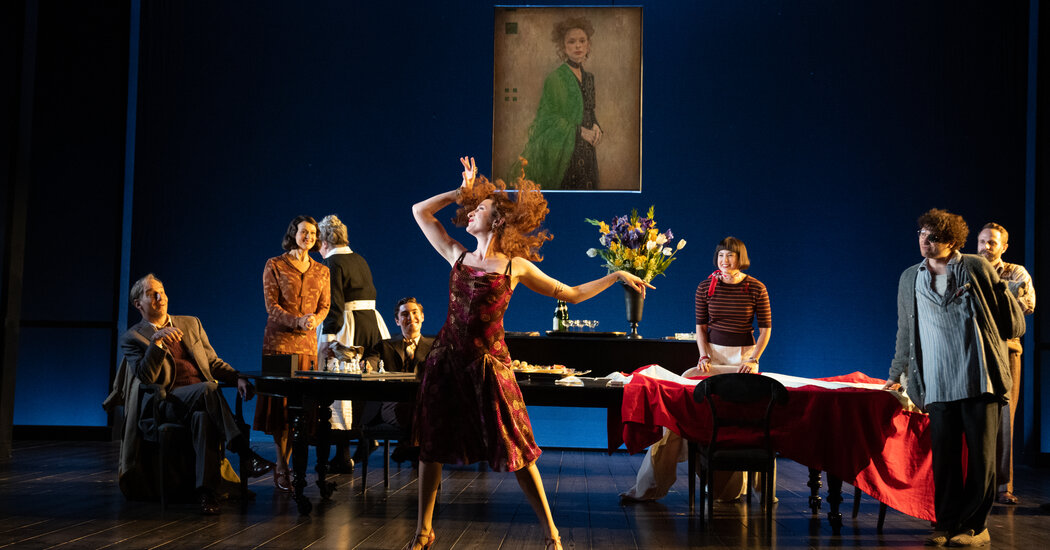
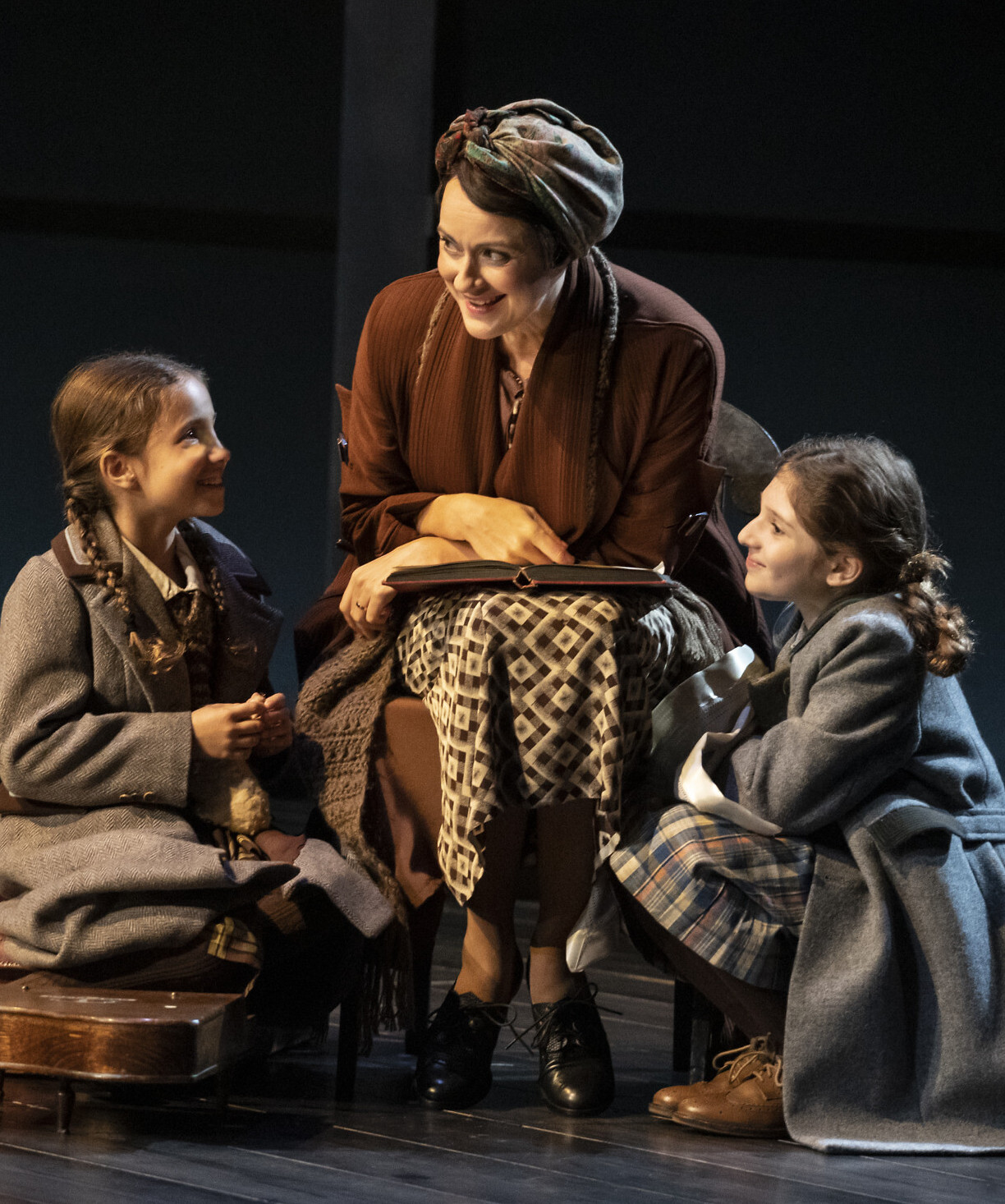
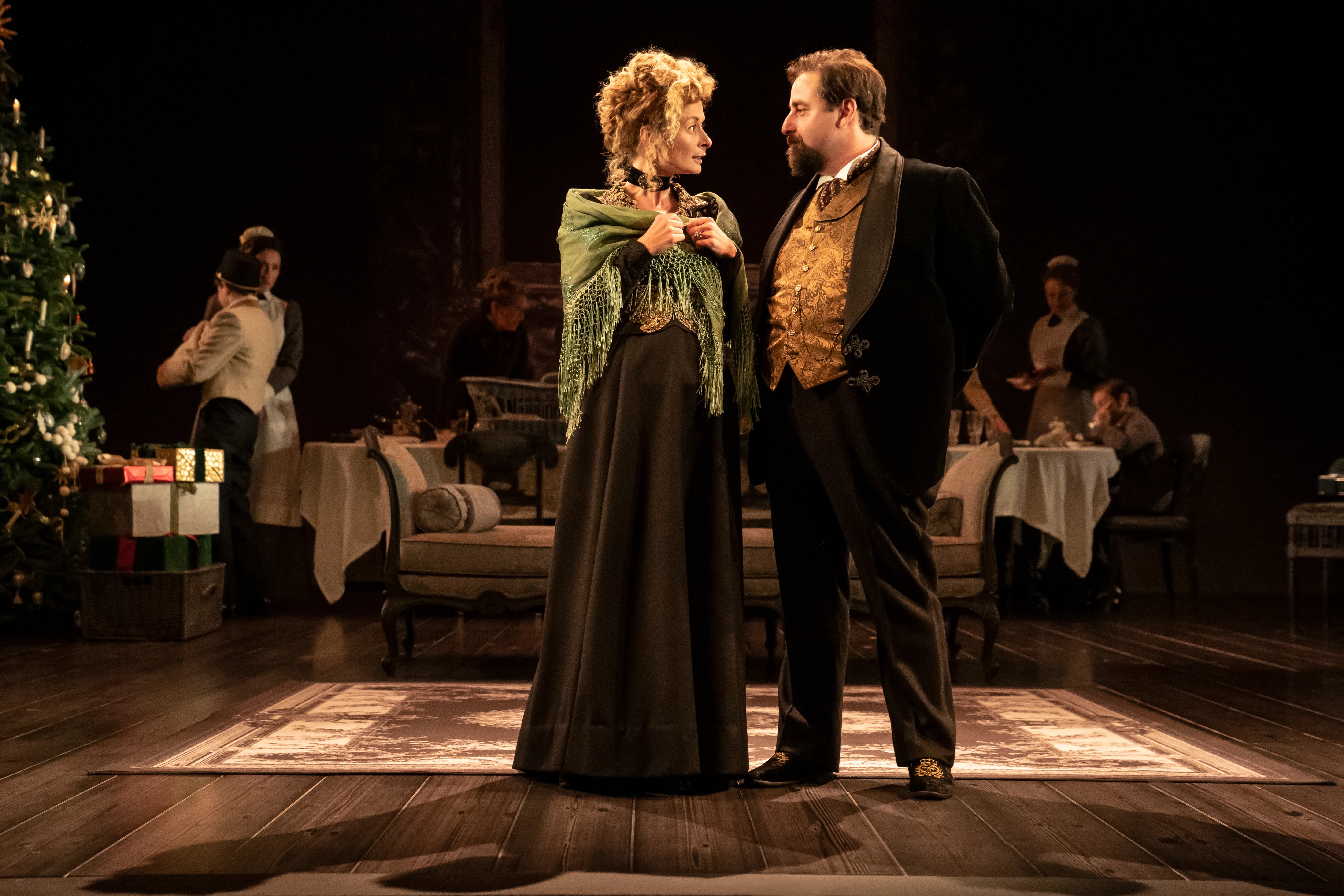
With live theatre events relatively thin on the ground at the moment, it seems a propitious time to indulge in NT Live’s ‘At Home’ selection – and the obvious first choice is Tom Stoppard’s Leopoldstadt, a play in five acts, which chronicles the lives of the Merz family in Vienna. With a cast of forty actors, this is a mammoth undertaking and, while Patrick Marber’s direction occasionally struggles to contain so many disparate characters, it’s nevertheless an education for me, providing an overview of world events that eventually led the Jewish people to the edge of annihilation.

The play opens in 1899, where Merz family patriarch, Hermann (David Krumholtz), his wife Greta (Faye Castelow), and their extended family are celebrating Christmas. Hermann (like many other Jewish businessmen) has converted to Catholicism in order to prosper in his everyday dealings, but he’s only too aware of the antisemitic sentiment of the true gentiles around him and at the party (where one of the children unthinkingly puts a Star of David at the top of the tree) there is already wistful talk of the idea of a Jewish homeland in Palestine.

As the story progresses – we jump first to one year later, then to the jazz era of the 1920s – we are aware that nothing has improved for the Merz clan and that their freedom to thrive is being rapidly diminished. The next section, set in November 1938 on the evening of Kristallnacht, is perhaps the most harrowing sequence, as the family home is visited by a sneering Nazi overseer, who quite literally gives them their marching orders, his callousness exemplified by the seemingly small act of brazenly stealing Hermann’s beloved fountain pen.

A moving coda, set in 1955, features three of the few survivors of that night, comparing notes and remembering the many – the very many – who died in the Nazi death camps. The play begins with a huge extended family on stage, but as the story progresses, their numbers steadily diminish until there are hardly any of them left and the performance space is almost empty. It’s a powerful moment when, in the final minutes, the rest of the cast drift back to stand behind the three survivors, silent witnesses to their own terrible fates.

While it’s nobody’s idea of an uplifting evening at the theatre, Leopoldstadt – which may well be Stoppard’s swan song – is an important and ambitious piece of theatre that highlights how an entire race of people, perhaps because of their very determination to succeed in the face of overwhelming odds, has been systematically tyrannised and subjugated throughout history.

While the complex nature of the Merz family tree (and the actors doubling as different characters) occasionally gives rise to some confusion as those we first see as children return as adults, it’s worth persevering for the powerful melancholy of that extraordinary epilogue, which for quite some time leaves the live audience in stunned silence before the applause finally begins.

3.8 stars

Philip Caveney