Lyceum Theatre

The Snow Queen

25/11/23

Lyceum Theatre, Edinburgh

Hans Christian Andersen’s The Snow Queen has never been my favourite fairytale. Although there are plenty of gloriously memorable images – and the book I had as a child was beautifully illustrated – I’ve always found the plot unwieldy. Happily, in this very Scottish adaptation, Morna Young does an excellent job of clearing the dead wood, jettisoning some of the unnecessary complications and illuminating the story’s season-appropriate warm heart.

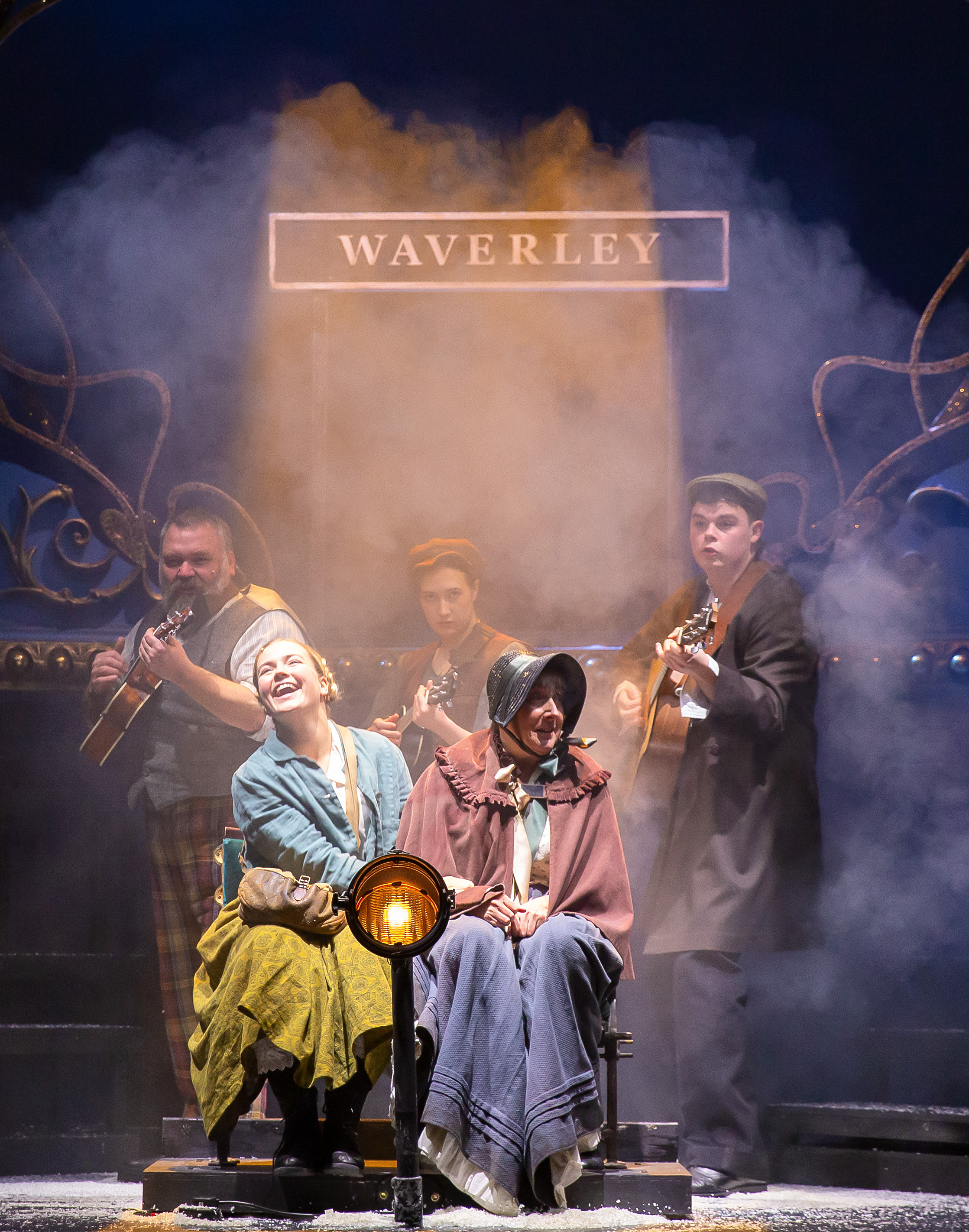
We start off in Victorian Edinburgh, where we were for last year’s An Edinburgh Christmas Carol. But we don’t stay there long: The Snow Queen is about a quest, so of course there’s an epic journey to be made. Best friends Gerda (Rosie Graham) and Kei (Sebastian Lim-Seet) are orphans, living with their respective grandparents. Every evening, they climb up onto the roof of their tenement to tend to their pot plants and plan for the future. Kei dreams of going to university, while Gerda wants to see the world.

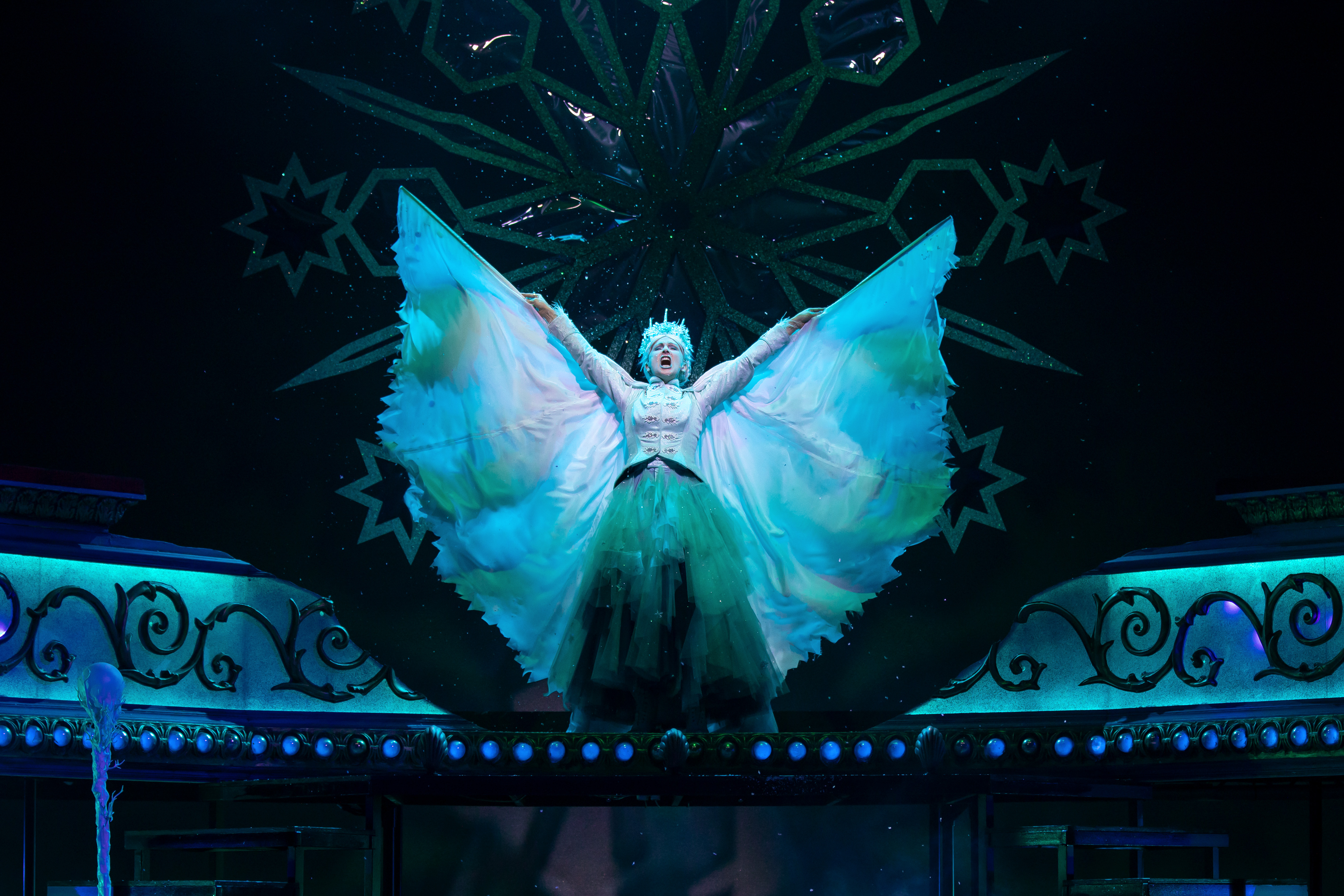
Meanwhile, in another realm, some trolls have broken a magic mirror and its shards have caused havoc, turning Beira, the Scottish Queen of Winter, into the evil Cailleach Bheur (Claire Dargo), determined to reign forever, and never relinquish her power to Bride, the Queen of Spring. Bride (Naomi Stirrat) isn’t strong enough to overpower the Snow Queen, but she does manage to slow her down – by planting five seeds of spring inside five human beings. So far, the Snow Queen has tracked down four… and now she thinks she knows where the fifth one lies. Kei doesn’t stand a chance. Corrupted by the magic mirror, he turns against Gerda and follows the Cailleach Bheur to her icy lair. But the Snow Queen has reckoned without Gerda, and underestimated the power of true friendship…

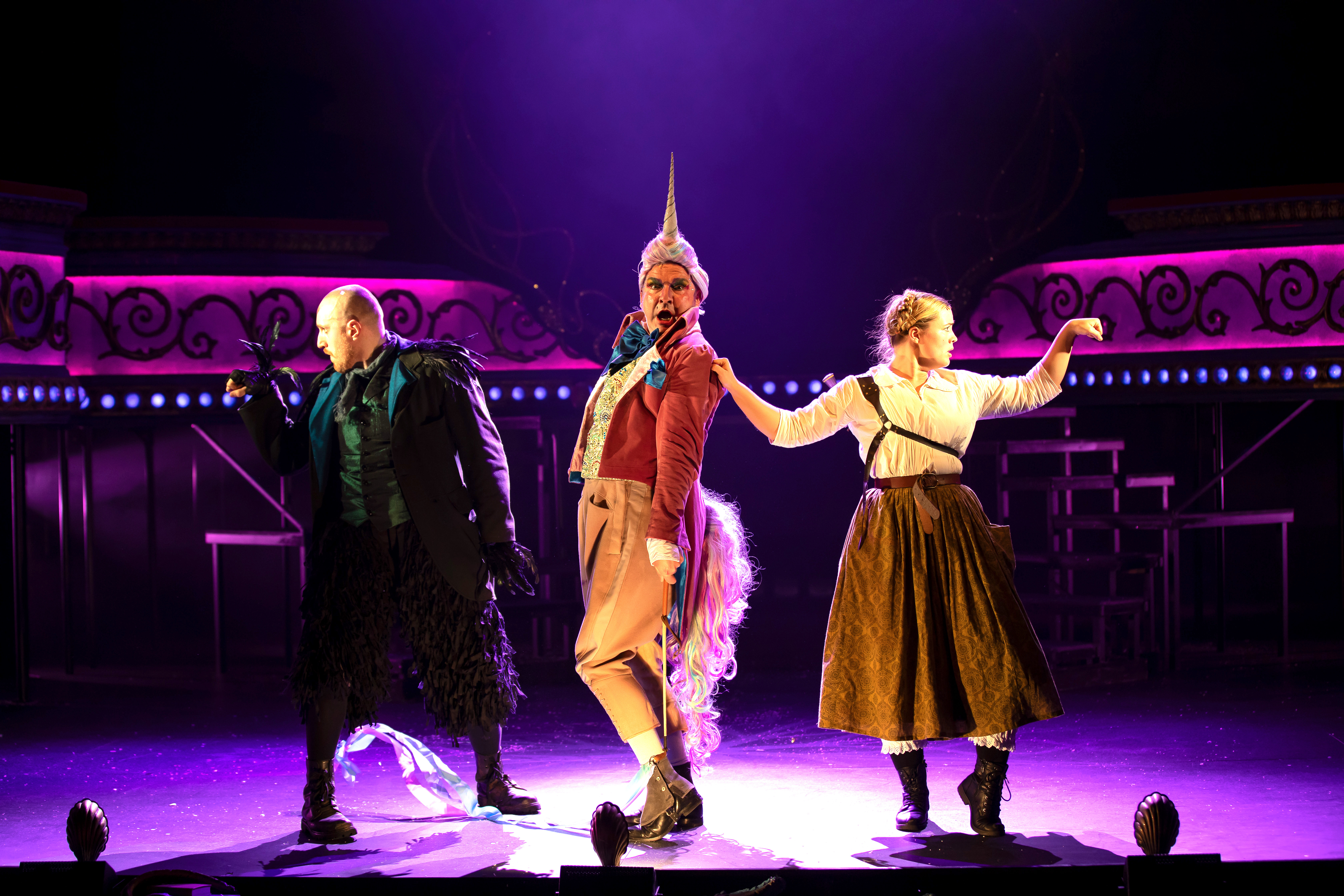
With a lively score by Finn Anderson and some very memorable songs – including Quines Gotta Fight and the innuendo-rich A Horse with a Horn – this production is as bold and vivacious as everything we’ve seen Cora Bissett direct. Graham and Lim-Seet convince as sweet and wholesome children, while Dargo’s white witch is suitably scary. Samuel Pashby – who plays Corbie, the Snow Queen’s corvid assistant – is an excellent clown, his gymnastic capers always engaging. But it’s Hamish the Unicorn (Richard Conlon) who steals the show, which does unbalance things a little – but, honestly, it doesn’t matter a jot. After all, this is a piece of festive family fun, and it’s hardly surprising that a rainbow-farting magical beast should be the mane (sorry) attraction.

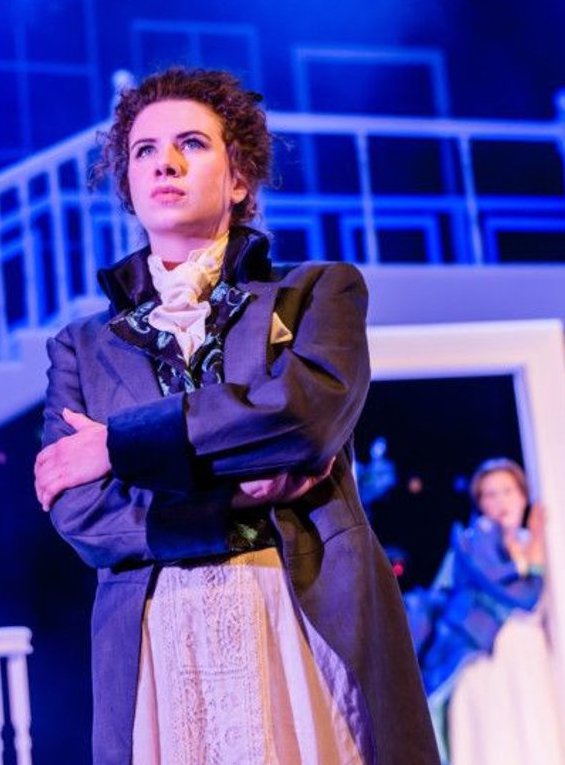
I’m a little bit in love with Emily James’ set, which mirrors (and thus closes) the Lyceum’s dress circle, reflecting the theatre back at us. It’s huge and imposing and difficult for the actors to negotiate – and therein lies its beauty. The image is as in-your-face as it gets, too direct to count as subtext, and I admire its audacity. It’s impossible to ignore. James’ costumes are wonderfully opulent too: I’m drawn to the bright colours of the flowers in the fairy garden, and to the Cailleach Bheur’s shimmering pastels.

The Snow Queen straddles the line between theatre and panto, Hamish’s broad humour contrasting with the more serious underlying themes. For the most part, I think this works, although some of the jokes don’t land as well as they might, eliciting titters rather than belly laughs. Perhaps it would be an idea to have Hamish and Corbie engage more directly with the audience, signalling the tonal change. Nonetheless, the enthusiasm with which the final rendition of A Horse with a Horn is sung suggests that even the youngest attendees are fully on board.

A sparkling delight.

4 stars

Susan Singfield

Group Portrait in a Summer Landscape

05/10/23

Lyceum Theatre, Edinburgh

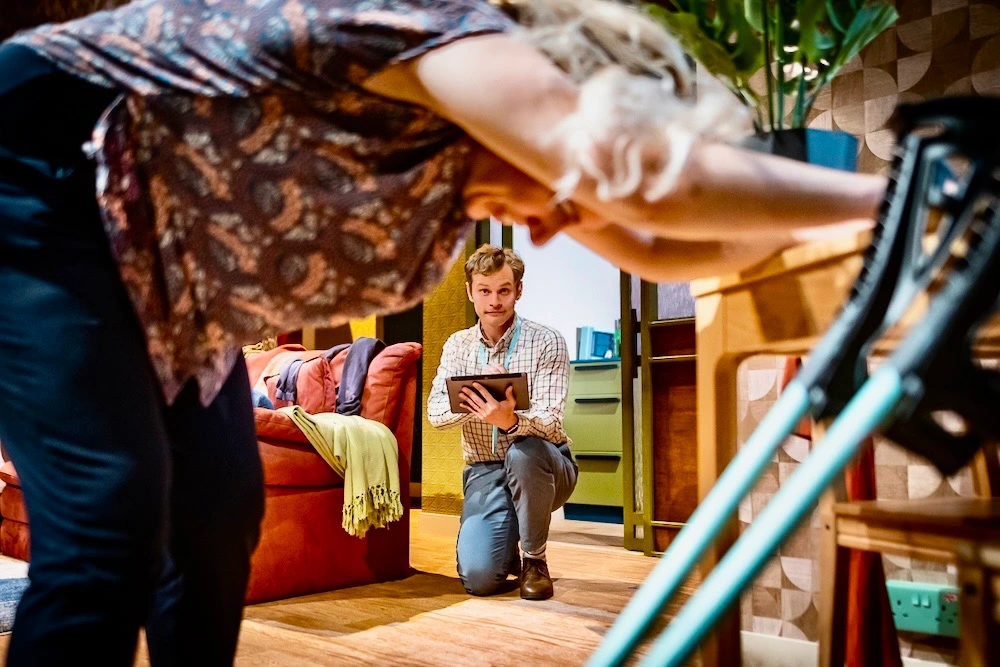
Patriarch Rennie (John Michie) has invited a disparate group of people to his retirement party. He’s had to keep the guest list secret from his wife, Edie (Deirdre Davis), because – with the exception of her old pal, film star Jimmy Moon (Benny Young) – there’s no way she’d agree to hosting the people he has in mind. En route to the couple’s country house in the Scottish Highlands is their daughter Emma’s ex-husband, for example – even though their wedding ended acrimoniously and Charlie (Matthew Trevannion) is renowned for wreaking havoc wherever he goes. Of course, he maximises the antagonism by bringing along his latest girlfriend, Jitka (Nalini Chetty), and why wouldn’t Rennie ask the newly-betrothed Frank (Keith Macpherson) and Kath (Patricia Panther) to join the party? It’s not as if Frank’s always been in love with Emma (Sally Reid) or anything, is it? Oops. There’s an uninvited presence too: the ghost of Rennie and Edie’s son, Will (Robbie Scott), who watches over the day’s proceedings with increasing horror…

Playwright Peter Arnott says he set out to to write a ‘Scottish Chekhov’ and to some extent he has succeeded. At first it seems as though, unlike Chekhov, Arnott is looking back at the political moment that nominally serves as the play’s pivot; he has the advantage of hindsight to create dramatic irony. After all, we know the outcome of the 2014 Scottish independence referendum, the divisive topic inflaming the characters. But we soon learn that this is just a distraction: as Charlie says, it’s mere tinkering around the edges while ignoring the real revolution that is on its way, and which only the rich and ruthless will be able to survive.

If Arnott’s script is retro, then David Greig’s direction is decidedly contemporary, a deliberate jarring of styles that helps to illuminate the sense that something is changing, mirroring the mismatch between parochial politics and apocalyptic predictions, Chekhovian naturalism and magical realism. I like the dissonance.

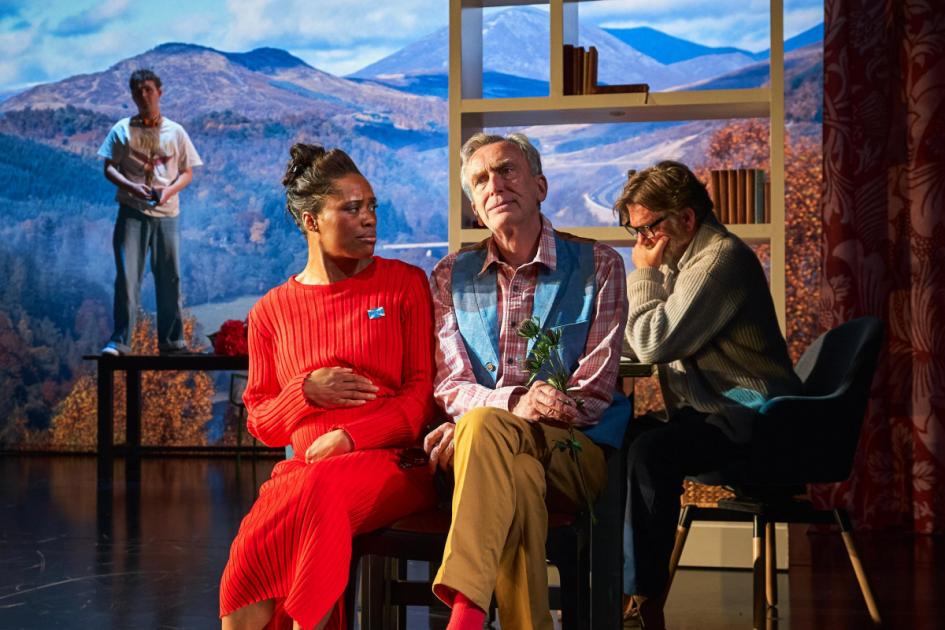
Jessica Worrall’s set also leans into the contrast, a hyper-realistic backdrop juxtaposed with a more figurative interior: a glorious photograph of a Highland glen and a sketched-in kitchen-diner, symbolised by oversized shelving units, enormous tables and vast floral curtains.

Both Simon Wilkinson’s lighting and Pippa Murphy’s sound are integral to the production: the former spotlighting the snippets of conversation that combine to drive the plot, the latter signalling the shifts to the ghost’s point of view, as the sound distorts and fragmented memories play through Will’s Walkman. This supernatural presence is one of my favourite things about the play: Scott physicalises the spirit’s pain and confusion with a beautiful awkwardness.

The first act is very strong, an interesting set-up that promises something the second doesn’t quite deliver. Although the characters are all cleverly depicted, the piece feels somehow unfinished, as if the story arc has been cut short. Rennie’s revelation, when it comes, is anticlimactic, and I don’t quite buy it as a reason for inviting these particular people to his home (why would anyone ever invite Charlie anywhere?). But, even if it’s a little opaque and doesn’t offer any real answers to the issues it grapples with, Group Portrait in a Summer Landscape is an intelligent and ambitious play, leaving us with a lot to think – and talk – about.

3.8 stars

Susan Singfield

Anna Karenina

21/05/23

Lyceum Theatre, Edinburgh

As dares go, this one – from Scottish writer Lesley Hart to British-Russian director Polina Kalinina – has turned out rather well, resulting in this sparky adaptation of Tolstoy’s classic novel. It certainly disproves Kalinina’s original contention that Russian texts tend to “lose vigour and immediacy in translation”: this piece is both vigorous and immediate.

The plot is well-known. Anna (Lindsey Campbell) – bored society wife and loving mother – visits her sister-in-law Dolly (Jamie Marie Leary)’s family estate, hoping to persuade her to forgive Anna’s feckless brother, Stiva (Angus Miller), for his affair with a governess. But it’s a fateful visit, because it’s here that Anna meets Vronsky (Robert Akodoto) – and embarks upon a tumultuous affair that will have a terrible impact. The story is pared back here, of course – four-hundred-thousand words of prose are condensed into a tight two-and-a-half-hours of drama – and it’s all the better for it. The book’s lengthy histrionics are economically conveyed by Xana’s deliberately grating sound design, which feels akin to being in a dentist’s chair, the screeching somehow inside your head. It’s not pleasant, but it’s strikingly effective.

Hart’s script highlights the biting unfairness of a patriarchal order, where Stiva’s many sexual transgressions cause him only minor trouble when they’re revealed, while Anna’s single affair turns her into a social pariah, shunned by her former peers, and – most painfully – banned from seeing her own son (played tonight by Noah Osmani). Her tragic end, prefigured by a brutal train accident at the start of the play, hangs literally over her head throughout: Emma Bailey’s stark design is dominated by this sword of Damocles, a huge screw-like ceiling pendant, each action causing it to turn another notch, embedding itself into Anna’s heart.

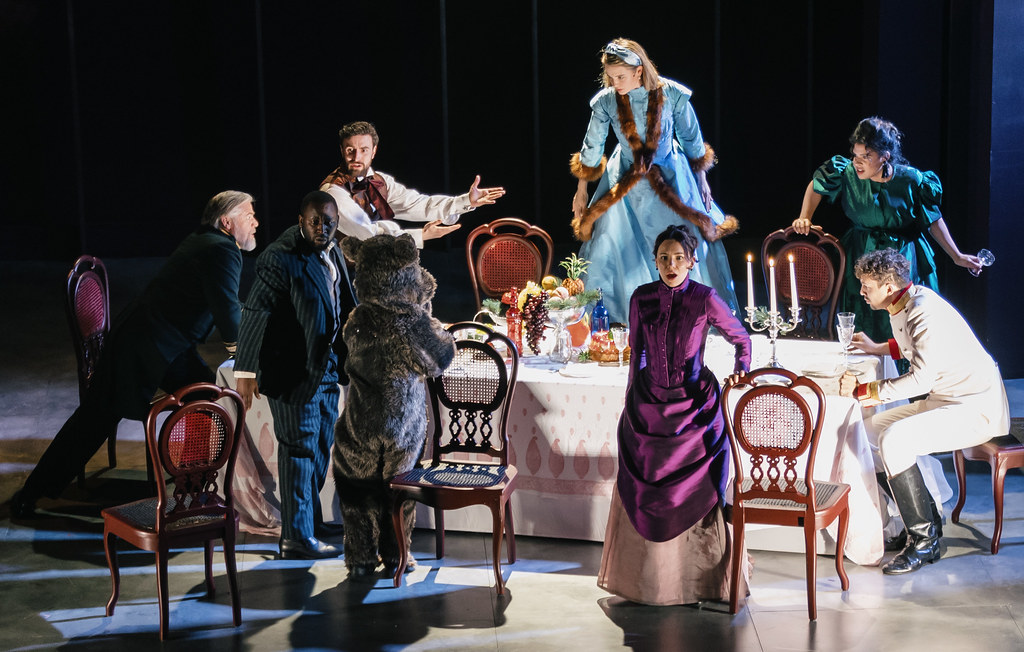
I love the urgency of the opening: a dinner party tableau that stutters and lurches into life. The characters are boldly drawn and instantly recognisable, from Karenin (Stephen McCole)’s supercilious reserve to Stiva’s self-indulgence and Levin (Ray Sesay)’s naïve modesty. The sliding screen upstage is ingenious too, opening to reveal a snowy railway platform, or pastoral wheat fields that seem to offer the hope of a simpler life.

Campbell’s Anna is a believable creation, beautiful and confident and relatively content – until she’s blindsided by her attraction for Vronsky. The tragedy here is as much about the corruption of their love as it about her death. What they have is real, but it’s destroyed by social mores and jealousy. It’s not their relationship that ruins Anna; it’s the stifling rules we humans impose upon ourselves.

So is Tolstoy still relevant and appealing in the twenty-first century? If this Royal Lyceum and Bristol Old Vic production is anything to go by, the answer is a resounding yes!

4.2 stars

Susan Singfield

Castle Lennox

31/03/23

Lyceum Theatre, Edinburgh

The titular Castle Lennox is a hospital, but not as we know it. Places like this – providing long-term residential care for people with learning disabilities, shutting them off from the outside world – no longer exist. Here, playwright Linda McLean explores the pros and the cons: the deep, affecting friendships forged and the toxic regime, rife with bullying.

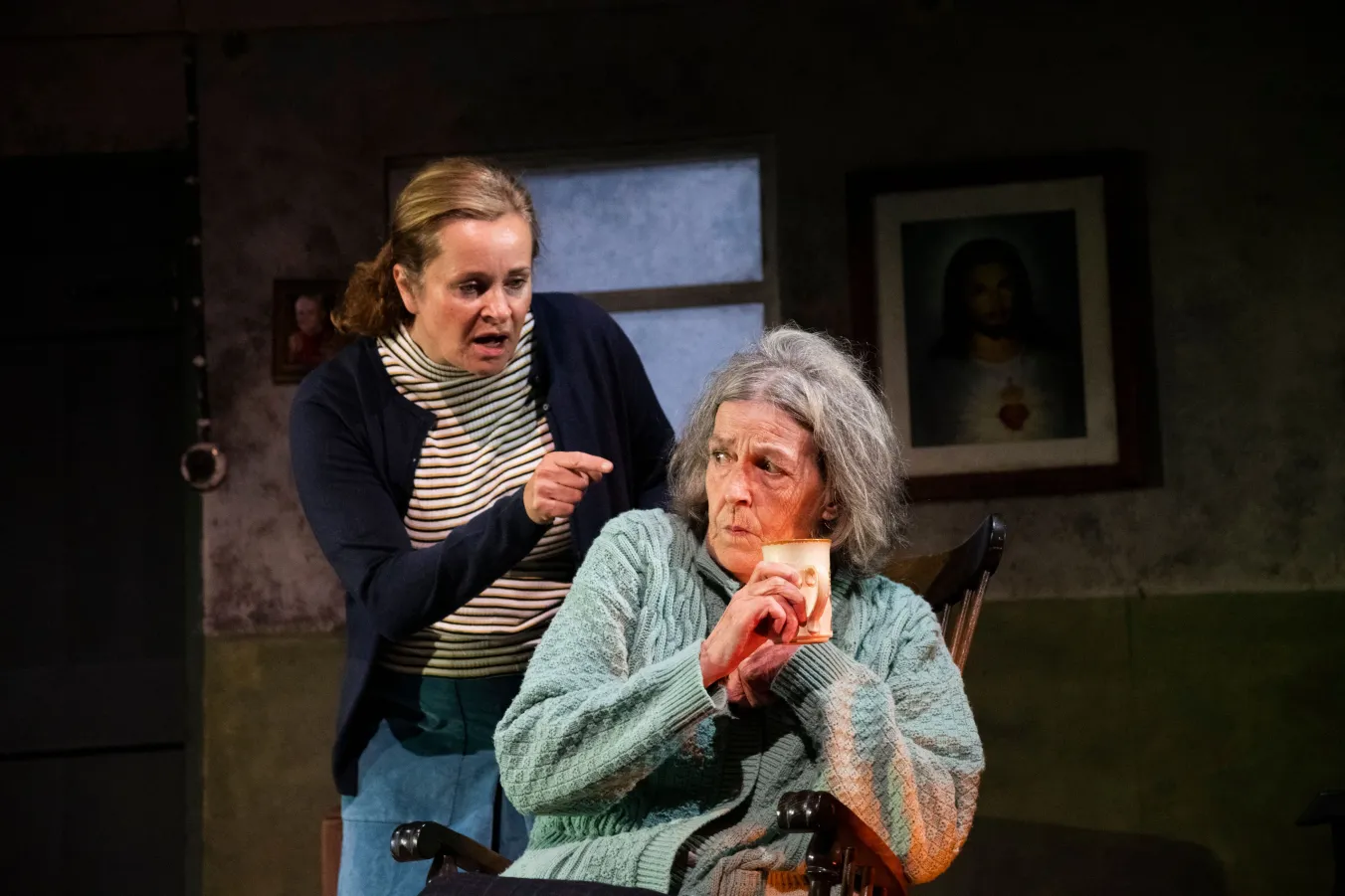
It’s 1969 and teenager Annis (Emma McCaffrey) is proving too much of a handful for her stepmother (Fletcher Mathers). Annis is lively, independent and full of fun, and she also has a learning disability, which means she’s eligible for enrolment at Castle Lennox. Simultaneously entranced and terrified by its fairytale appearance, Annis enters with hope as well as trepidation. But the staff nurse (Mathers again) takes against her, and – as the years tick inexorably by – Annis’s spirit seems to be quashed. Thankfully, there are also some moments of joy, such as her tentative romance with fellow patient, William (Gavin Yule) – but is she too institutionalised to cope when, twenty years later, Castle Lennox finally closes down?

Castle Lennox, directed by Maria Oller, is a joint production between the Lyceum and Lung Ha, Scotland’s leading theatre company for learning disabled actors. It’s a superb example of how empowering and inclusive drama can be, a cleverly-woven narrative that both supports and enables its fine cast, as well as engaging a sold-out house. McCaffrey shines in the lead role, but fellow actors Yule, Emma Clark (Jo) and Nicola Tuxworth (Marie) also stand out, the latter clearly relishing her devilish character.

But, although the individuals are great, it’s the choral scenes that really make this piece. Movement director Janice Parker creates a bold dynamic, evoking the cheerful chaos of the laundry and Saturday tea parties, and the performers are all absolutely on their game, singing and dancing with gusto and aplomb. BSL interpreter Rachel Amey is nicely integrated into the production, subtly assuming the role of Annis’s dead mother, reassuring her daughter when she’s feeling low.

Karen Tennent’s nifty set places us first in an enchanted forest, where a grand gateway yields to an altogether more prosaic and clinical space, where white curtains segregate the patients from outsiders – and from each other. The costume design (by Alison Brown) also helps to locate us both in time and place, and I like the way Annis’s clothes become drabber as the institution wears her down.

All in all, Castle Lennox is a delight, well-deserving of the standing ovation it receives tonight.

4 stars

Susan Singfield
Macbeth (An Undoing)

08/02/23

Lyceum Theatre, Edinburgh

Unlike the monarchs he wrote about, Shakespeare has reigned supreme for more than four hundred years: his plays, rich with examples of human fallibility, are endlessly relevant. But you’d think, wouldn’t you, that we’d run out of different ways to retell the same stories? I mean, the first time I ever saw Macbeth, way-back-when on a sixth-form theatre trip, it was set in a concentration camp (courtesy of Braham Murray at Manchester’s Royal Exchange). Next, I fell in love with Penny Woolcock’s 1997 film, Macbeth on the Estate, which transported the action to a maze of contemporary council flats, and I even enjoyed TV’s ShakespeaRe-Told, where chefs James McEvoy and Keeley Hawes killed off their rivals to take over a restaurant empire. More recently, Flabbergast Theatre’s wonderfully physical, visceral adaptation had me hooked, and there’s been a slew of others along the way. What I’m saying is: I know Macbeth. We all know Macbeth. It’s been done, right? What else is there to say?

And then along comes Zinnie Harris with An Undoing – and the whole thing is turned on its head.

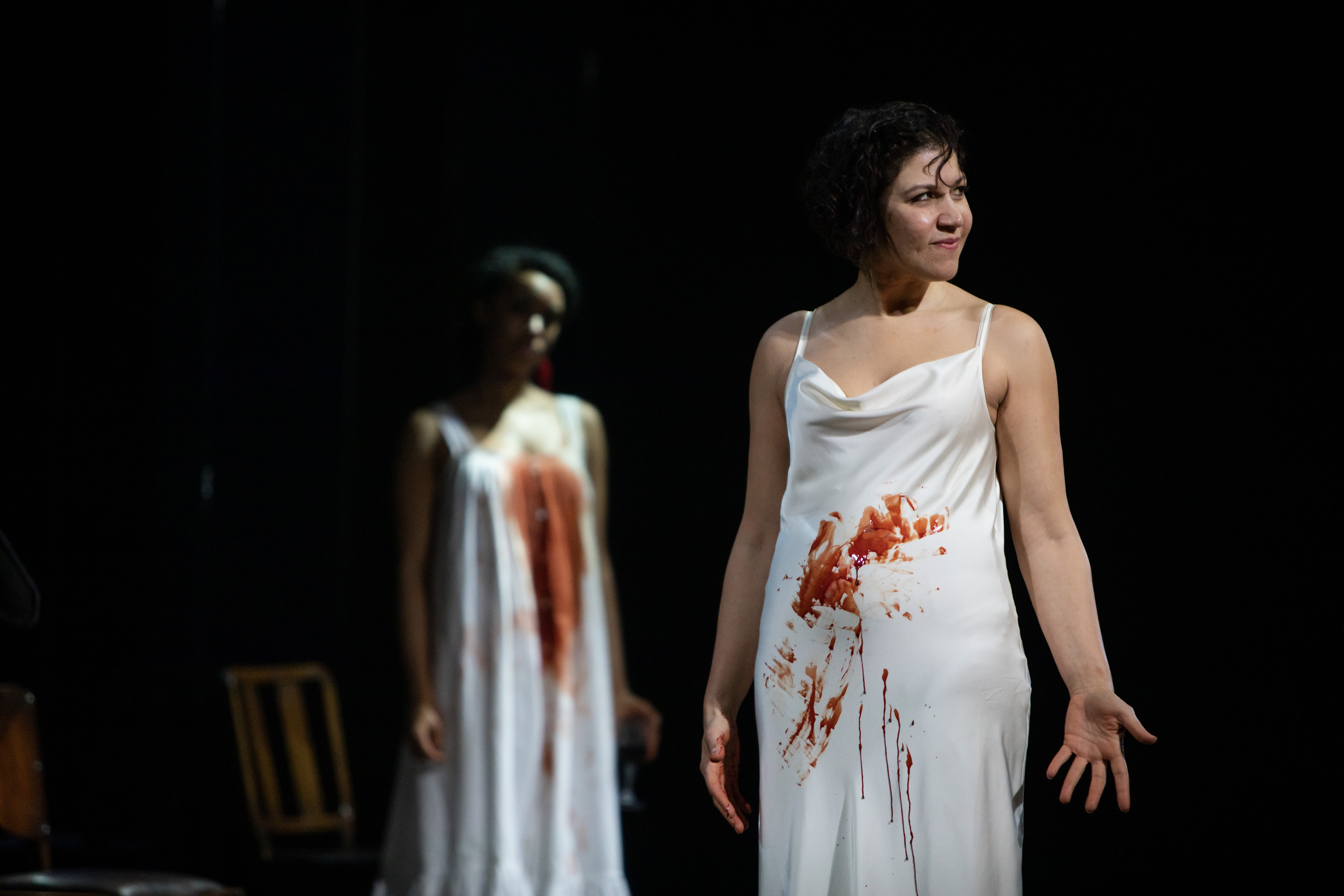
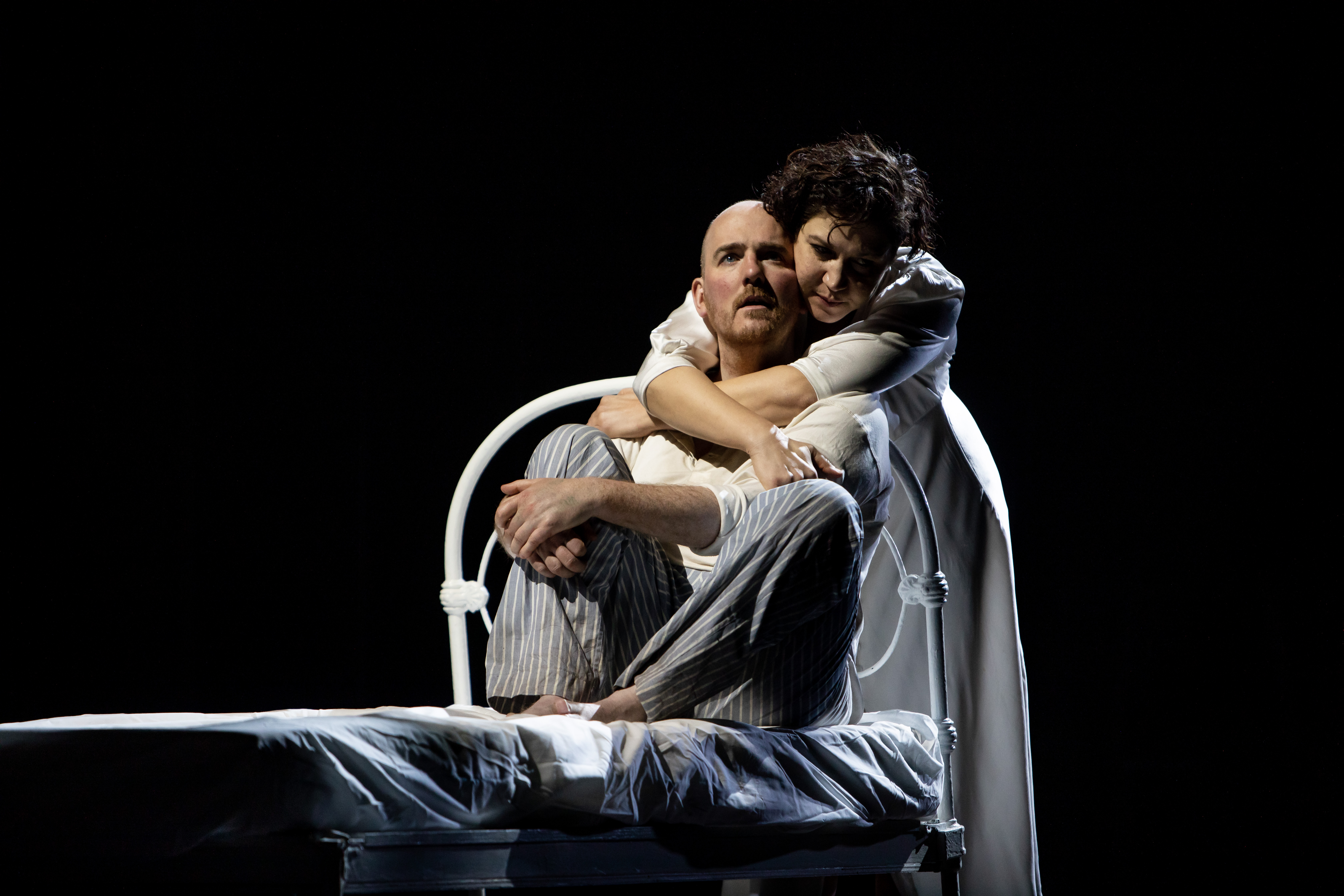
Macbeth (An Undoing) starts from a simple premise: what happens if Macbeth and Lady Macbeth follow their natural trajectories? Because, let’s face it, although Lady M is arguably the best of Shakespeare’s female characters, she’s also the most frustrating, initially a force to be reckoned with – an interesting, complex woman – before disappearing for an age and then returning broken, for a brief goodbye, with very little to tell us why. What if, asks Harris, it’s Macbeth who crumbles? What if it’s Macbeth – whose conscience troubles him from the start – who unravels, while his wife continues unabashed, for a while at least, determined to make their plan succeed? It makes perfect sense, given their starting points.

At first, when the curtains open on a blank stage, and we’re treated to servant/witch Carlin (Liz Kettle)’s fourth-wall-breaking opening gambit, I think perhaps this will be a relatively straightforward version of the play, with just a little mischievous tinkering here and there. After all, “This story will be told, the way it has always been told. What use is it otherwise? The hags on the heath. The woman who went mad. The man who became a tyrant,” she tells us. And, for the first half, that’s sort of what we get: Macbeth at a gallop, mostly in the Bard’s own words, step-by-step through the plot. There are a few changes: we’re in the 1920s, or the early 1930s perhaps; Ladies Macbeth and Macduff (Nicole Cooper and Jade Ogugua respectively) are reimagined as sisters, and share some revelatory new scenes (An Undoing easily passes the Bechdel test); Lady Macbeth and her husband (Adam Best) don’t just want power for power’s sake – they have a meticulously-planned vision for a utopian Scotland. But, in the main, it’s as it’s always been, so that, in the interval, I find myself musing aloud, “How can there still be an hour and a bit to go? There’s not much story left…”

But then we get to the undoing…

Harris’s adaptation is bold, daring and witty. I love the idea of the witches as servants: it makes perfect sense. They’re the eyes and ears of the house, privy to the paperwork the Macbeths have drawn up, witness to intimate moments and careless asides. Invisible. Ignored. These witches are also a family – in fact, Kettle and Star Penders, along with impressive young actor Farrah Anderson Fryer, form the most functional family we see on tonight’s stage, with clear bonds uniting them. I also like the depiction of Malcolm (Penders again) as a petulant youth, patently ill-equipped for leadership and ripe for exploitation by the ruthless Macduff (Paul Tinto).

But this is, without doubt, Lady Macbeth’s play. It’s the part of a lifetime, and Cooper makes the most of it, imbuing her with strength and vitality – and just a hint of vulnerability. She’s ambitious and single-minded, but never merely cruel or heartless. We believe in her love for her husband and sister, and we believe in her idealism too. She’s angry when the lairds misgender her, referring to her as the King because they can’t conceive of a woman behaving as she does (even though, to be fair, she does ask to be ‘unsexed’). In a well-aimed swipe at other interpretations of the role, she’s also angry at being reduced to her infertility.

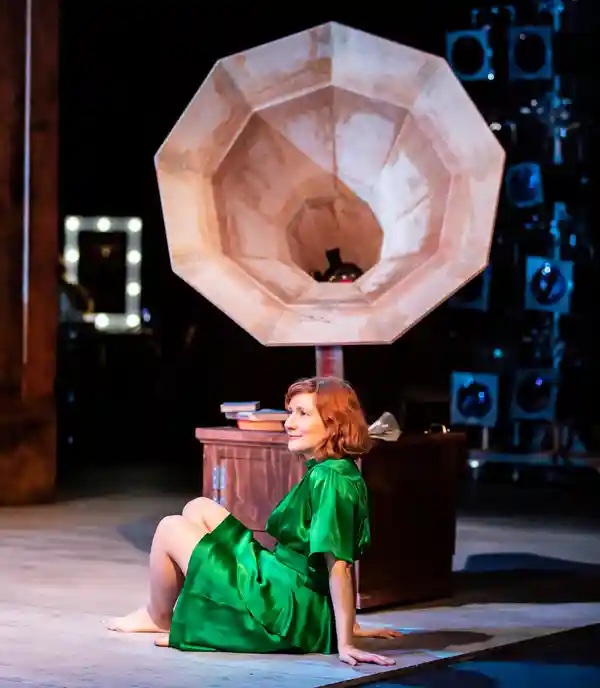
The set (by Tom Piper) is simple but extraordinarily effective, with warped mirrors concealing as much as they reveal, offering us multiple perspectives, and highlighting the Macbeths’ interdependence and duality. We’re there too, shimmering in the background, complicit and agog, just as Carlin accuses at the start.

The Lyceum is busy tonight – some of the boxes have even been pressed into use – and deserves to be so for the next month. You’ve probably seen Macbeth, but I doubt you’ve seen anything quite like An Undoing before.

4.7 stars

Susan Singfield

Theatre Bouquets 2022

After the slim pickings of the last two years, 2022 feels like a palpable return to form: finally, emphatically, theatre is back! We’ve relished the wide range of productions we’ve seen over the year. As ever, it was difficult to choose our particular favourites, but those listed below have really resonated with us.


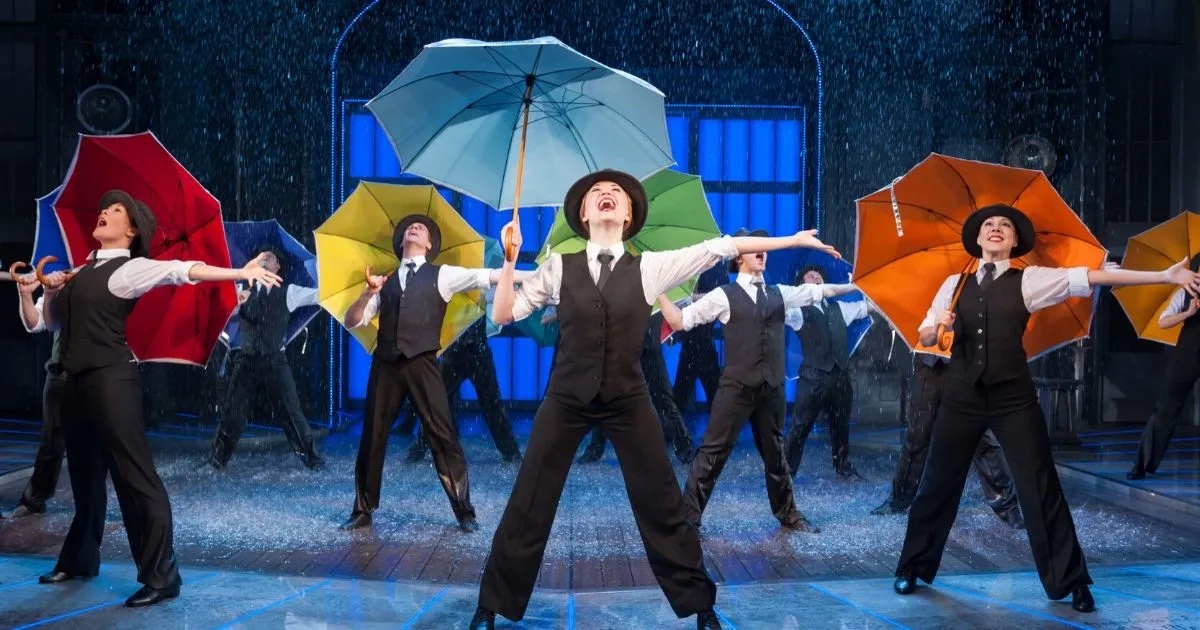
Singin’ in the Rain (Festival Theatre, Edinburgh)

Singin’ in the Rain is a delight from start to finish. It never falters, never loses pace and manages to honour the great film that inspired it. One of the most supremely entertaining shows I’ve seen in a very long time. Slick, assured, technically brilliant – it never puts a hoof wrong.

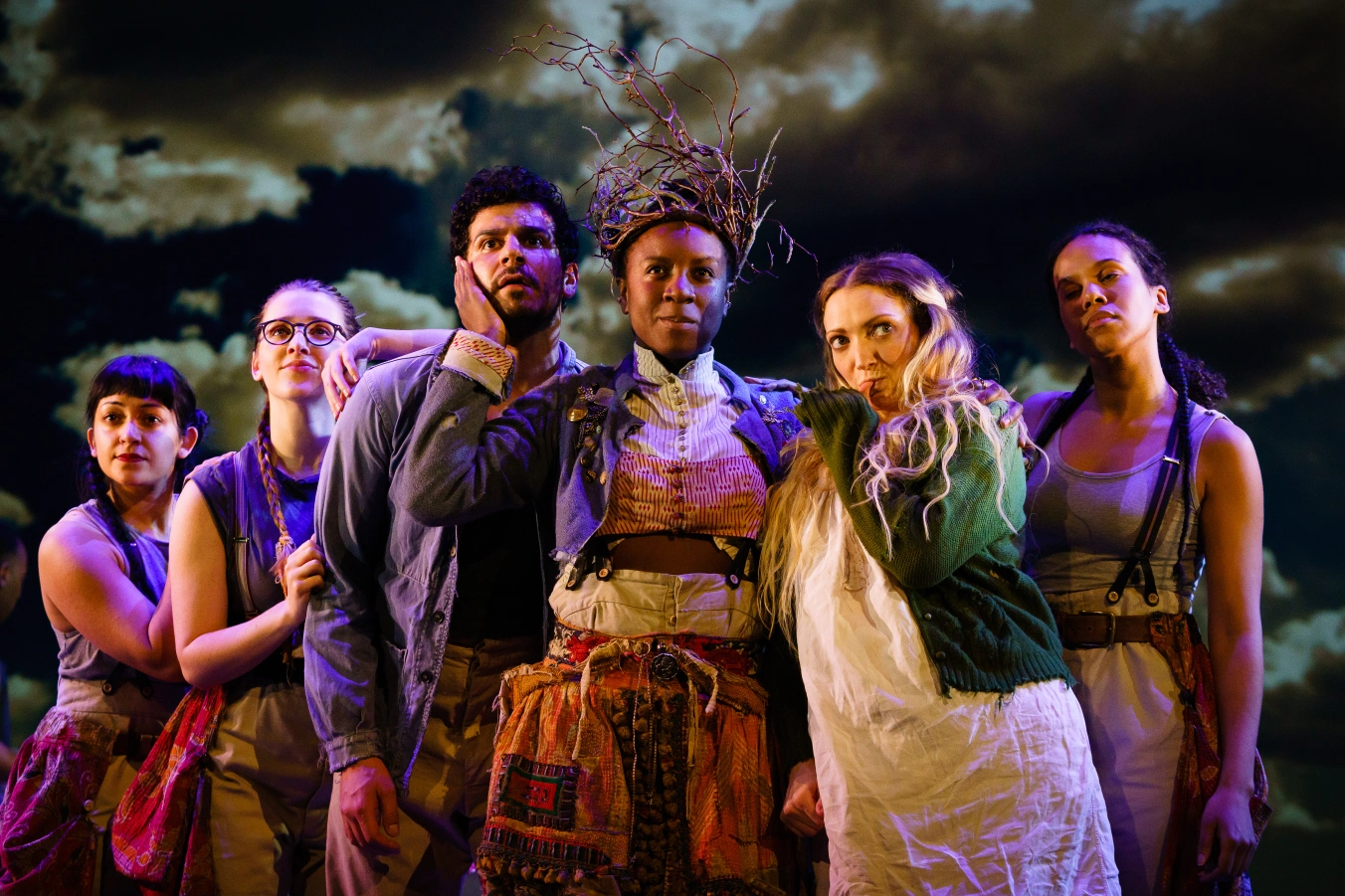
Wuthering Heights (King’s Theatre, Edinburgh)

In this Wise Children production, Emma Rice strips Wuthering Heights down to its beating heart, illuminates its essence. This is a chaotic, frenzied telling, a stage so bursting with life and energy that it’s sometimes hard to know where to look. It’s dazzling; it’s dizzying – and I adore it. 

Red Ellen (Lyceum Theatre, Edinburgh)

Red Ellen is a fascinating tale, ripped from the pages of political history. Wils Wilson’s propulsive direction has Ellen hurtling from one scene to the next, which keeps the pot bubbling furiously.

Prima Facie (NT Live, The Cameo, Edinburgh)

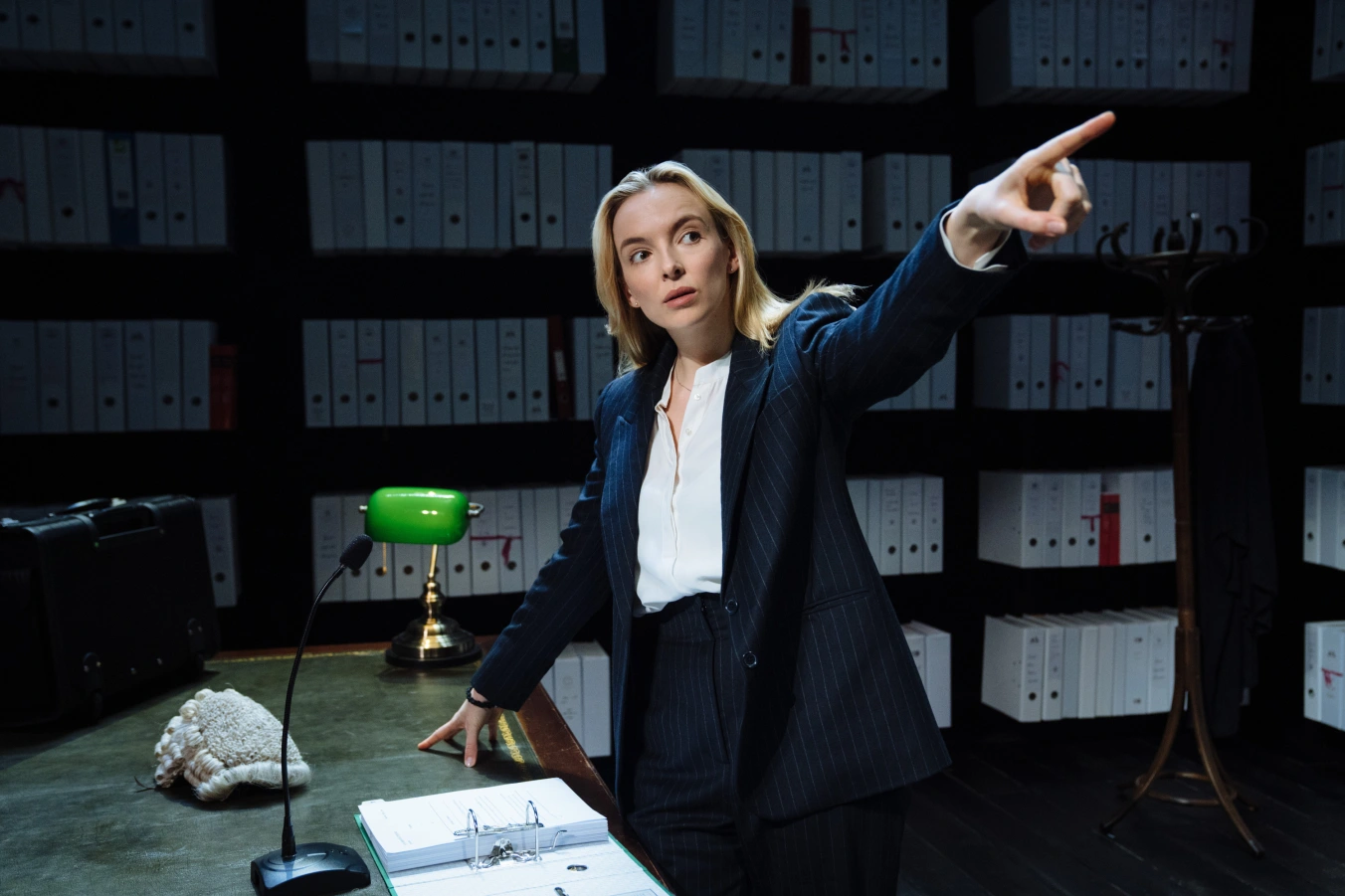
This is a call to action that walks the walk, directly supporting The Schools Consent Project, “educating and empowering young people to understand and engage with the issues surrounding consent and sexual assault”. It’s also a powerful, tear-inducing play – and Jodie Cromer is a formidable talent.

Feeling Afraid as if Something Terrible is Going to Happen (Roundabout @ Summerhall, Edinburgh)

Samuel Barnett inhabits his role completely, spitting out a constant stream of pithy one liners and wry observations with apparent ease. Marcelo Dos Santos’ script is utterly compelling and Matthew Xia’s exemplary direction ensures that the pace is never allowed to flag.

Hungry (Roundabout @ Summerhall, Edinburgh)

This sharply written two-hander examines the relationship between Lori (Eleanor Sutton), a chef from a relatively privileged background, and Bex (Melissa Lowe), a waitress from the local estate. This is a cleverly observed exploration of both class and race, brilliantly written and superbly acted. Hungry is a class act, so assured that, even amidst the host of treasures we saw at this year’s Roundabout, it dazzles like a precious gem.

A Very Old Man With Enormous Wings (Summerhall (Main Hall), Edinburgh)

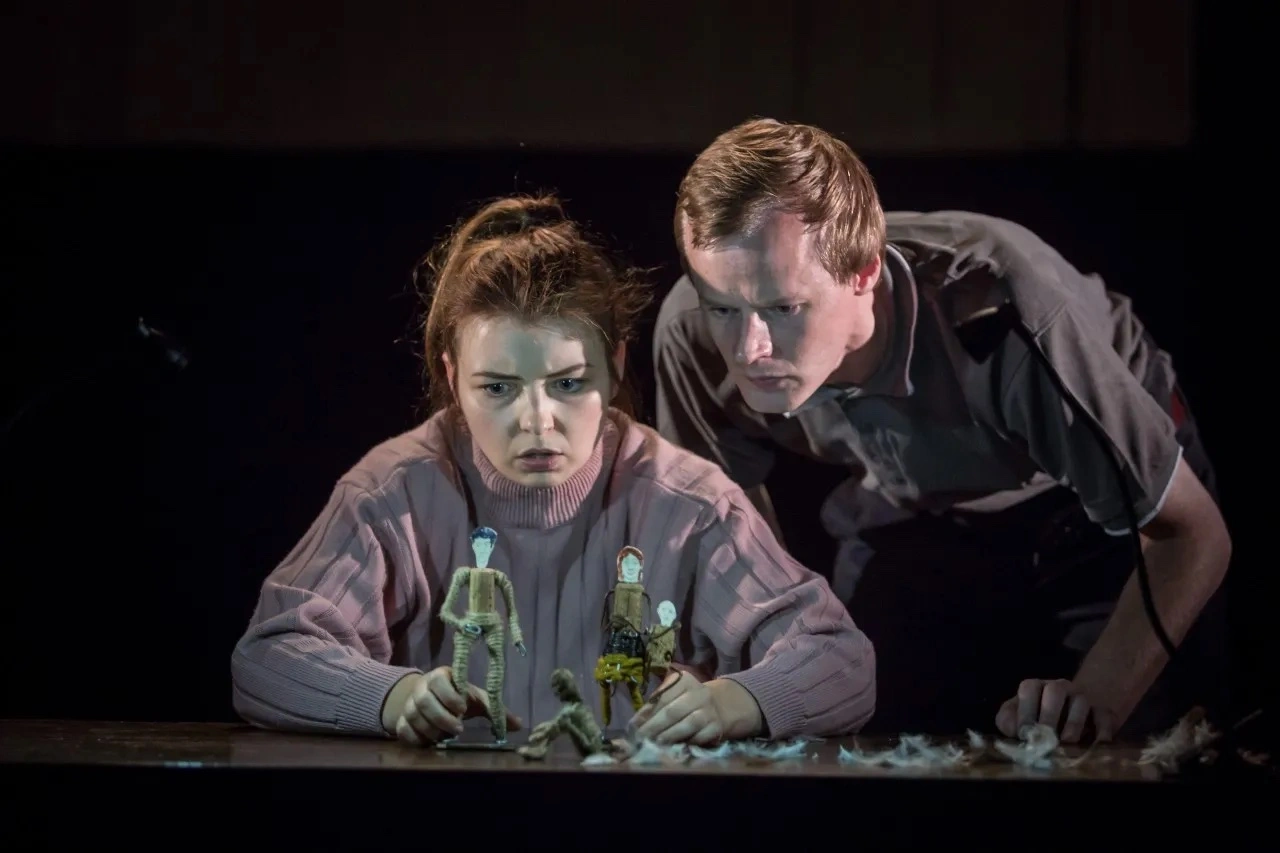
It’s hard to encapsulate what makes this such a powerful and moving experience, but that’s exactly what it is – a spellbinding slice of storytelling, so brilliantly conceived and engineered that it makes the incredible seem real. You’ll believe a man can fly.

The Tragedy of Macbeth (Assembly Roxy, Edinburgh)

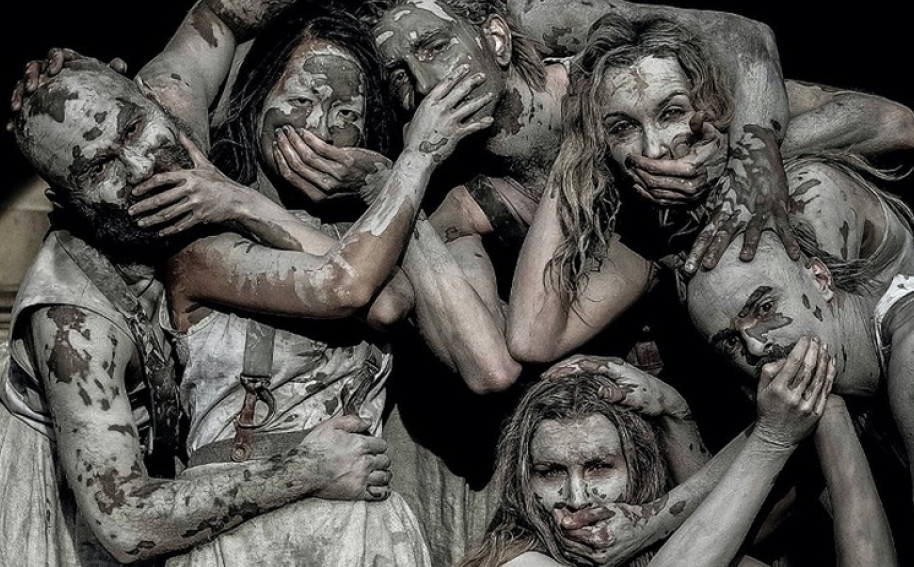
Let’s face it, we’ve all seen Macbeth in its various shapes and guises – but I think it’s fairly safe to say we’ve never seen it quite like this. This raucous, visceral reimagining of the story captures the essence of the piece more eloquently than pretty much any other production I’ve seen.

The Beauty Queen of Leenane (Traverse Theatre, Edinburgh)

This was Martin McDonagh’s debut piece and, while it might not have the assuredness of his later works, it nonetheless displays all the hallmarks of an exciting new talent flexing his muscles. The influence of Harold Pinter is surely there in the awkward pauses, the repetitions, the elevation of innocuous comments to a weird form of poetry – and the performances are exemplary.

Don’t. Make. Tea. (Traverse Theatre, Edinburgh)

Don’t. Make. Tea. is a dystopian vision of an all-too credible near future, a play laced with dark humour and some genuine surprises. Cleverly crafted to be accessible to the widest possible audience, it’s an exciting slice of contemporary theatre.

Susan Singfield & Philip Caveney

Pride and Prejudice* (*sort of)

20/10/22

Lyceum Theatre, Edinburgh

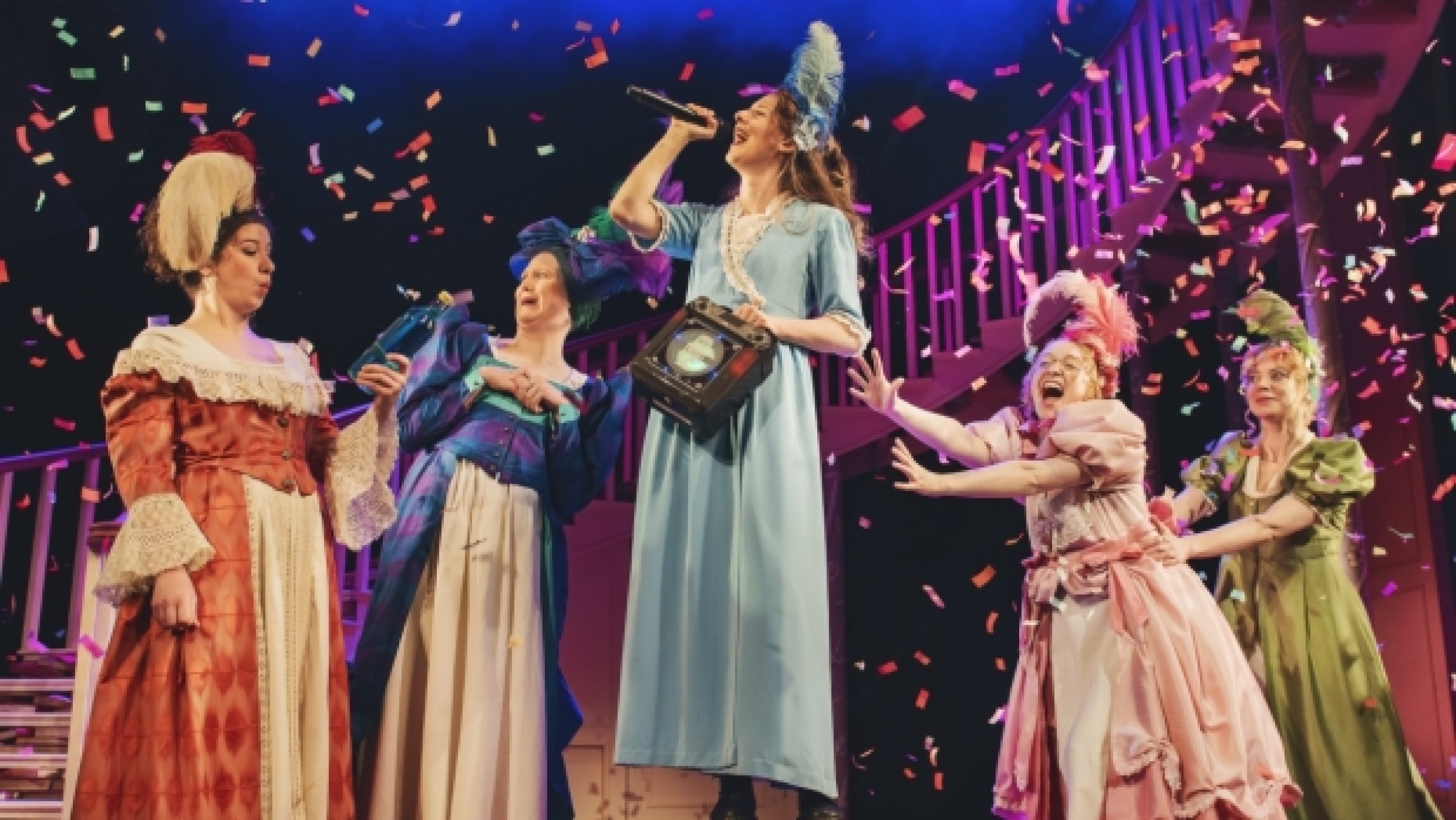
It’s a real treat to revisit writer/director Isobel McArthur’s rambunctious retelling of Jane Austen’s best-loved novel. Since we last saw it in January 2020, a lot has happened – and I’m not referring to the pandemic. Pride and Prejudice* (*sort of) has wowed the West End and bagged itself a well-deserved Olivier award. McArthur must be buzzing.

This adaptation is actually pretty faithful to the original. The set-up is intact: we have the Bennett family facing financial ruin, and Mrs Bennett (McArthur) desperately trying to marry off her five daughters. And the central romance is intact too: we have sparky, reckless Lizzy (Leah Jamieson), determined to marry for love or not at all – consequences be damned – and we have Darcy (McArthur again). Her portrayal of the enigmatic, uptight ‘hero’ is as exquisite as I remember. She nails his inarticulacy, highlighting his inability to express himself, rendering him sympathetic, despite his brusque manner.

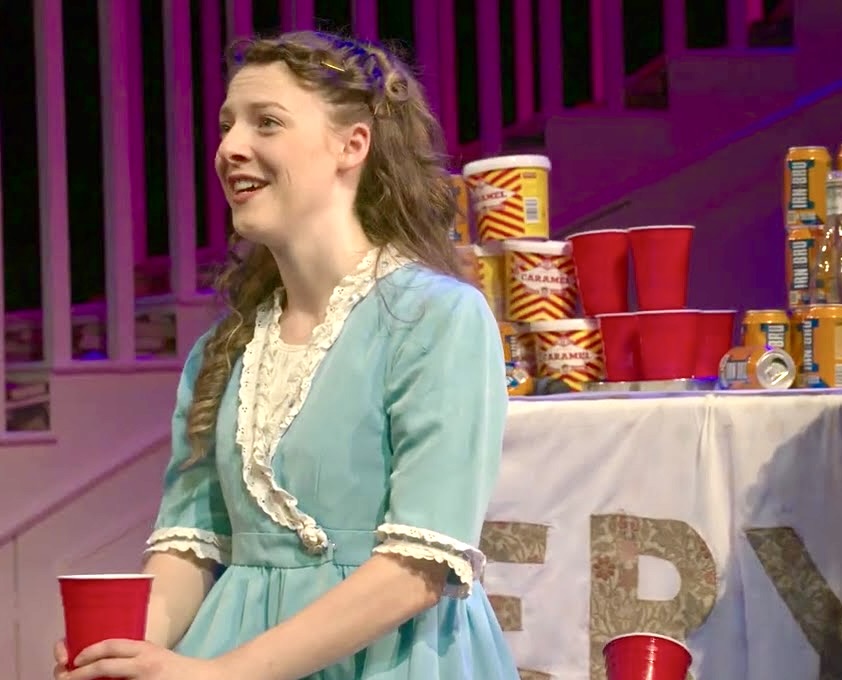
The difference lies in the telling. The conceit is that five servants are dressing up, playing, showing us what they’ve observed in the houses where they work. Thus class barriers are broken down, and so is the gap between the 19th century gentry and the theatre-goers of the 21st. McArthur’s talent lies in unveiling the jokes, so that Austen’s satire – hidden from a modern audience behind bonnets and mannered language – is exposed to the light. Via karaoke and biting sarcasm.

Hannah Jarrett-Scott almost steals the show: she’s a natural clown, clearly relishing the twin roles of Caroline and Charles Bingley, but also flashing her acting chops in a nuanced depiction of Charlotte Lucas, repressing her feelings for Lizzy. Christina Gordon (as Jane, Wickham and Lady Catherine) and Tori Burgess (as Lydia, Mary and Mr Collins) are both excellent too. I’ve nothing negative to say.

Pride and Prejudice* (*sort of) is at the Lyceum until November 5th, which seems appropriate for such a dazzling firecracker of a show.

4.6 stars

Susan Singfield
Laurel & Hardy

08/06/22

Lyceum Theatre, Edinburgh

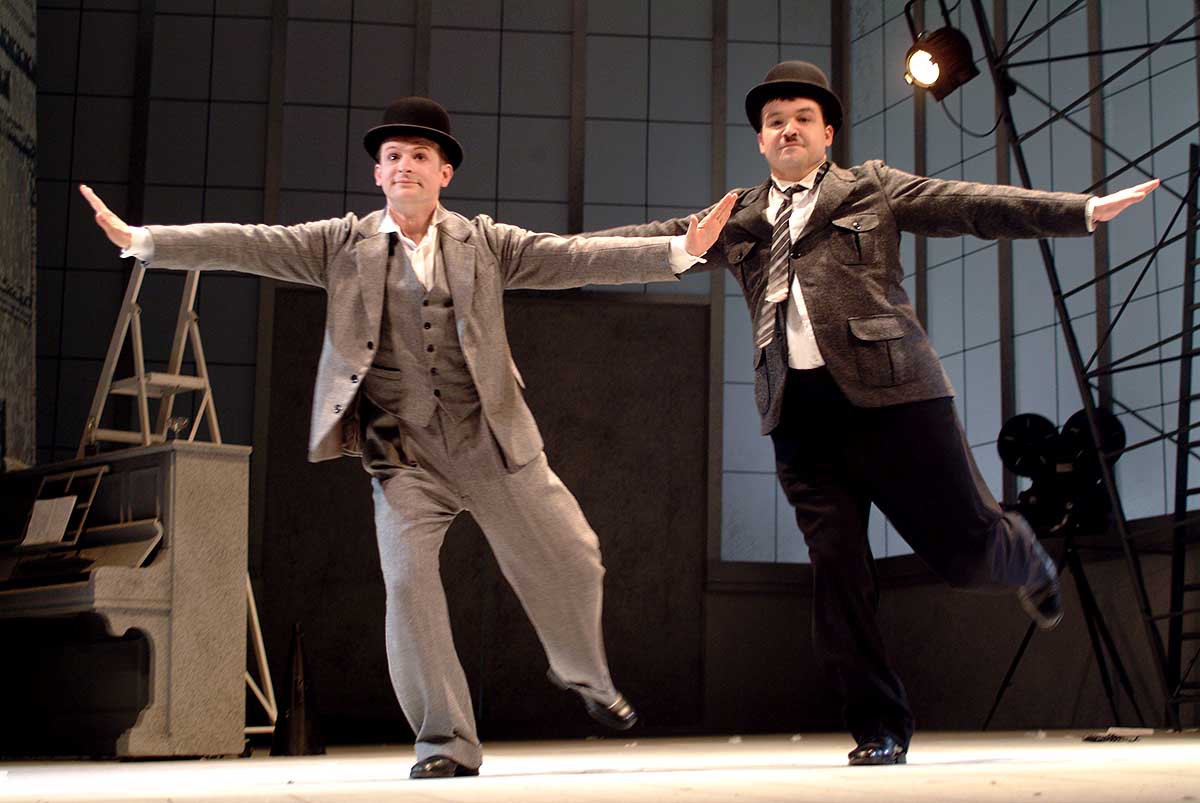
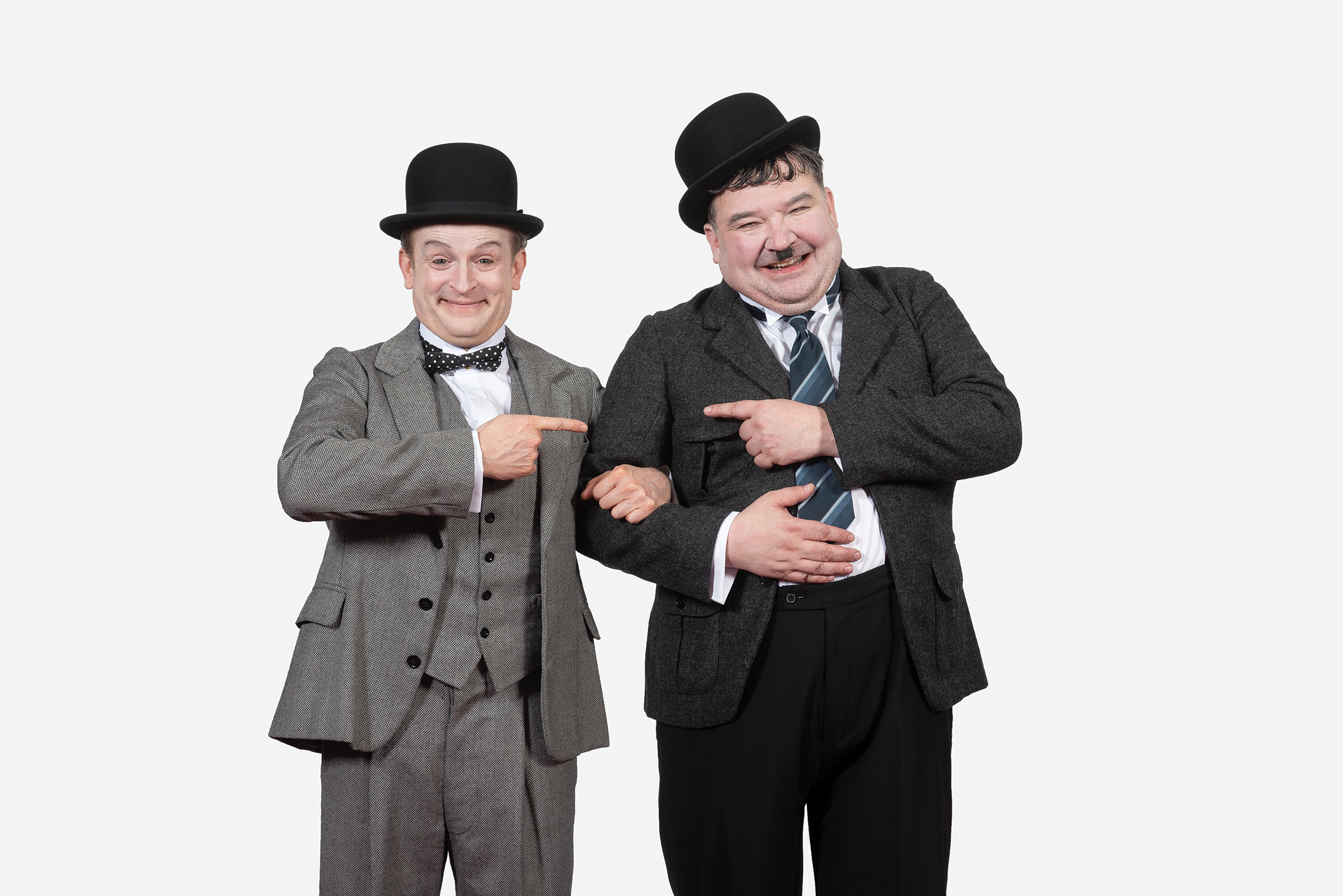
The central figures of the Lyceum’s latest production are incredibly familiar. Their expressive faces and distinctive costumes are known to people who weren’t even born when they were strutting their stuff. In the opening moments of this affectionate play, Stan & Ollie wander onto a grey stage that looks like a representation of limbo, and are quick to remind us that they are now dead (something they’re not particularly happy about) and that it’s high time the public knew about the real men behind their onscreen personas.

It’s ironic then, that the late Tom McGrath’s play, first performed at Edinburgh’s Traverse Theatre in 1976, goes on to tell us very little about their actual lives. There are snippets, told rather than shown, but we see very little of the genesis of these two great comedians, the influences that shaped them as they grew up.

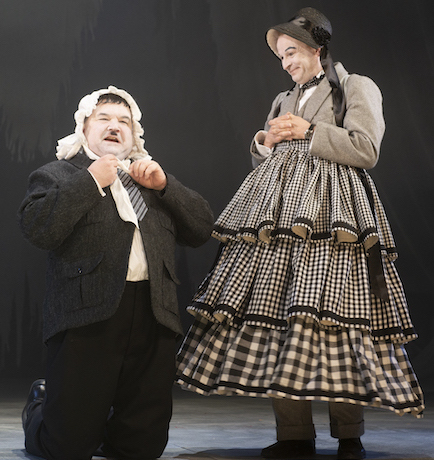
There’s no doubting the authenticity of the performances. Barnaby Power (Stan) and Steven McNicoll (Ollie) are revisiting roles they debuted at the Lyceum back in 2005 and claim that that have relished the opportunity to revisit Stan & Ollie now they are older themselves. They have clearly studied every tic, every mannerism, every nuance of the titular duo. Accompanied by pianist/straight man, Jon Beales, they dutifully run through some of their most iconic scenes. But perhaps it’s possible to be too comfortable in reprised roles.

Laurel and Hardy’s greatest secret was that they made it all look so easy. Considerable effort came disguised as a walk in the park, but it was in there, hiding in plain sight. The comics’ physicality was always disguised by their meticulous timing.

Tonight, something feels a little off. It’s a little too polite, too mannered. There are ripples of laughter from the audience, but not the helpless guffaws you might expect – and while the recreations of past triumphs occasionally jolt into life (a silent-movie sequence animated by the flicker of strobes is a particular highlight), they just as often play out without making enough impact, as though the two actors are simply walking through the action.

Power and McNicholl occasionally have to step out of their main roles to portray other figures from the period, but there’s little to differentiate them and, once again, I am left wanting to know more – about the things we’ve never seen onscreen. Furthermore, it’s also true to say that some of the lines, which may have passed muster in the 1970s (or, indeed, the 1940s), don’t fly too well in this day and age. “How do you keep a married man at home? Break his legs.” Hmm.

Hardline Laurel & Hardy fans will doubtless have fun with this. As an impersonation of two great comedians, it is well executed – but as an occasional fan of their work, I am left wanting to know much more about them.

Laurel & Hardy may run like clockwork – but it doesn’t say enough about what made them tick.

3 stars

Philip Caveney

Red Ellen

04/05/22

Lyceum Theatre, Edinburgh

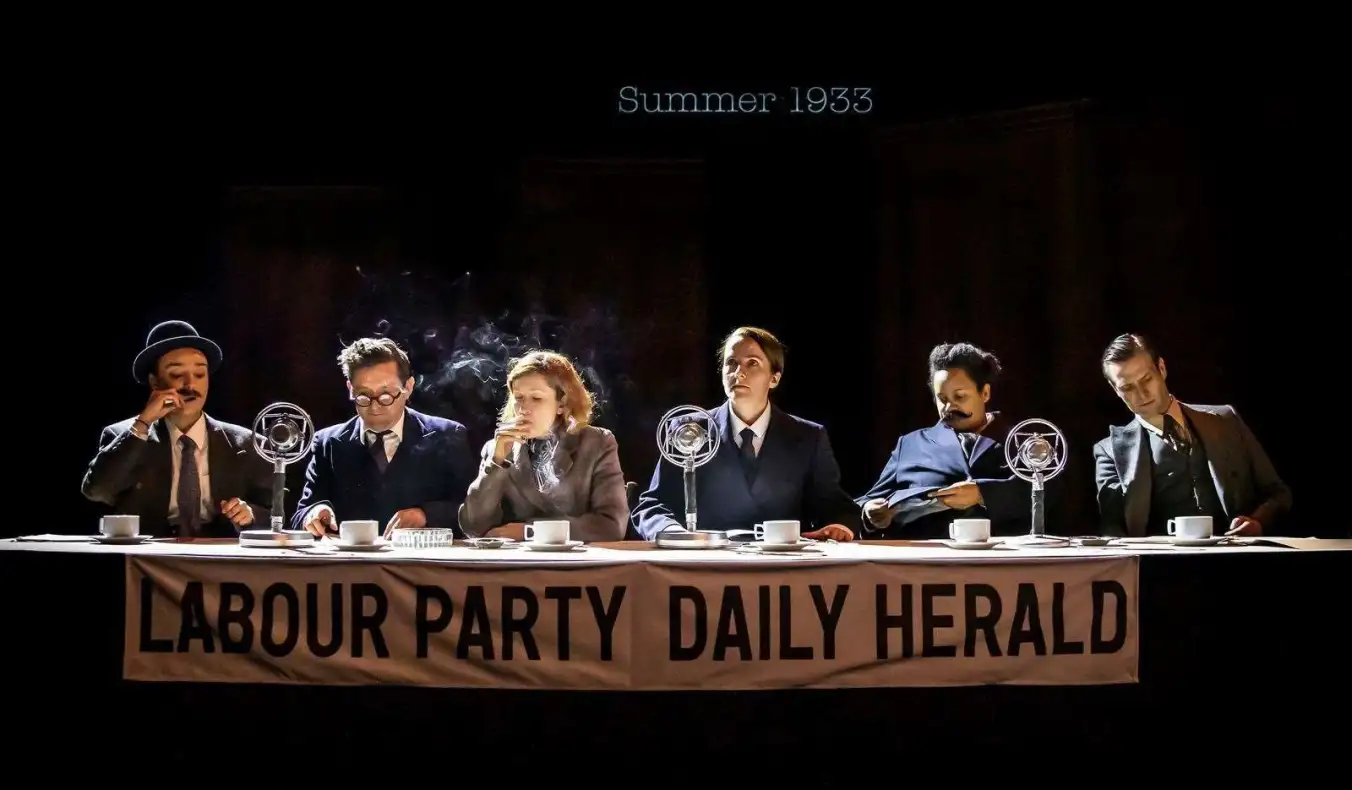
As a long-established advocate of socialism, I’m sometimes embarrassed to realise how little I know about the movement’s history – so Red Ellen proves to be both informative and entertaining. It’s the story of Labour politician Ellen Wilkinson, a woman who spent her life fighting for female suffrage and the rights of the working classes. As portrayed by Bettrys Jones, she’s a fierce little scrapper, a human powerhouse, who – despite her own struggles with ill health – is always ready to fight for her beliefs

Wilkinson is remembered mostly for her involvement in the infamous but ultimately doomed Jarrow Marches, but Caroline Bird’s play delves into other aspects of Wilkinson’s life: an amusing diversion when she meets up with Albert Einstein (Mercedes Assad); her experiences during the Spanish civil war, when she crosses paths with a drunken Ernest Hemingway (Jim Kitson); a look at her chaotic personal relationships with the shady Otto Gatz (Sandy Batchelor) and with married Labour politician, Herbert Morrison (Kevin Lennon). And there’s also a look at the groundbreaking work she did after the the war, when, as Minister for Education, she introduced free milk for all pupils, something that would stay in place until a certain Tory ‘milk snatcher’ finally undid all her hard work.

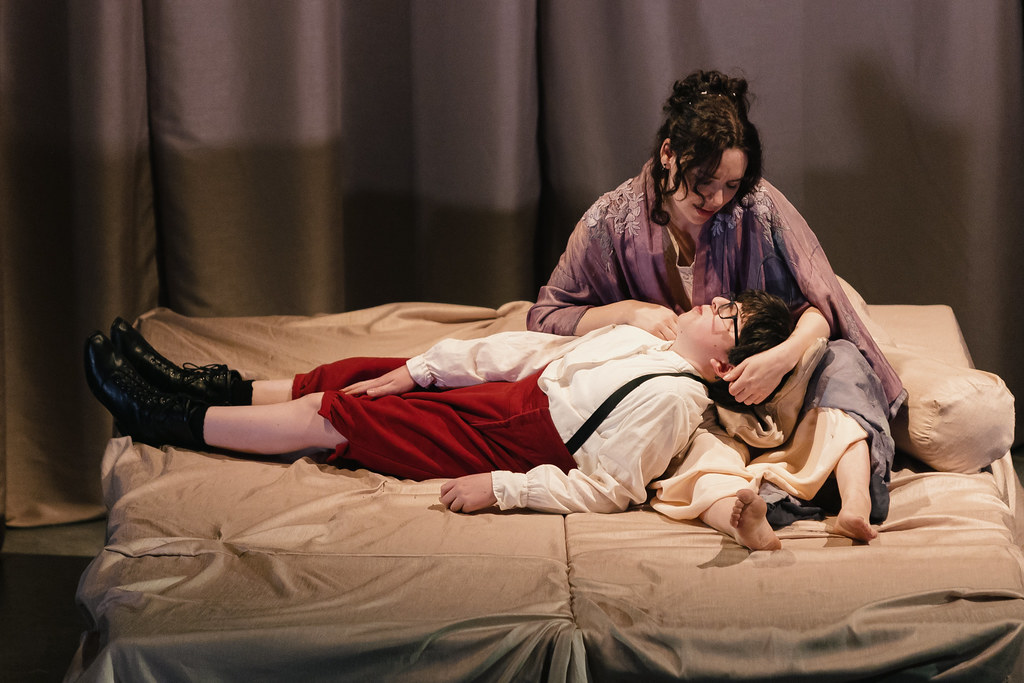
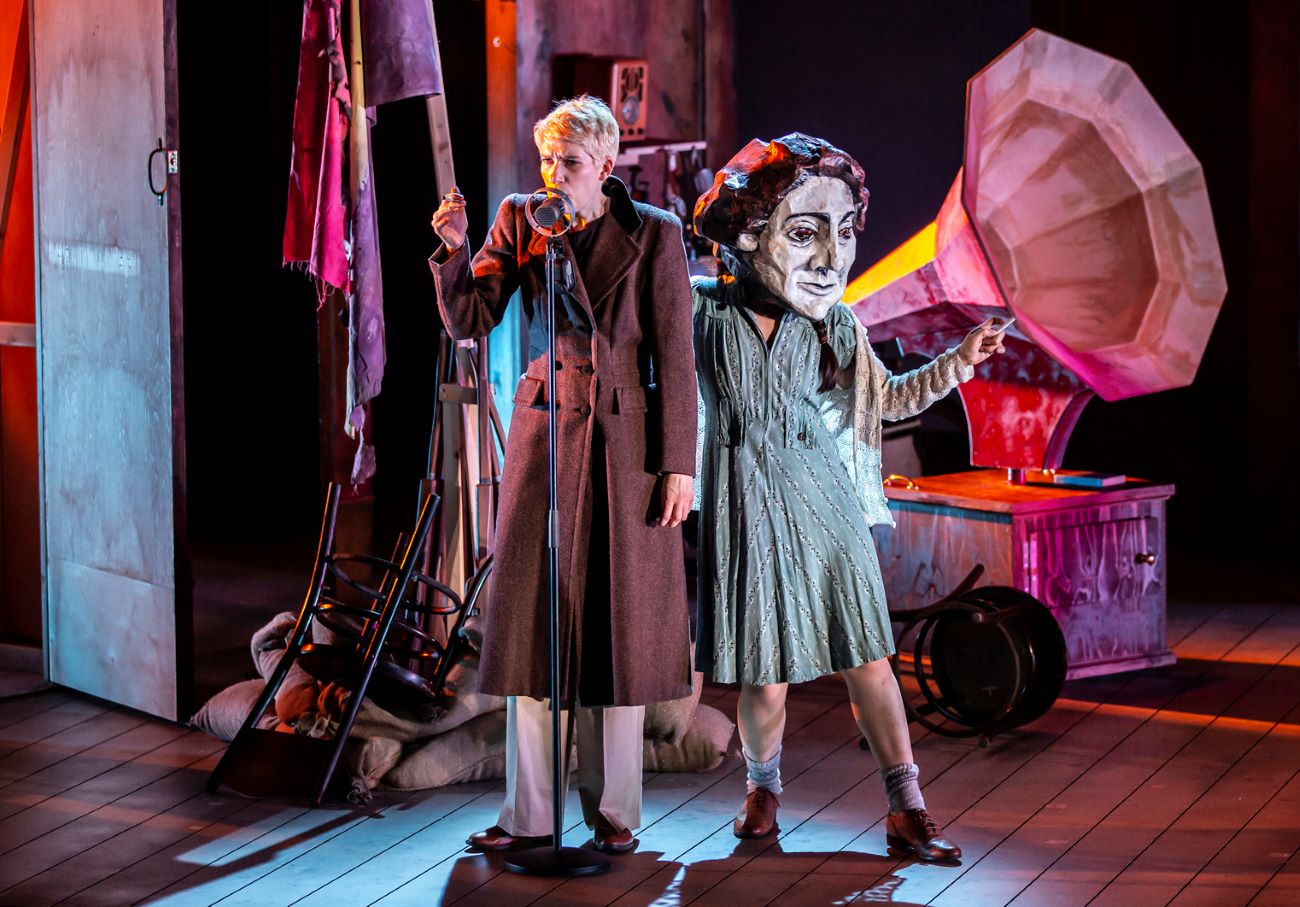
It’s a complex play but Wils Wilson’s propulsive direction has Ellen hurtling from one scene to the next, which keeps the pot bubbling furiously, whether she’s arguing with long suffering sister, Annie (Helen Katamba), or with her Communist comrade, Isabel (Laura Evelyn). Camilla Clarke’s expressionistic set design creates a bizarre, nightmarish backdrop to the unfolding story, where a bed can suddenly transform into a motor car, where piles of discarding clothing can lurch abruptly upwards to depict the Jarrow marchers. One of my favourite scenes in this turbulent production depicts Ellen as a fire warden during the blitz, frantically fighting a series of blazes in tiny doll’s houses. It serves as the perfect encapsulation of Ellen’s career in politics.

For a historical tale, her story is powerfully prescient. In the opening scene, she bemoans the rising tide of fascism that threatens to overtake the world – and how in-fighting in the Labour party would inevitably hand the reins of power over to the Tory party time and time again. It’s impossible not to reflect that sadly, very little has changed since those challenging times.

Red Ellen is a fascinating tale, ripped from the pages of political history. It’s not to be missed.

4.2 stars

Philip Caveney

The Meaning of Zong

20/04/22

Lyceum Theatre, Edinburgh

The Meaning of Zong opens in a contemporary UK bookshop, where Gloria, a young black woman (Kiera Lester), attempts to tell the white staff that they have misclassified a book about the Atlantic slave trade. They’re mystified. “It’s in African history,” they tell her. “But it’s British history,” she replies. They don’t understand, prevaricating with platitudes about ‘being allies,’ while vaguely insinuating that such decisions are taken by a distant boss. Gloria’s frustrated, but help is at hand, in the form of Olaudah Equiano (Giles Terera), a former slave, who steps out of the history book to tell Gloria (and us) his tale.

And the tale he tells is truly shocking: a shame-inducing account of an event so appalling it ought to be common knowledge. That it is not speaks volumes, illuminating the importance of that opening scene. If we don’t even acknowledge our history, how can we hope to learn from it?

In 1793, Oloudah tells Gloria, there was a massacre on board a British slave ship called The Zong. 132 slaves were thrown into the sea and left to drown, jettisoned because – so it was claimed – there was a shortage of drinking water, and so their killing was a “necessary” act. Not only did they commit murder, the ship’s owners also put in an insurance claim for the loss of their “property.” The insurers disputed the claim, of course (because some things are immutable), but not before Oloudah chanced upon the case, and joined forces with anti-slavery campaigner Granville Sharp (Paul Higgins) and shorthand secretary Annie Greenwood (Eliza Smith) to ensure the case was brought to public attention. The slave owners’ blatant dismissal of human beings as “cargo” caused outrage, and proved to be a significant step on the path towards abolition.

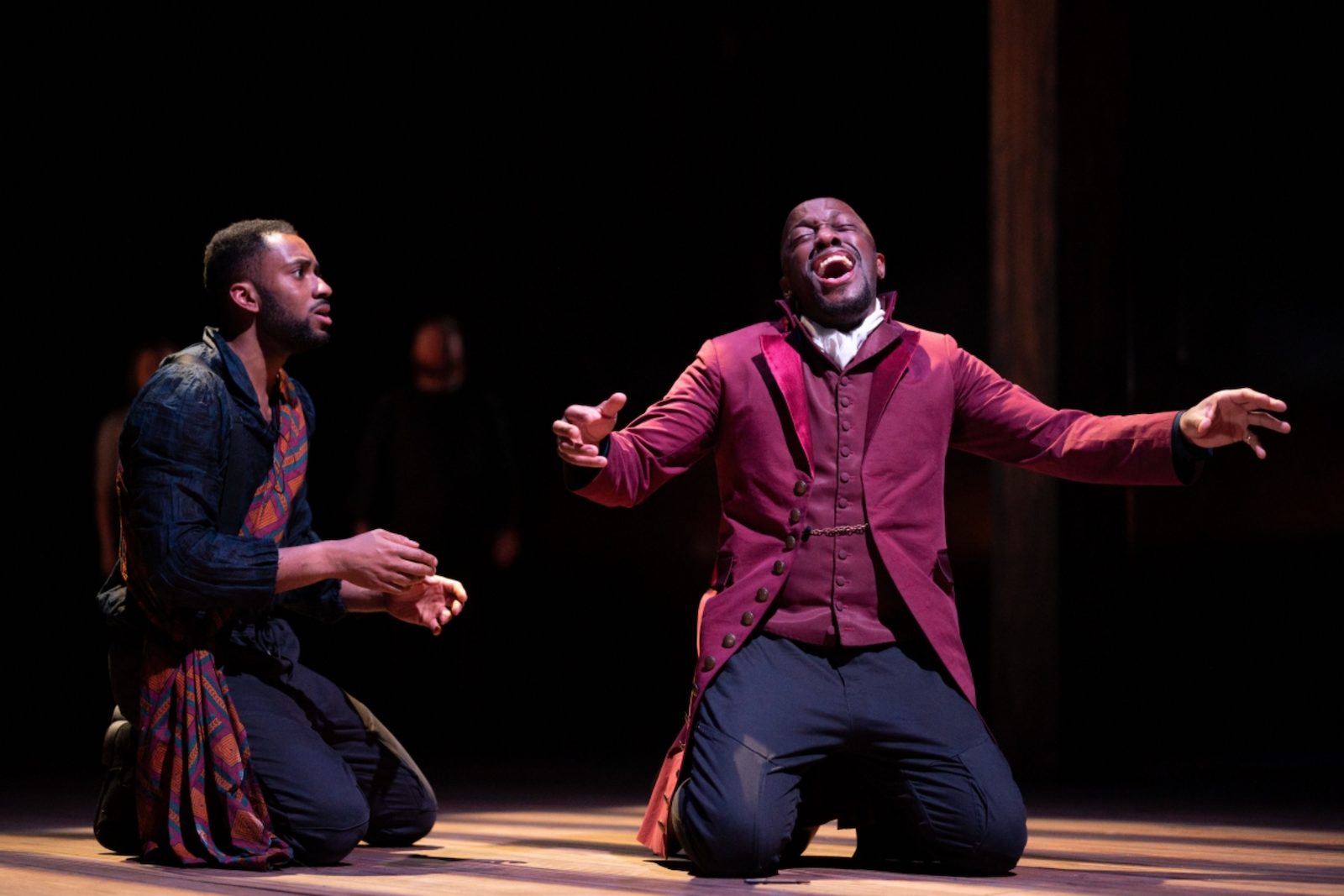
Although it’s an ensemble piece, this is very much Terera’s project: as well as playing Oloudah, he is both writer and co-director (along with Tom Morris). It’s a spectacular achievement, making bold social and political points, while still being playful and overtly theatrical. He pulls no punches and yet we’re on his side; he never lets us off the hook, but we feel galvanised rather than defensive.

We never witness the massacre. Instead, we are shown the legal struggle Oloudah and Granville mount to have the court’s ruling overturned. Instead, we are shown the strength of three female slaves (Lester, Bethan Mary-James and Alice Vilanculo), recounting the story of Anansi, the spider god, calling on the spirits to save them. And one of them – unnamed – is saved, clinging to a rope, reaching through the years to become Terera’s inspiration for this devastating reminder of our collective guilt.

Jean Chan’s set is a thing of beauty, reinforcing the notion that everything is connected, that we can’t escape our past just by shutting our ears and hiding things away. Thus Westminster Hall’s magnificent wooden ceiling is also the slave ship’s hull; the judge’s bench is also a Waterstones bookshelf. The furniture we sit on, the cutlery we use, the sugar we sprinkle in our tea: these things are all linked to slavery, Oloudah tells Gloria – and the truth will out.

Sidiki Dembele’s onstage drumming is both powerful and provocative, first bringing the audience together then silencing us with its force. It’s the perfect accompaniment to a story that demands to be heard.

The Meaning of Zong has already finished its run at the Bristol Old Vic, and only has a few more days here in Edinburgh before it moves on to Liverpool. It’s worth seeking out. We mustn’t let this story fade away. It belongs in the bookshop’s window, not relegated to a forgotten shelf.

4.7 stars

Susan Singfield