05/01/26
Cineworld, Edinburgh
Norwegian filmmaker Joachim Trier reunites with his muse, Renate Reinsve (with whom he made the brilliant The Worst Person in the World), in this affecting tale set mostly within the family home of the Borg family in Oslo. Reinsve plays Nora, an acclaimed theatre actress, who – when we first encounter her – is about to step onstage for the opening night of her latest production. She suffers a sudden, terrifying bout of stage fright and has to enlist fellow actor, Jakob (Anders Danielsen Lie), to slap her face in order to get her to venture out onto the boards.
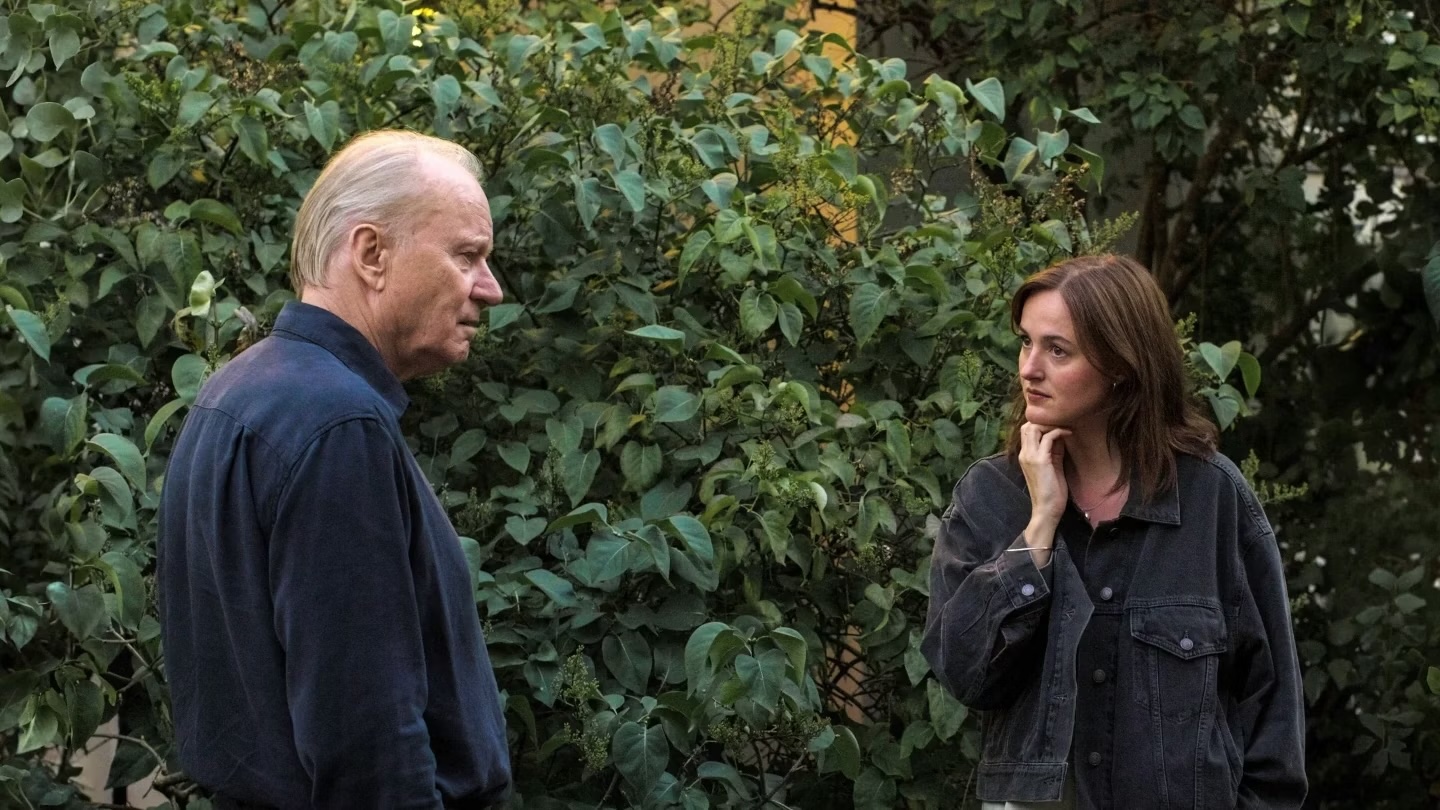
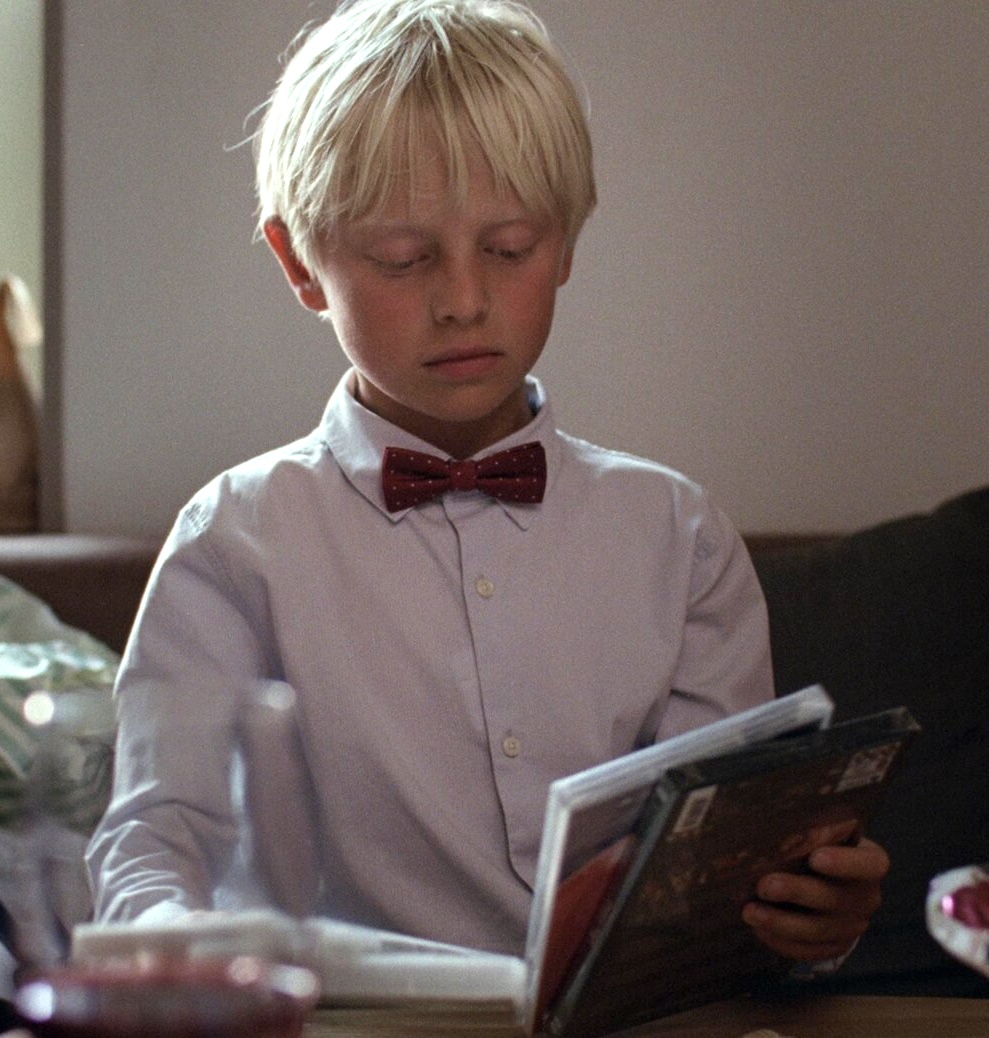
Nora’s younger sister, Agnes (Inga Ibsdottir Lilleaas), has a much less turbulent life. She’s happily married and has a teenage son, Erik (Øyvind Hesjedal Loven), who seems to share a special bond with Nora. After the death of their mother, Sissel, the sisters are preparing their childhood home for sale, but they are somewhat perturbed to discover that it still belongs to their father, celebrated film director Gustav (Stellan Skarsgård). Since splitting up with Sissel, he has kept a wary distance from his daughters, seeing them only occasionally.
They are dismayed when he turns up out of the blue, with plans to use the house as the set for a new film, based around the wartime exploits of his mother, Karin, who was a member of the Norwegian resistance movement and who committed suicide in one of the rooms. Nora is horrified when Gustav announces that he would like her to play the film’s protagonist and she refuses to even entertain the idea.
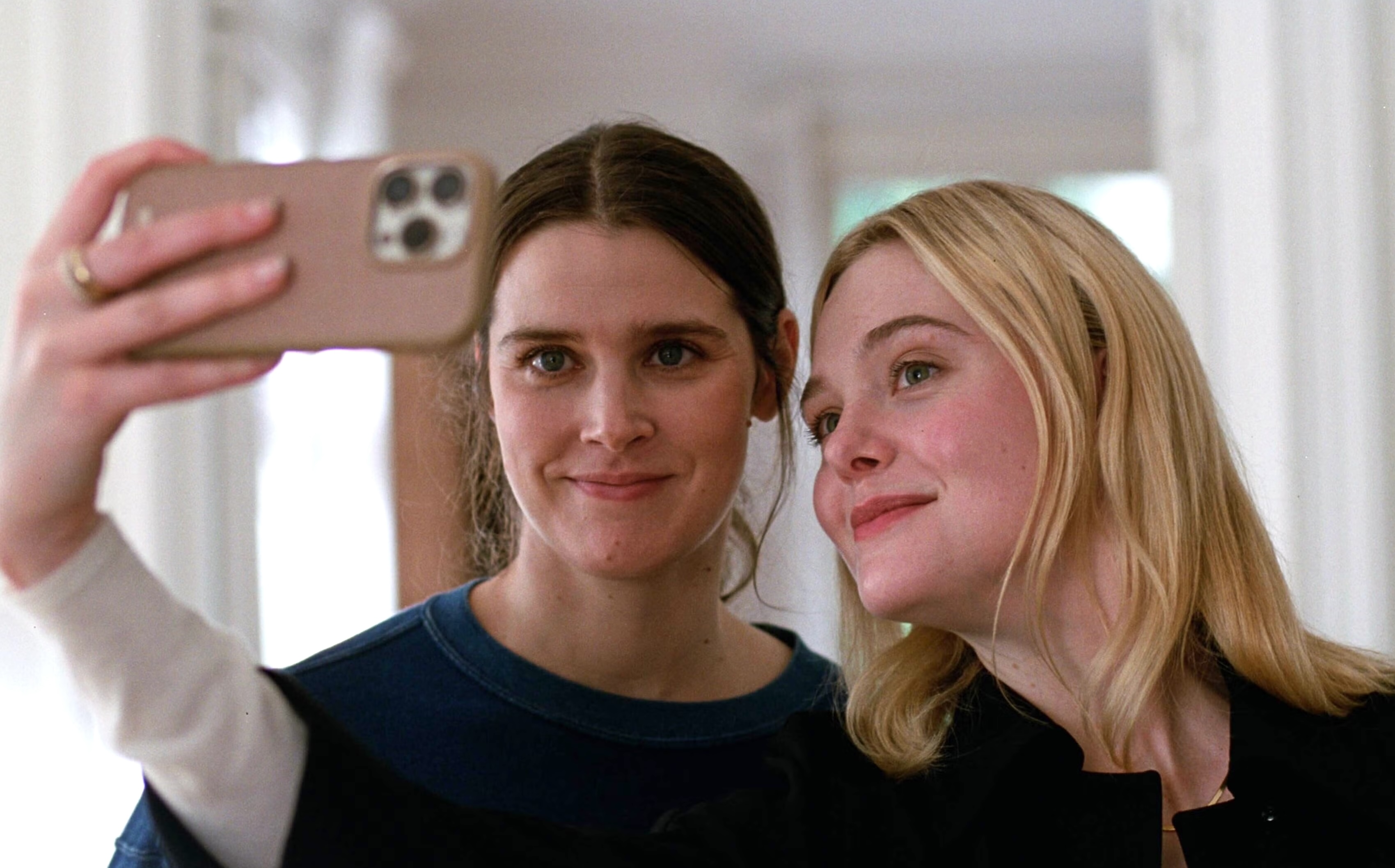
Then, whilst attending a film festival, Gustav meets American movie star Rachel Kemp (Elle Fanning), whom he manages to persuade to take on the role – which also helps him secure financial backing from Netflix. Rachel travels to Norway to visit the house and starts to prepare, but it soon becomes apparent that she might not be the right fit for a part that was originally created with Nora in mind…
This handsome production shimmers like a precious jewel thanks to the brilliant cinematography of Kasper Tuxen – and the performances are uniformly spot-on. Skarsgård handles his role with particular aplomb, a man beset by the changes of time and struggling to stay in control of a project that seems to elude him at every turn. He and Reinsve make superb antagonists, he totally unable to convey the love he has for her in any conventional sense, she stubbornly resistant to his overtures, unable to countenance them, no matter how hard he pushes her.
Agnes too is conflicted. In her childhood, she had a small but important role in one of Gustav’s early films but, when her father mentions a plan to employ young Erik in a similar way, she doesn’t know how to react. And Rachel – well, suffice to say that Fanning, who so often finds herself in roles that offer her very little to do, acquits herself brilliantly here as it gradually begins to dawn on Rachel that she has wandered into an impossible situation.
There are many moments of deep sadness but, perhaps ironically, it’s the scene were Agnes confesses her undying affection for her older sister that finally coaxes the tears from my eyes. I love too a coda where the house – itself an integral character in this powerful but nuanced story – appears to be undergoing a makeover.
But then the camera pulls back, to reveal something entirely different.
Sentimental Value has been nominated for the Best Foreign Language Oscar and I for one feel it would make a very deserving winner.
4.8 stars
Philip Caveney



 Bouquets & Brickbats