
11/05/25
Cameo Cinema, Edinburgh
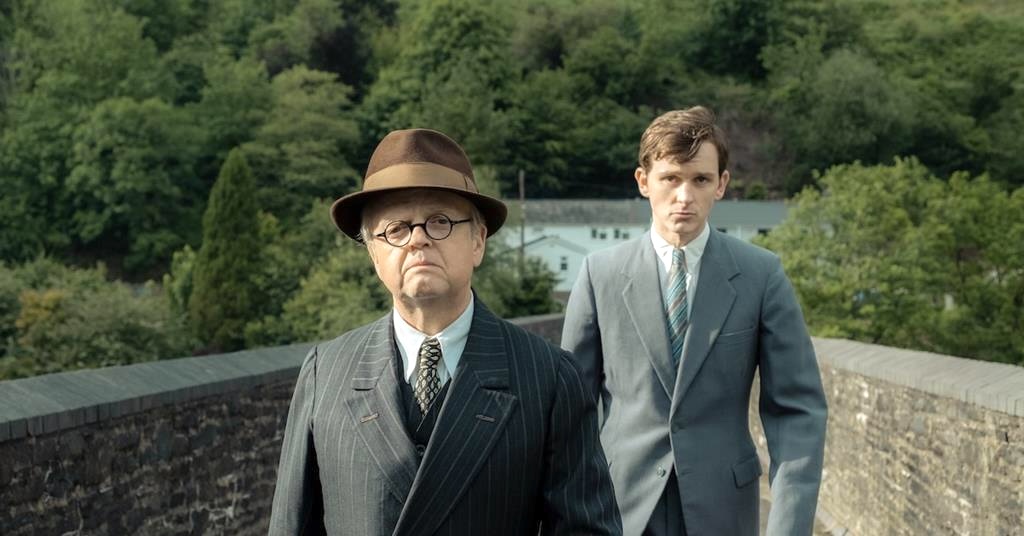
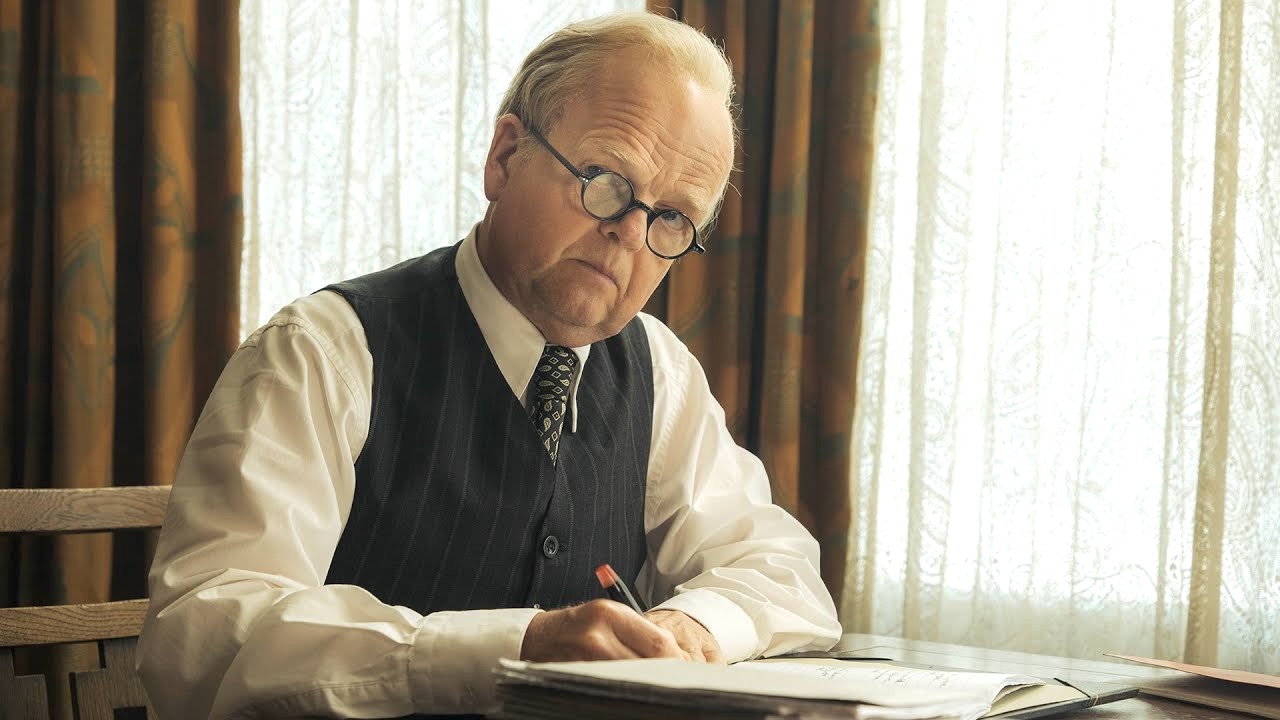
The theme of the ‘inspirational teacher’ is a well-worn cinematic device but, in the case of Mr Burton, it does have the advantage of being true. The titular Mr B (impeccably played by Toby Jones) is a quiet, but authoritarian teacher in a little school in Port Talbot, a man nursing his own thwarted ambitions as a playwright.
We join the story in 1942, when Mr Burton is doing his level best to instil a love of Shakespeare into his students, despite the glowering presence of the coal mines that threaten to claim those young men who are not thrown into the maelstrom of the Second World War. Burton is somewhat bemused to discover that the pupil who has the strongest response to his English literature lessons is Richard Jenkins (Harry Lawtey), a boy all-but abandoned by his coal miner father, Dic (Steffan Rhodri). Richard is obliged to live in the overcrowded home of his sister (Aimee Ffion-Edwards) and her resentful husband, Elfed (Anuerin Barnard).
When Richard shows considerable promise in a amateur production set up by Burton, the teacher is prompted to take the boy under his wing, giving him lessons in elocution in an attempt to erase his local accent, even finding him (and paying for) accommodation with his landlady, Ma Smith (Lesley Manville). Inevitably, tongues begin to wag as suspicious observers cast doubt on Mr Burton’s intentions.
When he takes the step of adopting the boy and lending him his surname, in the hope of getting him a scholarship at Oxford, the gossip intensifies…
Written by Tom Bullough and Josh Hyams and directed by Marc Evans, Mr Burton is an atmospheric period piece that captures the hardscrabble era in which it’s set. Jones is as assured as ever in a role that allows him to give little away, while Leslie Manville is a perfect foil for him – and makes a very decent fist of the Welsh accent. But it’s Lawtey’s star-making turn as Richard Jenkins/Burton that provides the heart and soul of this film. He’s utterly convincing as a shy, vulnerable teenager in the first half and then, when the action skips onward several years, convincingly nails Richard Burton’s sonorous tones and lithe sexuality, as he struggles to come to grips with his breakthrough role as Prince Hal in Stratford.
Lawtey’s astonishing transformation – and the astute comparison with the way that Hal shrugs off his former mentor, Falstaff in Henry IV – ensures that Mr Burton is a riveting piece about the importance of nurture and the many ways in which teaching can provide that all-important first step on the path to greatness.
4.4 stars
Philip Caveney


 Bouquets & Brickbats