
Edfringe

Lost Girl

10/08/24

Underbelly George Square (Wee Coo), Edinburgh

Tracey Emin… stereotype… train wreck. Oops! Sorry. Wrong notes. Let’s try again…

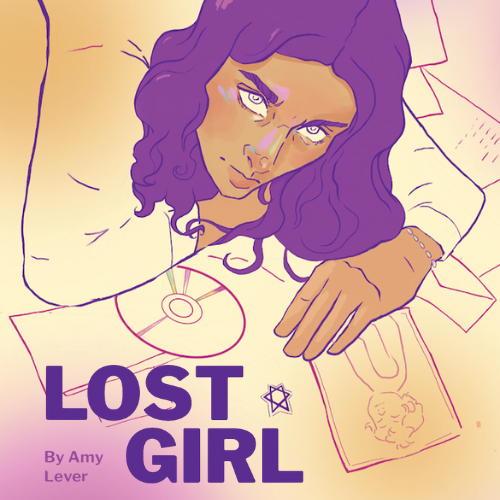
Amy Lever’s Lost Girl is a fascinating monologue, charting nineteen-year-old Birdy’s search for self-acceptance. She’s never been particularly clever (as her A level results confirm); she hasn’t any special talents and she doesn’t know what she wants to do with her life. Until now, none of this has really mattered, because she’s had her best friend Bex by her side, and they’ve been battling the world together. So what if Birdy didn’t make it into uni? Neither did Bex – or Jeremy Clarkson, for that matter – and they’re both doing okay.

But now Bex – resolutely Catholic – has unearthed some hitherto unknown Portuguese Jewish ancestry, which means she can claim an EU passport, and so she’s gone off travelling. Birdy, meanwhile, who is actually Jewish, has no such useful connections. “Hey, Siri,” she asks. “Is Syria in the EU?” Even Siri, who surely hears all sorts, isn’t programmed to deal with this level of ignorance. “Don’t be stupid,” he responds.

So Birdy feels lost. She’s plagued by recurring nightmares and angry with Bex for deserting her. She’s angry with her family too because… well, because they’re her family. Who else is going to bear the brunt of her frustration?

But when Birdy gets a job working in the archives of a local Jewish museum, she begins to unearth some secrets that make her see her relatives in a whole new light…

Lever is an accomplished actor, quickly earning our sympathy with her heartfelt performance. Her depiction of wannabe actor Bex’s disastrous one-woman show is very witty, as is her portrayal of the monosyllabic Sammy Morrison. The writing is good too, often causing us to laugh out loud, as well as giving us plenty to think about.

The simple, unfussy staging is well-suited to the piece, the frame of documents and photographs symbolising both cage and portal, illuminating Birdy’s contradictory impulses for stasis and for flight.

As much a character study as a play, Lost Girl offers a fascinating insight into the mind of a teenager seeking validation and coming to terms with her cultural identity.

4 stars

Susan Singfield

Rebels and Patriots

05/08/24

Pleasance Courtyard (Upstairs), Edinburgh

“The villainy you teach me, I will execute, and it shall go hard…”

This Israeli-Palestinian-British co-creation, written by Nadav Burstein and co-produced by Floating Shed and Flabbergast, provides a timely discourse on the devastating nature of war, where ordinary people of all stripes are sacrificed to serve the interests of a powerful few.

The play opens with Wonder Woman and Albert Einstein drinking vodka with two friends, as the teenage protagonists prepare for a fancy dress party. This serves to underscore the quartet’s youth, engaging our sympathy as we realise that three of them have been conscripted into the Israeli Defence Forces. The fourth (Harvey Schorah) has an exemption, courtesy of Crohn’s disease.

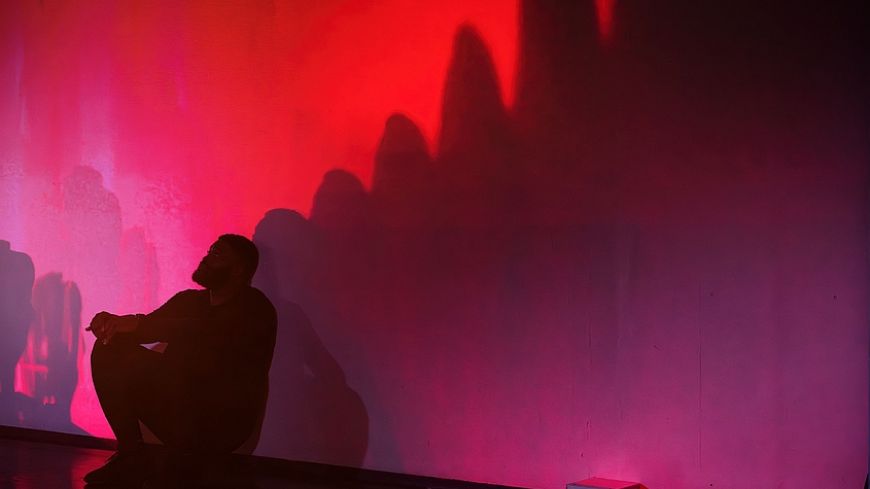
Burstein’s efficient deployment of the small cast is impressive: through their stories, we see multiple perspectives on the Israeli-Palestinian conflict. There’s the combat pilot (Tom Dalrymple), who’s scared to kill, but believes Israel has no choice but to fight its enemies: “If you wrong us, shall we not revenge?” Then there’s Osher (Tarik Badwan), half-Palestinian and in active service. His name means happiness but he feels torn apart, traumatised by what he’s forced to do. Burstein’s character, meanwhile, is trying every trick in the book to avoid serving in a war he thinks is wrong, even turning to self-harm. It’s all very well for Schorah’s character to go on protest marches and tell his friends that they should rebel: everything he says is right, but they’re in the thick of it, and they’re terrified.

I’m impressed by the openness with which this young company approach this thorniest of topics, gently urging us to interrogate everything we think we know. Shylock’s most famous speech is paraphrased and repeated, refrain-like: “Hath not a Jew…? Hath not an Arab…? If you prick us, do we not bleed?”

Schorah’s character works well as a mirror for the audience. He’s on the outside, like us, making judgements from the comfort of our living rooms. Don’t be misled: the play makes no excuse for genocide. But it does remind us that, when we’re placing blame, we need to focus on the powerful, not the powerless.

Theatrically – as one might expect from Flabbergast – the piece has a fragmented structure, spotlighting first one character and then another. Loosely stitched with a sprinkling of history and Shakespeare, it all adds up to something very thoughtful, and the cast are keen to hear what audience members think. If only the world’s political leaders were as committed to constructive dialogue.

4.5 stars

Susan Singfield

In Two Minds

02/08/24

Traverse Theatre, Edinburgh

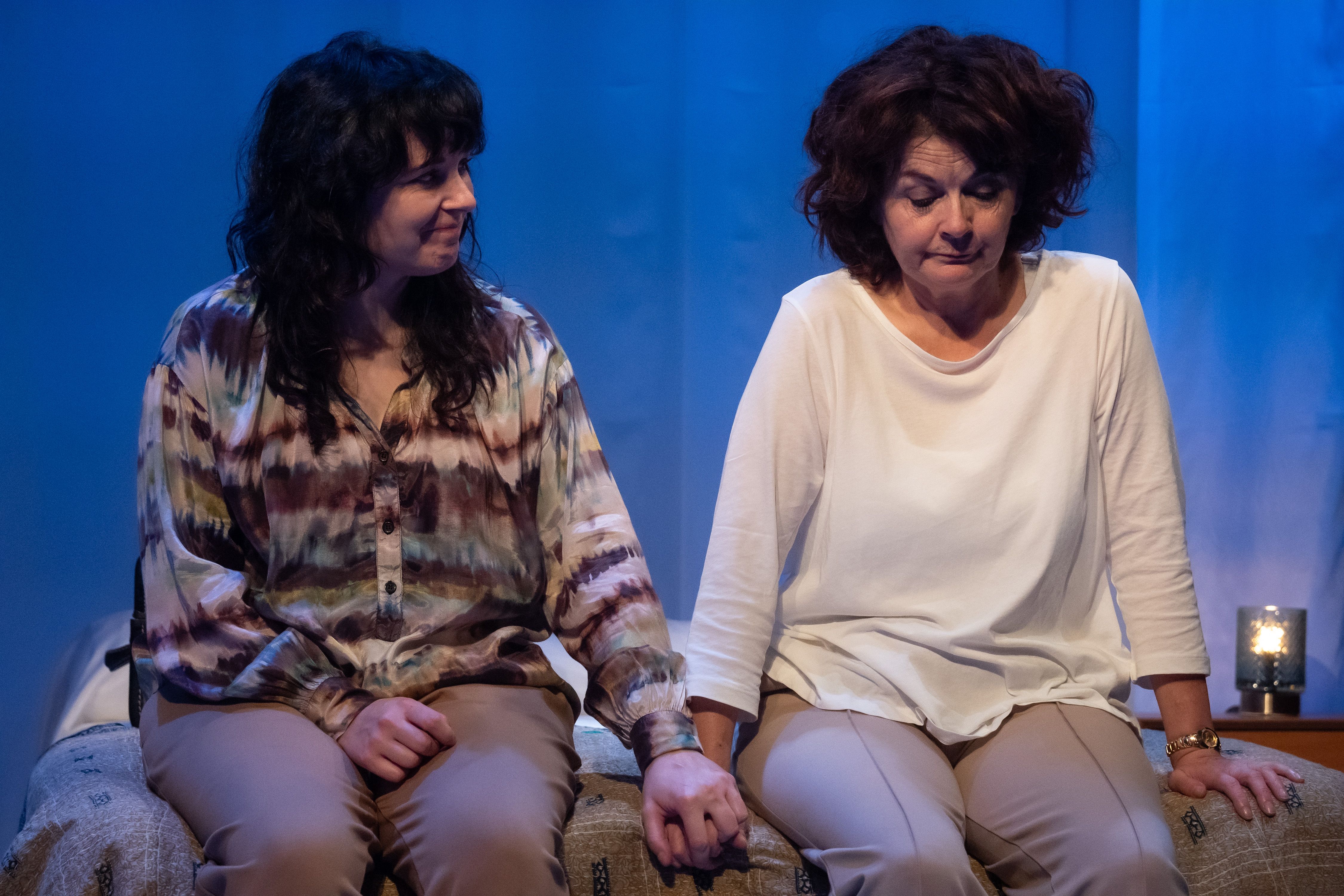
Joanne Ryan’s affecting two-hander explores the complex bond between a woman and her mother. Daughter (Karen McCartney) cherishes the tranquility of her minimalist studio apartment, but Mother (Pom Boyd) needs somewhere to stay while she’s having an extension built. Over the course of her protracted visit, their fragile relationship is pushed to breaking point.

It’s not just the accompanying clutter that grates on Daughter’s nerves. It’s the incessant talking, the veiled (and unveiled) criticisms, the sleeplessness – it’s all an intrusion into her hard-won peace. And she feels guilty too, because none of it is Mother’s fault. She has bipolar disorder.

Both Ryan’s script and Sarah Jane Scaife’s direction deftly convey how accustomed the characters are to Mother’s episodes. They’re not fazed; they have been here too many times before. There’s no dramatic reaction to her illness, rather a weary, frustrated sense of here-we-go-again. They know how this plays out and they know what they have to do. Over the years, they’ve learned to protect their relationship by maintaining some distance; forced together, it begins to disintegrate.

Boyd’s performance is flawless. She perfectly captures Mother’s brittle façade: her inability to stop talking, even when she knows that she’ll regret her words; her vibrant exuberance; her torpid misery. McCartney too is utterly convincing, clinging desperately to her career, trying to care for Mother without losing herself.

Alyson Cummings’ set embodies the quietude Daughter craves: simple, unfussy, light and clean. As soon as Mother enters, we can see the disruption she brings, even her kicked-off shoes a reproach to Daughter’s obsessive tidiness.

I’m not usually a fan of lengthy scene transitions and too many props, but Scaife uses them skilfully to illustrate both the passing of time and the steady accumulation of Mother’s belongings. The tension in these moments is further heightened by Rob Moloney’s unsettling sound design.

In Two Minds is a clever play, at once discomfiting and heartwarming. As well as an unflinching examination of the impact of mental illness on the protagonists’ relationship, it’s also a love story of sorts, and sure to be a success at this year’s Fringe.

4.2 stars

Susan Singfield

Pilot

26/08/23

Summerhall (Tech Cube), Edinburgh

Some time in the near future, an ex-detective attempts to piece together the fragments of an old manuscript, left behind by someone called Al.

The play, by Lekan Lawal, award-winning Artistic Director of Eclipse Theatre Company, is as fragmented as the manuscript at its centre. It’s ambitious, questioning the accepted way in which we structure our narratives and calling for a new method of storytelling. The title suggests that Lawal is aware that this piece does not provide the answer, only a suggestion for where we might start.

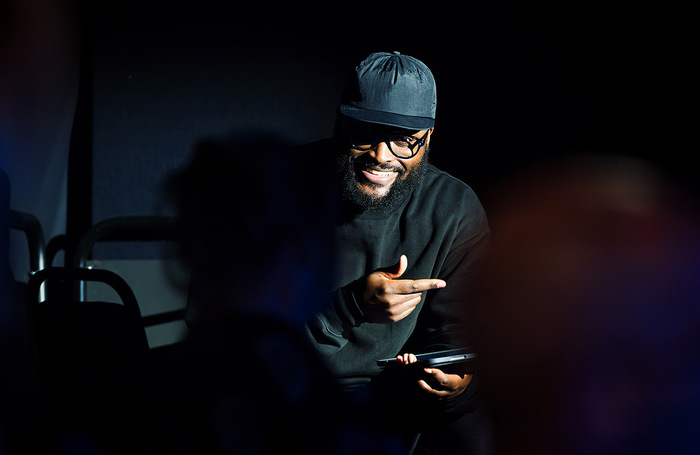
He is a genial host, introducing himself and his subject matter in a friendly, inclusive way. The room feels like a welcoming space, and I find myself warming to him, wanting to like his performance. We start off with a few audience volunteers engaging in a game of musical chairs (Philip comes third), the victor invited to share his experience of another time he felt like a winner.

And then we’re off, into a heady mix of music, live video projection, dance and spoken word. Lawal reads from Al’s manuscript, and from Chekhov; we touch on Icarus and Superman, Knight Rider and Dalston market, family weddings, race and feelings of failure. I enjoy all of it: it’s engaging and entertaining and each snippet makes sense while it’s in front of me. But I’m not sure what it all adds up to and can’t help feeling that, in the end, all the trappings serve to obfuscate rather than illuminate Al’s story.

Nonetheless, if you can’t experiment with something new at the Edinburgh Fringe, then I don’t know where you can, and I’m pretty sure that within Pilot there’s an idea that really does have wings.

3 stars

Susan Singfield
Nassim

24/08/23

Traverse Theatre, Edinburgh

Nassim (the play) is six years old, and has been performed by hundreds of acclaimed actors, including Whoopi Goldberg, David Greig and Cush Jumbo. The conceit is simple: each actor only performs the show once – without any rehearsal and having never seen the script. Nassim (Soleimanpour – the playwright) directs via a backstage camera and a loose-leaf script. Soleimanpour is Iranian but his plays have never been performed in Iran; Nassim is about his attempts to express himself creatively without being able to use his mother tongue. One by one, the actors speak for him, acting as a conduit for Soleimanpour’s words. It’s powerful and affecting.

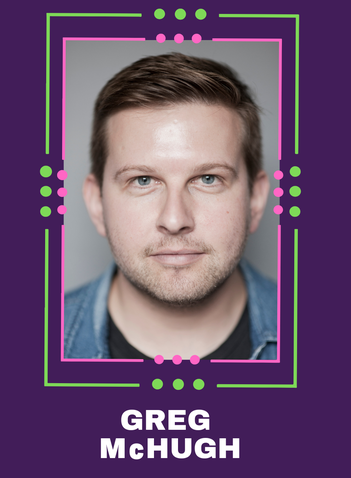
Tonight’s actor is Greg McHugh, best known to us as the terrifying Teddy in BBC Scotland’s Guilt. I’m happy to report that he seems a lot cuddlier in person, approaching Soleimanpour’s script with warmth, respect and humour. He gamely follows all of the instructions, including the more out-there ones, such as holding a sugar lump in his teeth (it makes sense soon after) and accepting cherry tomatoes as punishment for errors in a language game.

But Nassim isn’t just a play: it’s a lesson in Farsi and a reaching out across divides. The tone is gentle and benevolent, provoking smiles rather than laughs – and then, finally, tears. It’s a way for Soleimanpour, a conscientious objector, to reclaim his voice, to subvert the Iranian government’s attempts to silence him. For years, he was unable to leave Iran, and so he sent his scripts out into the world without him; now, he lives in Germany, and travels with them, joining the paper-doll chain of performers onstage, forging those connections in person. He’s freer than he used to be, but it comes at a price. He’s left behind his home, his family. His mother. Mumun. He teaches us a phrase: Delam tang shod barat. I miss you.

Only the hardest of hearts could fail to melt.

4.5 stars

Susan Singfield
Where is Love

21/08/23

theSpace @ Surgeon’s Hall (Theatre 3), Edinburgh

Bloomin’ Buds is a Bradford-based theatre company, founded by Katie Mahon (who also produces this play), with the aim of offering “drama-based support for working class communities who are struggling to access opportunities and the arts due to facing class inequalities.”

This seems especially important at the moment, as the cost-of-living crisis means that people have even less money than usual to spend on ‘non-essentials’, and arts subjects continue to be squeezed in state schools (though still highly valued in private ones… go figure). But, as Dana Gioia says, “The purpose of arts education is not to produce more artists… It is to create complete human beings capable of leading successful and productive lives in a free society.”

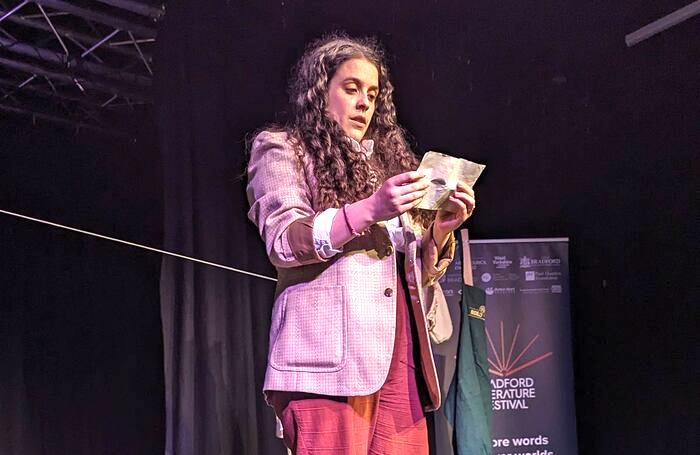
Where is Love‘s protagonist, Shelly (Maeve Brannen), is certainly a complete human being, although she’s not convinced she’ll have a successful and productive life. She’s a fighter; she’s had to be. Abused by her dad and taken into care, Shelly has learned to look after herself. She’s sixteen when she first meets Will and he seems exciting. But several kids and a lot of bruises down the line, Shelly is at breaking point…

This play, written by Jennifer Johnson, is based on a real life story and, if you think you’ve heard it all before, therein lies the tragedy. Shelly’s experiences are anything but unusual: one in three women in the UK experiences domestic violence. Perhaps some elements of the piece could be expanded on – it’s not quite clear, for example, how long a time period is covered, nor how many children Shelly has – but it all adds up to a compelling and surprisingly uplifting tale. The cycle can be broken: Shelly can give her kids the stability she never had and, through her work, help others who’ve been let down by the system.

Brannen performs the monologue with absolute conviction, imbuing Shelly with an impish appeal, and I like the addition of the real Shelly’s recorded voice, her words used to provide extra background information or to move the story along.

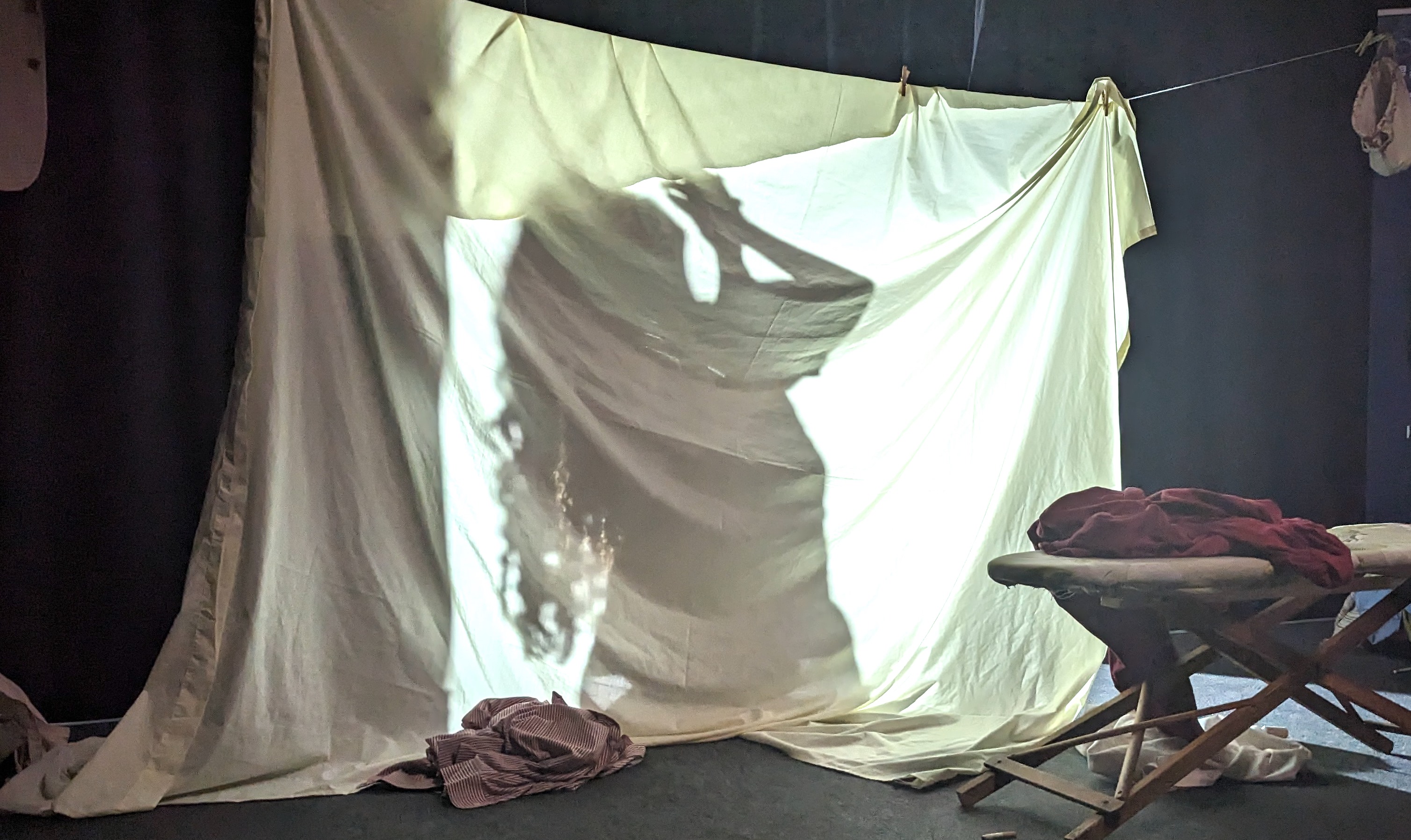
Grace Wilkinson’s direction is assured and imaginative: rarely has a washing line been put to such a variety of uses. This one serves not only as a symbol of Shelly’s domestic load, but also as the hanging strap on a bus, a shower screen and lots more. The music (by Claire O’Connor) is noteworthy too, particularly Shelly’s plaintive refrain, “I’ll be your landmark…”

Bloomin’ Buds are doing an important job in opening up access to the arts and ensuring that working class voices are not excluded from the mix. In fact, the theatre company’s own backstory would make an interesting play in itself. Next time, maybe?

3.5 stars

Susan Singfield

Dom: the Play

17/08/23

Assembly Rooms (Ballroom), Edinburgh

The first thing to say about Dom: The Play is that it’s not what I’m expecting. Unsurprisingly, at the world’s largest arts festival, the vibe is mostly liberal and self-aware. Like its namesake, Dom: The Play is neither of these things.

This isn’t necessarily a problem – I’m all for challenging my own preconceptions – but the play just doesn’t really work for me. It’s not incisive or satirical; instead, it’s a seventy-five minute defence of Cummings, devoid of any critical analysis of his time in government. It’s easy to understand how people believed the rumours, cunningly circulated by playwright Lloyd Evans, that Cummings actually wrote the script. The closest the play comes to any kind of criticism is the acknowledgement that he didn’t actually manage to achieve what he set out to do.

Although the publicity material promises to reveal the truth about what really happened at Barnard Castle, it doesn’t: he’s never brought to task. In reality, Dom simply dismisses it in one line: “I didn’t break the law.” Surely, even if Cummings the character can’t see his own flaws, the play ought to expose them? Here he’s presented exactly as he seems to see himself: as a visionary hampered only by other people’s mediocrity.

Dom: The Play is an oddity in other ways too. It’s tonally uneven: the bad-wig pantomime buffoonery of Tim Hudson’s Boris sits uneasily alongside the long TED talk-style sections, where Cummings (a very convincing Chris Porter) is given space to expound on his ideas, while the sketches depicting Nicola Sturgeon, Michael Gove, civil servants and Guardian readers are very broad and rarely succeed in skewering their targets.

It’s all a bit icky. There’s something very misogynistic in the way an offstage Carrie Johnson is portrayed, as if she’s Eve or Lady Macbeth, responsible for her husband’s downfall, and there are some revoltingly classist jibes too, e.g. a line about Angela Rayner, which might well be a verbatim quote, but is presented here not as something awful that should never have been said, but as a funny joke, and one we’re invited to laugh at.

I leave disappointed. It feels as though this play is meant to rehabilitate Dom in the eyes of the public, but in truth it feels as smug and tone-deaf as the man himself. I’m angry all over again – about his boorishness and self-importance, and about the damage he wrought.

2.6 stars

Susan Singfield
Tituba

16/08/23

C Venues Aurora (Main House), Lauriston Street, Edinburgh

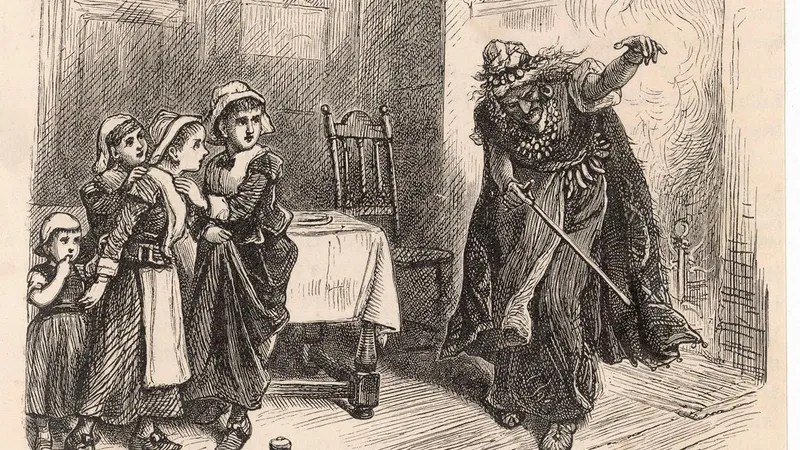
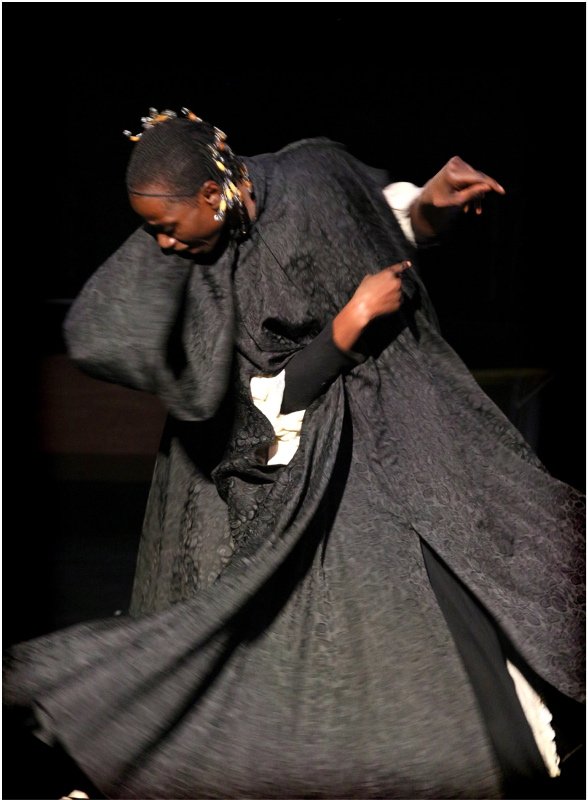
Written as a correction to Arthur Miller’s The Crucible, which relegates Tituba to the sidelines, Winsome Pinnock’s 2016 monologue reinstates her as a central figure, a key player in the Salem Witch Trials. Whereas Miller shows her practising witchcraft with the town’s white children, encouraging them to dance naked and sacrifice chickens, and then ignores her, Pinnock returns to the transcripts of the court cases, where Tituba was the first to confess, the first to name others and thus take her revenge on those who had enslaved her. Of course The Crucible is a wonderful play, but it’s a shame Miller silences Tituba as he does, because her story is really interesting, as well as important.

In this lyrical monologue, Pinnock explores Tituba’s backstory, as well as her motivation for denouncing the townspeople in Salem. I learn for the first time that she’s Caribbean, not African, and see how she has more reason than anyone else in the play to grasp this opportunity to seize power. Almost everyone in Salem is oppressed to some extent: the church exerts a strong grip, demanding adherence to its punitive codes. But there’s a clear hierarchy within this: first the white men, then the white women and then the white children. At the bottom of the pile are the Black women and children, the latter sold and sent away, the former worked to the bone and whipped on a whim. No wonder Tituba speaks out.

In this Africanus World production for C Venues, Faith Martin Abongo delivers an intense, compelling performance, accentuating the poetic rhythm of Pinnock’s words. This Tituba is riveting, illuminating; I learn a lot about her world. The section where she is beaten is hard to watch – as it should be – and it’s to Abongo’s credit that I can almost feel Samuel Parris’s cruel presence.

If there’s a criticism here, it’s to do with the staging. This is an intimate play, but the Main Hall is vast and cavernous and some of the words are hard to hear. I think the piece would work better if it were brought forward, closer to the audience, and if – instead of exiting between each scene, only to return moments later having made a simple costume change – Abongo were to remain onstage throughout.

All in all, this is a beautifully-crafted piece of writing, and Abongo does it justice.

3 stars

Susan Singfield

The Trials of Galileo

08/08/23

Greenside @ Infirmary Street (Mint Studio), Edinburgh

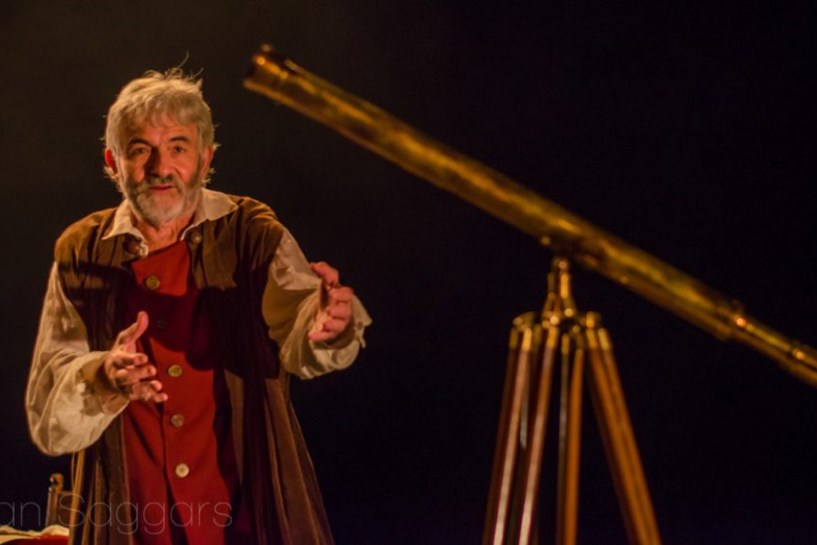
Veteran actor Tim Hardy is never less than excellent. Tucked away in this unassuming studio on Infirmary Street, his latest Fringe performance arrives without fanfare, but his reputation clearly precedes him: there isn’t a spare seat in the house. Of course, Galileo might have something to do with it too. It’s a cleverly chosen topic, curiously apposite in these post-truth times.

Written and directed by Nic Young, The Trials of Galileo is an insightful piece, illuminating a specific historical event, as well as the human and systemic failings that caused it. That event, of course, is the Roman Catholic Inquisition’s persecution of astronomer Galileo Galilei, in response to his assertion that the Earth revolves around the sun – contrary to the scriptures and therefore heresy. The great scientist’s frustration is palpable and compelling; it’s impossible not to wince as he does what surely most of us would do when threatened with torture, namely swallow down our fury and deny the truth we know. The description of that torture is horrifying, a stark and terrible reminder of what people are prepared to do to one another to stoke their egos or preserve their power.

Young’s words are finely-crafted, and Hardy knows how to give them weight, to cast light on the ridiculousness of Galileo’s situation: a great mind, forced to capitulate to those far stupider than he. How many people have suffered because of the blind faith religions (and quasi-religions, like Trumpism) demand, because inconvenient truths are hard to hear?

The biggest tragedy isn’t that Galileo was silenced; it’s that nothing much seems to have changed.

4.5 stars

Susan

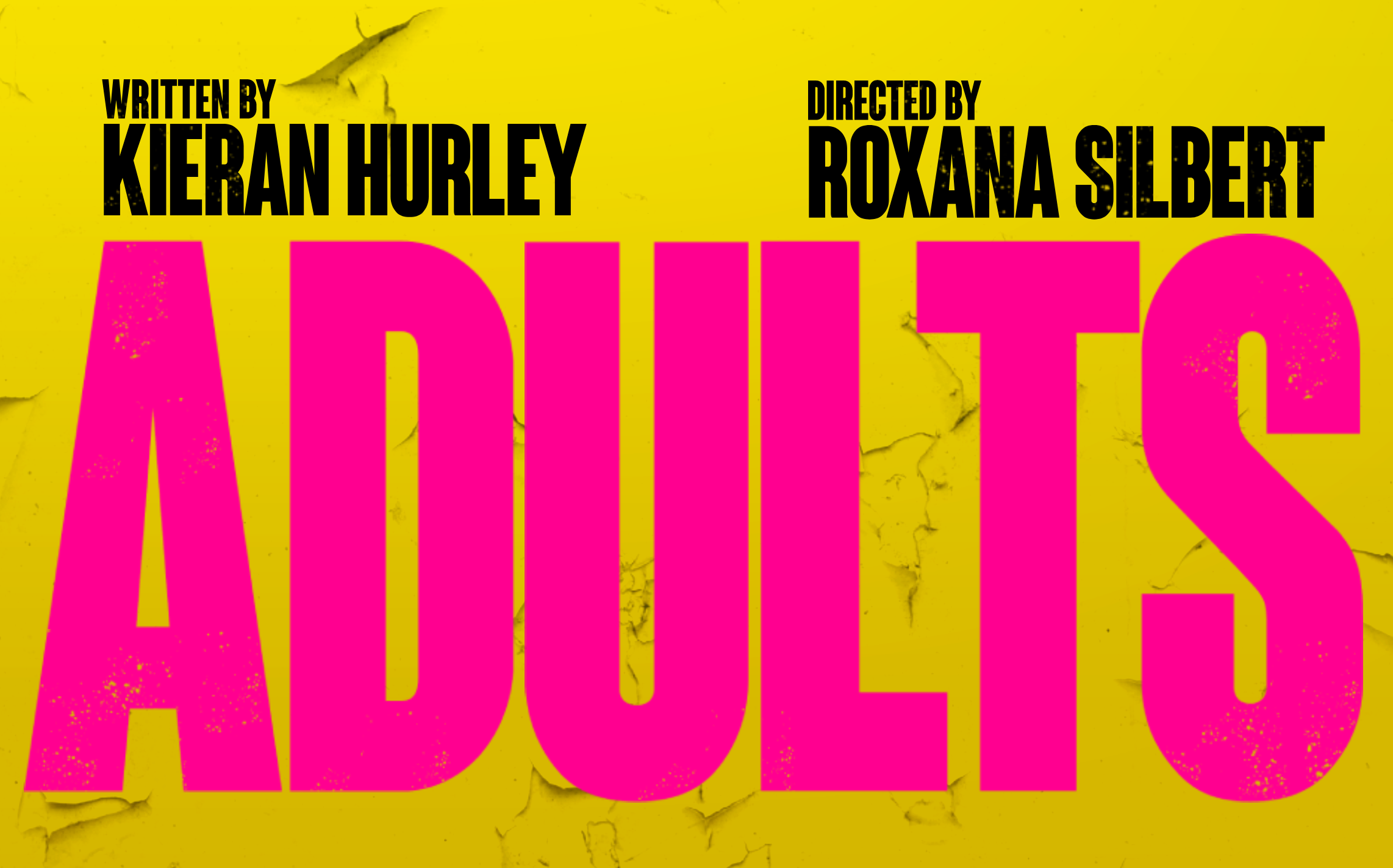
Adults

06/08/23

Traverse Theatre, Edinburgh

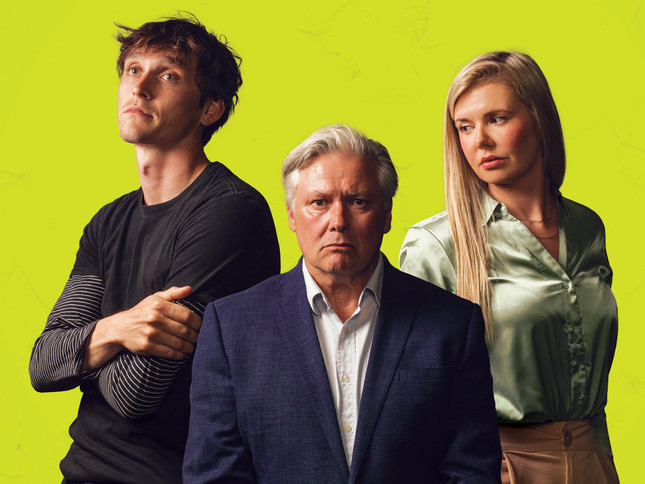
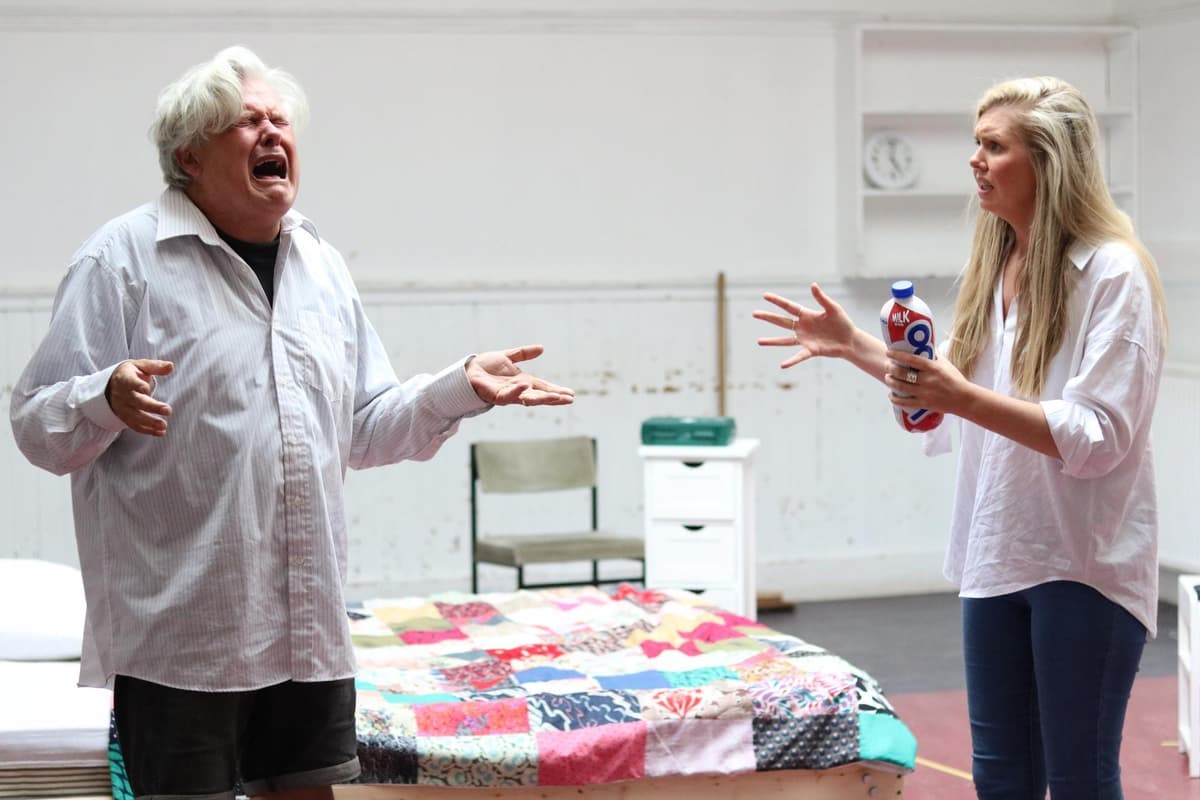
Zara (Dani Heron) has got things sorted, or as sorted as they can be, given the current state of the world. Admittedly, being a sex worker isn’t exactly living the dream, but her brothel is an ethical one – run as a workers’ collective – and she’s proud of the judgement-free service she and her colleague, Jay (Anders Hayward) provide. But still, it’s more than a little awkward when a new customer turns out to be her old teacher…

Mr Urquhart, or Iain (Conleth Hill), isn’t best pleased either. He was nervous anyway, and now he’s scared and embarrassed; he feels exposed. He’s only here to see if acting on his vague attraction to young men might help alleviate his misery, because he can’t go on as he is, hopeless and desperate, sick of his job, his marriage, even his kids…

As if the classroom reminiscences weren’t cringey enough, when Jay turns up – late – he’s got his baby daughter in tow. How can any of them collude in building a fantasy, when reality keeps intruding?

I’ve been a fan of playwright Kieran Hurley’s work since I saw Chalk Farm way back in 2013. He can always be relied upon to offer witty, thought-provoking material, with relatable, convincing characters, and Adults proves this once again. Both Zara’s skittish bravado and Jay’s reckless desperation are perfectly captured by Heron and Hayward, but it’s Hill’s depiction of Iain’s self-loathing and defensiveness that drives the piece. He’s done everything right, hasn’t he? So why does it all feel so wrong?

Directed by Roxanna Silbert, Adults has a stillness at its core, leading the audience to really listen, to hear what all three characters say, to see them for the complex, fascinating people they are. We’re all doomed, the message seems to be, so we might as well try to offer each other a bit of comfort while we can. Every generation will blame the one that’s gone before; it’s the way of the world. And every generation will fuck things up in their turn; we never manage to create that ‘better world’ we always say we want for our kids. It’s tragic – but here it’s belly-laugh funny too.

Sharp, incisive and hugely entertaining, Adults is another must-see offering from 2023’s TravFest.

4.4 stars

Susan Singfield