Alfred Enoch

The Critic

15/09/24

Cineworld, Edinburgh

A film about a theatre critic? Well, that’s irresistible for a start, despite a series of rather sniffy advance reviews that have – much like this film’s protagonist might – damned the endeavour with faint praise. So I’m both surprised and delighted that I enjoy this as much as I do.

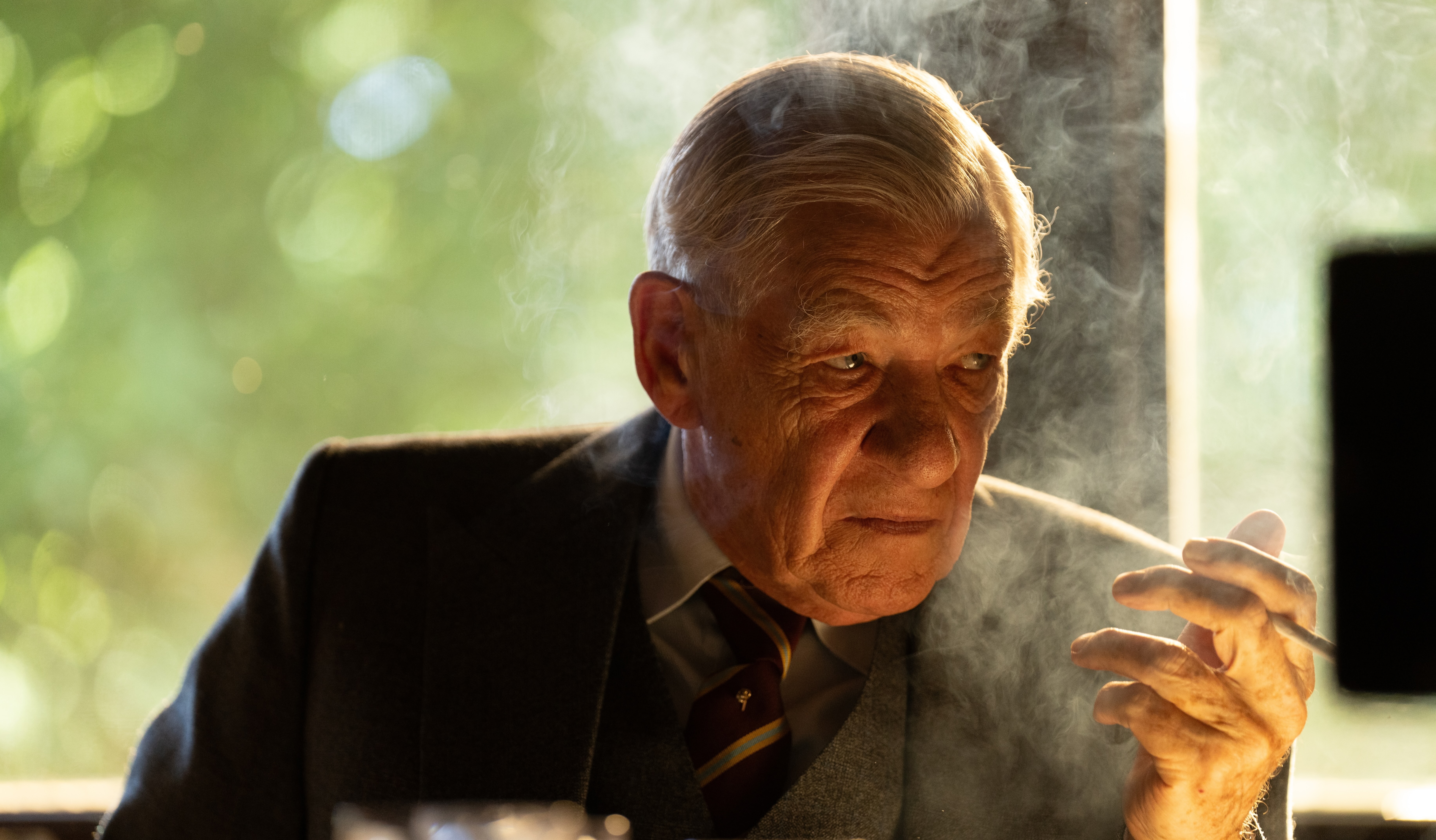
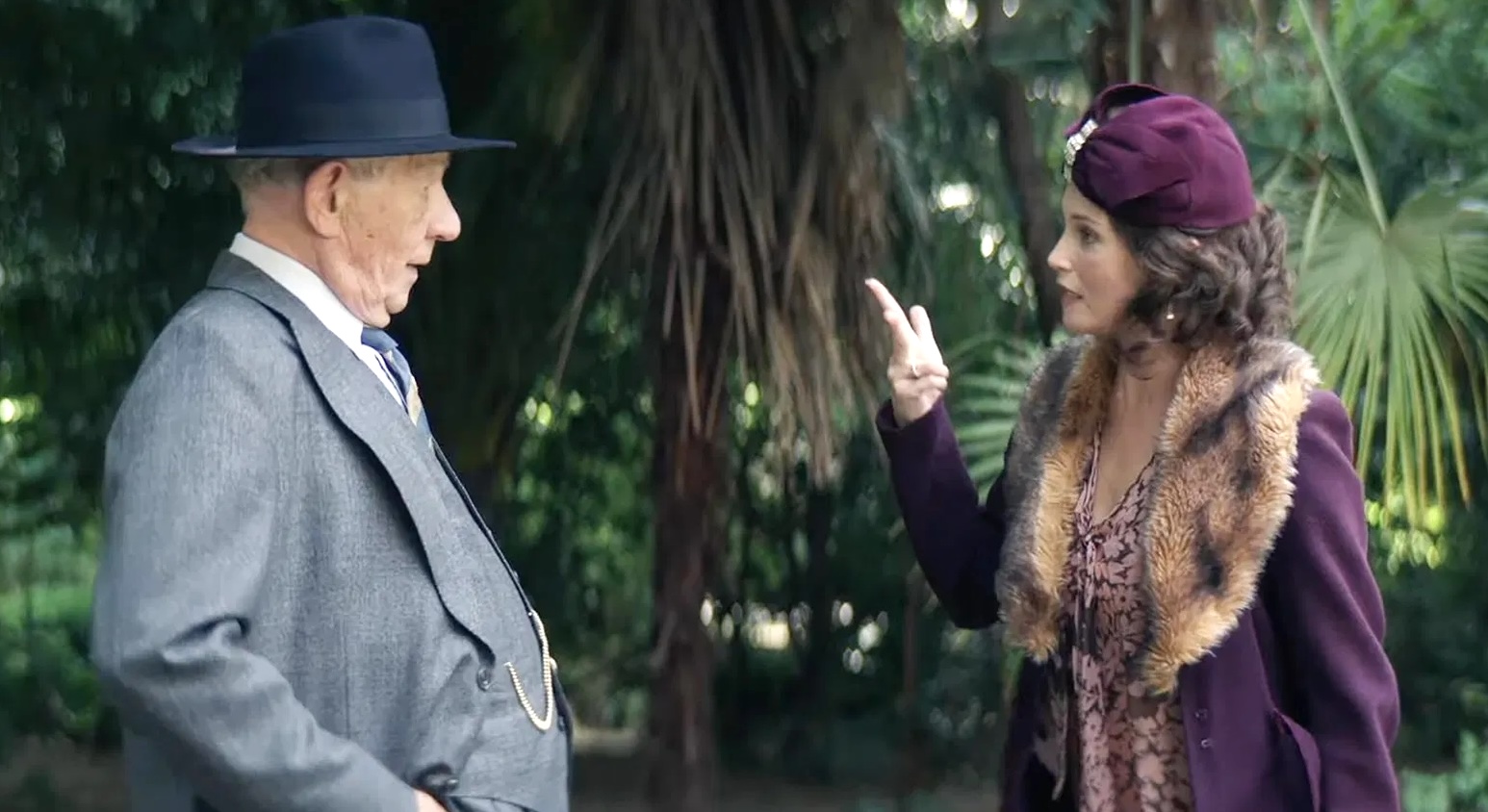
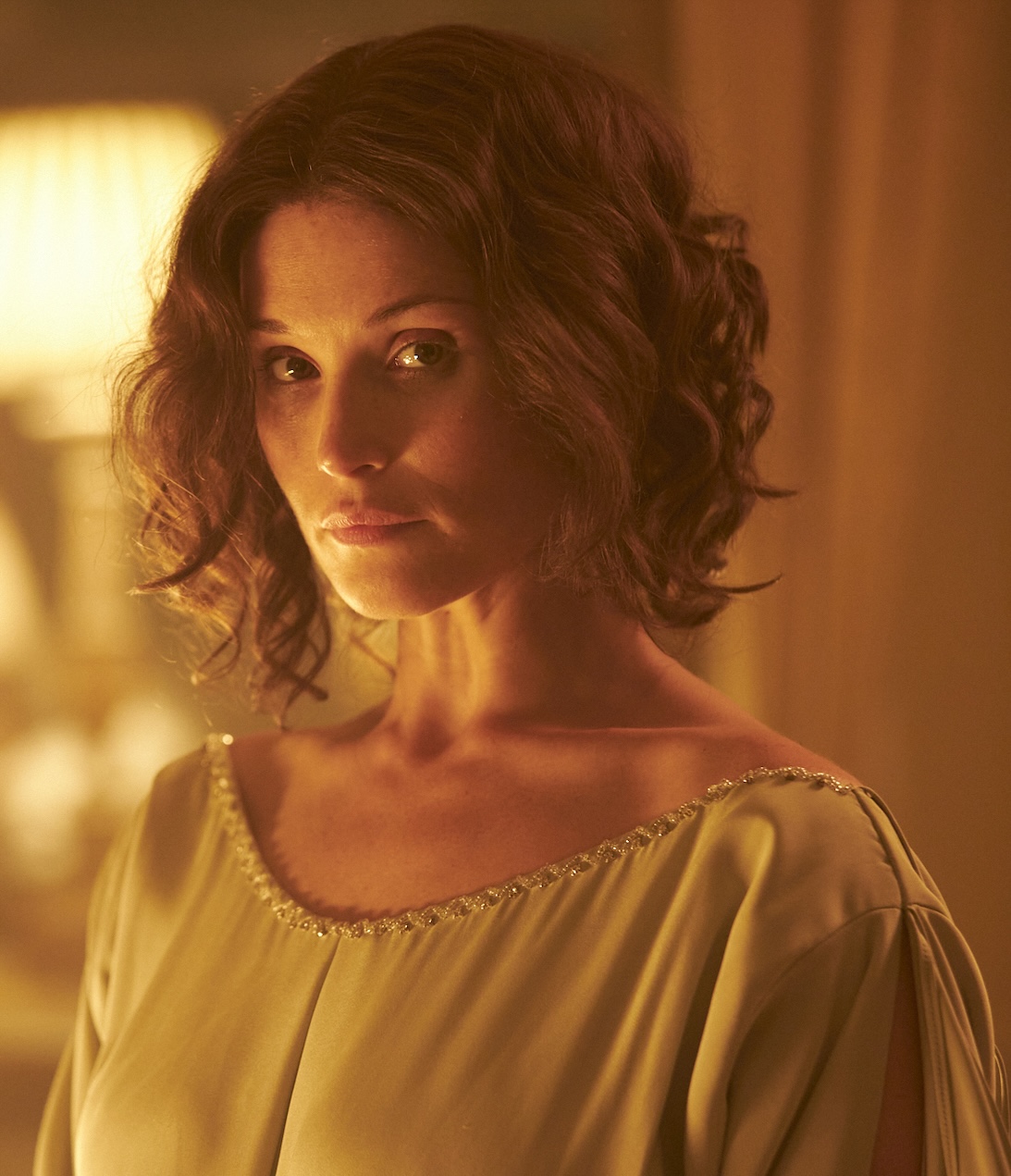
Written by Patrick Marber and loosely based on Anthony Quinn’s novel, Curtain Call, this is set in London in 1935, a time when the titular critic, Jimmy Erskine (Ian McKellen), the long-established theatre reviewer at ‘The Chronicle,’ really does have the clout to sink a production with a few well-aimed barbs. Jimmy is quick to point out that he has a genuine love of the theatre and will always dispense praise when he feels it’s been earned. Lately, most of his ridicule is directed at actress Nina Land (Gemma Arterton), who Jimmy believes has no business being on the stage. It doesn’t help that she holds him in high esteem – indeed, it was reading his reviews as a little girl that lured her into becoming an actor in the first place.

Jimmy is covertly gay – a crime punishable by imprisonment in the 1930s – and when one night he is caught in a compromising position with his live-in assistant, Tom (Alfred Enoch), he is called in to the office of The Chronicle’s new proprietor, David Brooke (Mark Stong), and handed a month’s notice. But Jimmy isn’t going to take it lying down. He has too much to lose, not least the opportunity for fine dining and lashings of booze to go with it.

And it has come to his attention that Brooke is an avid fan of Nina Land…

What’s particularly enjoyable about The Critic is the fact that all of the characters we encounter are nuanced enough that, despite a stereotypical set-up, none of them ever feels like a caricature. McKellen is clearly having a whale of a time as the venal and calculating Jimmy, a man who – because of his sexuality – has had to learn to be adaptable in order to survive, yet is bold enough to coyly ask a follower of Oswald Mosley if he has ironed his black shirt all by himself. There’s the delicious paradox of Arterton playing an allegedly bad actress, giving quite the best performance I’ve seen from her, by turns vengeful and vulnerable. There’s a lovely cameo from Lesley Manville (who seems to be popping up in just about everything lately) as Nina’s mother, Annabel – and Strong too invests his character with just the right touch of pathos.

The 30s setting is nicely evoked and, as The Critic moves ever deeper into the realms of tragedy, I find myself wondering what compelled others to be so er… critical of it. For my money, this is an assured film, nicely directed by Arnand Tucker and hauntingly photographed by David Higgs. It would, of course, have been great fun to lay into this with a hatchet (oh, the irony!) but, annoyingly, I find myself completely unable to do so. The Critic is, in my humble opinion, an absolute delight.

4.5 stars

Philip Caveney
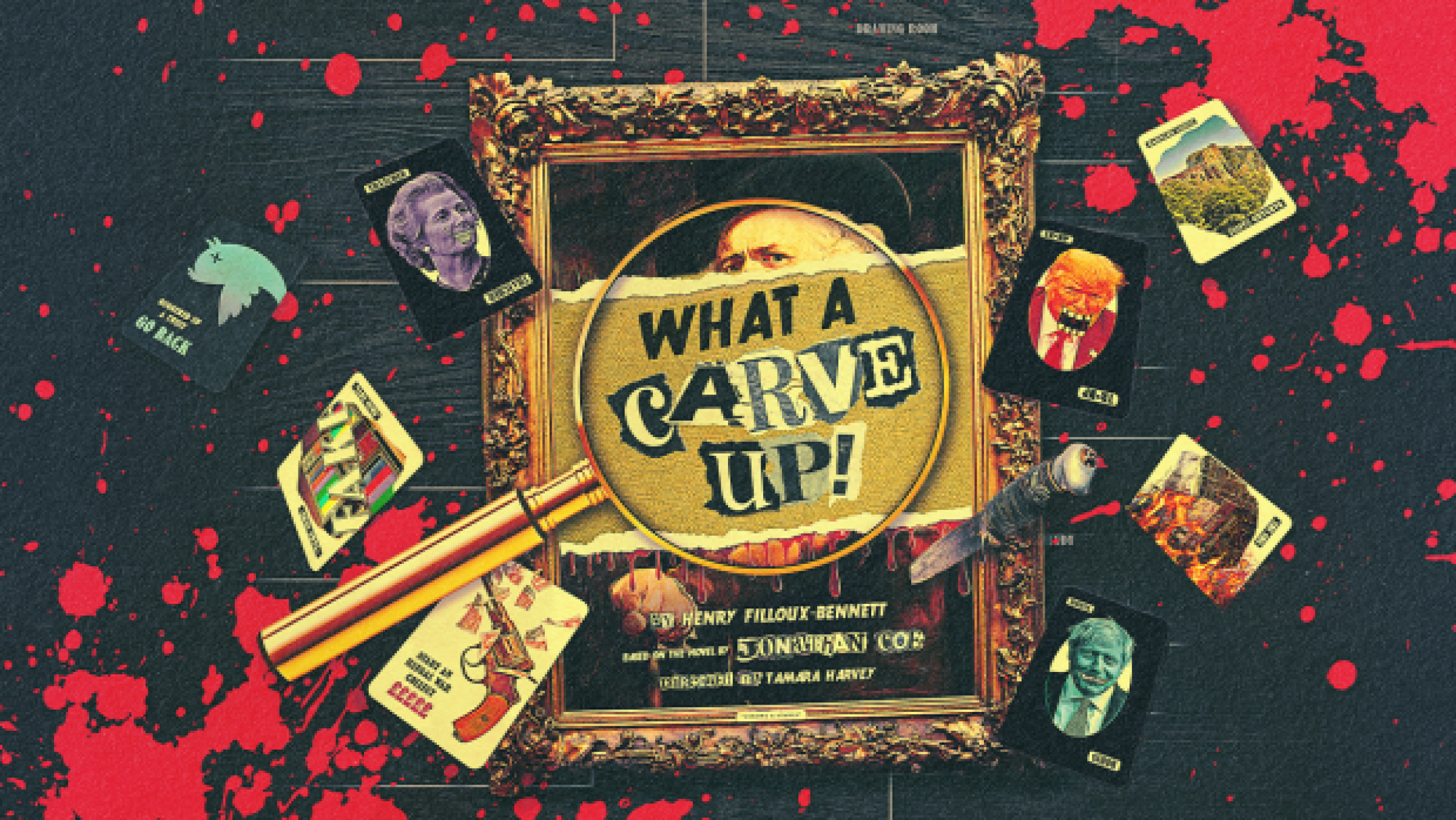
What a Carve Up!

11/11/20

Barn Theatre Online

Jonathan Coe’s acclaimed satirical novel of the early 90s is an intriguing choice for a theatrical adaptation, especially when it has been filmed during lockdown with a socially distanced cast. Indeed, it’s hard to know quite how to categorise this co-production between the Barn Theatre, Lawrence Batley Theatre and New Wolsey Theatre – though the word uppermost in my mind is ‘ingenious.’

It’s essentially a film – it had to be – and yet it feels unmistakably theatrical. There are just three physically present actors on this virtual stage, and indeed only two of them actually share a scene (even then, I can’t be sure they didn’t use a special effect). But, through clever use of stock footage, memorabilia, posters and still images – and with character voiceovers supplied by stalwarts like Derek Jacobi, Rebecca Front, Griff Rhys Jones and Stephen Fry, it feels somehow like a big cast is at work here.

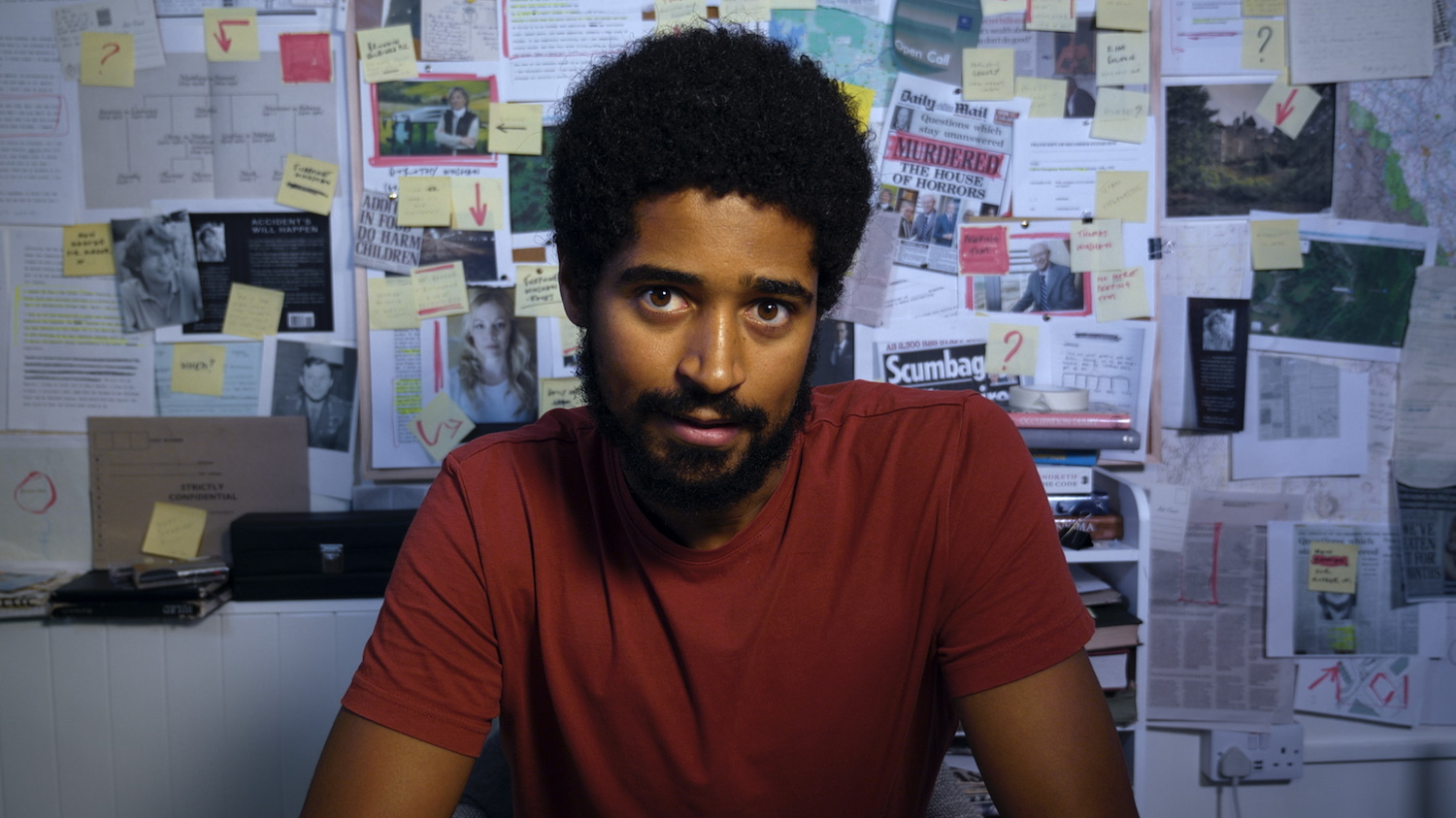
Staged rather like one of those amateur ‘true crime’ shows to be found on social media, Alfred Enoch stars as Raymond Owen, who, years after the event, is re-examining an old murder case for which his father, the novelist Michael Owen, was been widely blamed. The victims were six members of the rich and powerful Winshaw family, movers and shakers in the Thatcher era, all of them killed in highly theatrical ways (much like the critics murdered by Vincent Price’s character in Theatre of Blood).

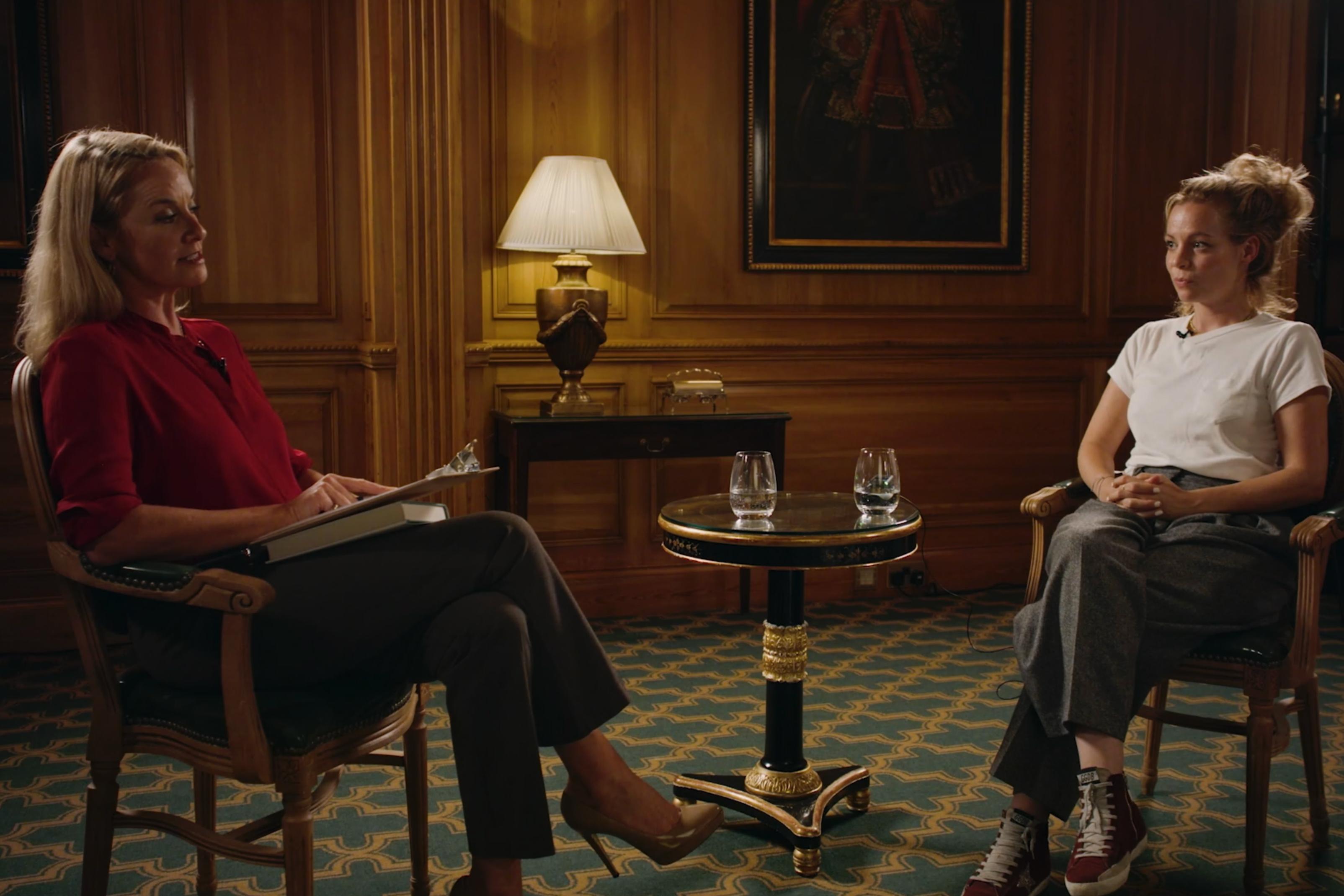
But Raymond feels he has uncovered new evidence that proves his father couldn’t have been the killer. Elsewhere, The Journalist (Tamzin Outhwaite) interviews the sole surviving member of the Winshaw clan, Josephine Winshaw-Eaves (Fiona Button) about some of the strange irregularities of the case. Button is excellent, all wide-eyed innocence at on moment and then cuttingly vitriolic the next.

What ensues is a labyrinthine story that drags the viewer from one possibility to the next. Coe’s tale has been brought bang up to date with mentions of Dominic Cummings and Covid and makes it quite clear that not much has changed since the nineties, with the rich and privileged still exerting a malign influence over the world of politics.

Tickets for this show can be booked online and once downloaded, viewers have 48 hours to watch the piece before the link expires. While it’s not as good as an actual live visit to a show, it’s certainly the closest we can hope for at the moment and all profits will go to supporting regional theatres.

4.2 stars

Philip Caveney

Crave

04/11/20

Chichester Festival Theatre (Live Streaming)

The title feels apt, because we have been craving live theatre. And this production of Sarah Kane’s bleakly poetic play, directed by Tinuke Craig, is the closest we can get. It’s actually playing as we speak, not recorded live and then shown again. It’s real! And somehow, with the lights turned low, some of that theatrical magic makes it through our computer monitor and we’re transfixed.

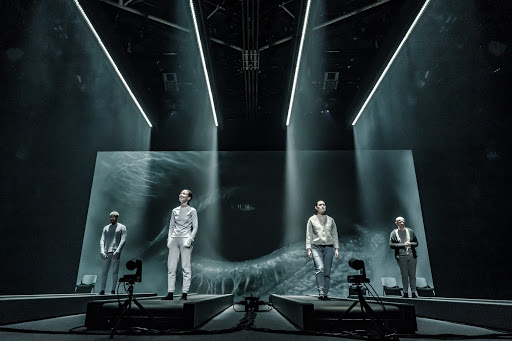
Our sense of immersion owes a lot to Alex Lowde’s set design. It’s stark and minimalistic: just four conveyer belts driving the characters onwards, enlarged footage of their faces projected onto the screen behind. The stage revolves too, adding to the sense that none of these characters has any control over what happens to them. They’re stuck on their individual treadmills, too consumed by the inexorable motion to look around or make any real connections.

Kane’s play famously has no stage directions; nor are there any character names or notes; nor does the text make clear who is speaking to whom at any point. Here, they mostly speak into the void, four disparate figures, each desperate to be heard. When they do make contact with one another, it’s fleeting, and ultimately unhelpful. At first, it’s confusing: a cacophony of sound and imagery. But, in the end, it’s like an incomplete jigsaw. Yes, there are gaps; no, we don’t have all the pieces and there are no easy answers. But a compelling picture has emerged, and we are utterly engaged.

Erin Docherty (C) and Jonathan Slinger (A) have the showiest of the parts: as an abused child and a self-pitying paedophile. They’re both terrific. Wendy Kweh (M) and Alfred Enoch (B) are great too, but their roles are more understated and so less memorable.

In the end, it just feels wonderful to experience challenging theatre again. As lockdowns – either full or partial – look set to continue for some time yet, I hope we can at least look forward to more of this.

4.1 stars

Susan Singfield