Agatha Christie

Anatomy of a Fall

11/11/23

Cineworld, Edinburgh

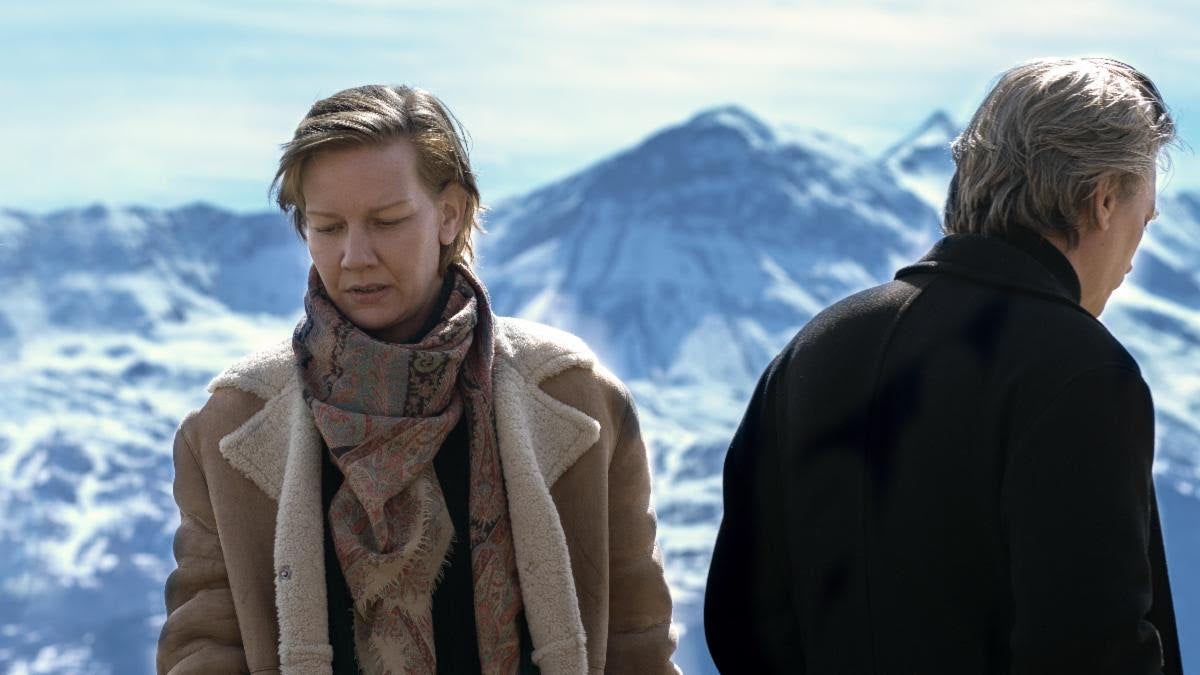
Winner of this year’s Palme d’Or at Cannes, Justine Triet’s Anatomy of a Fall is a sly and unconventional crime drama that steadfastly refuses to follow the familiar tropes of the whodunnit, preferring instead to explore the psychologies of its characters. It manages to sustain an air of mystery without ever offering viewers anything resembling a plausible solution – and yet, somehow, this only serves to make the story all the more intriguing.

In her remote chalet in the French Alps, novelist Sandra Voiter (Sandra Hüller) is attempting to conduct an interview with graduate student Zoé (Camille Rutherford). There’s an obvious attraction between the two – Sandra is openly bisexual – but up in the roof space, Sandra’s husband, Samuel (Alan Davies lookalike, Samuel Theis), is asserting his presence by doing some noisy manual work. He’s also playing music at an ear-shattering volume, which makes the planned interview impossible. It is soon abandoned and Zoé leaves. 

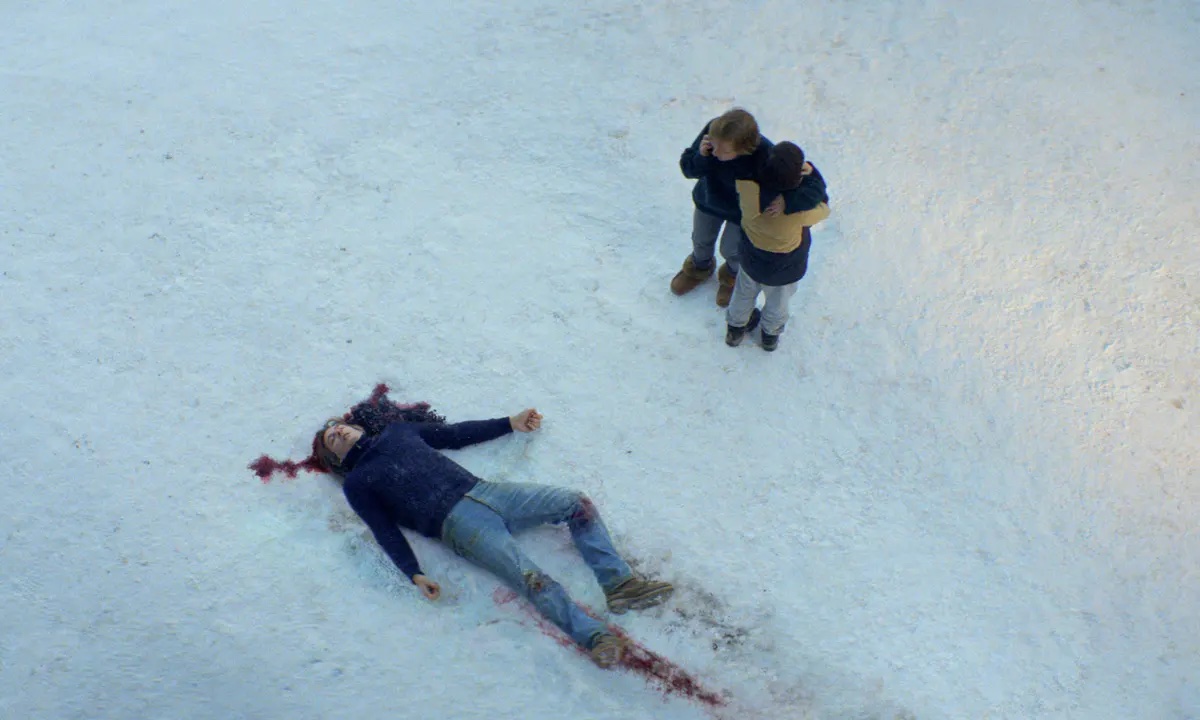
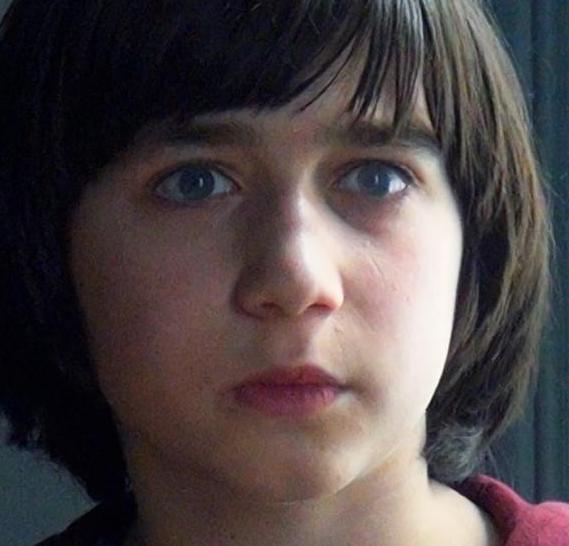
Shortly afterwards, Sandra and Samuel’s visually-impaired son, Daniel (Milo Machado Graner), takes his dog for a walk in the snow and, on his return, he (quite literally) stumbles upon the bloody corpse of his father, lying a short distance from the house. Samuel has fallen from the attic space, striking a shed on the way down.

But did he jump – or was he pushed?

Soon, an investigation is under way and Sandra is the only suspect. Her past actions are making her look ever-more unreliable, so her attorney (Swann Arlaud) is struggling to construct a credible defence – and it probably doesn’t help that he is attracted to her. Meanwhile, the prosecutor (Antoine Reinartz) seems to have made it his personal mission to see her behind bars. 

The irony here is that the person with the clearest vision of what’s actually going on is a boy whose eyes don’t work…

Anatomy of a Fall is a strange beast indeed, a film that becomes increasingly compelling as it moves ever further away from anything approaching a straightforward resolution. The fact that the two main characters are writers of fiction – and the ways in which the narrative becomes increasingly more speculative as the case progresses – adds to the sense of intrigue. And then there’s a late-stage flashback, prompted by the discovery of an audiotape (recorded by Samuel), which sets everything spinning in an entirely different direction. Hüller offers a compelling performance in the lead role, but it’s young Machado Graner who makes the biggest impression, as the indefatigable Daniel, struggling to come to terms with the death of his father.

The nebulous nature of the plotting will doubtless have Agatha Christie spinning in her grave, but this feels like a fresh and unconventional approach to the crime genre and it’s easy to see why the film was chosen as the winner of one of cinema’s most coveted prizes. 

4.3 stars

Philip Caveney
A Haunting in Venice

15/09/23

Cineworld, Edinburgh

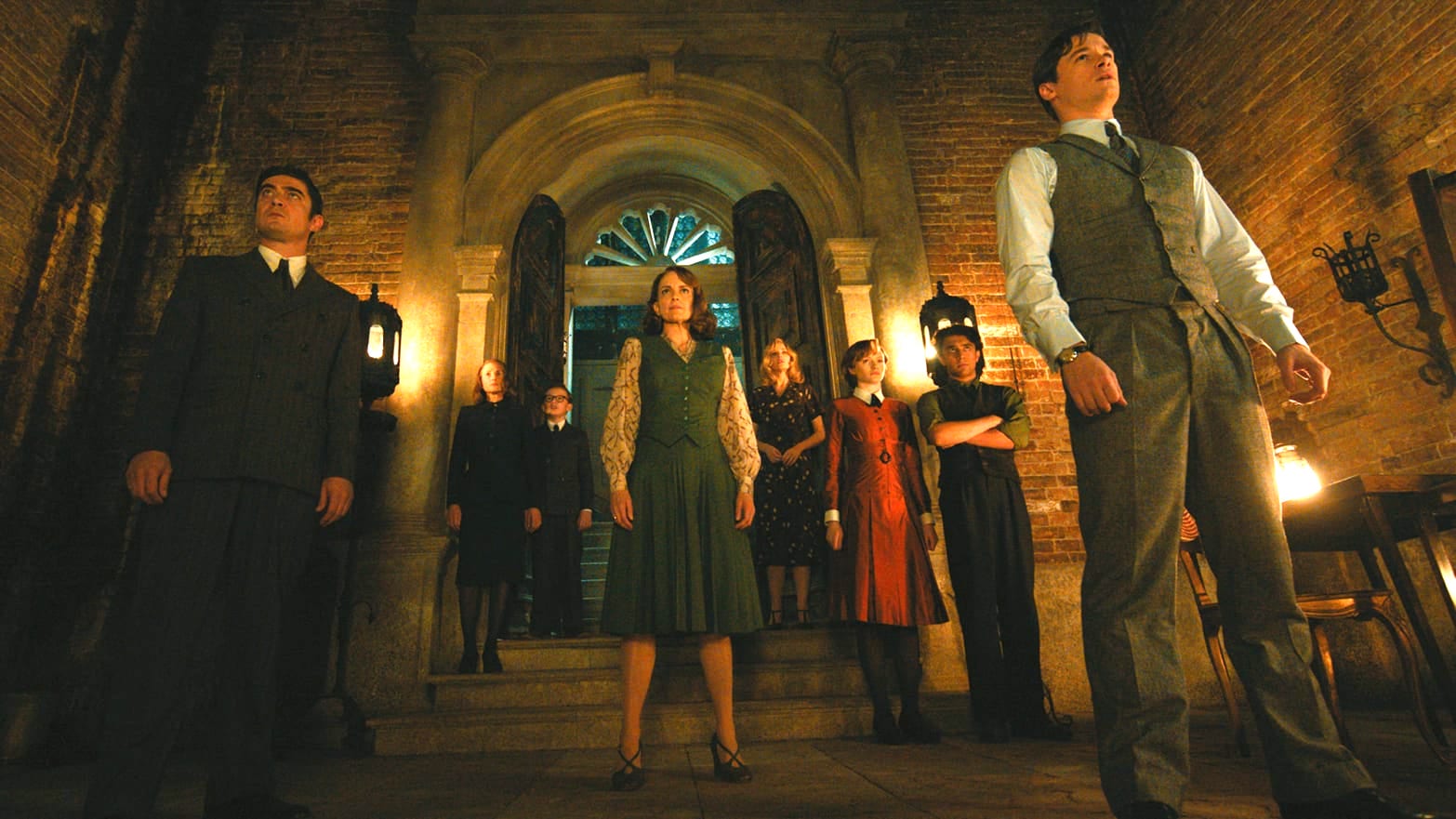
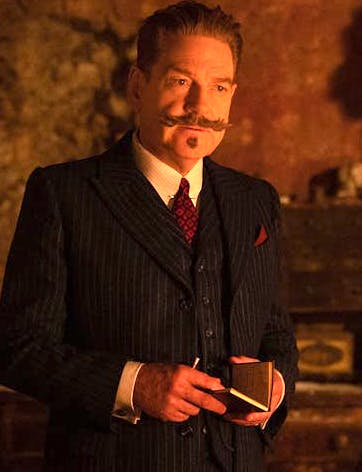
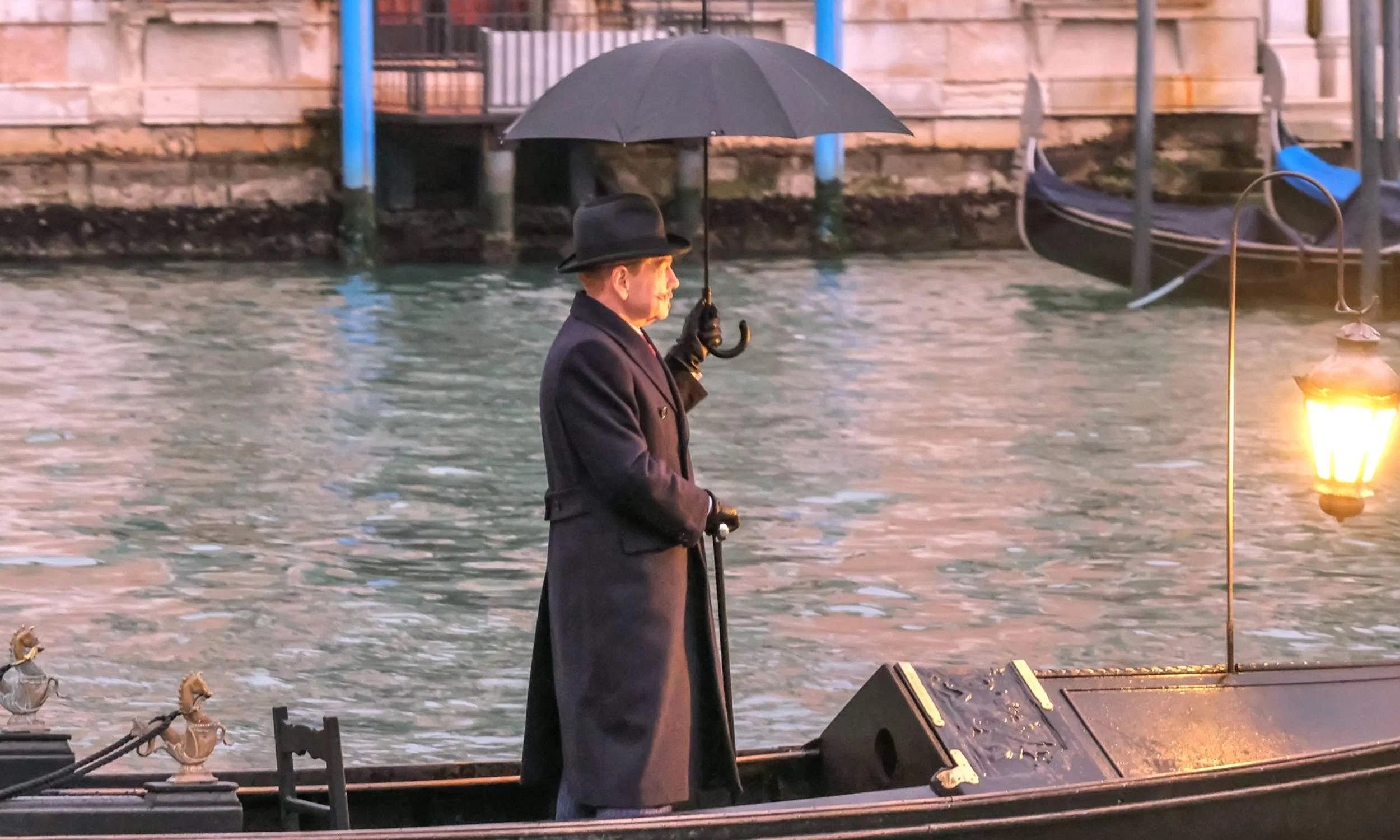
Kenneth Branagh’s third attempt to bring Agatha Christie’s most celebrated detective back to cinema stardom initially feels like every James Wan movie you’ve ever seen: a series of elaborate jump scares designed to unnerve viewers and open them up to the possibility of supernatural goings on.

But it isn’t long before we encounter Poirot, recently retired to – well, the clue’s in the title – and apparently finished with the world of sleuthing, happier to fill his spare time with gardening. He’s even hired ex-police officer, Vitale Portfoglio (Riccardo Scarmacio), to act as his bodyguard, ensuring that anybody who comes looking for the services of a sleuth is treated to a quick push off the edge of a canal. But one person does manage to get through. She’s author Ariadne Oliver (Tina Fey), who thinks she’s responsible for Poirot’s fame in the first place by featuring a thinly-disguised version of him in one of her early novels. Now she wants to enlist him to investigate the notorious medium, Mrs Reynolds (Michelle Yeoh), who – Oliver claims – seems to be ‘the real McCoy’.

Staunch non-believer Poirot agrees to go along to a Hallowe’en event in a crumbling palazzo, said to be haunted by the ghosts of many lost children. The current owner, Rowena Drake (Kelly Reilly), is keen to contact the ghost of her daughter, Alicia (Rowan Robinson), who committed suicide. Rowena has hired Mrs Reynolds to contact her and find out exactly why she did it.

Poirot is soon happily exposing Mrs Reynolds as a fraud but things take a nasty turn when the medium falls to her death from a high window (bet she didn’t see that coming). And naturally, the killings are not going to end there. A large group of mid-listers find themselves marooned by a violent storm in a building that – conveniently – can only be accessed by boat.

The main problem with A Haunting in Venice is that it’s neither fish nor fowl. The ghost story/horror elements fail to convince, while the plot (if I can call it that) is so risible and convoluted that it’s hard to take any of it seriously. Amidst a sea of familiar faces, the only ones that really connect are a re-teaming of Belfast father and son duo, Jamie Dornan, as a doctor haunted by his experiences in the Second World War and Jude Hill as his somewhat creepy son (who, unfortunately, is a dead ringer for a young Michael Gove). But sadly, they’re not enough to make this turkey fly.

In the latter reaches of the film, some of the sequences are so murky and labyrinthine that I’m occasionally left wondering what is happening to who and where. Screenwriter Michael Green (who has based this farrago on a 60s Christie novel entitled Hallowe’en Party), somehow manages to have his cake and eat it by suggesting that not every supernatural element has been faked. But the intellectual flexing required to solve the case suggests that, by its conclusion, Poirot is back in the game.

After suffering through A Haunting in Venice, I seriously doubt I’ll be back to see the next in the series.

2.4 stars

Philip Caveney

Glass Onion: A Knives Out Mystery

23/12/22

Netflix

Rian Johnson’s Knives Out garnered plenty of admirers on its release in 2019, though I felt at the time that it was a case of style over substance. Call me old fashioned, but I’m of the opinion that one of the basic requirements of a whodunnit is that it should be hard to crack and, in this case, it really wasn’t. The sequel (helpfully subtitled A Knives Out Mystery, just in case we’ve missed the connection) recently enjoyed a week in cinemas – at a time when we couldn’t see it. It now appears on Netflix, who financed it and they will also be funding several further instalments. The reviews haven’t been quite so ecstatic this time around, but perhaps ironically, I find this one an improvement on the original, mainly by virtue of the fact that I really can’t guess where it’s headed – though it should also be said that there is a glaring plot hole in there that should have been plugged. (See if you can spot it!)

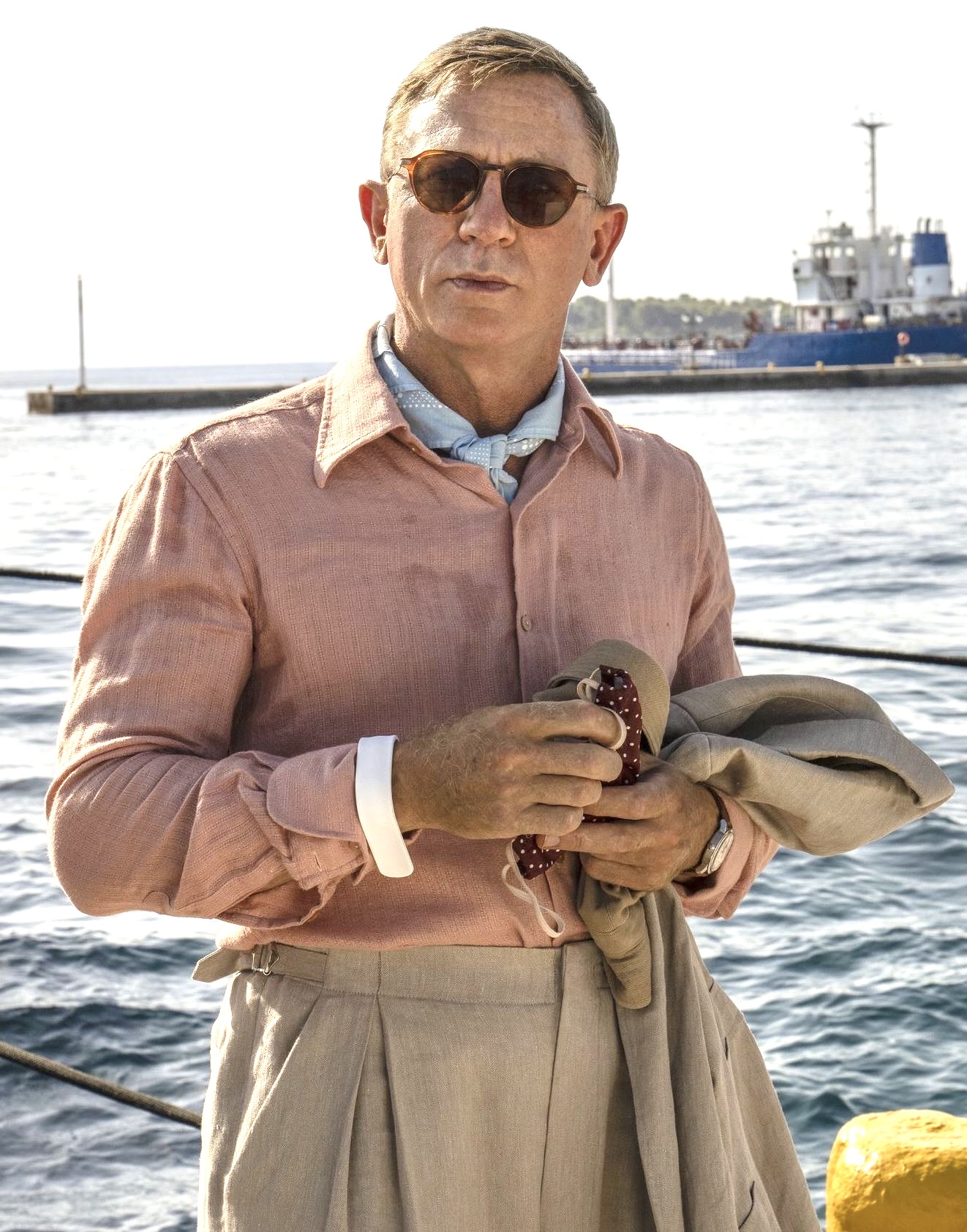
Once again, this is very stylish, bright and kinetic. We’re offered a selection of – mostly repellent – characters who feel more like caricatures than real people. We learn more about ‘the world’s greatest detective’, Benoit Blanc (Daniel Craig), who apparently is fond of sitting in his bath whilst wearing a fez (as you do) and who appears to share his home with a very famous housemate. It all begins with a bunch of seemingly unconnected individuals receiving invitations to an exclusive party on billionaire Miles Bron (Edward Norton)’s private Greek island.

The invites come in the form of elaborate puzzle boxes, which must be deciphered. Soon enough, Blanc is standing on the dockside with the other guests, who include hapless socialite Birdie Jay (Kate Hudson), muscle bound YouTuber, Duke Cody (Dave Bautista) and Bron’s former business partner, Andi Brand (Janelle Monáe). It soon becomes clear that Blanc hasn’t actually been invited to this bash, so his presence is only the first in a whole series of mysteries to be solved.The action is set in 2020, so hats off to Johnson for actually referencing the COVID pandemic, with the characters wearing masks and being all awkward about hugging and shaking hands, something that’s barely ever been referenced in the cinema so far.

Once on the island and inside Bron’s super luxurious home – the centrepiece of which resembles a huge er… glass onion – the host announces that they will all be playing an elaborate murder mystery game. At some point in the evening, he will be ‘killed’ and the guests will have to work out whodunnit…

So far, so Agatha Christie, but it should be said that nothing here goes according to anybody’s plan and, while I feel the early stretches of Glass Onion take some sticking with, once we’ve reached the midpoint, a huge revelation in the form of a series of flashbacks makes everything much more interesting. From here, the proceedings become ever more unhinged, ever more labyrinthine, as Johnson throws aside the conventions of the genre and begins to have fun with proceedings. It’s here too that his central tenet becomes clear. We’re continually reminded that nothing is hidden, nothing is opaque and that the answers to every puzzle are right there in front of us.

It’s clever but, once again, there’s a sense of distance. Because I don’t believe in any of these people, the result is like watching an expert game of chess, with the director manipulating the action like a grandmaster. I’m watching with a sense of detachment rather than being swept up in the proceedings.

Ultimately Glass Onion is an interesting exercise in legerdemain, and Netflix will doubtless do well with it. It will be interesting to see where the series of films goes from here but, for me at least, this feels like a step in the right direction.

4 stars

Philip Caveney

See How They Run

14/09/22

Cineworld, Edinburgh

The recent success of Rian Johnson’s Knives Out seems to have rekindled a cinematic interest in whodunits. Johnson’s sequel, Glass Onion, is due out soon (on Netflix) but, meanwhile, on the big screen there’s See How They Run, a lighthearted spin on the genre, directed by Tom George (previously best known for TV’s This Country) and written by Mark Chappell.

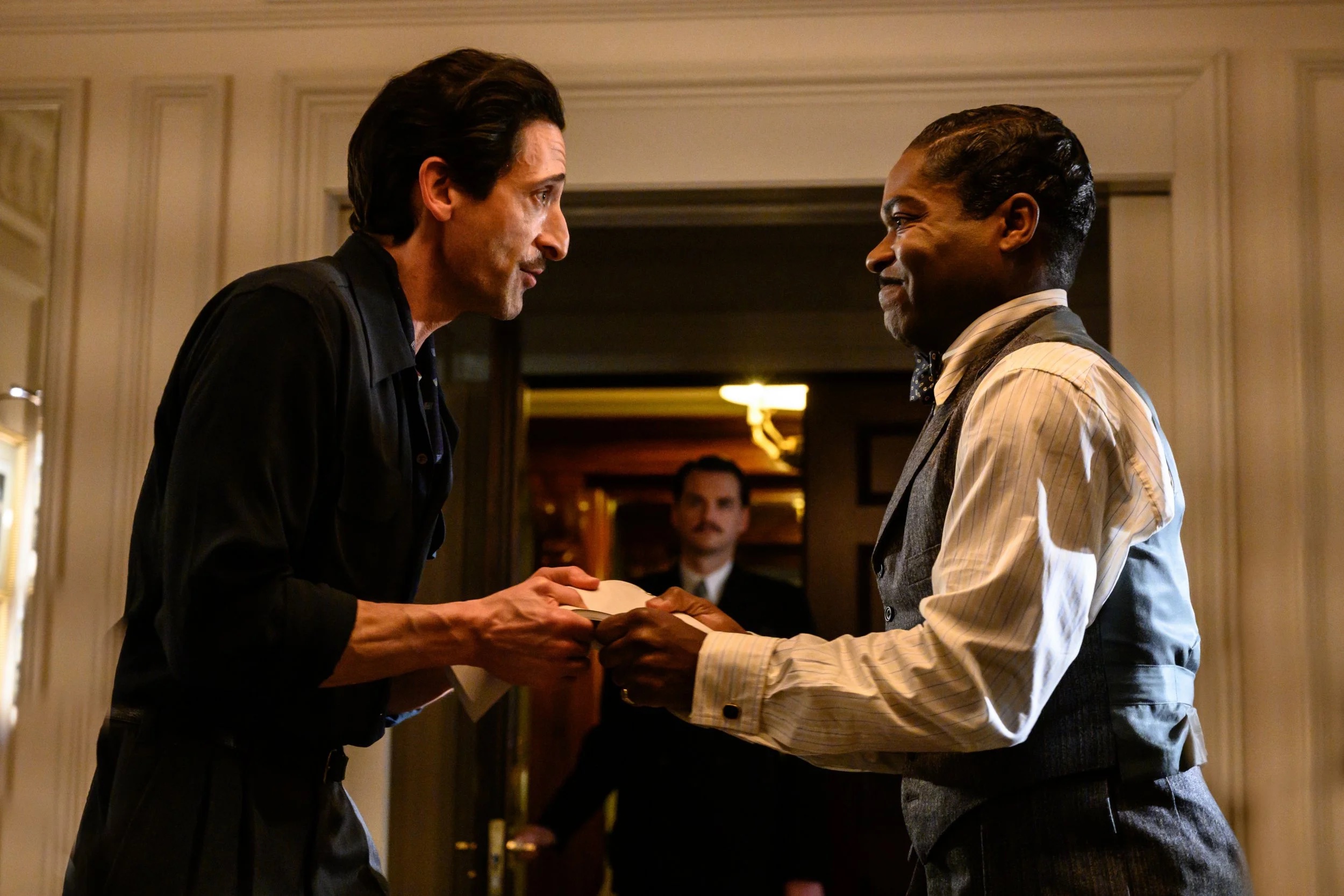
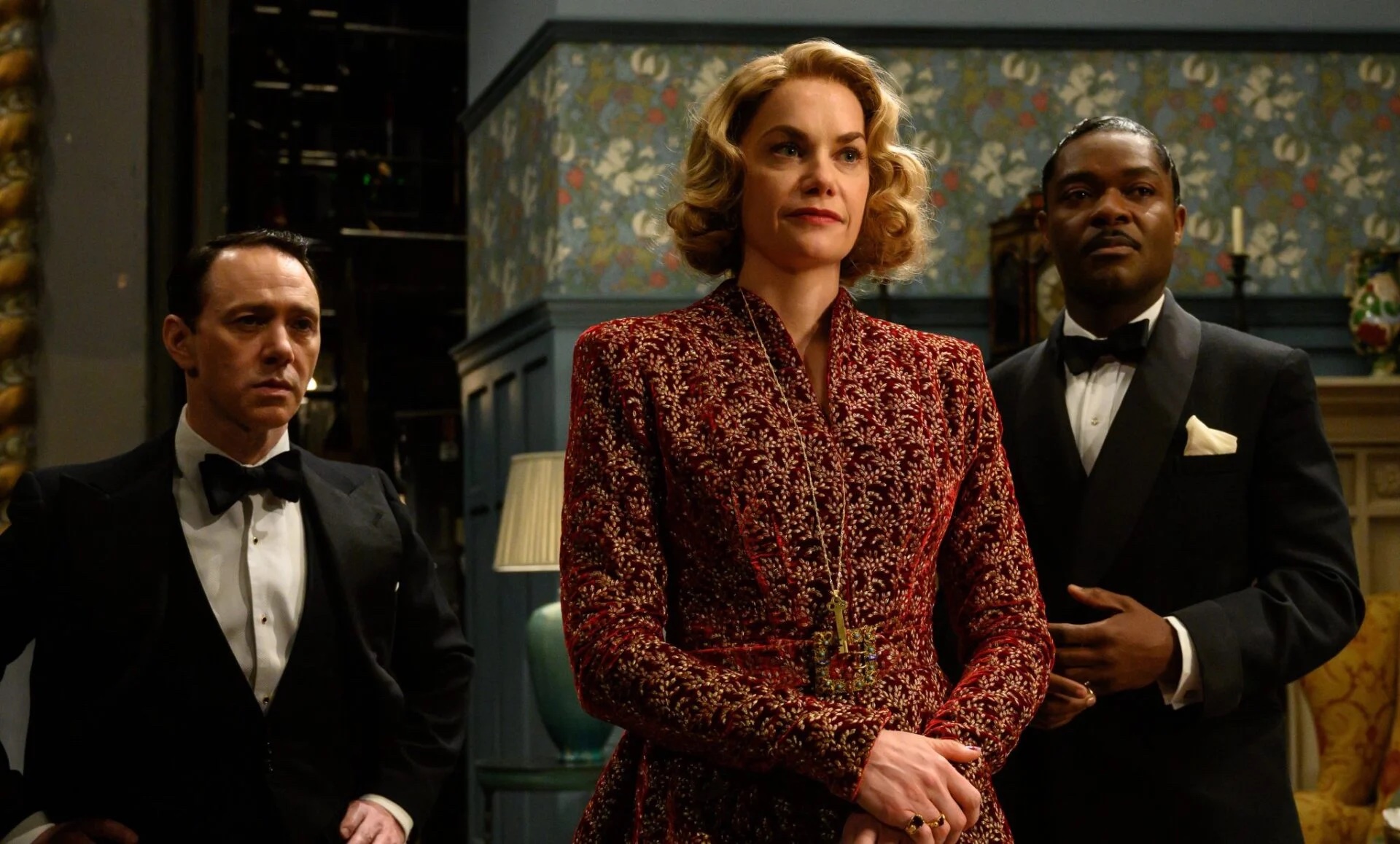
It’s 1953 and Agatha Christie’s The Mousetrap is already approaching its one hundredth performance. Moves are afoot to turn it into a motion picture, spearheaded by odious American screenwriter Leo Kopernick (Adrien Brody) who wants the chosen screenwriter, Mervyn Cocker-Norris (David Oyelowo), to amp up the sex and violence to make it more screen-worthy. Okay, so there is a clause in the play’s contract, stating that it can never make the transition into film until its theatrical run has ended… but that won’t be long, surely?

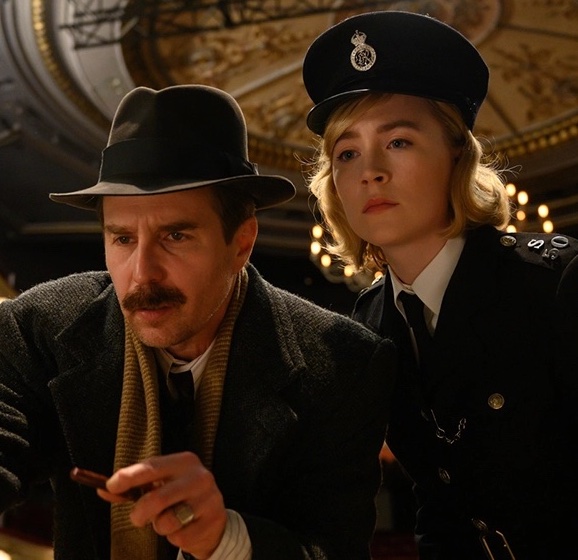
Kopernick quickly winds up dead (don’t worry, this is in no way a spoiler) and suspicion initially falls on Cocker-Norris. But, as rumpled, hard-drinking Inspector Stoppard (Sam Rockwell) soon begins to discover, there are lots of people in the cast and crew who have reasons to bear a grudge – and anyway, he has his hands pretty full with his over-eager assistant, Constable Stalker (Saoirse Ronan).

See How They Run is a tremendously likeable film, virtually stuffed to the gills with big-name actors having a ball in small roles, many of them based on real life characters. Harris Dickinson offers a nicely judged Richard Attenborough (who starred in The Mousetrap‘s original production) and Pearl Chanda is excellent too as his wife and co-star, Sheila Sim. Rockwell does a suitably world-weary turn as Stoppard, but for my money it’s Ronan who really makes this fly, creating an absolutely adorable character, determined to make her mark in a world that has until now been entirely dominated by men. Plaudits should also go to comedian Tim Key, who does a brilliant job of embodying a loathsome police commissioner.

As you might expect, the script is as meta as you like, with plenty of in-jokes and sly references for theatrical fans to pick up on – but, more importantly perhaps, this is funny throughout, with some perfectly timed pratfalls thrown in for good measure. While it’s hardly destined to linger for long in a viewer’s mind, it’s nonetheless a very pleasant way to spend a well-paced hour and thirty-eight minutes.

4.2 stars

Philip Caveney

A Murder is Announced

03/05/22

King’s Theatre, Edinburgh

‘Cosy mystery’ is a strange genre. The body count is high but the blood loss is minimal; an alarming number of its denizens have murder in mind, but we’re not witness to any physical brutality. Death occurs courtesy of a fast-acting poison or a single, well-placed blow to the head; killers tend to be well-to-do, well-spoken, suburban types, fond of chintz and regular cups of tea – oh, and there’s usually a domestic servant or two.

If the genre has a queen, Agatha Christie wears the crown. And of her prodigious output, the Miss Marple stories are the cosiest of all. Jane Marple looks like a cliché: a nosy, soberly dressed spinster of independent means, living modestly in a sleepy village. But Miss Marple is shrewdly intelligent, and her prying has a purpose: she’s a dab hand at uncovering criminals, and the local constabulary often find her help invaluable.

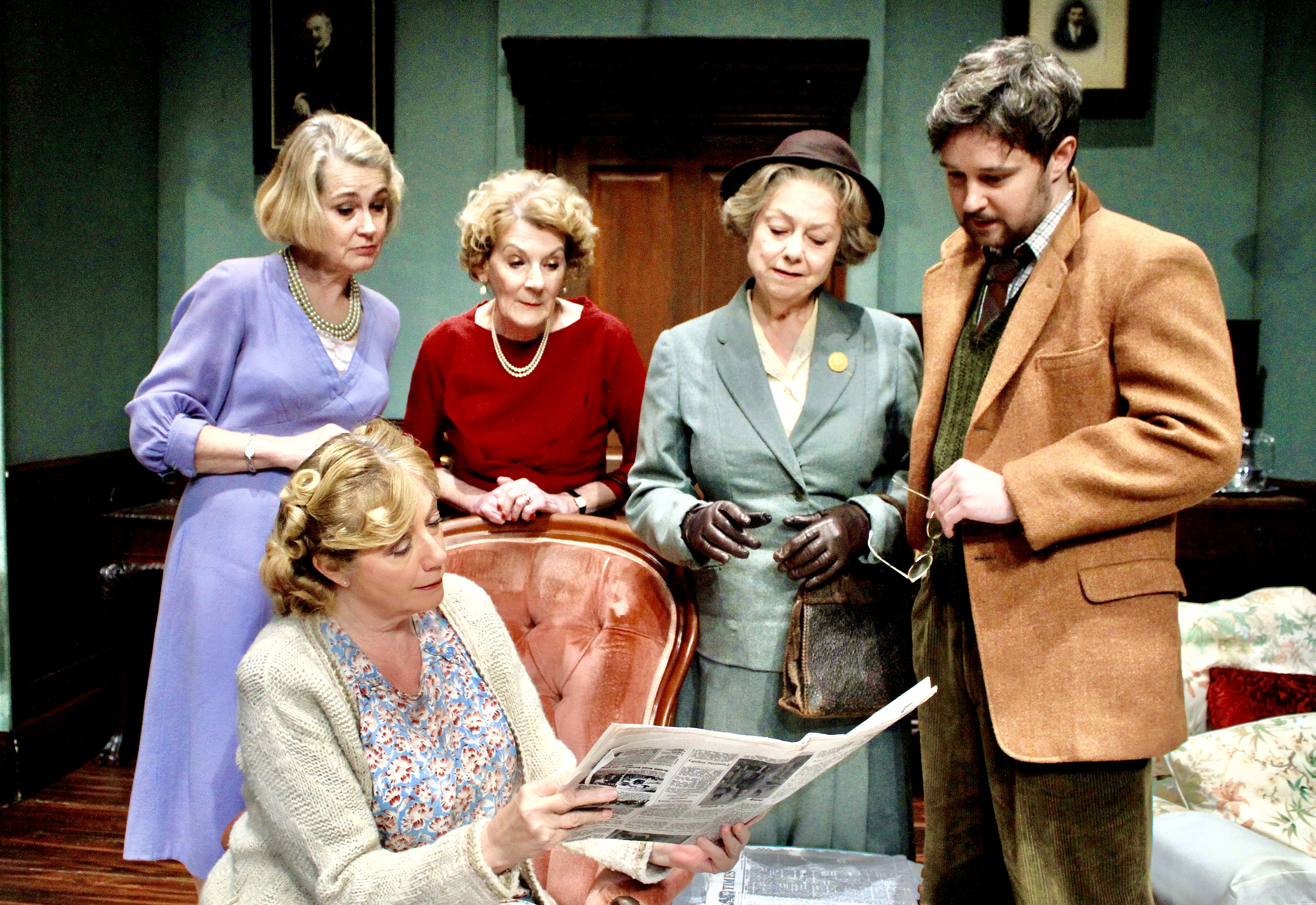
A Murder is Announced is a classic Miss Marple mystery. It opens with an unlikely premise: someone posts an ad in the Chipping Cleghorn Gazette, announcing that there will be a murder at 6.30pm that night at Little Paddocks, home to Letitia Blacklock (Barbara Wilshere). Letitia is a kindly soul, and she’s opened Little Paddocks to a whole host of friends and relatives, so there’s a raft of potential victims – and killers. Her impoverished old school pal, Bunny (Karen Drury), has lived there for years, and – more recently – Lettie’s second cousins, Julia (Lucy Evans) and Patrick (Will Huntington), have appeared. They’ve been living abroad, but now they’re back in the UK and need somewhere to stay. In addition, Lettie has taken pity on Philippa (Emma Fernell), and invited the young widow to reside in her home too. Housekeeper Mitzi (Lydia Piechowiak) is kept very busy!

And, at 6.30pm that night, a murder does indeed occur. What’s going on? Luckily, a certain Miss Marple (Sarah Thomas) is in the vicinity, visiting her nephew, the local vicar, so Inspector Craddock (Tom Butcher) doesn’t have to figure it out alone…

Despite the convoluted and unlikely plot, there are no surprises here. But that’s part of the appeal, I guess: we know what we’re getting – hence the term ‘cosy.’ Middle Ground Theatre Company’s production is competently done: director Michael Lunney successfully corrals the twelve-strong cast’s tortuous backstories into a comprehensible tale, and the actors deliver solid performances.

I’m a little confused by the lowering of the curtain for an extended period at the end of each scene. The first time, I’m expecting a complex set change, but, when the curtain rises again, only minor adjustments are apparent. A plate of sandwiches has been removed; a newspaper folded. I can’t help feeling this could be achieved a little more dynamically.

In the end, there’s nothing striking here – either good or bad. A Murder is Announced just does what it says on the tin, and there’s no denying its popularity; the theatre is bustling. There are worse ways to spend an evening, but I’d love one day to see new life breathed into this old form.

3 stars

Susan Singfield

Death on the Nile

12/02/22

Cineworld, Edinburgh

Kenneth Branagh earned himself a lot of brownie points for the sublime Belfast, but quickly squanders most of them in this, his second Agatha Christie adaptation. While it’s a definite improvement on his previous attempt, Murder on the Orient Express (which suffered from a bad case of too many actors in cameo roles), it still struggles to escape from the suffocating confines of the genre.

Mind you, it opens with a totally unexpected sequence set in the First World War, where we meet a digitally de-aged Poirot as a solider in the trenches, already flexing his powers of deduction. And then we are offered an origin story for that famous moustache. Interesting…

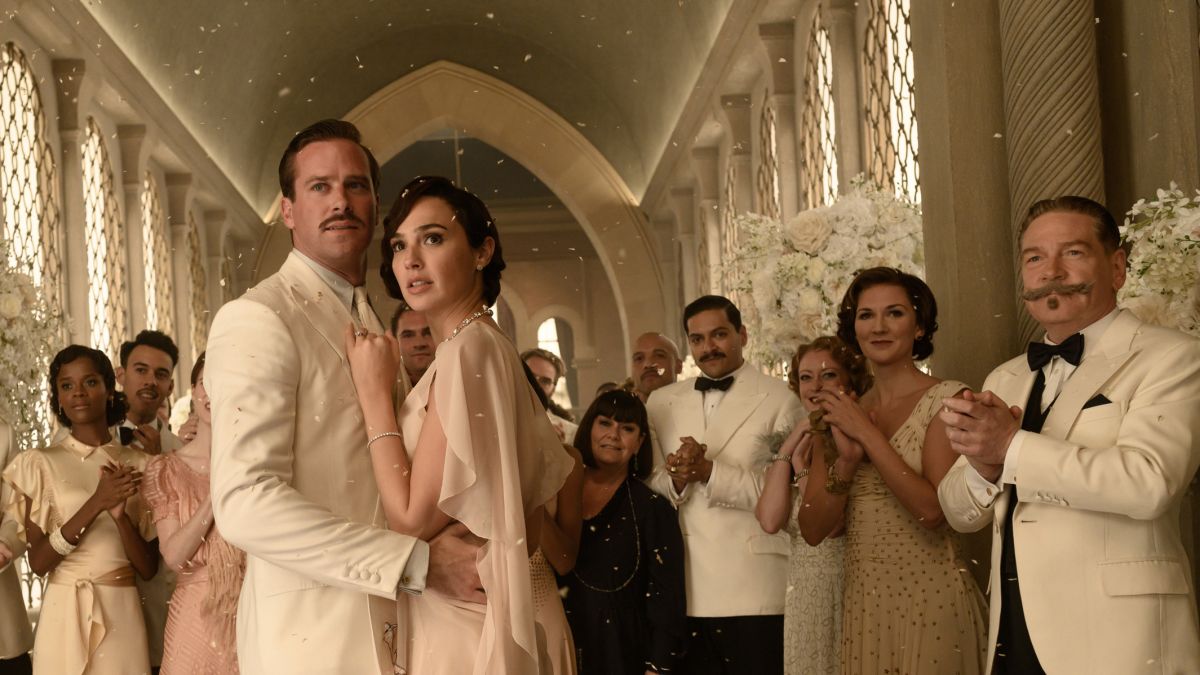
But all too soon, the action has moved on to 1937 and more familiar territory. Poirot is in a nightclub, fussing over some desserts, listening to blues singer Salome Otterburn (Sophie Okonedo) and watching as a certain Simon Doyle indulges in some rather dirty dancing with his fiancée, Jacqueline de Belfort (Emma McKey). The fact that Doyle is played by the recently disgraced Armie Hammer is, um, awkward, to say the least (and when I reflect that the previous film had a pivotal role for Johnny Depp, it makes me wonder is there isn’t some kind of ‘Curse of the Christies’ going on here).

Anyway, six weeks later, Doyle is climbing aboard a cruise ship in Egypt with his new bride… Linnet Ridgeway (Gal Gadot). Things get even more uncomfortable when Jacqueline arrives and spends her time glaring balefully at the newly weds over the lobster and fizzy wine. Honestly, if looks could kill!

Okay, this is Christie territory, so it’s a hardly a spoiler to say that somebody winds up murdered, which puts a proper crimp on the festivities. The perpetrator could be any of the passengers, all of them played by well know faces: Annette Bening, Dawn French, Jennifer Saunders, Russell Brand, Letitia Wright. Place your bets, folks – unless, like me, you saw the 1978 version or have read the book, and already know whodunnit.

Which, I must confess, spoils it somewhat.

It’s all handsomely done and this time around there’s enough focus on the various players to make it feel that they’re more than just cardboard cutouts. Egypt is lovingly recreated in CGI and the shameful opulence of the era is shown in unflinching detail. Here is an age where somebody can throw the contents of a champagne glass into the Nile and declare ‘there’s plenty more where that came from’ while starving people watch in silence from the river bank.

Okay, it was a different time, but at the end of the day, this feels hopelessly antiquated and badly in need of updating. Diehard Christie fans will doubtless tell themselves that Branagh has done his subject proud, and yes, perhaps he has – but I for one will be in no great hurry to see another Poirot movie. Unless, that is, it can offer something more unexpected than an origin story for some facial hair.

3.4 stars

Philip Caveney

Knives Out

25/11/19

Rian Johnson’s Knives Out is an Agatha Christie-inspired whodunnit for our times. Although reliant on the tropes and clichés of the murder-mystery, the delivery makes this a thoroughly modern thriller.

The cast is stellar. Christopher Plummer is Harlem Thrombey: a successful eighty-five-year-old novelist with a penchant for games and a vast fortune to bequeath. The morning after his birthday party, he is found dead, his throat cut in an apparent suicide. But just as the police (LaKeith Stanfield and Noah Began) are ready to finalise the cause of death, enigmatic private detective Benoit Blanc (Daniel Craig) turns up, hired by an anonymous client to investigate further.

Thrombey’s children and grandchildren are all present, and it turns out each of them has a motive for his murder – although I won’t reveal the details here. His daughter, Linda (Jamie Lee Curtis), is a forbidding businesswoman, visiting with her husband, Richard (Don Johnson), and their feckless son, Ransom (Chris Evans). Thrombey’s son, Walt (Michael Shannon), is a gentle soul, but a hopeless case, incapable of making it on his own. He has a wife too (Riki Lindome), and an alt-right-leaning teenager (Jaeden Martell), who spends his time perusing questionable websites on his phone. And finally, there’s Thrombey’s yoga-and-crystal-loving daughter-in-law, Joni (Toni Collette), and her student daughter, Meg (Katherine Langford).

As you might expect of the genre, the setting is a remote country house, and so – of course – there are staff too: housekeeper Fran (Edi Patterson) and nurse Marta (Ana de Armas), both of whom prove central to the plot.

There’s an appealing playfulness here, with zingy dialogue and witty repartee, and the performances are as sprightly and assured as you’d expect from these marvellous actors. But the plot is a little predictable: there are no real surprises here, mainly because the various ‘twists’ are too heavily signalled. The middle third sags under the weight of a lengthy red herring, where the focus drifts from the larger-than-life characters and their shenanigans, following instead a more muted, less engaging thread.

Nonetheless, this is a lively and eminently watchable film – just not the masterpiece I hoped that it would be.

3.8 stars

Susan Singfield


Love From a Stranger

05/06/08

King’s Theatre, Edinburgh

Agatha Christie is often paid a huge disservice in stage adaptations of her work. More often than not, directors decide to spoof the content, playing up the high camp aspects of her stories for laughs and, in the process, sacrificing the suspense. Luckily this production by Fiery Angel and Royal & Derngate, directed by Lucy Bailey, opts to play things reassuringly straight, transposing the original setting to the late 1950s and basing its look around Michael Powell’s infamous murder mystery film, Peeping Tom. This results in a sprightly, sure-footed version of the story that plays to Christie’s narrative strengths.

Incidentally, originally adapted by Frank Vosper in the 1930s from a Christie short story, Philomel Cottage, the play was a hit both in the UK and in New York, but had it’s own Christie-like twist, when Vosper managed to fall off a cruise ship on his way back from the states and drown. An open verdict was returned.

Cecily Harrington (Helen Bradbury) is arranging the sale of her Wimbledon flat while she awaits the arrival of nice-but-dull fiancé, Michael (Justin Avoth), from the Sudan, where he’s been working for the past few years. The general idea is for the couple to marry on his return, but a recent sizeable win on a sweepstake has kindled in her a desire for a little adventure. So when handsome American Bruce Lovell (Sam French) turns up to view the flat, she’s quickly swept off her feet by his tales of reckless adventure around the world and his alluring invitation to join her for lunch.

Almost before she knows what’s happening, she’s married Bruce and the two of them have moved to Philomel Cottage, deep in the heart of the country, where he sets about dissuading Cecily from seeing any of her friends from London. He spends a lot of his time in the cellar, which he’s converted into a dark room, in which he pursues his passion for photography. But there are mysteries that seem to lack any rational explanation. Why, for instance, does the gardener, Hodgson (Gareth Williams), keep finding empty bottles of hydrogen peroxide buried in the herbaceous border? Why does he seem to think that the asking price for the cottage was hundreds of pounds lower than the sum Cecily actually ended up paying of it? And why has Bruce torn a page from one of those true life crime magazines he’s so fond of studying?

Bradbury and French deliver convincing performances in the lead roles and the ingenious sliding set design, that puts me in mind of a set of Chinese puzzle boxes, keeps giving the audience a slightly different view of the stage, revealing areas we have previously had to imagine. If the play’s great revelation doesn’t turn out to be that much of a surprise, nevertheless, this is an assured production that holds my interest from start to finish – and its worth seeing this just for Nicola Sanderson’s priceless turn as the snobby ‘Auntie Lulu’.

4 stars

Philip Caveney

Murder on the Orient Express

03/11/17

Let’s face it, we know what we are going to get with this one. Agatha Christie’s story is a classic of its kind, and Poirot’s style of detection a thing of wide repute. The trailer makes it clear that this incarnation doesn’t stray far from the cosy murder-as-family-entertainment tradition, so we settle in for a glossy, star-studded slice of nostalgia; we know it won’t be challenging but we think it might be fun.

And it is fun, to a point. It’s handsomely done, with glorious vistas, and the opening scenes in Istanbul are wonderfully vibrant, teeming with life and energy. Kenneth Branagh is convincing as Poirot, as pedantic and idiosyncratic as Christie paints him in her books. And the unthinking decadence of the upper classes is beautifully clear, their sumptuous surroundings barely noted, the train’s luxury accepted and dismissed.

It’s a shame, then, that we never feel any sense of claustrophobia, even when the train breaks down, and everyone is trapped in the middle of nowhere, even when the sleazy Edward Ratchett (Johnny Depp) is murdered. I won’t give any spoilers here, just in case,  although I imagine most people know the plot; suffice it to say, I know there are reasons why the suspects’  reactions are not as we might initially expect, but still… No one really mixes; no one seems irritated with anyone else; they’re all so separate, as if they’re not in close proximity. It’s all plot and no character, despite the starry cast.

The starry cast is a problem too. They’re all magnificent, but I only know that from their other work, not from what they do here. There’s nothing for them to do. Michelle Pfeiffer, as Caroline Hubbard, is perhaps the luckiest; there’s some substance here, so she can milk her role. But to under-use actors as fine as Olivia Colman, Judi Dench, Daisy Ridley, Leslie Odom Jr., Penelope Cruz et al is criminal: these are all essentially cameos.

In the end, sadly, this is just a pointless remake of what is – sorry, Agatha fans – a silly story. It’s not awful – everything is bigger here, including Poirot’s moustache – it’s just not very good.

3 stars

Susan Singfield

The Mousetrap

unknown

17/10/16

King’s Theatre, Edinburgh

It’s hard to believe that I’ve been on this planet for sixty-four years and I’ve never seen a stage production of Agatha Christies’s The Mousetrap beforeIronically, the play has been around for exactly the same length of time as I have. It was first performed  in 1952 and has been running in the West End ever since. This touring production, directed by Ian Watt-Smith, is at the King’s Theatre until the 22nd of October.

It’s a single-room drama and the events take place in an extraordinarily naturalistic set, which looks as though it was tailor-made to fit the stage of the King’s (although, of course, it wasn’t, and will shortly move on).  The detail is meticulous – even the smattering of snow on the characters’ coats melts as they warm up by the fire. We are in Monkswell Manor, an old country pile, where Mollie Ralston (Ann Anderson) and her husband Giles (Nick Barclay) are attempting to set up a guest house. As the play opens, a terrible snowstorm is in progress and we learn very quickly that there has been a brutal murder nearby. As the first clutch of guests begin to arrive, it is apparent that each of them can be considered a suspect – especially the histrionic ‘Christopher Wren’ (a deliciously revved-up performance by Oliver Gully), whose ill-considered utterances make him look more suspicious by the moment, and the mysterious Mr Paravicini (Gregory Cox), who wears makeup to appear older than he really is – why? The first half closes with the murder of one of the guests and, in the second act, it is up to Sergeant Trotter, who has arrived on skis in the middle of the storm, to attempt to unravel which of the Manor’s inhabitants is guilty of murder most foul.

This is unashamedly old-fashioned in its style and ambitions (how could it not be?) and fans of Agatha Christie will revel in the avalanche of red herrings unleashed here. At times, it’s like being caught up in a game of Cluedo, with characters conveniently slipping away to a variety of locations throughout the house, just as something important happens. Of course, the play is famous for it’s ‘twist’ ending and it’s impossible not to play armchair detective as you try to unravel the possibilities of who might be hiding something. The play’s revelation (which audiences are always entreated not to reveal) must have seemed pretty incredible back in the day, but those well-versed in detective stories may find themselves guessing the eventual outcome early in the proceedings.

It doesn’t matter. This is an enjoyable slice of classic theatre and it’s easy to see why it has remained in the public gaze for so long. Why not drop in and see if you can work it out for yourself?

4 stars

Philip Caveney