

Topolabamba

23/03/22

Lothian Road, Edinburgh

We’ve had a fun day. Philip’s been visiting schools in North Lanarkshire as part of the Read to Succeed author tour, and, as I’m not working today, I’ve been acting as his chauffeur. We’ve been blessed with glorious sunshine, and have managed to squeeze a lunchtime walk around Drumpellier Park into our itinerary, as well as a quick visit to sculptor Andy Scott’s fabulous Kelpies, that loom over the motorway on our way home. So we’re feeling great, and want the good vibes to continue. Why not pop out for dinner?

Mexican restaurant Topolabamba is a two minute walk from our flat, but – thanks to its location, right by Byron, Wildwood, Nando’s, etc. – we’ve always assumed it’s part of a mega-chain, and so dismissed it as “not for us.” But a chance remark on someone else’s Facebook post makes me realise this is not the case. Topolabamba only has two branches (the other is in Glasgow), and, what’s more, the menu looks exciting. We’re sold.

Inside, the restaurant is a cacophony of colour: it’s a lively place, full of quirky wall-art and vivid lighting. The service is friendly and efficient, relaxed and unfussy. So far, so good.

We spend a long time choosing our dishes. There are ‘mains’ (called ‘The Big Boys’) but the majority of dishes come under the headings ‘Street Food’ and ‘Classics,’ and there’s a note on the menu recommending an order size of three to four dishes per person. We take this as gospel, and do as suggested, which leads me to my only real complaint: it’s too much food. It barely fits on the table. And if it’s too much food for me and Philip, then I’ll wager it’s too much food for most people (we both have hearty appetites).

Thankfully, it’s all delicious.

We share a range of dishes as eclectic as the decor: guacamole with tortilla chips and salsa; two lots of tostadas (prawn, cucumber salsa & guacamole and crab ceviche); quesadillas with smoked chicken & Oaxacan onions; classic queso fundido (basically a cheese fondue); Baja surf chowder, and some chipotle honey ribs. They’re all delicious and absolutely bursting with flavour. The standouts include the chowder, which is packed full of fish; it’s rich and intense and very more-ish. The smoky quesadillas are the very definition of comfort food, and the prawn tostadas are fresh and zingy with lime.

We’re pleasantly surprised by the bill. All of that mouth-watering fodder, as well as a large glass of house white and a pint of El Borracho, comes to a grand total of £65.39 – and that includes service!

We leave, smiling. How lucky we are to have such a fabulous eaterie on our doorstep. We’ll definitely be back. Next time, however, we’ll order as we go along – making sure there’s enough space on the table as well as in our bellies.

4.3 stars

Susan SIngfield
The Phantom of the Open

20/03/22

Cineworld, Edinburgh

Good golf movies are few and far between. Tin Cup, maybe. Happy Gilmore?

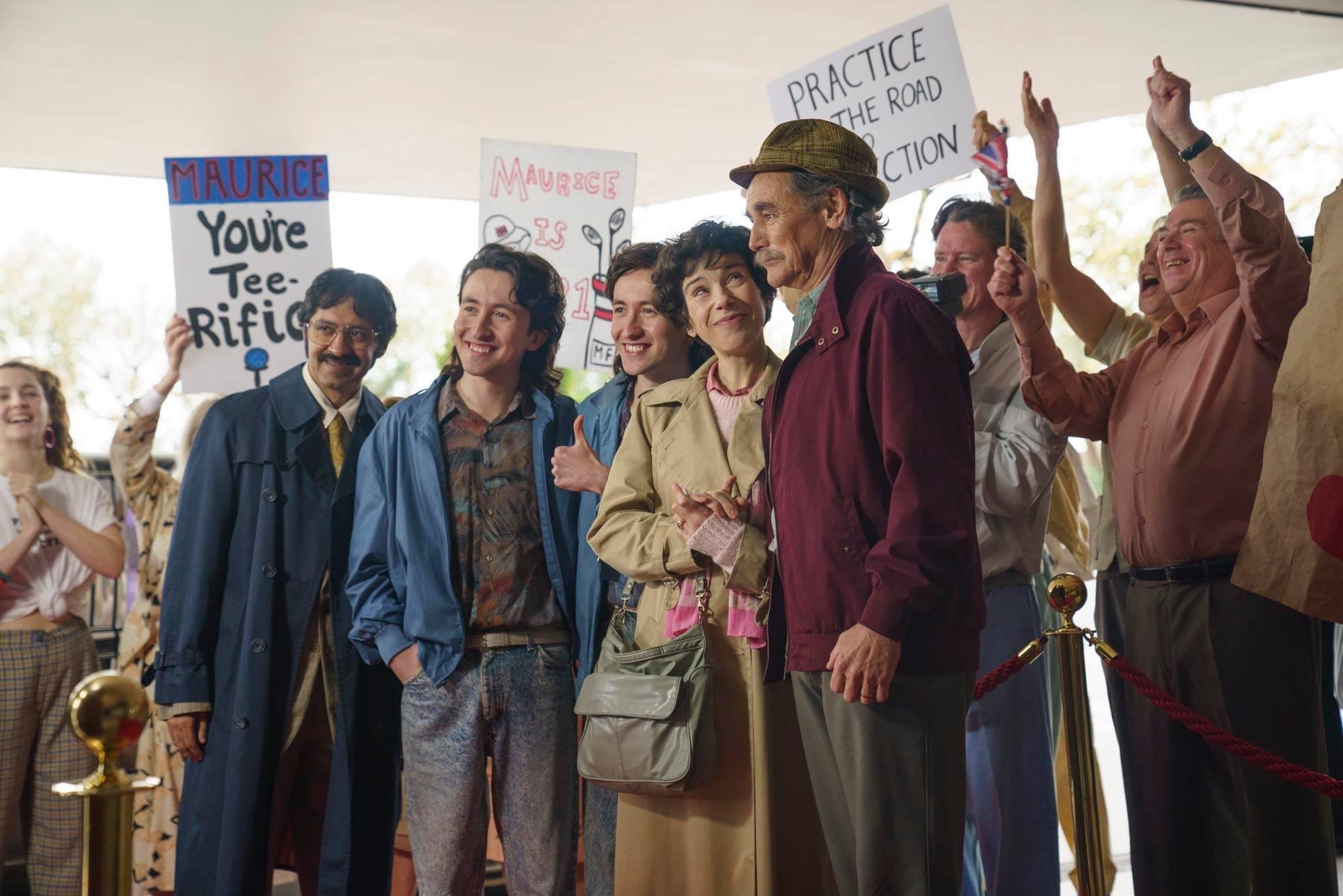
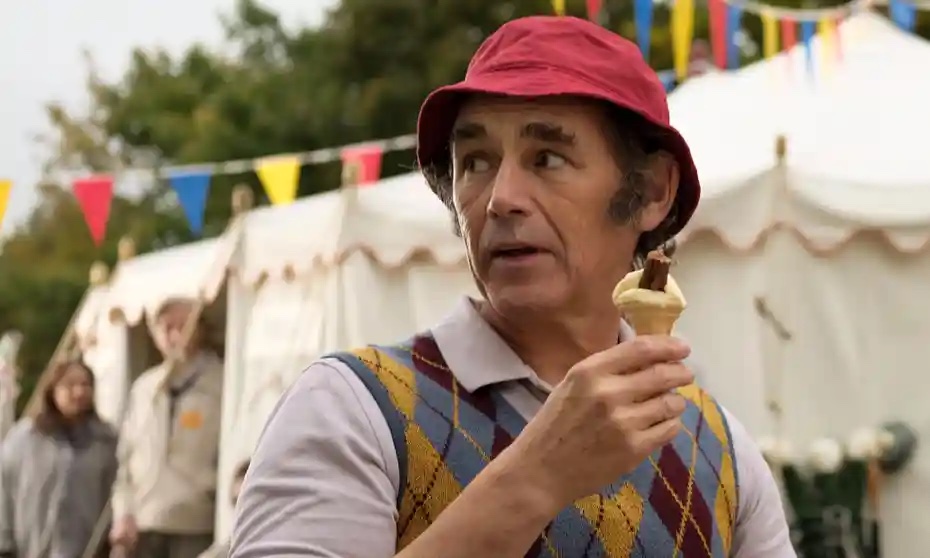
After being trumpeted for what seems like forever, The Phantom of the Open has finally er… opened and, after having seen the needlessly detailed trailer for what feels like a thousand viewings, it’s hard for the actual film to generate any real surprises. Which is a pity, though hardly the fault of writer Simon Farnaby or director Craig Roberts.

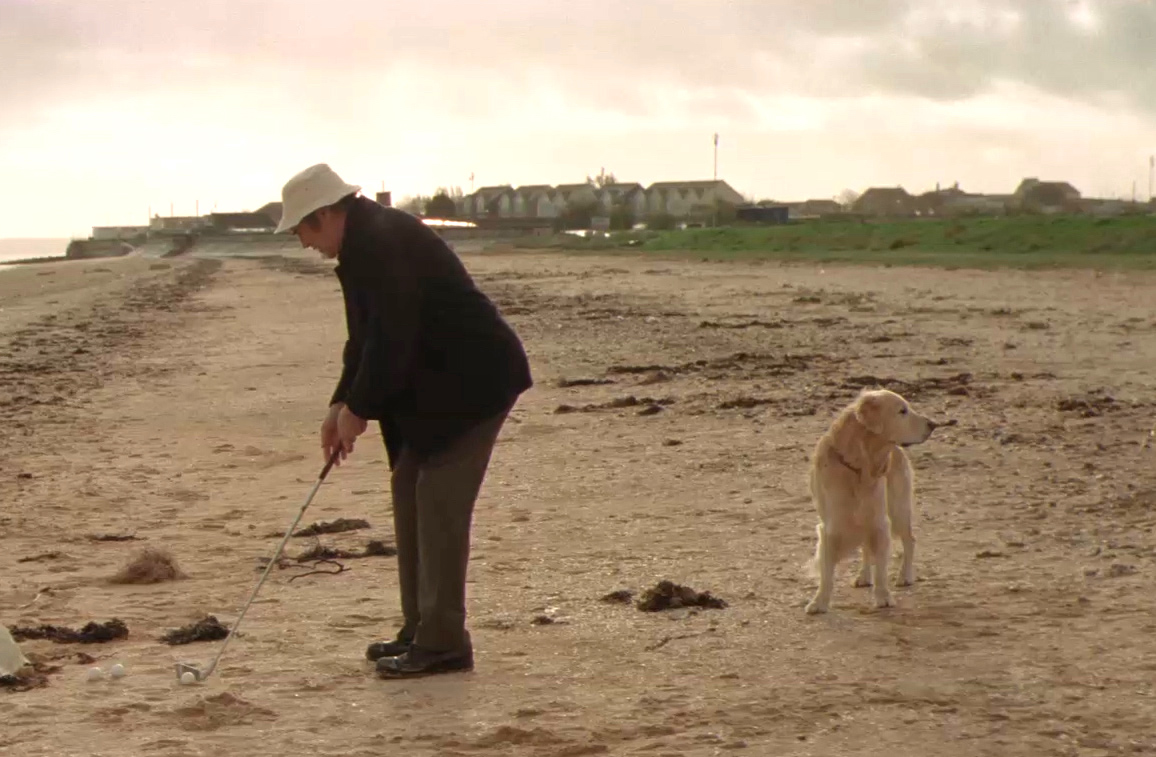
This is the true story of Maurice Flitcroft, a sixty-five-year-old crane operator, who, despite having no experience of – or indeed aptitude for – the game of golf, decides to enter the British Open Golf Championship. He initially appears as himself but, later, when he becomes persona non grata, under a series of increasingly unlikely nom de plumes. He’s also the father of twins, who briefly became the disco dancing champions of the world. (Seriously, you couldn’t make this stuff up.) It’s an immensely likeable story and, as played by Mark Rylance, Flitcroft is an immensely likeable chap: shy and unassuming, but with the dogged determination to keep going, no matter what.

‘Practice makes perfect,’ he’s fond of saying. A lot.

His lofty ambitions are aided by his ever-supportive wife, Jean (Sally Hawkins), but vigorously opposed by his nemesis, Keith McKenzie (Rhys Ifans), a sneering official who sees golf as the realm of the well-to-do, not for some working-class oik with ideas above his station.

But of course, the fickle public does have a habit of flocking to support an underdog. When Flitcroft’s lamentable debut earns him the worst score in the history of the Open, he’s spotted by Daily Mirror journalist Lloyd Donovan (Ash Tandon), who takes the opportunity to give him that titular nickname and to ensure that plenty of other golf fans hear all about him.

And that’s pretty much all we get in this warm-hearted romp – from Flitcroft’s disastrous attempts to gain skills in his adopted sport to the unexpected discovery that, in America, there’s a whole society of golfers who follow him with adoration. There’s an attempt to instil more dramatic meat into the story when Flitcroft’s desperate misadventures embarrass his upwardly-mobile stepson, Michael (Jake Davies), a wheeler and dealer at the shipyard where his father is employed. Can the two of them ever reconcile their differences? But this feels like a side-issue. The Phantom of the Open is mostly a good-natured attack on the old chuckle-muscles and in that respect, it comes up to par.

As an aside though, I do wish cinema trailers would resist giving away so much of an upcoming film. This might have fared better in my affections if I hadn’t felt as though I could act as a prompt for most of the actors’ lines. Just saying.

3.8 stars

Philip Caveney

Human Nurture

19/03/22

Traverse Theatre, Edinburgh

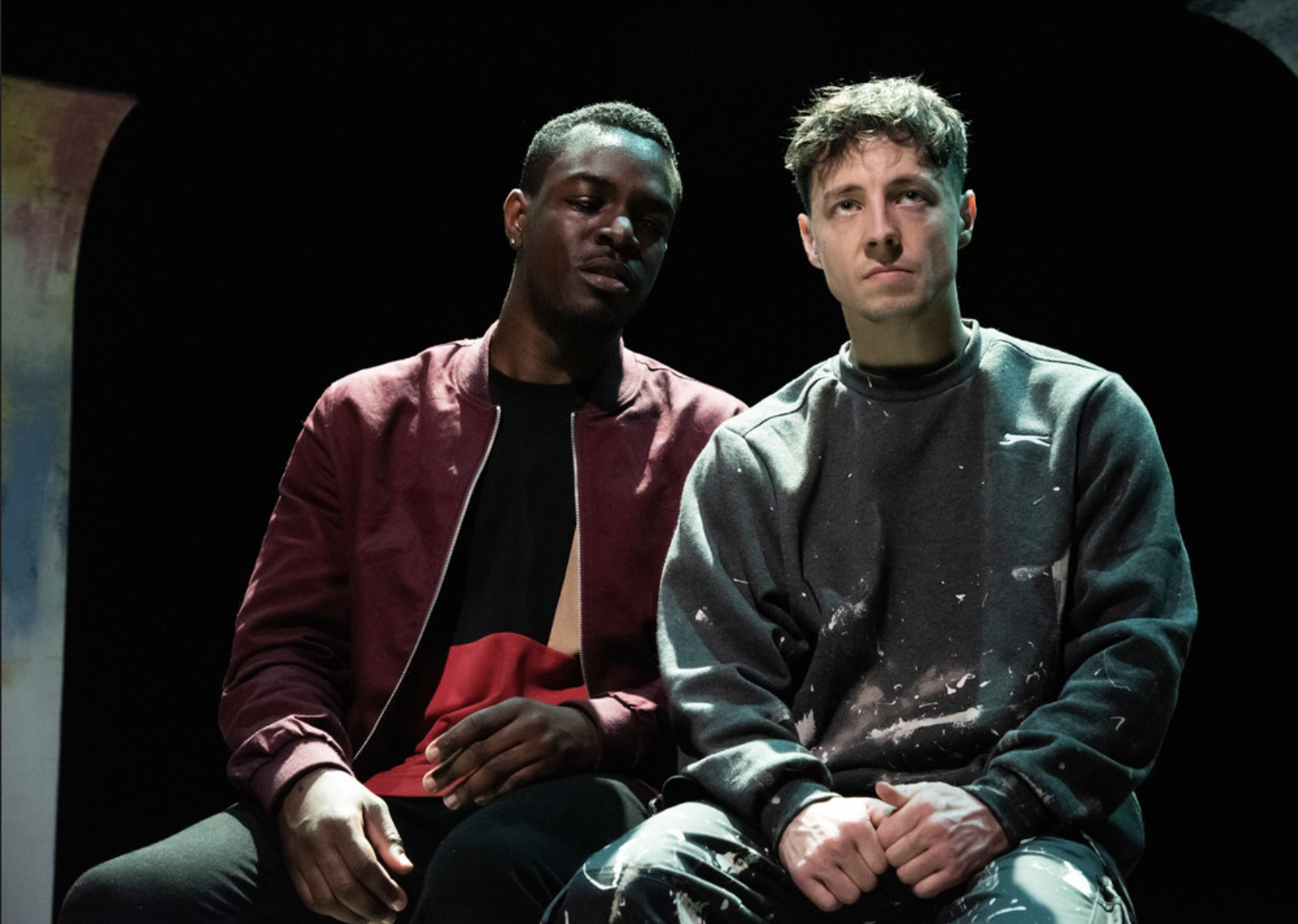
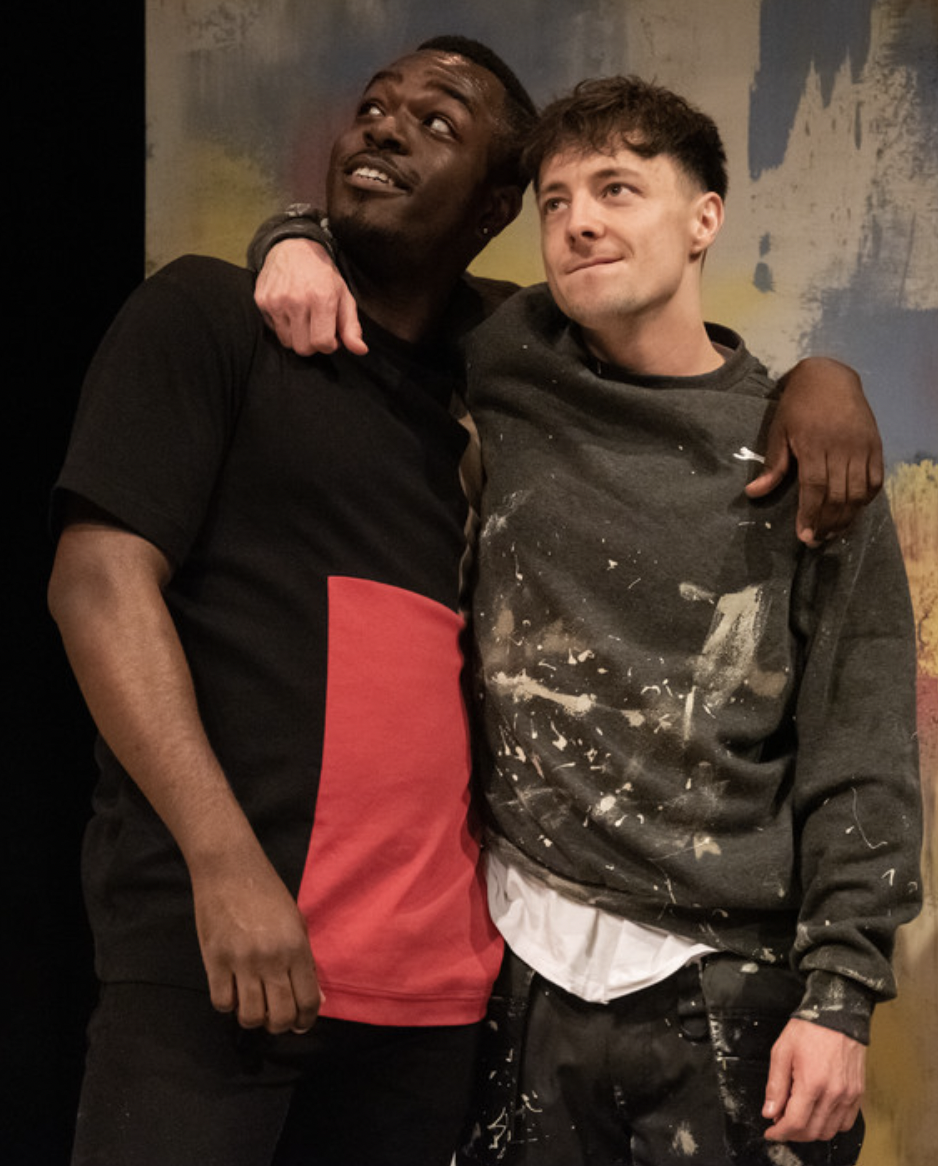
It’s Harry (Lucas Button)’s eighteenth birthday and, when his old friend ‘Roger’ (Justice Ritchie) turns up out of the blue, bringing him a Colin the Caterpillar cake and a selection of shared memories, he’s initially delighted. The two of them recall their days in the care system together: the adventures they had, the everyday trials they faced. 

But now things have changed somewhat. Harry is still struggling to make his way in the world, while Roger, who prefers now to answer to Runaku – his real name; the name his parents gave him – is about to set off for university and exciting new horizons. 

But before he leaves, he has some issues that need to be addressed. 

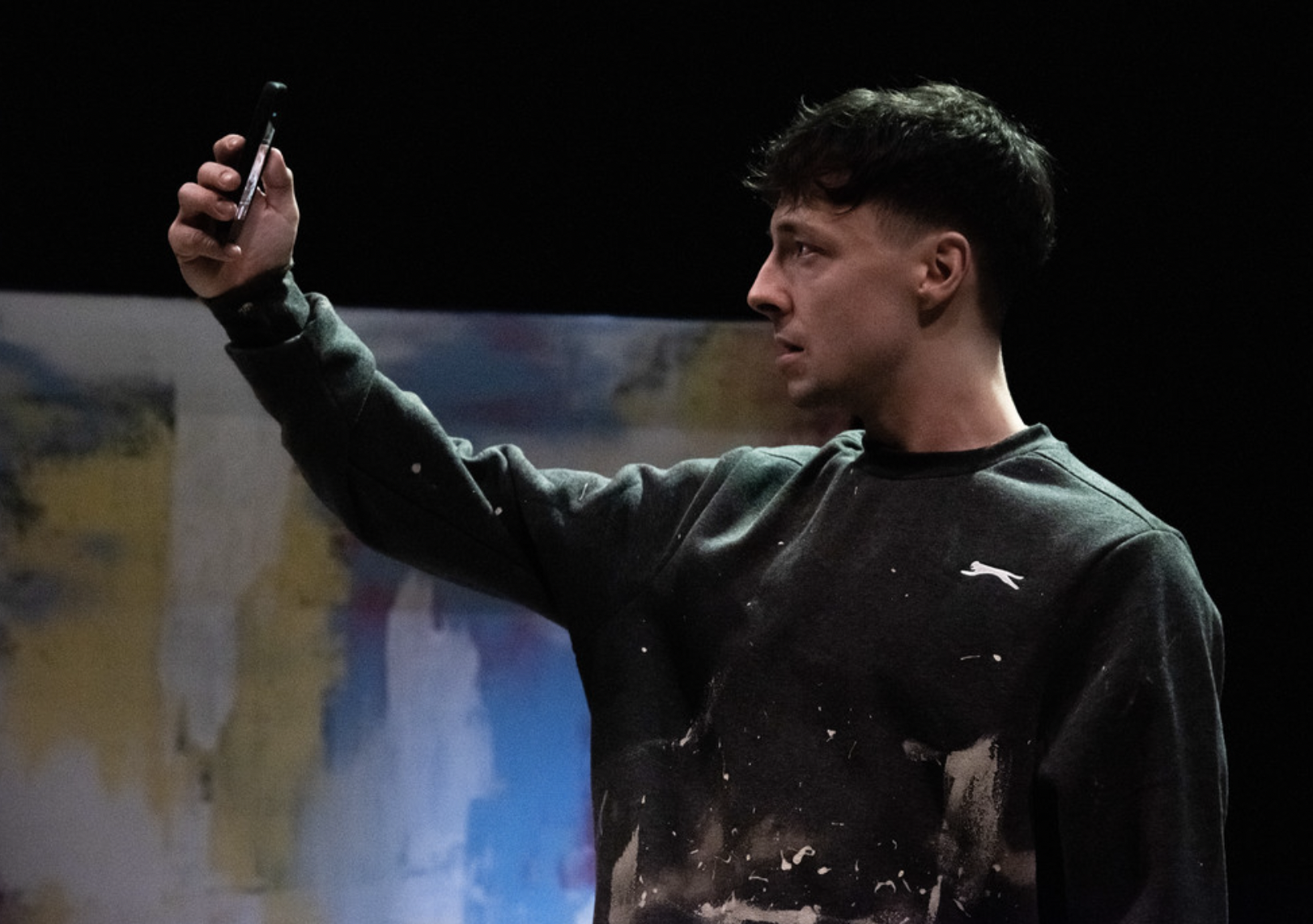
Harry has been pretty vocal on social media lately and many of his views are racially insensitive, to say the least. Runaku wants him to face up to his duplicity but, as Harry protests, how can he be a racist when his best friend is black?

Ryan Calais Cameron’s punchy play handles a complex subject with surefooted skill and nails the central flaw that lies at the heart of Harry’s logic. We soon learn that Runaku has been marginalised all through their years together, and that Harry needs to face up to something he’s avoided since the beginning of their friendship.

Both Button and Ritchie attack their roles with vigour and the physicality of their performances prevents this two-hander from ever becoming static. Movement director Yami Löfvenberg and Rob Watt’s pacy direction have them hurling themselves around the stage, slipping expertly through a whole range of emotions from cheery bonhomie to outright anger. I also enjoy the live music from musician Neeta Saarl and the way she interacts with the performers – though the lengthy electronic overture she performs at the beginning feels suspiciously like an attempt to pad out the play’s brisk running time.

But this is thought-provoking stuff, that isn’t afraid to tackle its sensitive material with refreshing honesty.

4 stars

Philip Caveney

Ali & Ava

16/03/22

Cineworld, Edinburgh

Clio Bernard is not exactly the most prolific of directors. Her last outing, Dark River, was released in 2017 – and we have to go all the way back to 2013 for The Selfish Giant. Her films are essentially evocations of working class life that might, initially, appear slight, but which are cleverly nuanced. Her characters are never allowed to be stereotypes; indeed, at times they are positively surprising.

Ali & Ava sits happily with her former endeavours: gentle, essentially heartwarming – but with hidden depths.

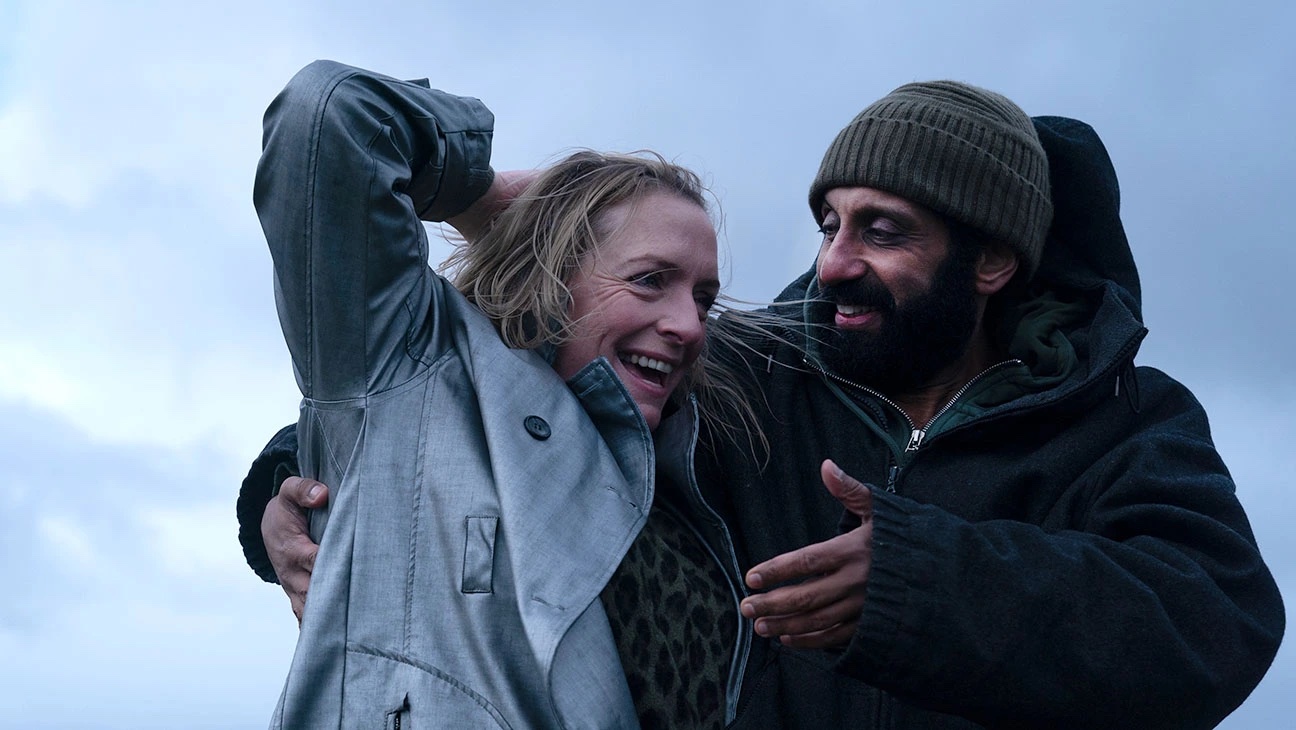
The setting is the multi-cultural hub of Bradford and, when we first meet Ali (Adeel Ahktar), he’s standing on the roof of his car, dancing to the techno-music blasting from his headphones. Ali is an affable fellow, a landlord of sorts,. He’s hyperactive (and probably somewhere on the autistic spectrum) and has a passion for listening to (and making) music. Meanwhile, he collects the various rents he’s owed, looks after his extended family and tries to come to terms with the fact that his wife, Runa (Ellora Torchia), after the death of their first child, has fallen out of love with him and is ready to move on with her life.

He has accepted this, but steadfastly refuses to announce the change to the rest of his family.

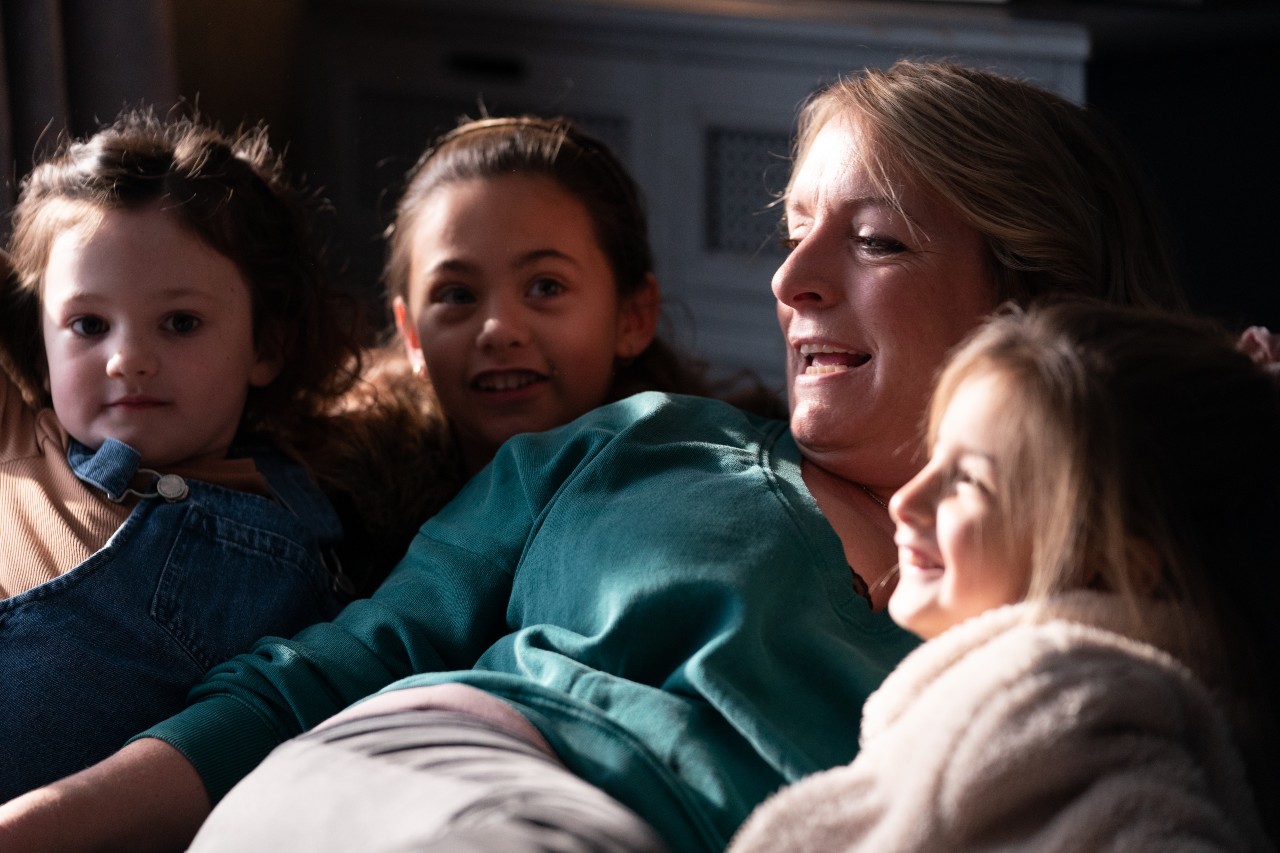
Ava (Claire Rushbrook) works as a teaching assistant at the local primary school. After the death of her Irish Catholic husband, she has devoted her life to her children and grandchildren. Her youngest son, Callum (Shaun Thomas), already a father himself, is still mourning the passing of the dad he idolised, even though his parents’ marriage was hardly a blissful union. Indeed, Ava chose to leave her husband because of his regular physical abuse of her.

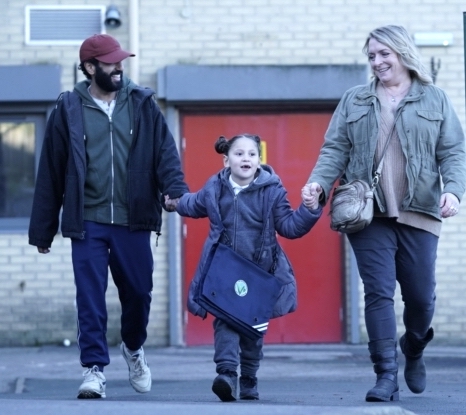
Inevitably, Ali and Ava fall into each other’s orbits and, as their friendship deepens and blossoms into something more serious, so their lives become ever more difficult. Callum is immediately hostile to Ali, seeing him as an intruder, and it seems that everything the couple attempt together is subject to unsympathetic scrutiny from those around them.

In the midst of this hard-scrabble existence, Barnard manages to conjure moments of real beauty: fireworks blossoming silently above the rooftops of the city; children parading through the streets with coloured lights. There’s a joyful moment where Ali’s boundless enthusiasm manages to turn a potentially nasty situation into an uninhibited dance in the middle of a dodgy estate. Barnard draws intriguing comparisons between Ali in one of his music-fuelled trances and a little girl at the primary school, who is happy to clamber to the top of a climbing frame, but afraid to descend.

Ali & Ava isn’t exactly a blockbuster but, in its quiet, assured way, it’s worthy of attention – and further confirmation that Barnard is a director with a rare talent for realistic drama.

4 stars

Philip Caveney

The Bombardment

12/03/22

Netflix

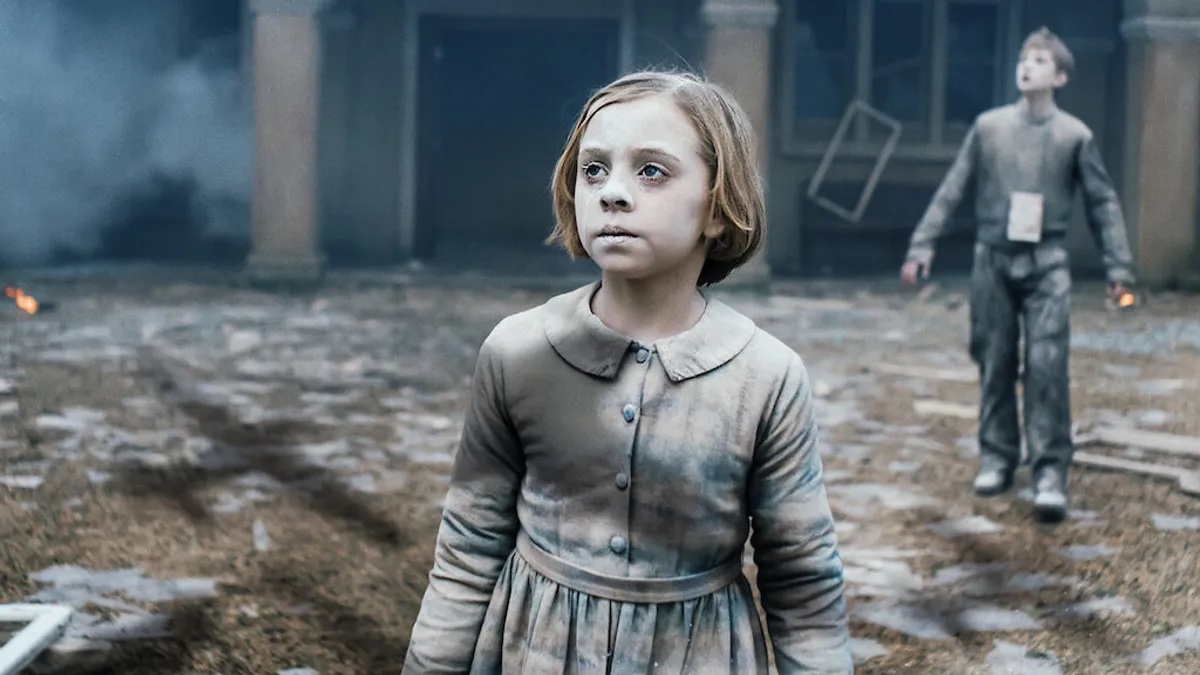
The Bombardment (original title The Shadow in My Eye, or Skyggen i mit øje) would be a harrowing movie at any time. Right now, as the war in Ukraine escalates and dominates the newsreels, it’s an especially difficult watch. And, of course, all the more vital. Writer/director Ole Bornedal’s unflinching portrayal of this true-life tragedy doesn’t allow us to avert our gaze from the human cost of war.

Copenhagen, 1945. The city is in Nazi hands. Members of the Danish resistance have been strategically positioned under the roof of the Gestapo headquarters, forming a human shield the Germans hope will make the Allies think twice before bombing. The RAF devise a dangerous plan, to attack the building from the side. But it’s risky, not least because of how low the jets must fly, and hitting the right target is far from assured…

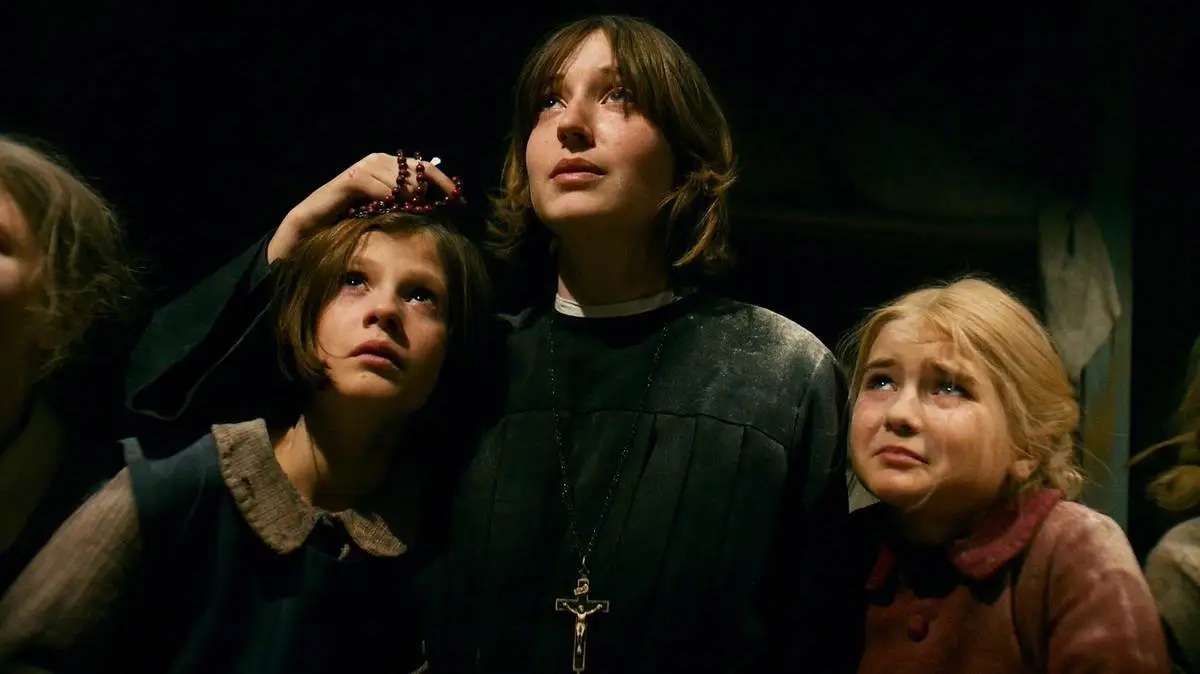
Bornedal’s deceptively scattershot approach to the story works well: the details accumulate to form a devastating account of what occupation and bombing really mean to the people on the ground – and in the air. There’s a whole host of characters – all vulnerable, all flawed, all damaged by the war. Frederik (Alex Høgh Andersen) is a traitor, despised by his family, working alongside the Nazis; Teresa (Fanny Bornedal) is a novice nun, her faith sorely tested by the horrors her God has failed to stop. Perhaps the most tragic figure of all is Henry (Bertram Bisgaard Enevoldsen), a young boy so traumatised by what he’s witnessed that he’s lost the power of speech. He’s especially afraid of the open sky, so – in desperation – his mother sends him to the city, where he’s taken under the wings of his vivacious younger cousin, Rigmor (Ester Birch), and her friend, Eva (Ella Josephine Lund Nilsson). The children’s performances are heartbreaking: between them, they exude a horribly credible mix of youthful exuberance and awful anxiety, and it’s hard to deal with just how defenceless they are.

Lasse Frank Johannessen’s cinematography is as unrelenting as Bornedal’s script: although the landscapes and architecture are undoubtedly beautiful, nothing is sugar-coated here. The grimy underbelly is as visible as the polished exteriors; there is no attempt to hide the harsh realities.

Despite the violence and frantic manoeuvring, the film moves at a slow pace, giving us time to understand the characters, to care about them and their fates. Of course, this only serves to make the final climactic scenes all the more devastating. This is a powerful piece of cinema, but it’s not for the faint-hearted.

4 stars

Susan Singfield

Red Rocket

12/03/22

Cineworld, Edinburgh

The Florida Project was one of the undoubted cinematic highlights of 2017. Director Sean Baker’s ability to depict working-class American life is his real strength. No matter how wretched his characters, no matter how squalid their existences, he somehow manages to invest them with an innate nobility, finding the true characters hiding beneath the masks they show to the world.

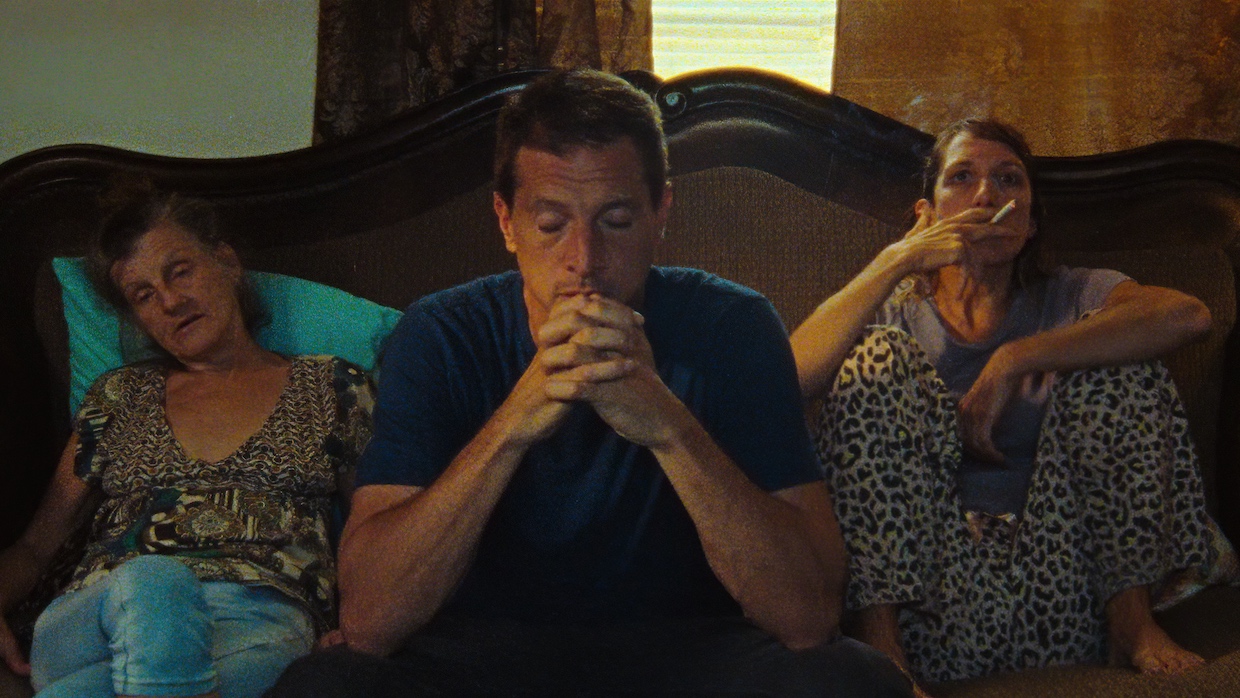
Red Rocket continues in that vein, following the misadventures of one Mikey Saber (Simon Rex), former porn star, now down on his luck. Carrying the cuts and bruises of a recent business ‘disagreement,’ he arrives in his former hometown of Texas City with no car, no luggage and only twenty-two dollars to his name. He wastes no time but walks directly to the home of his estranged wife, Lexi (Bree Elrod), who now lives with her mother, Lil (Brenda Deiss). Neither of them is pleased to have him turn up unannounced on their doorstep, but Mikey pleads with them and eventually gets permission to sleep on their sofa ‘just for a few nights.’

Once in, he starts to wear them down, his first objective to get off that sofa and into his wife’s double bed. At first, he goes everywhere on Lexi’s borrowed bike, but soon begins to exploit his local ‘celeb’ status, starting with impressionable next-door neighbour, Lonnie (Ethan Darbonne), who quickly accepts the role of Mikey’s unpaid chauffeur. After some doomed attempts to find honest work, Mikey enlists with local drug queenpin, Leondria (Judy Hill), selling dope and steadily accruing the funds he needs to relaunch his stalled career.

And then, he visits local coffee shop, The Donut Hole, where he meets seventeen year old ‘Strawberry’ (Suzanna Son), a sparky young waitress who’s drawn to Mikey’s glamorous swagger and outsider status. He is instantly smitten too, not by love, but by the idea of a hot business opportunity. Surely he can act as Strawberry’s manager and launch her as the porn industry’s hottest new star? Would that be a way back in?

As you will have gathered, Mikey is an utterly detestable creep and I really ought to be hissing him off the screen, but, as played by Rex (himself a former porn star), he radiates so much charm and charisma that I absolutely understand how so many people are taken in by him. Here is a man always on the lookout for an opportunity to help himself to whatever’s available, who thinks nothing of dumping on those who have put their trust in him. It’s surely no accident that the television screens repeatedly reference a certain Donald Trump – proof positive that, in America, a shameless liar really can can make it to the top of the tree.

Red Rocket is built around an extraordinary performance from Rex – he is simply outstanding in the central role. Son too is fabulous as the naive teenager he’s so callously grooming. But there are some people who can see through Mikey’s charms. Leondria’s hard-bitten daughter, June (Brittany Rodriguez), recognises him instantly for what he is – and makes no secret of the fact that she distrusts him.

Baker’s film, despite a running time of over two hours, never puts a foot wrong. His cast of characters are brilliantly explored and (as in The Florida Project) he even makes the grotty urban landscapes of Texas City look vibrant and – especially at night – shimmering with possibility.

Catch this on the big screen if you can. It’s a must-see.

5 stars

Philip Caveney

The Scent of Roses

10/03/22

Lyceum Theatre, Edinburgh

After an unfortunate delay, due to the continuing saga of the dreaded COVID 19, The Scent of Roses is finally with us and it’s been well worth the wait. A timely meditation on the nature of everyday lies and the importance of finally speaking the truth, Zinnie Harris’s spiky, ambitious play is beautifully realised within Tom Piper’s austere set design. Initially claustrophobic, a suburban bedroom is gradually opened out like an ingenious puzzle box to reveal unexpected depths and wider horizons.

We’re somewhere in Scotland in the near future, where the summer temperatures are soaring and where birds are liable to fall from the skies for no explicable reason – and everywhere there’s the unpleasant odour of dying flowers.

Chris (Peter Forbes) and his wife, Luci (Neve Mcintosh), are having a heart-to-heart in their bedroom. Chris has little choice in the matter, because Luci has locked them both inside and hidden the key. It seems to be the only way she can get him to open up to her. Chris, it seems, has not been entirely truthful about his fidelity over the years and, it turns out, Luci has a terrible secret of her own to share with him.

Meanwhile, their daughter, Caitlin (Leah Byrne), arrives at the house of her former teacher (and lover), Sally (Saskia Ashdown), carrying a dead crow in her bloodstained hands. Caitlin claims to have run over the unfortunate bird on her bike – but then she also adds that she’s just murdered her father. It quickly becomes clear that Caitlin is a serial liar and we shouldn’t take anything she says for granted.

It’s only when Sally heads over to meet up with her estranged mother (Maureen Beattie) that the various strands of this Gordian knot of a storyline are finally unravelled before being skilfully retied. The cast all handle their roles admirably (particularly Beattie as the long-suffering mother who must put her own triumphs on hold in order to see to her daughter’s issues) and Harris handles the directorial reins with assurance. Ben Ormerod’s lighting design floods the stage with a palpable swathe of brilliant ‘heat.’

After a recent diet of tried-and-tested crowdpleasers, this is exactly the kind of theatre I’ve been longing for – mature, challenging and above all else, thought-provoking; so much so that my companion and I immediately head off to a local drinking den to discuss it at great length.

Which accounts for the fact that I’m writing this with a wee bit of a hangover.

At least, that’s my story. And I’m sticking to it.

4.2 stars

Philip Caveney

A Midsummer Night’s Dream

09/03/22

Assembly Roxy, Edinburgh

EUSC’s A Midsummer Night’s Dream is a real treat. I’m feeling a bit tired and grumpy before we set off for the theatre – a culmination of late nights and hayfever – but this sprightly production soon puts a spring in my step and, by the time I leave, I’m all smiles.

There’s something endearing about the audiences for these student productions: they’re always so vocal in their enthusiasm. It really helps to cement the whole ‘shared experience’ feeling of live performance, and debunks the idea that theatre only appeals to the middle-class and middle-aged. Their liveliness feeds the atmosphere, which is almost as charged off-stage as on. I love it.

Director Sara Cemin deftly braids the disparate strands of Shakespeare’s play. This is a vivacious, playful production, subtly updated with occasional asides (I mean, I don’t think “Fuck’s sake!” appears in the First Folio), which illuminate the jokes, sending laughter rippling through the auditorium.

The fever dream chaos is nicely realised: the four passionate youths, lost in the woods; the bumbling Mechanicals, desperately sincere in their desire to create something worthwhile; the mischievous faeries, unable to resist the impulse to play tricks. It’s a perfect storm.

The Mechanicals are the standouts. Some of this is down to Billy Bard himself, of course: there’s such a clever balance of scorn and tenderness in his rendering of them. But Cemin deserves credit for drawing this out, for resisting the urge to make them pantomime-ish figures, affording them instead the dignity of working people, striving to make something good (while still gently poking fun). Max Prentice (last seen by B&B in EUTC’s Education, Education, Education in 2018) is perfectly cast as Bottom: he’s clearly a natural comedian, and is instantly engaging. He’s definitely one to watch. But don’t underestimate those in the smaller roles either; this strand highlights the power of ensemble performance.

I do have a couple of minor gripes. First: the dry ice machine. “Fuck’s sake,” as Helena would say. It works well to set the scene when the faeries first appear, but – where cough-inducing smoke is concerned – less is more. Second (and this might just be me): the long interval. I know people need time to go to the loo and buy a drink, but anything longer than fifteen minutes disrupts the momentum, and all the tension that’s been so carefully built in the first act just starts to dissipate. Neither of these is a deal-breaker though.

I love Amelia Chinnock Schuman’s choreography, particularly in the fight scene, which is impressively visceral. The four lovers (Lucy Melrose, Archie Barrington, Isabelle Hodgson and Will Nye) approach this tussle with evident gusto, and the fear of injury seems very real (not least because of the rucked-up rug I keep thinking someone’s going to trip over. Yes, I am a laugh). The music is a satisfying addition too. It’s all original (by Joe Pratt and Mark Sandford), and I applaud the decision to have live musicians on stage. The songs are well-integrated into the production: enhancing rather than intrusive.

No review of AMND is complete without reference to Puck, and Priya Basra seems made for the role. She imbues the goblin with the necessary likability, so that we can witness his careless cruelty without abhorring him. She has eye-rolling down to a fine art.

All in all, then, this is an absolute delight. There’s only one night left. Buy a ticket – quickly!

4.3 stars

Susan Singfield

The Duke

09/03/22

Cineworld, Edinburgh

The latest entry in the ‘truth is stranger than fiction’ genre is The Duke – the final feature from versatile director, the late Roger Michell. This is the story of the improbably named Kempton Bunton (Jim Broadbent), an irascible campaigner for pensioners’ rights, women’s suffrage and, in his spare time, a would-be playwright. Quite why his script The Adventures of Susan Christ never found an audience is anybody’s guess.

It’s the early 1960s and ,while England’s capital is celebrating a new-found sense of freedom, life on the gloomy streets of Newcastle is a somewhat bleaker prospect, as Bunton stumbles from job-to-job, constantly losing them because of his propensity to stand up against any signs of injustice he encounters. His long-suffering wife, Dorothy (Helen Mirren), slogs her guts out as a home help to her more affluent neighbour, Mrs Gowling (Anna Maxwell Martin), in order to make ends meet. She is mortified when her husband is obliged to spend a short spell in prison for non-payment of his TV licence (free TV for OAPs being his current pet project).

Meanwhile the couple’s younger son, Jackie (Fionn Whitehead), dreams of building and selling luxury boats, while his brother, Kenny (Jack Bundeira), has his own run-ins with the police to contend with.

And then a valuable painting of The Duke of Wellington by Goya is ‘borrowed’ from the National Gallery – and when it winds up hidden in the back of the Bunton’s wardrobe, it’s only a matter of time before the merde hits the fan.

The Duke is an irresistibly enjoyable piece that manages to evade the cosy complacency of so many films aimed at more mature audiences. Michell’s direction cleverly juxtaposes glossy widescreen shots of London with the grubby, timeworn realities of 60s Newcastle and the humdrum rigours of everyday working-class life are convincingly captured. The Buntons feel like real characters rather than archetypes. A past sadness that Kempton and Dorothy share is skilfully revealed in Richard Bean and Clive Coleman’s canny script – and there’s also a twist to the tale that genuinely takes me by surprise.

But this is surely Broadbent’s film. He’s terrific in the central role, making us genuinely care about a character who was, by all accounts, a bit of a wastrel. The penultimate scene where Bunton stands up in court to discuss the art theft with his barrister, Jeremy Hutchinson (Matthew Goode), had me laughing out loud and is probably worth the price of admission all by itself. Meanwhile, Mirren handles her role as the family matriarch with her usual aplomb and even manages to knit aggressively.

I’m hoping that some enterprising theatre will finally decide to stage one of Bunton’s lost plays – I’d love to see whether Susan Christ achieves her ambitions – but until that happens, The Duke is sure to send you on your way with a smile on your face.

4 stars

Philip Caveney

The Batman

04/03/22

Cineworld, Edinburgh

Director Matt Reeves’ modest ambition for The Batman was to make ‘the best Batman movie yet.’

Well, he hasn’t done that – but he’s certainly made the longest. Weighing in at a bum-numbing two hours and fifty minutes, it brings to mind the conviction that while ‘less’ is often ‘more’, ‘more’ usually equals ‘less’ when it comes to movies. And, while this just about scrapes four stars in its present bloated form, it would have scored much higher with some judicious editing. I mean, like, excising fifty minutes.

What is it about Batman that makes directors keep returning to that oft-plundered well? The fact that this is a comic-book hero who doesn’t have any super powers is always appealing, and there’s that delicious interplay between the vigilante who takes the law into his own hands and those misguided fools who see him as a hero. In this regard, The Batman feels a lot more nuanced than many of its predecessors, but it’s also sobering to think that the best film of the franchise is the one that he doesn’t even feature in.

Joker, thanks for asking.

Mind you if you thought Christopher Nolan’s depiction of Gotham City was dark, prepare to turn the palette down several notches. Reeves’ Gotham (shot in studios all over the UK) is filmed in tones of obsidian and anthracite. In this Gotham, it never seems to stop raining and the city is ruled by corrupt public officials, who gleefully take bribes and exploit the working classes for their own enrichment. (Remind you of anywhere?)

It’s Hallowe’en and a masked villain called The Riddler (brilliantly played by Paul Dano, though we don’t actually see his face until late on in the proceedings) is gleefully murdering those in power, who have allowed their standards to slip. Batman/Bruce Wayne (Robert Pattinson), though hated by most of the police force, is invited to investigate the crimes by Commissioner Gordon (Jeffrey Wright), the only cop who trusts him.

The Riddler is leaving cryptic clues at the scenes of the crime and Batman is good at deciphering them. In the course of his investigations, he comes into contact with Selina Kyle (Zoe Kravitz), crime kingpin, Carmine Falcone (John Turturro), and The Penguin (an unrecognisable Colin Farrell, hidden beneath layers of latex and sounding for all the world like Robert De Niro).

As the proceedings unfold, it becomes clear to Bruce that his own father, whose murder initiated Bruce’s transition into the Caped Crusader, might not have been as innocent as his son has always supposed. Batman also comes to realise that there are many people out there who follow his vigilante tactics with relish – and who would really like to be him.

And, as loyal butler, Alfred (Andy Serkis) is quick to point out, Bruce’s father might have done the wrong thing – but for very sound reasons.

There’s a lot here that I really like. It offers a much more interesting vision of DC’s premier hero than we’re used to seeing – but too much time is spent wandering along dark alleyways that don’t advance the plot enough. It’s only as I’m starting to grow impatient with the film that it finally coalesces and ramps up the suspense, as it heads into a vaguely apocalyptic climax that is weirdly prescient and also, in a strange way, uplifting. Reeves has already proven his worth with the likes of Cloverfield and his astute retooling of the Planet of the Apes trilogy – but, inevitably, The Batman just feels too long for its own good.

This is a shame because Pattinson really works in the lead role (for once, I actually believe that nobody would suspect his Bruce Wayne of being Batman, since the two personas are so different). Kravitz is also compelling in the Catwoman role, and I fully expect to see her return to it. A nifty coda shows us exactly where Reeves plans to go next and, given the projected casting for the next lead villain, I have to confess I’m suitably intrigued.

But please, Matt, next time around… can we just have a bit less?

4 stars

Philip Caveney