The Long Walk

14/09/25

Cineworld, Edinburgh

As I’ve observed elsewhere, Stephen King is one of the most screen-adapted authors in living history and you’d think, wouldn’t you, that by now they’d have run out of titles to turn into movies? I mean, what stone has been left unturned? Well, there’s always The Long Walk, a story about a dystopian future where young men enter a lottery in order to be able to compete in a gruelling competition – where the winner will be handed a fortune while losers will be eliminated one by one, with a well-aimed bullet.

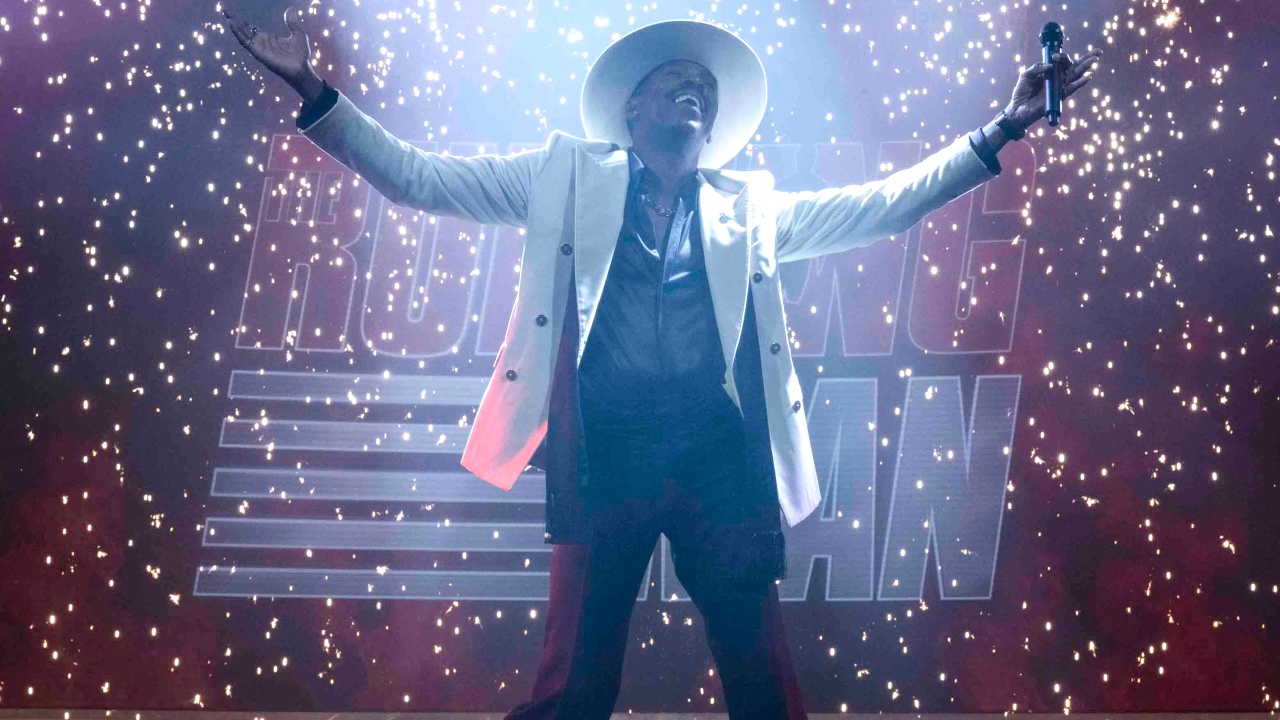
And before people start muttering about this being ripped off from The Hunger Games, it’s worth mentioning that King wrote the original novel when he was seventeen and that it was published way back in 1979, under the pseudonym of Richard Bachman. (Bachman also wrote The Running Man, already filmed in 1987 starring Arnold Schwarzenegger, with a new version looming on the cinematic horizon.)

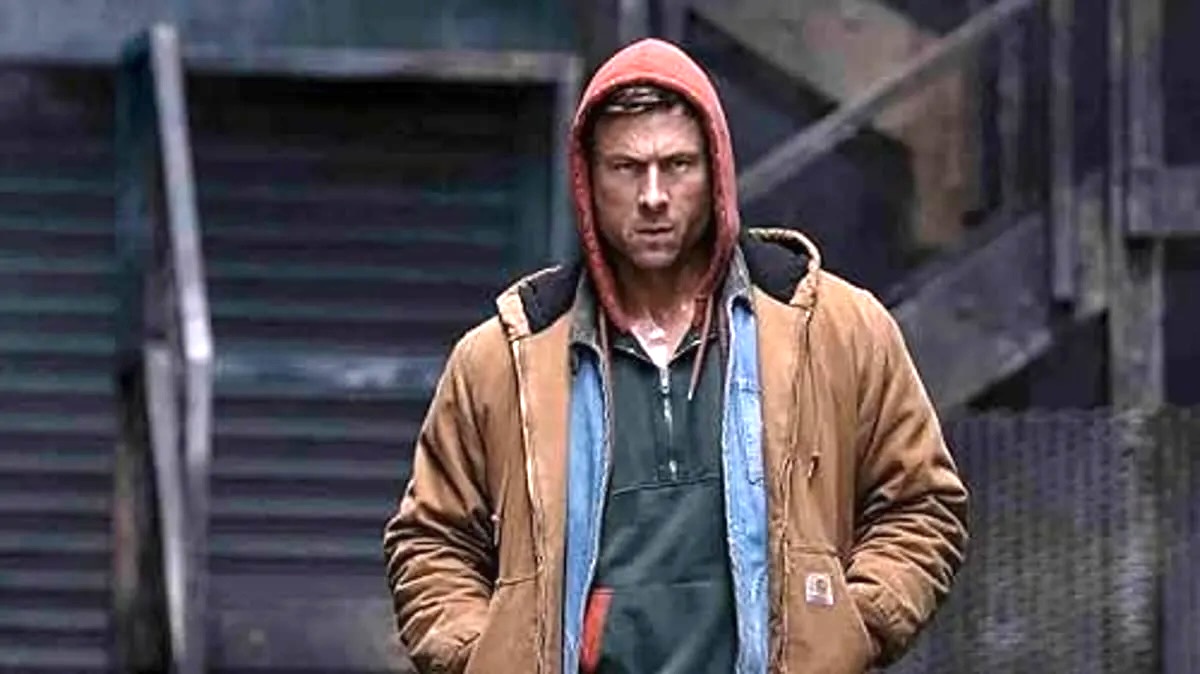
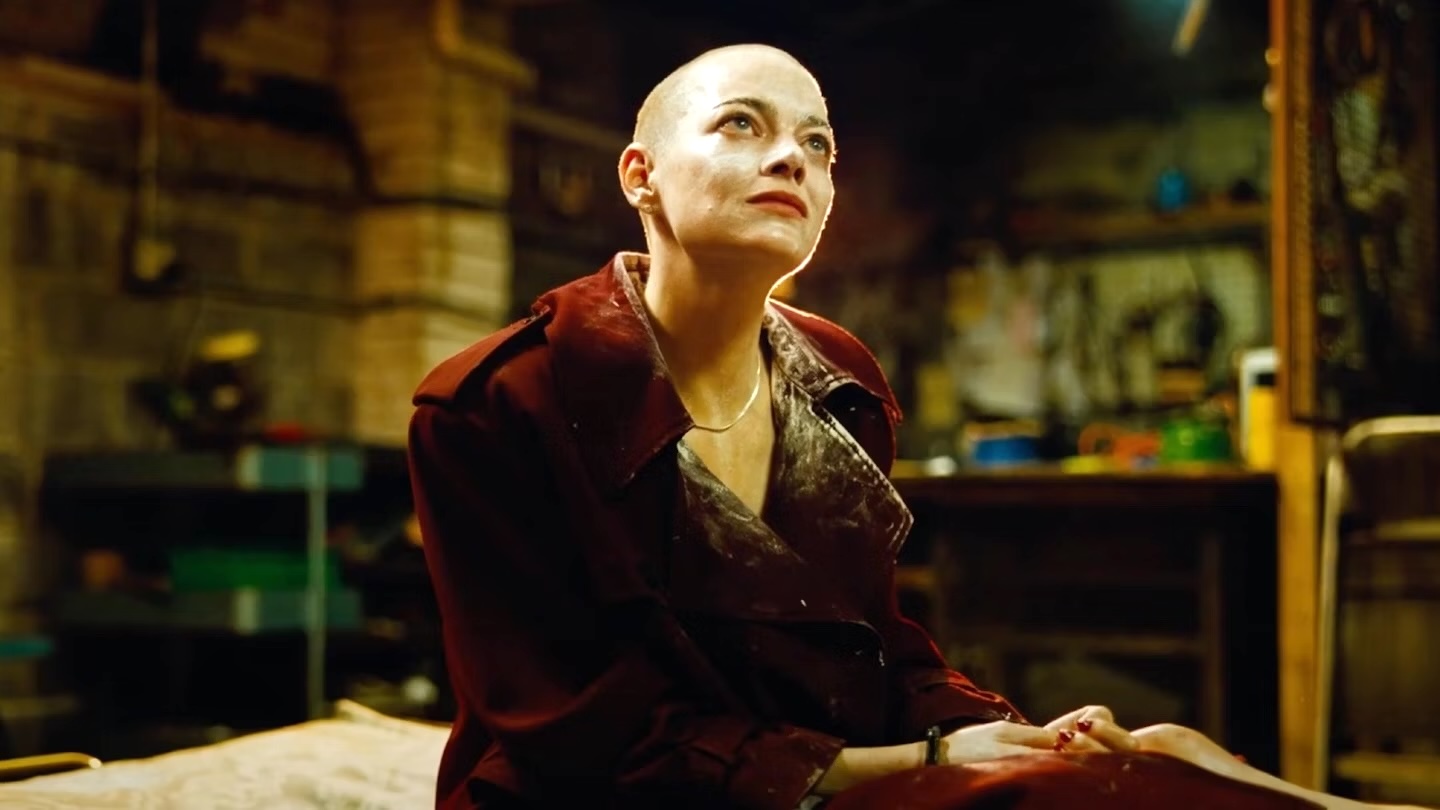
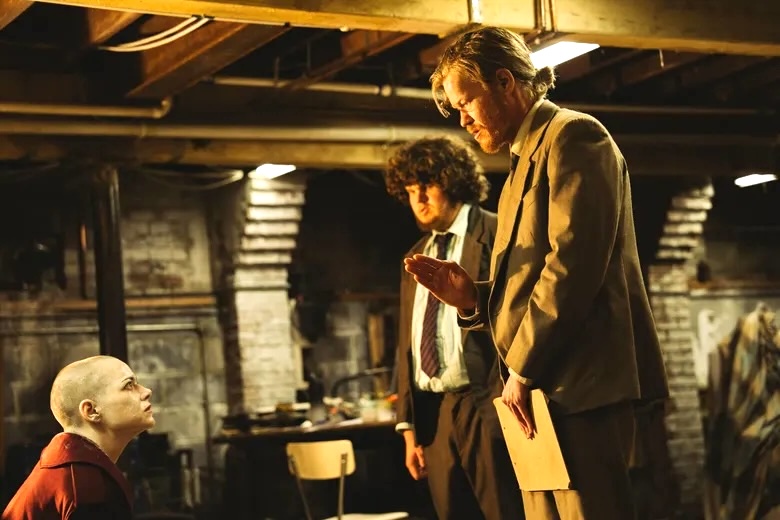
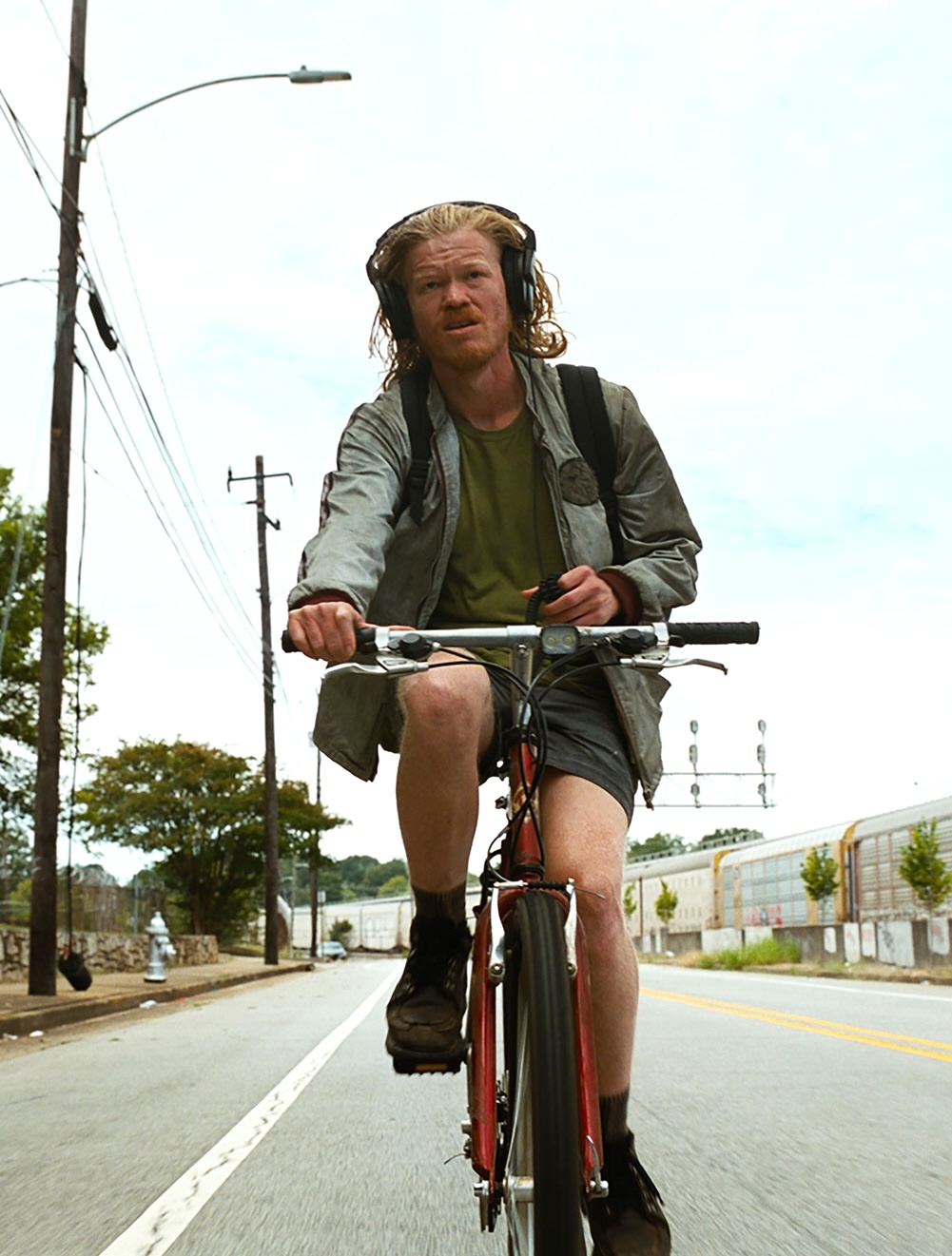
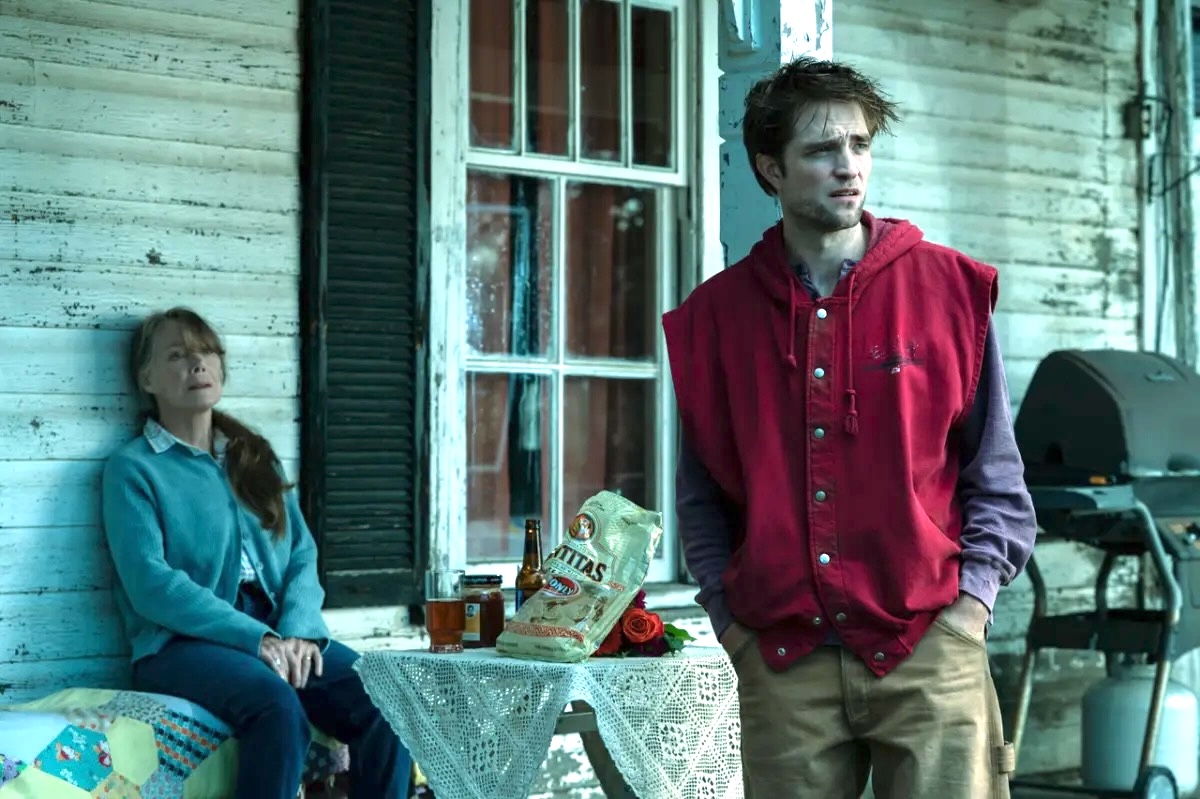
The competitor we’re rooting for in the titular ordeal is Raymond Garrity (Cooper Hoffman) and the guy he pals up with is Peter McVries (David Jonsson) – but there are plenty of other participants and we learn something about most of them by the time we approach the three-hundred-mile marker. The event is presided over by The Major (an almost unrecognisable Mark Hamill). As the walk progresses, we witness some truly horrible executions and some almost as awful depictions of what happens when the participants are not even allowed the luxury of a toilet break…

The danger here, of course, is that such a stripped-back storyline might mean that the narrative becomes repetitive, so kudos must go to director Francis Lawrence and screenwriter JT Mollner, who somehow manage to incorporate enough gear changes to keep me thoroughly entertained (if that’s the right word) throughout a one hour and forty-eight minute run time. It’s also chilling to note that, with the current political upheaval in the USA, the premise of this story feels queasily credible.

More than anything else, this is a film about male friendship, about honour and sacrifice. Hoffman, who made such a confident debut in Licorice Pizza is quietly compelling here as a young man nurturing a secret thirst for vengeance, while Jonsson makes the perfect foil for him: relaxed, compassionate and nurturing. As I say, we do learn about several of the other competitors, but this film belongs to its central duo, who keep us walking alongside them right up to the shattering conclusion.

4.2 stars

Philip Caveney

Highest 2 Lowest

13/09/25

Filmhouse, Edinburgh

I first became aware of the work of director Spike Lee way back in 1986 at the press launch for his second feature, She’s Gotta Have It, and subsequently followed his cinematic evolution with big hitters like Do the Right Thing and Malcolm X. But since 2018’s BlackKkKlansman, Lee increasingly seems to have struggled to find focus.

Highest 2 Lowest (a loose remake of Akira Kurosawa’s 1963 film, High and Low) represents a considerable step up – a big, brash love letter to New York City, to Black music and, in particular, to Lee’s favourite basketball team, The Knicks.

The film begins in grandiloquent style with a rendition of Oh, What a Beautiful Mornin as cinematographer Matthew Libatique’s cameras glide magisterially around the gleaming highrise apartment building that is home to near-legendary record producer, David King (Denzel Washington). He’s about to embark on a crucial bid to buy the record label that made his reputation, but his plans are rudely disrupted when he receives news that his son, Trey (Aubrey Johnson), has been kidnapped and held ransom to the tune of seventeen million dollars.

When it’s revealed that the kidnappers have mistakenly grabbed Trey’s best friend, Kyle (Elijah Wright), the son of David’s loyal chauffeur, Paul Christopher (Jeffrey Wright), things become very complicated indeed. David loves and respects Paul – but can he really be expected to pay an amount that will surely bankrupt him for the release of another man’s son?

It would be criminal to reveal anything more about the plot, but Highest 2 Lowest is an ambitious undertaking that largely succeeds. Since David is so involved with music, composer Howard Drossin has been given full rein to create a mesmeric soundtrack and, though in early scenes it can occasionally seem intrusive – in places his keyboards and strings seem to run rampant behind really important lines of dialogue – in others it meshes perfectly with the action. An extended sequence on a subway train packed with very vocal Knicks fans, intercut with scenes filmed at New York’s Puerto Rican Mardi Gras, is masterfully done and is one of the film’s high points.

Washington shows once again why he is one of the greatest actors of his generation. David King has music at his core and Washington’s mood seems to evolve with whatever track he’s listening to. His hostile confrontation with ambitious young rapper, Yung Felon (A$AP Rocky), evolves into a kind of rap duel which might sound strange on paper, but is a genuinely thrilling progression. If I have an issue, it’s that David’s wife, Pam (Ilfenesh Hadera), seems unbelievably submissive, bowing to her husband’s every decision – even when the result might leave her homeless – as though she has no say in the matter.

Reservations aside, this is bold and adventurous filmmaking of the highest order, with the sheen and dazzle of a 50s technicolour extravaganza. It deserves to be seen on the biggest screen available and is proof, if ever it were needed, that veteran filmmaker Spike Lee still has plenty to offer.

4.6 stars

Philip Caveney

Spinal Tap 𝜫: The End Continues

12/09/25

Cineworld, Edinburgh

It’s finally here. I’ve waited 41 years for a sequel to my all-time favourite comedy and here it is. A week ago I had the opportunity to revisit the original film on the big screen and it was every bit as brilliant as I remembered, so… no pressure. Of course, I’m not deluded enough to imagine that Spinal Tap 𝜫: The End Continues can be anywhere near as perfect as its predecessor, but my abiding fear is that it will be a terrible misfire with nothing of the spirit of the original. Thankfully, that isn’t the case.

The film opens with a glimpse of the venue in New Orleans, where the world’s loudest (and most punctual) rock band will make their ‘one night only’ return, a contractural obligation that was stipulated in the deal they made with original manager, Ian Faith (the late Tony Hendra). After his death, the rights have been transferred to his daughter, Hope (Kerry Godliman), and she’s intent on holding the three Tapsters to their obligation. The film now cuts back to filmmaker Marti Di Bergi (Rob Reiner) as he goes looking for the three core members of the band.

David St Hubbins (Michael McKean) is now making his living by composing those irritating bits of muzak you hear when you phone a company and they put you on hold. Nigel Tufnel (Christopher Guest) is running a cheese and guitar store in darkest Cornwall, where he’s perfectly happy to swap an instrument for some dairy produce – and vice versa.

And Derek Smalls (Harry Shearer) is the custodian of The Museum of Glue. Of course he is.

We now follow the band as they reconnect and make their preparations for the concert, under the guidance of the well-meaning but ineffectual Hope and the odious, deeply abrasive Simon Howler (Chris Addison). There are, inevitably, a bunch of guest stars dotted amidst the action, with Paul McCartney and Elton John the most prominent. There are also ‘where are they now’ glimpses of some of the surviving players from the first film.

The improvised humour that was so instrumental in film one – and which paved the way for the host of films and TV series that followed in its path – is perhaps not quite as sure-footed as before, though much of it lands squarely enough to provide the requisite laughs. Interestingly, it’s the music that proves this sequel’s real strength, with Christopher Guest’s original compositions given extra fuel by the propulsive drumming of Didi Crockett (Valerie Franco). Hilariously cringey lyrics aside, the songs are actually pretty good examples of 80s heavy rock.

It’s interesting to note that, now the players are genuinely aged (Harry Shearer is 81), there’s a new-found vulnerability to the characters, the previously fearless young rebels brought down by the realities of infirmity. They seem quietly bewildered by all the changes that have occurred since they were last on the scene, but are still determined to give it their best shot. There are clever twists on the original (what happens with Stonehenge is particularly impressive) and, as before, the comedy interplay continues throughout the film’s closing credits with some of the funniest moments held back to the end.

I emerge from the screening with a warm glow, as though I have just spent time with some old friends – and, after such a long absence that’s surely all you can hope for. A word to the wise: if you are not already a fan of Spinal Tap, this reunion gig is likely to leave you feeling bewildered rather than nostalgic.

4 stars

Philip Caveney

Wallace

10/08/25

Traverse Theatre, Edinburgh

“The Scottish can’t rap!”

Thus proclaims one of the three-strong cast of Wallace, shortly before they launch into their opening salvo and prove that – hell, yes – they really can! This intriguing production, which launches the autumn season of A Play a Pie and a Pint, is obviously inspired by the success of Hamilton. It proudly proclaims that Scottish history is just as deserving of a contemporary retelling as anything that ever went on in the USA and, in that ambition, it succeeds big time.

Three friends chatting over drinks in a bar become extra-animated when one of them claims to be an actual descendent of William Wallace – you know, the guy from Braveheart. This is the precursor to a deep dive into the hero’s history, as the three players musically discuss the known facts, the probable myths and even the possibility that (whisper it) WW might not have existed.

Written by Rob Drummond, with music and lyrics by Dave Hook (who also performs alongside Patrica Panther and Manasa Tagica), Wallace offers an audacious exploration of Scotland’s most celebrated warrior, all backed by a pumping four-four beat. The trio of performers switch effortlessly between characters merely by throwing on a jacket or a hat, depicting Wallace’s supporters as well as those who fought against him in his doomed bid for Scottish independence.

Hook stays in the role of Wallace, while Tagica does a splendid job of portraying Edward Longshanks, complete with dark glasses and a red fur coat. Panther, after pointing out that women have been virtually written out of history, takes on the swaggering persona of Robert the Bruce with evident relish.

Whip-smart, caustically funny and actually pretty informative (I come out knowing a lot more about the titular Scot than I previously did), Wallace snaps from song to song and from argument to argument like the proverbial tiger on vaseline, holding the audience spellbound right up to the final triumphant chord. Snappily directed by Orla O’Loughlin, this is a perfect example of how to make history vibrant and compelling enough to dazzle a contemporary audience.

It’s pure dead brilliant.

5 stars

Philip Caveney

Inter Alia: NT Live

07/09/25

Cineworld, Edinburgh

What Suzie (Miller) Did Next was bound to garner a lot of attention. The mega-success of Prima Facie, starring the inimitable Jodie Comer, has catapulted the Aussie playwright into the limelight, and left the theatre world waiting with baited breath to see what else she has up her silk sleeve.

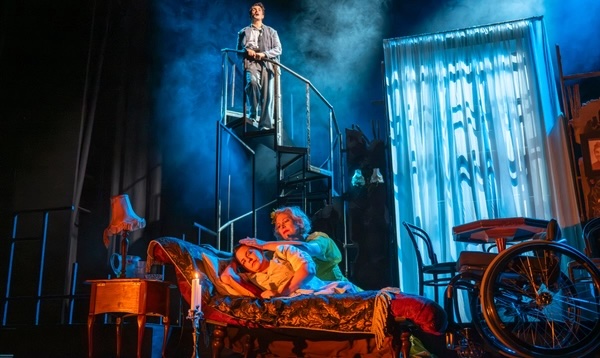
Inter Alia, a three-hander starring Rosamund Pike, serves as a kind of companion piece to the 2019 monologue, this time examining the legal system’s response to sexual assault from the vantage point of the Bench. Pike plays Judge Jessica Parks, a high-flying professional, juggling work and family life. She’s got the drive and energy to give both her all, but there’s no escaping ‘mom guilt’, however feminist you are. Still, she and her barrister husband, Michael (Jamie Glover), seem to be managing well: their teenage son, Harry (Jasper Talbot), isn’t exactly happy – he doesn’t really fit in at school and is the victim of some mild bullying – but he’s generally okay, mooching through his days and studying for A levels. He’s a gentle, sensitive boy, nothing like the entitled defendants Jess encounters in court, with their swaggering justifications for rape…

Until, one fateful night, when the ideals Jessica has long-espoused are suddenly called into question, along with her integrity. Who is to blame when a floundering young man commits a crime? And is it possible to be guilty and innocent at the same time?

Prima Facie‘s director, Justin Martin, is back on board for this follow-up polemic, and it’s just as gorgeously kinetic as the earlier piece, perfectly encapsulating the frantic nature of Jess’s life as she hurtles from conviction to kitchen, from case files to karaoke. The set, designed by Miriam Buether, is ingenious, a combination of the domestic and the professional, with props, costumes and doorways cunningly concealed in the kitchen units. At key moments, a wooded park is revealed beyond the dominant interiors, a glimpse into the outside world – both real and online – where Jessica isn’t in control, and which Harry has to learn to navigate for himself.

This is a gentler play than its predecessor, but no less audacious or thought-provoking. Pike is extraordinary in the lead role, and ably supported by her fellow actors. Miller doesn’t offer any easy answers or let anyone off the hook, but she expertly straddles the fine line between trying to understand assailants without diminishing their victims. Like those around us, we leave the cinema deep in discussion, trawling through our own experiences, trying to work out what we would do in Judge Jessica’s place.

I’m still not sure. But I do solemnly, sincerely and truly declare and affirm that Inter Alia is another searing commentary on our times, and – as such – another must-see from the National Theatre.

5 stars

Susan Singfield
Nixos

06/09/25

Brougham Street, Edinburgh

6, Brougham Street has been a special place for us ever since we moved to Edinburgh. Back in 2015, when we first ate there, it was My Big Fat Greek Kitchen, a decent enough venue, though we observed at the time that the food was somewhat let down by its presentation. In 2017, it took a major step up when it became Taxidi, owned by chef Dimitri, and offering a remarkable selection of traditional Greek dishes at great value prices. In 2024, Dimitri went for a major transformation with Mitsos: Serial Griller, changing the format completely, but triumphing once again with a strikingly different approach to Greek cuisine, all freshly cooked to order on a giant grill.

Now the premises is under new ownership, has been rebranded as Nixos, and looks very different. The premises have been beautifully redecorated, making the place feel lighter and roomier than ever before. It keeps the Greek theme but puts the emphasis firmly on street food, centred mostly around the Gyros (pronounce eros): a combination of freshly-baked flatbread, filled with your choice of meat, cheese or vegetables, mixed with salad and tzatziki, then liberally augmented with fries. The idea is to pick up the entire thing and wolf it. Dainty eaters should be warned that the cutlery here is of the disposable wooden variety, so it’s best to conquer your inhibitions and chow down.

We order two different gyros. Susan goes for chicken and I opt for halloumi and, it turns out, the service is lightning-fast. Our meal arrives almost before we’ve had a chance to draw breath.

Okay, so this isn’t the place to come for a long, relaxing meal – we’re all done and dusted in half an hour – but the food is undeniably delicious, the halloumi wrap in particular generously stuffed with large chunks of perfectly grilled cheese. (Gyros are difficult to photograph. Our attempts really don’t do them justice.) We share a bowl of kalamata olives, which are spot on and we also sample a couple of Greek soft drinks in lemon and sour cherry flavours, but beers and wine are available for those who indulge. There’s currently no sweet menu (something which I’m told the owners are thinking about) and we cannot argue with the bill which comes in at less than £30 for the two of us.

We will doubtless eat this food again, but perhaps next time as a takeaway, a tastier (and healthier) alternative to pizza – unless of course, that sweet menu happens to make an appearance. If you haven’t yet sampled the handful of heaven that is a gyros, here’s your perfect opportunity.

4 stars

Philip Caveney

Caught Stealing

04/08/25

Cineworld, Edinburgh

If Caught Stealing seems an unusual choice of genre for director Darren Aronofsky, it quickly becomes clear that, although all the usual action-thriller components are in place, this is a good deal more cerebral than the average punch ’em up. Set in New York City in the late 1990s, it’s a story with more than its fair share of stressful situations, all of them heaped upon the shoulders of its central character, Hank (Austin Butler), and palpably passed on to anyone who happens to be watching. Baseball aficionados will know that the film’s title is a reference to the sport Hank is obsessed with and which he played in his youth.

Our antihero is now a booze-loving barkeep at a small, rowdy joint on the Lower East Side. His girlfriend, paramedic Yvonne (Zoë Kravitz), is clearly looking for more commitment from him but something in his past – a tragic incident that we keep catching unsettling glimpses of – is preventing him from offering it. And why does he make such a fuss about phoning his Mom in California every single day?

When his British punk neighbour, Russ (Matt Smith), has to head home to visit his sick dad, he asks Hank to look after his cat, Bud. Hank happily obliges but shortly thereafter a duo of aggressive Russian hoodlums arrive looking for Russ. When Hank is unable to tell them anything about his missing neighbour, they administer a brutal beating, which leaves Hank in hospital, minus a kidney. But his troubles have only just begun.

Once home, he contacts Detective Elise Roman (Regina King), who tells him that he’s inadvertently been dropped into the middle of a very complicated situation, with different factions trying to get their mitts on a heap of stolen cash. She tells him that, if Hassidic hitmen Lipa and Schmolly Drucker (Liev Schrieber and Vincent D’Onofrio), should happen to turn up, Hank must get in touch with her immediately, if he wants to stay alive…

From this point the story accelerates like an out-of-control vehicle, hitting everything in its path with brute force and, much like Hank, we feel each impact along the way. The action is accompanied by Rob Simonsen’s raucous score (recorded by post-punk band, Idles). The New York locations are expertly utilised, the physical damage unflinchingly conveyed and Butler is utterly compelling in the lead role, making us care enough about his character to really share his anguish as every fresh person he meets seems intent upon his destruction. Charlie Huston’s edgy script is adept at getting me to make assumptions, only to dash them gleefully in my face.

When Russ finally bobs back into view, Smith manages to somehow make him both appealing and despicable. Bud the cat (played by Tonic) is really cute, a strong enough presence to ensure that he gets to star in the film’s kooky end credits. Unlike many films of this ilk, Caught Stealing manages to steer its way to a satisfying – and for once, fairly believable – conclusion.

Just make sure you stay in your seats until the very end.

4.4 stars

Philip Caveney

The Thursday Murder Club

01/09/25

Netflix

Oh dear. The first film of the month and it’s a stinker. I haven’t read Richard Osman’s best-selling novel (cosy crime isn’t really my thing) but I’m sure it deserves a better adaptation than this. His podcasts (which I do listen to) show him to be clever and erudite. This movie is neither.

All the right pieces are in play: popular source material, a stellar cast, the prettiest of English villages. There’s even cake – but sadly not enough to sweeten this twaddle.

The Thursday Murder Club comprises four wealthy pensioners: Elizabeth (Helen Mirren), Ibrahim (Ben Kingsley), Ron (Pierce Brosnan) and Joyce (Celia Imrie). They live in a stately home called Coopers Chase, which has been converted into the the most luxurious retirement apartments imaginable, and pass their time investigating the cold case files their fellow resident, Penny (Susan Kirkby), a former detective, has somehow managed to hold onto.

But when money-grubbing landowner, Ian Ventham (David Tennant), reveals his plans to redevelop Coopers Chase, murder is no longer confined to the past. The privileged pensioners can barely conceal their glee at having something real to get their dentures into, much to the dismay of local police officers, Chris Hudson (Daniel Mays) and Donna de Freitas (Naomi Ackie).

Amidst the lightweight sleuthing, some serious issues are raised, including people-trafficking and dementia. But these are hopelessly out of place, treated so glibly that it feels very uncomfortable. There’s some real snobbery at play here too, presumably unconscious: the working-class-man-made-good with his loud voice and tacky McMansion; the upper-class oldies with their mellow tones and oh-so-tasteful decor.

I want to find nice things to say because it’s Helen Mirren, for God’s sake. But hers isn’t even the most wasted talent – at least she’s in a lot of scenes. The wonderful Ruth Sheen barely gets a look in as Aunt Maud. (What’s the purpose of this character? She adds nothing to the plot.)

To quote a catchphrase that’ll only mean something to Gen X, here’s my suggestion: Just Switch Off Your Television Set and Go and Do Something Less Boring Instead.

2 stars

Susan Singfield

The Roses

30/08/25

Cineworld, Edinburgh

It’s an ill wind that blows nobody any good, so perhaps it shouldn’t come as a surprise to Theo Rose (Benedict Cumberbatch) when the very storm that shatters his career as an architect also heralds a renaissance for his restaurateur wife, Ivy (Olivia Colman).

Theo and Ivy have relocated from London to Northern California, where Theo has been commissioned to design a naval history museum. Ivy’s professional aspirations have been on hold since their two kids, Roy (Ollie Robinson/Wells Rappaport) and Hattie (Delaney Quinn/Hala Finley) came along, but now they’re busy with school and friends and she’s starting to get itchy feet. How long can she carry on cooking elaborate tasting menus for a family of four? Theo is nothing if not supportive, encouraging her to set up a new eatery, opening a few evenings a week.

But when Theo’s high-profile building collapses in a hurricane, he finds himself persona non grata in the architectural community, unable to find work. Meanwhile, seeking shelter from the same weather, an influential food critic is blown into Ivy’s restaurant, and her review catapults Ivy to stardom. It makes sense, then, for Theo to take over domestic duties, while Ivy capitalises on her success and expands her business.

But Theo finds it hard to cope with his sense of failure, and Ivy finds it hard not to resent his newfound closeness to their kids. Before long, their relationship begins to sour, their grievances mounting to monstrous proportions…

Directed by Jay Roach, The Roses is laugh-out-loud funny, as the couple’s responses to their problems escalate cartoonishly, their excesses both shocking and exhilarating to watch. At the same time, with such skilful actors in the lead roles, it’s also desperately sad: we’re bearing witness to the disintegration of a once-happy marriage, observing as two people find themselves travelling a path towards mutual ruin, unable to stop as the momentum builds.

Despite its destructive premise, The Roses turns out to be a feelgood kind of film. Based on the novel by Warren Adler and famously filmed as The War of the Roses in 1989, Tony McNamara’s script is bitingly funny, with lots of arch lines and bitchy humour to lighten the tension. The supporting cast provide some excellent comic relief – particularly Ncuti Gatwa as Jeffrey, Ivy’s loyal waiter, and Kate McKinnon as Amy, the couple’s sex-starved friend.

As for the ending? I don’t think it’s giving anything away to say that it’s best described as “audacious”.

4.3 stars

Susan Singfield

Together

29/08/25

Cineworld, Edinburgh

Horror is enjoying a bit of a resurgence at the moment. Together has the misfortune of being released around the same time as Zach Creggar’s superb Weapons, which means it has inevitably been somewhat overlooked, but it’s well-worth seeking out on the big screen. At its heart, it’s a great big metaphor about the potential perils of co-dependence, but it also draws parallels with other subjects.

Tim and Millie (real life couple, Dave Franco and Alison Brie) are at a tricky point in their relationship, beginning to wonder if they’ve made the right decision by moving away from the city to a new home in the country. Of course, we viewers know that in the world of cinema, the countryside is a terrible place, full of satanic cult worshippers and the like, but clearly Tim and Millie haven’t watched a lot of films.

After a farewell party where Millie’s proposal of marriage to Tim is awkwardly received, off they go, with fingers crossed. Tim is annoyed that he is sacrificing his dreams of a career in rock music, but schoolteacher Millie finally has the job she wants and is happy to continue doing what she’s always done – fulfilling the role of main breadwinner in the relationship.

Things get off to a sticky start when the couple decide to go for a hike in the woods. They get caught in torrential rain and fall down a hole in the ground, where they’re forced to spend the night in the remains of a very creepy subterranean church, a place we’ve already been alerted to in the film’s opening scenes and… well, maybe it wasn’t such a great idea to replenish the water bottles from that pool?

Some people stick together through thick and thin but, after their overnight stay, Tim and Millie find themselves getting stuck on each other – quite literally. At first, it’s just awkward – and in one particular scene, set in a school toilet cubicle, utterly toe-curling – but as time moves on, and the effects steadily worsen, things get very gnarly indeed.

Since the success of The Substance, film makers have increasingly ventured into the realms of body horror. While in Together, the effects are initially played for laughs, as the story progresses, the scenes are increasingly visceral. Writer/director Michael Shanks handles everything with enough momentum to stop viewers from asking awkward questions about those opening scenes and, I have to say, I have a great time watching as things turn nastier, trying to stop myself from exclaiming out loud at each successive twist.

The final scene delivers a delicious sucker punch that I really don’t see coming. If you’ve ever asked yourself if you’re too into your partner, this film may provide some answers.

4.2 stars

Philip Caveney