How To Blow Up a Pipeline

21/04/23

Cineworld, Edinburgh

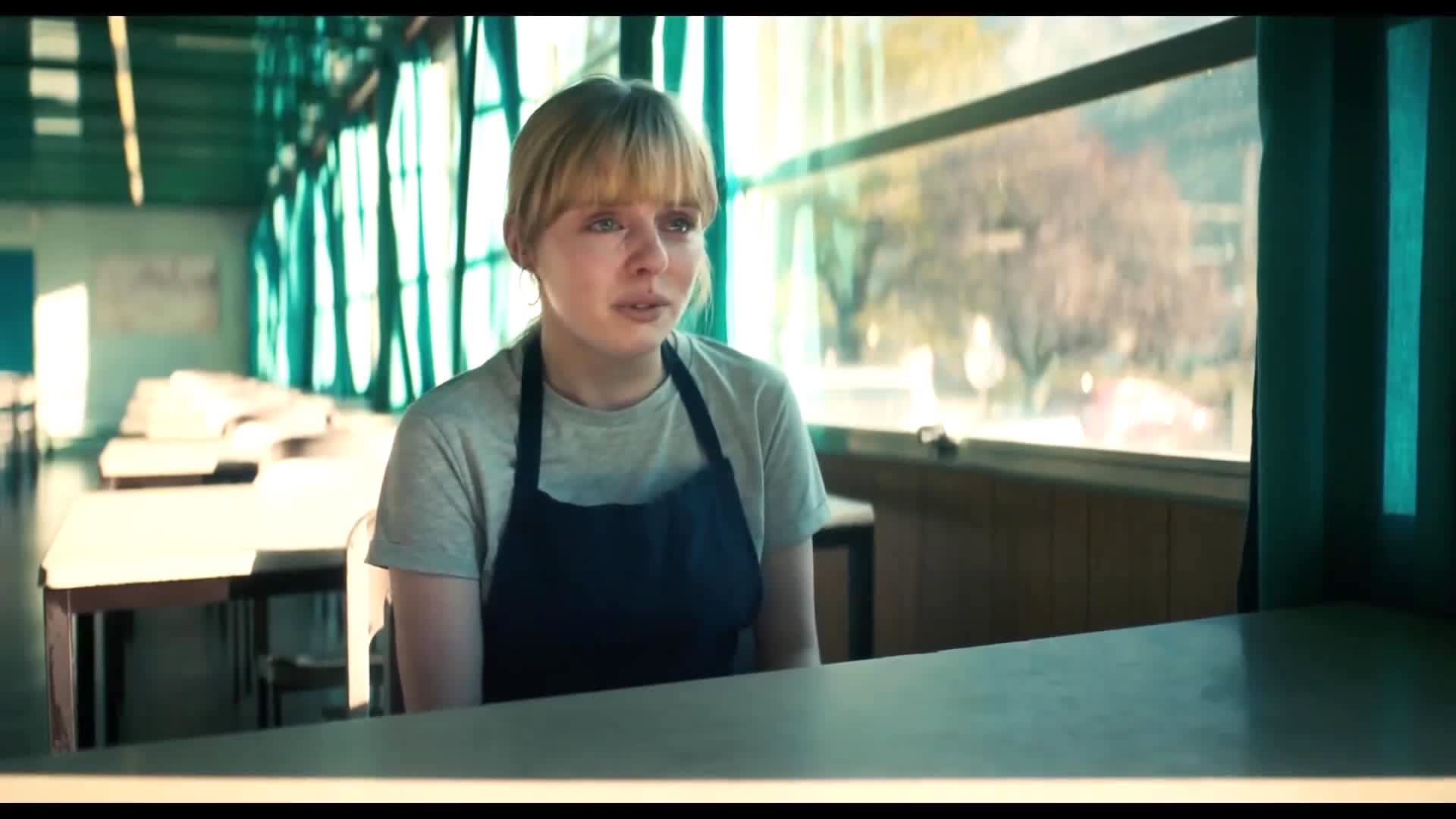
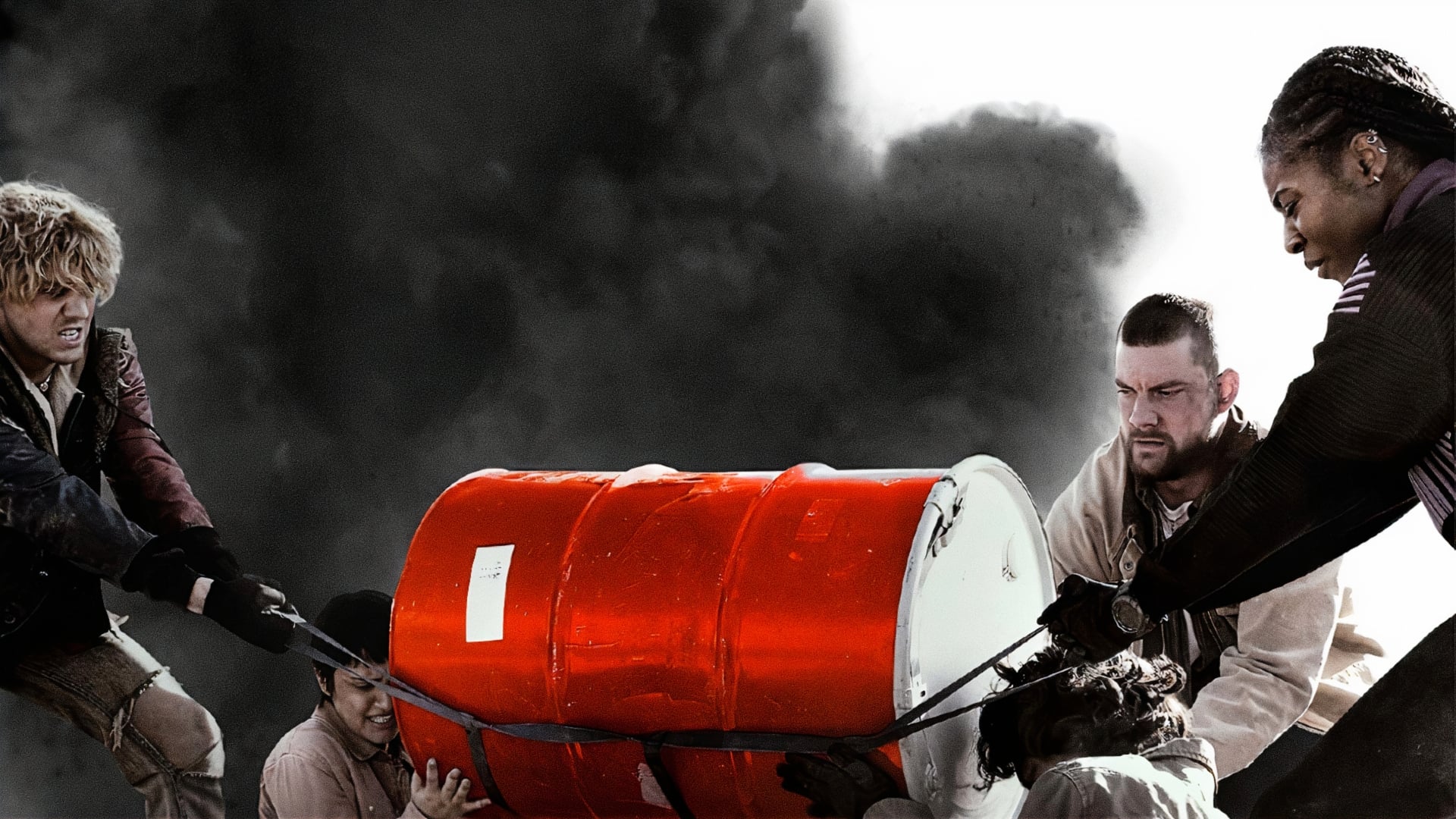
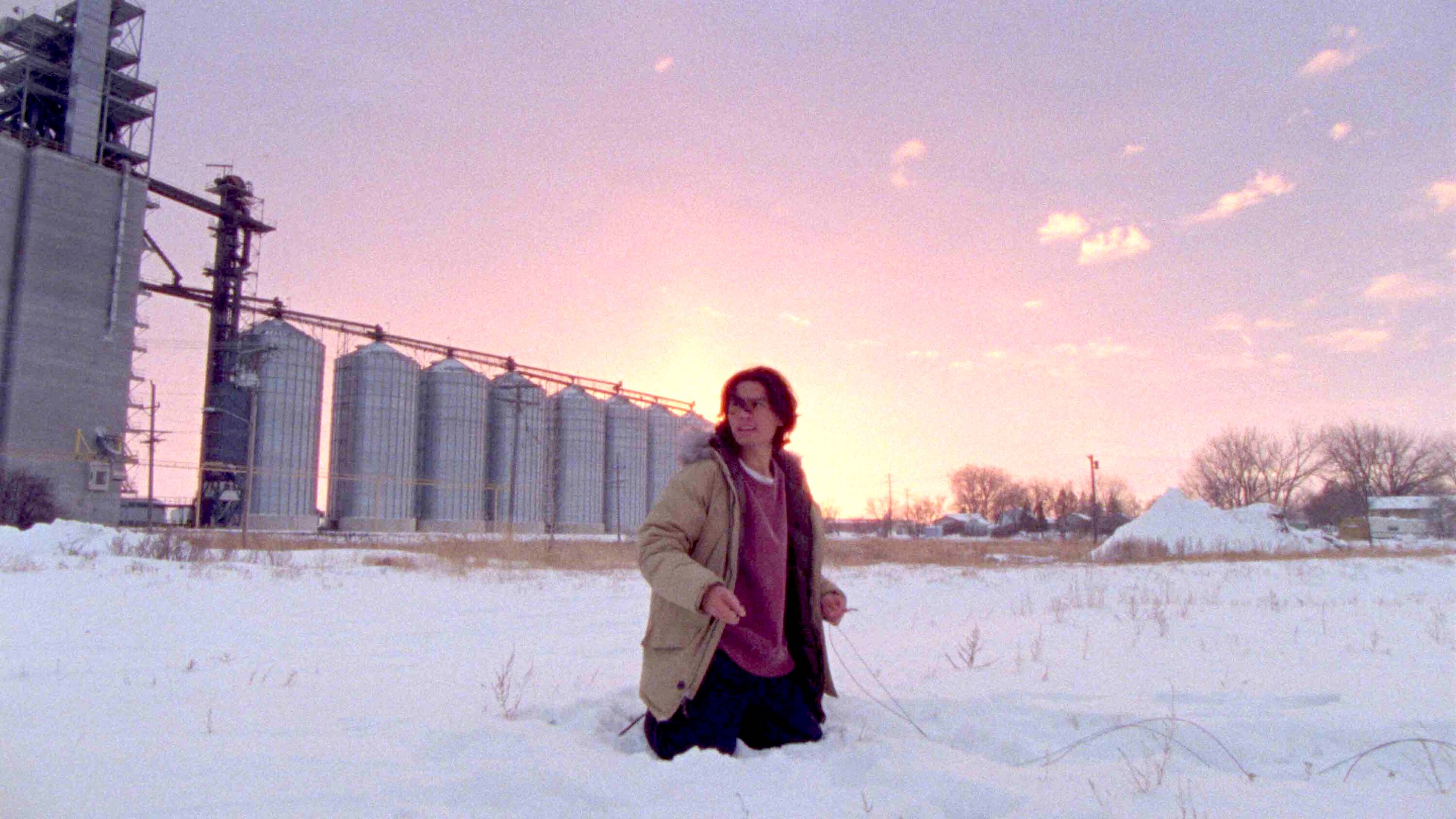
Make no mistake, How To Blow Up a Pipeline is a polemic – a powerful call to environmental action, so naked I occasionally find myself wondering how the film’s makers ever managed to sneak this onto the screens of a multiplex. Perhaps it’s because it comes cunningly disguised an a nail-biting thriller, constantly keeping the viewer on edge as a bunch of ramshackle eco warriors tinker clumsily with potentially deadly explosives as they draw up their plans to… well, the clue’s in the title.

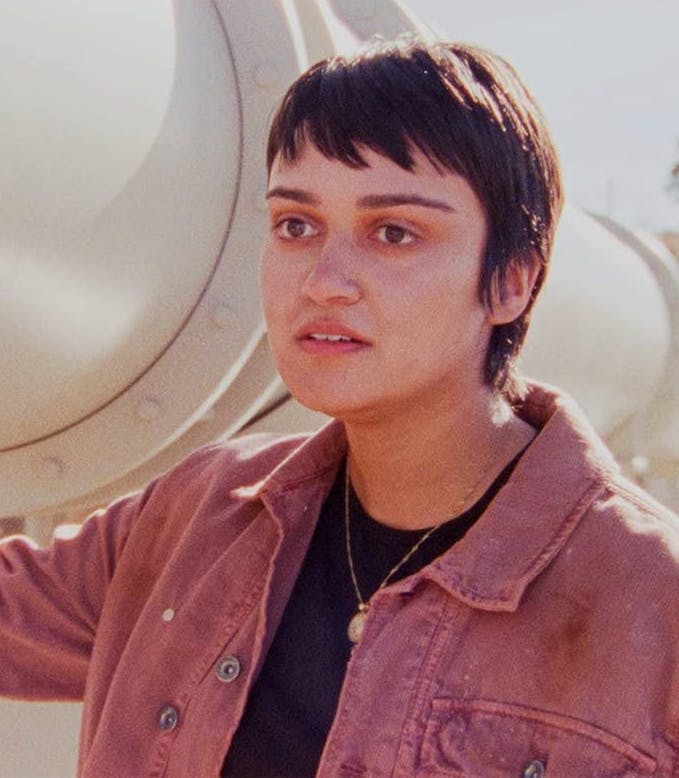
The protagonists of the story each have their own reasons for hating the oil industry so see their actions not as terrorism, but as self defence. Michael (Forrest Goodluck) is a native Americans, who’s endured years of being pushed around by the government and has grown tired of pursuing more gentle approaches to protest. Theo (Sasha Lane) is suffering from incurable leukaemia, caused by living in proximity to an oil refinery, while her partner, Alisha (Jayme Lawson) is prepared to go to any lengths to help Theo achieve retribution. Good ol’ boy, Dwayne (Jake Weary), has seen the land his family has farmed for generations stolen by the oil industry with no compensation offered, while Shawn (Marcus Scribner) and Xochitl (Ariela Barer) are grimly determined to make a change at any cost.

And what of young couple, Rowan (Kristine Froseth) and Logan (Lucas Gage, looking uncannily like a young Hugh Grant)? Who is Rowan covertly sending text messages to? And does Logan even know she’s doing it?

Co-written by Barer and based on a book by Andreas Malm, the film is tautly directed by Daniel Goldhaber and has a devastating habit of cutting away from scenes of high anxiety to insightful flashbacks, depicting each characters’ first steps on their journey to where they are today. And while you sometimes think you know exactly where all this is headed, there’s a cleverly assembled final twist that few viewers will see coming.

The film’s ecological message comes across loud and clear and it’s hard to argue with the grit and determination of these disparate characters who come together to pursue a common goal. The ensemble cast all deliver strong performances and the propulsive narrative of the story has me thoroughly gripped, right up to its final frames.

Does a pipeline suffer its titular fate? You’ll have to watch the film to find out.

4 stars

Philip Caveney
The Ocean at the End of the Lane

19/04/23

Festival Theatre, Edinburgh

Neil Gaiman’s novel, The Ocean at the End of the Lane, is a complicated beast – the story of a man reliving his childhood experiences of a series of bewildering supernatural happenings. This adaptation, by Joel Horwood, sticks pretty closely to the original, picking up the tale when, many years later and now grown to adulthood, the man returns to his old stamping ground to attend a funeral. Whilst there, he takes the opportunity to visit a farm, where he encounters its matriarch, Old Mrs Hempstock (Finty Williams). But why does she look exactly the same as he remembers? And how does she know so much about him?

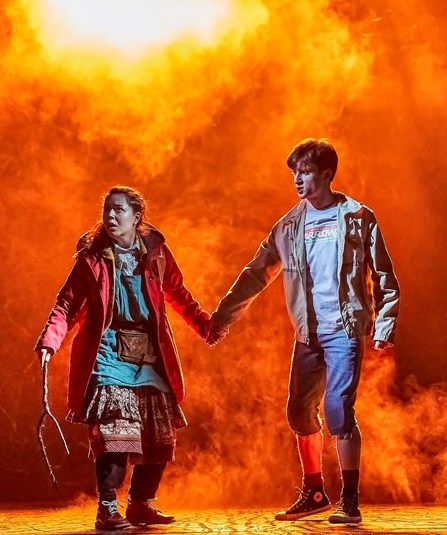
Suddenly, effortlessly, the man is replaced by Boy (Keir Oglivy), the man becomes Dad (Trevor Fox), and Boy relives the tragic events of 1986, when he made his first visit to the farm, meeting Mrs Hempstock’s daughter, Ginnie (Kemi-Bo Jacobs), and Ginnie’s teenage daughter, Lettie (Millie Hikasa), with whom he instantly has a connection. Lettie is a precocious child, who claims to be skilled in magic. She offers to take Boy on a dangerous journey in search of ‘The Flea’, but warns him that, if she allows him to accompany her, he must never, NEVER let go of her hand…

And of course, he does.

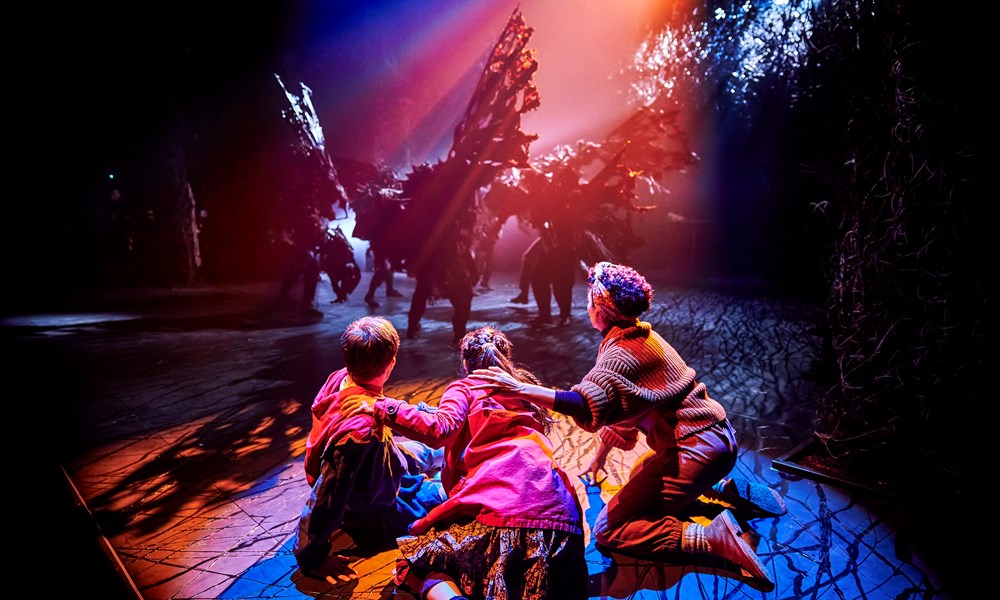
I don’t want to say too much more about the plot because this is the kind of story that’s entirely open to personal interpretation. You can take the magical rituals and the weird demon-like creatures at face value, or you can choose to interpret them as allegories, the experiences of a troubled boy, a boy moreover who is completely addicted to fantasy fiction and who is haunted by his own childhood imaginings. But what really makes TOatEotL fly is the soaring magnificence of the production. The astonishing set designs by Fly Davis and the vibrant lighting effects by Paule Constable conspire to transform the Festival Theatre into a mysterious labyrinth, utilising every single inch of the large stage.

I also love the way the team of supporting players, all dressed in black, assume the role of stage hands, making the scene transitions an integral part of the story.

Katy Rudd directs with consummate skill, particularly with the arrival of sinister lodger, Ursula (Charlie Brooks), who worms her way into the affections of Dad and Boy’s ‘Sis’ (Laurie Ogden). A sequence featuring a whole series of illuminated doorways through which Ursula disappears and reappears is so brilliantly played that I find myself gasping aloud at each new revelation. Be warned, things get very spooky in the later stages and the production’s suggested thirteen plus recommendation is not just there for show. Impressionable younger viewers could find themselves disturbed by some of the scenes enacted here.

National Theatre productions are renowned for the ingenuity of their stagecraft and this is no exception. It’s triumphantly spectacular. Currently on tour, if it should come to a theatre near you, don’t miss your chance to see it. It’ll blow you away.

4.6 stars

Philip Caveney

Renfield

16/04/23

Cineworld, Edinburgh

The vaults of Universal Studios contain a huge horror legacy, which remains largely unexplored. In 2017, a Tom Cruise-led reworking of The Mummy was intended as an introduction to a whole raft of films featuring Universal-inspired gods and monsters. I liked the film, but few others did and the resulting box office put a swift end to those plans. Of course, Dracula is the studio’s best-known bogeyman, so something was sure to happen eventually. With Renfield, director Chris McKay’s approach to er… revamping the Count is to focus on his eponymous insect-eating sidekick, whilst dialling the comedy – and the gore – all the way up to 11.

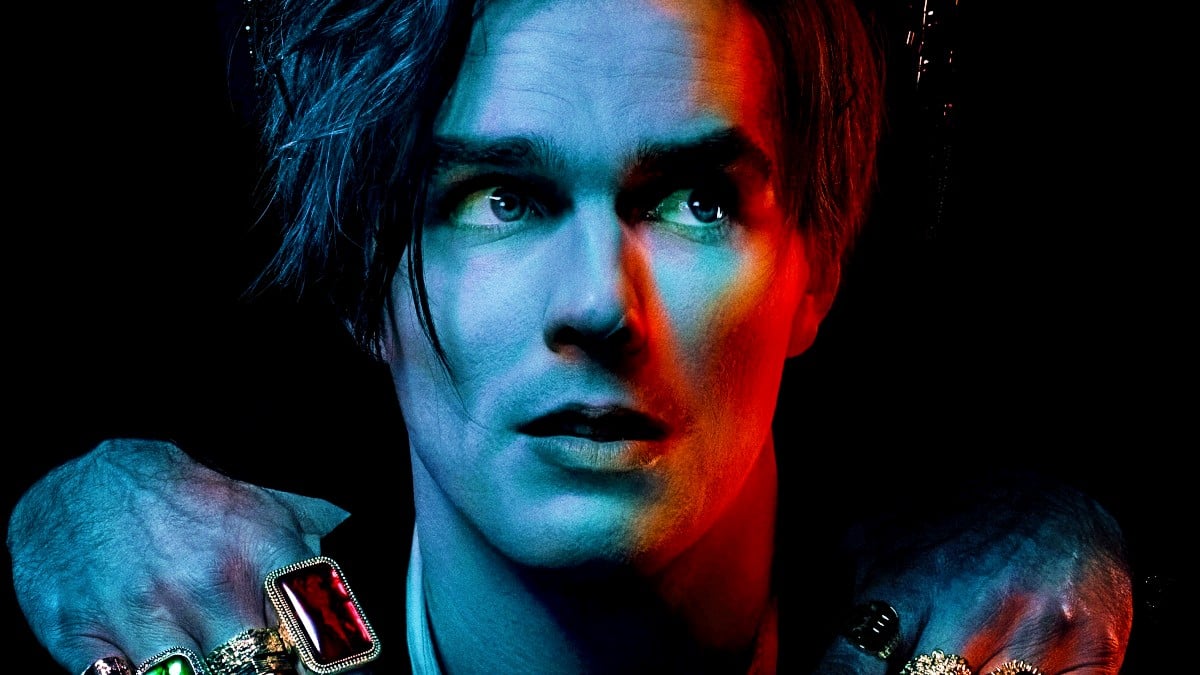
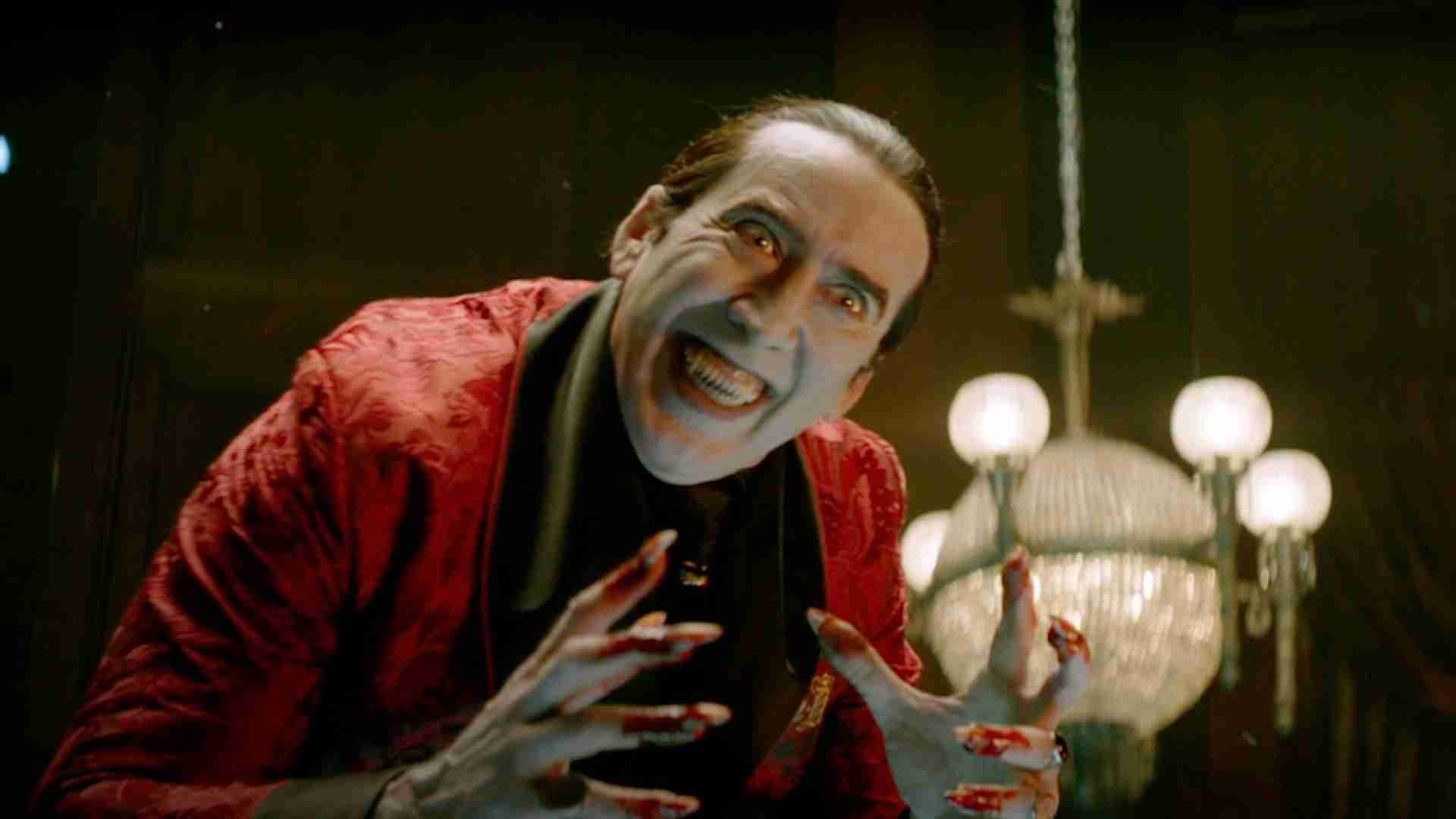
The result is an enjoyable, if somewhat uneven romp, that for the most part galumphs cheerfully through a whole series of decapitations, dismemberments and bodily explosions, without ever really pausing long enough to catch its breath. In this account of the classic tale, Renfield (Nicholas Hoult) has finally become disenchanted with his role as chief cook and bottle-washer to Count Dracula (Nick Cage, channeling a mix of Bela Lugosi and Lon Chaney). After ninety years in the post, Renfield realises that he’s trapped in a toxic relationship. But there are some advantages to being him. For instance, his constant diet of insects has given him the ability to harness prodigious strength and to perform gymnastic fight moves. (No idea why. Let’s move on.)

But he’s gradually coming around to the idea that there must be more for him in the duo’s latest haunt (New Orleans) than the irksome task of finding an endless supply of people for his master to consume.

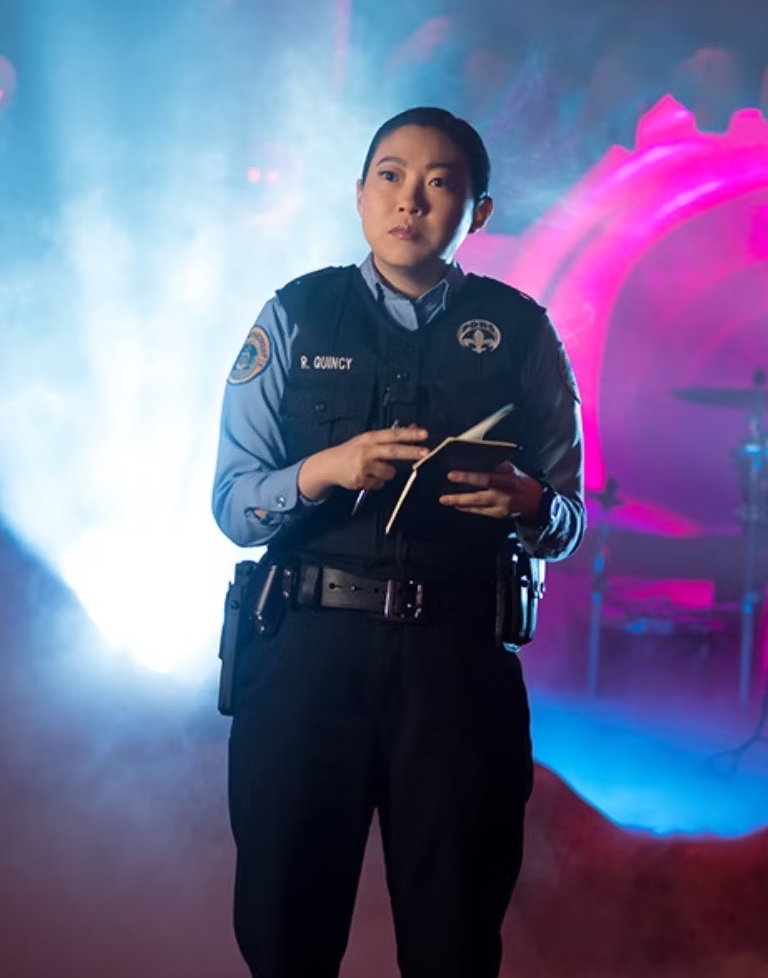
So he joins a 12-step self-help group for people in co-dependent relationships, where he meets others who – like him – are suffering through adversity. And then he encounters hard-assed cop, Rebecca Quincy (Awkwafina), who is struggling to make headway in a corrupt police force that’s actually being run by powerful Queen-pin, Bella Francesca (Shoreh Aghdashloo). Renfield and Rebecca are clearly attracted to each other, though the relationship remains curiously chaste. They team up to take on Bella Francesca, only to discover that her gang now has a new recruit – Dracula himself – and he’s determined that his former accomplice won’t get the better of him.

Renfield is good fun, provided the unrestrained splatter doesn’t put you off. (If the sight of a man being beaten to death with his own dismembered arms doesn’t strike you as outrageously funny, then maybe this isn’t the film for you.) Mind you, it’s not all rampant gore and cheap laughs. In an early section, there’s lovely use of footage from Todd Browning’s 1931 Dracula with Hoult’s and Cage’s faces spliced onto the bodies of Dwight Frye and Bela Lugosi. It gives a brief insight into the kind of film this might have been – but such subtlety is in pretty short supply and we’re soon catapulted back to the carnage.

Hoult has always been a likeable screen presence and carries this along by sheer force of personality, while Cage is clearly having a whale of a time with his role. Sadly, Awkwafina doesn’t get an awful lot to do except look sullen and shoot a lot of people. And it probably doesn’t do to dwell too much on the plot, which is every bit as cartoonish as the action.

Overall, this is fun, but at the end of the day, it must be said that there isn’t an awful lot to… ahem… get your teeth into.

3.7 stars

Philip Caveney

The Son

15/04/23

Amazon Prime

The Son, Florian Zeller’s follow-up to the hugely successful The Father, is every bit as bleak as the first instalment in his adapted-from-the-stage trilogy. (The Mother – yet to be made into a film – is, by all accounts, no cheerier.) The Son is simpler and less complex, without any of the clever disorientation that earned its predecessor a ‘best picture’ gong. But that’s okay: the telling suits the tale.

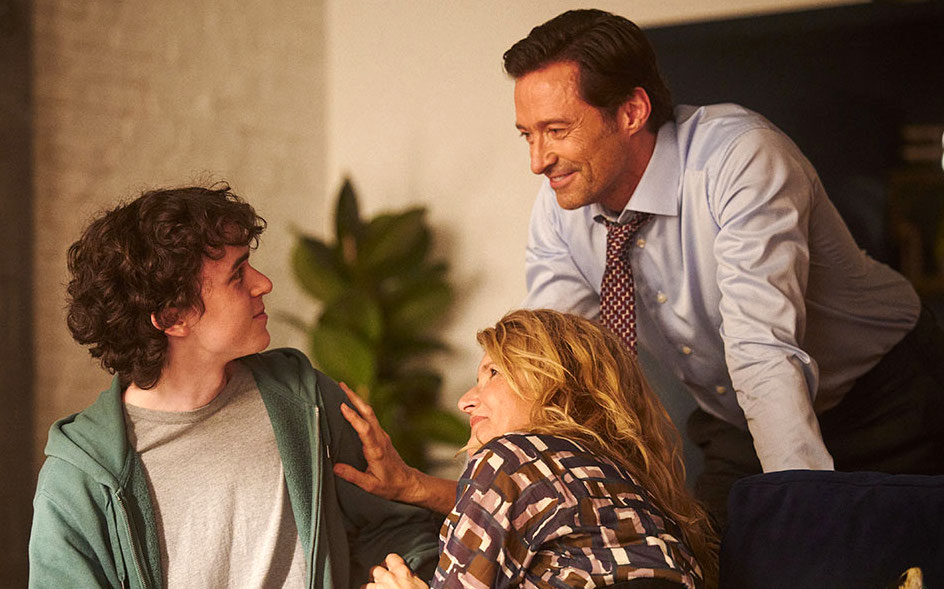
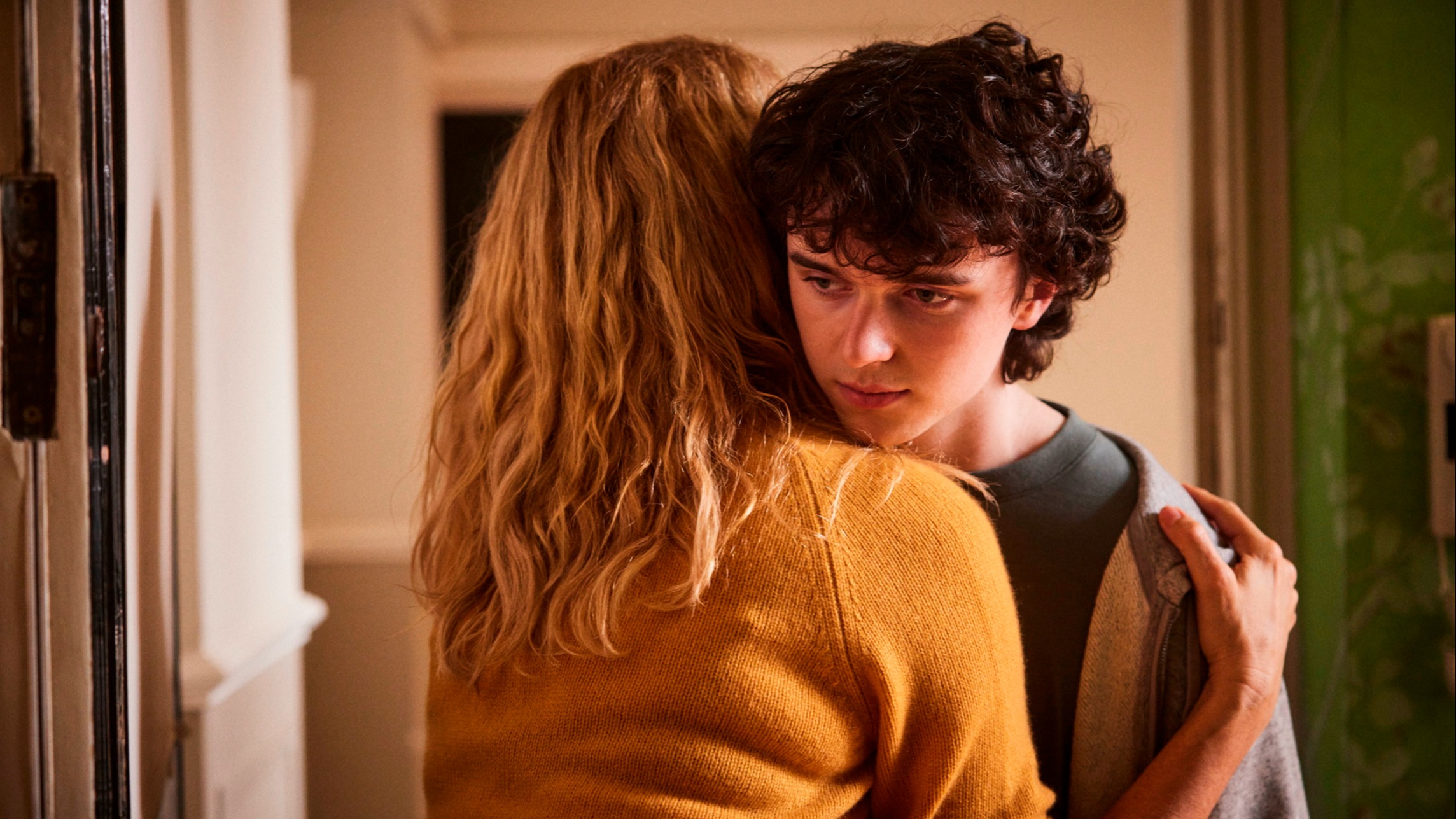
Although Zen McGrath plays Nicholas, the titular son, this is really Peter (Hugh Jackman)’s story: the focus is on his perception of his relationship with his child. Peter loves Nicholas, that much is clear, but his marriage to Kate (Laura Dern), Nicholas’s mum, is over. He’s got a new girlfriend, Beth (Vanessa Kirby), and a new baby boy, Theo (Max and Felix Goddard). The split has not been easy: Kate is devastated, unable to refrain from sharing her hurt with Nicholas, and Beth is struggling to cope with the demands of a new baby. “You’re working. All. The Time,” she tells Peter – repeatedly. Nicholas can’t cope. He feels lost and abandoned. He stops going to school and begins to self-harm. And then he asks to move in with his dad.

The Son is a detailed account of the myriad tensions that form relationships, the delicate threads we weave and break in our clumsy attempts to love. Despite all the trappings – good jobs, swish apartments, private schooling, therapists – the adults around Nicholas are clueless; they don’t know how to help him. It’s a convincing portrayal of depression seen from the outside: Nicholas is closed and inarticulate, angry that no one understands him, but unable to say what’s wrong. He veers between sullen silence and long, rambling attempts to explain his pain. None of it helps. Peter desperately wants to be a better dad than his own father (a scene-stealing cameo from Anthony Hopkins), whose ‘man up’ putdowns are breathtakingly cruel. But there’s a limit to what anyone can do. The film feels like an illustration of a tragic truth: depression is difficult to live with, and there’s not always a way to help someone ‘get over it’, no matter how much you love them.

McGrath inhabits his role convincingly, his misery etched large. Dern and Kirby also make the most of what are, it must be said, quite limited roles, circling around the pivotal father-son. But just as this is Peter’s story, so it is Jackman’s film, and he proves that he really is a triple threat. From Marvel hero to all-singing, all-dancing Showman, he’s done it all – and here, he’s demonstrating that he can do gravitas too.

Slow-paced and claustrophobic, The Son isn’t a big film like The Father. Instead, it’s a quiet and sometimes chillingly sad meditation on a young man’s mental health problems in a world that’s ill-equipped to deal with them.

The tragedy is that it seems so ordinary.

4 stars

Susan Singfield

Chit ‘N’ Chaat

13/04/23

Old Rectory Gardens, Cheadle

I am in Cheadle, visiting my daughter and her husband. For some time now they have been extolling the virtues of Chit ‘N’ Chaat, which specialises in Indian street food and, it being a rainy evening in need of a little brightness, there’s never been a better time to put their claims to the test. When we arrive, the place has a friendly and relaxed vibe. The staff are charming and very helpful when I ask about some of the items on the menu.

Put aside all notions of familiar curry house dishes – this is not the place for a chicken tikka masala or pilau rice. Here, the dining experience is more akin to tapas, where the general idea is to select two or three small plates apiece and share whatever arrives. Things don’t really break down into starters and mains per se, but arrive as they become ready. It’s clear from a perusal of the menu that there’s an eclectic mix of dishes, ranging from South Indian recipes to Indo-Chinese fusion – and half of the fun here is sampling dishes I’ve never experienced before.

First to arrive is a plate of Dahi Puri – crispy spheres of savoury bread filled with a zesty mixture of potato, onions, tomato, green chutney and yoghurt. The idea is to put one whole sphere into your mouth and allow the delicious citrusy concoction to melt on your tongue. It’s zesty, exhilarating and a great way to begin.

Soon the dishes are arriving thick and fast. There’s a tava sea bass fillet, sensitively spiced and perfectly cooked, the flesh yielding easily to the knife. There’s a bowl of chilli garlic chicken, featuring succulent chunks of boneless flesh mixed with onions, bell peppers and coriander. There’s a chilli paneer, a gentle contrast to the spicier offerings, and a Kothu roti chicken, shredded meat in a moist vegetable mixture. 

And then there’s the undoubted stars of the show: two magnificent Dosas, pancakes made from rice and lentil batter, paper thin and enticingly crispy around the edges, one dosa filled with a spiced potato mixture, the other stuffed with that exquisite paneer. These are accompanied by five different sauces, into which a handful of dosa can be dipped and sampled. Half of the experience is not being quite sure what the flavour is until it’s in our mouths. We also share a bowl of chilli chips because… well, because we can’t quite resist having them there and they are rather good.

The selection offers both the delicately spiced and the challengingly fiery and, to accompany the food, we’ve all opted for a mango lassi (a beverage fondly remembered from my nights in Rusholme on Manchester’s infamous curry mile) – thick, sweet and indulgent, the perfect contrast to a mouthful of hot chilli. My only criticism is that I’d prefer the lassi served in a glass rather than a non recyclable plastic beaker, but of the food and drink itself, I have nothing but high praise. 

This is exciting fare that’s also modestly priced – a rare occurrence in these troubled times.

My daughter was right (she often is) and I leave feeling pleasantly full rather than uncomfortably bloated. Anybody in the vicinity of Cheadle who hasn’t yet experienced the wonders of Chit ‘N’ Chaat should pay it a visit at the earliest opportunity. It’s all there waiting to be experienced.

5 stars

Philip Caveney

Family Tree

05/04/23

Traverse Theatre, Edinburgh

Henrietta Lacks is not a household name – but she should be. The cervical cancer that killed her also produced one of the most important cell lines in medical research, HeLa. Harvested from her tumour without consent, Lacks’ immortal cells (which continue to divide when most would die) have been crucial in the development of the polio vaccine, AIDS and cancer treatments, IVF and more. She died in 1951, but her cells live on, even proving invaluable in the fight against COVID.

So why haven’t we heard of her? The answer is sadly obvious: because she was a Black woman.

Mojisola Adebayo’s play sets out to right this wrong, to give Lacks the recognition she deserves. It also raises some very important questions about consent and compensation. This isn’t just an historic issue. Sure, the USA now has the ‘Common Rule’ clarifying the principles of ethical research, but certain biotech companies have made huge profits from patenting HeLa cell products – and none of the money has ever found its way to her descendants.

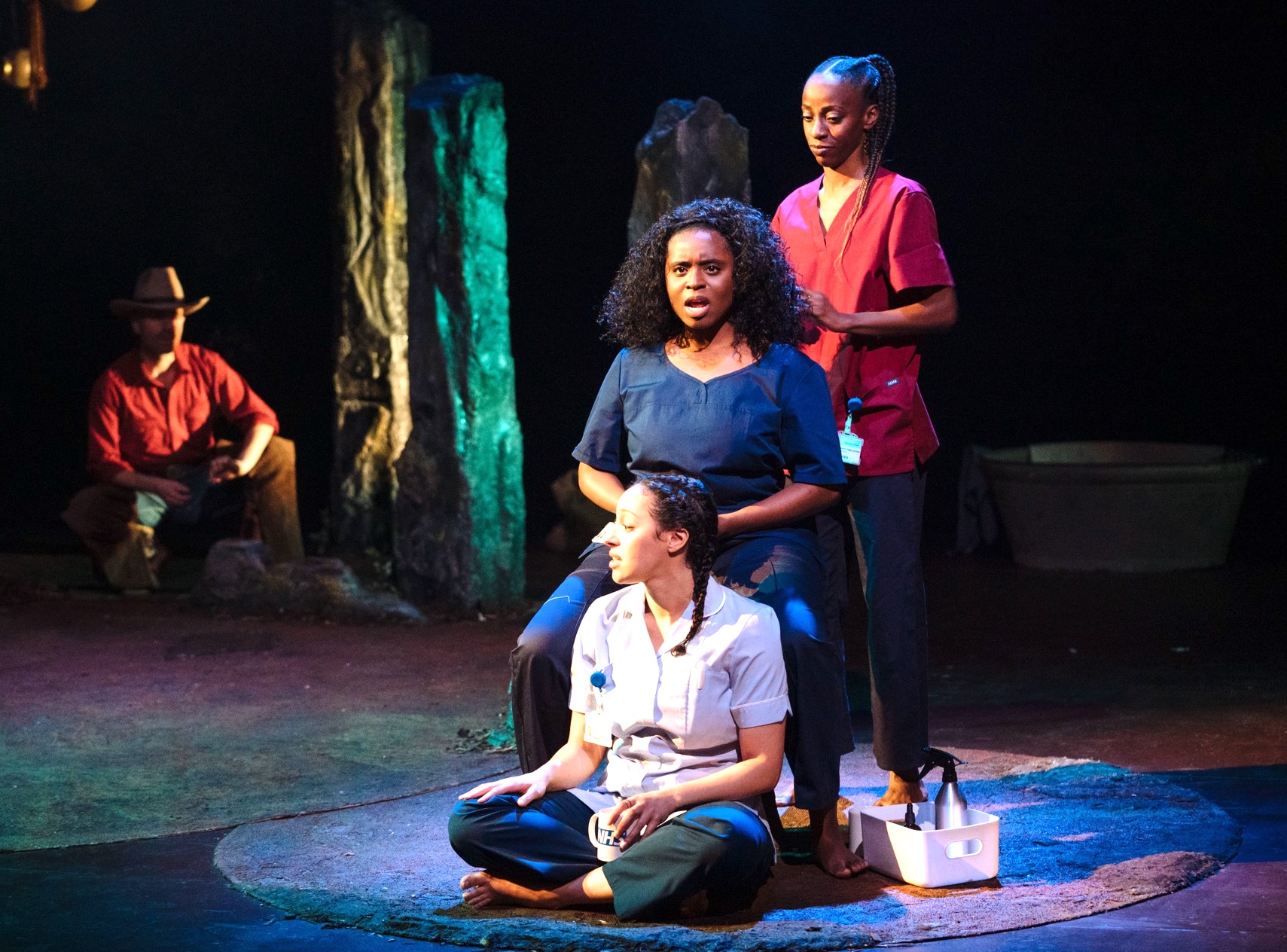
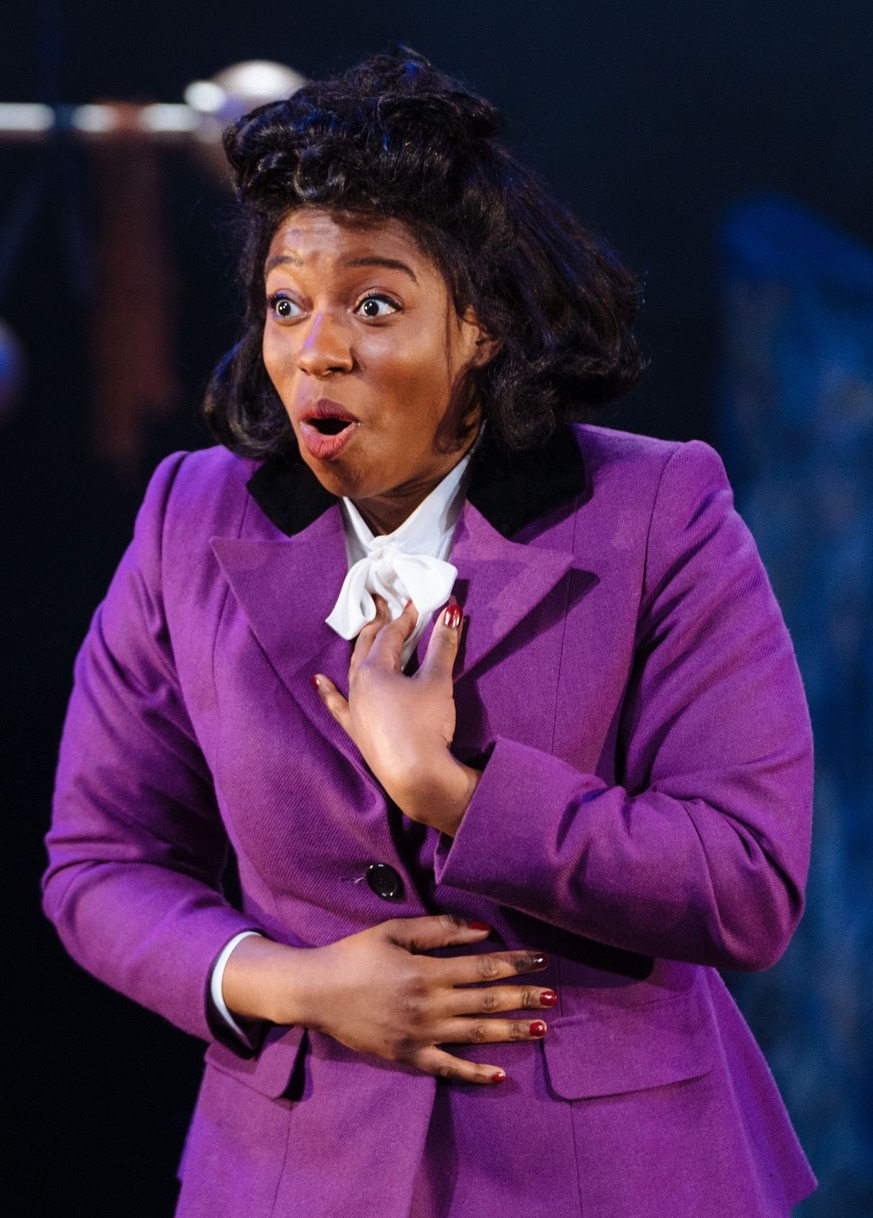
Directed by Matthew Xia, Family Tree is a challenging and confrontational piece of theatre, Adebayo’s writing poetic and arresting. Lacks (Aminita Francis) rises from her grave to undo her erasure, to demand we hear her version of the tale. She’s not alone in the graveyard: three slave women also rest there, finally at peace after enduring years of intrusive experimentation at the hands of the so-called father of modern gynaecology, Dr J Marion Sims. There are three Black NHS nurses too, felled by the pandemic in 2020. Ain (Mofetoluwa Akande) is full of righteous anger, mostly against the ‘Why People’ who claim to be allies until it’s inconvenient. Lyn (Aimée Powell) and Bibi (Keziah Joseph) are quieter and more philosophical, the latter using the leisure time that death affords her to finally read Toni Morrison. Although Lacks’ is certainly the most compelling narrative – she is, quite literally, centre stage – the other women’s stories are important too, contextualising Lacks’ experiences, and showing how she is just one link in a shocking, still ongoing chain. The actors are all electric, their performances poised and bold, intense and heartfelt.

However, despite the painful subject matter, this is not a piece of trauma porn. Although the story is about the horrendous ways Black women have been abused, Adebayo also shows the women’s strength and joy, turning them into dancing goddesses, recognising them for the queens they are.

4.3 stars

Susan Singfield

Dungeons and Dragons: Honour Among Thieves

05/04/23

Cineworld, Edinburgh

Once the domain of a modest group of aficionados, the roleplaying game of Dungeons and Dragons has lately become a worldwide obsession, which perhaps accounts for this big-budget production. It’s presumably been given the ‘Honour Amongst Thieves‘ suffix to differentiate it from the dismal Jeremy Irons movie of 2000, which attempted to walk the same path, but failed to endear itself to critics and viewers alike. Thankfully, this incarnation, directed by John Francis Daley and Jonathan Goldstein, is a different kind of beast entirely. It’s actually great fun.

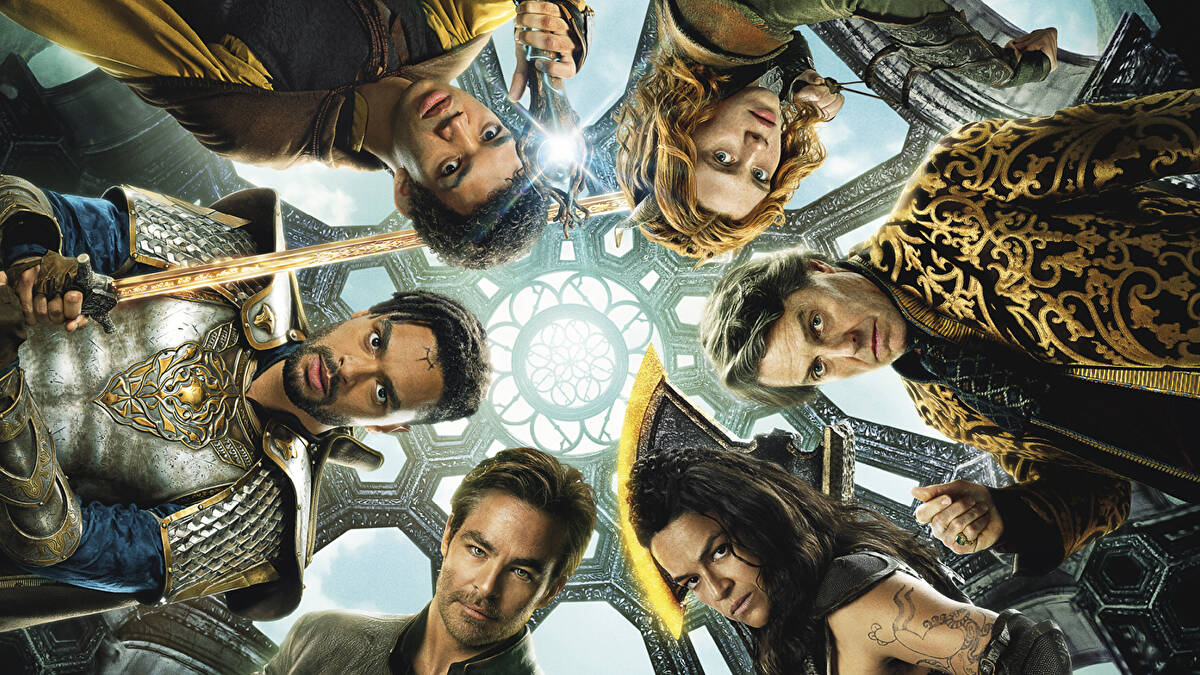
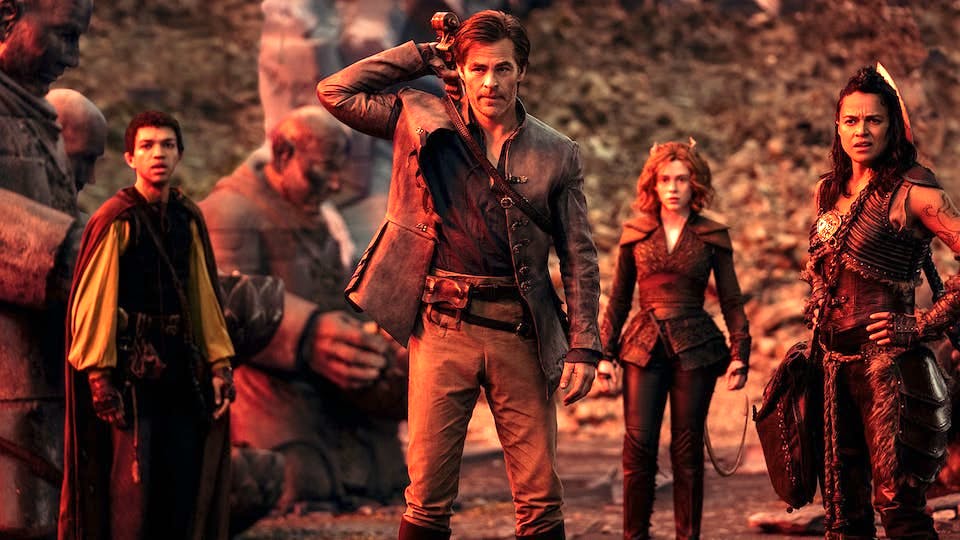
It’s the story of Edgin (Chris Pine) a former Harper (or minstrel), more recently a professional thief. When we first meet him, he’s languishing in prison, sharing a cell with his BF, Holga (Michelle Rodriguez), a kick-ass warrior who never wastes words when her sword can do the talking. She’s also very fond of potatoes. Edgin has a desperate plan to escape from captivity because he needs to get back to his daughter, Kira (Chloe Coleman), who he’s left in the care of his former friend and fellow-thief, Forge (Hugh Grant), after the tragic death of her mother. 

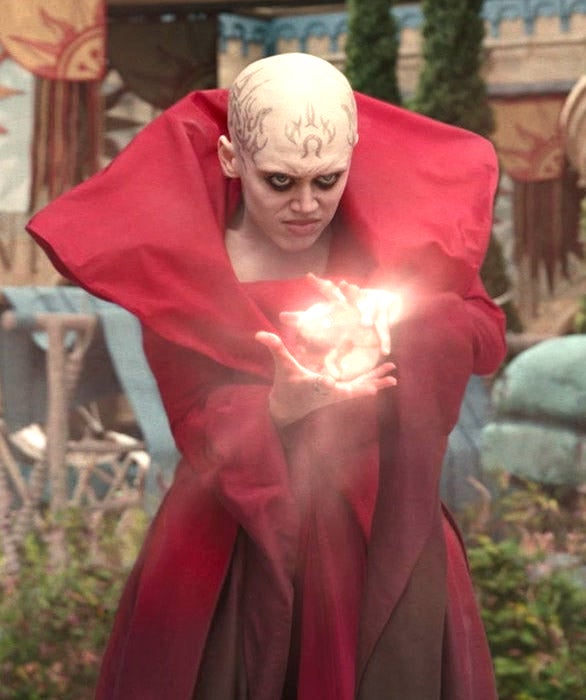
Once out of prison, Edgin hears about a mystical Tablet of Awakening, which has the power to bring a dead person back to life. For obvious reasons, he resolves to find it. So he heads for the city of Neverwinter, where Edgin is now the head honcho, supported by his advisor, the powerful Red Witch, Sofina (Daisy Head). Along the way, Edgin and Holga recruit failed magician Simon (Justice Smith) and shapeshifter Doric (Sophia Lillis) to their cause – and, with the help of the mysterious and ridiculously handsome Xenk (Rége-Jean Page), they set off on a long and complicated quest to find an ancient bronze helmet that will help them locate the fabled tablet. Suddenly, we’re in a heist movie.

If this all sounds horribly generic, relax. Dungeons and Dragons: Honour Amongst Thieves can most accurately be described as a romp, fuelled by a clever script that has a massive trump card up its sleeve, which it’s not afraid to use. Whenever events threaten to become too po-faced, too pompous for comfort, out come the jokes, the quips and the sarcastic asides. It works like a dream.

Yes, there are CGI beasts, including a fearsome dragon; there are huge battles and eye-popping special effects sequences; there are witches and ogres and long-leggedy beasties – but the creators of the film are canny enough not to linger too long on any of these details, allowing Edgin’s quest to move on to the next hurdle, the next obstacle, the next massive punch up. There’s a second trump card in the familiar form of Hugh Grant, who, as the villainous, double-crossing Forge, offers yet another character study of the kind he’s been revelling in ever since his renaissance in Paddington 2. He’s not the only good thing here, but he’s definitely one of the best of them.

It all builds confidently to a genuinely heart-warming conclusion that rounds off the adventure in style. Stay in your seats long enough for a brief, but funny post credit scene!

I’ve no idea if this will appeal to devotees of the game, but as an outsider, I find this D&D adventure a ton of fun.

4.2 stars

Philip Caveney

Wish You Were Dead

04/04/23

Festival Theatre, Edinburgh

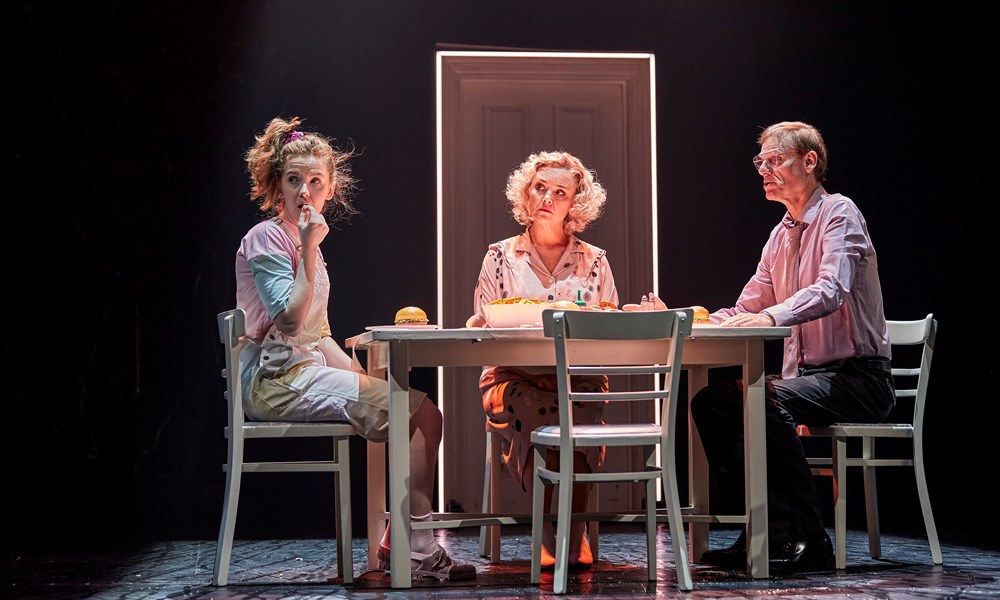
Even hardworking police officers deserve a holiday now and then, which is why Inspector Roy Grace (George Rainsford), his wife, Cleo (Giovanna Fletcher), and their baby son, Noah, are visiting a remote château south of Paris. They’ve brought their resourceful American friend, Kaitlynn (Gemma Stryan), with them to act as chief babyminder. But a combination of bad weather conditions and terrible traffic means that they arrive at their destination far later than scheduled. They’ve been expecting to meet up with Kaitlynn’s boyfriend, Jack, but there seems to be no sign of him – and the place they’ve chosen as their stopover really isn’t what they were expecting. For one thing it’s a chambre d’hôte (a kind of glorified Airbnb) and, what’s more, there’s something very odd going on here…

This sixth stage adaptation of Peter James’ successful Inspector Grace crime series began life as a novella, inspired by a holiday from hell that James and his real life wife endured back in the day. It opens like one of those Bloodbath in the House of Death horror spoofs that we’re all so familiar with. It’s a dark and stormy night; there’s a creepy looking interior complete with a suit of armour; there are baleful paintings on every wall and (quelle horreur!) no internet reception! But any laughter generated here is entirely unintentional. The would-be holidaymakers keep stumbling across ominous clues and, as the plot slowly unravels, a tale of deception and cold revenge is gradually revealed.

But there are issues: too much of the dialogue doubles as exposition and too much of that dialogue is delivered in a declamatory style – while the presence of a swaggering bad guy with an old axe to grind (though decently played by Clive Mantle) is a familiar device I’ve seen too often for comfort.

As events steadily mount to a crescendo, complete with artlessly telegraphed ‘twists’ and decidedly unlikely decisions on the part of the villains of the story, I feel my patience wearing perilously thin. Michael Holt’s set design is impressive and deserves a better tale than the one that’s offered here. The ‘upstairs room’, glimpsed through a gauze screen, is a nice touch – though I’m pretty sure it was used in the previous James adaptation, Looking Good Dead.

In the end, I decide that this production is aimed at avid Peter James fans (of whom there are many) but, if I’m entirely honest, it’s really not for me.

2.5 stars

Philip Caveney

The Spark

04/04/23

Traverse Theatre, Edinburgh

It’s hard to believe it’s taken until now – the 2020s – for the term ‘perimenopause’ to enter popular discourse, although, ironically, my computer has just underlined it in red, signalling an unknown word – so maybe we’ve still got a way to go. Nevertheless, we’re moving inexorably away from hushed murmurings about ‘the change’ and oblique references to ‘hot flushes’, and instead naming all of the physical and mental symptoms of this life-altering process. It turns out it’s not just your periods petering to a halt. No such luck. Instead it’s some or all of the following: joint pain, exhaustion, menstrual cramps, decreased (or increased) libido, mood swings, anger, vaginal dryness, brain fog… it’s quite the gut punch. Almost literally.

In The Spark, playwright Kathy McKean explores the impact of the perimenopause on a politician. Robin (the brilliant Nicole Cooper) is struggling in a system that seems designed to constrain her. And whereas, in her younger years, she might have bitten her lip and done what needed to be done in order to get ahead, she’s at ‘that age’ now, and the fuck-it factor has set in. No, she won’t stand by while a group of men harass a young girl at a bus stop. No, she won’t deliver the anodyne presentation her speech-writer, James (Johnny Panchaud), has concocted – a bowdlerised version of her own from-the-heart first draft. No, she won’t accept that she’s powerless to affect change. Because otherwise, what’s it all for?

Directed by Gordon Barr, the three actors effortlessly illuminate the chaos inside Robin’s head, as her adversarial discussions with both James and her long-suffering GP, Maggie (Beth Marshall), build to a cacophony. Maggie’s got enough problems of her own – and she blames Robin for some of them. After all, Robin was, until recently, the minister for health. She knows how over-worked the nation’s doctors are; how can she possibly think Maggie has time to deal with what seems on the surface like a pretty bog-standard set of symptoms? Except that Robin’s menopausal heat seems to manifesting itself outside her body, and who knows where that will end…

The writing here is sharp and the delivery fast-paced and engaging. The Spark seems like a fitting finale to what has been a particularly strong season of A Play, a Pie and a Pint. It’s not perfect – it’s a simple idea that builds well at first, but doesn’t deliver the shocking crescendo it perhaps should, and maybe takes aim at the wrong target (I can think of many institutions more deserving of a middle-aged woman’s ire than the parliament at Holyrood). But it’s good to see this subject aired, and in such a witty, thought-provoking way.

4 stars

Susan Singfield

The Night of the 12th (La Nuit du 12)

02/04/23

Cameo Cinema, Edinburgh

Written by Gilles Marchand and directed by Dominik Moll, The Night of the 12th features few of the traditional tropes we might expect to find in a crime procedural. It’s based around an (unsolved) real-life murder and, though it occasionally gives the impression that there may be a satisfying solution waiting for us at the film’s conclusion, it steadfastly refuses to supply one. Here is a story that is far more interested in the effects that a crime has on those assigned to investigate it than in the crime itself. It’s a brave decision on the part of the filmmakers but one that – for me at least – feels suspiciously like a game-changer.

It’s the night of October 12th 2016 and Clara (Lula Cotton-Frapier) leaves the house of her friend, Stéphanie (Pauline Serieys), in the picturesque mountain village of Grenoble, to walk the short distance home. But on her way back, she’s approached by a masked stranger, who flings petrol into her face and sets her ablaze. Her body is discovered the following morning, burned almost beyond recognition.

Newly appointed police chief Yohan Vivès (Bastien Boullion) is assigned to head up the resulting murder investigation, assisted by his close friend, irascible older cop, Marceau (Bouli Lanners). Marceau is currently having serious marital issues, which make him even more unpredictable than usual and Yohan spends much of his time reigning in Marceau’s excesses. Yohan also makes a mess of breaking the news of the murder to Clara’s mother.

The team of investigators soon uncover a whole parade of suspicious males, many of whom have, at some point, enjoyed a sexual relationship with Clara. They range from a toxic bully, who has been previously arrested for beating up a girlfriend; a local weirdo living in a squat close to the murder scene; and a rapper, who has openly threatened to ‘burn’ Clara in the lyrics of one of his recorded songs, available to view on YouTube. But what initially promises to be an open and shut case keeps leading the team of investigators along a series of dead ends and, as the days, months and years slip inexorably by, Yohan is increasingly affected by his total inability to make any headway with the case…

The Night of the 12th exerts a powerful grip and its overarching theme appears to be a meditation on the nature of evil. It also explores an awful truth: that it is generally men who commit such terrible crimes against women, and it’s also mostly men who are tasked with solving them. When a new female judge (Anouk Grinberg) takes over, Yohan finds himself reinvigorated by her presence and ready to give the case one last push. But is it a change that’s come too late to be of any help?

Dark, brooding and mysterious, The Night of the 12th will surely infuriate those who prefer their mysteries to have a definitive answer, but it manages to keep me hooked right up to the final frame and, for me, that’s enough to recommend it as one to watch. I’ll be the first to acknowledge, however, that the film won’t be for everyone. Watch this for the journey rather than for the final destination.

4.2 stars

Philip Caveney