Pho

06/01/24

St James Quarter, Edinburgh

We’re not usually big on chain restaurants but, after dashing around the city on an ‘escape hunt’, we end up in the vicinity of the St James Quarter. The friend who gifted us the challenge has generously covered our lunch too – and we’re more than ready for it. Post-Christmas, I’m looking to shed a few pounds, so we need to find somewhere offering a healthy range. Pho seems to fit the bill.

I know it’s a contentious issue, but the 2022 law requiring businesses with more than 250 employees to display calorie information on their menus is useful to me today. I’m tracking my consumption, and it’s great to know that I can enjoy two courses without derailing myself.

For my starter, I have cuốn diếp chay (spicy salad rolls), which come in at an almost unbelievable 44 calories. They’re fresh and vibrant: strips of raw vegetables, enoki mushrooms and herbs wrapped in a lettuce leaf and served with a very more-ish peanut sauce. Philip has a Nem hải sản (a seafood spring roll), which is large, crispy and filled with king prawn, crab and pork. He says it’s crunchy, not at all greasy and packs a real punch.

For my main, I want a cauliflower rice bowl with char-grilled chicken, but I’m told there’s no cauliflower rice today. ‘Real’ rice takes me over my allowance, so I opt for the Phở gà instead. This Vietnamese rice-noodle soup (347 calories) is no mean substitute: the broth is fragrant, the chicken nicely cooked and the noodles as slippery and delicious as you’d expect. I especially like the side plate of fresh herbs, allowing me to tailor the dish to my own taste. Philip opts for the phở xào (wok-fried noodles) with chicken and prawn. This is a delightful dish, full of earthy goodness, replete with lemongrass, chilli and Asian greens.

We’re not drinking at the moment, so we’re pleased to see a good range of soft and alcohol-free beverages. Philip samples the Freestar 0.5% lager, while I try a Negroni spritz. Both hit the requisite spots. We enjoy the eclectic juke box too, and the lively, buzzing atmosphere.

All in all, we’re impressed. If you’re looking for a quick healthy lunch in the city, you could do a lot worse than Pho.

4.3 stars

Susan Singfield

Ferrari

04/01/24

Cineworld, Edinburgh

Director Michael Mann has been plying his trade since the late 60s, with varying degrees of success, occasionally coming up with pure gold with films like The Last of the Mohicans and Heat. Recently, he’s concentrated on more personal works and Ferrari is very much a passion project, something he’s been tinkering with for years, based on a screenplay by the late Troy Kennedy Martin.

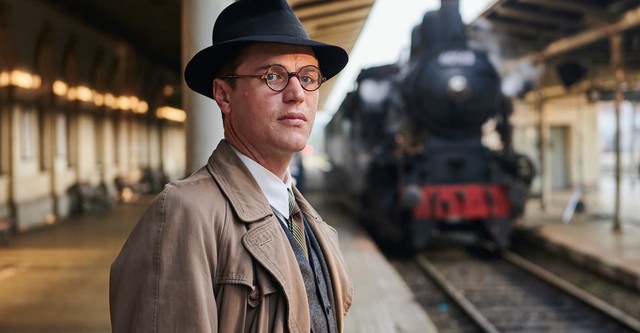
It’s not the kind of biopic we might have expected, but instead focuses on a single turbulent year in Enzo Ferrari’s life(1957), when his iconic sports car company is speeding dangerously close to extinction, mainly because Enzo (a convincingly-aged Adam Driver) is much more interested in his cars winning races than he is in selling them.

Meanwhile, his domestic life is also a holy mess. Since the untimely death of his much-loved son, Enzo has become estranged from his wife, Laura (a smouldering Penélope Cruz, threatening in every scene to steal the film from its titular hero). Enzo is spending much of his spare time in the company of his mistress, Lina (Shailene Woodley), with whom he has another son. This seems to be an open secret in Enzo’s neighbourhood of Modena, but Laura is yet to find out – and there are sure to be fireworks when she does.

And then Enzo’s business manager gives him an ultimatum. If he wants to sell enough cars to save the company, he must enter – and win – the gruelling Mille Miglia road race, at the same time seeing off his main competitor, Maserati. If he fails, it will be game over.

So, no pressure.

Ferrari is a handsome production, the 1950s era convincingly evoked right down to the last detail. Despite the nominative determinism, Driver doesn’t get to sit behind a steering wheel unless you count the knackered old jalopy in which he putters around the countryside. It’s left to younger men like the ambitious Alfonso de Potago (Gabriel Leone) or old hand Peter Collins (Jack O’Connell) to climb into those vintage cars and send them roaring around the track.

The racing scenes are perhaps the film’s strongest suit, the cars screaming along country roads with such visceral intensity you can almost smell the petrol, feel the wheels juddering beneath you. Incredibly, the cars had no roll bars back then, not even seat belts, so accidents were generally disastrous. One such scene is so brilliantly staged it actually has me exclaiming two words out loud (the first of them being ‘Oh!’). In another sequence, a nerve-wracking race is intercut with scenes of Enzo at a church service, amplifying the point that, in Modena, sports car racing is perceived as a kind of religion. And I Iove the scene on the eve of Mille Miglia where drivers write letters to their partners, for all the world like soldiers about to go into battle.

There’s plenty to enjoy in Ferrari but it won’t be for everyone. Petrolheads will doubtless feel that there isn’t enough actual racing to keep them happy, while the many scenes of marital discord and the various wheelings and dealings behind the scenes can sometimes feel suspiciously like padding. But there’s no doubting Mann’s obsession with his subject and his ability to capture every detail with considerable flair.

Ferrari offers a distinctly bumpy ride, with no opportunity to strap in.

3.6 stars

Philip Caveney

One Life

02/01/24

Cineworld, Edinburgh

One Life, written by Lucinda Coxon and Nick Drake, is the true story of Nicholas “Nicky” Winton (played at different life stages by Johnny Flynn and Anthony Hopkins), the self-effacing man who orchestrated his own Kindertransport, managing to rescue over six-hundred children from Nazi occupied Czechoslovakia in 1938.

Winton never sought recognition; despite this extraordinary endeavour, he was by all accounts a resolutely ordinary man. But, fifty years on, urged by his wife, Grete (Lena Olin), to tackle the clutter in his study, he finds himself confronted by an old scrapbook, carefully detailing the names and foster homes of the refugees he helped. It’s an important artefact and Winton doesn’t want it to languish unseen in a library. The plight of the Czechs at the start of the war must not be forgotten; the scrapbook must be seen, must be used as a reminder that it’s our duty to help those in need.

Winton approaches his local press but they don’t know what to do with it. Undeterred, he calls on his erstwhile colleague, Martin Blake (Ziggy Heath/Jonathan Pryce), to see if can pull any strings and, before long, Elizabeth Maxwell is on board. From there, it’s not a great leap to the pages of the Daily Mirror, owned by her husband, and thus to wider recognition. Readers of a certain age might remember the 1988 episode of the always tonally-uneven That’s Life! where Esther Rantzen (played with gusto by Samantha Spiro) veered from tittering about nominative determinism to reuniting Winton with some of the youngsters he helped, now middle-aged and keen to meet their saviour.

But Winton was always quick to point out that he didn’t work alone, that he was just one member of a team, so I shouldn’t neglect to mention the others here. Along with Blake, Doreen Warriner (Romola Garai) and Hana Hejdukova (Juliana Moska) worked tirelessly in Prague, identifying those in need of refuge and sorting out their paperwork. Meanwhile, Nicky’s mother, Babette (a rather magnificent Helena Bonham Carter), slogged away in the UK, fundraising, finding foster families and chivvying the government.

Hopkins’ performance is heartbreaking. It’s hard to convey the inner turmoil of a quiet and unassuming man, but Hopkins makes it look easy. In his face, we see how Winton’s sadness about the children he couldn’t save clouds his whole life, even as he’s lauded for what he has achieved. Flynn is a surprisingly good physical match for Hopkins, and he perfectly encapsulates the younger Winton’s clarity and sense of purpose. The children need saving. So he saves them.

I don’t know how anyone can sit through this film without weeping. The cruelty inflicted on the Jews is breathtaking. Director James Hawes doesn’t dwell long on any one act of inhumanity. Instead, he shows us snippets of frightened faces, close-ups of guns, a family huddled together under a blanket, the thin arm of an evacuee stretching piteously towards a parent. Heightened by Volker Bertelmann’s moving score, the cumulative effect is devastating. I don’t want to believe that such evil is possible.

669 only accounts for a small percentage of those who needed help, but every one of those is a person; every one of those matters. Winton’s stoic “Save one life, save them all” mantra stands, and this clear-eyed, unsentimental film shows us why.

4.3 stars

Susan Singfield
Brief Encounter

30/12/23

Royal Exchange Theatre, Manchester

It’s my birthday (hurrah!) and I’m in Manchester, visiting my daughter and her husband, which is already a massive improvement on last year. (In 2022, Susan and I found ourselves stranded in Carlisle for two nights when flooding interrupted our train journey back to Edinburgh. Deep joy.) As an added bonus, we’re also visiting the Royal Exchange Theatre, always a favourite venue when we actually lived in this neck of the woods. 

Tonight, we’re seeing Emma Rice’s adaptation of Noël Coward’s Brief Encounter, perhaps most fondly remembered for David Lean’s iconic 1945 film adaptation. But of course, it began life as a theatre production in a collection of works entitled Tonight at 8.30. Rice has had the brilliant idea of incorporating some of Coward’s songs into the narrative, making it not exactly a musical so much as a play with music cleverly incorporated into the narrative, with four musicians onstage throughout. This is an ambitious move and much more interesting than a straight recreation of its much-adored progenitor.

The plot is so familiar I won’t spend too much time recounting it. Laura (Hannah Azuonye) is awaiting her train at Milford Junction when she gets a bit of grit in her eye. GP Alec (Baker Mukasa), who happens to be having a cup of tea in the café when she stumbles in, comes to her assistance. From this inconsequential incident a friendship develops, which becomes increasingly problematic as the twosome keep bumping into each other. All too soon, they realise they are falling in love. 

But both of them are happily married and are tortured by the thought of deceiving their respective partners. So what should they do for the best?

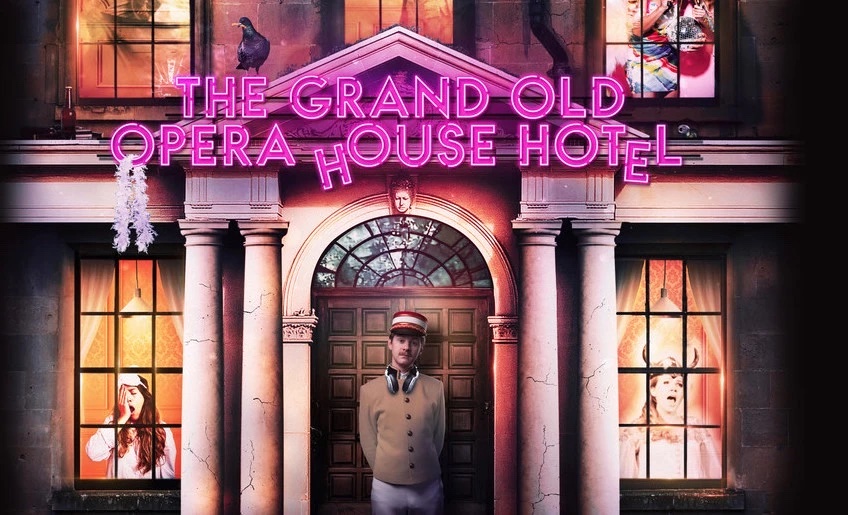
Anyone familiar with Lean’s film will be aware that Rice sticks fairly close to that script (something that we confirm by rewatching it on the long journey home the following day), but she does some astute restructuring. Some of the film’s minor characters are given more developed roles here: the relationship between railwayman Albert (Richard Graves) and cafe manager Myrtle (Christina Modestou, most recently seen by B & B at the Edinburgh Fringe in the wonderful Grand Old Opera House Hotel) is more prominent and there’s also a developing romance between café worker Beryl (Ida Regan) and porter Stanley (Georgia Frost). The contrast between the polite conversations of the middle-class protagonists and the earthy, working-class station employees is effectively captured.

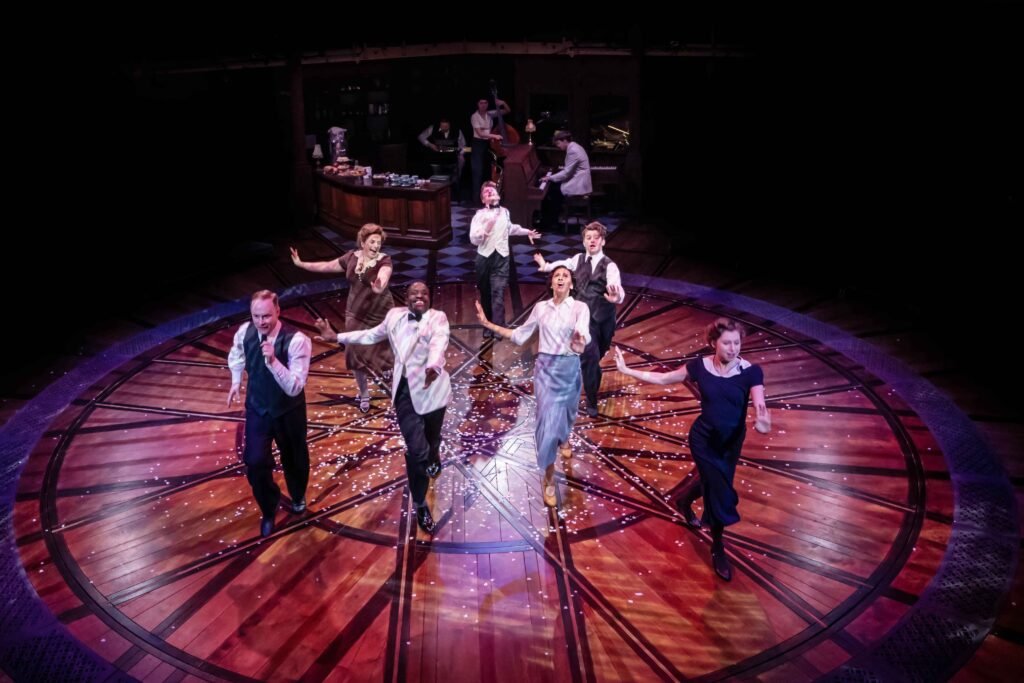
At key moments, the actors slip effortlessly into one of the ‘The Master’s’ torch songs, giving the proceedings a louche, cabaret feel, and there’s a brilliantly-choreographed routine where the whole cast move around the Exchange’s circular stage to a series of different musical pieces, culminating in a frenzied jitterbug. The performances are all exemplary, but I particularly enjoy Modestou’s soulful rendition of No Good at Love and Regan’s plaintive interpretation of Mad About the Boy

There’s also a delightful coup de théâtre involving the big station clock that hangs over the proceedings, while hats should also be lifted to the versatile Matthew Allen, who handles a whole string of smaller roles, singing, tap dancing and, at one point even playing the flipping saxophone! 

Sarah Frankcom directs with considerable skill – I fondly recall seeing her delightful production of Blithe Spirit in this very theatre, way back in 2009 – and, all in all, this is a delightful and occasionally surprising production that celebrates the spirit of its illustrious predecessor.

4.2 stars

Philip Caveney

THEATRE BOUQUETS 2023

In 2023, despite the King’s Theatre being out of action due to its long-awaited refurb, Edinburgh still had more than its fair share of exciting shows. We’ve somehow managed to narrow it down to our favourite ten, but if we’ve missed something, be sure to let us know about it!

Macbeth – An Undoing (Lyceum Theatre, Edinburgh)

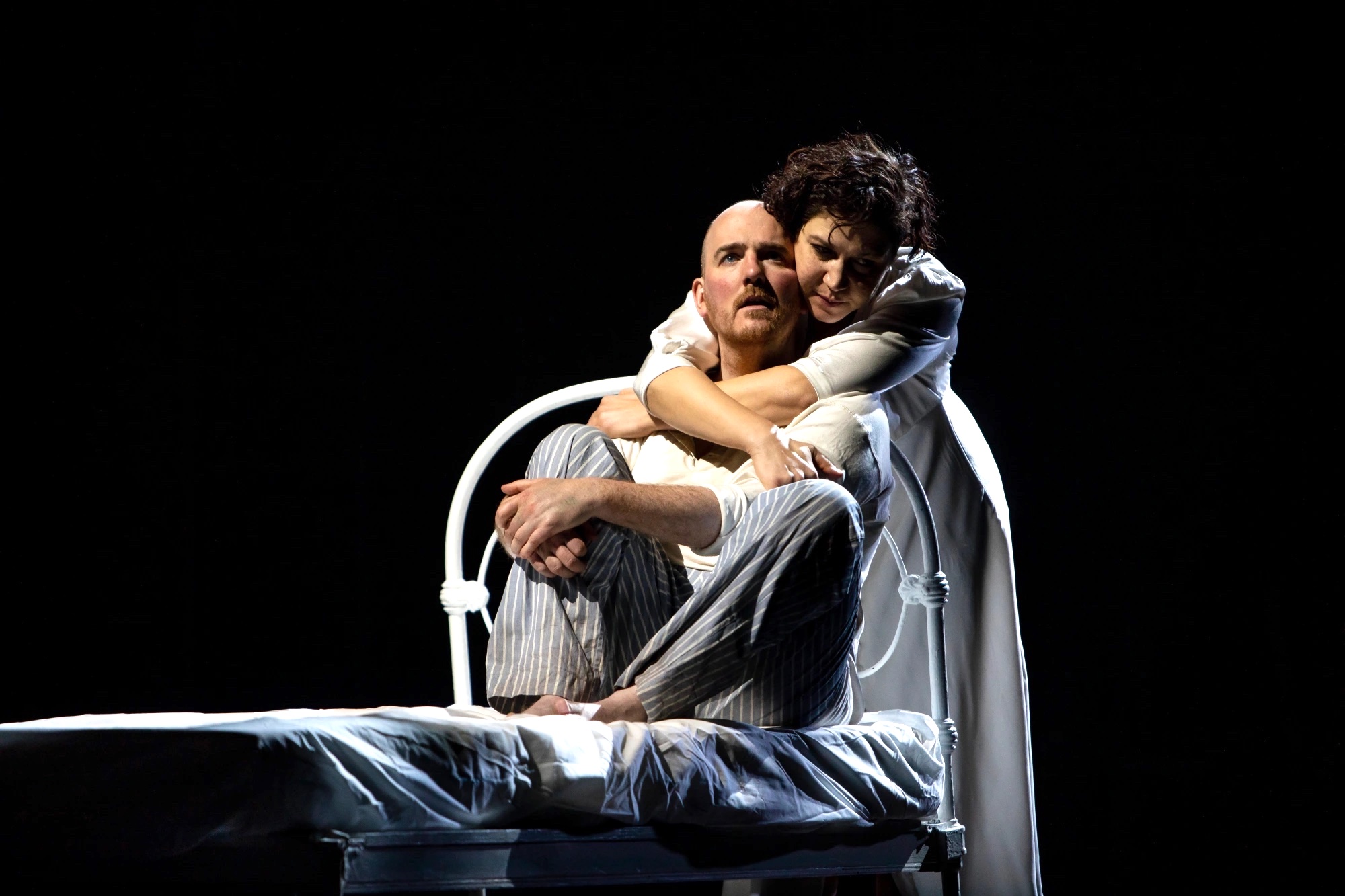
“Harris’s adaptation is bold, daring and witty. I love the idea of the witches as servants: it makes perfect sense. They’re the eyes and ears of the house, privy to the paperwork the Macbeths have drawn up, witness to intimate moments and careless asides. Invisible. Ignored.”

The Ocean at the End of the Lane (Festival Theatre, Edinburgh)

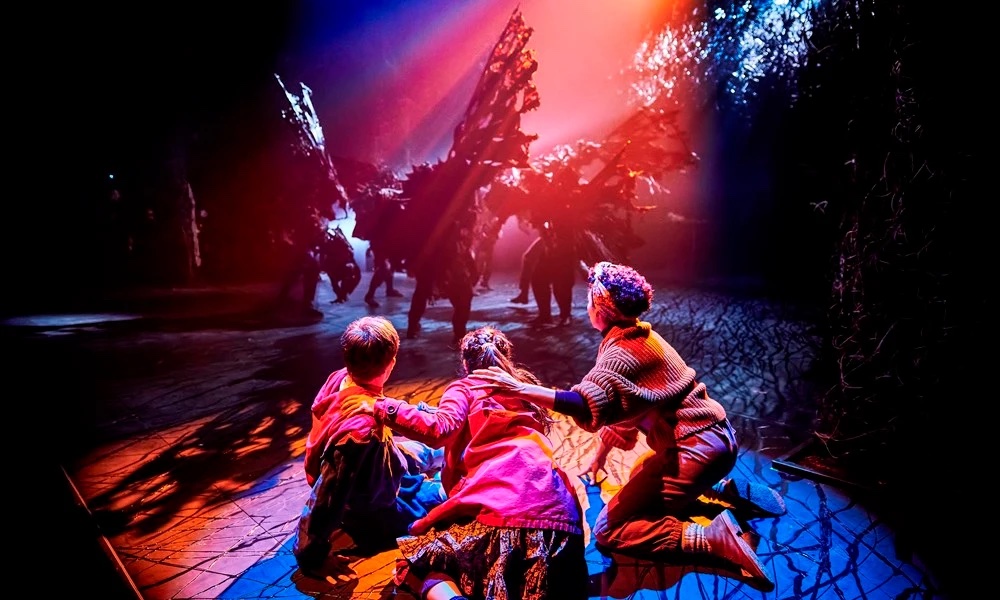
“A sequence featuring a whole series of illuminated doorways through which Ursula disappears and reappears is so brilliantly played that I find myself gasping aloud at each new revelation.”

The Grand Old Opera House Hotel (Traverse Theatre, Edinburgh)

“A piece that fearlessly swings for the fences and hits all of its targets bang on. Part slapstick, part comic-opera, part mad-as-a-box-of-frogs spectacle, this is something you really don’t want to miss.”

Bloody Elle (Traverse Theatre, Edinburgh)

“This queer love story offers a wonderful celebration of the affecting powers of first love and Lauryn Redding takes us by the hand and leads us through the experience.”

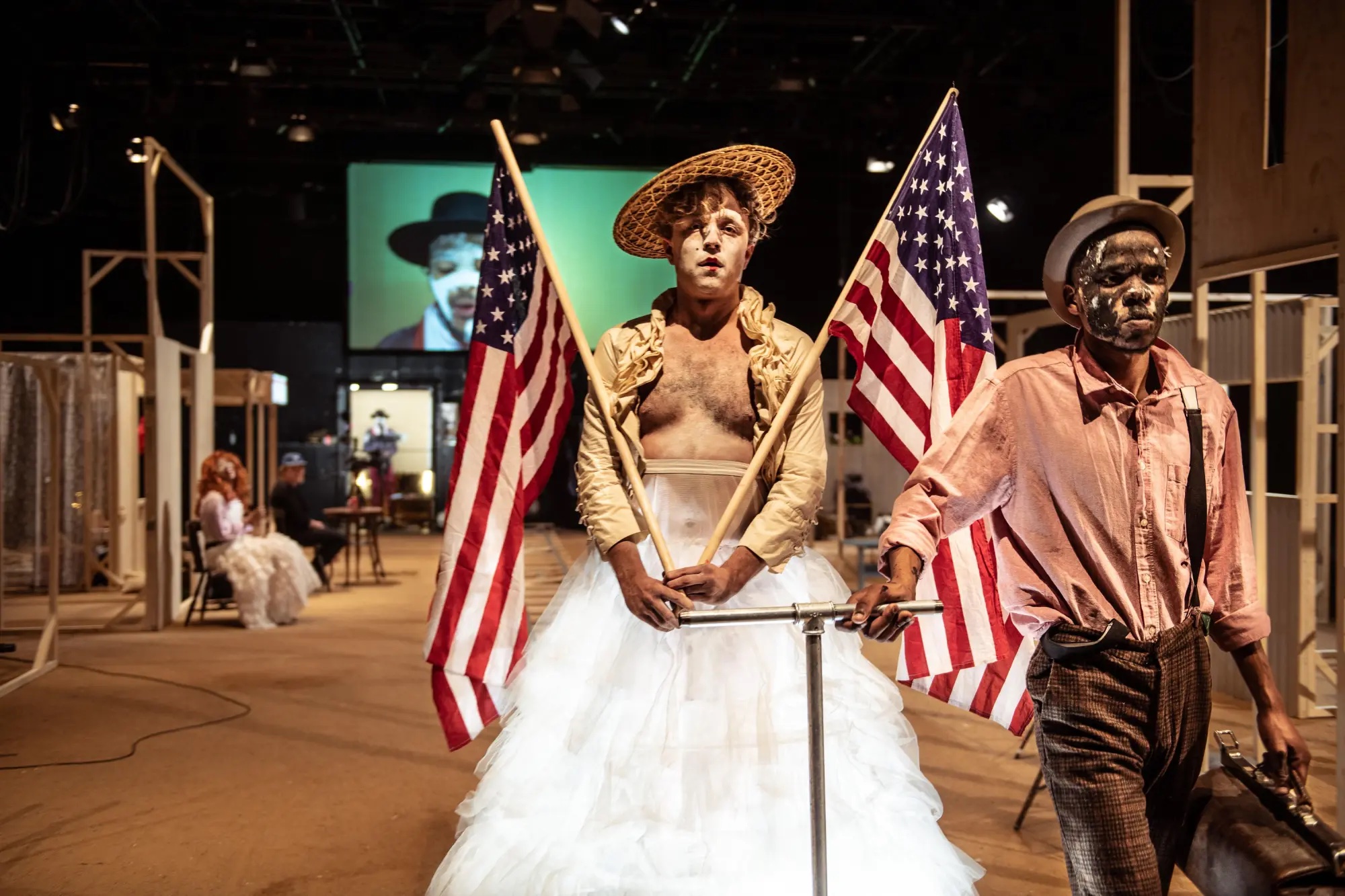
Dark Noon (Pleasance EICC, Edinburgh)

“A unique piece of devised theatre, sprawling and multi-faceted. It’s sometimes funny, but more often it’s shocking and humbling. At the conclusion, the sell-out crowd rises to its collective feet and the applause reverberates around the room like thunder.”

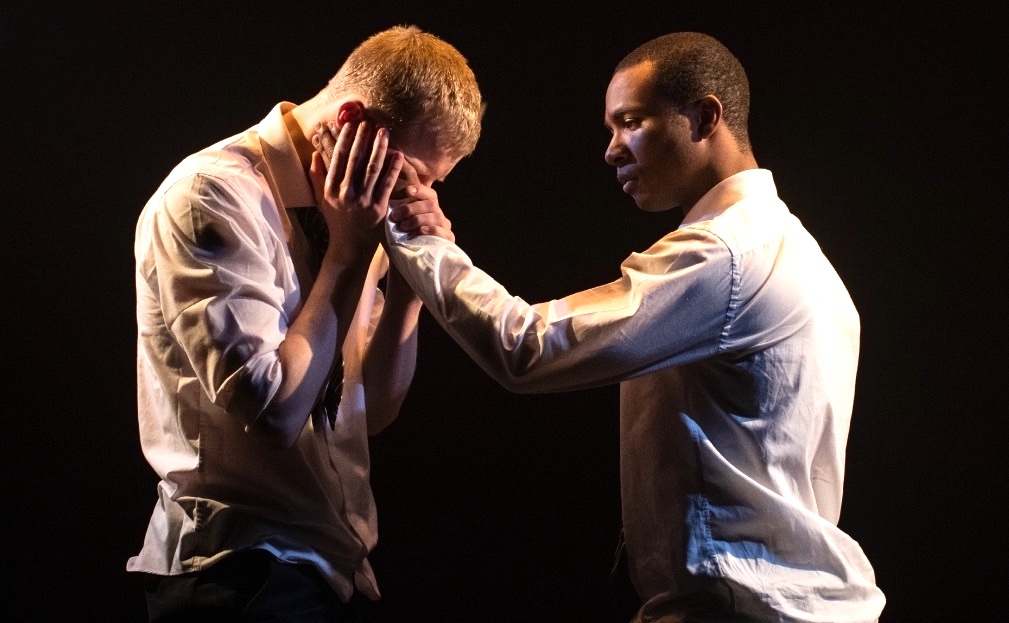
Bacon (Summerhall, Edinburgh)

“A whip-smart, tightly-constructed duologue that pulls me into its tenacious grip and holds me spellbound as the story unfolds, cutting back and forth between the two boys’ home lives, their developing relationship, their triumphs and disasters.”

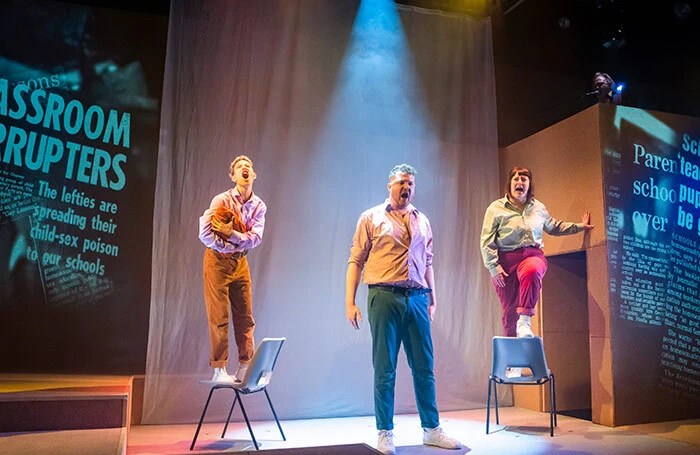
After the Act (Traverse Theatre, Edinburgh)

“A triumphant piece of theatre. Stevens skewers Margaret Thatcher’s self-righteous ignorance in a comical depiction of the ex-PM: if she sounds ridiculous as she defends her nasty law, they’re her own words; she’s hoist by her own petard.”

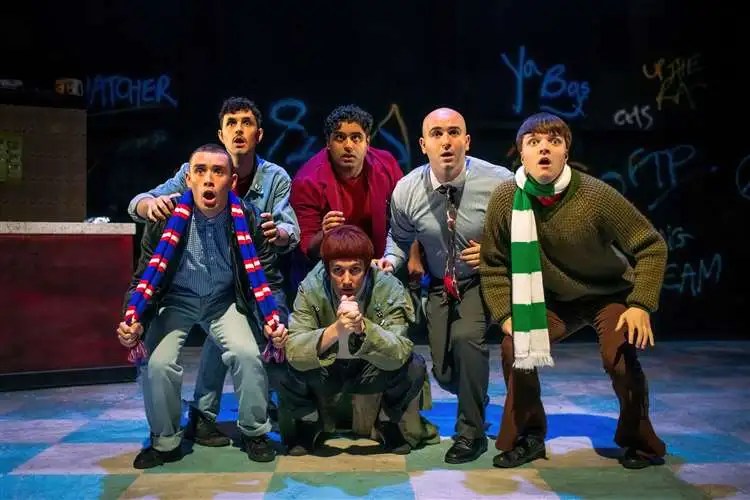
Moorcroft (Traverse Theatre, Edinburgh)

“A fabulous slice of theatre that moves effortlessly through a whole series of emotions. It swerves from raucous hilarity to visceral anger to heartrending tragedy with all the sure-footed precision of a well-drilled team.

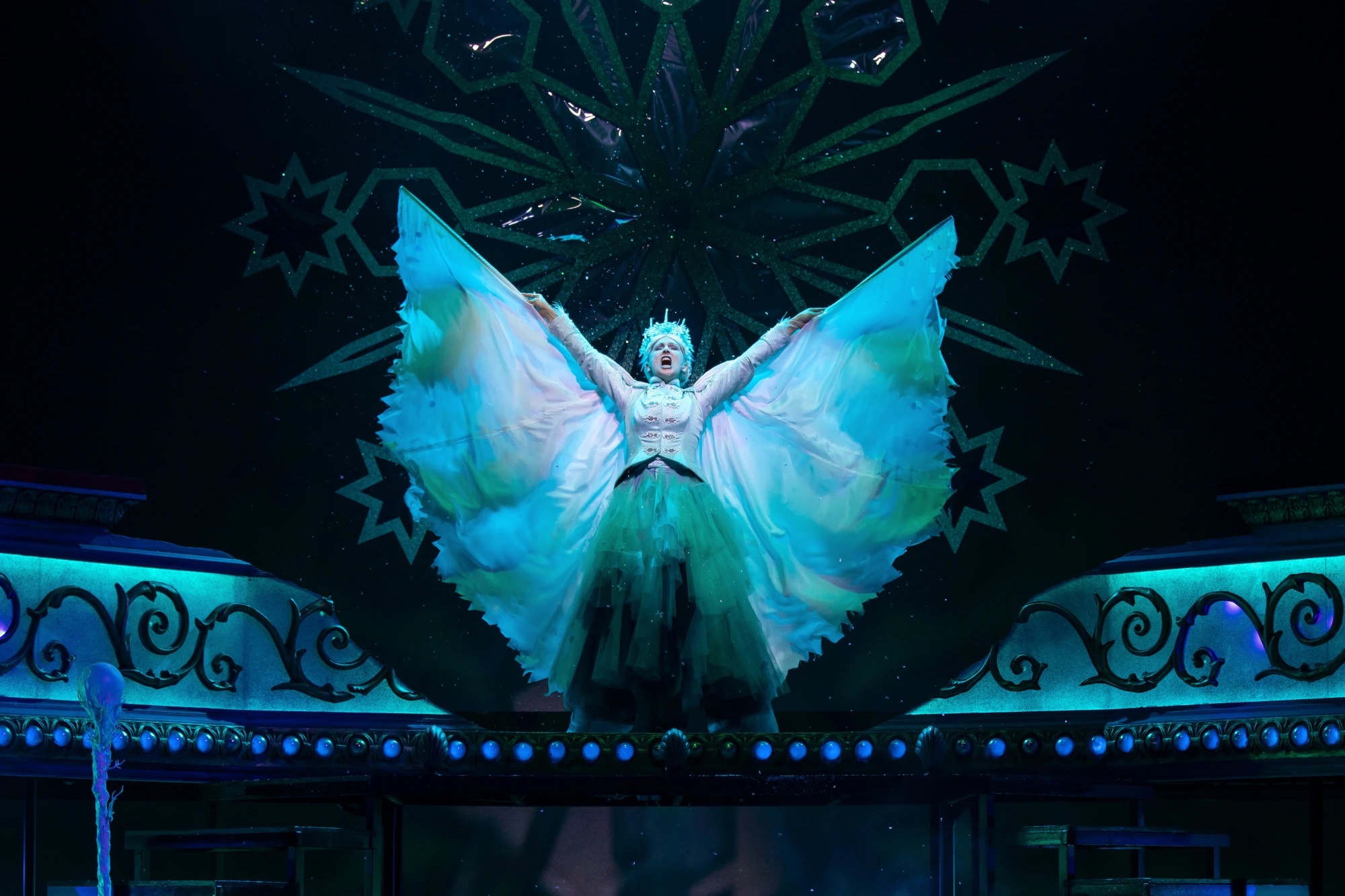
The Snow Queen (Lyceum, Edinburgh)

“In this very Scottish adaptation, Morna Young illuminates the story’s season-appropriate warm heart. This production is as bold and vivacious as everything we’ve seen Cora Bissett direct”

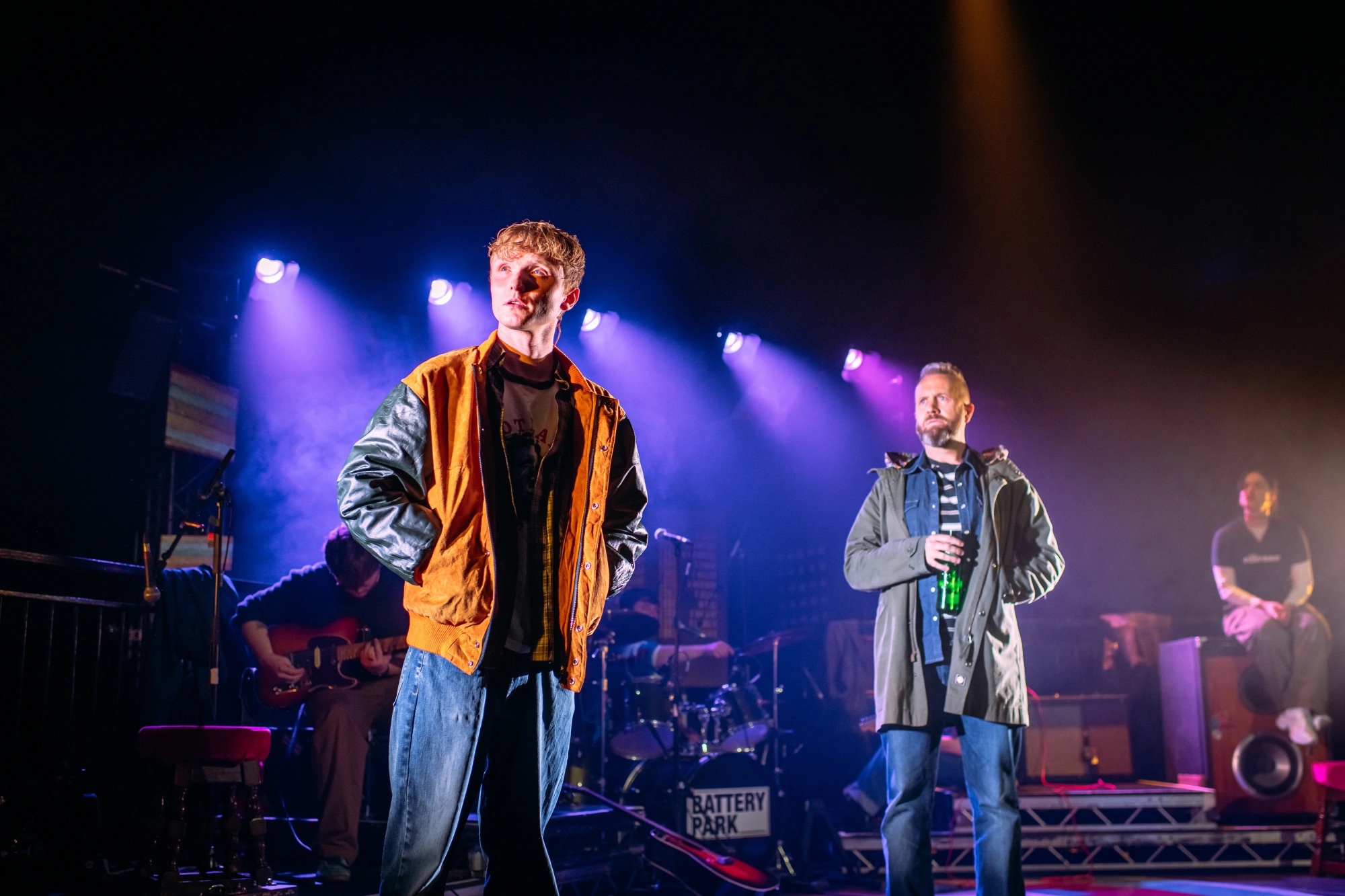
Battery Park (Traverse Theatre, Edinburgh)

Battery Park captures the sweaty exuberance of a band’s early days with absolute authority, providing an inspired mix of drama and high-octane rock. As gig theatre goes, this is a perfect example of the craft.”

Susan Singfield & Philip Caveney
FILM BOUQUETS 2023

In 2023 we were gifted a rich and diverse selection of films. Indeed, there was so much to choose from we’ve had a very hard time picking out our ten favourites, but here they are in chronological order. Did we miss anything? Let us know if your favourite movie of 2023 hasn’t made our list!

Empire of Light

“This charming and affecting movie has me entranced from its opening shot to its final frame, and I suspect that anybody with a genuine love of film is going to have a similar experience.”

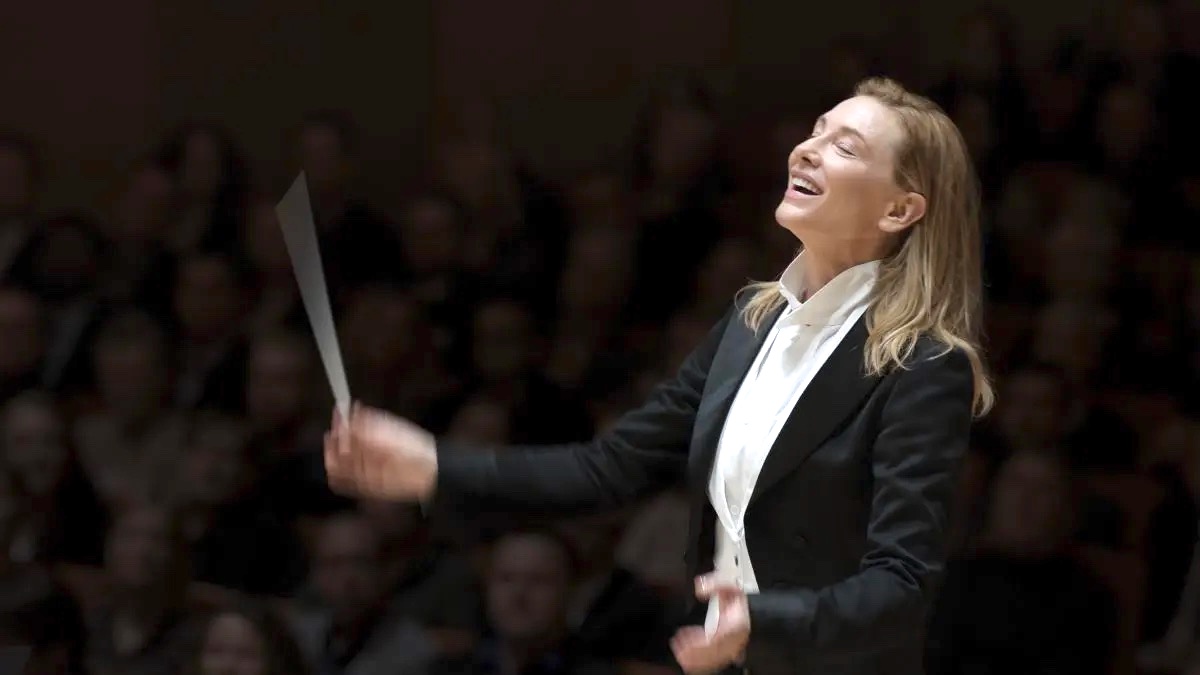
Tár

“This is a fascinating film, so densely packed I know I need to watch it again (something I rarely do). Quite simply, Tár is a masterpiece.”

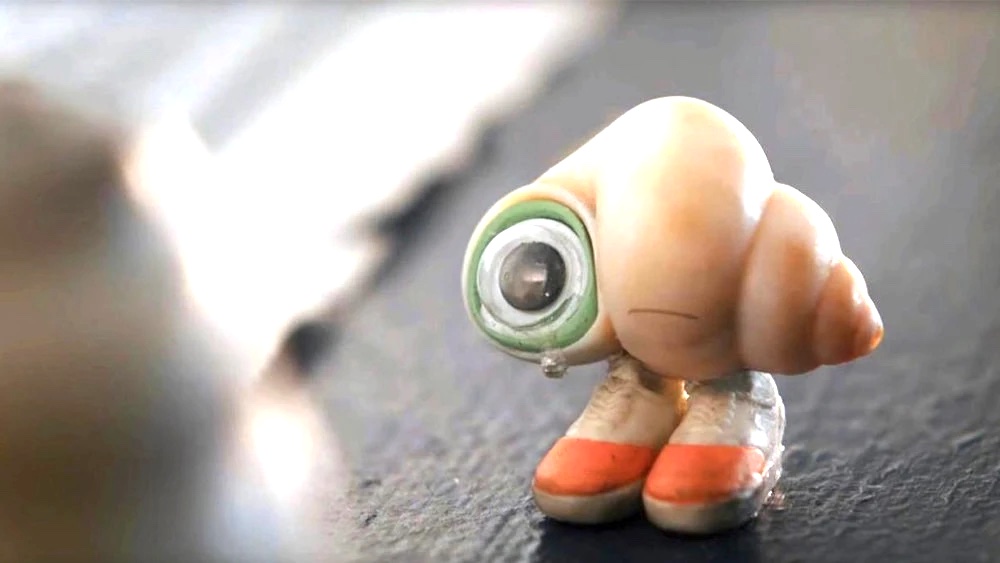
Marcel the Shell with Shoes On

“Be warned: all but the most cynical will be in serious danger of falling head-over-heels for Marcel’s considerable charms.”

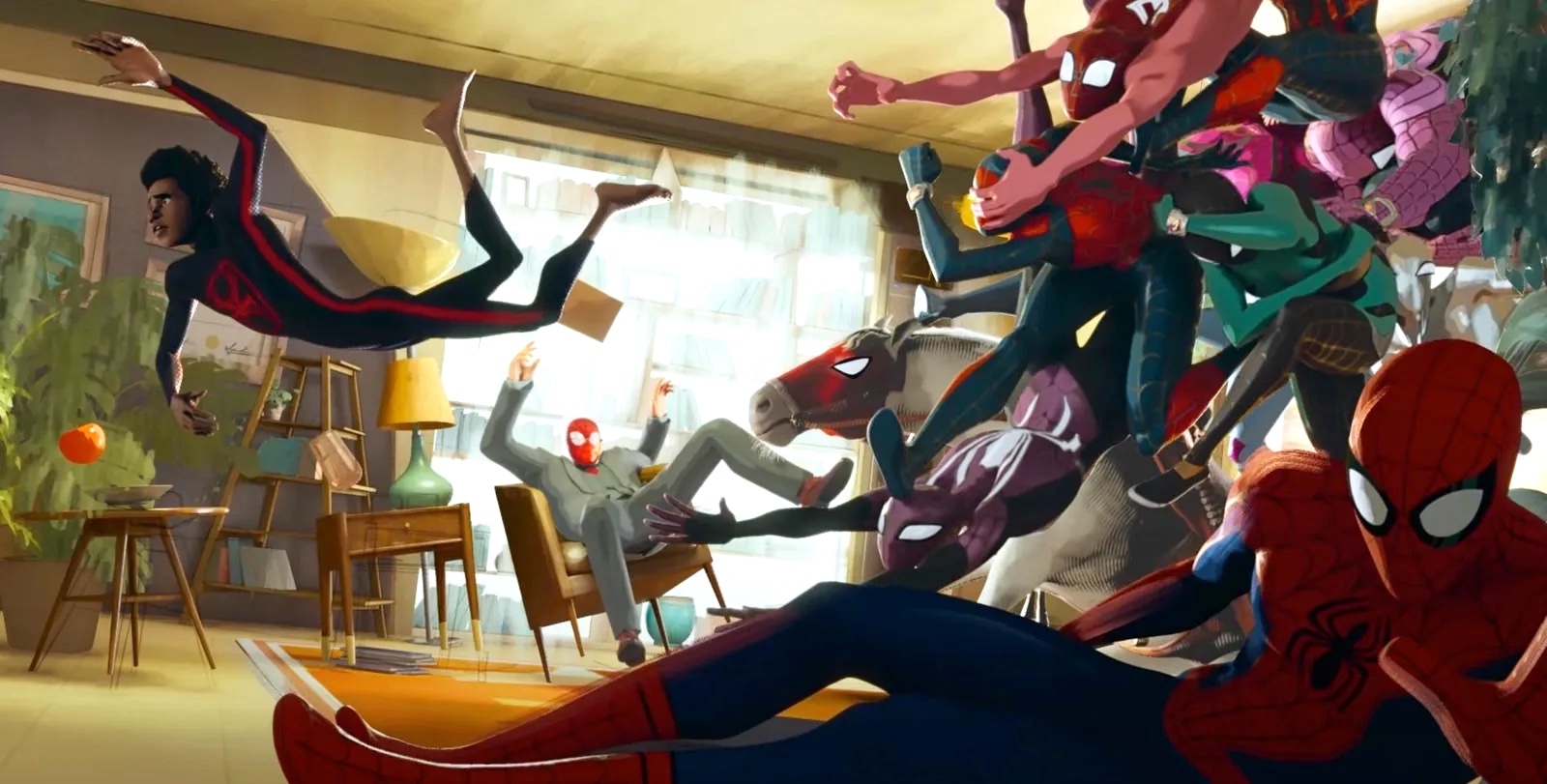
Spider-Man: Across the Spider-Verse

“The true triumph is the ever-changing beauty of the many different art techniques used to illustrate the story: from realist to impressionist; from pastel shades to psychedelia.”

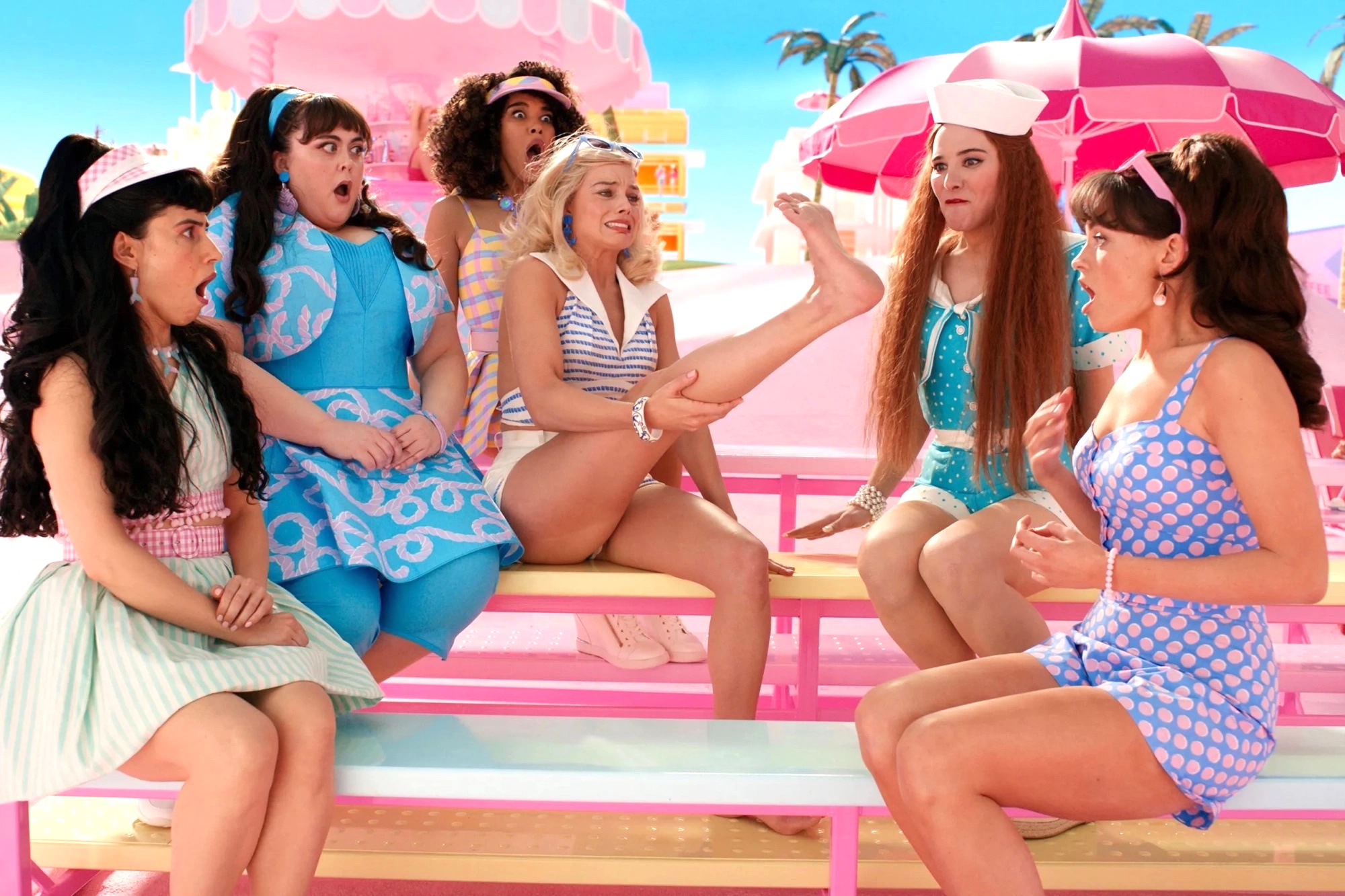
Barbie

“Gerwig doesn’t just walk the thin line between celebrating and critiquing Barbie: she jumps up and down on it, turning somersaults and waving cheekily.”

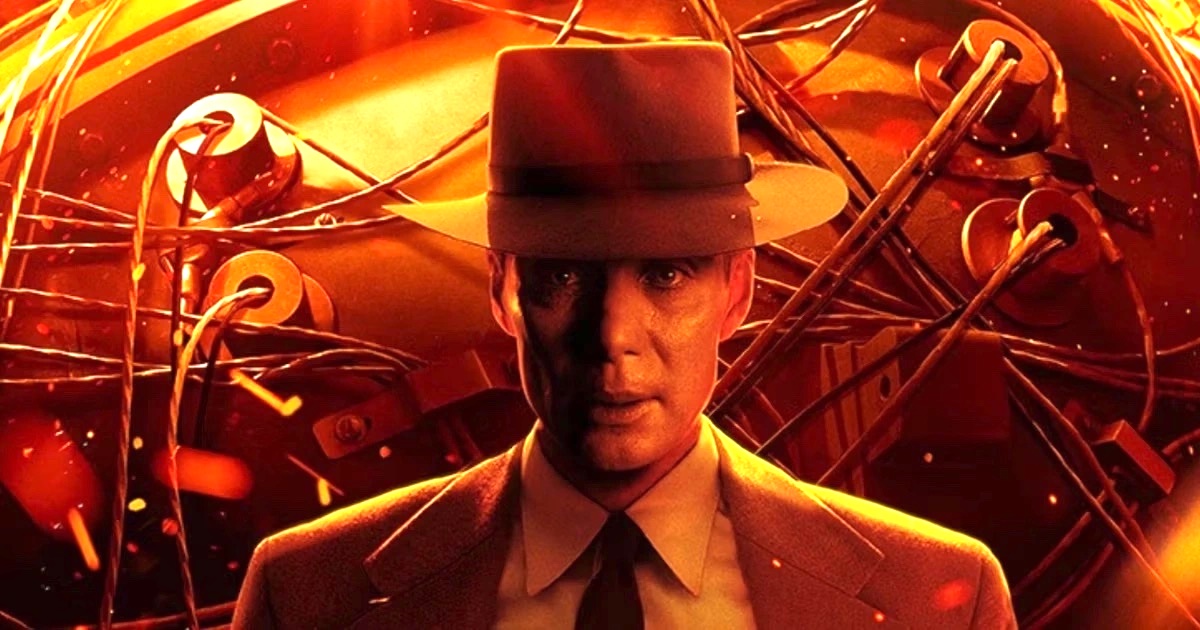
Oppenheimer

“Murphy’s chiselled features seem to stare out of that giant screen as if appealing for understanding for the torture he’s going through, the awful weight of responsibility resting on those narrow shoulders.”

Past Lives

Celine Song has created a narrative so assured, so brilliantly handled, it’s little wonder that critics around the world have fallen for its charms.”

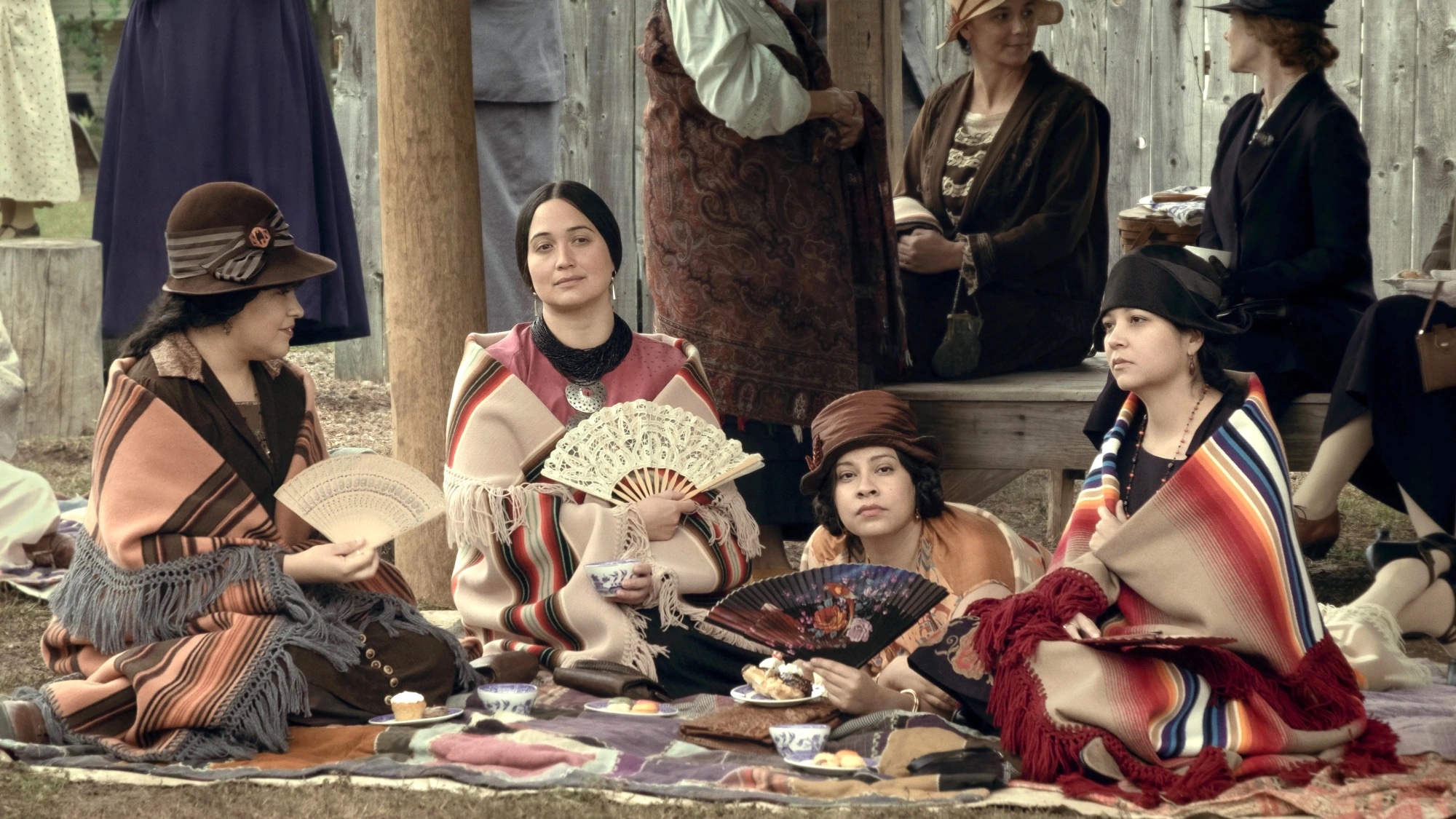
Killers of the Flower Moon

“There’s no doubt that this true story, based on the book by David Gran, makes for compelling viewing – and the film’s two-hundred-million dollar budget ensures that Scorcese’s evocation of the era is beautifully realised.”

The Creator

“Considerably more nuanced than most sci-fi adventures and I find myself constantly impressed by the film’s invention, the grubby reality of the AI creations that populate this imagined world.”

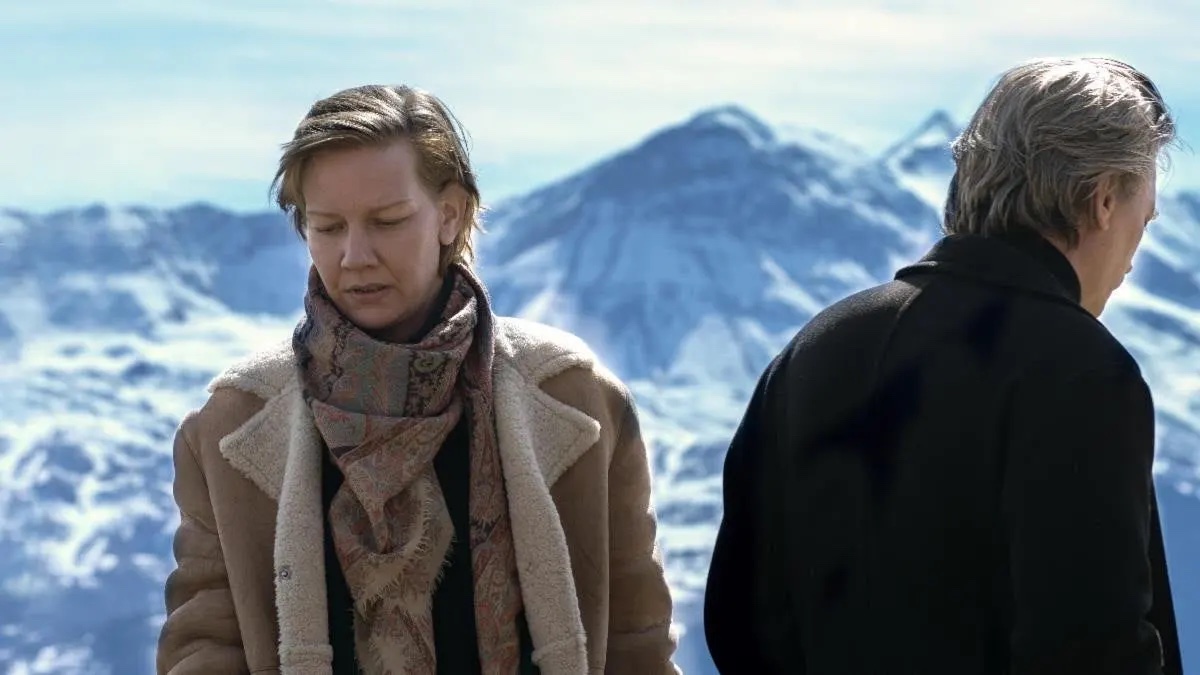
Anatomy of a Fall

“A strange beast indeed, a film that becomes increasingly compelling as it moves ever further away from anything approaching a straightforward resolution.”

Philip Caveney & Susan Singfield
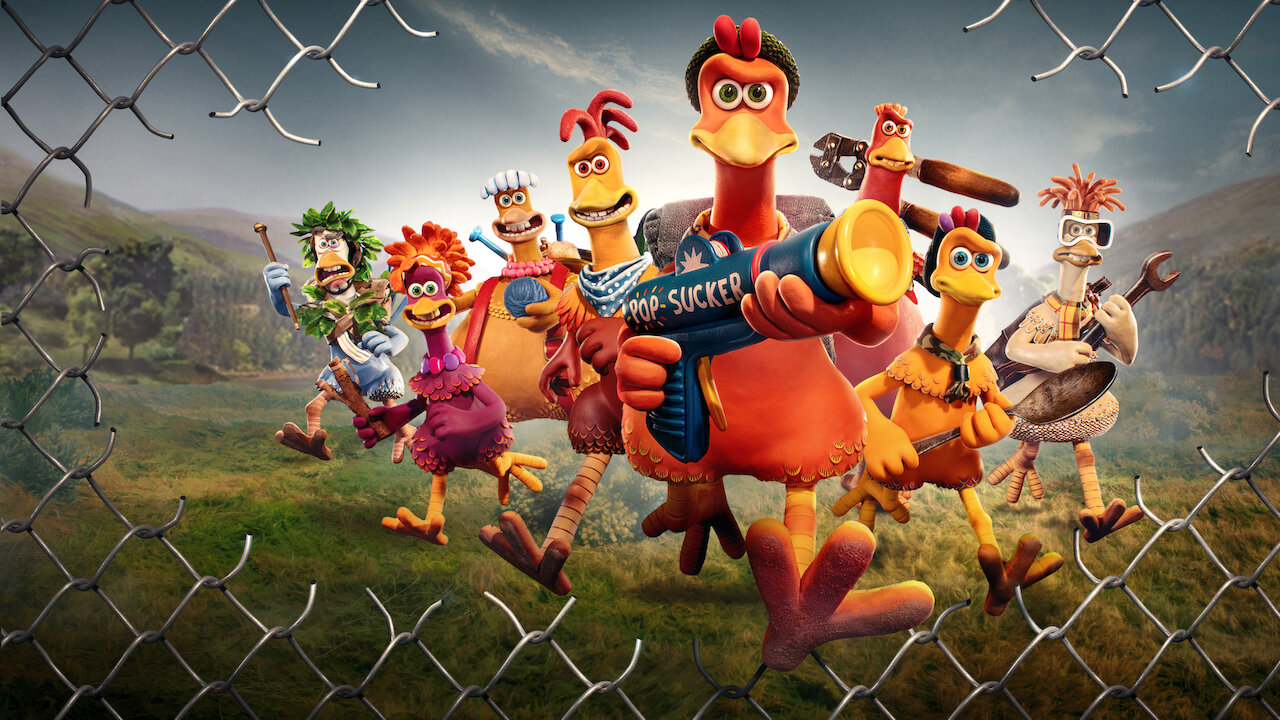
Chicken Run: Dawn of the Nugget

24/12/23

Netflix

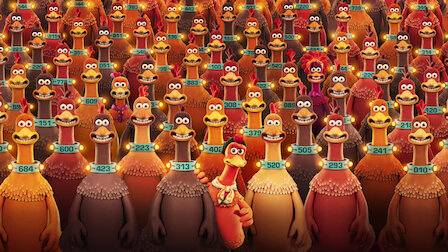
The trend for films being financed by (and galloping with indecent haste to) Netflix continues. Aardman Animations’ tardy sequel to Chicken Run is just the latest example of something that would have looked so much more impressive on a giant screen than it does on the average telly.


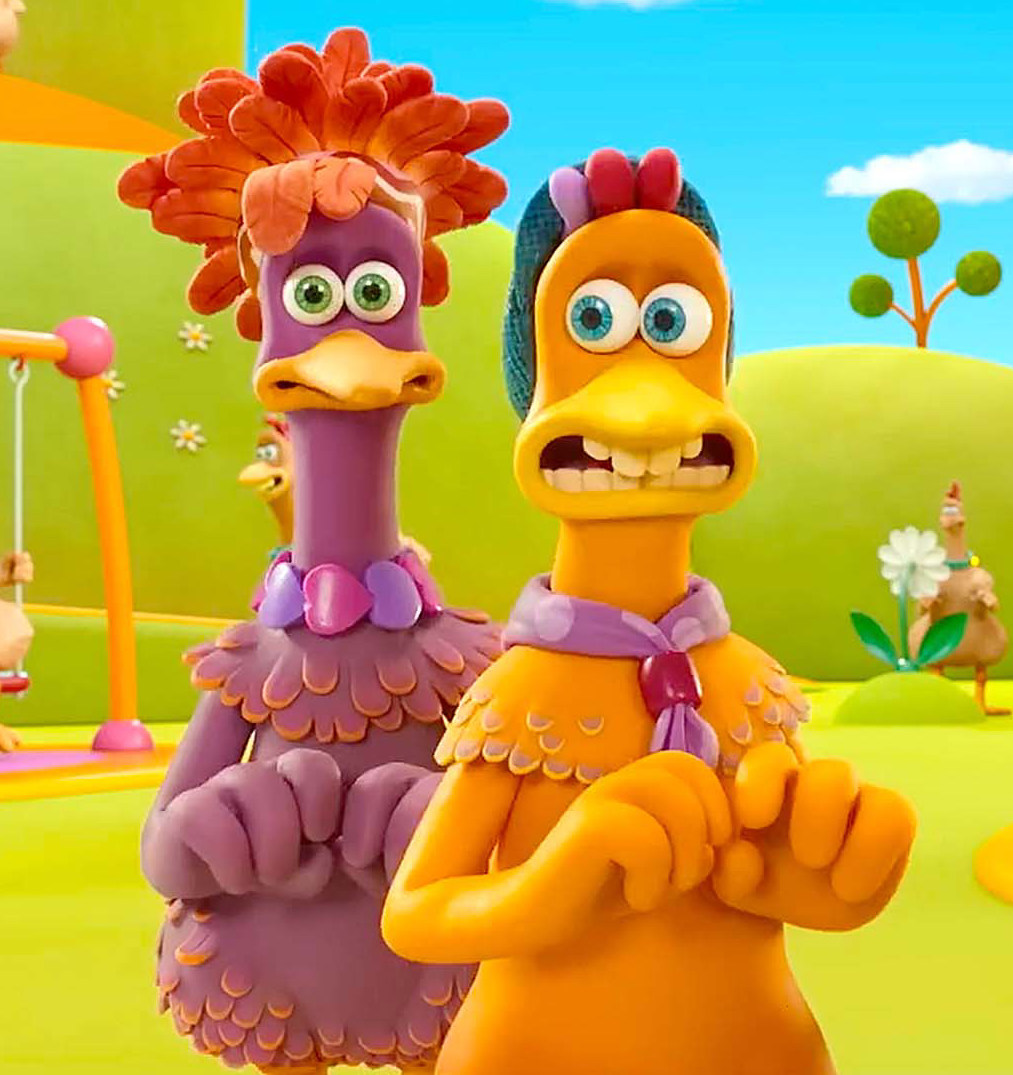
Dawn of the Nugget follows on from the first film with the escapee chickens living their best lives on a small island, where they grow their own food and work together as a team. Rocky (Zachery Levi, replacing Mel Gibson) and Ginger (Thandiwe Newton, replacing Julia Sawalha for less obvious reasons), are now the proud parents of an egg. This quickly hatches into Molly (Bella Ramsey), who has clearly inherited all her mother’s fearless qualities.

When workmen begin to clear some land on the other side of the water and new factory buildings are set up, Molly is eager to go across and investigate what’s going on, but Ginger urges her to be cautious. Of course she sets off on her own and, once on the far side, she bumps into Frizzle (Josie Sedgwick-Davies), a Scouse chicken who has heard great things about the new factory.

At first  it seems the twosome have discovered a place of refuge. But sinister happenings ensue before an old enemy reappears…

Dawn of the Nugget offers all the familiar tropes that the first film featured to such winning effect. No pun is left unspoken and several favourite characters make a welcome reappearance, including Jane Horrocks as the delightfully dim Babs and David Bradley as addled old rooster, Fowler.

The animation is beautifully handled and there are chases and spills aplenty, while the humour is innocuous enough to appeal to all age groups. But be warned, some viewers may find it hard to sit down to enjoy a chicken dinner after spending time in the company of this team of feathered lovelies. 

And if it seems a little late in the day to follow up that first film – twenty-three years to be precise – it matters not. This is great fun.

4 stars

Philip Caveney

Priscilla

22/12/23

Cameo Cinema, Edinburgh

Priscilla

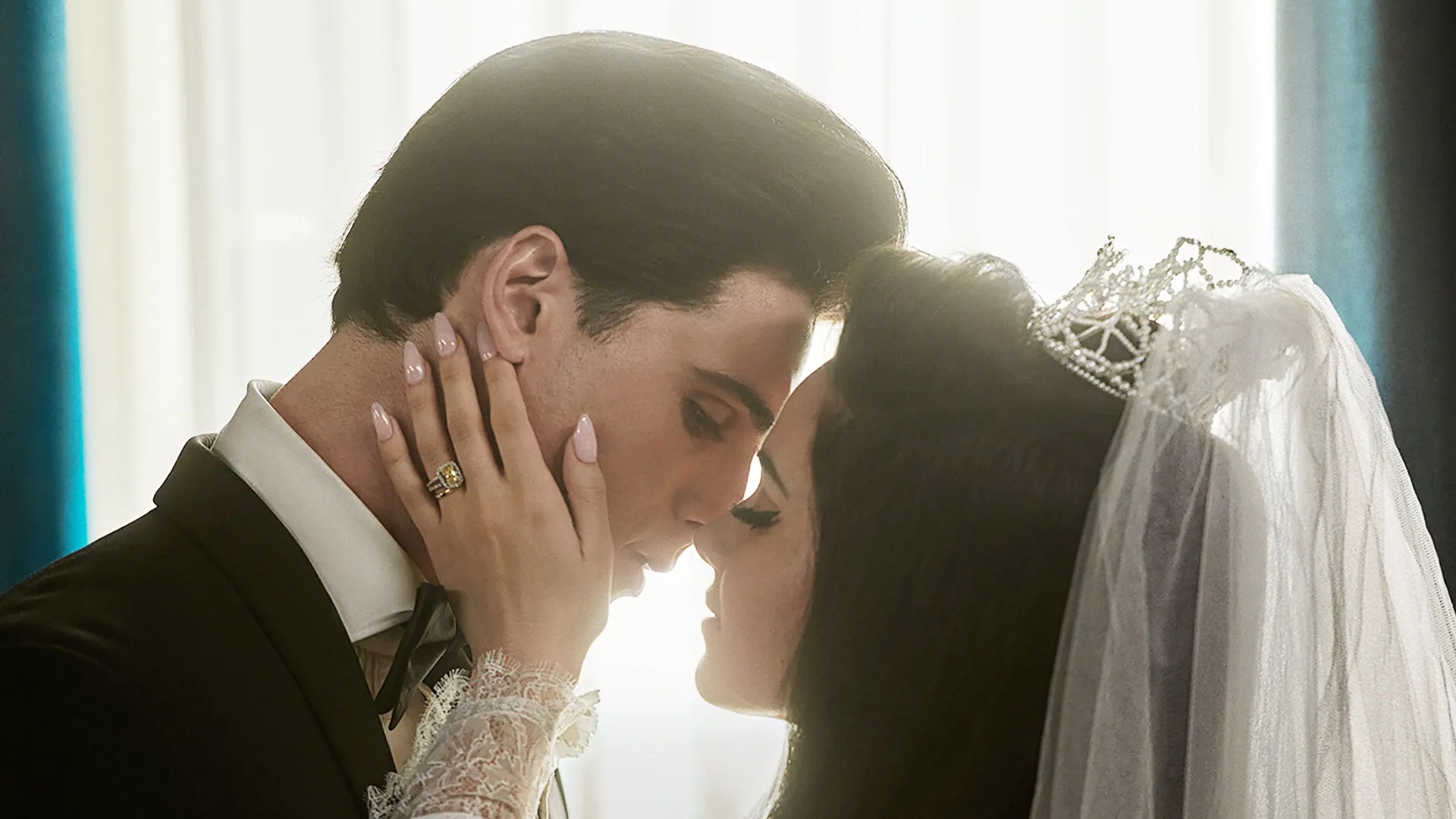
If Baz Luhrmann’s Elvis was a dazzling celebration of the singer’s career, Priscilla offers the polar opposite of that film – a true story with a dark underbelly that, viewed with the gift of hindsight, feels almost shockingly transparent. Presley emerges as a toxic human being, a man who manipulated and exploited a naive fourteen year old girl for his own purposes. 

And before you say, “Well that’s just director Sofia Coppola’s interpretation of what happened,” let me add that her screenplay is closely based on Priscilla Presley’s autobiography, Elvis and Me – and that she was one of the executive producers on the film.

We first meet her as a bored teenager on an Army base in Germany. Cailee Spaaeny submits an impressive performance in the title role, managing to convincingly portray her subject from her early teens to her late twenties. When a young officer approaches Priscilla and casually asks her if she’d like to meet Elvis Presley, of course she says yes! Like most other kids in the late 1950s, she is a big fan. And he is arguably the most famous person on the planet.

So, to the understandable consternation of her parents, Priscilla heads off to Elvis’s house and is soon chatting to the man himself, as played by Jacob Elordi, last seen being quintessentially English in Saltburn, but managing to inhabit Presley’s mumbling, brooding persona with considerable skill. The pair hit it off, big time.

When Elvis is posted back to America, a lengthy interval suggests that he may have forgotten about her but, out of the blue (and again, much to her parent’s understandable concern), she’s summoned to his new home, Graceland, where she’s invited to become a permanent fixture. No sex yet, not until she’s of age, but plenty of smooching and much manipulation from Presley, who coaxes her to change her hair, her makeup and her fashions – to become, in effect, his dream girl.

As Presley grooms Priscilla (and there really isn’t a more appropriate term for what he’s doing), so her own identity becomes increasingly erased – and who knows where it’s all going to end?

Coppola’s accomplished film is handsomely mounted, the period detail convincingly evoked over the changing decades and it’s interesting to note how cinematographer Phillippe Le Sourd keeps everything murky and claustrophobic in the film’s early stretches, mirroring young Priscilla’s view of the world she’s obliged to exist in. Le Sourd returns to the gloom in the film’s later scenes, as Presley slips inexorably into addiction to prescription drugs. In between, the screen sizzles and pops as the odd twosome actually begin to enjoy the advantages of being a couple.

Weirdly, I knew about their story from my own childhood. My sister was a member of Presley’s fan club and received a monthly magazine. In the early sixties, I read repeatedly about the man’s developing relationship with Priscilla. Of course, back then, I wasn’t mature enough to fully appreciate how profoundly creepy the whole arrangement was. Priscilla’s age was an open secret to the world but, blinded by Presley’s fame, we just kind of accepted it. Shame on us.

This is a fascinating film, one that digs a lot deeper than Lurhman’s (admittedly very enjoyable) biopic, exposing the ugly bumps and warts that lay beneath the shimmering surface of stardom. To say that it’s an eye-opener would be something of an understatement. 

4.3 stars

Philip Caveney

The Boy and the Heron

20/12/23

Cineworld, Edinburgh

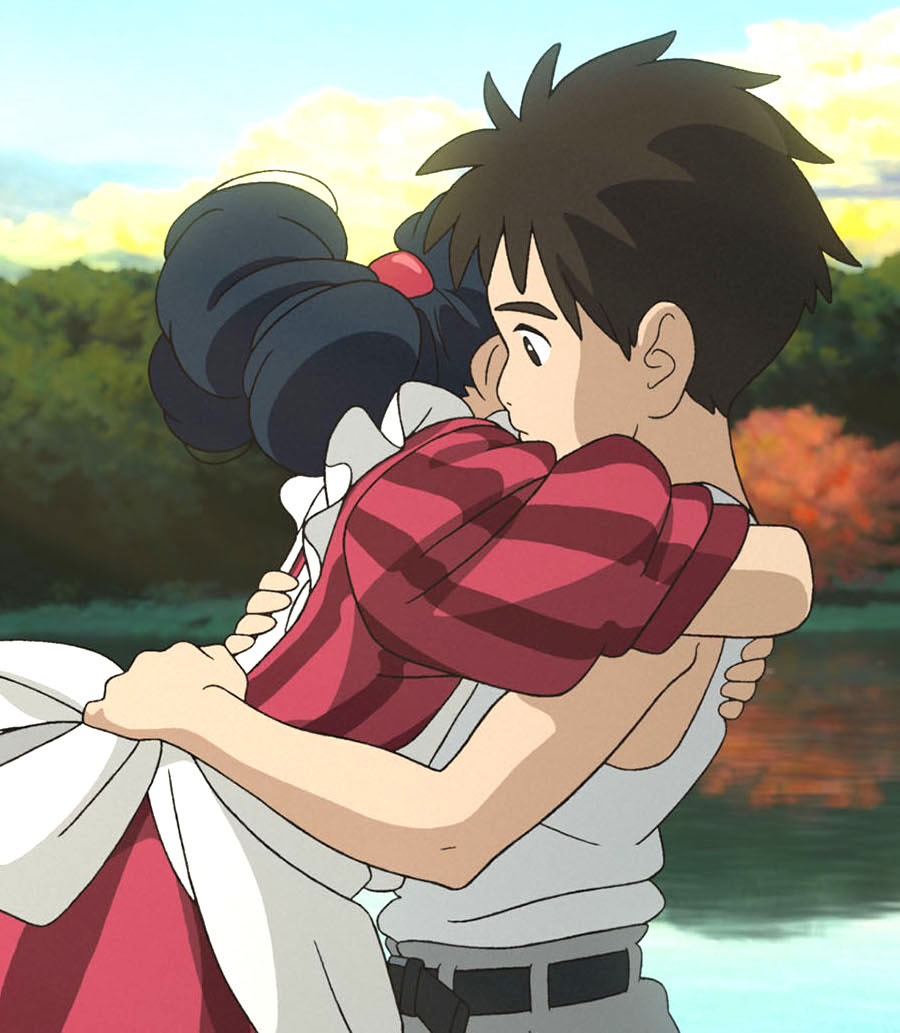
At eighty-two years of age, Hayao Miyazaki, the co-founder of Studio Ghibli, has had more comebacks than Frank Sinatra. He’s been talking about retirement ever since Princess Mononoke way back in 1997, but has managed three major releases since then, not to mention a whole bunch of shorts. And now here he is once again, director and writer of The Boy and the Heron, still reaching for those impossible heights on the big screen – and mostly achieving them.

It’s evident at a glance that Ghibli continues to exert a powerful hold on lovers of quality animation. This advance IMAX screening (the film will officially be released in the UK on Boxing Day) is completely sold out, despite being in Japanese with subtitles. (We don’t mind, we prefer it that way but apparently it puts a lot of viewers off.) We’ve managed to secure a couple of seats in the very front row, the giant screen looming above us, making the whole experience incredibly immersive.

The story is loosely autobiographical, but I can only assume that this applies to the film’s almost hallucinatory opening scenes in World War 2 – otherwise I’m left to conjecture that Mizayaki had a very strange childhood! Tokyo teenager Mahito (Soma Santoni) awakes one night to the sound of an explosion and is told that the local hospital has been firebombed. He’s horrified, because he knows his mother is working there and, in a breathtaking action sequence, he dresses himself and runs frantically through the blazing city, in the desperate hope of rescuing her. But he’s too late.

A few years later, Mahito accompanies his father, Shoichi (Takuya Kimura), an aeroplane designer, out to the calm of the countryside. Shoichi is now married to his late wife’s sister, Natsuko (Yoshino Kimura), who is pregnant with what will be Mahito’s little brother or sister. Mahito soon discovers that his stepmother’s country house is a place of mystery and intrigue, serviced by a team of comical-looking… erm… grannies. But things take a darker turn when a sinister grey heron that hangs around the grounds starts talking, telling Mahito that his presence is required elsewhere…

All the hallmarks of Studio Ghibli are present and correct and they’ve arguably never looked more ravishing. There are beautiful shimmering landscapes, ancient mouldering buildings and a succession of weird, dreamlike environments that seem to virtually erupt from the screen. And there’s that brilliant technique they always employ of illustrating food so perfectly, you can actually taste it. (One scene features fish entrails, so this isn’t always a pleasure!)

Aside from the fact that this particular tale focuses on a teenage boy (Ghibli’s lead protagonists are nearly always female), it feels like classic Ghibli dialled up to 11.

If there are some shortcomings, they are in the plot. It’s not that Miyazaki’s screenplay lacks interesting ideas. On the contrary, it’s stuffed with them, so many that they virtually do battle with each other to establish authority. While it’s perfectly fine for a storyline to be complex, it shouldn’t feel over-complicated and, since some of the fantastical goings-on are opaque to say the least, I too often find myself bewildered by what Miyazaki is trying to say. The inevitable questions that arise are left unanswered and, eventually, I decide that this is deliberate.

Perhaps it’s simply a case of an elderly man with a lifetime’s experience trying to cram all of it into a couple of hours. It’s hard not to see the mysterious wizard-like figure, obsessed with balancing various pieces of polished stone on top of each other in order to ‘make the world work’, as a version of the great director himself, trying to puzzle out the enormity of his own astonishing career.

As the credits roll, I find myself wondering if I might manage to slot this film in for a second viewing – maybe even the upcoming dubbed version with a host of Hollywood talent providing the voices. The Boy and the Heron is that kind of movie, the sort that has you pondering its various possibilities long after you’ve left the cinema. See it on the big screen, in IMAX if you can. You may be puzzled, but you won’t be disappointed.

4.2 stars

Philip Caveney

Don@Tokyo – lunch deal

18/12/23

Lothian Road, Edinburgh

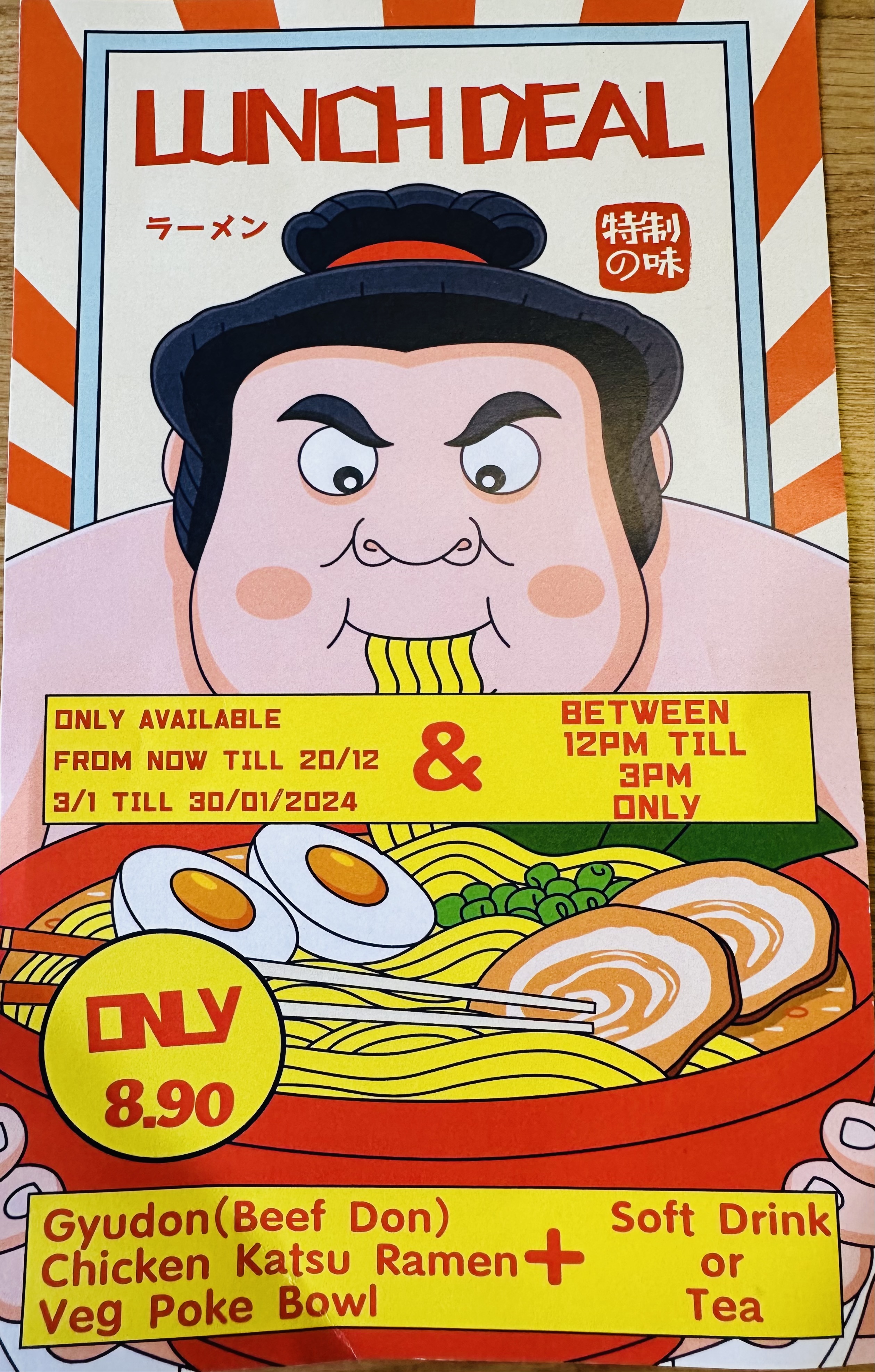
It’s a couple of months since Eat@Tokyo opened for business and (hardly surprising since it’s right at the end of our street) we visited within days of its launch. We were impressed and said we’d be back, but we usually only return to a restaurant if there’s something new to talk about. So the fact that Don@Tokyo has launched a lunchtime special is exactly the excuse we’ve been looking for.

We make the gruelling thirty second slog along the street and take our seats. This lunch deal is reassuringly simple: you get one of three main courses and a soft drink (or a mug of green tea) for a total of just £8.90.

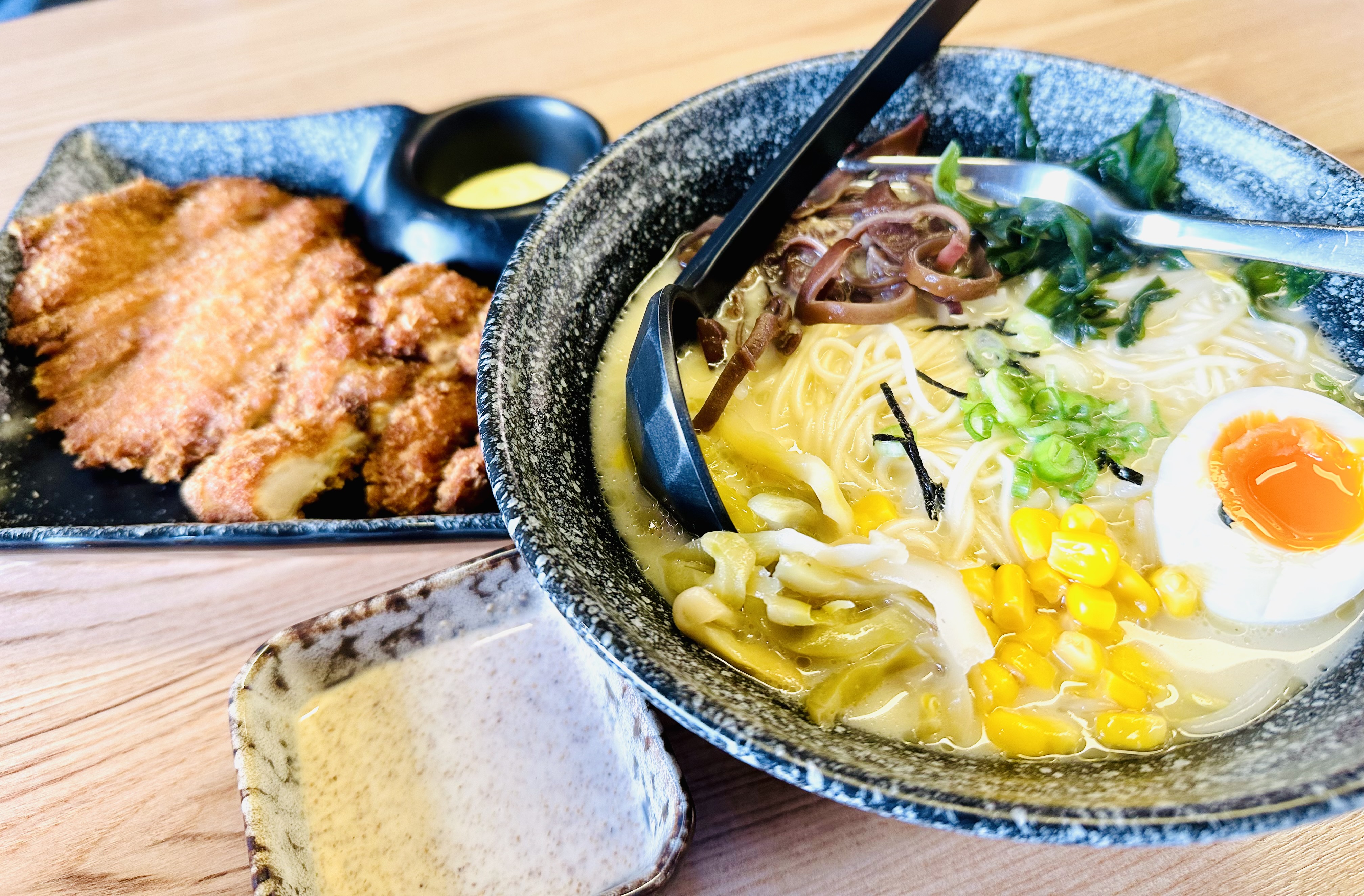
Susan goes for the veg poke bowl, while I choose the chicken katsu ramen. The former is a generously-sized dish full of delicious ingredients: avocado, red onion, tofu, edamame beans, radishes, sweet corn and more, all nestled on a bed of gooey, sticky rice. The latter is an equally generous portion of noodles in a creamy broth, liberally sprinkled with red onion, sweet corn and greens, with half a perfectly-judged boiled egg nestling in the mix. This is accompanied by a breadcrumb-coated chicken breast which comes with a little side dish of a mayonnaise mix that I try (and fail) to get the recipe for. Ah well, a restaurant must have its secrets, I guess.

Both dishes are both utterly delicious, the kind of hearty, aromatic food that you want to eat every last scrap of and then lick the bowl. They’re nourishing and comforting too, setting us up for a happy and productive afternoon.

There’s also a third choice – beef gyudon, which I sampled on my first visit and have already spoken about elsewhere. https://bouquetsbrickbatsreviews.com/2023/10/16/eattokyo/. It was the best thing we tasted on our previous visit.

When a takeaway fish and chips or even a couple of pizzas can set you back £30 or more, this lunch deal represents excellent value for money and, when you honestly cannot fault a single element of the meal you’ve just eaten, there’s really only one score that makes sense. Office workers looking for a change from their usual sandwich and packet of crisps should check out this offer at their earliest opportunity. Those on a tight deadline will appreciate the fact that the food arrives at an almost unbelievable speed.

What’s not to like?

5 stars

Philip Caveney