Heart Eyes

16/02/25

Cineworld Edinburgh

We are romantic sorts here at Bouquets & Brickbats, so come Valentine’s Day (or at least, forty-eight hours after it) we seek out this timely tale of a young couple who set out for a romantic night on February 14th… only to find themselves being pursued by a relentless serial killer. We’ve all been there.

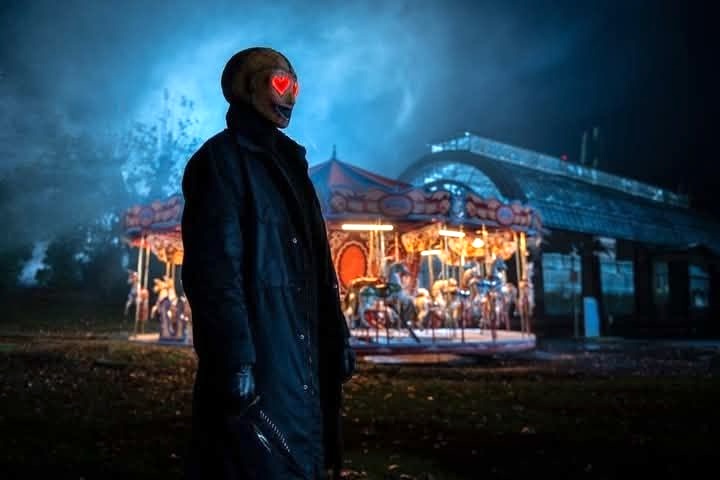
Despite that unprepossessing title, Heart Eyes, directed by actor Josh Ruben and written by Phillip Murphy, Christopher Landon and Michael Kennedy, is a spirited mash-up, mixing familiar elements from famous rom-coms with gnarly images from slasher movies. In a snappy pre-credits sequence, we see the titular killer (named because of the heart-shaped goggles he wears over the inevitable fright mask) interrupting the romantic proposal of Patrick (Alex Walker) and Adeline (Lauren O’Hara) in a very aggressive manner. Suffice to say, it gets messy.

Credits done, and we learn that Heart Eyes (thus dubbed by the ever-sensitive press) has been active for a couple of years, and these Valentine slaughters are an annual occurrence. He moves to a different city for each successive spree. This time it’s Seattle.

And does this put people off celebrating the event? No, it does not. Go figure.

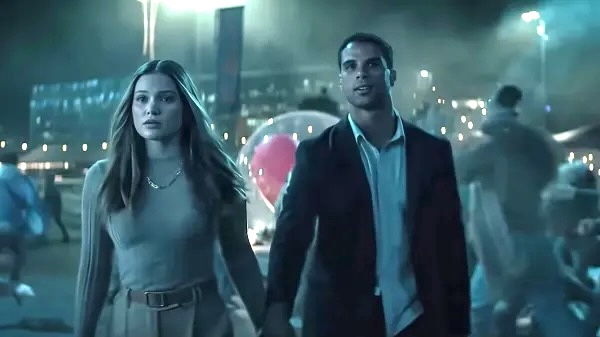
We meet Ally (Olivia Holt), who works at an advertising agency and has just angered her boss, Crystal (Michaela Watkins), by attempting to pitch a romantic ad campaign that’s based around the subject of er… death. It doesn’t go down well. Crystal introduces Ally to Jay (Mason Gooding), handsome, smooth-talking and almost definitely there to take Ally’s job away from her. Jay suggests that the two of them should head out for dinner so they can discuss the way forward. She points out that it’s Valentine’s Day and he assures her that everything will be fine…

Heart Eyes isn’t exactly reinventing the wheel here, but I have fun with the premise. Ruben seems to delight in propelling his leads along a twisting path of unforeseen – and sometimes preposterous – events. The danger here, of course, is that rom-com fans will be put off by the regular bouts of gory 18-certificate violence while hardcore fright fans will be sniffy about the romantic stuff. For those who can enjoy both, this is a propulsive ride that flings viewers gleefully from one situation to the next, often with tongue firmly in cheek. 

If some of the ‘twists’ don’t exactly take me by surprise – Chekov’s metal straw, I’m looking at you – there are plenty of lines that manage to catch me in the chuckle muscles, especially those from Ally’s rom-com obsessed best friend, Monica (Gigi Zumbado).

If you see this in the cinema, make sure you stay in your seat for a mid-credit scene, which most of the viewers at the screening I attend manage to miss. For once, this is actually worth waiting for.

4 stars

Philip Caveney
The Seed of the Sacred Fig

09/02/25

Cineworld, Edinburgh

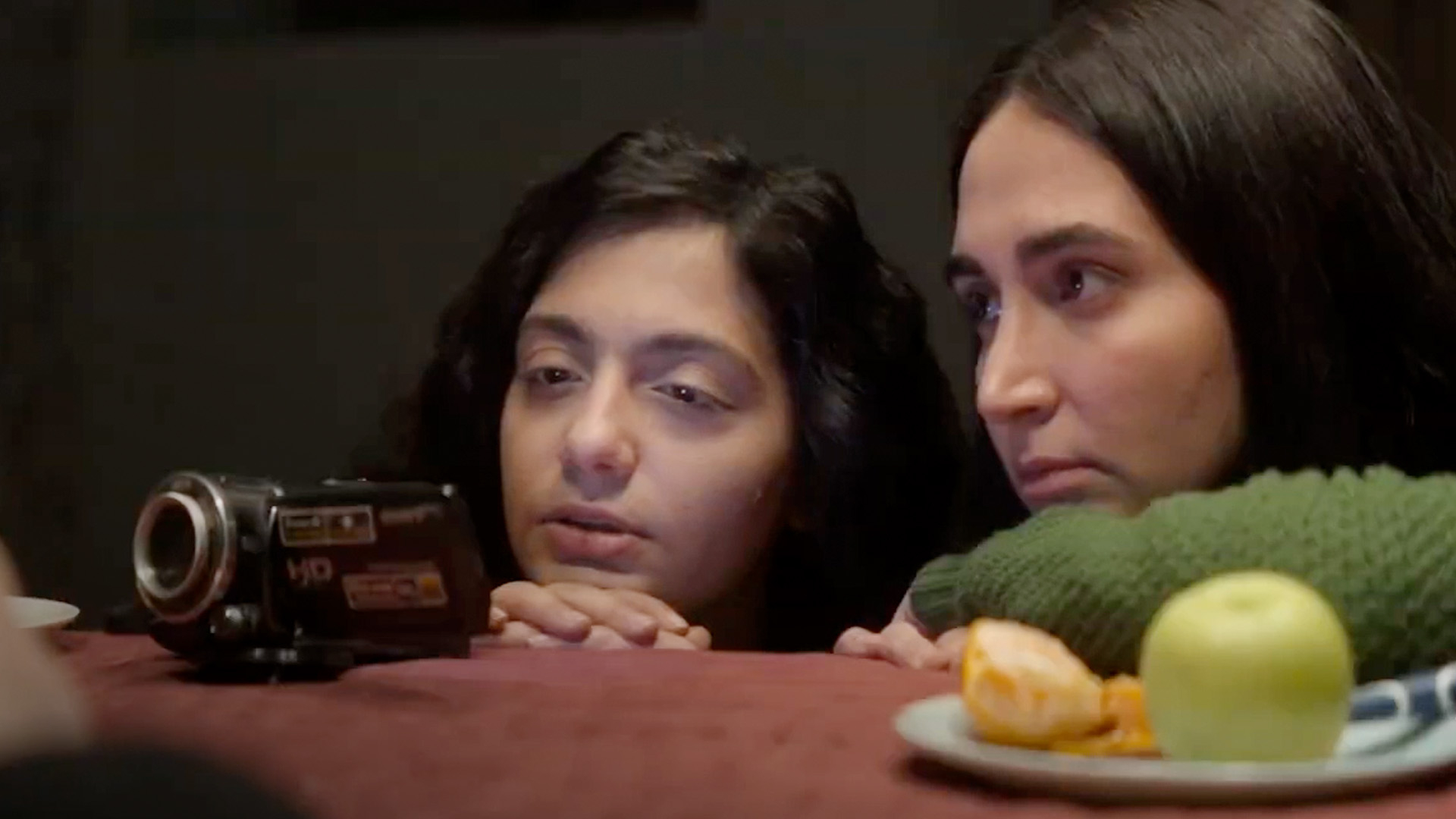
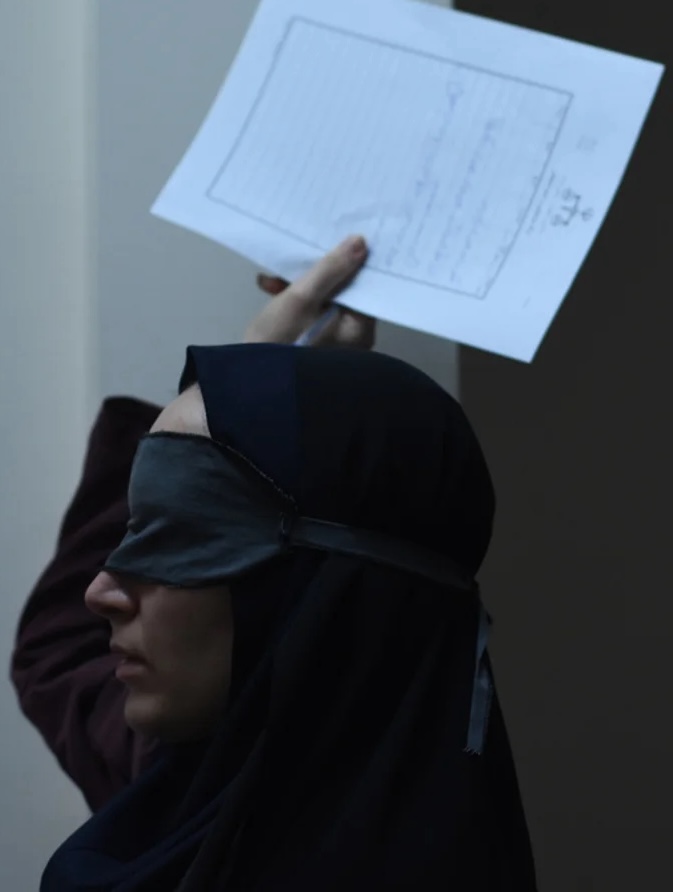
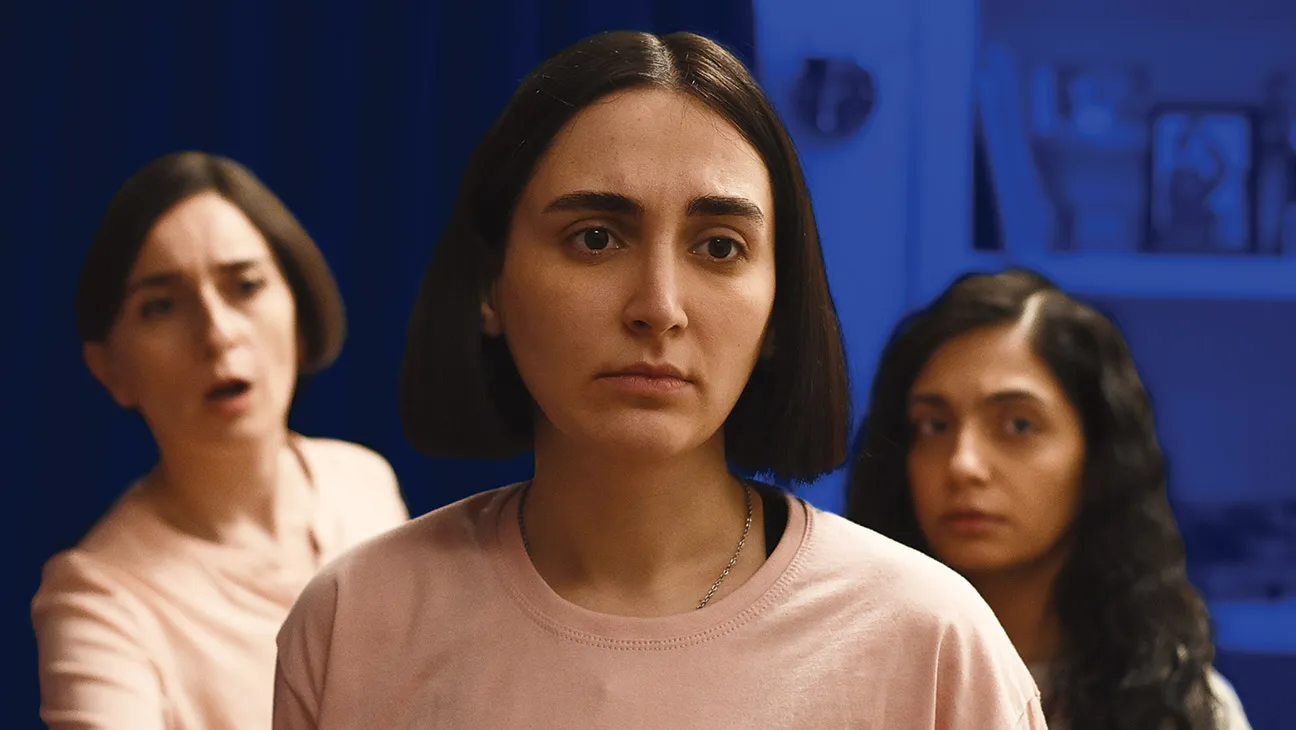
Written, co-produced and directed by Mohammad Rasoulof, The Seed of the Sacred Fig is a monumental achievement, filmed in secret to avoid censorship by Iran’s Ministry of Culture and Islamic Guidance, which restricts depictions of social issues, criticism of the regime – and female hair. When this movie was selected for the 2024 Cannes Film Festival, Rasoulof was sentenced to eight years in jail, as well as a flogging and a fine. He fled to Germany, a perilous escape. And he’s not the only one: almost all of the actors have had to leave their homeland too. Only Soheila Golestani remains in Iran, where she has faced numerous interrogations and is currently banned from either working or leaving the country.

Golestani plays Najmeh, mother to college student Rezvan (Mahsa Rostami) and teenage schoolgirl Sana (Setareh Maleki). The story opens with the news that her husband, Iman (Missagh Zareh), has been promoted to the prestigious role of ‘investigator’ for the revolutionary courts. The family’s celebrations are tinged with foreboding, as Iman warns his daughters that they need to be careful. They can’t tell anyone about his work, they can’t post pictures of themselves on social media, and their behaviour must be beyond reproach. ‘Investigators’, we learn, are tasked with deciding which criminals should face the death penalty – and there’s an inherent danger from those seeking revenge. Alone in their bedroom, Iman shows Najmeh the gun his boss has given him. “For protection,” he says. She’s terrified.

The timing could hardly be worse. The fictional Iman’s promotion coincides with the real-life Mahsa Amini’s death in police custody, after being arrested for contravening morality laws (i.e. refusing to wear a hijab). As angry young protestors flood the streets, demanding change, the government responds in force. Suddenly, Iman is coerced into signing hundreds of death warrants every day. It takes its toll, especially as he soon finds himself at odds with his outspoken daughters.

The family functions as a microcosm for Iranian society. Iman represents the government, whose strictures Najmeh accepts and therefore perpetuates. Rezvan agrees with the protestors, but she’s passive and obedient, and doesn’t dare to act. Sana, on the other hand, has no such compunctions: she wants her freedom and she’s ready to do whatever it takes.

And then Iman’s gun goes missing. He knows that only three people have had the opportunity to take it, and so he subjects his family to a terrifying interrogation, illuminating the allegorical nature of the title. Just as the sacred fig is a parasitic plant, which grows around and eventually strangles its host, so the regime corrupts Iman. By the end, its tendrils have destroyed him, and the honourable, loving man he used to be is completely gone.

This isn’t a perfect movie, but it’s a mightily impressive one: the mind boggles at the thought of the bravery it must take to participate in something so important and with such high stakes. The almost three-hour running time gallops by, and I am completely invested in the family’s drama, while also learning more about Iranian politics. The four main actors are all utterly compelling, their characters entirely credible, even in the final act, where the plot is more figurative than literal, and everything spirals out of control.

The Seed of the Sacred Fig has been nominated for the best international feature Oscar (albeit representing Germany and not Iran) and I sincerely hope it wins. According to Rasoulof, the Iranian authorities won’t announce verdicts on those members of his cast and crew who stand accused of “spreading immorality and propaganda” until the result is announced. They don’t want the adverse publicity.

As art, as protest, as an act of courage, this is a film you don’t want to miss.

4.8 stars

Susan Singfield

Bring Them Down

09/02/25

The Cameo, Edinburgh

In the Wild West, as we all know, men are men and they have vengeance in their hearts. And naturally they always take the law into their own hands. In the case of Christopher Andrews’ directorial debut, Bring Them Down, we’re talking about the West of Ireland, somewhere near Athenry, judging by what’s printed on the side of a van. The story is set in the present day but you’d be forgiven for thinking that it’s some time in the 1950s.

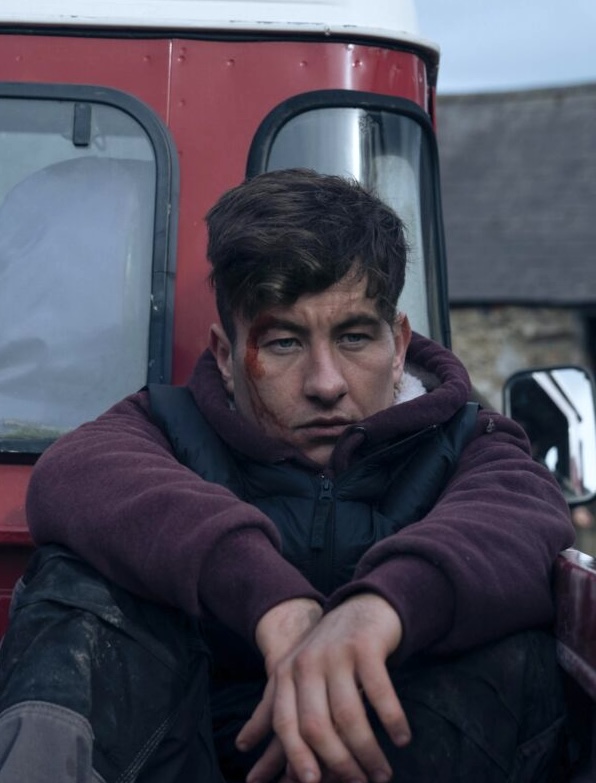
Michael O’Shea (Christopher Abbott) is a sheep farmer, stranded out in the middle of picturesque nowhere with his disabled father, Ray (Colm Meany), grumbling and snarking in the background. The two of them are constantly in dispute with their neighbour, Gary (Paul Ready), who is building holiday homes on adjoining land and seems to be spoiling for a fight. It doesn’t help that Gary is married to Caroline (Nora-Jane Noone), with whom Michael shares a troubled history (as we’ve seen in the film’s opening flashback). Gary and Caroline have a son, Jack (Barry Keoghan), who is tormented by the fact that his parents are in financial straits and appear to be on the verge of splitting up. He’s desperately on the lookout for ways to earn some extra money.

When somebody steals a couple of the O’Shea’s rams, Michael discovers them in Gary’s herd. He is at first reluctant to challenge his neighbours but, spurred on by his father’s angry tirades, Michael soon succumbs and sets off on a bloody quest for vengeance…

A more reductive view of the Irish would be hard to imagine. Every male character we meet seems intent on hurting, taunting or maiming those who get in their way and these people are seemingly unaware that the Garda even exist. Somewhere around the halfway point, Andrews’ script does a backward loop and offers a fresh perspective on what we’ve seen up to now, to indicate that things are not entirely as they seem, but it hardly helps matters, and I simply cannot credit one scene where Jack and his pal Lee (Aaron Hefferman) embark on an escapade so heinous it beggars belief.

There are other problems here. Keoghan is supposedly a teenager (Jack certainly acts like one) but unfortunately looks every day of his actual thirty-two years; and, while Abbott (an American actor, last seen undergoing supernatural changes in Wolf Man) makes a halfway decent stab at an Irish brogue and even delivers lines in Gaelige, this is thick-eared stuff that appears to offer an unpleasant subtext, suggesting that women shouldn’t be allowed to leave their men, as it messes them up.

Bring Them Down at least does what it says on the can. I leave the cinema wishing I’d skipped this film and looked elsewhere for a afternoon’s entertainment.

2.6 stars

Philip Caveney

September 5

08/02/25

Cineworld, Edinburgh

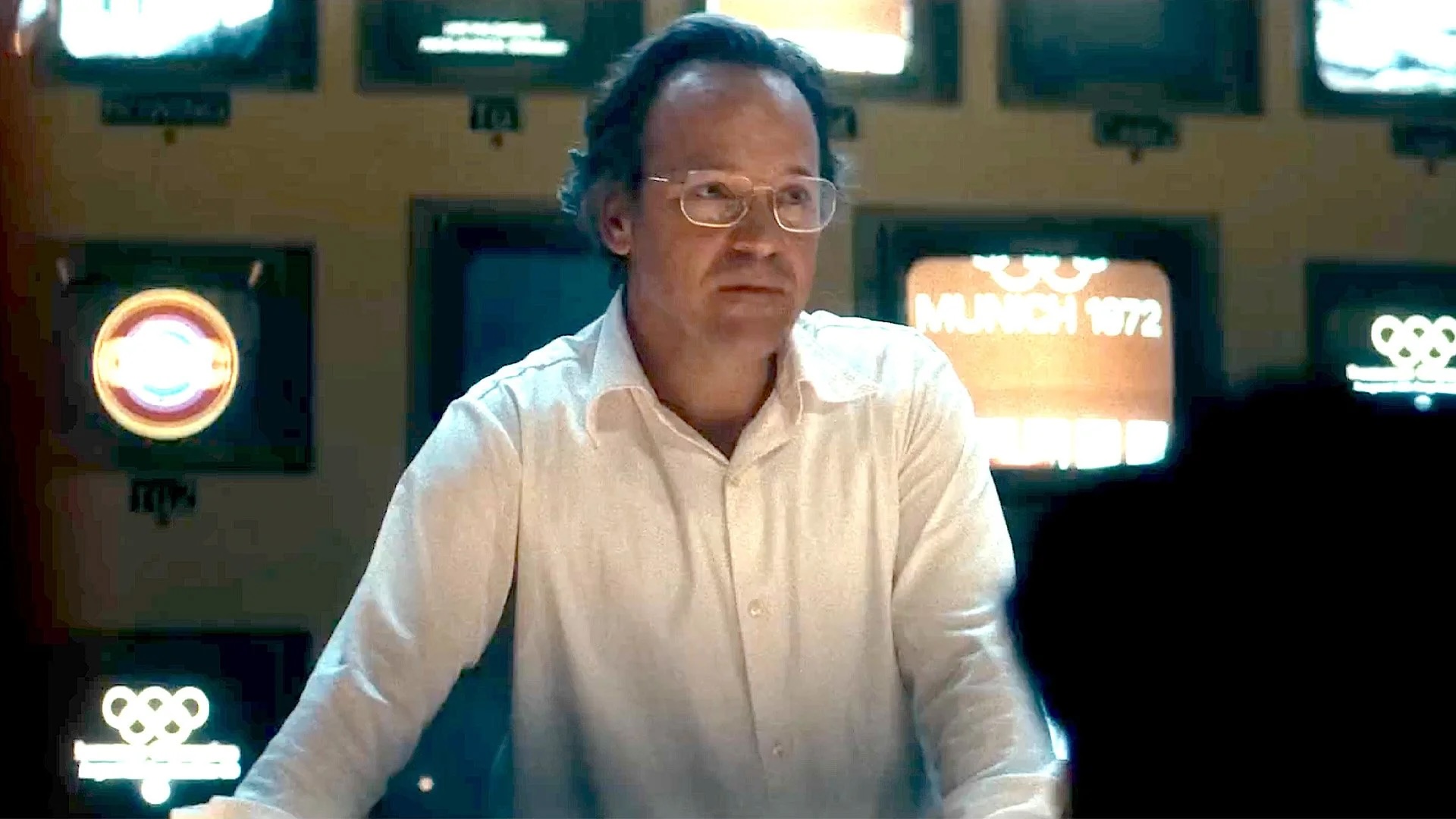
It’s September 1972 and in Munich the sports department of ABC television are busy in their studio in the Olympic village, beaming live coverage of the Games to viewers all over the world. In this pre-digital age, they need to use every trick at their disposal to ensure that they capture the action. And then some of them hear the sound of gunshots…

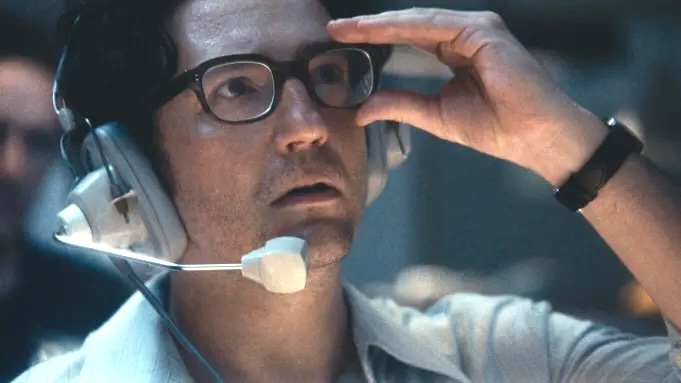
Swiss director Tim Fehlbaum’s ingenious account of this true-life story, written by Fehlbaum, Moritz Binder and Alex David, is a dark claustrophobic tale, which adopts the same approach as the broadcast team, never pointing the finger of blame but simply laying out what happens in meticulous detail. Geoffrey Mason (John Magaro), a relatively inexperienced studio director, has been handed the opportunity to helm today’s coverage and is anxious to do a good job, under the ever watchful gaze of head man, Roone Arlege (Peter Sarsgaard), and producer, Marvin Bader (Ben Chaplin).

But when eleven members of the Israeli team are taken hostage by the Palestinian Black September group, the stakes are suddenly kicked into the stratosphere. The terrorists announce that, if their demands are not met, they will kill one athlete every hour…

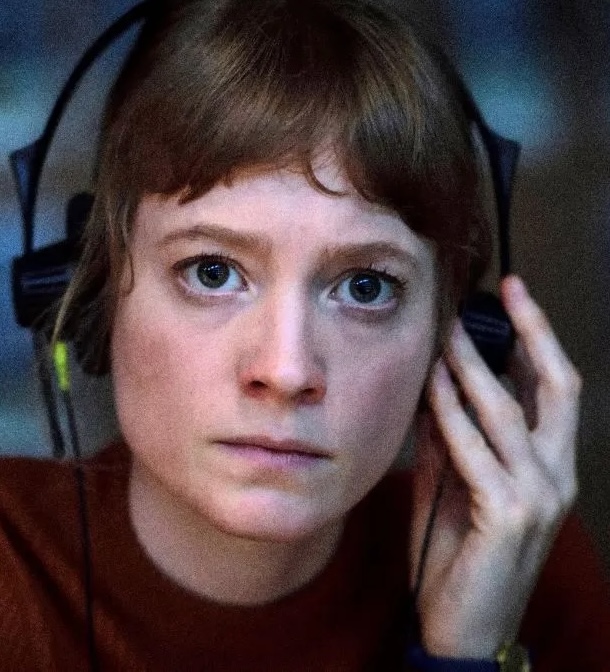
Arlege is determined that, as the crew closest to the action, the sports team must hang on to this ‘scoop’ at all costs. It is their responsibility, he claims, to ensure that the unfolding story is shown to the world. As the only person in their office who can speak German, young assistant Marianne Gebhardt (Leonie Benesch) finds herself pressed into service as an interpreter, horribly aware that she has been plunged headlong into a demanding position.

I’m old enough to actually remember the event but its shocking outcome (I’m almost ashamed to admit) has drifted into the mists of time. Consequently, September 5 wracks me with suspense throughout, the tension steadily mounting as the film hurtles towards its shattering conclusion.

Fehlbaum’s production team has done an incredible job here, seamlessly interweaving found footage with authentic recreations of the era and using sequences featuring the original presenter, Jim McKay, to great effect. I’m constantly impressed by the inventiveness of the original technicians, who have to come up with all kinds of tricks and shortcuts to ensure that their coverage reaches the widest possible audience.

It’s sobering to learn that the live broadcast (one of the very first of its kind) was seen by more than 900 million viewers. But be warned, this is real life and therefore not one of those action romps that results in a neat, heartwarming, happy ending. Nonetheless, it’s an assured and provocative film that’s earned its Oscar nomination for Best Original Screenplay.

4.4 stars

Philip Caveney

Much Ado About Nothing

06/02/25

Pleasance Theatre, Edinburgh

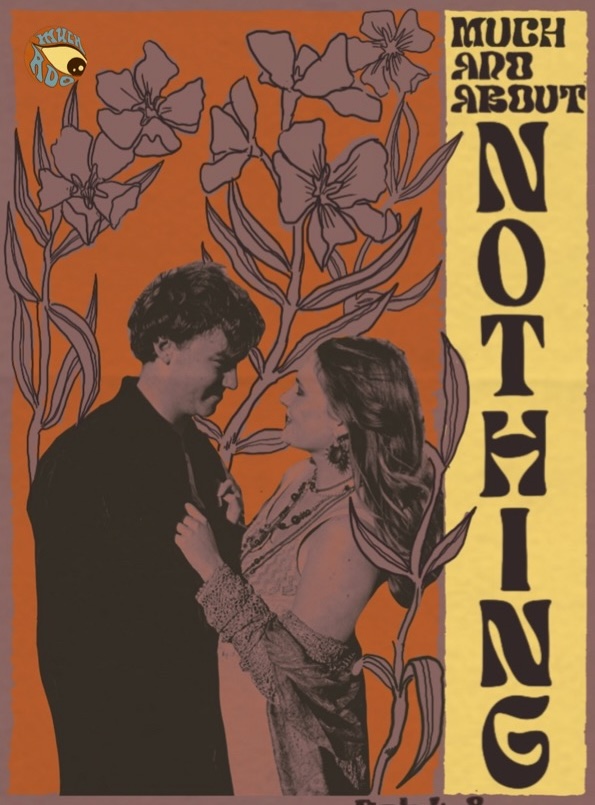
Let’s face it, judged by plot alone, Much Ado About Nothing is a bit, well… silly. Like most of Shakespeare’s comedies, the humour relies on disguise, misunderstandings and a fickle approach to romance. As an audience, we really have to suspend our disbelief. Would sworn enemies such as Benedick and Beatrice (Benedict Harrison and Verity Mann) really have an immediate change of heart thanks to some very unsubtly orchestrated eavesdropping? Both of them? It seems unlikely. Would a respected celebrant (Dylan Kaeuper) really suggest that a jilted bride should fake her death, or her father embrace the idea – agreeing that “death is the fairest cover for her shame”? Hmm. And would the groom – a mere twenty-four hours later – agree to marry his dead fiancé’s looky-likey cousin without ever setting eyes on her? I mean, that’s a no, right? Meanwhile, we’re also supposed to accept that no one in Leonato (Faolán Ingram)’s household suspects the decidedly dodgy – almost moustache-twirling – Don John (Cameron Broadly) of being a villain, despite the many outward clues. But still. It is what it is, and there’s a lot of fun to be had along the way.

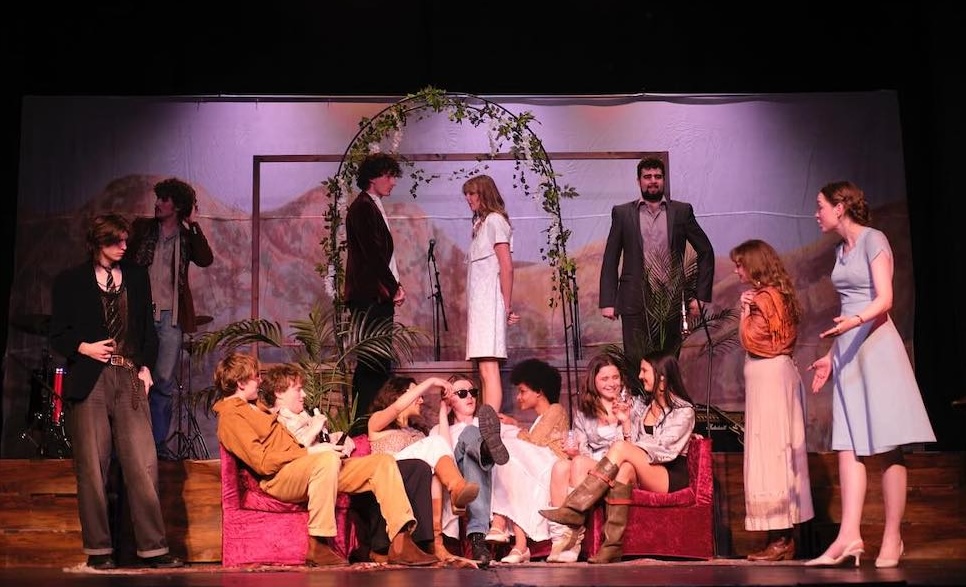
EUSC’s production of this sprawling play is sprightly and engaging. The directors (Madeleine Brown, Marina Funcasta and Anna Simurda) have chosen to emphasise the humour, eliciting larger-than-life performances from their actors rather than aiming for anything subtle – and I think this is a wise move. The action has been moved from Italy to California, from the 16th century to the 1970s but, while the period is clearly-evoked, I’m less certain about the place. There’s certainly a laid-back Summer of Love vibe, but most of the music is British (Bowie, Bolan, The Sweet, The Police) and the majority of characters speak with English accents, so it all feels a bit more Camden Town than Haight-Ashbury.

Leonato’s estate is Party Central as he and his wife, Antonia (Maria Wollgast), play host to the local socialites. What better way to make a match for their beloved daughter, Hero (Francesca Carter)? The dope is plentiful, the drinks are flowing – and love is in the air. Claudio (Rider Hartley) fancies his chances with Hero, and she’s rather keen on him as well. But “the course of true love never did run smooth” (yes, I know – wrong play), and what could go wrong with Don Pedro (Eric Parker)’s complicated plan to woo the girl on his friend’s behalf? Throw in some meddling servants, a fabulously drunken henchman (Fraser Murray), a local constable (Robbie Morris) and a veritable army of liggers – and the scene is set for some merry mayhem.

It’s a great idea to have a live band on stage, although I can’t help feeling they’re under-utilised. Still, the young cast are clearly having a ball, dressed up to the nines in flares and sequins (floppy hats off to costume designers Paloma Leigh-Stevenson, Alex Dunlop and Bea Fitz), their delivery as bold and brash as the script demands. Not everyone has a lot to do, but they all make the most of what there is, and there are some lovely moments of background detail, such as Margaret (Mia Dé)’s horrified realisation that her tryst with Borachio is being used to frame Hero. Harrison (Benedick) and Carter (Hero) are the standouts for me, but all of the actors and musicians perform with gusto, and I am thoroughly entertained.

There are just two more chances to catch this groovy rendition of Much Ado, so why not head on down to the Pleasance and hang loose with the hippies? Be sure to wear some flowers in your hair…

3.4 stars

Susan Singfield

Macbeth

05/02/25

Cineworld, Edinburgh

Macbeth is a ubiquitous play. Searching back through the B&B archive, I’m not entirely surprised to find that this is the ninth time we’ve reviewed a version of Shakespeare’s celebrated tragedy and I note too that there are three other related items that reference that infamous surname in the title. It’s easy to understand why it’s such a perennial. One of the bard’s most propulsive stories, it’s a lean, mean tale of aspiration and the overriding lust for power, which – in these troubled times – seems all too relevant. This Olivier-award winning adaptation, filmed live at London’s Donmar Warehouse, features David Tennant in the title role with Cush Jumbo as the manipulative Lady M. The screening we attend is sold out.

It’s a stripped-back production, freed from any issues with costuming or elaborate set design. The actors wear simple, monochrome outfits and the performance space is a stark white rectangular dais. It’s set in front of a transparent screened box, behind which other members of the cast occasionally gather, like a chorus of half-glimpsed ghosts, to comment on the action. Prominent among them is a young boy, who at one point hammers his fist repeatedly against the screen and also reappears in the midst of the final battle. His presence serves to remind me that the Macbeths have earlier lost a child – and that perhaps it is this loss that’s the driving force behind their callous bid to seize the throne and betray their former friends.

Tennant is extraordinary, speaking those familiar lines (often direct to camera, as though sharing confidential material) with such utter authority that I almost feel I’m hearing them for the first time. Jumbo is also compelling. She’s the only one here without a Scottish accent, which seems to emphasise her solitude and her distance from the other characters. Cal McCaninch is a stately Banquo, Nouff Ousellam smoulders powerfully as Macduff and it’s a delight to hear Benny Young’s cultured drawl delivering Duncan’s self-satisfied lines as he arrives at the castle where he is destined to die.

Ros Watt is a delightfully punky Malcolm and Jatinga Singh Randawa offers a rambunctious turn as the Porter. In the only scene that takes a wild swing away from what’s actually written on the page, the latter chats to members of the audience and displays all the symptoms of a man suffering from a raging hangover. It’s a gamble but it pays off. And the witches? In what might be the production’s bravest move, they are barely glimpsed in the first act, only heard in giggling off-stage asides as they arrive and depart with a flap of supernatural wings.

Gareth Fry’s sound design adds extra layers of suspense to the production (I note that the audience at the live performance all wear headphones for a truly immersive experience), while Alistair McCrae’s music offers jaunty reels, Celtic airs and, at one point, a spirited highland fling as a brief respite from that all-pervading air of menace. Director Max Webster brings all these disparate elements together to create a powerful and absorbing drama that dares to experiment with the source material. And, at the conclusion, designer Roanna Vize really does – magically – bring Birnam Wood to Dunsinane. 

The final confrontation doesn’t leave me wanting and the face-off between Macbeth and Macduff is unlike any version I’ve seen before. Of course, the only valid reason for doing this immortal story one more time is to offer audiences something new – an aim that this extraordinary production has clearly taken to its dark heart.

5 stars

Philip Caveney

Companion

02/02/25

Cineworld, Edinburgh

Occasionally I find myself wishing that I haven’t already seen the trailer for a film and Companion is a good case in point. 

Writer/director Drew Hancock’s debut feature is a spirited genre mash-up, part sci-fi, part horror, part comedy. The aforementioned trailer has no qualms about alerting potential viewers to a major plot reveal in the story. (Even the film’s poster is a dead giveaway!) Okay, the revelation occurs only twenty or so minutes into proceedings and, yes, there are a whole bunch of hints along the way but still… when the revelation occurs, I can’t help thinking what a delicious shock it would have been if only I hadn’t known this was coming. No matter, because there are a whole bunch of other surprises studded throughout the audacious, twisty-turny storyline that ensure I still have plenty of fun.

We open with a flashback as Iris (Sophie Thatcher, last seen interviewing Hugh Grant in Heretic) wanders dreamily through a Stepford Wives sort of supermarket and has a meet-cute with Josh (Jack Quaid). In a voice-over, she tells us about something major that is going to happen later on. Another spoiler? Yes, but weirdly that’s not the one I’m worried about.

We cut back to now (somewhere in the near future). Iris and Josh are an established couple and are heading off in their self-driving car to the swish lakeside home of  mega-rich Russian oligarch, Sergey (Rupert Friend). Sergey happens to be dating one of Josh’s friends, Kat (Megan Suri), and we learn early on that Kat isn’t keen on Iris. Also invited along for the weekend are Josh’s friends Eli (Harvey Guillén) and his devoted partner, Patrick (Lucas Gage).

From the beginning it’s clear that there’s something different about Iris; she’s almost too perfect, too well-informed about a whole variety of subjects… and well, that’s because she isn’t human, but a highly sophisticated AI companion, or as Josh puts it a tad more bluntly, a ‘fuckbot.’ (Always nice to know you’re appreciated.) It turns out that the aforementioned meet-cute between Iris and Josh is actually just a manufactured memory, picked at random from a list of possibilities, designed to enforce Iris’s abiding devotion to the man who is her, er… boyfriend? 

Companion is the kind of film that isn’t shy about swinging for the fences and really, the less I reveal about the plot from this point, the better. Suffice to say, whenever it seems in danger of petering out or treading on over-familiar territory, Hancock throws in something totally unexpected – something violent, or something funny – and even when the film appears to be heading into a straightforward chase scenario, Iris finds herself faced with yet more unexpected situations. Of course, we’re all familiar with those ‘evil AI’ plots, but Companion turns that idea on its head and makes me feel sorry for Iris and hoping that she can extricate herself from the mess that she’s been dropped into. As her woes steadily mount, so the film’s subtext becomes increasingly feminist.

Thatcher is terrific in the lead role, managing to convey her Uncanny Valley persona with great skill and I’m sure we’re going to see more of her on the big screen in due course. I’ve noticed a few ‘too cool for school’ reviews that have slammed the film as being ‘not as clever as it thinks it is,’ but I beg to differ. For my money, this is an assured debut and I’m already fascinated to see what Hancock comes up with next.  

Companion gets a big thumbs-up from B & B and I would urge you to go and see it at your earliest opportunity. And, if you haven’t seen the trailer… so much the better. 

4. 4 stars

Philip Caveney

Hard Truths

01/02/25

Cineworld, Edinburgh

It’s been quite some time since we had a new film from Mike Leigh. His last, 2018’s Peterloo, made for Amazon, was an attempt to transfer his inimitable style onto a bigger canvas and the results were somewhat mixed. With Hard Truths, he’s back on what feels like his home turf, in one of his intimate, unflinching examinations of the human condition.

Pansy (Marianne Jean Baptiste) is in a bad way. Plagued by awful nightmares, she’s not a great deal happier when awake and is prone to unleashing her acid tongue on anybody unlucky enough to cross her path. Her regular targets include her monosyllabic husband, Curtley (David Webber), and her disaffected son, Moses (Tuwaine Barrett), who has taken to reading children’s picture books and blocking out sound with his headphones, while she snarls and raves. And there are plenty of others who find themselves targets for a tongue-lashing: various shop workers, luckless members of the public… even the girl at the supermarket till is told to ‘do something about her face.’

Pansy’s sister, Chantelle (Michele Austin), is her polar opposite. A hairdresser by trade, she has a warm, sunny disposition, always up for a giggle and a gossip, and she has raised her two daughters, Kayla (Ani Nelson) and Aleisha (Sophia Brown), to have the same happy-go-lucky approach to life, even when their own work situations are sometimes challenging.

As the anniversary of Pansy and Chantelle’s mother’s death approaches, a family get-together is planned but making things work with Pansy’s forbidding ‘ghost-at-the-feast’ presence is going to prove a tall order…

This feels like a classic Mike Leigh project and, as ever, his unique approach to filmmaking yields remarkable results. Both Jean Baptiste and Austin offer extraordinarily affecting performances in the lead roles, but the film is more than just a simple two-hander, with all the subsidiary characters beautifully delineated in a series of short set-pieces. Leigh handles a large cast with his customary skill: neither Webber and Barrett is given much in the way of dialogue, but their despair is written large in their desperate sidelong glances. And watch out for Samantha Spiro in a deliciously unpleasant cameo as Kayla’s employer, Nicole.

It’s fascinating to experience the film’s transformation, from the early scenes which are somehow caustically funny (and which have already spawned some internet memes) into a confrontation so utterly heartrending that I find my eyes involuntarily filling up with tears. Hard Truths won’t be for everyone. There’s a devastating melancholy at the heart of this film that seems to seep from the screen, and some of the later scenes make for harrowing viewing. But it’s proof if ever it were needed that Leigh is a unique filmmaker, who has always allowed his actors the creative freedom to explore their characters and in the process, yield extraordinary results.

4.4 stars

Philip Caveney

Moments

30/01/25

The Studio at Festival Theatre, Edinburgh

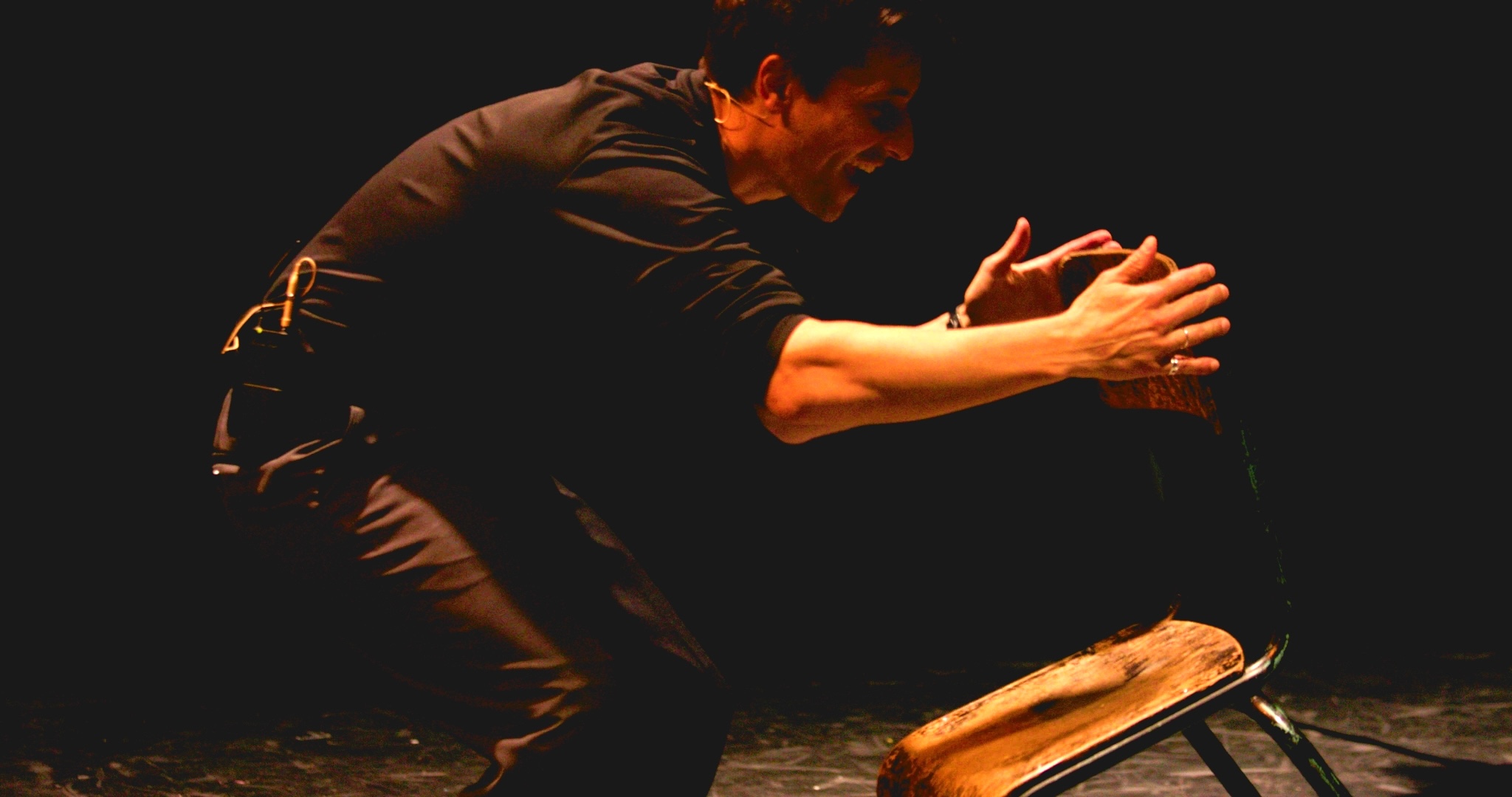
One of the UK’s leading visual theatre companies, Theatre Re focus on making “deeply moving non-verbal productions about universal human challenges and the fragility of life”. Their latest piece, Moments, lays bare the creative process, taking the audience on a journey from nothing to something, from the flicker of an idea to a compelling dramatic sequence.

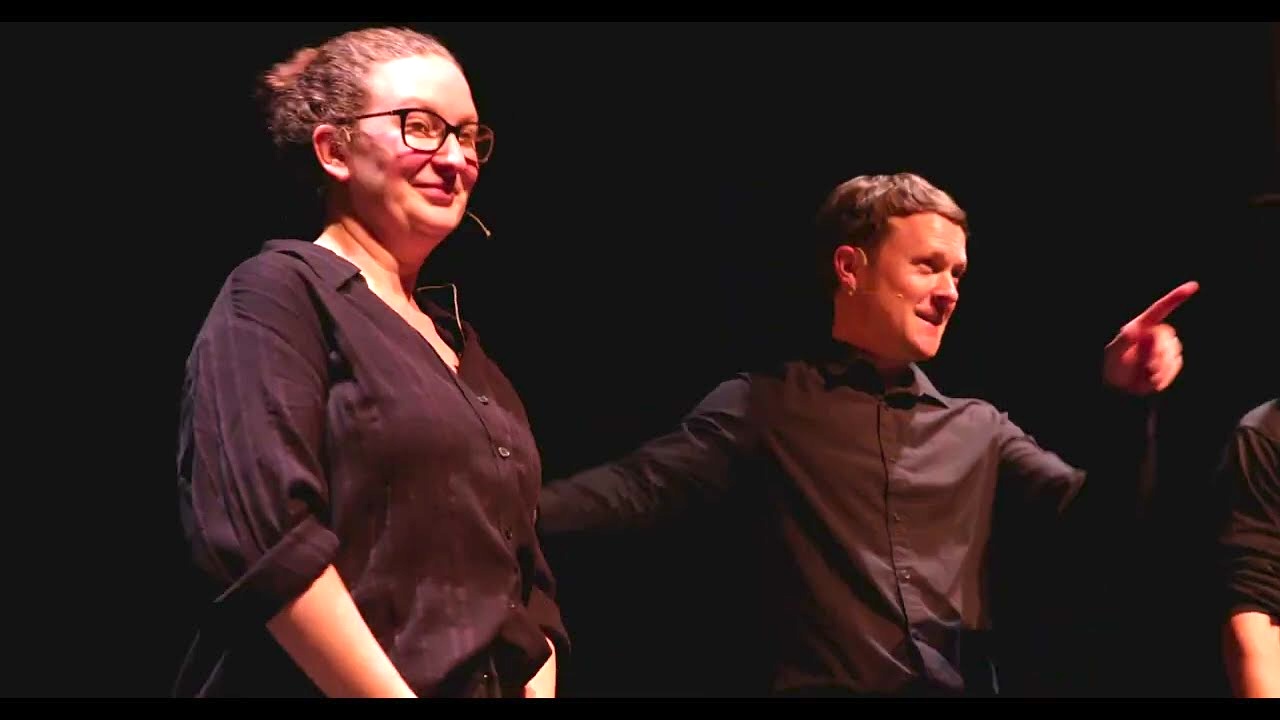
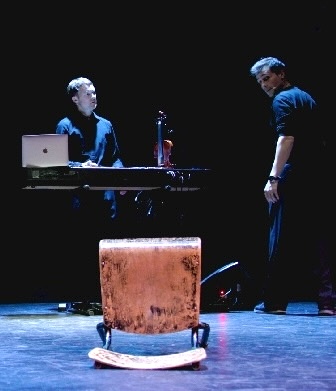
The metatheatrical concept is made clear from the outset, as four performers – dressed in rehearsal blacks – stand in a line and introduce themselves. They are: Guillaume Pigé – conceiver, director, actor and mime; Dr Katherine Graham – lighting designer; Alex Judd – composer; and Anna Kitson – BSL interpreter. From the sound desk behind us comes the disembodied voice of Benjamin Adams. They describe their roles and what they each bring to a show.

And then they begin. A chair, at first simply functional, changes before our eyes, becoming a child and then a father. The mood switches, initially light and amusing, then emotionally charged. The intensity swells with the music; the lighting focuses our attention one way and another. There is dialogue but it’s in French, so – for me, at least, with my school level knowledge of the language – it’s more about tone and tenor than it is about the words.

There’s no denying how skilful these theatre-makers are: the performances are incredibly precise and absorbing, and it’s fascinating to see what they can do with a bare stage, no costumes and one prop. However, it feels more like a demonstration than a play; it’s an exemplar of how to develop a piece of drama but the final scene – the culmination of the process – is too brief to be satisfying.

Moments would work well as an introduction to a drama workshop for A level, Higher or Uni students. It’s a dynamic and engaging piece of work that would surely appeal to anyone interested in learning about the process of making theatre.

3 stars

Susan Singfield

Presence

26/01/25

Cineworld, Edinburgh

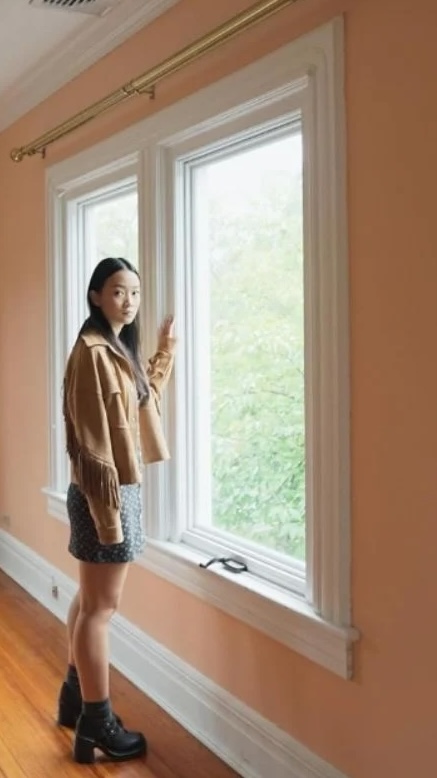
Steven Soderbergh’s latest film is Presence, a taut little ghost story told with absolute assurance. Striking a perfect balance between genre tropes and a fresh approach, this is an intelligent and entertaining piece of work, well worth eighty-five minutes of anybody’s time.

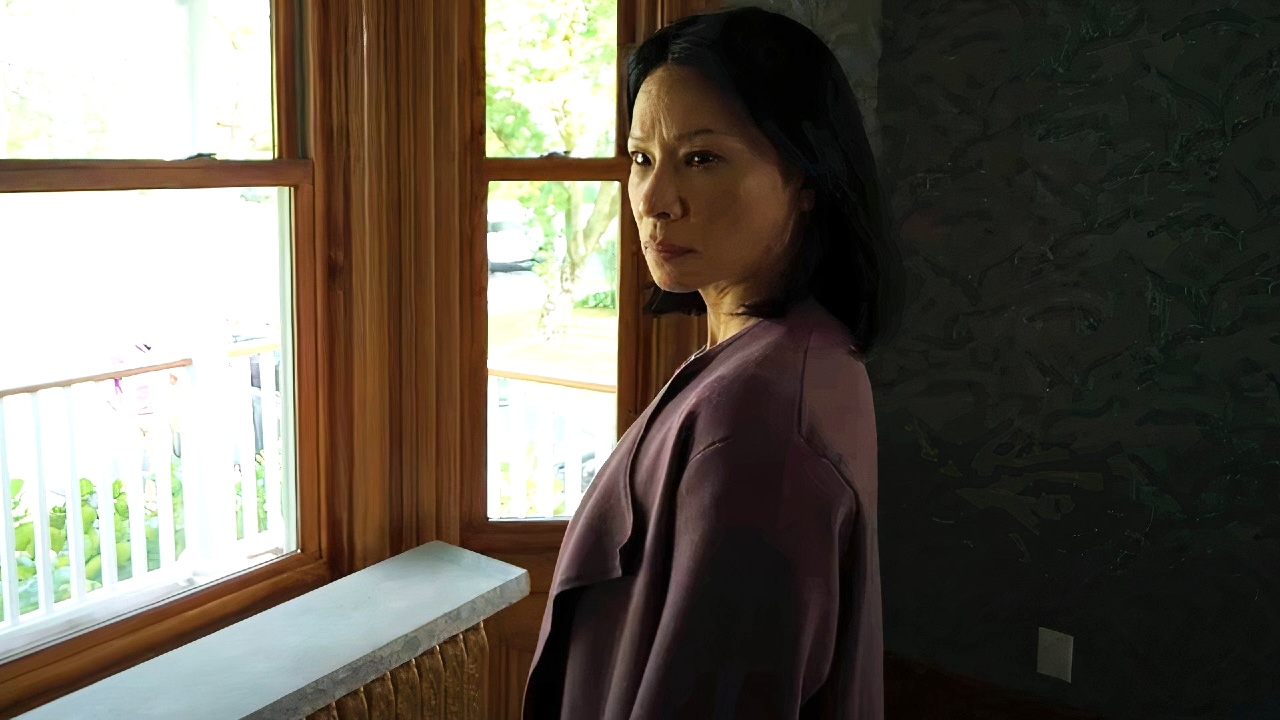
Rebekah (Lucy Liu) is immensely proud of her son, Tyler (Eddy Maday), and determined to maximise his chances of a swimming scholarship, even if it means relocating to a different school district. Her husband, Chris (Chris Sullivan), is unconvinced. After all, it’s only a couple of months since Tyler’s younger sister, Chloe (Callina Liang), lost her best friend to a drug overdose. How will she cope with the upheaval?

But Rebekah is an unstoppable force and so the family duly moves. But Chloe becomes aware that there’s a presence in the new house. Someone – or something – is watching her. Did something bad once happen here?

So far, so predictable – but don’t be fooled. Written by David Koepp, this is a highly original tale with twists and turns aplenty. Its simple surface belies its depths: I find myself thinking about it for hours afterwards, recalling hints and clues that were hiding in plain sight.

Soderbergh’s cinematography sets a claustrophobic tone, as we witness everything from the point of view of the titular presence, peering out from behind the shadows, apparently unable to leave the house. Time sputters forward jerkily: the rooms are empty, then filled with furniture; the walls change colour; trinkets appear; messes are made. The family dynamics are slowly revealed: the cracks in Chris and Rebekah’s marriage; Chloe’s longing for her mom’s attention; the chasm separating Chloe from her jockish brother. Whatever the presence is, it doesn’t seem to want to cause her harm…

Liang might be a relative newcomer, but she more than holds her own in the lead role, creating a compelling and engaging character for the audience to root for. Liu and Sullivan convince as a disaffected couple, while Maday and West Mulholland (as Tyler’s team-mate, Ryan), provide the boyish bantz.

It would be criminal to reveal more here, and so I won’t. Suffice to say that this is a welcome addition to the ghost story cannon. And I look forward to seeing what else the prolific Soderbergh has to offer, in next month’s highly anticipated Black Bag.

4 stars

Susan Singfield