LA TABLE D’YVAN

10/05/25

Mas des Carassins, St Remy de Provençe, France

We’re back in Provençe for the first time in far too long and, since we’ve promised to take the inimitable Brenda S out for a meal to celebrate her recent birthday, we’re glad to hear that she’s just as keen as we are to return to La Table d’Yvan, one of our favourite fine-dining restaurants in the area. It’s a beautiful sunny evening and the restaurant, nestled in its tranquil setting, provides a wonderful place to savour a meal. We sit at a table in the conservatory and gaze out across acres of verdant countryside, while we nibble at a platter of green olives, fresh bread and croutons.

Some things have changed since we were last here – we no longer drink alcohol – but on this occasion, we do enjoy a glass of a particularly nice 0% Sauvignon Blanc, suggested by our waiter, which proves to be one of the best I’ve tried.

The first meal to arrive is dismissed by her as a mere amuse bouche, though that hardly does justice to what she brings us: a large serving dish, elegantly laden with bowls of sumptuous guacamole decorated with spears of crisp pastry; glasses of chilled cucumber soup, a perfect choice for the current weather; and rectangles of soft, chewy parmesan focaccia. As amuse bouches go this has to be one of the most elaborate and utterly delicious creations I’ve sampled.

Onto the menu proper, and we’re served prawn three ways. There’s a delightfully-crispy tempura king prawn, the cooking perfectly executed with a zesty crunch and not a trace of greasiness. There’s a lightly-cooked prawn, beautifully contrasted by the bed of earthy spiced beans it rests on; and the final variation on the theme is a prawn liberally bathed in a tantalising creme légére. Needless to say, all iterations are promptly devoured and each of us has a different favourite.

For the main course, there’s an entrecote of beef, cooked for seven hours until it is the very definition of ‘melt-in-the-mouth.’ It resides on a bed of polenta mash and is surrounded by a generous scattering of flageolet beans and diced carrots. Each serving is topped by a reduction of butternut squash, on the peak of which a single roasted vine tomato offers a burst of even more intense flavour. The whole dish is drizzled with a beautiful red wine jus and I find myself unable to resist mopping the plate clean with the hunk of soft, white bread I’ve been saving for just such an opportunity.

Next up, there’s a selection of five cheeses, varying from a mild, creamy goats’ cheese to a ripe, flavoursome gorgonzola, and ticking all the boxes in between. There’s no messing about here, just the cheeses and more bread if required, though we skip the latter, wanting to leave room for something sweet.

Which brings me – I’m delighted to say – to the pudding, a picturesque creation of strawberries, chantilly cream and sorbet, which looks absolutely fabulous and tastes even more so.

Did I mention that this establishment manages to bring in these superb dishes at prices that represent exceptional value for money? Well, they do and I’m saying it now: if you live in the area or are planning to travel to Provençe any time soon, this restaurant should definitely be on your ‘to visit’ list.

Everything about it – the location, the price and, of course, the food, is quite simply magnifique.

5 stars

Philip Caveney

Bonnie and Clyde: The Musical

04/05/25

Dominion Cinema, Edinburgh

Jesse James. Billy the Kid. Butch Cassidy.

America has long had an infatuation with the myth of the outlaw and Bonnie Parker and Clyde Barrow are simply more recent examples of the phenomenon. They carried out their crimes – and met with a deadly reckoning for their transgressions – in the early nineteen-thirties at the height of the Great Depression. The two young criminals were deified in their own lifetimes, largely due to the poems that Bonnie wrote about their exploits and, after their deaths, by several images that were found on a camera that belonged to them. But they had to wait until 1967 to be fully rediscovered, when Arthur Penn’s visceral film about the two criminals brought them back to the attention of young audiences around the world.

Filmed in London’s West End in January 2022 to a sold-out crowd all wearing face masks (a reminder that we had just come through a grim time in our own history), this assured musical offers an intelligent reassessment of Bonnie and Clyde’s familiar story. It begins at the end of their journey with a grim account of the number of bullets that were fired at them in their final moments (130, if you’re interested), before backtracking briefly to their respective childhoods. Young Bonnie (Bea Ward) is already starstruck, singing a song about her favourite movie star, Clara Bow, who she longs to emulate. Young Clyde (Albert Atack) despairs of his family’s hardscrabble existence and is making putative plans for an escape that only a generous infusion of cash can facilitate.

Pretty soon they’ve grown up. Bonnie (Frances Mayli McCann) is working as a waitress when she first encounters the smooth-talking Clyde (Jeremy Jordan). He’s recently absconded from prison but still finds time in his frantic schedule for a little romance. There’s an instant attraction between them, and almost from the word ‘go’, they are inseparable. Clyde’s older brother, Buck (George McGuire), welcomes Clyde’s latest sweetheart, but Buck’s God-fearing wife, Blanche (Natalie McQueen), isn’t quite so entranced by her – and makes her feelings clear.

However, it’s only a matter of time before Buck and Blanche are drawn in to the couple’s irresistible orbit and, as The Barrow Gang graduates from robbing general stores to robbing banks, retribution is patiently biding its time…

Directed by Nick Winston with book by Ivan Menchell and songs by Frank Wildhorn and Don Black, Bonnie and Clyde: The Musical is a powerful retelling of this familiar tale, the songs ranging from blues-infused upbeat thumpers to soulful ballads. From time to time, ‘The Preacher’ (Trevor Dion Nicholas) strides on to deliver some gospel-soaked anthems, clinically parting his congregation from their hard-earned cash in exchange for excerpts from the Bible. The sense of desperation looms large. A scene where the gang stage a bank robbery only to discover that the vaults are completely empty is a particular eye-opener. This is a point in history when people are compelled to take desperate measures.

The performances are uniformly strong. Jordan captures Clyde’s unflagging determination to better himself and his steadily-mounting realisation that he is doomed, while Mayli McCann excels as a woman so under her partner’s spell that she is helpless to resist the inevitable slide towards her own destruction. McQueen offers a deliciously-funny performance as the disapproving Blanche, somehow managing to make every line she utters a searing condemnation.

I find myself wondering how Winston will attempt to recreate the carnage of the duo’s final moments, but happily, he doesn’t even try, preferring to leave them at an intimate moment shortly before they set off on their final journey. And on reflection, that seems the wisest approach.

We all know what happened to Bonnie and Clyde – and the essence of these two legendary figures is not how they died but how they lived.

4.8 stars

Philip Caveney

Thunderbolts*

02/05/25

Cineworld, Edinburgh

I’ve been decrying Marvel’s deplorable lack of ambition for so long that, when the studio finally comes up with something that’s genuinely different from what’s gone before, I feel mean when I say that it’s still not quite enough. But more of that later.

Thunderbolts* – and no, that isn’t a typing error, there really is an asterisk in the title, though I honestly haven’t the faintest idea why – is a superhero movie with a difference. The team of players we are presented with are all misfits in one way or another. I guess you could argue that DC’s Suicide Squad offers a similar premise, but it’s more cleverly handled here. Chief among our pound-shop players is Yelena Belova (Florence Pugh), the sister of the now-deceased Black Widow. Once a larger-than-life adrenalin-junkie, Yelena spends all her time miserably doing the bidding of Valentina Allegra de Fontaine (Julia Louis-Dreyfus), a crooked politician with her eye on world-domination. (Hmm. I wonder where they got that idea?)

Yelena has lost touch with her father, Alexei (David Harbour), who now plies a trade as a chauffeur, and she longs for something that will make her feel like she’s actually doing some good. Sent out on yet another thankless mission – to destroy one of de Fontaine’s secret laboratories – Yelena discovers that two others have also been handed the same task. They are shape-shifter Ava Starr (Hannah John-Kaman), and John Walker (Wyatt Russell), a kind of below-parr Captain America knock-off. After a thankless skirmish, the three of them decide to join forces rather than continue to oppose each other and, before leaving, they rescue a seemingly ordinary guy called ‘Bob,’ (Lewis Pullman), who they find wandering about the place looking vaguely confused.

Once back in the real world, the ‘team’ quickly adds congressman Bucky Barnes (Sebastian Stan, last seen by B&B as the odious Donald T in The Apprentice) and, of course, Yelena’s dad, who has been itching for an excuse to ditch the new job and get back into his old Red Guardian outfit. It’s Alexei who comes up with the titular name for the assembly but it isn’t long before they are being pitched by the opportunistic de Fontaine as ‘The New Avengers.’

Thus far, Thunderbolts* feels rather ordinary: too many characters struggling for screen time and going through the same over-familiar tropes – but Bob, it turns out, is the film’s secret weapon in more ways than one, especially once he discovers his own hidden powers. He metamorphoses into a kind of alternate Superman, a dark, brooding figure whose actions are motivated by depression and paranoia and who is much more interested in destroying the world than saving it. He’s also not above rubbing out cute little children who get in his way – a move unthinkable in most superhero films.

While director Jake Schreier takes too long to reveal this trump card, once it’s out there, the proceedings pick up immediately and actually start to feel – dare I say it? – genuinely interesting, which is not a quality I’ve seen in a Marvel film for quite some time. And if nothing else, here’s proof that Florence Pugh is now a major box-office star, always capable of finding new depths in any persona she chooses to take on. Her Yelena is much more than a 2D comic brought to life.

For those who care about such things, there are two post-credit sequences. The first is brief and actually makes me laugh out loud. The second is more complex and offers a glimpse of upcoming Marvel release, The Fantastic Four, but you’ll need to stay in your seats until the bitter end if you want to catch it. It remains to be seen if that seemingly-doomed quartet can be rescued from the doldrums, but for now, Thunderbolts* is way better than expected.

3.6 stars

Philip Caveney
Jellyfish

01/05/25

Bedlam Theatre, Edinburgh

Smiff (William Osbon) and Willow (Raphaella Hawkins) are a married couple, hanging on in quiet desperation in their perfectly decorated home, somewhere in suburbia. Smiff has an addiction to tinned spaghetti and entertains dreams of owning a sailing boat, despite having no experience of marine life whatsoever. Willow just wistfully thinks about getting out of the house, maybe going for a picnic or a nice walk? Today, she thinks, could offer the perfect opportunity.

But then the Jellyfish shows up at the door. Again…

Anya McChristie does a fabulous job of depicting the titular invertebrate, a wildly unpredictable creature with its own language, who can switch from unbridled joy to deep despondency at the twitch of an imaginary tentacle. Smiff appears to be on the creature’s wavelength from the word ‘go,’ and the two of them quickly form a powerful bond. This leads to Willow feeling excluded from them – and her attempts to get to know the visitor – even trying to teach it the intricacies of her beloved Scrabble – seem doomed to failure…

Filfbag Theatre’s Jellyfish is an absurdist comedy about the human condition, written by Osbon, and recent winner of the University of Edinburgh’s English Literature Play Award. There’s plenty to like in this quirky production, directed by Tilda Seddon. Both Osbon and Hawkins inhabit their characters with absolute authority and I particularly enjoy the sequence where Smiff and his tentacled-chum decide to let rip by indulging in the most fun pastimes they can think of. Cue some very strange antics and bizarre facial expressions.

It’s not all giggles. The world beyond the walls of the couple’s home appears to be a dark and forbidding place, somewhere to venture at your peril. Can it really be that there’s nothing out there?

Fast-paced, inventive and full of surprises, audiences will have a lot of fun figuring out exactly what the the mysterious visitor represents – and those in stifling relationships will doubtless identify with some of the interactions between Smiff and Willow. Jellyfish will be at Bedlam Theatre until May 4th. If you want to catch this, you’d better get a wriggle on.

4 stars

Philip Caveney
Havoc

27/04/25

Netflix

Welsh filmmaker Gareth Evans first came to prominence with his martial arts epic The Raid in 2011. An inevitable sequel (imaginatively entitled The Raid 2) followed in 2014, but his last big-screen release, The Apostle (2018), came and went with barely a ripple. So Havoc is clearly an important project for Evans. Which may explain why it feels like the very definition of the word ‘overkill.’

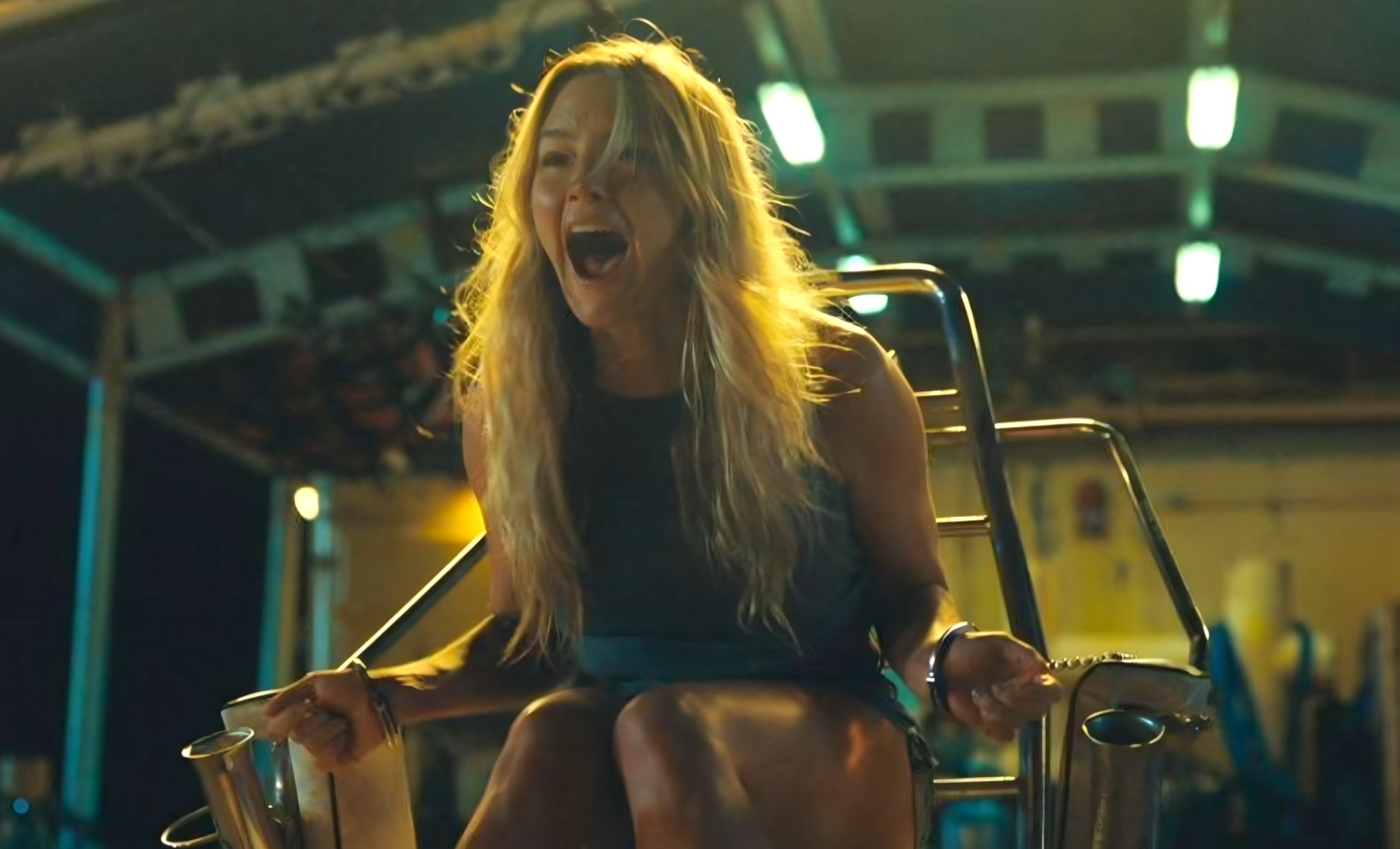
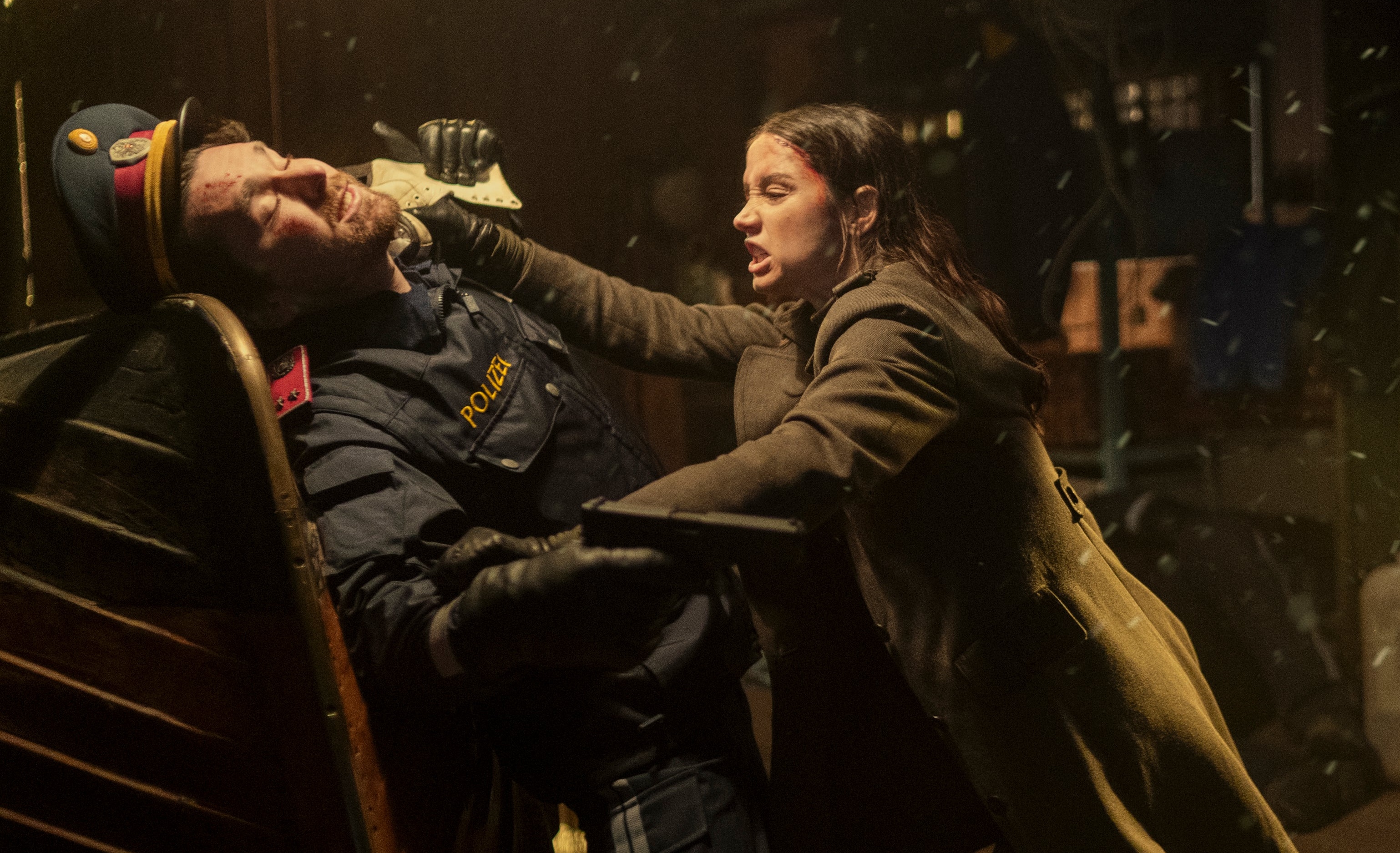
To be fair, it starts well. The action takes place in an unspecified American city – actually a heavily-CGI’d Cardiff. Grizzled cop Walker (Tom Hardy) is at an all-night garage, hastily trying to buy a Christmas gift for the twelve-year-old daughter he rarely ever sees. (Mind you, we don’t get to see much of her either.) Walker, it quickly becomes clear, is a dodgy copper, but then he’s not alone. Every member of the police force we meet in this story is on the take, apart from Ellie (Jessie Mai Li), who has only recently taken up her post as Walker’s sidekick.

After a drug deal goes wrong, Charlie (Justin Cornwell), the son of crusading politician, Lawrence Beaumont (an underused Forest Whitaker), finds himself hunted by a vengeful Chinese gang leader, who lost her own son in the resulting gunfire. Walker is ‘persuaded’ by Beaumont – yes, he’s also dodgy – to rescue Charlie, in exchange for a pardon for former crimes…

But the plot hardly matters, since Havoc – as the name might imply – is mostly an excuse to string together a series of action set-pieces. The first of them, the aforementioned ‘drug deal gone wrong’, is nicely staged, with some artfully-filmed slo-mo sequences and, what’s more, it’s relatively brief. But having dipped his bread in the old red stuff, Evans (who also wrote the screenplay) seems determined to serve up an ‘all-you-can-eat’ buffet of mayhem and murder.

The action becomes increasingly incoherent. People don’t just get shot and fall down, they dance around the screen spouting blood like human colanders. There’s a seemingly inexhaustible supply of ammunition and the Chinese drug gang employs an infinite number of human targets, all of whom appear to exist simply to run gleefully towards their own destruction. You’d need an abacus to keep a record of the body count.

For me, the main problem here is that, aside from Ellie, every character I meet is a villain of the lowest order and, while it’s not impossible to get audiences to root for bad people, you first have to know something about them in order to care what happens. But I know hardly anything about anybody and that includes Walker. Somewhere in this mess, excellent actors like Timothy Olyphant and Richard Harrington struggle to make any impression, as they are inextricably lost in a tidal wave of blood and bullets. As Havoc thunders towards its final, protracted punch-up, I’m already wistfully looking forward to the credits.

This one is clearly made for diehard action freaks and doubtless it will scare up some kind of an audience on Netflix – but for me it’s too loud, too messy and too downright unbelievable.

2.8 stars

Philip Caveney
SIX The Musical Live!

27/04/25

Cineworld, Edinburgh

We first saw SIX The Musical in 2018 on its triumphant return to the Edinburgh Fringe. A year earlier, as a bare-bones student production, it had garnered a lot of attention. Now it was back with a big budget and a lot of buzz. We duly went along to the purple upside-down cow tent dominating George Square Gardens (AKA the Udderbelly) and immediately understood what all the fuss was about. With its high-octane energy and witty lyrics, this re-writing of herstory was bursting with vim and invention. Afterwards, we bought the album and listened to it on repeat.

We saw it a second time when it came to the Festival Theatre on tour, now with a different cast. The production was as compelling as ever – but those Udderbelly Queens will always reign as far as we’re concerned.

So we’re delighted to see that an original-cast reunion performance has been filmed; what’s more, it’s included in our Cineworld Unlimited plan. What better way to spend a Sunday morning than engaging in a little Fringe-nostalgia, and trying to suppress the urge to sing along with some of our favourite songs?

It’s astonishing to think that Lucy Moss and Toby Marlow were still at uni when they wrote this juggernaut, which now boasts more than a thousand performances both in the West End and on Broadway, to say nothing of its wider global reach. Their combined talent is truly awesome and, directed by Liz Clare, the musical absolutely deserves its huge success.

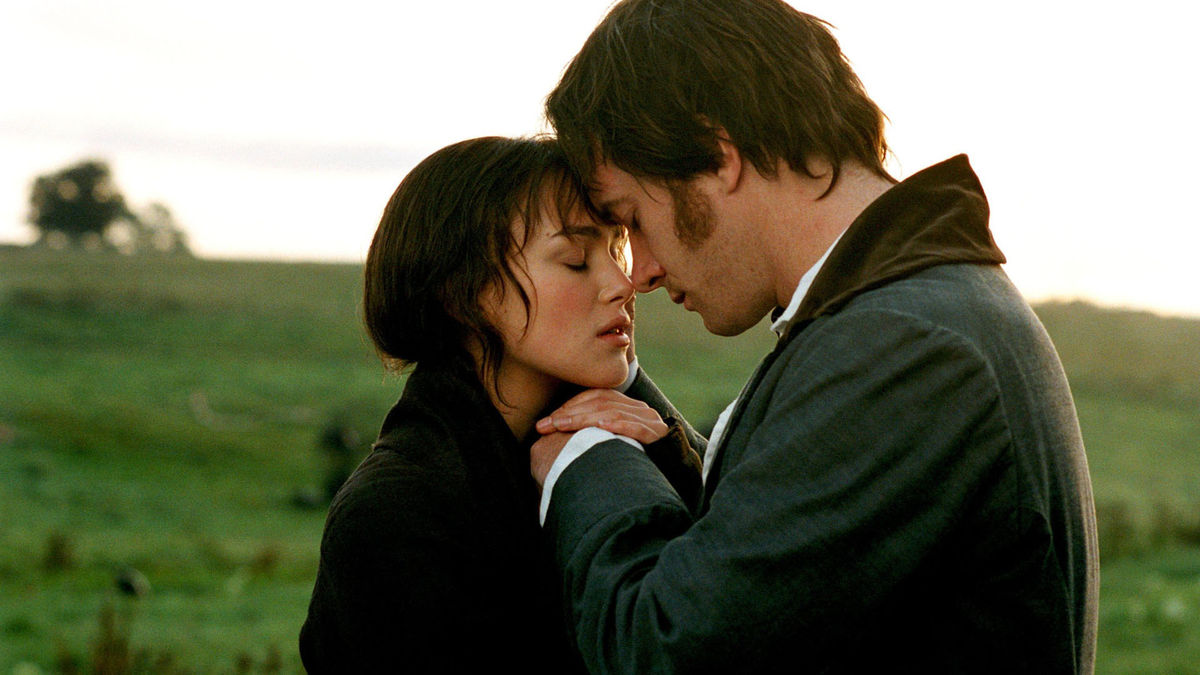
The conceit is simple: each of Horrid Henry’s wives thinks she’s the most historically important. Unable to come to a consensus, they decide to battle it out via the medium of song, so that the audience can judge who’s suffered the most and is therefore the most deserving. It’s hardly a spoiler to reveal that, in this feminist reframing, they end up setting their differences aside and embracing their sisterhood. After all, together they amount to more than just one word in a stupid rhyme, right? Combined, they’re the main reason anyone remembers Henry at all.

They sing in herstorical order: Jarneia Richard-Noel (Catherine of Aragon – divorced), Millie O’Connell (Anne Boleyn – beheaded), Natalie Paris (Jane Seymour – died), Alexia McIntosh (Anne of Cleves – divorced), Aimie Atkinson (Katherine Howard – beheaded) and Maiya Quansah-Breed (Catherine Parr – survived). The songs are wonderfully distinct, incorporating Latin-American-tinged funk, a plaintive ballad and thumping Teutonic techno. Each Queen earns every minute of her time on the throne.

For anyone who hasn’t seen it, grab the chance while you can: this version, filmed live at London’s Vaudeville Theatre, comes with a précis of the production’s journey, as well as a pre-show cast interview, and has several showings a day in multiplexes this week. You’d be hard pressed to find a more dynamic and entertaining group of dead women to spend your time with.

5 stars

Susan Singfield

Pink Floyd at Pompeii

25/04/25

Cineworld, Edinburgh

I first saw this film in the cinema fifty-three years ago…

Wait. Stop. Can that be right? I mean, I understand that I’m getting old but… fifty-three years? But, yes, the dates do check out. And amazingly in 1972, when Pink Floyd at Pompeii was released, I had already been a fan of the band for half a decade. In 1967, in what was my final year at a rather horrendous boarding school in Peterborough, I was entranced enough by the Floyd’s second single, See Emily Play, to actually use some of my pocket money to buy a mono copy of their debut album, The Piper At the Gates of Dawn. Returning to school with it held proudly under my arm, I found myself surrounded by a gang of bigger boys, who sneeringly informed me that the Floyd were ‘degenerates who took drugs’ -unlike their favourite band, The Beatles. They then threw me to the ground and attempted to stamp all over my new purchase but luckily I was able to shield the album with my own body and it survived to be played another day.

I took great delight the following morning in strolling over to my assailant’s breakfast table and dropping a copy of a newspaper in front of them. The banner headline on page one was, “‘I took LSD,’ says Paul McCartney.”

The years rolled on. In 1969 I finally saw the band live at the Liverpool Philharmonic performing Umma Gumma, managing to procure a ticket for the equivalent of what might these days fall down the back of the average sofa. I emerged with the demeanour of somebody who had just witnessed the second coming of Christ. I remember that at one point the band wore gas masks and played in the midst of bright red smoke. I was by now a rabid fan.

Which finally brings me to this re-release. In 1972, director Adrian Maben persuaded the band to go to the ancient ruins of Pompeii, set up their equipment in an empty arena and run through excerpts from their new album, Meddle, plus a selection of live favourites (Careful With that Axe, Eugene; A Saucerful of Secrets; Set the Controls for the Heart of the Sun). There’s no audience present unless you count the various film technicians and road crew, standing stripped to the waist in the baking sun and watching with apparent indifference as David Gilmour, Roger Waters, Richard Wright and Nick Mason unleash a barrage of sonic mayhem. On the directorial side there’s little in the way of special effects. Cameras, mounted on rails, prowl restlessly around the musicians as they play, sometimes tracking along behind stacks of sound equipment. At key moments in the Blitzkrieg, images of ancient statues, bubbling lava pits and fiery sunsets are inserted into the mix, Maben seeming instinctively to know when to augment a particular sound with a visual counterpoint.

What’s new here is the massive scale of an IMAX screen, a pin-sharp print and a crisp, clear digital sound mix that captures every last musical nuance in perfect detail. There are cutaways to the band ensconced at Abbey Road studios, working on what will be Dark Side of the Moon. The wonderful advantage of hindsight shows four young men who are quietly confident that their new brainchild will be good, but completely unaware that in just one year, they will be releasing one of the biggest-selling – and many would claim – greatest albums in history.

The next time I saw Floyd live, it was at Wembley Stadium, with that massive state-of-the-art show that included the infamous exploding aeroplane and levels of technical razzle-dazzle that changed the rock business forever. But it’s at Pompeii that I prefer to remember them, a youthful quartet just beginning to nuzzle hungrily at the edges of greatness, blissfully unaware of everything that’s about to follow. And I’m amazed to discover that Maben’s film is so ingrained in my memory that I can remember key shots and images as they unfold. It’s one hour and thirty-two minutes of sheer heaven for me and, glancing around the packed auditorium, I can see I’m not alone.

Stars? For me, this one can’t be anything less than the maximum allowed. After all, I’ve waited a very long time to see it. Again.

5 stars

Philip Caveney
A Little Inquest Into What We Are All Doing Here

24/04/25

Traverse Theatre, Edinburgh

As the title suggests, ThisEgg’s A Little Inquest Into What We Are All Doing Here takes the form of a legal hearing scrutinising the cancellation of their 2022 piece, The Family Sex Show. Some readers may remember the furore: news of the play, aiming to open up avenues for safe, open conversations about sex for children and parents, was picked up by extremist hard-right groups, and there were calls for it to stop. And so, before it was fully developed, the fledgling drama had its wings well and truly clipped. Venues, understandably scared by bomb threats, pulled out. Members of the company, their families and venue staff were called paedophiles and subjected to death threats. The pearl-clutching moral outrage had its intended effect, and The Family Sex Show never made it into production.

Lead artist and producer Josie Dale-Jones sits behind a desk and speaks into a microphone, laying out the details for us to consider. She is scrupulously even-handed, not only defending her much-maligned play, but also acknowledging some of the mistakes she made along the way.

The main focus, however, is on two issues.

First, our current approach to sex education does children a disservice. Not everyone has parents who are willing – or even able – to listen to their concerns and offer them sensible advice. Teachers have neither the time nor the training to deliver the guidance young people need in this area. So what’s the answer? Let them learn about sex and relationships from their equally ill-informed classmates? From porn? Or perhaps we should leave it to Andrew Tate to let them know what’s what? The Family Sex Show might have had its faults, but it should never have been cancelled without even being seen. How can we decry something without understanding what it is? At least ThisEgg were trying to make a difference. Who knows? Maybe this play would have been some youngsters’ salvation, helping them to navigate their way through their thorny adolescent years.

Second, being the victim of a wave of public vitriol is horrific. Dale-Jones reads out a selection of the violent, misogynistic emails and letters she received. They’re terrifying. Who are these people, who – hiding behind the anonymity of a jaunty email address – casually advise a stranger to commit suicide, or threaten to murder them, gleefully citing their parents’ address? They’re not so few in number that we can afford to rest easy. They walk among us. Maybe we’re related to them; maybe, unwittingly, we count them as friends. Unsurprisingly, the impact on the recipients’ mental health is devastating.

Dale-Jones is a committed performer, and the interrogative format of Abbi Greenland’s script stops the piece from feeling too didactic. The wider concerns are skilfully woven into her personal story, combining the macro with the micro to form a challenging and thought-provoking narrative.

About forty minutes into this hour-long production, there is a sudden shift of gear, and we find ourselves hurtling in an entirely unexpected direction. There’s glitter, tap-dancing, a second actor (Laurence Baker) – and a depiction of the dying throes of a longterm relationship. Here, director Rachel Lemon offers us a glimpse of the more private consequences of being silenced: the loss of confidence; the loss of self-esteem; the loss of income. This section is figurative, providing a stark contrast to the more literal earlier stretches. I like the audacity but, although there are some moments I enjoy and admire, I find it weakens the message overall.

Nonetheless, this is a clever, provocative piece of theatre, which raises a lot of important points for debate. It’s easy to see why it won a Fringe First award last year.

3.6 stars

Susan Singfield

Looking For Me Friend: The Music of Victoria Wood

23/04/25

Traverse Theatre, Edinburgh

Victoria Wood was on my radar early on. Like many others, I first became aware of her when she appeared on (and won) TV talent show New Faces in 1974. Over the years, I regularly tuned in to her latest TV iteration, witnessing her various working partnerships with the likes of Julie Walters, Celia Imrie and Maxine Peake – and was dismayed to hear of her death from oesophageal cancer in 2015 at the age of just 62.

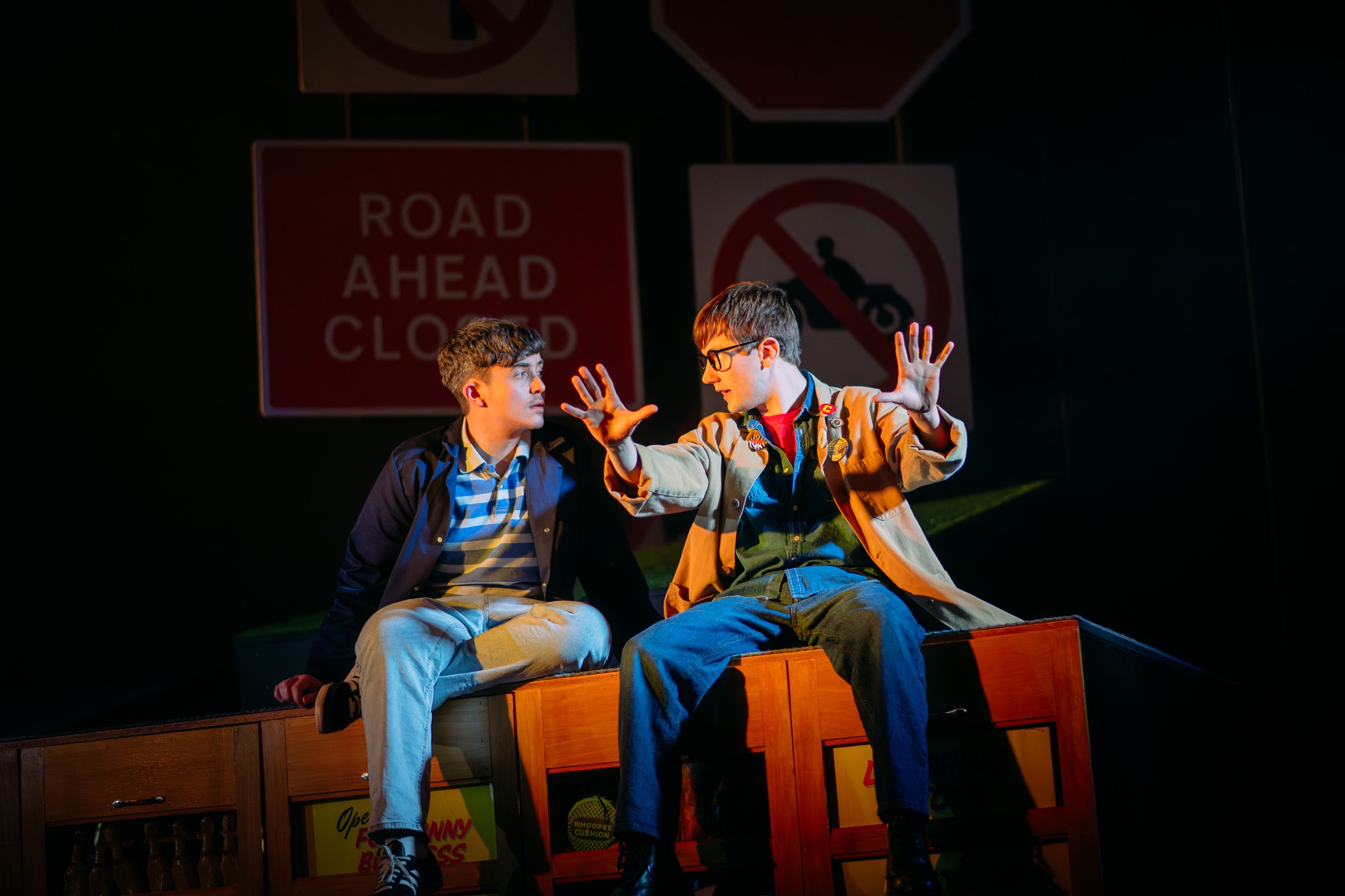
Paulus grew up through the strictures of the 1970s and 80s and, as a gay man, he found Wood an inspiration, enjoying in particular her songs and the playful way she used lyrics to create and define characters. When he met kindred spirit, Michael Roulston, it was perhaps inevitable that the two of them would eventually collaborate on a show, which they brought to the Edinburgh Fringe in 2022.

Looking For Me Friend is essentially a love letter to Victoria Wood, a celebration of the woman who would never use the word ‘biscuit’ when she could say ‘Garibaldi,’ who helped launch the careers of so many other performers, who always came across as somebody you’d love to have a long chat with over a cup of coffee. (I’m fascinated when Paulus tells us that, early in his career, he sent begging letters to scores of entertainers asking for their financial help and the only one who actually came back with a cheque – for £50- was Victoria Wood.) Sadly, he never met her in person.

This is a warm hug of a show, and Paulus is a confident and charming performer, nailing each song with aplomb and chatting with the audience in between. This isn’t an impersonation so much an interpretation of Wood’s best musical pieces, which vary in tone from laugh-out-loud funny to downright heartbreaking. Roulston provides sensitive musical accompaniment and occasionally weighs in with some pithy one-liners from Wood’s back catalogue. The two men work together with absolute ease.

It’s clear that there are some people in tonight’s audience who harbour the same devotion to the woman that inspired Paulus, some of them able to shout out even Wood’s most obscure catch-phrases on cue. I’m not that much of an expert myself but listening to the surprising range of material in tonight’s performance does make me appreciate that I’ve missed out on much of the late comedian’s finest compositions. Of course, you don’t have to be a Victoria Wood fan to enjoy this show: even in the unlikely event that you’ve never heard of her, you’ll feel that this is an hour and a half in which you’ve been thoroughly entertained.

Looking For Me Friend has just one more show in Edinburgh before it moves on to pastures new, so grab some tickets. Do it! Do it toniiiiiiiight!

4 stars

Philip Caveney
Sinners

20/01/25

Cineworld, Edinburgh

After Black Panther and Wakanda Forever, Ryan Coogler clearly needed to strike out in a new direction, and here’s the long-awaited result. While on the face of it, Sinners initially comes across like a more complex version of From Dusk Till Dawn, it’s far more ambitious than Tarantino’s film: a Gothic vampire-musical mashup, though more seriously intentioned than that description might suggest.

It’s 1936 and shady twins, Smoke and Stack (both played by Michael B Jordan), return to their old stomping ground in Mississippi. They’ve been working for mobsters in Chicago for quite some time and have returned with mountains of cash and noble intentions. They are determined to set up and run a juke joint, where the local Black community can gather to drink and dance and listen to music. Of course there’s money to be made from the enterprise, but that’s almost an afterthought. Is it a problem that they’ve purchased the building and the land from members of the Ku Klux Klan?

In order to set the right tone for their venue, the twins recruit their cousin, Sammi (Miles Caton), a young musician, who – despite being the son of a local preacher – has a near supernatural ability to play guitar and sing the blues. They also secure the services of veteran musician, Delta Slim (Delroy Hatton), who is as much lured by the twins’ access to good booze as by the handsome wages they offer him.  Also present on the launch night  are the twins’ respective old flames. Smoke’s ex, Annie (Wunmi Mosaku), is a cook and ‘Hoodoo’ priestess (the latter talent sure to come in handy at some point), while Stack’s former girlfriend, Mary (Hailee Steinfeld), is a white-presenting mixed-race woman with an uncanny ability to instigate trouble.

It’s all going swimmingly until the unexpected arrival (at sundown) of a fugitive called Remmick (Jack O’Connell). He’s being pursued by Native American trackers, but they are forced to give up once darkness falls. Remmick is a wandering Irish musician with an unusual method of recruiting others to his cause. He’s a vampire… and he’s soon lured by the sounds of music issuing from the juke joint, music that he wants to claim as his own, even if he does want to bowdlerise it, make it white. But he can’t come inside the juke joint unless he’s invited…

Sinners – as you may have gathered – is a great big allegory, where the word ‘vampire’ could just as easily be substituted for ‘colonialism’. It’s handsomely filmed in 70mm and expensively mounted, meaning that just about every frame looks ravishing. The recreation of the pre-war era is beautifully visualised and the cameras linger hungrily on the details. For me, it’s the many musical aspects that provide the most memorable sections: three mournful-looking vampires harmonising beautifully on a plaintive version of The Wild Mountain Thyme; a slow and languorous pan around the juke joint where Sammi’s performance is augmented by unnamed musicians from a whole variety of different eras; and, best of all, the massed vampire hordes outside the building, bashing out a rollicking version of The Rocky Road to Dublin while O’Connell dances a frenzied Irish jig.

Not everything about Sinners is quite as assured. For one thing, having two Michael B Jordans for the price of one might seem like a great idea on paper but, when the action kicks off, I’m sometimes unsure which twin I’ve got eyes on. At times, the mumbled dialogue makes me wish I’d chosen a subtitled presentation. And furthermore, there’s a general ponderousness to the storytelling, an earnest  desire to show every last detail, that too often slows down the momentum, allowing my attention to wander. I feel sure that a tighter edit would help no end. This could lose thirty minutes and be all the better for it.

Nitpicks aside, Sinners is an unusual venture in these troubled times: a big-budget extravaganza that is neither a sequel nor a prequel, and that furthermore has no glimpse of spandex in the mix – unless you count that weirdly-dressed dude with the electric guitar, adding a frenzied solo to Sammi’s acoustic performance.

Do stay in your seats until the credits have rolled for a while. Eighty percent of the audience at the screening I attend wander off and miss an important 90s-set coda, where Sammi (now played by blues legend, Buddy Guy) is still touring the clubs – and still playing his ol’ guitar.

3.8 stars

Philip Caveney