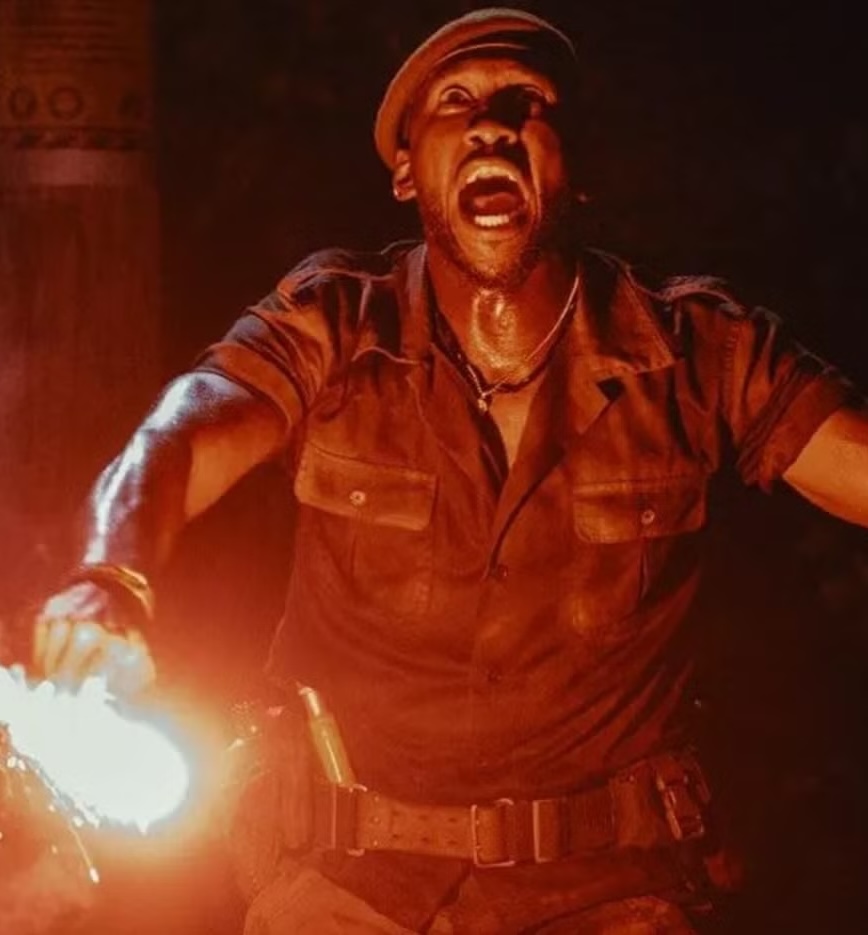
Shake Rag Hollow

02/08/25

Assembly (Front Room), Edinburgh

The Edinburgh Fringe is a place where precious gems can sometimes be unearthed in the unlikeliest places. Shake Rag Hollow is a perfect example of the phenomenon. This tightly-constructed three-hander, written by Arlene Hutton (whose Blood of the Lamb was also a bit of a revelation back in 2023) and directed by Eric Nightengale, is set at the top of a mountain in Southern Tennessee – though in reality, it’s taking place in an unprepossessing metal storage container on George Street. 

That gentle voice we can hear, extolling the virtues of the eponymous hollow, belongs to the late Sherman, who always loved this place, and delighted in revealing its charms to his young niece, Denise. But Sherman is long gone and now Denise’s daughter, Laurel (Sofia Ayral-Hutton), lives in the remote cabin with her grandmother, Pauline (Beth Links). Denise has been in prison for years, convicted of a horrendous crime, and Laurel has learned to despise the mother she has never met.

But then Denise (Dana Brooke) turns up unannounced, lugging a suitcase and looking for somewhere to stay. Recently released, Denise needs space to complete the online Masters in psychology she’s so close to achieving. Pauline grudgingly gives her daughter sanctuary, despite Laurel’s hostility – and, as Denise and Laurel gradually start to connect, unexplained mysteries from the past begin to resurface – raising questions that have remained unanswered for far too long…

This is a powerful play that gradually builds to a shattering crescendo. The three actors portray their characters with authority, allowing the audience to vividly imagine the rural setting, so that I can accept that an upturned table and a couple of chairs represent a wild forest through which Denise and Laurel must pick their way – and that a humble cardboard box really can hold the key to so many secrets. Brooke in particular manages to convey the inner desperation of her character, a woman seething with pent-up trauma, who has been obliged to live with a lie for decades and is now finally confronting the truth – and Ayral-Hutton is also compelling as the naïve and impressionable Laurel.

The climax when it arrives actually brings me to tears. This play deserves as big an audience as can be crammed into the available space, so my advice would be to book your tickets for this one before it’s swamped.

5 stars

Philip Caveney

Hold the Line

02/08/25

Pleasance Courtyard (Bunker Two)

Hold the Line is the type of theatre that speaks to its time. Right here, right now, when the nation’s beloved NHS has been starved of funds for the past two decades, is exactly the moment for writer/performer Sam Macgregor to shine a spotlight on one of its least glamorous aspects, the 111 non-emergency helpline.

Gary (Macgregor) is a call-handler. The job has more in common with other call-centre work than it does with what we usually think of as healthcare, but with emotional trauma thrown into the mix. In amongst the standard queries there are, of course, the timewasters, ranging from the humorously trivial (“I’ve got a lash in my eye”) to the pointlessly abusive (“Fuck off!”). But there are also desperate people who, unable to get a GP appointment or unwilling to face an eight-hour wait in A&E, stretch the definition of ‘non-emergency’ beyond recognition, forcing Gary to exceed his remit. He’s not a medic: how can he be responsible for matters of life and death? And yet here he is, the only point of contact in a situation he’s not trained for, as his boss tells him there’s no clinician available just yet, so keep the patient on the line… 

Macgregor imbues the protagonist with a raw humanity, while Gabriela Chanova takes on the supporting roles, most notably Tim, calling about his diabetic dad, and Tony, Gary’s supervisor. Regular disembodied tannoy announcements remind Gary (and us) that he has targets to meet, that ‘comfort breaks’ are essentially selfish, causing waiting times to escalate, and that everything he does is being monitored. There is no downtime, no space to process difficult calls and no information available about the outcomes. As so often seems to be the case, the caring professions are not cared for. 

Director Laura Killeen utilises the small space well: Tony’s agitated pacing back and forth along the same path, over and over, serves to underscore the repetitive nature of the work, as well as the  sense of being on a treadmill, going nowhere fast. I also like the simplicity of the design (by Nalani Julien) with its central focus on Gary’s desk, and the cunningly hidden phones, which are used to good effect in the frenetic ‘workout’ routine, highlighting Gary’s inner turmoil. 

I have just one criticism: the section where Macgregor plays ‘Top Brass’, showing how Tony faces the same pressures as Gary, makes some important points, but it’s somehow weaker than the rest of the play, the polemic less artfully disguised. 

That aside, Hold the Line is a tight two-hander, holding up a dark mirror to the state of our health service. Voices like Macgregor’s highlight what’s happening – and hopefully help to bring the change we need. 

4 stars

Susan Singfield

The Naked Gun

01/08/25

Cineworld, Edinburgh

Yes, I know, it’s Fringe 2025 and I appreciate that in August that generally takes precedence over movies – but damn it, this is the reboot of The Naked Gun, which I’ve been eagerly awaiting since they released the trailer several months ago. 

For those of you who weren’t around for the original way back in 1988, some back story may be appropriate.

Inspired by the TV series, Police Squad, The Naked Gun starred Leslie Neilsen as Detective Frank Drebin, a useless cop with a predilection for landing himself in the worst kind of trouble possible.The first film, directed by David Zucker (who also gave the world Airplane!), was a palpable hit and two decent sequels followed (in 1991 and 1994 respectively). The films also gave Neilsen’s co-star Priscilla Presley an opportunity to shine – and sharp-eyed viewers may spot her in a brief cameo here. The trilogy were outrageous spoofs of the hardboiled detective genre and Nielsen’s approach was to act the central role with the kind of gravitas an actor might apply to Hamlet, completely oblivious to the madness exploding all around him. It was an approach that created comedy gold.

This reboot, directed by Akiva Schaffer, centres around Drebin’s son (played by Liam Neeson, who seems an intelligent choice for the part). He’s clearly a chip off the old block, though – unlike his dad -Frank Junior has the combative skills of a Ninja warrior, as is proved in the opening scene in which, initially disguised as a schoolgirl, he single-handedly takes on a gang of vicious bank robbers and beats the crap out of them. (This isn’t a spoiler: anyone who has seen the trailer will know this, as it pretty much shows the entire sequence.)

For the most part, Neeson adopts his predecessor’s approach, ignoring the general chaos and his own stupidity in his single-minded approach to getting the job done by any means possible. Presley’s role is taken by Pamela Anderson, as novelist Beth Davenport, a woman with her own personal axe to grind. (Anderson actually auditioned for the original film back in the day so it’s nice to see her finally getting to grips with the part.) Paul Walter Hauser plays Frank Jnr’s sidekick, Ed Hocken Jnr.

Their adversary this time out is the oleaginous Richard Cane (Danny Huston), a tech-billionaire who has built his massive fortune on a range of electric automobiles – hmm, I wonder where they got that idea from? It’s revealed early on that Cane has come up with an evil – and quite frankly loopy –  plan to achieve world domination….

The plot is, as you might expect, utter nonsense, a thinly-veiled excuse to link together a seemingly endless stream of slapstick routines and dumb one-liners, which is pretty much the object of the exercise. Okay, so if I’m being scrupulously honest, The Naked Gun 2025 rarely rises to the inspired heights of its progenitor, but much of that might be that the world has changed irrevocably since the 1980s and the audience’s appetite for this kind of rampant stupidity has inevitably waned. There are attempts here to incorporate new elements into the proceedings – a fantasy sequence set during a skiing weekend and featuring a magical snowman seems to have wandered in  from a different genre entirely, but it still manages to make me laugh.

Neeson and Anderson provide the heart of this film and, if recent rumours are to be believed – that the pair of them genuinely have become a couple – well, that’s nice to hear. Whether this film can make a big enough dent on the box office to justify a sequel remains to be seen. But, overall, I enjoy it and I suspect there are plenty of others out there who will feel the same.

Oh, and those of you who are prepared to sit through the lengthy credits till the very end will be rewarded with… ah no, you’ll have to see for yourselves.

4 stars

Philip Caveney
Lucky Tonight

31/07/25

Traverse Theatre, Edinburgh

Lucky Tonight is an interactive play/pub quiz, performed by its creator, Afreena Islam-Wright. It’s a fascinating theatrical hybrid, the form mirroring the tale. After all, Afreena is used to having a foot in more than one camp: this show explores the complexities of growing up Asian in Manchester: part Gorton-rebel, part Bangladeshi-brainbox. Islam-Wright is an engaging storyteller, skilfully creating a relaxed, informal vibe as the genial host, before slowly revealing a much darker undertone.

Perhaps the vibe is a little too relaxed: Islam-Wright interrupts her own flow with frequent questions to both her director (Julia Samuels) and the tech desk, asking for clarification of where she’s up to or if she’s missed a chunk of text. This isn’t billed as a work-in-progress, so I’m a little disconcerted by these moments. The vast number of largely unnecessary props cluttering the stage doesn’t help. I like the ramshackle spirit of the piece, but I think it needs a more solid base, with clearer audio and visual clues to keep the protagonist’s complex narrative on track.

The quiz is fun, nicely judged so that it feels challenging without being impossible. We’re given tablets and some simple instructions, and we all enter gamely into the competition. Without giving anything away, there are some audaciously-themed rounds, which add edge and a sense of jeopardy. I think there’s scope to take these further, to make the piece more impactful. (Aside: thanks to our third team member’s impressive music knowledge, we actually win the quiz!)

Islam-Wright captures our sympathy: it’s impossible not to empathise with a young woman caught in a trap between her own desires and her family’s demands, finding a way to make peace with the people she loves without compromising who she is. The tone is gentle throughout, creating an unsettling contrast with what is revealed – and, for me, this is the show’s strength. I’m like the proverbial frog who doesn’t notice he’s immersed in boiling water until it’s too late, and I leave the Traverse after what’s felt like a fun-filled ninety minutes, surprised to find myself in awe of Islam-Wright’s resilience and my mind focused on deeper themes.

All in all, Lucky Tonight offers a fresh approach to a coming-of-age story. With more precision and a willingness to push the boundaries, it could be something really great.

3.3 stars

Susan Singfield

Chloe Petts: Big Naturals

31/07/25

Pleasance Courtyard (Forth), Edinburgh

(Happy to use she or they)

It’s that time again, when Edinburgh explodes with literally thousands of new shows – and for no particular reason that we can determine, first out of the stalls for us this year is Chloe Petts, who has named her show after er… her favourite things in the world (I’ll leave it to you to work out what they might be). She must be delighted with the turnout for her first performance, which sees the capacious Pleasance Forth very nearly packed to capacity. She strolls out and, seemingly without effort, gets the crowd on side.

Okay, it’s not revolutionary stuff, but her confident patter ranges from her formative years – when she found herself avidly embracing the lad culture of the early noughties (and often actually being mistaken for a lad in the process) – to her doomed attempts to hide her sexuality from her straight-laced but well-meaning parents.

As her story unfolds, Petts unleashes a whole barrage of howlingly funny one-liners and, at key moments, conducts a beautifully-timed series of high fives with a young lad in the front row, who doesn’t quite know whether to go with them or cross his arms in mortification.

All in all, it’s a promising start to Fringe 2025 and I leave having enjoyed a really good laugh throughout her sixty-minute set. In a world where such a commodity seems to be in increasingly short supply, what more can you reasonably ask from a stand-up?

4 Stars

Philip Caveney

Unforgivable

27/07/25

BBC iPlayer

Here’s that rarest of things: a full length, original film (as opposed to a TV series) from the BBC. A film, moreover, scripted by veteran playwright, Jimmy McGovern, who has been creating his his own brand of Liverpool-based drama since the early 1980s. Unforgivable, as the name suggests, makes for harrowing viewing. Indeed, it’s so unremittingly bleak that I find myself wondering if any of the central characters are going to catch a break somewhere down the line, but happily the story’s conclusion does at least offer a hint of redemption for its protagonist.

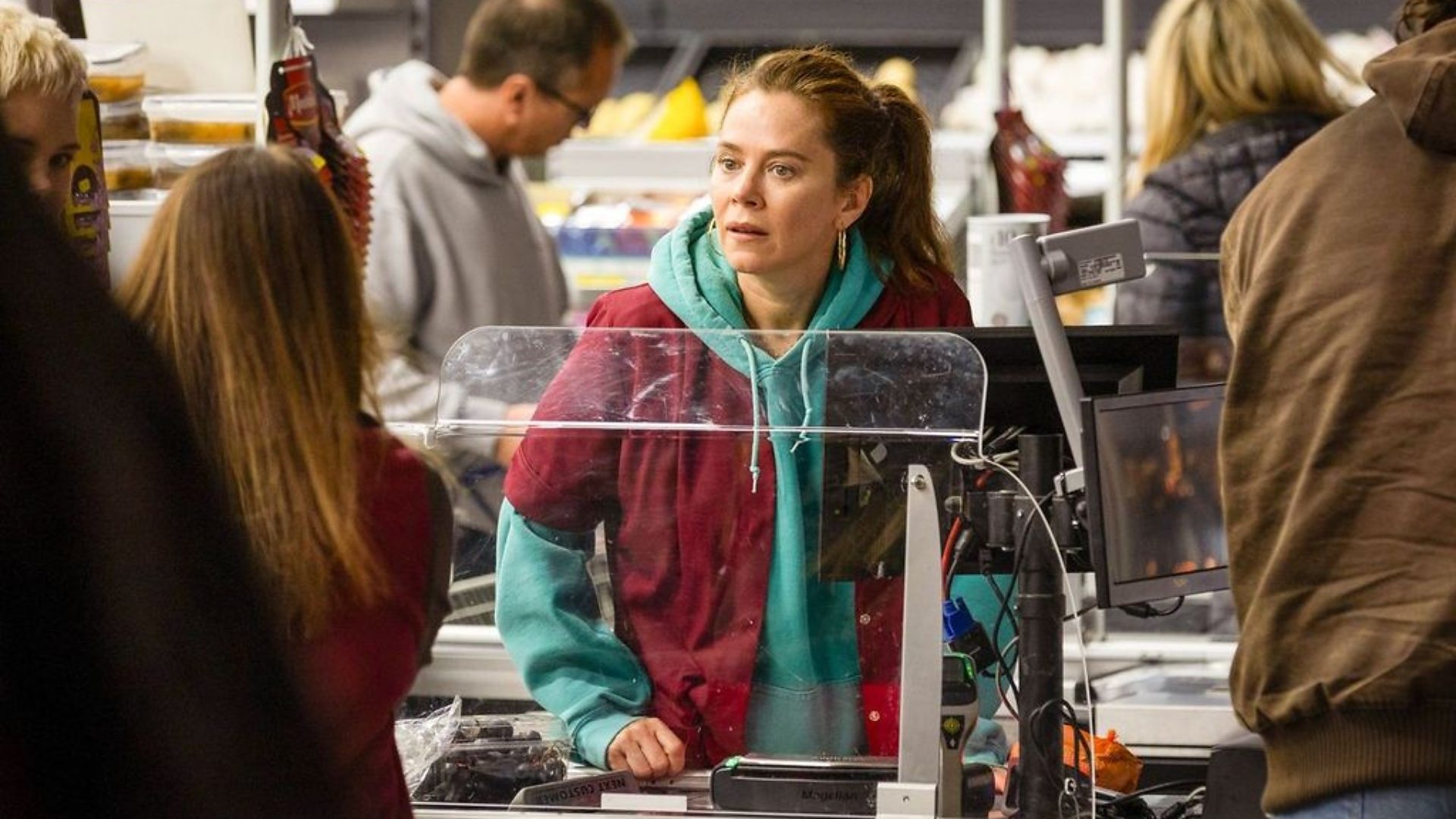
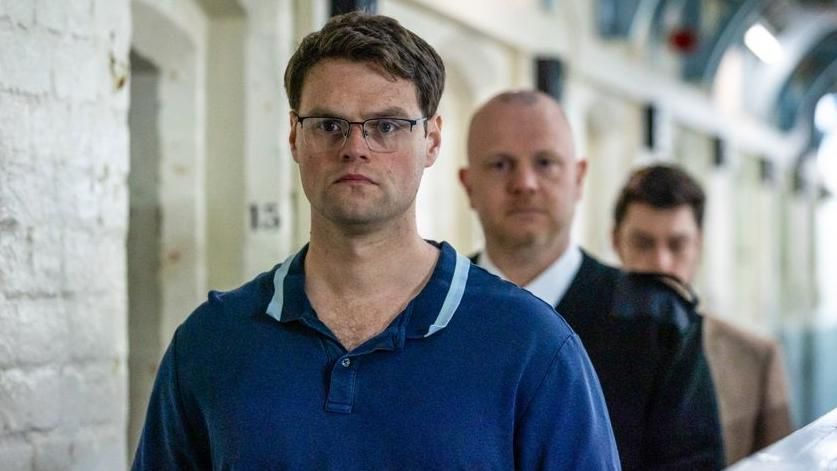
He is Joe (Bobby Schofield), a young man currently serving out a prison sentence for sexually abusing his teenage nephew, Tom (Austin Haynes). Since the incident, Tom has become electively mute, saying no more than ‘yes’ or ‘no.’ Joe is hated by just about everybody he encounters and that includes his sister, Anna (Anna Friel), who is struggling to cope with her traumatised son and his older brother, while desperately attempting to hang on to her job at a local supermarket. But then Joe and Anna’s mum dies, just as Joe’s parole comes up. He is summarily informed that he cannot return to the area where the abuse took place, not even to attend his own mother’s funeral.

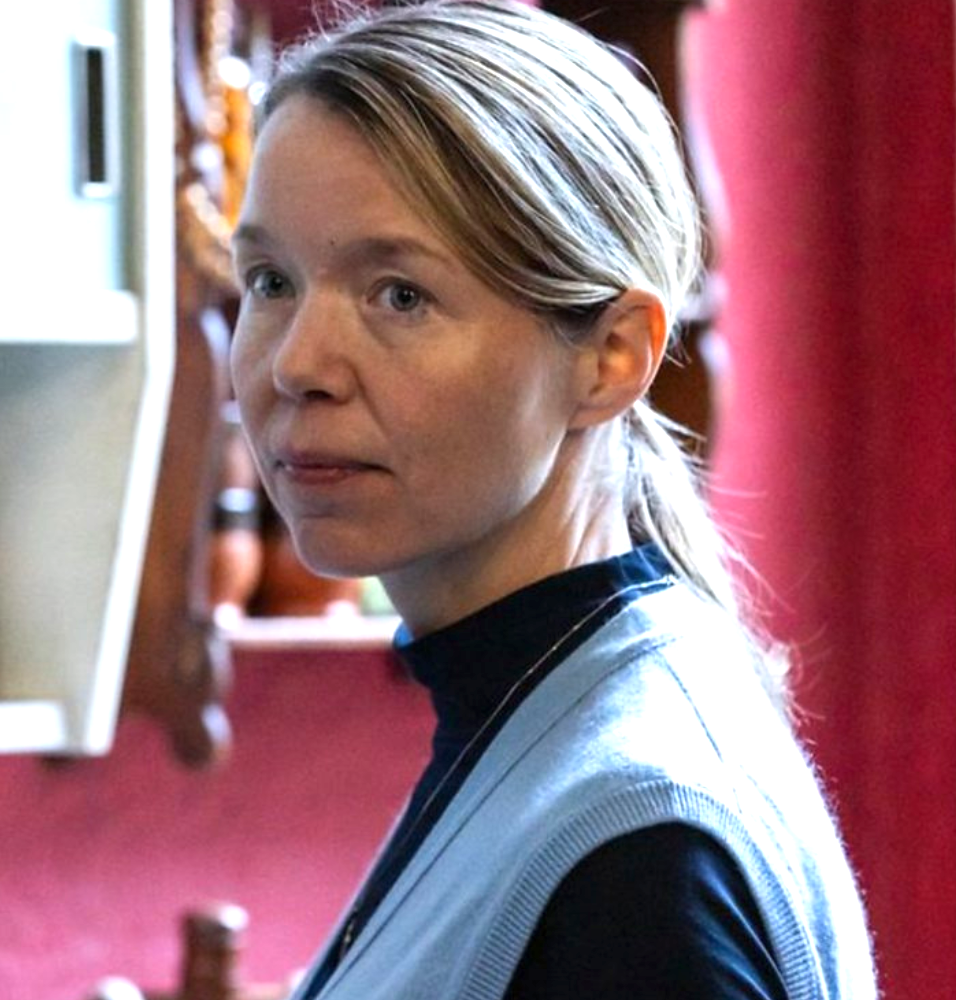
Former nun, Katherine (Anna Maxwell Martin), takes pity on Joe and accepts him into her halfway house. She also invites him to talk about his issues and, in returning to the subject of Tom’s abuse, Joe realises that in many ways he is as much a victim as a perpetrator…

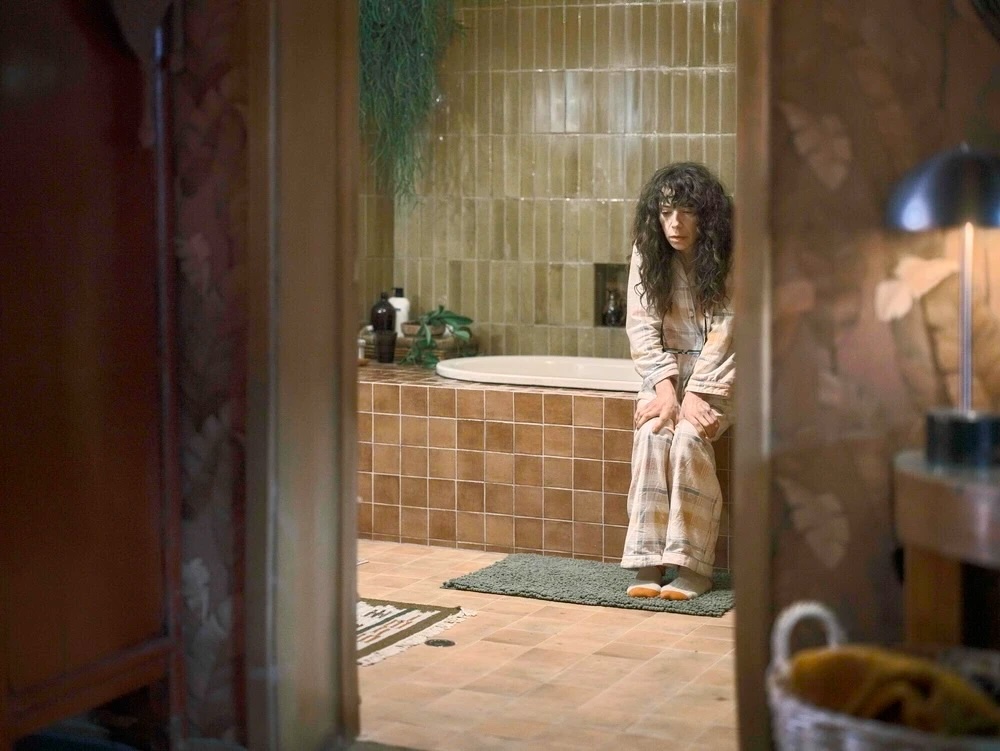
All the time-honoured elements of a McGovern script are in place: a thorny central premise with no easy solution, a raft of superb performances – Haynes is particularly impressive, managing to convey utter misery despite having barely any dialogue – and Schofield too evokes our sympathy. Here is a man who has come to despise himself so much that, when pursued by a angry mob of vengeful thugs, he chooses to turn and accept his punishment. Friel utterly convinces as a woman pushed to the edge of reason and David Threlfall does his usual wonderful job as her father, Brian: quiet, brooding and terribly conflicted by something in his own recent past.

This compelling drama, sensitively directed by Julia Ford, has a central question at the heart of it. Do men who are abused as children and then go on to abuse others deserve any sympathy? McGovern never really provides a cogent answer, nor do I think he ever intended to. But there’s no denying that this powerful drama raises the issue with enough conviction to make us ponder if we really have the right to deny forgiveness.

4.6 stars

Philip Caveney
Bring Her Back

26/07/25

Cineworld, Edinburgh

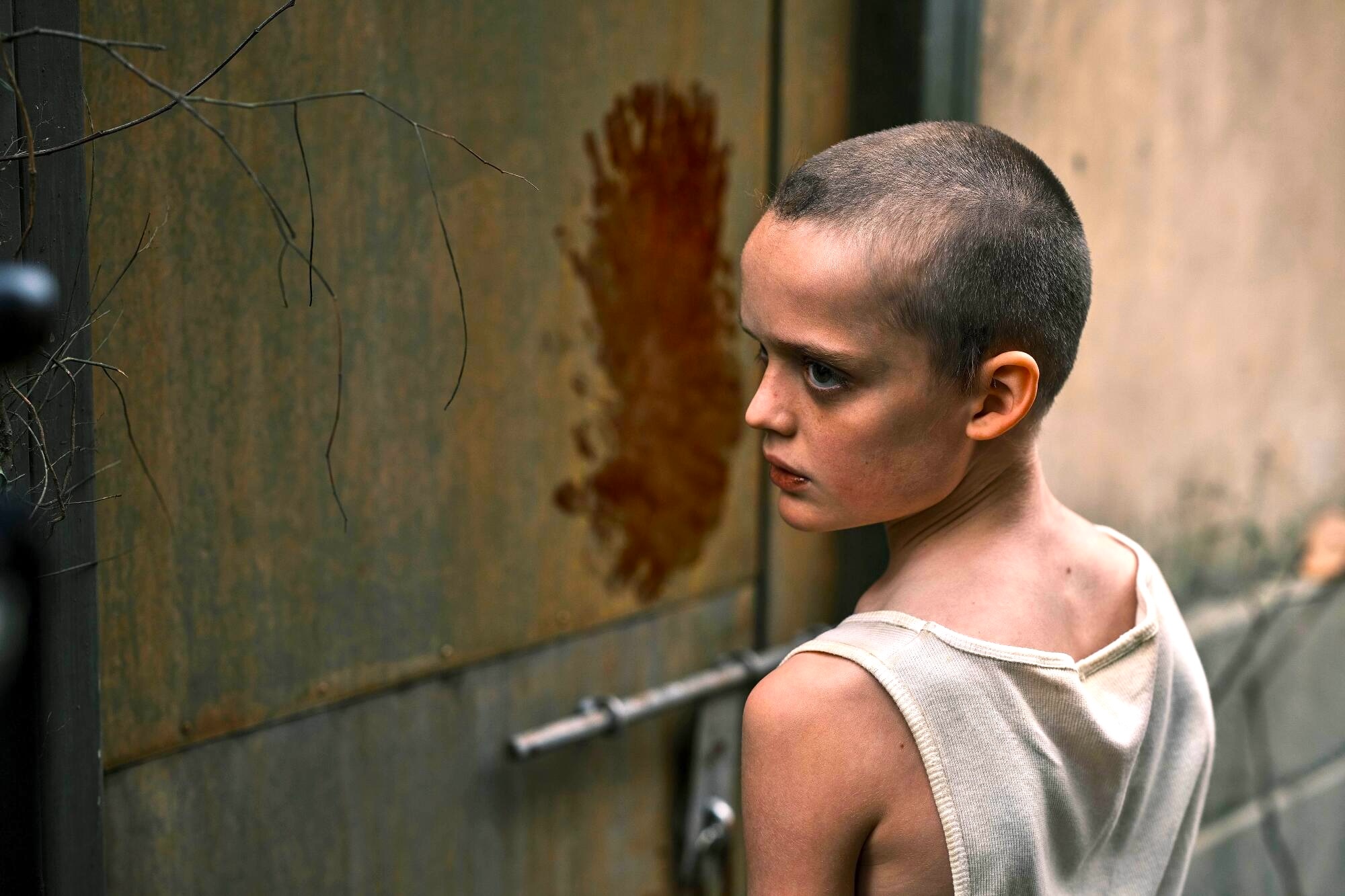
Okay, so Bring Her Back is predicated on my least-favourite horror trope: the monstrous mother – in this case, a formerly-fêted counsellor, rendered grotesque by the tragic loss of her child. However, although I can’t deny being put off by the reductive motif, nor can I forget how highly I rated Danny and Michael Philippou’s 2022 debut feature film, Talk to Me, so I’m keen to see their sophomore effort.

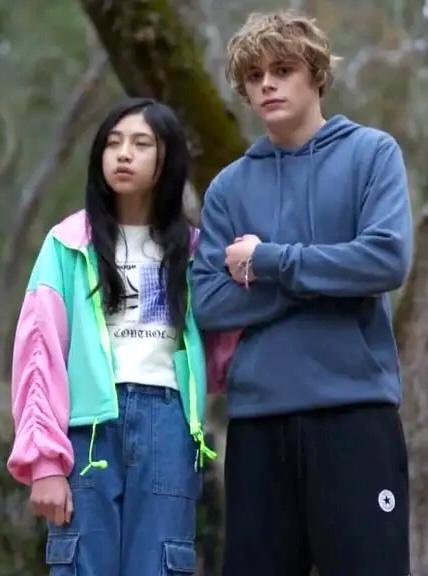
And, while there’s no clever subversion of the aforementioned trope, I’m pleased to report that the Philippou brothers have made another gloriously unsettling movie. Sally Hawkins is terrifying as Laura, the scary foster-mum who takes in orphaned step-siblings, Andy (Billy Barratt) and Piper (Sora Wong). The pair just need somewhere to stay for a few months until Andy turns eighteen and can apply for guardianship of his sister, but Laura has other ideas. She’s desperate to replace her daughter, Cathy, who drowned in her now-empty swimming pool – and Piper is the perfect match. Not only is she the same age, height and build, she’s also partially sighted, just like Cathy was. She has no idea that Laura is dressing her in borrowed clothes…

Andy’s not happy, but he isn’t sure what’s making him so jumpy. Is it grief? After all, he has just lost his dad. He doesn’t want to be negative about Laura, who’s going out of her way for him and Piper, but why is the other foster kid, Olly (Jonah Wren Phillips), so uncommunicative, and why is he locked in his room?

Bring Her Back is a tight thriller, never overstaying its welcome. The body horror is minimal but shockingly potent (dentists in particular are likely to wince), and I find myself holding my breath and peeking at the screen from behind my hands. Hawkins embodies creepiness, her hyper-focused characterisation dominating the film exactly as it should, but there are also strong performances from the supporting trio of youngsters, who find themselves at Laura’s mercy. I like the way that cinematographer Aaron McLisky blurs the focus to allow us to see some scenes from Piper’s point of view, and the dialogue (by Danny Philippou and Bill Hinzman) is nicely scripted.

There are a couple of areas that could do with sharpening, such as what exactly has Laura done to Olly? And where has she found the how-to videos she obsessively watches? But these are minor quibbles, far outnumbered by the clever moments that make the whole thing eminently watchable.

Go see it, if you dare. Grapefruit.

4.3 stars

Susan Singfield

The Fantastic Four: First Steps

24/07/25

Cineworld, Edinburgh

The world of superhero movies has become an unpredictable place. DC’s recent Superman film was dismissed as a sprawling mess by the majority of critics (me included), but proved to be a palpable hit with the public – which makes me somewhat nervous to announce that, for my money, Marvel’s latest offering is the studio’s best effort since Guardians of the Galaxy. Which probably earns it a one way ticket to ignominy.

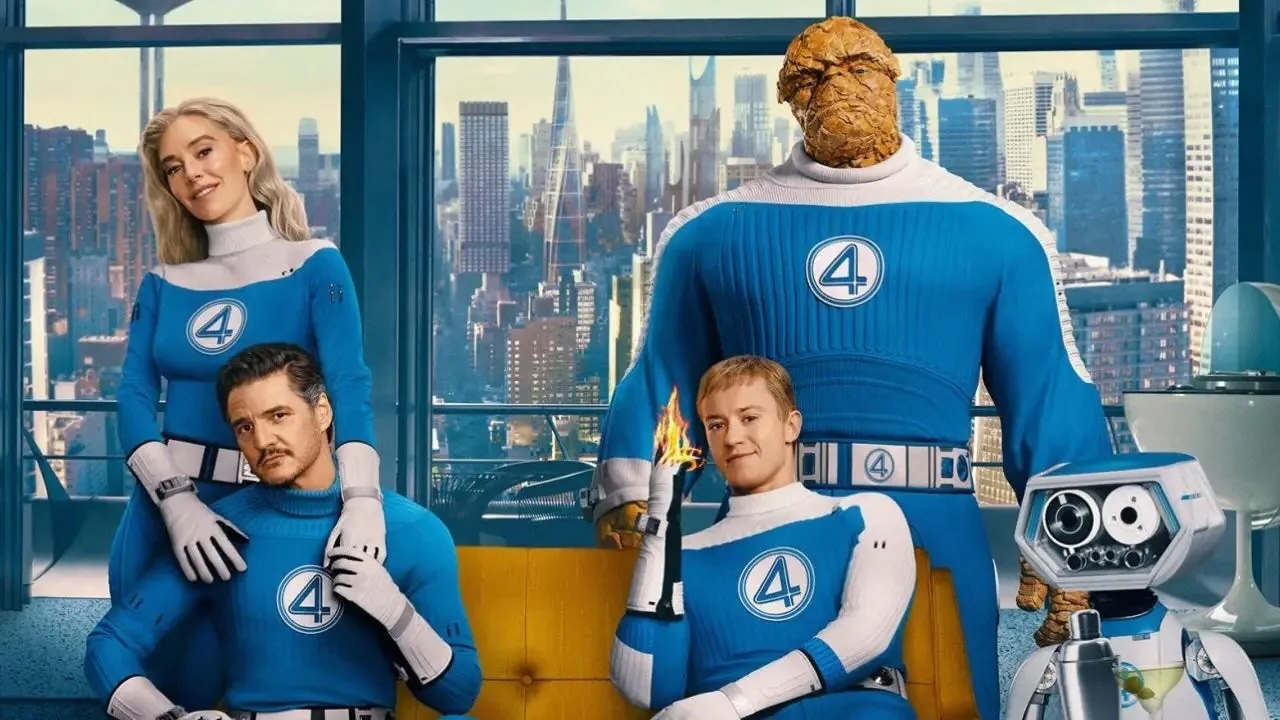
Stan Lee and Jack Kirby’s first superhero team, The Fantastic Four, have had a pretty rocky ride on the big screen. Previous attempts to capture their antics have been met with howls of derision from Marvel fans and a distinct lack of bums on seats at the box office. First Steps might suggest an origins movie, but this film begins four years after the space flight that dramatically changed the lives of its four crew members. That mission is only alluded to in a brief television interview, introduced by Ted Gilbert (Mark Gatiss). Now, Reed Richards (Pedro Pascal), Sue Storm (Vanessa Kirby), Johnny Storm (Joseph Quinn) and Ben Grimm (Ebon Moss-Bachrach) have been widely accepted as the Earth’s protectors. But, in a shot of realism rarely seen in this genre, married couple Reed and Sue are about to have their first child and are going to have to learn to go about their super-business with a baby on board.

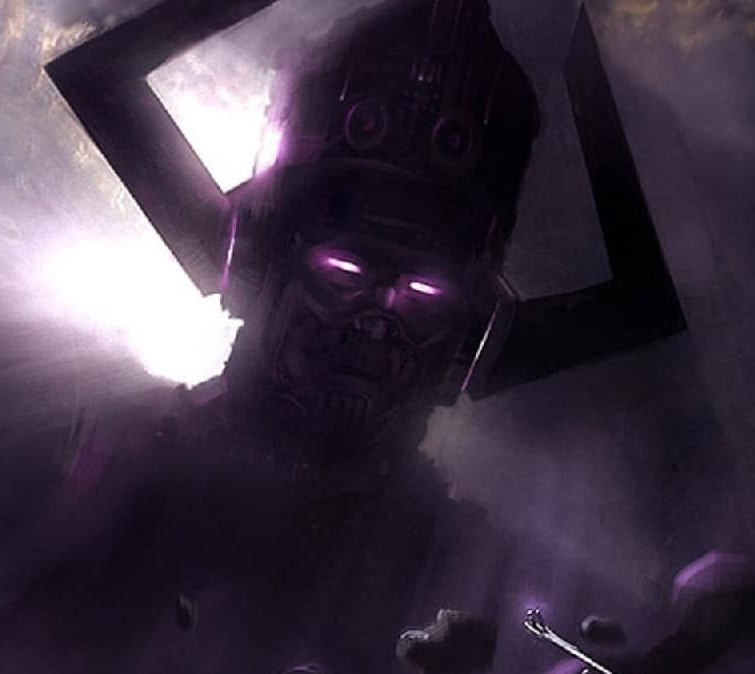
New York City receives an unexpected visit from Shalla-Bal (Julia Garner as the ex-girlfriend of The Silver Surfer, Stan Lee’s oddest hero), who points out that Earth is soon to be… ahem… eaten by Galactus (Ralph Ineson). He’s a suitably gargantuan alien, who has already gobbled up several other luckless planets and has made sure to leave room for pudding. It’s up to the four superheroes to devise a plan to save the world and carry it out, whilst taking care of new arrival, baby Franklin.

So… no pressure.

While the storyline is as batty as we’ve come to expect from Marvel, what really works here is the film’s overall aesthetic, which locates the story in an alternate nineteen-sixties (the era in which the source comics were conceived and created). The ensuing world-building is delightful, with that kooky style applied to every last detail. This results in a futuristic world where, for instance, mobile phones don’t exist. Cinematographer Jess Hall ensures that everything is filmed in vivid, eye-popping hues, while director Matt Shakman keeps the action propulsive enough to ensure that audiences don’t have time to consider how silly the storyline is.

The characterisations of the four leads are nicely handled, particularly by Pascal, who makes his Reed Richards a nerdy number-cruncher, who loves nothing better than scribbling equations on a chalkboard. The dialogue achieves just the right mix of funny and heartfelt, even if it did take seven writers; and for once, there aren’t too many characters to get a handle on. While I generally complain when everything comes down to a climactic punch-up – and this film is no exception to the rule – this one doesn’t overstay its welcome and, in its final furlong, manages to crank up some genuine moments of suspense. Mission accomplished.

So yes, it’s been a while since I enjoyed a Marvel movie to this degree. We’ll see how it fares over the following weeks but, in my humble opinion, First Steps deserves to succeed. Make sure you stay in your seats for the mid-credit sequence announcing… well, you’ll have to go and see for yourselves.

4.2 stars

Philip Caveney
Harvest

22/07/25

Filmhouse, Edinburgh

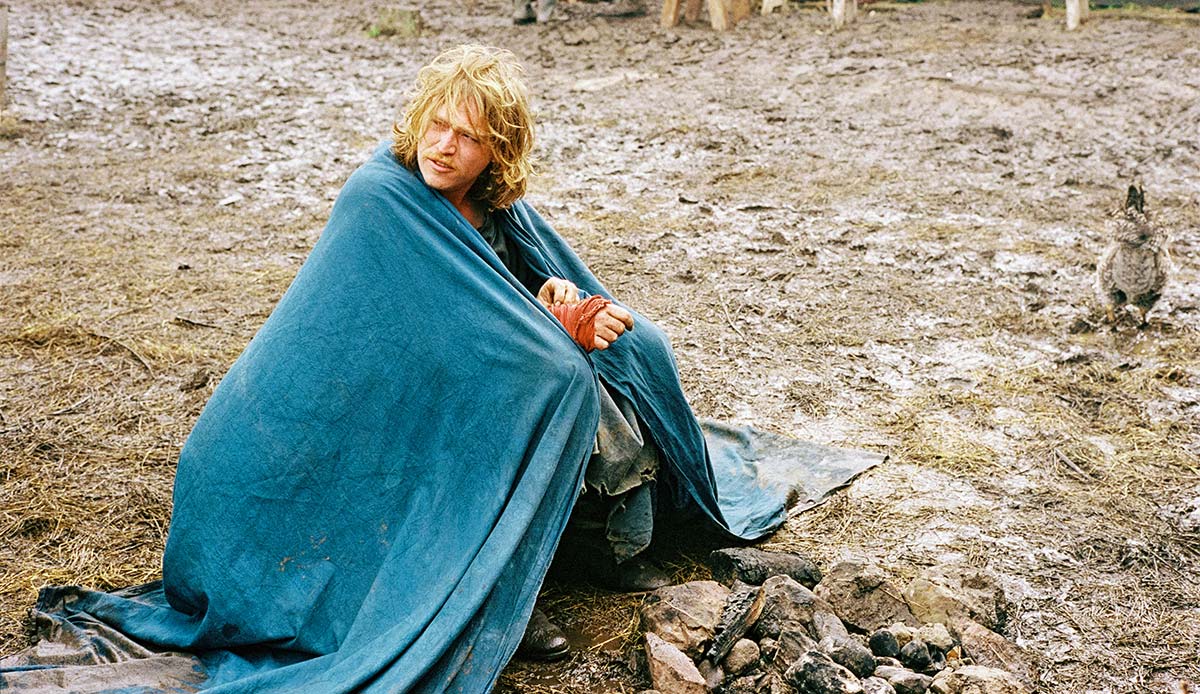
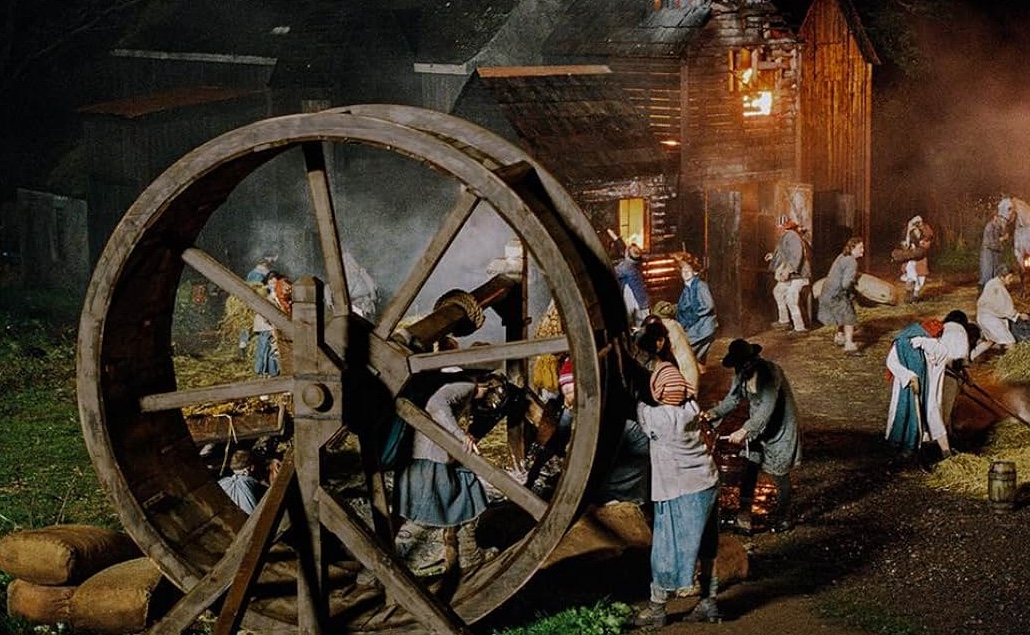
Set at some unspecified time in the middle ages, somewhere in the Highlands of Scotland, Harvest is an allegory about land – about the people who work on it and the people who own it. Adapted from Jim Crace’s 2013 novel by Joslyn Barnes and the film’s director Athina Rachel Tsangari, the story plunges us headlong into the lives of a group of villagers, who spend their days toiling endlessly on a farm under the watchful gaze of Mayor Charles Kent (Harry Melling, doing his utmost to distance himself from the role of Neville Longbottom).

Kent seems a considerate and generous employer, who dresses much like his employees and goes to great lengths to reward them for their efforts. Amongst the workforce is Walter Thirsk (Caleb Landry Jones), who was Kent’s childhood companion. The two men endeavour to keep their friendship going, even if this alienates Thirsk from his fellow-workers, who see him as ‘privileged’.

Both men have lost their wives. Thirsk is now trying to forge a new relationship with Kitty Gosse (Rosey McEwen) but Kent has no partner and, more significantly, no heirs to whom he can pass ownership of the land. When Kent introduces Thirsk to Philip ‘Quill’ Earle (Arinzé Kene), it becomes clear that a change is coming. Quill is a cartographer, here to make a map of the farm and its surrounding land. Thirsk finds himself wondering what all this is in aid of.

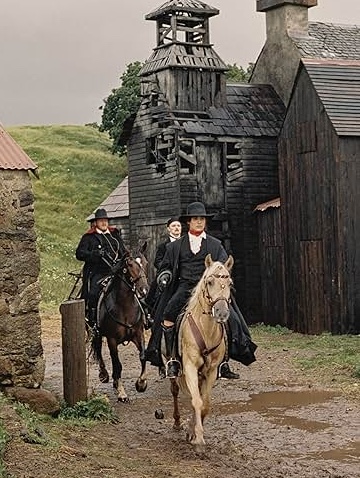
Sure enough, it isn’t long before Kent’s supercilious cousin, Edmund (Frank Dillane), arrives on horseback with a retinue of heavies to back him up. It turns out that the estate belongs to him, and that his intention is to plunder its natural resources, before adding sheep and fences and forcing the residents to leave.

This sensual and atmospheric tale, which was nominated for The Golden Bear at the Venice Film Festival, plays fast and loose with historical authenticity. While the story clearly evokes the Highland Clearances of the eighteenth and nineteenth centuries, Edmund and his followers have the black-clad look of Puritans from an earlier period. Furthermore, much of the dialogue sounds suspiciously contemporary: especially the banter of a couple of neighbouring men, who have ventured too close to the village and find themselves treated very roughly for their transgression. The decision to adopt these anachronistic elements is, I’m sure, deliberate – an attempt perhaps to point out that the disparity between the classes is an age-old issue and that very little changes with the passing years.

The film is at its best in the psilocybin-fuelled harvest celebrations, where masked figures leap and cavort across the screen like characters from a Hieronymus Bosch painting; and I particularly enjoy the sequences where Quill shows Thirsk how he goes about mapping land. But not everything here is quite so assured – and, with its lengthy running time, the film occasionally feels a little too ponderous for its own good. Furthermore, I’m mystified by the fact that this has earned an 18 certificate, presumably for a brief scene that strikes me as merely unpleasant, but hardly on a par with many of the blood-soaked 15 certificate folk-horror movies that have aired in recent years.

For the most part, I enjoy Harvest, but with some reservations. Ultimately, it won’t be for everyone, but those looking for an alternative to the latest glut of superhero movies, this may be worth seeking out.

3.6 stars

Philip Caveney
Jurassic World Rebirth

17/07/25

Cineworld, Edinburgh

Since its release in 1993, Steven Spielberg’s Jurassic Park has suffered from a bad case of recurring sequelitus – Jurassic Park Parts 2 and 3, Jurassic World and its three increasingly dodgily-titled offspring, not to mention knockoff fodder like Jurassic Shark and Jurassic Whoops I Can’t Think What to Call This. (Okay, so I made the last one up, but you get the idea.)

When this latest instalment was announced, I was initially reluctant to go and see it but, as soon as I heard that it was to be helmed by Gareth Edwards, my interest was piqued. Edwards’ 2023 sci-fi movie The Creator was one of our choices for the best films of that year – a completely original concept and, moreover, a film that looked like it cost millions of dollars more than it actually did. Perhaps inevitably, it fared badly at the box office. This may explain why Edwards decided to throw his hat into the ring for the latest Jurassic spin-off, authored by the franchise’s original writer, David Koepp. Well, it’s sure to have a good storyline, right?

It’s thirty-odd years after the events of the first film and, it seems, dinosaurs have fallen out of favour with the general public. Stegosaurs? Been there, done that. Consequently, dinosaur theme parks are now closing around the world because everyone’s bored with watching tyrannosaurs and allosaurs. Now these mighty critters only exist in remote tropical jungles on the equator, where people are warned never to venture. But shady entrepreneur Martin Krebs (Rupert Friend) still thinks there’s potential gold in them there beasts. He has devised a plan to extract blood from three different types of dinosaur in order to produce a serum that will dramatically reduce the rates of heart disease around the world… yes, really. And the problem is the serum must be extracted while the creatures are still alive. Er… right. As you might guess from his malignant name, Krebs is not just doing this because he’s a nice guy, but because he’s expecting to make big bucks from the pharmaceutical industry.

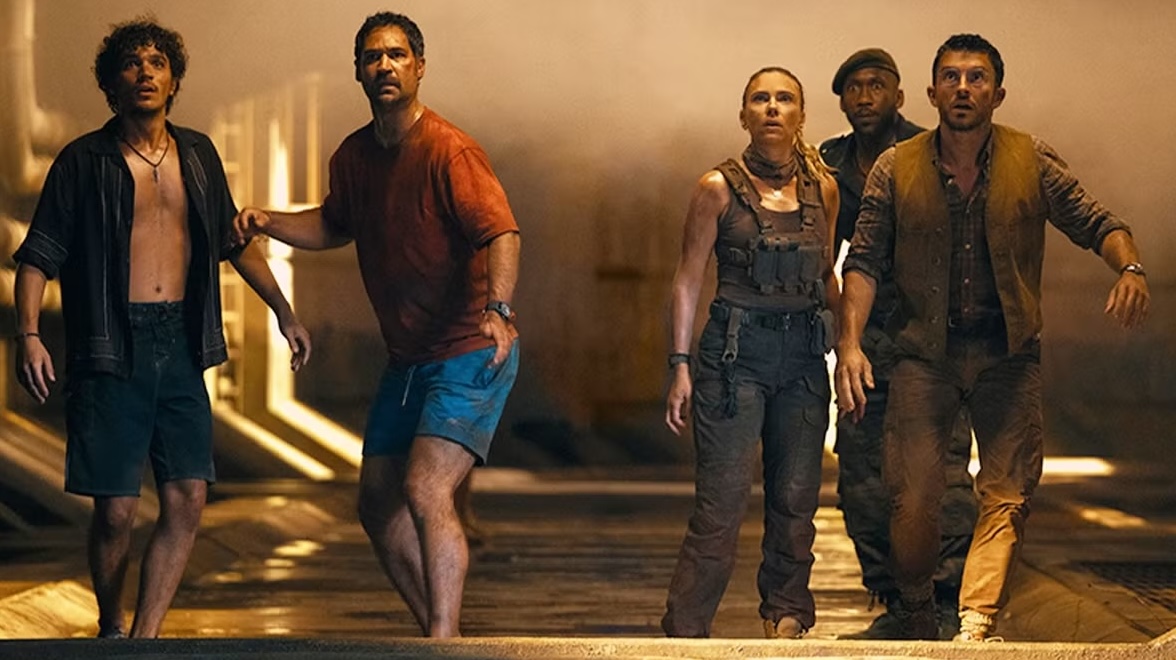
He recruits special operative Zora Bennett (Scarlett Johansson) to head up the operation, ably assisted by her former military chum, Duncan Kincaid (Mahershala Ali). Also in the team is dinosaur expert, Dr Henry Loomis (Jonathan Bailey) – well, you have to have somebody who knows a bit about dinosaurs, don’t you? And there’s a bunch of assistants, who may as well have numbers on their foreheads designating the order in which they will be turned into dino-dinner. The motley crew set sail for a remote island that’s home to the three species they’re looking for.

On the way there, they rescue a party of four Mexican holidaymakers, out for an ill-advised leisure cruise through reptile-infested waters, their reasoning being that, well, there’s hardly any amphibious dinos left, so what are the chances of being attacked? One of the crew is a cute little girl called Isabella (Audrina Miranda) because, of course, there has to be a wide-eyed youngster for the audience to care about.

To give Edwards his due, there are three genuinely exciting set pieces here that actually have me on the edge of my seat as they unfold – for some reason, the water-bound sections are particularly effective. Once again, Edwards manages to bring in the film on a much lower budget than its predecessors, though it’s still in the region of 180 million dollars, which is nobody’s idea of cheap and cheerful.

But the two main problems here are: A – that eyebrow-raising storyline, which seems to revel in making itself increasingly unbelievable as it goes along; and B – the fact that the human characters feel under-developed, somehow less convincing than the CGI beasts that surround them. It’s ironic to see high-calibre actors like Johansson and Ali desperately trying to emote in the midst of all the giant lizard action, but no doubt they were handsomely paid for their efforts, so good luck to them. There are several inevitable visual references to the original film (viewers may as well be issued with a list to tick off). I prefer the delightful little tribute to stop-motion wizard Ray Harryhausen, with a brief clip from The Valley of Gwangi showing on a random TV screen.

If everything were been up to the standard of those mighty set pieces, I’d be much happier with the film, but what do I know? Based upon it’s opening week, it looks as though this is going to make a handsome profit, so inevitably, there are sure to be more titles to follow.

Jurassic World Afterbirth? Hmm. Maybe not.

3. 4 stars

Philip Caveney