Coast & Creel

20/09/25

Fountainbridge, Edinburgh

It’s a rainy evening in Edinburgh, and we’re both in the mood for seafood. Fortuitously, a new establishment has recently opened, just a stone’s throw from where we live. As the name suggests, Coast & Creel specialises in the stuff (a creel being a traditional wicker basket in which all things aquatic can be stored). And, lest I’m in danger of putting off all those diners who cannot bear the fruits of the sea, I should perhaps add that the restaurant does offer a selection of steaks, which (at least from a short distance) look pretty enticing.

I start with Chargrilled King Prawns, which arrive looking (and smelling) suitably enticing. They are perfectly cooked, left just long enough on the grill to retain that soft, buttery quality that makes them so appealing, and are accompanied by a couple of slices of sourdough, black garlic aioli and a drizzle of shellfish-infused oil. Susan’s Pan-Seared Scallops are also rather splendid: melt-in-the-mouth tender and accompanied by shrimps, clarified caper butter, parsley oil and samphire. There’s a chunk of artisan bread with which to mop up what’s left in the shell.

On to the main courses. I have chosen Fillets of Halibut. The dish arrives looking underwhelming (none of the photographs we take of it are suitable for this review) but, happily, it tastes heavenly. There are three generously-sized fillets, beautifully tender, arranged on a bed of soft, cheesy potato dauphinoise. There are a couple of chunks of al dente baby courgette, some heads of asparagus and, once again, samphire in beurre blanc. I finish the lot and have to be restrained from licking the plate.

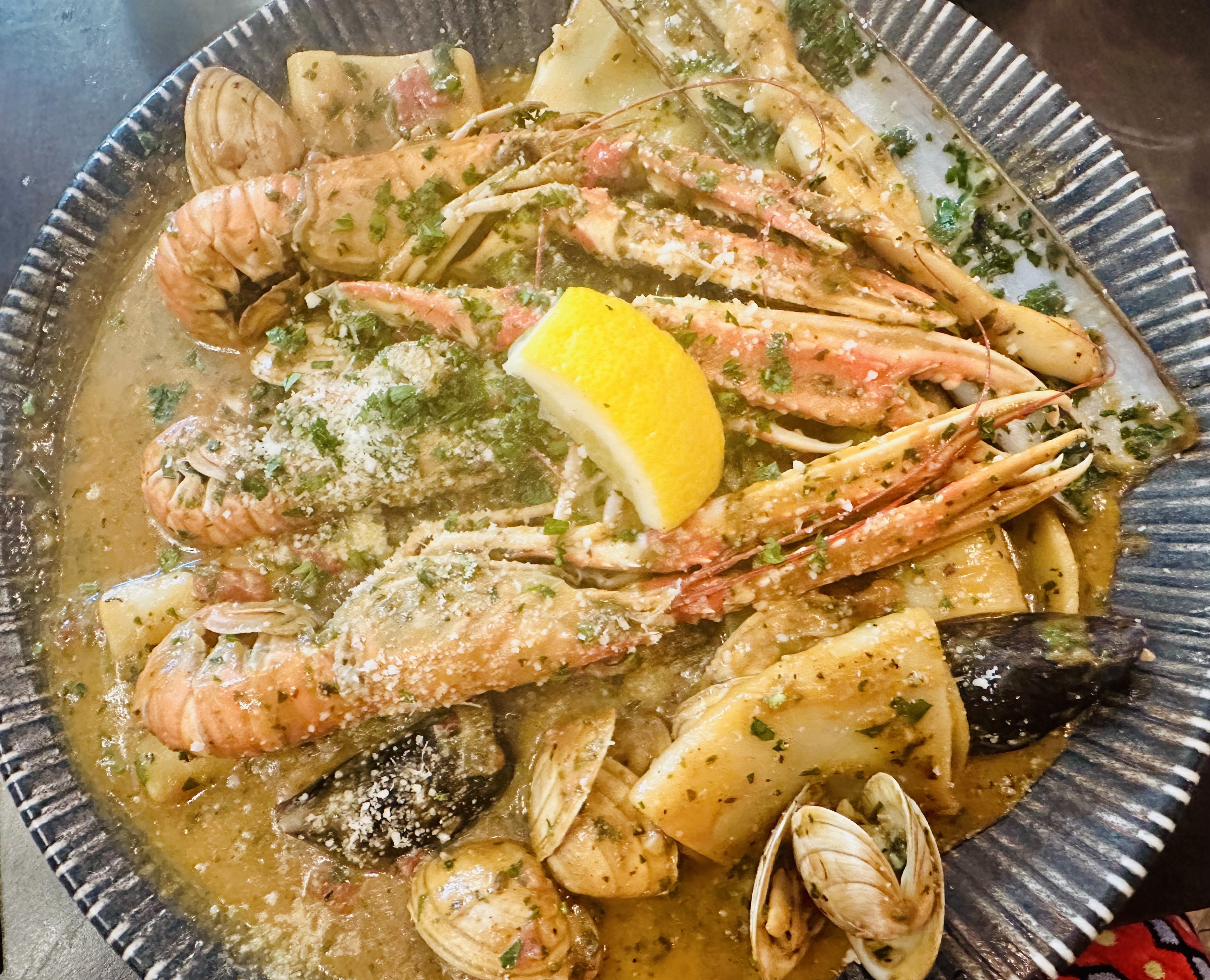
Susan has opted for Paccheri Pasta with Creel-Caught Langoustine, which is quite a sight to behold. It comprises three large langoustine (which must, of course, be broken up with a lobster cracker in order to get to the flesh inside the shells). There are more accessible razor clams, cockles and mussels (thankfully no longer alive-alive-oh), all wallowing in an aromatic seafood bisque. The dish is finished with chilli, garlic and parmesan. Again, this is accomplished food, but am I the only one who wishes that the langoustine flesh could be extracted in the kitchen, without all that cracking, scrabbling and splintering, which leaves a diner in urgent need of an endless supply of hand wipes? I appreciate it’s part of the ritual, but it seems a great deal of effort for little return.

I can guess what you’re thinking. They surely won’t have left room for puddings.

Well, we took the precaution of keeping lunch light in order to partake, because we’re thoughtful like that – and we know our readers always want the full picture. Besides, I have spotted Sticky Toffee Pudding on the menu, which I can never resist. This one is unlike any I’ve had before with a distinctly ‘bonfire toffee’ flavour – if you can remember what that tasted like. It’s accompanied by vanilla ice cream, fruits and a delicious toffee sauce. Susan has chosen Warm Churros, which (despite having an unfortunate visual resemblance to barbecued sausages) taste quite delightful. They’re filled with dulce de leche and also feature a delicious sauce (chocolate in this case) and vanilla ice cream.

We emerge feeling pleasantly full, to see that the rain has (at least for a while) moved on. Those looking for a superior seafood experience should set sail for Fountainbridge without delay, where Coast & Creel may be exactly what you’re seeking.

4.8 stars

Philip Caveney
A Big Bold Beautiful Journey

20/09/25

Cineworld, Edinburgh

I’ve never been a rom-com fan: too cynical for ‘rom’ and unamused by mawkish ‘com’. But – schmaltzy subtext notwithstanding – when it’s served up as beguilingly as this, you can count me in.

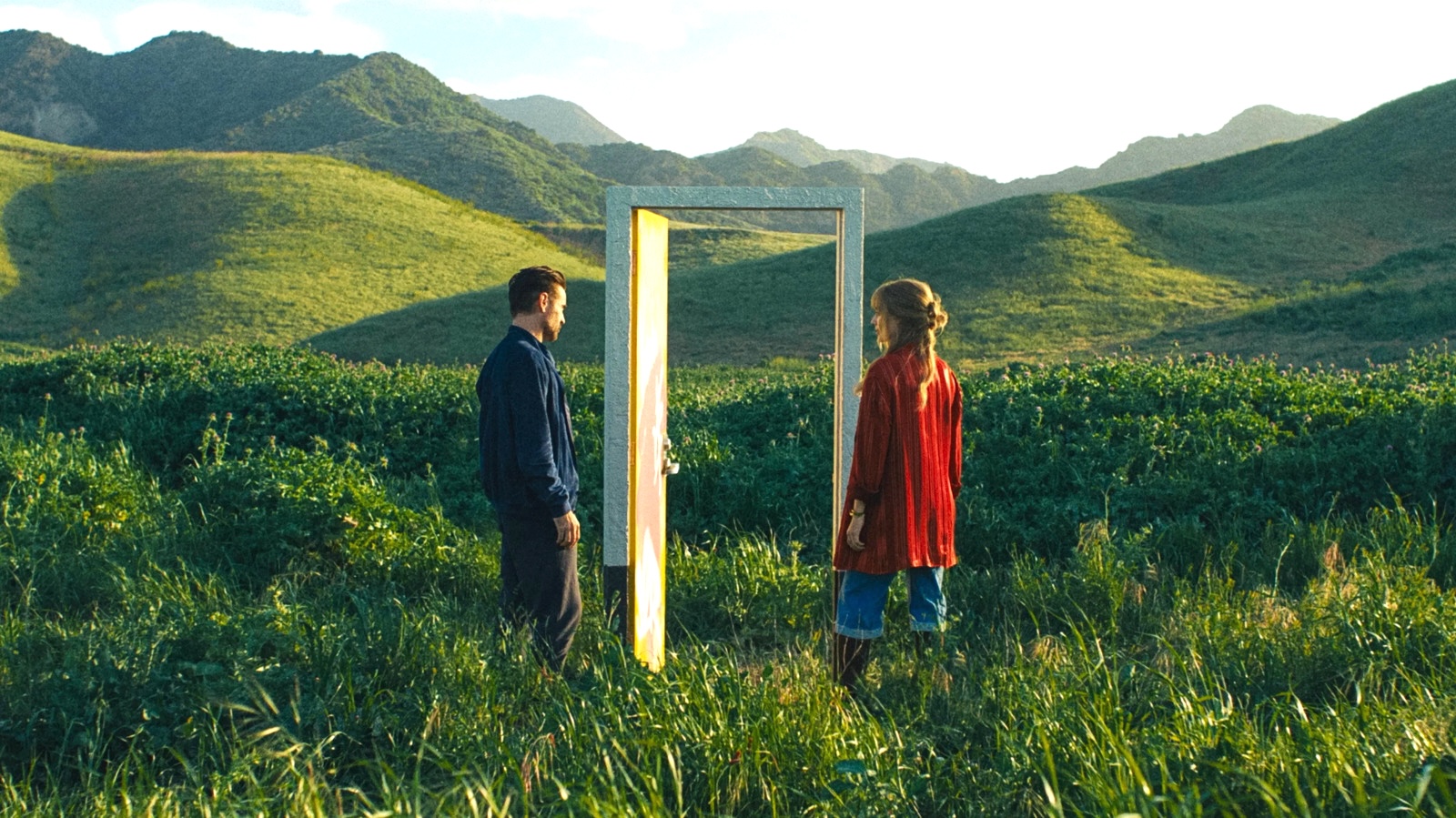
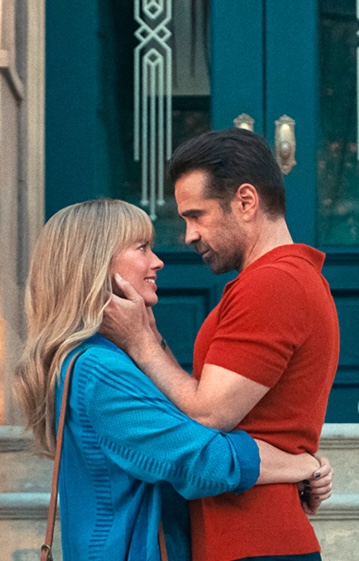
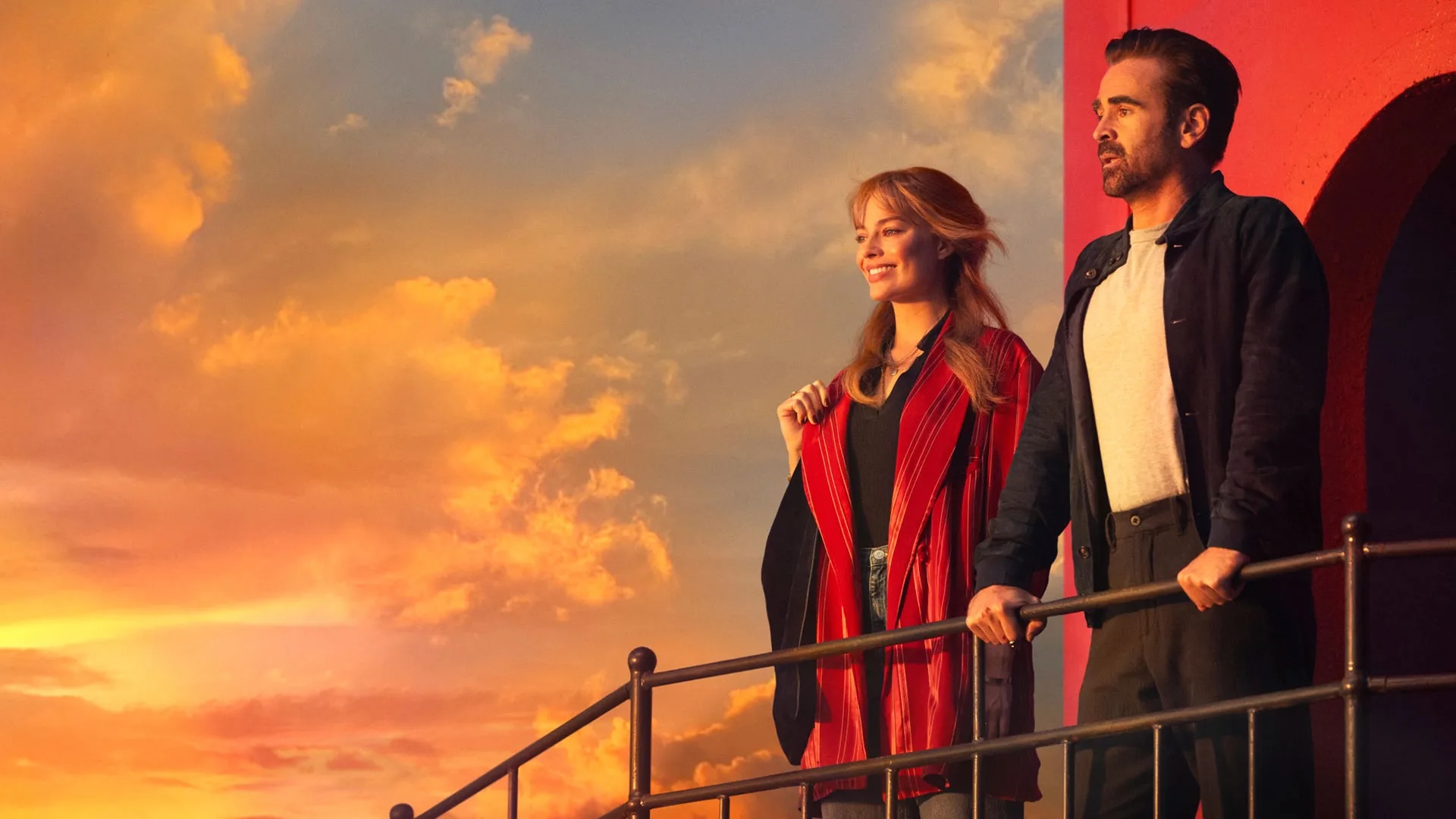
A Big Bold Beautiful Journey is a fantastical drama about a mundane situation. David (Colin Farrell) rents a car to travel to a friend’s wedding, where he meets Sarah (Margot Robbie). Their instant attraction is scuppered by the fact that they’re both commitment-phobes. So far, so ordinary. Luckily – for both audience and characters – David’s sat-nav has a mind of its own and, before long, their separate drives home have become a joint road-trip down Memory Lane towards Promising Future. Via magical doors.

Written by Seth Reiss and directed by Kogonada, ABBBJ adds up to more than the sum of its parts. It doesn’t hurt that the two leads are so likeable, nor that the cinematography (by Benjamin Loeb) is so vivid and picturesque. As the duo step through the various portals to the past, we are treated to some real visual delights: the art gallery Sarah used to visit after-hours with her mum, enraptured by her favourite painting of a grey couple with rainbow heads; the re-enactment of the high-school musical where David had the lead.

There’s some pleasingly quirky book-ending too, with Kevin Kline and Phoebe Waller-Bridge as the mysterious car rental company’s mechanic and cashier (respectively). These benign puppet masters have seemingly orchestrated both the meet-cute and its subsequent developments, their mystical business more about love than motor vehicles.

Is this enough to counteract the sentimental ‘open your heart’ messaging? Just about. More variety would help: the final third feels samey and repetitive and, without the thrill of inventiveness, the saccharine is just a little too cloying.

On the whole, however, I’m sold. This is an arch and idiosyncratic piece of cinema, quite unlike anything else at the multiplex this year.

3.7 stars

Susan Singfield

The Talented Mr Ripley

16/09/25

Festival Theatre, Edinburgh

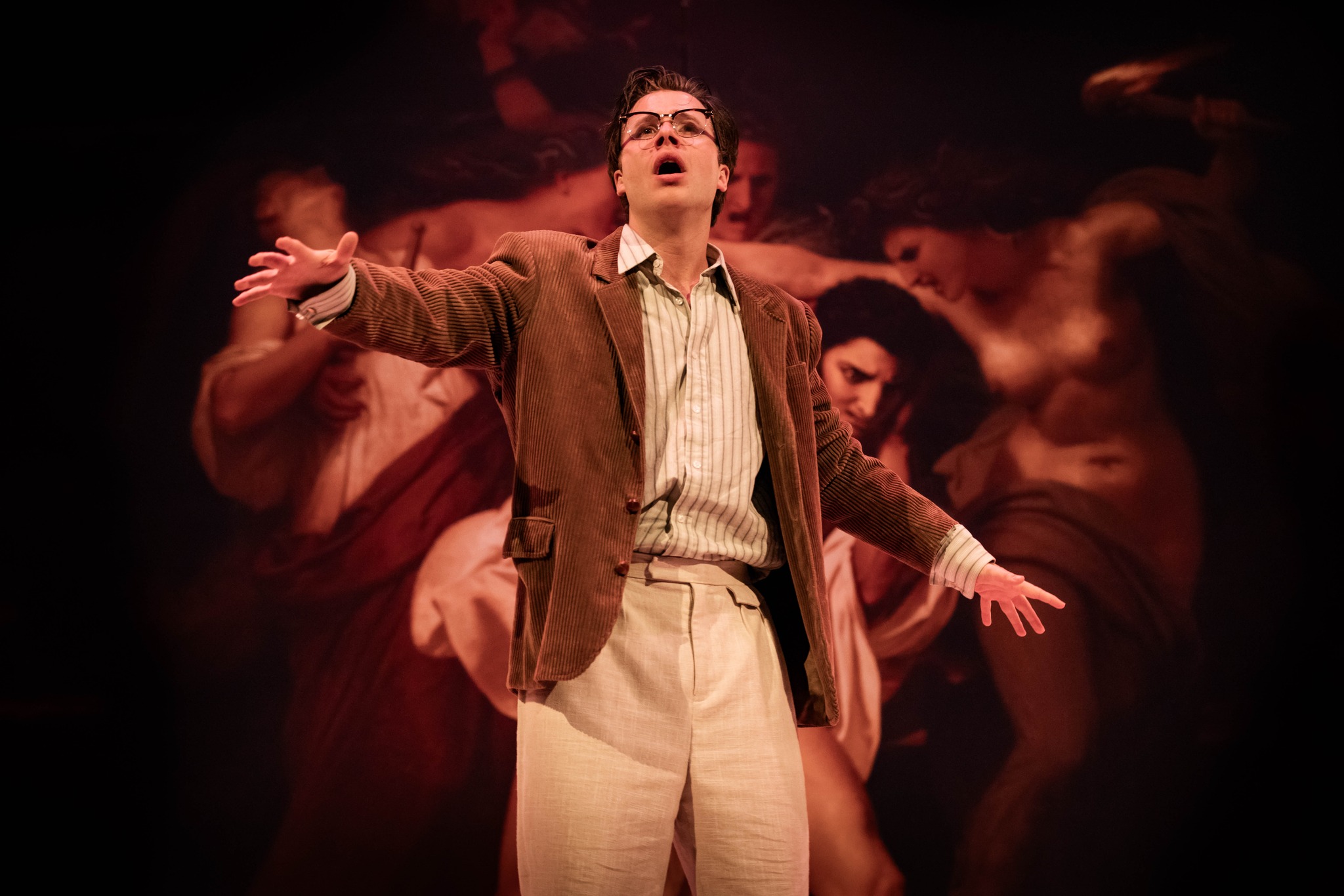
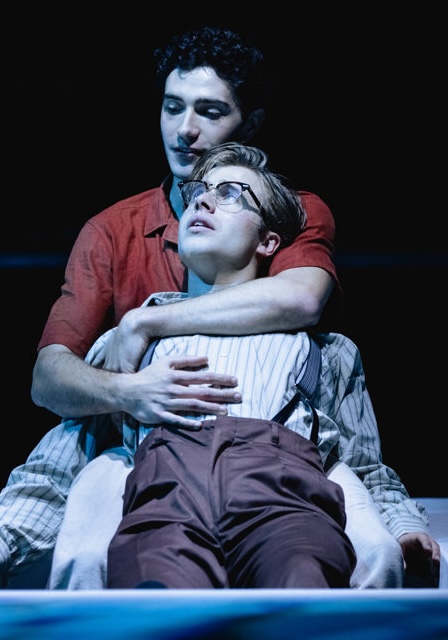
The enduring appeal of Patricia Highsmith’s anti-hero reasserts itself here in Mark Leipacher’s stylish adaptation. First unleashed on the novel-reading public in 1955, the murderous con-man has somehow kept us all rooting for him through four sequels, as well as numerous film and TV dramatisations. Can this stage version offer us anything new?

Tom Ripley (Ed McVey) is a chancer, living on his wits in NYC, largely untroubled by conscience. When the wealthy Herbert Greenleaf (Christopher Bianchi) approaches him with a lucrative offer, of course Tom accepts. No matter that Greenleaf’s proposal is predicated on an error: Tom is not friends with the old man’s errant son, Dickie (Bruce Herbelin-Earle); indeed, he’s only met him once. But Greenleaf Sr is desperate. Not only is Dickie frittering away his trust fund in Europe, playing at being an artist instead of taking over the family business, but his mother (Leda) is sick, and she wants to see her boy. If Herbert pays his expenses, will Tom travel to Italy and persuade Greenleaf Jr to come home?

You can bet Dickie’s life he will.

Before long, Tom has insinuated himself into Dickie’s world, revelling in the carefree habits of the idle rich, with spontaneous weekends in Rome or Nice, lounging on the beach and eating in restaurants. But when Herbert calls off the unsuccessful enterprise, Tom is faced with a dilemma. How can he go back to his old life now?

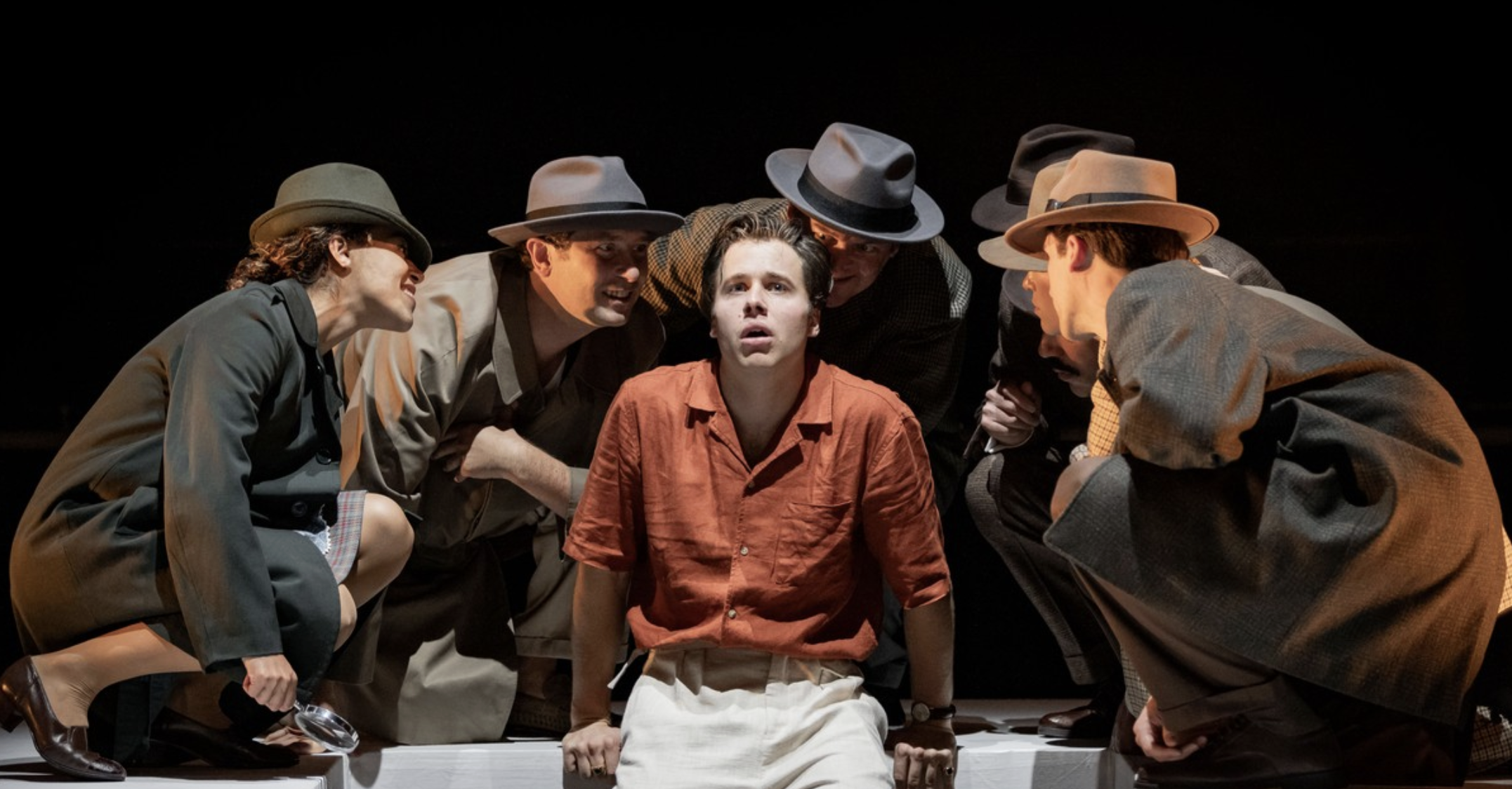
The abstract set design (by Holly Pigott) locates us firmly within Tom’s psyche, as he struts his stuff on the raised white square, nimbly avoiding the perilous hole in the middle, where all obstacles to his success are thrown. The threats to Ripley’s carefully-constructed façade appear as a chorus of noir detectives, complete with belted trench-coats and wide-brimmed Fedoras. “Do you ever feel like you’re being watched?” he asks repeatedly, as they peer at him from the shadows, always one step behind. The image is bold and memorable.

There are lots of directorial flourishes, some more successful than others. I love the Venetian plague doctor masks that also represent pigeons, and the way Dickie’s girlfriend, Marge (Maisie Smith), doubles as a Renaissance statue. I also like the convergence of Dickie and Tom. I’m less convinced by the fourth wall-breaking shouts of “Cut!” precipitating a reset. I understand the point – we’re following Ripley’s thought-processes as he figures out a course of action – but it’s distracting, further complicating an already-labyrinthine plot. The second act, in particular, feels cluttered, and would definitely benefit from paring down.

McVey delivers a star turn in this demanding role, exploring the complexity of Ripley’s multi-faceted character. Perhaps a smaller theatre would allow us a more nuanced view of his performance; as it is, we’re only able to see the broad strokes, but these are impressive enough.

An ambitious, stylish piece of theatre, proving that there’s plenty of life in Tom Ripley yet – if not in those who dare to get too close to him.

4 stars

Susan Singfield

Our Brother

16/09/25

Traverse Theatre, Edinburgh

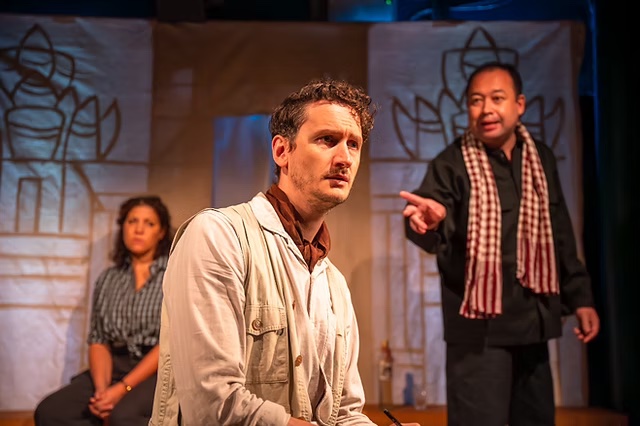
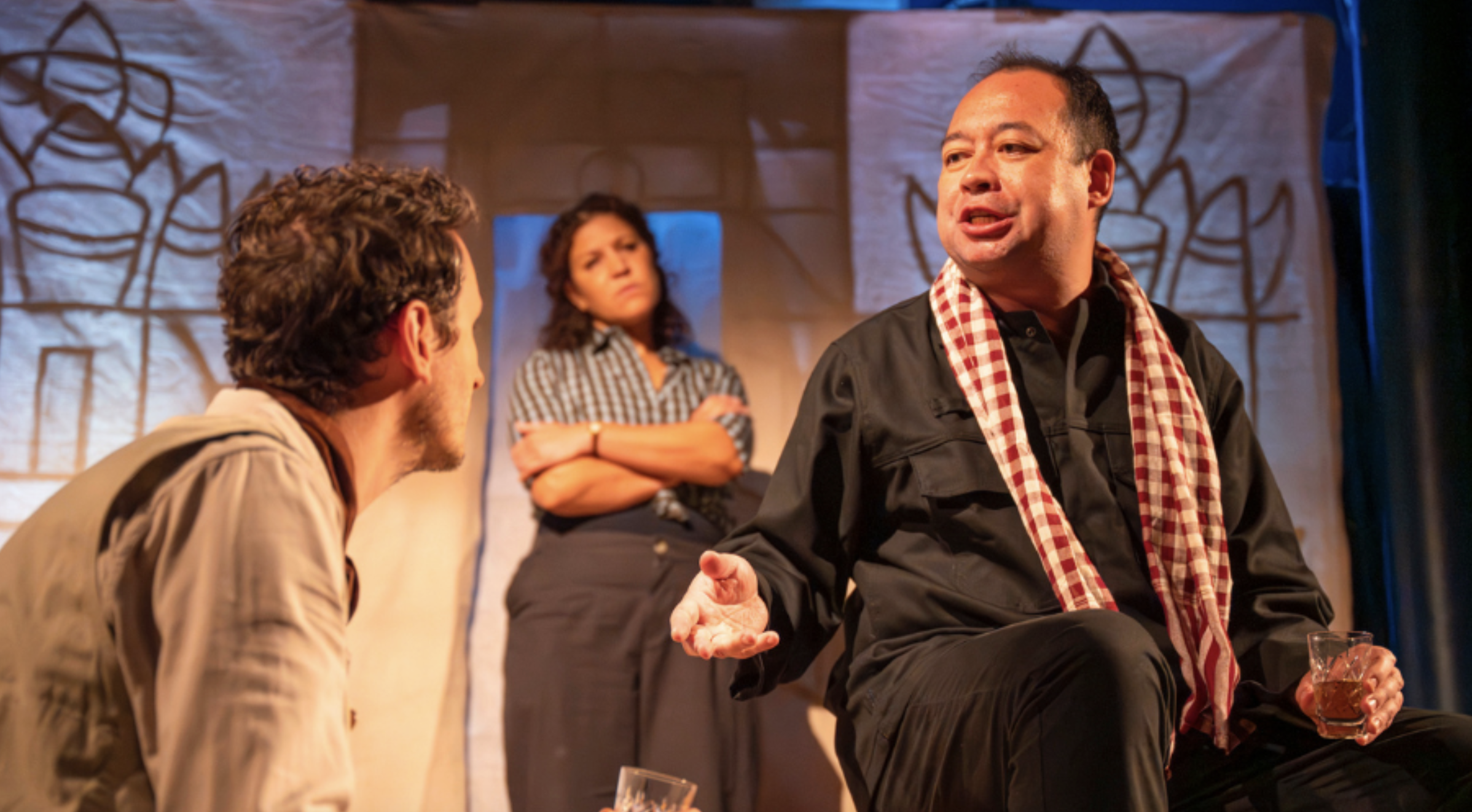
‘American’ (Nicole Cooper) recounts her memories of what happened back in 1978, when she was working as a photojournalist and introduced naïve Scottish academic ‘Stranger’ (Bobby Bradly) to the man he idolised. ‘Brother’ (David Lee-Jones) is the leader of the Khmer Rouge, the party who imposed communism in Kampuchea in 1975. Stranger has been totally seduced by Brother’s rhetoric about the currency-free society he’s founded and the resulting equality he envisages. Indeed, Stranger is eager to record his hero’s every word so he can produce a revised edition of the book he’s already published: In Defence of Kampuchea.

But he soon discovers that Brother is less than transparent about the ways his new doctrine is imposed – and, when Stranger insists on pushing him for more information, he finally begins to understand the awful truth behind the man’s evangelising.

This three-hander, written by Jack MacGregor and directed by Andrea Ling, serves as a timely warning not to be seduced by the carefully-chosen words of ruthless despots. Brother is, of course, the man who came to notoriety as Pol Pot – responsible for the genocide of more than a million people before finally being deposed.

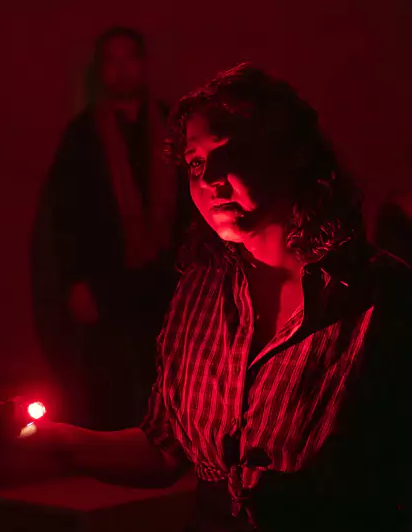
The three actors all play their characters with authority but the piece occasionally feels a little too didactic. It’s anchored in the same location throughout, and there’s sometimes the feeling that we are being told what’s happening rather than shown it – though I do like the moments when American chooses to ‘rewind’ a scene to replay it in a version that’s closer to the way she actually remembers it. She also uses a handheld red light to pick out key moments in the action, as though developing images in a darkroom.

The distressing conclusion offers little in the way of surprises – indeed, it’s something I’ve been expecting from early on – but, at a time when extremism is once more on the rise, Our Brother serves as a sobering reminder of the horrors that lie behind the reassuring smiles of demagogues.

3.6 stars

Philip Caveney
Sorry, Baby

15/09/25

Filmhouse, Edinburgh

Brand new membership cards tucked into our phones, we’re back at the Filmhouse, ready to watch the much-talked-about Sorry, Baby – the debut feature from writer-director Eva Victor. 

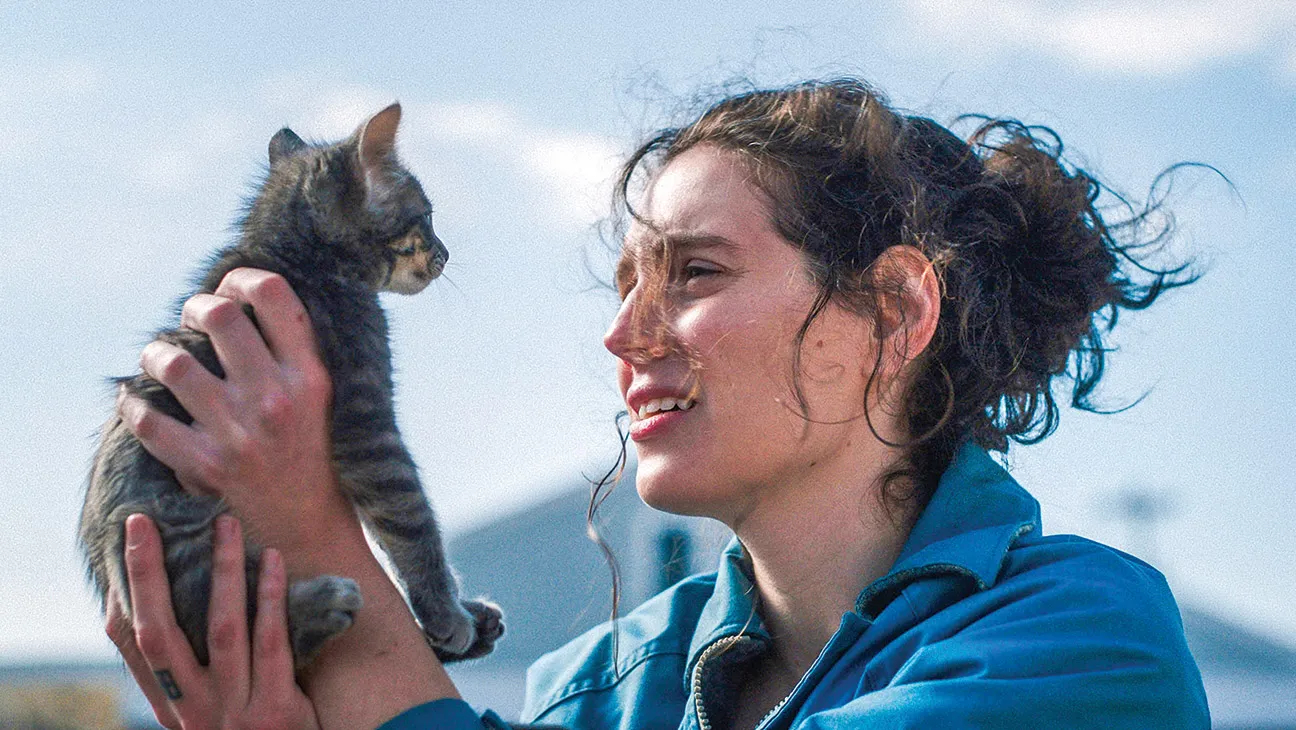
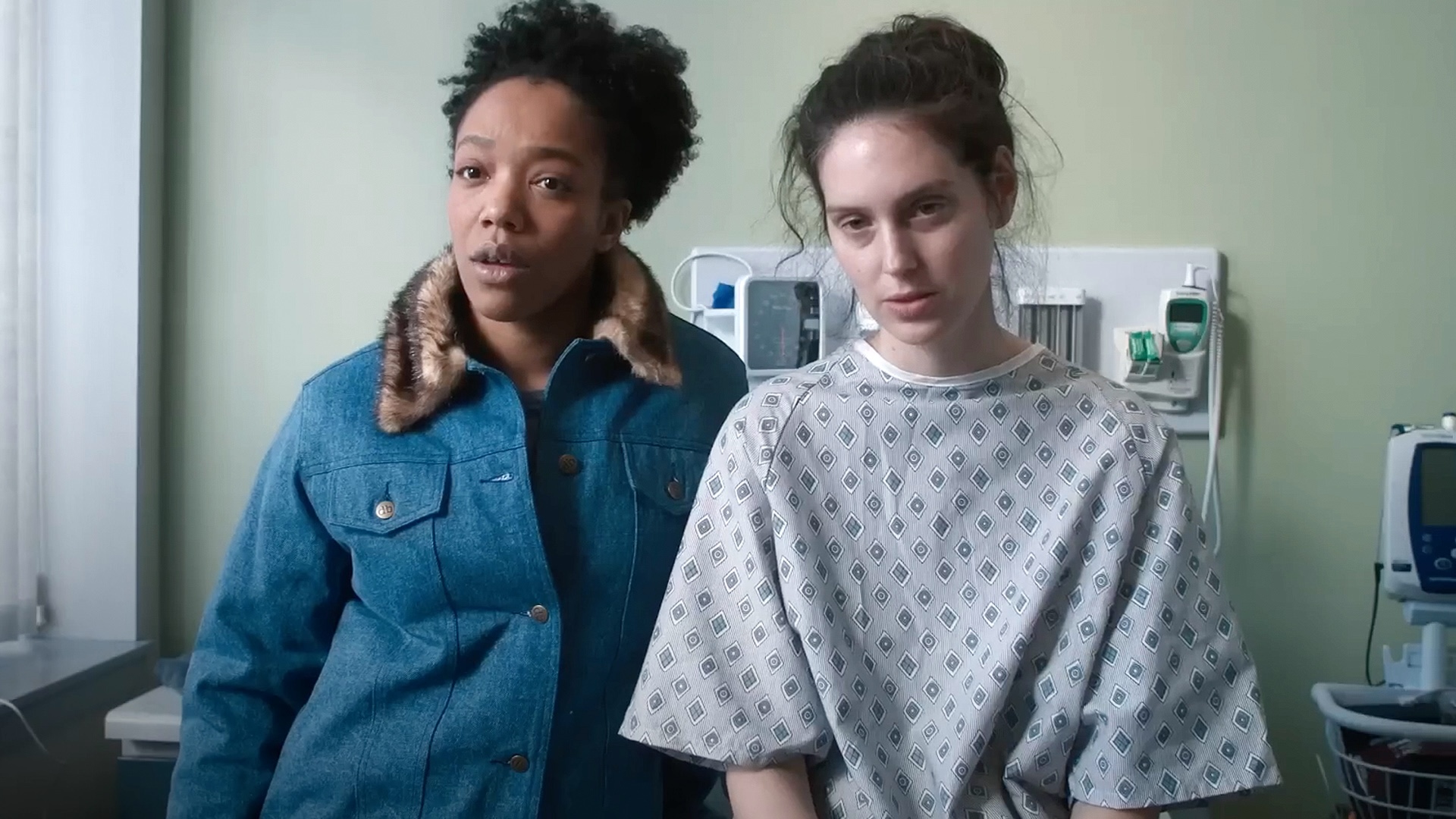
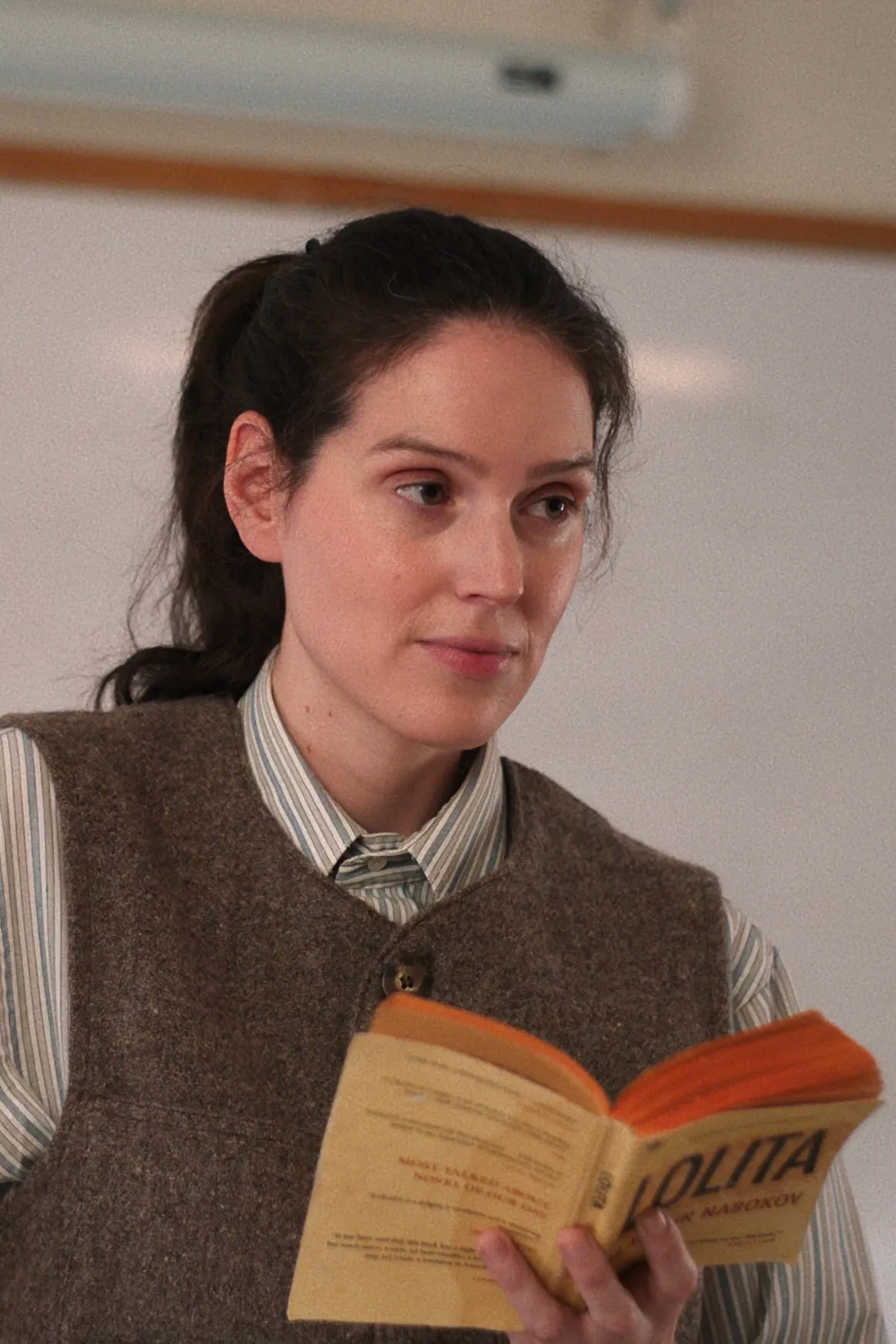
Victor also plays the protagonist, Agnes, a college teacher struggling with the aftermath of being raped by their professor (Louis Cancelmi). Their fiercely protective best friend, Lydie (Naomi Ackie), provides emotional support, as does their gentle neighbour, Gavin (Lucas Hedges). 

The plot is simple, but the structure is as complex as Agnes’s emotions, dropping us into the middle of the story before taking us back and then forward in time. This is film-making of the highest order, assured and nuanced, highlighting the myriad moments that mark Agnes’s darkest hours as well as their recovery. Sometimes, it’s as little as a sandwich from a stranger (John Carroll Lynch). Sometimes, it’s as consequential as officials assiduously avoiding blame.

At first, I find the dialogue a little mannered, but I soon settle into its rhythms as it becomes clear that the brittleness is part of Agnes’s reaction to The Bad Thing that happened to them. They’re not broken by it, but they are changed. Lydie takes her lead from Agnes, responding in kind, the very best of supportive pals.

Victor’s focus on what happens next – the fallout rather than the assault itself – is what makes this movie. It feels realistic, a complicated tangle of okay and not-okay. They don’t go to the police but they do report the attack to HR. Their academic ambition is uncurbed – they still pursue a professorship in the same college – but there are also panic attacks and a sense of being stuck. Their healing is incremental. These things take time.

There is some clever direction here: the exterior shot with its changing light representing the assault; the stilted quietude of the university hearing. Victor is utterly beguiling as the gauche Agnes, as vulnerable as they are fierce, as indomitable as they are hurt. Ably supported by Ackie and Hedges, Victor disarms us with an unflinchingly honest portrayal of violation and recovery.

Victor’s comedic talents are also brought into play, leavening the movie with humour, both deadpan and farcical. Standouts include a droll encounter between a supermarket employee and a cat, and Kelly McCormack’s glorious portrayal of the prickly Natasha, her outrageous grievances and jealousy writ large on her expressive face.

In an era of sequels and AI assimilations, it’s a joy to discover a truly original voice like Victor’s. For all its thorniness, Sorry, Baby is a breath of the very freshest New England air.

4.8 stars

Susan Singfield

The Long Walk

14/09/25

Cineworld, Edinburgh

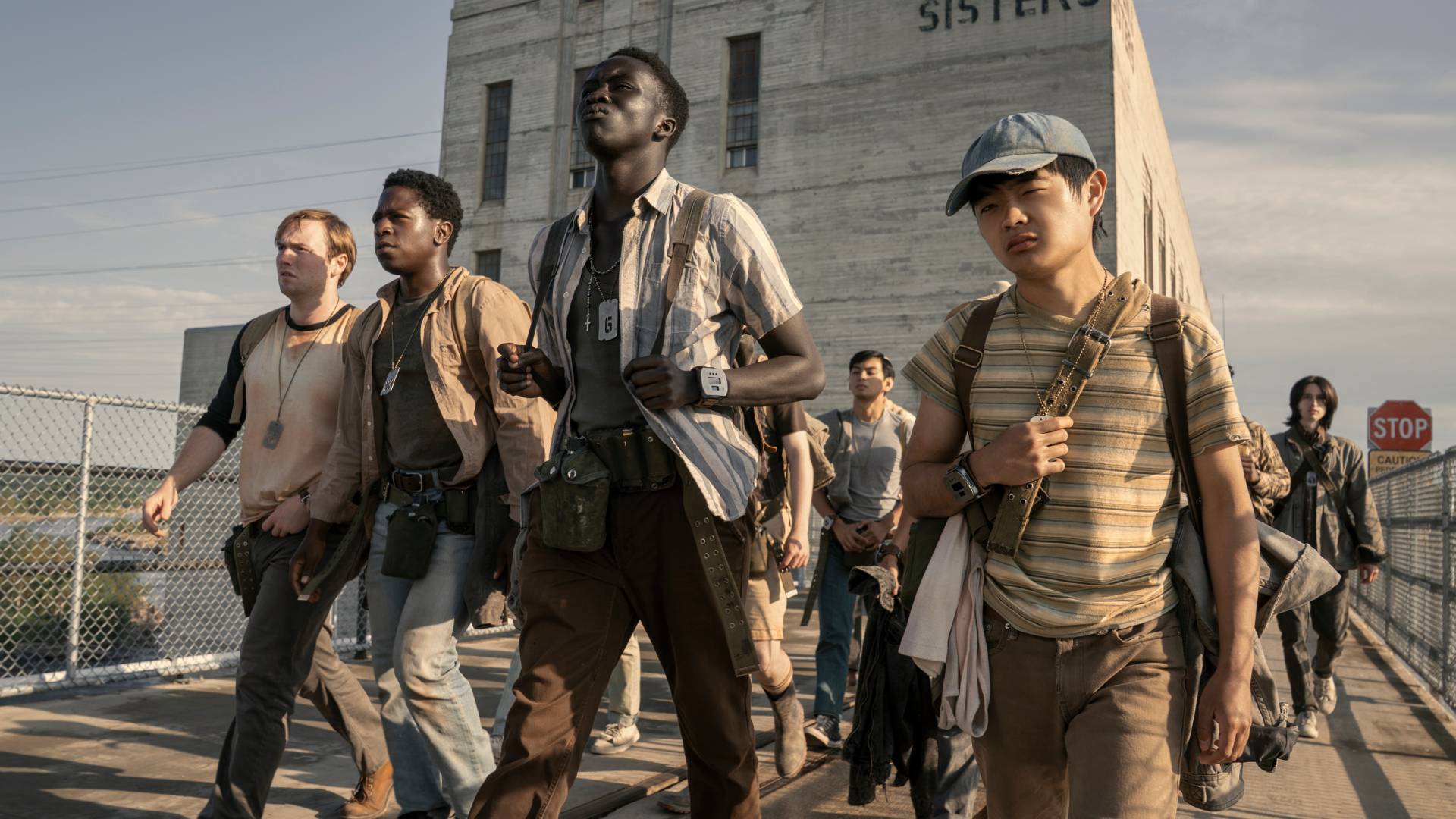
As I’ve observed elsewhere, Stephen King is one of the most screen-adapted authors in living history and you’d think, wouldn’t you, that by now they’d have run out of titles to turn into movies? I mean, what stone has been left unturned? Well, there’s always The Long Walk, a story about a dystopian future where young men enter a lottery in order to be able to compete in a gruelling competition – where the winner will be handed a fortune while losers will be eliminated one by one, with a well-aimed bullet.

And before people start muttering about this being ripped off from The Hunger Games, it’s worth mentioning that King wrote the original novel when he was seventeen and that it was published way back in 1979, under the pseudonym of Richard Bachman. (Bachman also wrote The Running Man, already filmed in 1987 starring Arnold Schwarzenegger, with a new version looming on the cinematic horizon.)

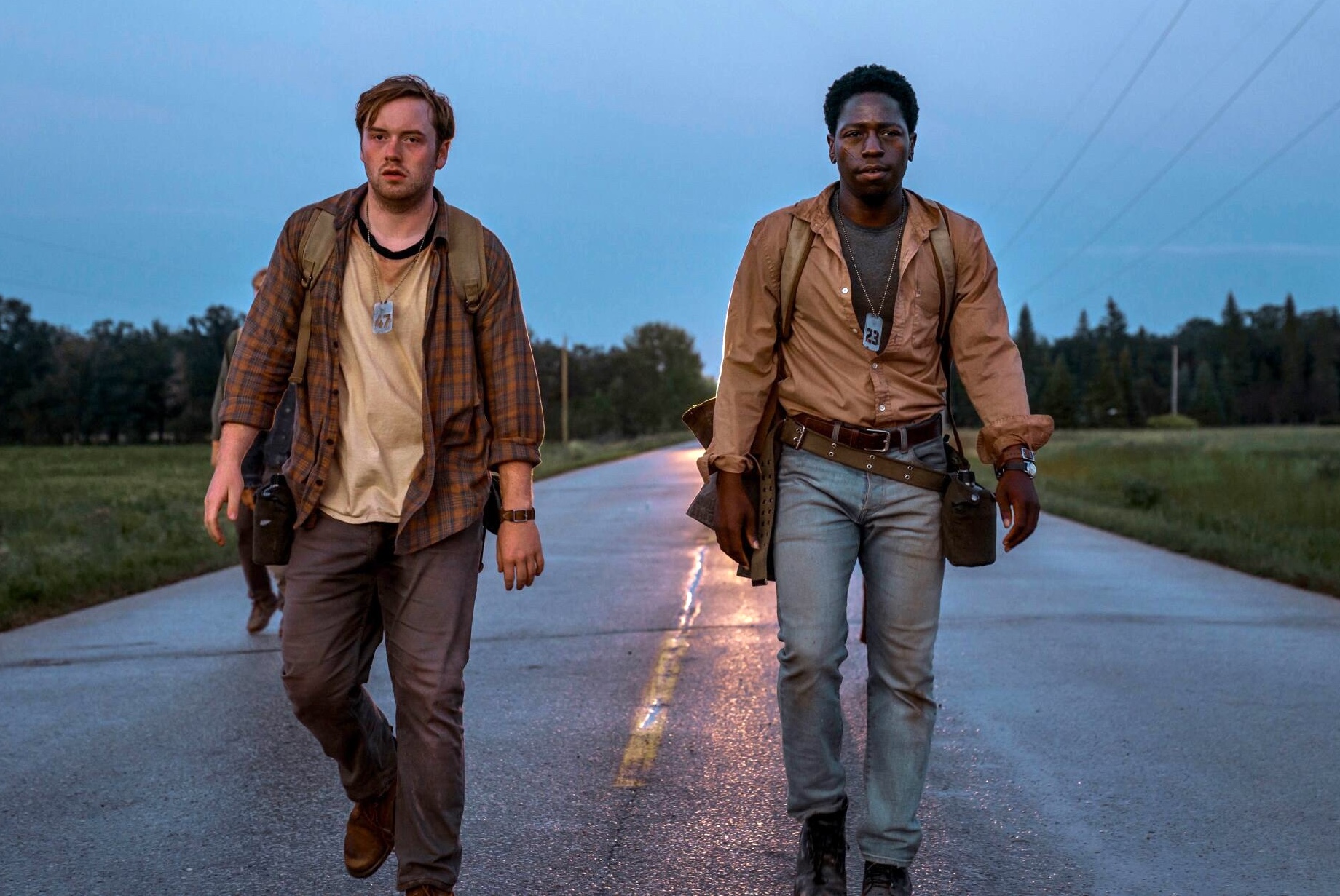
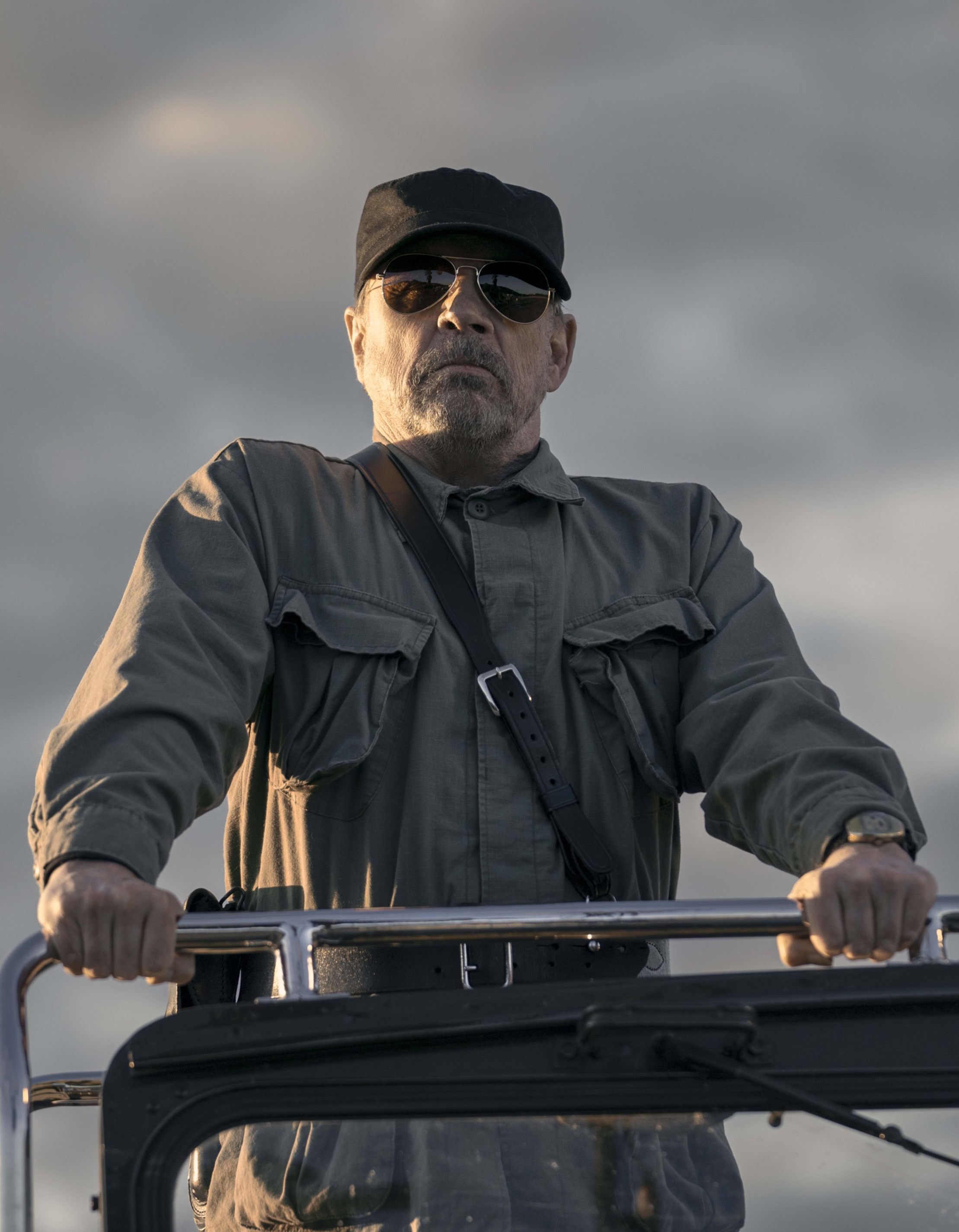
The competitor we’re rooting for in the titular ordeal is Raymond Garrity (Cooper Hoffman) and the guy he pals up with is Peter McVries (David Jonsson) – but there are plenty of other participants and we learn something about most of them by the time we approach the three-hundred-mile marker. The event is presided over by The Major (an almost unrecognisable Mark Hamill). As the walk progresses, we witness some truly horrible executions and some almost as awful depictions of what happens when the participants are not even allowed the luxury of a toilet break…

The danger here, of course, is that such a stripped-back storyline might mean that the narrative becomes repetitive, so kudos must go to director Francis Lawrence and screenwriter JT Mollner, who somehow manage to incorporate enough gear changes to keep me thoroughly entertained (if that’s the right word) throughout a one hour and forty-eight minute run time. It’s also chilling to note that, with the current political upheaval in the USA, the premise of this story feels queasily credible.

More than anything else, this is a film about male friendship, about honour and sacrifice. Hoffman, who made such a confident debut in Licorice Pizza is quietly compelling here as a young man nurturing a secret thirst for vengeance, while Jonsson makes the perfect foil for him: relaxed, compassionate and nurturing. As I say, we do learn about several of the other competitors, but this film belongs to its central duo, who keep us walking alongside them right up to the shattering conclusion.

4.2 stars

Philip Caveney

Highest 2 Lowest

13/09/25

Filmhouse, Edinburgh

I first became aware of the work of director Spike Lee way back in 1986 at the press launch for his second feature, She’s Gotta Have It, and subsequently followed his cinematic evolution with big hitters like Do the Right Thing and Malcolm X. But since 2018’s BlackKkKlansman, Lee increasingly seems to have struggled to find focus.

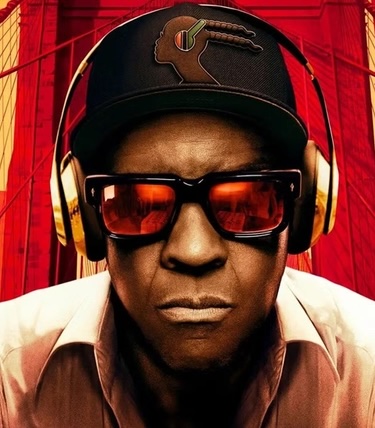
Highest 2 Lowest (a loose remake of Akira Kurosawa’s 1963 film, High and Low) represents a considerable step up – a big, brash love letter to New York City, to Black music and, in particular, to Lee’s favourite basketball team, The Knicks.

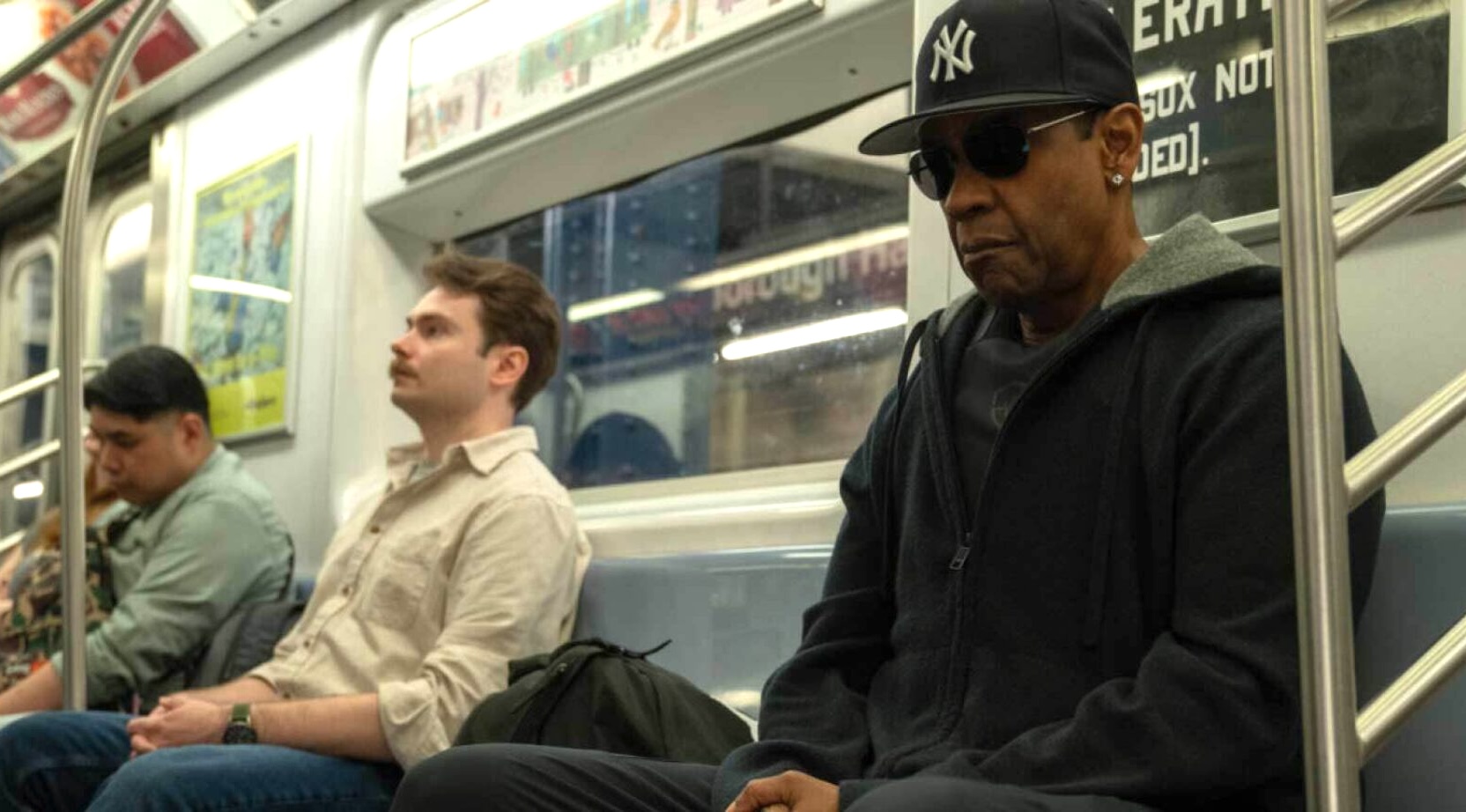
The film begins in grandiloquent style with a rendition of Oh, What a Beautiful Mornin as cinematographer Matthew Libatique’s cameras glide magisterially around the gleaming highrise apartment building that is home to near-legendary record producer, David King (Denzel Washington). He’s about to embark on a crucial bid to buy the record label that made his reputation, but his plans are rudely disrupted when he receives news that his son, Trey (Aubrey Johnson), has been kidnapped and held ransom to the tune of seventeen million dollars.

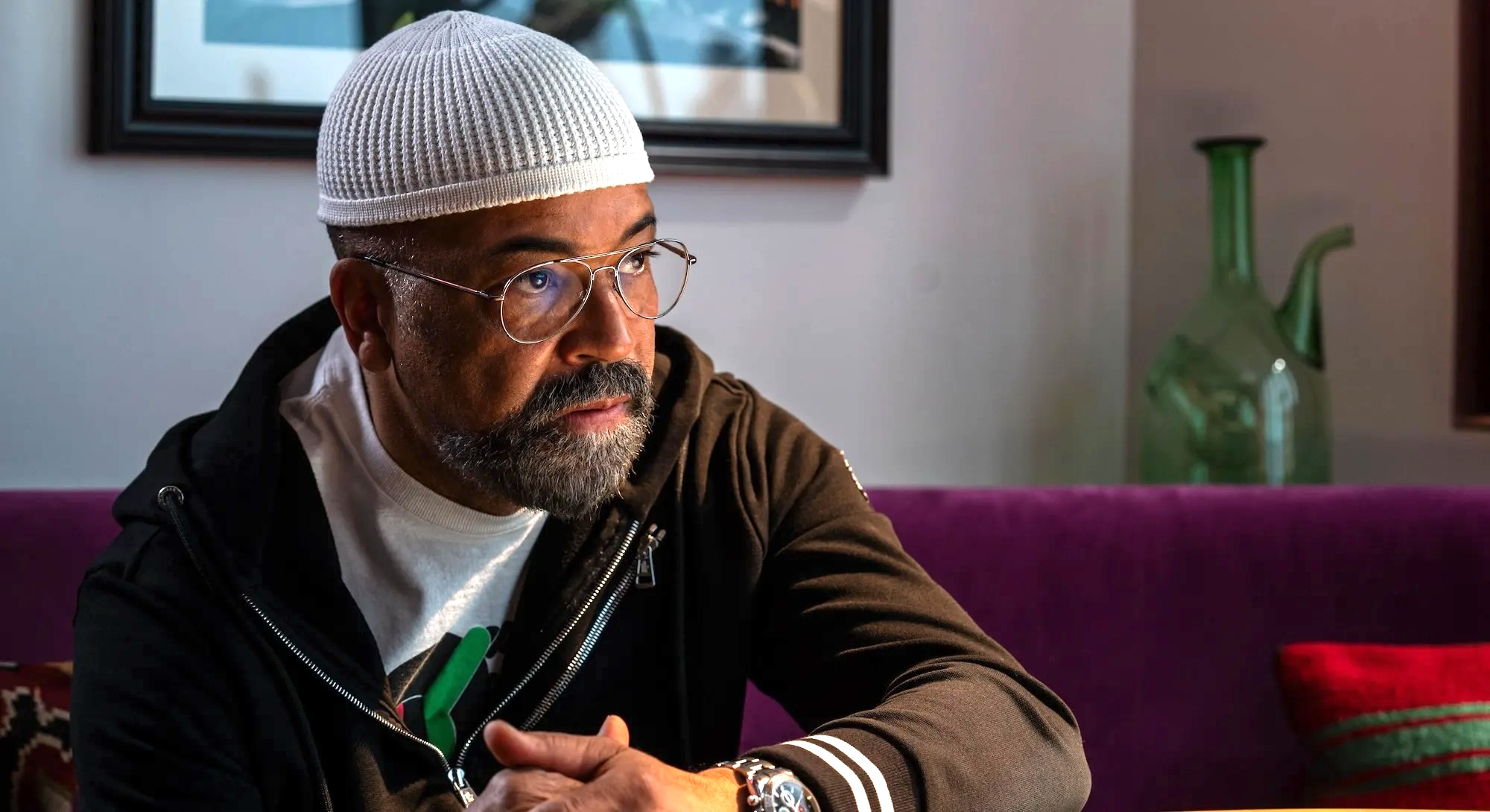
When it’s revealed that the kidnappers have mistakenly grabbed Trey’s best friend, Kyle (Elijah Wright), the son of David’s loyal chauffeur, Paul Christopher (Jeffrey Wright), things become very complicated indeed. David loves and respects Paul – but can he really be expected to pay an amount that will surely bankrupt him for the release of another man’s son?

It would be criminal to reveal anything more about the plot, but Highest 2 Lowest is an ambitious undertaking that largely succeeds. Since David is so involved with music, composer Howard Drossin has been given full rein to create a mesmeric soundtrack and, though in early scenes it can occasionally seem intrusive – in places his keyboards and strings seem to run rampant behind really important lines of dialogue – in others it meshes perfectly with the action. An extended sequence on a subway train packed with very vocal Knicks fans, intercut with scenes filmed at New York’s Puerto Rican Mardi Gras, is masterfully done and is one of the film’s high points.

Washington shows once again why he is one of the greatest actors of his generation. David King has music at his core and Washington’s mood seems to evolve with whatever track he’s listening to. His hostile confrontation with ambitious young rapper, Yung Felon (A$AP Rocky), evolves into a kind of rap duel which might sound strange on paper, but is a genuinely thrilling progression. If I have an issue, it’s that David’s wife, Pam (Ilfenesh Hadera), seems unbelievably submissive, bowing to her husband’s every decision – even when the result might leave her homeless – as though she has no say in the matter.

Reservations aside, this is bold and adventurous filmmaking of the highest order, with the sheen and dazzle of a 50s technicolour extravaganza. It deserves to be seen on the biggest screen available and is proof, if ever it were needed, that veteran filmmaker Spike Lee still has plenty to offer.

4.6 stars

Philip Caveney
Spinal Tap 𝜫: The End Continues

12/09/25

Cineworld, Edinburgh

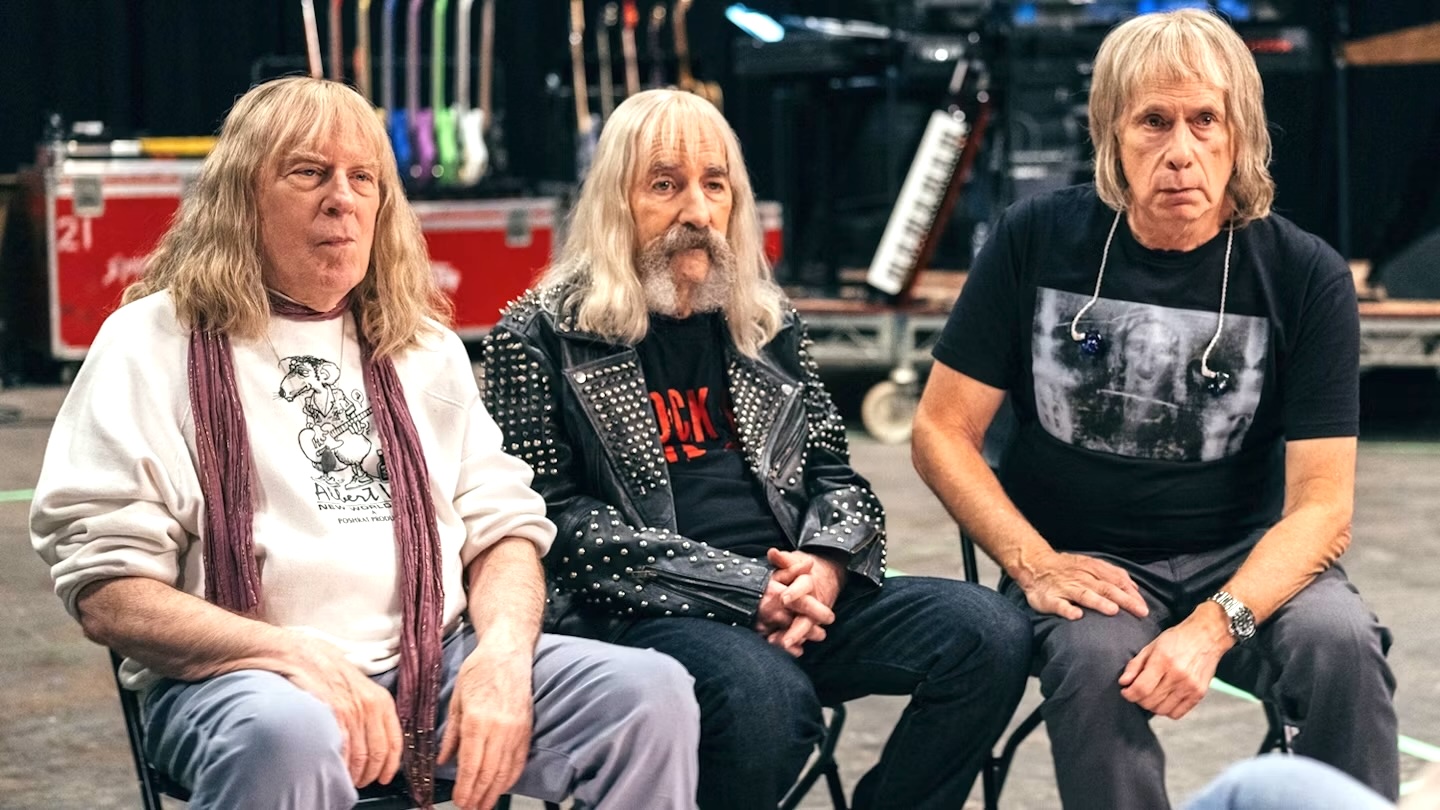
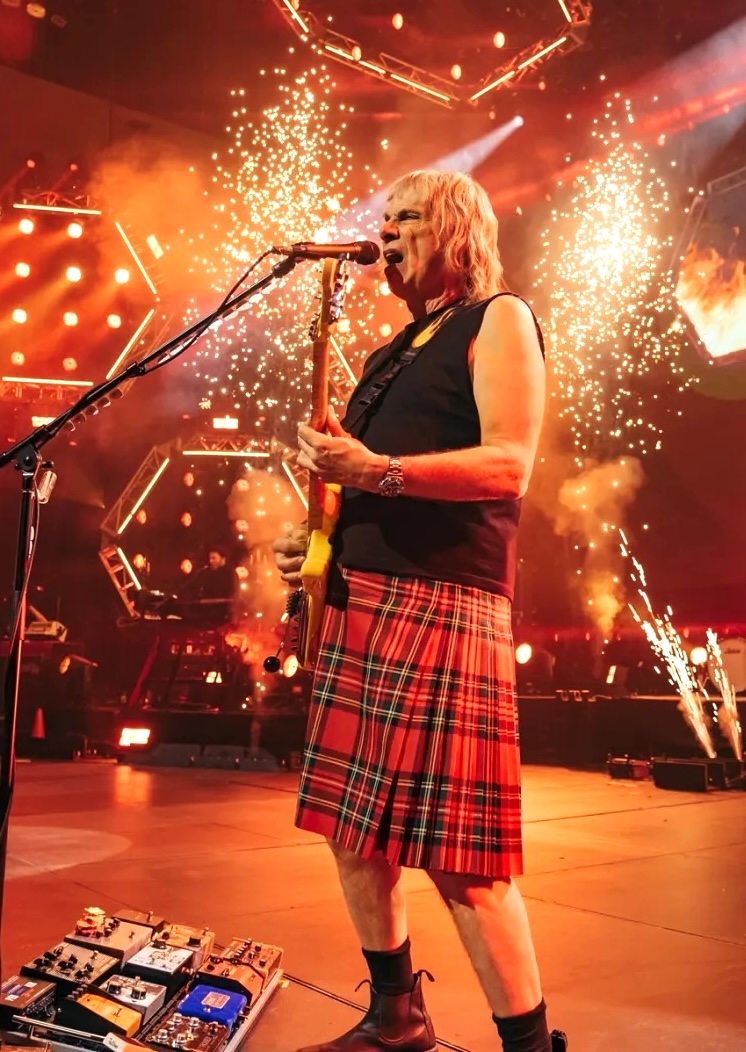
It’s finally here. I’ve waited 41 years for a sequel to my all-time favourite comedy and here it is. A week ago I had the opportunity to revisit the original film on the big screen and it was every bit as brilliant as I remembered, so… no pressure. Of course, I’m not deluded enough to imagine that Spinal Tap 𝜫: The End Continues can be anywhere near as perfect as its predecessor, but my abiding fear is that it will be a terrible misfire with nothing of the spirit of the original. Thankfully, that isn’t the case.

The film opens with a glimpse of the venue in New Orleans, where the world’s loudest (and most punctual) rock band will make their ‘one night only’ return, a contractural obligation that was stipulated in the deal they made with original manager, Ian Faith (the late Tony Hendra). After his death, the rights have been transferred to his daughter, Hope (Kerry Godliman), and she’s intent on holding the three Tapsters to their obligation. The film now cuts back to filmmaker Marti Di Bergi (Rob Reiner) as he goes looking for the three core members of the band.

David St Hubbins (Michael McKean) is now making his living by composing those irritating bits of muzak you hear when you phone a company and they put you on hold. Nigel Tufnel (Christopher Guest) is running a cheese and guitar store in darkest Cornwall, where he’s perfectly happy to swap an instrument for some dairy produce – and vice versa.

And Derek Smalls (Harry Shearer) is the custodian of The Museum of Glue. Of course he is.

We now follow the band as they reconnect and make their preparations for the concert, under the guidance of the well-meaning but ineffectual Hope and the odious, deeply abrasive Simon Howler (Chris Addison). There are, inevitably, a bunch of guest stars dotted amidst the action, with Paul McCartney and Elton John the most prominent. There are also ‘where are they now’ glimpses of some of the surviving players from the first film.

The improvised humour that was so instrumental in film one – and which paved the way for the host of films and TV series that followed in its path – is perhaps not quite as sure-footed as before, though much of it lands squarely enough to provide the requisite laughs. Interestingly, it’s the music that proves this sequel’s real strength, with Christopher Guest’s original compositions given extra fuel by the propulsive drumming of Didi Crockett (Valerie Franco). Hilariously cringey lyrics aside, the songs are actually pretty good examples of 80s heavy rock.

It’s interesting to note that, now the players are genuinely aged (Harry Shearer is 81), there’s a new-found vulnerability to the characters, the previously fearless young rebels brought down by the realities of infirmity. They seem quietly bewildered by all the changes that have occurred since they were last on the scene, but are still determined to give it their best shot. There are clever twists on the original (what happens with Stonehenge is particularly impressive) and, as before, the comedy interplay continues throughout the film’s closing credits with some of the funniest moments held back to the end.

I emerge from the screening with a warm glow, as though I have just spent time with some old friends – and, after such a long absence that’s surely all you can hope for. A word to the wise: if you are not already a fan of Spinal Tap, this reunion gig is likely to leave you feeling bewildered rather than nostalgic.

4 stars

Philip Caveney

Wallace

10/08/25

Traverse Theatre, Edinburgh

“The Scottish can’t rap!”

Thus proclaims one of the three-strong cast of Wallace, shortly before they launch into their opening salvo and prove that – hell, yes – they really can! This intriguing production, which launches the autumn season of A Play a Pie and a Pint, is obviously inspired by the success of Hamilton. It proudly proclaims that Scottish history is just as deserving of a contemporary retelling as anything that ever went on in the USA and, in that ambition, it succeeds big time.

Three friends chatting over drinks in a bar become extra-animated when one of them claims to be an actual descendent of William Wallace – you know, the guy from Braveheart. This is the precursor to a deep dive into the hero’s history, as the three players musically discuss the known facts, the probable myths and even the possibility that (whisper it) WW might not have existed.

Written by Rob Drummond, with music and lyrics by Dave Hook (who also performs alongside Patrica Panther and Manasa Tagica), Wallace offers an audacious exploration of Scotland’s most celebrated warrior, all backed by a pumping four-four beat. The trio of performers switch effortlessly between characters merely by throwing on a jacket or a hat, depicting Wallace’s supporters as well as those who fought against him in his doomed bid for Scottish independence.

Hook stays in the role of Wallace, while Tagica does a splendid job of portraying Edward Longshanks, complete with dark glasses and a red fur coat. Panther, after pointing out that women have been virtually written out of history, takes on the swaggering persona of Robert the Bruce with evident relish.

Whip-smart, caustically funny and actually pretty informative (I come out knowing a lot more about the titular Scot than I previously did), Wallace snaps from song to song and from argument to argument like the proverbial tiger on vaseline, holding the audience spellbound right up to the final triumphant chord. Snappily directed by Orla O’Loughlin, this is a perfect example of how to make history vibrant and compelling enough to dazzle a contemporary audience.

It’s pure dead brilliant.

5 stars

Philip Caveney
Inter Alia: NT Live

07/09/25

Cineworld, Edinburgh

What Suzie (Miller) Did Next was bound to garner a lot of attention. The mega-success of Prima Facie, starring the inimitable Jodie Comer, has catapulted the Aussie playwright into the limelight, and left the theatre world waiting with baited breath to see what else she has up her silk sleeve.

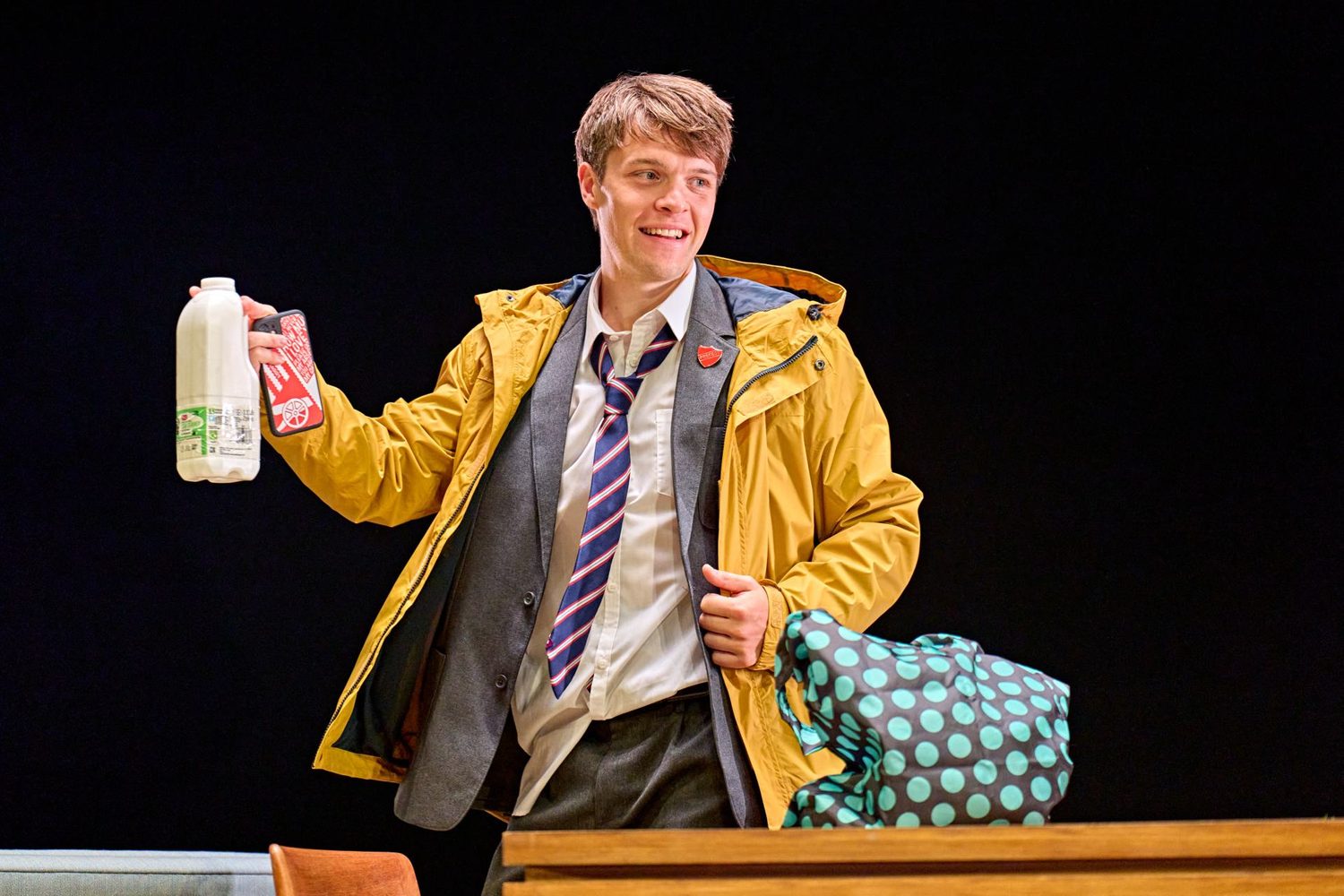
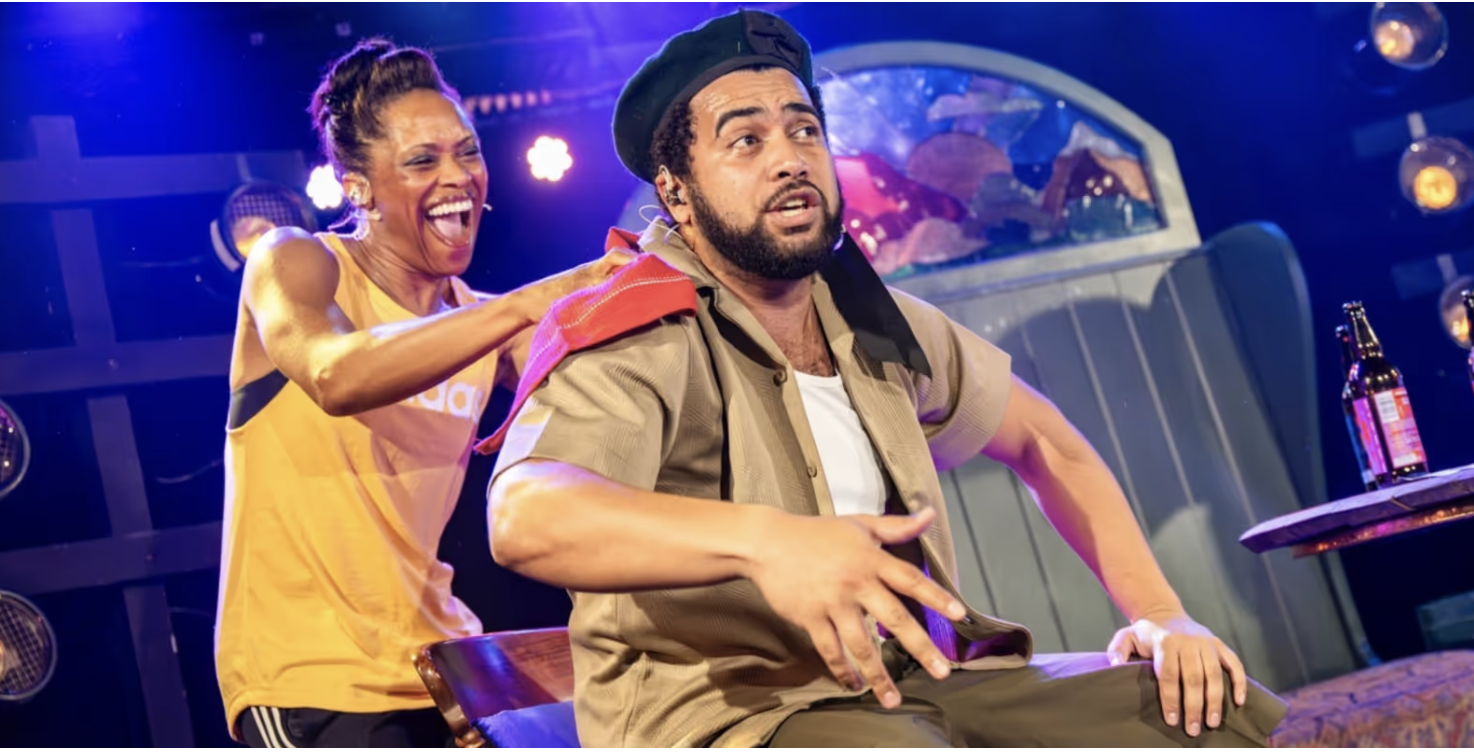
Inter Alia, a three-hander starring Rosamund Pike, serves as a kind of companion piece to the 2019 monologue, this time examining the legal system’s response to sexual assault from the vantage point of the Bench. Pike plays Judge Jessica Parks, a high-flying professional, juggling work and family life. She’s got the drive and energy to give both her all, but there’s no escaping ‘mom guilt’, however feminist you are. Still, she and her barrister husband, Michael (Jamie Glover), seem to be managing well: their teenage son, Harry (Jasper Talbot), isn’t exactly happy – he doesn’t really fit in at school and is the victim of some mild bullying – but he’s generally okay, mooching through his days and studying for A levels. He’s a gentle, sensitive boy, nothing like the entitled defendants Jess encounters in court, with their swaggering justifications for rape…

Until, one fateful night, when the ideals Jessica has long-espoused are suddenly called into question, along with her integrity. Who is to blame when a floundering young man commits a crime? And is it possible to be guilty and innocent at the same time?

Prima Facie‘s director, Justin Martin, is back on board for this follow-up polemic, and it’s just as gorgeously kinetic as the earlier piece, perfectly encapsulating the frantic nature of Jess’s life as she hurtles from conviction to kitchen, from case files to karaoke. The set, designed by Miriam Buether, is ingenious, a combination of the domestic and the professional, with props, costumes and doorways cunningly concealed in the kitchen units. At key moments, a wooded park is revealed beyond the dominant interiors, a glimpse into the outside world – both real and online – where Jessica isn’t in control, and which Harry has to learn to navigate for himself.

This is a gentler play than its predecessor, but no less audacious or thought-provoking. Pike is extraordinary in the lead role, and ably supported by her fellow actors. Miller doesn’t offer any easy answers or let anyone off the hook, but she expertly straddles the fine line between trying to understand assailants without diminishing their victims. Like those around us, we leave the cinema deep in discussion, trawling through our own experiences, trying to work out what we would do in Judge Jessica’s place.

I’m still not sure. But I do solemnly, sincerely and truly declare and affirm that Inter Alia is another searing commentary on our times, and – as such – another must-see from the National Theatre.

5 stars

Susan Singfield