Theatre

Alright Sunshine

03/08/25

Pleasance Dome (Jack Dome), Edinburgh

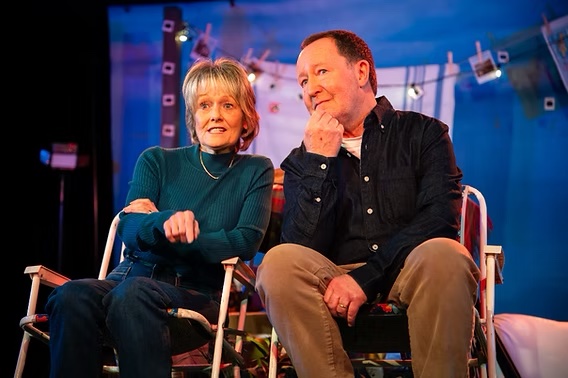
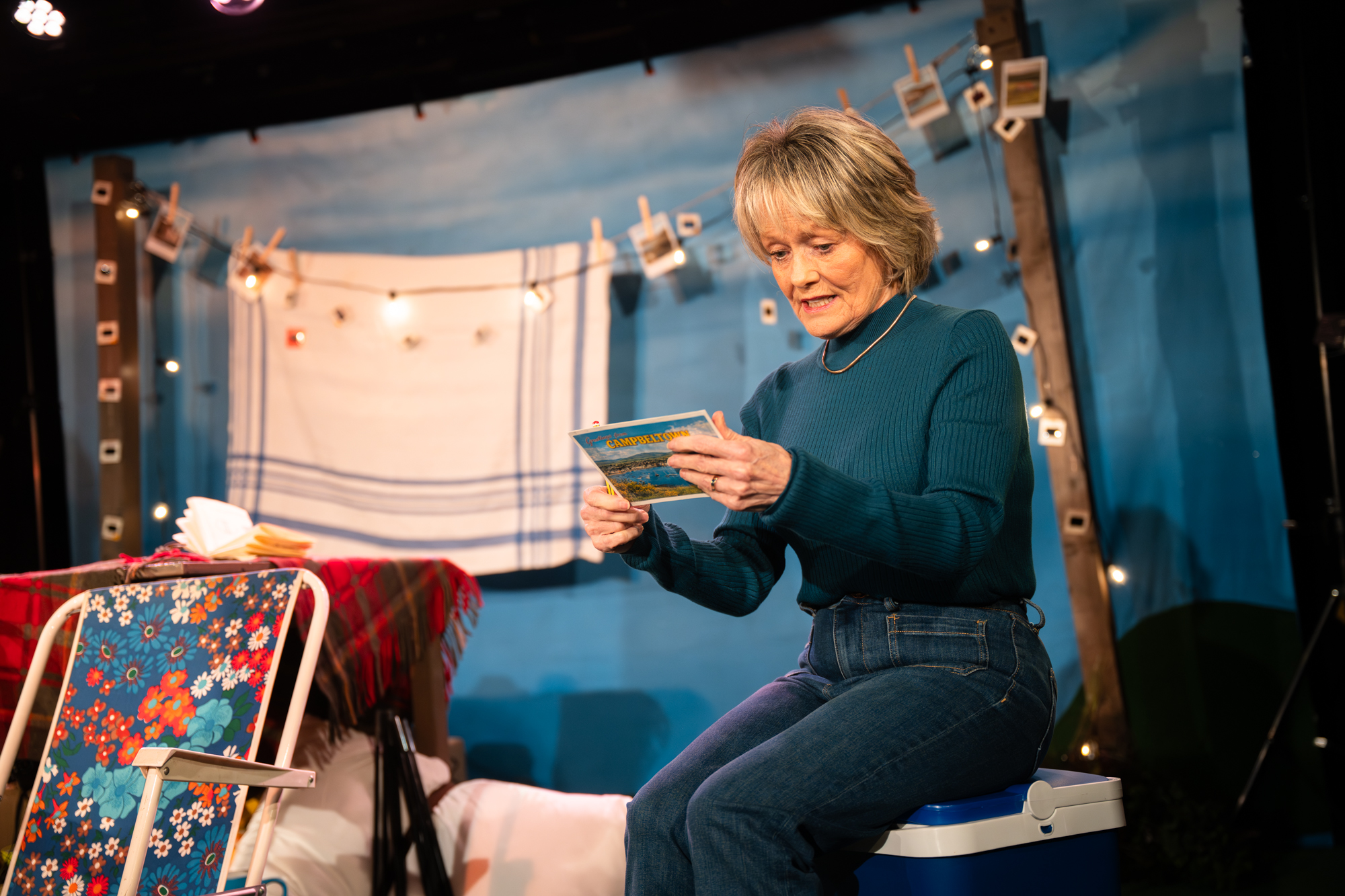
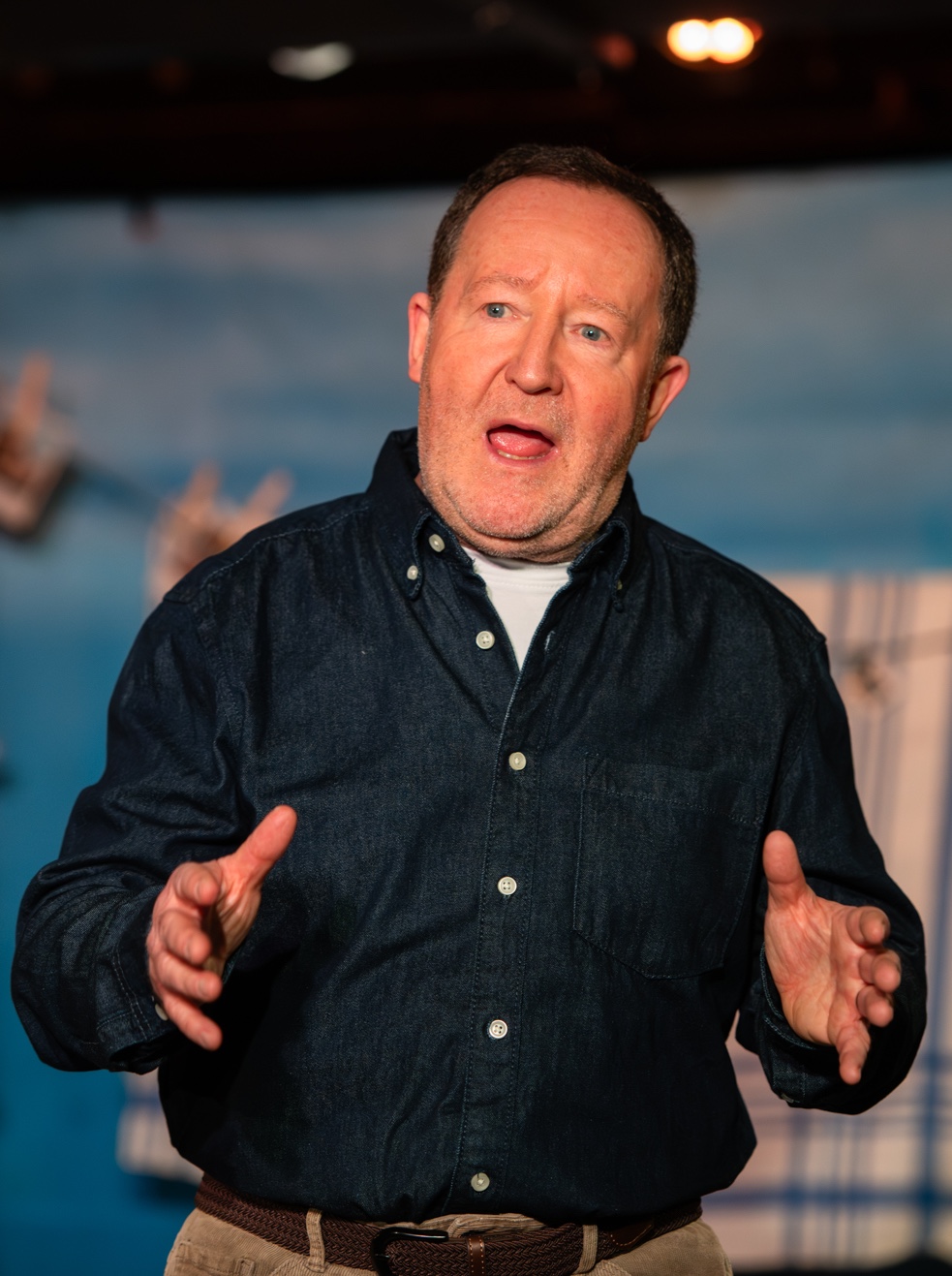
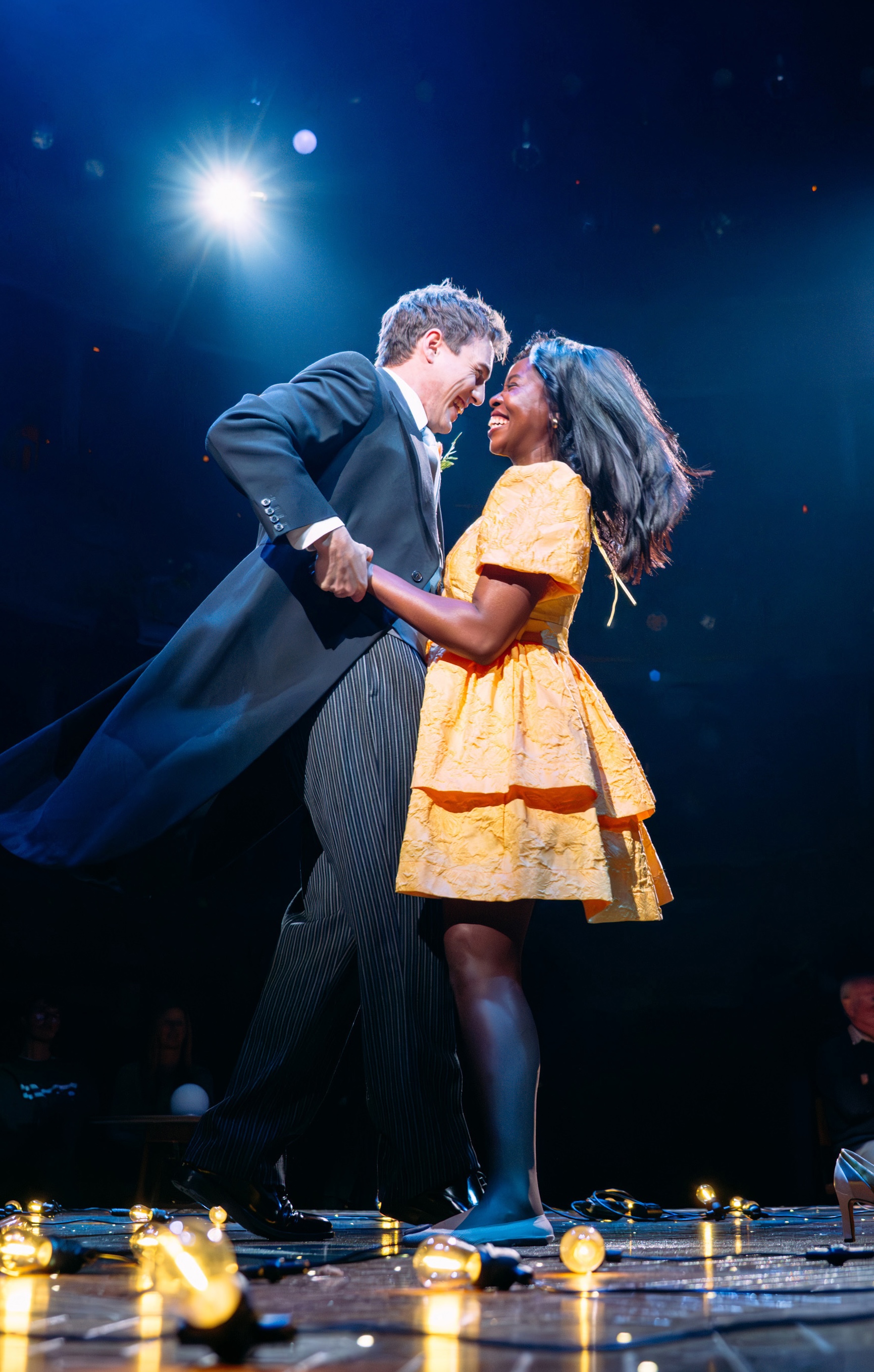
Edinburgh playwright Isla Cowan is making quite a name for herself in Scottlish theatre – and it’s easy to see why. We’ve watched two of her previous pieces (2023’s And… And… And… and 2024’s To Save the Sea) and been mightily impressed; today’s production of Alright Sunshine is even better: an intense monologue about being a woman, being a police officer, and the darkness lurking behind sunny days on the Meadows. 

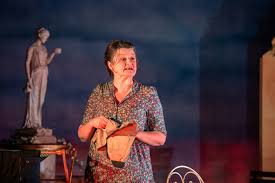
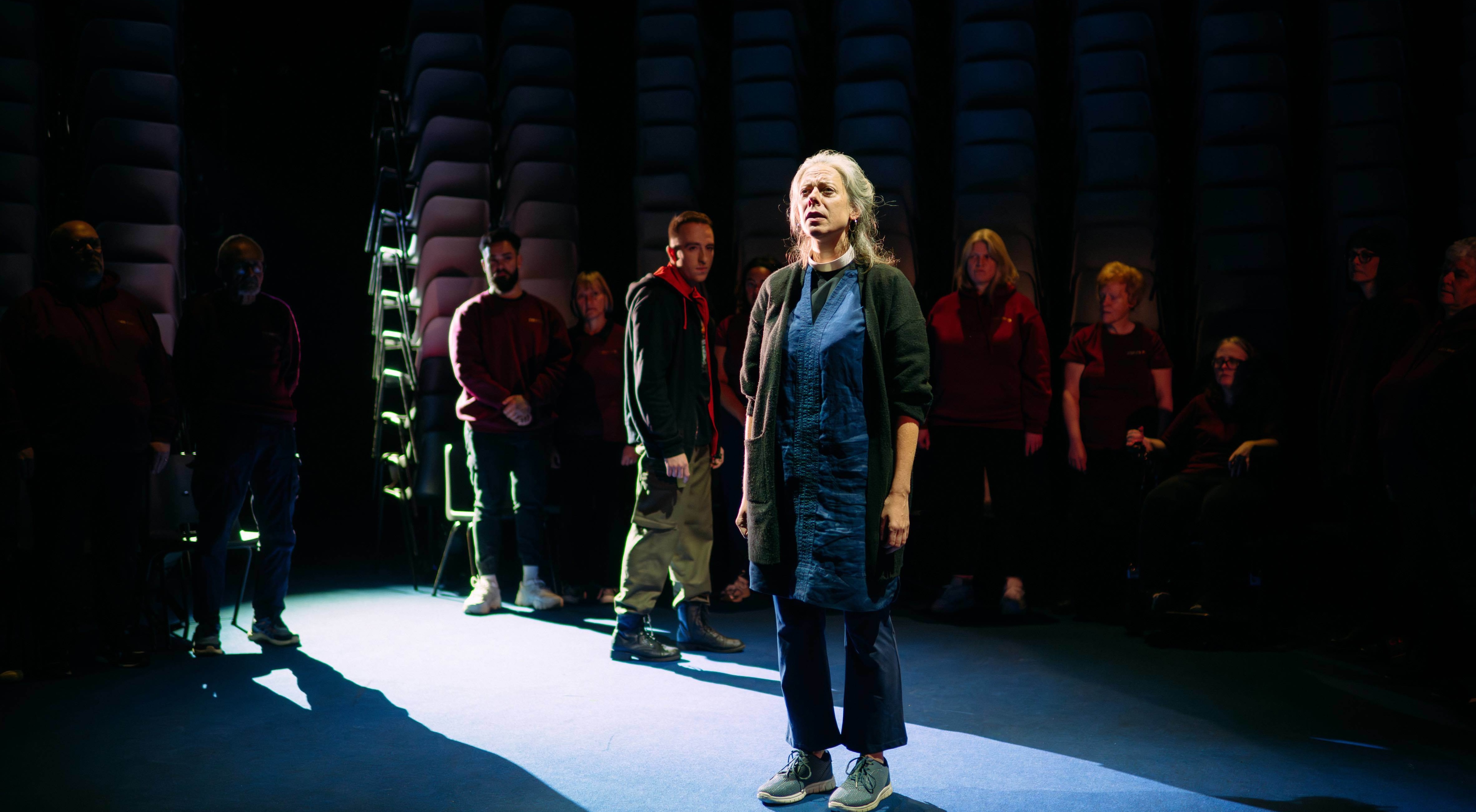
PC Nicky McCreadie (Molly Geddes) is dedicated to her job. It comes first: before her family, before her relationships, before her health (who has time for eggs for breakfast when there’s a Greggs on the way to work?). Her dad was polis too, and she’s determined to be the kind of officer he’d be proud of… if he were alive. She’ll be as strong, as focused, as brave as he always urged her to be. She won’t give in to her feelings. She won’t cry. She won’t be weak like her mum. She won’t be a girl.

Directed by Debbie Hannan, Cowan’s taut, almost poetic script is brought powerfully to life by Geddes’ mesmerising performance: a tour de force with real emotional heft. The playful, observational tone of the opening sections – where the park’s ‘timetable’ is humorously detailed – is skilfully undercut by the gradual disclosure that all is not okay in PC Nicky’s world. She’s seen too much, given up too much, suppressed too many emotions in her bid to be the perfect policewoman. Now that carefully-constructed carapace is breaking apart and she has no idea what she’s supposed to do.

It would be a crime to reveal any more than this; suffice to say that this is a compelling play with an important message at its heart. If you can watch it without giving in to your feelings, without crying, without being a girl, then you probably need to talk to someone. Soon.

5 stars

Susan Singfield

Hold the Line

02/08/25

Pleasance Courtyard (Bunker Two)

Hold the Line is the type of theatre that speaks to its time. Right here, right now, when the nation’s beloved NHS has been starved of funds for the past two decades, is exactly the moment for writer/performer Sam Macgregor to shine a spotlight on one of its least glamorous aspects, the 111 non-emergency helpline.

Gary (Macgregor) is a call-handler. The job has more in common with other call-centre work than it does with what we usually think of as healthcare, but with emotional trauma thrown into the mix. In amongst the standard queries there are, of course, the timewasters, ranging from the humorously trivial (“I’ve got a lash in my eye”) to the pointlessly abusive (“Fuck off!”). But there are also desperate people who, unable to get a GP appointment or unwilling to face an eight-hour wait in A&E, stretch the definition of ‘non-emergency’ beyond recognition, forcing Gary to exceed his remit. He’s not a medic: how can he be responsible for matters of life and death? And yet here he is, the only point of contact in a situation he’s not trained for, as his boss tells him there’s no clinician available just yet, so keep the patient on the line… 

Macgregor imbues the protagonist with a raw humanity, while Gabriela Chanova takes on the supporting roles, most notably Tim, calling about his diabetic dad, and Tony, Gary’s supervisor. Regular disembodied tannoy announcements remind Gary (and us) that he has targets to meet, that ‘comfort breaks’ are essentially selfish, causing waiting times to escalate, and that everything he does is being monitored. There is no downtime, no space to process difficult calls and no information available about the outcomes. As so often seems to be the case, the caring professions are not cared for. 

Director Laura Killeen utilises the small space well: Tony’s agitated pacing back and forth along the same path, over and over, serves to underscore the repetitive nature of the work, as well as the  sense of being on a treadmill, going nowhere fast. I also like the simplicity of the design (by Nalani Julien) with its central focus on Gary’s desk, and the cunningly hidden phones, which are used to good effect in the frenetic ‘workout’ routine, highlighting Gary’s inner turmoil. 

I have just one criticism: the section where Macgregor plays ‘Top Brass’, showing how Tony faces the same pressures as Gary, makes some important points, but it’s somehow weaker than the rest of the play, the polemic less artfully disguised. 

That aside, Hold the Line is a tight two-hander, holding up a dark mirror to the state of our health service. Voices like Macgregor’s highlight what’s happening – and hopefully help to bring the change we need. 

4 stars

Susan Singfield

Lucky Tonight

31/07/25

Traverse Theatre, Edinburgh

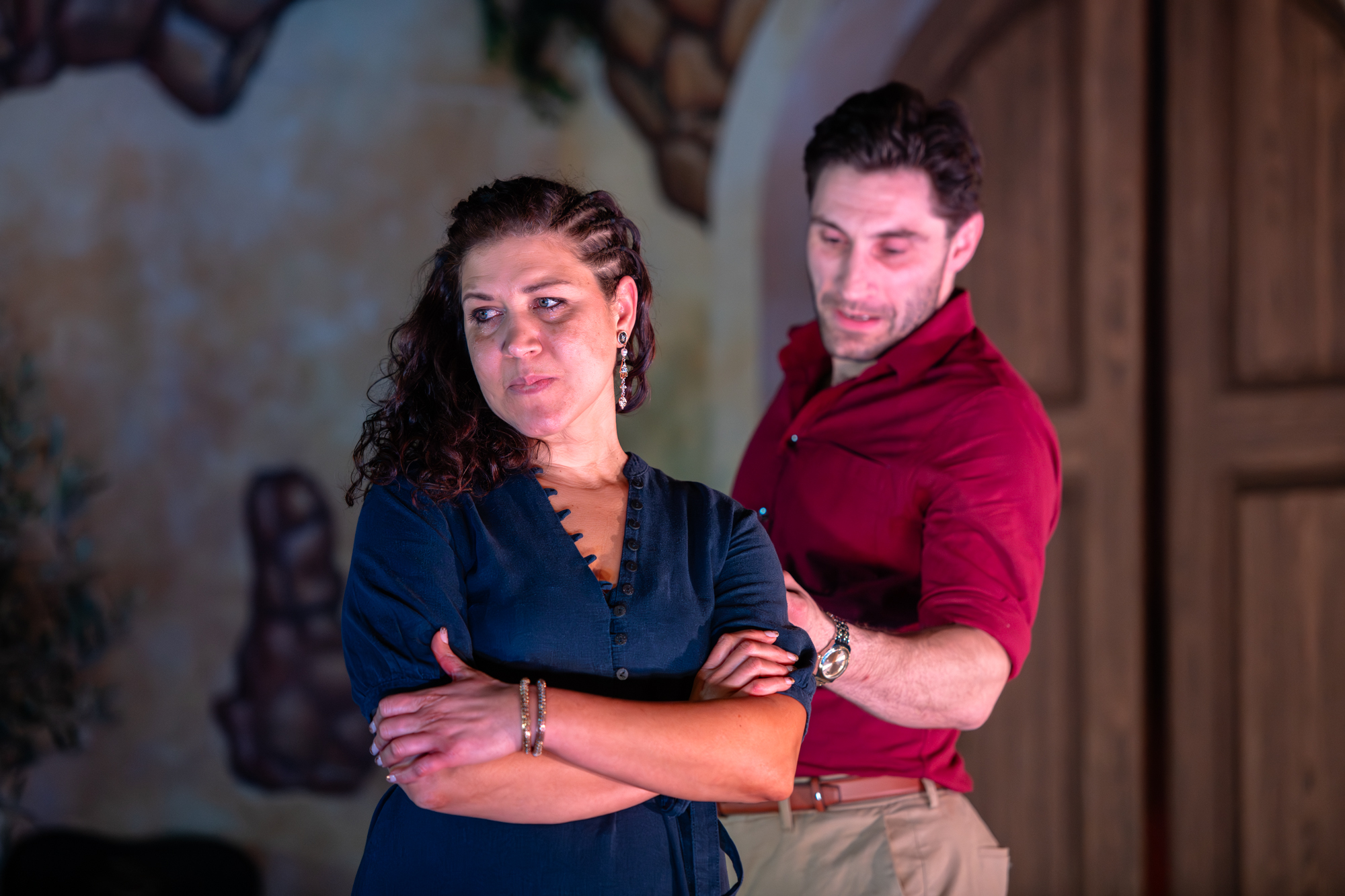
Lucky Tonight is an interactive play/pub quiz, performed by its creator, Afreena Islam-Wright. It’s a fascinating theatrical hybrid, the form mirroring the tale. After all, Afreena is used to having a foot in more than one camp: this show explores the complexities of growing up Asian in Manchester: part Gorton-rebel, part Bangladeshi-brainbox. Islam-Wright is an engaging storyteller, skilfully creating a relaxed, informal vibe as the genial host, before slowly revealing a much darker undertone.

Perhaps the vibe is a little too relaxed: Islam-Wright interrupts her own flow with frequent questions to both her director (Julia Samuels) and the tech desk, asking for clarification of where she’s up to or if she’s missed a chunk of text. This isn’t billed as a work-in-progress, so I’m a little disconcerted by these moments. The vast number of largely unnecessary props cluttering the stage doesn’t help. I like the ramshackle spirit of the piece, but I think it needs a more solid base, with clearer audio and visual clues to keep the protagonist’s complex narrative on track.

The quiz is fun, nicely judged so that it feels challenging without being impossible. We’re given tablets and some simple instructions, and we all enter gamely into the competition. Without giving anything away, there are some audaciously-themed rounds, which add edge and a sense of jeopardy. I think there’s scope to take these further, to make the piece more impactful. (Aside: thanks to our third team member’s impressive music knowledge, we actually win the quiz!)

Islam-Wright captures our sympathy: it’s impossible not to empathise with a young woman caught in a trap between her own desires and her family’s demands, finding a way to make peace with the people she loves without compromising who she is. The tone is gentle throughout, creating an unsettling contrast with what is revealed – and, for me, this is the show’s strength. I’m like the proverbial frog who doesn’t notice he’s immersed in boiling water until it’s too late, and I leave the Traverse after what’s felt like a fun-filled ninety minutes, surprised to find myself in awe of Islam-Wright’s resilience and my mind focused on deeper themes.

All in all, Lucky Tonight offers a fresh approach to a coming-of-age story. With more precision and a willingness to push the boundaries, it could be something really great.

3.3 stars

Susan Singfield

Restless Natives: The Musical

07/06/25

Leith Theatre, Edinburgh

Since it first opened in 1932, Leith Theatre has had a chequered history. Originally conceived as a gift from the city of Edinburgh, when Leith amalgamated with it (in 1920), the venue was badly damaged during the Second World War and didn’t fully reopen for business until the 1960s. Over the following decades, the doors opened and closed for a whole variety of reasons – but this year it has finally secured a 50-year lease and a National Lottery Grant. Stepping through the doors on launch night feels somehow propitious, the start of an exciting new era for this handsome and much-loved theatre.

Based upon the 1985 film of the same title, the touring musical of Restless Natives seems like an inspired choice for a relaunch. Like the film, the production is set in the 1980s. We open with members of the cast performing a mournful a cappella rendition of Stuart Adamson’s In a Big Country, the sweet harmonies coaxing genuine chills – and then we launch headlong into the story, the exploits of two young men, disenchanted with their lot in Thatcher’s Britain and struggling to make ends meet in Edinburgh.

Ronnie (Kyle Gardiner) is managing a joke shop and hates the fact that much of his regular stock is being replaced by items of tartan tat, aimed at tourists. His best friend, Will (Finlay McKillop), is earning a crust as a road sweep and, incorrigible romantic that he is, constantly searching for his one true love. When Ronnie suggests a radical new way of making dough, Will goes along with the idea. They will climb onto a motorbike, wearing joke-shop masks to disguise their identities and, armed only with a toy pistol and a bazooka filled with itching powder, they will rob coaches loaded with tourists. What could possibly go wrong?

Against all the odds, the ruse works, and it’s not long before our two modern highwaymen – dubbed ‘The Clown’ and ‘The Wolfman’ – are plying a decent trade along the backroads of the Highlands. Not only that but they are generating a strange kind of fandom, with coach passengers openly hoping that they will be the next targets. On one such robbery, Will takes a shine to Margot (Kirsty MacLaren), a vivacious tour guide and, when he meets her afterwards, can’t quite stop himself from revealing his true identity. Since her father, Baird (Alan McHugh), is the local Chief of Police, it’s evident that things are about to become complicated…

This sprightly production, directed by Michael Hoffman, and based on Ninian Dunnett’s original screenplay, has a kind of galumphing charm as it scampers merrily from one encounter to the next with barely a pause for breath. Occasionally, events do somewhat beggar belief. A scene where Ronnie visits a club stuffed to the gills with dodgy characters appears to have wandered in from a different genre entirely – comic opera, perhaps? But Harry Ward is clearly having such a ball playing Nigel, Scotland’s Most Wanted Criminal, it seems churlish to complain. Meanwhile, a visiting Texas Ranger, Bender (Sarah Galbraith), has a propensity to encourage everybody to indulge in a spot of line-dancing at odd moments and… well, hell, why not?

There’s no message here, other than ‘have a good time’ along with a kind of generalised pro-Scotland vibe. This is a romp: each member of the eleven-strong cast giving every ounce of dedication and perspiration that they have. MacLaren’s stunning vocals are a consistent standout, while Gardiner and McKillop convince as the chalk-and-cheese besties. The enthusiastic applause as the cast take their final bow is heartfelt and well-earned – and I’m already looking forward to successive productions as this venue continues to grow and flourish.

Interested parties will find Restless Natives here until Sat 21st of June (and practical jokes really are available in the foyer), before it moves on to the King’s Theatre, Glasgow.

3.6 stars

Philip Caveney

Lear

05/06/25

Traverse Theatre, Edinburgh

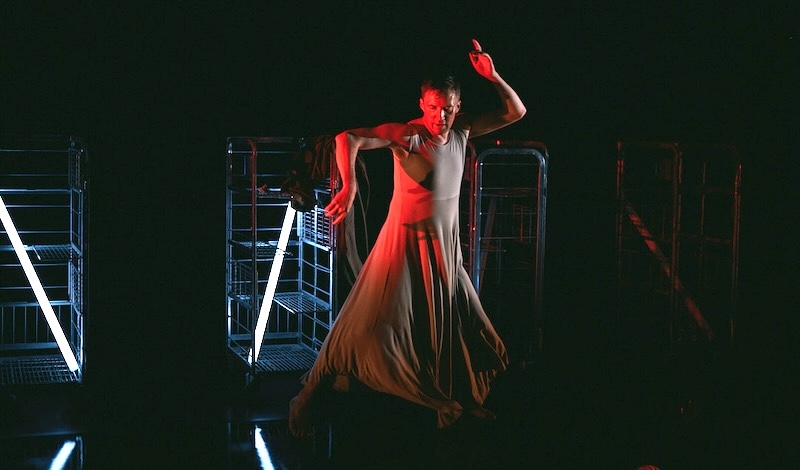
It seems at first an act of incredible hubris: to take one of Shakespeare’s most accomplished works, chuck out all those pesky words and attempt to tell the story entirely through movement. But only a few minutes into Raw Material’s adaptation and I am beginning to appreciate what a clever idea this actually is – one that opens out the play’s central story to encompass a whole range of different interpretations. Anybody who has watched helplessly as an aging relative slips inexorably into the fog of dementia, for instance, will find plenty to identify with here.

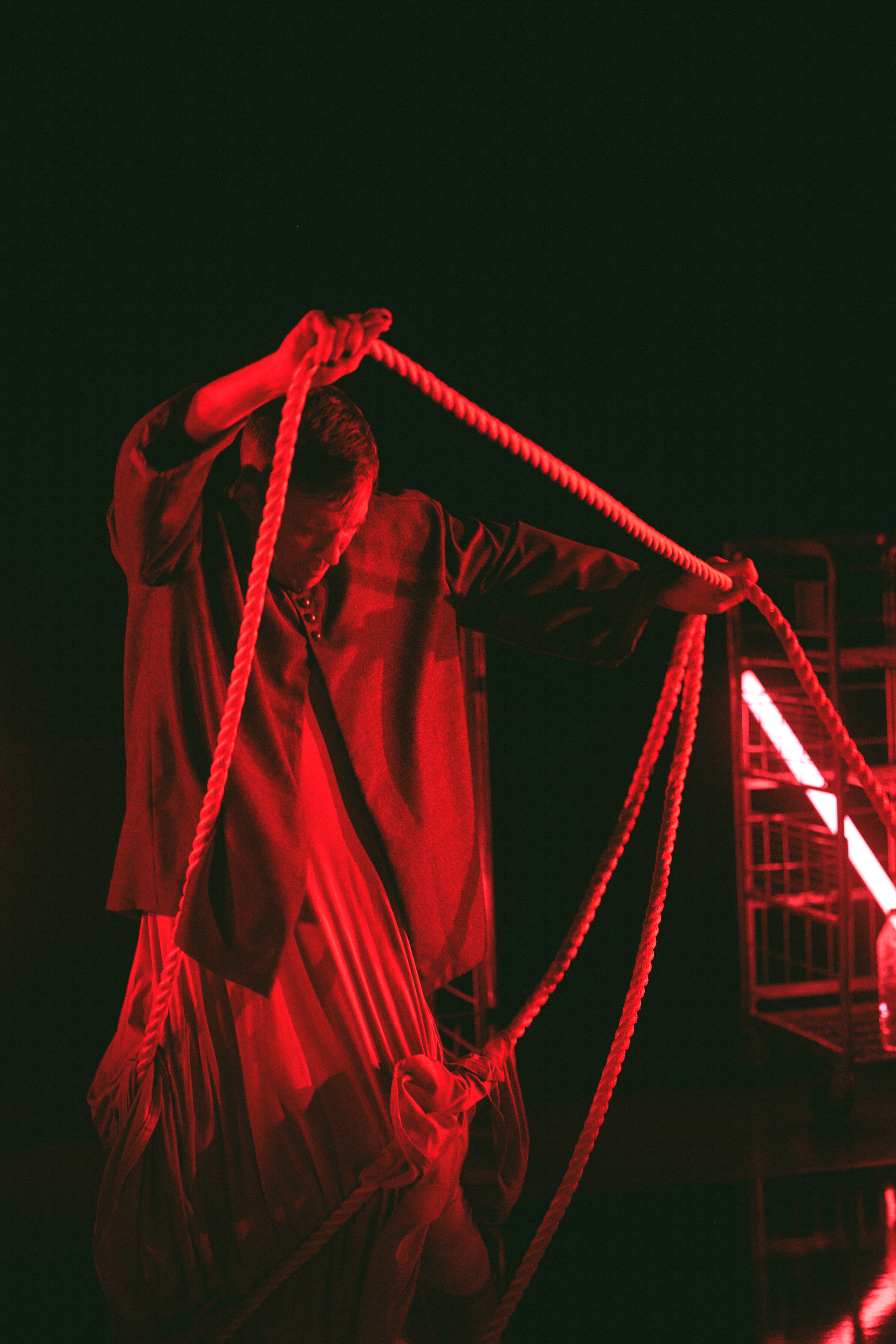
Anna Orton’s simple set comprises mostly heaps of sandbags, which we will soon discover are stuffed with what look like ashes and which, when scattered around the stage, seem to accentuate the central character’s failing grasp on reality. When Lear (Ramesh Meyyappan) first strides confidently into view, he is fearless, energetic, reenacting his past conflicts for the entertainment of his three daughters.

But we cannot fail to notice that he is already jumping at shadows, reacting to every bump and thud of David Paul Jones’s vibrant score, every flash and flicker of Derek Anderson’s vivid lighting design. Director Orla O’Loughlin keeps him centre stage while his daughters move around its periphery, cooly observing as he begins a slow but steady decline. As his grasp on the war-torn kingdom grows ever more precarious, so he goes to his daughters seeking refuge. Regan (Amy Kennedy) and Goneril (Nicole Cooper) are not the grasping, cruel sisters of the source play, but rather two concerned siblings that strive their hardest to accommodate their Father’s eccentricities. Cordelia (Draya Maria) keeps to the sidelines, always giving way to her more manipulative sisters – but her affection for her father is evident, making it clear that she will love him unconditionally.

And then the fog really begins to take hold as Lear don’s his Fool’s old hat and adopts the gurning, slapstick attitude of his former jester, Meyyappan pantomiming exquisitely as he slips effortlessly between the two characters, bicker and competing with each other for the sister’s affections. His bewildered daughters try their best to cope with their father’s mounting instability but once taken hold, these changes cannot be denied. In Lear’s latter stages, stripped to his underwear and no longer able even to wash himself, the character’s ultimate tragedy really begins to hit home.

Lear’s story is also true of so many people as they begin to slip helplessly into their twilight years – as they succumb to drug addiction – as they are weighed down by advancing depression – the transformation witnessed by their partners and their children. This daring adaptation nails such experiences with considerable skill.

Despite my initial reservations, I have to raise my hat to a fearless and thought-provoking piece of theatre.

4.2 stars

Philip Caveney

The Mountaintop

04/06/25

The Royal Lyceum, Edinburgh

Katori Hall’s 2009 play bristles with prescience in this stirring revival, directed by Rikki Henry. We’re in Room 306 of the Lorraine Motel, Memphis, where a tired, sick Dr Martin Luther King Jr (Caleb Roberts) is planning on writing through the night. But, as the night in question is April 3 1968, we know this work will never make it to completion. Instead, assassination awaits.

The great man’s famous “I’ve been to the mountaintop” metaphor is gloriously realised in Hyemi Shin’s set design, the room balanced precariously on a slab of jutting rock protruding from the dark earth, offering little protection from the Biblical storm raging outside. There are climbing ropes too, tethering King to earthly reality even as they call for his ascension.

As ever, MLK is up against it. He’s in Memphis to promote his Poor People’s Campaign, and to support the striking Black sanitation workers. He’s a divisive figure: a hero to those he’s championing; a thorn in the side of the establishment. White supremacists hate him. How can he allow himself to rest when there is so much injustice to address? He calls the motel’s reception to ask for coffee, and salvation arrives in the form of housekeeping. It’s Camae (Shannon Hayes)’s first day on the job, and she’s beyond excited to meet her idol. Of course he can have one of her cigarettes.

In this fictional encounter between the real-life martyr and the made-up maid, Hall illuminates the flawed reality of King, who was, after all, a mere mortal, as prone to weakness as the rest of us. What set him apart wasn’t saintliness, it was conviction, purpose, determination – and the belief that he could be the change. As he laments the failures of his beloved America, the message comes across loud and clear, and is particularly important today: you don’t have to be special to make a difference. You just have to show up and fight.

Roberts and Hayes make an electric duo in this fierce two-hander, which lurches from realism to expressionism with thrilling momentum. Roberts imbues his warts-and-all depiction of MLK with so much warmth and charisma that we forgive him his trespasses. After all, if God (with whom he argues via the motel’s landline) can summon him to Heaven, who are we to argue with Her? Hayes makes for a perfect antagonist, her spirited Camae proving more than a match for the mighty King, challenging him both politically and personally. Issues of race and equity are illuminated rather than undermined by the humour that punctuates the couple’s verbal sparring, and Camae’s final monologue, accompanied by Lewis den Hertog’s black and white video design, is a stark reminder both of MLK’s legacy and of the battles yet to come.

4.5 stars

Susan Singfield
Blinded By The Light

21/05/25

Traverse Theatre, Edinburgh

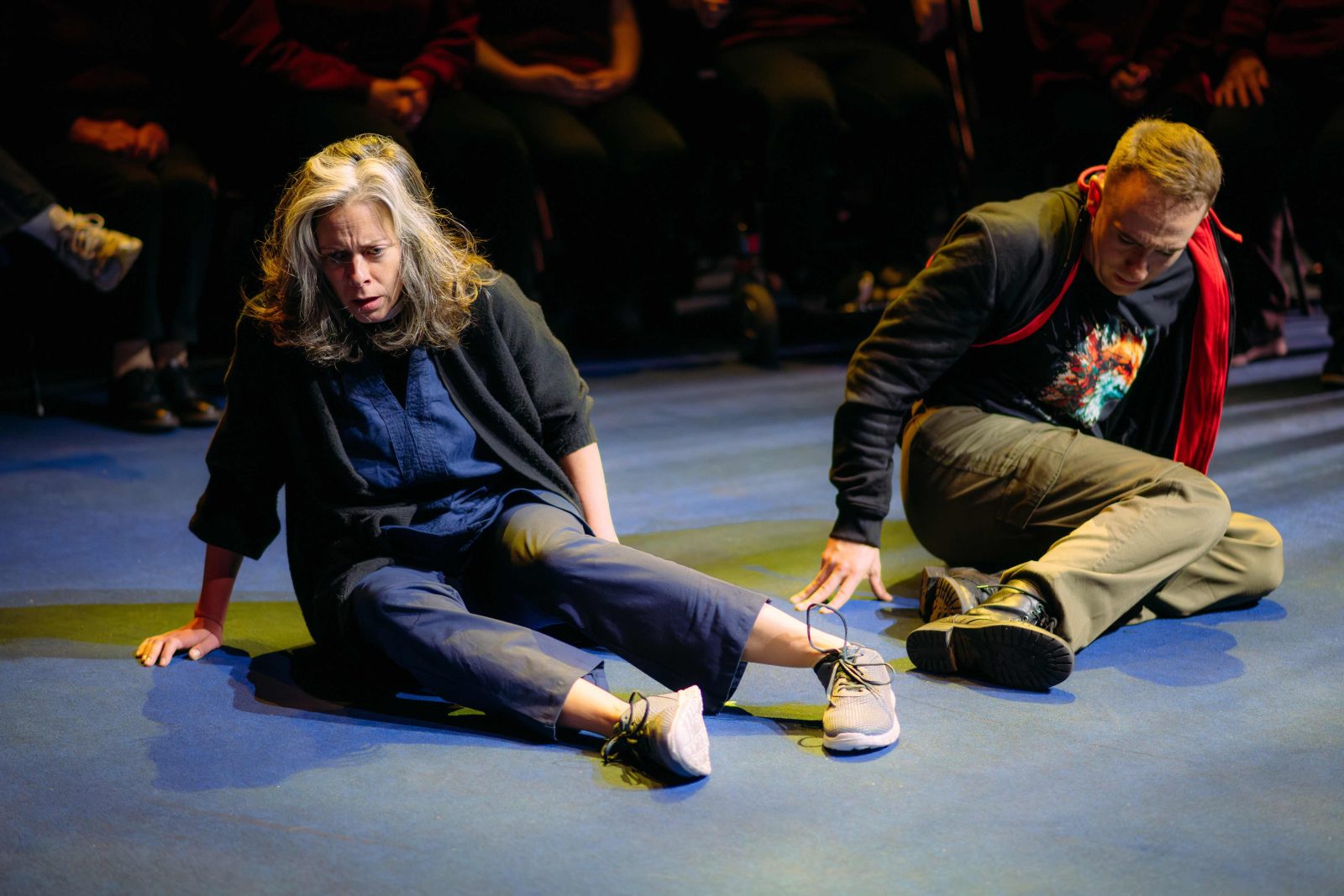
Drawing on the true story of a historical protest, Sylvia Dow’s Blinded by the Light illuminates two distinct timelines: first, the real-life miners who held a ‘stay-doon’ in the pit at Kinneil Colliery in 1982; second, the fictional inhabitants of a near-future dystopia, forced underground by the climate crisis and now occupying those same Bo’ness tunnels.

Nimbly directed by Philip Howard, the disparate worlds intersect seamlessly, the stories harmonising into something bigger and brighter than the sum of their parts. For Lily 7 (Holly Howden Gilchrist) and Freddie 9 (Reece Montague), the coal-black warren is a prison: they’ve never been ‘up’; never seen the grass or felt the rain; to them, the sun is nothing more than an enticing concept, gleaned from forbidden books. Meanwhile, two hundred years earlier, Andy (Rhys Anderson), Matt (Barrie Hunter) and Matt’s son, Jerry (Andrew Rothney), view the mine very differently. For them, it represents a well-loved way of life – not just their workplace but also their community. Of course, they also have friends and family in the outside world, but it’s their mining jobs that define them. The looming pit closure threatens everything they know and love.

Becky Minto’s simple set design works well. A steeply-raked wooden floor emphasises the precariousness of the situations, and the small footprint forces all five characters into close proximity, highlighting their interdependence across the centuries. The script employs repetition and echoes to stress these links, and Howard mines this (sorry!) for full effect, as the tunnels’ inhabitants occasionally finish each other’s lines or speak in perfect unison. A scene where Lily and Freddie place their palms in the handprints left by their ancestors is particularly affecting.

The performances are uniformly strong, but Howden Gilchrist and Rothney are the standouts for me, perhaps because their characters share a wide-eyed optimism, which makes their inevitable defeat all the more heart-rending.

In a play where light – or lack of it – is literally the point, the lighting designer’s role is even more important than usual. Colin Grenfell rises to the occasion, conveying the mine’s darkness while simultaneously directing our attention to the action as it unfolds. The clear distinction between the timelines is also achieved primarily through stage lighting (along with some wonderfully atmospheric sound design by Philip Pinsky).

Dow writes with a lightness of touch, exploring big political ideas without ever straying into the didactic or expositional. The plight of Britain’s striking miners, sacrificed to Thatcherism, is effortlessly laid bare, as is a warning about the bleak future we’re stumbling towards, with its shades of both Fahrenheit 451 and 1984.

Blinded by the Light has left Edinburgh now, but there are still two more chances to see this thought-provoking production: at St Andrews’ Byre Theatre on the 23rd May and Stirling’s Macrobert Arts Centre on the 24th. Catch it if you can!

4.3 stars

Susan Singfield
Keli

15/05/25

Lyceum Theatre, Edinburgh

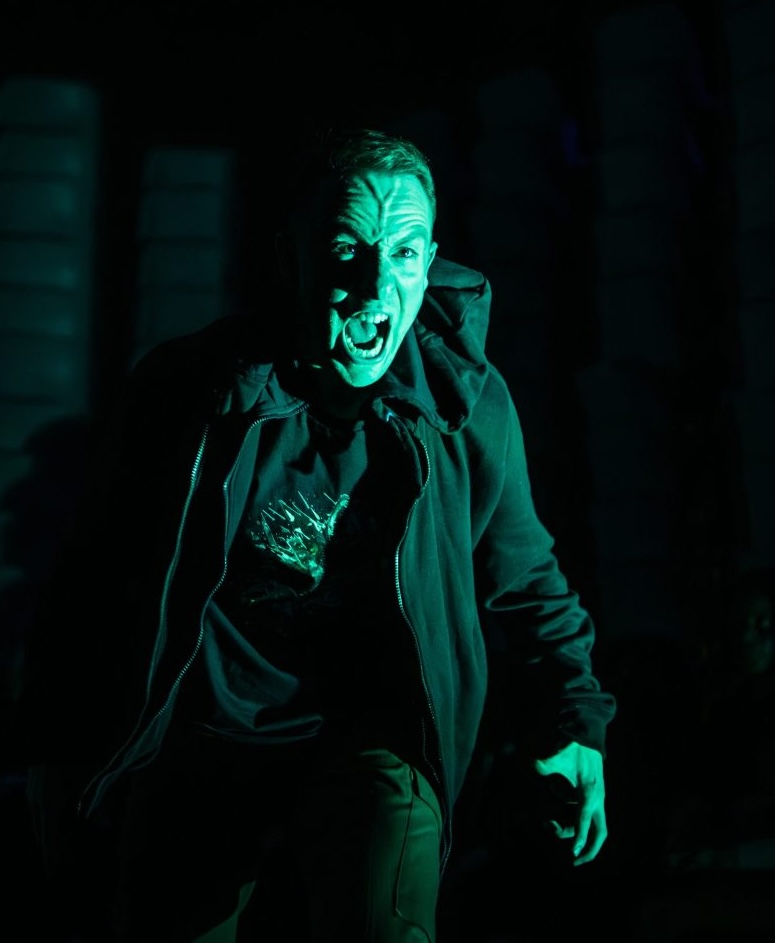
Not so much a musical as a play in which music is an intrinsic part of the production, Keli is set in the fictional Anston (based on the real-life Whitburn), where the titular character – a motor-mouthed seventeen-year-old played by Liberty Black – lives with her agoraphobic mum, Jane (Karen Fishwick). Keli is doing her business HND and works part time at the local Scotmid. She’s also a member of the Anston brass band; indeed she’s their star player, even if she does find it hard to get to rehearsals on time. Bandleader Brian (Phil McKee) needs her there because the band has been chosen to perform in a national competition at the Royal Albert Hall, and he’s depending on Keli to nail a particularly tricky solo.

When we first meet her it’s clear that something has gone horribly wrong. She’s in the act of stealing a tenor horn from a glass case in a nearby country home. The last thing she’s expecting is for the ground to give way and send her plunging into the labyrinths of the old coal mine that runs beneath the property – and she certainly doesn’t expect to find an old man lurking down there, waiting to ask her some very perplexing questions…

Keli, written by Martin Green, began life as an audio play. In this theatrical version the music (also composed by Green) still provides a constant counterpoint to the drama. In fact, occasionally the score obscures parts of the dialogue, but that’s probably something that will settle in as the run progresses.

The combination of brass band music and coal mine closures inevitably evokes comparisons with the 1996 film Brassed Off (indeed, it’s even mentioned at one point) but Keli is a different beast entirely, a strange blend of kitchen sink reality and contemporary fantasy. While I’m not sure all the elements work – a lengthy sequence set in a sexy London nightclub feels oddly misplaced – there’s still lots here to enjoy. Black is sassy and vivacious in the title role, while Billy Mack submits a charming performance as the mine’s mysterious inhabitant, William. Olivia Hemmati is terrific in the twin roles of Amy, Keli’s Scotmid supervisor, and Saskia, a free-spirited woman Keli meets in a pub in London, who shows her how to embrace her inner self.

Set designer Alisa Kalyanova and lighting supervisor Hana Allan make the production look sumptuous – the evocations of the coal mine are particularly effective. Director Bryony Shanahan keeps the momentum bubbling as the piece moves effortlessly through a series of different locations.

And there’s no denying that the play’s final scene offers a thrilling crescendo as – on alternating nights – the massed ranks of the Whitburn/ Kingdom brass bands file onto the stage and let rip. Worth catching? You’re darned tooting it is!

3.6 stars

Philip Caveney

Bonnie and Clyde: The Musical

04/05/25

Dominion Cinema, Edinburgh

Jesse James. Billy the Kid. Butch Cassidy.

America has long had an infatuation with the myth of the outlaw and Bonnie Parker and Clyde Barrow are simply more recent examples of the phenomenon. They carried out their crimes – and met with a deadly reckoning for their transgressions – in the early nineteen-thirties at the height of the Great Depression. The two young criminals were deified in their own lifetimes, largely due to the poems that Bonnie wrote about their exploits and, after their deaths, by several images that were found on a camera that belonged to them. But they had to wait until 1967 to be fully rediscovered, when Arthur Penn’s visceral film about the two criminals brought them back to the attention of young audiences around the world.

Filmed in London’s West End in January 2022 to a sold-out crowd all wearing face masks (a reminder that we had just come through a grim time in our own history), this assured musical offers an intelligent reassessment of Bonnie and Clyde’s familiar story. It begins at the end of their journey with a grim account of the number of bullets that were fired at them in their final moments (130, if you’re interested), before backtracking briefly to their respective childhoods. Young Bonnie (Bea Ward) is already starstruck, singing a song about her favourite movie star, Clara Bow, who she longs to emulate. Young Clyde (Albert Atack) despairs of his family’s hardscrabble existence and is making putative plans for an escape that only a generous infusion of cash can facilitate.

Pretty soon they’ve grown up. Bonnie (Frances Mayli McCann) is working as a waitress when she first encounters the smooth-talking Clyde (Jeremy Jordan). He’s recently absconded from prison but still finds time in his frantic schedule for a little romance. There’s an instant attraction between them, and almost from the word ‘go’, they are inseparable. Clyde’s older brother, Buck (George McGuire), welcomes Clyde’s latest sweetheart, but Buck’s God-fearing wife, Blanche (Natalie McQueen), isn’t quite so entranced by her – and makes her feelings clear.

However, it’s only a matter of time before Buck and Blanche are drawn in to the couple’s irresistible orbit and, as The Barrow Gang graduates from robbing general stores to robbing banks, retribution is patiently biding its time…

Directed by Nick Winston with book by Ivan Menchell and songs by Frank Wildhorn and Don Black, Bonnie and Clyde: The Musical is a powerful retelling of this familiar tale, the songs ranging from blues-infused upbeat thumpers to soulful ballads. From time to time, ‘The Preacher’ (Trevor Dion Nicholas) strides on to deliver some gospel-soaked anthems, clinically parting his congregation from their hard-earned cash in exchange for excerpts from the Bible. The sense of desperation looms large. A scene where the gang stage a bank robbery only to discover that the vaults are completely empty is a particular eye-opener. This is a point in history when people are compelled to take desperate measures.

The performances are uniformly strong. Jordan captures Clyde’s unflagging determination to better himself and his steadily-mounting realisation that he is doomed, while Mayli McCann excels as a woman so under her partner’s spell that she is helpless to resist the inevitable slide towards her own destruction. McQueen offers a deliciously-funny performance as the disapproving Blanche, somehow managing to make every line she utters a searing condemnation.

I find myself wondering how Winston will attempt to recreate the carnage of the duo’s final moments, but happily, he doesn’t even try, preferring to leave them at an intimate moment shortly before they set off on their final journey. And on reflection, that seems the wisest approach.

We all know what happened to Bonnie and Clyde – and the essence of these two legendary figures is not how they died but how they lived.

4.8 stars

Philip Caveney

Jellyfish

01/05/25

Bedlam Theatre, Edinburgh

Smiff (William Osbon) and Willow (Raphaella Hawkins) are a married couple, hanging on in quiet desperation in their perfectly decorated home, somewhere in suburbia. Smiff has an addiction to tinned spaghetti and entertains dreams of owning a sailing boat, despite having no experience of marine life whatsoever. Willow just wistfully thinks about getting out of the house, maybe going for a picnic or a nice walk? Today, she thinks, could offer the perfect opportunity.

But then the Jellyfish shows up at the door. Again…

Anya McChristie does a fabulous job of depicting the titular invertebrate, a wildly unpredictable creature with its own language, who can switch from unbridled joy to deep despondency at the twitch of an imaginary tentacle. Smiff appears to be on the creature’s wavelength from the word ‘go,’ and the two of them quickly form a powerful bond. This leads to Willow feeling excluded from them – and her attempts to get to know the visitor – even trying to teach it the intricacies of her beloved Scrabble – seem doomed to failure…

Filfbag Theatre’s Jellyfish is an absurdist comedy about the human condition, written by Osbon, and recent winner of the University of Edinburgh’s English Literature Play Award. There’s plenty to like in this quirky production, directed by Tilda Seddon. Both Osbon and Hawkins inhabit their characters with absolute authority and I particularly enjoy the sequence where Smiff and his tentacled-chum decide to let rip by indulging in the most fun pastimes they can think of. Cue some very strange antics and bizarre facial expressions.

It’s not all giggles. The world beyond the walls of the couple’s home appears to be a dark and forbidding place, somewhere to venture at your peril. Can it really be that there’s nothing out there?

Fast-paced, inventive and full of surprises, audiences will have a lot of fun figuring out exactly what the the mysterious visitor represents – and those in stifling relationships will doubtless identify with some of the interactions between Smiff and Willow. Jellyfish will be at Bedlam Theatre until May 4th. If you want to catch this, you’d better get a wriggle on.

4 stars

Philip Caveney