
Film

M3Gan: 2.0

28/06/25

Cineworld, Edinburgh

Good news for all those AI doomsayers: M3gan is back!

M3gan, written by Akela Cooper and James Wan, was 2023’s most unexpected delight, the adventures of an AI ‘child companion’ who… how can I put this? Begins to exceed her brief. It raked in a lot of money so it was inevitable that there would be a sequel. But after all the gleeful carnage of the first adventure, where is there left to go?

Well, you could take the premise of the second Terminator film, where the story’s original villain returns as the hero, reprogrammed not to kill anyone and battling against a new, improved and even more ruthless version of himself. Or in this case, herself. Not that this is necessarily where Cooper, Wan and new co-writer Gerard Johnstone found their inspiration, but the similarities are inescapable. In M3gan 2.0, the injury details have been dialled down a tad and the humour amped up. The result is eminently watchable.

Two years after the events of the first movie, M3gan’s original creator, Gemma (Alison Williams), is somehow still managing to ply her trade as an AI toy designer – possibly the most unlikely element in the story – in real life she’d doubtless be in prison. She’s still working alongside her assistants, Tess (Jen Van Epp) and Cole (Brian Jorden Alvarez), but she has erased all files pertaining to her most infamous creation. At least she thinks she has. Her niece, Cady (Violet McGraw), dreams wistfully about her old AI chum and hopes that one day they’ll be reunited.

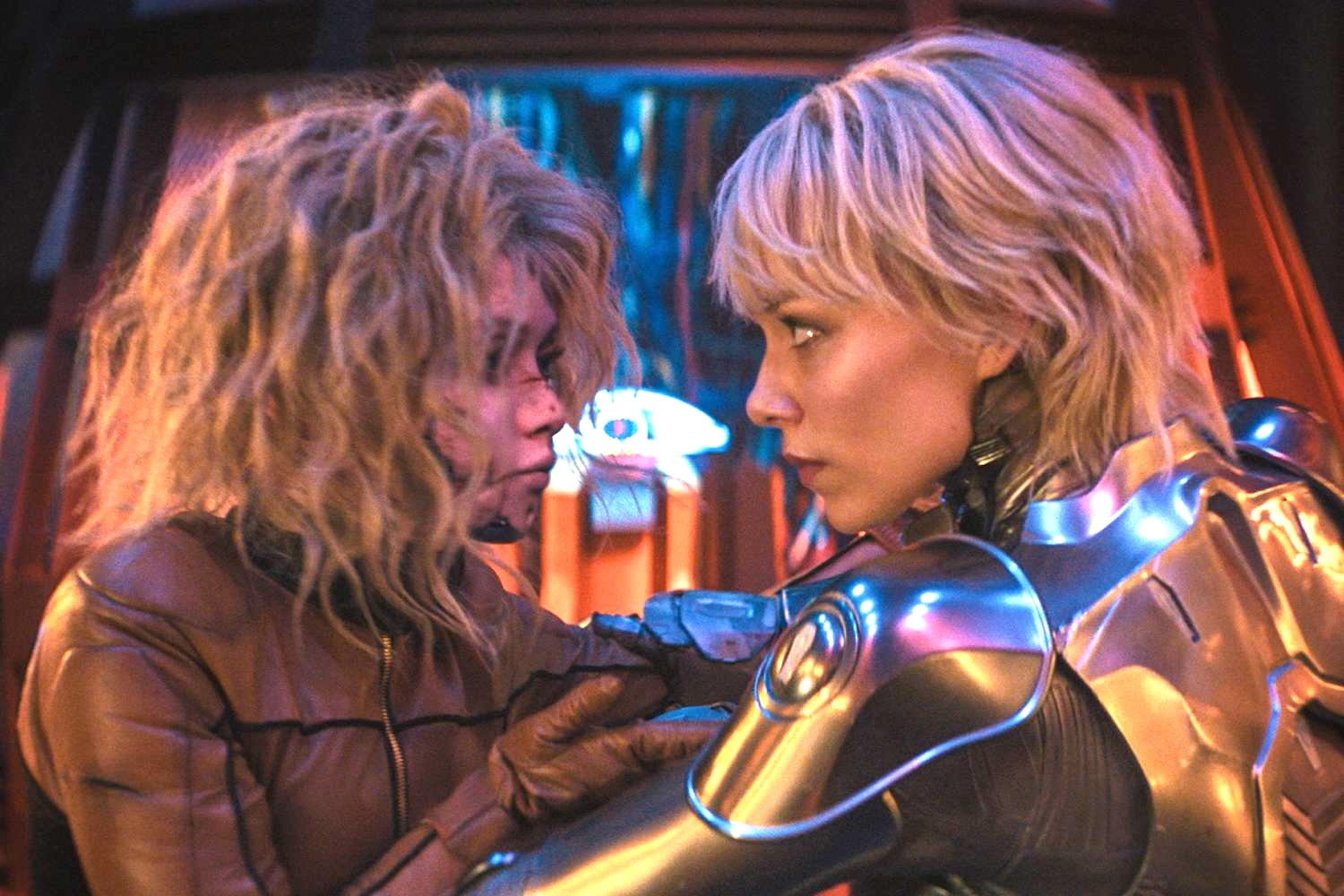
But then along comes Amelia (Ivanna Sakhno), an android created by the American military, designed for infiltration and assassination missions, who unfortunately has now become self-aware and has decided to head off on a mission of her own. But she’s seemingly invincible. Who could possibly take her on in a cat fight? When Cady discovers that her old pal M3gan has somehow secreted herself in all the different devices of Gemma’s smart home, it’s inevitable that the two iterations will eventually come up against each other. Amelia is leaner, meaner and way more powerful – but can she warble a Kate Bush song with the same degree of panache?

To be brutally honest, the storyline here doesn’t bear any scrutiny. For one thing, we’re expected to accept that three people, working in a basement with whatever comes to hand can create an updated version of everybody’s favourite atomic blonde in what seems like twenty minutes. But as the action galumphs along, powered by laugh-out-loud dialogue, it’s hard not to be swept up in the sheer fun of it. The stand out for me is a scene where Gemma and M3gan start to come over all sentimental and… well, you’d need to see it.

Jenna Davis and Amie McDonald combine their respective talents to create M3gan, and Sakhno cuts an impressive figure as her nemesis. There’s also an engaging turn from Jemaine Clement as Alton Appleton, a misanthropic billionaire who wants to have M3gan’s blueprints under his control. Hmm. Wonder who he’s inspired by?

The franchise should probably end here, but of course, if this second helping pulls in enough spondoolicks, there’s sure to be more. Suffice to say that film two pretty much matches its predecessor in the entertainment stakes. Just leave your incredulity safely at home before you head to the cinema.

4.2 stars

Philip Caveney

F1: The Movie

25/06/25

Cineworld, Edinburgh

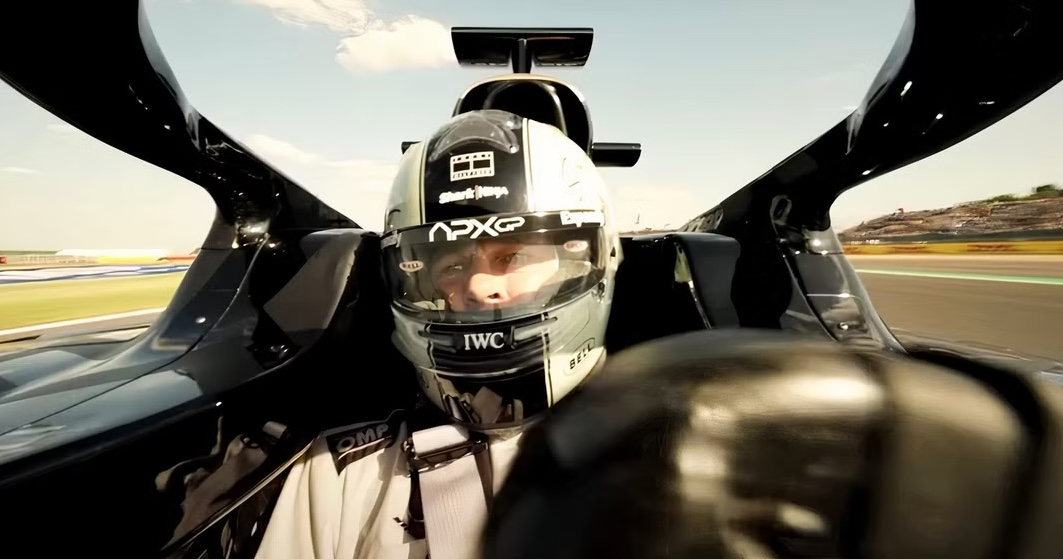
Capturing the appeal of Formula 1 in a feature film has eluded directors since the 1950s. This Apple production, helmed by Joseph Kosinski, has had a fairly troubled journey to its cinematic release and arrives boasting a rumoured production budget in the region of 300 million dollars – which Groucho Marx would doubtless have dubbed ‘one hell of a region.’ As somebody who cares not one jot for Formula 1, I had expected not to like this quite as much as I do. But Kosinski, pretty much as he did in Top Gun: Maverick, straps the viewer into the driving seat and stamps a virtual foot down hard on the accelerator. For the most part, it works.

Sonny Hayes (Brad Pitt) is a former F1 driver, who, after a near-fatal crash back in his youth, has lowered his sights somewhat. When we first meet him, he’s gleefully driving a jalopy around a less sophisticated track but he’s clearly learned much over the years and is easily picking up some decent prizes. Out of the blue, he’s approached by his old racing partner, Ruben (Javier Bardem), who offers him second seat on the APXGP Formula 1 team, he now runs, which is currently going through a bad patch. Ruben thinks that Sonny’s vast experience may be just the thing to help his team up the scoreboard.

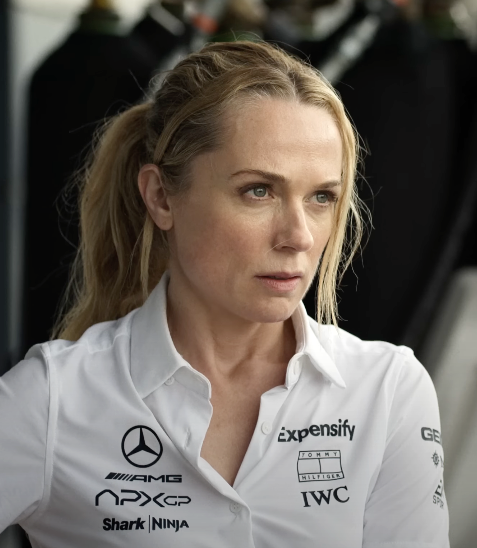
Sonny is initially reluctant to return to the fray, but eventually the offer of a first class plane ticket to London lures him to Silverstone. He’s immediately met with derision by the team’s young lead driver, Joshua (Damson Idris), and with reluctant interest by the team’s resident car designer, Kate (Kerry Condon). But it’s clear that over the ensuing season of high-stakes racing, Sonny’s relaxed and easygoing attitude is eventually going to win over all opposition…

With a running time of more than two and a half hours, F1: the Movie is probably going to find the bulk of its audience on streaming, but there’s no denying how handsome the film looks with cars thundering around the track to the raunchy backing of classic cuts from the likes of Led Zeppelin and Queen. One of the producers is Lewis Hamilton (who even I’ve heard of) and it’s clear that there are cameos scattered throughout proceedings from people I think I’m supposed to recognise. There’s also a little too much here for a rube like me about the various tricks of the trade that Sonny uses to clip seconds off each circuit. Characters debate the advantages of hard tyres versus soft tyres and various additional doo-hingies, leaving me none the wiser, but I’ve no doubt that fans of the sport will be nodding along in approval.

Pitt makes a great job of the lead role, giving us a character who’s driven by his inner demons but nonetheless remains eminently likeable. While his younger teammates are half killing themselves with their exercise regimes, he seems happy to throw a tennis ball around and head out for a leisurely jog. Condon is terrific as the straight-talking Kate, a perfect foil for Hayes’ cynical, hard-bitten one-liners. But I would like to see the excellent Kim Bodnia given more to do as the team’s principal, Kaspar, than just sit around, frowning furiously at a console.

Everything builds to a final showdown at the Yas Marina Circuit in Abu Dhabi, with the very future of the team hanging in the balance. Do they seriously think they’ve a chance of winning?

This makes for decent entertainment; indeed, one sequence, depicting a terrifying crash, actually has me gasping out loud. Aficionados will doubtless have different, more informed criticisms of the film, but for me, this is an enjoyable way to spend a couple of hours. Whether F1 will ever earn back that prodigious production budget remains to be seen.

3.8 stars

Philip Caveney

Elio

23/06/25

Cineworld, Edinburgh

Here’s the thing: despite all the ‘gorgeous’ artwork and ‘fantastic’ world-building, on the whole, Elio is better described by adjectives like ‘generic’ and ‘forgettable’. It’s a shame because there’s a lot to like. It’s just that it all gets drowned in a sea of schmaltz.

Elio (Yonas Kibreab) is a lonely eleven-year-old orphan, obsessed with extra-terrestrial life forms. Since his parents’ death, he’s been living with his Aunt Olga (Zoe Saldaña), an ‘orbital analyst’ on a military base, where there is plenty of tech for studying the night sky. He’s convinced that Olga doesn’t really want him, and dreams of being abducted by friendly aliens and finally fitting in. It’s a sweet enough idea, although – dressed in his superhero cape and colander hat – Elio seems a lot younger than eleven. Have the film-makers ever talked to anyone that age?

It’s not much of a spoiler to say that Elio’s dearest wish comes true, transporting him to the Communiverse, an interplanetary organisation, where representatives from every galaxy meet to ensure the smooth running of the universe. He announces himself as Earth’s ambassador, befriends a slug-like creature called Glordon (Remy Edgerly) and embarks on the adventure of a lifetime. So far, so good – until the preachy life-lessons start to overwhelm the plot.

Directed by Adrian Molina, Elio is a frustrating film, nowhere near as sophisticated as Pixar’s usual output – not as funny, not as smart. It looks lovely: the bright colours are sure to appeal to kids (indeed, it almost seems designed with merch in mind) but there’s not much here to engage an adult audience. Julia Cho’s script dances around some interesting ideas – such as gender stereotypes and toxic masculinity – but wimps out of fully exploring them. The ultimate message seems to be ‘there’s no place like home’, which is disappointingly regressive, falling back on that same-old, same-old. Has nothing changed since Judy Garland’s day? Are we still supposed to give up on our dreams and choose the bleak monochrome of Kansas over the vibrant colours of Oz?

Elio is a watchable movie with enough excitement to hold the interest of younger viewers, although I doubt it’s sufficiently refined to appeal to those of Elio’s own age. It needs more edge, more bite, more jeopardy.

2.8 stars

Susan Singfield

28 Years Later

22/06/25

Cineworld, Edinburgh

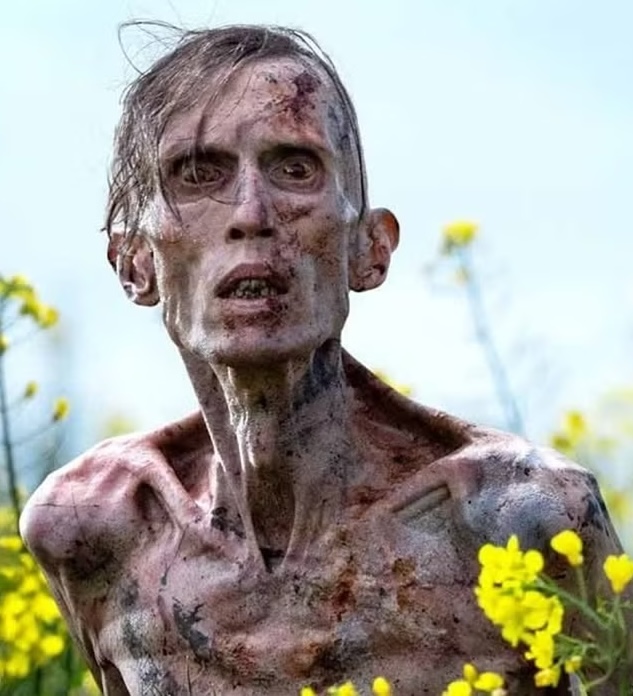
The release of 28 Days Later in 2002 was something of a game-changer. A ‘sort of’ zombie movie, it made the idea of a powerful, rage-inducing virus – accidentally released from a secret laboratory – seem queasily credible, and was a monstrous hit at the box office. Director Danny Boyle and star Cillian Murphy were too embroiled in their sci-fi epic, Sunshine, to take on the 2007 sequel, 28 Weeks Later – so they handed the directorial reins to Juan Carlos Fresnadillo. I missed that film on first release, but caught up with it earlier this week and thought it was actually pretty decent. It introduced the idea of a quarantined UK, taken over by American military forces, who act with brutal force when everything goes tits-up – which, given recent world events at the time of viewing, has a chilling new sense of prescience.

So, what’s left for part three? Plenty, as it turns out, with Boyle and original screenwriter Alex Garland stepping back into the proceedings with fearless assurance. The time-honoured tradition with long-running franchises is to retread familiar territory, thus ensuring that original fans will stay on board. But Boyle and Garland have clearly had plenty of time to develop a new story arc, and – provided this opening instalment puts the requisite number of bums on seats – have two sequels waiting in the wings.

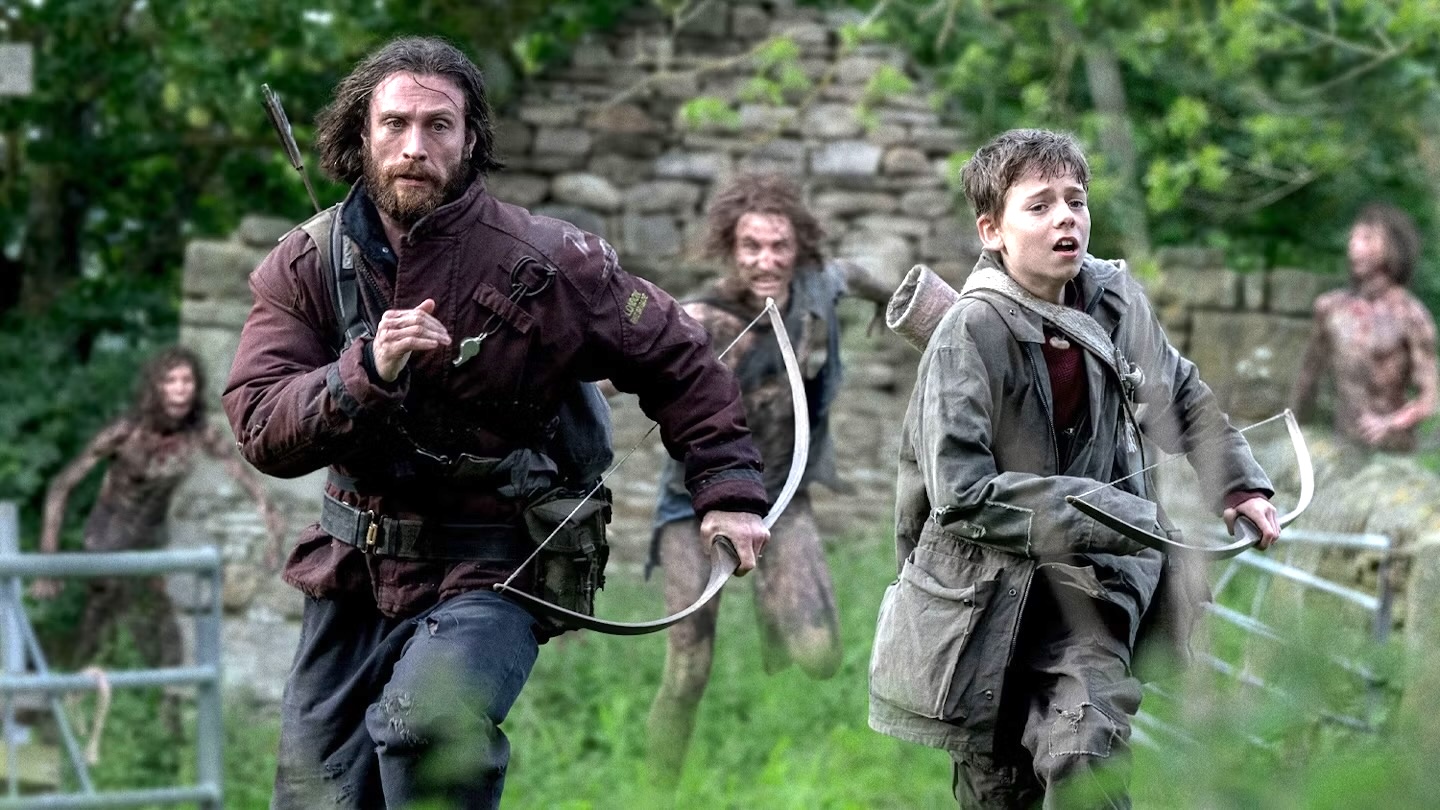
Time has moved on – by 28 years to be exact – and a community of survivors has been established on a remote island in the North East, connected to the mainland by a narrow causeway. This can only be crossed for a few hours each day at low tide, and the entrance gates are guarded around the clock. Spike (a strong performance from newcomer Alfie Williams) is thirteen years old and his father, Jamie (Aaron Taylor-Johnson), is preparing to take him to the mainland, where, in a long-established custom, he will kill his first ‘Infected’ with a bow and arrow. Spike goes along with the plan, even though he’s desperately worried about his mum, Isla (Jodie Comer), who is afflicted by a strange illness that makes her prone to forgetting who (and where) she is.

When Alfie hears talk of a mysterious doctor living somewhere out on the mainland, he decides to take his mum off the island in search of a cure…

This is a fabulous piece of cinema, shot almost entirely on iPhones, and crammed with so many references and allegories that it’s hard to take them all in with just one viewing. The community of uncompromising Geordies, proudly waving their St George flags and getting on with the basics of everyday life have completely shut themselves off from everything that’s happening over the water – and the filmmakers have taken considerable pains to establish the world building, making it all seem entirely credible. It’s very hard not to read this as a searing condemnation of Brexit and, in my opinion, that’s the filmmakers’ intention.

There are elements of folk horror woven into the script and the eerie atmosphere is beautifully accentuated by the music of the Young Fathers and the use of an old recording of Rudyard Kipling’s militaristic poem, Boots.

The first part of the story feels the most familiar. That hunting trip on the mainland gets out of hand and plunges Spike and Jamie headlong into the terrifying world of the Infected, where a new, faster, more powerful breed – The Alphas- are ruling the roost. These scenes are brilliantly handled with the suspense ramped up to almost unbearable levels. However, the second section heads off in an entirely different direction, introducing a detachment of Swedish Navy troops, who have been patrolling the UK coastline, and whose boat has run aground nearby. When Spike and Isla bump into young soldier, Erik (Edvin Ryding), the only survivor of his group, he provides some much-needed weaponry to help them to their destination.

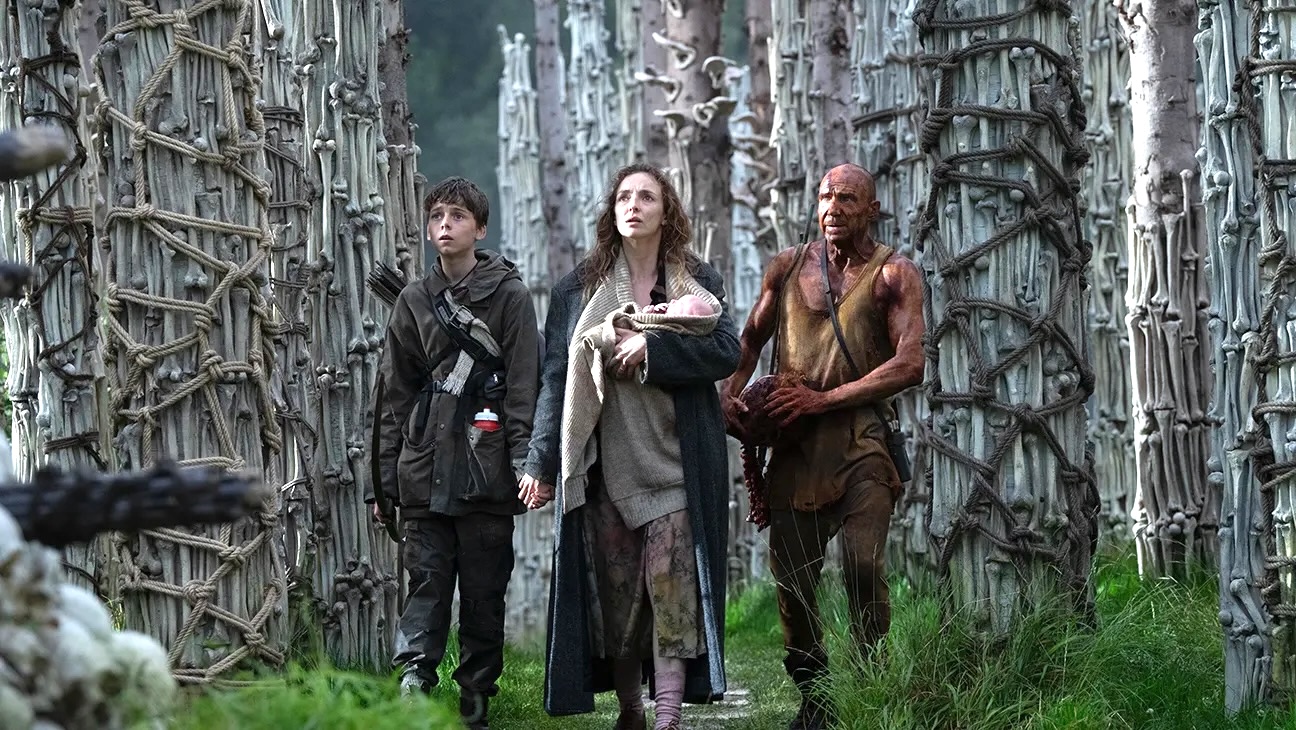
The film’s third section adds a plaintive and poignant note to proceedings as Isla’s plight becomes ever-more heartbreaking. When she and Spike finally encounter Dr Kelson (Ralph Fiennes), he’s living a monastic existence in the midst of a self-constructed homage to death, which he calls his memento mori. The character’s powerful resemblance to Captain Kurtz (from Apocalypse Now) is too marked to be accidental and Fiennes gives the character a calm, solemn dignity amidst all the madness.

And then we’re handed a conclusion so off the charts that it is sure to be divisive. It immediately solves a puzzle, established in the film’s opening scenes, while also offering disturbing questions about a character who has (quite literally) somersaulted into the storyline.

28 Years Later is a dazzling, uncompromising slice of horror cinema, that does the seemingly impossible: both continuing an established franchise and simultaneously reinventing it. I can only say that I can’t wait to see where this goes next.

5 stars

Philip Caveney

Lollipop

17/06/25

The Cameo, Edinburgh

Lollipop is writer-director Daisy-May Hudson’s debut feature film – and what a promising start this is. Sure, she’s treading in the footsteps of working-class champions such as Ken Loach and Mike Leigh, but – if this fiercely female and decidedly 2020s tale is anything to go by – Hudson is also forging her own path.

‘Lollipop’ is Molly (Posy Sterling)’s childhood nickname, but she’s come a long way since those innocent days. She’s just spent four months in prison – for an unspecified crime – and is looking forward to getting out and being reunited with her kids, Ava (Tegan-Mia Stanley Rhoads) and Leo (Luke Howitt). But things have gone awry while she’s been away: not only has she had to give up her flat, but her flaky mum, Sylvie (TerriAnn Cousins), who was supposed to be looking after the children, has handed them over to social services instead. “Don’t start,” she says, when Molly confronts her, aghast. “I can’t cope with you starting.”

Of course, once they’re in the system, the children can’t just be handed back. There are teams of people tasked with ensuring their welfare. How can they return Ava and Leo to Molly’s care when she’s homeless, pitching her tent illicitly in the park, washing in a public loo? But it’s Catch 22: Molly isn’t a priority for housing because she hasn’t got her kids with her. She’s going round in circles, and that’s not helping her already fragile mental health. However caring the individual professionals are – and they are decent, compassionate women, on the whole – the process seems designed to deny her any possibility of making good.

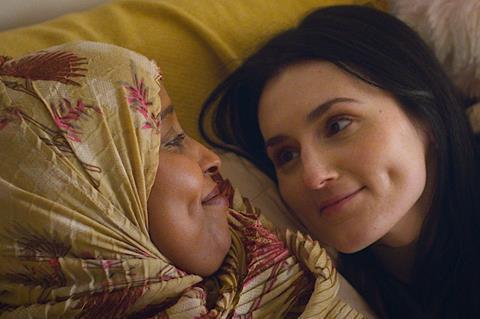
A chance encounter with an old school friend, Amina (Idil Ahmed), offers a glimmer of hope. Amina has her own problems: she’s separated from her husband, and living in a hostel with her daughter, Mya (Aliyah Abdi). But Amina is a natural optimist with an abundance of energy, spreading joy in the simplest of ways. She hosts a daily ‘party’, where she and Mya dance to their favourite tunes, while a disco ball transforms their dismal walls with colour and light. When Molly reaches breaking point, afraid she’s going to lose her kids forever, it’s Amina who breaks her fall…

It’s impossible not to draw comparisons with the second series of Jimmy McGovern’s acclaimed TV series, Time, which saw Jodie Whittaker’s Orla facing a similar situation, fighting against a failing and underfunded system that not only hurts people but also encourages recidivism. This doesn’t detract from Lollipop‘s power; sadly, it only serves to highlight the ordinariness of this extraordinary horror.

Sterling imbues the central role with so much heart that I defy anyone not to cry when they see Molly lose the plot at a resource centre, not to hold their breath while they wait for the court’s verdict. Newcomer Ahmed is also perfectly cast, lighting up the screen with her ebullience, although Amina also experiences great pain. Cousins infuriates as the selfish Sylvie, letting Molly down at every turn, but somehow still evoking our pity, and young Rhoads is heartbreakingly convincing as a little girl negotiating adult trauma before she’s even hit puberty.

Lollipop is a devastating but beautifully-realised film, as vital and engaging as Sean Baker’s The Florida Project (with which it shares some DNA). It’s the sort of potent story that ought to be the catalyst for change. Let’s hope.

4.5 stars

Susan Singfield

Tornado

15/06/25

Cineworld, Edinburgh

If originality is one of the major objectives of filmmaking, then director John Maclean’s sophomore feature, Tornado, seems a promising concept. This strange genre mash-up could probably best be described as ‘a samurai revenge-Western set in sixteenth-century Scotland.’ I feel fairly confident that there haven’t been many other films that would fit that description. But like Maclean’s debut, Slow West, it’s ultimately an exercise in style over content.

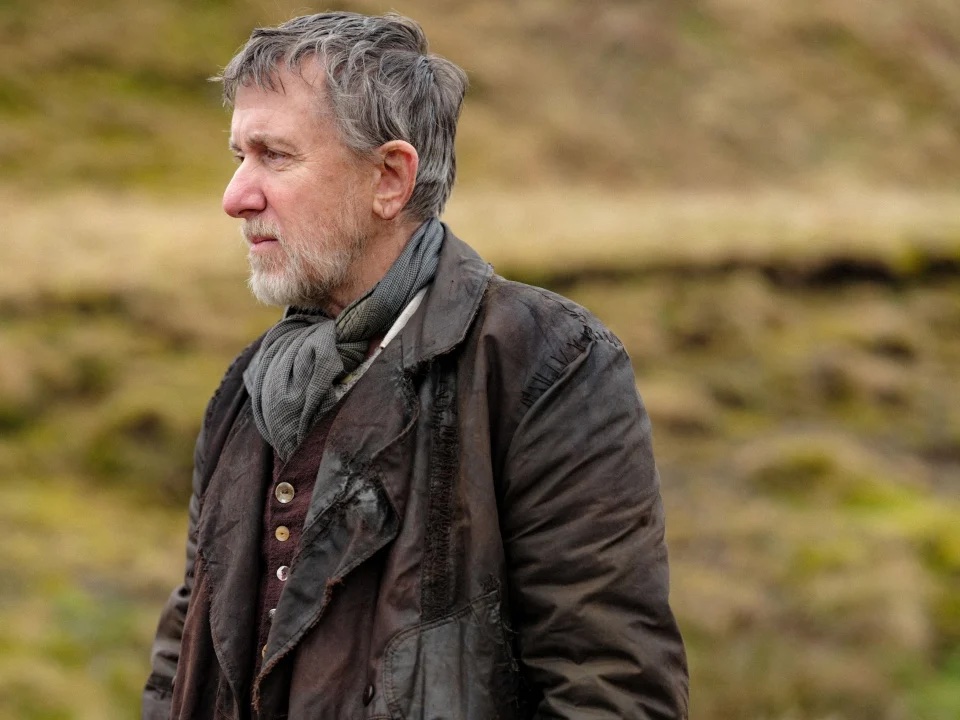
We’re somewhere in ‘the British Isles’ in the 1500s and a young Japanese girl and an even younger boy are fleeing from a ragged gang of villains led by Sugarman (Tim Roth). The girl, it turns out, is the titular Tornado (Kôki,), who, we later learn – in a clumsily-handled flashback – has hidden a horde of stolen gold coins in the woods. The money was originally taken from Sugarman’s gang by The Boy (Nathan Malone), a random character who just happens to be hanging around. Tornado and her father, Fujin (Takehiro Hira), who are part of a travelling circus – are performing their puppet show when Sugarman and his gang show up.

Fujin, a former samurai, is still obsessed with honour and duty, but Tornado is much more interested in getting out of the hardscrabble existence she’s currently trapped in. When she spots the robbery, she takes the money from The Boy and hides it, giving him a single coin for his troubles. When Sugarman and his crew – which include his resentful son, Little Sugar (Jack Lowden) – start to exact brutal vengeance on anyone who stands between them and their loot, it becomes clear that Tornado is going to have to resort to her father’s samurai training to get herself out of trouble…

Tornado is undoubtedly a good-looking film, courtesy of Robbie Ryan’s cinematography, but we learn so little about the various characters, it’s hard to really care about any of them and that includes the lead, whose thoughtless actions ultimately lead to numerous deaths. There isn’t much dialogue here and what there is sounds utterly contemporary, which I’m sure is intentional, but serves to undermine the realism. Roth is a fabulous actor but is reduced to muttering short lines, and it’s also frustrating to see excellent actors like Jack Lowden and Joanne Whalley given precious little to do or say.

When the story finally kicks into action, the swordplay sequences are lacklustre and unconvincing, with Maclean more interested in framing individual shots than have his players rehearse until they’re drilled to perfection – and even at just an hour and forty minutes, the events feel strangely leaden, an interesting idea that doesn’t quite come off. A shame, because the trailer for this really led me to expect something more groundbreaking than it actually delivers.

3 stars

Philip Caveney

Ballerina

12/06/25

Cineworld, Edinburgh

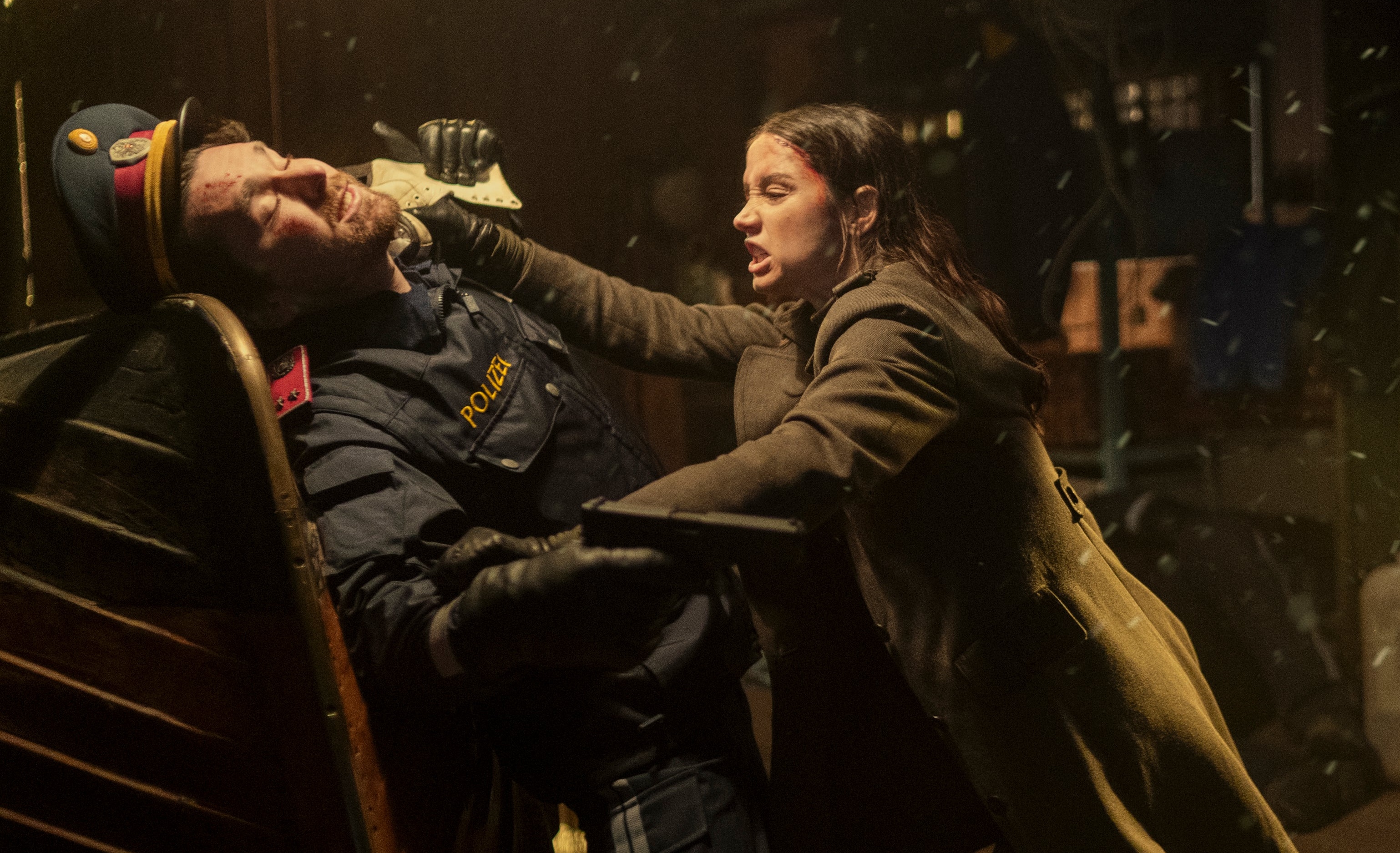
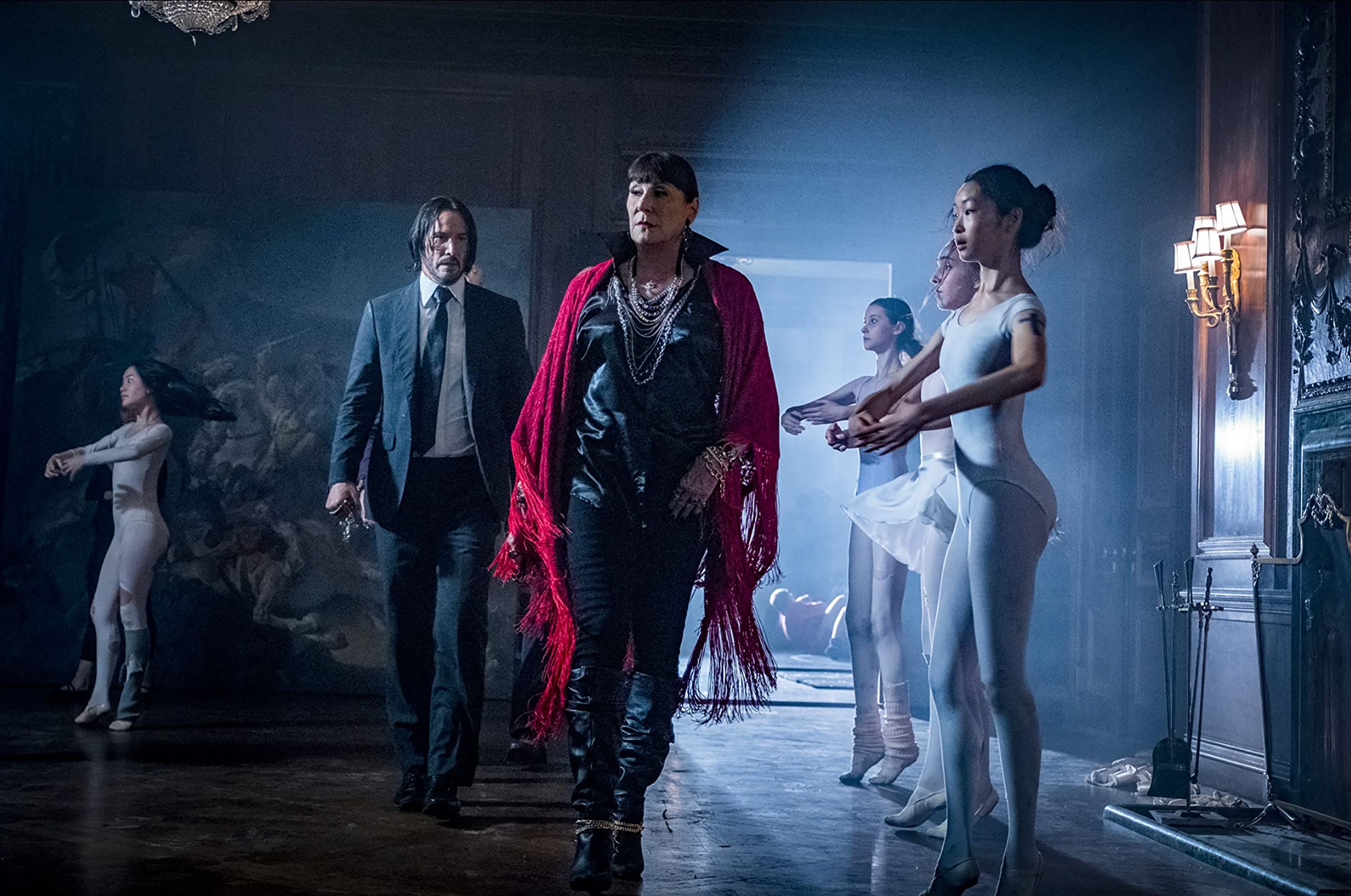
The John Wick films are okay in a propulsive stabby-shooty sort of way. Ballerina – which we are informed is from ‘The World of John Wick’ (i.e. it features a cameo by Keanu Reeves) centres on Eve Macarro (Ana de Armas), who, when we first encounter her, is just a little girl (Victoria Comte). She carries a wind-up ballerina toy everywhere she goes because, you know, she’d like to be a dancer when she grows up. But before that can happen, she’s obliged to witness the brutal murder of her father by trained assassins. (Well, these things happen.)

After his death, she’s collected by Winston (Ian McShane), who leads her from the hospital waiting room – without anybody even asking him what he’s up to – and ensures that she’s enrolled in a mysterious ballet school run by The Director (Anjelica Huston). Eve does train to be a ballet dancer, leaping about until her toes bleed but – just in case she doesn’t make the grade – she also takes extra classes in assassination. Well, you never know, it could come in handy.

Fully grown up and able to take down a whole room full of adversaries without turning a hair, she’s finally entrusted with her first mission. She must go and… you know what, I’m still not entirely sure what the first mission actually is. All I know is that it involves a massive punch-up in the world’s least convincing disco and then it escalates. More and more bad guys and gals keep coming out of the woodwork, and Eve eventually winds up travelling to the picturesque town of Halstatt, where The Cult are based. These are the people who killed her daddy, so naturally she wants revenge…

If I’m honest, even recounting this much of the plot is making me weary, but the basic premise is that everyone who lives in Halstatt – I mean everyone – is a trained killer, regardless of age, gender or occupation. They can be called up at the drop of a hat by The Chancellor (Gabriel Byrne) and instructed to kill whoever he’s taken a dislike to. And… well, you’ve probably worked out who’s next on his naughty list. Here’s a clue. Her name begins with an E.

From this point, the film becomes one extended brawl. Eve doesn’t just kill the people who attack her, she punches, stabs, decapitates, burns, bludgeons, explodes and dismembers them. (As you do.) Her opponents tend to emerge from such interactions in pieces, while she just has a discreet scratch on one cheek. You’d think, wouldn’t you, with all that frantic action going on, this would be exciting stuff? But somehow it really isn’t. The fight scenes are turgid and wearisome, and – aside perhaps from one sequence where Eve and an assailant indulge in a flamethrower duel – they’re tropes I’ve seen too many times before. There’s also a Chekhovian tendency to use any object glimpsed in a scene as a murder weapon. A frying pan? Why not? A glass vase? Go for it!

Mind you, the fight scenes are punctuated by occasional lines of dialogue and that’s where things get really horrible. Characters talk extremely slowly and offer portentous insights. A coin has two sides! Who knew? A woman can only beat a man if she fights like a girl! Really?

Well, the warning signs were there. Delays, reshoots and a change of director. I know this franchise has its fans and perhaps even a fleeting glimpse of Keanu will be enough to keep hard-core followers happy, but Ballerina has a running time of more than two hours and I find myself checking my watch after just fifteen minutes. Whats up next, I wonder? John Wick: Watching Paint Dry? Don’t laugh, it could happen.

2.5 stars

Philip Caveney

Dangerous Animals

11/06/25

Cineworld, Edinburgh

Shark movies are notoriously hard to pull off. Spielberg pretty much closed the book on them way back in 1975, when Jaws initiated the concept of the summer blockbuster. Since then, there’s not been much to write home about. Deep Blue Sea, The Shallows, The Meg: they’ve all come and gone making… ahem… barely a splash. But writer Nick Lepard and director Sean Byrne are pretty clear about their entry into the genre. The Dangerous Animals of the title are not the sharks themselves, who, let’s face it, are merely acting on instinct, but the men who go after them.

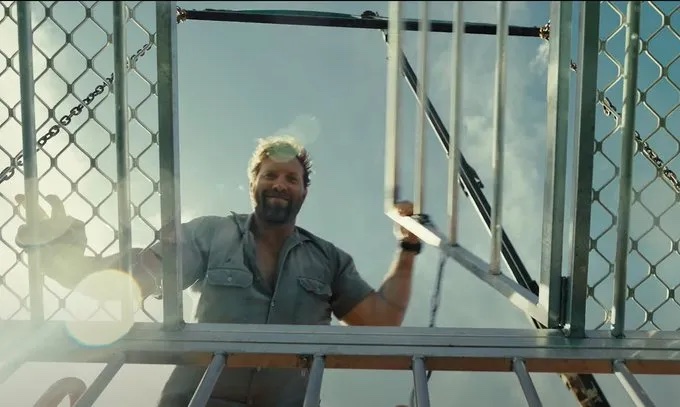
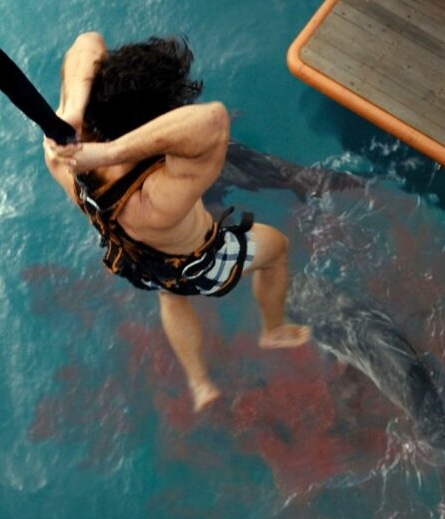
In this film, the supremely toxic Bruce Tucker (a barely recognisable Jai Courtney) operates a business from a lonely quay somewhere on Australia’s Gold Coast. He offers tourists the opportunity to ‘swim with sharks.’ As we discover in a pre-credits sequence, the trips generally end with him feeding his customers to the creatures they’ve come to goggle at, whilst filming the proceedings on his trusty video camera. Luckless Heather (Ella Newton), a student on a gap year, gets to see her new boyfriend, Greg (Liam Greinke), promptly converted into shark food. It’ll be her turn next. Lucky Heather.

But Tucker has already spotted another opportunity and he abducts carefree American camper-van wanderer, Zephyr (Hassie Harrison). He’s unaware that she has just enjoyed a passion-filled one-night-stand with Moses (Josh Houston), who, of course, can’t resist the impulse to go looking for her. Tucker has also underestimated just how resilient Zephyr can be when faced with an ordeal…

I must admit to being torn on this film. Byrne is clearly adept at racking up suspense and in the latter stages of this propulsive drama, he manages it in spades. At several points it’s all I can do not to yell advice at the screen. And Courtney, formally a muscle-bound hunk, jettisons all his dignity to play the over-the-hill villain. He offers considerable nuance in his depiction, even throwing in a lengthy scene where a drunken Tucker flails madly about his cabin, dancing to Crowded House.

Also, unusually for a film like this, Harrison and Houston manage to actually make me care about their respective characters, so I am rooting for them to survive to the closing credits, but…

All these plus points have to be weighed against how deeply unpleasant the overall premise of the story is and, what’s more, how unlikely the events are. If Tucker had only embarked on his enterprise recently, I might be more inclined to…er… swallow the bait, but a scene where he drops his latest video nasty onto a shelf – and we see that there are literally scores of the damned things – just beggars belief. How could he have got away with it for so long? Also unbelievable is the attitude of Dave (Ron Carlton), the old guy who for years has been moored alongside Tucker, and who openly encourages visitors to give the tour a try. For some reason, he has never found the man’s one-way trips in the least bit suspicious. Really?

At the end of the day, your enjoyment of this will very much depend upon your ability to suspend disbelief. I should perhaps warn those of a more sensitive disposition that Dangerous Animals sails very close to crossing the line on its 15 certificate. There’s a lot of chomping going on here – and I’m not talking about the famous Gold Coast all-you-can-eat buffets.

3.5 stars

Philip Caveney

The Ballad of Wallis Island

02/06/25

Cameo Cinema, Edinburgh

Herb McGwyer (Tom Basden) is a musician, once a member of an influential folk duo, now reduced to forging a living in the independent music sector. He needs funds to finance the new ‘poppier’ album he’s been working on, so he’s delighted (and somewhat bewildered) when he’s approached to perform a concert on a remote island somewhere off the coast of Pembrokeshire.

The fee? A cool half a million quid.

At his manager’s urging, Herb is soon on the island and being greeted by his benefactor, Charles Heath (Tim Key), a hapless but likeable oddball who seems incapable of talking without throwing in a string of terrible puns and vaguely insulting observations. When Herb asks him some perfectly reasonable questions: “Where’s the stage? How many people will be attending the performance? Why is the fee being paid in cash?” Charles offers little in the way of explanation, other than to mention that McGwyer and Mortimer – the aforementioned folk duo – were his wife’s all-time-favourite musicians. The audience, he announces, will be “less than a hundred.”

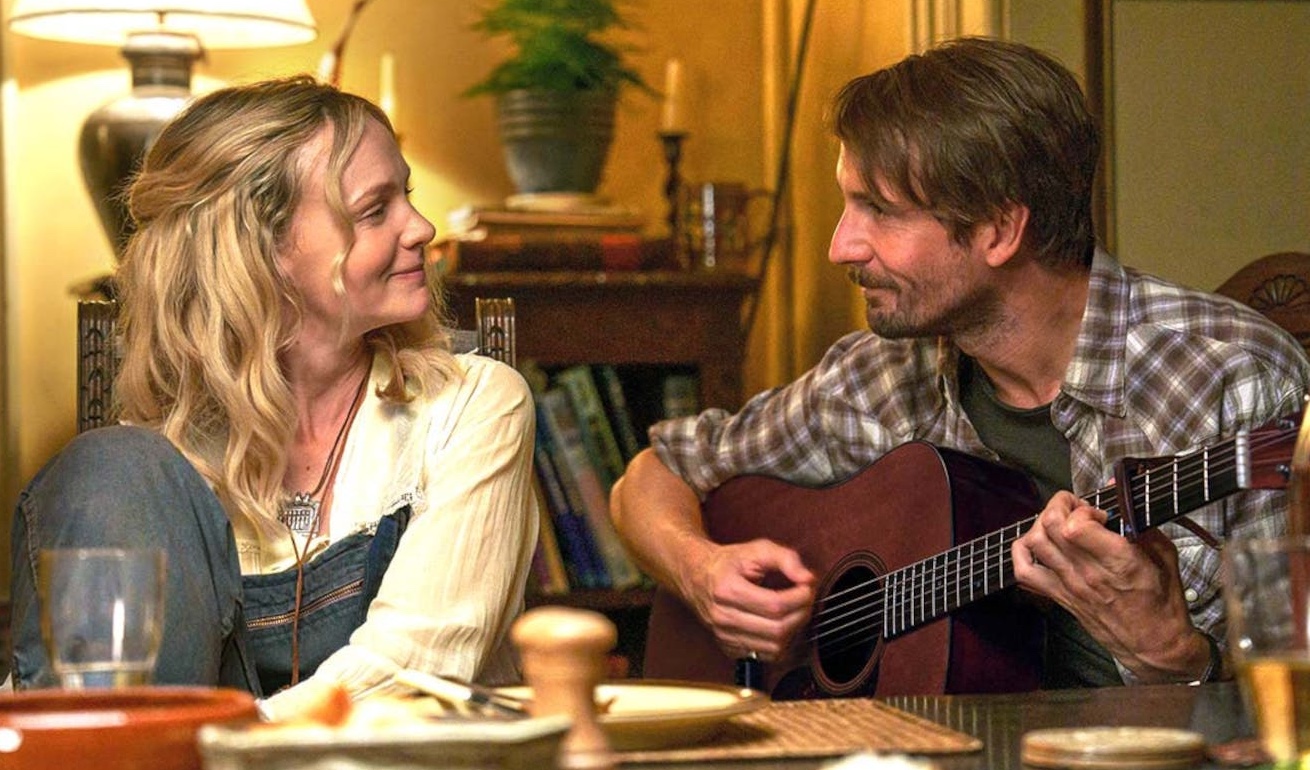
And then another boat arrives, bringing Nell Mortimer (Carey Mulligan) to Wallis Island. Charles, it turns out, has also hired her to perform. To say that the reunion is awkward would be something of an understatement. Back in the day, Herb and Nell were partners in more than just the musical sense and Herb still nurtures strong feelings for her. The fact that she has brought her new squeeze, Michael (Akemnji Ndifornyen), along for the trip seems a recipe for disaster…

Written by Basden and Key (and developed from a short film they made back in 2007), The Ballad of Wallis Island is a warm, gentle hug of a film, one that takes a long look at the subject of relationships and the many ways in which memories can still affect people long after an initial attraction has gone – and perhaps more significantly, it centres on the importance of moving forward.

Basden does a great job of conveying the insecurity of an aging performer struggling to hang on to his career in a musical climate that has changed out of all proportion. The beautifully-judged exchanges between Herb and Charles are delightfully and consistently funny, while the songs (also written by Basden) are strong enough to convince me that McGwyer and Mortimer really could have secured an ardent following, particularly when Mulligan supplies some sweet harmonies to Basden’s plaintive lead vocals. James Griffiths handles the direction with assurance.

It will be a stern soul indeed that doesn’t warm to this sweet, charming and gently affecting film. If it drops anchor at a cinema near you, I’d urge you to see it.

4.4 stars

Philip Caveney

drops anchor

The Salt Path

08/07/25

Update

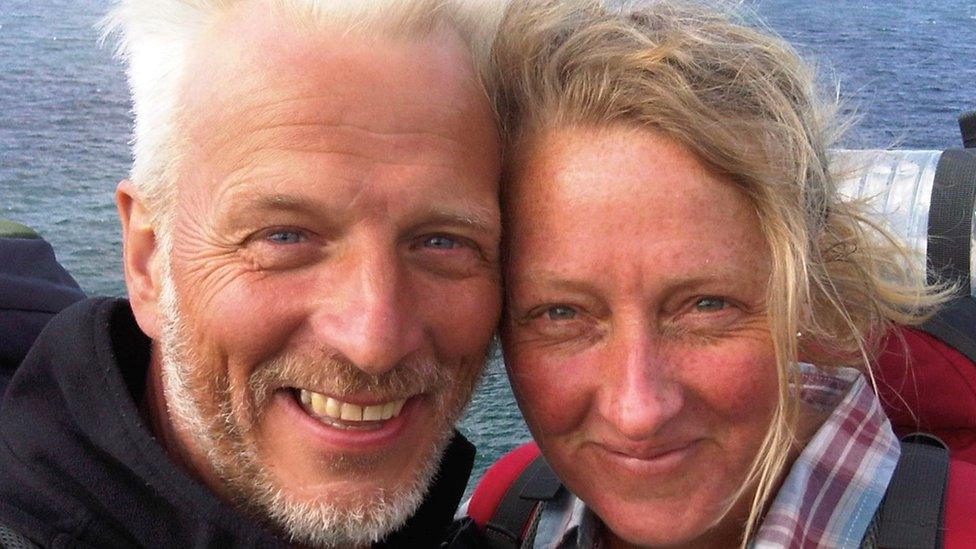
In the aftermath of the bombshell dropped by Chloe Hadjimatheou in this weekend’s Observer, where she exposes the lies this story is based on, it feels right to reassess our original response to the movie. Our opening sentence included the words “raised eyebrows”. Perhaps we shouldn’t have been so gullible.

But we’re in good company, including Penguin Random House, Number 9 Films and more than two million readers worldwide. Chivalrous Jason Isaacs, sitting next to Raynor Winn on The One Show sofa, gently corrects her when she says it all began when she and her husband “got into a financial dispute”. “You were conned out of everything you had,” he says sympathetically. “You might not be able to say it but I can.”

The Winns’ audacity is breathtaking. According to Hadjimatheou, the real con-artist is Raynor, aka Sally Walker. Aka embezzler of £64k from her employer; aka borrower of £100k to pay back her ill-gotten gains and thus avoid a criminal trial. When their house was repossessed, it wasn’t because a good friend betrayed them; it wasn’t a naïve business investment gone wrong. It was the simple calling-in of an unpaid debt, ratified by the courts. Did Walker and her husband Ti-Moth-y really believe the truth would stay buried as they appeared on national television to publicise their untruths?

So how gullible were we, really? Like many, we believed the basic premise. Why wouldn’t we? Sure, it was clear that the exact circumstances of the couple’s slide into destitution were being glossed over, and of course their story was shaped into a neater narrative than real life provides. But we had no reason to doubt the fundamentals. (How could anyone have guessed they had a ‘spare’ property in France?) In fact, my interest piqued by the movie, I went on to read Winn’s books. I liked The Salt Path, although I was disappointed not to learn more about the calamitous investment. I found books two and three (The Wild Silence and Landlines) less interesting: just more of the same, but – now that the couple were housed and embracing successful careers – without the jeopardy. In these sequels, the focus shifts to Moth’s terminal illness, corticobasal degeneration, and the miraculous curative effect that hiking has for him. While the first book tentatively suggests that strenuous exercise might be beneficial for those with this rare condition, by the third we’re deep into dubious ‘wellness’ territory, with Winn’s ‘own research’ supposedly trumping anything a neurologist might purport to know.

Still, we won’t be taking down our review (you can read it in full below). We stand by it as a reaction to a well-acted and nicely-crafted film that we enjoyed. Of course, its message of grit in the face of adversity doesn’t have quite the same potency it did, now that we know the protagonists are a pair of grifters, but, if we can steel ourselves to view it as a work of fiction, it’s an affecting and moving piece.

Susan Singfield and Philip Caveney

01/06/25

Cineworld, Edinburgh

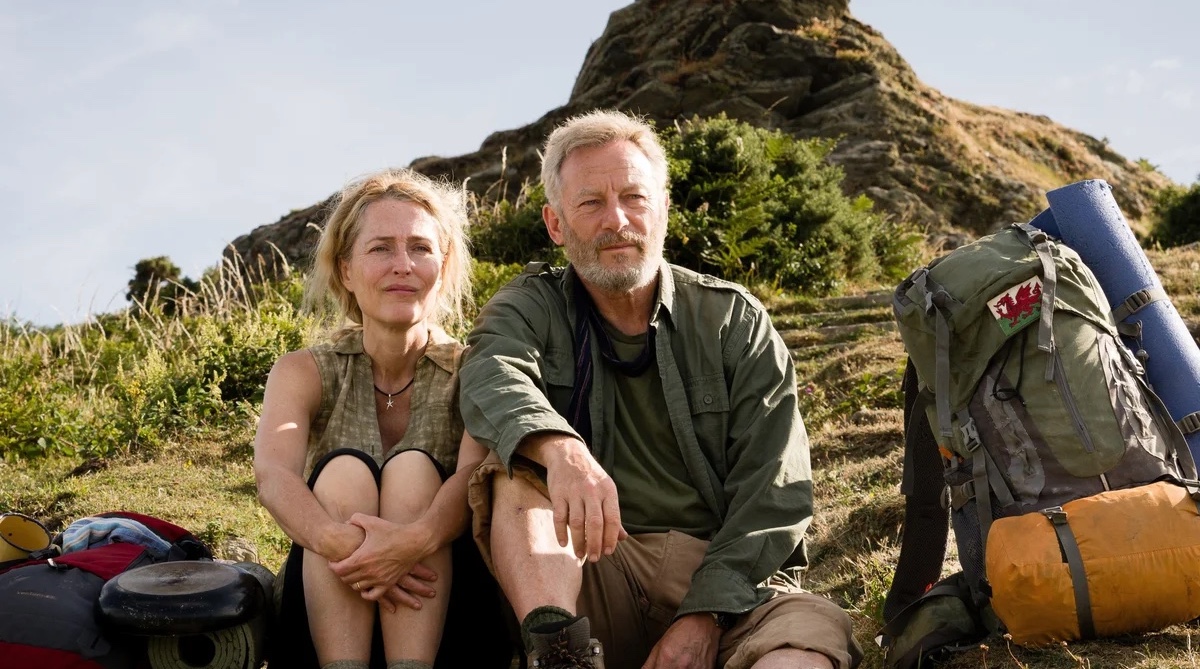
I’ve often remarked that real-life stories, depicted as fiction, would more often than not be the case for raised eyebrows. Take the case of Raynor and Moth Winn, for example: a married couple who, after a badly-judged business investment went tits up, found themselves evicted from their family farm, unable to obtain any financial help, bar a paltry £40 a week benefit. Around the same time, Moth was diagnosed with a rare (and inoperable) degenerative brain condition. Their response? To set off to walk the South West Coastal Path, a trip of hundreds of miles, telling themselves that if they just kept walking, something was sure to turn up…

Okay, so in a move they could surely never have anticipated, the book that Raynor wrote about the experience eventually went on to sell two million copies… but it would be a hard-hearted reviewer who begrudged them this success.

In this adaptation by Rebecca Lenkiewicz, we first encounter Raynor (Gillian Anderson) and Moth (Jason Isaacs) as they fight to save their last real possession – a small tent – from the ravages of the incoming tide. The couples’ back story is told in a series of fragmentary flashbacks, though director Marianne Elliott is less interested in the events that brought the couple to this sorry situation, than exploring the possibilities of what their newfound freedom brings them.

As the two of them progress on their journey, struggling at first but gradually adapting to a different kind of life, it becomes clear that there is something to be said for casting off the familiar shackles of a home and a mortgage. The couple find an inner strength they didn’t know existed and, along the way, they rediscover what drew them together in the first place. This could easily have been overly -sentimental but manages to pursue a less obvious route.

The story takes the duo across some jaw-dropping locations around Cornwall and Devon and the majesty of the scenery is nicely set against Chris Roe’s ethereal soundtrack. Anderson and Isaacs make a winning duo, conveying the real life couple’s indomitable spirit and genuine devotion to each other, while the various situations they stumble into range from the comical to the deeply affecting.

The film’s final drone sequence cleverly encapsulates its central message in one soaring extended shot. There have been some mean-spirited early reviews for The Salt Path but I find it genuinely moving and a cinematic journey worth sharing.

4.2 stars

Philip Caveney and Susan Singfield