Film

A House of Dynamite

12/10/25

Filmhouse, Edinburgh

It’s been quite some time since we saw anything from Oscar-winning director Kathryn Bigelow, but A House of Dynamite signals an auspicious return to the fray. This Netflix-financed epic will be streaming soon, but meanwhile it’s been granted a limited theatrical release. It’s big, glossy and features a host of well-known actors in relatively small roles, in a whole series of convincingly-recreated sets. It’s also one of the most utterly terrifying films I’ve ever seen.

At Fort Greely, Alaska, Major Daniel Gonzalez (Anthony Ramos) and his team detect the unannounced launch of an intercontinental ballistic missile, heading towards the United States. Moments later at the White House Situation Room in Washington DC, Captain Olivia Walker (Rebecca Ferguson) sees the incoming projectile on a giant screen and watches appalled as the terrifying statistics unreel. The missile’s current trajectory has it aimed squarely at the city of Chicago and – if unimpeded – in just eighteen minutes’ time, millions are going to die.

An attempt can be made to intercept the missile in the air but, as one observer comments, it will be “like trying to hit a bullet with a bullet.” And, should that fail, the only thing to be determined is the severity of the response. With no country claiming responsibility for the launch – indeed both Russia and North Korea are denying it – the decision must lie entirely with the POTUS (Idris Elba), who is in the middle of making a speech to a high school basketball team somewhere in the city.

And that eighteen minutes is ticking away…

Anyone expecting an exciting drama where a lantern-jawed hero runs athletically into view with a perfectly-timed maverick plan to save the world is going to be severely disappointed with A House of Dynamite. This is simply not that film. Instead, it’s the kind of story you watch with clammy palms as the threat steadily rises: the kind where you begin to realise that there really isn’t going to be any way of evading the devastating conclusion. There will be not scenes of relieved people hugging each other and fist-pumping beneath the Stars and Stripes as they realise the threat has been miraculously defused.

Instead we have human beings staring into the abyss as they see their hopes and dreams turning to smoke. And the realisation that this is the world we now live in, where one mistake can have cataclysmic consequences. Writer Noah Oppenheim opts to show the same eighteen minutes of the missile’s trajectory from three different perspectives. It’s only in the final third that we actually get to see the POTUS, as it dawns on him that he is going to have to select his country’s response to the situation from a handy booklet presented to him by an aide – a sort of IKEA manual for disaster – and that the repercussions of that decision will live with him forever. (Despite his helplessness, I find myself wistfully wishing that Idris Elba actually were the President of the US instead of the man who currently has his hands on the nuclear codes…)

This is a tough watch. I honestly cannot remember being so profoundly affected by a film since I first saw Peter Watkins’ film, The War Game, back in 1966. While I cannot in all honesty claim to have enjoyed watching A House of Dynamite, I believe it’s an important and brilliantly-directed film, with a powerful and important message at its core. I would urge everyone to see it and have a long, hard think about the awful truth it clarifies: that we as a species have built the unstable dwelling of the title – and that we are forever doomed to live with that knowledge unless we do something to change it.

5 stars

Philip Caveney

Urchin

11/10/25

Cineworld, Edinburgh

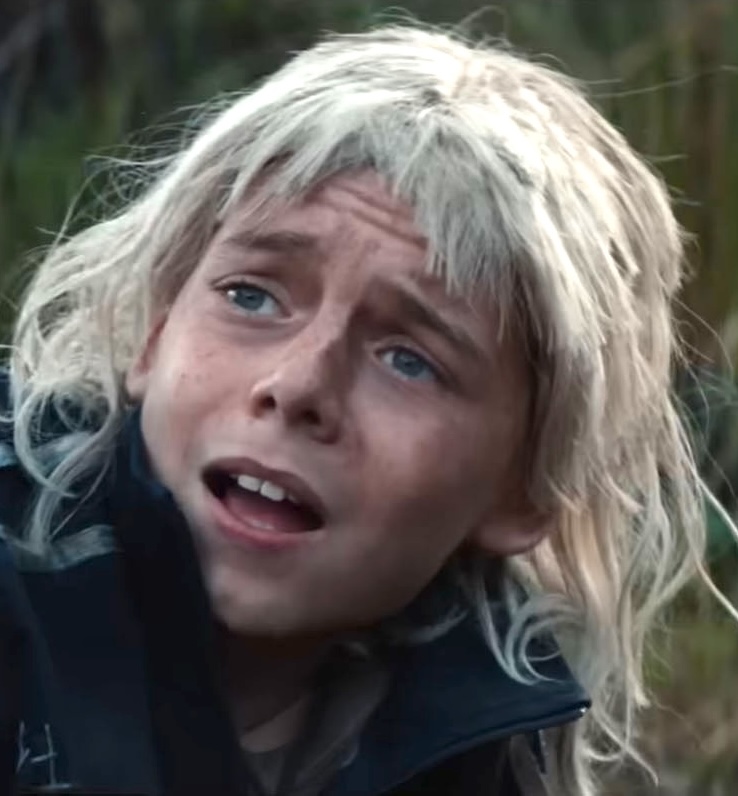
Actor Harris Dickinson makes an assured directorial debut with this intriguing story, which concentrates on the misadventures of young man called Mike. Frank Dillane gives a beguiling performance in a role that has already won him the Un Certain Regard prize at this year’s Cannes Film Festival. Dickinson also wrote the screenplay, which immediately evokes my sympathy for its troubled, self-destructive protagonist.

The film opens with Mike wandering the streets of London, feverishly strung-out on drugs and constantly searching for ways to procure money to pay for his next fix. He clashes with Nathan (Dickinson), another young man in a similar situation and, after a fight between them, passer-by Simon (Okezie Morro) attempts to help Mike, offering to buy him a meal. Mike accepts the offer – and then punches Simon unconscious before stealing his designer watch, which he sells for a measly £40. Shortly afterwards, he’s arrested and sent to prison.

We don’t see anything of his time in captivity but, some months later, he’s released back into the community, given a temporary place in a hostel and sent to work in the kitchen of a down-at-heel hotel under the direction of Chef (Amr Waked). Mike is off the drugs now and determined to make a fresh start, but he is told that part of the process will include him sitting down with Simon and expressing regret for what he’s done…

It’s a simple premise, with a deeper subtext. Dickinson’s script has the brutal smack of realism and Dillane is extraordinarily compelling. There’s something innately likeable about Mike, something so utterly helpless that I watch this on tenterhooks, dreading every step he takes in the wrong direction. The film has the verité quality of Ken Loach, cinematographer Joseé Deshaies filming in long, naturalistic takes, mostly on the streets. But every so often, the scene shifts to a mysterious, labyrinthine setting, an underground cavern, as though we’ve been granted access to somewhere deep within Mike’s psyche: a strangely tranquil place, where all his woes are momentarily forgotten.

But we’re only in there for short intervals, before being wrenched rudely back into reality, where Mike’s slow slide to oblivion continues. Dickinson is a chameleon of an actor, who has a whole range of disparate characters to his credit, so it’s perhaps unsurprising that he displays this same quality as a director. Urchin is one of those hard-to-quantify features, a unique and impressive first foray.

If the acting work ever dries up, Dickinson clearly has another talent to explore.

4.4 stars

Philip Caveney
I Swear

10/10/25

Cineworld, Edinburgh

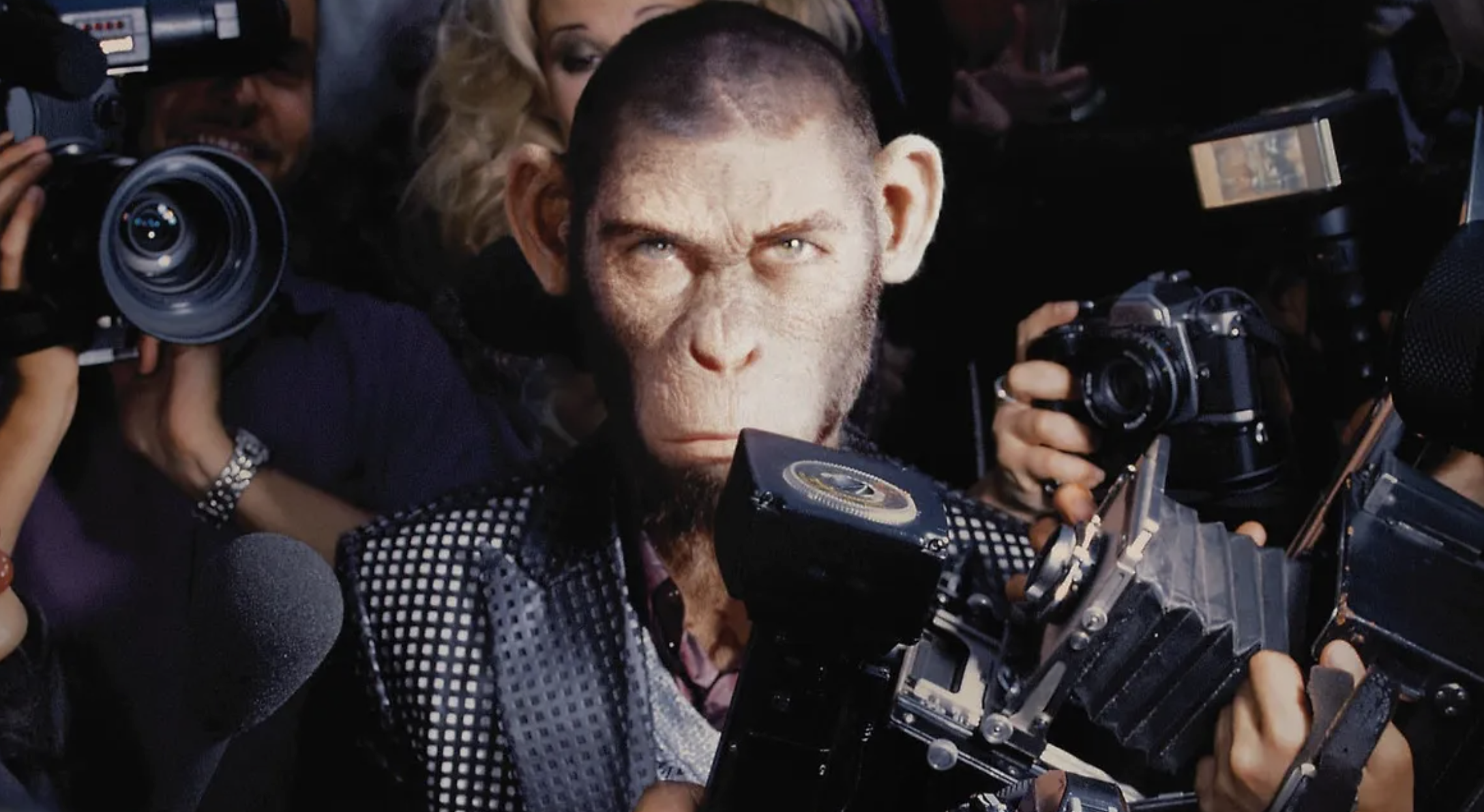
I Swear follows a tried and tested feel-good formula. You know the one: a vulnerable protagonist struggles to live with a misunderstood condition until their saviour arrives in the shape of a kind and unassuming friend, allowing them to flourish. So far, so seen-it-all-before. But writer-director Kirk Jones gives the format a kick in the baws with this tale of grit and humour in the face of great adversity.

The film is elevated by two things: an extraordinary true-life story and a stellar cast. The central character is John Davidson, an MBE-decorated Scottish activist, who lives with Tourette syndrome and campaigns to raise public awareness. Played here by Scott Ellis Watson (as a teenager) and Robert Aramayo (as an adult), he lights up the screen, his frustration and sadness leavened by his innate sweetness – and the undeniable funniness of his inappropriate comments and sweary outbursts. “I’m a paedophile,” he says at a caretaking job interview, when informed that the role includes setting up a hall for youth groups to use. The same prospective employer asks him about his tea-making skills. “I’m good,” John assures him, “I use spunk for milk.”

Despite the jocularity, Jones’ screenplay never mocks John, never laughs at him or belittles what he has to deal with every day. Instead, it’s an honest account of a young man floundering in a hostile world, rescued from despair by finding acceptance. John’s protector is his pal’s mum, Dottie (Maxine Peake), a mental health nurse with a terminal cancer diagnosis, who takes John in. While his own mum, Heather (Shirley Henderson), is uptight and puritanical, embarrassed by his language, making him sit apart from the family to eat because of his tendency to spit, Dottie ignores his tics and profanity, welcoming him at her kitchen table, telling him not to apologise for things he can’t help. She encourages him to see a future for himself: one where he can hold down a job and live independently.

Another positive influence in John’s life is his janitor boss, Tommy (Peter Mullan), who champions his young assistant, serving as both mentor and father figure. It’s Tommy who tells John he needs to raise awareness of his syndrome: “The problem isn’t Tourette’s; it’s people not knowing about Tourette’s.” It’s Tommy who stands up for John in court, when the judge seems ready to penalise him for contempt, unable to accept that his shouting is involuntary.

At the end of the movie, we see the real-life John, a familiar figure to those of us old enough to remember the 1989 BBC documentary, John’s Not Mad, which featured the sixteen-year-old Davidson. I’m a little confused as to why this influential TV programme is never mentioned in the film, as it must have made him something of a local celebrity and changed the way he was perceived. Still, he’s been spreading the word ever since, organising conventions, giving presentations to school kids and police officers, making sure that everyone knows about Tourette syndrome. We’ve no excuse for condemning those living with it to the years of misery John himself endured.

Engaging, enraging and hilarious, I Swear is something of a triumph.

As John himself might say, “Fuck off to the cinema and watch it, ya wankers.”

4.3 stars

Susan Singfield

Steve

05/10/25

Netflix

Adapted from his own book, Max Porter’s screenplay is a heart-wrenching tragedy, castng a merciless light on what we’re up against when it comes to helping troubled kids. There’s a change of title – the novella Shy becomes the movie Steve, indicating a shift in focus, from teenage protagonist (Jay Lycurgo) to forty-something headteacher (Cillian Murphy).

Shy and Steve are two sides of the same coin: two clever, gentle, unhappy men, with substance-abuse issues and deep seams of anger, always bubbling, ready to erupt. If Steve has better control of his problems, it’s only because he’s older and more experienced at hiding things.

Directed by Tim Mielants, the movie opens on an auspicious morning: a local news crew is visiting Stanton Wood, filming a segment about Steve’s experimental boarding school for challenging students. It’s a last-chance saloon for those who’ve been excluded from everywhere else, described by TV host Kamila (Priyanga Burford) as “a pre-Borstal”. The model is a Finnish one, Steve explains. We never quite learn what this entails – what pedagogical theories are being employed – but we do see that the staff genuinely care for the boys, treating them with love and respect and never talking down to them. Unlike their out-of-touch local MP, the loathsome Sir Hugh Montague Powell-pronounced-Pole (Roger Allam), who soon comes unstuck when he tries to patronise Shy.

Sadly, the institution is teetering on a knife-edge as sharp as any wielded by its inmates. Funding is an issue, of course, as is public perception. It costs £30k per annum to house a single young offender here. Are these “losers” worth it?

For Steve, the answer is a resounding yes – a sentiment echoed by his deputy, Amanda (Tracey Ullman), school therapist, Jenny (Emily Watson), and teachers, Andy and Shola (Douggie McMeekin and Little Simz). But there’s no denying it’s a taxing job, breaking up the near-constant fights between wind-up merchant Jamie (Luke Ayres) and coiled spring Riley (Joshua J Parker), dealing with the boys’ emotional trauma and protecting the grown-ups from their worst excesses.

In hindsight, maybe inviting a TV crew to immortalise the chaos isn’t the best idea Steve’s ever had…

And when two representatives of the school’s trust, Charlotte and Julian (Ruby Ashbourne Serkis and Ben Lloyd-Hughes), inform Steve that the school is being shut down, it’s more than he can bear. What will happen to the damaged children he’s worked so hard to protect? For most of them, Stanton Wood represents the only stability they know.

Murphy is riveting as the desperate Steve, and it’s heartbreaking to watch his hope unravel as the film goes on. The boys provide some light relief, their devil-may-care fuck-you attitudes affording some real laughs, even as they squander their chances, fail to live up to the goals they’ve been set. At Stanton Wood, they’re allowed to pick themselves up and try again. Shy serves as a symbol of redemption, and Lycurgo imbues him with a beautiful naïvety, so that we’re rooting for him every step of the way.

A thought-provoking indictment of a broken system, Steve is available to stream from Netflix, and – despite its title being the dullest I’ve ever come across – the film is well worth your attention

4.1 stars

Susan Singfield

One Battle After Another

04/10/25

Cineworld, Edinburgh

We’re uncharacteristically late to this one, mostly because in its week of release we are in a camper-van in the wilds of Scotland and no cinema in that vicinity is showing it. Not complaining, you understand, people need to have holidays, but this is a film by Paul Thomas Anderson, whom I’ve held in special esteem ever since watching Boogie Nights way back in 1997. And all those ‘best film of the year’ reports make me impatient to get back to civilisation.

Mind you, I’d be the first to admit that, in recent years, PTA has (at least for me) gone off the boil a bit. Unlike many of his followers, I didn’t really care for 2017’s Phantom Thread and his last offering, 2021’s Licorice Pizza, though a warm and appealing slice of nostalgia, wasn’t the finest work from the director of There Will be Blood and (in my humble opinion) his masterpiece, Magnolia.

One Battle After Another, as the name suggests, is an action film, perhaps the last genre I’d have expected this most enigmatic of film-makers to explore but, happily, he puts his own unique spin on it, producing a sprawling, multi-faceted tale set over the best part of two decades. It’s larger than life, peopled by a series of eccentrically-named caricatures and yet, once it settles into its stride, it manages to exert a powerful grip.

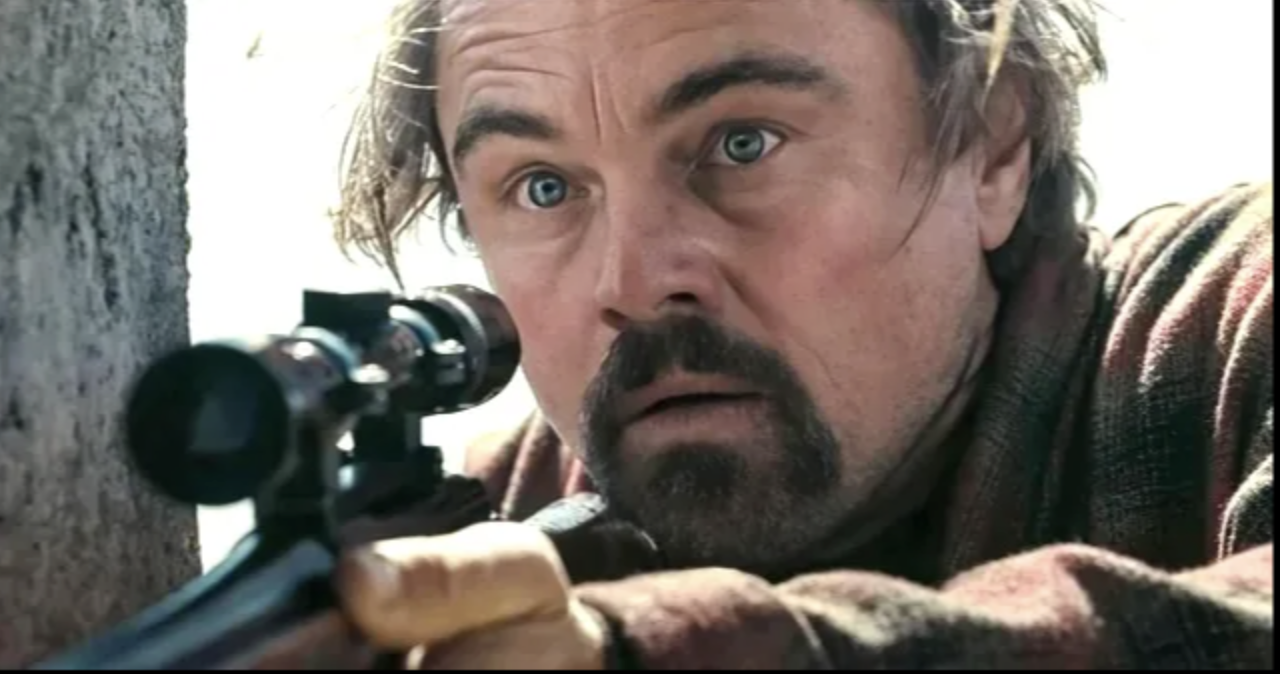
We first join the action as Pat Calhoun (Leonardo DiCaprio) and Perfidia Beverly Hills (Teyana Taylor), along with other members of their far-left terrorist group, French 75, launch an armed attack on a detention centre in California and free all of the captives. During the action, Perfidia encounters the unit’s commanding officer, Steven Lockjaw (Sean Penn), and – in a move intended to humiliate him – makes him masturbate at gunpoint. However, this only causes him to fixate on her, something that will have inevitable consequences further down the line.

Pat and Perfidia become partners, but their haphazard attempts to parent their baby daughter, Willa, seem doomed to failure – especially when Perfidia is captured and forced into witness protection, and Pat is left to deal with the situation alone.

Sixteen years later, Willa (Chase Infiniti) has grown to be an independent teenager, preferring to follow the guidance of her karate instructor, Sergio (an underused Benicio Del Toro), than her drug-addled old man. Pat hasn’t been involved in any terrorist activity in years, preferring to experiment with every drug he can lay his hands on but when, out of the blue, a coded telephone call reaches him, announcing that Lockjaw (now a Colonel) is coming after Willa, he’s forced to get up off the sofa and go to her aid…

From this point, the film pretty much delivers on the promise of the title – it’s a frenetic, explosive and breathless chase filtered through cinematographer Michael Bauman’s VistaVision lenses, and backed by Jonny Greenwood’s eccentric score. Written by Anderson and loosely based on Thomas Pynchon’s novel, Vineland, the director has reputedly been working on this project for something like 20 years so it’s remarkable that it feels as timely as it does.

DiCaprio is wonderfully endearing as the hapless Pat, desperately trying to remember passwords that he hasn’t used for far too long, while Penn, as the heinous, macho Lockjaw, is the personification of a living GI Joe action figure, a man committed to preserving his outward appearance, while inside he’s a festering, ambitious wreck. But strangely, it’s newcomer Infiniti who really impresses here as the quietly determined Willa, who, when pushed, snaps back with the stubborn tenacity she’s inherited from her mother.

One Battle After Another is a searing condemnation of contemporary America, a world where freedom has to be fought for with extreme violence, where the most cold-blooded assassins hide behind the personas of smiling, corn-fed patriots. PTA finds original ways to explore the most well-worn conventions. Even the old fall-back of the car chase is given a mesmerising makeover, as vehicles glide silently through a shimmering waterfall of desert roads like some kind of LSD-induced hallucination.

Despite a hefty running time of two hours and 41 minutes, the film flashes by in what feels like half that time and it’s clear pretty much from the outset that Paul Thomas Anderson is back on form. Whatever comes next, I’m already looking forward to it.

4.8 stars

Philip Caveney
A Big Bold Beautiful Journey

20/09/25

Cineworld, Edinburgh

I’ve never been a rom-com fan: too cynical for ‘rom’ and unamused by mawkish ‘com’. But – schmaltzy subtext notwithstanding – when it’s served up as beguilingly as this, you can count me in.

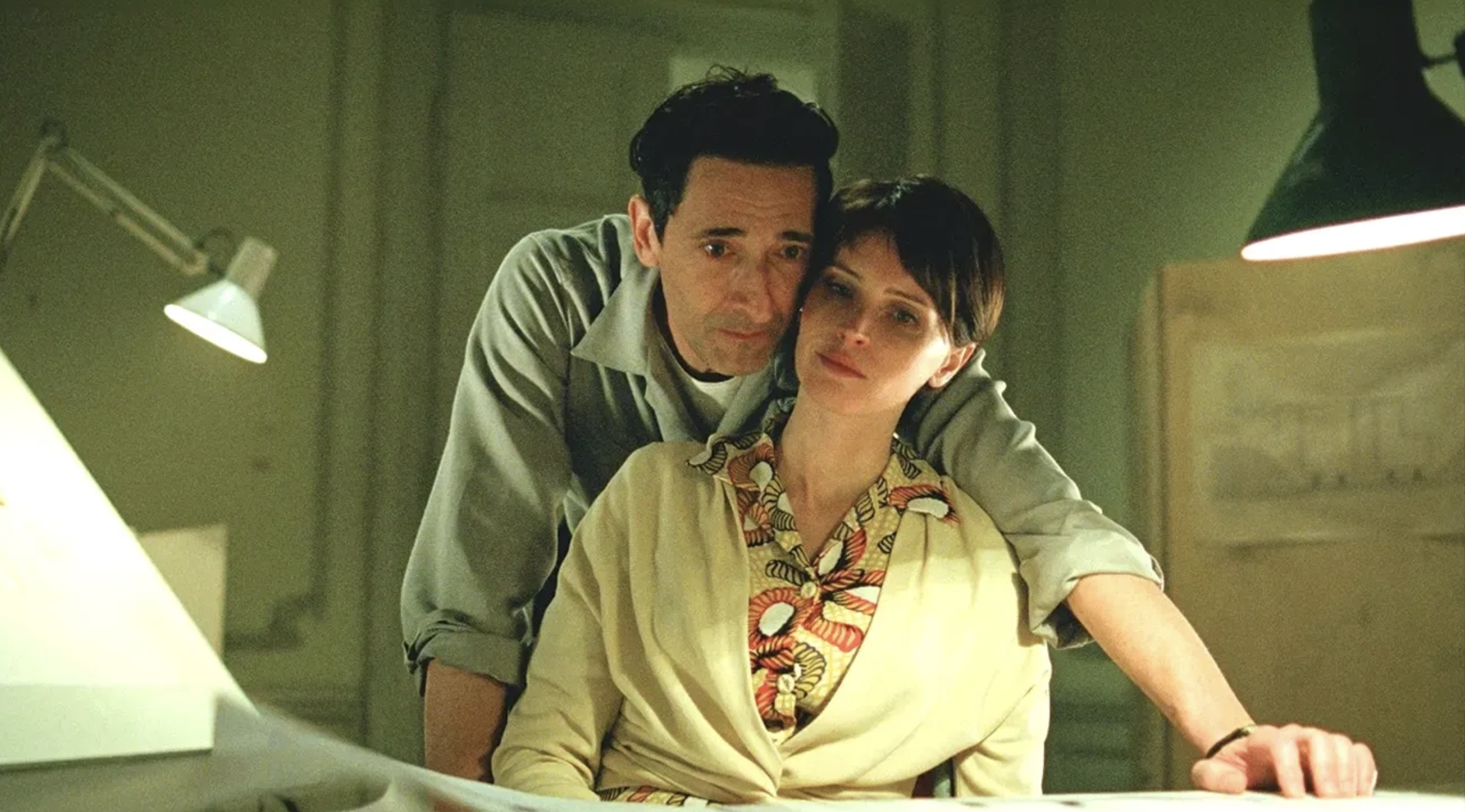
A Big Bold Beautiful Journey is a fantastical drama about a mundane situation. David (Colin Farrell) rents a car to travel to a friend’s wedding, where he meets Sarah (Margot Robbie). Their instant attraction is scuppered by the fact that they’re both commitment-phobes. So far, so ordinary. Luckily – for both audience and characters – David’s sat-nav has a mind of its own and, before long, their separate drives home have become a joint road-trip down Memory Lane towards Promising Future. Via magical doors.

Written by Seth Reiss and directed by Kogonada, ABBBJ adds up to more than the sum of its parts. It doesn’t hurt that the two leads are so likeable, nor that the cinematography (by Benjamin Loeb) is so vivid and picturesque. As the duo step through the various portals to the past, we are treated to some real visual delights: the art gallery Sarah used to visit after-hours with her mum, enraptured by her favourite painting of a grey couple with rainbow heads; the re-enactment of the high-school musical where David had the lead.

There’s some pleasingly quirky book-ending too, with Kevin Kline and Phoebe Waller-Bridge as the mysterious car rental company’s mechanic and cashier (respectively). These benign puppet masters have seemingly orchestrated both the meet-cute and its subsequent developments, their mystical business more about love than motor vehicles.

Is this enough to counteract the sentimental ‘open your heart’ messaging? Just about. More variety would help: the final third feels samey and repetitive and, without the thrill of inventiveness, the saccharine is just a little too cloying.

On the whole, however, I’m sold. This is an arch and idiosyncratic piece of cinema, quite unlike anything else at the multiplex this year.

3.7 stars

Susan Singfield

Sorry, Baby

15/09/25

Filmhouse, Edinburgh

Brand new membership cards tucked into our phones, we’re back at the Filmhouse, ready to watch the much-talked-about Sorry, Baby – the debut feature from writer-director Eva Victor. 

Victor also plays the protagonist, Agnes, a college teacher struggling with the aftermath of being raped by their professor (Louis Cancelmi). Their fiercely protective best friend, Lydie (Naomi Ackie), provides emotional support, as does their gentle neighbour, Gavin (Lucas Hedges). 

The plot is simple, but the structure is as complex as Agnes’s emotions, dropping us into the middle of the story before taking us back and then forward in time. This is film-making of the highest order, assured and nuanced, highlighting the myriad moments that mark Agnes’s darkest hours as well as their recovery. Sometimes, it’s as little as a sandwich from a stranger (John Carroll Lynch). Sometimes, it’s as consequential as officials assiduously avoiding blame.

At first, I find the dialogue a little mannered, but I soon settle into its rhythms as it becomes clear that the brittleness is part of Agnes’s reaction to The Bad Thing that happened to them. They’re not broken by it, but they are changed. Lydie takes her lead from Agnes, responding in kind, the very best of supportive pals.

Victor’s focus on what happens next – the fallout rather than the assault itself – is what makes this movie. It feels realistic, a complicated tangle of okay and not-okay. They don’t go to the police but they do report the attack to HR. Their academic ambition is uncurbed – they still pursue a professorship in the same college – but there are also panic attacks and a sense of being stuck. Their healing is incremental. These things take time.

There is some clever direction here: the exterior shot with its changing light representing the assault; the stilted quietude of the university hearing. Victor is utterly beguiling as the gauche Agnes, as vulnerable as they are fierce, as indomitable as they are hurt. Ably supported by Ackie and Hedges, Victor disarms us with an unflinchingly honest portrayal of violation and recovery.

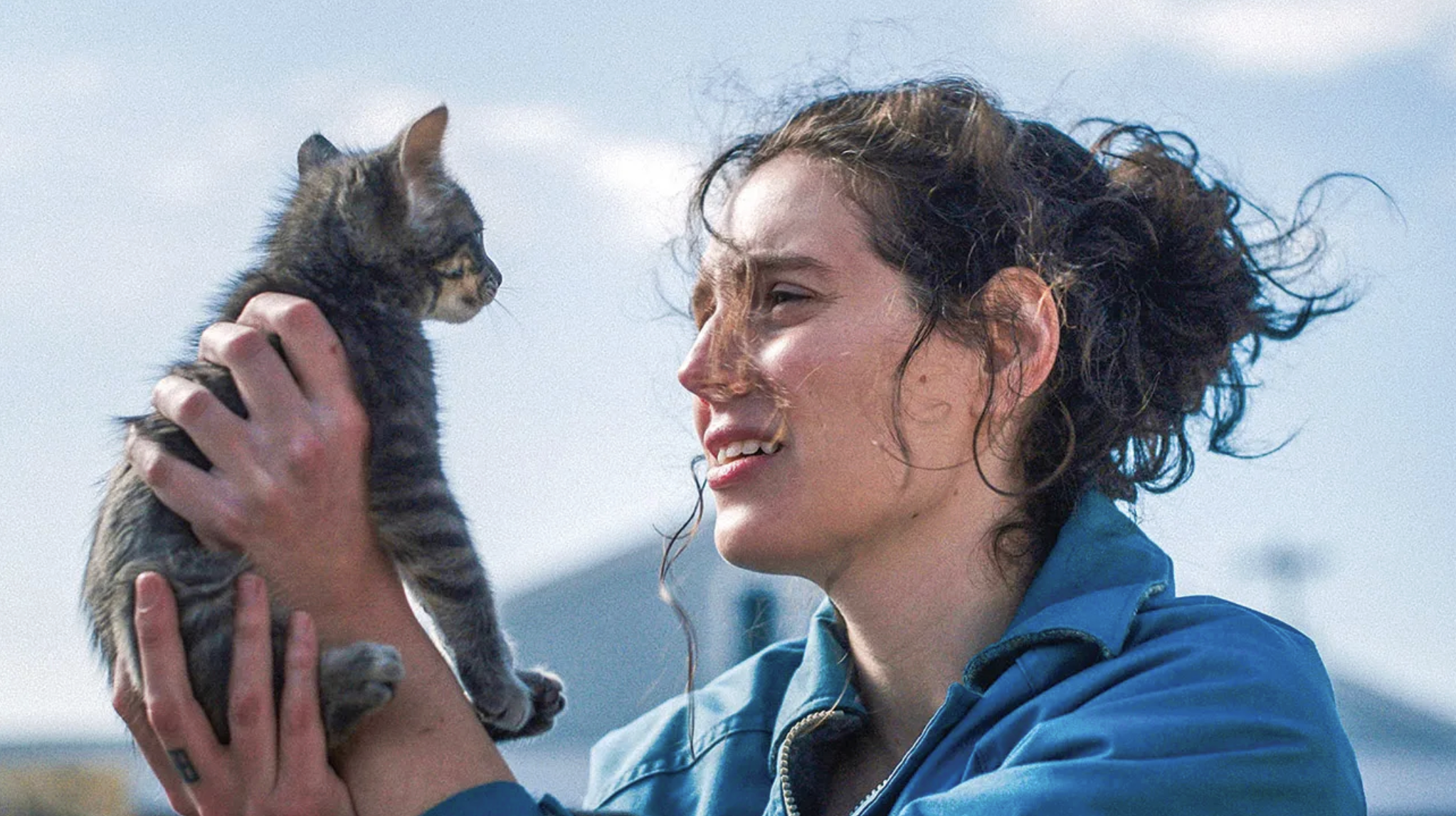
Victor’s comedic talents are also brought into play, leavening the movie with humour, both deadpan and farcical. Standouts include a droll encounter between a supermarket employee and a cat, and Kelly McCormack’s glorious portrayal of the prickly Natasha, her outrageous grievances and jealousy writ large on her expressive face.

In an era of sequels and AI assimilations, it’s a joy to discover a truly original voice like Victor’s. For all its thorniness, Sorry, Baby is a breath of the very freshest New England air.

4.8 stars

Susan Singfield

The Long Walk

14/09/25

Cineworld, Edinburgh

As I’ve observed elsewhere, Stephen King is one of the most screen-adapted authors in living history and you’d think, wouldn’t you, that by now they’d have run out of titles to turn into movies? I mean, what stone has been left unturned? Well, there’s always The Long Walk, a story about a dystopian future where young men enter a lottery in order to be able to compete in a gruelling competition – where the winner will be handed a fortune while losers will be eliminated one by one, with a well-aimed bullet.

And before people start muttering about this being ripped off from The Hunger Games, it’s worth mentioning that King wrote the original novel when he was seventeen and that it was published way back in 1979, under the pseudonym of Richard Bachman. (Bachman also wrote The Running Man, already filmed in 1987 starring Arnold Schwarzenegger, with a new version looming on the cinematic horizon.)

The competitor we’re rooting for in the titular ordeal is Raymond Garrity (Cooper Hoffman) and the guy he pals up with is Peter McVries (David Jonsson) – but there are plenty of other participants and we learn something about most of them by the time we approach the three-hundred-mile marker. The event is presided over by The Major (an almost unrecognisable Mark Hamill). As the walk progresses, we witness some truly horrible executions and some almost as awful depictions of what happens when the participants are not even allowed the luxury of a toilet break…

The danger here, of course, is that such a stripped-back storyline might mean that the narrative becomes repetitive, so kudos must go to director Francis Lawrence and screenwriter JT Mollner, who somehow manage to incorporate enough gear changes to keep me thoroughly entertained (if that’s the right word) throughout a one hour and forty-eight minute run time. It’s also chilling to note that, with the current political upheaval in the USA, the premise of this story feels queasily credible.

More than anything else, this is a film about male friendship, about honour and sacrifice. Hoffman, who made such a confident debut in Licorice Pizza is quietly compelling here as a young man nurturing a secret thirst for vengeance, while Jonsson makes the perfect foil for him: relaxed, compassionate and nurturing. As I say, we do learn about several of the other competitors, but this film belongs to its central duo, who keep us walking alongside them right up to the shattering conclusion.

4.2 stars

Philip Caveney
Spinal Tap 𝜫: The End Continues

12/09/25

Cineworld, Edinburgh

It’s finally here. I’ve waited 41 years for a sequel to my all-time favourite comedy and here it is. A week ago I had the opportunity to revisit the original film on the big screen and it was every bit as brilliant as I remembered, so… no pressure. Of course, I’m not deluded enough to imagine that Spinal Tap 𝜫: The End Continues can be anywhere near as perfect as its predecessor, but my abiding fear is that it will be a terrible misfire with nothing of the spirit of the original. Thankfully, that isn’t the case.

The film opens with a glimpse of the venue in New Orleans, where the world’s loudest (and most punctual) rock band will make their ‘one night only’ return, a contractural obligation that was stipulated in the deal they made with original manager, Ian Faith (the late Tony Hendra). After his death, the rights have been transferred to his daughter, Hope (Kerry Godliman), and she’s intent on holding the three Tapsters to their obligation. The film now cuts back to filmmaker Marti Di Bergi (Rob Reiner) as he goes looking for the three core members of the band.

David St Hubbins (Michael McKean) is now making his living by composing those irritating bits of muzak you hear when you phone a company and they put you on hold. Nigel Tufnel (Christopher Guest) is running a cheese and guitar store in darkest Cornwall, where he’s perfectly happy to swap an instrument for some dairy produce – and vice versa.

And Derek Smalls (Harry Shearer) is the custodian of The Museum of Glue. Of course he is.

We now follow the band as they reconnect and make their preparations for the concert, under the guidance of the well-meaning but ineffectual Hope and the odious, deeply abrasive Simon Howler (Chris Addison). There are, inevitably, a bunch of guest stars dotted amidst the action, with Paul McCartney and Elton John the most prominent. There are also ‘where are they now’ glimpses of some of the surviving players from the first film.

The improvised humour that was so instrumental in film one – and which paved the way for the host of films and TV series that followed in its path – is perhaps not quite as sure-footed as before, though much of it lands squarely enough to provide the requisite laughs. Interestingly, it’s the music that proves this sequel’s real strength, with Christopher Guest’s original compositions given extra fuel by the propulsive drumming of Didi Crockett (Valerie Franco). Hilariously cringey lyrics aside, the songs are actually pretty good examples of 80s heavy rock.

It’s interesting to note that, now the players are genuinely aged (Harry Shearer is 81), there’s a new-found vulnerability to the characters, the previously fearless young rebels brought down by the realities of infirmity. They seem quietly bewildered by all the changes that have occurred since they were last on the scene, but are still determined to give it their best shot. There are clever twists on the original (what happens with Stonehenge is particularly impressive) and, as before, the comedy interplay continues throughout the film’s closing credits with some of the funniest moments held back to the end.

I emerge from the screening with a warm glow, as though I have just spent time with some old friends – and, after such a long absence that’s surely all you can hope for. A word to the wise: if you are not already a fan of Spinal Tap, this reunion gig is likely to leave you feeling bewildered rather than nostalgic.

4 stars

Philip Caveney
Caught Stealing

04/08/25

Cineworld, Edinburgh

If Caught Stealing seems an unusual choice of genre for director Darren Aronofsky, it quickly becomes clear that, although all the usual action-thriller components are in place, this is a good deal more cerebral than the average punch ’em up. Set in New York City in the late 1990s, it’s a story with more than its fair share of stressful situations, all of them heaped upon the shoulders of its central character, Hank (Austin Butler), and palpably passed on to anyone who happens to be watching. Baseball aficionados will know that the film’s title is a reference to the sport Hank is obsessed with and which he played in his youth.

Our antihero is now a booze-loving barkeep at a small, rowdy joint on the Lower East Side. His girlfriend, paramedic Yvonne (Zoë Kravitz), is clearly looking for more commitment from him but something in his past – a tragic incident that we keep catching unsettling glimpses of – is preventing him from offering it. And why does he make such a fuss about phoning his Mom in California every single day?

When his British punk neighbour, Russ (Matt Smith), has to head home to visit his sick dad, he asks Hank to look after his cat, Bud. Hank happily obliges but shortly thereafter a duo of aggressive Russian hoodlums arrive looking for Russ. When Hank is unable to tell them anything about his missing neighbour, they administer a brutal beating, which leaves Hank in hospital, minus a kidney. But his troubles have only just begun.

Once home, he contacts Detective Elise Roman (Regina King), who tells him that he’s inadvertently been dropped into the middle of a very complicated situation, with different factions trying to get their mitts on a heap of stolen cash. She tells him that, if Hassidic hitmen Lipa and Schmolly Drucker (Liev Schrieber and Vincent D’Onofrio), should happen to turn up, Hank must get in touch with her immediately, if he wants to stay alive…

From this point the story accelerates like an out-of-control vehicle, hitting everything in its path with brute force and, much like Hank, we feel each impact along the way. The action is accompanied by Rob Simonsen’s raucous score (recorded by post-punk band, Idles). The New York locations are expertly utilised, the physical damage unflinchingly conveyed and Butler is utterly compelling in the lead role, making us care enough about his character to really share his anguish as every fresh person he meets seems intent upon his destruction. Charlie Huston’s edgy script is adept at getting me to make assumptions, only to dash them gleefully in my face.

When Russ finally bobs back into view, Smith manages to somehow make him both appealing and despicable. Bud the cat (played by Tonic) is really cute, a strong enough presence to ensure that he gets to star in the film’s kooky end credits. Unlike many films of this ilk, Caught Stealing manages to steer its way to a satisfying – and for once, fairly believable – conclusion.

Just make sure you stay in your seats until the very end.

4.4 stars

Philip Caveney