Film

The Count of Monte-Cristo

05/09/24

Cineworld, Edinburgh

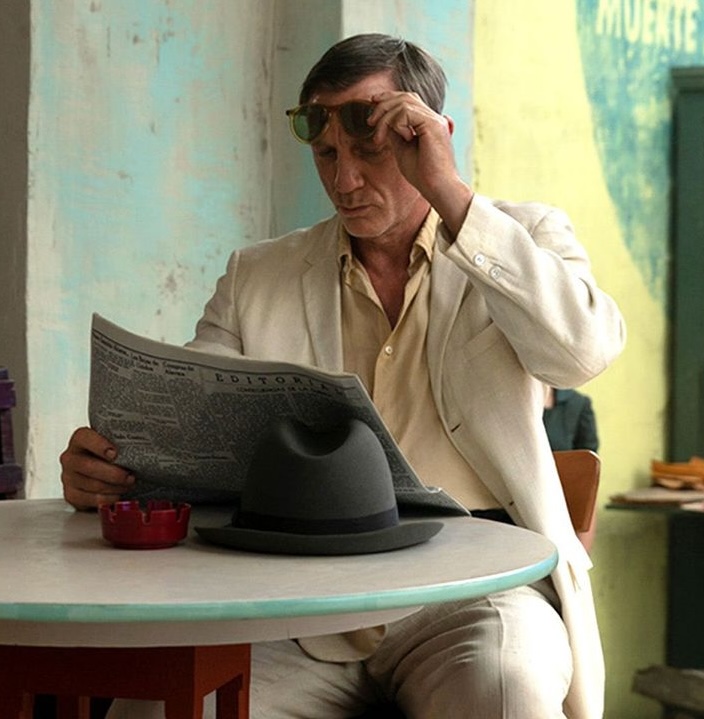
This assured adaptation of Alexandre Dumas’ classic tale feels like something of a throwback – a great big swaggering epic, set over decades, featuring lush locations, a selection of fascinating characters and enough action set-pieces to make its nearly three-hour running time positively flash by. Co-directed by Alexandre de La Patilliére and Mattieu Delaporte, who recently delivered an acclaimed version of Dumas’ The Three Musketeers (which I have yet to catch up with), The Count of Monte-Cristo is an unqualified delight from start to finish.

The plot is complex. The chaotic opening has humble sailor, Edmond Dantès (Pierre Niney), rescuing a woman from a sinking ship, much to the chagrin of his Captain, Danglars (Patrick Mille), who has ordered him not to dive in. But Edmond’s valour is rewarded when he finally gets back to port. Danglars is summarily sacked by the ship’s owner and Edmond is offered the post of Captain, which means he is finally able to propose to the woman he loves. Mercedes (Anaïs Demoustier) comes from an affluent family and her parents would never countenance her marrying a lowly seaman. But a Captain? That’s another matter.

On the couple’s wedding day, Danglars has his revenge, claiming that he has evidence that Edmond is a Napoleonic spy. He conspires with Edmond’s “friend” Fernand de Morcef (Bastien Boullion) and Gérard de Lafitte (Laurent Lafitte), a crooked magistrate, to ensure that the accusation sticks.On what should be the happiest day of his life, Edmond is flung into jail, where he has the prospect of spending the rest of his days.

For four years, he has no contact with another human, but one day befriends another prisoner, Abbé Faria (Pierrefrancesco Favino), who claims to be the heir to a fantastic treasure. He explains that all the the two men need to do is dig their way out of the prison and they will share a fortune. But when – ten years later – Edmond finally makes his escape, the treasure is all his for the taking – and he is free to plan his elaborate revenge on Danglars and his co-conspirators…

If that sounds convoluted, fear not, because this beautifully-mounted production never leaves me in any doubt as to who is who and how they all relate to one another. There are some fabulous performances here, not least from Niney, who manages to convey the awful longing for vengeance which he has nurtured for so long – and I fully sympathise with his determination to make his revenge as protracted and heartless as possible. Nicolas Bolduc’s sumptuous cinematography and Jérôme Rebotier’s magnificent score make the whole undertaking even more impressive. I love too that, for once, a story of revenge is so much more nuanced than the usual shoot ’em up nonsense.

The only element here that requires me to suspend my sense of disbelief is when Edmond uses a series of Mission Impossible-style masks to disguise himself as a variety of different characters. It seems unlikely that – in that era – prosthetics could have been brought to quite such a fine art, but it’s a detail I’m happy to accept when every other element is so faultlessly achieved.

The sad truth is that an adaptation of a French classic (with those dreaded subtitles) is probably not going to put an awful lot of bums on cinema seats – a tragic state of affairs, considering how generally brilliant this is. Anyone longing for a slice of old-fashioned adventure will appreciate this wonderful, multilayered saga.

4.8 stars

Philip Caveney

Blink Twice

01/09/24

Cineworld, Edinburgh

Actor Zoë Kravitz’s directorial debut comes with a trigger warning. ‘This story features sexual violence.’ It’s a tale of toxic masculinity and wealth and the ways in which both things can go hand-in-hand. It’s impossible to watch this and not think about certain high-profile sex scandals from recent history. But Blink Twice is also an assured and intriguing thriller with a labyrinthine plot that makes a lot more sense in retrospect than it seems to as it unfolds.

Frida (Naomi Ackie) and her flat mate, Jess (Alia Shawkat), live a hard-scrabble life in New York, working as cocktail waitresses to make ends meet. But a rare ray of sunshine comes with a yearly charity event where they have the opportunity to mingle with the rich and famous, hosted by the reclusive tech billionaire, Slater King (Channing Tatum). After a scandal, a year ago, Slater disappeared from public view and even stepped down as CEO of his own company, but he’s recently been in the news apologising for his bad behaviour. He now lives on his own private island, where he claims to be living a quiet and blameless life.

When Naomi unexpectedly hits it off with the Slater at the event, she and Jess find themselves invited on a trip to his island and, almost before they know it, they – and a bunch of other young women – are living the high life, nights of unfettered hedonism where champagne and drugs flow like water. Naomi seems to be developing a genuine relationship with Slater, much to the annoyance of another female guest, Sarah (Adria Ajona), the star of a survivalist game show. Slater’s male friends, Vic (Christian Slater) and Tom (Haley Joel Osment), seem like nice guys and his private chef, Cody (Simon Rex), creates wonderful feasts for them to enjoy every night. It’s all brilliant… isn’t it?

But it gradually begins to dawn on Naomi that something here is wrong. Why do none of the women know what day of the week it is? Why are her dreams so weird? And, in a rare moment of clarity, an even more troubling question emerges: what’s happened to Jess?

It would be criminal to reveal any more about the plot of this assured psychological thriller, other than to say that, as the tale unfolds, it moves inexorably deeper into the realms of horror. Frida is terrific in the central role and Arjona (who made such a good impression in Hit Man) is clearly destined for stardom. Geena Davis has a small but pivotal role as Stacy, Slater’s right hand woman, generally too stoned to stop and think about what she is complicit in. (Remind you of anyone, Ghislaine?)

The script, by Kravitz and E T Feigenbaum, is cleverly put together, liberally sprinkled with clues that only fully add up in the final scenes. The story takes some wild swings in its latter stages but they are all subtly signalled along the way. Adam Newport-Berra’s dazzling cinematography and Kathryn J Schubert’s slick editing ensure that the film always looks sumptuous, even when what’s happening onscreen is rotten to the core.

As the story sprints into its nerve-shredding conclusion, I find myself holding my breath as the tension steadily mounts – and how you will feel about a late-stage revelation will really depend on your faith in human nature, or your lack of it.

Either way, this signals Kravitz as a director of great promise.

4.4 stars

Philip Caveney

Sing Sing

31/08/24

The Cameo, Edinburgh

It’s National Cinema Day and picture houses across the country are offering tickets for a mere £4. The Cameo is packed to the rafters. Does this mean that cinemas could sell out regularly if they lowered their prices, or is the mass turnout down to the sense of a special occasion?

The programming is important too, of course. Sing Sing deserves to draw the crowds, even at full price. It’s a weighty, life-affirming piece of work, humanising the inmates of the titular maximum security prison. It’s also a timely reminder of why the arts are so important.

Based on John H. Richardson’s book, The Sing Sing Follies, Greg Kwedar’s movie is all about the RTA programme (Rehabilitation Through the Arts), which provides customised curricula of theatre, dance, music, etc. in prisons across the USA. Each jail has its own steering committee of prisoners, and external facilitators to help them explore their ideas. The benefits to both inmates and wider society are clear: by offering troubled people hope, allowing them the chance to explore their feelings and develop skills, to improve their self-esteem, the severity of infractions within prisons is reduced – and so is recidivism. The urge to punish, to make correctional facilities as unpleasant as possible, is perhaps understandable but it’s self-defeating. If we want a better world for everyone, we have to accept the evidence and give incarcerated people as many opportunities as possible to improve their circumstances.

Colman Domingo makes a thoughtful, impressive John “Divine G” Whitfield, a central member of Sing Sing’s RTA group. Divine G – who has a cameo appearance – writes plays as well as performing in them, and also works tirelessly to support other inmates with their appeals. Apart from Paul Raci as volunteer drama leader Brent Buell, the rest of the cast comprises ex-prisoners playing themselves. Co-lead Clarence “Divine Eye” Maclin is especially affecting: his transformative journey from bullish gang member to esteemed performer might be predictable but it’s absolutely compelling.

We shouldn’t need reminding that theatre matters: we’ve known it forever. Thomas Keneally’s The Playmaker and Timberlake Wertenbaker’s Our Country’s Good both immortalise the real-life production of The Recruiting Officer performed by convicts deported to Australia in 1789. Margaret Atwood’s fictional account, Hag-Seed, doesn’t just illuminate The Tempest for a contemporary audience, it also advocates for arts in jail. Bertolt Brecht’s Lehrstücke (1920s and 30s) were created precisely to focus on the process of creating drama and the impact it has on actors. Here, in Clint Bentley’s gentle, often funny screenplay, we see again exactly how life-changing theatre can be.

Kwedar wisely steers clear of the violence we are accustomed to in prison movies: the menace is there, but it’s in the wings. Instead, we get to see the men at their best, when they’re engaged in something they really care about. As Sean “Dino” Johnson points out, “We get to be human in this room.”

And human they are. As a teacher of creative drama (albeit with children, not criminals), I’m not at all fazed by Buell’s bonkers-sounding playscript, Breakin’ the Mummy’s Code, which incorporates everyone’s ideas, including time travel, Freddy Krueger, ancient Egypt and, um, a couple of Hamlet’s soliloquies. That sounds just fine to me! It’s heart-warming to see how much it matters to the men, how seriously they take the acting exercises and the director’s notes, how much fun they have when they’re finally on stage.

Sing Sing is an important film, but it’s a highly entertaining one too. Beautifully crafted, with cinematography by Pat Scola, you’re guaranteed to leave the cinema with a smile on your face and a sense of hope for the future.

4.7 stars

Susan Singfield

Coraline (15th Anniversary)

29/08/24

Cineworld, Edinburgh

It’s hard to believe that fifteen years have already passed since Coraline was first released – and now it’s back in the cinemas in a fabulous new 3D digital print. Any fears that the film might look somehow ‘old school’ are instantly dispelled from the stunning credit sequence onwards. It’s been polished and sharpened and, while I’ve seen many films in 3D, few of them look as ravishing as this one.

Based on Neil Gaiman’s novel, adapted and directed by Henry Selick, Studio Laika’s debut film is the story of young Coraline (voiced by Dakota Fanning), who has recently moved to a spooky old house in the country. Her parents, Mel (Teri Hatcher) and Charlie (John Hodgman), are well-meaning but totally caught up in the gardening catalogue they are writing together. Left to her own devices, Coraline interacts with the house’s other residents. There’s a pair of weird ex-theatricals, Miss Spink (Jennifer Saunders) and Miss Forcible (Dawn French). There’s a muscle-bound circus performer, Mr Bobinsky (Ian McShane), who teaches mice to jump (as you do) – and there’s awkward teenager, Wyborn (Robert Bailey Jnr), who clearly likes Coraline a lot but finds it hard to tell her. There’s also a mysterious black cat (Keith David) who has a habit of popping up in the most unlikely places.

But when Coraline discovers a mysterious locked doorway in her bedroom, she can’t resist exploring and, at the end of a long, fleshy tunnel, she discovers an alternate world where her ‘other parents’ live. They have buttons for eyes – which is worrying – but on the other hand, their bizarre ‘anything goes’ lifestyle does seem to be incredibly enticing – and it’s clear from the outset that they’d just love Coraline to come and live with them. Only first, she’ll need a slight adjustment…

Coraline is one of those perfectly-pitched fantasies, on the one hand enchantingly inventive and on the other, pulsating with dark menace. As ever, I’m astonished by how much character the animators have conveyed through those tiny stop-motion figures – the uncanny way that every gesture, every facial expression, is captured with enough authority to make me believe that I’m looking at something that has life beyond the film cameras.

Furthermore, every aspect of this production – the incredibly detailed sets, the colourful costumes, the intense dreamlike lighting – are lovingly crafted and work together to create a satisfying whole. I shudder to think of the sheer time it must have taken to bring this story to life, the years expended on moving those metal armatures a centimetre at a time. But the effort was clearly worth it. There are so many glorious sequences on display that the movie seems to positively race along. It’s worth staying in your seats to watch the short film that follows as a team of animators from Laika sit down to discuss how they have gone about updating that glorious original.

This is, quite simply, a masterpiece of animation. And if you’re thinking, ‘well, I’ve already seen it,’ let me assure you that this glorious new edition is well worth another look.

5 stars

Philip Caveney

`

Alien: Romulus

16/08/24

Cineworld, Edinburgh

The cinema generally takes a back seat for us in August when the Edinburgh Fringe takes up so much of our time. But a new addition to the Alien franchise has to be an honourable exception. Like most people who say there are Alien fans, it really only applies to the first two films: Ridley Scott’s iconic original and James Cameron’s (IMO) superior sequel, which qualifies as one of my all-time favourites. Since then, it’s been an irritating game of misfires. Even Scott’s two attempts to rekindle the series have been well-intentioned disappointments.

But Fede Alvaraz seems like a decent bet to attempt a reboot. After all, he somehow managed to breathe some fresh er… death into the Evil Dead films. So when I spot a two-hour slot in my schedule, I’m off to the multiplex with high hopes.

It starts well. Rain (Cailee Spaeny) lives and works on a horrible planet where it’s eternally dark. Her adopted brother, Andy (David Jonsson), does his best to look after her. He’s a synthetic, rescued from a rubbish dump by Rain’s father, but his aging technology means that he has a tendency to glitch and he is regarded with suspicion by a lot of the planet’s inhabitants. When Rain tries to get permission to leave – she’s desparate to get some sunshine – she’s denied the chance and told she’ll be transferred to the mines, so when her friend Tyler (Archie Reneux) suggests an alternative, it’s timely to say the very least.

It turns out that there’s a decommissioned Weyland-Utani space station in the sky above them and Tyler reckons they can gain access to it using Andy (who is a Weyland-Utani creation) to get aboard. There are just thirty-six hours left before the station hits an asteroid belt but it will almost certainly have sleep pods aboard, which the threesome – and their accomplices – can use to make the nine-year journey to the nearest inhabited planet. What can possibly go wrong? Rain reluctantly agrees to give it her best shot and it isn’t long before the gang are approaching their destination…

I like the fact that the protagonists are young. If the mature astronauts of Alien: Covenant seemed to constantly make stupid decisions, the recklessness of youth makes for a much more acceptable premise – and, once aboard the ship, which of course features more face-huggers and chest-bursters than you could shake a stick at, Alvarez and co-writer Rodo Sayagues manage to keep the pot of suspense bubbling nicely. There are visual references to the earlier films and the audacious decision to bring back a character from the first film – or rather, half of him – just about pays off. What’s more, Andy is given an upgrade which makes him faster and better – but way more logical, a development that means his loyalties now lie with the corporation that owns him rather than with Rain.

There are some new ideas in here too. A situation where the space station’s gravity keeps switching off in order to reboot really ramps up the torment, while a solution to all that acid blood flying around is an interesting development. Spaeny is terrific in the lead role, managing to fill Ripley’s action boots with aplomb and Jonsson (who made such a good impression in Rye Lane), is also memorable as her unreliable sidekick.

It’s only as the film thunders into the home straight that it takes a wrong turn. I almost stand up and shout at the screen, as Alvarez makes the baffling decision to homage Prometheus and all those hard-won plus points make a swift exit through the nearest escape hatch. It’s a shame, because it is so nearly home and dry.

Overall, Romulus is a decent addition to the canon, certainly the third best offering in the series, but still light years behind films one and two.

3.8 stars

Philip Caveney
I Saw the TV Glow

31/07/24

Cameo Cinema, Edinburgh

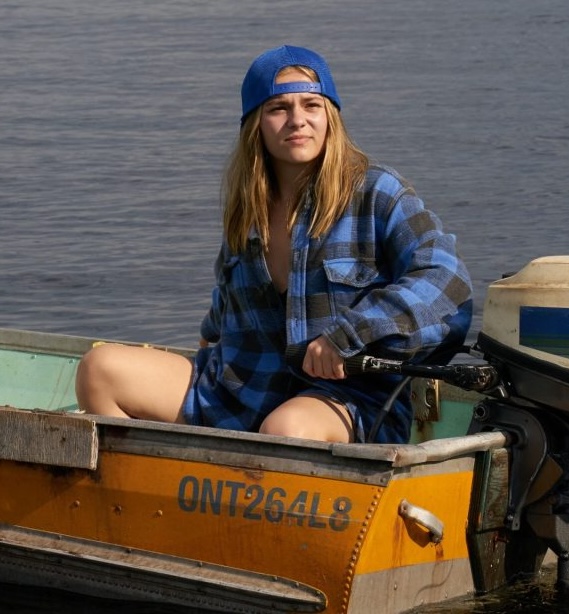
I Saw the TV Glow, written and directed by Jane Schoenbrun, is a intriguing independent film. It begins in the late 1990s and shares some DNA, I think, with Longlegs, in that it has a powerful sense of disquiet running through its very core, an overpowering sensation that there’s something horribly wrong here, though it’s hard to pinpoint exactly what it is.

Owen (played in the opening sequences by Ian Foreman) is a repressed seventh-grader, living with his mother, Brenda (Danielle Deadwyler), and his strict, overbearing father, Frank (Fred Durst). Owen has been intrigued by trailers he’s seen for a new television show called The Pink Opaque, but it starts at 10.30pm, which is way past his bedtime. At a school event, he bumps into Maddy (Brigette Lundy-Paine) who is reading a book about the show and is clearly obsessed with it. She invites him to stay overnight at her place so he can actually watch an episode and he eagerly grasps the opportunity, telling his parents that he’s having a sleepover with a schoolfriend. The episode he watches blows Owen’s mind and he’s an instant convert to its powers.

The action cuts to two years later. Owen (now played by Justice Smith) still can’t stay up to watch that show. His mother has died from cancer and his uncommunicative father spends his hours alone in his room, watching his own favourite TV programmes. Maddy starts to videotape episodes of The Pink Opaque and leaves them for Owen to pick up, so he can watch them in secret. And then, some years later, the show is cancelled after its fifth season – and Maddy disappears. Owen doesn’t see her again for a decade…

I Saw the TV Glow is a great big metaphor wrapped up in spooky bright pink trappings. It’s clear from the word go that Owen is unsure about who he is. There’s no romance between the two leads: Maddy makes a point of telling him, at their first meeting, that she is ‘into girls’ – though there’s little evidence to suggest she’s into anything aside from that TV series. Owen takes a dead-end job working in the local cinema, but the whole time he’s thinking about The Pink Opaque, about its cast of characters, who seem to know exactly where they belong in the world. After Maddy’s departure he is adrift: alone, forsaken, barely able to function in a world where he feels buried alive.

This film is all about the power of the images we hook into at an early age: the resonance they have in shaping our lives; the overpowering desires we have to be a part of them. Schoenbrun is trans and there are obvious parallels here with her lived experience, but anyone who has been infatuated with something in their youth – or felt like a a misfit – will be able to identify with the undercurrents that bubble away beneath the film’s dark, brooding surfaces. The occasional excerpts we are offered from The Pink Opaque are bizarre, dreamlike sequences, that put me in mind of early David Lynch.

As the years pass, Owen drifts – apparently, he acquires a family of his own, but we’re only told about them, we never see any of his home life. He is still essentially alone and when, years after its demise, he is finally able to stream The Pink Opaque on demand, he is bewildered by what he sees.

This is a compelling, brooding film, that will stay with you long after its heartbreaking conclusion – and Schoenbrun is surely a director to watch.

4.6 stars

Philip Caveney
Hundreds of Beavers

27/07/24

Amazon Prime

I keep hearing rumours about this film and that it has received a ‘limited theatrical release,’ but can I find a cinema that is actually showing it? No I cannot. And then there it is on Amazon Prime, available to rent for the price of a cup of coffee.

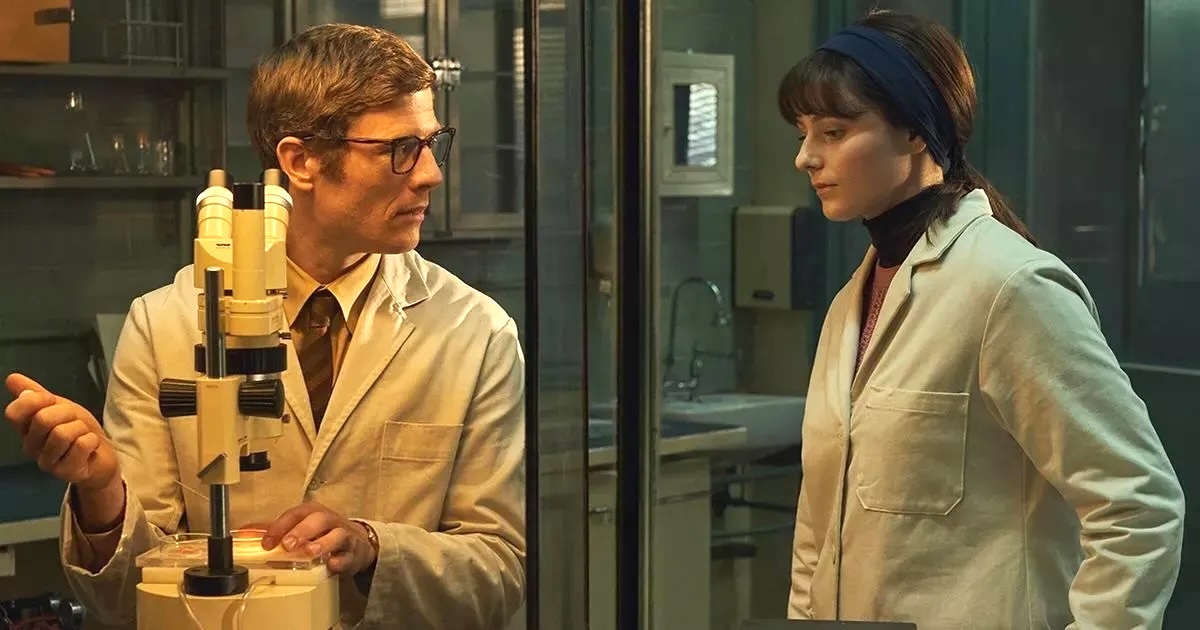
The brainchild of Mike Cheslik and Ryland Brickson Cole Tews, Hundreds of Beavers is a decidedly strange beast, rather like a Loony Tunes cartoon recreated by a few actors wearing animal-themed onesies. It recounts the experiences of nineteenth-century adventurer Jean Kayak (Cole Tews) and takes place mostly in the snow. When we first encounter Kayak, he’s making his living by brewing and selling applejack – though he does appear to be drinking most of it. When his latest booze-up results in him inadvertently blowing up the brewery, he finds himself marooned alone in the frozen North, starving and trying ever more ingenious ways to capture some food. There are plenty of rabbits around (played by the actors’ friends), but boy are they hard to catch!

Think of your average Roadrunner cartoon performed by actual people and you’ll have a vague idea of what this is all about. When Kayak sets his sights on marrying The Furrier (Olivia Graves), her father, The Merchant (Doug Mancheski), demands that Kayak brings him hundreds of beaver pelts before he will grant his blessing – and, advised by The Master Trapper (Wes Tank), Kayak must use every trick in the book in order to trap enough critters to secure his future.

Working with a minuscule budget ($150k) and some pretty basic editing software, the two filmmakers have put together an impressive project, full of wit and invention, though it must be said that the running time of one hour and 48 minutes does result in it feeling rather saggy towards the middle – there’s a good reason why Roadrunner cartoons are only a few minutes long. But the film does regain some much-needed momentum in the final furlong, where Kayak enters the beavers’ damn and is involved in an epic log-flume race pursued by… well, it’s all there in the title.

And there are enough silly situations and absurd twists throughout to keep me laughing along: a Sherlock Holmes and Dr Watson beaver duo are a particular highlight and I love the repeated motif of an animated woodpecker that appears every time Kayak whistles.

In the end, this is an endeavour to be admired rather than outright enjoyed. Cheslik and Cole Tew have put together a film, the like of which you’ll never have seen before – and that’s something I rarely get to say. I applaud their invention and, more than anything else, their tenacity. Hundreds of Beavers has been years in the making and I’m glad it’s finally out there for everyone to see.

3.8 stars

Philip Caveney

Deadpool & Wolverine

26/07/24

Cineworld, Edinburgh

The Marvel Cinematic Universe has been going through a bit of a rough patch of late. Since the heady days of the Russo Brothers and The Avengers, where every film seemed to grab the box office by the jugular and shake all the money out, there’s been a distinct lack of focus, an inability to home in on a winning formula. Big changes are pending but, in the meantime, there’s Deadpool & Wolverine, the (ahem) 34th film in the MCU, which, like its two predecessors, is R rated. This means that there are plenty of expletives flying out of the screen and that the extended fight sequences are much bloodier than we might usually expect.

After failing auditions to join The Avengers and The X Men, Deadpool (Ryan Renolds) – or Wade Wilson, to use his off-duty name – has made an attempt to go straight. He now works as a used car salesman, wearing a toupee and favouring Hawaiian shirts in his leisure time. But he’s dragged back into the superhero world by Mr Paradox (Matthew Macfadyen, riffing outrageously on a version of his character from Succession). Paradox works for the Time Variance Authority and is a sort of snarky Dr Who figure. He announces that Wade’s strand of time is deteriorating fast due to the death of Logan – or Wolverine – and that it is all going to come crashing down fairly soon, which means that Wade and his eight friends are going to die.

Unless of course, he can do something about it.

Wade manages to steal Paradox’s tempad and heads into the Marvel Multiverse (as you do), looking for another Wolverine to take Logan’s place. For some inexplicable reason, he settles on the one who’s a miserable alcoholic, who feels he has nothing to live for. Well, things can only get better, right?

It would be pointless to try and relate any more of the plot because, frankly, it’s incoherent, a thinly-veiled excuse for our two heroes to fight with each other (and occasionally enjoy a bit of a bromance) as they travel to a variety of different locations – including one that looks very much as though it’s been ripped off from Mad Max. (Naturally Wade mentions this. “Hey, looks a bit Mad Maxy, huh?”) As they travel, the duo repeatedly break the fourth wall, chatting directly to the audience, dropping references to various franchises, film studios and Marvel characters past and present. Much of this means very little to me (though a bunch of superfans in the screening I’m at laugh uproariously throughout, perhaps to demonstrate how multi-versed they are in all things Marvel.)

There are A LOT of cameo appearances by various actors, some of whom I recognise but most of whom I don’t. And there’s A LOT of fighting. The biggest problem for me with the latter is that the many protracted punch-ups I’m obliged to sit through are rendered utterly pointless by the fact that none of the characters can be killed, which neatly removes any sense of jeopardy there might have been.

It’s not all terrible. I actually chuckle at some of the one-liners and there’s an impressive performance by Emma Corrin as Cassandra Nova, the twin sister of Charles Xavier, who has an unfortunate habit of sticking her hands directly into people’s heads in order to er… read them. Of course, there’s the inevitable, supposedly nail-biting finale as Deadpool and Wolverine attempt to do… something… with a bunch of timey-wimey… things but, by this stage, I’m mostly looking at my watch wondering if the film is ever going to finish.

Maybe it’s just that I ran out of patience with Marvel a long while back, but I’m sure I’m not the only one who wishes that the Multiverse had never been invented. Apart from a couple of glorious animated exceptions, any film that ventures into those uncharted waters appears to founder and sink. That said, this screening is fairly well attended and we’ll see how much money Deadpool & Wolverine manages to pull in.

And we’ll wait to see what comes next. Kevin? Take your time.

3 stars

Philip Caveney
Twisters

17/07/24

Cineworld, Edinburgh

If ever I were asked to compile a list of the least eagerly anticipated movie sequels, Twisters would figure fairly high on it. After all, though Jan De Bont’s original was a commercial hit back in 1996, it has receded from public consciousness. The only image I can recall from it is a sequence featuring an airborne cow. But Lee Isaac Chung’s sequel has been co-financed by no less than three big studios and is executive-produced by Steven Spielberg, so clearly somebody has high expectations of it.

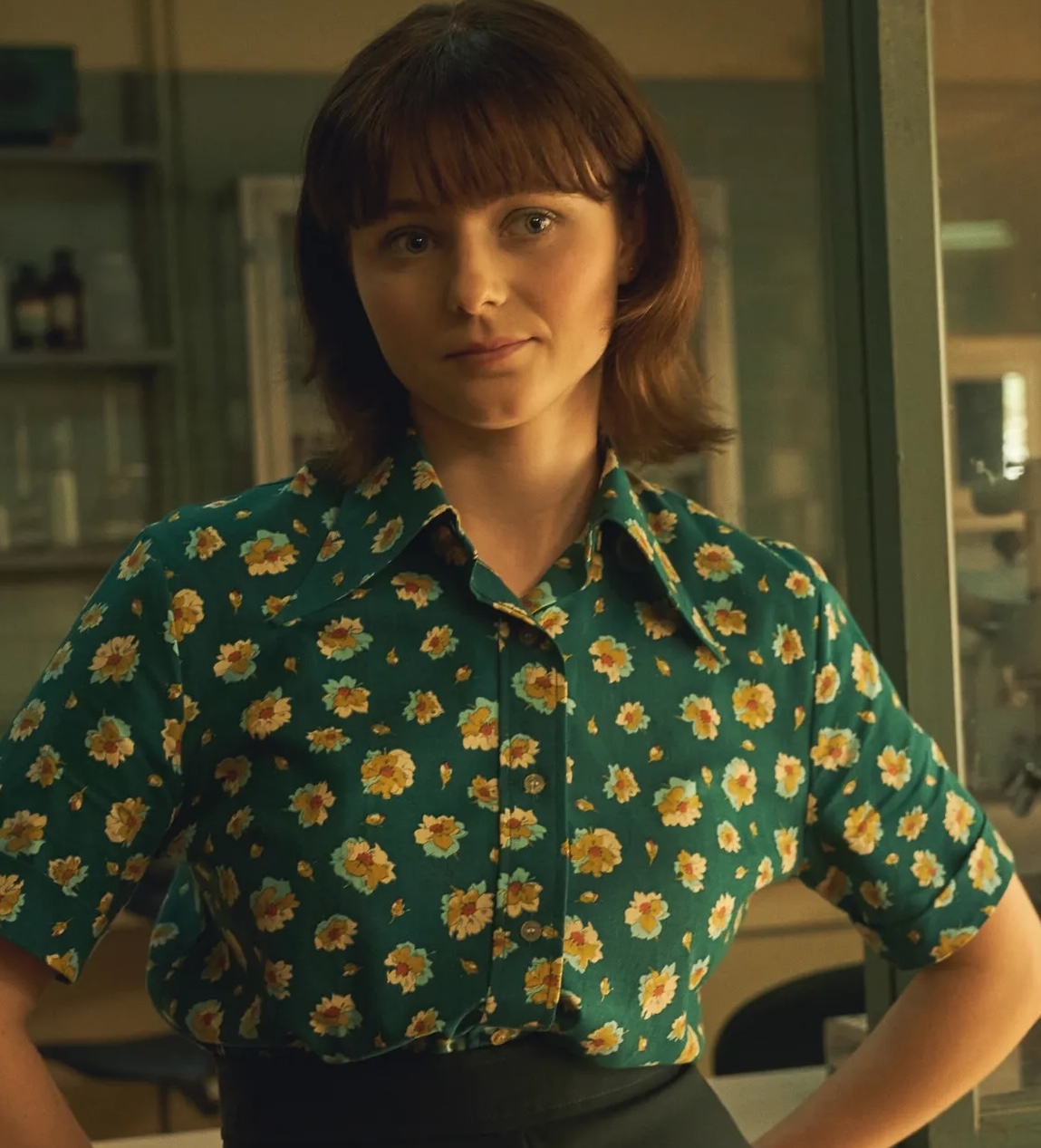
Twisters stars Daisy Edgar Jones as Kate Carter, an impetuous young meteorologist with the uncanny ability to ‘sniff out’ tornadoes before they actually happen. (Yes, really.) Along with boyfriend Jeb (Daryl McCormack) and a bunch of enthusiastic friends, including Javi (Anthony Ramos), she drives around Oklahoma in a ramshackle truck, chasing twisters – not for kicks, but to collect data for her PhD project.

Which is all great fun, until something bad happens.

Five years later, she’s working in an office in New York, wearing a sensible suit and being very risk averse. She’s approached by Javi, who has recently been in the military and now has access to some state-of-the-art tech which will allow him to capture tornado data as it’s never been done before. Would Kate like to spend a week with him, helping him reap the whirlwind? Pretty soon, she’s back in action and running with a whole crowd of action-seekers, including Tyler Owens (Glen Powell), a redneck heartthrob with a huge online following and T-shirt sales to go with it. As he is fond of saying, “You don’t chase your dreams, you ride them.” Inevitably Kate and Glen find themselves bumping up against each other and, equally inevitably, sparks begin to fly…

Essentially, Twisters is a big-budget action romp, with a massive special effects budget, some eye-popping cinematography courtesy of Dan Mindel and, if I’m honest, not a great deal else. It’s a series of thrills and spills, featuring people who survive and others who do not. Every so often characters mumble stuff about the different chemicals that they’re pumping into the tornadoes in an apparent attempt to er… snuff them out? At least, I think that’s what they’re trying to do. I’m not sure how much scrutiny the technical side of this film can withstand.

Really, it’s just an excuse to throw people into a series of action set-pieces and make an audience worry about what’s going to happen to them. Since the unfortunate victims who lose the gamble are whisked away in an instant, there’s are no horribly mangled corpses to bother the 12A certificate. And, unlike its predecessor, Twisters does at least have the honesty to address the destructive nature of storms. Yes, there’s the occasional grudging references to global warming and climate catastrophe, but it all feels a little disingenuous.

There’s also a ‘will they won’t they?’ question overhanging Kate and Tyler throughout proceedings but, rather like those storm-related deaths, it’s all kept offscreen. Nothing to frighten the horses.

Don’t get me wrong, this all makes for an entertaining couple of hours in the cinema, but when you consider that Lee Isaac Chung’s last film was the brilliant and heartwarming Minari, it’s hard to get too excited about a summer blockbuster, which is full of sound and fury and… well, you know the rest.

3.2 stars

Philip Caveney

Longlegs

12/07/24

Cineworld, Edinburgh

A troubled FBI agent attempts to track down a mysterious killer. A series of bizarre clues links the killings to a whole list of young girls who have their birthday on the 14th of any given month. And the events play out in the remote backwoods of Oregon, where the landscape seems laden with the threat of unspecified terrors.

On paper at least, Longlegs has all the hallmarks of that increasingly common syndrome, Seenitallbefore. So it’s heartening that writer/director Oz Perkins has somehow managed to take all these familiar ingredients and cook up something that feels entirely original: a dark, smouldering slow-burn of a film that’s imbued with a relentless sensation of mounting dread.

It’s the 1990s: there are photographs of Bill Clinton on the FBI’s office wall and mobile phones haven’t happened yet. Agent Lee Harker (Maika Monroe, last seen by B&B in the criminally ignored Watcher), is part of a team investigating a number of seemingly unrelated murders that go back to the 1970s. Her boss, Agent Carter (Blair Underwood), keeps tying to motivate her, but she is unresponsive to his approaches. She’s a quiet, brooding sort of person, with no apparent social life and strong links to her mother, Ruth (Alicia Witt), a backwoods bible-basher, who appears to be a total recluse.

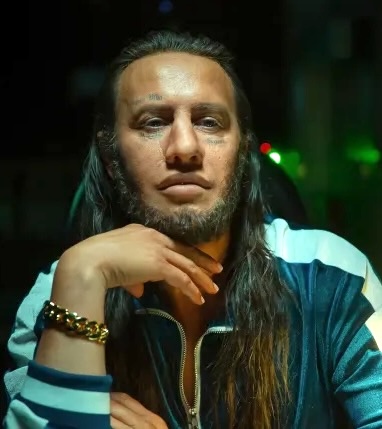
It’s hardly a spoiler to mention that, back in her childhood, Lee had a bizarre encounter with the titular villain of the piece, played by a mesmerisingly scary Nicolas Cage, layered in prosthetics and sporting a long blonde wig. As Lee begins to discover a chain of bewildering clues, she starts to suspect that this man is somehow involved in all of those apparently random killings, even though evidence suggests that he was never there at the time…

Longlegs defies rational explanation. This is a film that exudes a powerful sense of disquiet from the opening scenes onwards, and manages to hold me spellbound throughout. A tangible sense of fear spills from every image and, unlike some recent horrors, this doesn’t depend on explicit carnage to make its point. Sure, there is violence here, but most of it happens offscreen, Perkins tapping into the age-old truth that what really scares an audience is what it doesn’t quite see. And there’s some stuff about worryingly life-like dolls that really amps up the unease.

If the eventual explanation for what’s been happening is decidedly off-the-wall, it matters not because if the raison d’etre of Longlegs is to unsettle the viewer ( and I strongly suspect that it is) then it delivers on that premise big time.

Looking back to our review of Watcher in November 2022, I note that I lament the fact that we are the only two viewers in the screening. Happily, that’s not the case with this one, which is well attended, probably because of the many five-star reviews the film has garnered from independent horror sites. I enjoy (if that’s the right word) the movie’s uncanny ability to reinvent and reinvigorate some decidedly tired genre tropes, to produce a film that feels like it’s actually breaking new ground. Monroe is compelling as the tortured protagonist and Cage, once again, submits a performance that is spectacularly unhinged. Wait till you hear him sing!

Longlegs won’t be for everyone. Those of a nervous disposition might prefer to look elsewhere. But those who like to shudder will want to check this one out.

4.6 stars

Philip Caveney