Film

The Outrun

27/09/24

Cineworld, Edinburgh

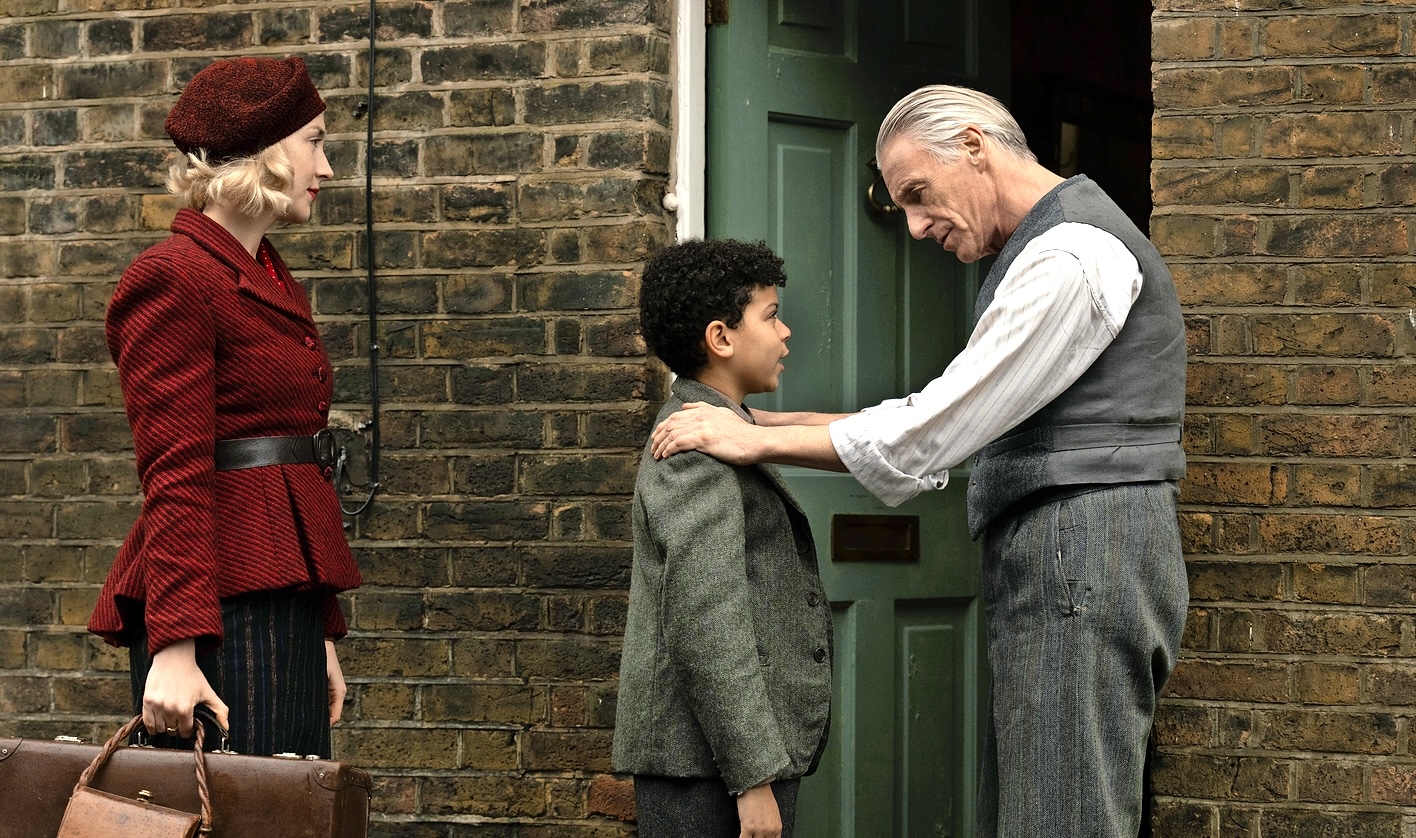
Rona (Saoirse Ronan) has issues with alcohol. At first, it’s all good fun as she downs drink after drink and dances the night away with boyfriend Daynin (Papa Essedieu), becoming ever more playful, ever more gregarious, the life and soul of every party. But she never knows quite when to accept that enough is enough and, inevitably, it all ends in tears and recrimination. Pretty soon, Daynin has had enough of her unpredictability – so Rona heads back home to the island of Orkney, where her separated parents live, in the hope of getting her act together.

But finding help is difficult. Her father, Andrew (Stephen Dillane), still runs a sizeable sheep farm, but is now living in a caravan, plagued by the bi-polar episodes that have affected him for most of his life. Mum, Annie (Saskia Reeves) has found religion and has made friends in the church community. Of course she cares about what’s happening to her daughter, but she is hard pressed to know what to do for the best.

Rona is determined to free herself from the powerful grip of booze. So she embarks on the 12 step programme pioneered by Alcoholics Anonymous – and, when she begins to falter, she takes a post with the RSPB on the even more remote island of Papa Westray, where she will spend her time living in a tiny hut while she searches for an endangered bird, the corncrake…

On paper, it sounds like a pretty grim premise, but this dazzling feature, based on a memoir by Amy Liptrot, with a screenplay co-written by Liptrot and Daisy Lewis, never puts a foot wrong. Nora Fingscheidt (who directed the wonderful System Crasher) keeps her foot on the accelerator, cutting and swerving back and forth between Rona’s turbulent childhood, her hedonistic escapades in London and her gradually evolving relationship with the power and beauty of the ancient landscape of her new/old home.

The different settings bleed effortlessly into each other, powered by regular bursts of pulsing electronic music. A frenzied nightclub session can suddenly appear to be taking place underwater, with seals (selkies?) as Rona’s dance partners – and her interactions with the people of Papa Westray are warm and totally authentic. All the various strands are brilliantly pulled together in a powerful crescendo. A thrilling climax, where Rona is confronted by a stunning realisation, is absolutely overwhelming.

Of course, a film as free-wheeling as this one this can only work when it’s anchored around an extraordinary performance – and Ronan is mesmerising in the fractured central role, moving through such a variety of different guises that it’s sometimes hard to believe that it’s all the work of just one actor. The film’s message rings out loud and clear.

I haven’t seen a movie that so eloquently pins down the destructive nature of alcohol since Thomas Vinterberg’s Another Round. And that’s high praise, indeed.

4.6 stars

Philip Caveney
The Substance

21/09/24

Cineworld, Edinburgh

Every once in a while, a film opens with a sequence so striking that the viewer becomes instantly aware that they are in the presence of a powerful new voice in cinema. The Substance is a perfect case in point. In close-up, an egg is injected with something that causes the yolk to spilt into two. Then we watch as a pair of workmen instal a new star on Hollywood’s Walk of Fame – and, in an ensuing time-lapse, we see that star deteriorating over the decades until it is a cracked, grubby version of its former self, suffering the final indignity of having a burger and fries spilled on it.

The star belongs to Elizabeth Sparkle (Demi Moore), once a bona-fide movie star, but now the leading light in the world of TV physical fitness shows. She’s fast approaching sixty and still looks great, working hard to keep her physique as she needs it to be. But her world is rocked when she overhears her toxic producer, Harvey (Dennis Quaid), talking on the phone, announcing that Elizabeth is now ‘too old’ for her role and that he wants a replacement as soon as possible – somebody younger.

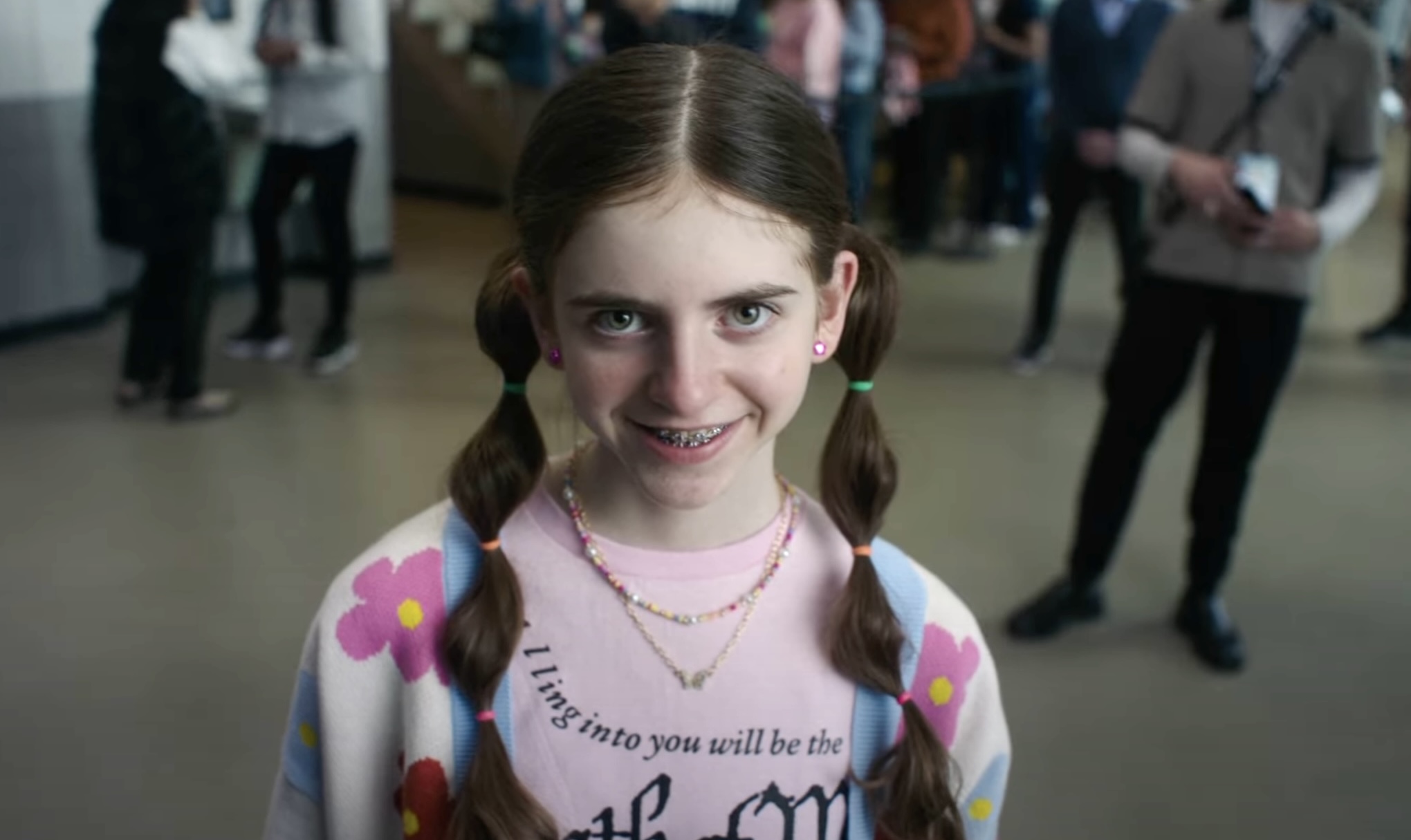
Then, after a car crash (from which Elizabeth emerges unscathed), a handsome young hospital assistant slips her a note, alerting her to the existence of the titular drug, which promises to release a fresh new version of the user’s self. Like most Faustian deals, it comes with some very strict rules (bend them at your peril) but, in a shockingly visceral sequence, ‘Sue’ (Margaret Qualley) is born.

Now the two women must learn to co-exist, each one spending a week in the real world, while the other sleeps and regenerates. And of course, it’s all doomed to go horribly wrong…

This sophomore project from writer/director Coralie Fargeat – I have yet to see her debut film, RevengeThe Substance plays like a fable, a weird Grimms’ fairytale for the modern age. There are shades of The Picture of Dorian Gray here, allusions to Snow White and her stepmother’s ‘Mirror Mirror’ mantra, and several visual echoes of classic films like The Shining and Carrie. What’s more, the astounding practical makeup effects will remind many older film fans of early David Cronenberg and Brian Yuzna – though the eye-popping splatter sequences used here make movies like The Brood and Society look positively restrained by comparison.

But this is so much more than imitation. The Substance is an adept and powerful meditation on the subject of ageing and the ways in which women are constantly shackled and devalued by it – and how we all fall into the trap of enabling this sad state of affairs.

Moore is extraordinary in this film, delivering what might just be her finest screen performance (certainly her most unfettered), while Qualley makes the perfect foil. And Quaid, who I haven’t seen onscreen in quite a while, is gloriously, revoltingly odious here, making even the act of eating seafood a stomach-churning spectacle.

But it’s Fargeat who really deserves all the accolades. The Substance is surely one of the most provocative and affecting films of the year. I’m already excited to see where she will go next. But a word of warning: this won’t be for everyone. Those who shrink from body horror, blood and nudity are going to find plenty here to trigger them, particularly in the harrowing final stages, where Fargeat keeps pushing the gory imagery as far it can possibly go.

And then, she returns to that Hollywood star, and ties everything up in one delightful, blood-spattered package. If this sounds like your cup of haemoglobin, be sure to watch it on the big screen.

5 stars

Philip Caveney
Lee

14/09/24

Cineworld, Edinburgh

This biopic is as much a tribute to photojournalism as it is to its protagonist, Lee Miller. In an age where AI-trickery can make us doubt our own eyes, it is a timely reminder of why we need to document what’s really happening in the world. In the 1940s, no one wanted to believe in concentration camps or desperate, scapegoated women being hanged for collaboration. War photographers forced people to confront the grim realities, to understand the scale of the horrors that had been unleashed.

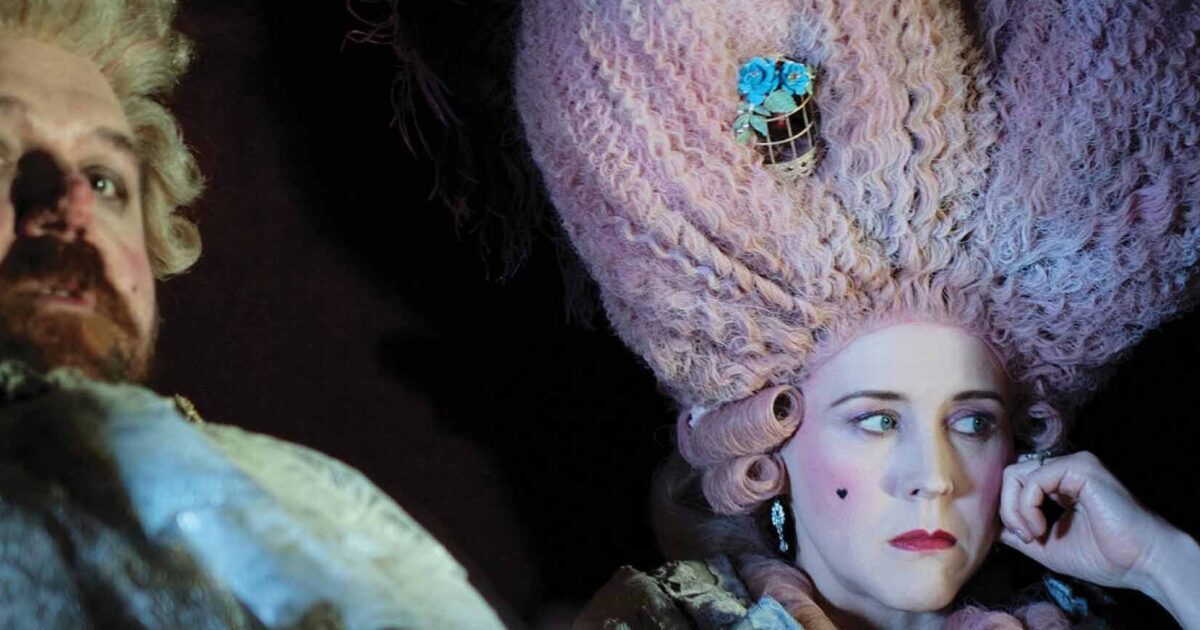
Miller trod a lot of paths in her life, but Lee, directed by Ellen Kuras, focuses on her work during the second world war. There’s a framing device: wannabe journalist Antony (Josh O’Connor) is interviewing the now elderly photographer, his questions evoking stories told in flashback. Her previous work as a fashion model and artists’ muse is acknowledged in a brief but revelatory early scene, where she wonders what on earth she’s going to do with her life now that she’s aged out of – and is bored by – all that. When she meets Roland (Alexander Skarsgård), marriage beckons but it’s not enough. Miller is a formidable woman and she needs to forge her own path.

Kate Winslet is marvellous as Lee, shimmering with pent-up energy and drive. Her Miller is motivated by righteousness as well as ambition: she’s a woman and, what’s more, she knows the camera from the other side; she can tell a different story from her male counterparts. If that means barging her way in and ignoring ‘no women’ regulations, then so be it. Her work is important. Not that she’s a loner: she’s sociable and enjoys working alongside her male colleague and friend, David Scherman (Andy Samberg).

The real Miller was indomitable, and Winslet absolutely does her justice. This is a powerful performance, harnessing the grit and determination that allowed Miller to capture such provocative and controversial images, many of which are recreated here.

Perhaps the biggest surprise for me is the realisation that Miller’s war correspondence work was done for Vogue magazine, then edited by Audrey Withers (Andrea Riseborough). I’ve never read Vogue; I thought it was all fashion and frivolity. Its serious side is a revelation, much like Miller’s shocking photos must have been for those who previously knew her only as a model.

The cinematography – by Pawel Edelman – captures the brutality of war: the scarred landscapes, chaos and traumatised faces. We also see how, ninety years ago, fascism trumpeted its arrival but still caught people by surprise. There’s a lesson here, and it’s not a subtle one.

Focus. Flash. Snap.

See.

4.3 stars

Susan Singfield

Speak No Evil

12/09/24

Cineworld, Edinburgh

A cut above the usual Blumhouse productions, Speak No Evil is a multi-faceted psychological thriller. Directed by James Watkins, this is an adaptation of a 2022 Danish movie of the same name (which I confess I haven’t seen). It’s also the title of my thriller novel from 1993, but I’m going to be gracious and overlook that fact. Suffice to say that if the aim of the film is to put viewers on the edge of their seats and keep them there for an hour and fifty minutes, then it succeeds in spades.

American couple, Ben (Scoot McNairy) and Louise (Mackenzie Davis), take their needy daughter, Agnes (Alix West Lefler), on holiday to Italy. Ben and Louise are currently going through a rough patch in their relationship and are looking to heal some wounds, so when they fall into company with irrepressibly confident British couple, Paddy (James McAvoy) and Ciara (Aisling Franciosi), they find themselves irresistibly pulled into their orbit. Paddy and Ciara also have a child in tow, the sullen and uncommunicative Ant (Dan Hough), who Paddy – a doctor no less – asserts is suffering from a rare condition that makes him virtually unable to speak.

The six holidaymakers get along surprisingly well. In a reversal of the usual national stereotypes, it’s the Americans who are all prim and repressed and the Brits who take delight in being loud, swaggering and generally unfettered. Then Paddy invites his new acquaintances to leave the pressures of their lives in London to enjoy a post-holiday visit to his lovely home in the West Country. Ben and Louise are at first somewhat unsure, but eventually decide to give it a go. After all, what can possibly go wrong?

Um, plenty as it turns out – but the clever thing about the screenplay (co-written by Watkins with Christian and Mads Tafdrup) is that the ensuing shenanigans at Paddy and Ciara’s suspiciously-palatial homestead are always kept just the right side of believability. This script takes its time to fully establish the American characters, so that we really care when things inevitably begin to go haywire for them. There’s a gradual evolution from edgy confrontation into the realms of full-blown horror. At first, it’s just Paddy and Ciara’s lack of propriety that’s the issue – but, as more and more boundaries are crossed, so the suspense rises to almost unbearable levels.

McAvoy’s Paddy is a wonderfully nuanced creation, by turns warm, emotive, sly and ultimately terrifying – but all the characters are nicely played and Davis in particular excels as she is increasingly compelled to compromise her beliefs. If the film’s latter stages are reminiscent of Sam Peckinpah’s Straw Dogs, well that was a very long time ago (1971 to be precise). Suffice to say that, as the narrative approaches its final furlongs, I find myself having to restrain myself from shouting advice at the screen. You know the kind of thing.

‘Don’t go back in there!’ ‘Look behind you!’ And that perennial favourite, ‘Forget about the cuddly toy!’ (You’ll need to see it to fully understand.)

One thing’s for sure. I’m never going to hear The Bangles performing Eternal Flame again without thinking of this nail-biter. Those of a nervous disposition will probably want to give this a miss, but cinematic thrill-seekers like me are going to enjoy it right down to the final frame, when they may – as I did – realise they’ve been holding their breath for a bit too long…

5 stars

Philip Caveney

Beetlejuice Beetlejuice

06/09/24

Cineworld, Edinburgh

The juice is loose!

Look, there’s no getting around the fact that Beetlejuice Beetlejuice isn’t a very good film. That’s not to say I don’t enjoy it. I do; I’m not immune to nostalgia. I was seventeen when the original movie was released and I loved Winona. “I myself am strange and unusual,” was every teenage goth girl’s clarion call and Lydia Deetz was my style icon for the next decade. So of course I’m watching Tim Burton’s long-awaited sequel on the day of its release.

It’s been thirty-six years but Ryder has barely changed. Nor has Michael Keaton: his Beetlejuice is as repellant as ever. Still, at least his lust for Lydia is a bit less creepy now that she’s an adult.

Adult Lydia is a celebrated medium. This makes me laugh: it’s gloriously obvious. She’s in the middle of recording her TV show when her stepmum, Delia (Catherine O’Hara) calls with bad news: Lydia’s dad, Charles, has died. It’s time to head back to the haunted house in Winter River, with dodgy boyfriend Rory (Justin Theroux) and angry daughter Astrid (Jenna Ortega) in tow. It’ll be fine. All she has to do is stay away from the model village in the attic and make sure no one says “Beetlejuice” three times.

Beetlejuice. Beetlejuice. Beetle… Oops.

Sadly, from hereon in, the plot veers out of control, as wild and unpredictable as its eponymous antihero. In the underworld, a brilliant sequence where Beetlejuice’s ex-wife, Delores (Monica Bellucci), declares vengeance on him even as she’s stapling her dismembered body parts back together peters out into nothing, squandering a fun idea and a strong performance. Willem Dafoe is similarly under-used as Wolf Jackson, a dead actor struggling to differentiate between himself and the long-running character he played. It’s a neat set-up with nowhere to go. Meanwhile, in the land of the living, Rory is pressuring Lydia to marry him, Delia is turning Charles’ death into an art installation, and Astrid – still mourning her own dad, Richard (Santiago Cabrera) – has met a cute boy (Arthur Conti), who likes reading almost as much as she does… It’s scattershot to say the least.

Of course, when you throw this much at something, some of it sticks – but there’s a lot of wastage. The animated sequence showing Charles’ death is nicely done, but it feels like a segment from a different film. Even more out of place is the black-and-white Italian flashback, the nod to horror pioneer Mario Bava an easter egg for the wrong audience.

It’s much more of a kids’ film than I remember. In fact, Beetlejuice Beetlejuice reminds me of Alice in Wonderland (Lewis Carroll’s original, not Burton’s dismal remake). The imagery is remarkable, there are a lot of memorable characters and some gorgeous set pieces – but the rambling story doesn’t make much sense. Still, I guess there are worse insults. Alice isn’t exactly a failure, and maybe Beetlejuice X 2 will prove similarly popular. At tonight’s screening, the prevalence of gleeful tweenagers in stripy costumes suggests it well might.

So why not go see it and judge for yourself? If you’re happy to sit back for a couple of undemanding hours of gothic silliness, buy your ticket now. You get a free demon possession with every exorcism…

3 stars

Susan Singfield

The Count of Monte-Cristo

05/09/24

Cineworld, Edinburgh

This assured adaptation of Alexandre Dumas’ classic tale feels like something of a throwback – a great big swaggering epic, set over decades, featuring lush locations, a selection of fascinating characters and enough action set-pieces to make its nearly three-hour running time positively flash by. Co-directed by Alexandre de La Patilliére and Mattieu Delaporte, who recently delivered an acclaimed version of Dumas’ The Three Musketeers (which I have yet to catch up with), The Count of Monte-Cristo is an unqualified delight from start to finish.

The plot is complex. The chaotic opening has humble sailor, Edmond Dantès (Pierre Niney), rescuing a woman from a sinking ship, much to the chagrin of his Captain, Danglars (Patrick Mille), who has ordered him not to dive in. But Edmond’s valour is rewarded when he finally gets back to port. Danglars is summarily sacked by the ship’s owner and Edmond is offered the post of Captain, which means he is finally able to propose to the woman he loves. Mercedes (Anaïs Demoustier) comes from an affluent family and her parents would never countenance her marrying a lowly seaman. But a Captain? That’s another matter.

On the couple’s wedding day, Danglars has his revenge, claiming that he has evidence that Edmond is a Napoleonic spy. He conspires with Edmond’s “friend” Fernand de Morcef (Bastien Boullion) and Gérard de Lafitte (Laurent Lafitte), a crooked magistrate, to ensure that the accusation sticks.On what should be the happiest day of his life, Edmond is flung into jail, where he has the prospect of spending the rest of his days.

For four years, he has no contact with another human, but one day befriends another prisoner, Abbé Faria (Pierrefrancesco Favino), who claims to be the heir to a fantastic treasure. He explains that all the the two men need to do is dig their way out of the prison and they will share a fortune. But when – ten years later – Edmond finally makes his escape, the treasure is all his for the taking – and he is free to plan his elaborate revenge on Danglars and his co-conspirators…

If that sounds convoluted, fear not, because this beautifully-mounted production never leaves me in any doubt as to who is who and how they all relate to one another. There are some fabulous performances here, not least from Niney, who manages to convey the awful longing for vengeance which he has nurtured for so long – and I fully sympathise with his determination to make his revenge as protracted and heartless as possible. Nicolas Bolduc’s sumptuous cinematography and Jérôme Rebotier’s magnificent score make the whole undertaking even more impressive. I love too that, for once, a story of revenge is so much more nuanced than the usual shoot ’em up nonsense.

The only element here that requires me to suspend my sense of disbelief is when Edmond uses a series of Mission Impossible-style masks to disguise himself as a variety of different characters. It seems unlikely that – in that era – prosthetics could have been brought to quite such a fine art, but it’s a detail I’m happy to accept when every other element is so faultlessly achieved.

The sad truth is that an adaptation of a French classic (with those dreaded subtitles) is probably not going to put an awful lot of bums on cinema seats – a tragic state of affairs, considering how generally brilliant this is. Anyone longing for a slice of old-fashioned adventure will appreciate this wonderful, multilayered saga.

4.8 stars

Philip Caveney
Blink Twice

01/09/24

Cineworld, Edinburgh

Actor Zoë Kravitz’s directorial debut comes with a trigger warning. ‘This story features sexual violence.’ It’s a tale of toxic masculinity and wealth and the ways in which both things can go hand-in-hand. It’s impossible to watch this and not think about certain high-profile sex scandals from recent history. But Blink Twice is also an assured and intriguing thriller with a labyrinthine plot that makes a lot more sense in retrospect than it seems to as it unfolds.

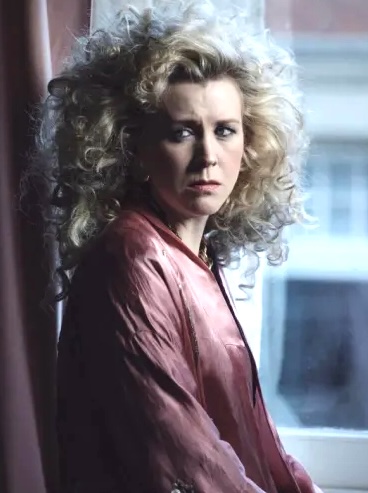
Frida (Naomi Ackie) and her flat mate, Jess (Alia Shawkat), live a hard-scrabble life in New York, working as cocktail waitresses to make ends meet. But a rare ray of sunshine comes with a yearly charity event where they have the opportunity to mingle with the rich and famous, hosted by the reclusive tech billionaire, Slater King (Channing Tatum). After a scandal, a year ago, Slater disappeared from public view and even stepped down as CEO of his own company, but he’s recently been in the news apologising for his bad behaviour. He now lives on his own private island, where he claims to be living a quiet and blameless life.

When Naomi unexpectedly hits it off with the Slater at the event, she and Jess find themselves invited on a trip to his island and, almost before they know it, they – and a bunch of other young women – are living the high life, nights of unfettered hedonism where champagne and drugs flow like water. Naomi seems to be developing a genuine relationship with Slater, much to the annoyance of another female guest, Sarah (Adria Ajona), the star of a survivalist game show. Slater’s male friends, Vic (Christian Slater) and Tom (Haley Joel Osment), seem like nice guys and his private chef, Cody (Simon Rex), creates wonderful feasts for them to enjoy every night. It’s all brilliant… isn’t it?

But it gradually begins to dawn on Naomi that something here is wrong. Why do none of the women know what day of the week it is? Why are her dreams so weird? And, in a rare moment of clarity, an even more troubling question emerges: what’s happened to Jess?

It would be criminal to reveal any more about the plot of this assured psychological thriller, other than to say that, as the tale unfolds, it moves inexorably deeper into the realms of horror. Frida is terrific in the central role and Arjona (who made such a good impression in Hit Man) is clearly destined for stardom. Geena Davis has a small but pivotal role as Stacy, Slater’s right hand woman, generally too stoned to stop and think about what she is complicit in. (Remind you of anyone, Ghislaine?)

The script, by Kravitz and E T Feigenbaum, is cleverly put together, liberally sprinkled with clues that only fully add up in the final scenes. The story takes some wild swings in its latter stages but they are all subtly signalled along the way. Adam Newport-Berra’s dazzling cinematography and Kathryn J Schubert’s slick editing ensure that the film always looks sumptuous, even when what’s happening onscreen is rotten to the core.

As the story sprints into its nerve-shredding conclusion, I find myself holding my breath as the tension steadily mounts – and how you will feel about a late-stage revelation will really depend on your faith in human nature, or your lack of it.

Either way, this signals Kravitz as a director of great promise.

4.4 stars

Philip Caveney
Sing Sing

31/08/24

The Cameo, Edinburgh

It’s National Cinema Day and picture houses across the country are offering tickets for a mere £4. The Cameo is packed to the rafters. Does this mean that cinemas could sell out regularly if they lowered their prices, or is the mass turnout down to the sense of a special occasion?

The programming is important too, of course. Sing Sing deserves to draw the crowds, even at full price. It’s a weighty, life-affirming piece of work, humanising the inmates of the titular maximum security prison. It’s also a timely reminder of why the arts are so important.

Based on John H. Richardson’s book, The Sing Sing Follies, Greg Kwedar’s movie is all about the RTA programme (Rehabilitation Through the Arts), which provides customised curricula of theatre, dance, music, etc. in prisons across the USA. Each jail has its own steering committee of prisoners, and external facilitators to help them explore their ideas. The benefits to both inmates and wider society are clear: by offering troubled people hope, allowing them the chance to explore their feelings and develop skills, to improve their self-esteem, the severity of infractions within prisons is reduced – and so is recidivism. The urge to punish, to make correctional facilities as unpleasant as possible, is perhaps understandable but it’s self-defeating. If we want a better world for everyone, we have to accept the evidence and give incarcerated people as many opportunities as possible to improve their circumstances.

Colman Domingo makes a thoughtful, impressive John “Divine G” Whitfield, a central member of Sing Sing’s RTA group. Divine G – who has a cameo appearance – writes plays as well as performing in them, and also works tirelessly to support other inmates with their appeals. Apart from Paul Raci as volunteer drama leader Brent Buell, the rest of the cast comprises ex-prisoners playing themselves. Co-lead Clarence “Divine Eye” Maclin is especially affecting: his transformative journey from bullish gang member to esteemed performer might be predictable but it’s absolutely compelling.

We shouldn’t need reminding that theatre matters: we’ve known it forever. Thomas Keneally’s The Playmaker and Timberlake Wertenbaker’s Our Country’s Good both immortalise the real-life production of The Recruiting Officer performed by convicts deported to Australia in 1789. Margaret Atwood’s fictional account, Hag-Seed, doesn’t just illuminate The Tempest for a contemporary audience, it also advocates for arts in jail. Bertolt Brecht’s Lehrstücke (1920s and 30s) were created precisely to focus on the process of creating drama and the impact it has on actors. Here, in Clint Bentley’s gentle, often funny screenplay, we see again exactly how life-changing theatre can be.

Kwedar wisely steers clear of the violence we are accustomed to in prison movies: the menace is there, but it’s in the wings. Instead, we get to see the men at their best, when they’re engaged in something they really care about. As Sean “Dino” Johnson points out, “We get to be human in this room.”

And human they are. As a teacher of creative drama (albeit with children, not criminals), I’m not at all fazed by Buell’s bonkers-sounding playscript, Breakin’ the Mummy’s Code, which incorporates everyone’s ideas, including time travel, Freddy Krueger, ancient Egypt and, um, a couple of Hamlet’s soliloquies. That sounds just fine to me! It’s heart-warming to see how much it matters to the men, how seriously they take the acting exercises and the director’s notes, how much fun they have when they’re finally on stage.

Sing Sing is an important film, but it’s a highly entertaining one too. Beautifully crafted, with cinematography by Pat Scola, you’re guaranteed to leave the cinema with a smile on your face and a sense of hope for the future.

4.7 stars

Susan Singfield

Coraline (15th Anniversary)

29/08/24

Cineworld, Edinburgh

It’s hard to believe that fifteen years have already passed since Coraline was first released – and now it’s back in the cinemas in a fabulous new 3D digital print. Any fears that the film might look somehow ‘old school’ are instantly dispelled from the stunning credit sequence onwards. It’s been polished and sharpened and, while I’ve seen many films in 3D, few of them look as ravishing as this one.

Based on Neil Gaiman’s novel, adapted and directed by Henry Selick, Studio Laika’s debut film is the story of young Coraline (voiced by Dakota Fanning), who has recently moved to a spooky old house in the country. Her parents, Mel (Teri Hatcher) and Charlie (John Hodgman), are well-meaning but totally caught up in the gardening catalogue they are writing together. Left to her own devices, Coraline interacts with the house’s other residents. There’s a pair of weird ex-theatricals, Miss Spink (Jennifer Saunders) and Miss Forcible (Dawn French). There’s a muscle-bound circus performer, Mr Bobinsky (Ian McShane), who teaches mice to jump (as you do) – and there’s awkward teenager, Wyborn (Robert Bailey Jnr), who clearly likes Coraline a lot but finds it hard to tell her. There’s also a mysterious black cat (Keith David) who has a habit of popping up in the most unlikely places.

But when Coraline discovers a mysterious locked doorway in her bedroom, she can’t resist exploring and, at the end of a long, fleshy tunnel, she discovers an alternate world where her ‘other parents’ live. They have buttons for eyes – which is worrying – but on the other hand, their bizarre ‘anything goes’ lifestyle does seem to be incredibly enticing – and it’s clear from the outset that they’d just love Coraline to come and live with them. Only first, she’ll need a slight adjustment…

Coraline is one of those perfectly-pitched fantasies, on the one hand enchantingly inventive and on the other, pulsating with dark menace. As ever, I’m astonished by how much character the animators have conveyed through those tiny stop-motion figures – the uncanny way that every gesture, every facial expression, is captured with enough authority to make me believe that I’m looking at something that has life beyond the film cameras.

Furthermore, every aspect of this production – the incredibly detailed sets, the colourful costumes, the intense dreamlike lighting – are lovingly crafted and work together to create a satisfying whole. I shudder to think of the sheer time it must have taken to bring this story to life, the years expended on moving those metal armatures a centimetre at a time. But the effort was clearly worth it. There are so many glorious sequences on display that the movie seems to positively race along. It’s worth staying in your seats to watch the short film that follows as a team of animators from Laika sit down to discuss how they have gone about updating that glorious original.

This is, quite simply, a masterpiece of animation. And if you’re thinking, ‘well, I’ve already seen it,’ let me assure you that this glorious new edition is well worth another look.

5 stars

Philip Caveney
`

Alien: Romulus

16/08/24

Cineworld, Edinburgh

The cinema generally takes a back seat for us in August when the Edinburgh Fringe takes up so much of our time. But a new addition to the Alien franchise has to be an honourable exception. Like most people who say there are Alien fans, it really only applies to the first two films: Ridley Scott’s iconic original and James Cameron’s (IMO) superior sequel, which qualifies as one of my all-time favourites. Since then, it’s been an irritating game of misfires. Even Scott’s two attempts to rekindle the series have been well-intentioned disappointments.

But Fede Alvaraz seems like a decent bet to attempt a reboot. After all, he somehow managed to breathe some fresh er… death into the Evil Dead films. So when I spot a two-hour slot in my schedule, I’m off to the multiplex with high hopes.

It starts well. Rain (Cailee Spaeny) lives and works on a horrible planet where it’s eternally dark. Her adopted brother, Andy (David Jonsson), does his best to look after her. He’s a synthetic, rescued from a rubbish dump by Rain’s father, but his aging technology means that he has a tendency to glitch and he is regarded with suspicion by a lot of the planet’s inhabitants. When Rain tries to get permission to leave – she’s desparate to get some sunshine – she’s denied the chance and told she’ll be transferred to the mines, so when her friend Tyler (Archie Reneux) suggests an alternative, it’s timely to say the very least.

It turns out that there’s a decommissioned Weyland-Utani space station in the sky above them and Tyler reckons they can gain access to it using Andy (who is a Weyland-Utani creation) to get aboard. There are just thirty-six hours left before the station hits an asteroid belt but it will almost certainly have sleep pods aboard, which the threesome – and their accomplices – can use to make the nine-year journey to the nearest inhabited planet. What can possibly go wrong? Rain reluctantly agrees to give it her best shot and it isn’t long before the gang are approaching their destination…

I like the fact that the protagonists are young. If the mature astronauts of Alien: Covenant seemed to constantly make stupid decisions, the recklessness of youth makes for a much more acceptable premise – and, once aboard the ship, which of course features more face-huggers and chest-bursters than you could shake a stick at, Alvarez and co-writer Rodo Sayagues manage to keep the pot of suspense bubbling nicely. There are visual references to the earlier films and the audacious decision to bring back a character from the first film – or rather, half of him – just about pays off. What’s more, Andy is given an upgrade which makes him faster and better – but way more logical, a development that means his loyalties now lie with the corporation that owns him rather than with Rain.

There are some new ideas in here too. A situation where the space station’s gravity keeps switching off in order to reboot really ramps up the torment, while a solution to all that acid blood flying around is an interesting development. Spaeny is terrific in the lead role, managing to fill Ripley’s action boots with aplomb and Jonsson (who made such a good impression in Rye Lane), is also memorable as her unreliable sidekick.

It’s only as the film thunders into the home straight that it takes a wrong turn. I almost stand up and shout at the screen, as Alvarez makes the baffling decision to homage Prometheus and all those hard-won plus points make a swift exit through the nearest escape hatch. It’s a shame, because it is so nearly home and dry.

Overall, Romulus is a decent addition to the canon, certainly the third best offering in the series, but still light years behind films one and two.

3.8 stars

Philip Caveney