Author: Bouquets & Brickbats

The Ofsted Massacre

25/08/22

The Space @ Surgeon’s Hall (Grand Theatre), Edinburgh

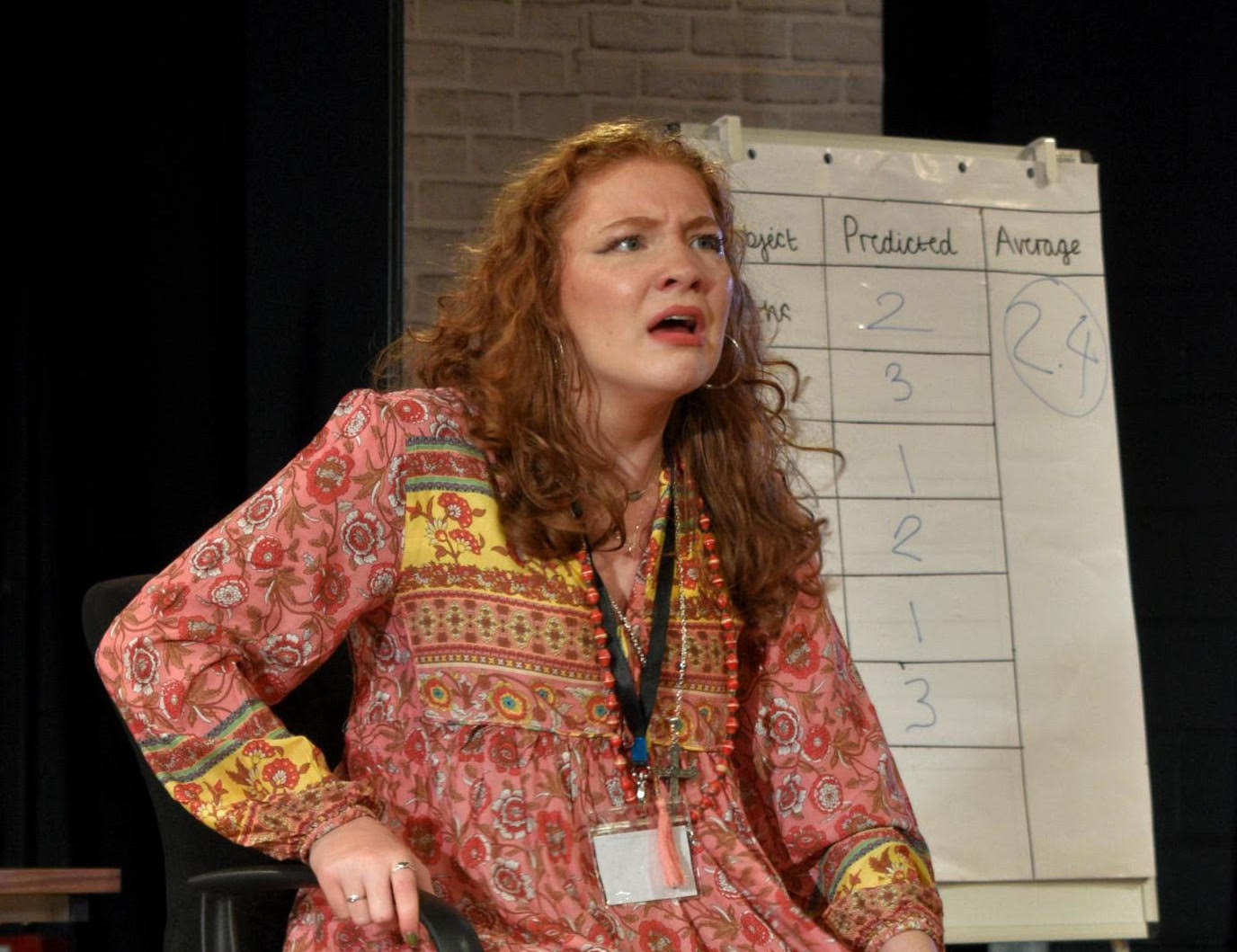
In its opening stretches, The Ofsted Massacre feels horribly familiar, taking me back to my old job in secondary education. Head teacher Ros (Florence Chevallier) calls an emergency staff meeting, and tries to sound upbeat as she delivers the dread news to the staff of her FE college: “We’ve had The Call.” Anyone who’s worked in a school knows exactly what that means. An Ofsted inspection: a high-stakes obstacle course on an un-level playing field. The dice have been cast in advance, and the bouquets and brickbats are already inscribed – but still you have to drive yourselves onwards, just to survive. Phil Porter’s script feels like it’s been torn from the inside of a stressed-out teacher’s head: a revenge fantasy, born of despair.

It’s also a very funny play, drawing on Shakespeare, while lampooning staffroom stereotypes and exposing every cliché. Bullish head teacher with an inferiority complex? Tick. Ruthless business manager in a designer suit? Tick. Bumbling classics teacher, littering his speech with Latin? Tick. Ditsy RS teacher who doesn’t know what’s going on? Tick. Badger in the dining hall? Ti… wait; hang on a moment; what? They’re clever caricatures: instantly recognisable types, but imbued with enough humanity to add up to a lot more than that.

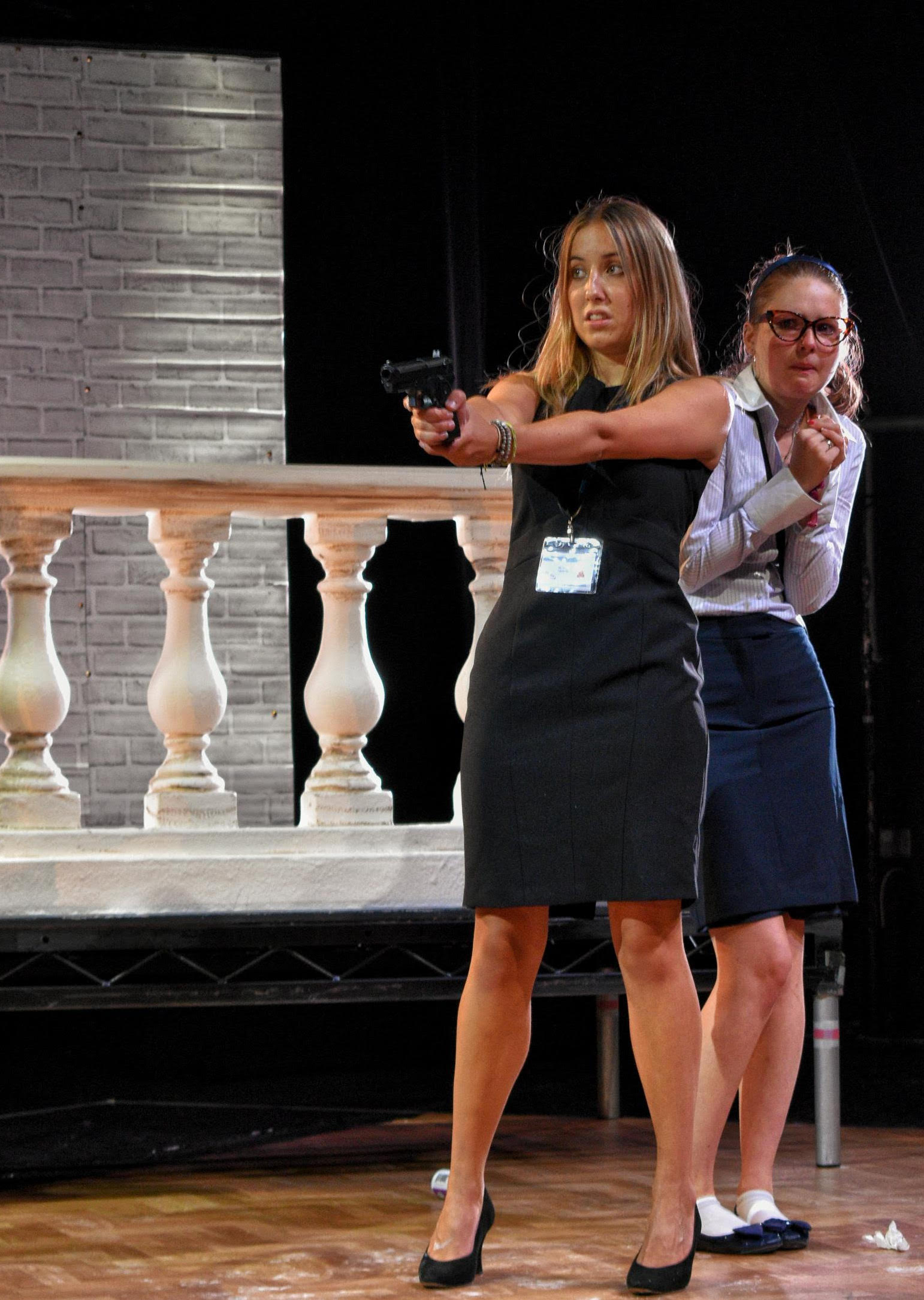
At first, the focus is on internal disputes and divisions. Business manager Liz (Lila Skeet) has a plan to game the system: send the ‘naughty’ kids on a trip with the weakest member of staff, and bring in super-teacher, Yvette (Amelie Scott), to plug the gap. Meanwhile, the janitor, Frank (Jake Francis), is dispatched to place a bug in the inspectors’ office, while nervous NQT Dylan (Lara Pilcher) is given the job of listening in…

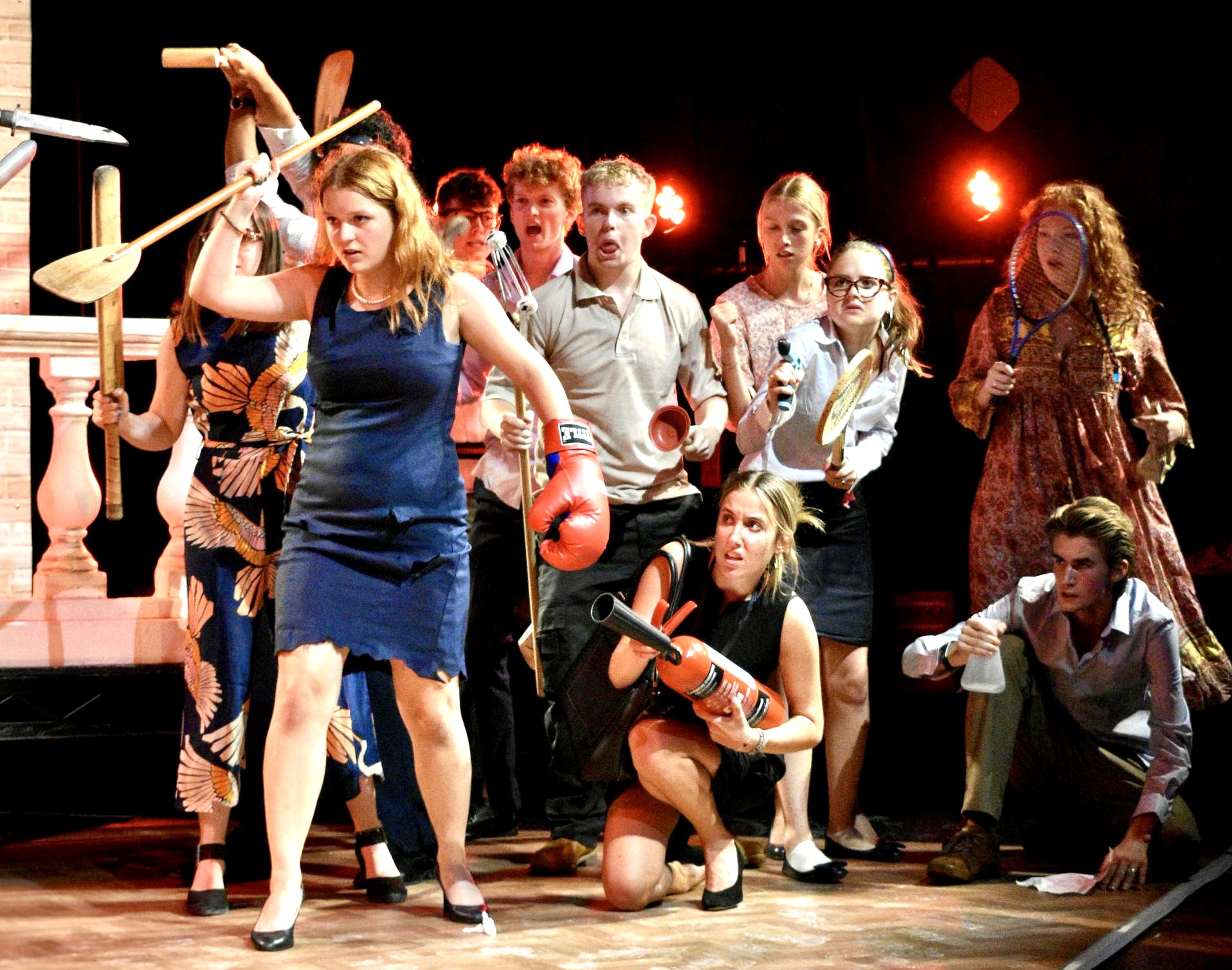
But when lead inspector Mark (Toby Anderson) tells Ros that, despite her best efforts, failure and Special Measures loom, the staff finally unite – to form an army. And mayhem is unleashed…

This production, by Kingston Grammar School’s sixth form drama students, is a triumph. The young cast embrace their roles, eliciting gales of laughter from the audience with their well-timed punchlines and impressive slapstick. One standout moment is the revelation that drama teacher Joe (Fin James)’s relationship with his ex, Liane (Isabella Walsh-Whitfield) – now an inspector – failed because Joe just couldn’t let go of the past, couldn’t stop thinking about ‘him’, talking about ‘him’, focusing on… Michael Gove. Anouk Busset, as RS teacher Felicity, is a study in physical comedy, her heightened state of confusion a wonder to behold. Amelie Scott is also very funny indeed, her Little Miss Perfect act honed to, well, perfection.

The Grand Theatre can be an awkward space to perform in. Although it’s a big, airy room with a large stage, there are no wings, and so the backdrop is used for entrances and exits, which often looks clunky. KGS’s directors (Stu Crohill et al) show that it can be done: I think this is the first time I’ve seen a play here without being aware of this problem. Set changes and transitions are also elegant – despite the staffroom scenes requiring six large chairs – an object lesson in zero-fuss, well-orchestrated stage management (Phoebe Bowen et al). Camille Borrows and Meg Christmas deserve a shout-out for the costumes: they’re spot-on, and I’m impressed by the attention to detail as they deteriorate, along with the college’s chances of success.

There’s only one more opportunity to catch this show at this year’s Fringe. Don’t miss out – you’re in for a treat. Especially if you’ve ever dreamed of getting your own back on Ofsted…

4.3 stars

Susan Singfield
Making a Murderer: The Musical

24/08/22

Underbelly Bristo Square (Cowbarn), Edinburgh

Like millions of others across the UK, I was transfixed by the Netflix documentary, Making A Murderer – so when I spot a poster on the Royal Mile with the words ‘The Musical‘ tacked onto the end, I’m intrigued – and simultaneously doubtful. I mean, one of the most infamous miscarriages of justice in recent years… with singing and dancing? Isn’t that going to be… disrespectful?

As it turns out, I needn’t worry. In the capable hands of writer Phil Mealey, MAMTM offers a compelling version of the familiar events, a fresh perspective on the story that never feels like a cheap shot. What’s more, the production supports (and is supported by) ‘The Innocence Project’.

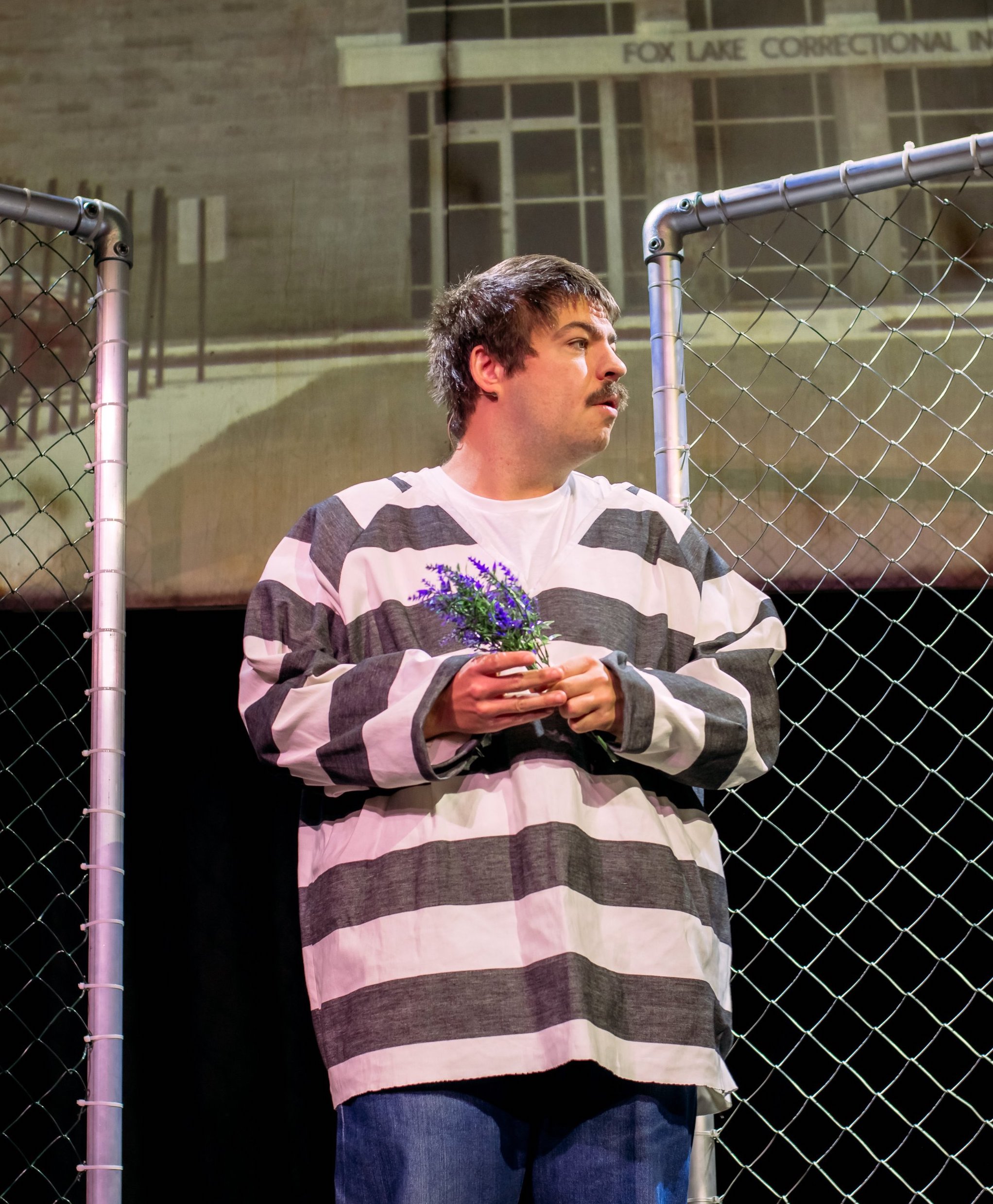
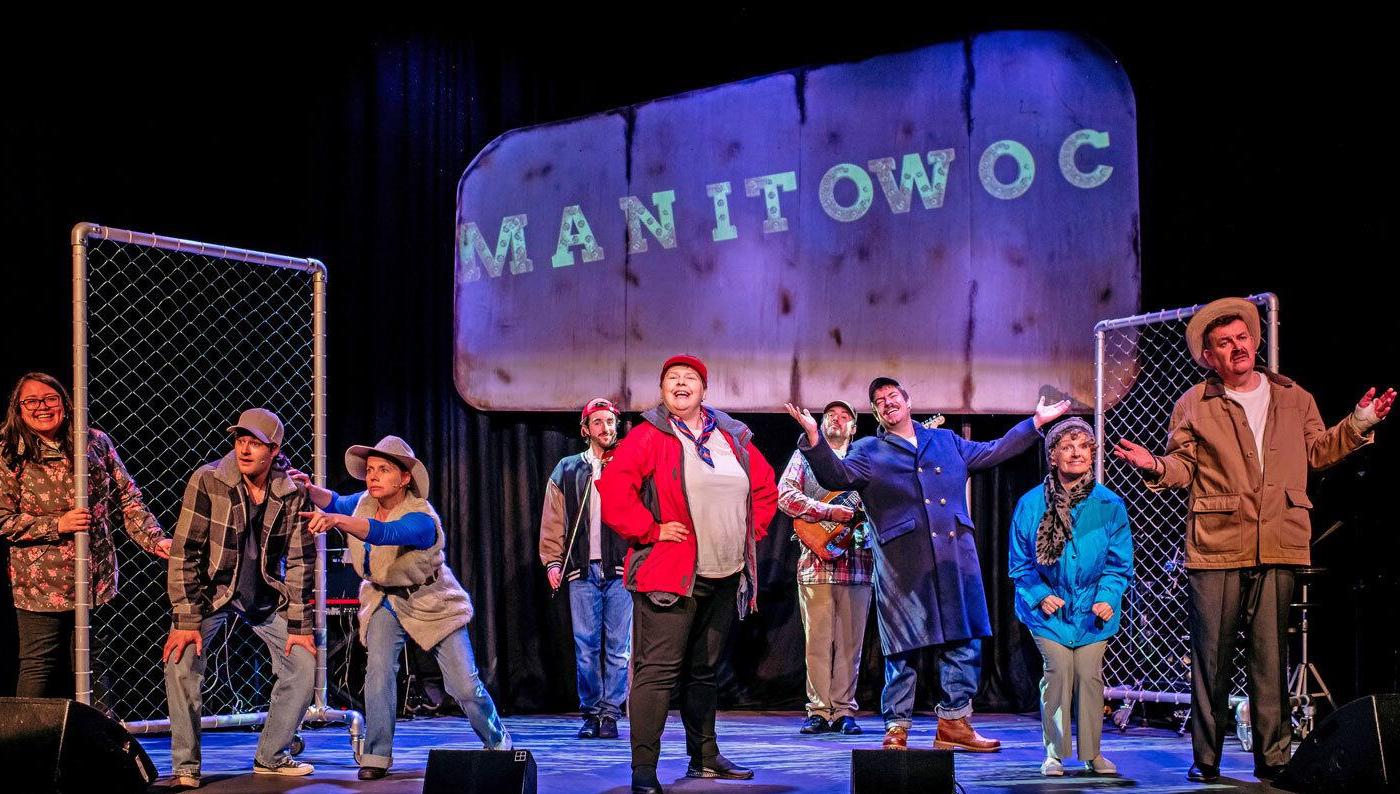
We begin with a whistle-stop tour of the little town of Manitowoc, hosted by Betsy (Emma Norman), who at first tries to turn the attention of visitors away from the local lowlife ‘celebrity’, Steven Avery. Shortly thereafter, we are introduced to Avery himself (Matt Bond), his Ma (Amanda Beveridge) and his nephew, Brendan Dassy (Dean Makowski-Clayton). I’m pretty sure I don’t need to tell you what happens to Steven and Brendan. It was a national obsession, after all.

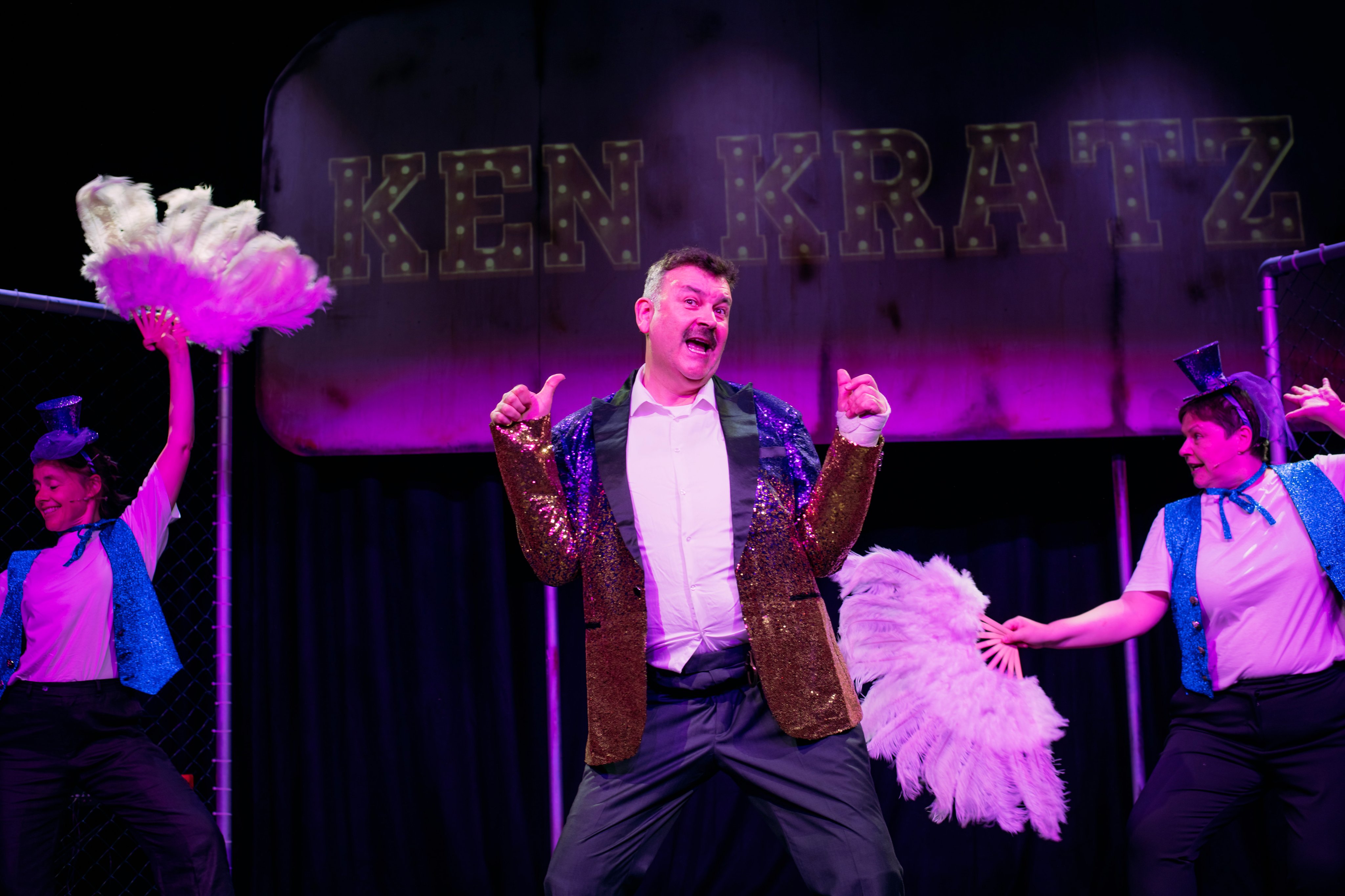
The songs are terrific throughout, ranging from spirited rockers to plaintive ballads. (Apologies to the audience at the show I visit, but the person you can hear sobbing loudly during Ma Avery’s final number is almost certainly me.) Mealey puts in an appearance as the self-aggrandising prosecutor, Ken Kratz, and Nickie Filshie takes the role of Kathleen Zellner, the lawyer determined to get Avery and Dassy out of prison. This is an ensemble piece and the cast are all accomplished singers, but I particularly enjoy the vocals of Makowski-Clayton as the tragic and vulnerable, Brendan Dassy.

It’s shocking to think that the Netflix documentary first aired in the UK in December 2015. Seven years later, Avery and Dassy are still languishing in jail on no credible evidence whatsoever. I appreciate it’s very late in the day to give a shout out for this splendid production, but I’m shouting anyway.

See it while you still can; it’s important that we don’t forget.

4.4 stars

Philip Caveney

Gwledd (The Feast)

24/08/22

The Cameo, Edinburgh

A Welsh language horror feature on general release, showing at a cinema near me – a good 200 miles away from my native land? How can I resist? (Answer: I can’t.)

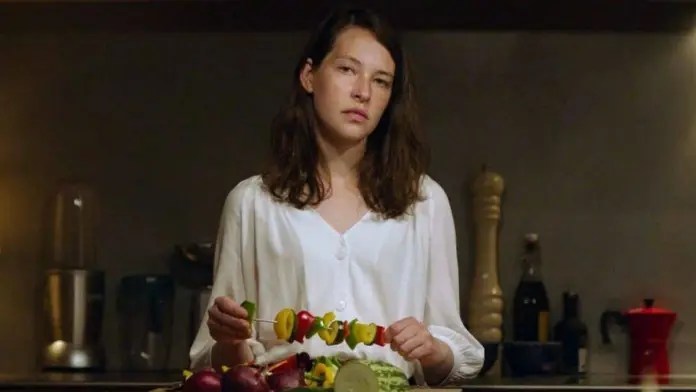
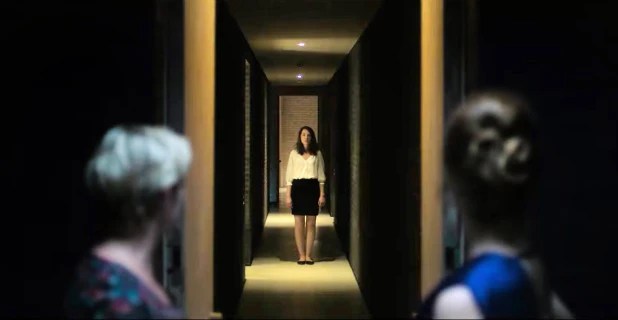
Another lure is the actor Annes Elwy. We were mesmerised by her performance as scary teenager Mia in the bilingual TV series Craith (Hidden); it was clear that hers was a name we’d hear again. And here she is, playing another scary teenager. No doubt she’s just as skilled in portraying different character types, but – ooh – she is adept at this. This time, she’s Cadi – a sullen, watchful kind of girl, a kitchen hand in the village pub, drafted in to help the local MP and his wife to host a dinner party for some important guests.

But something is rotten in the state of Cymru. Gwyn (Julian Lewis Jones) and Glenda (Nia Roberts) might seem successful: check out their swanky new house, stark and incongruous in the lush Welsh countryside. But they’re dancing with the devil, allowing local businessman, Euros (Rhodri Meilir), to drill their land for precious minerals. Their neighbour, Mair (Lisa Palfrey), is appalled. “What if She awakens?” she asks, when Glenda tries to persuade her to let Euros mine ‘the Rise’, part of which is on her farm.

But of course, She is already awake – and ready to exact revenge…

So far, so good. Gwledd, written by Roger Williams, has all the hallmarks of the folk horror films we love. Sadly, it has some issues too, which mean it doesn’t quite hit the mark.

The first problem is its glacial pace. I’m all for a bit of mounting dread, but the first hour is so slow it’s almost soporific. It’s like the scenes are being stretched to fill the running time, which isn’t a good look. And then there’s the recaps for the hard of thinking; director Lee Haven Jones needs to trust his audience more. I don’t need to see a flashback to a piece of glass being hidden: I noted it just thirty minutes ago; it was a memorable thing. In the end, the story is just a bit too obvious, and – although the stakes are definitely raised in the final stretches – it’s too little and too late.

There are plus points. Elwy is wonderfully enigmatic in this role, and Steffan Cennydd (Guto) and Sion Alun Davies (Gweirydd) clearly relish playing the hosts’ creepily twisted sons. The soundtrack, by Samuel Sim, is very atmospheric too, and it’s impressive to see how much gore can be wrung from what is obviously a small budget.

But in the end, even though I really, really want to like it, Gwledd feels like a bit of a let-down.

3 stars

Susan Singfield
Manic Street Creature

24/08/22

Roundabout at Summerhall, Edinburgh

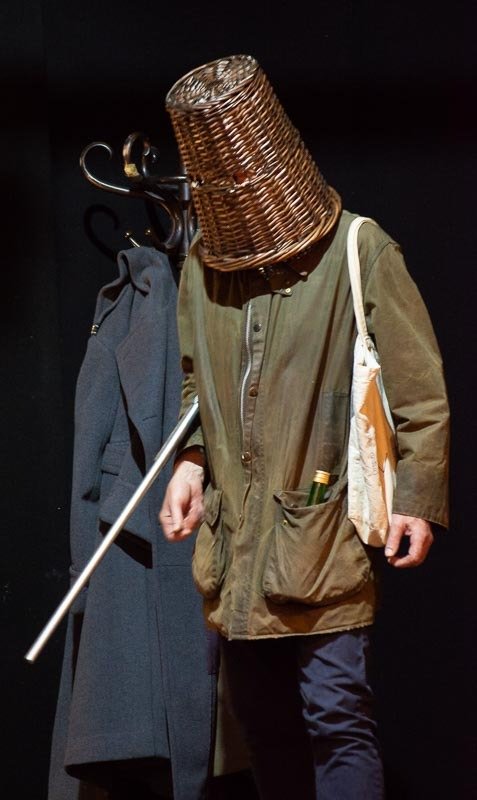
Ria is a plain-talking young musician from Yorkshire, who makes her way up to London, determined to further her career. At one of her first gigs, she encounters Daniel – and takes an instant shine to him. It isn’t long before the two of them have moved into an apartment together and he’s a member of Ria’s band. She tells him she loves him – a huge step for her – but, for some reason, Daniel seems unable to say the same words back.

As their relationship deepens, Ria begins to notice how anxious Daniel is – and to suspect that he may be suffering from the same manic depression that afflicted her father back in the day, the father she is now completely estranged from…

Manic Street Creature, written and performed by Maimuna Memon, is an assured slice of gig theatre that focuses on the subject of mental health from a slightly different perspective – that of the carer. As Ria desperately tries to find help for Daniel, she begins to experience problems herself, ones that threaten to swamp her own musical ambitions. And, when she does finally locate a doctor prepared to prescribe medication, Daniel’s character seems to change completely.

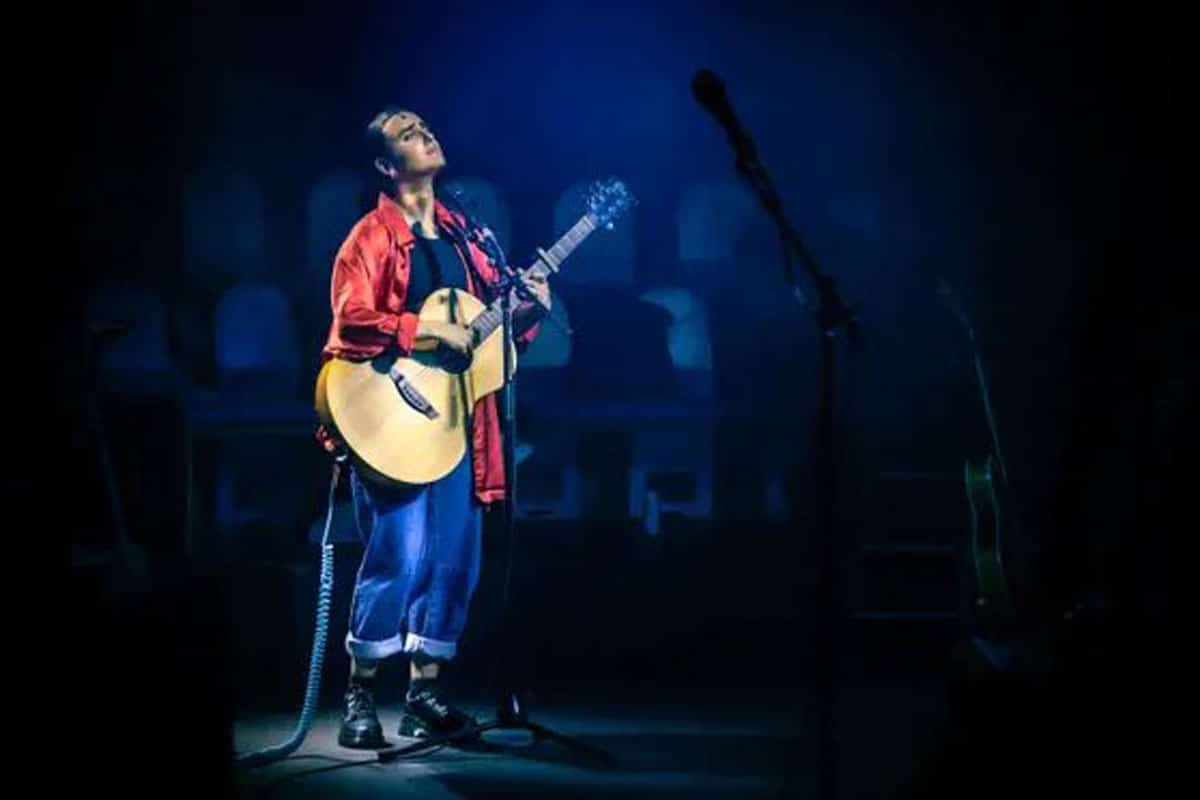
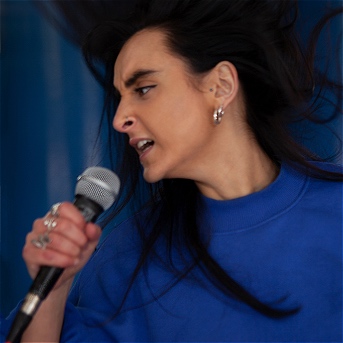
Memon tells the story through a sequence of songs being recorded in a studio session. She’s a confident, assured performer, with a thrilling vocal range, accompanying herself on acoustic and electric guitars, keyboards and shruti box. Her music is also augmented by the cello playing of Rachel Barnes and Yusuf Memon’s drums and guitar. When everything’s in full flow, the story takes flight and I feel myself propelled along by its urgent, rhythmic pulse. Sometimes it cuts abruptly back to a gentle, heart-tugging ballad, with Memon’s voice soaring effortlessly above the melody.

At the show’s conclusion, Memon offers information about mental health charities and says she wishes she could do more. But she’s already done plenty, bringing an important issue into focus through a triumphant sequence of songs. Perhaps she needs reminding of the message she’s just so eloquently delivered – that it’s really not her responsibility? At any rate, I wish I’d seen this show earlier in its Fringe run so I could have recommended it to more people.

There are just a few more opportunities to catch this awesome show, before the festival is over for another year – so what are you waiting for?

5 stars

Philip Caveney

Ben Miller’s Stand-Up Science

24/08/22

Laughing Horse @ The Three Sisters (The Wee Room), Edinburgh

You know when they say there’s not enough room to swing a cat? Here in The Three Sisters’ Wee Room, you’d be hard pressed to squeeze in a photo of a cat. The first joke of the gig appears to be the venue. It’s literally a cupboard. From September to July, it’s no doubt used for storing toilet rolls. I know it’s a trope of the Fringe: every available space will be pressed into service. But I’ve been to most venues, and this is a new low. There are twenty-three of us crammed inside an airless box. I find myself being a lot more churlish than usual. “You can’t keep selling tickets,” I say to the guy at the door, as venue staff bring along another small bench and attempt to direct two more punters inside. “The room fits twenty-five,” one of the bench-movers says, nicely. And proves her point by using the bench to prop open the door, and inviting the couple to sit facing the corridor.

I feel bad when I realise the guy at the door is actually Ben Miller (not that one), because I don’t want to make things difficult for him. It’s not his fault, after all. I’m sure he’d like a bigger room. Or, you know, an actual room.

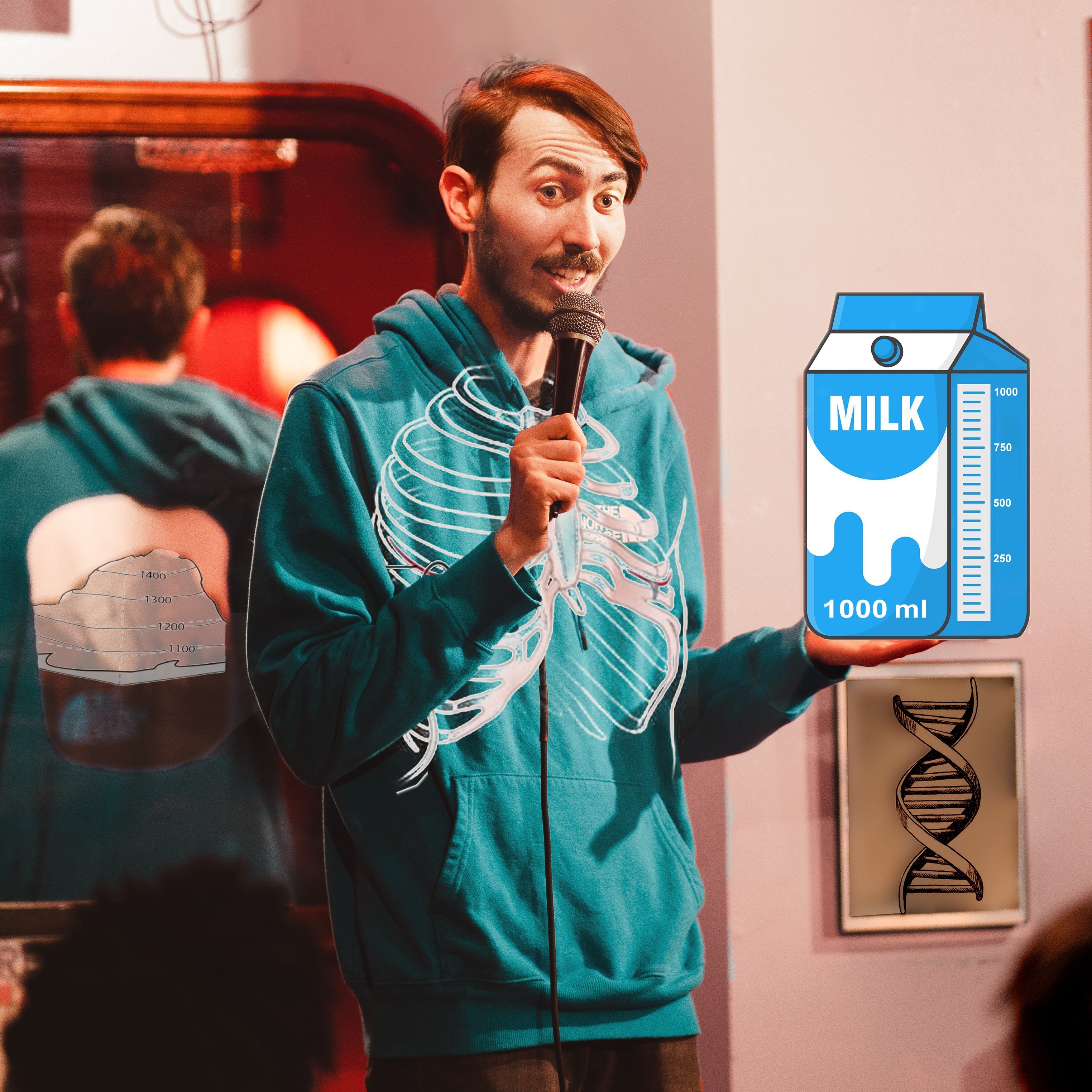
Still, Miller (not that one) doesn’t seem fazed. Maybe he’s used to it by now. He introduces himself, and establishes the concept: we’re in a science lesson. And, despite his nervous supply-teacher vibe, he’s in perfect control. He asks a bit about people’s experiences of school, and reassures us that this lesson will be interesting, so long as we like to learn. And it is: in particular, the science behind his timid-looking stance. He has pectus excavatum, which means he has a concave chest, and that his heart and lungs are all squashed up inside (not to labour a point, but I know how they feel). The set is structured exactly like a lesson: there is some lecturing, a PowerPoint, a Q&A, and even a pop quiz, to check that we’ve been paying attention. It’s funny too. Miller (not that one) is adept at using his low-status persona to maintain a calm, gently humorous tone, even in the face of some very esoteric heckling, clearly intended to test his science credentials. This is stand-up-disguised-as-science, rather than Robin Ince-style science-disguised-as-stand-up, and I laugh a lot. I never knew I had a favourite element until now…

Miller (not that one) is also playing an evening slot at ZOO Playground, so – if you’re claustrophobic – maybe try to catch him there instead. If cheek-by-jowl doesn’t bother you, then head to The Three Sisters. Either way, this is definitely the most enjoyable science lesson I’ve ever attended.

3.5 stars

Susan Singfield
Mrs Roosevelt Flies To London

23/08/22

Assembly, George Square, (Studio 5), Edinburgh

We’ve been devotees of Alison Skilbeck since 2017’s The Power Behind the Crone, so it’s a real pleasure to see her back at the Fringe after the uncertainty of the last couple of years. Mrs Roosevelt Flies to London is written and performed by Skilbeck, and directed by Lucy Skilbeck (no relation).

The title pretty much sums up what this monologue is about: the famous First Lady’s account of her dangerous journey to England’s capital in 1942. But the play opens twenty years after that, at the time of the Cuban Missile Crisis, with Eleanor fast approaching the end of her life and asking herself if the world is about to end in nuclear annihilation. Has all her hard work been for nothing?

Then we are whisked back down the years to her preparations for the trip, and we’re given insights into the various characters who surround her: the famous husband she loved and who secretly betrayed her; his controlling mother; the female journalist who became her best friend (and, as the gossips of the time suggested, her lover).

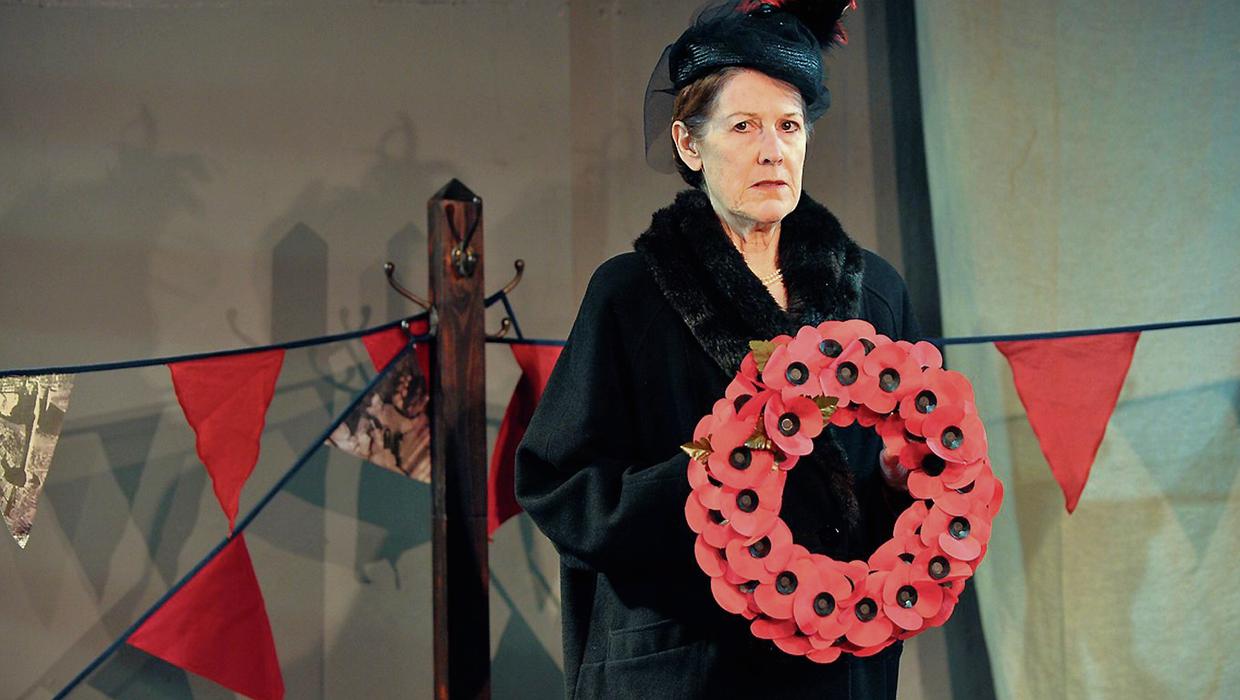
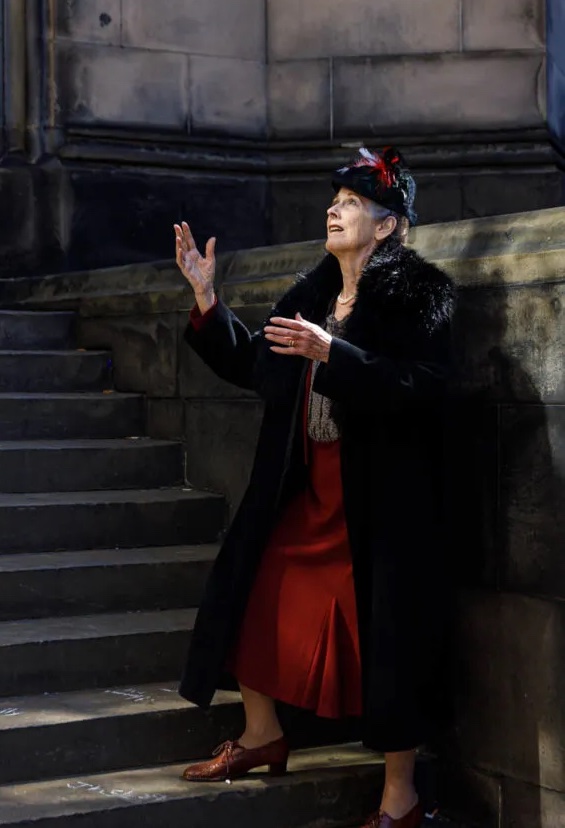
And then she’s off on her whirlwind tour, where she encounters an assortment of different characters, all of whom the actor inhabits with absolute authority, switching from one to the next as effortlessly as she puts on and takes off Eleanor’s famous feathered hat. Her brief impersonation of Churchill is an object lesson. Many actors would venture into the realms of caricature, but Skilbeck nails it perfectly. She’s an associate teacher at RADA, and it’s easy to see why.

I leave the show feeling I’ve had insights into Eleanor Roosevelt’s life that I wouldn’t have got from simply reading a biography about her. But it never feels like a history lesson and it’s gratifying to note that, even early on a Tuesday morning, Skilbeck is performing to a sold out audience.

4.5 stars

Philip Caveney

The Birds

22/08/22

The Space at Symposium Hall (Annexe), Edinburgh

I’m a fan of Daphne du Maurier’s short story,The Birds. I like the set-up, the idea of a family under siege, their home slowly transforming into a prison, and the frustration the central character, Nat, feels, when his neighbours dismiss his fears that something is amiss. Conor McPherson’s 2016 stage script dilutes this somewhat, replacing Nat’s family with two women, strangers to him and to each other. The disparate threesome, all seeking somewhere safe from the birds, hole up together in an abandoned house, where they struggle to get along. Much is made of the women’s rivalry, because – of course – they’re both attracted to Nat, and what else do women do but catfight over men? Gah. Still, at least there’s no caged loved birds, so we can be thankful for that…

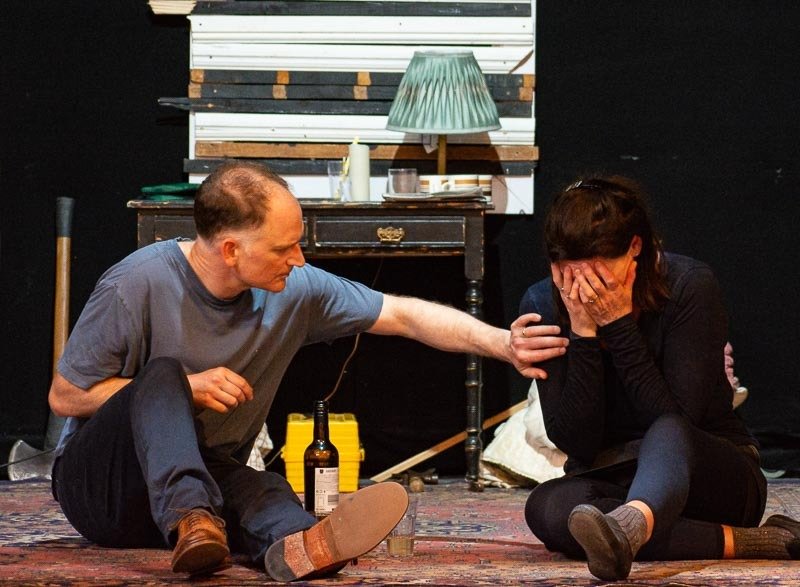
St Michael’s Players (from Chiswick) certainly give this all they’ve got. Things start off promisingly, with Diane (Arabella Harcourt-Cooze), who’s been managing just fine on her own, tending to the injured Nat (Neil Dickins), who has just stumbled in. The tension between the two is tangible, especially when he rants about his ex-wife having him sectioned, all while swinging a hammer. Harcourt-Cooze is mesmerising here, watchful and tense – and, when the moment passes, there’s a palpable sense of relief in the room. But Diane and Nat get along well, until Julia (Georgina Parren) arrives, driving a wedge between them, the younger woman displacing the older. Julia wields her fecundity like a weapon, but she shouldn’t underestimate Diane…

The four actors (David Burles plays Tierney, a small but crucial part) perform well, and commit fully to their roles. However, I don’t think enough is made of the existential threat. Initially, the birds’ presence is clear: there are recorded sound effects, as well as some off-stage flapping, which combine to create an atmosphere of dread. However, as the play progresses, the outside danger becomes less pressing, and we’re soon embroiled in a domestic drama, with only occasional reminders that the apocalypse is happening just the other side of the door. I think the stakes need raising here: we need to feel afraid of what the birds might do, to believe that they are growing in number and becoming ever more dangerous. The noises need to be louder and more incessant, and we could do something visual too, even just a simple lighting effect. Without these elements, the play essentially doesn’t fly.

Which is a shame because there’s much here to admire – particularly those committed performances.

3 stars

Susan Singfield

JD Shapiro: I’m With Stupid

22/08/22

Gilded Balloon, Teviot (Billiard Room), Edinburgh

It’s a Monday night on the Fringe and it’s raining, which no doubt explains why the audience in the Billiard Room is best described as ‘modest’. No matter. JD Shapiro takes the small number in his stride and comes out with all guns blazing, ready to dish the dirt on his adventures in the screen trade. He warns us right up front he’s going to be dropping a lot of names tonight, but clearly has no fucks to give on that score. Drop them he does, in large quantities.

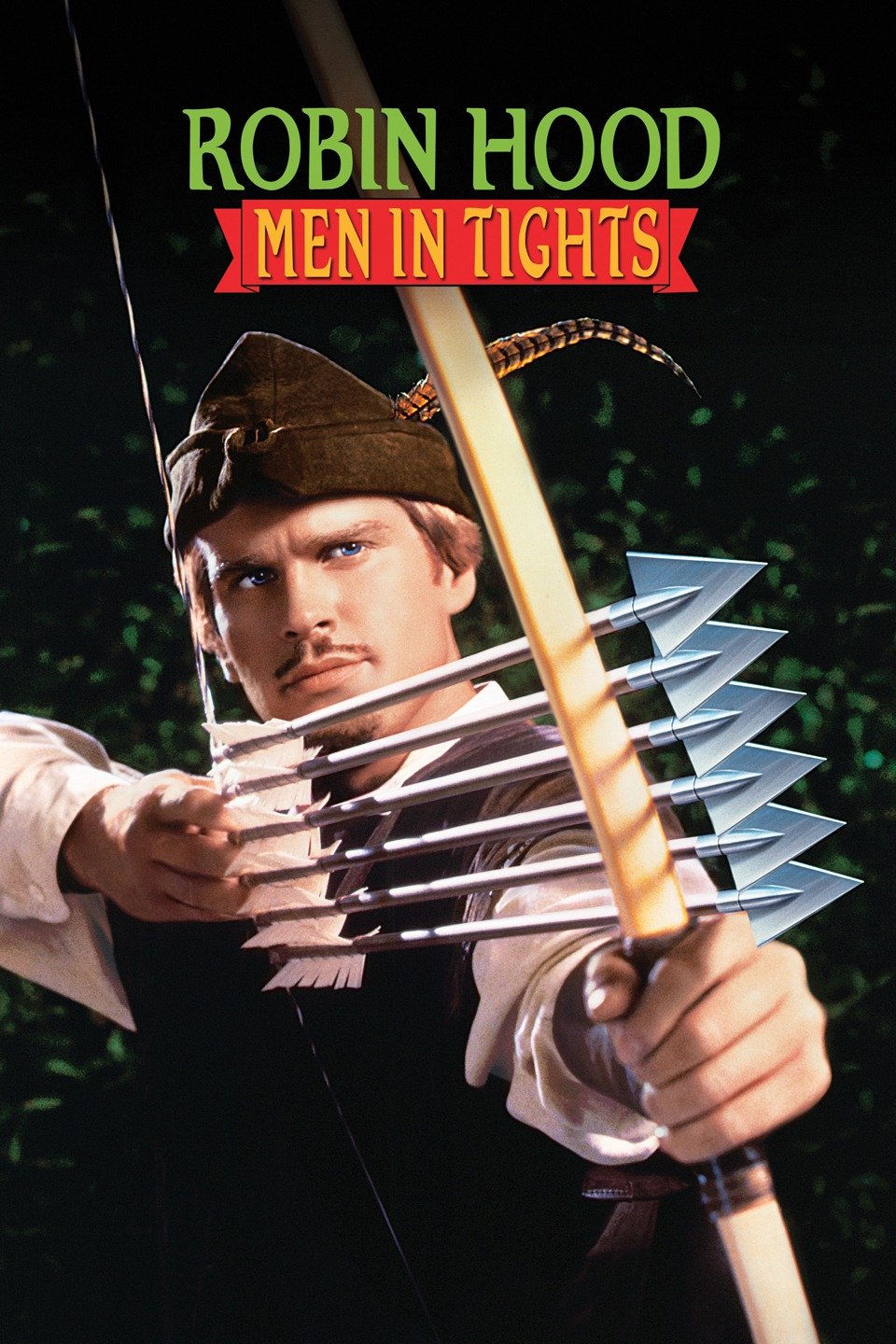
Shapiro is the kid from New Jersey, who arrived in LA with one hundred bucks in his pocket and a crazy dream in his head – a dream of making it big in Hollywood. He’s the guy who wrote a silly movie called Robin Hood: Men in Tights (on spec) and managed to get it into the hands of Mel Brooks, via the dentist that they both used. He’s also the guy who, when offered a first chance to direct a movie, turned down Dude, Where’s My Car? (yeah, I know, but it made a ton of money) in favour of a little thing called Battlefield Earth, starring John Travolta, which now rejoices under the title of the ‘worst film ever made’.

Shapiro is refreshingly open about it. He agrees that Battlefield Earth is terrible and tells us he spent some time trying to get his name removed from the project before it ever came out. Because, of course, the finished movie wasn’t what he’d envisaged at all… but you know, too many cooks and all that.

Shapiro is a likeable character with a real twinkle in his eye, a raconteur who interacts easily with us, offering us a series of projected illustrations from various points in his career, and his opinions on all manner of things. He talks about the time he took Michael Jackson for a ride in his jeep, the crazy projects he tried to launch with Marlon Brando (who actually seemed more interested in making cookies), and the fifteen years he spent working alongside his closest pal, Stan Lee. With names like this to drop, who wouldn’t go for it?

This show is part stand-up, part memoir, and it’s a splendid way to pass an hour on the Fringe.

I leave feeling strangely upbeat, thinking that I must have another look at the screen adaptation I made of one of my novels. I wonder if my dentist has any contacts? You never know…

Meanwhile, why not take the opportunity to nip down to the Billiard Room and experience for yourself the ups and downs of the film industry?

4.2 stars

Philip Caveney

The Murder Club

22/08/22

The Space on the Mile, Edinburgh

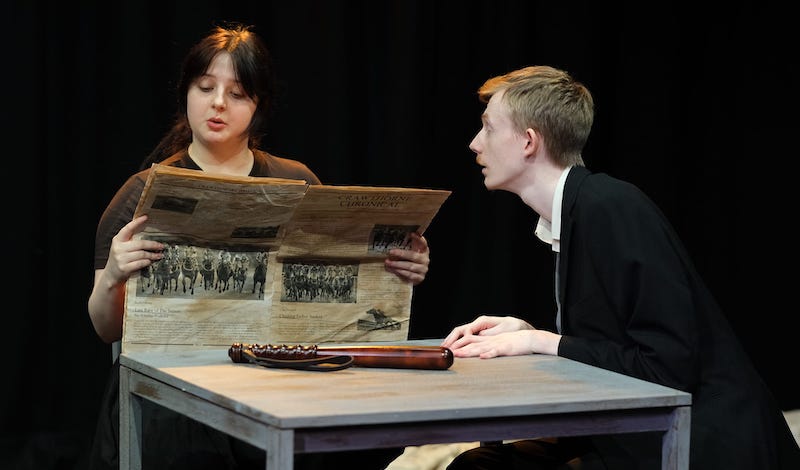
Based on genuine historical characters and real life incidents, Steve Hennessy’s The Murder Club is set in 1922 and takes place in Broadmoor Criminal Lunatic Asylum. Former actor Richard Prince (Ewan McInntosh) is in there for the murder of a more successful actor, William Terriss, outside the Adelphi Theatre in 1997. Prince has only evaded the death penalty by reason of temporary insanity and lately he’s more interested in conducting the resident orchestra than dwelling on his notorious past.

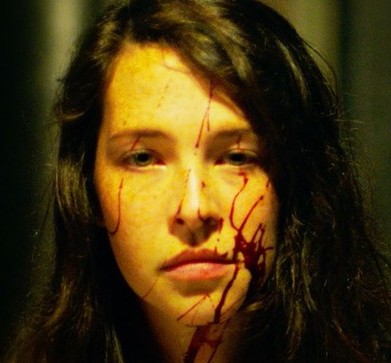
But the arrival of another murderer, the oleaginous Ronald True (Ryan Forrester), causes something of a stir. It turns out that the newcomer, a former drug addict, is adept at bending people to his will, including the crime-obsessed warder, Jane Coleman (Annalise McNichol). Ensuing events are watched by the spectre of True’s last victim, Olive Young (Phoebe Duncan), who wanders blood-splattered and desolate through Broadmoor, commenting on the action and pausing occasionally to speak directly to the audience.

This is an interesting tale, well researched and nicely acted (Duncan is a particular standout), but I do have some issues with the plot. It seems to me that True’s claims about the eponymous club – a supposed secret society of renowned killers – is a flimsy device, too readily taken as gospel by Prince. Would anyone be gullible enough to fall for it? Well, Prince does, though nothing we learn about the man suggests that he’s that credulous. And if I can’t accept the premise, I can’t believe the outcome.

Still, David Wotton’s direction, which has the characters slipping into tableaux whenever Olive Young speaks, is nicely handled and a genuine atmosphere of dread permeates the production. Just imagine, an actor killing another actor simply because his shows are doing better than yours. Better not let that notion spread around the Fringe….

3 stars

Philip Caveney

There’s Nothing Quite Like Spaghetti Bolognese!

22/08/22

The Space on the Mile, Edinburgh

Let’s start with the elephant in the room: we are very definitely NOT this show’s target audience. It’s billed as suitable for 3+, which I’d say is about right – and the other adults here are accompanying wains. We’re not. We don’t have any. We wouldn’t usually come along to something designed for those so many years our junior, but we met Chloe Din (who stars as Penny) last week, while queuing for another show, and she talked us into it. What can we say? Her enthusiasm convinced us.

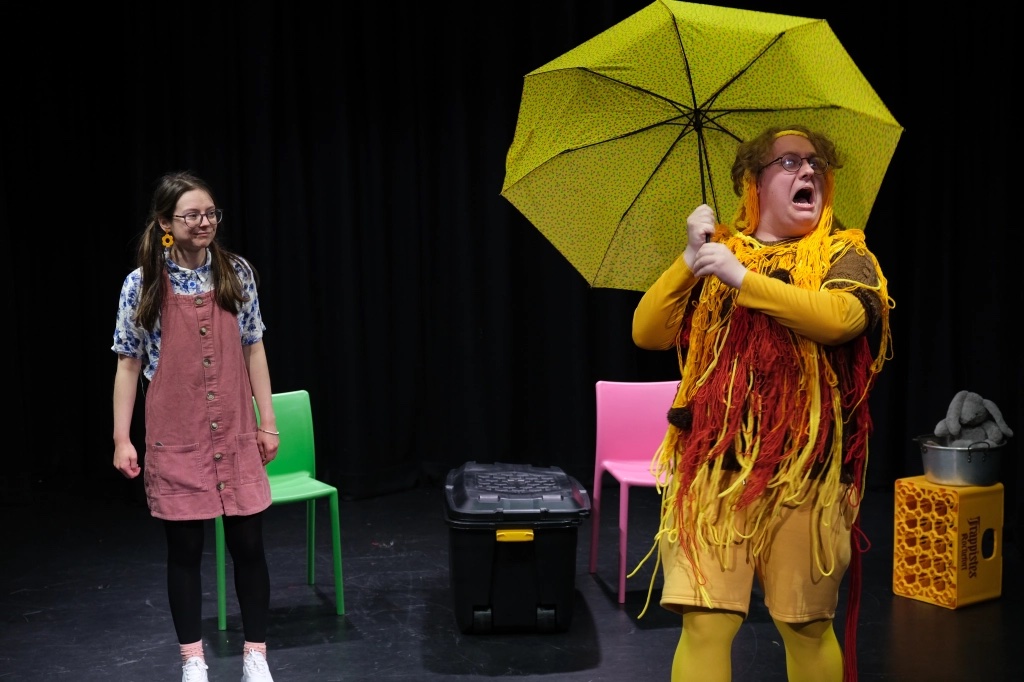
So here we are, and it’s a pleasure. Din and her co-star Dominic Myers have an easy rapport with their young audience, hitting just the right levels of pep and silliness. This play, adapted from a story by Ian Dunn (who also directs), is a cautionary tale, all about… pasta and sauce. Penny’s mum works for the NHS. She’s been doing lots of overtime, so she’s tired, and Penny’s dad is busy too, faced with the dual task of working from home and trying to find where his mischievous daughter has hidden his iPad. Unable to face another takeaway, Penny decides to help out – by cooking her mum’s favourite dinner, spaghetti bolognese. It’ll be a surprise she thinks.

And it is.

A very big surprise.

Because, after all her careful preparation, Penny’s dinner doesn’t just sit in the pan like dinners usually do, waiting to be served. Instead, it leaps out, and introduces itself as ‘Spag Bol.’ Penny is delighted with her new friend, and the pair embark on a series of adventures…

There’s Nothing Quite Like Spaghetti Bolognese! is an engaging and likeable piece of theatre. There is some audience interaction (we are split into three groups to provide the sound effects for the cooking scene, for example), but I think they would do well to include more of this. There are some repeated rhymes, which go down a storm with this young audience, and lots of lively songs, which also work well, despite a ‘ukelele malfunction’ when a string breaks about half way through, meaning that rather more of them are a cappella than I imagine is intended. No matter: Din and Myers forge on with gusto, and I doubt the children even notice.

Spag Bol’s costume deserves a mention of its own: it is a fantastic creation, imaginatively crafted from wool, and weirdly convincing.

The ending is a bit chaotic, and I’m not really sure why. It feels as if something has gone awry, because it finishes uncertainly with no clear signal that we’re done. The applause at first is tentative, and everyone looks confused. This is a shame, because it sends us out on the wrong note, wondering what happened rather than humming the final tune.

Still, if you’re in Edinburgh with small children and want to keep them entertained, this is sure to do the trick. If nothing else, it’ll serve as a warning not to play with their food…

3.7 stars

Susan Singfield