Month: May 2025

The Phoenician Scheme

26/05/25

Cineworld, Edinburgh

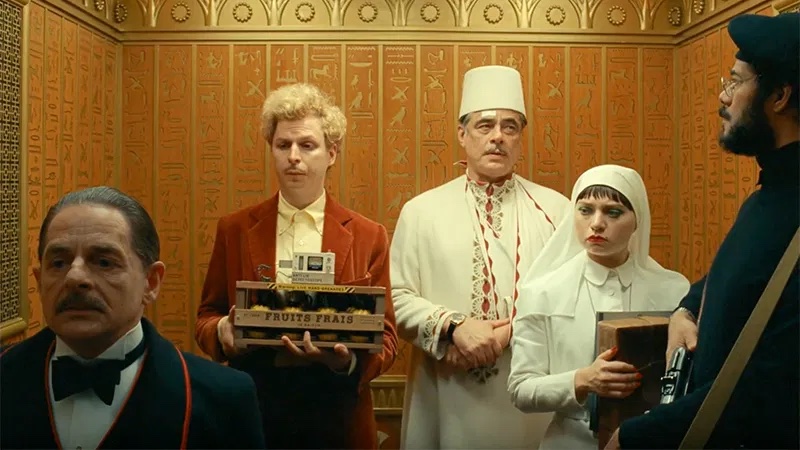
Cinema fans can hardly have failed to notice that a new Wes Anderson movie is on general release. As ever, it features his usual bag of tricks: impeccably-framed images arranged in perfect symmetry on the screen; an extended set of famous faces, all of whom show up for every successive project and seem happy to put in cameo performances for shirt buttons; and, as ever, a plot that appears to have been created simply to redefine the term ‘off-beat.’

Anderson has long been a disciple of Verfremdungseffekt – the distancing technique devised by playwright Bertolt Brecht, employed to prevent an audience from easy identification with his characters. It’s always been there in Anderson’s work to some degree but, this time around, I can’t help feeling that it might have been too enthusiastically applied.

Call me old-fashioned, but I do like a character I can root for. Here, there really isn’t one.

Wealthy and indomitable business magnate Zsa zsa Korda (Benicio del Toro) continues to thrive, despite the many assassination attempts that have been made on him by his rivals. After a near-fatal plane crash, he gets in touch with noviciate nun, Liesl (Mia Threapleton), who may just be his only daughter. (Korda has nine sons, several of them adopted, but he tends to spend as little time with them as possible.) Now, realising that he might be getting close to the end of his life, he has decided to offer Liesl a trial run as the sole heir to his considerable estate. He also takes on a new assistant, Bjørn Lund (Michael Cera), his last sidekick having been blown in half in the aforementioned plane crash.

The threesome must now travel around the fictional country of Phoenicia, where Korda has heavily invested in several major projects. A shadowy cabal of businessmen, led by Mr Excalibur (Rupert Friend), have raised the price of an all-important rivet used in the manufacturing process. This means that, unless Korda can persuade his business associates to take smaller profits, he is at risk of losing everything…

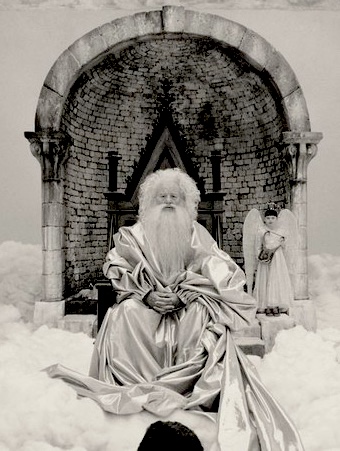
Even as I write this plot outline, I wonder why I’m bothering. Wes Anderson films are like art exhibitions. Some you love, though you cannot exactly pinpoint why. And others leave you flat for no easily-discernible reason. I’m not saying that The Phoenician Scheme is without merit. I sit watching it unfold, approving of its incomparable look and style, occasionally chuckling at some absurd lines of dialogue, even spotting the occasional movie reference. That Moroccan style club run by Marseille Bob (Mathieu Amalric), that’s a nod to Casablanca, right? And the black and white dream sequences, where Korda meets up with God (Bill Murray, naturally), are surely a reference to…

But this is pointless. I loved Anderson’s previous release, Asteroid City, which many viewers dismissed as another exercise in style over content. But this time, even I can’t seem to make myself care enough about the many characters I’m presented with. Korda’s growing relationship with Liesl could perhaps have been the hook that pulled me in, but that element feels somewhat under-developed.

That said, Anderson is one of the few film makers who walks his own path and refuses to compromise his vision. With names like Tom Hanks, Scarlett Johannsson and Benedict Cumberbatch ready and willing to bury their egos in walk-on roles, he’s in the rare position of being free to do exactly as he wishes.

So, why not give this a go? Chances are, you’ll completely disagree with me.

3.6 stars

Philip Caveney
Pride and Prejudice

24/05/25

Netflix

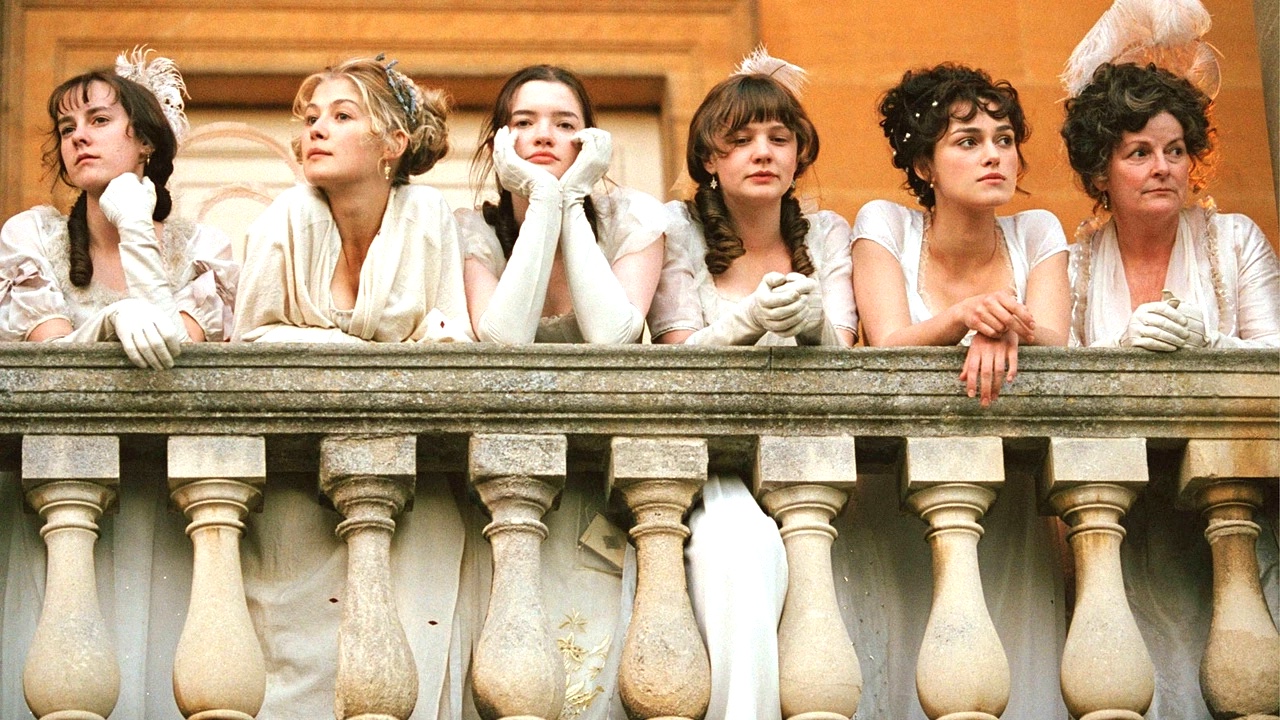
It’s hard to believe that Joe Wright’s adaptation of Pride and Prejudice is already twenty years old – and, while it’s been rereleased into selected cinemas to mark the occasion, it’s also right there on Netflix, all ready for re-examination at the touch of a button. I remember liking it back in the day and feeling that it was much more realistic than the widely-admired 1995 TV mini-series, which I found a little too chocolate-boxy.

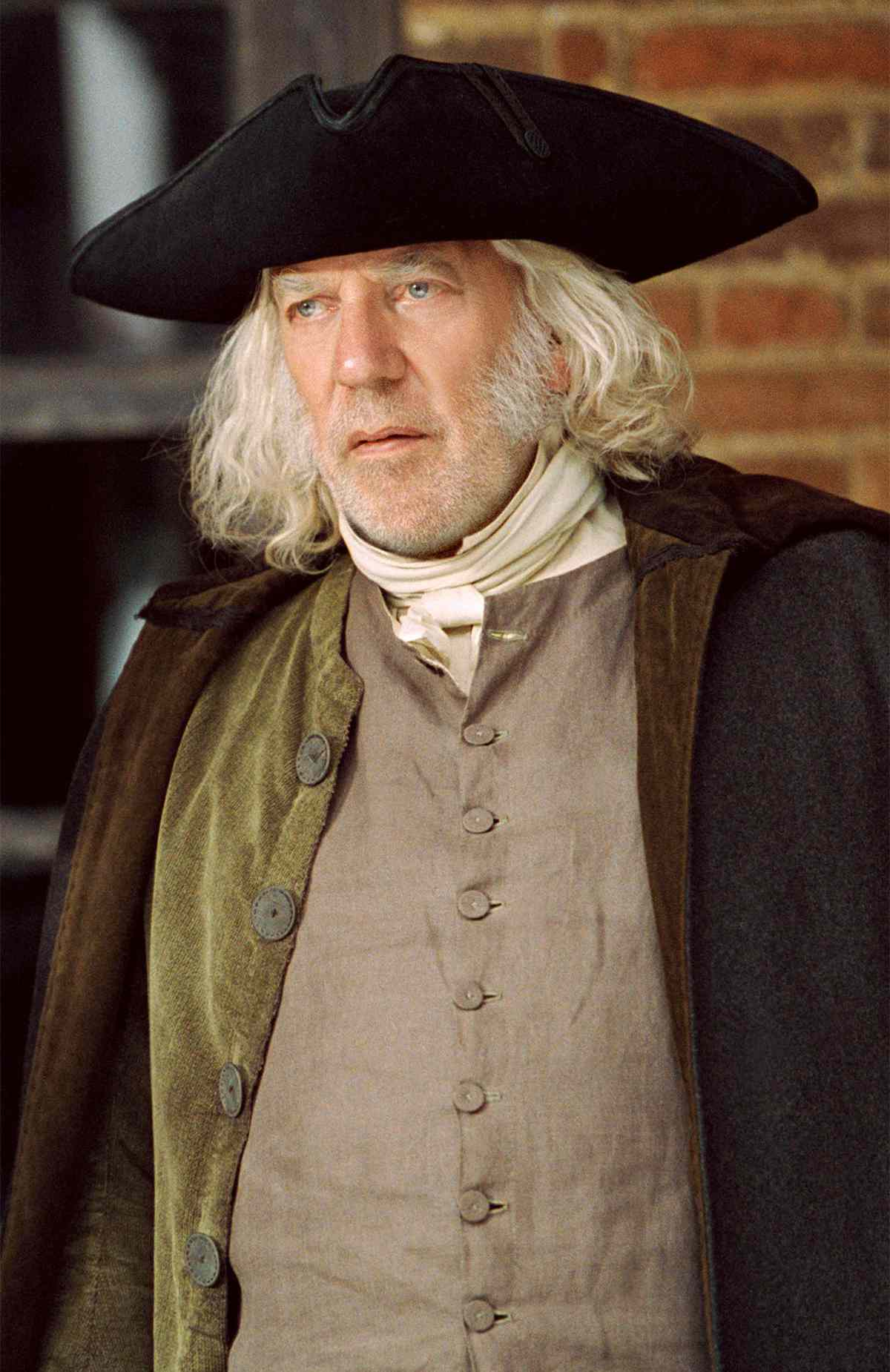
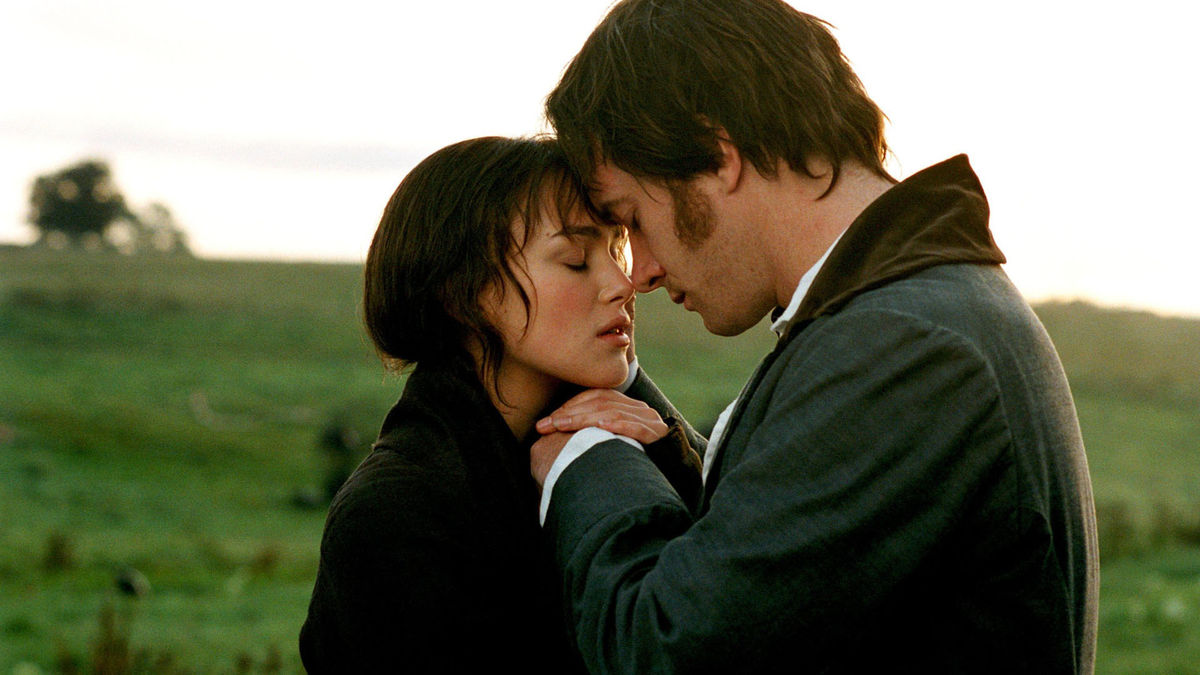
Wright’s version, though offering a tranquil and bucolic adaptation of Jane Austen’s novel, actually succeeds in showing the slightly down-at-heel and ramshackle nature of the Bennet family. In this version, a viewer fully understands the mounting desperation of Mrs Bennet (a wonderfully scatty Brenda Blethyn) as she seeks to find suitable husbands for her daughters, aware all the time that the clock is ticking and the women of the family stand on the edge of penury. Mr Bennet (Donald Sutherland) is useless, looking on in mystified wonder as his wife goes about her earnest business.

As the wilful and opinionated Elizabeth, Keira Knightley is an inspired choice. Why so many critics have taken against her acting abilities is quite beyond me, but here she plays Lizzie with considerable skill, scathing in her early encounters with Mr Darcy (a deliciously-sombre Matthew Macfadyen) and loving and playful in her interplay with Jane (Rosamund Pike) and her other sisters (look out for an early appearance by Carey Mulligan as Kitty). There’s a splendid turn from Rupert Friend as the caddish Mr Wickham, while Judi Dench struts her inimitable stuff as the acid-tongued Lady Catherine and Tom Hollander is wonderfully obsequious as Mr Collins, the reverend with an earnest desire to impress her.

The source novel has been cleverly adapted by Deborah Moggach, with additional (uncredited) dialogue by Emma Thompson, who had already earned herself an Oscar for her work on Ang Lee’s version of Sense and Sensibility. Wright never lingers too long on a scene and consequently the running time of two hours and nine minutes seems to positively flash by.

There are so many simple yet effective moments that have stayed with me since my first viewing. I love the scene where the Bennets’ prize pig wanders through their living quarters as though it’s a perfectly natural state of affairs, and the scene where Elizabeth and Darcy, enacting a complicated dance routine in the midst of a frenetic party are, quite suddenly, dancing completely alone. Roman Osin’s lush cinematography makes every landscape look suitably ravishing yet never overplays its hand. A scene where a pensive Elizabeth is taken from bright morning sunlight into the dark shadows of evening in one slow take is so understated, it barely registers.

This is Wright’s debut full-length feature and yet it feels like the work of a more experienced director. He would go straight on from this to his adaption of Atonement, another extraordinary literary film, once again with Knightley in a key role.

Sometimes when you return to a film after a long interval, you wonder what made you like it so much on first viewing. In the case of Pride and Prejudice, I feel I enjoy it even more.

4.6 stars

Philip Caveney

Final Destination Bloodlines

24/05/2

Cineworld, Edinburgh

Another long-running franchise gets a reboot – and since the Final Destination films operate on well-established ground rules, it’s questionable how much originality film-making duo Zach Lipovsky and Adam Stein can hope to inject into the proceedings. The first FD arrived back in 2009 and there’s been a fourteen-year interval since the imaginatively titled Final Destination 5, so I decide to go along and see what they’ve come up with…

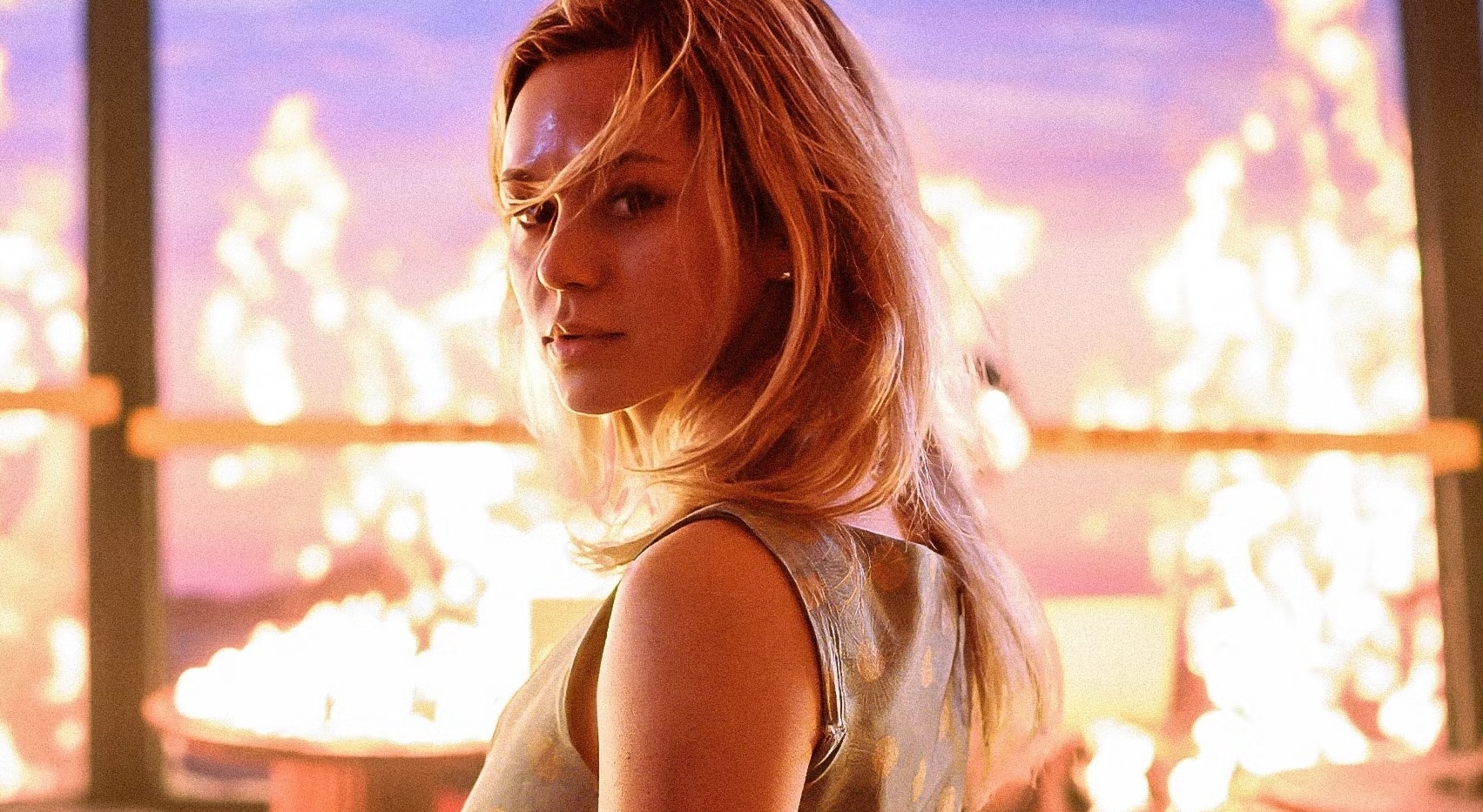
To give them their due, the film starts well with a flashback to the 1960s, a young couple paying a visit to a swanky restaurant perched on a tower hundreds of feet in the air. After a decent interval while a few worrying details are set up, there’s a fabulous extended set-piece, where pretty much everyone present hurtles to messy destruction. Whereupon, we realise that this isn’t something that has actually happened, but an event that was avoided thanks to a timely premonition by Iris (Brec Bassinger). But as we already know, Death hates to be cheated and, over the years, he has claimed most of the lives of those present. He is now ready to start in on their relatives…

We cut to the present day, where college student Stefani (Kaitlyn Santa Huana) is being troubled by dreams about the event in which her grandmother played such a key role. She pays a visit to Iris (now played by Gabrielle Rose), a recluse who has kept herself locked safely away from Death’s retribution for many years. But, she warns her granddaughter, any surviving members of the Immediate family are in real danger if she doesn’t warn them about what’s coming…

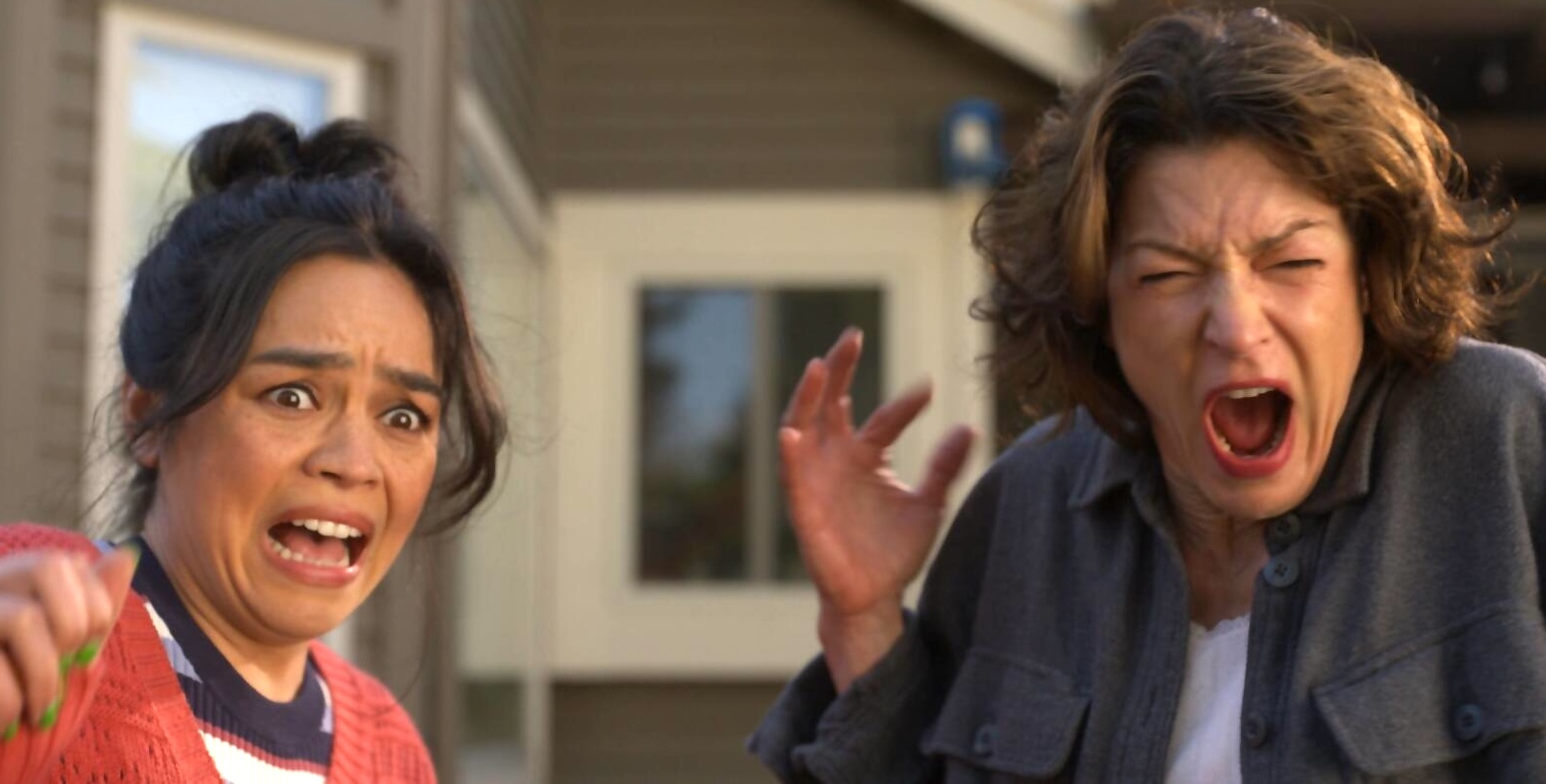
We know how it goes from hereon in. Death – who, as ever, seems to have based his game plan on regular re-treadings of the works of Anton Chekhov – likes to employ everyday objects in his murderous quests, a sort of Heath Robinson approach to the art of bloodshed. If the camera should linger on a small detail – a dropped coin, a misplaced shard of glass, the ‘on’ switch of a rotary mower – we know that said detail is going to play an important role in the dismemberment of the next victim. Again, to their credit, the four screenwriters who put this together have a lot of fun using elements of suspense, misdirection and shock to achieve their ends and, though the deaths are uniformly gory, they are so absurdly cartoonish that it’s hard not to laugh out loud as the latest victim is er… disassembled.

For me, perhaps because that opening set piece is so OTT, the ensuing chaos feels like the law of diminishing returns, each kill slightly less impressive than the one before. This is probably the kind of film best enjoyed with a group of well-oiled friends, all laughing it up together. Whether it will be the progenitor of more FD misadventures will, I’m sure, depend on how much money it makes. Personally, I’d prefer to see this as a one-off event, rather than the start of another endless rollercoaster of death .

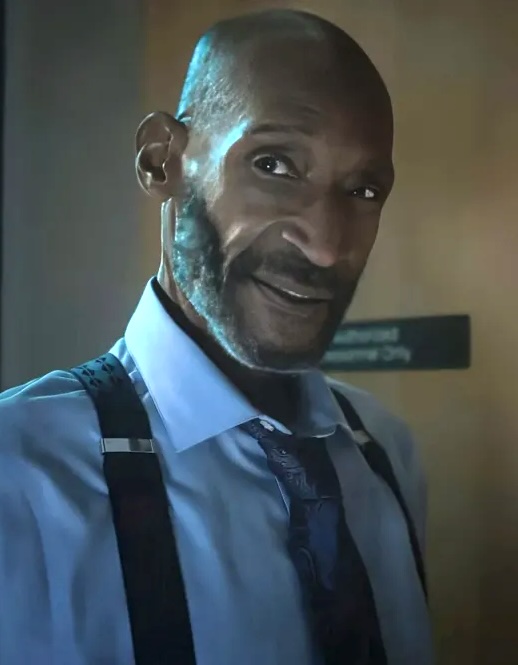
And talking of the Grim Reaper, it’s darkly ironic to note that there’s a cameo appearance here by the late Tony “Candyman” Todd, making his final filmed appearance as the guy who managed to cheat Death – and to whom the film is respectfully dedicated.

3.6 stars

Philip Caveney
Mission Impossible: The Final Reckoning

22/05/25

Cineworld, Edinburgh

And so, it would seem, the end is nigh – though I’m cynical enough to believe that will depend entirely on The Final Reckoning’s box office. It’s been a long and varied ride for Mission Impossible. As I’ve observed before, most franchises start strong and have a couple of decent follow-ups, before eventually running out of ideas and becoming pale shadows of their former selves. MI – based on the popular 60s TV series – began its cinematic journey way back in 1996 (originally helmed by Brian de Palma) and then struggled through a bunch of variable sequels until director Christopher McQuarrie came on board for 2015’s Rogue Nation. In that film, all the disparate elements finally gelled.

For my money, 2018’s Fallout was MI’s pinnacle: tense, propulsive, gloriously inventive, it kept me hooked right to the final frame and earned itself a five star B&B review. 2023’s Dead Reckoning wasn’t quite as perfect and the fact that it was a Part One didn’t help, particularly when Part Two wasn’t set to rear its head for another couple of years. Realising, no doubt, that viewers’ memories will need a significant nudge, The Final Reckoning opens with a kind of overview: a greatest hits package offering glimpses of a younger, leaner Ethan Hunt going through his frenetic paces.

After that, we arrive in a darker, gloomier world than we’re used to seeing in MI, where super-powerful AI Big-Bad, The Entity has taken control of the entire planet’s nuclear weapons and appears to be on the verge of initiating World War Three. (Sound familiar?) Ethan Hunt is now in hiding after the shenanigans of Part One so the American President (played by Angela Bassett, who, let’s face it, is the leader we all wish America currently had) puts out an urgent plea for him to show himself and to bring along that mysterious key he got hold of in Part One.

Will Ethan step up to this new challenge? Well, what do you think?

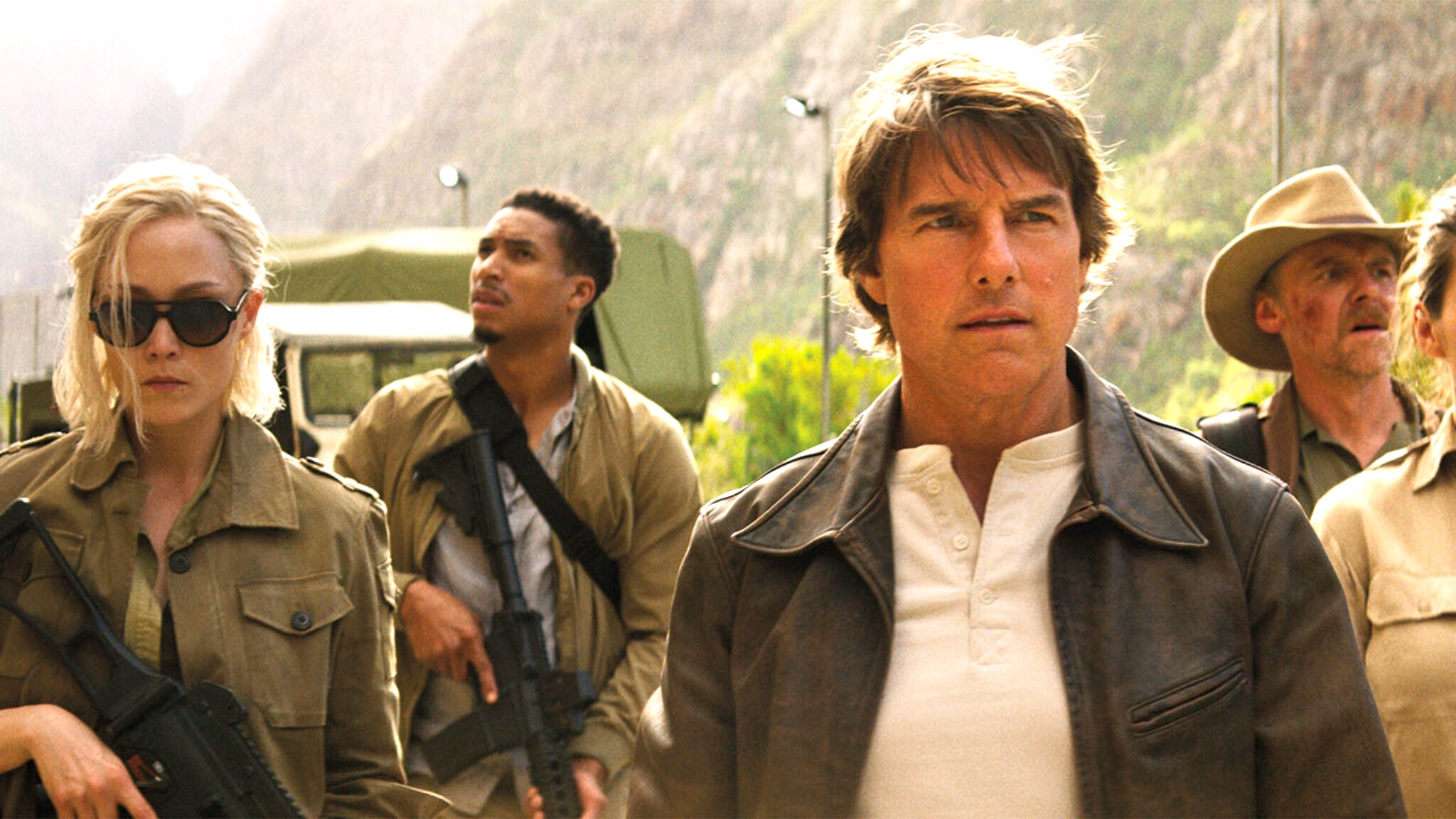
Aided by Grace (Hayley Atwell), Luther (Ving Rhames) and Benjie (Simon Pegg), plus former adversary, Paris (Pom Klementieff), Hunt devises ever more ingenious ways of taking on the all-powerful Entity and, if the storyline is patently absurd, well of course it is. This is Mission Impossible, FFS!

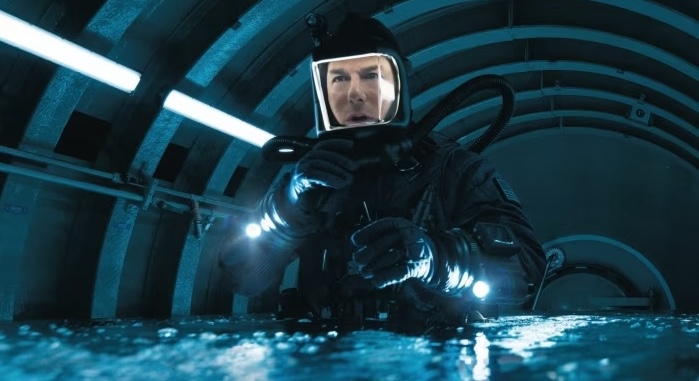
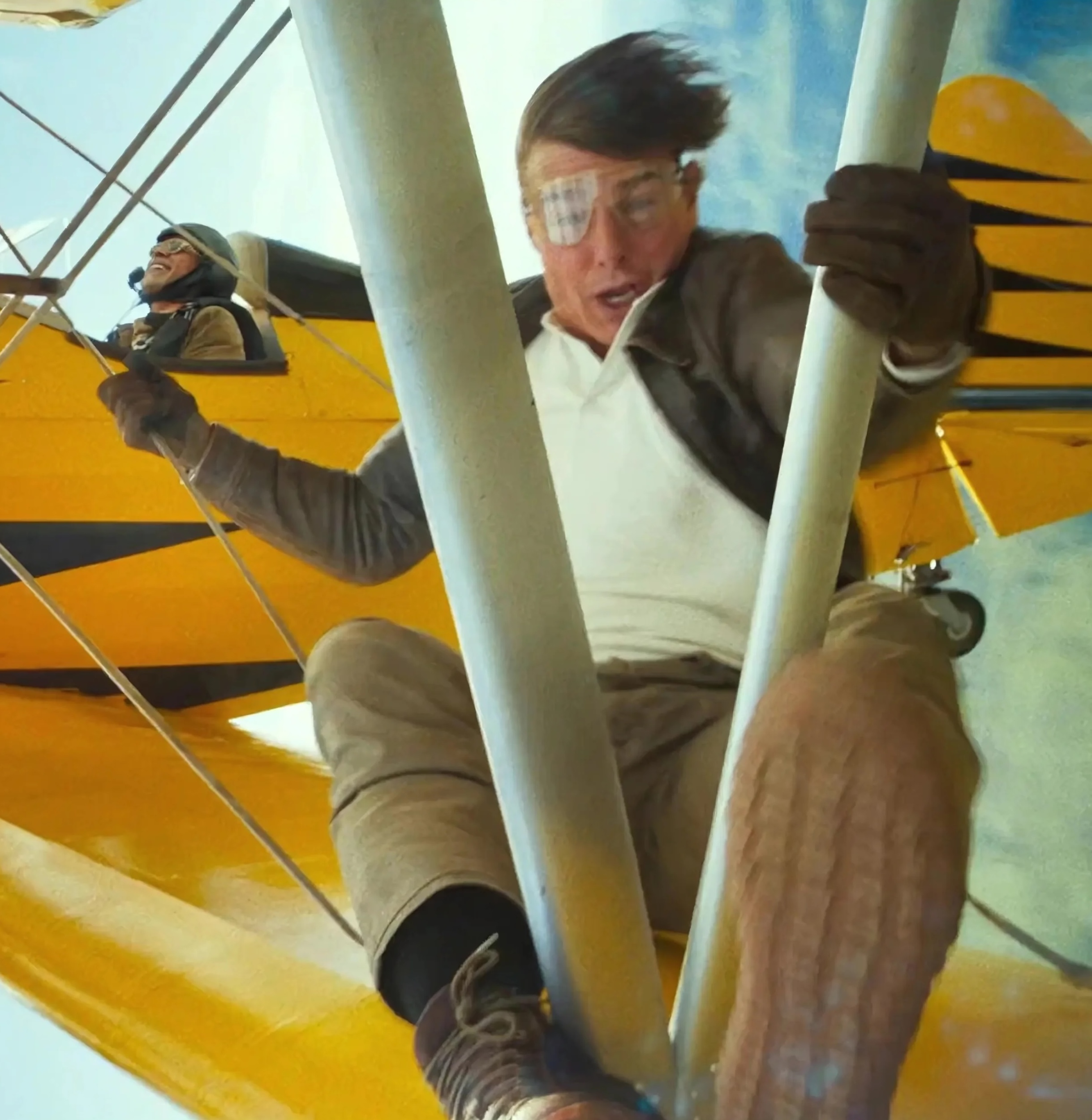
To give Cruise and McQuarrie their due, they have put everything they’ve got into making this the ultimate MI adventure and, to a large degree, they’ve succeeded. There are some incredibly-assured sequences, not least a claustrophobic and nail-biting return to that Russian submarine we saw in Part One. There’s also a nerve-racking aerial routine, where Hunt clambers all over the fuselage of a single-engined plane (in mid-flight) in a desperate bid to come face-to-face with human villain, Gabriel (Esai Morales). The fact that Cruise has done all these stunts for real is, of course, admirable, though I do wonder what professional stunt performers must think about such grandstanding. (I note from the credits that Cruise actually employs a stunt double, which begs the question ‘What does that man do to earn his fee?’ Make the coffees?)

On the debit side, the film’s ponderous running time does leave me with the onerous task of choosing the right moment to nip out for a toilet break – and I’d argue that thirty minutes could easily be clipped from this, simply by removing some of those references to past adventures. Having a call-back to a character who actually appeared in the very first movie is a nice touch, but I ask myself how much does it actually add to the story?

Still, kudos to Team Cruise-McQuarrie, who have devoted so much of their time, energy and (let’s face it) money to this franchise. But it does seem like the right time to bow out. And I’m pretty sure I’m not the only film fan who wistfully remembers Cruise in films like Jerry McGuire, Rain Man and Magnolia, where he was actually required to act and turned out to be pretty damned good at it.

I’m already looking forward to seeing what he does next.

4 stars

Philip Caveney

Blinded By The Light

21/05/25

Traverse Theatre, Edinburgh

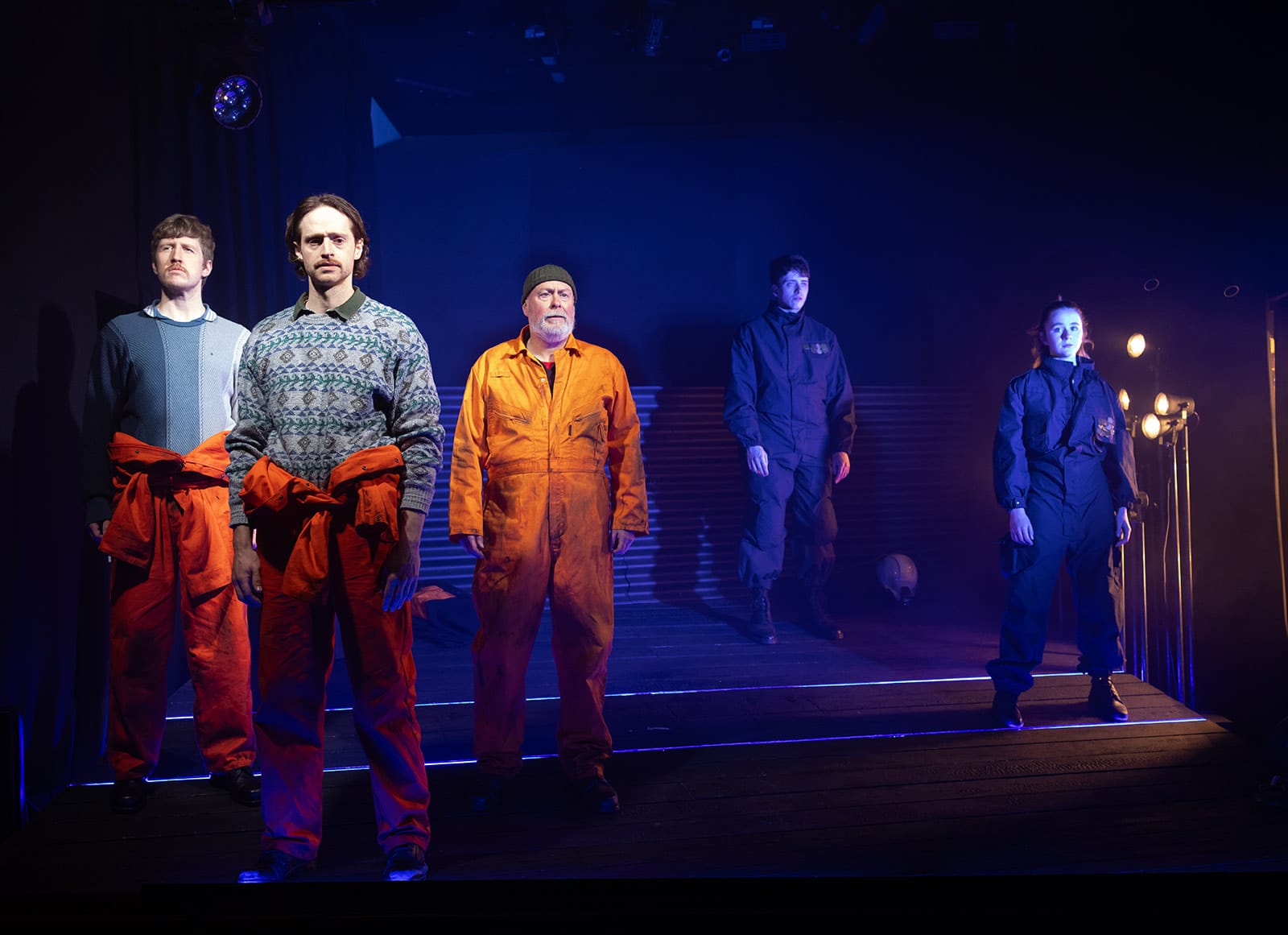
Drawing on the true story of a historical protest, Sylvia Dow’s Blinded by the Light illuminates two distinct timelines: first, the real-life miners who held a ‘stay-doon’ in the pit at Kinneil Colliery in 1982; second, the fictional inhabitants of a near-future dystopia, forced underground by the climate crisis and now occupying those same Bo’ness tunnels.

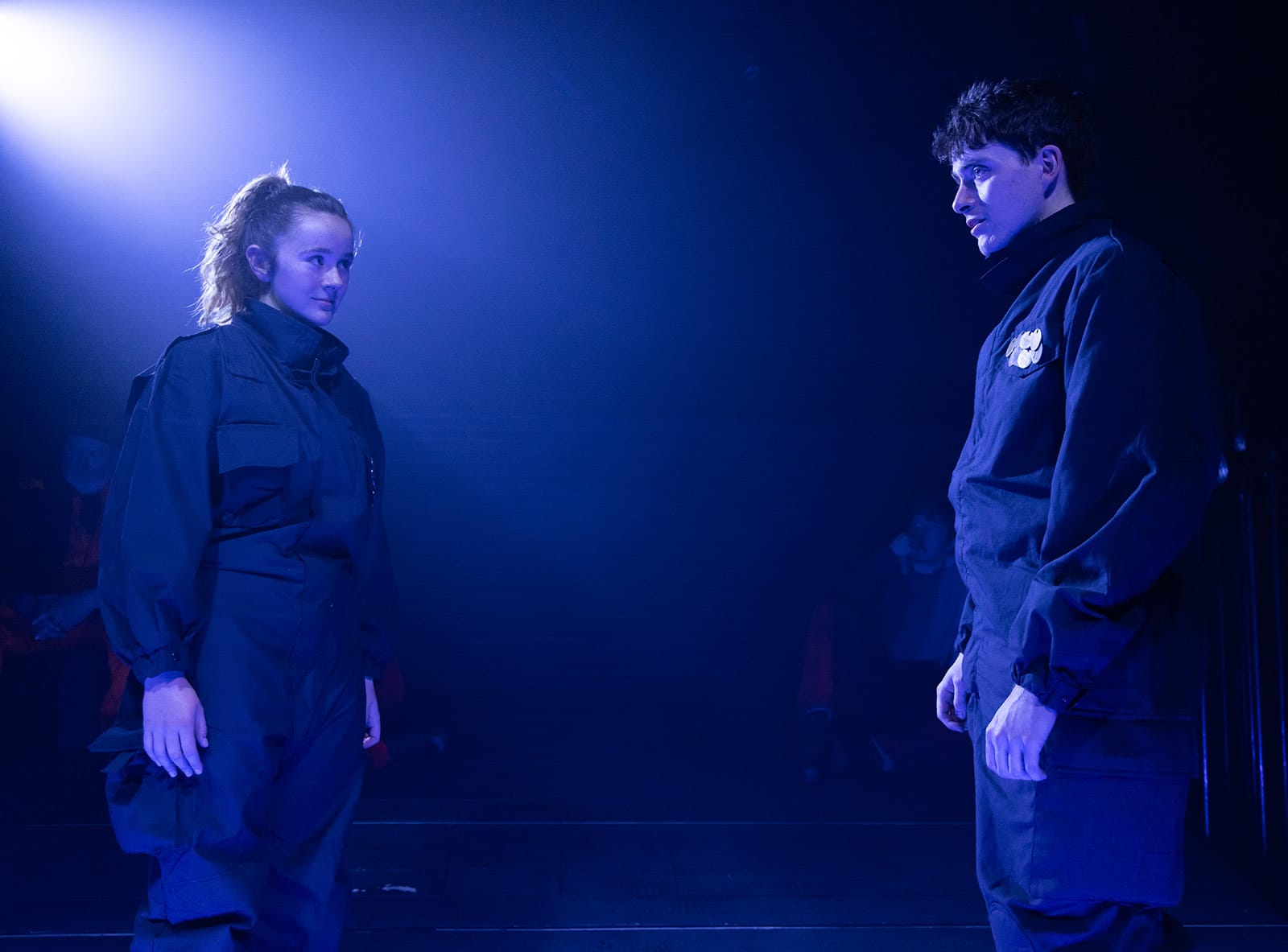
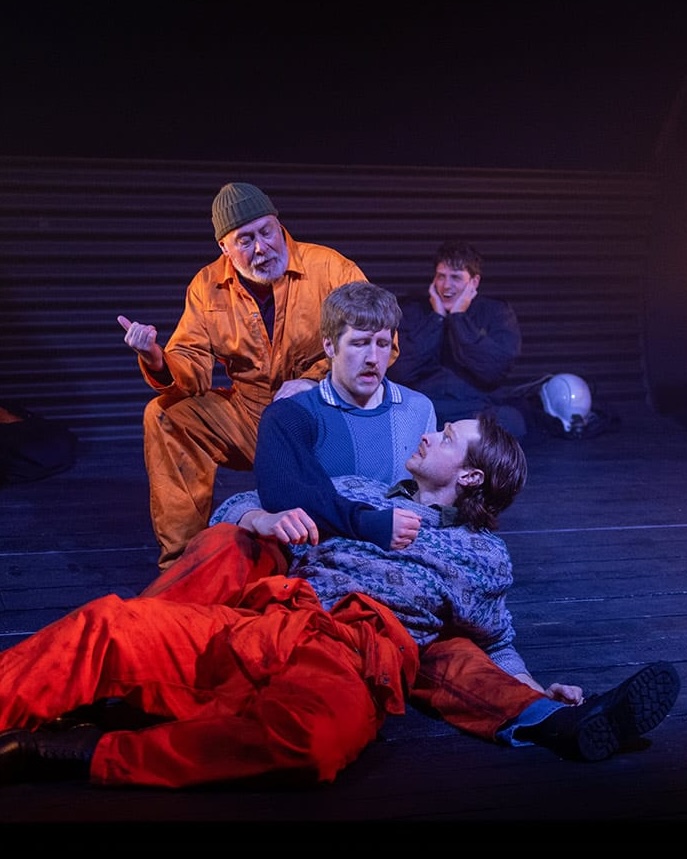
Nimbly directed by Philip Howard, the disparate worlds intersect seamlessly, the stories harmonising into something bigger and brighter than the sum of their parts. For Lily 7 (Holly Howden Gilchrist) and Freddie 9 (Reece Montague), the coal-black warren is a prison: they’ve never been ‘up’; never seen the grass or felt the rain; to them, the sun is nothing more than an enticing concept, gleaned from forbidden books. Meanwhile, two hundred years earlier, Andy (Rhys Anderson), Matt (Barrie Hunter) and Matt’s son, Jerry (Andrew Rothney), view the mine very differently. For them, it represents a well-loved way of life – not just their workplace but also their community. Of course, they also have friends and family in the outside world, but it’s their mining jobs that define them. The looming pit closure threatens everything they know and love.

Becky Minto’s simple set design works well. A steeply-raked wooden floor emphasises the precariousness of the situations, and the small footprint forces all five characters into close proximity, highlighting their interdependence across the centuries. The script employs repetition and echoes to stress these links, and Howard mines this (sorry!) for full effect, as the tunnels’ inhabitants occasionally finish each other’s lines or speak in perfect unison. A scene where Lily and Freddie place their palms in the handprints left by their ancestors is particularly affecting.

The performances are uniformly strong, but Howden Gilchrist and Rothney are the standouts for me, perhaps because their characters share a wide-eyed optimism, which makes their inevitable defeat all the more heart-rending.

In a play where light – or lack of it – is literally the point, the lighting designer’s role is even more important than usual. Colin Grenfell rises to the occasion, conveying the mine’s darkness while simultaneously directing our attention to the action as it unfolds. The clear distinction between the timelines is also achieved primarily through stage lighting (along with some wonderfully atmospheric sound design by Philip Pinsky).

Dow writes with a lightness of touch, exploring big political ideas without ever straying into the didactic or expositional. The plight of Britain’s striking miners, sacrificed to Thatcherism, is effortlessly laid bare, as is a warning about the bleak future we’re stumbling towards, with its shades of both Fahrenheit 451 and 1984.

Blinded by the Light has left Edinburgh now, but there are still two more chances to see this thought-provoking production: at St Andrews’ Byre Theatre on the 23rd May and Stirling’s Macrobert Arts Centre on the 24th. Catch it if you can!

4.3 stars

Susan Singfield

The Surfer

18/05/25

Cineworld, Edinburgh

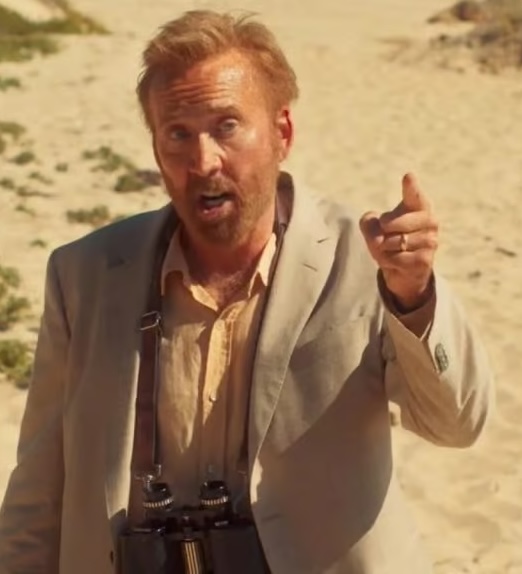
The Surfer, written by Thomas Martin and directed by Lorcan Finnegan, is an Irish-Australian collaboration, filmed on location in beautiful Yallingup. Cinematographer Radek Ladczuk perfectly captures the town’s glorious coastline, all bright blue waves and golden sands shimmering in a sultry heat. However, despite initial appearances, this isn’t a story destined to gladden the hearts of the tourist board Down Under. Instead, it falls firmly into that sub-genre of ‘Unsettling Aussie Small Town’ films – helmed by Wake in Fright and encompassing everything from Picnic at Hanging Rock to The Royal Hotel – and acts as a warning to stay away.

Indeed, the warning here is explicit. As The Surfer (Nicolas Cage) strides confidently towards the water with his son (Finn Little), keen to share his childhood experiences of this particular beach, he is told in no uncertain terms that they’re not welcome: “Don’t live here, don’t surf here.” The Surfer’s protestations that he grew up in the town are met with indifference. “Don’t live here, don’t surf here,” the hostile gang of men repeat. And, in case he’s not quite got the message, “Fuck off.”

But The Surfer has no intention of fucking off. He might have messed up his marriage, his relationship with his son might be rocky, but he’s been successful in his career and he’s here to buy back his grandfather’s old house and start to put things right. The problem is, the locals are a close-knit, powerful bunch, and they’re determined to make him leave…

If this all sounds pretty straightforward, don’t be fooled. The Surfer is a head-scramble of a film: as twisty and impenetrable as an overgrown maze; a hallucinatory experience where nothing is as it seems. Is The Bum (Nicholas Cassim) real? Is he The Surfer? Is he both – a literal and metaphorical double, like Bertha Rochester or Frankenstein’s monster? There are also some gruesome, gnarly moments, and viewers with an aversion to rats should be prepared to look away.

As The Surfer becomes increasingly untethered, spiralling into an chimerical world of sleep deprivation, dehydration and sun exposure, his point of view becomes ever less reliable, and we’re as lost as he is, unsure what’s true and what is not. But in amongst the madness, he clings to one thing: securing the deal on the house. If he can just get through to his broker, everything will be okay…

Under Finnegan’s direction, The Surfer is a taut, disturbing psychological horror, the tension never letting up. Scally(Julian McMahon) makes a compelling villain, his Andrew-Tate-ish brand of toxic masculinity both revolting and convincingly irresistible, and I’m on the edge of my seat throughout, hoping for his comeuppance. But this is Cage’s film and he really owns it, dragging us with him into The Surfer’s personal hell.

In short, The Surfer is an excellent film. Just not a great advert for Oz.

4.1 stars

Susan Singfield

Hallow Road

17/05/25

Cineworld, Edinburgh

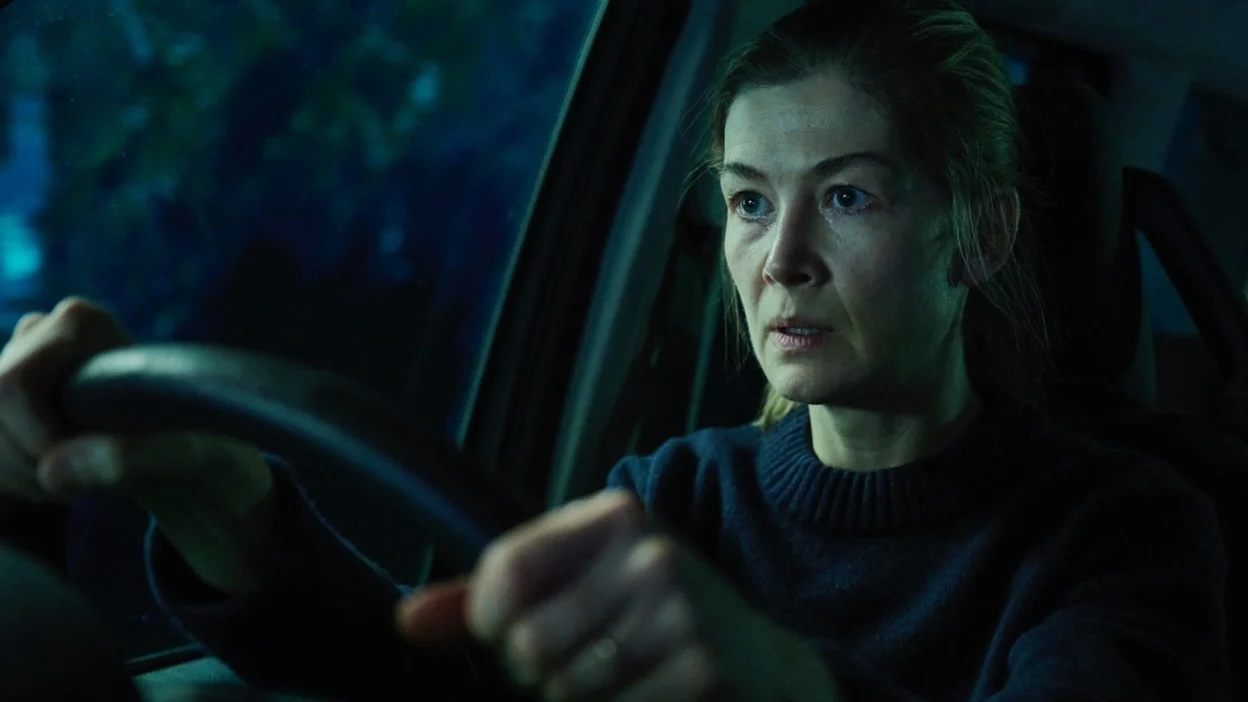
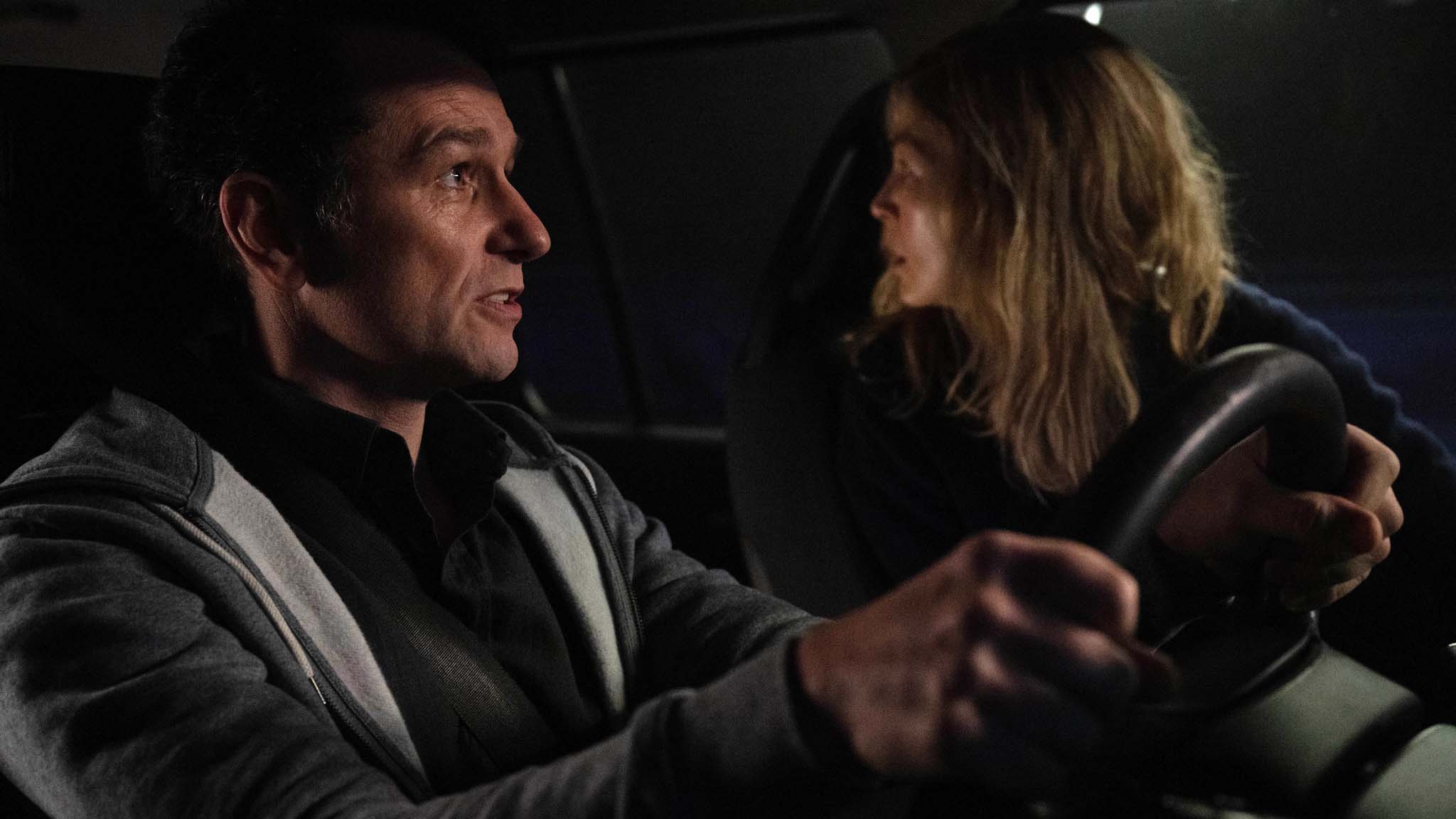
In an era where we’re increasingly led to believe that, to be successful, a motion picture requires a massive special-effects budget and a cast of thousands, Hallow Road provides solid evidence that this doesn’t have to be the case. Essentially a micro-budget two-hander, the drama unfolds almost entirely inside a moving car – and I’d need to go back to 2013’s Locke to find another film with comparable DNA.

But director Babak Anvari and debut screenwriter William Gillies have created a taut, compelling psychological thriller that has me hooked from the word go – and on the edge of my (driving) seat right up to the final scene.

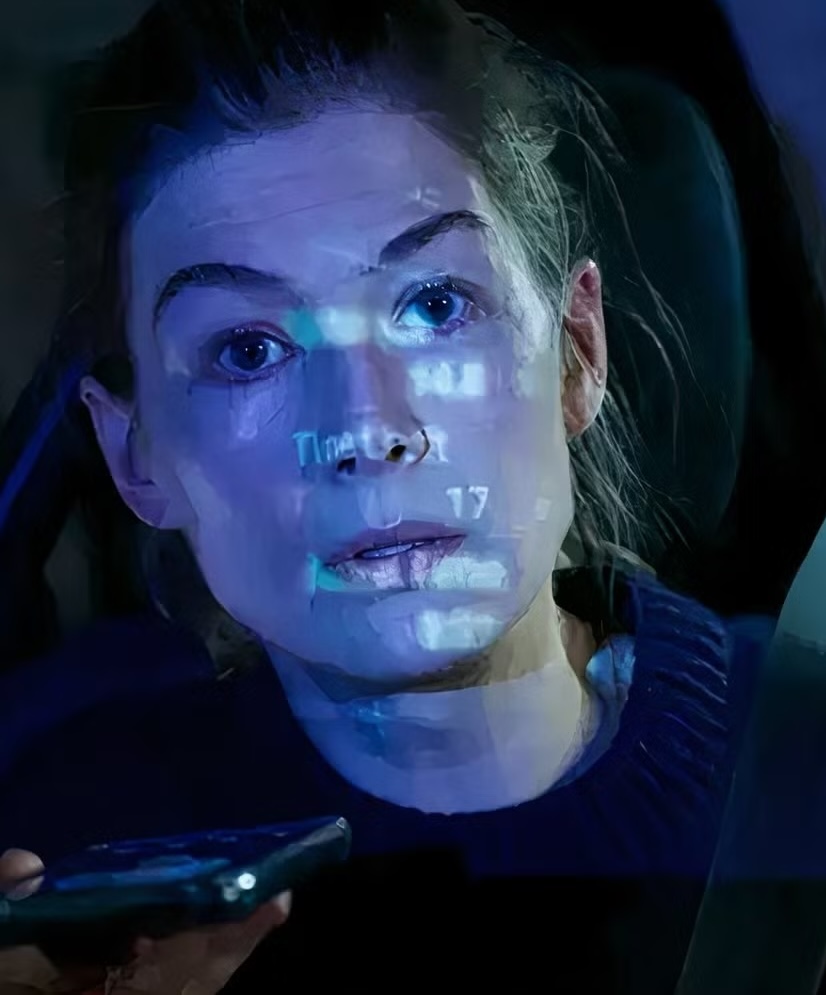
We open on a series of clues: the aftermath of an interrupted dinner. Meals are left unfinished, glasses are still half full of wine. Then we meet Maddie (Rosamund Pike) and her husband, Frank (Matthew Rhys), and we learn that they sat down earlier that evening for a meal with their daughter, Alice (Megan McDonnell). There was a heated row and Alice left the house, jumped into Frank’s car and drove away into the night.

Now, in the early hours of the morning, Alice – who for the purposes of this drama is never more than a disembodied voice on the phone – calls Maddie in a state of absolute terror. Driving along Hallow Road, deep in a forest, she has hit – and possibly killed – a young woman. Frank and Maddie bundle frantically out into the night, in the family’s second car, start heading for their daughter at speed. Maddie, a trained paramedic, attempts to talk Alice through the complexities of CPR; Frank, on the other hand, wants to find a solution to the problem and is more than ready to take the rap for the accident, provided he can get there before anyone else.

The journey plays out, more or less in real time…

And no, this doesn’t exactly sound like the ingredients for a spell-binding narrative, yet Hallow Road ticks all the boxes, amping up the suspense with every passing mile, until I am almost breathless with anxiety. I can’t say much more about what happens from this point other than to mention that, in its latter stages, the film seamlessly achieves an intriguing genre-jump into the realms of folk horror and offers a conclusion that I really don’t see coming.

Both Pike and Rhys give wonderfully nuanced performances, pulling us in to this conceit with consummate skill, while McDonnell manages to convey a whole world of bewilderment and terror through her very effective voice performance. And if you’re thinking that a small-scale film like this will be just as effective on streaming, let me add that cinematographer Kit Fraser’s wonderfully atmospheric night-time visions deserve to be seen on the biggest screen you can find.

5 stars

Philip Caveney

Keli

15/05/25

Lyceum Theatre, Edinburgh

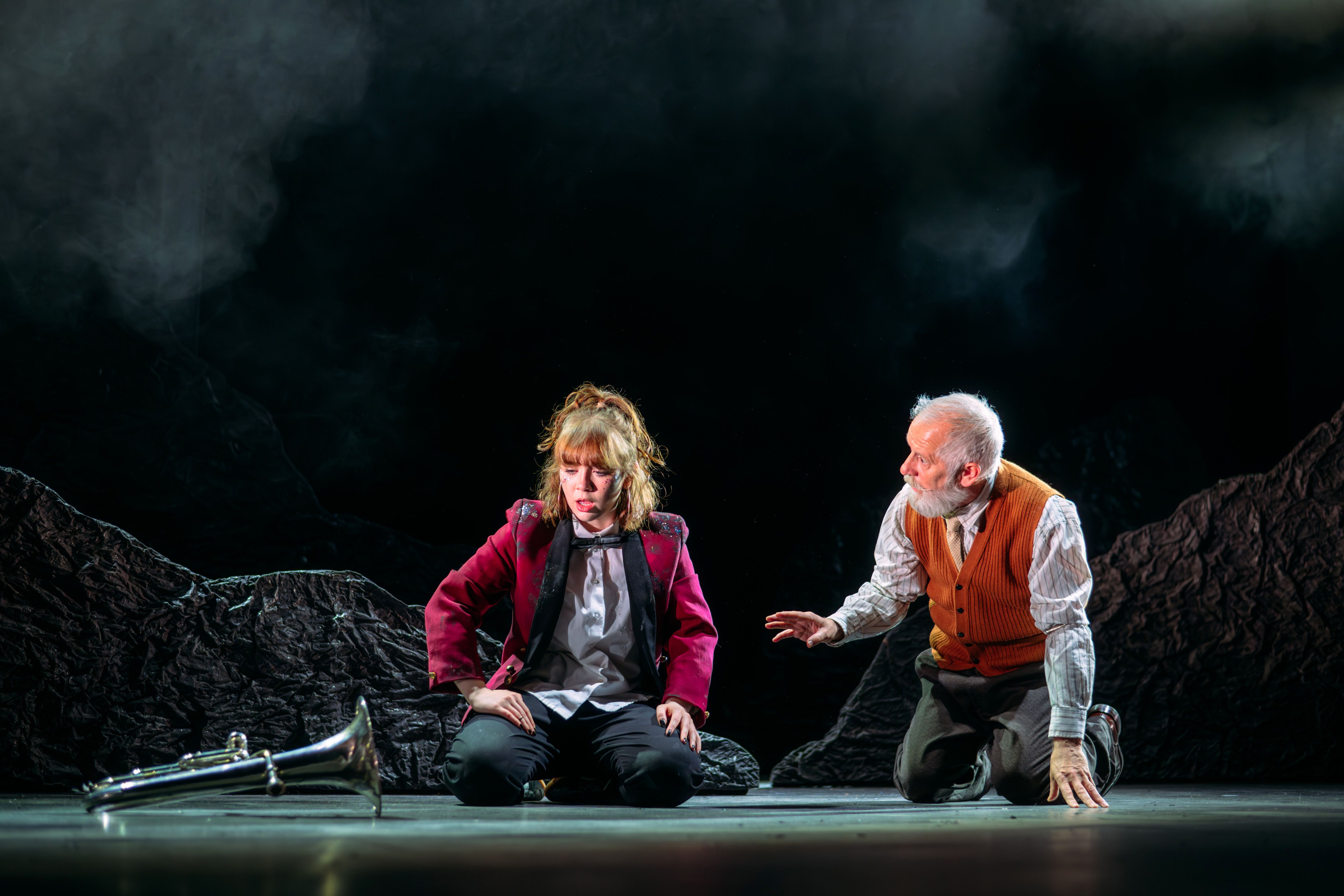
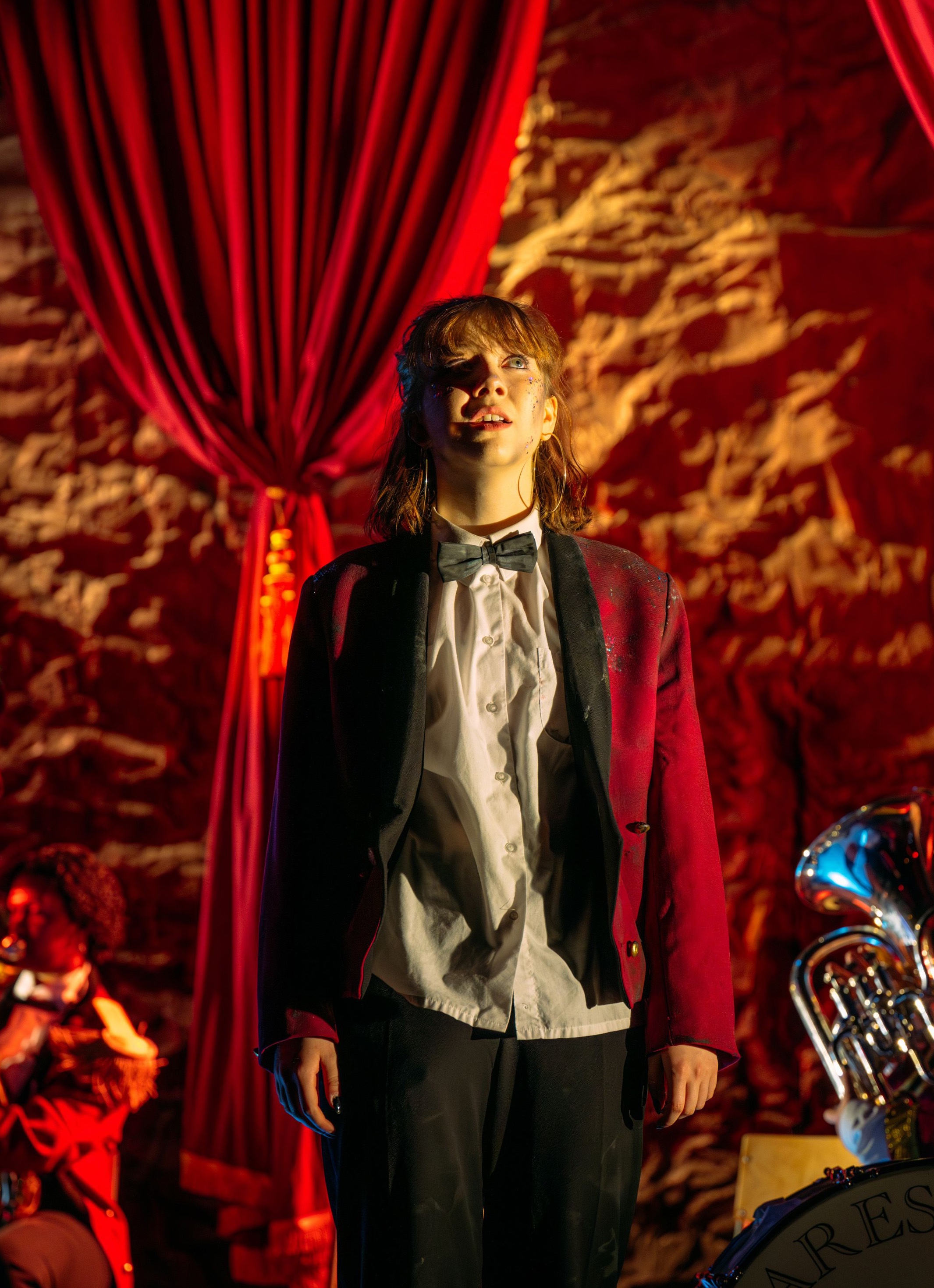
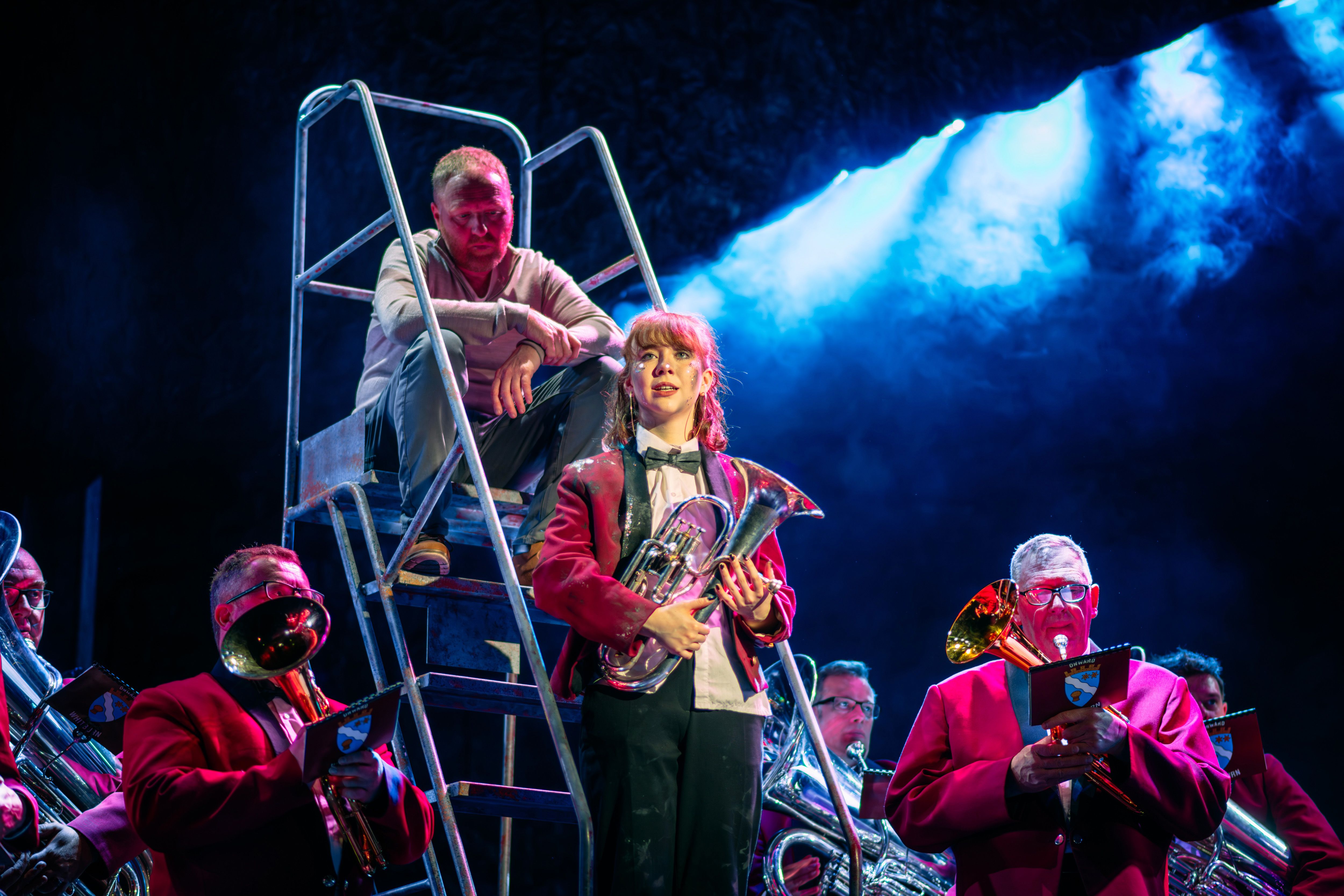
Not so much a musical as a play in which music is an intrinsic part of the production, Keli is set in the fictional Anston (based on the real-life Whitburn), where the titular character – a motor-mouthed seventeen-year-old played by Liberty Black – lives with her agoraphobic mum, Jane (Karen Fishwick). Keli is doing her business HND and works part time at the local Scotmid. She’s also a member of the Anston brass band; indeed she’s their star player, even if she does find it hard to get to rehearsals on time. Bandleader Brian (Phil McKee) needs her there because the band has been chosen to perform in a national competition at the Royal Albert Hall, and he’s depending on Keli to nail a particularly tricky solo.

When we first meet her it’s clear that something has gone horribly wrong. She’s in the act of stealing a tenor horn from a glass case in a nearby country home. The last thing she’s expecting is for the ground to give way and send her plunging into the labyrinths of the old coal mine that runs beneath the property – and she certainly doesn’t expect to find an old man lurking down there, waiting to ask her some very perplexing questions…

Keli, written by Martin Green, began life as an audio play. In this theatrical version the music (also composed by Green) still provides a constant counterpoint to the drama. In fact, occasionally the score obscures parts of the dialogue, but that’s probably something that will settle in as the run progresses.

The combination of brass band music and coal mine closures inevitably evokes comparisons with the 1996 film Brassed Off (indeed, it’s even mentioned at one point) but Keli is a different beast entirely, a strange blend of kitchen sink reality and contemporary fantasy. While I’m not sure all the elements work – a lengthy sequence set in a sexy London nightclub feels oddly misplaced – there’s still lots here to enjoy. Black is sassy and vivacious in the title role, while Billy Mack submits a charming performance as the mine’s mysterious inhabitant, William. Olivia Hemmati is terrific in the twin roles of Amy, Keli’s Scotmid supervisor, and Saskia, a free-spirited woman Keli meets in a pub in London, who shows her how to embrace her inner self.

Set designer Alisa Kalyanova and lighting supervisor Hana Allan make the production look sumptuous – the evocations of the coal mine are particularly effective. Director Bryony Shanahan keeps the momentum bubbling as the piece moves effortlessly through a series of different locations.

And there’s no denying that the play’s final scene offers a thrilling crescendo as – on alternating nights – the massed ranks of the Whitburn/ Kingdom brass bands file onto the stage and let rip. Worth catching? You’re darned tooting it is!

3.6 stars

Philip Caveney
LA TABLE D’YVAN

10/05/25

Mas des Carassins, St Remy de Provençe, France

We’re back in Provençe for the first time in far too long and, since we’ve promised to take the inimitable Brenda S out for a meal to celebrate her recent birthday, we’re glad to hear that she’s just as keen as we are to return to La Table d’Yvan, one of our favourite fine-dining restaurants in the area. It’s a beautiful sunny evening and the restaurant, nestled in its tranquil setting, provides a wonderful place to savour a meal. We sit at a table in the conservatory and gaze out across acres of verdant countryside, while we nibble at a platter of green olives, fresh bread and croutons.

Some things have changed since we were last here – we no longer drink alcohol – but on this occasion, we do enjoy a glass of a particularly nice 0% Sauvignon Blanc, suggested by our waiter, which proves to be one of the best I’ve tried.

The first meal to arrive is dismissed by her as a mere amuse bouche, though that hardly does justice to what she brings us: a large serving dish, elegantly laden with bowls of sumptuous guacamole decorated with spears of crisp pastry; glasses of chilled cucumber soup, a perfect choice for the current weather; and rectangles of soft, chewy parmesan focaccia. As amuse bouches go this has to be one of the most elaborate and utterly delicious creations I’ve sampled.

Onto the menu proper, and we’re served prawn three ways. There’s a delightfully-crispy tempura king prawn, the cooking perfectly executed with a zesty crunch and not a trace of greasiness. There’s a lightly-cooked prawn, beautifully contrasted by the bed of earthy spiced beans it rests on; and the final variation on the theme is a prawn liberally bathed in a tantalising creme légére. Needless to say, all iterations are promptly devoured and each of us has a different favourite.

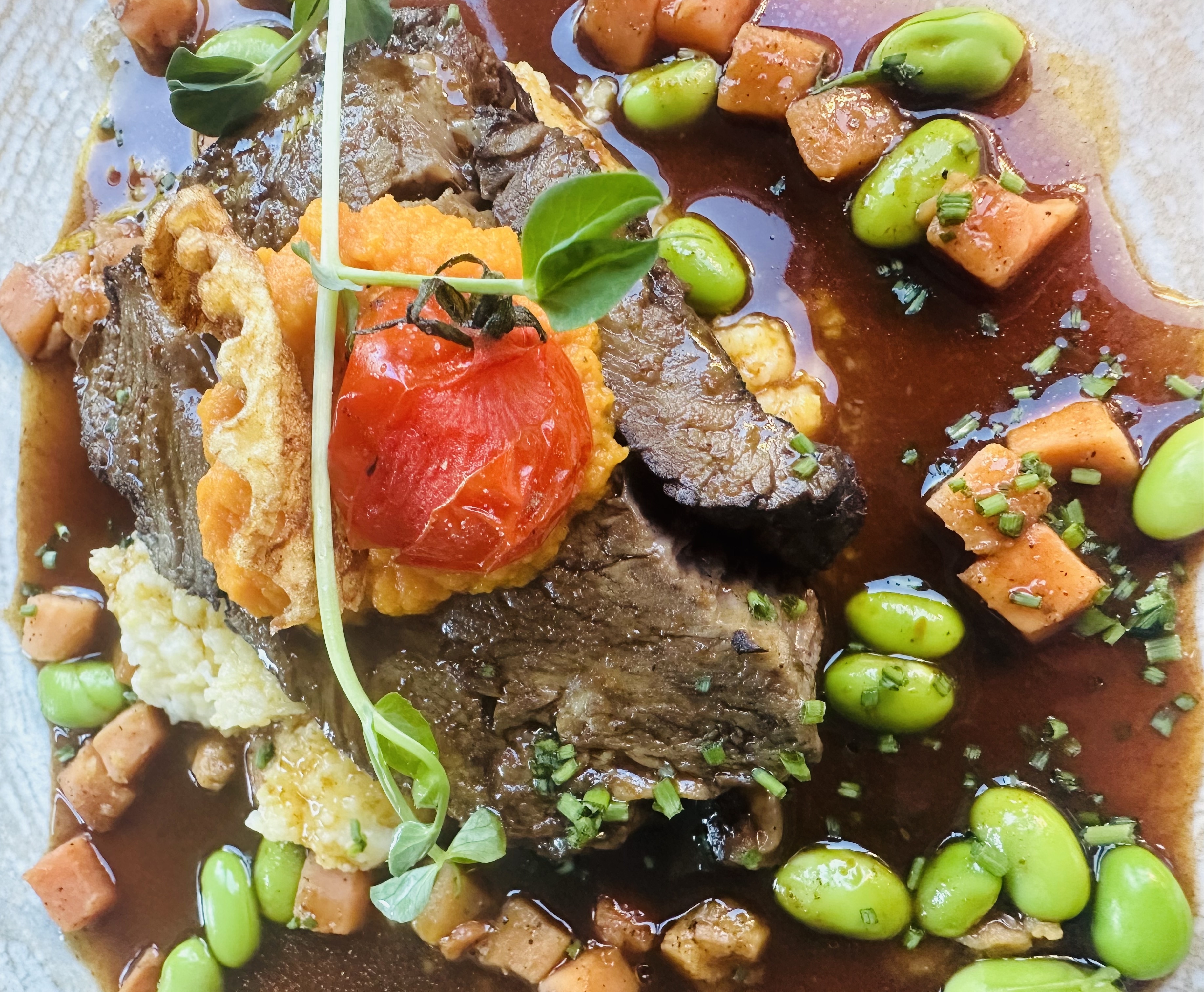
For the main course, there’s an entrecote of beef, cooked for seven hours until it is the very definition of ‘melt-in-the-mouth.’ It resides on a bed of polenta mash and is surrounded by a generous scattering of flageolet beans and diced carrots. Each serving is topped by a reduction of butternut squash, on the peak of which a single roasted vine tomato offers a burst of even more intense flavour. The whole dish is drizzled with a beautiful red wine jus and I find myself unable to resist mopping the plate clean with the hunk of soft, white bread I’ve been saving for just such an opportunity.

Next up, there’s a selection of five cheeses, varying from a mild, creamy goats’ cheese to a ripe, flavoursome gorgonzola, and ticking all the boxes in between. There’s no messing about here, just the cheeses and more bread if required, though we skip the latter, wanting to leave room for something sweet.

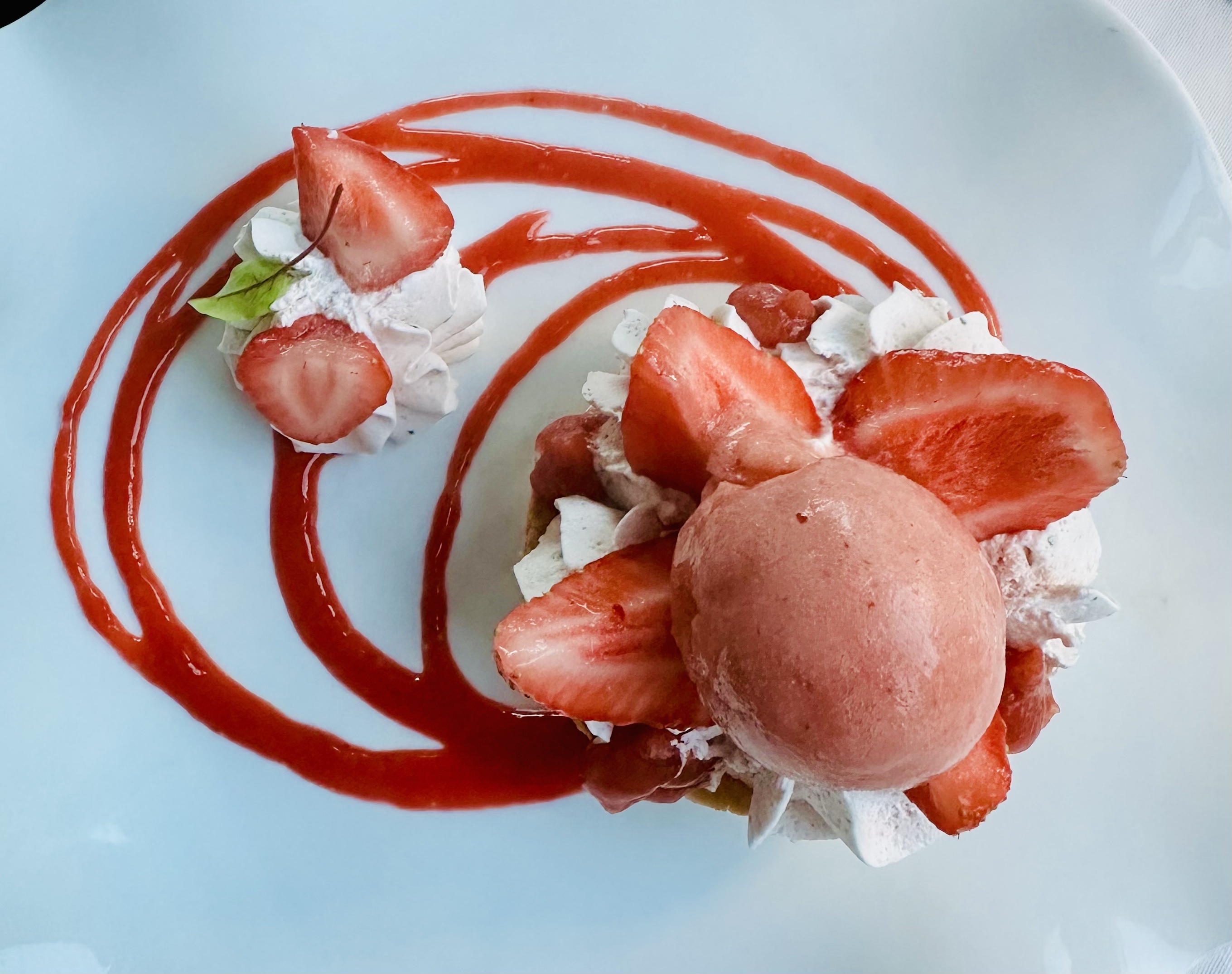
Which brings me – I’m delighted to say – to the pudding, a picturesque creation of strawberries, chantilly cream and sorbet, which looks absolutely fabulous and tastes even more so.

Did I mention that this establishment manages to bring in these superb dishes at prices that represent exceptional value for money? Well, they do and I’m saying it now: if you live in the area or are planning to travel to Provençe any time soon, this restaurant should definitely be on your ‘to visit’ list.

Everything about it – the location, the price and, of course, the food, is quite simply magnifique.

5 stars

Philip Caveney
Bonnie and Clyde: The Musical

04/05/25

Dominion Cinema, Edinburgh

Jesse James. Billy the Kid. Butch Cassidy.

America has long had an infatuation with the myth of the outlaw and Bonnie Parker and Clyde Barrow are simply more recent examples of the phenomenon. They carried out their crimes – and met with a deadly reckoning for their transgressions – in the early nineteen-thirties at the height of the Great Depression. The two young criminals were deified in their own lifetimes, largely due to the poems that Bonnie wrote about their exploits and, after their deaths, by several images that were found on a camera that belonged to them. But they had to wait until 1967 to be fully rediscovered, when Arthur Penn’s visceral film about the two criminals brought them back to the attention of young audiences around the world.

Filmed in London’s West End in January 2022 to a sold-out crowd all wearing face masks (a reminder that we had just come through a grim time in our own history), this assured musical offers an intelligent reassessment of Bonnie and Clyde’s familiar story. It begins at the end of their journey with a grim account of the number of bullets that were fired at them in their final moments (130, if you’re interested), before backtracking briefly to their respective childhoods. Young Bonnie (Bea Ward) is already starstruck, singing a song about her favourite movie star, Clara Bow, who she longs to emulate. Young Clyde (Albert Atack) despairs of his family’s hardscrabble existence and is making putative plans for an escape that only a generous infusion of cash can facilitate.

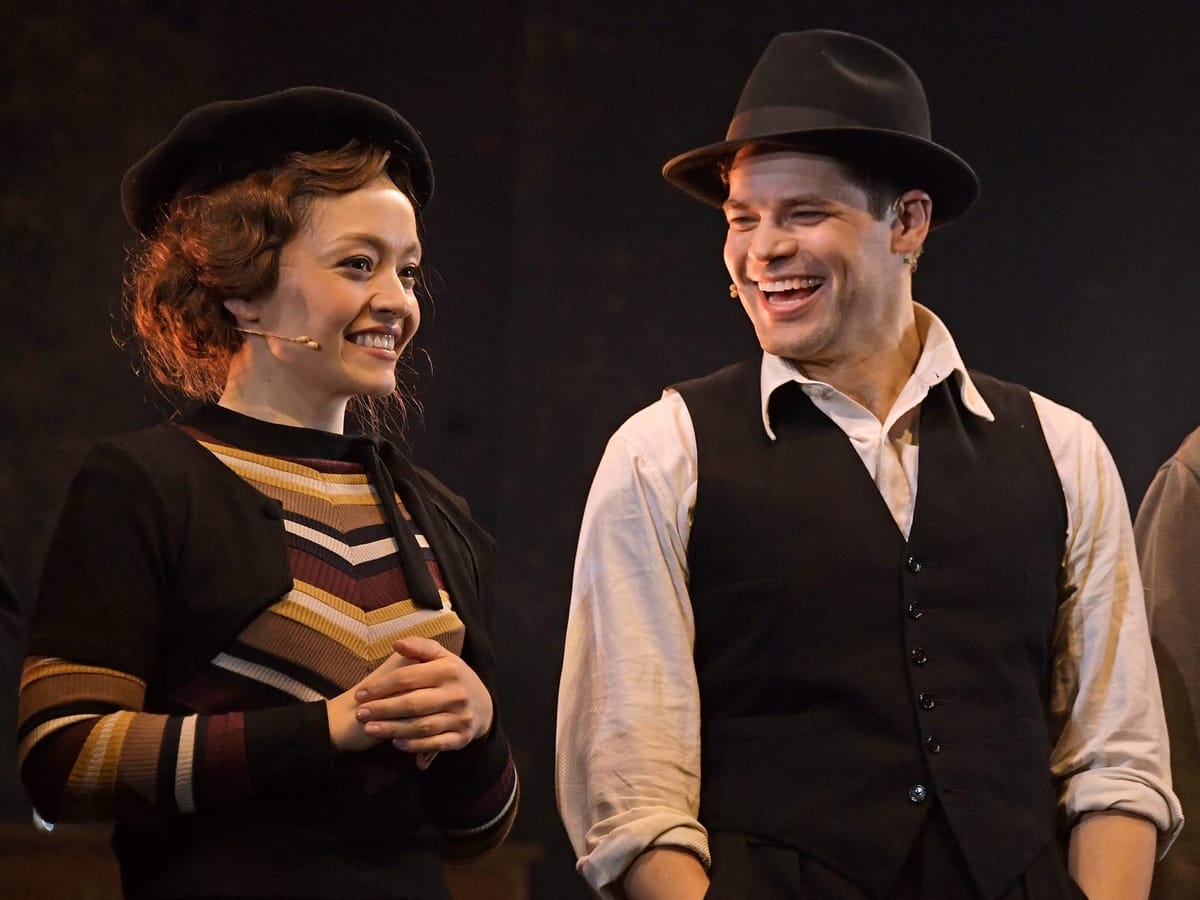
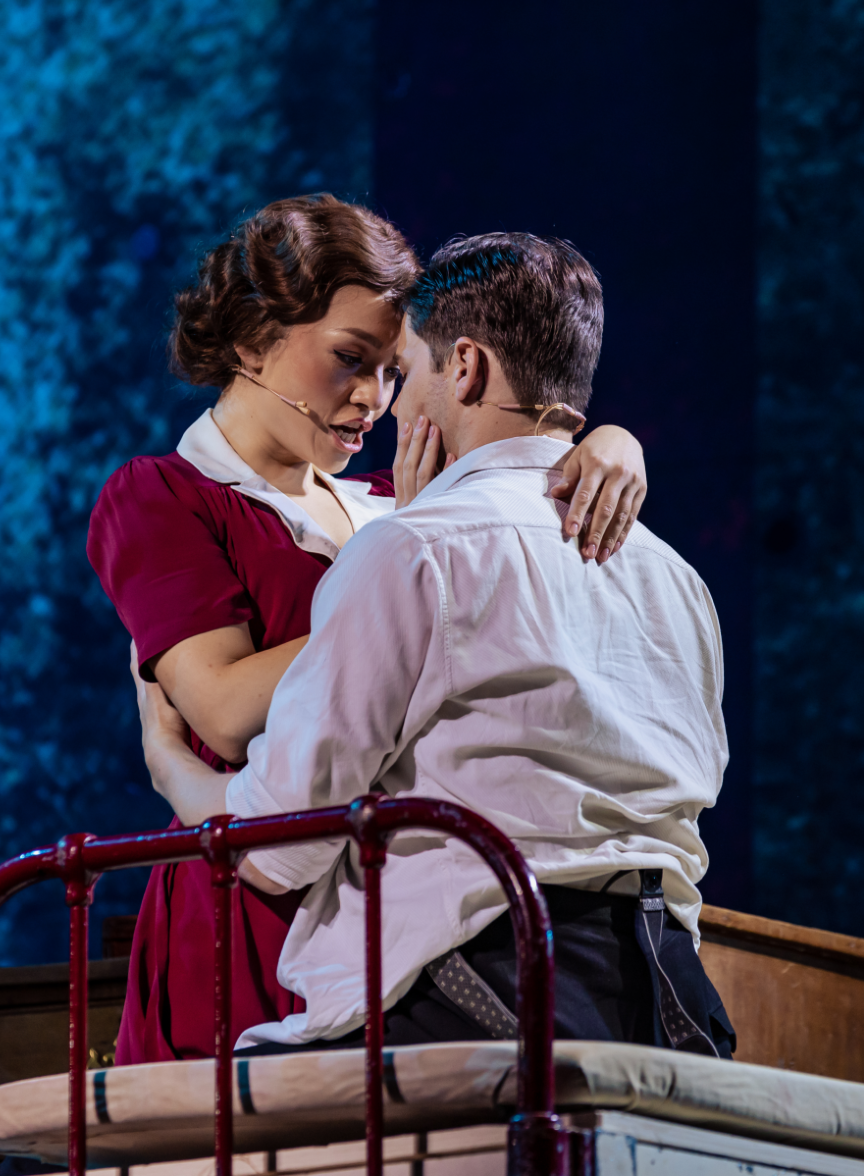
Pretty soon they’ve grown up. Bonnie (Frances Mayli McCann) is working as a waitress when she first encounters the smooth-talking Clyde (Jeremy Jordan). He’s recently absconded from prison but still finds time in his frantic schedule for a little romance. There’s an instant attraction between them, and almost from the word ‘go’, they are inseparable. Clyde’s older brother, Buck (George McGuire), welcomes Clyde’s latest sweetheart, but Buck’s God-fearing wife, Blanche (Natalie McQueen), isn’t quite so entranced by her – and makes her feelings clear.

However, it’s only a matter of time before Buck and Blanche are drawn in to the couple’s irresistible orbit and, as The Barrow Gang graduates from robbing general stores to robbing banks, retribution is patiently biding its time…

Directed by Nick Winston with book by Ivan Menchell and songs by Frank Wildhorn and Don Black, Bonnie and Clyde: The Musical is a powerful retelling of this familiar tale, the songs ranging from blues-infused upbeat thumpers to soulful ballads. From time to time, ‘The Preacher’ (Trevor Dion Nicholas) strides on to deliver some gospel-soaked anthems, clinically parting his congregation from their hard-earned cash in exchange for excerpts from the Bible. The sense of desperation looms large. A scene where the gang stage a bank robbery only to discover that the vaults are completely empty is a particular eye-opener. This is a point in history when people are compelled to take desperate measures.

The performances are uniformly strong. Jordan captures Clyde’s unflagging determination to better himself and his steadily-mounting realisation that he is doomed, while Mayli McCann excels as a woman so under her partner’s spell that she is helpless to resist the inevitable slide towards her own destruction. McQueen offers a deliciously-funny performance as the disapproving Blanche, somehow managing to make every line she utters a searing condemnation.

I find myself wondering how Winston will attempt to recreate the carnage of the duo’s final moments, but happily, he doesn’t even try, preferring to leave them at an intimate moment shortly before they set off on their final journey. And on reflection, that seems the wisest approach.

We all know what happened to Bonnie and Clyde – and the essence of these two legendary figures is not how they died but how they lived.

4.8 stars

Philip Caveney