Month: December 2024

Theatre Bouquets 2024

It’s been an exciting year for theatre in Edinburgh, so in time-honoured tradition, here are our ten favourite productions from 2024, plus three special mentions.

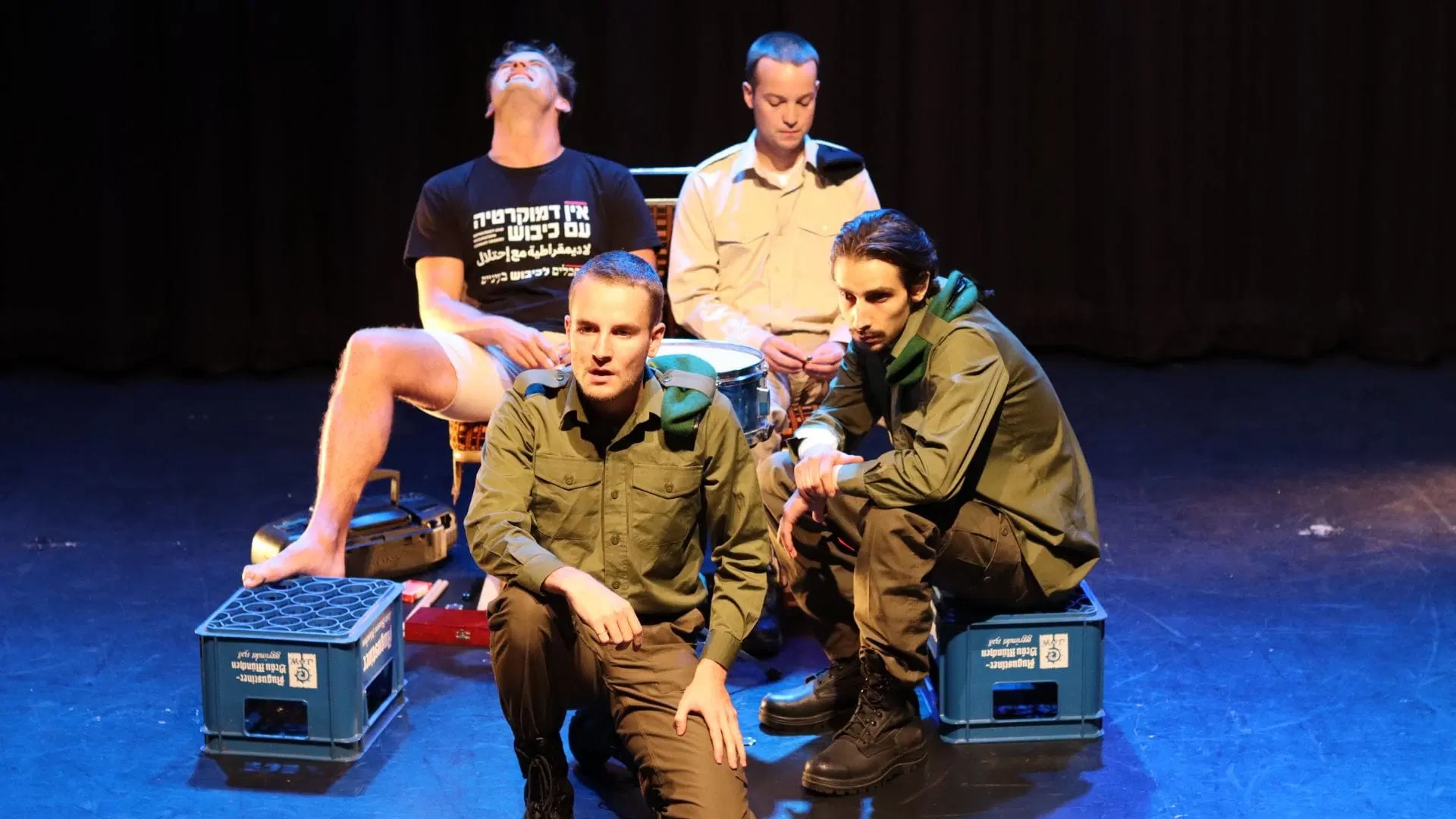
The House (Traverse Theatre, Edinburgh)
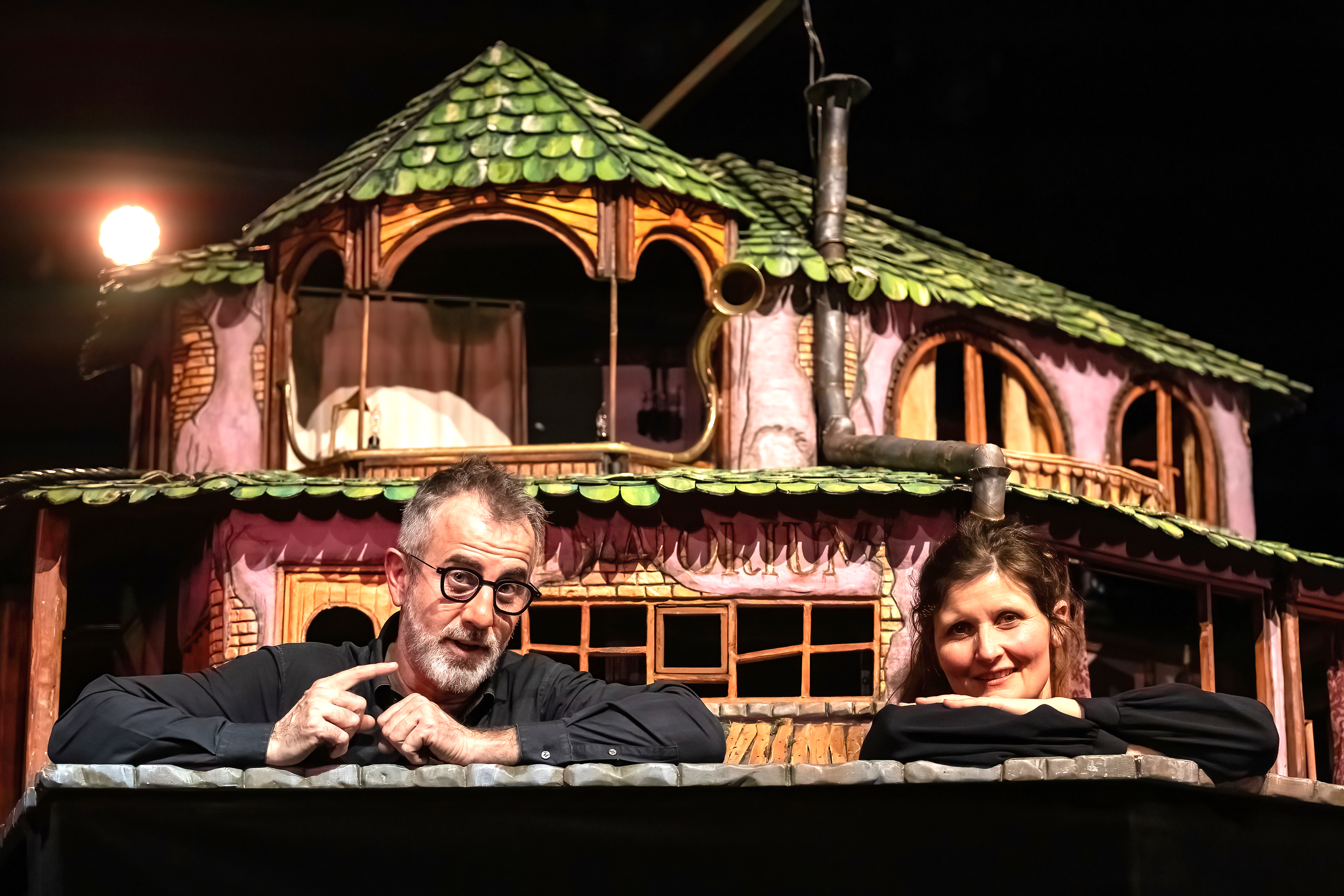
“Everything about this performance – the lighting, the music, the props – is exquisite and I love the piece’s grisly sense of humour, its celebration of the darkness of the human soul…”

The Giant on the Bridge (Traverse Theatre, Edinburgh)
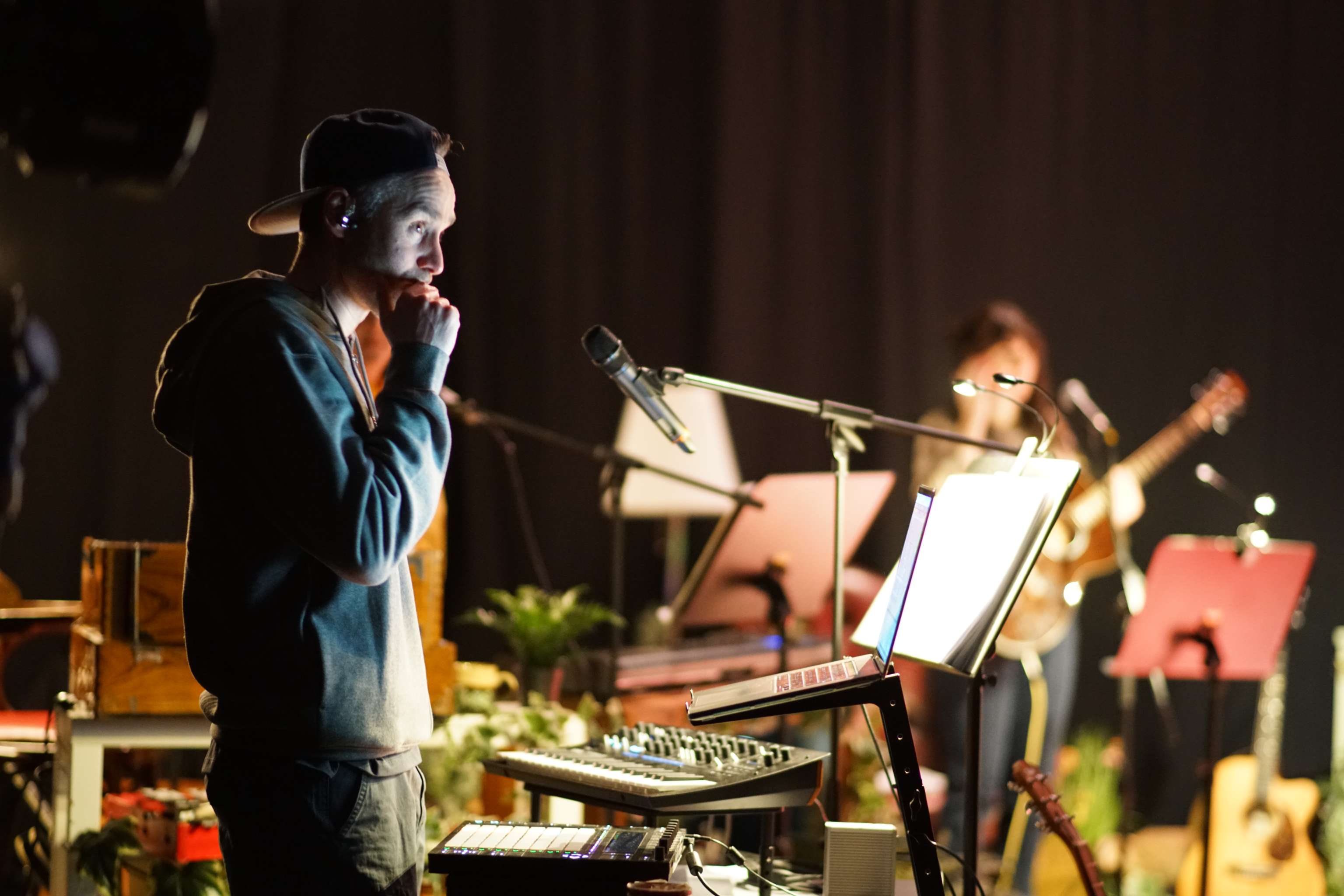
“A complex, labyrinthine piece that explores a whole range of different moods, moving from plaintive acoustic ballads to propulsive electric rock…”

Blue Beard (Lyceum Theatre, Edinburgh)
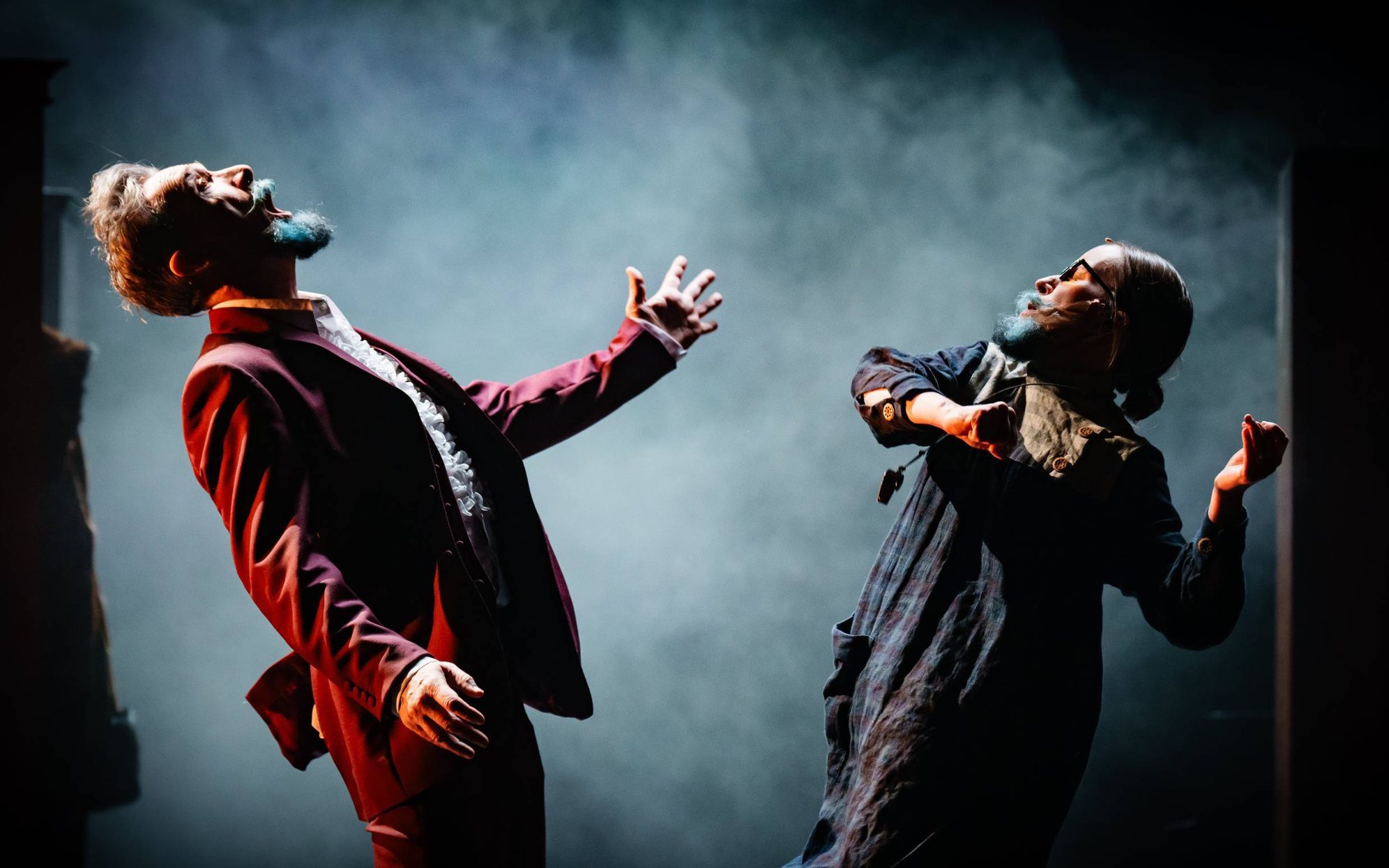
“All about the seductive allure of darkness, the impulse that makes us devour murder-mysteries and glamourise the bad guys…”

The Sound Inside (Traverse Theatre, Edinburgh)
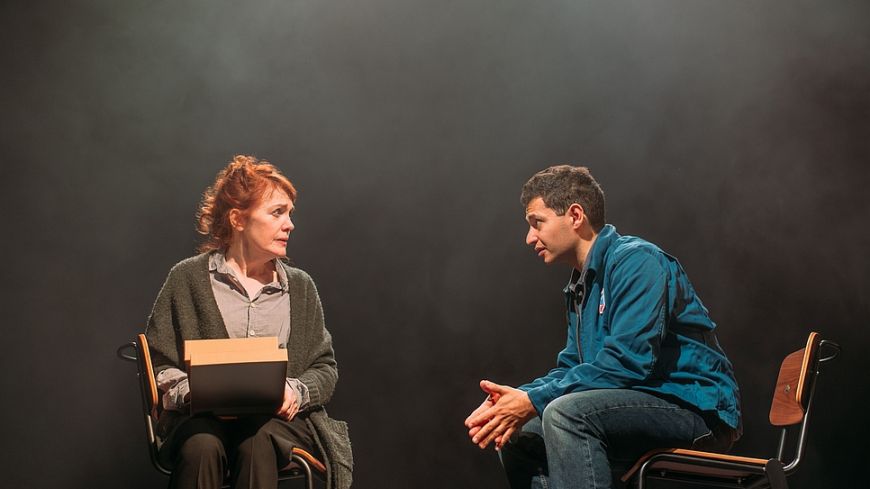
“Adam Rapp’s exquisite play has all the qualities of a great novel, pulling me deeper and deeper into its labyrinthine heart, providing the audience with puzzles to solve and mysteries to ponder…”

VL (Roundabout at Summerhall, Edinburgh)
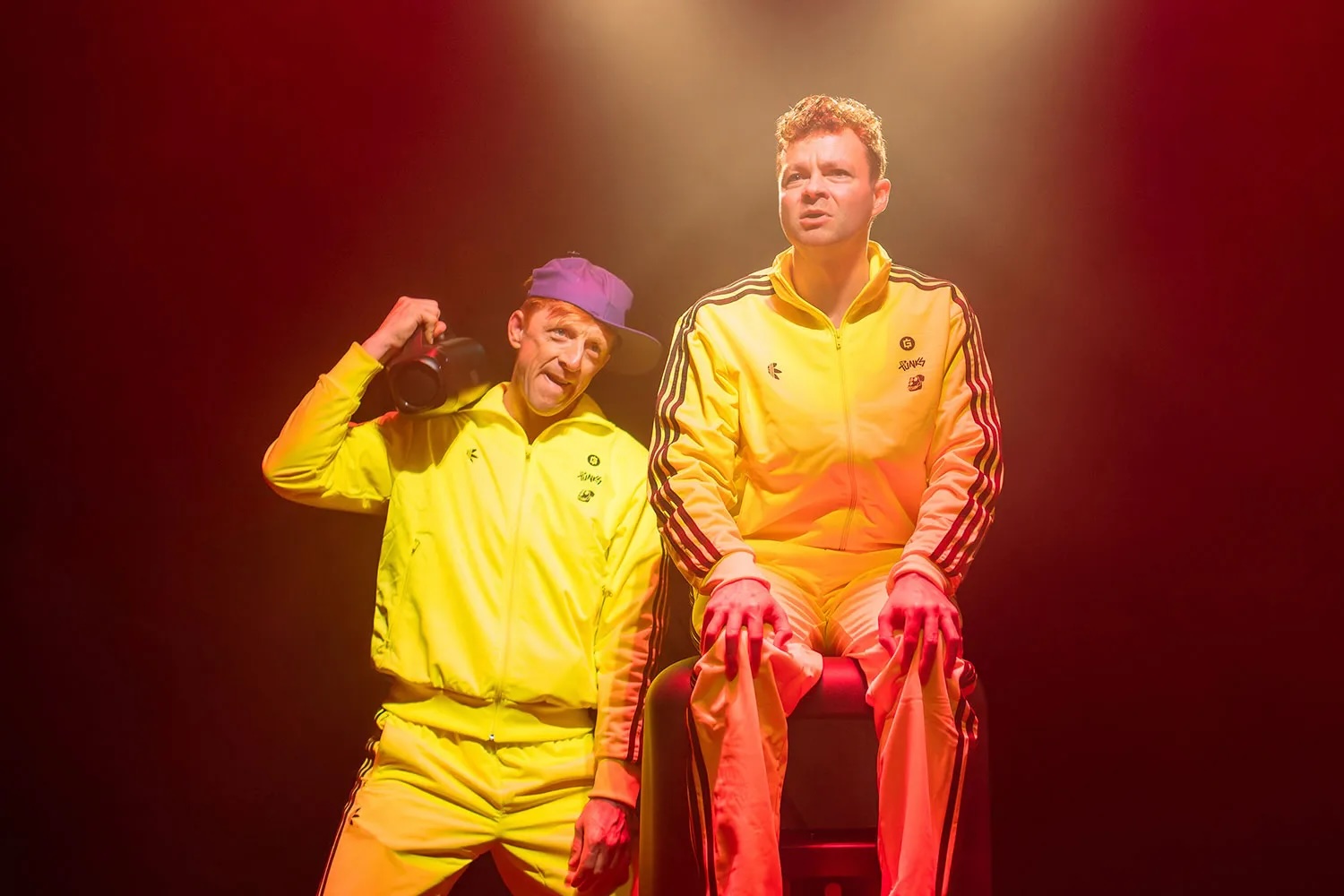
” A whip-smart comedy that also has some incisive things to say about the difficulties of adolescence and the importance of friendship…”

Summer of Harold (Assembly Checkpoint, Edinburgh)
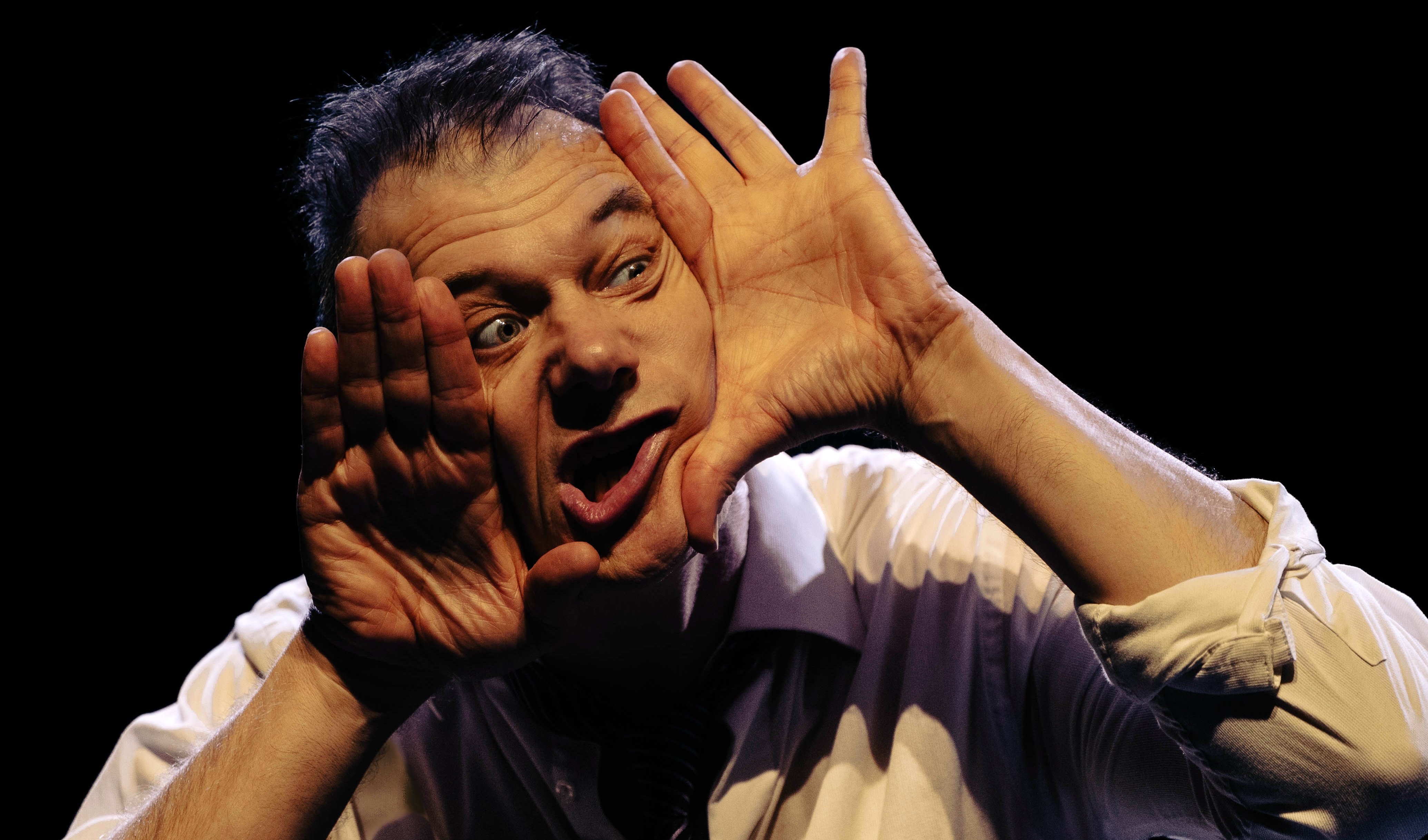
“An hour-and-a-half of impressive theatre, with snort-out-loud humour as well as profound emotional moments…”

The State of Grace (Assembly Rooms, Edinburgh)

“Whenever I thinkI’ve got the measure of the piece, it twists in another new direction, giving fresh food for thought, breaking down the barriers that I’ve carried around in my head for years…”

A Streetcar Named Desire (Lyceum Theatre, Edinburgh)
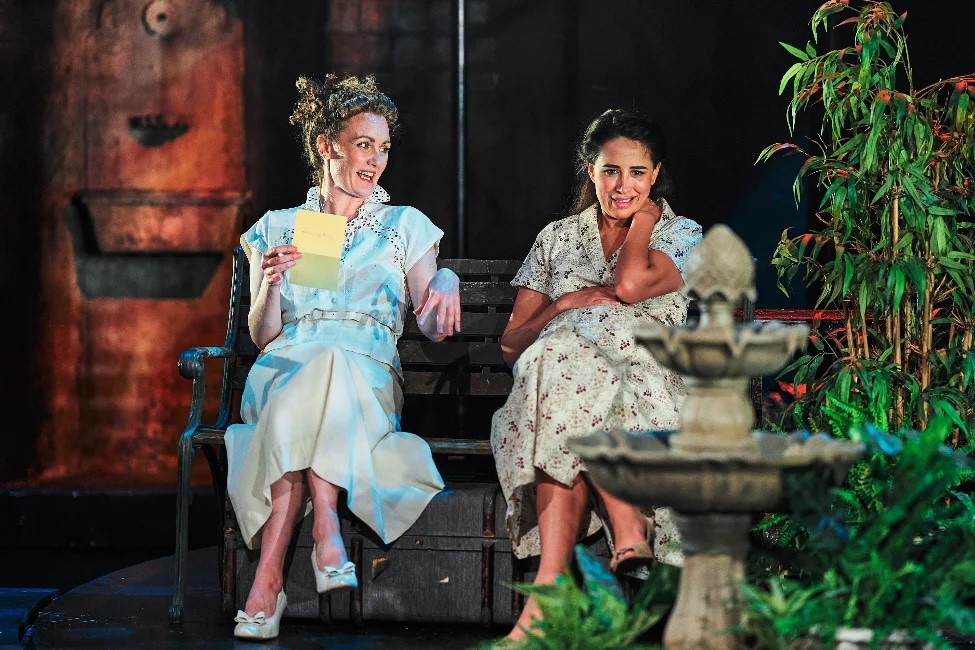
“Increasingly resembles a deranged carousel with the players caught in its unhealthy embrace, unable to get off the ride until it arrives at its ghastly destination…”

Angels in America: Part One – The Millennium Approaches (Bedlam Theatre, Edinburgh)
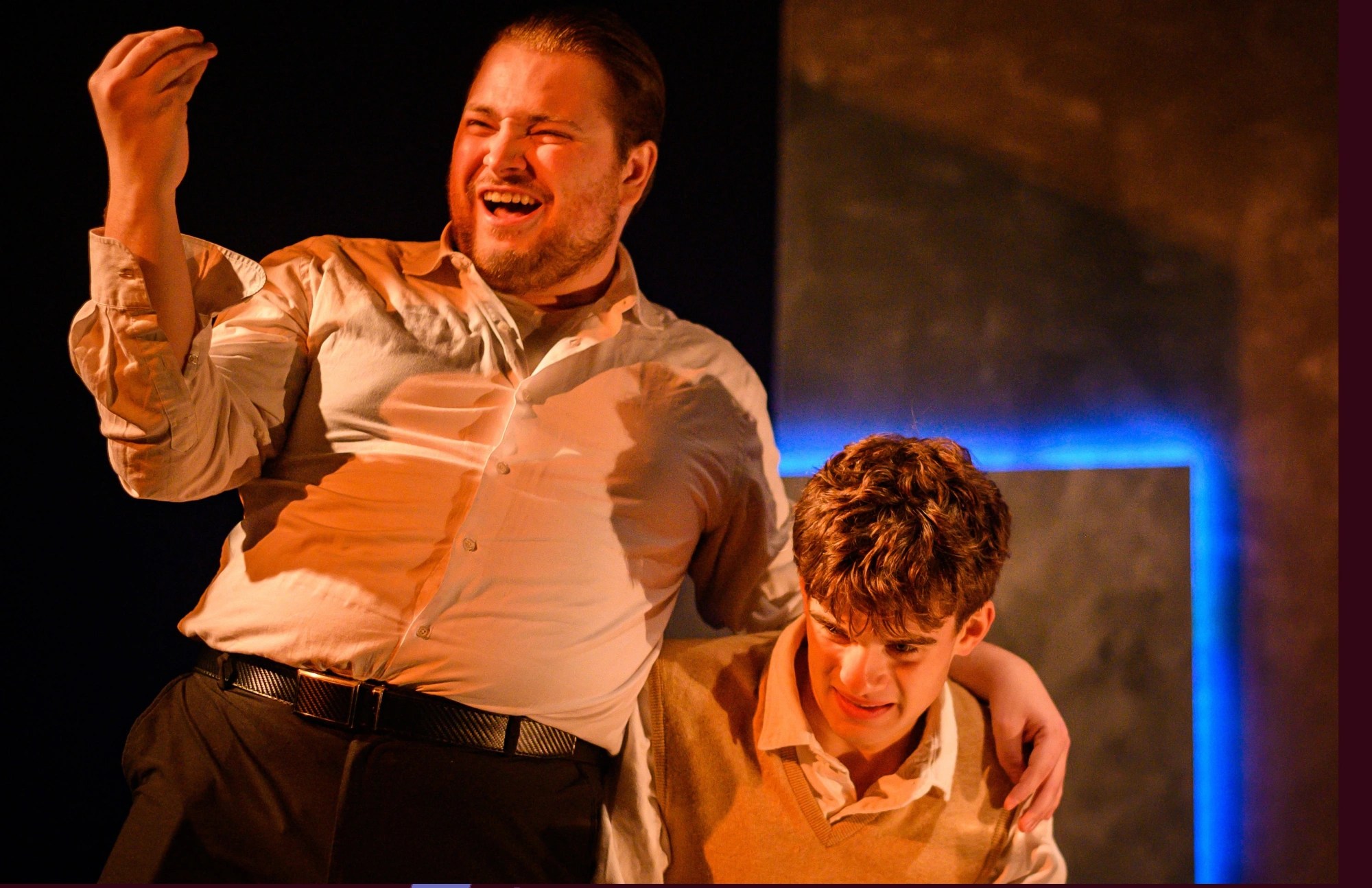
“It’s astounding what EUTC manage to achieve with their limited budget: the final scene in particular is a coup de théâtre…”

Treasure Island (Lyceum Theatre, Edinburgh)
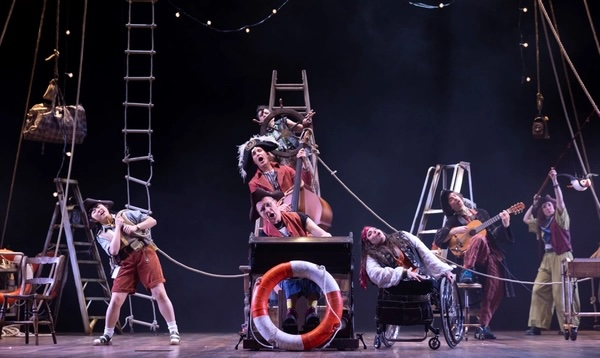
“A must-see for the festive season – you’ll laugh, you’ll tremble, you’ll tap your feet to the jaunty jigs and reels!’

SPECIAL MENTIONS

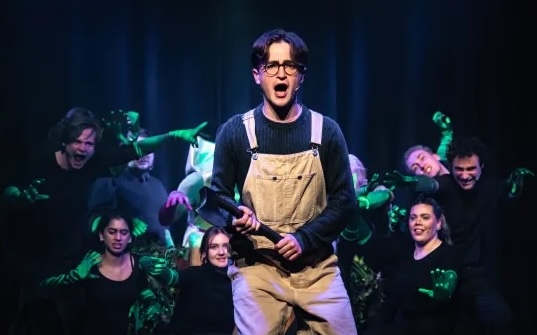
The Little Shop of Horrors (Church Hill Theatre, Edinburgh)

Rebels and Patriots (Pleasance Courtyard, Edinburgh)

Weer (Traverse Theatre, Edinburgh)
Susan Singfield & Philip Caveney

Film Bouquets 2024

2024 has been an interesting (and sometimes infuriating) year for cinema, with some absolute masterpieces crashing and burning at the box office, while inferior sequels have raked in the big bucks. As is our established custom, here’s our regular shout-out of our ten favourite films of the year (plus three ‘special mentions’).

As ever, they are listed in order of release.

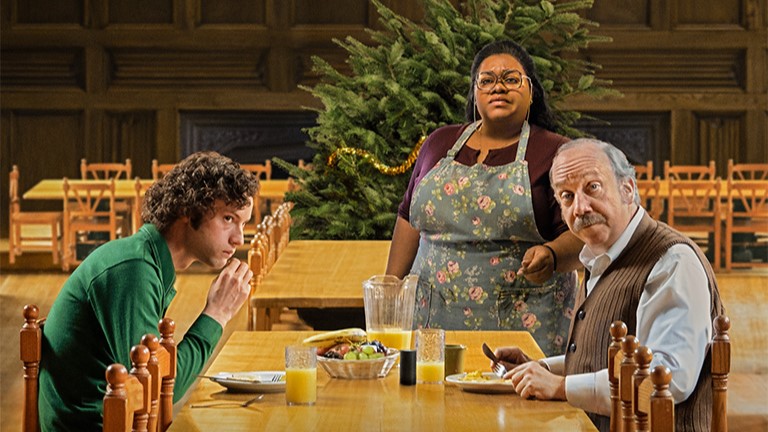
The Holdovers

“Alexander Payne spins a moving, endearing and sweetly sad story about human interaction…”

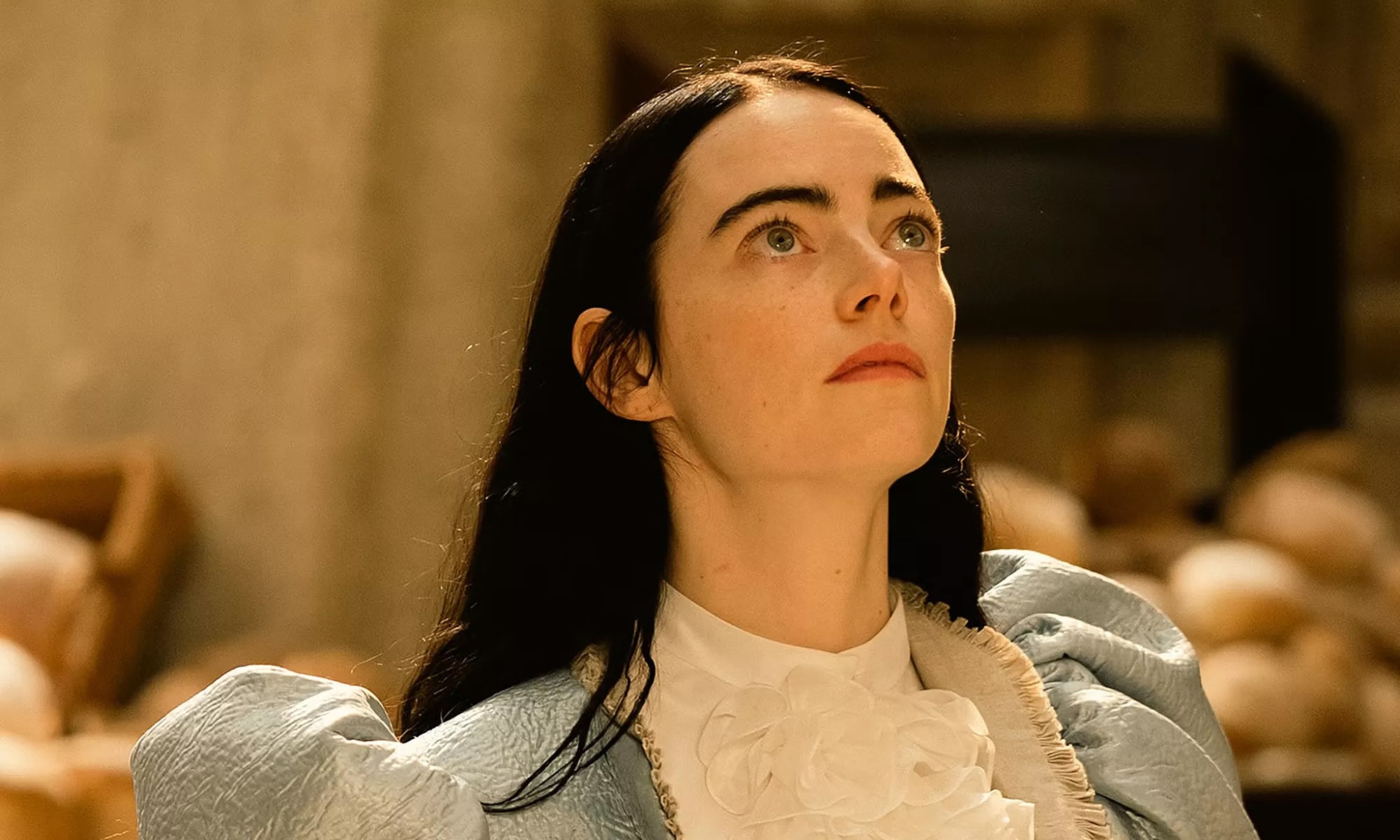
Poor Things

“Hums with pure invention, switching from black and white, to heightened colour, from fish-eye lens interiors and cramped city streets to majestic – almost hallucinatory – landscapes…”

The Zone of Interest

“Real monsters are just everyday people fuelled by hierarchy, encouraged by their superiors to wade ever deeper into the sewer of depravity…”

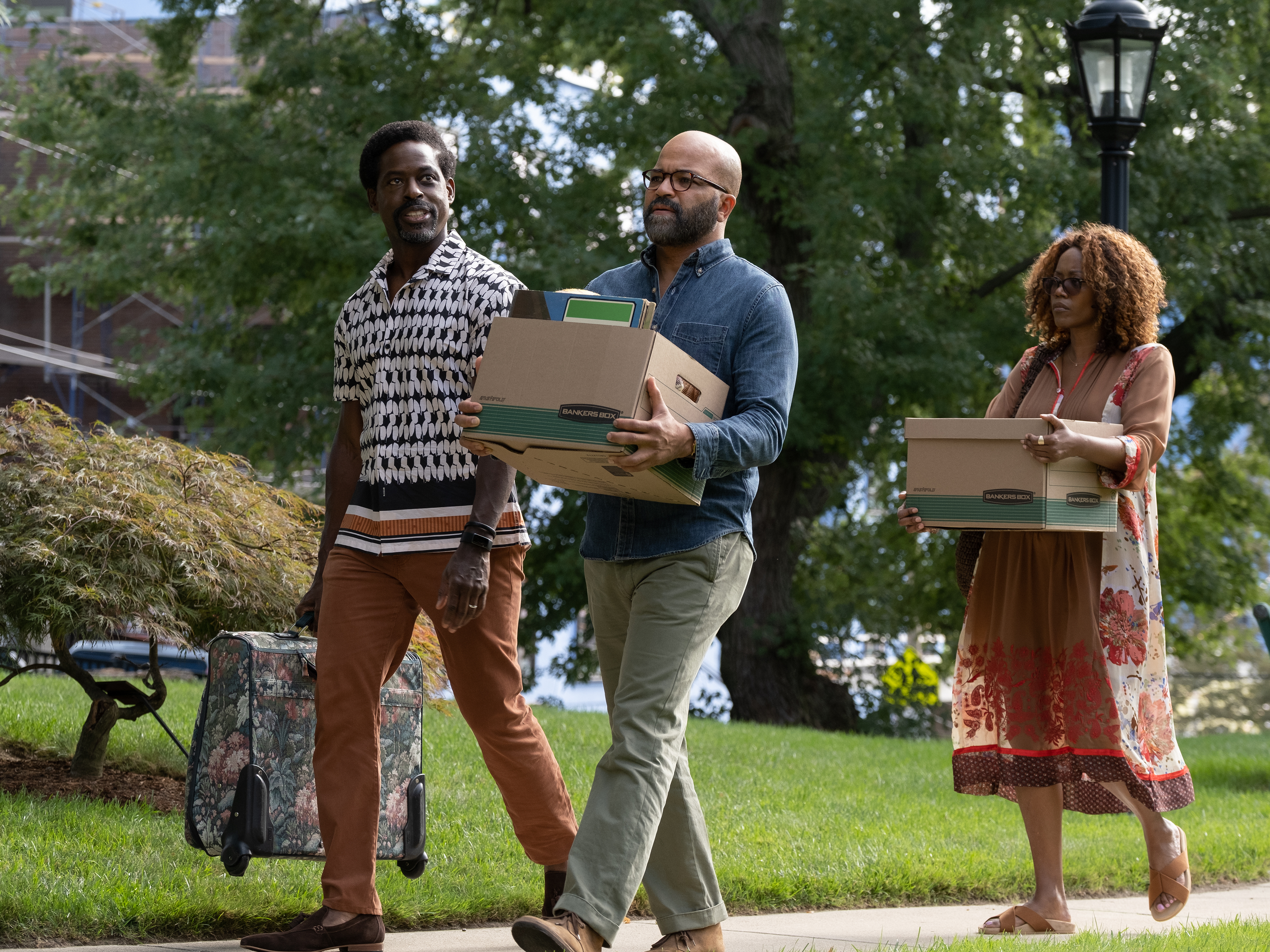
American Fiction


“Both thoughtful and thought-provoking, American Fiction is an impressive piece of work, deftly straddling the highbrow/lowbrow chasm that so infuriates its protagonist…”

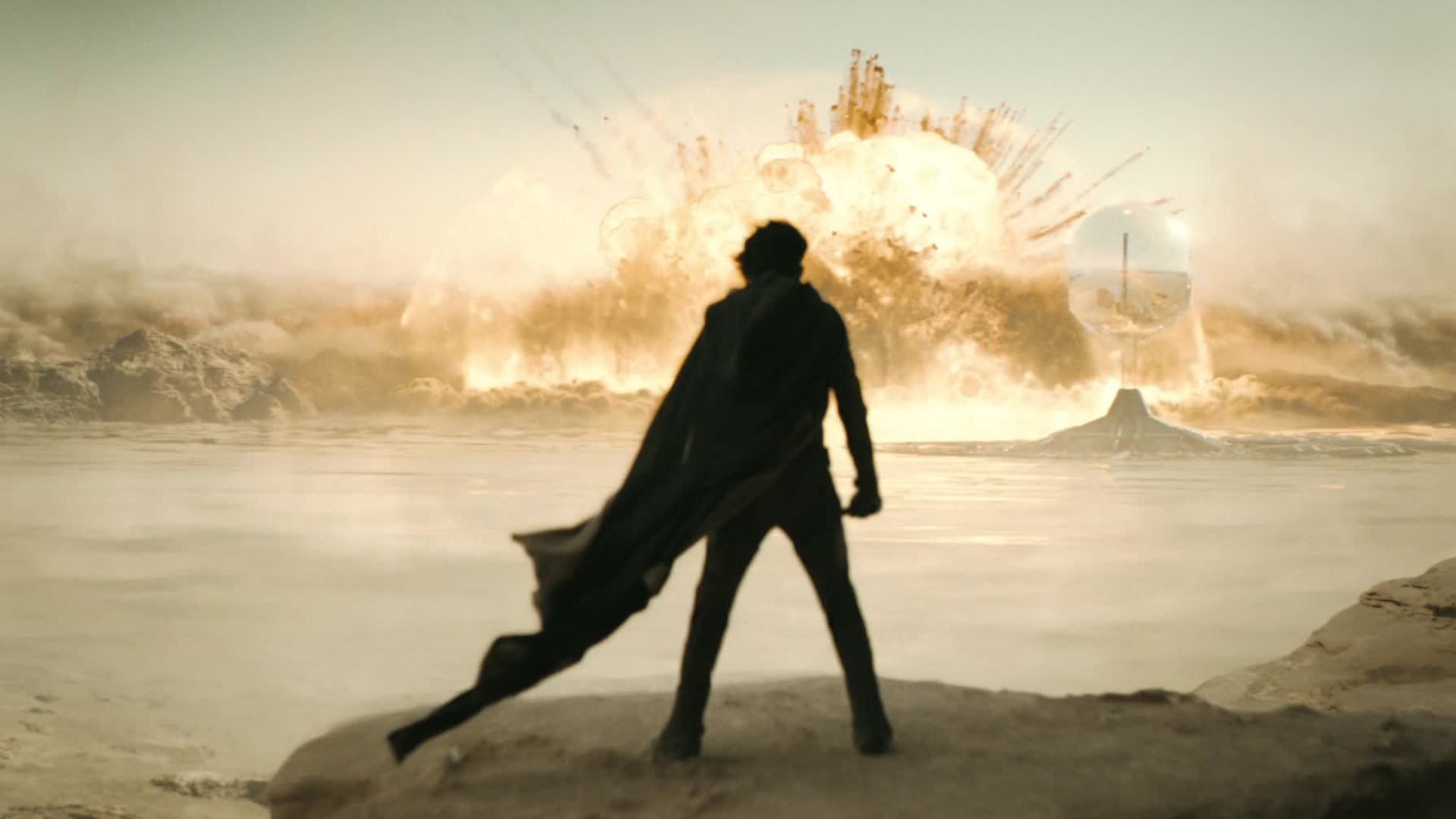
Dune: Part Two

“Allegories about the links between religion and drugs, the evils of colonialism, the ruthlessness of royalty, the inevitability of war between the poor and the privileged…’

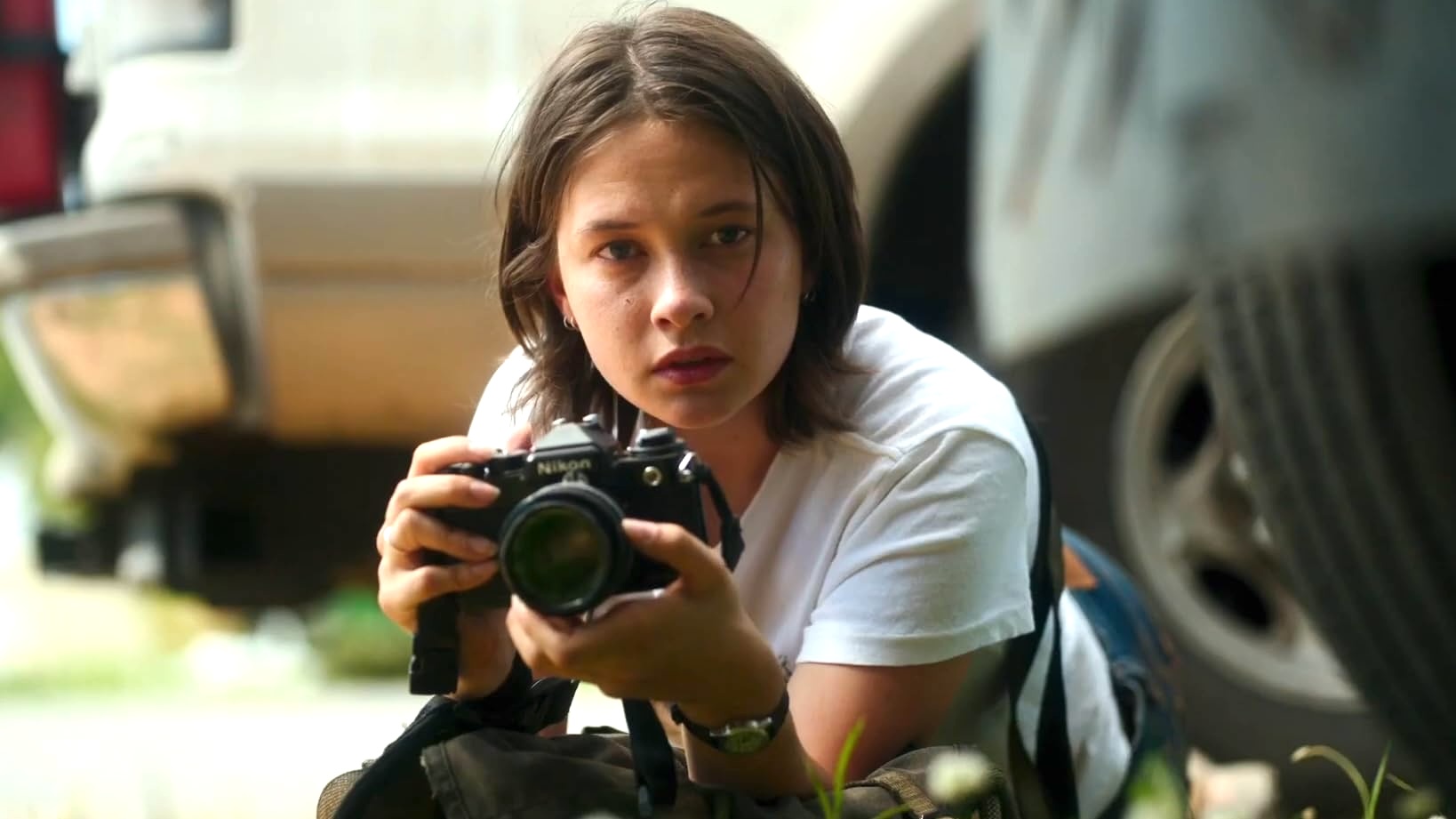
Civil War

“A powerful sense of unease builds steadily throughout – I’ve rarely seen urban warfare depicted with such unflinching realism and attention to detail…”

Furiosa: A Mad Max Saga

“A 79-year-old director at the height of his powers, unleashed into the world’s biggest sandbox and invited to play…”

The Substance

“An adept and powerful meditation on the subject of ageing and the ways in which women are constantly shackled and devalued by it…”

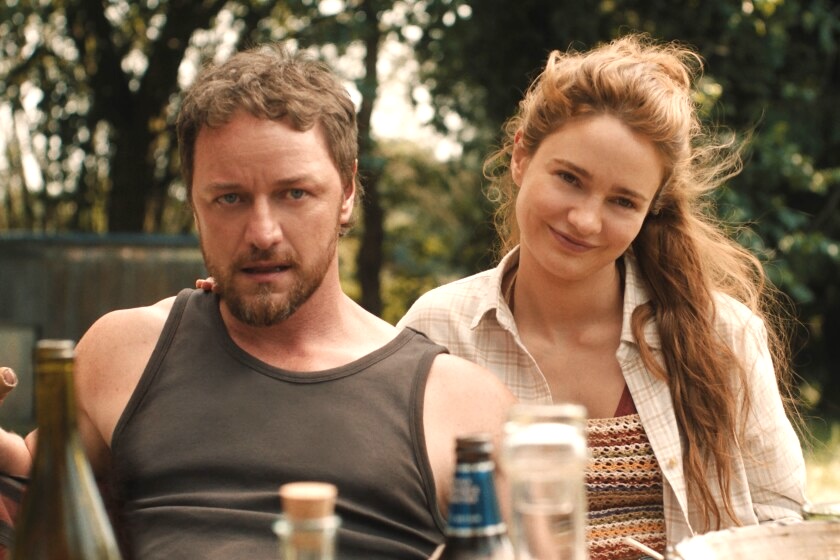
Speak No Evil

“There’s a gradual evolution from edgy confrontation into the realms of full-blown horror…”

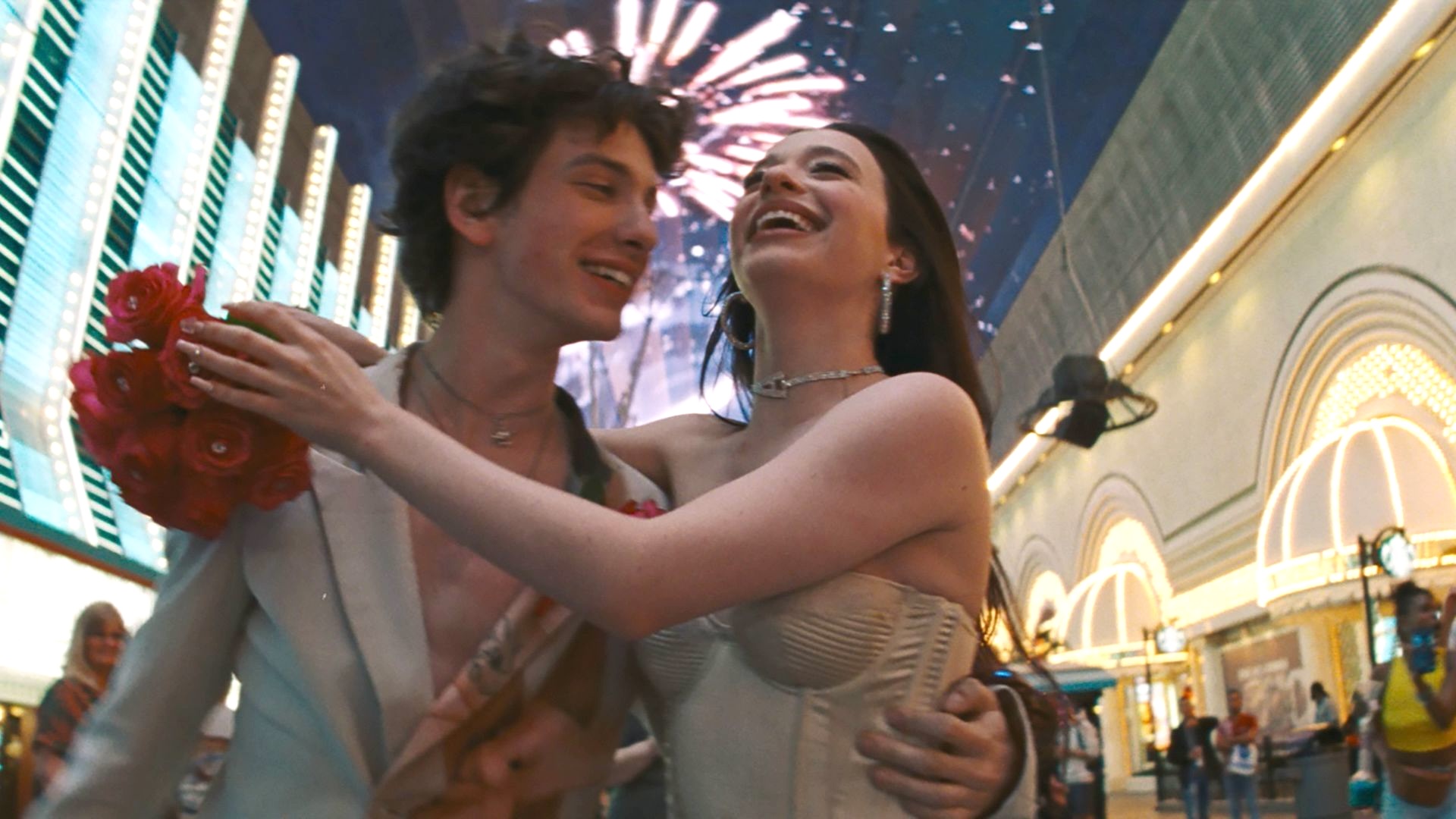
Anora

“Sean Baker excels at placing marginalised people centre stage and showing them in all their complex, multi-faceted glory…”

SPECIAL MENTIONS

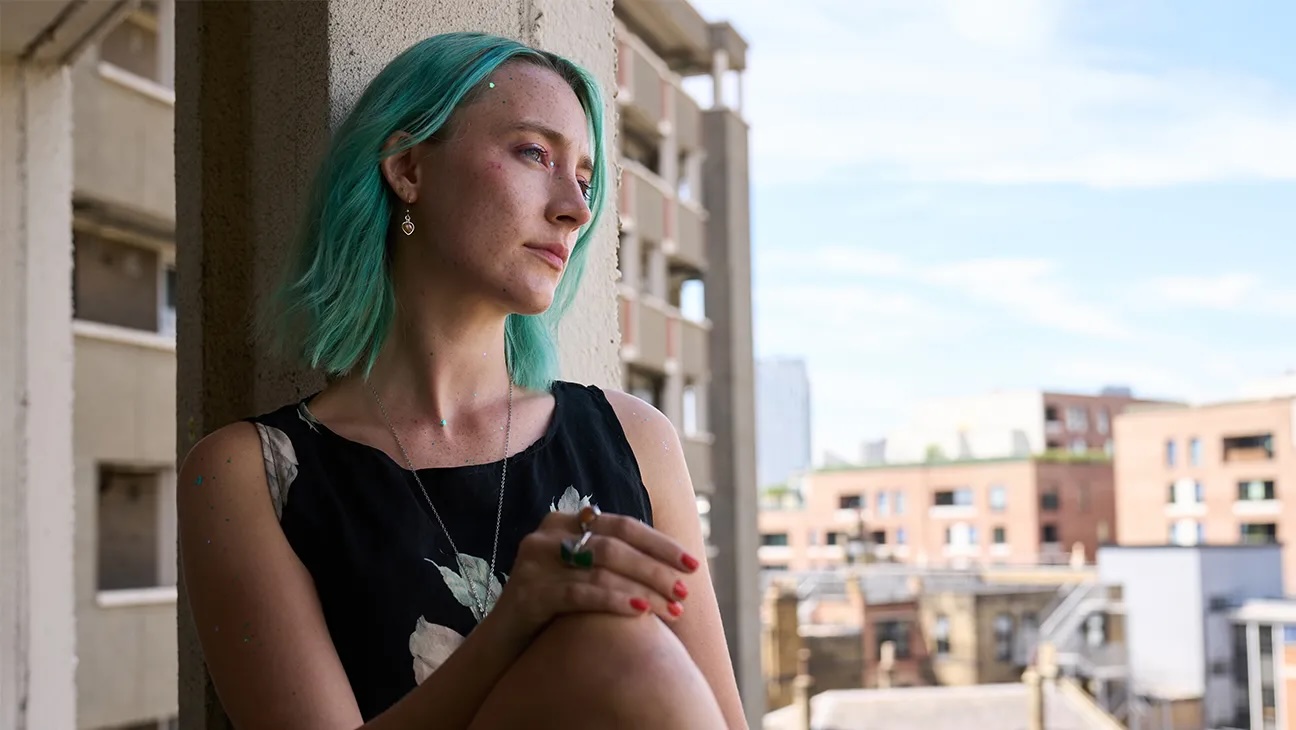
The Outrun

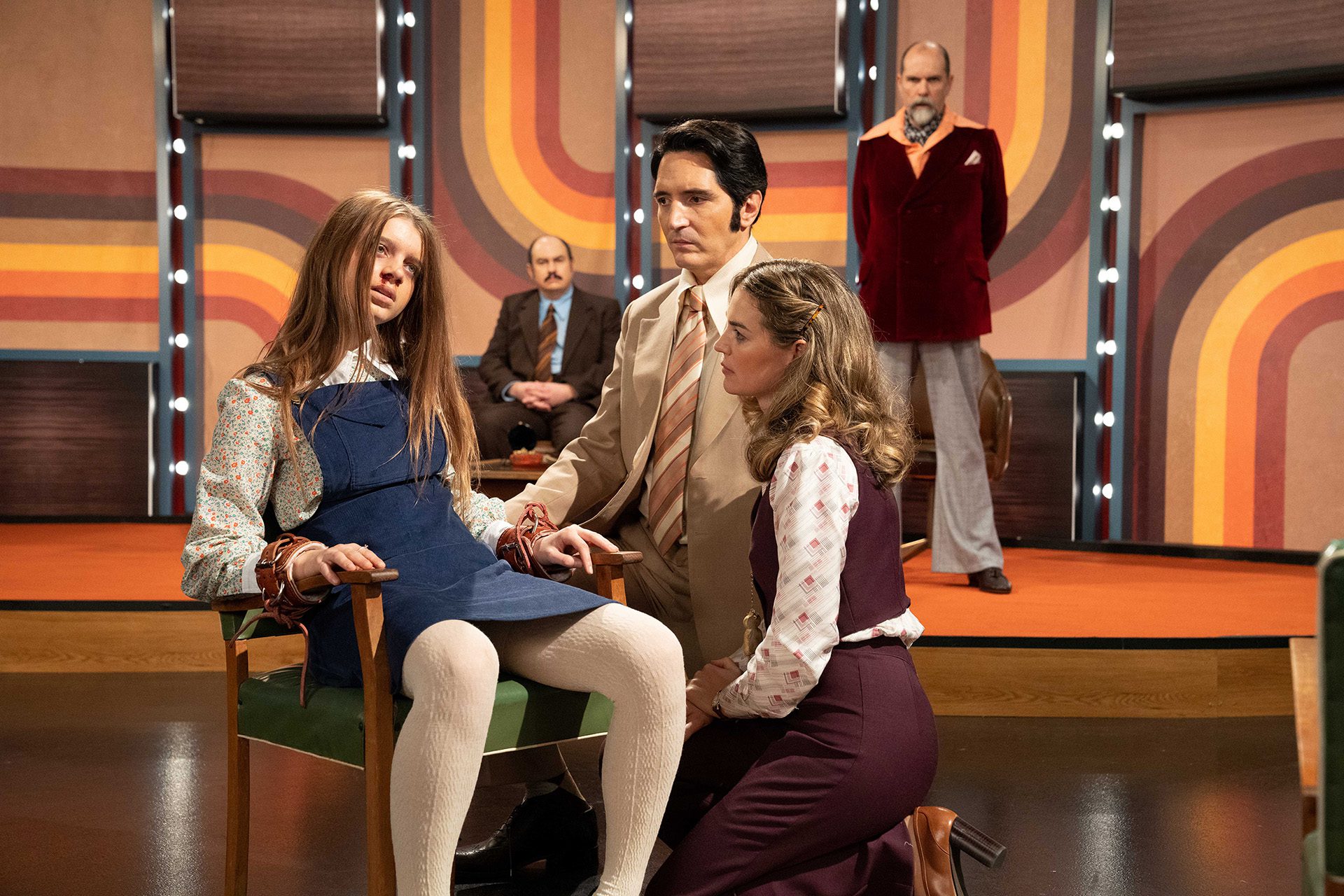
Late Night with the Devil

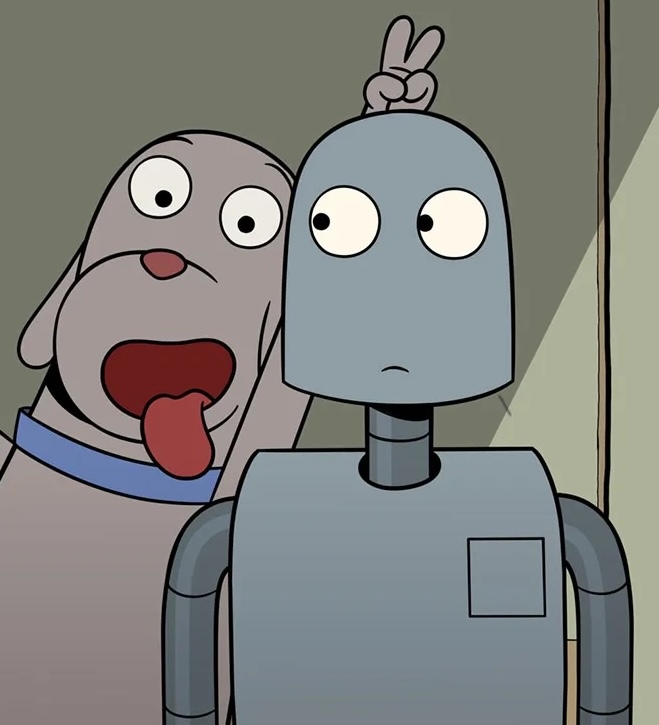
Robot Dreams

Philip Caveney & Susan Singfield

Wallace and Gromit: Vengeance Most Fowl

26/12/24

BBC iPlayer

Christmas without Wallace and Gromit? Unthinkable.

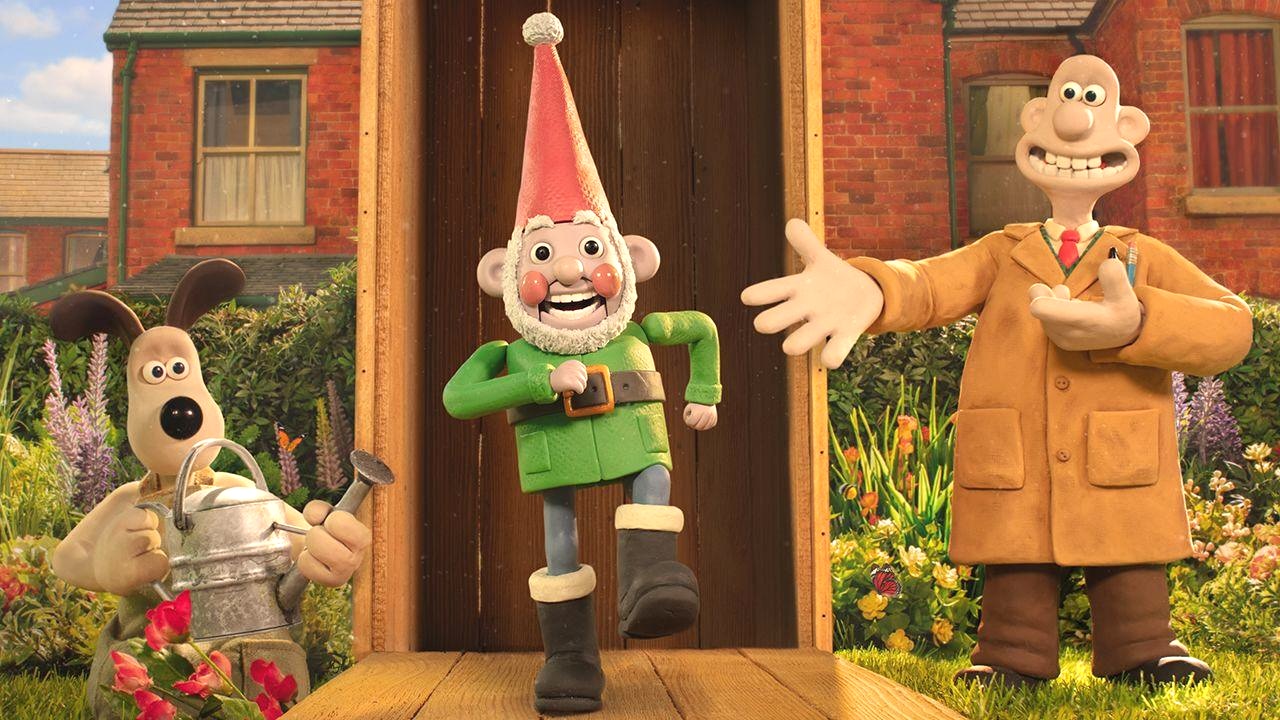
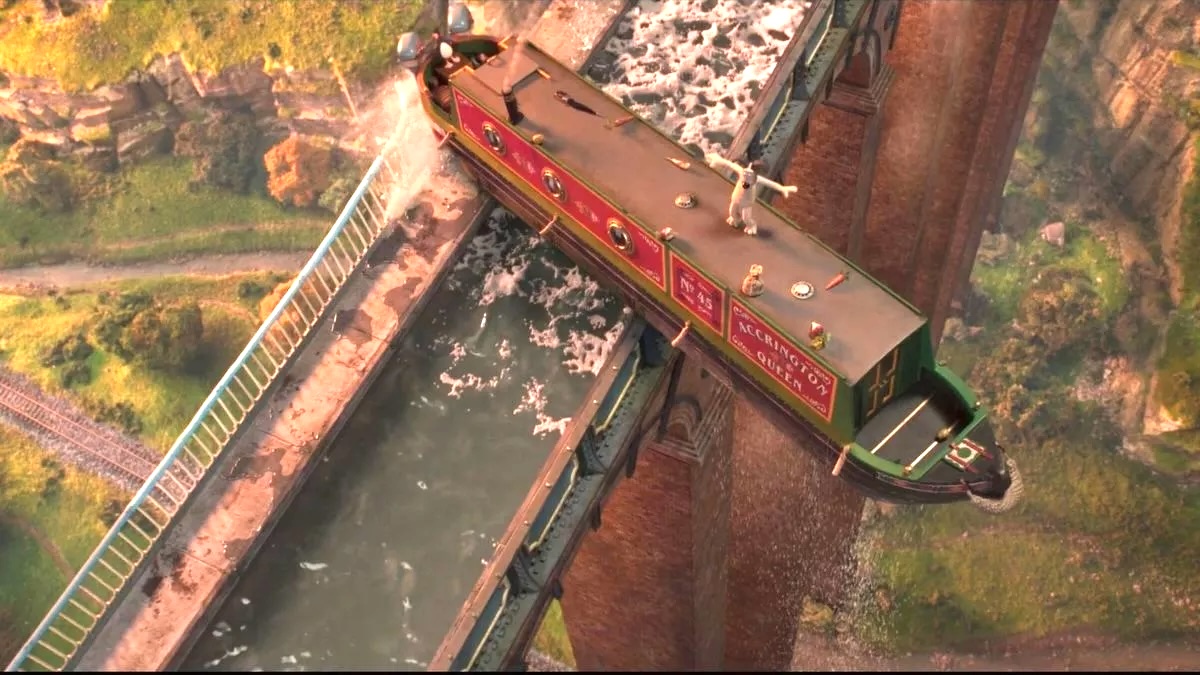
And this year, there’s a brand new feature-length offering for our delectation, which brings back the duo’s most formidable foe, Feathers McGraw, who – ever since the events of 1993’s, The Wrong Trousers – has been languishing in a high security prison or, as some prefer to call it, ‘the zoo’. Meanwhile, at 62, West Wallaby Close, Wallace (who, after the sad demise of Peter Sallis, is now voiced by Ben Whitehead) is still inventing at full throttle, which means that poor Gromit is finding precious little to do. Wallace has even invented a machine that can give his faithful pooch a pat on the head and… well, it’s not the same as getting a pat from your best pal. Right?

But Wallace’s latest brainchild, a smart-gnome called Norbot (Reece Shearsmith), may be an invention too far – particularly when Feathers, from his place of incarceration, devises an incredibly complex method of overriding Norbot’s system an and then further contrives a way of copying him, over and over, to generate a whole army of gnomes committed to freeing Feathers from captivity. 

Feathers still has his sights squarely set on getting his flippers on the fabled blue diamond, which is stored at the local cop shop under the watchful gaze of Chief Inspector Mackintosh (Peter Kay) and his ambitious assistant, PC Mukherjee (Lauren Patel). As Feathers’ evil plan unfolds a proper caper ensues…

As ever, this is a delightfully inventive escapade, consistently funny throughout. Wallace’s Heath Robinson-style inventions are still a reliable source of merriment, while many viewers will enjoy the references to classic movies dotted throughout the narrative. Whitehead recreates Sallis’s distinctive tones with eerie skill and, once again, Feathers McGraw somehow manages to exude an air of total menace without the advantages of anything resembling actual features. Meanwhile, the multiple gnomes are deliciously creepy as they march along in unison, declaiming in Shearsmith’s jovial tones how very helpful they are whilst trying to send Gromit hurtling to his doom.

If the final protracted barge-chase doesn’t quite measure up to the frantic train-set sequence of The Wrong Trousers, this is nonetheless another assured addition to the W & G collection, with the original handmade ingenuity of the earlier films augmented by some impressive CGI touches. Written by Mark Burton and Nick Park and directed by Merlin Crossingham (and Park), it would be a grumpy soul indeed who doesn’t find themselves chortling from start to finish. If the titular twosome have become something of an institution, it’s worth repeating that they have more than earned their place in viewers’ hearts.

Cracking stuff, Gromit! Now pass the Wensleydale and bring on 2025.

4.3 stars

Philip Caveney

Mary: a Gig Theatre Show

20/12/24

Traverse Theatre, Edinburgh

Mary: A Gig Theatre Show takes a bold approach to the Queen of Scots’ story, weaving folk rock with poetic monologues to create a fresh and engaging perspective. While comparisons to SIX are inevitable – royal women of the 16th century reimagined in song for a modern audience – Mary is no direct descendant of the juggernaut Tudor musical. It’s altogether a much more intimate affair.

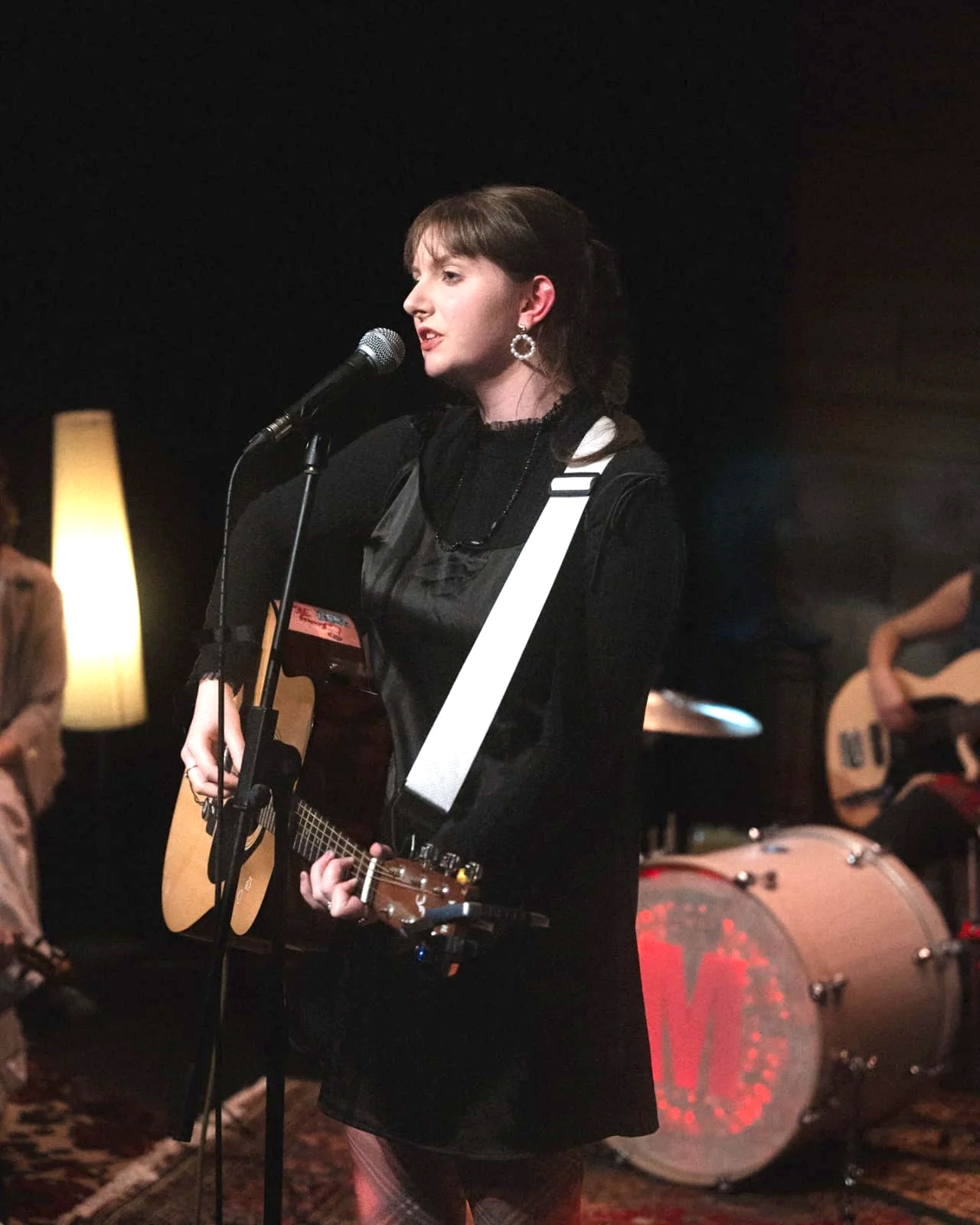
Writer/lead performer Rona Johnston plays the titular monarch, imbuing her with real humanity. It’s a pacy piece, covering Mary’s entire life in a mere fifty minutes, and it’s to Johnston’s credit that it feels neither rushed nor superficial. That said, this is no history lesson: the focus is firmly on Mary’s emotional journey and her experiences as a woman destined to endure a peculiarly complex set of circumstances.

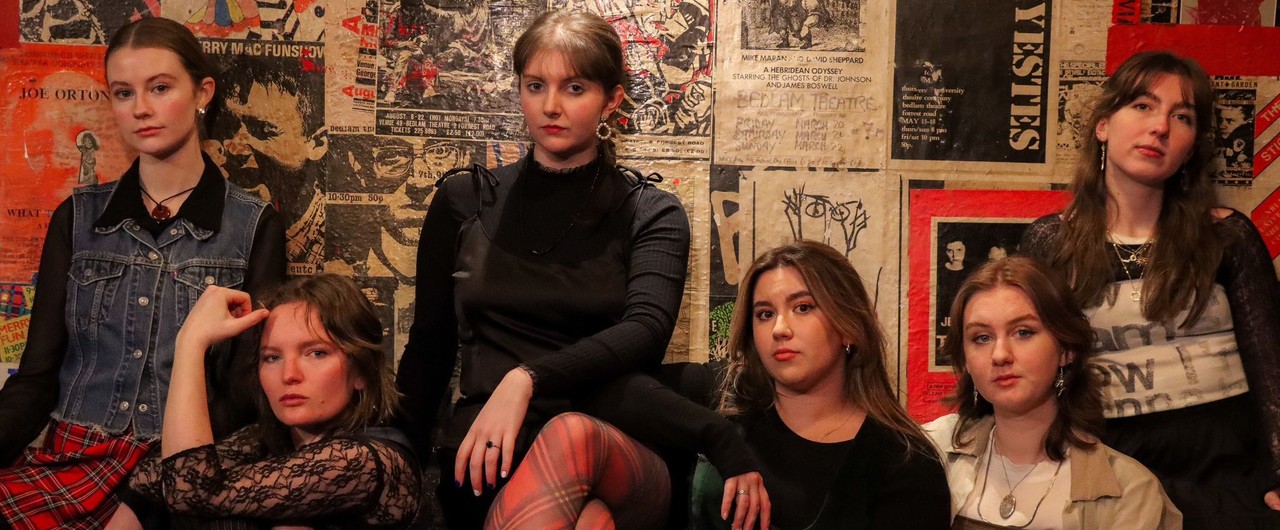
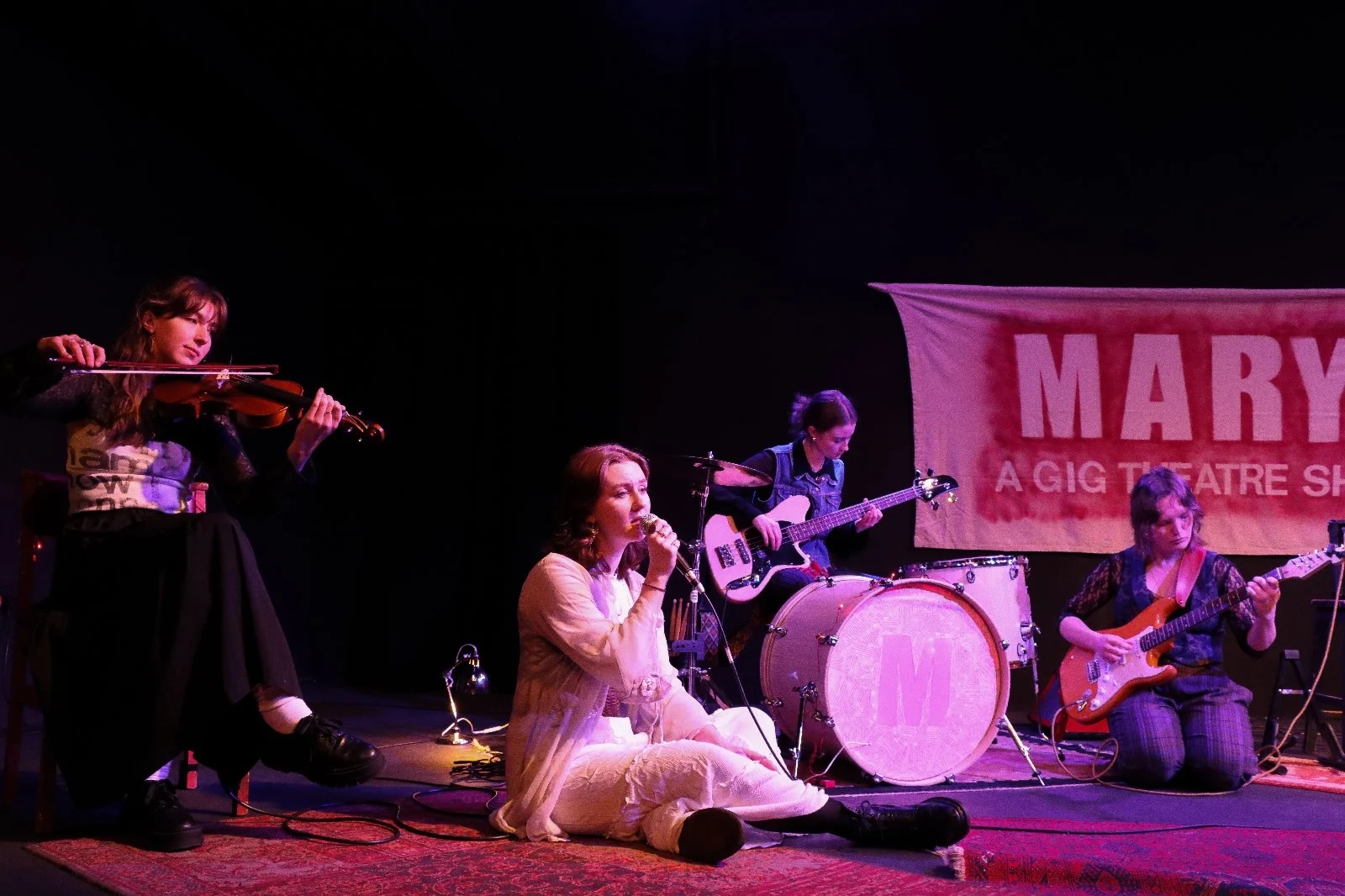
Like the Queen, Johnston is ably supported by her band of multi-rolling Marys: Izzie Atkinson, Jodie Kirkwood, Hester Irving, Laura Coull and Alli von Hirschberg. Kirkwood provides the comic relief as Darnley, presented here as a puffed-up lech, while Atkinson’s Elizabeth I is a cold and intimidating presence.

Directed by Katie Slater, Mary: A Gig Theatre Show is made very accessible by its homespun vibe, the performers’ onstage camaraderie contrasting cleverly with their characters’ bitter rivalries. This juxtaposition is reflected in the costume design, featuring corsets and long skirts alongside tartan tights and denim waistcoats, effectively straddling six centuries.

The songs, composed by Johnston, are memorable and toe-tapping, ranging from lusty rock powered by Coull’s urgent drums to plaintive ballads that showcase the three vocalists sumptuous harmonies. A standout for me is the languorous duet Johnston performs with Atkinson, the two voices soaring as they hit the final chorus.

While it’s an impressive production in its own right, more than anything Mary: A Gig Theatre Show feels like the beginning of something: young theatre makers at the start of what are clearly promising careers. If this cleverly-written piece is indicative of Johnston’s talent, then I can’t wait to see what she does next.

4.2 stars

Susan Singfield

Queer

19/12/24

Cineworld, Edinburgh

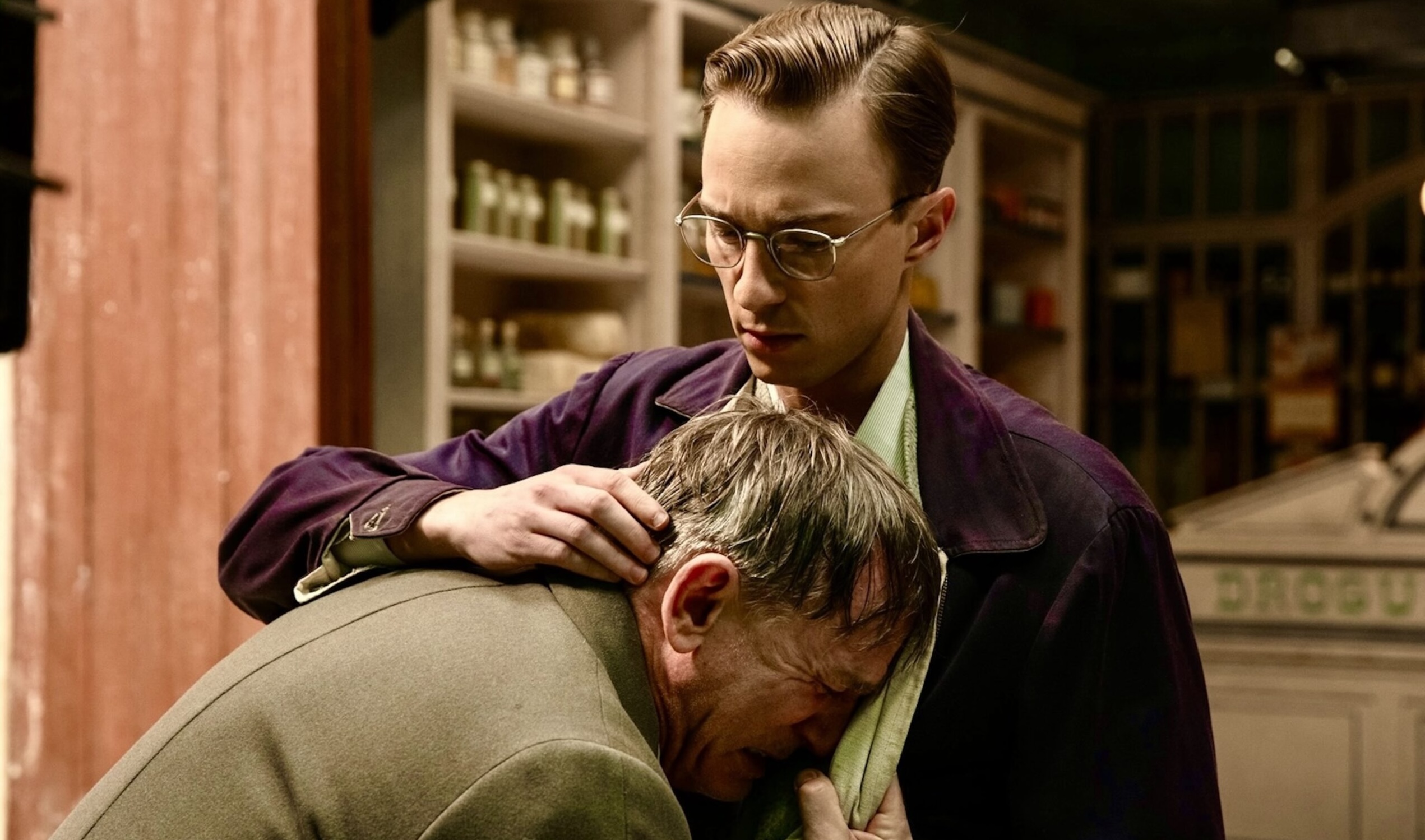
The writing of William Burroughs is notoriously hard to film. (David Cronenberg came closest with The Naked Lunch in 1991.) Now Luca Guadagnino chances his arm with this adaptation of Burroughs’ 1985 novella, a belated sequel to his most celebrated novel, Junky. Queer, as adapted by Justin Kuritzikes, deviates dramatically from its source material in its second half and heads off in a startling new direction.

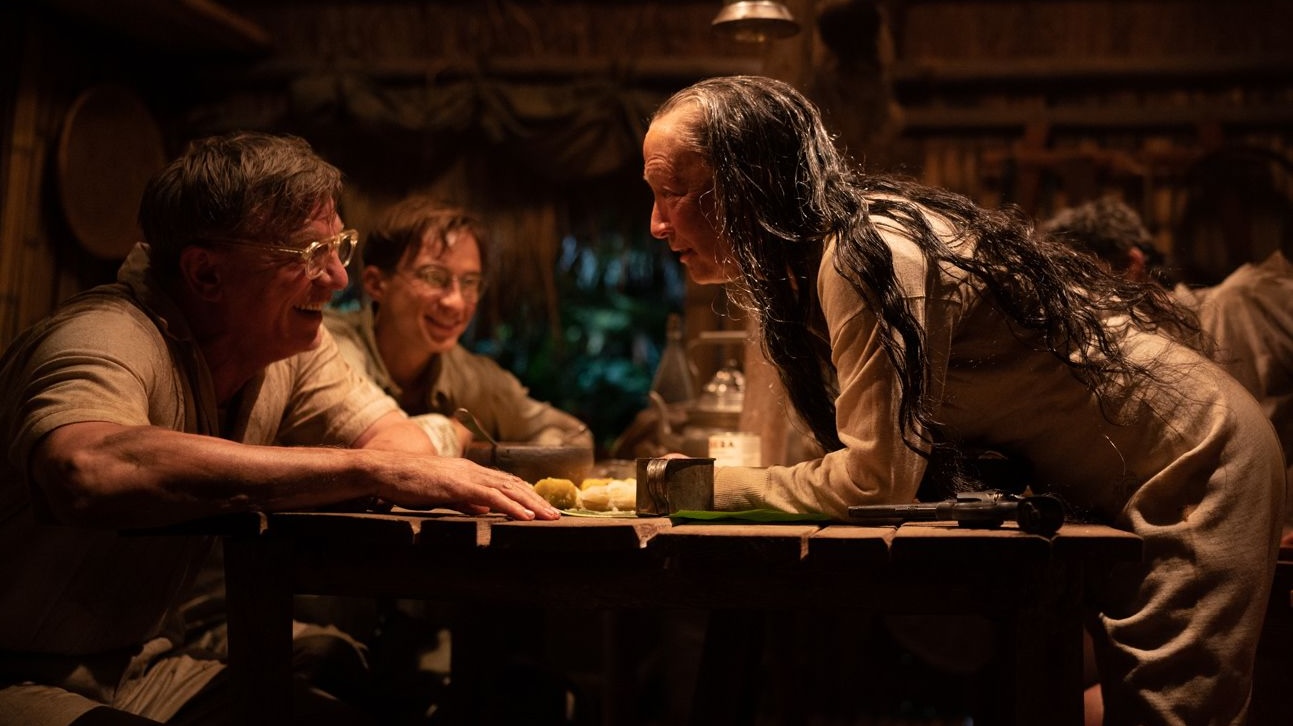
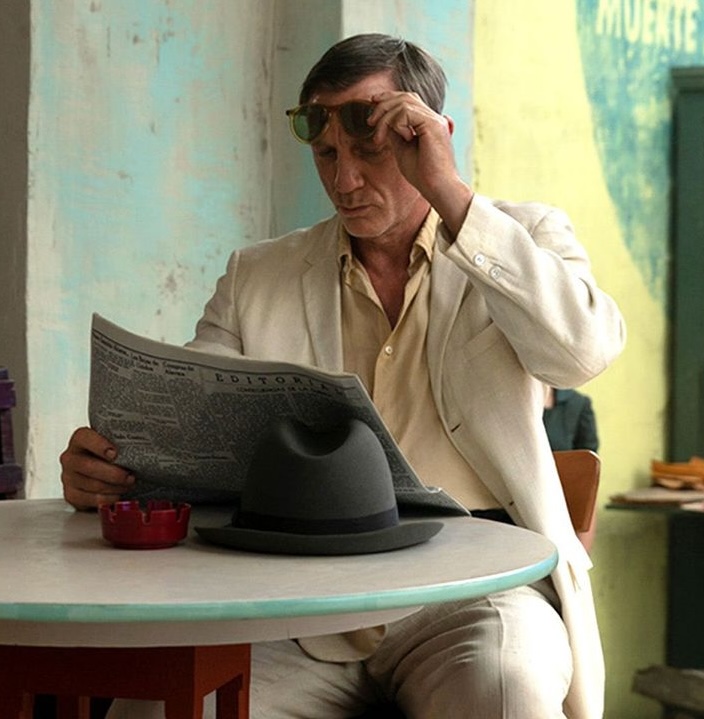
Daniel Craig, who seems determined to move as far away from his Bond persona as is humanly possible, plays Lee, a writer (but we never actually see him practising his craft). Craig does give the role his best endeavour, though it must be said it’s hard to believe that anyone could maintain such a buff physique on Lee’s daily diet of mescal, heroin and endless Camel cigarettes. He wanders the streets of Mexico City – which for the purposes of this film has been recreated in Rome’s Cinecita studios – and occasionally hires whichever young man catches his eye for rough sex in a sleazy hotel. But when his gaze falls on handsome young American, Eugene Allerton (Drew Starkey), he becomes hopelessly smitten and spends every waking hour attempting to get him into the sack.

Eventually, he succeeds in this mission but thereafter, Allerton treats him with such cool indifference that Lee becomes determined to learn more about him, so in the film’s second half, the duo set off to the jungles of Ecuador in search of a fabled drug called ayahuasca which is reputed to endow the user with telepathic powers…

Guadagnino is certainly an industrious filmmaker and I never know where he’ll go next. He’s already released the brilliant Challengers this year and I usually enjoy his work, but for me, he is prone to the occasional misstep. Suspiria felt puffed up with its own self-importance and Queer falls into that same category, a film that initially feels full of promise but ultimately delivers very little. Yes, it captures Burroughs’ seedy, nihilistic worldview, but like the source material, it’s strangely distancing and lacking in jeopardy and, frankly, none of the characters have qualities that an audience can root for – unless perhaps you count Jason Schwartzman’s fleeting appearance as Joe, Lee’s occasional drinking companion, who keeps being robbed by the young locals he sleeps with.

Lesley Manviile makes a late (almost unrecognisable) appearance as the feral, jungle-dwelling scientist, Dr Cotter, an expert in the aforementioned hallucinogen, and she helps Lee to achieve his goal of finding his inner self – but by this point I am already becoming uncomfortably aware of the film’s lengthy running time.

In its closing stages, Queer mostly feels uncomfortably reminiscent of Kubrik’s 2001: A Space Oddysey, which is not something I expected to say. And yes, it’s fine to refer to one of the more notorious episodes of Burroughs’ life, but to do so twice feels suspiciously like overkill. Kudos to Craig and Starkey who give this everything they have but, in the end, I just don’t care enough about what I’m watching to make this feel worth the effort.

2.8 stars

Philip Caveney

Carry-On

16/12/25

Netflix

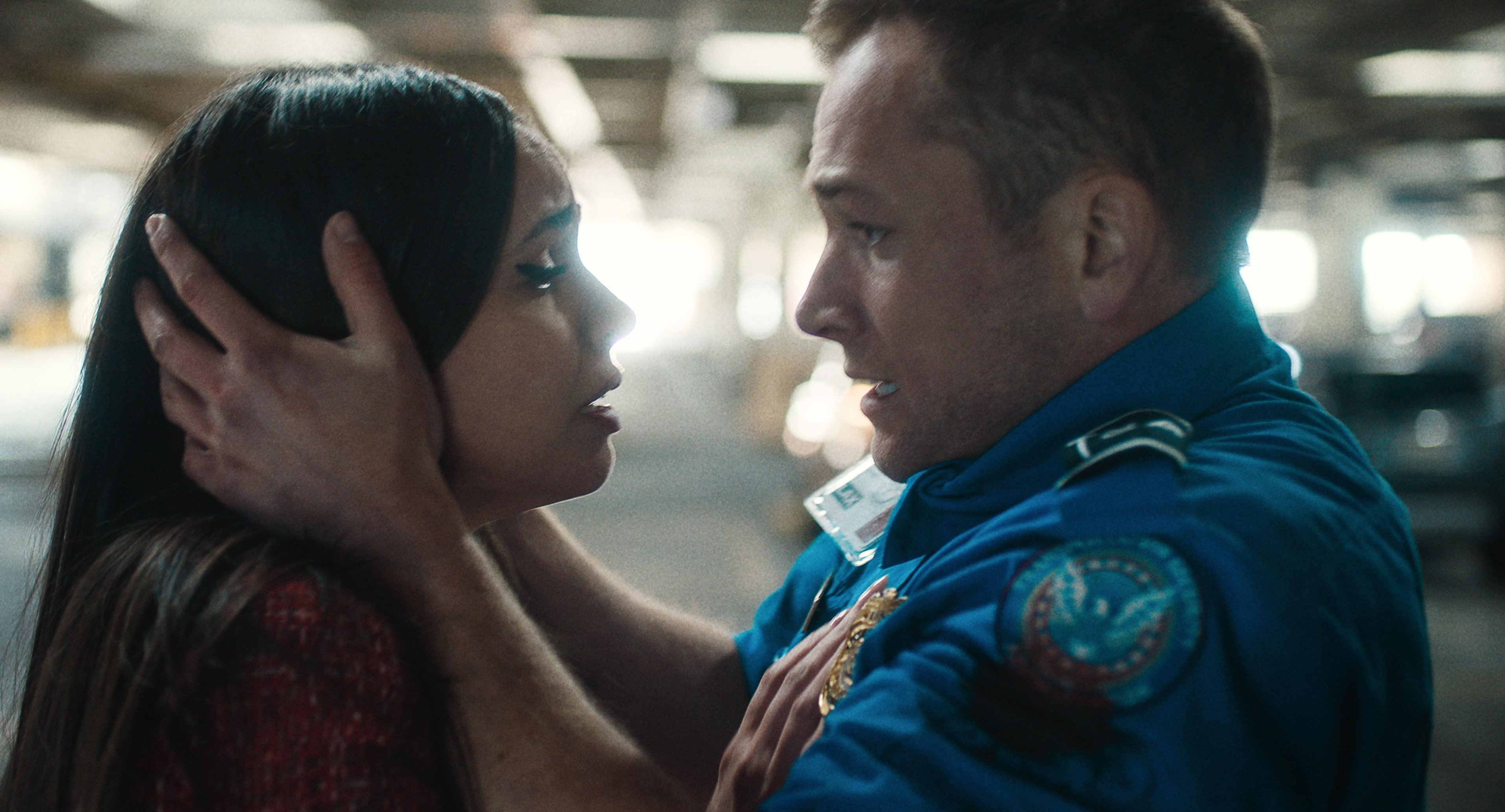
Apart from that unfortunate title – which inevitably calls to mind a series of vintage comedies starring the likes of Sid James and Hattie Jacques – Carry-On is a tense, propulsive thriller, anchored by a dramatically beefed-up Taron Egerton. It’s directed by Jaume Collet-Serra, the man who put Liam Neeson on the train journey to hell in The Commuter.

This is a Christmas movie in the same way that Die Hard is a Christmas movie. That is to say, the action of the film takes place on Christmas Eve and there are some strategically-placed seasonal songs. But it must also be mentioned that, in this story of an evil man trying to explode a case containing Novichok on a packed holiday airplane, love and peace are in decidedly short supply. Which is not to say this isn’t great fun. I personally had a ball with it, but I appreciate it won’t be to everyone’s taste.

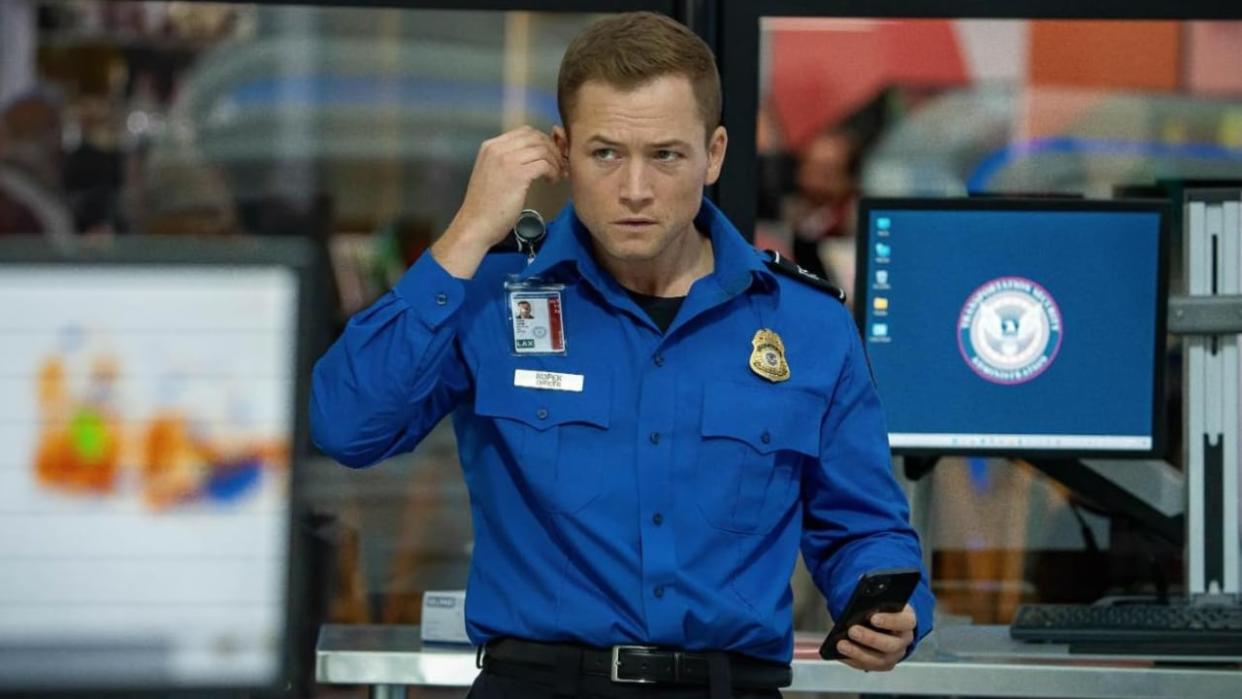
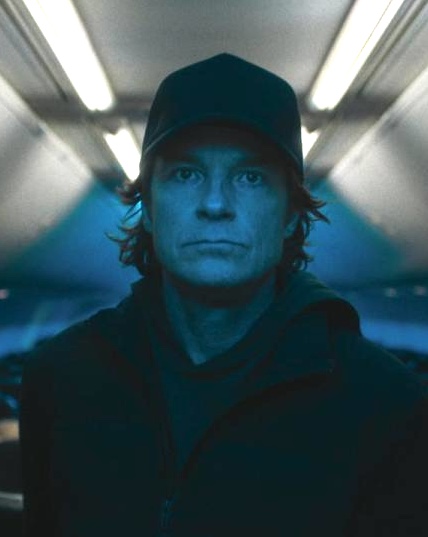
Ethan Kopek (Egerton) works at LAX Airport in security. He and his partner, Nora (Sofia Carson), are soon to have an addition to their family, so Ethan understandably has promotion on his mind. To this end, he manages to persuade his boss, Phil Sarkowski (Dean Norris), to let him take a post in the baggage-scanning lane, which carries extra responsibility. Which is an understatement, because Ethan has unwittingly upset the meticulously-laid plans of ‘The Traveller’ (Jason Bateman). He has planned to get the aforementioned Novichok aboard a New York-bound flight and explode it, killing the two hundred and fifty passengers aboard. His excuse for doing so? Somebody is paying an awful lot of money for his services. (The Traveller appears to regard his fellow human beings as disposable items.)

Ethan soon has a stranger’s voice in his ear, instructing him to allow the lethal suitcase onto the plane or risk having Nora murdered. The Traveller’s equally loathsome partner, The Watcher (Theo Rossi), has his eye on her and a sniper rifle loaded and ready to go. Meanwhile, elsewhere, plucky cop Elena Cole (Danielle Deadwyler) has picked up the faintest trace of a clue at the scene of a recent murder and begins to think that something dodgy might be about to go down.

But it’s Christmas Eve and nobody wants to listen…

What ensues is Ethan desperately trying to outmanoeuvre the two villains by any means at his disposal, without incurring his partner’s death (so no pressure there). Elena gradually works out the clues that bring her closer and closer to the airport. But time is ticking steadily away. Is it already too late to stop this frightful incident from occurring?

Collet-Serra and writer T.J. Fixman provide a tale that has more twists than a python on itching powder and the many Christmas references are almost mockingly thrown at the viewer as the story unfolds. (A particular highpoint for me is a no-holds-barred punch up in a speeding automobile as Wham’s Last Christmas pumps out of the car stereo.) Buckle-up for a wild ride!

If some of the elements are a little too familiar – Ethan desperately trying to defuse a bomb as the timer counts steadily down to zero – the presentation always feels fresh enough to make you forgive these occasional transgressions. Is it believable? Well, no, not really, but that’s hardly the object of the exercise. I do like the fact that Fixman has the good sense not to push my credulity too far. People get shot/stabbed/poisoned here and they don’t keep reviving and coming back for more. Which makes for a welcome change.

Meanwhile, Egerton, who has never really convinced in his previous attempts to fill an action-hero role, is utterly convincing in Carry-On and, since this is a Netflix original, it’s there to watch whenever you’re ready to hit the start button.

Those who favour a heart-warming seasonal tale might prefer to wait for Wallace and Gromit.

4.2 stars

Philip Caveney

Emilia Pérez

11/12/24

Netflix

Jacques Audiard has always been an interesting and experimentlal writer/director, seeming to choose his projects at random and rarely sticking to a particular genre, throughout a career that began back in the early 90s. Emilia Pérez deals with the kind of subject matter that would frighten off many respected filmmakers. It’s a bizarre soap opera/fable about crime cartels, gender reassignment and the plight of ‘The Disappeared,’ the millions of people murdered by Mexican cartels. 

Oh, and did I mention that it’s also a musical?

Audiard throws himself headlong into the process with his usual glee and the upshot is that the film is being garlanded with nominations for all the big movie awards – and this at a time when many veteran directors are struggling to get their new projects even funded. If the object of the exercise is to get yourself noticed, Audiard is finally doing it big time. (His last film, The Sisters Brothers, an intriguing offbeat western, came and went with barely a ripple.)

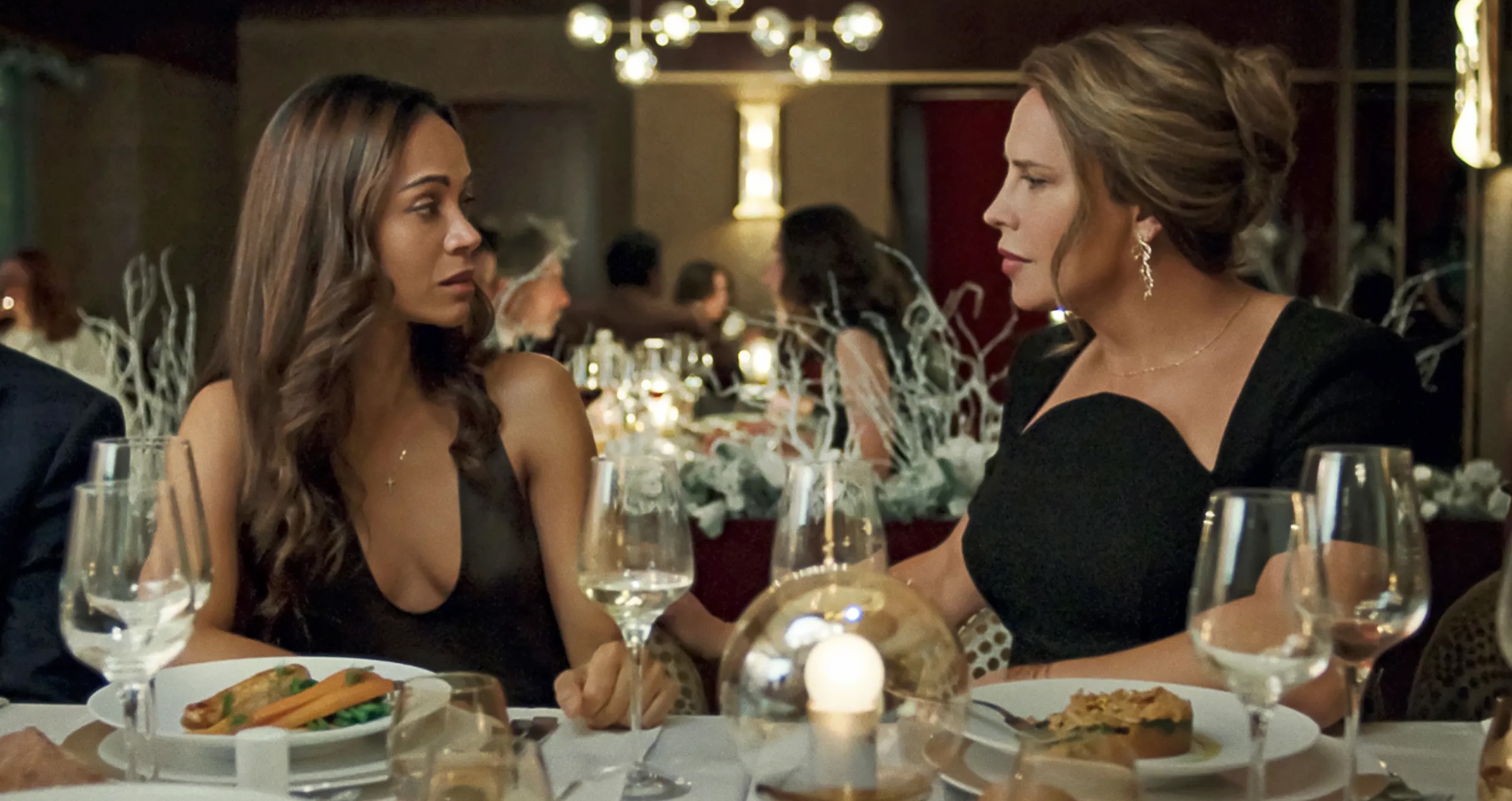
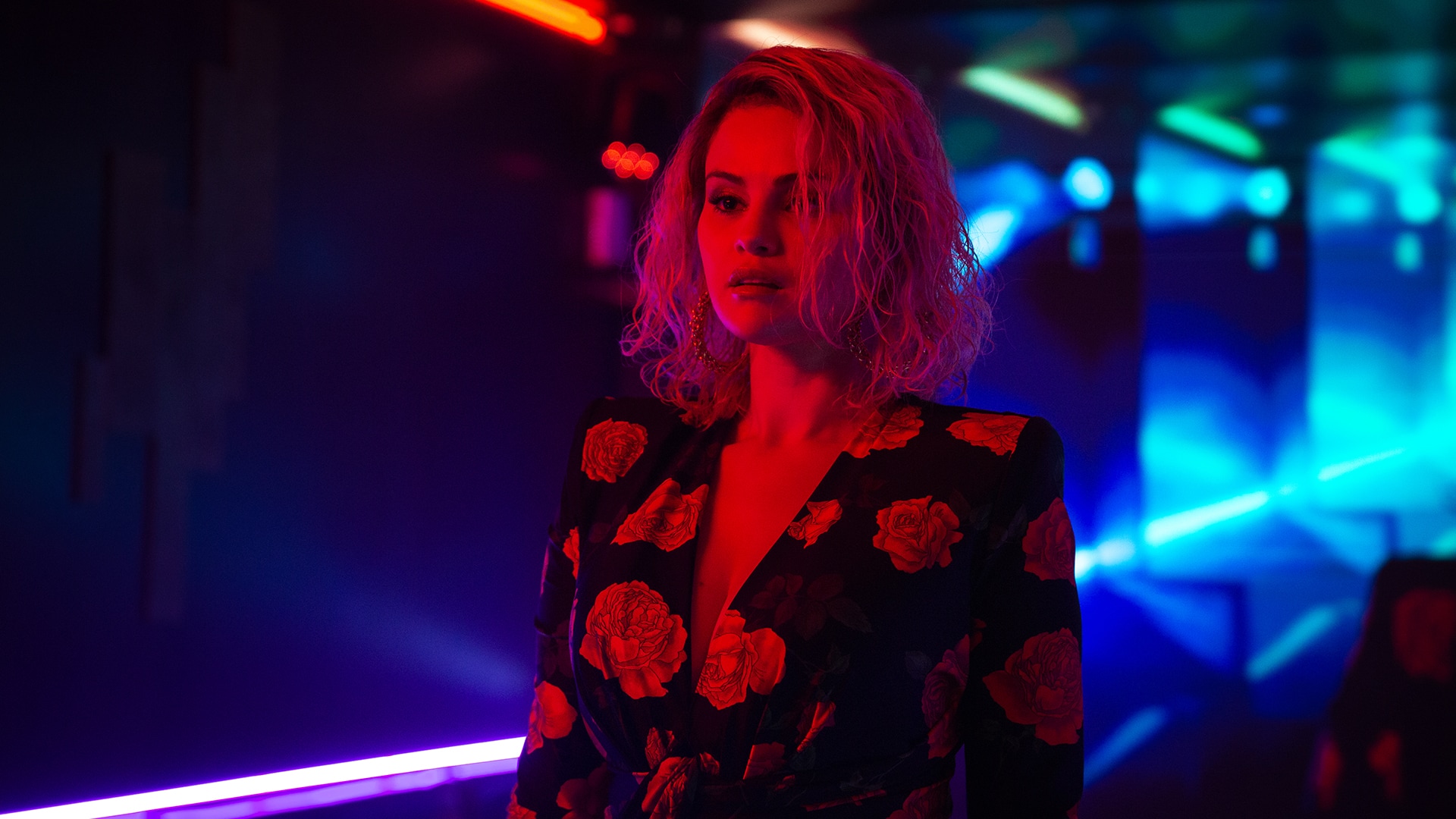
Rita (Zoe Saldana) is an under-appreciated Mexican lawyer, who spends most of her time penning eloquent pleas to get the guilty off the hook. Out of the blue, she is contacted by notorious crime cartel boss. Manitas del Monte (played by trans actor, Karlas Sofia Gascón), a man so steeped in violence he now feels he has only one way of escaping an inevitable fate. He has always longed to be a woman, and wants Rita to secretly arrange gender reassignment for him. In return, he will make her fabulously wealthy and she can choose whatever future she wishes for herself. But Manitas will have to fake his own death and his wife, Jessi (Selena Gomez), and his two young boys can know nothing of their father’s new life.

Four years later, Rita meets Manitas again, but now she’s the titular Emilia, looking to reconnect with her wife and children by posing as the cousin they never knew they had. What’s more, Emilia wishes to atone for all the killing she instigated when she was Manitas…

Is Emilia Pérez a good film? Well, for me it has flashes of brilliance, but there are also some sizeable missteps. The songs, composed by Clément Ducol and Camille range from upbeat dance tunes to quirky half-spoken, half-sung observations about anatomy that sometimes veer close to the absurd. While these serve to highlight the fairytale unreality of the piece, the constant shifting of tone makes the film feel uneven. The ‘Mexican’ locations are pretty convincingly recreated (in France) by cinematographer Paul Guilhaume and I think the elements dealing with The Disappeared are genuinely moving. On the performance front, Saldana is an absolute powerhouse as the very adaptable Rita, singing and dancing up a storm – and it’s great to see her performing as a human being rather than as a green-skinned, spandex-clad alien!

As a cis male, I might have missed some of the nuances around the transgender elements of the story – and Gascón certainly delivers a compelling and heartfelt performance – but the process of transition seems to be used here as a metaphor for wiping the slate clean and beginning a new life, untainted by the past. However, the lesson Emilia ultimately learns is that this is impossible, and she has to do more than change the way she lives if she wants to atone for her earlier crimes. This makes the underlying message a little muddled.

But again, I feel I must tip my hat to Jacques Audiard who, at seventy years of age, is fearlessly going where few other directors would dare to tread. Long may he continue to thrive!

3.6 stars

Philip Caveney

4PLAY: 4 New Plays from 4 Edinburgh Playwrights

05/12/2406/12/24

Traverse Theatre, Edinburgh

As Scotland’s new writing theatre, the Traverse is the natural home for the 4PLAY collective to showcase their work. Over four nights, four emerging Edinburgh playwrights see their stories brought to life on the iconic Trav 2 stage – and all are greeted with delight by enthusiastic audiences.

First up is Fuckers by Ruaraidh Murray. From its opening moments, it’s clear that this is the no-holds-barred production its title suggests. In blackout, we listen to a noisy orgasm and then, as the lights go up, we’re confronted with a naked couple, daring each other to try a new sex act. As beginnings go, this is undeniably memorable! The pair are Andrew (Liam Ballantyine), a Scot, and Lois (Olivia Caw), an American, two performers who fall in love at the Fringe. But their sexual attraction is soured by their vaulting ambition, which o’erleaps itself and dooms their relationship. Directed by Eleanor Felton – aided by Sasha Harrington as a very necessary intimacy coordinator – this is a high-octane piece with an engaging energy. However, although the nudity works at first, establishing the physical nature of the affair, the constant dressing and undressing disrupts the flow and slows down the action, which is a real shame for such a kinetic piece.

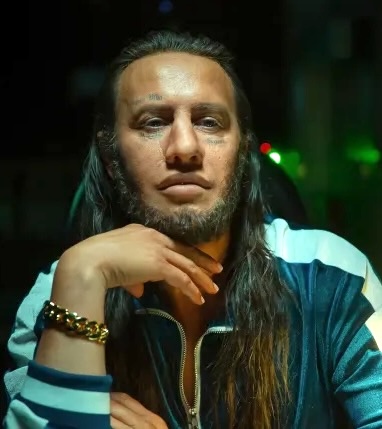
Colours Run, written by Mikey Burnett and directed by Grace Ava Baker, tells the story of self-professed Hibs-loving hardman, Pongo (Ruaraidh Murray), who may have finally taken his nihilistic antics a step too far. Fearing retribution after handing out one beating too many, he heads home, anticipating the knock at the door that could come at any moment. Pongo lives with his younger brother, Pete (Sean Langtree), who openly idolises his big bruv and does everything he’s told, which means that he rarely goes out into the real world. Both Murray and Langtree are utterly compelling in their respective roles, Langtree appealingly vulnerable, Murray cold and calculating. The section where the pair play Who Wants to Be a Millionaire is wildly funny – but in the play’s latter half, Burnett’s script takes a confident step into darker, more transgressive territory. The nail-biting conclusion (which seems to echo Of Mice and Men) is simply but brilliantly handled.

Butterflies and Benefits, written and directed by Andrea McKenzie, boasts a cast of five and looks at the lives of four young protagonists enjoying a hedonistic lifestyle in the Edinburgh of the 1990s. Maz (Amy Glass) is having a great time partying until she falls under the spell of Mik (Michael Francis), an opportunistic coke-fiend who cannot extricate himself from the grip of the drug. Pretty soon, Maz falls pregnant and her close friends Abs (Lex Joyce) and Dee (Isla Campbell) can only look on in dismay as Maz and Mik enter a spiral of destruction. The long trance/dance sequences scattered throughout the narrative occasionally impede the momentum, and a single scene featuring health worker, Doc (Laverne Edmonds), doesn’t do enough to earn the character’s place in the story. This is an all-too-familiar warning about the dangers of drug addiction and the importance of friendship.

Last, but certainly not least, is Cheapo by Katy Nixon. A tight two-hander, this is our favourite of the four plays, deftly exploring the impact of a traumatic event on a pair of frightened teenagers. Something happened to Kyla (Heidi Steel) at a recent party, and she needs Andrew (Dayton Mungai) to help her sort it out. But he knows that her version of events is just a form of self-protection, and he’s not prepared to go along with the lies she’s telling herself. In a not-especially-subtle-but-nonetheless-effective metaphor, they play a game of chess, arguing about their possible moves while fighting to avoid checkmate. Under Gwen M Dolan’s direction, the tension is undercut by some beautifully-realised flights of fancy, as the duo imagine how their lives might have played out in alternate realities. Nixon’s script is spare and succinct, without a wasted word. She’s certainly one to watch.

What a treat it has been to see this quartet of plays, exploring stories from the edges of society. We look forward to seeing what these playwrights do next, and also to 2025’s 4PLAY.

4 stars

Susan Singfield & Philip Caveney

We Live in Time

02/12/24

Cineworld, Edinburgh

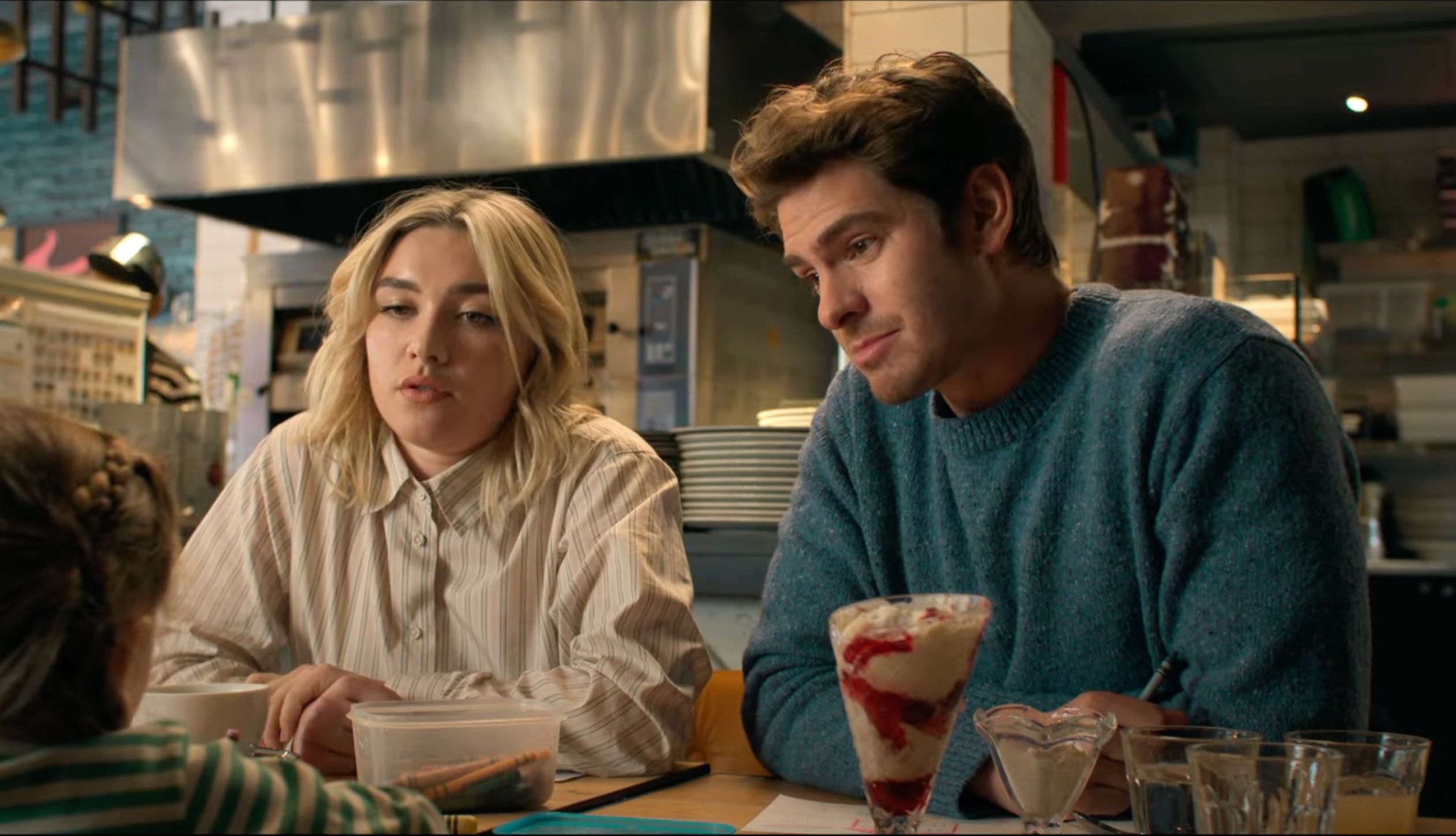
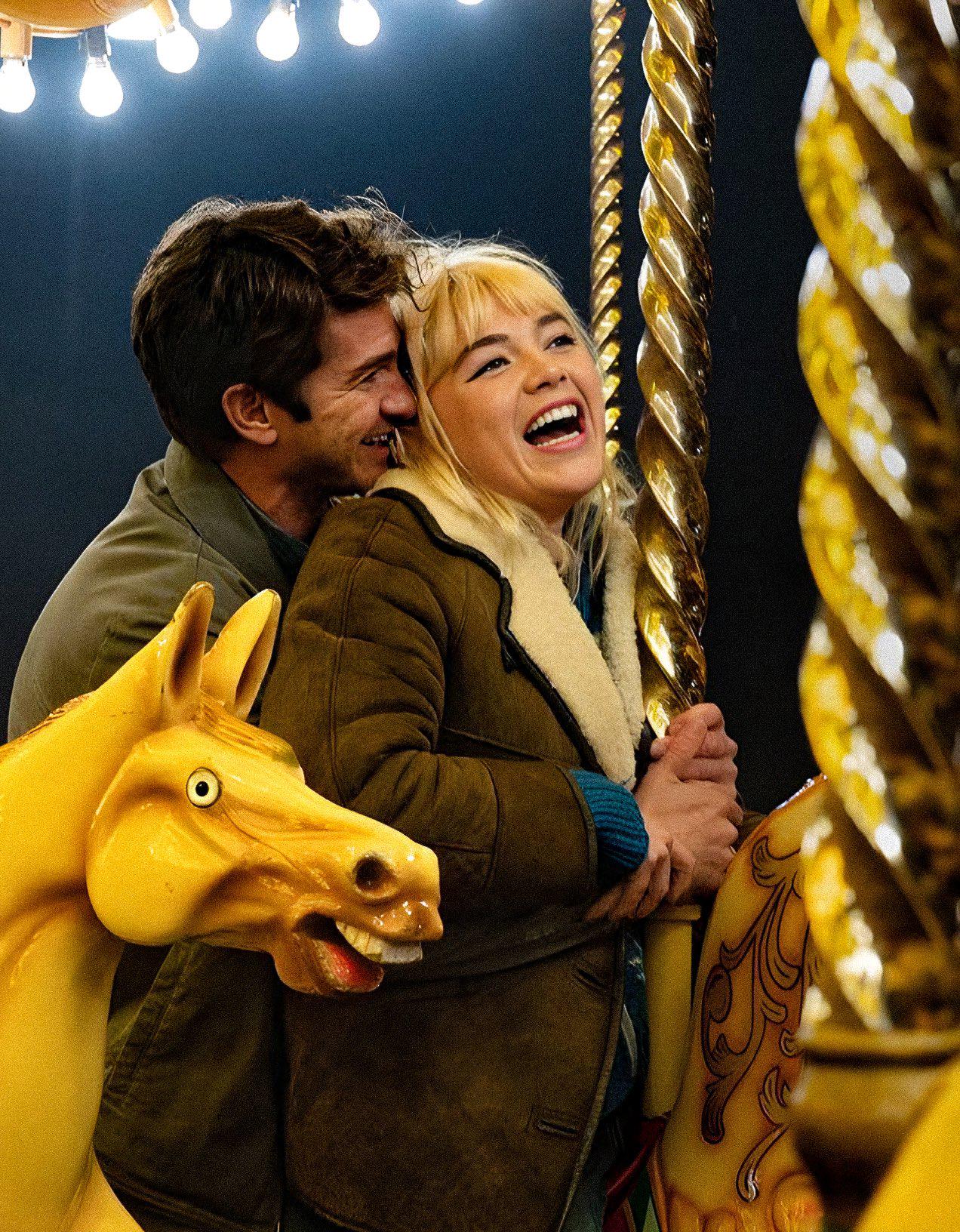
Directed by John Crowley, We Live in Time is a superior rom-com/weepie hybrid, anchored by stunning performances by two of Britain’s best actors, Florence Pugh and Andrew Garfield. Tonight’s advance screening – courtesy of Cineworld Unlimited – is extremely busy; in fact, we’ve managed to grab the very last two seats.

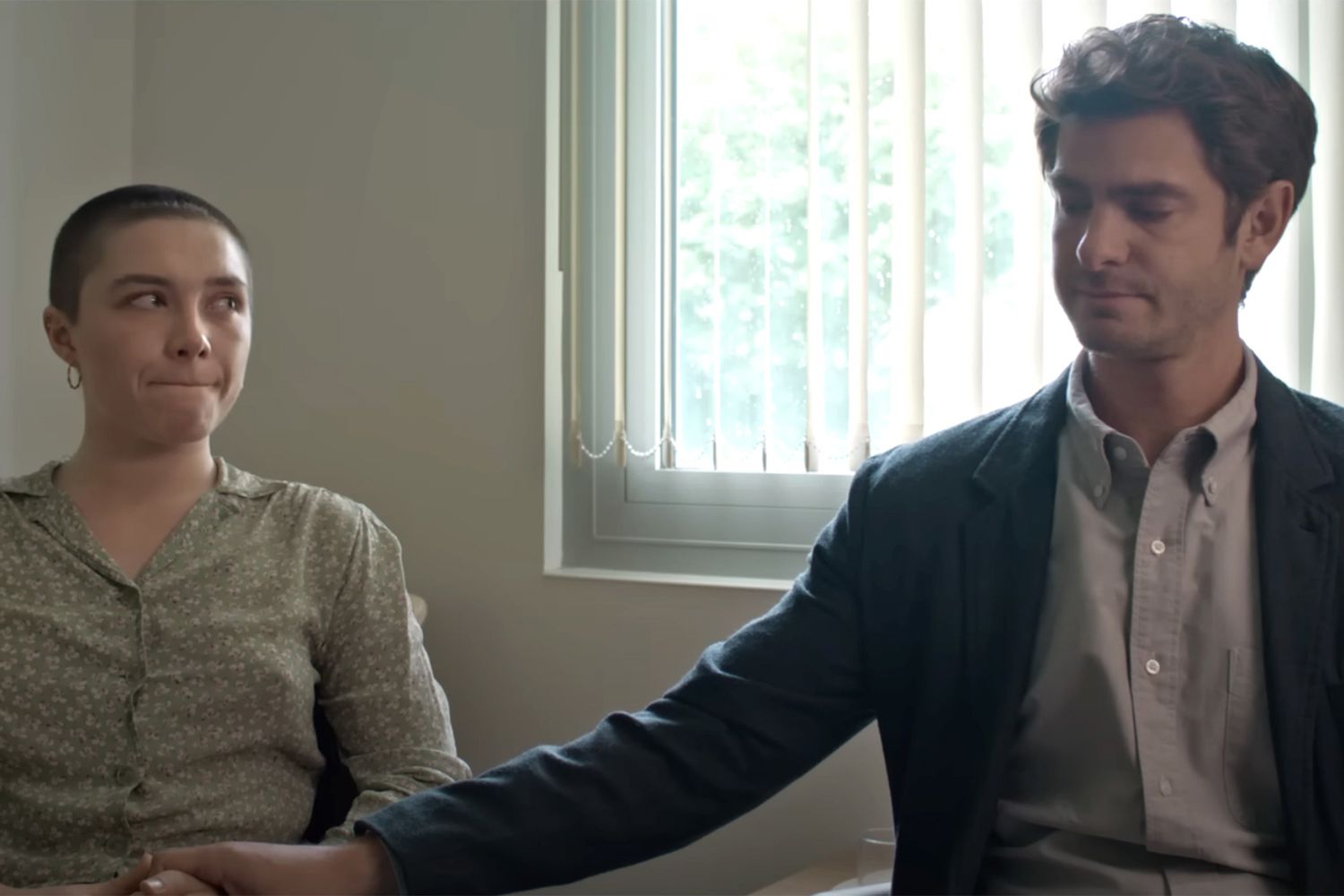
Pugh plays gourmet chef Almut Brühl, who hits a dressing-gown clad Tobias (Garfield) with her car while he’s bending down to pick up a piece of chocolate orange that’s fallen into the street. Luckily for the ‘rom’ part of the ‘com’, they’re both single: indeed, Tobias’s poor road-safety skills are the result of his reaction to signing his divorce papers. Before long, they’re in love – but then the ‘weepie’ element comes along, in the form of an ovarian cancer diagnosis, and a whole truckload of difficult decisions.

Nick Payne’s script is a sprightly delight, skipping around in time and tone with absolute assurance. The chronology is disrupted: we start in the middle of the story, then veer back and forth between the early stages of the couple’s relationship and the later trauma of Almut’s illness. It’s laugh-out-loud funny and devastatingly sad, a duality that’s reflected throughout the film.

Because Almut’s not ‘normal’. She’s a fascinatingly complex character: her restaurant serves Anglo-Bavarian fusion food; she’s bisexual; she’s fit and strong (a committed runner) and frail and weak (from the chemo). She’s a loving mother but it’s not enough: “I want to be remembered as more than a dead mum.” Almut treads her own path, and Tobias – softer and more passive than his go-getting partner – is her biggest supporter. Even if her driving force is sometimes hard to bear.

That Pugh makes a convincing chef is perhaps unsurprising as her father is a restaurateur. Naturally, given the couple’s jobs – Tobias is a data analyst for Weetabix – food plays a big part in this movie. Cinematographer Stuart Bentley highlights the seductive pleasure of a whole range of edible wonders, from Almut’s Michelin-starred concoctions to Jaffa Cakes dunked in mugs of tea and eaten in the bath.

We Live in Time is every bit as compelling as its heroine, and certainly worth a trip to your local cinema on New Year’s Day, when it’s out on general release. Just remember to pack your hanky – and maybe a fancy snack or two.

4.4 stars

Susan Singfield

Conclave

01/12/24

Cineworld, Edinburgh

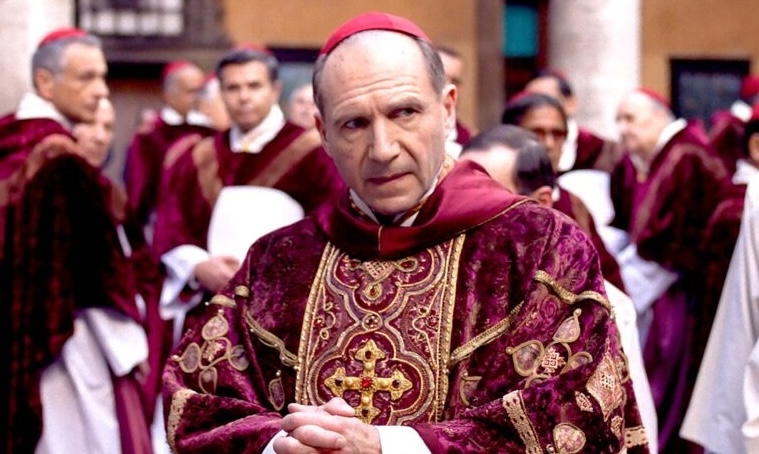
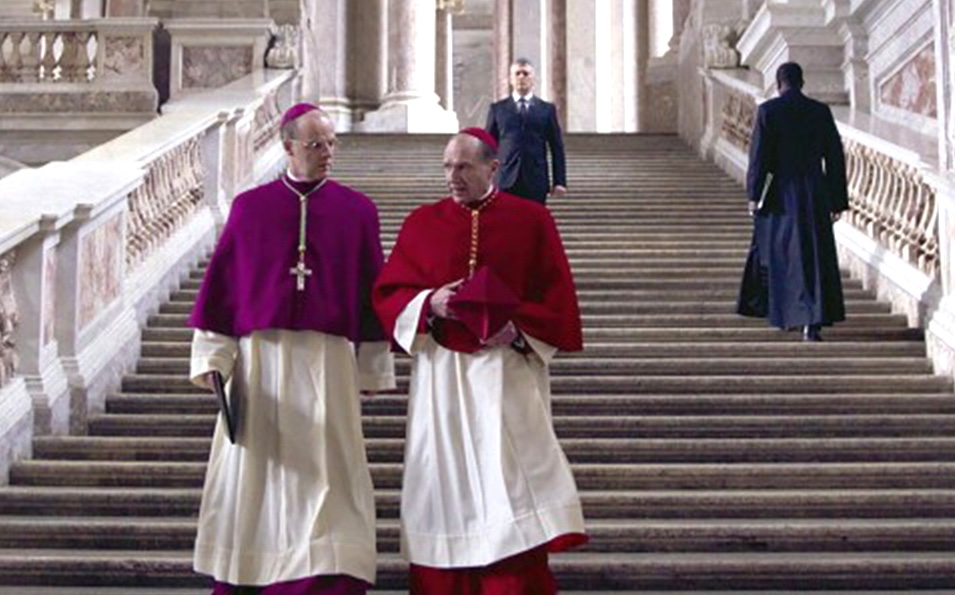
The Pope has died peacefully in his sleep and, following the long-established conventions of the Catholic church, archbishops and cardinals from across the world gather in The Vatican to undertake the complicated ritual of choosing a successor. The task of organising the ensuing (and highly secretive) process falls to Cardinal Lawrence (Ralph Fiennes), the dean of the college of cardinals, who must put aside his personal grief in order to referee the resulting contest. But who will claim the coveted role?

Will it be Italian hardliner (and notorious racist) Tedesco (Sergio Castellitto)? How about the reserved but highly respected African contender, Adayemi (Lucian Msamati)? Might the prime slot fall to the influential and oleaginous American, Tremblay (John Lithgow), whose recent activities seem to suggest he’s not entirely trustworthy? And let’s not forget the wild card, newly arrived from Kabul, Benitez (Carlos Diehz), a bishop that none of the main players even knew existed, until now.

Meanwhile, one of the few women here with any influence, Sister Agnes (Isabella Rosselini), seems to be holding back on some important nuggets of information…

Lawrence is rooting for his old friend, Bellini (Stanley Tucci), a man determined to bring Catholicism into his more liberal worldview but an unexpected rivalry springs up when Lawrence finds himself also emerging as a potential candidate, something he most certainly does not want. After suffering doubts about his own faith, he’s been looking for an excuse to step quietly away from the church of Rome…

After his epic remake of All Quiet on the Western Front, director Edward Berger has turned his skills to a much more intimate story. Conclave, adapted by Peter Straughan from the novel by Robert Harris, generates its own, claustrophobic grip as the conclave moves through vote after vote, the various candidates jockeying for supremacy. This is serious, grown-up filmmaking and has about it all the mystery and intrigue of a superior crime drama. It’s heartening to note that a big crowd has turned out for this Sunday afternoon showing, a situation that these days is too often the preserve of more lightweight family fare.

It’s probably true to say that those who are already familiar with the novel are not going to be quite as blown away as I am by the film’s head-scrambling outcome, which I really, REALLY don’t see coming. (Those in the know, please keep the information to yourselves.)

Conclave is a compelling film, that has something revelatory to say about one of the most powerful and oppressive religions on the planet. It’s a film, moreover, that ingeniously encapsulates its most fundamental premise into a deceptively simple final shot.

4. 4 stars

Philip Caveney