Timothée Chalamet

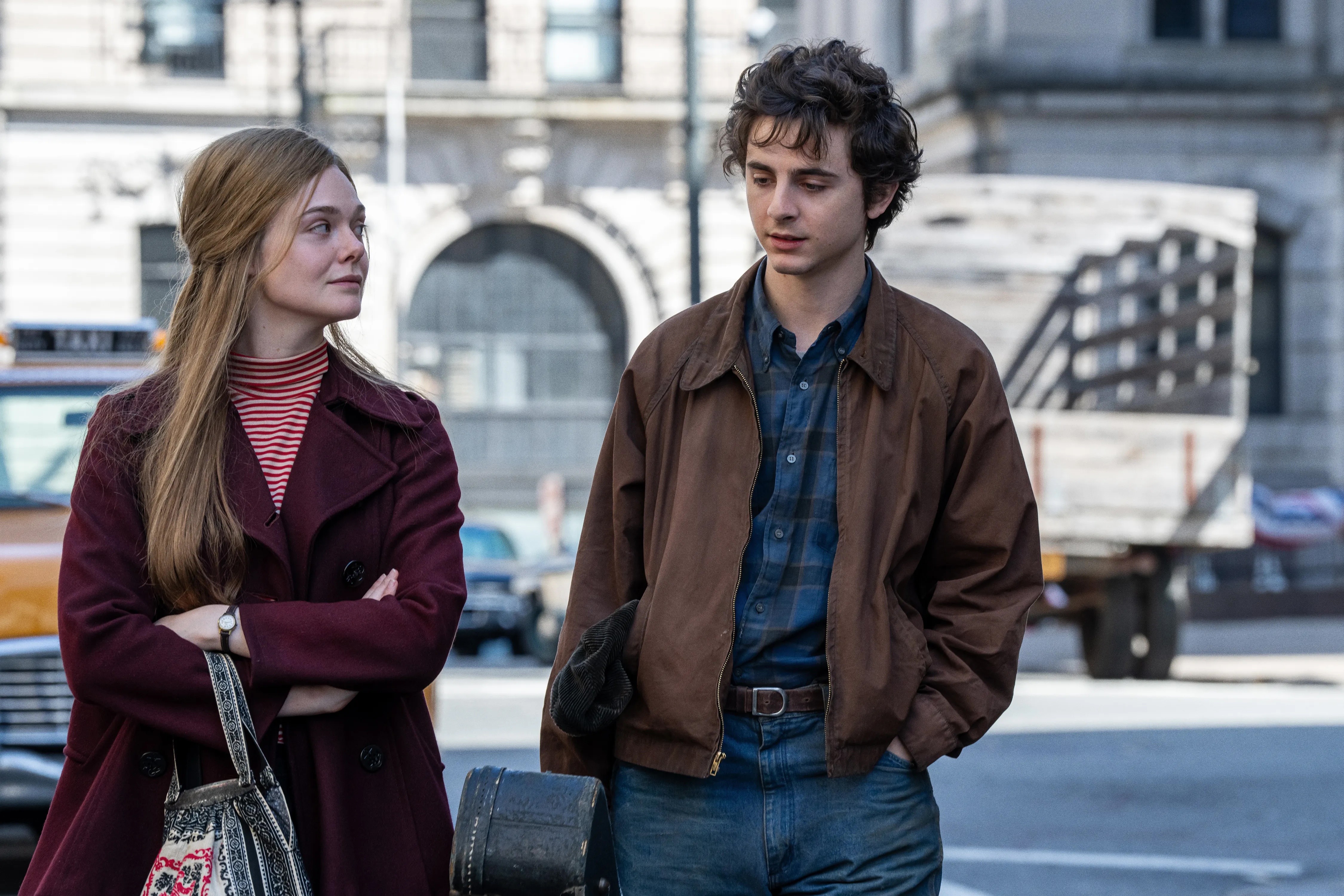
A Complete Unknown

17/01/25

Cineworld, Edinburgh

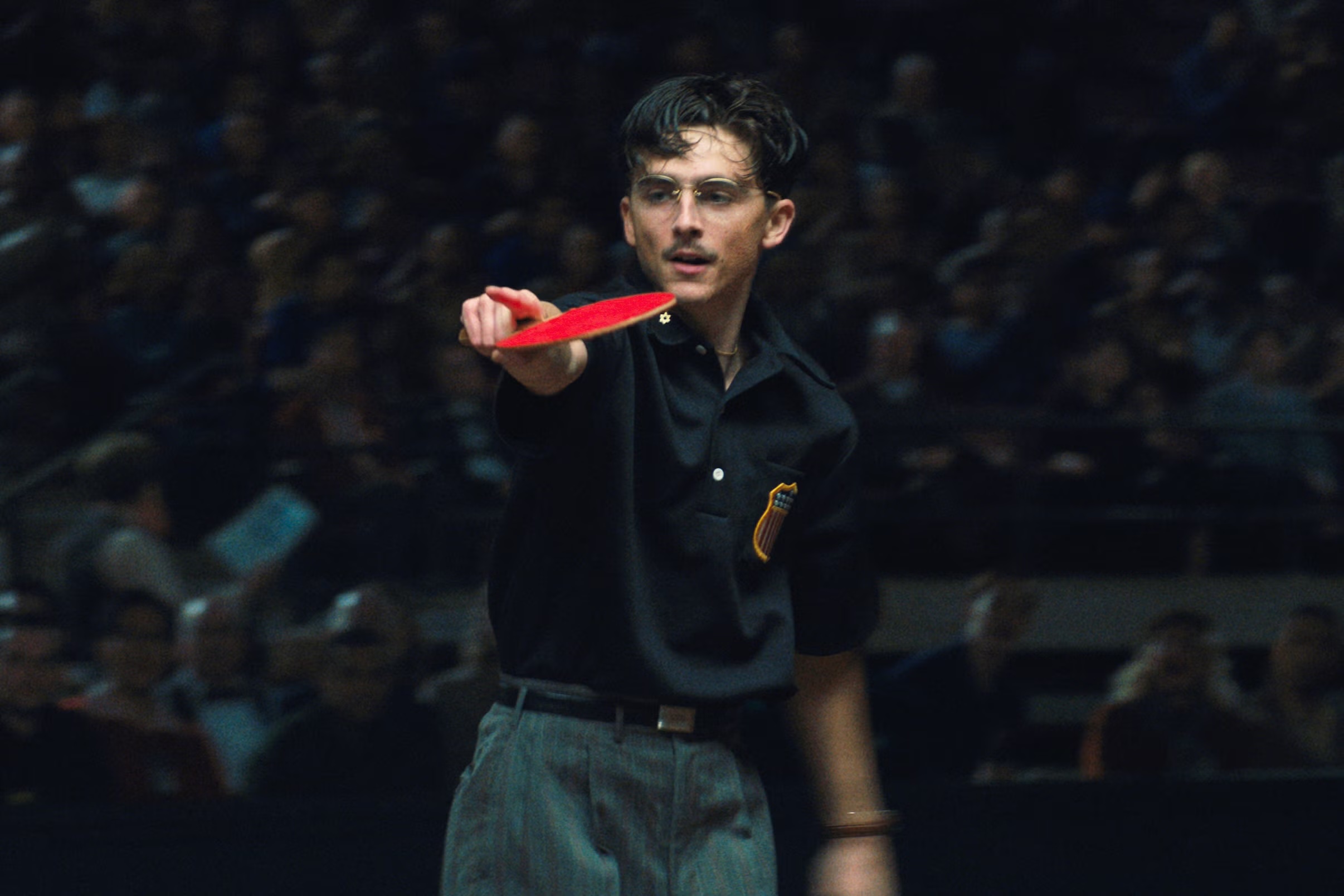
Writer/director James Mangold has been down the music biopic route before with 2005’s Walk The Line (featuring Joaquin Phoenix as Johnny Cash), but the news that he was planning a film about Bob Dylan felt like a decidedly tall order. After all, Robert Zimmerman is the proverbial mystery wrapped up in an enigma, a man who has unabashedly invented (and reinvented) the details of his own story from the very start of his career. It’s to Mangold’s credit then, that A Complete Unknown is such a triumph, eschewing the idea of a ‘whole life’ depiction and choosing instead to focus on five turbulent years from the musician’s life.

it’s 1961 and a twenty-year-old Dylan hitchhikes from his home in Duluth, Minnesota to Greystone Park Psychiatric Hospital in New Jersey, where folk legend Woody Guthrie (Scoot McNairie) is slowly succumbing to the ravages of Huntingdon’s Disease. Guthrie is Dylan’s hero and he has come here to sing to him, as song he’s written all about the man. Present at the impromptu performance is Guthrie’s friend and fellow folk stalwart, Pete Seeger (Edward Norton). He’s impressed both by the song and the performer’s confidence, so he takes Dylan under his wing and starts introducing him to the flourishing folk scene in the coffee houses of New York City.

It isn’t long before his regular appearances start to gain him a reputation. At one concert he meets Sylvie Russo (Elle Fanning, a thinly disguised version of Dylan’s real life muse, the late Suze Rotolo), and the two of them become lovers and constant companions. He also meets folk singer Joan Baez (Monica Barbaro), already something of a star on the folk circuit. Baez covers some of Dylan’s songs and helps to bring his work to a wider audience, and inevitably, a romantic entanglement ensues between them.

And then, Dylan begins to tire of the strictures of the folk scene and finds himself increasingly drawn to the trappings of rock music – the fashions, the poses, the volume. But he is to discover that folk puritans are opposed to sullying ‘their’ music with electric guitars and keyboards. It becomes clear that the transition won’t be an easy one to make…

These days, I am by no means a Bob Dylan fan, but I did follow him during the mid sixties and have always held a soft spot for Highway 61 Revisited – which, coincidentally, is the album around which this film reaches its climax. In the lead role Timothée Chalamet is quite simply astonishing, offering a performance that goes beyond the realms of mere impersonation. He actually performs all the songs and plays guitar on them. (A post screening Q & A tells me that he didn’t play the instrument before this film, but had the opportunity to work on his character for five years and figured he might as well go all-in). Co-star Barbaro had barely sung a note before she landed the role of Joan Baez, but she somehow nails the woman’s unique vocal style effortlessly.

And then of course, there are the songs, each one indelibly memorable and delivered with enhanced power at this IMAX screening, so that the film’s two hour plus running time seems to positively flash by. Dylan, as portrayed by Chalamet, is a whole contradiction of characters, by turns vulnerable, scheming, hard bitten and amorous, sneering, vindictive, reckless and determined. Of course, Chalamet has been nominated for an Oscar and, should he be successful, then it will be well-earned.

A Complete Unknown is a remarkable achievement, a film that captures the era in which it’s set with absolute veracity and which chooses to focus on one of the most important moments in music history. It’s fascinating to watch it unfold. (Okay, so a few small details have been tweaked – that infamous cry of ‘Judas!’ occurred at the Free Trade Hall, Manchester, not the Newport Folk Festival, but it matters not one jot.) This is a movie to enjoy on the big screen with the best sound system available. After the recent financial failure of the brilliant Better Man, I’m reluctant to speculate on what this film might achieve at the box office, but for my money, it ticks all the boxes.

It’s a musical feast. Dig in.

5 stars

Philip Caveney
Dune: Part Two

03/03/24

Cineworld, Edinburgh

It only needs a glance around the IMAX auditorium at Edinburgh’s Cineworld on this Sunday afternoon to confirm that Denis Villeneuve’s big gamble has paid off. There’s barely an empty seat in the building. 

Dune: Part One came along at a propitious time. It was October 2021 and we were barely out of lockdown, sitting uncertainly in our seats, wearing paper masks and slapping gel on our hands at five-minute intervals. What we needed now was something epic to take our minds off the pandemic and we certainly got that – but what we were also handed was an unfinished story and a three-year wait for its conclusion. 

Would it be worth it?

The answer to that is a resounding yes! If the first film occasionally felt a little too languid for comfort, Part Two ramps the action up to eleven, and Villeneuve has the good sense to keep everything rattling along at full speed ahead. The result is a film that, despite  a running time of just under three hours, never feels overlong. 

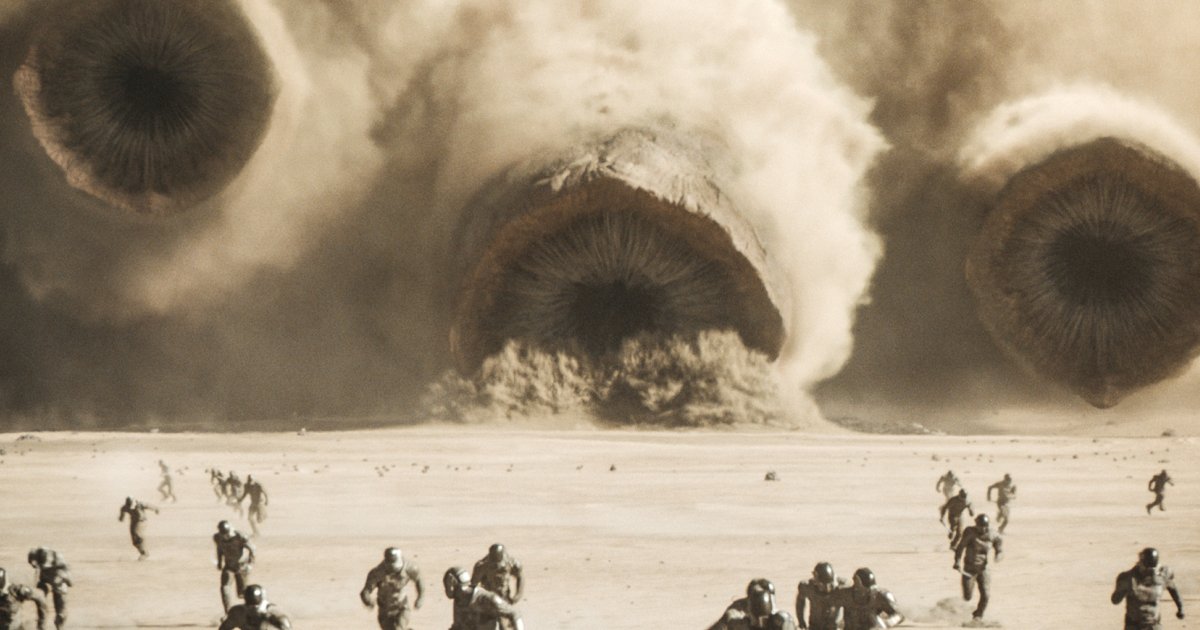
And in this case the word ‘epic’ barely does the material justice: this is an immense, eye-popping spectacle, an insanely inspired slice of cinematic world-building that at times leaves me almost breathless at what I’m witnessing up on the giant screen. This, my friends, is why they invented IMAX. If you haven’t seen Part One since its release (or at all for that matter), I’d advise you to catch up with it via streaming before sitting down to the second installment. I did and it helps no end to reacquaint myself with the characters.

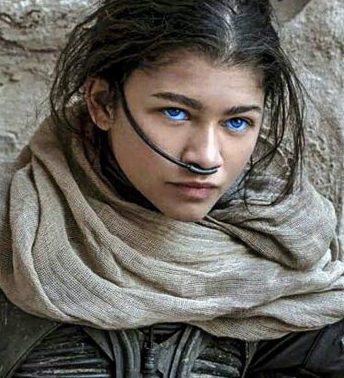
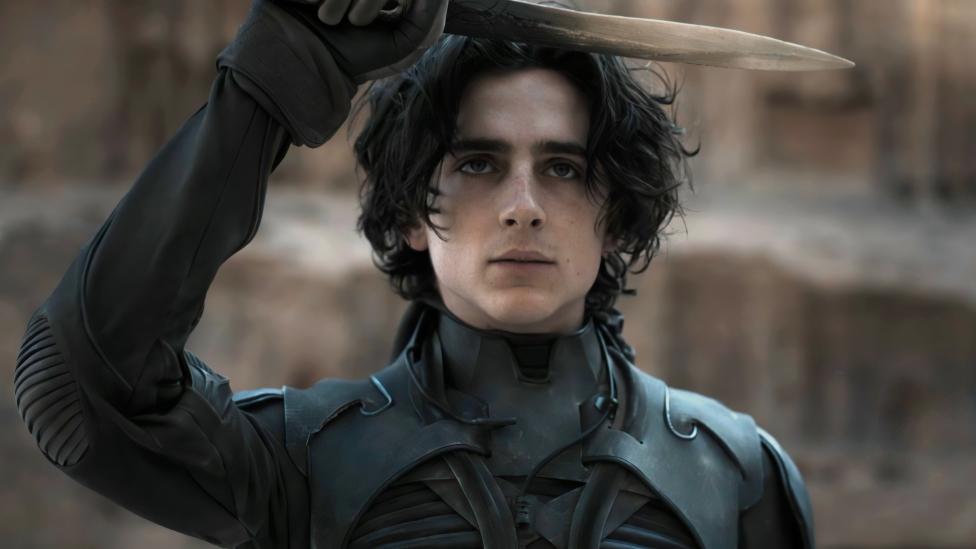
We pick up exactly where we left off. Paul Atreides (Timothée Chalamet) and his mother, Jessica (Rebecca Ferguson), have survived the murder of most of their family and have sought refuge with the Fremen people in the remotest part of the desert planet, Arrakis. Paul has finally met his (quite literal) dream girl, Chani (Zendaya), and, under the protection of Stilgar (Javier Bardem), he’s learning the ways of the Fremen. 

At the same time, he’s all too aware that some of the more devout members of the tribe are giving him meaningful looks and referring back to an ancient prophecy that a messiah will one day arrive and lead the Fremen to triumph over their oppressors.

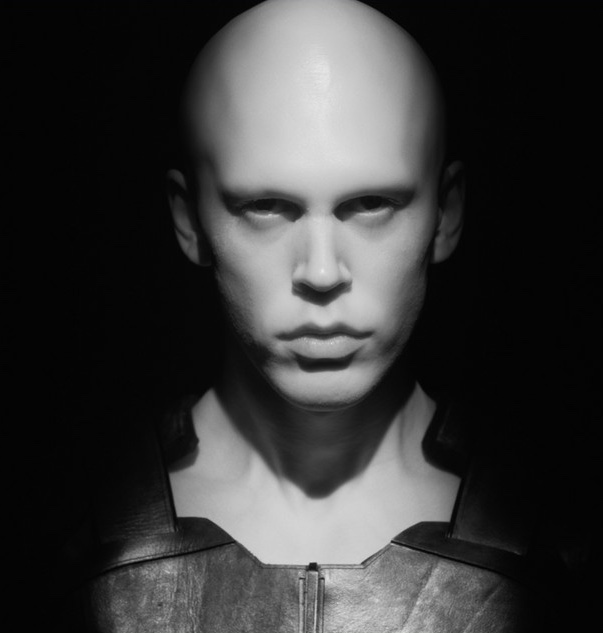
Could this be a potential way for Paul to take revenge for the killing of his father by the evil Baron Harkonen (Stellan Skarsgard), who is still skulking in a bathtub doing unspeakably horrible things to everyone who comes near him? And if you think he’s bad, wait till you meet his nephew, the psychopathic Feyd-Rautha (Austin ‘Elvis’ Butler), who redefines the word ‘villain’ in one of the most remarkable screen transformations ever.

Villeneuve has excelled himself here and Dune: Part Two is an extraordinary achievement, one that cements his reputation as one of the great visionaries of the cinema, up there with the likes of David Lean and Stanley Kubrick. His interpretation of Frank Herbert’s source novel spins allegories about the links between religion and drugs, the evils of colonialism, the ruthlessness of royalty, the inevitability of war between the poor and the privileged. That’s all there lurking behind the dazzling action set pieces and massive explosions.

My only niggle (as with the first film) is that the 12A rating sometimes works against the film, when all that violent mayhem must remain essentially bloodless in order to tick the boxes – but it’s not a big enough quibble to dampen my enthusiasm for this giant-sized helping of space fantasy, that quite frankly makes the Star Wars franchise look positively amateurish by comparison. 

And if the story’s conclusion doesn’t feel quite as er… conclusive as I might have expected, the possibility of Dune Messiah looming on a distant horizon may account for it. A trilogy, perhaps? 

Well, it would be rude not to, right?

5 stars

Philip Caveney
Wonka

08/12/23

Cineworld, Edinburgh

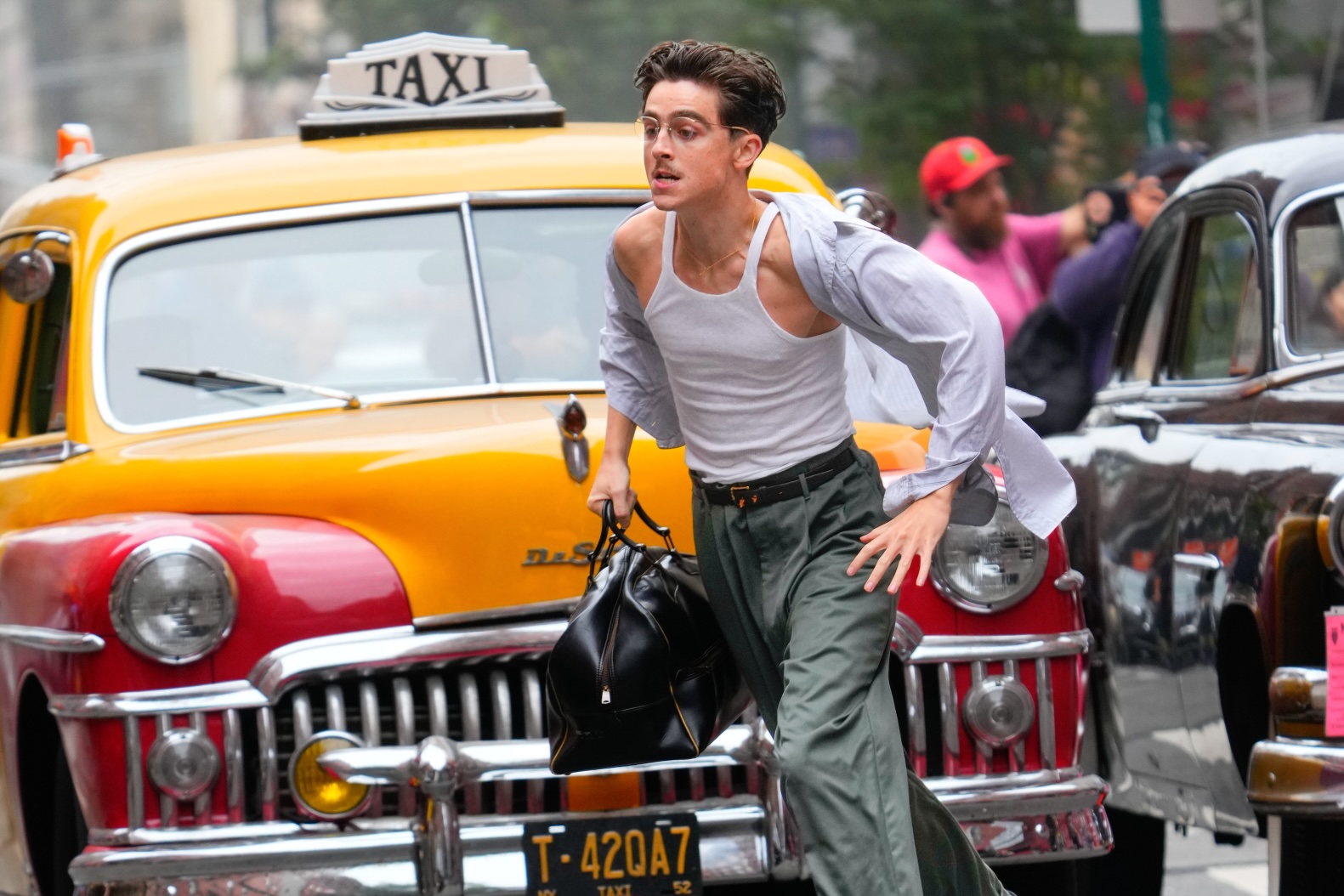
The omens were always good for Wonka. Director Paul King and writer Simon Farnaby have already delivered two brilliant (5 star) Paddington films, but were willing to assign the upcoming Paddington in Peru to other hands in order to focus on this origin tale based around Roald Dahl’s most celebrated character. What’s more, Timothée Chalamet – who seems to have the uncanny ability to choose box office winners with ease – was signed up for the title role right from the very beginning.

And sure enough, Wonka turns out to be as sure-footed as you might reasonably hope, powered by a deliciously silly story and some sparky songs by Neil Hannon, plus a couple of bangers salvaged from the much-loved 1971 film starring Gene Wilder. Laughter, music and magic: they’re all here in abundance.

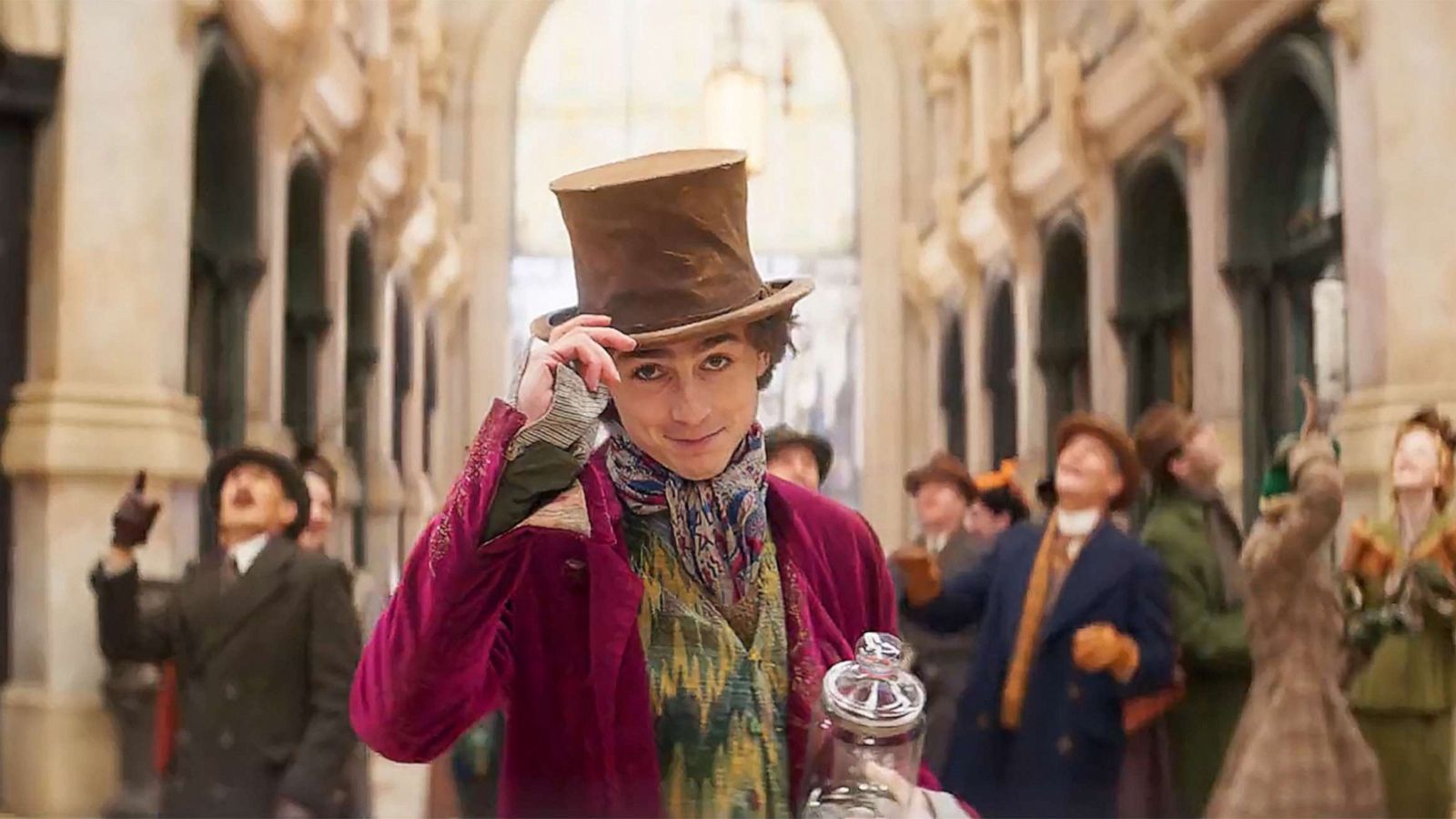
In this version of the tale, the young Willy Wonka arrives in a city that looks suspiciously Parisian (but is actually Oxford). His masterplan is to pursue an ambition he’s had since childhood: to create the world’s most delicious chocolate.

Armed with an original recipe from his late mother (a barely glimpsed Sally Hawkins) and augmented by some magical tricks he’s picked up along the way, Wonka has mastered the chocolatier’s arts to the final degree, but has somehow neglected to learn how to read. Which explains why he soon ends up as a prisoner, working in a hellish laundry run by Mrs Scrubbit (Olivia Colman, for once playing a convincingly loathsome character) and Mr Bleacher (an equally odious Tom Davis). It’s here that Wonka acquires a small army of workmates, including Noodle (Calah Lane), a teenage orphan who has mysterious origins of her own and who soon proves to be Wonka’s most valuable ally.

When he’s eventually able to sneak out and pursue his main goal, he quickly discovers that the local chocolate industry is dominated by three powerful and devious men, Slugworth (Paterson Joseph), Prodnose (Matt Lucas) and Fickelgruber (Matthew Baynton), who are willing to go to any lengths to protect the stranglehold they currently enjoy. They see Wonka as a potential threat and will stop at nothing to eliminate him…

Mostly, this works a treat. Chalamet is an astute choice for the lead role, capturing the man-child quality of young WW, whilst still managing to hint at the darker elements that lurk deep within him. Lane is suitably adorable and, if the triumvirate of evil chocolate barons never really exude as much malice as you’d like, it’s no big deal. The only real misstep is the fate of the local police chief (played by Keegan Michael-Key), who takes bribes in the form of chocolate and who steadily puts on more and more weight, until he’s almost too big to fit in his car. While this fat-shaming device may be true to the ethos of Mr Dahl, it feels somewhat out of place in a contemporary story.

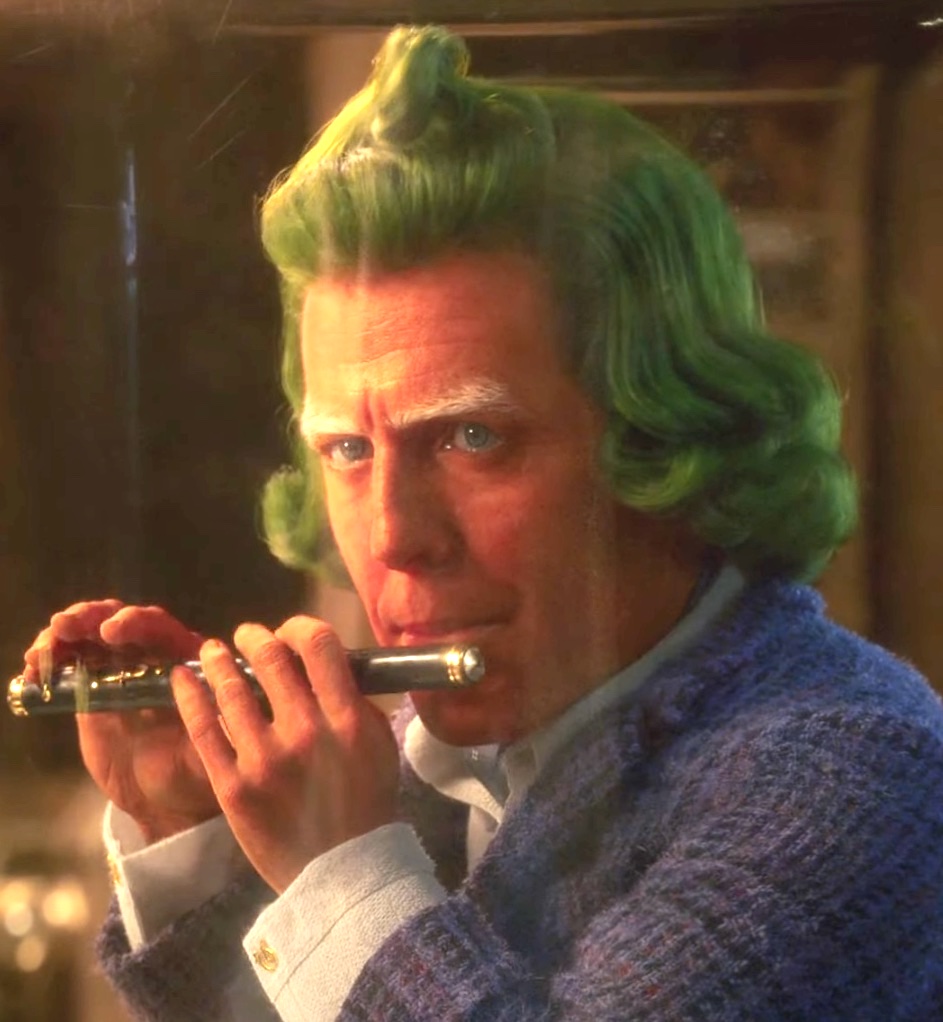
And of course this being a Wonka tale there must be Oompa-Loompas, played here by an orange-skinned, green-haired Hugh Grant, who is wonderfully pompous and self-possessed, yet somehow manages to be quite adorable at the same time. As you might guess, Mr Grant is obliged to dance (again), something he allegedly hates doing. He’s used sparingly through the film but still nearly manages to steal it from under Chalamet’s nimble feet.

All-in-all, Wonka is an enjoyable family film, as bright, glittering and irresistible as a bumper hamper packed with tasty treats. It’s interesting to note, however, that I didn’t come out of this feeling like tucking into some. On the contrary, a scene where Willy and Noodle find themselves drowning in a big vat of molten chocolate actually has me feeling faintly queasy.

Nonetheless, those seeking an enjoyable couple of hours at the cinema, could do a lot worse than buying a ticket for this delightful offering, which will appeal to viewers of all ages.

4.4 stars

Philip Caveney

Bones and All

31/11/22

Cineworld, Edinburgh

Every director is entitled to at least one mistake. In the case of Luca Guadagnino, the mistake was to follow the sublime Call Me By Your Name with a muddled, pretentious remake of Dario Argento’s classic horror, Suspiria. So it’s gratifying to report that Bones and All takes a significant step back in the right direction. With a screenplay by David Kajganich, based on a novel by Camille DeAngelis, it’s a film that recklessly crosses several genres but ultimately emerges as something quite unique – part horror film, part road movie, part love story – and the various components work together brilliantly.

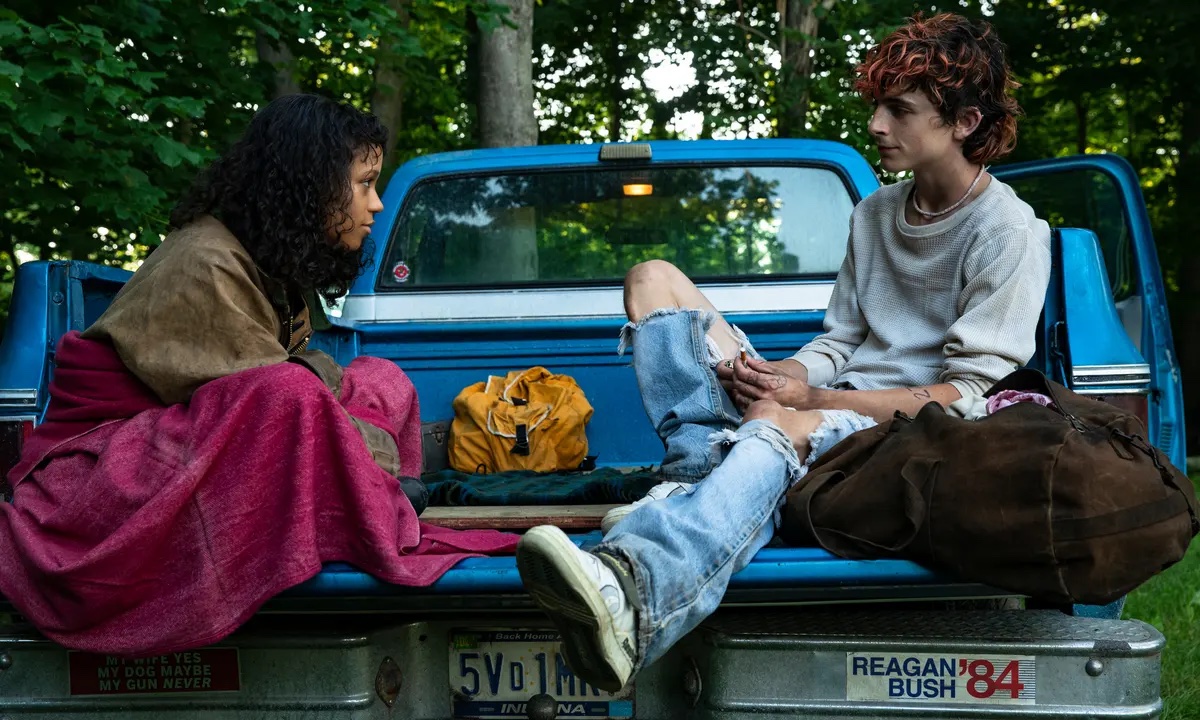
We’re on the shabby backstreets of Reagan’s America in the mid 1980s. Maren (Taylor Russell), an eighteen-year-old high schooler, lives with her father (played by André Holland), who keeps her under a tight rein, even locking her in her bedroom every night. But after receiving an invite to a slumber party, she sneaks out to join up with three friends for an evening of gossip, booze and makeovers. It’s all going swimmingly until, without warning, the fun stops…

After what happens, Maren and her dad are obliged to skip town and, shortly thereafter, Maren wakes up to finds herself abandoned. Her father has walked out, leaving only some money and a Walkman, with a lengthy explanation for his actions captured on cassette tape. Maren discovers that she is an ‘eater’ – someone who is drawn to feasting on human flesh, a condition passed onto her by her mother, who abandoned her when she was a baby. Maren decides her only option is to go in search of her mom in the hope of finding a solution to her problems.

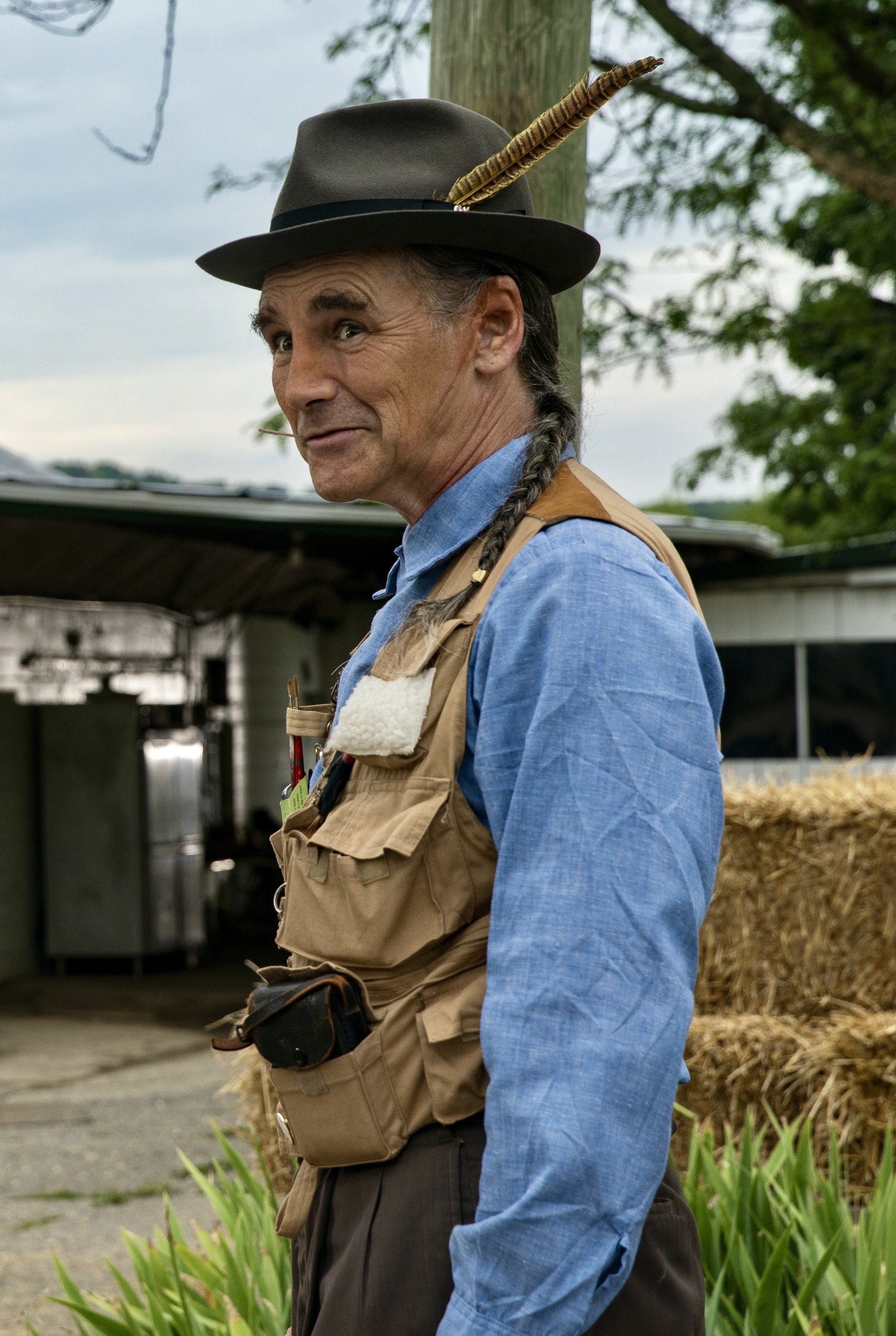
En route, she encounters Sully (a deliciously creepy performance from Mark Rylance). He’s a fellow eater, who has managed to track her down by her familiar smell. Sully offers her companionship and claims he can be her protector, her guide to this unfamiliar new world – but, despite spending some time with him, even sharing one of his ‘meals’, she grabs the opportunity to escape at her earliest opportunity and goes on with her journey. And then she meets another of her kind, Lee (Timothée Chalamet), with whom she finds she has much more in common. The two of them bond and decide to travel together. As they drive across country, they begin to wonder if there is any escape from their current situation.

Calm, languorous and set against the epic scenery of the American West, Bones and All is an incredibly compelling story, by turns romantic and repugnant. Make no mistake, the feeding scenes are explicitly visceral and can be hard to take – the film’s 18 certificate is there for a reason. The central allegory of the story suggests many themes, but to my mind the key one is addiction. The more Maren and Lee strive to break out of the life they’ve begun to hate, the more circumstances conspire to pull them back into its tenacious grip.

Those who find gore unsettling may prefer to give this one a wide berth, but if you can tolerate some carnage, there’s so much here to admire. I can honestly say I’ve never seen another film quite like this one – and I’m fascinated to discover where Guadagnino goes next.

4.8 stars

Philip Caveney

The French Dispatch

23/10/21

Cameo, Edinburgh

The word ‘quirky’ could almost have been invented for Wes Anderson. Since his breakthrough with Bottle Rocket in 1996, the director has relentlessly followed the path less travelled. Along the way, he’s dallied with stop-frame animation and, in his live-action features, has developed a visual style used by nobody else in the business. Take off a blindfold in a movie theatre and watch ten seconds of any one of his films and, chances are, you’ll recognise his style instantly.

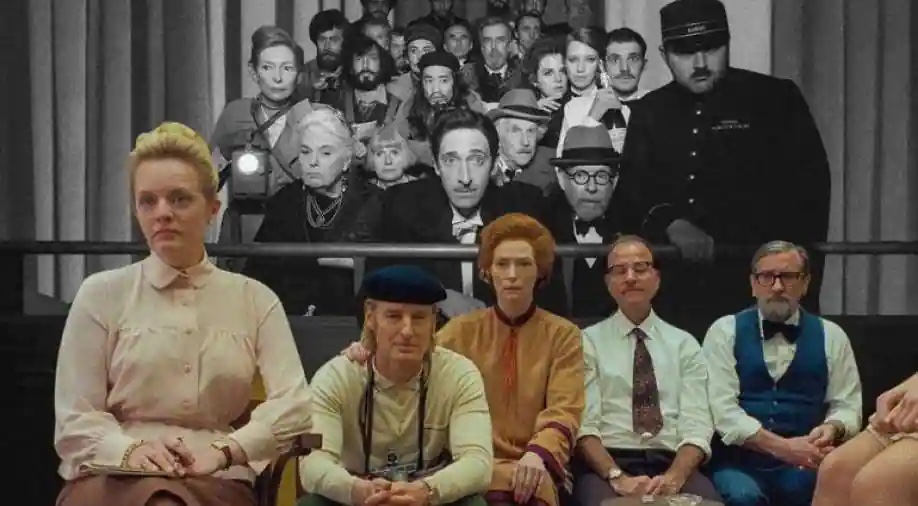
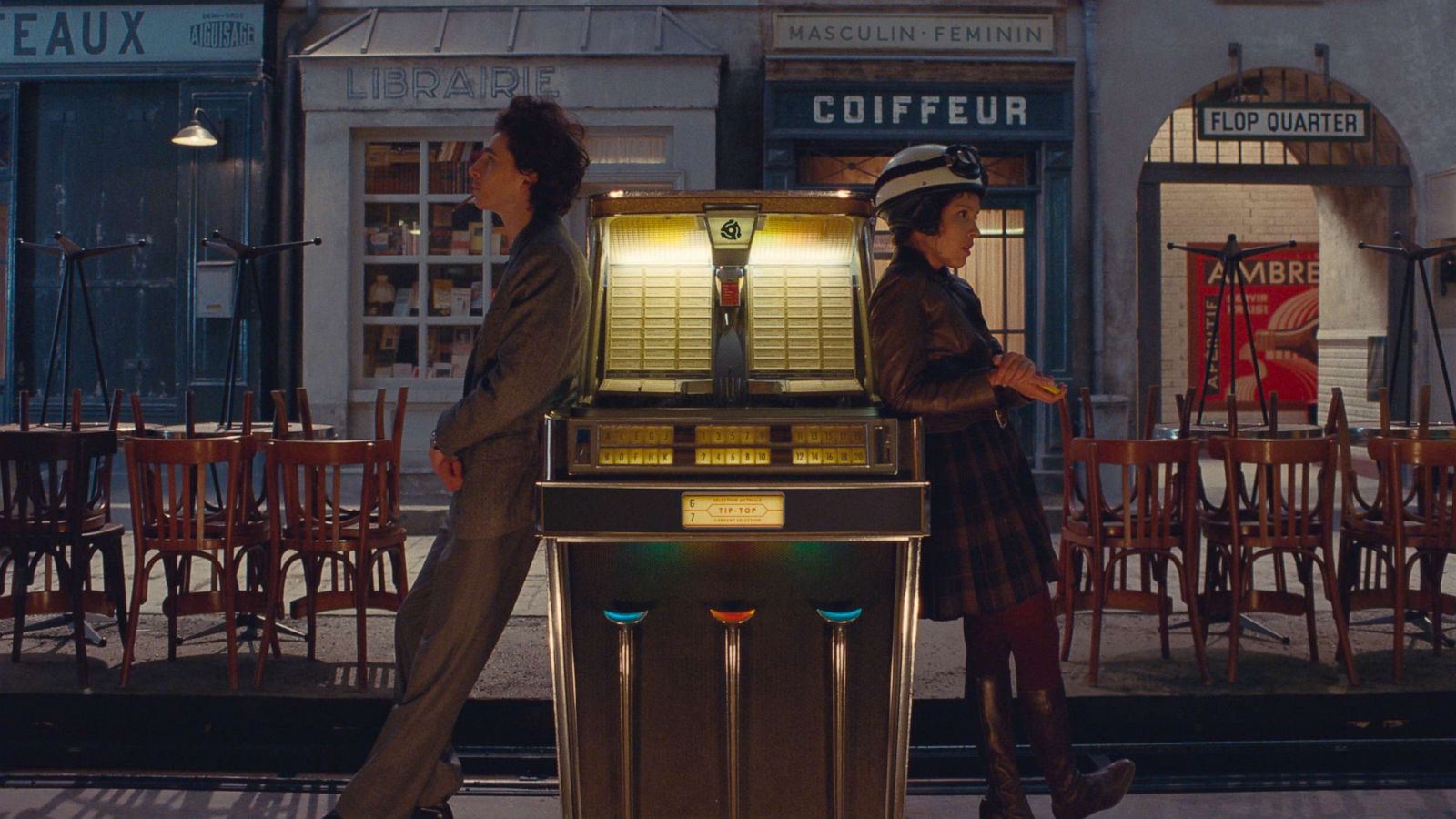
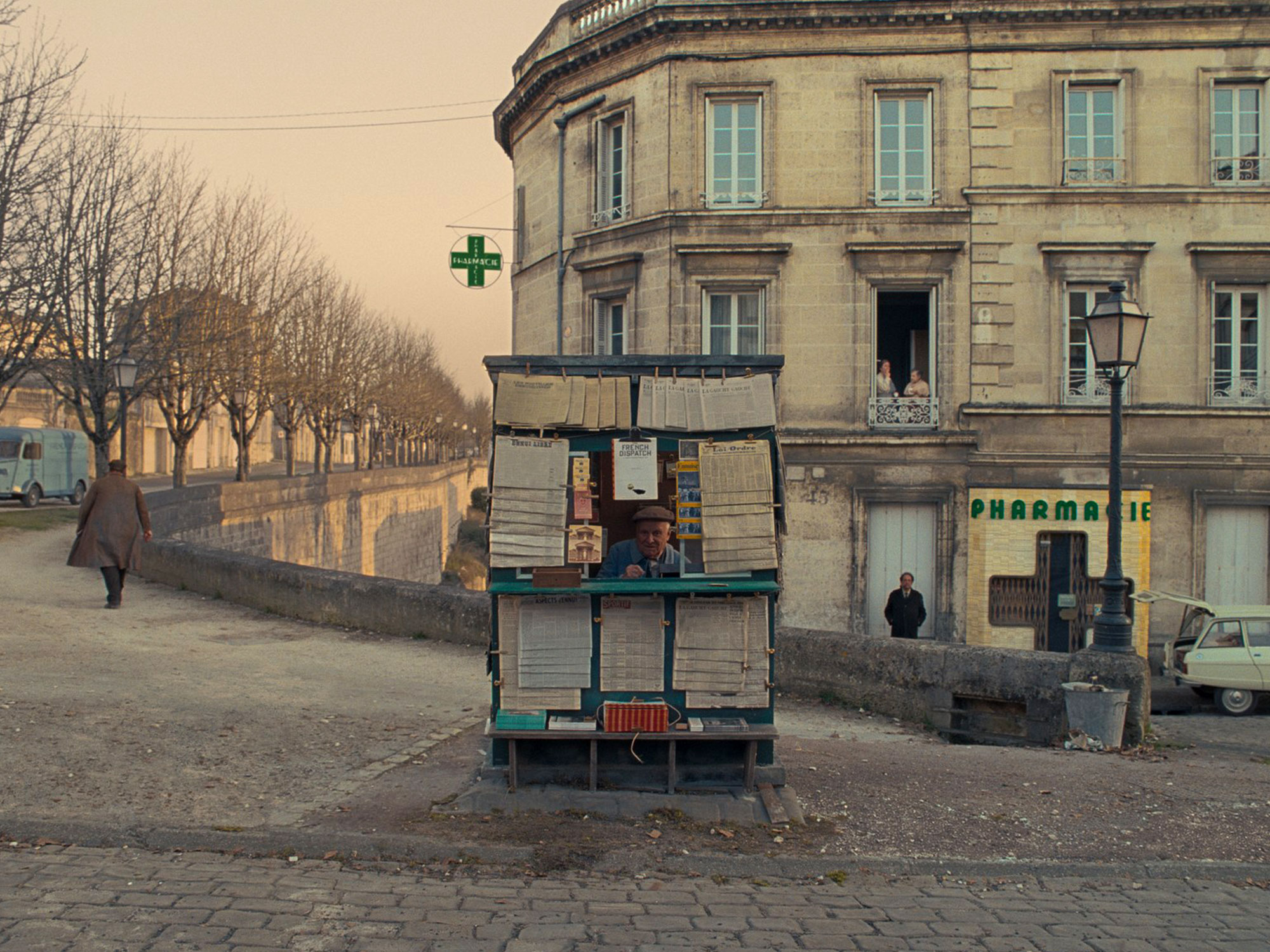
Now here’s the much-delayed The French Dispatch, a portmanteau made up of three short films, linked by a framing device. It probably has a valid claim for being the most Wes Anderson-like film yet as it employs all of the tics and, yes, quirks we associate with him: those bizarre doll house vistas; jarring cuts from colour to monochrome; weird frozen tableaux of action scenes – and characters that are as eccentric as they are amusing. And, of course, there’s also the WA repertory company, a seemingly endless supply of big-name actors, who seem perfectly happy to put their famous mugs in front of the camera, even if they’ve not actually been given much to do.

We begin at the offices of the titular publication, a New Yorker-style literary magazine that is itself an offshoot off a newspaper in Kansas, yet somehow has its headquarters at the top of a ramshackle building in the sleepy French town of Ennui-Sur-Blasé. It’s from here that editor Arthur Howitzer Jnr (Bill Murray) sends his various critics around the country to seek out and document stories of interest – and we are subsequently treated to three of them, all set in the 1960s.

First up we have the tale of convicted murderer, Moses Rosenthaler (Benicio Del Toro), who, inspired by his love for prison warden – and sometime model – Simone (Lea Seydoux), decides to express his love, by creating works of modern art in tribute to her. He inadvertently becomes a cause celebre. Next there’s the story of journalist Lucinda Krementz (Frances McDormand) and her dalliance with dashing young revolutionary, Zefferelli (Timothée Chalamet), whose rebellion against authority is played out as a literal game of chess. Finally, there’s the story of writer Roebuck Wright (Jeffrey Wright), assigned to write a piece about celebrated prison chef, Nescafier (Steve Park), only to find himself caught up in a kidnapping drama involving the adopted son of the prison’s Commisaire (Mathieu Almaric).

The stories are dazzlingly told and the main theme here seems to be one of affection for an age that’s largely gone – a yearning for old-school journalism, when editors cared more about the writing than the money it might generate. Anderson – who co-wrote the story – also has much scorn to heap on the world of art, mocking the ways in which commerce waits greedily in the wings to get its hooks into the next big thing, qualities evidenced by Adrien Brody’s ruthless art dealer, Julien Cadazio. There’s some evident homaging going on here too. The second piece eerily captures the look of French new wave cinema – and did I imagine that little salute to The Twilight Zone’s Rod Serling?

I have to say that I admire The French Dispatch enormously, rather than love it. There’s always an element of grandstanding about Anderson’s work, a celebration of his own uniqueness that can sometimes feel a little too arch – and the parade of characters unleashed here are essentially caricatures rather than people I can believe in. Perhaps that’s entirely the point, but it’s a quality that can polarise audiences.

Suffice to say, if you’re a fan of the director, you certainly won’t be disappointed by what’s on offer here. This is Wes Anderson turned up all the way up to 11. And, in the unlikely event that it’s the first of his films you’ve seen, then enjoy the trip.

4.4 stars

Philip Caveney

Dune

21/10/21

Cineworld, Edinburgh

After the long shutdown of the pandemic and the recent Bond-led ‘resurrection’ of cinema, what we need next is an epic – one of those big, sprawling sci-fi adventures replete with stunning alien landscapes and awe-inducing special effects. So Dune really couldn’t come at a better time, but director Denis Villeneuve must be all too aware of the potential pitfalls. A previous attempt to put Frank Herbert’s source novel onto film – in 1984 – almost stopped David Lynch’s burgeoning career dead in its tracks. And while Lynch attempted to pack the entire contents of the book into one film, Villeneuve adds the extra gamble of shooting just the first half of the story, trusting to providence that the resulting movie will be successful enough to bring him sufficient revenue to make the second part.

The jury is still out on that but initial worldwide box office figures look promising.

It’s the year 10,191 and Duke Leto Atreides (Oscar Isaac) has recently been assigned – by the Emperor of the Universe, no less – to become the fief ruler of the desert planet of Arrakis (Or Dune, as it’s sometimes known). He and the rest of House Atreides will be taking over from its previous overlords, House Harkonnen, led by the corrupt Baron Vladimir (a hideously bloated Stellan Skarsgård). Arakis is the source of spice, a mysterious substance that pretty much runs the entire solar system, so of course the Harkonnens are far from pleased about being ousted from their exalted position.

Meanwhile, Leto’s son, Paul (Timothée Chalamet), has been having recurring dreams about Arakis, or – more specifically – about a young woman who lives there, Chani (Zendaya). She is one of the indigenous Fremen, who have always endured a precarious existence under the yoke of their despotic rulers. Paul begins to think that he’s destined for something important and, when he learns his friend, Duncan Idaho (Jason Momoa), is setting off on a preliminary reconnaissance of the planet, Paul begs to be allowed to accompany him. But he’s told he must wait until Leto and the others can go with him.

So it is not until he and the rest of House Atreides set foot on the sun-blasted sands of Arakis that they discover they are venturing into a carefully laid trap….

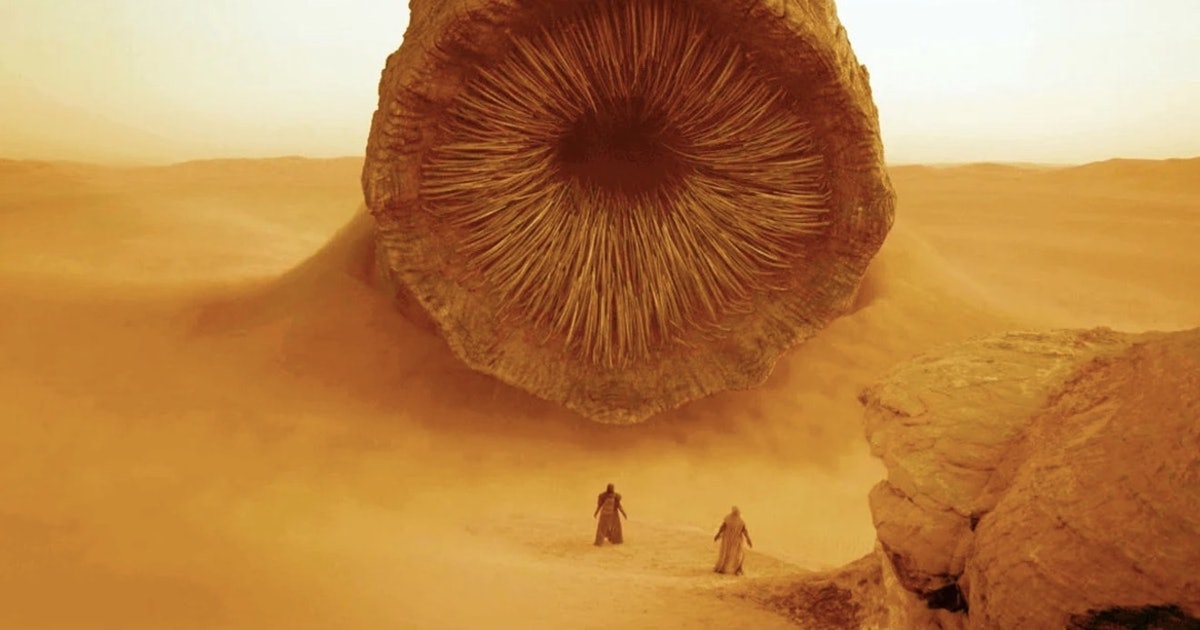
James Herbert’s novel has an almost messianic following and I imagine most of its readers will be pleased with what’s on offer here. Villeneuve’s direction, combined with the almost hallucinatory qualities of Greig Fraser’s cinematography and Hans Zimmer’s eerie score, makes for a memorable experience. The casting is impeccable, with Rebecca Ferguson excellent as Paul’s mother, Lady Jessica, and Josh Brolin a perfect choice as the dour warrior, Gurney Halleck. And then, of course, there are those infamous sandworms, one of the elements that really didn’t work in Lynch’s movie, but they certainly generate lots of tension here…

Villeneuve keeps everything bubbling along at a sedate pace, taking enough time to set out his stall. The world-building is beautifully done and the theme of colonialism convincingly explored. And if Paul Atreides is just another in a long list of Christ figures, a popular conceit in science fiction, well it hardly matters. Dune carries us along on a tidal wave of sensory overload until we dimly register that the first instalment is over and we’ll have to wait another year to see how things turn out for Paul.

Quibbles? Well, yes, and it’s one that’s becoming increasingly common. Dune has a 12A certificate, which means that some of the more violent elements of the tale have been downplayed. While I understand there’s a wish to maximise the potential audience for the film, this was never going to be another Star Wars (Dune comes from a much more po-faced universe than Obi Wan and his merry gang). So I think a 15 would be a much better fit. But I absolutely understand why it is what it is.

That said, I enjoy the film enormously and I’m sure I won’t be the only one eager for a second helping, which… all being well… will be coming to a universe near you in the not-too-distant future.

4. 6 stars

Philip Caveney