The Cameo

Lollipop

17/06/25

The Cameo, Edinburgh

Lollipop is writer-director Daisy-May Hudson’s debut feature film – and what a promising start this is. Sure, she’s treading in the footsteps of working-class champions such as Ken Loach and Mike Leigh, but – if this fiercely female and decidedly 2020s tale is anything to go by – Hudson is also forging her own path.

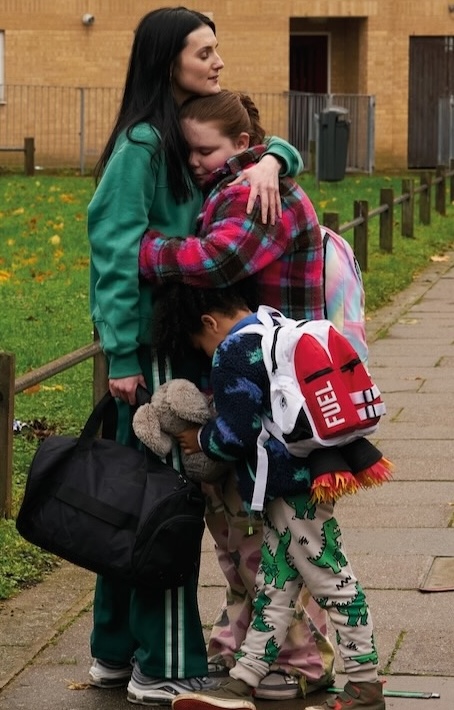
‘Lollipop’ is Molly (Posy Sterling)’s childhood nickname, but she’s come a long way since those innocent days. She’s just spent four months in prison – for an unspecified crime – and is looking forward to getting out and being reunited with her kids, Ava (Tegan-Mia Stanley Rhoads) and Leo (Luke Howitt). But things have gone awry while she’s been away: not only has she had to give up her flat, but her flaky mum, Sylvie (TerriAnn Cousins), who was supposed to be looking after the children, has handed them over to social services instead. “Don’t start,” she says, when Molly confronts her, aghast. “I can’t cope with you starting.”

Of course, once they’re in the system, the children can’t just be handed back. There are teams of people tasked with ensuring their welfare. How can they return Ava and Leo to Molly’s care when she’s homeless, pitching her tent illicitly in the park, washing in a public loo? But it’s Catch 22: Molly isn’t a priority for housing because she hasn’t got her kids with her. She’s going round in circles, and that’s not helping her already fragile mental health. However caring the individual professionals are – and they are decent, compassionate women, on the whole – the process seems designed to deny her any possibility of making good.

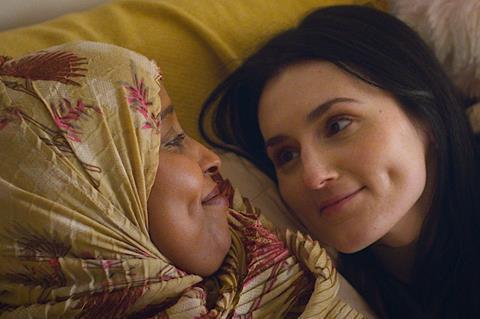
A chance encounter with an old school friend, Amina (Idil Ahmed), offers a glimmer of hope. Amina has her own problems: she’s separated from her husband, and living in a hostel with her daughter, Mya (Aliyah Abdi). But Amina is a natural optimist with an abundance of energy, spreading joy in the simplest of ways. She hosts a daily ‘party’, where she and Mya dance to their favourite tunes, while a disco ball transforms their dismal walls with colour and light. When Molly reaches breaking point, afraid she’s going to lose her kids forever, it’s Amina who breaks her fall…

It’s impossible not to draw comparisons with the second series of Jimmy McGovern’s acclaimed TV series, Time, which saw Jodie Whittaker’s Orla facing a similar situation, fighting against a failing and underfunded system that not only hurts people but also encourages recidivism. This doesn’t detract from Lollipop‘s power; sadly, it only serves to highlight the ordinariness of this extraordinary horror.

Sterling imbues the central role with so much heart that I defy anyone not to cry when they see Molly lose the plot at a resource centre, not to hold their breath while they wait for the court’s verdict. Newcomer Ahmed is also perfectly cast, lighting up the screen with her ebullience, although Amina also experiences great pain. Cousins infuriates as the selfish Sylvie, letting Molly down at every turn, but somehow still evoking our pity, and young Rhoads is heartbreakingly convincing as a little girl negotiating adult trauma before she’s even hit puberty.

Lollipop is a devastating but beautifully-realised film, as vital and engaging as Sean Baker’s The Florida Project (with which it shares some DNA). It’s the sort of potent story that ought to be the catalyst for change. Let’s hope.

4.5 stars

Susan Singfield
The End

30/03/25

The Cameo, Edinburgh

Joshua Oppenheimer might not be the most prolific of directors, but he’s certainly one of the most original. The documentary-maker’s first foray into fiction is a case in point: who else would offer us an unsettling post-apocalyptic… musical?

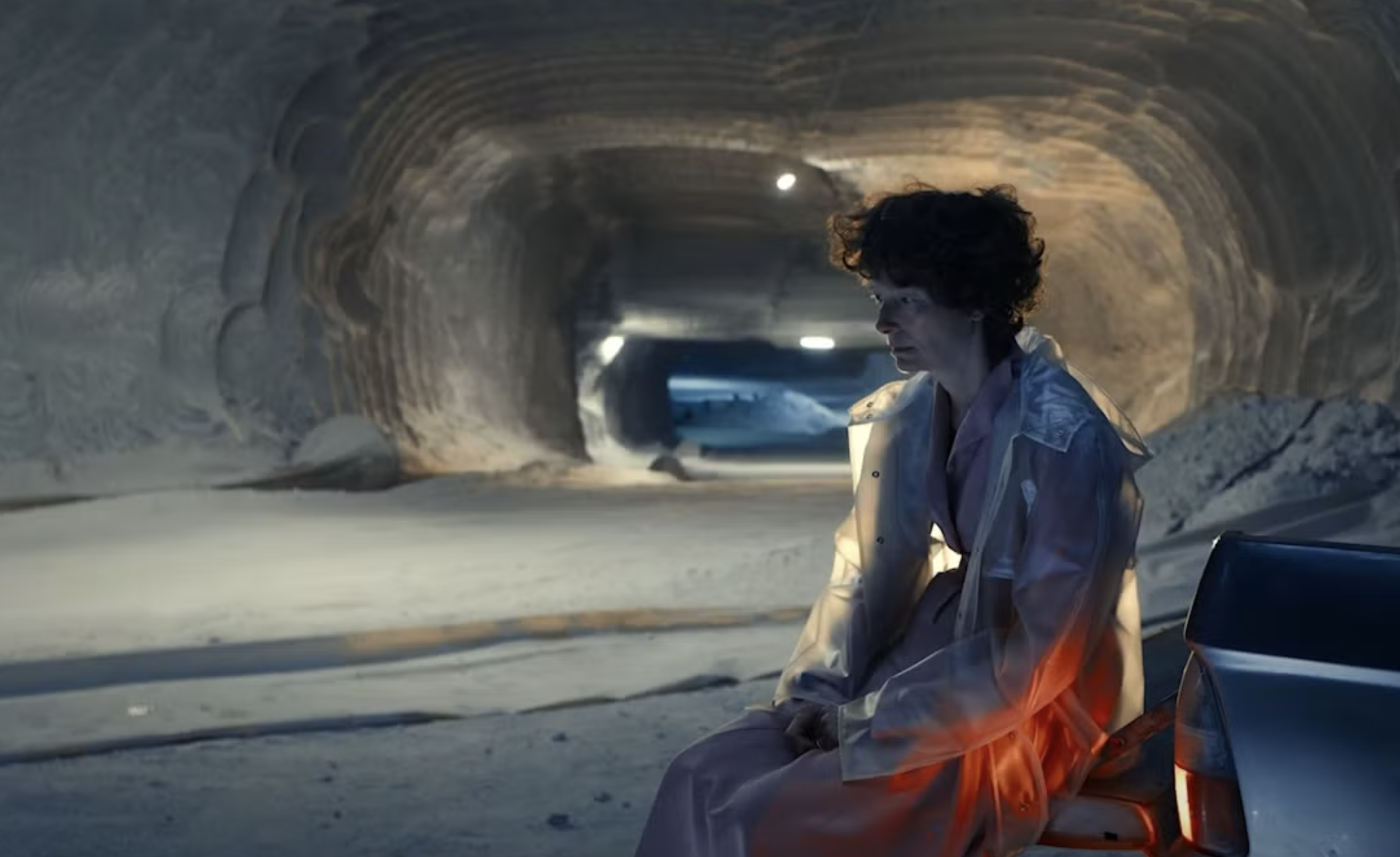
The setting is an oligarch’s nuclear bunker. There’s been some kind of climate disaster, precipitated by the billionaire’s fossil fuel company. Most of humanity is dead, but – decades after the fallout, far below the earth – a chosen few still live in luxury, albeit in the confines of some eerie salt mines.

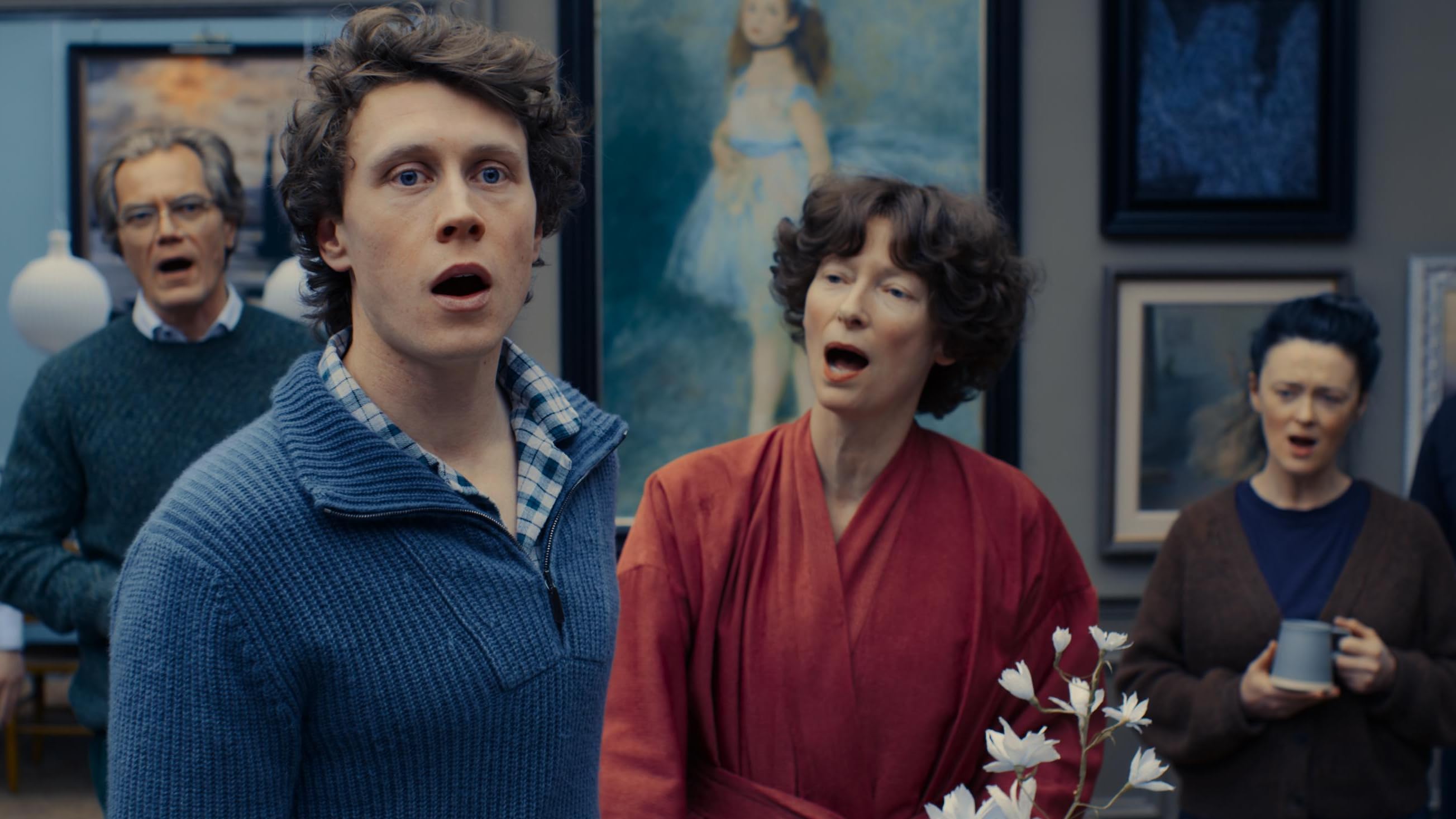
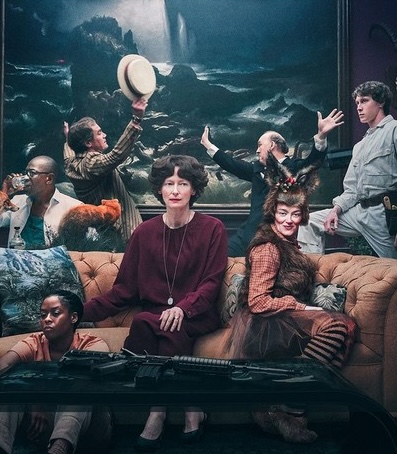
Father (Michael Shannon) is the oligarch, Mother (Tilda Swinton) his wife and Son (George McKay) their twenty-year-old child, born underground. He has never seen the sky, never met anyone outwith their small circle – and never questioned his parents’ tales about their former lives. Instead, he immerses himself in building an intricate model of all the outside places he’s only ever heard about.

The bunker has three more occupants: Friend (Bronagh Gallagher), Butler (Tim McInnerny) and Doctor (Lennie James). The trio are touted as “part of the family” but it’s pretty clear they’re here to serve, to take care of the cooking, the cleaning and the rich people’s health. Father spends his time working on a self-aggrandising autobiography, resisting Son’s attempts to offer editorial advice, while Mother fusses endlessly over the exact positioning of the priceless artworks on the walls. Life ticks by, one day much like another, an opulence-clad monotony that fulfils none of them.

And then Girl (Moses Ingram) turns up. She’s the first outsider Son has ever met, and he’s smitten. But she’s had to leave her family behind, and her survivor’s guilt opens up new avenues of thought for Son. Why has his family been chosen, out of everyone, to inhabit this haven? And why, when the place is vast, are there so few of them? Once he starts to ask questions, everything changes…

Mikhail Krichman’s cinematography is sumptuous: the scenes in the salt mines are particularly beautiful, but every shot is a work of art, as meticulously framed as the Renoirs and Monets decorating the bunker.

The film is billed as a musical but, despite the lengthy spoken sections, it feels more like an opera, with its formality of tone and portentousness. The music by Marius De Vries and Josh Schmidt amplifies the heightened emotions, but the vocal parts are sensibly kept simple, which suits the non-singers in the cast (such as Swinton). Ingram, Gallagher and McKay are more accomplished, and they are given the most to do.

Despite its bloated running time, The End is a thought-provoking and startlingly unconventional movie, quite unlike anything else on the big screen. It’s not one you’ll find at a multiplex, but it’s definitely worth the price of a ticket at your local indie (or Picturehouse) cinema.

4.3 stars

Susan Singfield
Sing Sing

31/08/24

The Cameo, Edinburgh

It’s National Cinema Day and picture houses across the country are offering tickets for a mere £4. The Cameo is packed to the rafters. Does this mean that cinemas could sell out regularly if they lowered their prices, or is the mass turnout down to the sense of a special occasion?

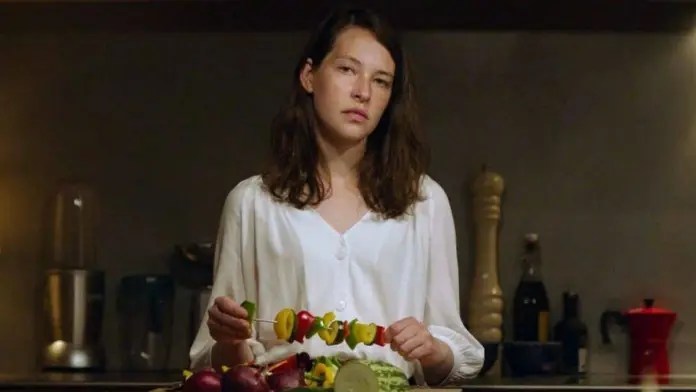
The programming is important too, of course. Sing Sing deserves to draw the crowds, even at full price. It’s a weighty, life-affirming piece of work, humanising the inmates of the titular maximum security prison. It’s also a timely reminder of why the arts are so important.

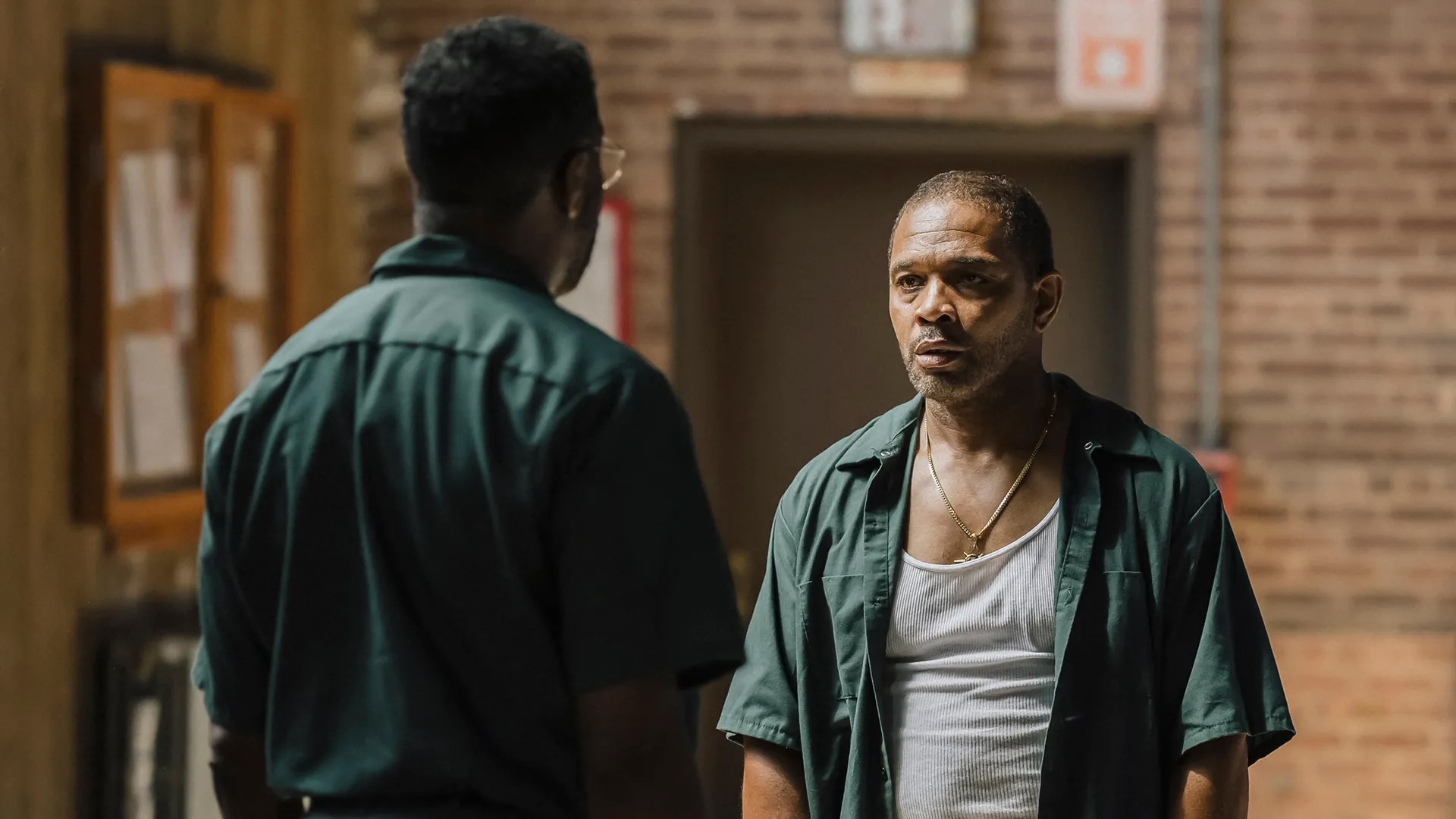
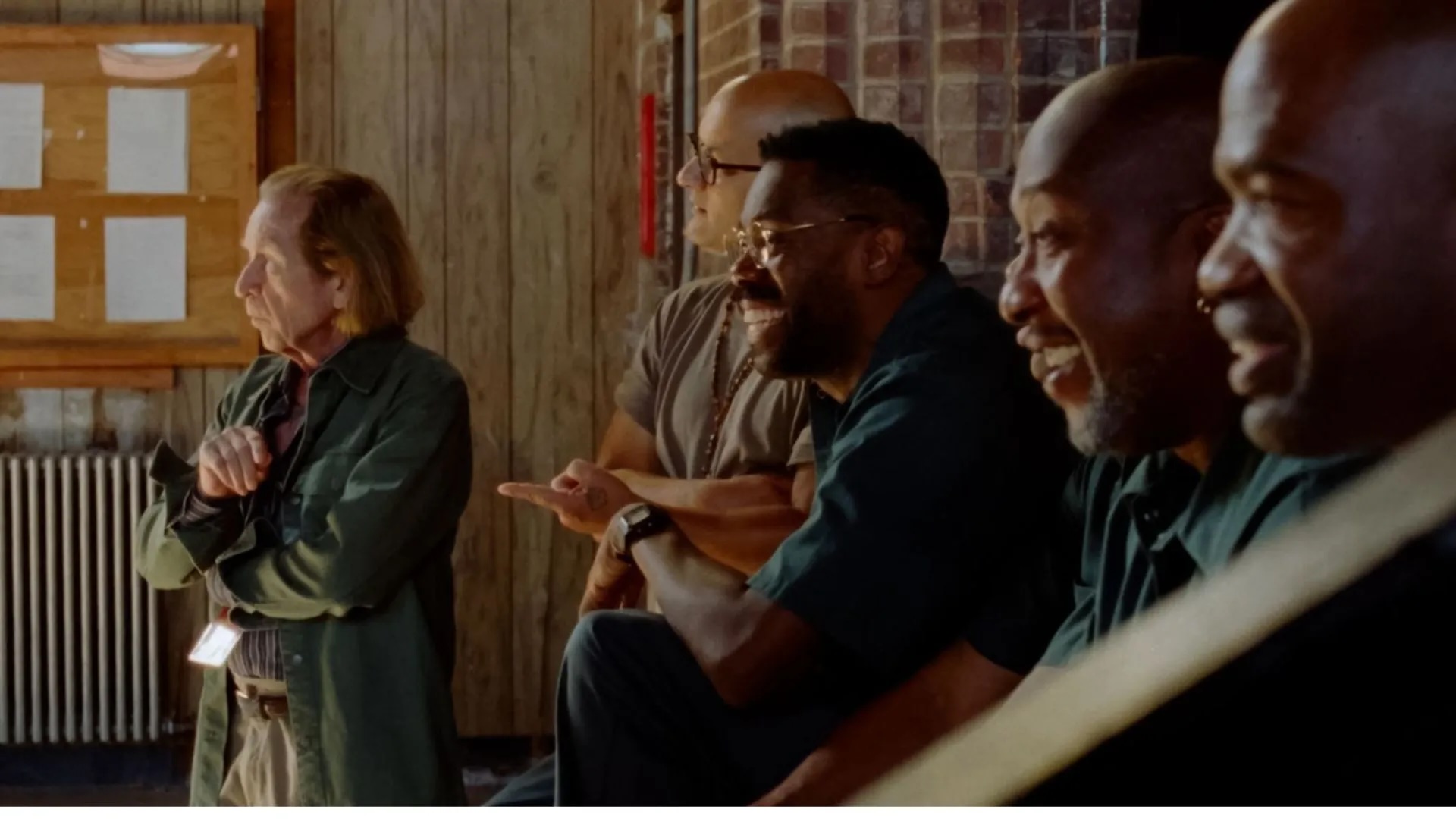
Based on John H. Richardson’s book, The Sing Sing Follies, Greg Kwedar’s movie is all about the RTA programme (Rehabilitation Through the Arts), which provides customised curricula of theatre, dance, music, etc. in prisons across the USA. Each jail has its own steering committee of prisoners, and external facilitators to help them explore their ideas. The benefits to both inmates and wider society are clear: by offering troubled people hope, allowing them the chance to explore their feelings and develop skills, to improve their self-esteem, the severity of infractions within prisons is reduced – and so is recidivism. The urge to punish, to make correctional facilities as unpleasant as possible, is perhaps understandable but it’s self-defeating. If we want a better world for everyone, we have to accept the evidence and give incarcerated people as many opportunities as possible to improve their circumstances.

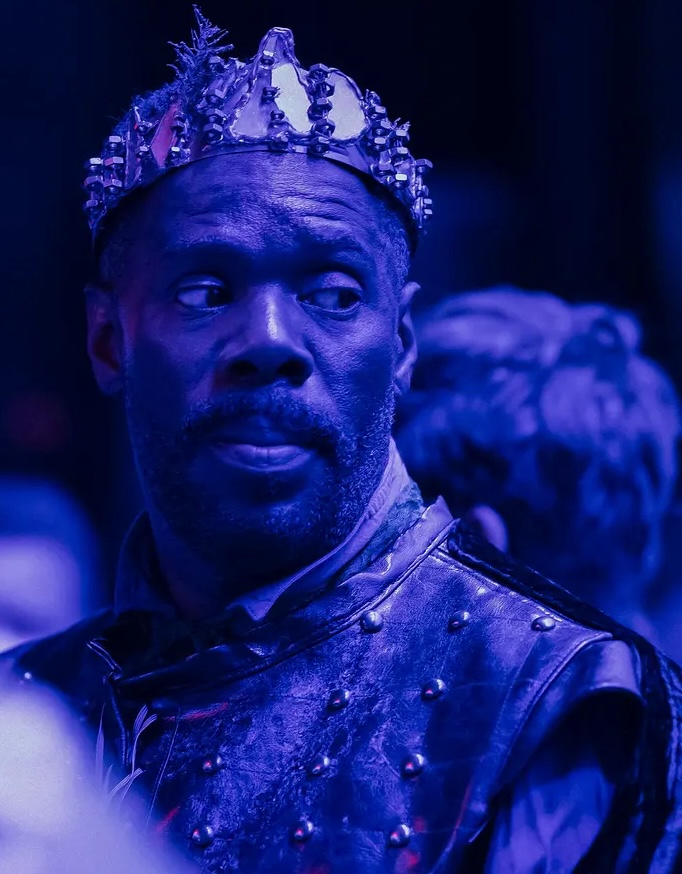
Colman Domingo makes a thoughtful, impressive John “Divine G” Whitfield, a central member of Sing Sing’s RTA group. Divine G – who has a cameo appearance – writes plays as well as performing in them, and also works tirelessly to support other inmates with their appeals. Apart from Paul Raci as volunteer drama leader Brent Buell, the rest of the cast comprises ex-prisoners playing themselves. Co-lead Clarence “Divine Eye” Maclin is especially affecting: his transformative journey from bullish gang member to esteemed performer might be predictable but it’s absolutely compelling.

We shouldn’t need reminding that theatre matters: we’ve known it forever. Thomas Keneally’s The Playmaker and Timberlake Wertenbaker’s Our Country’s Good both immortalise the real-life production of The Recruiting Officer performed by convicts deported to Australia in 1789. Margaret Atwood’s fictional account, Hag-Seed, doesn’t just illuminate The Tempest for a contemporary audience, it also advocates for arts in jail. Bertolt Brecht’s Lehrstücke (1920s and 30s) were created precisely to focus on the process of creating drama and the impact it has on actors. Here, in Clint Bentley’s gentle, often funny screenplay, we see again exactly how life-changing theatre can be.

Kwedar wisely steers clear of the violence we are accustomed to in prison movies: the menace is there, but it’s in the wings. Instead, we get to see the men at their best, when they’re engaged in something they really care about. As Sean “Dino” Johnson points out, “We get to be human in this room.”

And human they are. As a teacher of creative drama (albeit with children, not criminals), I’m not at all fazed by Buell’s bonkers-sounding playscript, Breakin’ the Mummy’s Code, which incorporates everyone’s ideas, including time travel, Freddy Krueger, ancient Egypt and, um, a couple of Hamlet’s soliloquies. That sounds just fine to me! It’s heart-warming to see how much it matters to the men, how seriously they take the acting exercises and the director’s notes, how much fun they have when they’re finally on stage.

Sing Sing is an important film, but it’s a highly entertaining one too. Beautifully crafted, with cinematography by Pat Scola, you’re guaranteed to leave the cinema with a smile on your face and a sense of hope for the future.

4.7 stars

Susan Singfield
Perfect Days

25/02/24

Cameo Cinema, Edinburgh

‘It’s about this guy who cleans toilets for a living.’

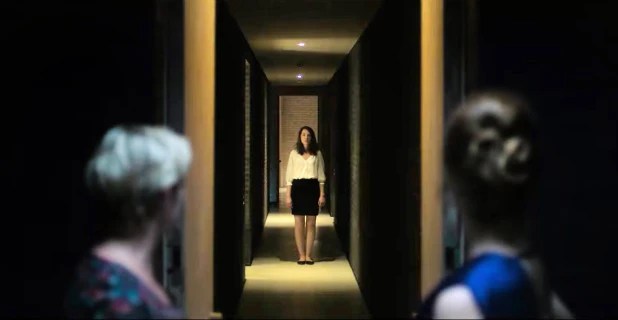
Yes, I know. On paper, Perfect Days doesn’t sound like the most promising scenario I’ve ever heard but, in the hands of veteran director, Wim Wenders, it’s so much more than I might have expected. Wenders is somebody who I used to love back in the day. Paris Texas (1984), is the movie I remember him best for, but, since Wings of Desire in 1987, I have lost track of his output. This latest offering is a charming, affectionate study of a man’s everyday working life and the various people he encounters along the way. 

Perfect Days picked up a couple of prestigious prizes at Cannes in 2023 and more recently was nominated for Best International Feature Film at the 96th Academy Awards. It’s easy to see the qualities that enchanted the judges.

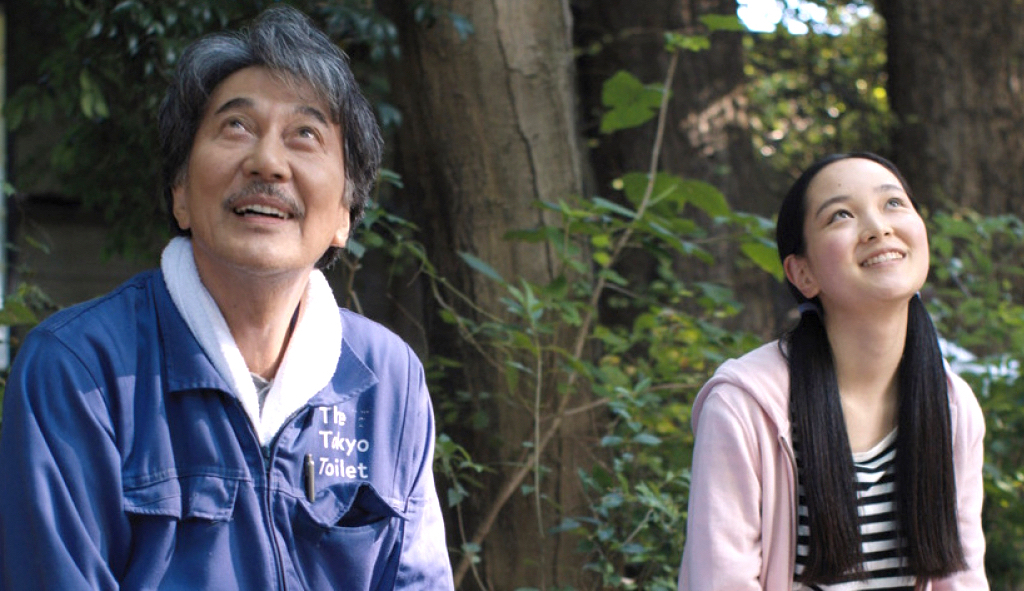
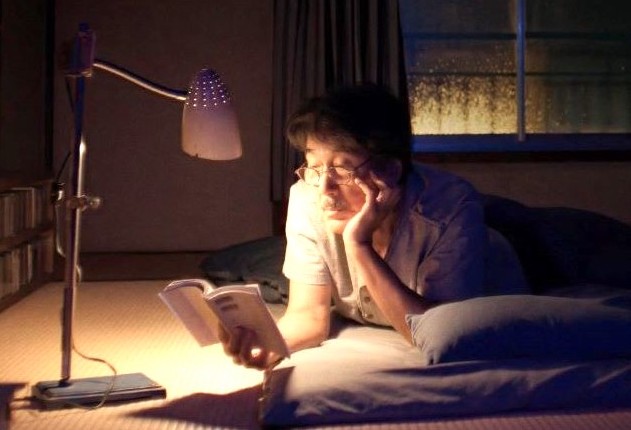
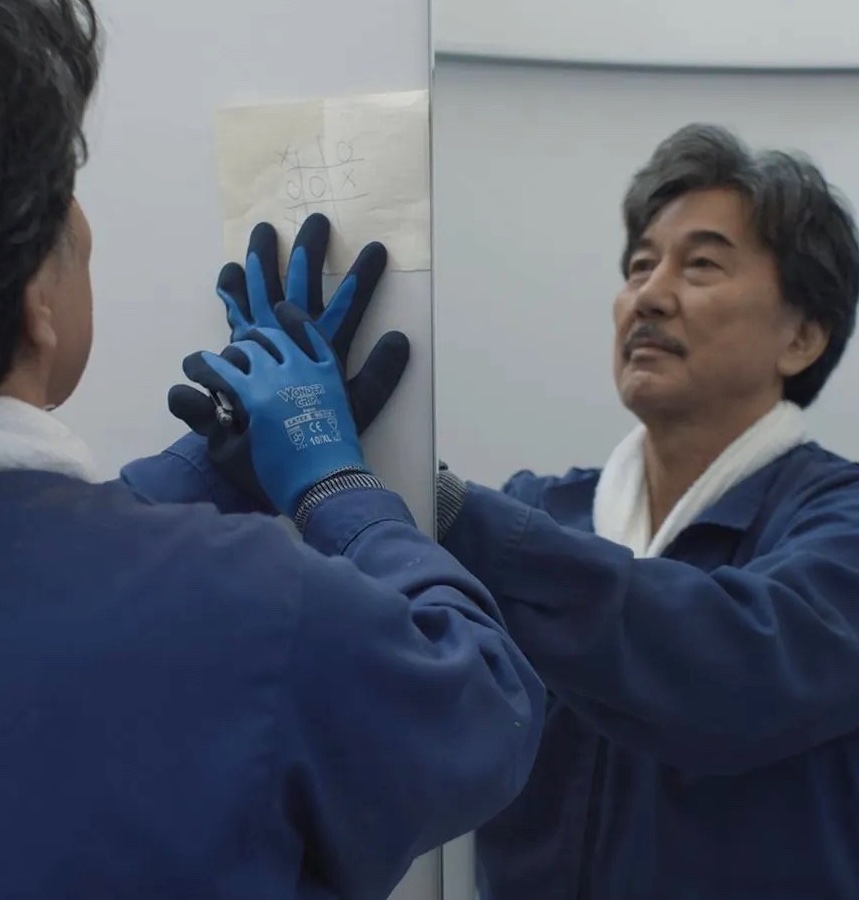
The aforementioned toilet cleaner is Hirayama (Koji Yakusho), a quiet and reserved character who has very little to say for himself but who appears to have an almost zen-like appreciation of the world about him. He’s a man who is absolutely committed to his routine and, from the opening scene onward, we share it with him. He wakes in the early hours of the morning in his small but immaculately neat apartment and we travel with him in his van as he listens to a series of vintage songs on his cassette player – The Animals, Van Morrison and (perhaps not surprisingly given the title of the film) Lou Reed.

We work alongside him as he journeys from public toilet to public toilet, ranging from simple-but-functional cubicles to state-of-the-art superloos, sharing his brief interactions with the people he encounters along the way. Not all of them are strangers to him. There’s his feckless young colleague Takashi (Tokio Emoto), endlessly chasing after a woman called Aya (Aoi Yamada) and trying to find ways to earn enough money to go out with her. There’s Hirayama’s teenage niece, Niko (Arisa Nakano), who turns up unannounced at his door one evening after running away from home. And there’s Hirayama’s estranged sister, Keiko (Yumi Aso), who comes to collect her daughter and who cannot understand why her brother is ‘wasting his life’ in such a thankless occupation.

But as the story progresses, we begin to understand that Hirayama isn’t wasting his life. Far from it, he is carrying out important work to the best of his ability, with quiet dignity and determination. Of course, a life so based on routine only needs the slightest glitch to throw everything into turmoil, which happens when Takashi fails to show up one day, leaving Hirayama to do the work of two people…

As Perfect Days unfolds in its calm, understated way, it exerts an increasingly powerful grip on the viewer, gradually revealing more about its central character but always leaving us wanting to know a little more. It’s also true to say that the city of Tokyo is one of the most important characters in the film. Wenders unveils its various charms in so many different lights, from dawn to dusk, from sundown to sunrise. Franz Lustig’s cinematography depicts its back alleys and sidestreets, stares up at its neon lit skylines in a sort of swooning wonder. 

Yakusho’s performance is also a delight, his character saying little but revealing every emotion through his range of expressions, dour and perplexed one moment, on the verge of helpless laughter the next. It all culminates in an extended shot of him driving his van home as Nina Simone’s Feeling Good blasts from the tape deck, Hirayama’s face registering the sheer unadulterated joy of every line.

Some will claim that there’s not enough content here to sustain a two-hour running time, but I would respectfully disagree. This is a little gem of a film and a reminder if ever it were needed that, at the age of 78, Wenders is still a creative force to be reckoned with.

4.4 stars

Philip Caveney

Corsage

02/01/23

The Cameo, Edinburgh

Corsage, for me, is something of a history lesson, albeit one with a lot of fictional elements, so I have to do some frantic reading afterwards, to learn about the source material, and to understand the narrative that is being reimagined here. Austrian writer-director Marie Kreutzer has clearly grown up in a country familiar with Empress Elisabeth, who – along with her husband, Franz Joseph – ruled Austria and Hungary for the latter half of the19th century. It shows. There is almost no exposition: the audience is clearly expected to know Elisabeth, to be aware of her reputation. I’ve never heard of her until today, and I suspect that many others in this cinema are in the same position. This doesn’t spoil the film at all, but it does make me very aware that I am – even as someone who can speak German – experiencing it very differently from its native viewers.

Vicky Krieps plays the Empress. It’s 1877, the eve of her 40th birthday, and she’s desperately bored and unhappy. Her husband (Florian Teichtmeister) tells her that her job is simply to ‘represent’, while his is to, you know, do the actual work involved in heading up an empire. ‘Representing’ mostly means looking beautiful, and looking beautiful mostly means being thin, so Elisabeth’s days are spent exercising, eating tiny slivers of orange and being laced into impossibly tight corsets. No wonder she’s cranky: snapping at the servants, pretending to faint rather than endure another round of meets-and-greets. She’s contemptuous and entitled too – but why wouldn’t she be? Royalty is raised that way. Despite it all, she’s a tragic character, oppressed by the very regime she symbolises, and isolated from her children. I find myself drawn to her, empathising with her sense of entrapment. Krieps imbues her with a vulnerability that softens her, despite never pulling any punches about her capricious nature.

Kreutzer’s direction is interesting. The film moves at a glacial pace, which I find irritating at times, especially in the middle third. But there are many quirky flourishes to admire: the deliberate anachronisms; the audacious fabrications. There are some delicious little jokes (look out for the Emperor’s whiskers), and some very salient points about the nature of celebrity, and the ways in which women are expected to perform. Elisabeth’s straitjacket might be an invisible designer one, cut from the finest fabric, but – in her way – she’s just as trapped as the women she visits in the asylum. Given the opportunity to use her voice where she won’t be heard (in a silent movie reel), her mouth moves to mirror the screams she hears in the hospital. It’s the same gilded cage that did for Diana. And there’s only one way to escape… Let’s hope Meghan and Harry manage to buck the trend.

Corsage, then, is a fascinating piece of cinema. While I don’t exactly enjoy it, I am impressed by it, and I know I’ll be thinking about it for quite some time to come.

3.8 stars

Susan Singfield

My Old School

01/09/22

The Cameo, Edinburgh

Truth, they say, is stranger than fiction. In Brian MacKinnon’s case, the two are intertwined. He’s the Peter Pan of Glasgow, the perennial schoolboy who returned – aged thirty-two – to the classrooms of his youth, determined to press rewind and try again, hoping for a different outcome second time around. Because MacKinnon had only ever had one desire: to become a doctor. And, if at first you don’t succeed…

…then you change your name to Brandon Lee and pretend to be sixteen. Right?

Right.

My Old School, directed by Jono McLeod, is a little masterpiece. The documentary blends animation with archive footage; audio recordings of MacKinnon with lip-synching from Alan Cummings; former classmates’ recollections with teachers’ regrets. Perhaps McLeod’s insider-status helps: he was actually there, one of Brandon’s peers; he’s able to acknowledge how benign MacKinnon’s deception was, as well as how bloody weird. There’s no attempt here to sensationalise, to turn this into something creepy or dangerous. Instead, the focus is on how strange – and ultimately sad – MacKinnon’s story is.

Cummings manages to convey MacKinnon’s peculiar blend of arrogance and vulnerability, and the animation (by Rory Lowe et al) has a retro Grange Hill vibe that suits the period. Brandon’s school pals come across as a kindly, forgiving bunch, more bemused than outraged by his deception.

In the end, there’s a terrible sense of poignancy, as we realise that everyone else has moved on, their schooldays firmly behind them. They’re busy living their lives: they are pharmacists, comedians, parents, carers, wrestlers, business leaders – and film makers. Meanwhile, MacKinnon is stuck, clinging to the past, chasing the memory of a broken dream.

4.5 stars

Susan Singfield

Gwledd (The Feast)

24/08/22

The Cameo, Edinburgh

A Welsh language horror feature on general release, showing at a cinema near me – a good 200 miles away from my native land? How can I resist? (Answer: I can’t.)

Another lure is the actor Annes Elwy. We were mesmerised by her performance as scary teenager Mia in the bilingual TV series Craith (Hidden); it was clear that hers was a name we’d hear again. And here she is, playing another scary teenager. No doubt she’s just as skilled in portraying different character types, but – ooh – she is adept at this. This time, she’s Cadi – a sullen, watchful kind of girl, a kitchen hand in the village pub, drafted in to help the local MP and his wife to host a dinner party for some important guests.

But something is rotten in the state of Cymru. Gwyn (Julian Lewis Jones) and Glenda (Nia Roberts) might seem successful: check out their swanky new house, stark and incongruous in the lush Welsh countryside. But they’re dancing with the devil, allowing local businessman, Euros (Rhodri Meilir), to drill their land for precious minerals. Their neighbour, Mair (Lisa Palfrey), is appalled. “What if She awakens?” she asks, when Glenda tries to persuade her to let Euros mine ‘the Rise’, part of which is on her farm.

But of course, She is already awake – and ready to exact revenge…

So far, so good. Gwledd, written by Roger Williams, has all the hallmarks of the folk horror films we love. Sadly, it has some issues too, which mean it doesn’t quite hit the mark.

The first problem is its glacial pace. I’m all for a bit of mounting dread, but the first hour is so slow it’s almost soporific. It’s like the scenes are being stretched to fill the running time, which isn’t a good look. And then there’s the recaps for the hard of thinking; director Lee Haven Jones needs to trust his audience more. I don’t need to see a flashback to a piece of glass being hidden: I noted it just thirty minutes ago; it was a memorable thing. In the end, the story is just a bit too obvious, and – although the stakes are definitely raised in the final stretches – it’s too little and too late.

There are plus points. Elwy is wonderfully enigmatic in this role, and Steffan Cennydd (Guto) and Sion Alun Davies (Gweirydd) clearly relish playing the hosts’ creepily twisted sons. The soundtrack, by Samuel Sim, is very atmospheric too, and it’s impressive to see how much gore can be wrung from what is obviously a small budget.

But in the end, even though I really, really want to like it, Gwledd feels like a bit of a let-down.

3 stars

Susan Singfield

Happening

03/05/22

The Cameo, Edinburgh

Happening – or L’événement – is a harrowing tale, directed by Audrey Diwan and based on author Annie Ernaux’s experience of an unwanted pregnancy. It’s 1963, and the students at Angoulême university are preparing for their exams. It’s hot and hormones are running wild, but sex is a shameful, clandestine activity, and ‘getting caught’ is every girl’s nightmare.

When Anne (Anamaria Vartolomei)’s period is late, she knows exactly what it means. She faces a stark choice: have a baby and forsake her dreams of a career in academia, or have an abortion, thus risking imprisonment or death. She’s a clever girl, destined for great things. She can’t bear to see her future curtailed; she’s not ready to be a mother. But procuring a termination proves punishingly difficult.

This is a hard film to watch. Vartolomei is compelling in the lead role, and her desperate isolation really strikes a chord. Poor Anne! No woman should have to go through such troubles alone. The ‘father,’ Maxime (Julien Frison), is useless. He’s more worried about what his friends think of Anne than he is about her plight. What does she want him to do? Nothing, she tells him. She’ll manage by herself – just as she has throughout this ordeal. Because there’s no one who can help. Not her mum (Sandrine Bonnaire); she’s so proud of her brainy daughter – how can Anne face disappointing her? Not her best friends (Luàna Bajrami and Louise Orry-Diquéro) – she can’t make them complicit because they’d face gaol time too. Not her doctor – he’s definitely not on her side. So Anne is utterly, irrevocably, unbearably alone.

She does find a way, of course. Women do. This is why banning abortion is nothing more than an act of wanton cruelty. Unwanted pregnancies don’t miraculously become wanted ones; women’s lives just get harder. Anne has to skulk in the shadows, begging for help from people she barely knows, hoping against hope they don’t betray her. And, when she does – finally – find someone who can assist her, she has to sell everything she owns to fund the procedure.

Meanwhile, Maxime’s still frolicking on the beach with his pals, his life untouched.

It makes me angry, watching this at the same time as Roe V Wade is under fire in the USA. We know what happens when women can’t access legal, safe abortions: they die. The Supreme Court is attacking women’s basic human rights, condemning thousands to suffer. How dare they?

Happening‘s release is a timely reminder of what we stand to lose. Although it’s set in the 1960s, it doesn’t have the feel of a period drama: the fashions are neutral, the obviously contemporary details restricted to the music and the law. This lends the film an immediacy: this issue isn’t just an historical one.

Laurent Tangy’s cinematography captures the oppressive summer heat, the bleached colours reminding us of time’s inexorable progress. As the weeks unfold and Anne approaches the point of no return, the impulse to look away becomes almost irresistible.

And yet we can’t. We mustn’t. Because Anne doesn’t have that luxury.

5 stars

Susan Singfield