The Beatles

Revolver

23/08/25

Pleasance Courtyard (Beneath), Edinburgh

In 1966, when Revolver was released, my mum was 18 years old, and had already been a fan of The Beatles for quite some time. As a Liverpudlian teenager, she’d spent many a lunchtime in the legendary Cavern Club, and was lucky enough to attend the Fab Four’s notorious 1964 homecoming gig at the Empire. She was, naturally, a member of their fan club – and still has her Christmas Flexi Discs to prove it. So, when she was scheduling her visit to this year’s Fringe, it was obvious that there was one production she wouldn’t want to miss…

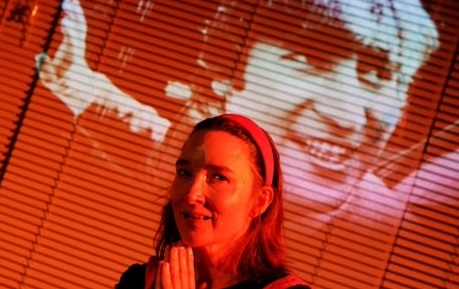
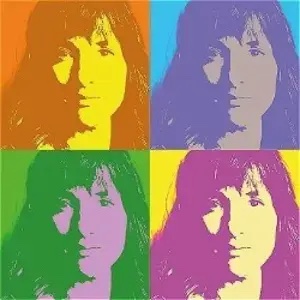
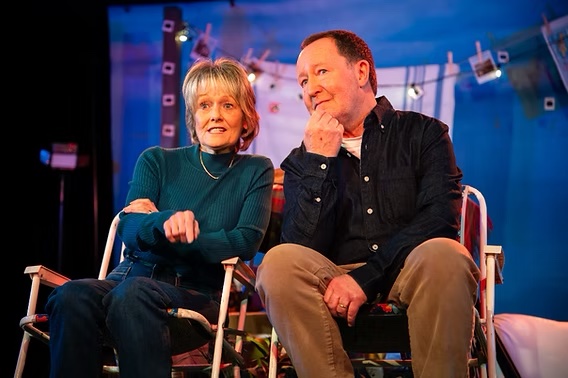
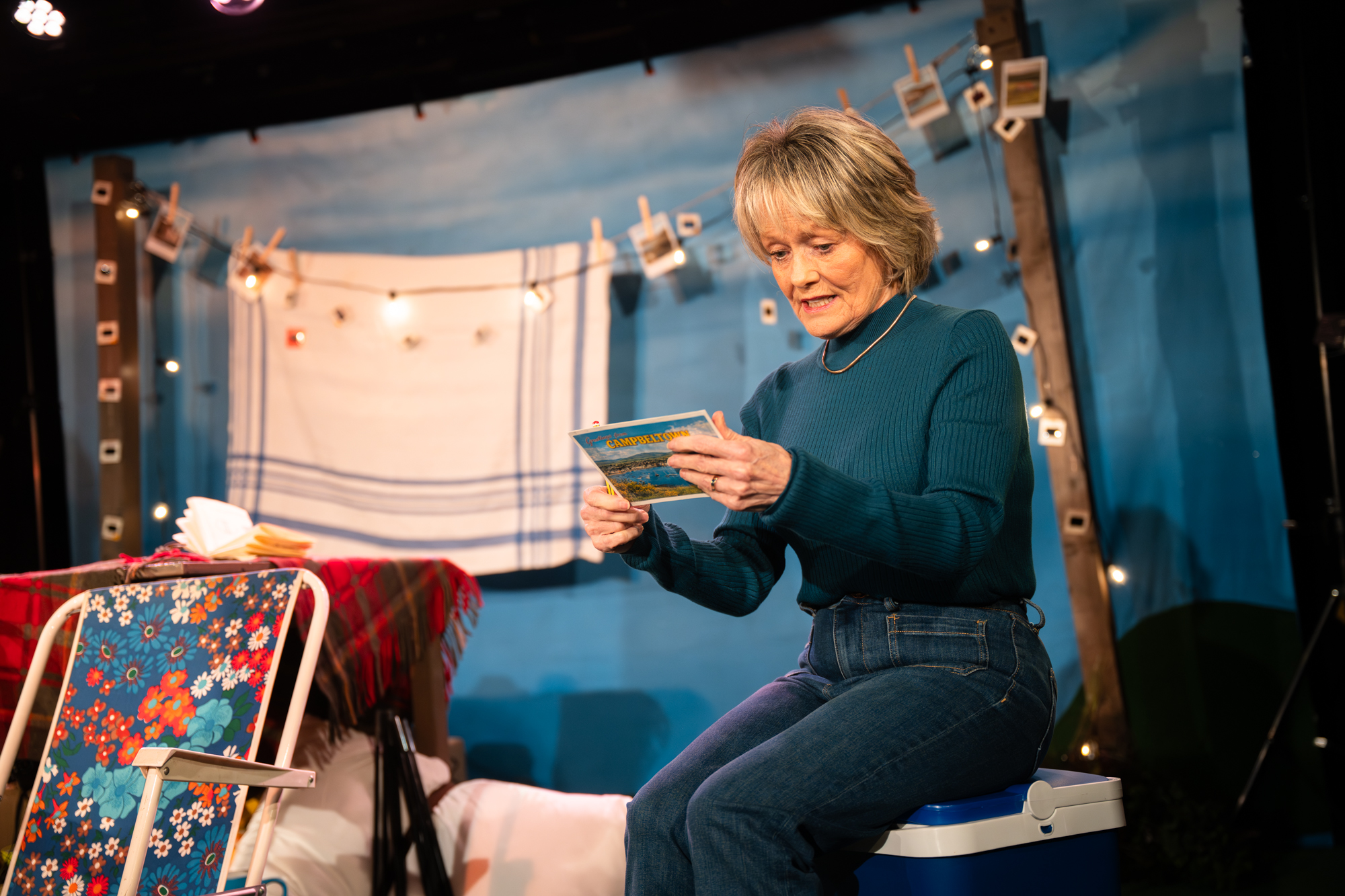
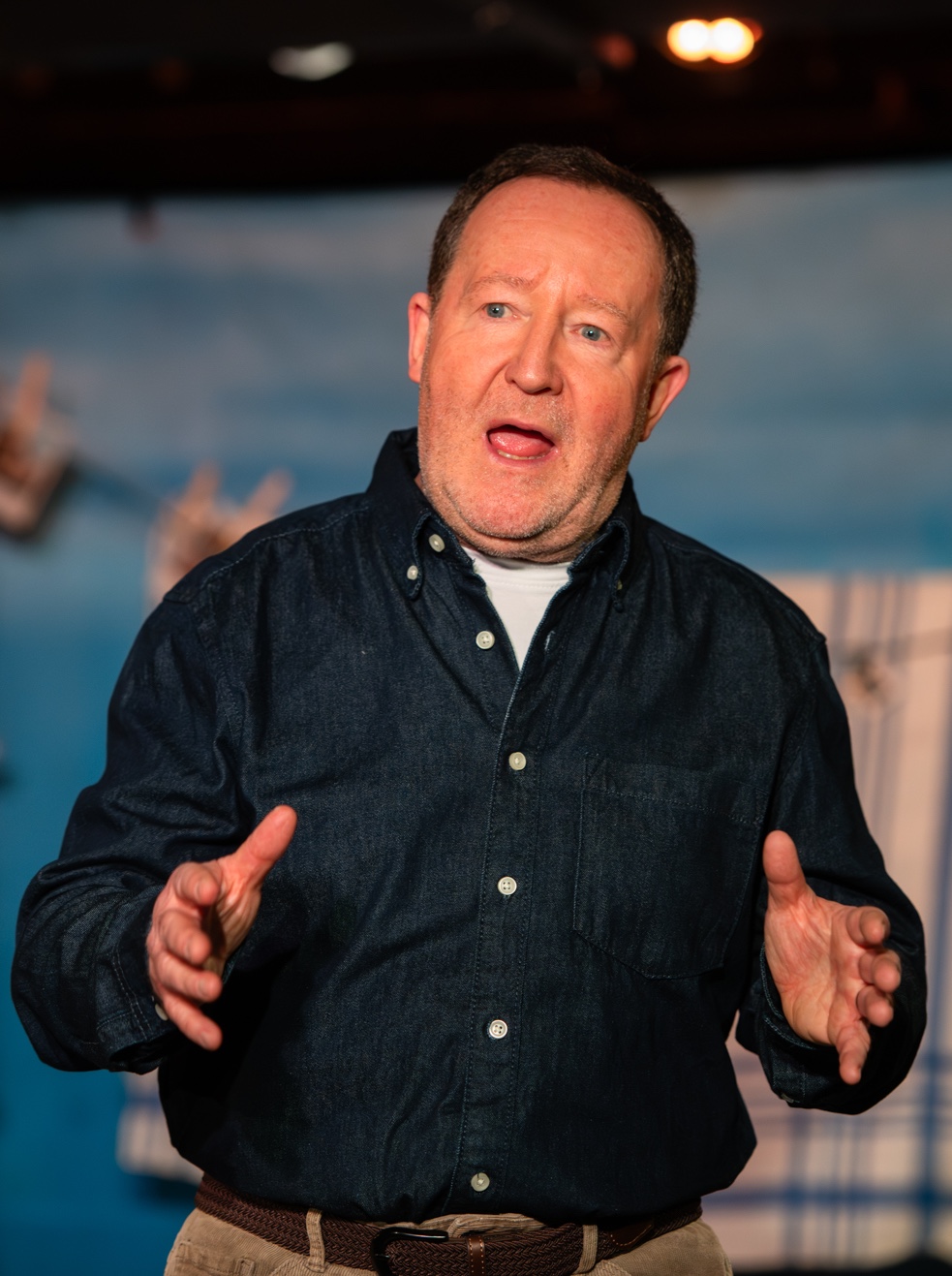
Writer-performer Emily Woof’s play doesn’t disappoint. It’s about three women, the first of whom is Jane Fraser, a former teacher turned TV-researcher, delighted to be working on a documentary about female fandom through the ages. The second is Helen, Jane’s mum, who spent her adolescence dreaming about John Lennon. And the third is Valerie Solanas: writer, activist – and pistol-wielding would-be killer.

Directed by Hamish McColl, Revolver is an intricate piece of theatre, dealing with the very questions Jane thinks the ‘Fangirls’ documentary should address. But, while the protagonist is thwarted in her endeavours by James, the ratings-driven film-maker who hired her, Woof makes her points cogently, drawing salient connections between fame and feminism, reverence and rage.

James’s sensationalist approach to the documentary – he favours the tagline ‘Young, Dumb and Fun’ – undermines the girls who screamed for their pop idols, ignoring the sociopolitical circumstances that gave rise to them. Woof uses Helen and Valerie to illuminate the disconnect between history and herstory, to validate the heightened emotions of teenage fans – and to shed light on the boiling rage that drove Solanas to shoot Andy Warhol.

Tracks from The Beatles album are played throughout, sometimes to mark transitions and sometimes as the soundscape. This works best when there is a clear association between the songs and what is happening onstage, e.g. Tomorrow Never Knows provides the perfect background to an acid trip. Occasionally, the song choices seem a little random, taking me out of the moment while I try to understand the link (Tax Man plays us out, for instance, and I don’t know why), but overall the soundtrack serves the piece well.

I like how knotty this is: Woof doesn’t shy away from the complexity of the issues at hand, and her performance is both bold and nuanced. I’m not entirely convinced by the sexual fantasy sequence (the language seems too sophisticated for an inexperienced young girl), but that’s my only quibble with the writing.

A thoughtful, exacting play, Revolver demands serious consideration from its audience. “Nobody can deny that there’s something there.”

4.4 stars

Susan Singfield

Pink Floyd at Pompeii

25/04/25

Cineworld, Edinburgh

I first saw this film in the cinema fifty-three years ago…

Wait. Stop. Can that be right? I mean, I understand that I’m getting old but… fifty-three years? But, yes, the dates do check out. And amazingly in 1972, when Pink Floyd at Pompeii was released, I had already been a fan of the band for half a decade. In 1967, in what was my final year at a rather horrendous boarding school in Peterborough, I was entranced enough by the Floyd’s second single, See Emily Play, to actually use some of my pocket money to buy a mono copy of their debut album, The Piper At the Gates of Dawn. Returning to school with it held proudly under my arm, I found myself surrounded by a gang of bigger boys, who sneeringly informed me that the Floyd were ‘degenerates who took drugs’ -unlike their favourite band, The Beatles. They then threw me to the ground and attempted to stamp all over my new purchase but luckily I was able to shield the album with my own body and it survived to be played another day.

I took great delight the following morning in strolling over to my assailant’s breakfast table and dropping a copy of a newspaper in front of them. The banner headline on page one was, “‘I took LSD,’ says Paul McCartney.”

The years rolled on. In 1969 I finally saw the band live at the Liverpool Philharmonic performing Umma Gumma, managing to procure a ticket for the equivalent of what might these days fall down the back of the average sofa. I emerged with the demeanour of somebody who had just witnessed the second coming of Christ. I remember that at one point the band wore gas masks and played in the midst of bright red smoke. I was by now a rabid fan.

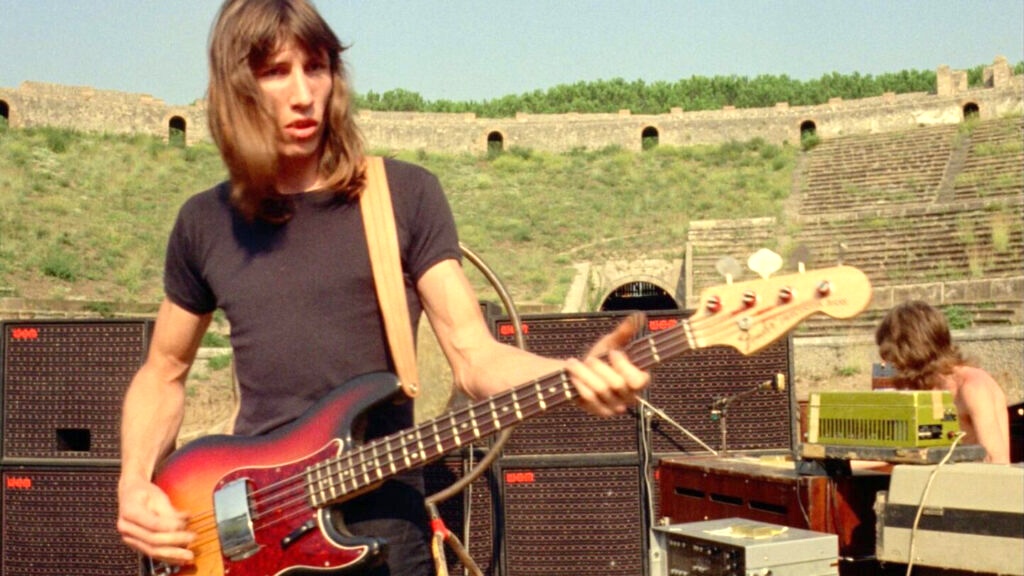
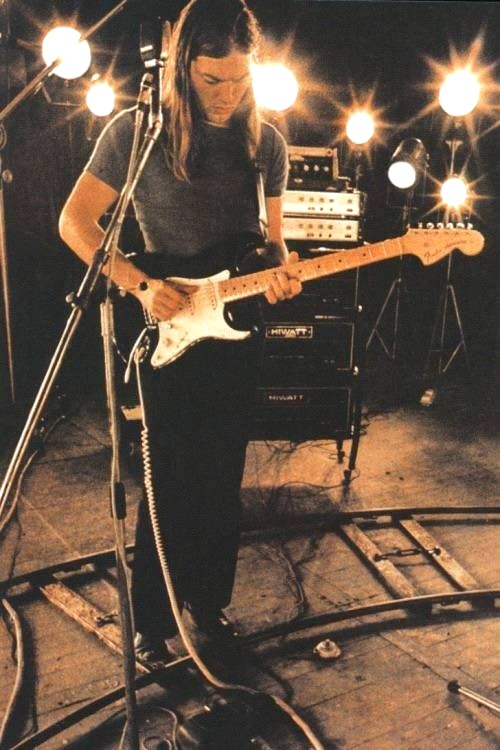
Which finally brings me to this re-release. In 1972, director Adrian Maben persuaded the band to go to the ancient ruins of Pompeii, set up their equipment in an empty arena and run through excerpts from their new album, Meddle, plus a selection of live favourites (Careful With that Axe, Eugene; A Saucerful of Secrets; Set the Controls for the Heart of the Sun). There’s no audience present unless you count the various film technicians and road crew, standing stripped to the waist in the baking sun and watching with apparent indifference as David Gilmour, Roger Waters, Richard Wright and Nick Mason unleash a barrage of sonic mayhem. On the directorial side there’s little in the way of special effects. Cameras, mounted on rails, prowl restlessly around the musicians as they play, sometimes tracking along behind stacks of sound equipment. At key moments in the Blitzkrieg, images of ancient statues, bubbling lava pits and fiery sunsets are inserted into the mix, Maben seeming instinctively to know when to augment a particular sound with a visual counterpoint.

What’s new here is the massive scale of an IMAX screen, a pin-sharp print and a crisp, clear digital sound mix that captures every last musical nuance in perfect detail. There are cutaways to the band ensconced at Abbey Road studios, working on what will be Dark Side of the Moon. The wonderful advantage of hindsight shows four young men who are quietly confident that their new brainchild will be good, but completely unaware that in just one year, they will be releasing one of the biggest-selling – and many would claim – greatest albums in history.

The next time I saw Floyd live, it was at Wembley Stadium, with that massive state-of-the-art show that included the infamous exploding aeroplane and levels of technical razzle-dazzle that changed the rock business forever. But it’s at Pompeii that I prefer to remember them, a youthful quartet just beginning to nuzzle hungrily at the edges of greatness, blissfully unaware of everything that’s about to follow. And I’m amazed to discover that Maben’s film is so ingrained in my memory that I can remember key shots and images as they unfold. It’s one hour and thirty-two minutes of sheer heaven for me and, glancing around the packed auditorium, I can see I’m not alone.

Stars? For me, this one can’t be anything less than the maximum allowed. After all, I’ve waited a very long time to see it. Again.

5 stars

Philip Caveney

Yesterday

20/06/19

Welcome to Richard Curtis Land – a magical place where famous film stars can fall in love with meek bookshop owners; where smitten young men can write their declarations of love for recently married women on a series of cue cards; and where, in this latest iteration, the Beatles never existed. Yes, that’s right. Imagine if you will, a world where the names John, Paul, George and Ringo mean absolutely zilch.

Aspiring singer/songwriter Jack Malik (Himesh Patel) is scratching a precarious existence playing a series of dead-end bookings by night, and working at a cash and carry by day. His gigs are arranged for him by his ‘manager,’ Ellie Appleton (Lily James), who works days as a secondary school teacher and who quite clearly fancies the pants off Jack, something he appears to be entirely oblivious to. But, after his last disappointing show, Jack is about ready to give up his dreams and ‘go back to teaching…’

He is blissfully unaware that his career is about to take an unexpected leap in an upward direction. Riding home on his bike one evening, he is struck by a bus, at the same moment a sudden loss of electricity hits the entire world for a full twelve seconds. Once recovered from his accident, Jack discovers that there have been some baffling changes to the world he knows – and when he sings Paul McCartney’s Yesterday to a bunch of friends, they react very strangely. ‘When did you write that?’ asks Ellie, incredulously.

A bit of surfing on the internet reveals the incredible truth. In this new alternate reality, the Beatles have never existed – and yet Jack knows most of their songs! So he starts to perform and record them, passing them off as his own work and – perhaps not surprisingly – after a few false starts, his career shoots upwards into the stratosphere. But we know, don’t we, that there’s always a price to pay for such deceit? And what true happiness can ever be achieved through an act of plagiarism?

Yesterday is a typical Curtis vehicle, amiable, and eminently watchable – but the film is directed by Danny Boyle, who displays none of the distinctive, visual flourishes I’ve come to expect from him, leaving me with the conviction that this could have been directed by just about anybody. While the earlier stretches are surely the funniest (there’s some nice interplay between Jack and his parents, played by Meera Syal and Sanjeev Bhaskar), later developments, where Jack falls under the influence of heartless record executive, Debra Hammer (Kate McKinnon), are not quite as assured.

And… there’s something that this film has in common with Curtis’s earlier effort, About Time: the story’s internal logic doesn’t always add up. Occasionally, I find myself thinking ‘Really?’ as some new revelation comes lurching out of the woodwork. Am I supposed to believe, for instance, that Jack manages to walk around for months without ever noticing that cigarettes no longer exist?

Still, this isn’t meant to be high art. Curtis is a talented storyteller, and for the most part this affable mix of comedy and music is perfectly entertaining. And, naturally, it has a soundtrack to die for. A shame then that it doesn’t give Danny Boyle more of a chance to show off his skills.

That would have been something to make a song and dance about.

3.8 stars

Philip Caveney