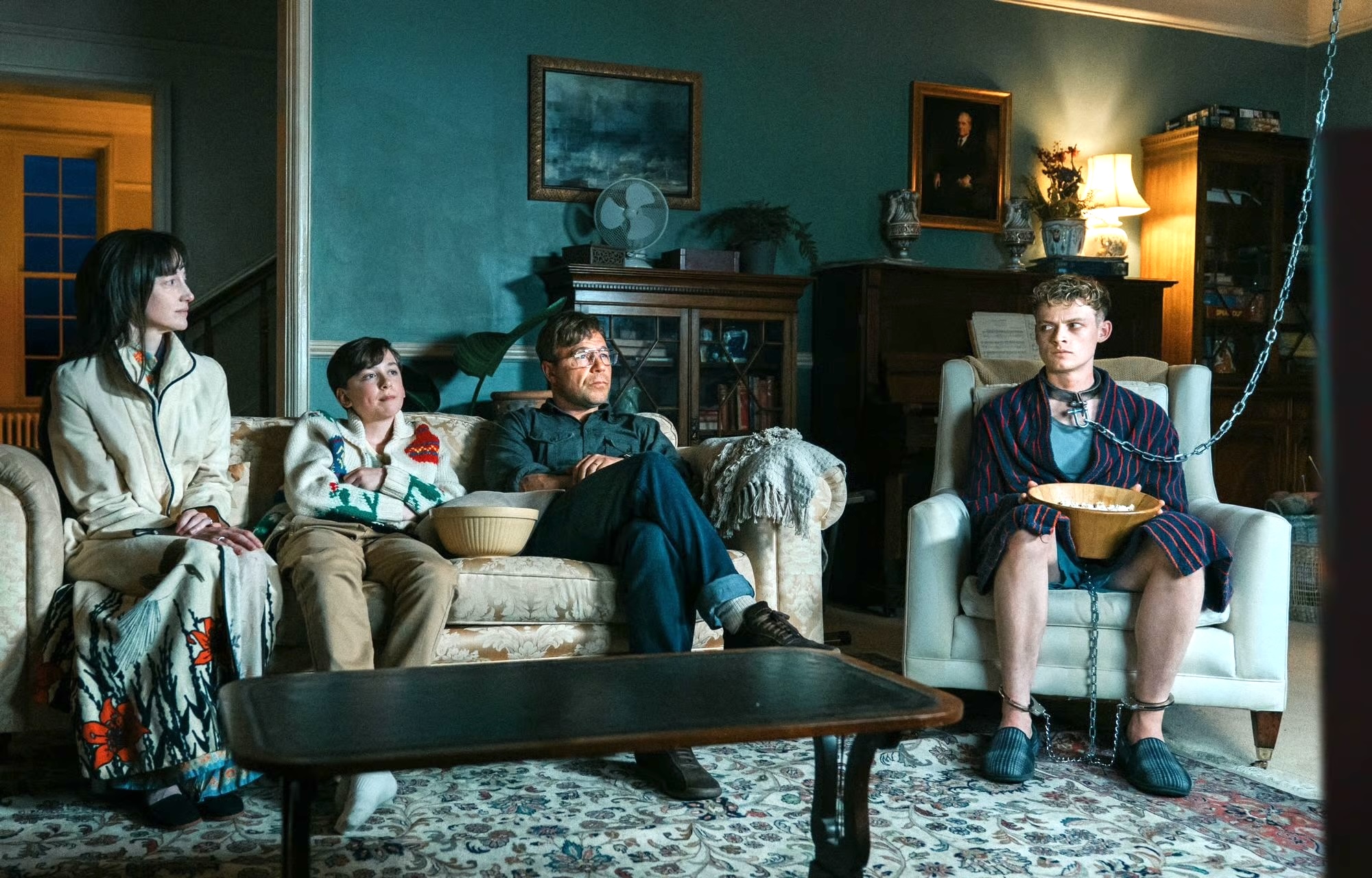


Stephen Graham

Springsteen: Deliver Me From Nowhere

29/10/25

Cineworld, Edinburgh

Many people who, like me, purchased Bruce Springsteen’s Nebraska on its release in 1982, must have experienced the same bewilderment as I did. How had the Boss gone from the stirring, upbeat anthems of Thunder Road and Hungry Heart to this bleak, introspective slice of Americana? And, perhaps more importantly, why? Okay, after a few listens, a couple of those ballads did eventually get their hooks into me but, as a career move, it seemed a spectacularly ill-judged decision.

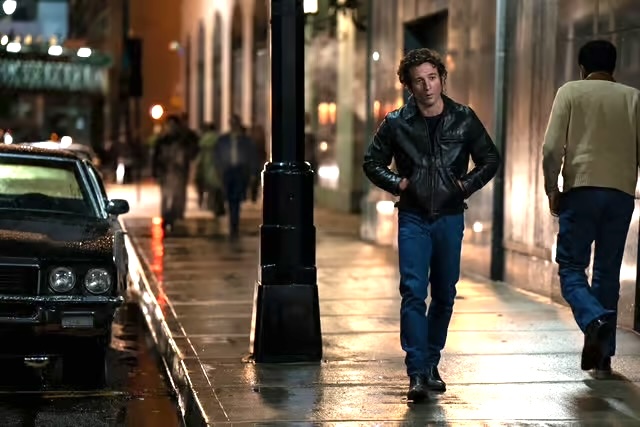
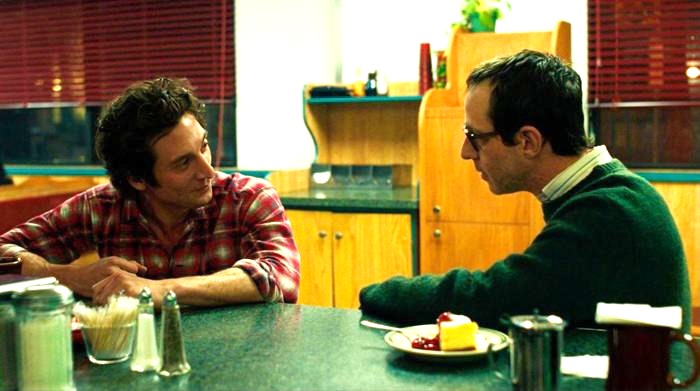
Scott Cooper’s film, based on Warren Zane’s book, sets out to explain exactly what happened and, in choosing to concentrate on that difficult album, runs the risk of alienating itself from those fans who were anticipating an upbeat celebration of the great musician’s life and work (much like the record itself). True, when we first see Bruce (Jeremy Allen White) onscreen, he’s powering through a blistering performance of Born to Run. Coming off stage, he’s informed by his manager and close friend, Jon Landau (Jeremy Strong), that, with his latest album (The River) at number one in the charts, he is standing on the edge of superstardom.

But in the following break from touring, Bruce appears to be heading into a depression. He happens to catch a glimpse of Terence Malik’s 1973 film, Badlands, on TV, featuring newcomers Martin Sheen and Sissy Spacek – and in that moment a spark is ignited. Pretty soon, he’s reading up on Charles Starkweather and the killing spree he and his teenage girlfriend, Caril Anne Fugate, embarked on back in 1958. Bruce starts to write the lyrics of what will become Nebraska’s title track.

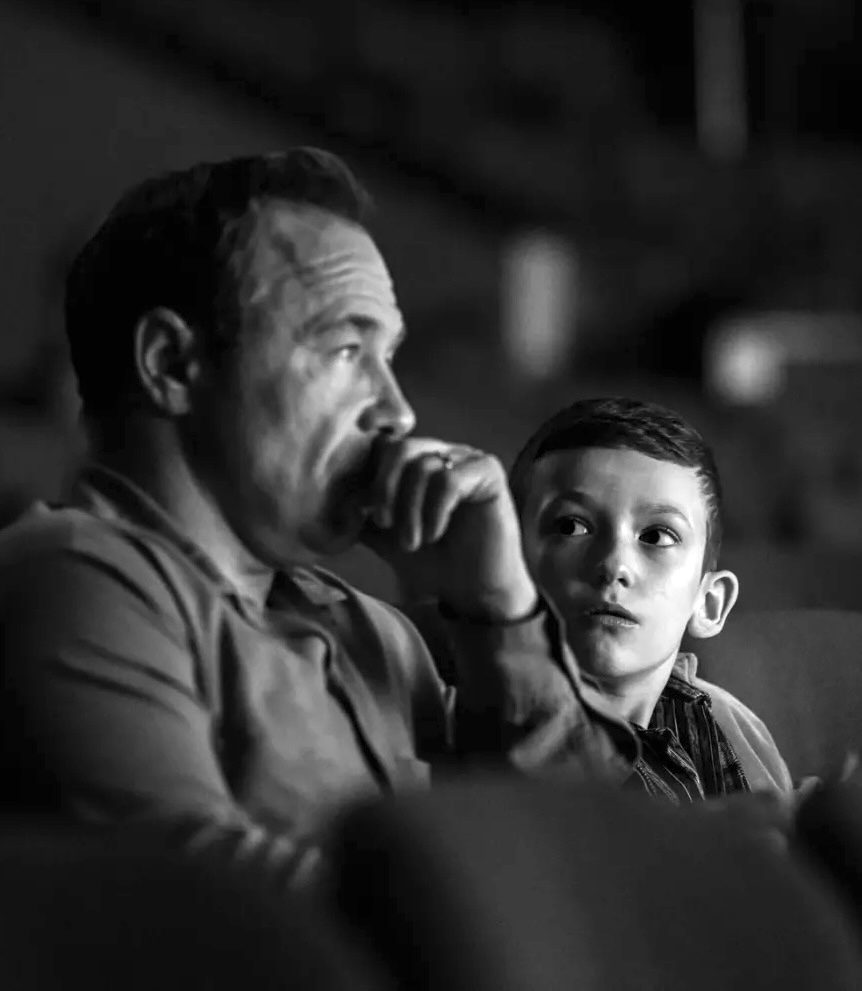
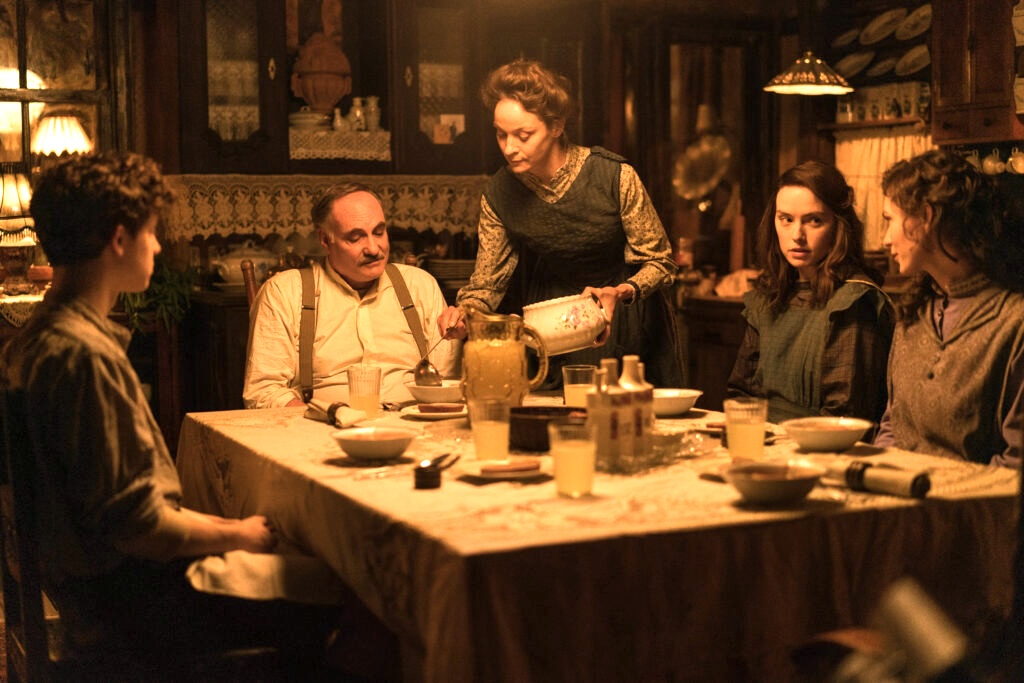
He’s driven by powerful memories of his own childhood, the issues he experienced with his abusive father, Douglas, played in flashback by Stephen Graham, who gives a brooding, mostly silent performance opposite an intense turn from Matthew Antony Pelicano Jnr as Young Bruce. Something that happened between father and son in those formative years is clearly behind Bruce’s current malaise.

Back in the present, he enlists the help of recording technician Mike Batlan (Paul Walter Hauser) to capture the new songs as they emerge on a simple 4-track deck at home. But, as his obsession with the new project steadily grows – and his record label continually pester him for new product – so he becomes increasingly determined that the resulting album must be as stripped-back as the songs on the ‘demo’ cassette he’s already recorded…

Deliver Me from Nowhere is essentially about a kind of exorcism, an artist’s attempt to cleanse himself of the emotional baggage he’s carried around since childhood. While the story offers an interesting angle on a lesser-known aspect of Springsteen’s career, it’s not the kind of material that biopics are traditionally built upon. Several viewers at the screening I attend decide to vote with their feet around an hour in. While I’m engaged enough to stay in my seat till the closing credits, I have to admit that overall the film is a mixture of the good, the bad and the downright puzzling.

Jeremy Allen White, it must be said, doesn’t look an awful lot like Springsteen, but still manages to portray the man with absolute conviction and, perhaps more importantly, he captures the Boss’s distinctive voice with evident skill. Strong is an exceptional performer and makes the softly-spoken, nurturing approach of Landau interesting to observe. The man clearly had the patience of a saint.

But the female performers are less well-served. Gaby Hoffman, as Bruce’s mum, Adele, and Grace Gummer as Landau’s wife, Barbara, are granted barely enough dialogue to justify their presence. Elsewhere, we witness Bruce’s on-off romance with waitress Faye Romano (Odessa Young), a fictional character who is a composite of several girlfriends he had around this time. Young does her best with what’s she given which is, to be honest, nowhere near enough.

There’s a frankly exasperating moment where Bruce is finally about to unburden himself to a psychiatrist, to explain exactly what’s been haunting him all these years… only for the camera to suddenly cut away, leaving the audience literally in the dark. On the plus side, there are a couple of upbeat scenes set in New Jersey club, The Stone Pony, that celebrate the energy and excitement of the early 80s rock scene. And a recreation of the original recording session for the song Born in the USA, is a definite high point.

But too often, Deliver Me From Nowhere struggles to justify its considerable running time. Hardcore Springsteen fans will find enough elements here to pique their interest but those with only a passing knowledge of the man and his work may soon start running out of patience.

3.4 stars

Philip Caveney

Blitz

09/11/24

Cameo Cinema, Edinburgh

Steve McQueen is always a fascinating filmmaker and I love the fact that I never quite know what to expect from him. Blitz is an Apple Original, destined to start streaming soon, but I would urge anyone interested to seek out an independent cinema where it’s showing, because this is a film that deserves to be seen on the big screen. As the name suggests, it’s set in 1940 as London undergoes the Blitzkreig, bombed on an almost nightly basis by the Luftwaffe.

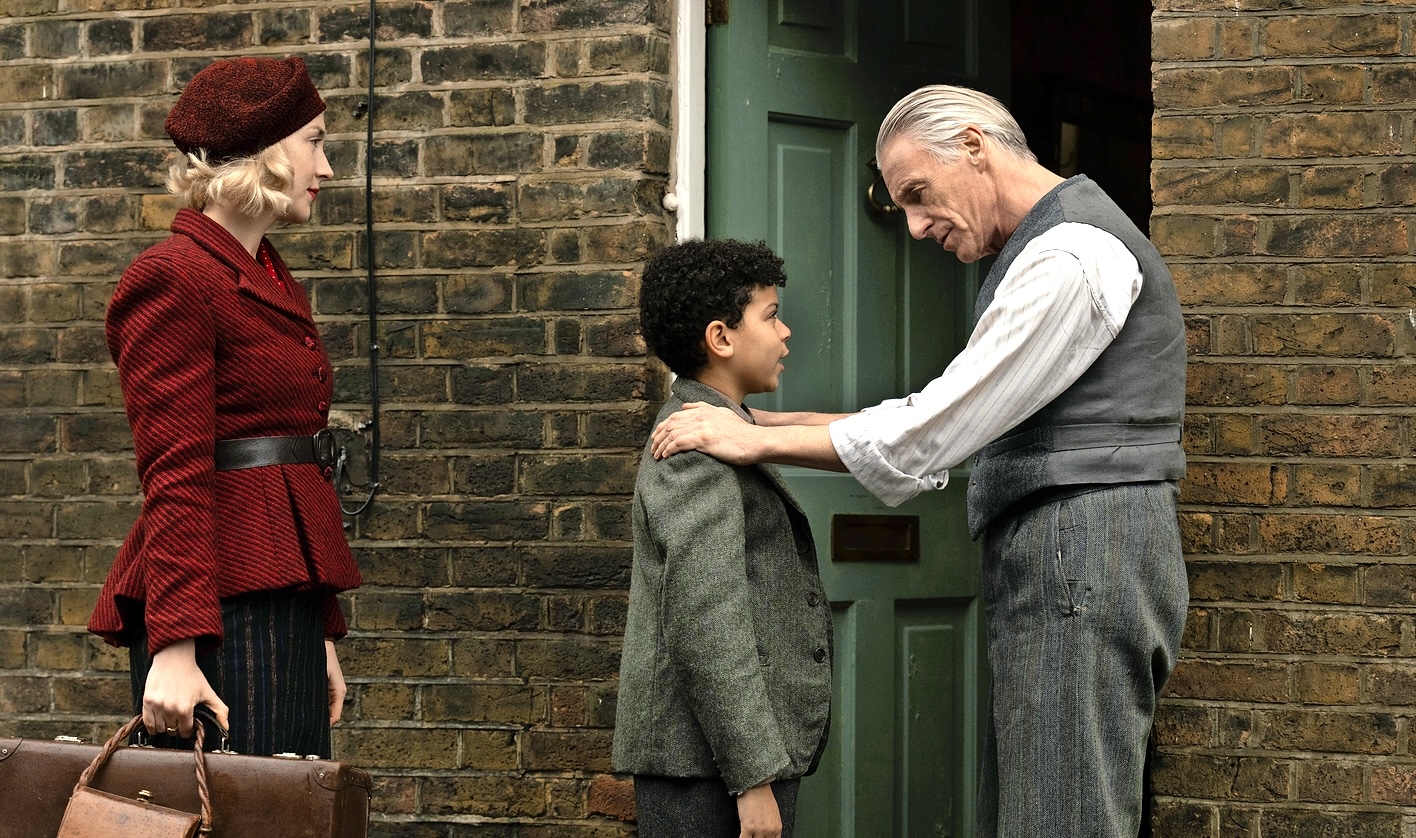
The story is centred around George (Elliott Heffernan), a young mixed-race boy, who lives with his mum, Rita (Saoirse Ronan), and his grandad, Gerald (Paul Weller), in a little terraced house in the city. George has never met his father, who we learn (in flashback) has been deported back to Grenada for entirely nefarious reasons. As the bombing becomes more intense, the government’s plan for the mass evacuation of children from the city is announced. George is reluctant to leave his mum but, together with a bunch of other youngsters, he’s put aboard a train heading for the safety of the countryside.

But George has other plans and, at his first opportunity, he jumps off the train and starts to make his way back along the track in the direction of home…

What ensues repeatedly puts me in mind of a YA adventure as George encounters a whole selection of characters on his way home: kindly Black air-raid warden, Ife (Benjamin Clémentine); callous Fagin-esque thieves, Albert (Stephen Graham) and Beryl (Kathy Burke); and a trio of friendly young boys who keep challenging George to do ever more reckless things. His odyssey is intercut with scenes of what’s happening to Rita: working in a munitions factory; heading out on the town with her friends, Doris (Erin Kellyman) and Tilda (Hayley Squires); even performing a song for the BBC when a live series visits the factory. Episodic it most certainly is but, unlike most of the Sunday evening dramas it might be compared to, the stakes here are perilously high and happy endings are by no means assured. Whenever the story is in any danger of heading towards sentimentality, McQueen (who also wrote the screenplay) finds a way to snatch it back and amp up the jeopardy, never allowing us to forget that these are dangerous, unpredictable times – and not everybody is destined to make it to the end of the line.

The production values are first-class throughout, the depictions of the war-torn city sometimes awe-inspiring, occasionally verging on high art. Blitz also offers a fresh insight into the era, the war seen from the point of view of a boy who suffers from racial slurs on a daily basis. A scene where George wanders through a deserted shopping arcade looking at an exhibition depicting the subjugation of slaves is particularly affecting; so too, an extended sequence at the Café de Paris which depicts a Black orchestra playing for the entertainment of exclusively white, upper-class customers – a frantic, sexually-charged show which is destined to be interrupted in heart-stopping fashion.

Ronan, as ever, portrays her character with absolute assurance and even demonstrates a decent singing voice but it’s Heffernan who is handed the biggest challenge here, carrying this powerful and affecting film with absolute authority. I’ve seen some decidedly lukewarm advance reviews for this, and am at a loss to understand why some critics have failed to appreciate its evident charms. It’s epic filmmaking of the highest order. As I said, it will be on your televisions soon, but it won’t look as awesome as it undoubtedly does on a cinema screen.

4.6 stars

Philip Caveney

Young Woman and the Sea

03/06/24

Cineworld, Edinburgh

As true stories go, few are as inspiring as that of Trudy Ederle, who in 1926 was the first woman to swim the English Channel. If it sounds a bit so-so now, when so many people have managed it, consider how difficult it must have been in an era where there was little in the way of swim technology – and at a time when women were expected to stay quietly at home and look after the family.

We’re first introduced to young Trudy (Olive Abercrombie) in 1914 when she’s suffering from a bout of measles that’s expected to kill her. Out in New York harbour, a fire on a passenger boat has killed a large number of people, most of them women, who burned to death because none of them had ever been taught to swim. When Trudy makes a miraculous recovery from her illness, her indefatigable mother, Gertrude (Jeanette Hain), decides that Trudy (now played by Daisy Ridley) and her sister, Margaret (Tilda Cobham-Hervey), shall have swimming lessons, even though the concept is virtually unheard of. The girls’ father, Henry (Kim Bodnia), a butcher by trade, doesn’t encourage the idea. He would rather see his daughters married with kids at the earliest opportunity and preferably to other German butchers. Whatever will these women want next? The vote?

Luckily, the girls fall under the influence of fearless swimming trainer Charlotte (Sian Clifford), who can see no logical reason why women shouldn’t be allowed to swim competitively and, sure enough, they take to the sport like… ahem… ducks to water. Trudy soon has her eyes on bigger prizes and even gets to take part in the 1924 Summer Olympics – but her determination stretches to different horizons and she’s very aware that, so far at least, no woman has ever swum across the English Channel…

This is a Disney film, but screenwriter Jeff Nathanson mostly manages to steer clear of the schmaltz, only occasionally flirting with it in the shallows. Of course, there has to be a villain in a film like this, and that duty falls to Christopher Eccleston (sporting a spectacularly dodgy Glaswegian accent) as Jabez Wolffe, the man picked to be Trudy’s trainer for her first attempt. A failed channel swimmer himself (22 attempts!), Wolffe is clearly the wrong man for the job and it’s hardly surprising that the enterprise is doomed to failure – but then Trudy falls in with Bill Burgess (Stephen Graham), the second man to make it across (in 1911!), who can see her potential and is prepared to pick up where Wolffe left off.

The rest, as they say, is history, but director Joachim Rønning does a spectacular job of creating almost unbearable suspense even though the ending is a matter of record. And Trudy’s epic swim, through bad weather, stinging jellyfish and – worst of all – almost total darkness, makes for an absorbing and compelling experience in the cinema.

How well this will fare in a summer where some excellent films are failing to find an audience is anybody’s guess, but as ever, it’s worth catching this one on the big screen before it drifts on by.

4.3 stars

Philip Caveney

Matilda the Musical

08/12/22

Cineworld, Edinburgh

Way back in 2010, we spent a few days in Stratford-upon-Avon, to see in the New Year. Of course, we planned to go to the theatre while we were there, but we were winging it, and didn’t check what was on. We just assumed there’d be a Shakespeare, and thought we’d pick up tickets on the night. So we were disappointed to find nothing from the Bard on offer, and grimaced at the thought of the only thing there was: a kids’ musical. Still, we didn’t have anything else to do, so we wandered disconsolately up to the box office, only to find that there were no seats left. Double dejection. “There are some standing tickets,” we were told. “They’re £5 each.” We dithered. Did we really want to spend a couple of hours on our feet watching a play we weren’t that keen to see? “It’s only a fiver,” we reasoned. “If we don’t like it, we can leave at the interval.”

That night, we were treated to the delight that is Matilda the Musical – one of the most fortuitous accidents of our lives. Of course we didn’t leave at the interval: we were captivated. Tim Minchin and Dennis Kelly had created a masterpiece, and we’d been lucky enough to stumble upon it.

Of course, the raw material they had was good. Roald Dahl’s Matilda is an engaging character: a little girl with more wit and gumption than any of the adults in her life. At the tender age of ten, she realises that she can’t put up with either her parents’ wilful neglect or her cruel headteacher’s bullying. After all, “if you always take it on the chin and wear it, nothing will change”. It shouldn’t take a child to put things right, but she only knows two decent grown-ups: Miss Honey, who is stymied by her own fear, and Miss Phelps, who doesn’t know the dismal truth, only the fairytale Matilda has concocted for her. It’s a David and Goliath tale, of pantomime proportions.

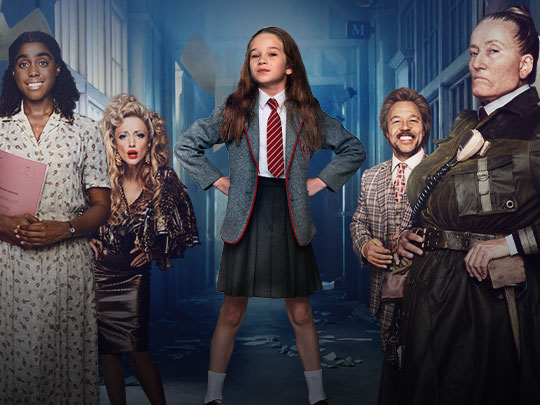
I am excited to see the film version of this (by now) hit stage show, and it doesn’t disappoint. Alisha Weir imbues Matilda with just the right amounts of sass and vulnerability, all righteous anger and secret yearning. Emma Thompson’s Miss Trunchbull is a towering threat, oversized to illuminate the mountain Matilda has to climb; she’s clearly revelling in the role. Indeed, there’s a sense of relish from all the adult actors playing against type: Lashana Lynch (Miss Honey) unleashing her softer side and some seriously impressive vocals; Stephen Graham and Andrea Riseborough taking a break from the highbrow as Matilda’s comedically grotesque parents. It’s a fun, feel-good film – despite the horrific violence and cruelty it contains – with a bright, rainbow palette, and the sense, all the way through, that Matilda will triumph.

The young cast are adorable – cute, but not overly contrived. Andrei Shen (Eric), Charlie Hodson-Prior (Bruce), Rei Yamauchi Fulker (Lavender), Ashton Robertson (Nigel) and Winter Jarrett-Glasspool (Amanda) make a formidable team, following Matilda’s lead and ultimately freeing themselves from Miss Trunchbull’s clutches.

Matthew Warchus, who also directed the theatre version, makes the transition to film successfully. There is an element of staginess, it must be said, but only in the best possible way: those huge, ensemble dance numbers are a delight.

With kids or without them, Matilda the Musical feels like a Christmas must-see this year.

4.2 stars

Susan Singfield

Boiling Point

14/01/22

Amazon Prime Video

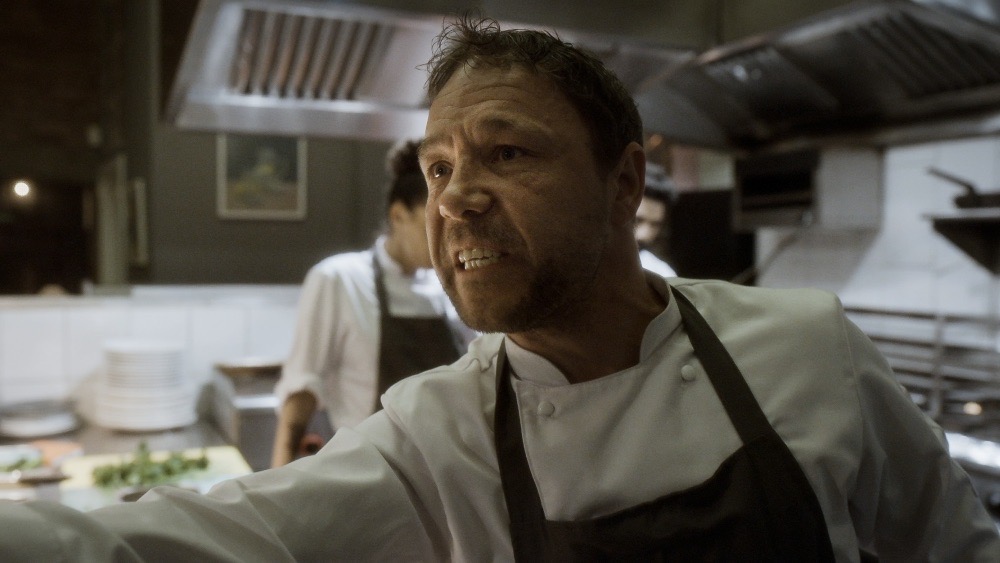
Stephen Graham is one of the most ubiquitous actors in the business. This is not to detract from his considerable powers as a performer, but he seems to be popping up all over the place in a whole range of different guises. Boiling Point, written and directed by Philip Barantini (and developed from his 2019 short of the same name), features Graham as head chef Andy Jones, currently helming one of Dalston’s trendiest and most in-demand fine-dining restaurants. Christmas is coming but Andy hasn’t got time to sit back and soak up the festive vibes. He’s running late.

When we first encounter him, he’s already in motion, trying to get to the restaurant for a sold-out pre- Christmas sitting, whilst fielding angry phone calls from the wife he’s recently separated from. She wants to know why he hasn’t been in touch to wish his son a happy birthday. Awkward.

It’s just the start of a breathless journey into a world of relentless high pressure – indeed, this may just qualify as the most stressful viewing experience I’ve had since Uncut Gems – and I mean that in a good way. The conceit here is that Andy’s night is ingeniously filmed in one continuous tracking shot, a device that only serves to amplify the ensuing claustrophobic madness. Unlike many films that are cunningly created using hidden edits, this is the real McCoy. One can only wonder at the pressure the actors must have been under to keep the casserole bubbling. (Trivia fans might care to know that the crew only had time for four takes – and they used the third!)

Once at the restaurant Andy has more problems waiting for him. An officious environmental health inspector is in the process of downgrading the venue’s certificate from five stars to a three; Andy’s team leader, Carly (Vinette Robinson), is pressing him for a wage increase; and it turns out that his old boss, celebrity chef Alistair Skye (Jason Flemying) has booked in to dine and has brought influential food critic Sarah Southworth (Lourdes Faberes) along as his guest…

Throw in the Instagram influencers who want something that’s not actually on the menu, and a boorish customer who keeps insulting the waiters, and you have a recipe for disaster.

What follows can only be described as riveting viewing. There are arguments, misunderstandings, conflicts and catastrophes for Andy to handle and, as the proceedings go from bad to worse, we learn more about his current situation and realise that his career – and possibly his life – is hanging in the balance. As the temperature steadily rises under a metaphorical pressure cooker, we actually relish the leisurely moment where one of the dishwashers strolls outside to empty the rubbish bins, before returning to the madness.

I have only one issue: one particular impending crisis is too heavily signposted, so when it finally comes to fruition, all the dramatic tension has been squandered.

But I’m nitpicking. All kudos to Barantini and cinematographer Matthew Lewis, who come close to rivalling the genius of Sebastian Schipper’s Victoria, another genuine one-shot wonder. Those who enjoy propulsive, high stakes entertainment should strap themselves in for a memorable ride.

Those of you who hanker after a career in fine dining… maybe this frenetic feast won’t be to your taste.

4.2 stars

Philip Caveney

Greyhound

12/11/20

Apple TV

Not only does Tom Hanks star in this Apple Original as the harassed captain of a second World War American destroyer, he also wrote the screenplay, basing it on C. S. Forester’s classic novel, The Good Shepherd.

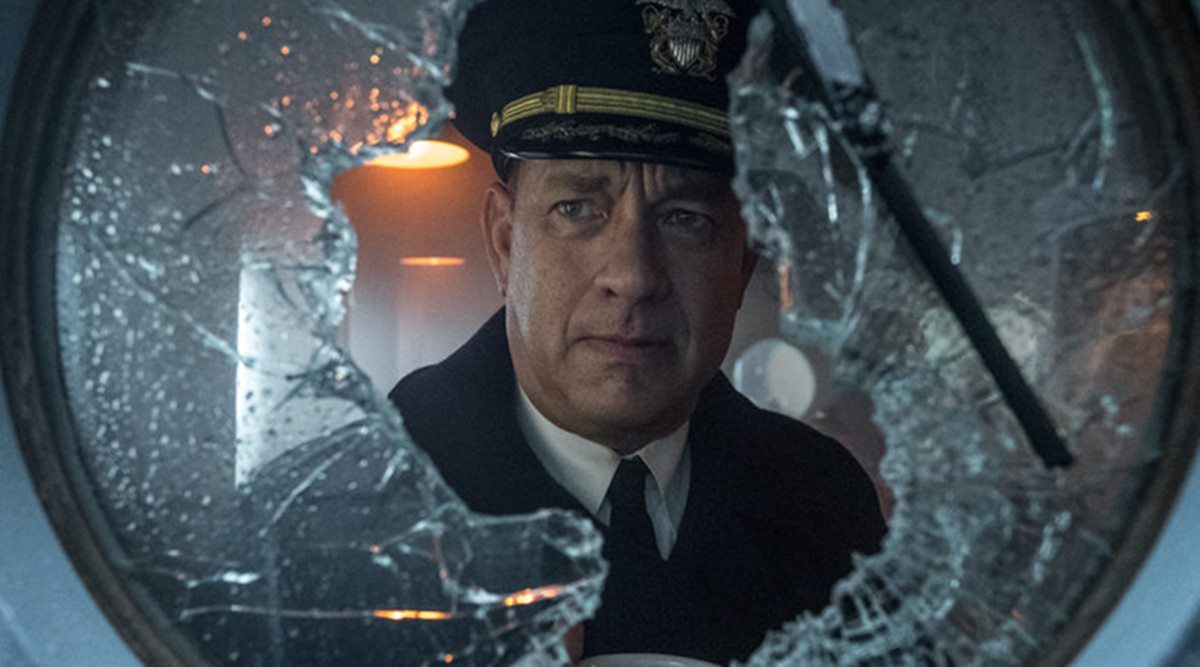
Hanks plays Captain Ernest Krause, charged with the monumental task of leading a huge supply convoy across the Atlantic, carrying much-needed provisions for the allied war effort. Krause knows that every man on the ship is looking to him for leadership and he’s also painfully aware that, beneath those restless waves, German U boats are waiting in ambush with the aim of sinking as many ships as possible. The pressure is palpable.

It’s evident from the start that formidable amounts of money have been lavished on this production. The depictions of life aboard ship are queasily authentic and there’s no denying the steadily mounting suspense that’s generated whenever a torpedo is launched in the general direction of Krause’s ship, The Greyhound. The shock and awe of naval warfare is brilliantly replicated, too, but that dogged dedication to authenticity makes everything a bit too technical for comfort, with Krause’s every directive being repeated ad infinitum by various members of his crew.

If there’s a major failing here, it stems from the fact that we learn precious little about any of the characters in the story. All we really know about Krause is that he prays every morning and that he never has time to eat. The excellent Stephen Graham, second-billed here as the ship’s navigator, has little opportunity to strut his stuff, while the equally excellent Elizabeth Shue, briefly glimpsed in a couple of flashbacks, has even less.

It’s clear that in his screenplay, Hanks wants to concentrate on the notion that the exploits of real heroes are largely unsung: that courage often comes from the most quiet and unassuming people – but the problem is, this leaves me wanting more than this film is ultimately able to deliver. It’s hard to care about people you don’t know and no amount of weaponry can ever hope to make up for that deficit.

There are admittedly some lovely details – a scene where Krause quietly removes his blood-stained shoes and puts on a pair of carpet slippers is strangely moving – and I like the moment when he unwittingly calls a member of his crew by the name of the man’s predecessor, recently killed in action – but such moments are not quite enough to make this cinematic vessel suitably seaworthy.

Don’t get me wrong. This film doesn’t exactly sink without trace, but the beating heart of the story is, sadly, missing in action.

3.4 stars

Philip Caveney

Rocketman

25/05/10

Rock star biopics are big business of late. The rather pedestrian (and factually flawed) Bohemian Rhapsody absolutely cleaned up at the box office and even garnered some ill-deserved awards into the bargain. Rocketman has the same director as Bo Rhap – or, at least, Dexter Fletcher steered the former film to fruition after Bryan Singer was obliged to step away from it. But Rocketman almost serves as an object lesson in how entertaining this genre can be when the filmakers have the balls to step away from the obvious and offer up something infinitely more experimental.

This is a fantasia, in its purest form, something that dares to take Elton John’s life story and play around with it. Ironically, in the process, it manages to get closer to the truth of the man behind the myth than Bo Rhap ever managed with Freddie Mercury.

When we first meet Elton, he’s attending a therapy session, dressed as a bright red devil, having just walked away from an important gig – and then, in flashback, we encounter young Reginald Dwight (Matthew Illesley), strugglng to obtain affection from his distant parents, Sheila (Bryce Dallas Howard) and Stanley (Steven Mackintosh), establishing a distance between them that will haunt him for the rest of his life. Reginald learns he has an aptitude for playing the piano and an ability to effortlessly pick up any tune he hears. Pretty soon, he is older Reg (Kit Connor) and, in the space of one breathless fairground dance routine, he’s grown up to be Taron Egerton. We follow his career: his meeting with kindred spirit, Bernie Taupin (Jaimie Bell), his signing with hard-nosed business manager, Dick James (Stephen Graham), and his love affair with the cruelly manipulative John Reid (Richard Madden).

There’s his career making gig at LA’s Troubador Club and then all the manic excesses of rock hedonism are unleashed – alcoholism, drug and sex addiction, bulimia, that disastrous attempt at marriage… you name it, it’s all encompassed in a series of inventively staged scenes, backed by a seemingly endless collection of solid gold songs. Ironic then, that the film’s most effective moment has Elton belting out a cover version of The Who’s Pinball Wizard, while his piano spins giddily around and he goes through a whole collection of iconic costume transformations.

This film doesn’t attempt to cover EJ’s entire career, ending after his long spell in rehab and his triumphant return with I’m Still Standing, but it’s endlessly entertaining and doesn’t drag for a moment, not even through the inevitable nods to redemption at its conclusion. I am properly engaged from start to finish. Oh, and importantly – I think –  that’s actually Taron Egerton singing all the songs, uncannily nailing EJ’s distinctive phrasing, without it ever feeling like an impersonation.

With so many reasons to go and see it, Rocketman is in serious danger of giving the rock biopic a good name. And Dexter Fletcher is now clearly the go-to man for musicians with a story to tell.

4.5 stars

Philip Caveney
Yardie

06/09/18

Idris Elba’s debut feature film is an interesting one. Okay, so it’s a little patchy, but there’s real heart here, and energy, and some fabulous performances. Based on the cult novel by Victor Headley, this is as much a character study as anything else, and lead actor Aml Ameen (D), is mesmerising in the central role.

We start off in 70s Jamaica, where young D lives with his brother, Jerry Dread (Everaldo Creary). Jerry is a gentle soul, keen to broker peace between rival gangs, and make Kingston a safer place. But, having secured a truce, the triumphant party he hosts in No-Man’s-Land is abruptly shattered by a teenager wielding a gun. Jerry is killed, and D’s life is changed forever.

We next see him ten years later, and he’s a troubled man, struggling to repress his rage. He’s been taken under the wing of one of the gang leaders, King Fox (Sheldon Shepherd), whose music production company tells only half the story of his wealth. Fox is also a drug dealer, and, when D’s anger at his brother’s murder threatens his business, D is quickly dispatched to London, to sell a large batch of cocaine to Fox’s London connection, Rico (Stephen Graham).

But D’s path does not run smoothly in the UK; he’s too full of fury to seek a quiet life. Haunted by his brother’s memory, D seems determined to self-destruct, jeopardising everything, including his relationship with Yvonne (Shantol Jackson), his childhood sweetheart, and their daughter, Vanessa (Myla-Rae Hutchinson-Dunwell).

Where this film works is in the evocation of the period, the nightlife and the music. It looks fantastic, all vibrancy and colour, and the atmosphere, fuelled by an urgent reggae soundtrack, is electric. But there’s something lacking in the plotting, I think, a strange lack of intensity in D’s quest for revenge that doesn’t quite match the violence he eventually unleashes. Some of the London criminals feel like caricatures, and at times it’s hard to understand what D’s motivation is.

Still, it’s an eminently watchable movie, and the imagery is still imprinted on my mind.

3.8 stars

Susan Singfield


Funny Cow

22/04/18

If Adrian Shergold’s film tells us anything about life in 1970s England, the overriding message is that being a female standup comedian was clearly no laughing matter. Take the eponymous Funny Cow for example – we are never told the character’s actual name and indeed, when we first meet her, she’s still Funny Calf (Macy Shackleton), a self-assured youngster with a tendency to live in a dream world and tell tall stories, something that earns her the undisguised hatred of her peers. She is going through what might be called a troubled childhood. Her mother (Christine Bottomley – and later in the film, Lindsey Coulson) is a hopeless alcoholic and her father (Stephen Graham) a short-tempered bully, but none of this is enough to subdue her fighting spirit.

Pretty soon, FC has grown up to be Maxine Peake and has acquired her own short-tempered bully of a husband, Bob (Tony Pitts, who also wrote the script). Bob is an aggressive slob, ever ready with a foul-mouthed put-down and a helpful head-butt whenever his wife steps out of line. But FC remains indomitable, and at a working men’s club one evening, has a kind of epiphany when she witnesses veteran comic, Lenny (Alun Armstrong), toiling his way through a time-worn routine to the undisguised derision of the audience. She is the one person there who finds him funny. She decides this is the life she is destined for and, whatever it takes, she’ll make it happen. The two of them form an uneasy alliance, as she follows him from gig-to-gig, watching his inexorable slide into oblivion while honing her own craft.

Funny Cow is a strangely unsettling film – it tells its story though a series of vignettes and cuts back and forth in time with a kind of gleeful exuberance, each section marked by hand written title cards. The stand-up routines we’re offered aren’t generally all that amusing – indeed, most of them are more like tortured confessionals, as FC talks direct to camera. It certainly isn’t a recruiting campaign for would be stand-ups. Even when she’s made a success of her chosen career, FC is shunned by virtually everyone she knows. A scene where she makes an uncomfortable visit to her brother, Mike (also played by Stephen Graham), and his family is particularly toe-curling.

It’s by no means a perfect film. The usually dependable Paddy Considine struggles somewhat as Angus, the middle class bookshop owner to whom FC runs when she realises she can no longer live with Bob. There’s nothing wrong with his performance per se, but the script somehow fails to give him a single line that convinces, making him little more a caricature, all vintage brandy and visits to the thee-ay-tah. It’s one of the film’s few missteps.

But one thing is for sure: Peake is an extraordinary presence in the lead role, displaying an almost luminous quality that seems to light up the screen whenever she appears. Here is a brilliant actor at the very height of her powers and this performance confirms her as one of the best and most versatile of her generation. It’s also a film that stays with me long after I’ve left the cinema, aided no doubt by Richard Hawley’s memorable theme song; he also makes a cameo here as a would-be performer at FC’s first disastrous audition.

Eagle-eyed viewers will spot some genuine comics in cameo roles: Dianne Morgan, Vic Reeves and John Bishop to name but three. Keep your eyes peeled for others.

4.4 stars

Philip Caveney

Film Stars Don’t Die in Liverpool

17/11/17

Film Stars Don’t Die in Liverpool is Peter Turner’s story. Based on his memoir of the same name, the film, scripted by Matt Greenhalgh, tells of Turner’s affair with fading film star, Gloria Grahame, and the extraordinary tale of how she came to live out her last days with his mum and dad in 1980s Liverpool.

The performances here are exemplary: both Jamie Bell (as Peter) and Annette Bening (as Gloria) are on top form, and their relationship is affectingly conveyed. Bening convinces absolutely as the ex-Hollywood sexpot, holding her head up high and forging a career in British theatre: proud but vulnerable; confident but insecure. Bell is also utterly credible as the young Turner, flattered by the attentions of someone so famous, falling hopelessly in love. And it’s a touching story: rejected by the film industry, out of touch with her family and dying of cancer, Gloria turns to her ex-lover for the warmth she knows his ‘ordinary’ family can offer, and his parents (Julie Walters and Kenneth Cranham) are more than happy to oblige.

A shame, then, that there isn’t more on offer here. There’s a stellar cast without much to do: Vanessa Redgrave, as Gaynor’s mother, says almost nothing of note; Frances Barber, as her sister, does what she can with a couple of bitchy lines. Walters stands out, as she always does, but is criminally under-used, never called upon to offer anything more than ‘kindly mum.’ The marvellous Stephen Graham plays Peter’s brother, but his talent is wasted: he just sits at the kitchen table wearing one of Harry Enfield’s Scouser wigs, whinging occasionally and looking meaningfully at his strangely silent wife (Leanne Best).

I think the problem is that it’s all very rose-tinted, too closely based, perhaps, on Turner’s memoir, without enough space for the spiky complexity of human reality. It’s superficial and chocolate-boxy: a special memory preserved as in a photo-book, rather than an engaging film that allows its characters to show their flaws. And the story arc lacks drama too, never really building, never really drawing us in. This is a film that relies entirely on its central performances; the casting director (Debbie McWilliams) has done a sterling job; thanks to her, it’s not an entirely missed opportunity.

3.6 stars

Susan Singfield