Maureen Carr

Bread and Breakfast

05/03/24

Traverse Theatre, Edinburgh

The latest production in the A Play, A Pie and A Pint season offers a distinct change of pace. Who’s up for a good old-fashioned British farce? You know, the kind of vehicle that Brian Rix would have had a field day with back in the 1960s – slapstick characters painted with broad strokes and even broader dialogue.

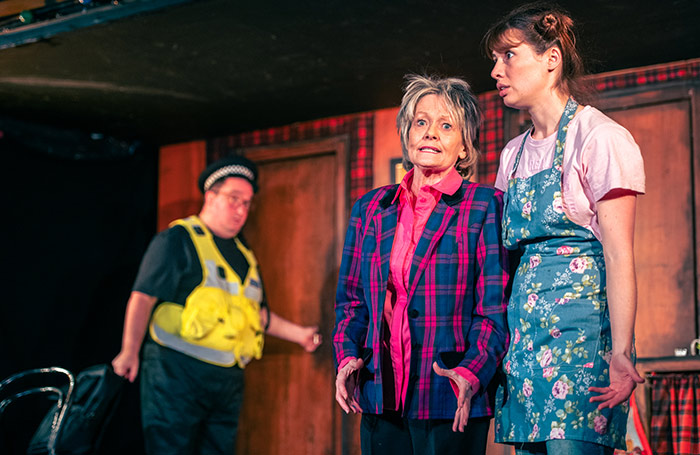
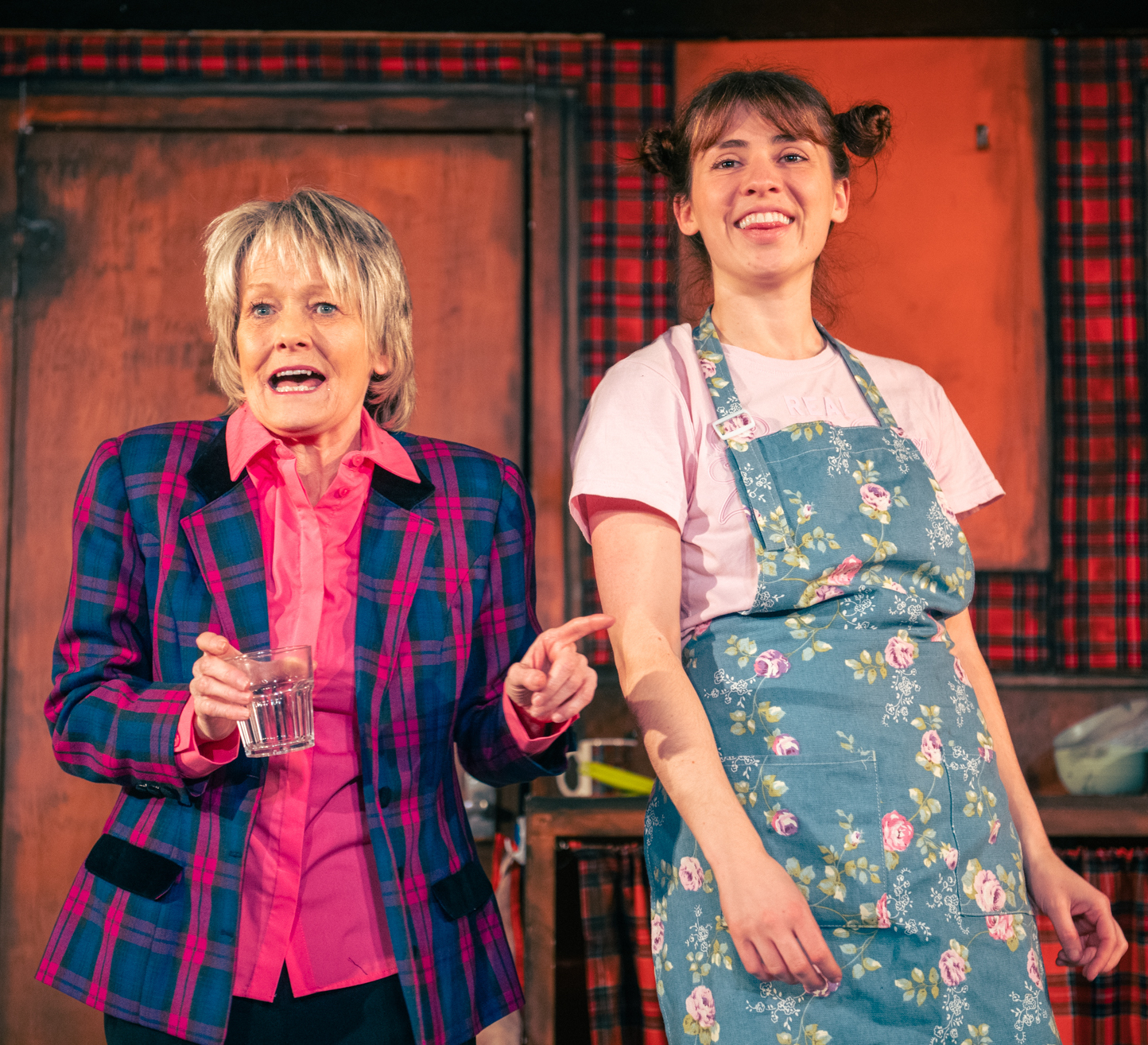
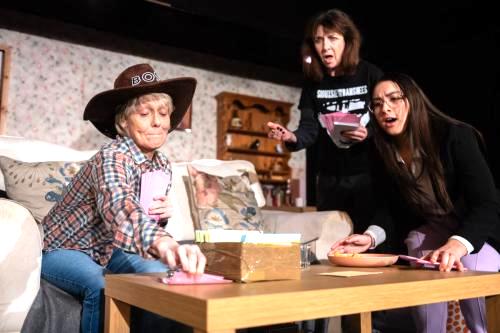
Welcome to Nessie’s Lodge, a bed and breakfast somewhere in the Highlands, a place where holidaymakers can relax in real style – provided they turn a blind eye to the indigestible food and the bedbugs… not to mention the rats. I said not to mention them! Proprietor Irene (Maureen Carr) is growing rather tired of the business, even though it boasts a single star from the AA. She dreams of selling the establishment to anybody who’s dumb enough to shell out money for it. But she’s continually hampered by her dimwitted young employee, Jo (Erin Elkin), who somehow manages to misinterpret every instruction she’s given. 

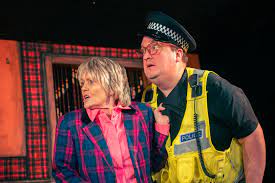
Then, in a distinctly Fawlty Towers twist, an AA restaurant inspector (James Peake) arrives out of the blue and the writing’s on the wall for Nessie’s Lodge. Also on the wall is a possibly priceless work of art that might just save Irene’s bacon…

Bread and Breakfast, written by Kirsty Halliday and directed by Laila Noble, has some genuinely funny lines in the mix, though there’s a worrying tendency to over-signal and over-explain them. Furthermore, it should also be said that those classic Whitehall farces were always anchored by absolute precision and excellent production values – which we can’t really expect from a modestly-budgeted lunchtime show.

The packed crowd at this afternoon’s show are clearly enjoying themselves, laughing throughout. As ever, stalwart actor Carr generates her own brand of potty-mouthed good humour; she’s a natural comic and has the audience in the palm of her hand. Elkin is excellent as Jo, giving her an edgy, almost manic appeal, as she flails from one hapless misunderstanding to another. Meanwhile Peake has the funniest moment of the show, as he delivers a spirited rendition of God Save Our Gracious Quing!  

If Bread and Breakfast isn’t quite to my taste, it’s nevertheless interesting to see a play so tonally different from anything I’ve previously seen at PPP.

3 stars

Philip Caveney

Disfunction

24/10/23

Traverse Theatre, Edinburgh

Sadly, this is the final PPP of the season; Tuesday lunchtimes just won’t be the same without an invigorating hour of original theatre. Luckily, Disfunction (“with an ‘i'”) provides a rousing send-off. This is first-rate stuff: a beautifully distilled character study, with a slice of social commentary on the side.

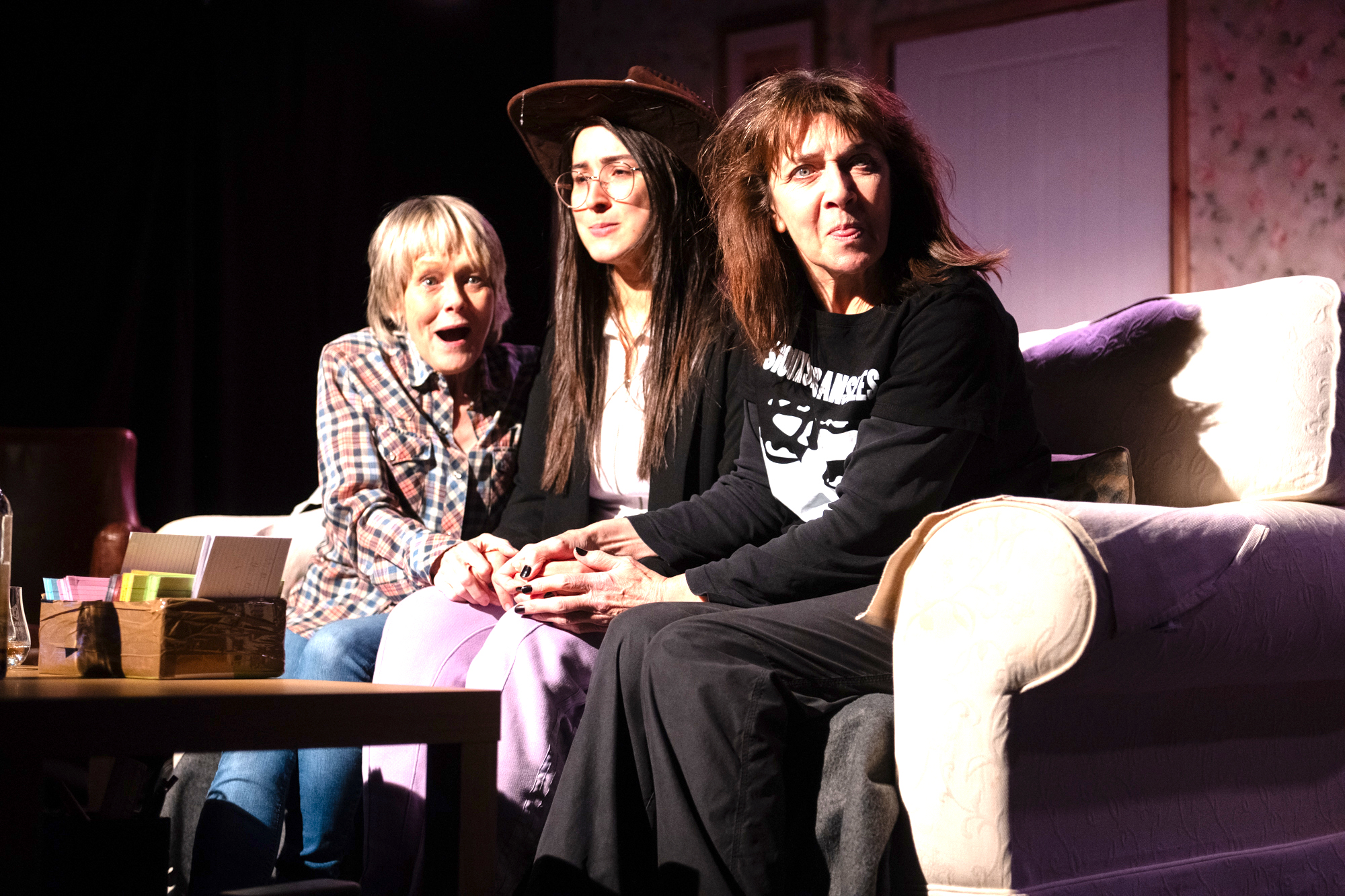
Kate Bowen’s play tells the story of sisters Moira and Melanie (Maureens Beattie and Carr respectively) and a game they’ve been honing for fifty years. Their goddaughter, Tanya (Betty Valencia), thinks she’s found a way to monetise their creation – by turning it into a sort of reality-TV experience, where viewers can pay to watch them play. At its best, the game is all Taskmaster-style fun: one round requires a blindfolded participant to put a pin in a map and then (sans blindfold) make their way to wherever the pin lands. Caveat: no cars allowed. Oh, and once they get there, they need to take a photograph of themselves. With four animals.

At its worst, the game is an exercise in, well, dysfunction. With a ‘y’.

The Maureens are surely two of Scotland’s national treasures, aren’t they? It feels like a real privilege to see these two great actors in such an intimate setting. They clearly relish their roles, especially Carr, who gets the plum part of the sassy, self-destructive Melanie. But Beattie is just as impressive as the more reserved and taciturn Moira, and Valencia more than holds her own as troubled Tanya, all bright-eyed desperation, a paper-thin smile covering her pain.

Lu Kemp’s kinetic direction means that the characters are always in motion (notable moments include a hilarious performance of Whigfield’s Saturday Night routine), and highlights that peculiar combative closeness that defines so many families.

Are there any negatives? Not really. Disfunction‘s role-playing political round perhaps stretches credulity (if there are only three people playing and each one has to ‘be’ a politician, who has set the questions to catch the others out?), but that’s my only gripe. Otherwise, it’s a pure delight. After all, as Tanya so cannily perceives, who doesn’t want to watch a bunch of strangers tearing themselves apart?

4.5 stars

Susan Singfield

Fibres

29/10/19

Traverse Theatre, Edinburgh

Fibres is Frances Poet’s ‘heath and safety’ play, an emotive response to her discovery that an acquaintance had lost both parents, six months apart, due to asbestos poisoning. Poet’s perception of asbestos as ‘something dangerous from the past’ was exposed as a fallacy; subsequently, she learned that more people die of asbestos-related illnesses each year than die in traffic accidents, that the NHS will be footing the bill for corporate greed/negligence until 2040. Mesothelioma takes between twenty and fifty years to develop, and even brief exposure is enough to kill.

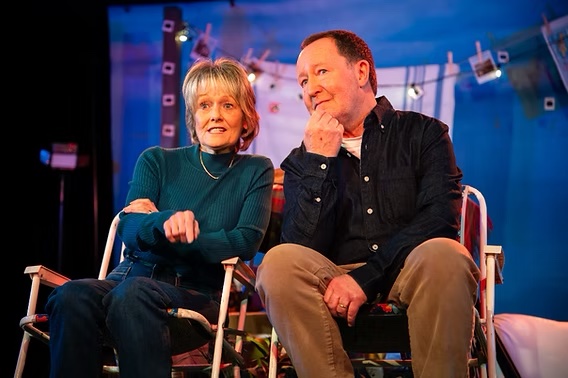
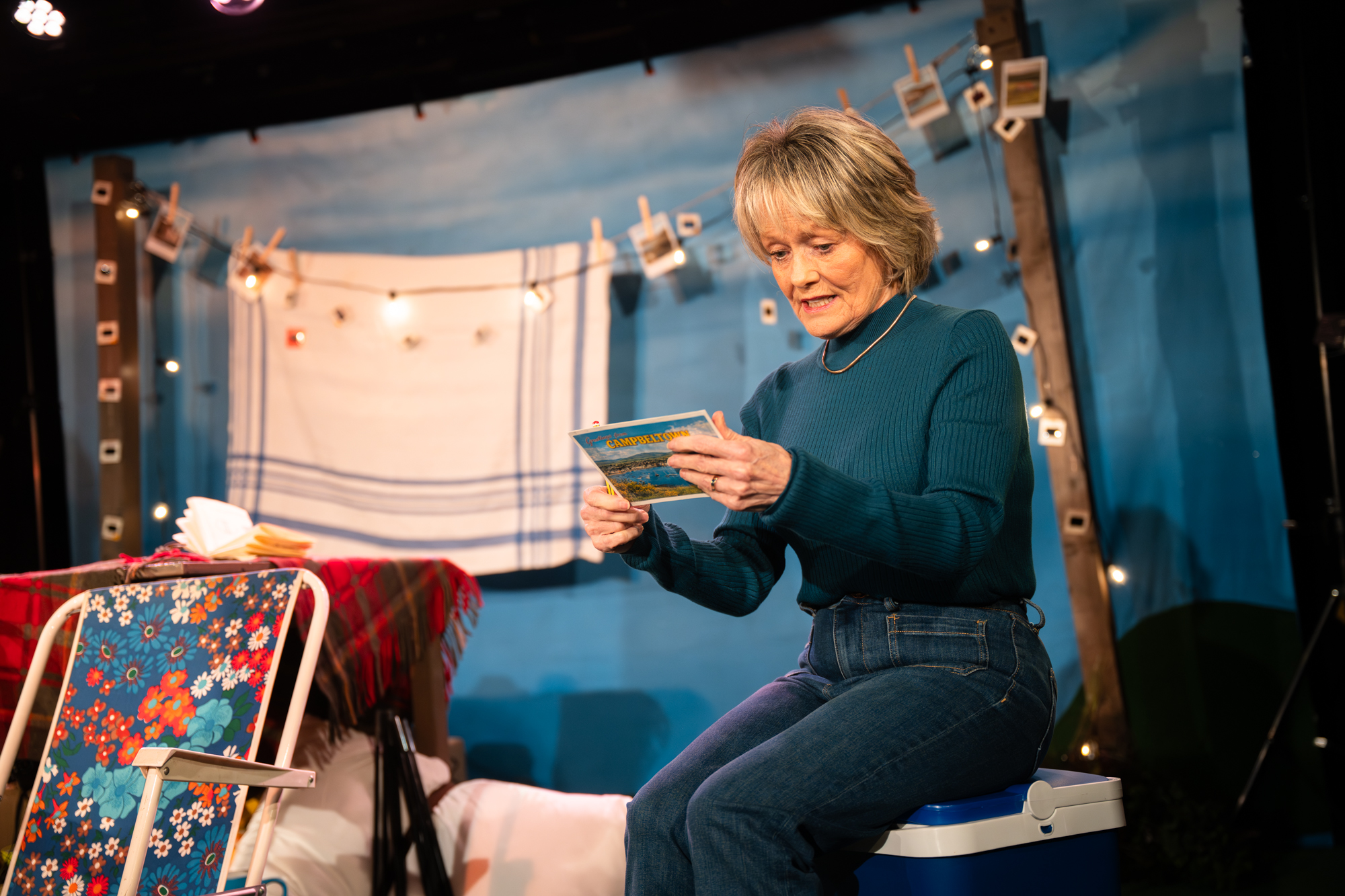
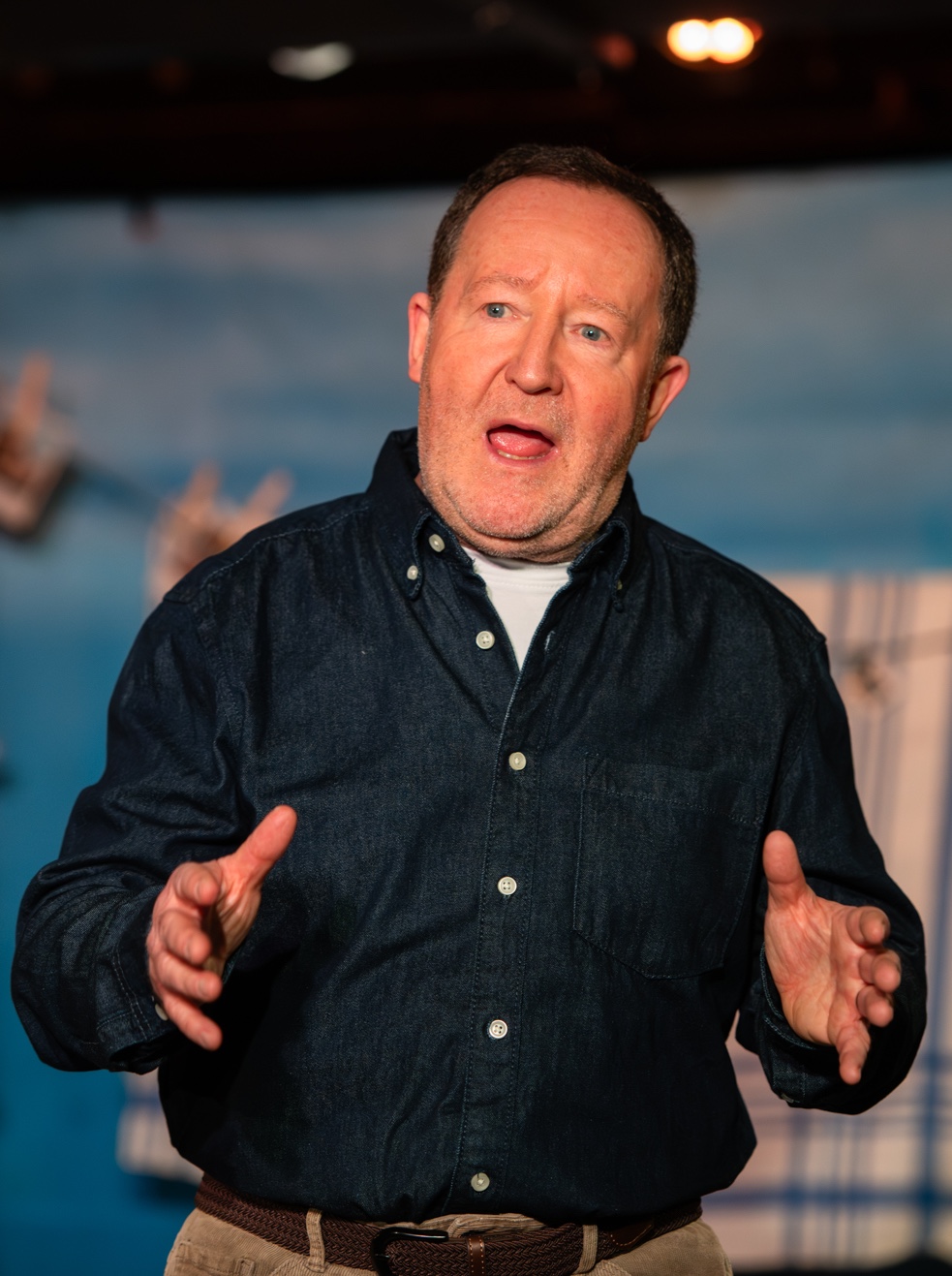
Indeed, the brevity of exposure is a key feature of this play. Jack (Jonathan Watson) only works as a shipbuilder for a few days; he’s nervous about the asbestos dust he’s been warned about, so takes a pay cut and becomes an electrician. He thinks he’s dodged a bullet. His wife, Beanie (Maureen Carr), washes his overalls, a simple domestic act fraught with symbolism, as the fibres enter her lungs too.

As you might expect from Poet, there are many layers to be unravelled here; it’s not a simple polemic. There are parallels drawn between the asbestos fibres and the impact of traditional gender roles on a relationship: a slow, invisible poisoning.

Despite the subject matter, it’s not all doom and gloom. Jack and Beanie are a believable couple, muddling through as best they can. They’re facing the horror with fortitude and humour: Jack loves a bit of comedy, and has a catalogue of cringey jokes. Their daughter, Lucy (Suzanne Magowan), is struggling, but her breakdown is shown through a series of bleakly humorous, hide-your-eyes-behind-your-hands-while-your-toes-curl moments.

Breaches in health and safety protocol are given a human face, in the form of Lucy’s boss, Pete (Ali Craig). They work for a fibre optics company, and he’s up against it, trying to meet the demands of a contract while allowing his workers their requisite study days and sick leave. He’s fed up with the union rep’s ‘unreasonable’ demands, preventing him from getting the job done. We’re shown how it happens, how decent people can be pressured into repeating old mistakes. But Pete is given a chance to learn: his fondness for Lucy redeems him.

If this all sounds a bit po-faced, don’t be misled. This plays as a cleverly written domestic tragedy, with a window onto larger political issues. The actors switch between narration and performance; the set (by Jen McGinley) is a fluid, symbolic space, where the characters flit between life and death, the past and the present, dark humour and even darker anger. Jemima Levick’s assured direction ensures that there is no confusion: we always know where and when events are taking place, the pace allowing us time to digest what’s happening.

Fibres is a vital, heartbreaking play with an important message at its core.

4.1 stars

Susan Singfield


Locker Room Talk


23/04/19

Traverse Theatre, Edinburgh

Donald Trump’s infamous “you can grab ’em by the pussy” brag caused international outrage: protest marches, column inches, pundits decrying him. But it didn’t cost him anything. The dismissal of his misogyny as “locker room talk” clearly resonated with voters, and he was duly elected president. What chance did Hillary ever have in such a toxic environment?

Gary McNair’s play, Locker Room Talk, is a direct response to this. Are Trump’s words really just banter, typical of what men say when women aren’t around to hear them?  If so, what does that tell us? And what should we do?

McNair set off with a voice recorder, and interviewed a lot of men. The result is an hour-long verbatim piece, performed – crucially – by four women (Maureen Carr, Jamie Marie, Nicola Roy and Gabriel Quigley), each wearing an earpiece and repeating the men’s words exactly as they hear them.

It’s chilling, listening to these words spoken by their subjects, squirm-inducing to hear women articulating the sexism that’s directed against them. The men’s voices are diverse, covering different socio-economic and age groups. But they’re united in their reductive brutality; their points-scoring systems; their adherence to stereotypes of women as sex objects, nags or domestic chore-doers. Spoken by women, the dark underbelly of the badinage is fatally exposed. The performances are stark and illuminating, the portrayals clever and detailed.

Of course this is heavily edited, the most vile and disparaging responses selected for impact. Of course the questions are leading, the responses shaped by what the participants think the interviewer wants to hear. And, of course, there are lots of men out there who’d never dream of saying things like these. But none of this matters here: it’s not a scientific study or academic research; it’s a play, a snapshot of how some men – too many men – talk about women. As a provocation, it’s perfect. We have to challenge this kind of talk; it isn’t good for anyone.

The question and answer session, expertly facilitated by Dr Holly Davis, is billed as a “post-show discussion” but, actually, it’s very much part of the play. This is the point, I think: to stimulate dialogue, to find a way forward.

Because it’s not okay to boast about “grabbing pussies” – is it?

4 stars

Susan Singfield