Jodie Comer

Inter Alia: NT Live

07/09/25

Cineworld, Edinburgh

What Suzie (Miller) Did Next was bound to garner a lot of attention. The mega-success of Prima Facie, starring the inimitable Jodie Comer, has catapulted the Aussie playwright into the limelight, and left the theatre world waiting with baited breath to see what else she has up her silk sleeve.

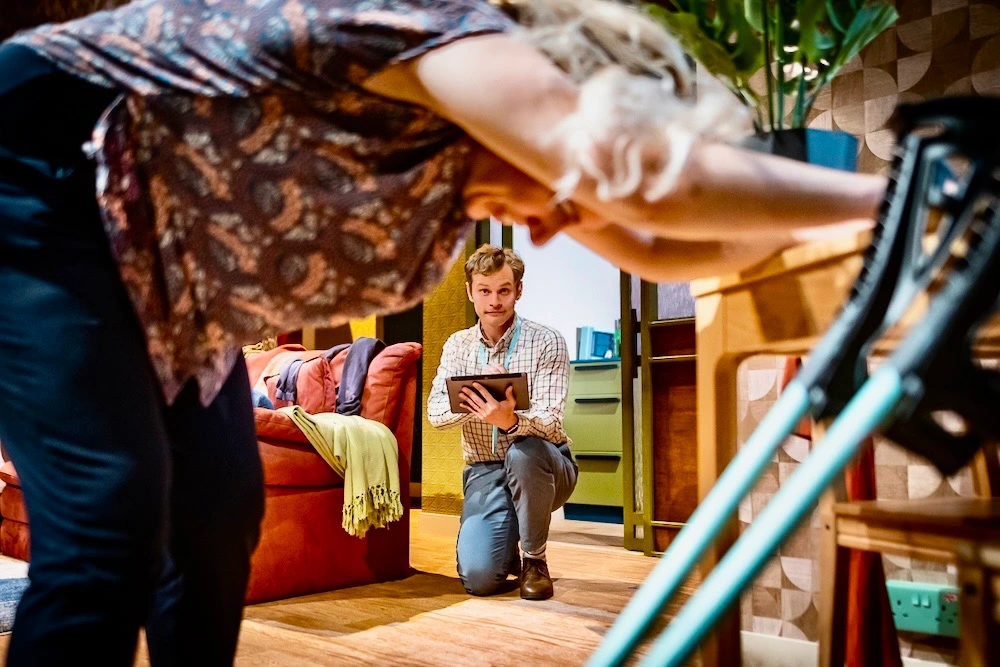
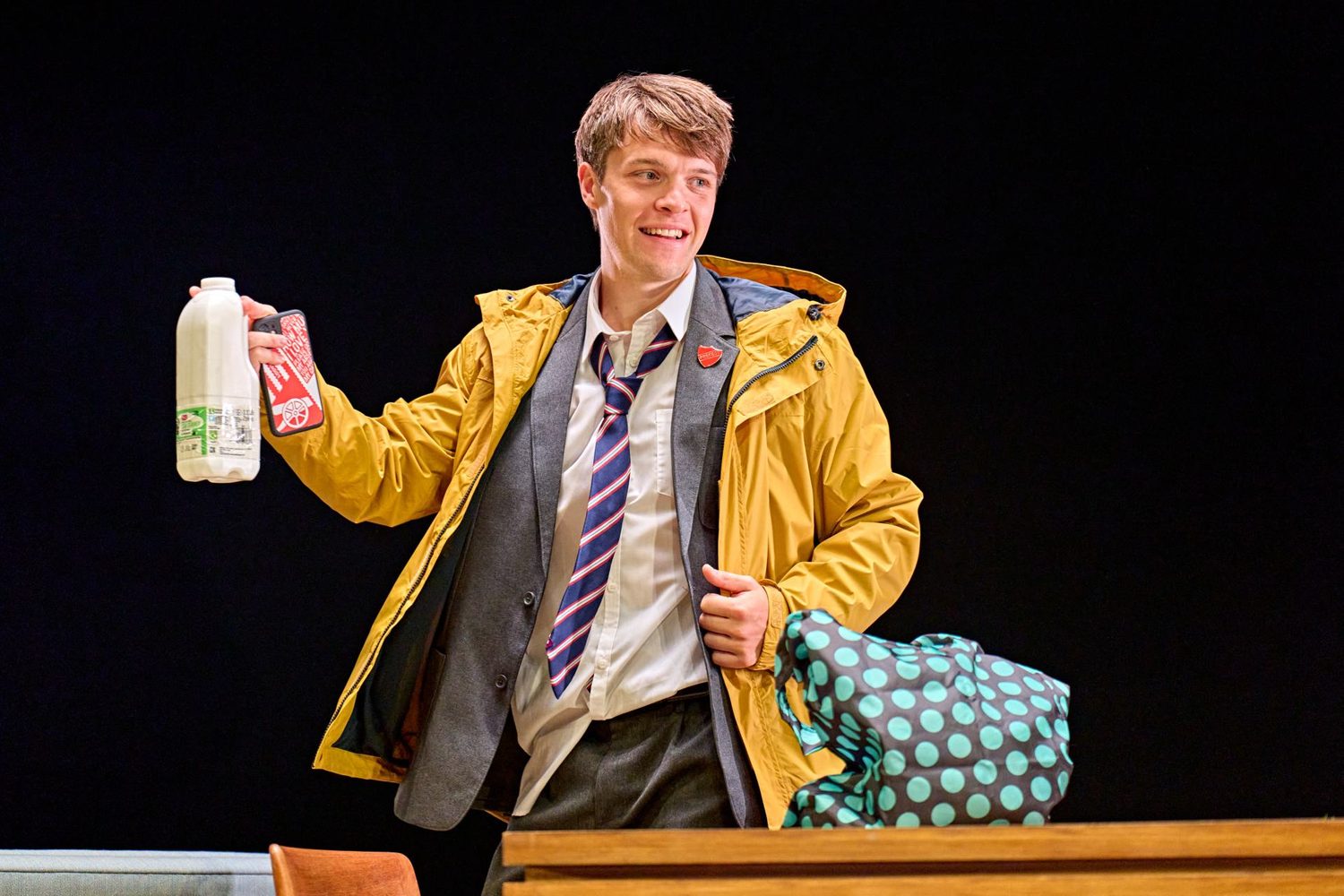
Inter Alia, a three-hander starring Rosamund Pike, serves as a kind of companion piece to the 2019 monologue, this time examining the legal system’s response to sexual assault from the vantage point of the Bench. Pike plays Judge Jessica Parks, a high-flying professional, juggling work and family life. She’s got the drive and energy to give both her all, but there’s no escaping ‘mom guilt’, however feminist you are. Still, she and her barrister husband, Michael (Jamie Glover), seem to be managing well: their teenage son, Harry (Jasper Talbot), isn’t exactly happy – he doesn’t really fit in at school and is the victim of some mild bullying – but he’s generally okay, mooching through his days and studying for A levels. He’s a gentle, sensitive boy, nothing like the entitled defendants Jess encounters in court, with their swaggering justifications for rape…

Until, one fateful night, when the ideals Jessica has long-espoused are suddenly called into question, along with her integrity. Who is to blame when a floundering young man commits a crime? And is it possible to be guilty and innocent at the same time?

Prima Facie‘s director, Justin Martin, is back on board for this follow-up polemic, and it’s just as gorgeously kinetic as the earlier piece, perfectly encapsulating the frantic nature of Jess’s life as she hurtles from conviction to kitchen, from case files to karaoke. The set, designed by Miriam Buether, is ingenious, a combination of the domestic and the professional, with props, costumes and doorways cunningly concealed in the kitchen units. At key moments, a wooded park is revealed beyond the dominant interiors, a glimpse into the outside world – both real and online – where Jessica isn’t in control, and which Harry has to learn to navigate for himself.

This is a gentler play than its predecessor, but no less audacious or thought-provoking. Pike is extraordinary in the lead role, and ably supported by her fellow actors. Miller doesn’t offer any easy answers or let anyone off the hook, but she expertly straddles the fine line between trying to understand assailants without diminishing their victims. Like those around us, we leave the cinema deep in discussion, trawling through our own experiences, trying to work out what we would do in Judge Jessica’s place.

I’m still not sure. But I do solemnly, sincerely and truly declare and affirm that Inter Alia is another searing commentary on our times, and – as such – another must-see from the National Theatre.

5 stars

Susan Singfield
28 Years Later

22/06/25

Cineworld, Edinburgh

The release of 28 Days Later in 2002 was something of a game-changer. A ‘sort of’ zombie movie, it made the idea of a powerful, rage-inducing virus – accidentally released from a secret laboratory – seem queasily credible, and was a monstrous hit at the box office. Director Danny Boyle and star Cillian Murphy were too embroiled in their sci-fi epic, Sunshine, to take on the 2007 sequel, 28 Weeks Later – so they handed the directorial reins to Juan Carlos Fresnadillo. I missed that film on first release, but caught up with it earlier this week and thought it was actually pretty decent. It introduced the idea of a quarantined UK, taken over by American military forces, who act with brutal force when everything goes tits-up – which, given recent world events at the time of viewing, has a chilling new sense of prescience.

So, what’s left for part three? Plenty, as it turns out, with Boyle and original screenwriter Alex Garland stepping back into the proceedings with fearless assurance. The time-honoured tradition with long-running franchises is to retread familiar territory, thus ensuring that original fans will stay on board. But Boyle and Garland have clearly had plenty of time to develop a new story arc, and – provided this opening instalment puts the requisite number of bums on seats – have two sequels waiting in the wings.

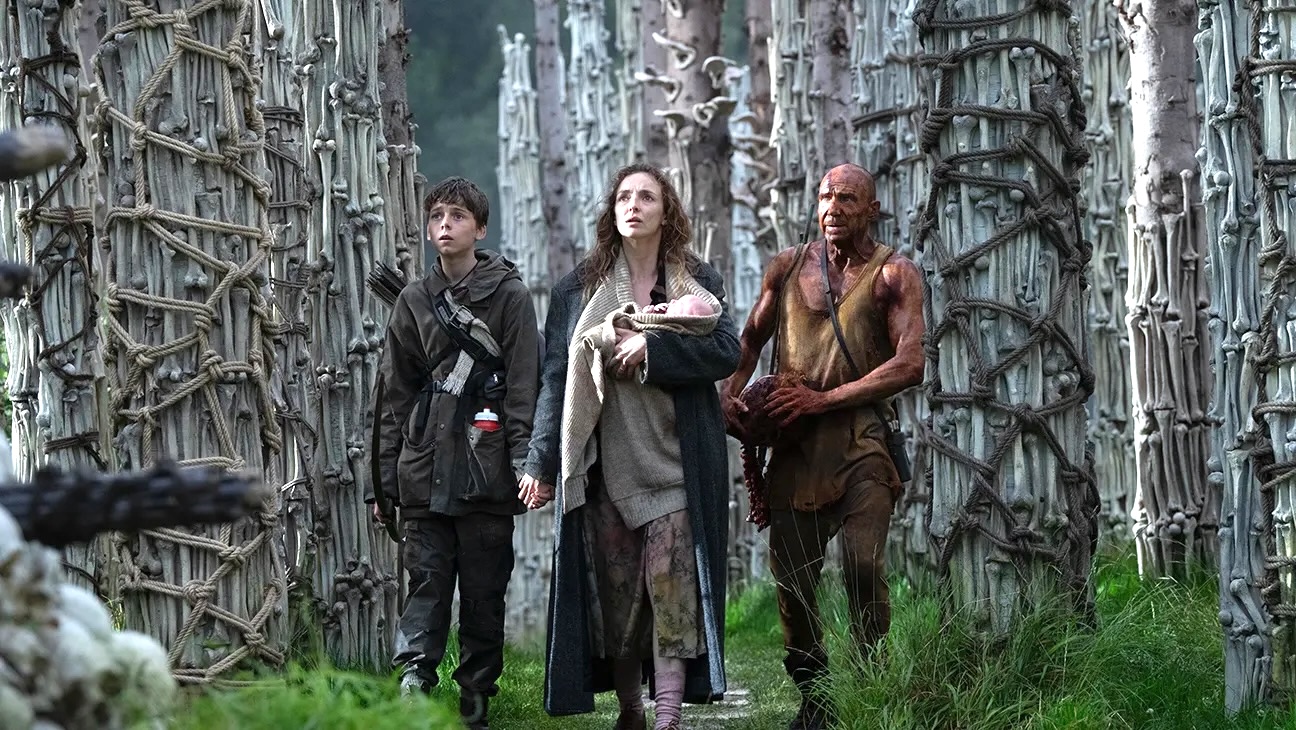
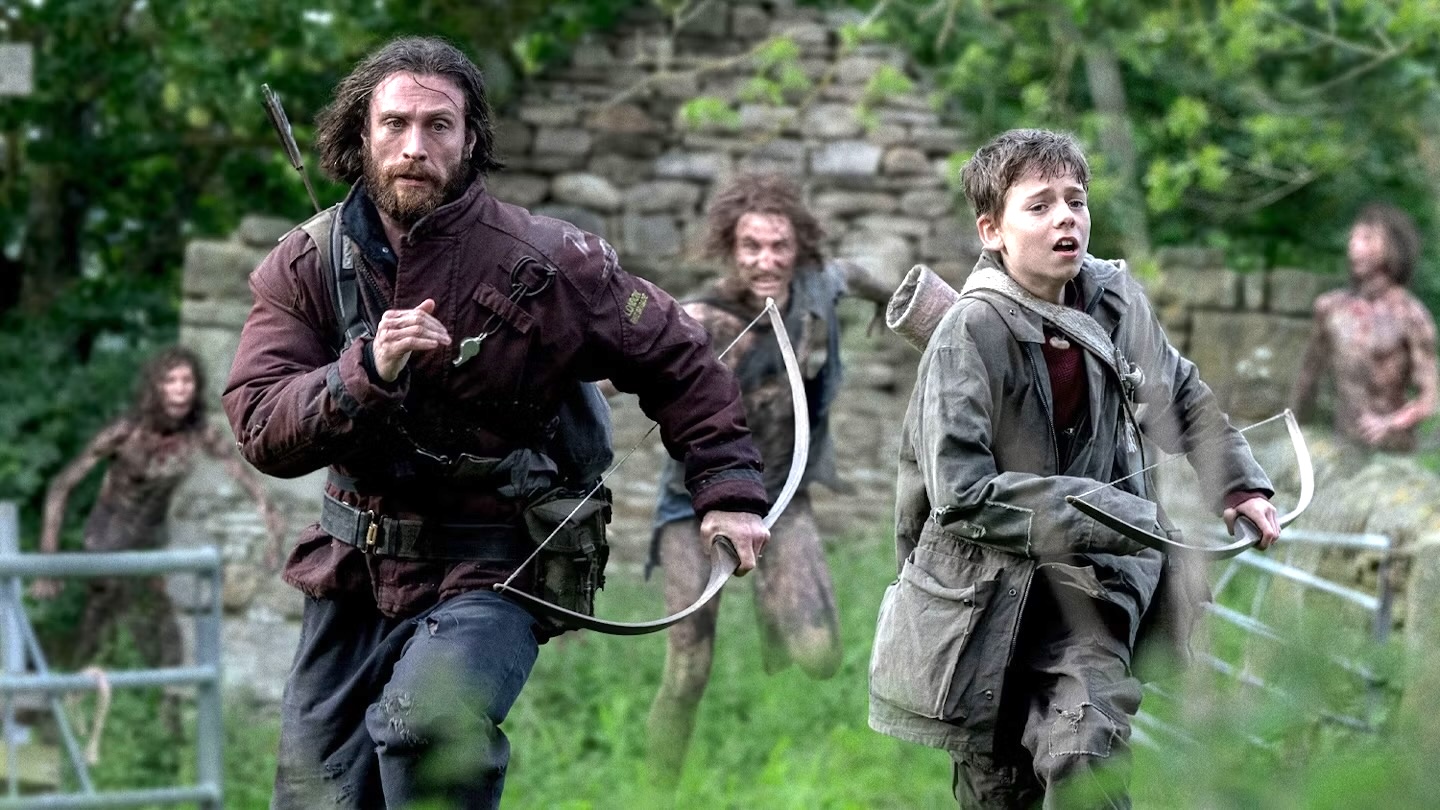
Time has moved on – by 28 years to be exact – and a community of survivors has been established on a remote island in the North East, connected to the mainland by a narrow causeway. This can only be crossed for a few hours each day at low tide, and the entrance gates are guarded around the clock. Spike (a strong performance from newcomer Alfie Williams) is thirteen years old and his father, Jamie (Aaron Taylor-Johnson), is preparing to take him to the mainland, where, in a long-established custom, he will kill his first ‘Infected’ with a bow and arrow. Spike goes along with the plan, even though he’s desperately worried about his mum, Isla (Jodie Comer), who is afflicted by a strange illness that makes her prone to forgetting who (and where) she is.

When Alfie hears talk of a mysterious doctor living somewhere out on the mainland, he decides to take his mum off the island in search of a cure…

This is a fabulous piece of cinema, shot almost entirely on iPhones, and crammed with so many references and allegories that it’s hard to take them all in with just one viewing. The community of uncompromising Geordies, proudly waving their St George flags and getting on with the basics of everyday life have completely shut themselves off from everything that’s happening over the water – and the filmmakers have taken considerable pains to establish the world building, making it all seem entirely credible. It’s very hard not to read this as a searing condemnation of Brexit and, in my opinion, that’s the filmmakers’ intention.

There are elements of folk horror woven into the script and the eerie atmosphere is beautifully accentuated by the music of the Young Fathers and the use of an old recording of Rudyard Kipling’s militaristic poem, Boots.

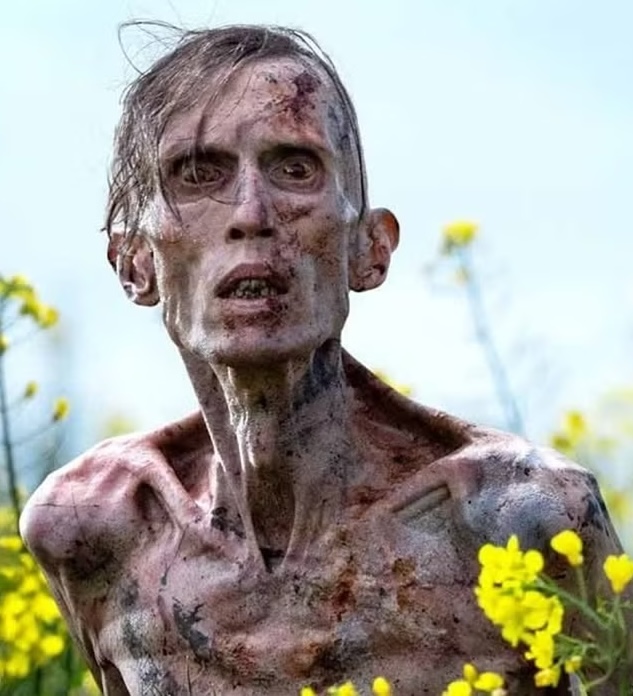
The first part of the story feels the most familiar. That hunting trip on the mainland gets out of hand and plunges Spike and Jamie headlong into the terrifying world of the Infected, where a new, faster, more powerful breed – The Alphas- are ruling the roost. These scenes are brilliantly handled with the suspense ramped up to almost unbearable levels. However, the second section heads off in an entirely different direction, introducing a detachment of Swedish Navy troops, who have been patrolling the UK coastline, and whose boat has run aground nearby. When Spike and Isla bump into young soldier, Erik (Edvin Ryding), the only survivor of his group, he provides some much-needed weaponry to help them to their destination.

The film’s third section adds a plaintive and poignant note to proceedings as Isla’s plight becomes ever-more heartbreaking. When she and Spike finally encounter Dr Kelson (Ralph Fiennes), he’s living a monastic existence in the midst of a self-constructed homage to death, which he calls his memento mori. The character’s powerful resemblance to Captain Kurtz (from Apocalypse Now) is too marked to be accidental and Fiennes gives the character a calm, solemn dignity amidst all the madness.

And then we’re handed a conclusion so off the charts that it is sure to be divisive. It immediately solves a puzzle, established in the film’s opening scenes, while also offering disturbing questions about a character who has (quite literally) somersaulted into the storyline.

28 Years Later is a dazzling, uncompromising slice of horror cinema, that does the seemingly impossible: both continuing an established franchise and simultaneously reinventing it. I can only say that I can’t wait to see where this goes next.

5 stars

Philip Caveney

The Bikeriders

27/06/24

Cineworld, Edinburgh

The poster for The Bikeriders might lead a viewer to expect something rather different from what this film actually is: a serious recreation of the misadventures of a motorcycle club, founded in the early 60s and initially memorialised in a 1967 book by photojournalist Danny Lyon.

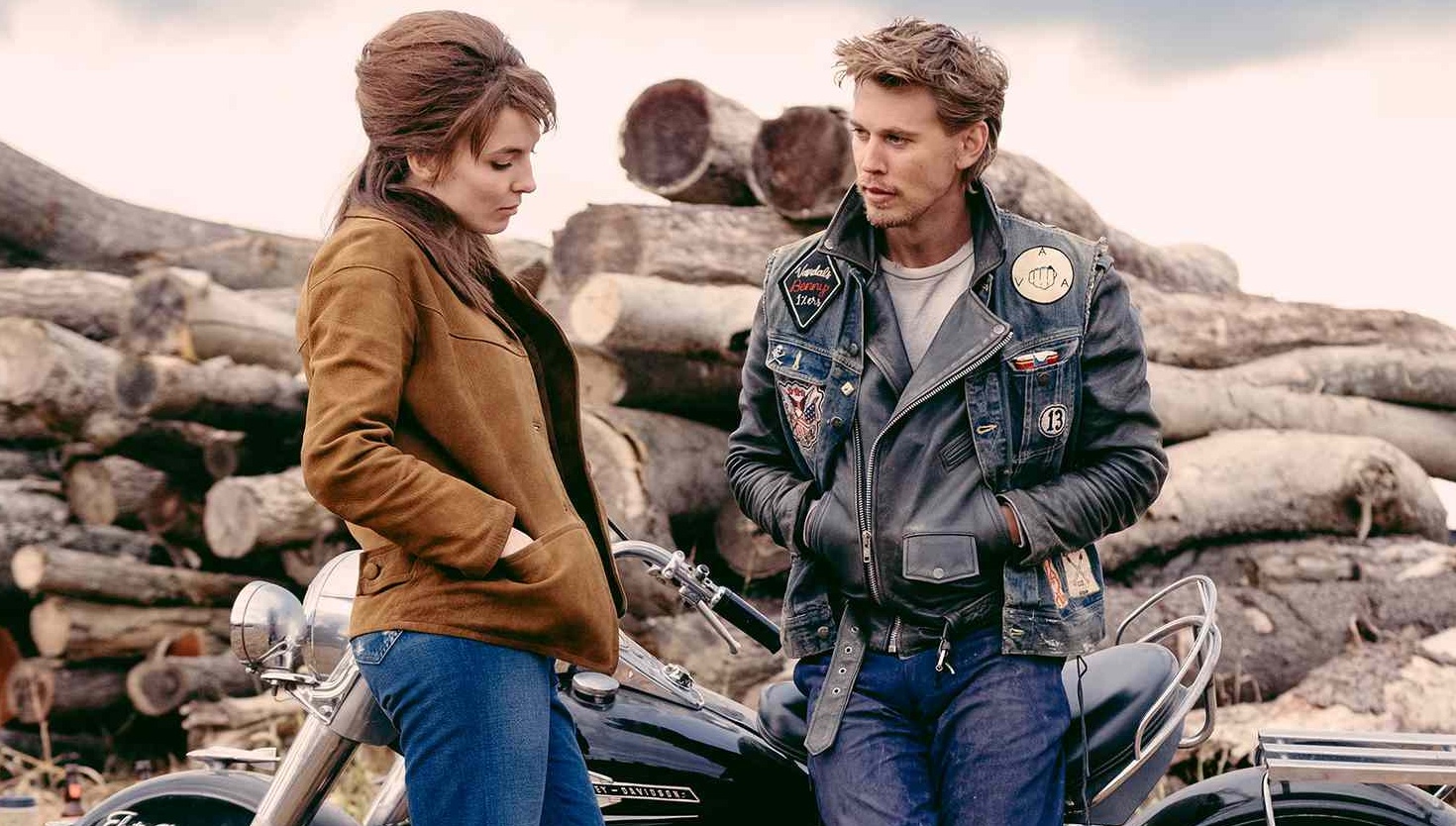
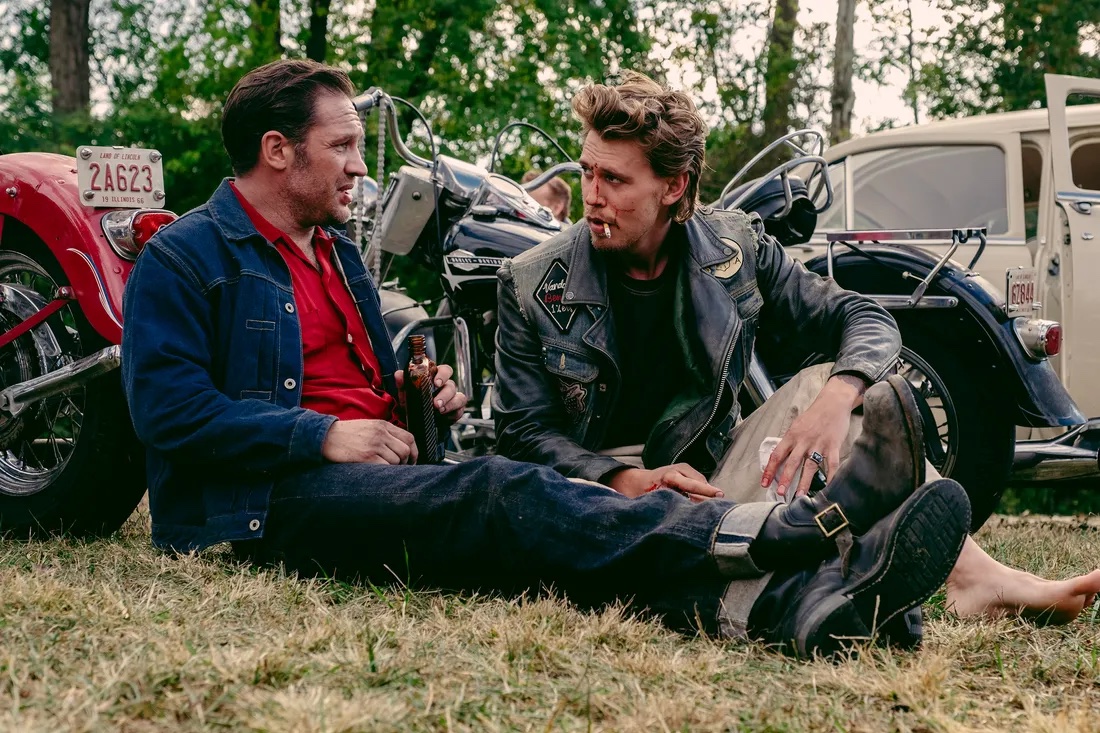
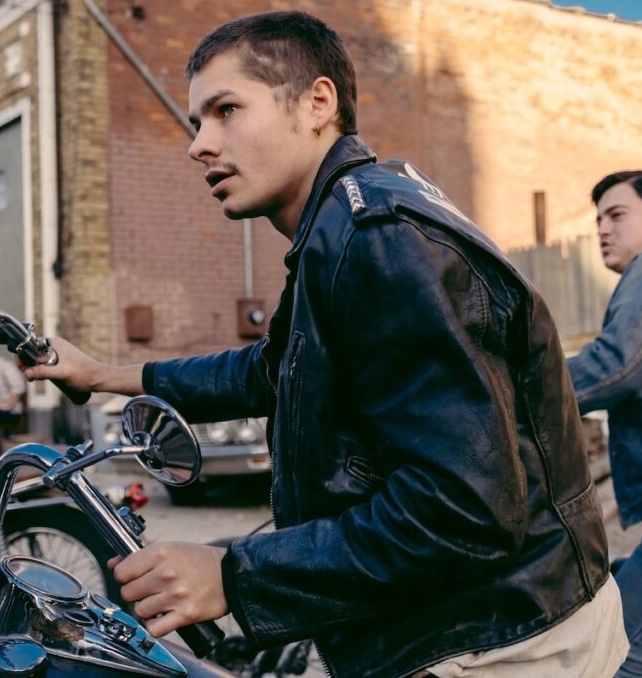
In Jeff Nichols’ film, we see Danny (Mike Faist) conducting a series of interviews with Kathy (Jodie Comer). She’s the long-term girlfriend of Benny (Austin Butler), a member of `The Vandals’, a Chicago-based group of bike enthusiasts, created and led by Johnny (Tom Hardy). In its early days, the group has a rigid code of honour that none of its members will ever ignore. Indeed, when we first encounter Benny, he’s about to be badly beaten up by a couple of rednecks when he refuses to remove his ‘colours’ in a local bar.

But as the years move on and the Vandals’ numbers inevitably begin to swell, that original code becomes increasingly muddied by the raft of newcomers, each with their own agenda. They include The Kid (Toby Wallace), a tough young wannabe, who has set his sights on joining up and who isn’t about to let anything stand in his path.

While The Bikeriders is light on plot, it’s loaded with characterisation. Comer is extraordinary as Kathy, who chronicles the group’s history in an eerily impressive midwestern accent; and Hardy too is eminently watchable as their leader, channeling early Marlon Brando (at one point we even see Johnny watching The Wild One and virtually taking notes). He’s somewhat mystified to discover that the Vandals are increasingly like a runaway train that, once kicked into life, proves impossible to stop. As Benny, Butler has very little in the way of dialogue, but his chain-smoking, smouldering presence makes it easy to understand why Kathy is so obsessed with him.

The other members of the gang have their own opportunities to shine. Nichols’ regular muse, Michael Shannon, is effective as the dim-witted Zipco, a man who has been repeatedly passed over by society since childhood and who has found his spiritual home amongst this gang of misfits – and Emery Cohen is also effective as Cockroach, who is destined to ride a motorcycle in the future for an entirely different reason. The 60s and 70s settings are convincingly evoked and fans of vintage motorcycles will doubtless be drooling at the sight of scores of bikes thundering in formation along the highways. But the tone of the film is essentially an elegy, a lament for the many ways in which an original idea can be twisted and debased until its original aims have all but vanished.

This won’t be for everyone. There’s no denying that it glamourises thuggery and, with a running time of nearly two hours, it could perhaps have benefitted from a tighter edit, especially around its flabby midsection. Nichols has spent the best part of twenty years putting the film together and it feels very much like a labour of love. Those looking for thrills and action might prefer to look elsewhere. But if it’s classy performances you’re after, you’ve definitely chosen the right vehicle.

3. 8 stars

Philip Caveney

The End We Start From

21/01/23

Cineworld, Edinburgh

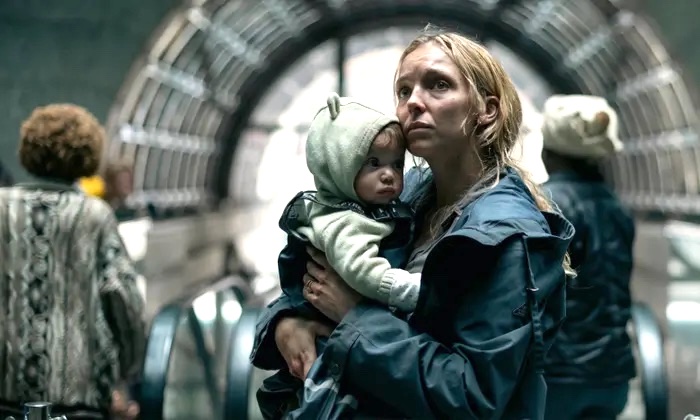
The End We Start From – with a screenplay by Alice Birch based on the novel by Megan Hunter – comprises two distinct stories in a single telling. On the surface, we have the literal tale of an apocalyptic flood rendering much of the UK uninhabitable. Underneath, there is a metaphorical account of a new mother drowning under pressure.

Directed by Mahalia Belo and starring Jodie Comer, the allegory is not subtle. As the Woman takes a bath and caresses her heavily-pregnant belly, the camera inverts: her whole world is about to be turned upside down; as the Woman’s water breaks, so the flood smashes through her kitchen window, engulfing her and changing everything. She’s nameless, billed only as ‘Woman’; she is clearly supposed to be an archetype, a universal Everymother.

But it doesn’t need to be subtle. This works.

Comer is luminous; she has that elusive quality we used to call the ‘X’ factor until the phrase was hijacked by Simon Cowell’s karaoke nights. The camera loves her, and she is a truly talented actor. The supporting cast (especially Joel Fry as her partner and Katherine Waterston as her friend) are great, but there’s no doubting whose movie this is. Comer imbues the Woman with a strong, relatable character, fighting for survival against the odds.

Birch’s script is spare and under-stated – and therefore terrifyingly believable. This isn’t a Zombie flick, where everyone suddenly becomes feral, but the prospects are just as bleak; this climate disaster is devastating but credibly so. People are flooded out of their homes so they take to their cars in search of somewhere safe. Before long, the roads are blocked; towns and villages on higher ground close ranks, scared of sharing and losing what they have. Shelters are set up, but spaces are limited. In the midst of all this is the Woman, wide-eyed with the shock of having just given birth, frightened for herself and for her baby. And desperate people do desperate things…

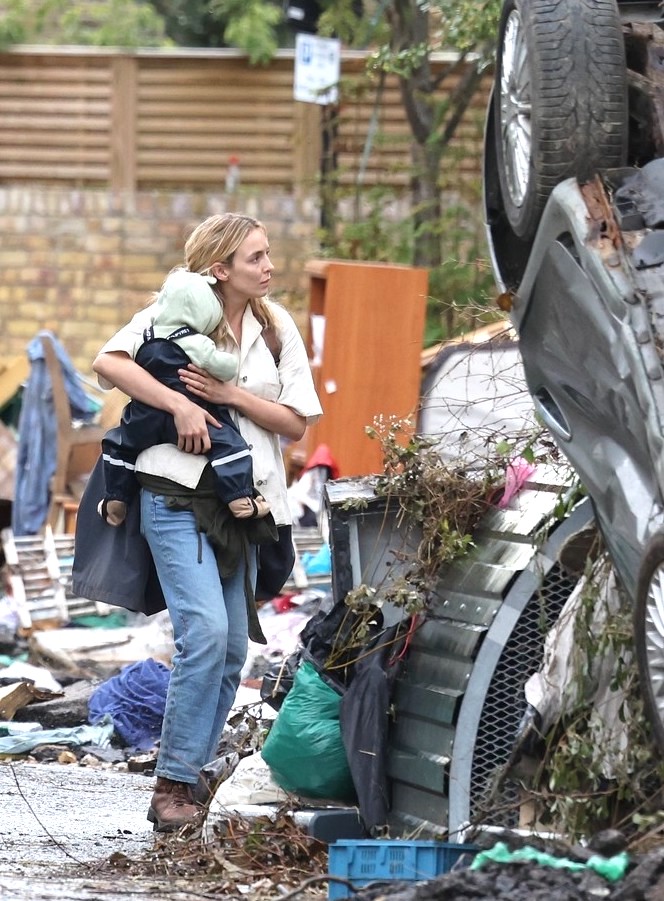
Belo’s low-key direction cleverly magnifies this awful plausibility. She never lingers on the violence we know is out there, its menace amplified by the fact it’s just out of sight. The aftermath of a broken, waterlogged London emerging from the storm is especially affecting. The tempestuous weather – beautifully, even languorously, shot by Suzie Lavelle – feels like a warning, a case of ‘when’, not ‘if’. We can almost feel the strength of nature and our powerlessness against it.

Indeed, emerging from the cinema into the wild wind and rain of Storm Isha, the storyline seems scarily prescient as we battle our way home.

4.3 stars

Susan Singfield

Theatre Bouquets 2022

After the slim pickings of the last two years, 2022 feels like a palpable return to form: finally, emphatically, theatre is back! We’ve relished the wide range of productions we’ve seen over the year. As ever, it was difficult to choose our particular favourites, but those listed below have really resonated with us.


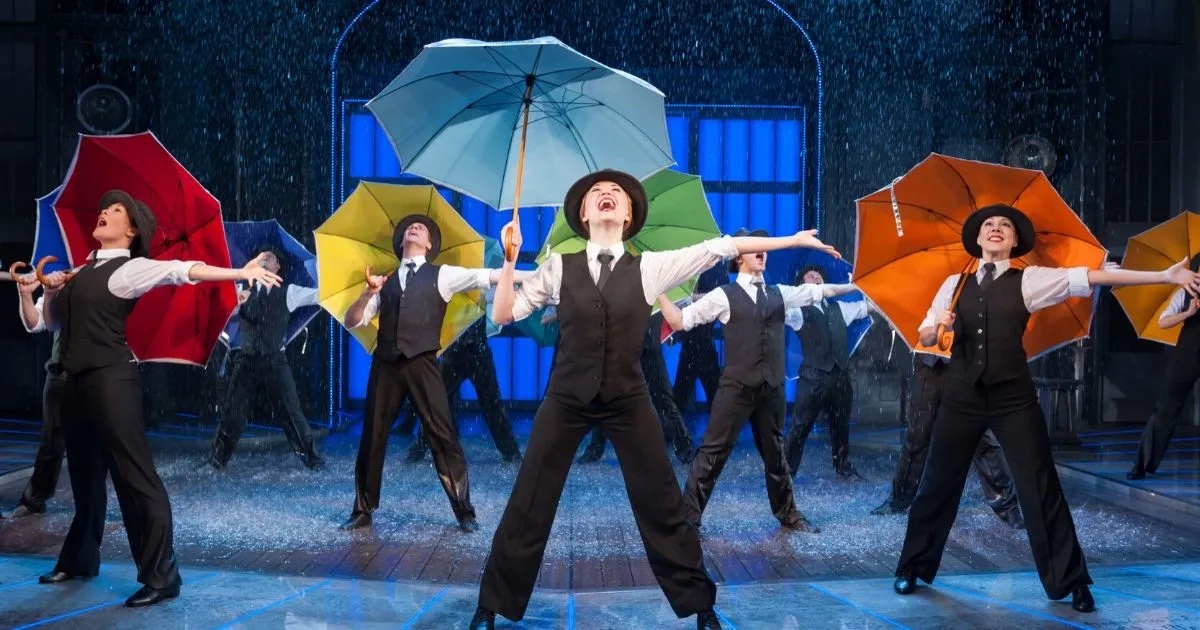
Singin’ in the Rain (Festival Theatre, Edinburgh)

Singin’ in the Rain is a delight from start to finish. It never falters, never loses pace and manages to honour the great film that inspired it. One of the most supremely entertaining shows I’ve seen in a very long time. Slick, assured, technically brilliant – it never puts a hoof wrong.

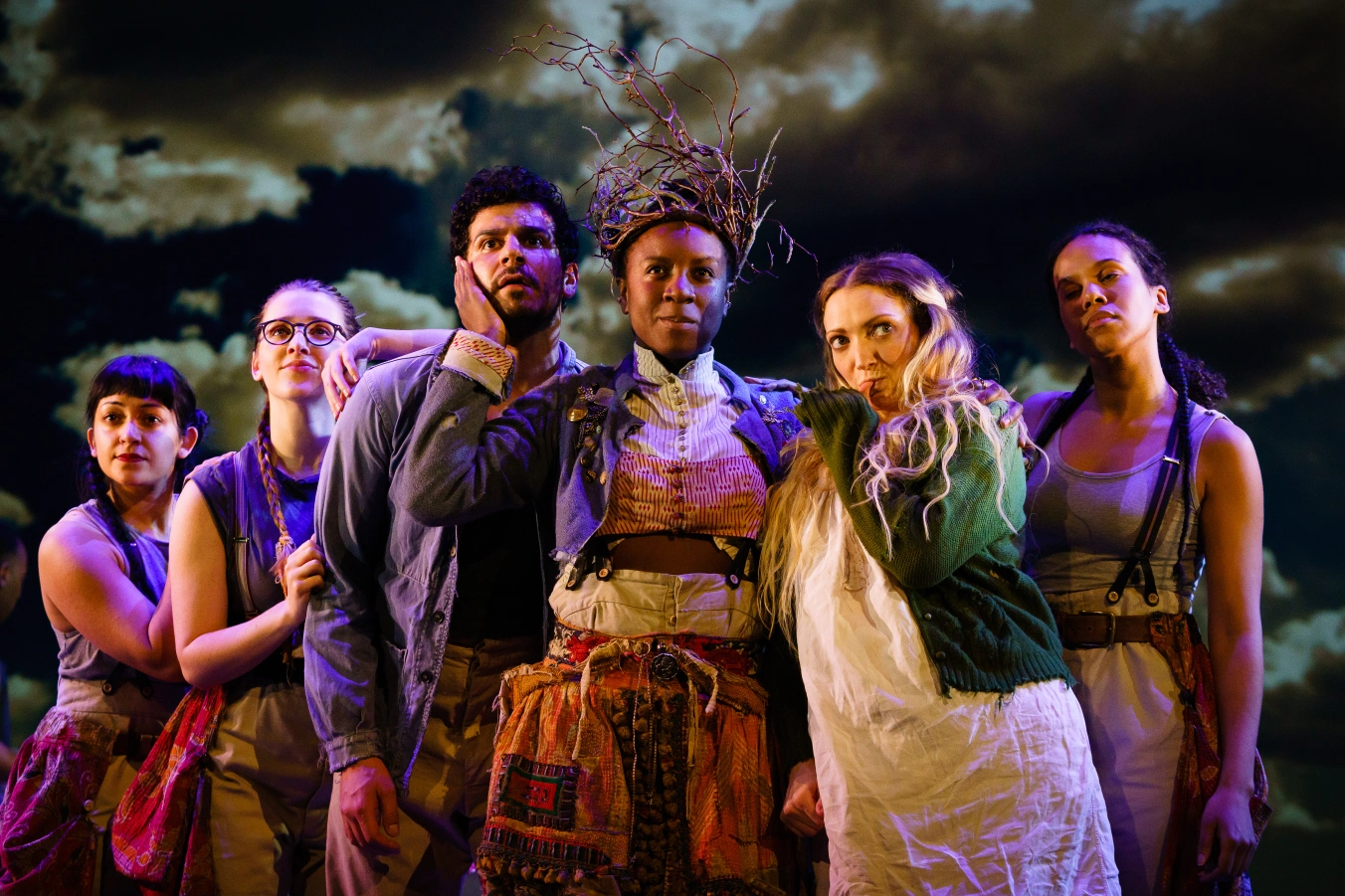
Wuthering Heights (King’s Theatre, Edinburgh)

In this Wise Children production, Emma Rice strips Wuthering Heights down to its beating heart, illuminates its essence. This is a chaotic, frenzied telling, a stage so bursting with life and energy that it’s sometimes hard to know where to look. It’s dazzling; it’s dizzying – and I adore it. 

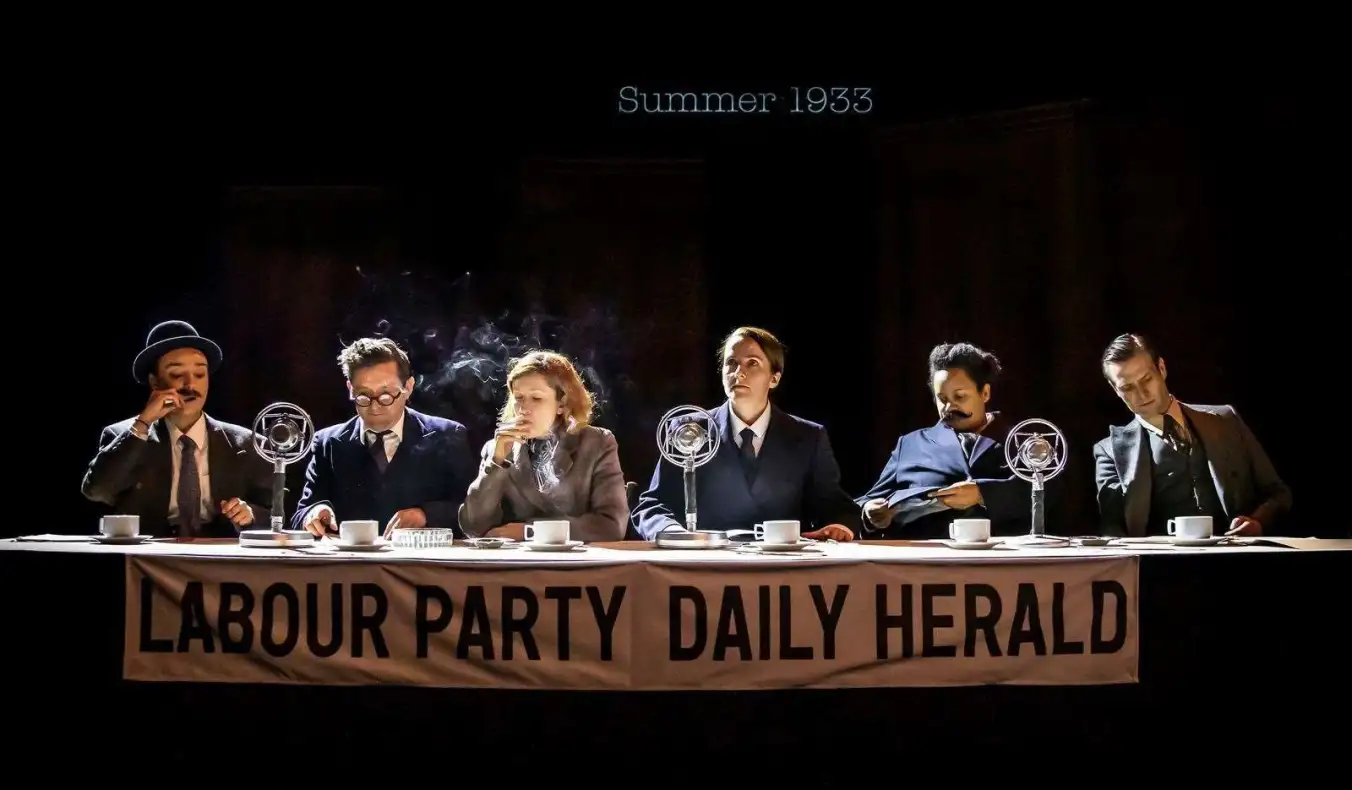
Red Ellen (Lyceum Theatre, Edinburgh)

Red Ellen is a fascinating tale, ripped from the pages of political history. Wils Wilson’s propulsive direction has Ellen hurtling from one scene to the next, which keeps the pot bubbling furiously.

Prima Facie (NT Live, The Cameo, Edinburgh)

This is a call to action that walks the walk, directly supporting The Schools Consent Project, “educating and empowering young people to understand and engage with the issues surrounding consent and sexual assault”. It’s also a powerful, tear-inducing play – and Jodie Cromer is a formidable talent.

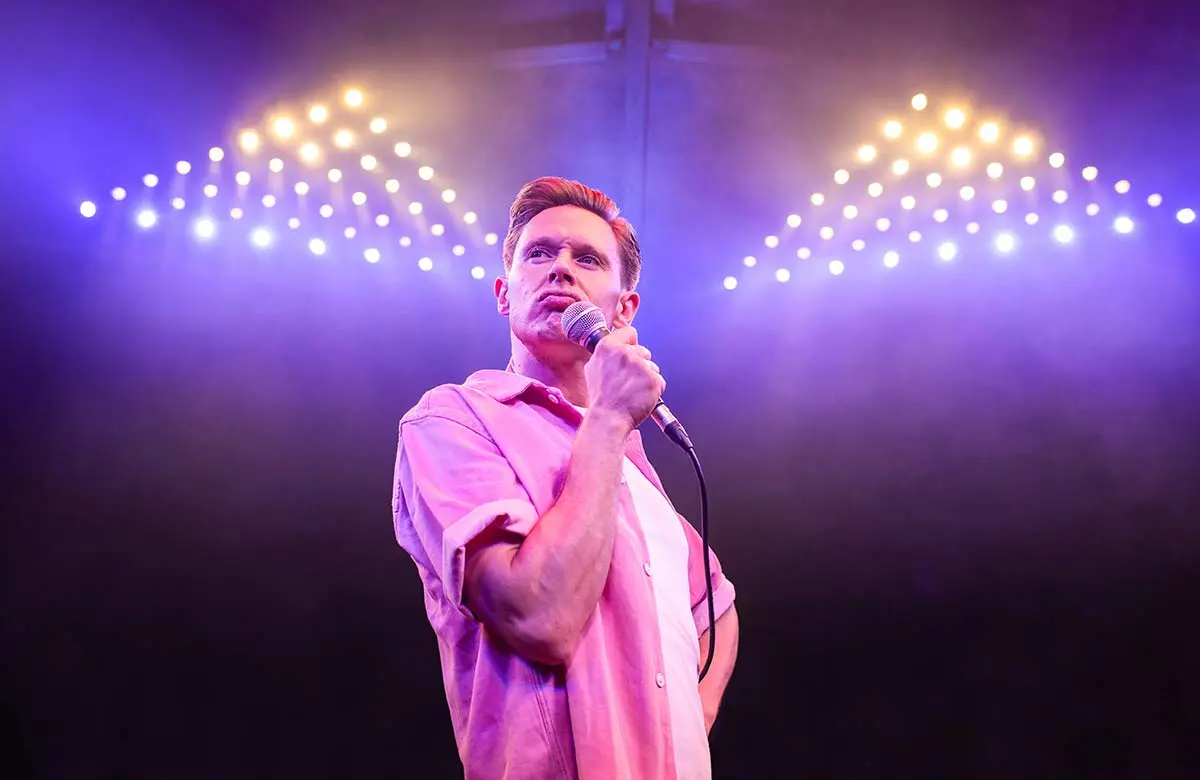
Feeling Afraid as if Something Terrible is Going to Happen (Roundabout @ Summerhall, Edinburgh)

Samuel Barnett inhabits his role completely, spitting out a constant stream of pithy one liners and wry observations with apparent ease. Marcelo Dos Santos’ script is utterly compelling and Matthew Xia’s exemplary direction ensures that the pace is never allowed to flag.

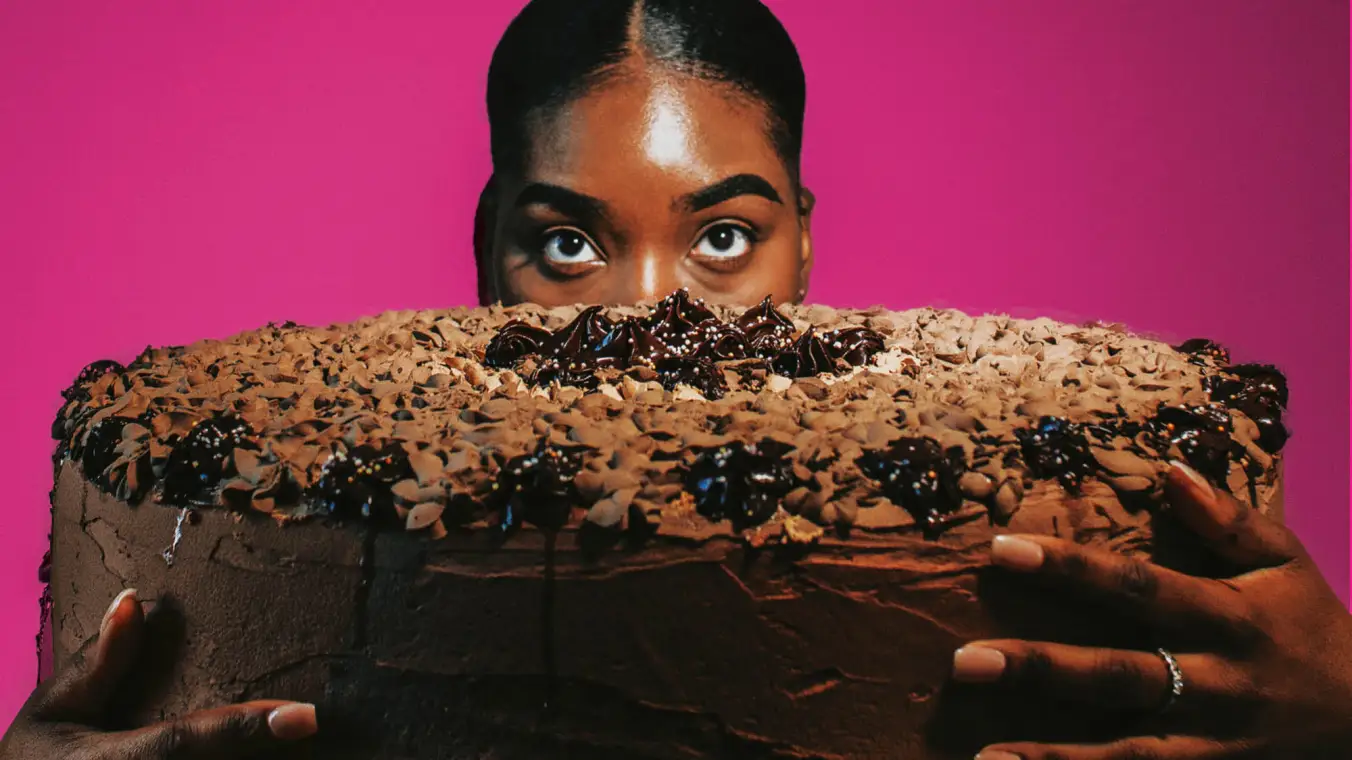
Hungry (Roundabout @ Summerhall, Edinburgh)

This sharply written two-hander examines the relationship between Lori (Eleanor Sutton), a chef from a relatively privileged background, and Bex (Melissa Lowe), a waitress from the local estate. This is a cleverly observed exploration of both class and race, brilliantly written and superbly acted. Hungry is a class act, so assured that, even amidst the host of treasures we saw at this year’s Roundabout, it dazzles like a precious gem.

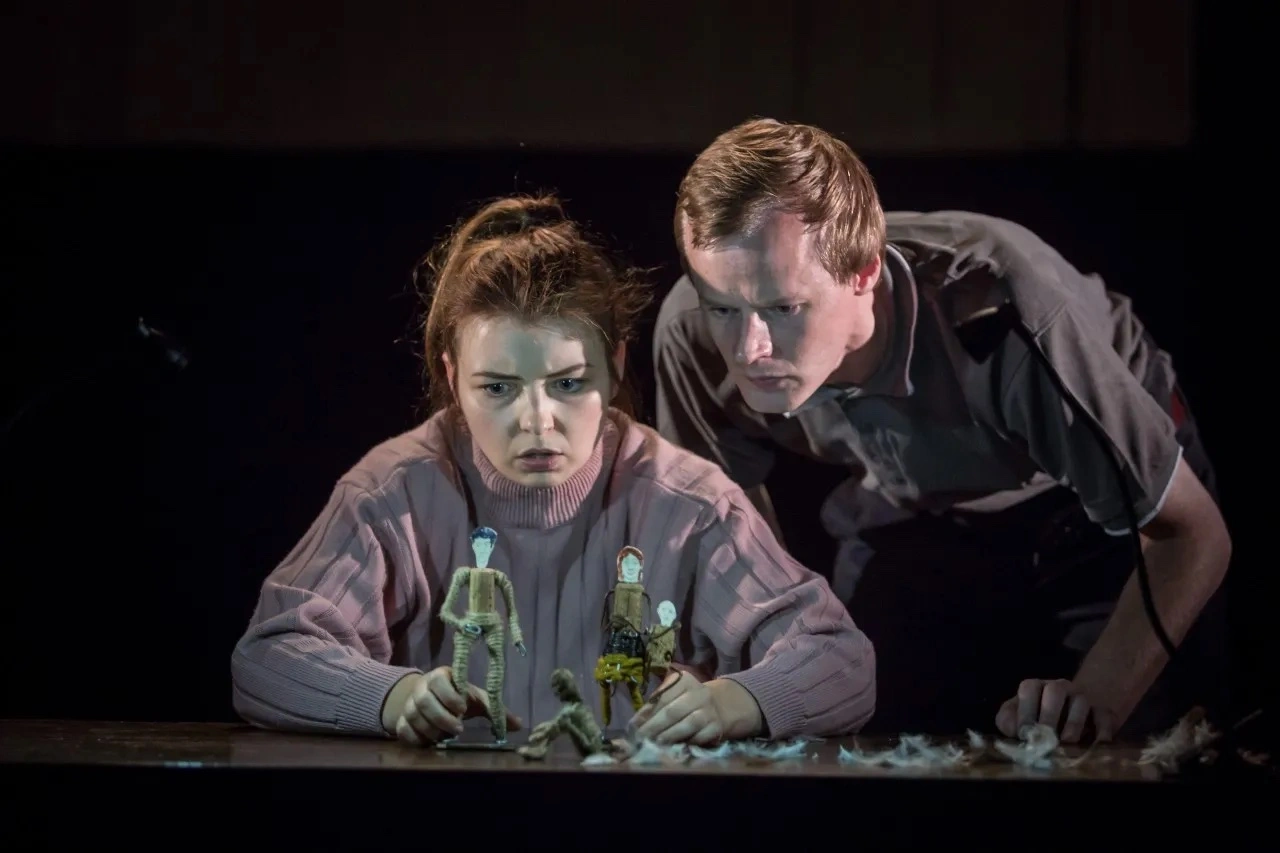
A Very Old Man With Enormous Wings (Summerhall (Main Hall), Edinburgh)

It’s hard to encapsulate what makes this such a powerful and moving experience, but that’s exactly what it is – a spellbinding slice of storytelling, so brilliantly conceived and engineered that it makes the incredible seem real. You’ll believe a man can fly.

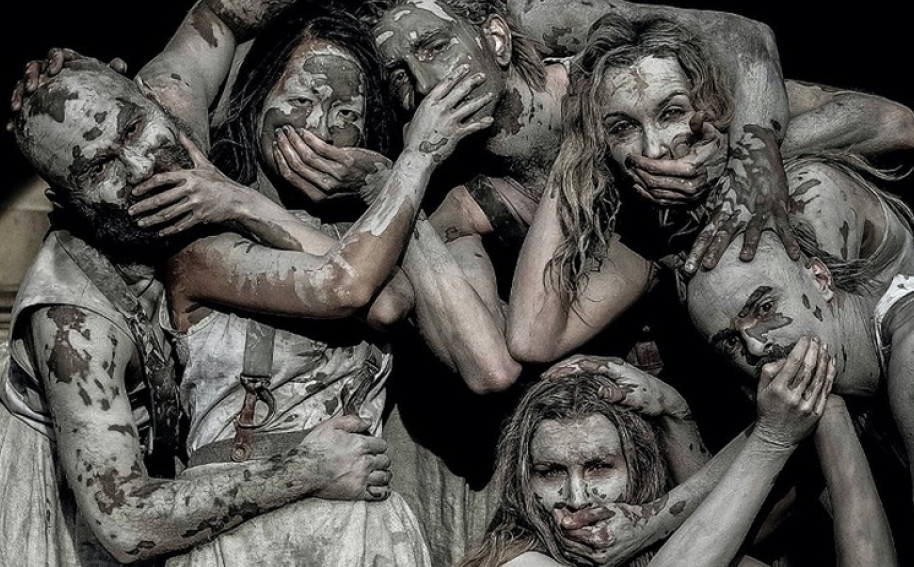
The Tragedy of Macbeth (Assembly Roxy, Edinburgh)

Let’s face it, we’ve all seen Macbeth in its various shapes and guises – but I think it’s fairly safe to say we’ve never seen it quite like this. This raucous, visceral reimagining of the story captures the essence of the piece more eloquently than pretty much any other production I’ve seen.

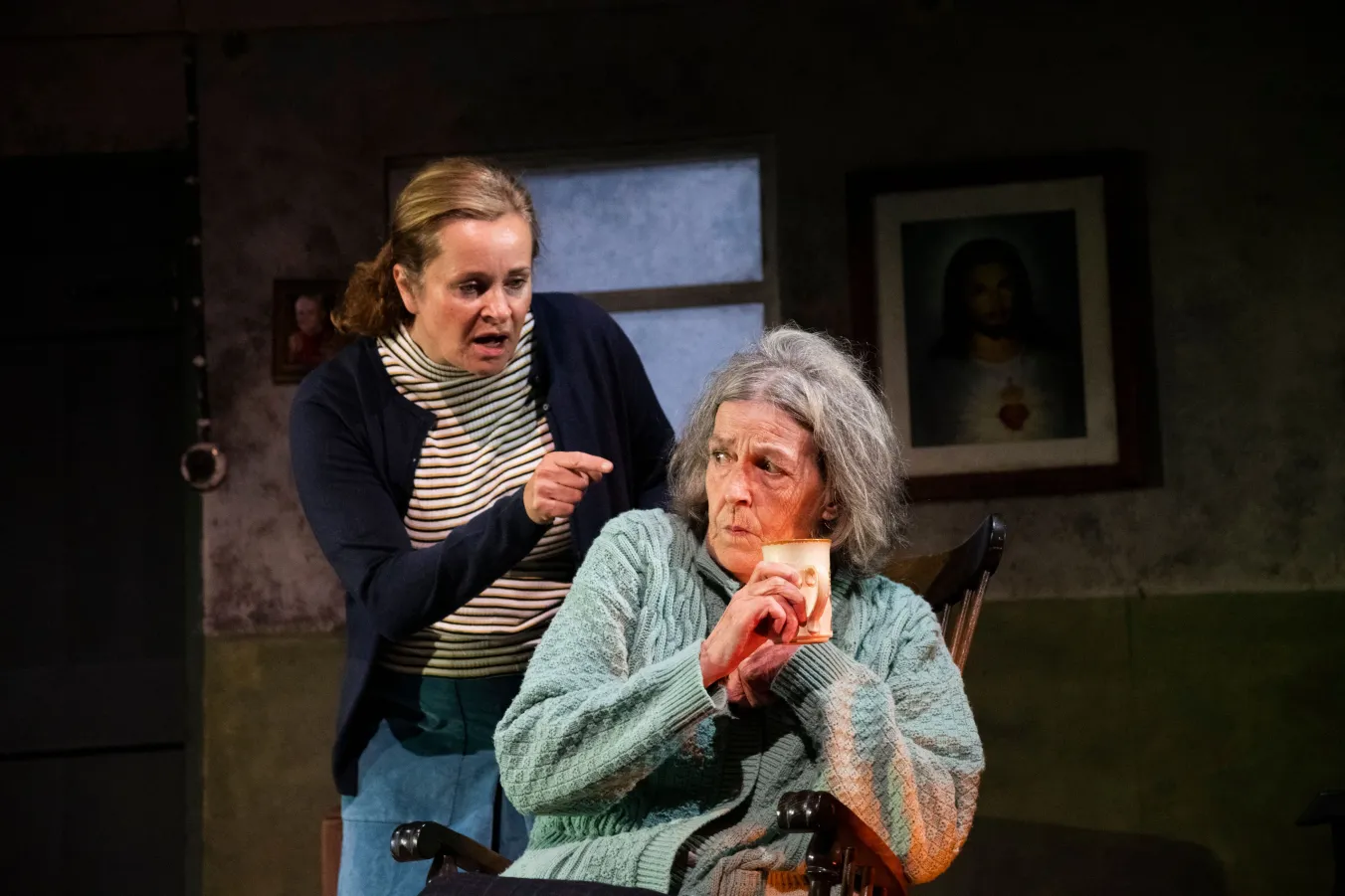
The Beauty Queen of Leenane (Traverse Theatre, Edinburgh)

This was Martin McDonagh’s debut piece and, while it might not have the assuredness of his later works, it nonetheless displays all the hallmarks of an exciting new talent flexing his muscles. The influence of Harold Pinter is surely there in the awkward pauses, the repetitions, the elevation of innocuous comments to a weird form of poetry – and the performances are exemplary.

Don’t. Make. Tea. (Traverse Theatre, Edinburgh)

Don’t. Make. Tea. is a dystopian vision of an all-too credible near future, a play laced with dark humour and some genuine surprises. Cleverly crafted to be accessible to the widest possible audience, it’s an exciting slice of contemporary theatre.

Susan Singfield & Philip Caveney

Prima Facie

21/07/22

NT Live, The Cameo, Edinburgh

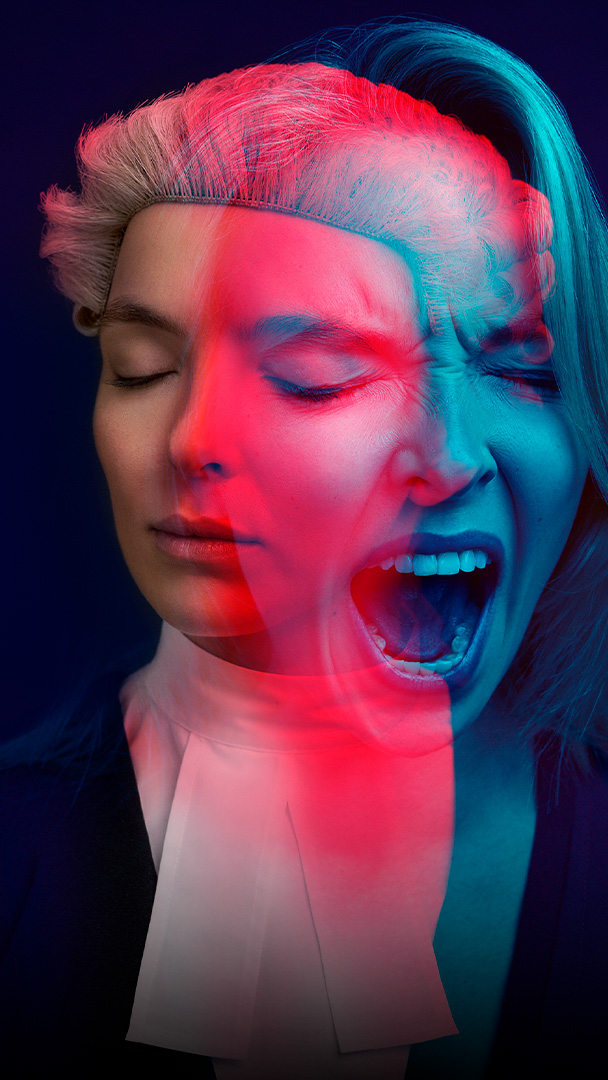
It is a truth universally acknowledged that Jodie Comer is a formidable talent, and I am more than happy to add my voice to the fangirl choir. Not only is she a chameleon, she’s also bristling with charisma, and she’s perfectly cast to play this complex, demanding role. The only difficulty is in believing this is her stage debut – because she seems born to it. She is a theatrical tour de force.

Prima Facie is, essentially, a feminist polemic, and a much-needed one. Art, as Aristotle sort of said, is multi-purpose, and can be used to educate as well as simply entertain. And boy, do we need educating. In the UK, a shocking 99% of reported rapes don’t even make it to court, and – of those that do – fewer than a third lead to a guilty verdict. When we take into consideration the enormous number of sexual assaults that are never reported at all (an estimated 83%), there’s only one conclusion to draw: the system isn’t working. Rape is a horrendous crime, but it’s one you’re likely to get away with.

Australian playwright Suzie Miller is on a mission to address this. She used to be a criminal defence lawyer, specialising in human rights, and she realised then that something was amiss. The law, she says, is built on assumptions that don’t acknowledge the realities of rape, without any real understanding of what consent looks like in practice, nor of how a victim might present. And so Prima Facie, directed by Justin Martin, comes howling into the void, forcing us to consider the urgency of change. The sold-out run at London’s Harold Pinter theatre, and the packed live-streamings at cinemas across the land, suggest there’s a lot of support for the idea (as well as a lot of Killing Eve fans, of course).

Comer plays Tessa, a brilliant young woman, who’s made it against the odds. Her first battle – as a state-educated Scouser – was getting into Cambridge law school; her second was graduating; her third becoming a barrister. She’s on the up, winning, sniggering at a young wannabe who asks of a rapist, ‘But is he guilty?” – because objective truth isn’t what she seeks. It’s “legal truth” that matters, which lawyer is best at playing the game. And she’s a fine player, one of the best. Lots of accusees are walking free because of her.

Until, one day, Tessa is raped. It’s a messy, complicated case, the type she knows she’ll never win. She was drunk; she’d had sex with the perpetrator before; she hasn’t any evidence. The whole legal edifice – the thing she’s dedicated her life to – comes crumbling down; the scales fall from her eyes. Her rapist will get off scot-free, thanks to someone like her, just doing their job. And the change in her is utterly and devastatingly believable. She’s always been determined. This might be a losing battle, but she’ll go down fighting.

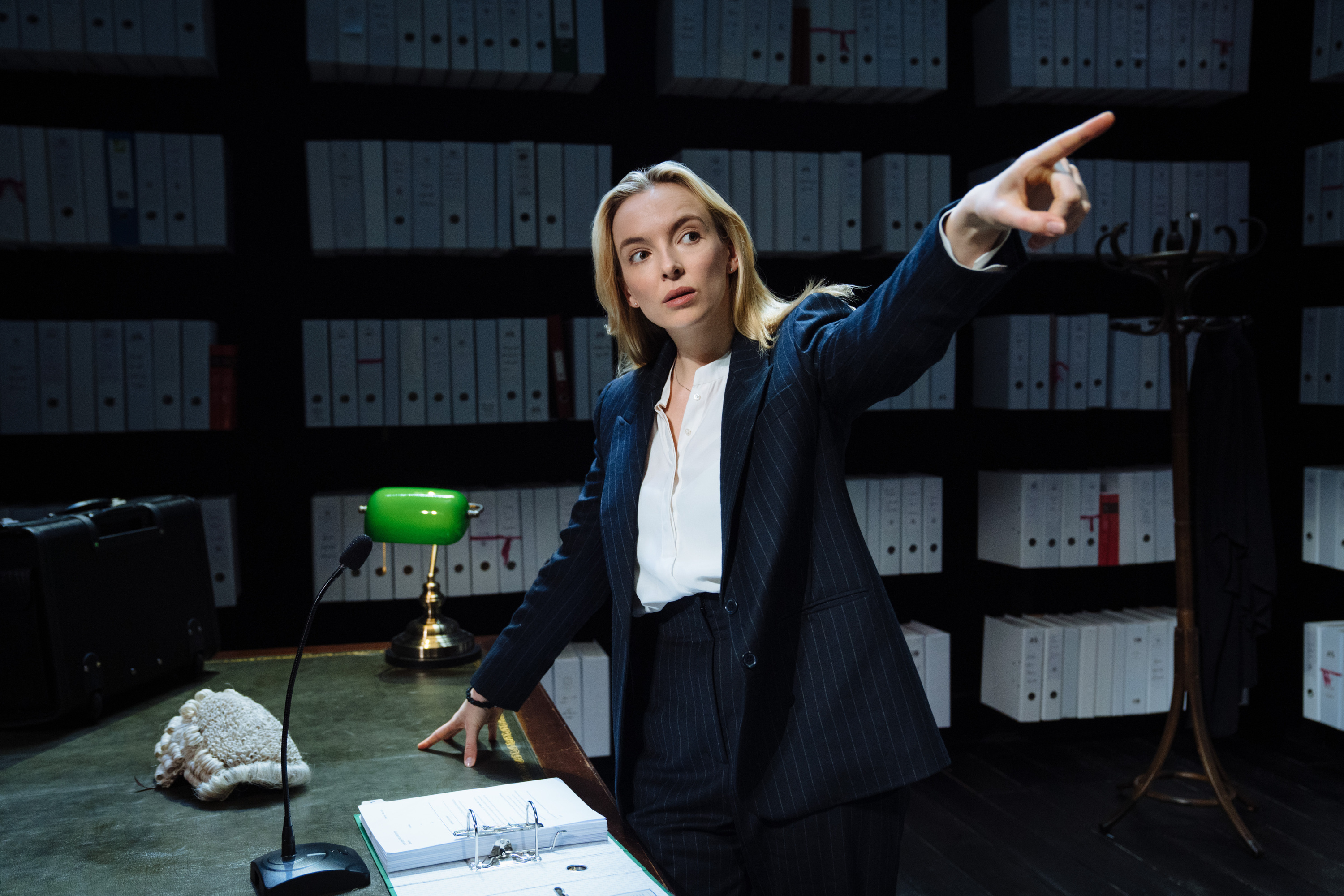
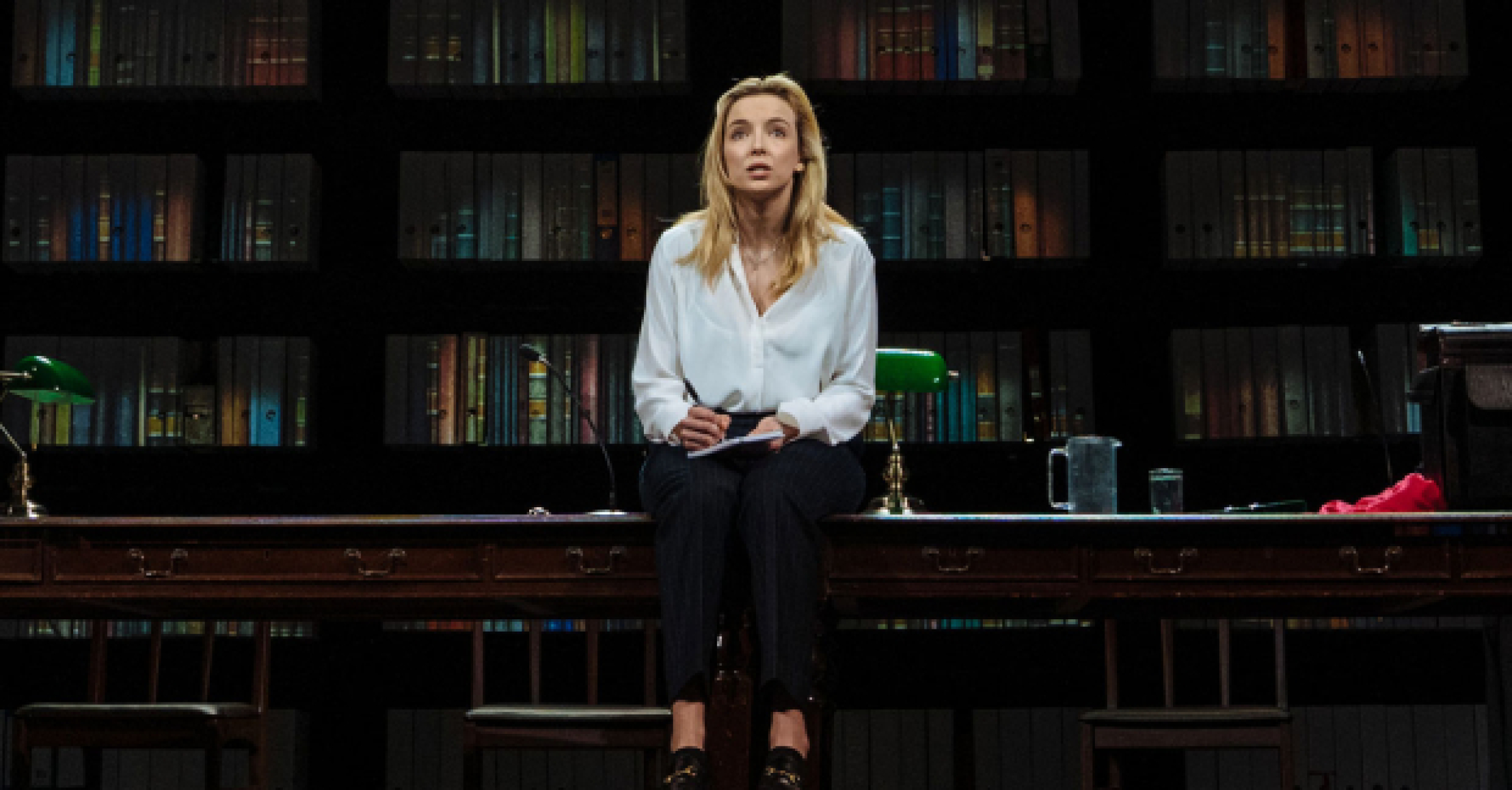
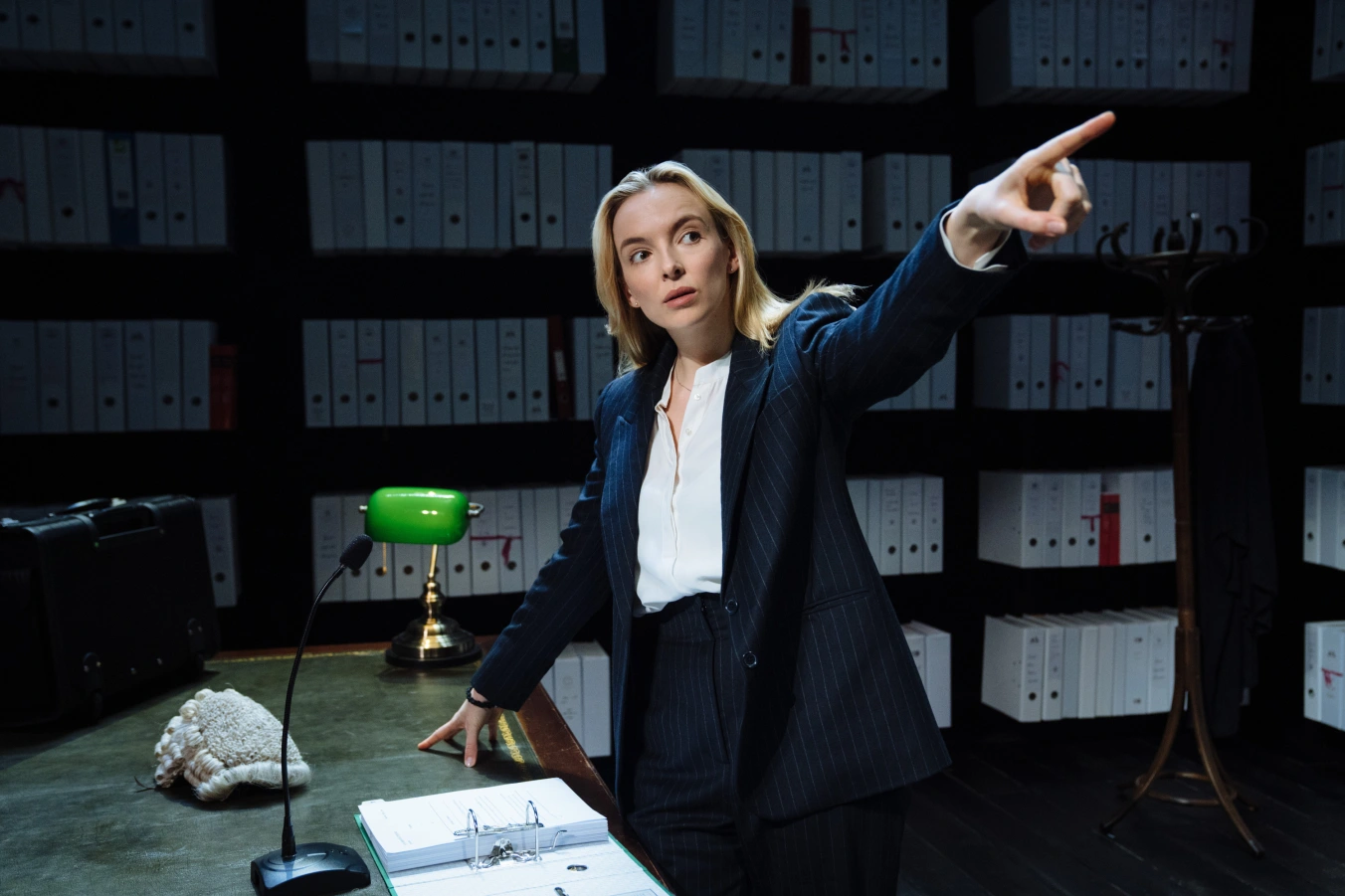
The staging (by Miriam Buether) is an interesting blend: the piece opens in the naturalistic confines of a stuffy, traditional chambers, but the tables are soon being utilised as a courtroom, the chair as a toilet; costume changes happen slickly, on stage: Comer is her own dresser, as well as her own stage hand. Out on the street, after the assault, rain falls almost literally on her parade, washing away her former swagger. The lights change, the stage becomes a suffocating black box, and a projected calendar reveals the shocking truth of just how many days it takes to get your case to court. Years are lost.

The score, composed by the ever-fabulous Self-Esteem (Rebecca Lucy Taylor) perfectly complements the piece – it’s an intelligent marriage of art forms.

I won’t reveal whether Tessa wins; you can consider the statistics and place your bets. What she does do is deliver a final speech that, while it isn’t necessarily believable, is a perfect piece of wish-fulfilment. It’s all the conversations she’s had in her head during the three years she’s been waiting; it’s her fantasy moment, raising her voice and finally being heard.

This is a call to action that walks the walk, directly supporting The Schools Consent Project, “educating and empowering young people to understand and engage with the issues surrounding consent and sexual assault”. It’s also a powerful, tear-inducing play.

More, please.

5 stars

Susan Singfield
The Last Duel

16/10/21

Cineworld, Edinburgh

You have to hand it to Ridley Scott. At an age when most people are seeking nothing more than a mug of Horlicks and a pair of comfy slippers, he’s still creating big, powerful movies at a rate that would make most younger directors quail. Lurking just over the cinematic horizon is The House of Gucci, but meanwhile there’s The Last Duel, a powerful slice of true history, that unfolds its controversial story over a leisurely two hours and thirty-two minutes. Set in France in the fourteenth century, it relates the story of the last official duel ever fought there.

After years of military service in various wars under the sponsorship of Count Pierre d’ Alençon (Ben Affleck), Sir Jean de Carrouges (Matt Damon) is struggling to maintain his house and lands, after the death of his wife. So he marries Marguerite de Thibouville (Jodie Comer), the daughter of a disgraced but prosperous landowner. As part of the dowry, Jean is promised an area of land he’s long coveted, so he’s understandably miffed when Pierre takes control of it and gifts it to his squire, Jacques le Gris (Adam Driver), a former friend of Jean’s.

A powerful rivalry develops between the two men – a rivalry that finally culminates in Jacques visiting Jean’s castle in his absence and raping Marguerite. Jacques denies the allegation – in his self-aggrandising mind, Marguerite was attracted to him and therefore there was no rape. She meanwhile insists on speaking out against her assailant in an age when women in such situations were advised to keep quiet about such matters for their own safety.

Jean demands that Jacques meets him in mortal combat, and that God should decide who is telling the truth – but the consequences of him losing the fight are severe to say the very least. Marguerite will be burned alive if God judges her to be a liar.

The message here is inescapable. In a world where toxic masculinity holds sway, a woman’s word is worth nothing. She is expected to obey her husband in all matters and keep her mouth firmly shut, just as Jean’s mother, Nicole (Harriet Walter), had to when she was younger. It’s sad to observe that, many centuries later, this situation hasn’t improved as much as it should have done. Only recently, certain commentators in America have insisted on holding to the medieval belief that a woman cannot become pregnant through rape. It beggars belief but it’s still out there.

The Last Duel is told, Rashomon style, in three separate chapters, each one seen from the point of view of one of the leading characters. Often we see the same scene replayed with sometimes subtle, sometimes jarring differences. It’s not until we reach the final stretch that we witness Marguerite’s account of what actually happened to her and there’s no doubt in our minds that hers is the one we ought to believe. The script by Damon, Afflick and Nicole Holofcener, based on the novel by Eric Jager, is perfectly judged and a quick perusal of the actual events reveals that the writers have been assiduously faithful to what happened. Both Damon and Driver excel as men driven by their own overbearing sense of privilege, while Comer dazzles in every frame, clearly a woman on the verge of becoming a major star of the big screen. Little wonder that Scott has lined her up to play Josephine in his upcoming Napoleon biopic.

This is serious, grown-up filmmaking of a kind that’s sadly all too rare in a cinema dominated by cartoonish fantasy films. Scott has always excelled in recreating history on an epic scale and The Last Duel doesn’t disappoint. The big screen virtually explodes with a whole series of magnificent set pieces. Here is a medieval world that convinces down to the final detail, one that looks and feels thoroughly believable. And is there any other director who can depict medieval warfare in such brutal, unflinching detail? For once, the film’s 18 certificate feels entirely appropriate. I find myself gasping at just about every sword, axe and hammer blow.

The Last Duel won’t be for everyone, but for me it provides a visual feast with a compelling and fascinating story – and reinforces my belief that Ridley Scott is one of cinema’s most enduring and most versatile talents.

4.6 stars

Philip Caveney