Jessie Buckley

Wild Rose

20/03/25

Lyceum Theatre, Edinburgh

Rose-Lynn Harlan (Dawn Sievewright) has a dream: to appear on the stage of Nashville’s legendary Grand Ol’ Opry, belting out a country song – not a country and western song, mind you. It’s an important distinction. So, being banged up in prison for a year wasn’t part of the grand ol’ plan – but now she’s served her time and is finally able to head back to her mum, Marion (Blythe Duff), who has been dutifully looking after Rose-Lynn’s two young children, Lyle (Leo Stephen) and Wynonna (Jessie-Lou Harvie).

Rose-Lynn is dismayed to find that her kids have become disaffected by her long absence and that their former trust in her has been all but eroded. What’s more, they view her long-cherished dream as selfishness. And that’s not all that has changed. When she calls in at the Grand Ol’ Opry, Glasgow – where she previously had a residency – she discovers that her regular slot has been handed to the dreaded Alan Boyne (Andy Clark), a long-haired carpet fitter with a sideline as a charisma-free country singer.

Desperate to keep her head above water, Rose-Lynn takes a part-time post as a cleaner, working for the highly-privileged Susannah (Janet Kumah). She’s a go-getter and, once she’s heard Rose-Lynn sing, she becomes determined to put her in touch with legendary DJ Bob Harris, who Susannah believes might be able to offer some good advice.

Rose-Lynn realises that her long-cherished ambitions are still burning as fiercely as ever…

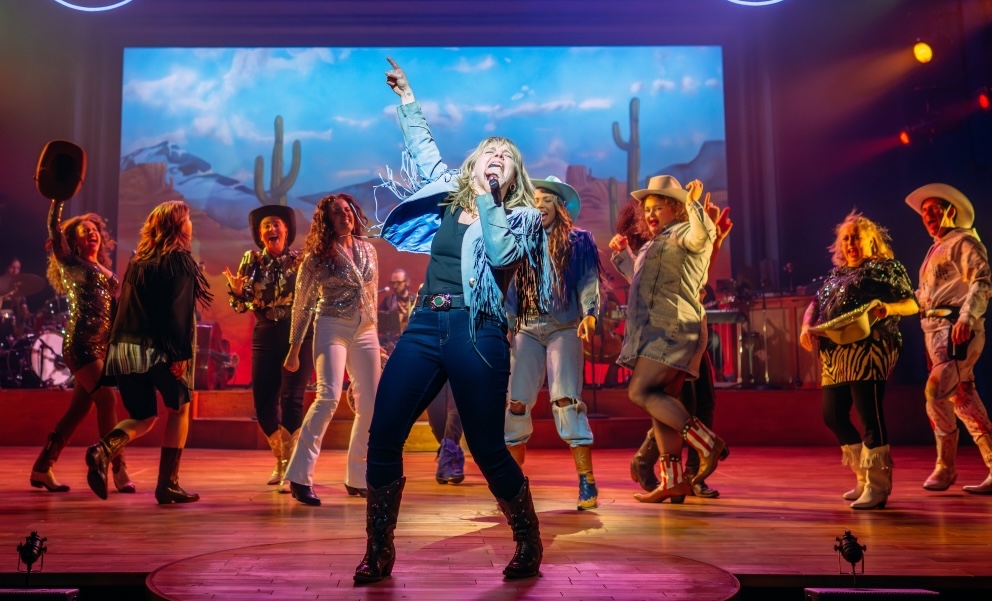
This assured version of the 2018 film (adapted by its original screenwriter, Nicole Taylor) makes a seemingly effortless transition to the stage. A prison-set opening where Rose-Lynn and her fellow inmates launch headlong into a propulsive rendition of Country Girl sets the tone perfectly, with Sievewright stepping into Jessie Buckley’s cowboy boots with absolute authority. An eight-piece band ranged across the back of the stage performs a varied selection of numbers, from banging rockers to lilting, steel-guitar layered ballads. And it’s not just Sievewright supplying the singing.

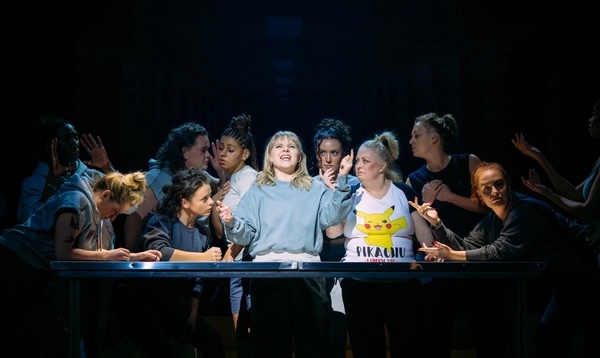
As bar-owner, Jackie, Louise McCarthy belts out her own fair share of raunchy vocals, Duff does a fabulous job with a haunting song of regret and even the two youngest members of the cast have the opportunity to shine as vocalists. Clark – who takes on a number of roles – proves himself an invaluable asset to the production, as does Hannah Jarrett-Scott, who appears as two (very different) characters.

Chloe Lamford’s simple but effective set design works beautifully alongside Jessica Hung Han Yun’s inventive lighting and Lewis den Hartog’s simple-but-effective video design. John Tiffany handles the directorial reins with absolute aplomb. It’s worth mentioning, I think, that Wild Rose will be the final production under David Greig’s eight-year spell as the Lyceum’s artistic director. He leaves on an impressive high note.

Wild Rose is a fabulously entertaining story about ambition and acceptance, anchored by a knockout performance from Dawn Sievewright. Anyone in search of an uplifting night at the theatre will find it here. And you don’t have to be a die-hard country fan to enjoy this fabulous show.

5 stars

Philip Caveney

Wicked Little Letters

19/02/24

Cineworld, Edinburgh

I’m primed to like Wicked Little Letters. With Olivia Colman, Jessie Buckley and Anjana Vasan as the triumvirate of talent at its helm, what could possibly go wrong?

And yet I find myself struggling to warm to this film. Despite fine performances from the three leads, as well as a stellar supporting cast (including Timothy Spall, Joanna Scanlan and Alisha Weir), it feels somehow both heavy-handed and insubstantial.

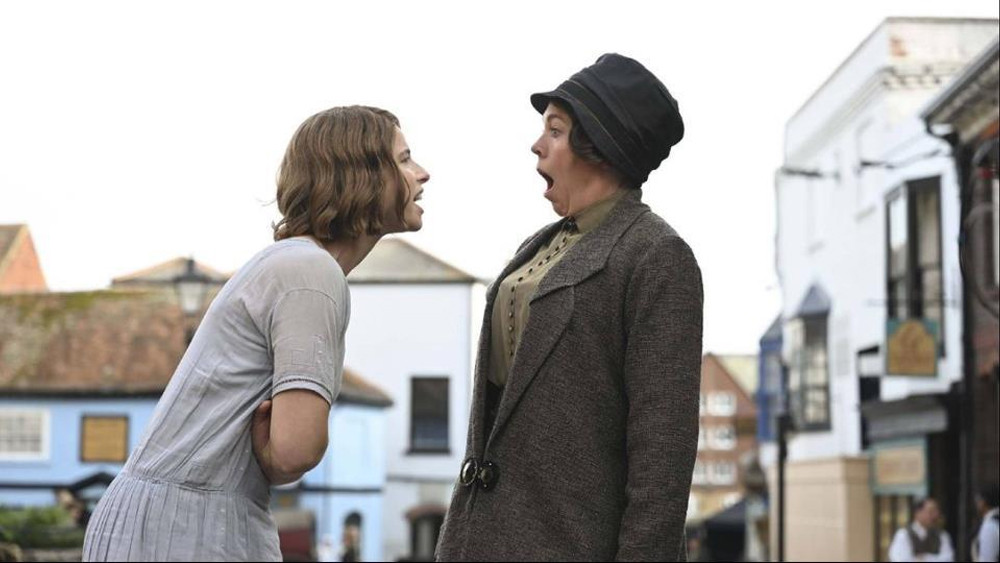
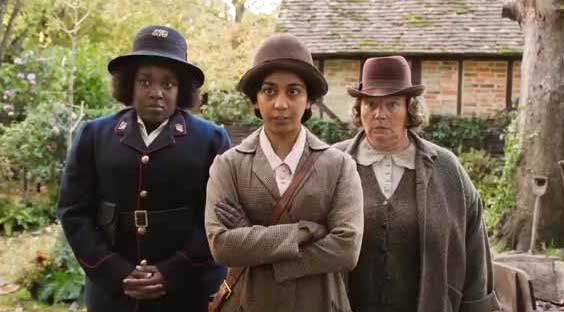
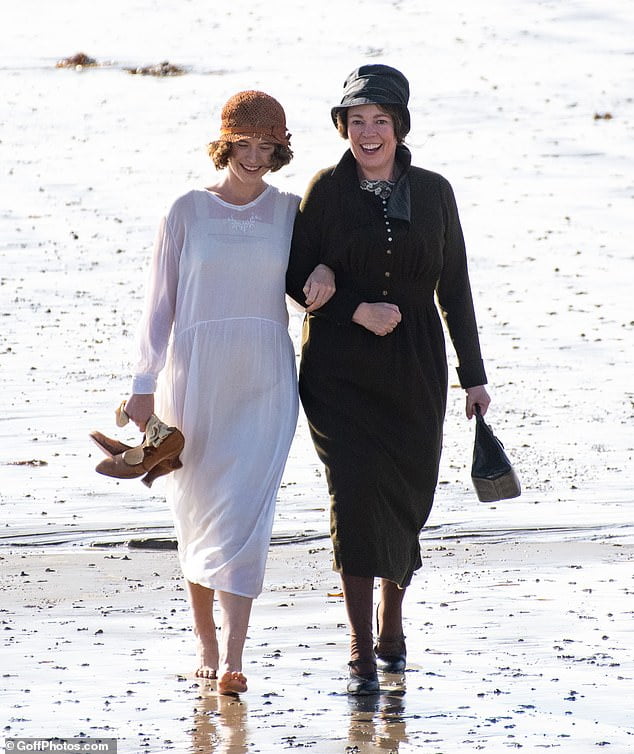
Set in 1920s Littlehampton, Wicked Little Letters is loosely based on a true story. Colman plays Edie Swan, a repressed spinster, unable to escape from her overbearing father (Spall). When a spirited Irish widow (Buckley) moves into the house next door – complete with daughter Nancy (Weir) and new partner Bill (Malachi Kirby) – Edie is delighted, but her friendship with Rose soon turns sour. Then Edie begins to receive poison pen letters, and the local bobbies know exactly where to lay the blame. But Woman Police Officer Gladys Moss (Vasan) thinks they may have jumped the gun…

To quote the very excellent Deborah Frances-White, “I’m a feminist, but…” the misogyny in this movie is cartoon-like, laid on with a proverbial trowel. At the same time, racial politics are completely ignored. I find it hard to believe that the same white male colleagues who openly sneer at Gladys because of her gender wouldn’t also have something to say about the fact that she’s Asian. Likewise, it’s incredible that Rose doesn’t face much anti-Irish prejudice, and no one ever mentions the fact that Bill is Black. I like the fact that the fictional characters are more diverse than their real-life counterparts, but intersectionality matters, and it doesn’t make sense to ignore it here.

At first, I enjoy the humour in Jonny Sweet’s script, but I get bored of the whole “sad stinky fucking foxy arsehole” sweariness; it’s repetitive and the shock value soon wears thin. Director Thea Sharrock does a good job of evoking a sense of time and place, and of allowing her cast to shine, but there’s no getting away from the thin material. It doesn’t help that there are no red herrings, or that what little suspense there is is squandered by revealing the culprit at the halfway point.

Colman, of course, is brilliant, managing to convey a perfect mixture of horror and triumph every time she utters a profanity – and this, along with Buckley’s brittle vivacity and Vasan’s wide-eyed determination, elevates the film. Wicked Little Letters works well as a character study, less so as a compelling narrative.

3.6 stars

Susan Singfield

Women Talking

15/02/23

The Cameo, Edinburgh

Sarah Polley’s Women Talking is an unusual film, in that it really is all in the words. It’s a film to listen to, rather than a film to watch. Based on the novel by Miriam Toews, itself based on a true story, it is billed as an ‘imagined response to real events’. This is, to my mind, both its strength and its weakness.

The real events are shocking: in Bolivia, between 2005 and 2009, more than a hundred girls and women were drugged and raped by the men in their Mennonite community. They were knocked out with cattle tranquillisers so that, when they woke up – bruised and bloody, pregnant and diseased – they didn’t really know what had happened, although terrifying fragments of memory sometimes surfaced. The men offered various explanations: they had been visited by ghosts or the devil; they were lying; they were hysterical. Eventually, two men were caught in the act; they gave other names, and eight were gaoled.

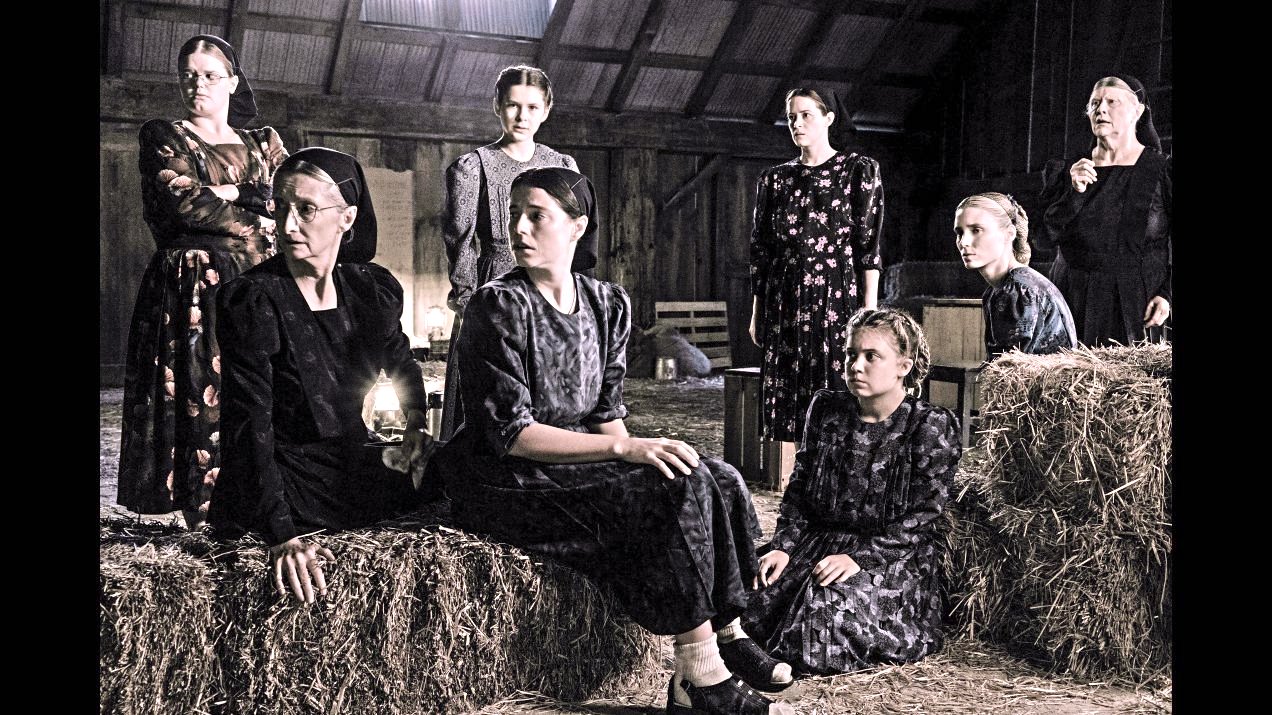
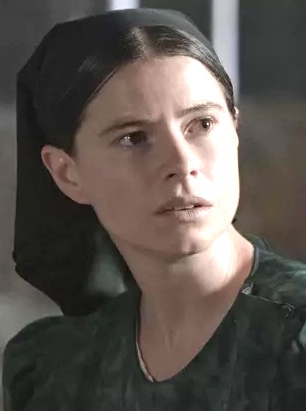
To their credit, neither the book nor the film dwell on the violence. We’ve all seen too many women brutalised on screen. Instead, they deal with the imagined aftermath. The story is moved to Canada; the collective victims ascribed characters and backstories. Rooney Mara is Ona, pregnant, but still radiating love. Clare Foy is Salome, with vengeance in her heart. Jessie Buckley is Mariche, minded to stay and try to forgive, because that’s what God decrees and she doesn’t want to be damned. All of the community’s men have gone to the city to post bail for the two who have been arrested, meaning that the women have forty-eight hours to make a decision. Do they stay and forgive? Stay and fight? Or leave, and start again?

There’s an attempt here at generating tension: the forty-eight hour deadline; the possibility that the women might be too timid to either fight or leave. But, in truth, this doesn’t really work. Who could doubt that these articulate, confident women would show their mettle when it came to it, that they wouldn’t do their utmost to protect their daughters?

The conversation is fascinating, incorporating far-reaching and nuanced questions about power, education, complicity and the role of an ally. I’m engrossed in the arguments. However, I can’t pretend I wouldn’t like a bit more dramatic drive, a bit more of a traditional story arc. Perhaps I wouldn’t feel this way if these were real testimonies – a verbatim piece would have more heft – but, as it’s fiction, I feel it’s asking a lot of an audience to sit through a film that could just as easily be a podcast or a radio play.

I’m glad that Polley has moved away from the book’s male narrator, August (Ben Whishaw), justified by Toews because women and girls in the Molotschna colony don’t learn to read or write. Given the subject matter, it seems like a no-brainer to silence him, so that he’s just the transcriber, and the story we hear is not filtered through a man’s perspective.

Despite my quibbles, there’s no doubting that these are strong, nuanced performances, imbued with dignity and pain, nor that the women talking need to be heard. It’s an important film. Just not, to my mind, an especially good one.

3.5 stars

Susan Singfield

Men

01/06/22

Cineworld, Edinburgh

What is it about writer/director Alex Garland? He’s a man who continually comes up with great ideas, but from his collected works, I’d be hard pressed to pick out one film that’s truly satisfying. Men is a good case in point. For a good two thirds of this atmospheric folk horror tale, I’m absolutely loving it.

But then…

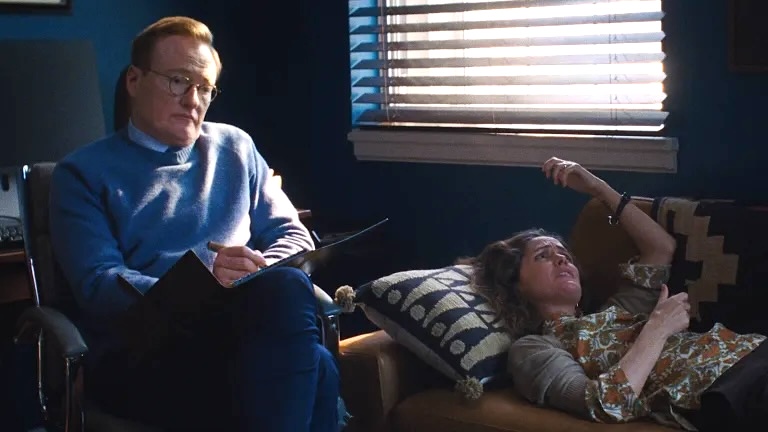
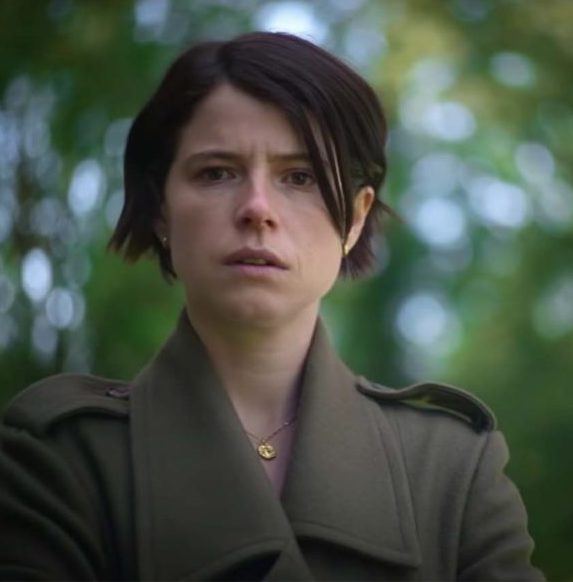
Harper (Jessie Buckley) has recently been through a tough time. She’s mourning her husband, James (Paapa Essiedu), and is haunted by the idea that he’s committed suicide because she wanted to divorce him. Badly in need of respite, she heads off to a remote country guesthouse in the hope that a bit of solitude will help to heal her wounds. There, she is greeted by the owner, Geoffrey (Rory Kinnear), a plummy, officious sort who playfully chides her for helping herself to an apple from his tree when she arrives. ‘Forbidden fruit and all that.’

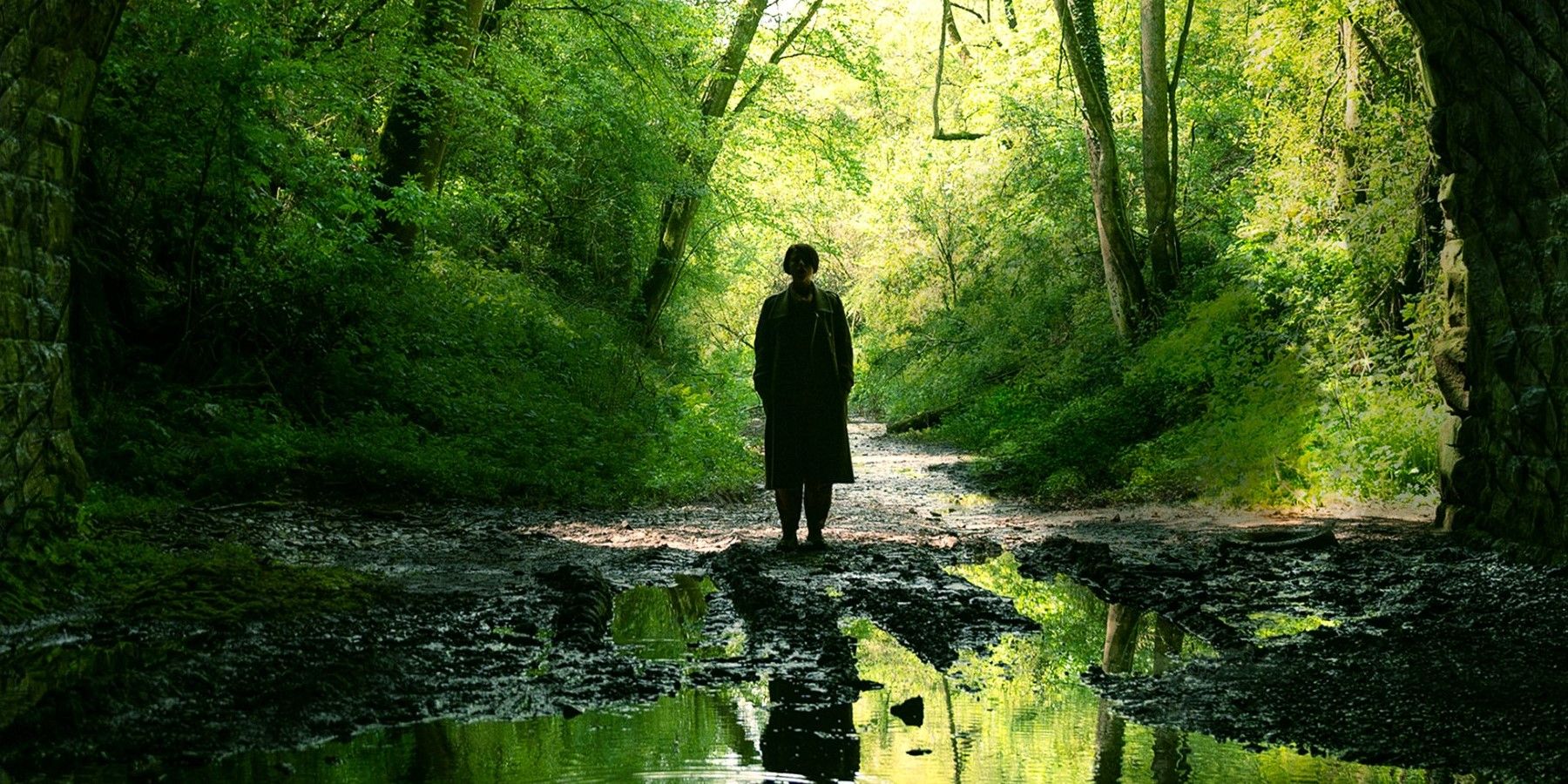
Harper decides to take a walk in the countryside, (in a glorious extended sequence that really shows off the skills of cinematographer, Rob Hardy) and begins to think that she may be on the road to recovery. But then she has a spooky encounter in an abandoned railway tunnel and shortly thereafter, is terrorised by a naked man, who she thinks, may be stalking her.

As she encounters more of the local population (nearly all of them male), she begins to realise that this isn’t going to be the peaceful sojourn she’s been hoping for…

You’ll already have read that the film’s big conceit is that every male character (except for James) is played by Rory Kinnear – and played brilliantly, I might add, his creations ranging from a deliciously sinister local priest to a troubled teenage boy. Buckley too is terrific, in a challenging role where she is obliged to do most of her emoting in silence.

The film’s subtext would be perfectly clear even without the massive clue offered in its title. All of Kinnear’s characters are examples of toxic masculinity, the essence instilled from birth and manifested in different ways – in sarcasm, in outmoded chivalric beliefs and, sometimes, in outright violence. These men all stem from the same poisoned root. The idea is perfectly expressed in the film’s first two thirds and no viewer will be in any doubt about Garland’s intentions.

So why, I ask myself, does he decide, in the film’s final stretch, to double down on the message, presenting an extended body-horror climax that tells us pretty much what we already know. I feel as though I’m being bludgeoned repeatedly over the head with the same premise, as though I can’t be trusted to appreciate its meaning.

And then, there’s the final bit, which without any warning throws a handful of doubt into the mix, obfuscating that message and ensuring that I leave the cinema feeling confused.

At any rate, it’s a disappointing conclusion to a film that has me hooked from the start.

3.6 stars

Philip Caveney
The Lost Daughter

02/01/22

Netflix

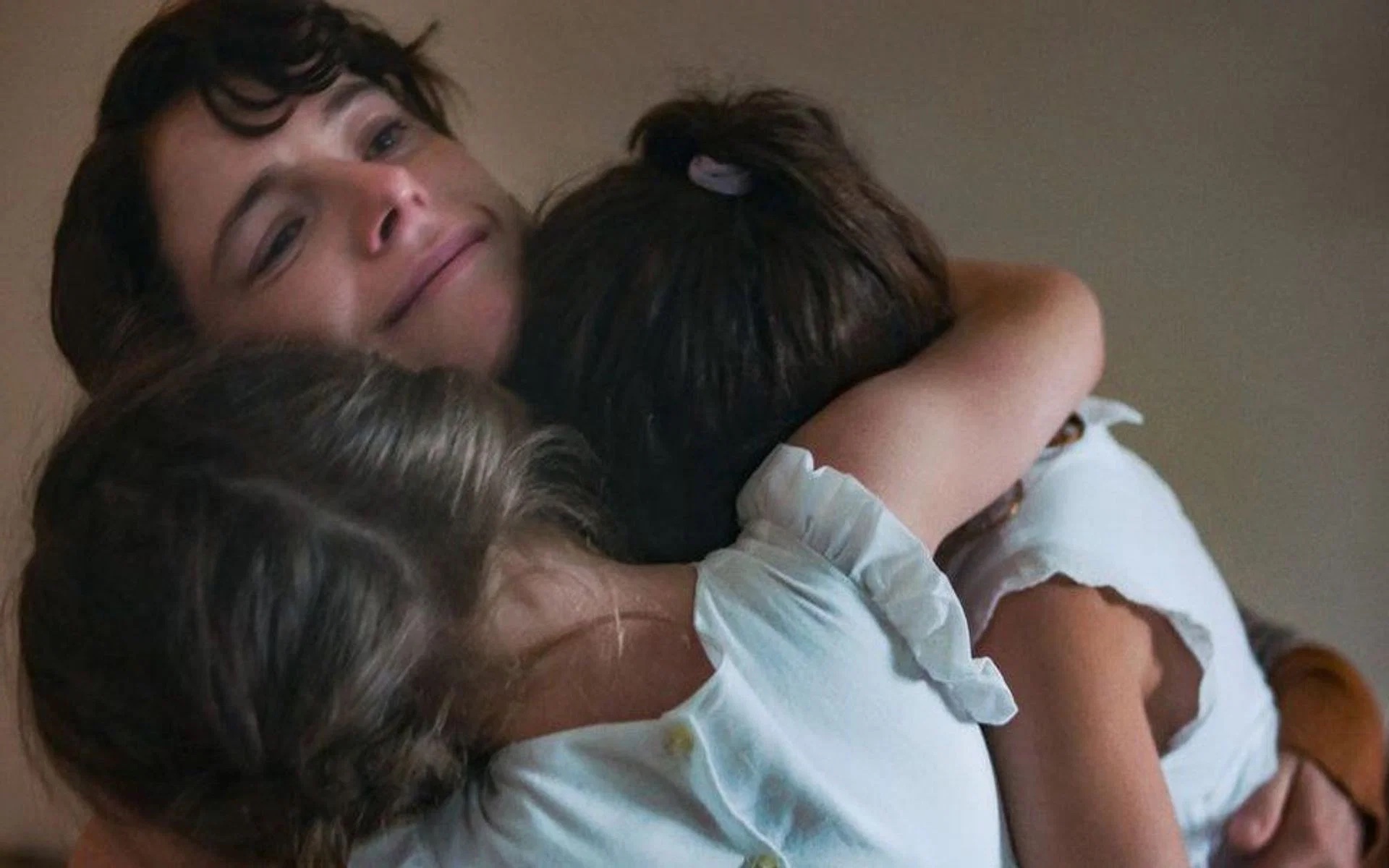
I really want to like The Lost Daughter. After all, it’s directed by Maggie Gyllenhaal, and stars two of my favourite actors, Olivia Colman and Jessie Buckley. The reviews I’ve read have all been glowing, so I’m expecting great things. And yet, in the end, it just doesn’t seem to have enough heft: it’s all build up, with weak foundations and no catharsis.

Colman and Buckley both play Leda Caruso. Buckley, of course, plays the younger iteration, a twenty-something post-grad student, struggling to balance her burgeoning academic career with the demands of her marriage and two young children. Time has rendered such issues less pressing for Colman’s Leda, who – approaching fifty – is now a professor, free to spend the summer alone on a Greek island, her adult daughters busy leading their own lives.

The movie opens with Colman’s Leda collapsing on the beach, so we know from the start that something isn’t right. In a series of flashbacks, we are shown what has brought Leda here, from the working-holiday immediately preceding her fall to the ‘crushing responsibility’ of motherhood that overwhelmed her younger self.

At first, the holiday seems idyllic. The island is undoubtedly beautiful; Leda’s apartment is charming; the sun is shining; the beach is quiet. There are hints that something is amiss: the mouldy fruit in the bowl; an insect buzzing on her pillow. But all seems well until a large, brash American family arrives, rudely interrupting Leda’s peace. When their matriarch, Callie (Dagmara Dominczyk), pregnant for the first time at forty-two, asks Leda to move her lounger so that the family can sit together, Leda stubbornly refuses. And an animosity is born that overshadows her whole stay…

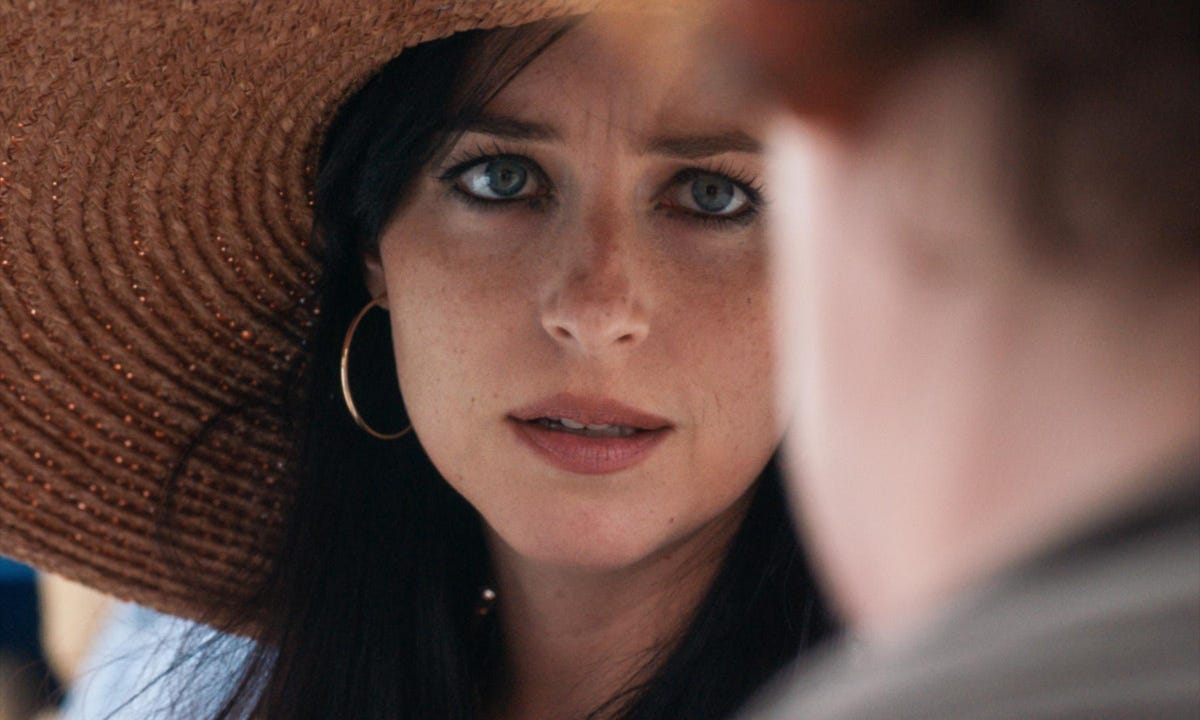
Despite her instinctive dislike of the family, Leda finds herself drawn to Callie’s glamorous sister-in-law, Nina (Dakota Johnson), whose relationship with her daughter, Elena (Athena Martin), reminds Leda of her own past. When Elena goes missing, Leda helps to find her, and the two women form an uneasy bond.

So far, so good. As a character study, this film is wonderful. Leda is a complex and interesting woman, whose conflicting desires and ambivalence towards parenthood make her an all-too-rare sight on our screens. But, though it pains me to say it, the casting doesn’t quite work. No one can reasonably argue that Colman and Buckley aren’t terrific actors, and they both deliver here, offering detailed and nuanced performances. But they don’t cohere: their Ledas are two different people. It’s not just the way they look; audiences are used to suspending their disbelief on that account. They sound so very different though – Buckley’s sonorous tones at odds with Colman’s girlish, higher-pitched voice – and their movement doesn’t match either.

Gyllenhaal’s direction isn’t bad. She utilises close-ups to excellent effect, and really ramps up the tension: a sense of all-pervading menace is cleverly evinced. But what’s the point, I wonder, if it never amounts to anything? I’m left frustrated by the damp squib of an ending, with nothing calamitous ever revealed or resolved.

A little internet searching shows me the missing piece: in Elena Ferrante’s source novel, Leda is from Naples (instead of ‘Shipley, near Leeds’) and the invading family is also Neapolitan. The sense of dread Leda feels when she encounters them isn’t just snobbery, it’s actual fear, based on her own past, and her own experience of a Mafia-style clan. Perhaps it’s this change that makes Leda’s sense of foreboding harder to understand – and weakens the story in the process.

It feels like a squandered opportunity.

3.4 stars

Susan Singfield

The Courier

19/08/21

Cineworld, Edinburgh

The Courier is a spy movie, so we know what to expect, right? Gun fights, car chases, heart-stopping stunts…

Well no, because this ‘based on a true story’ tale, set in the cinematically-neglected Cold War era, plays it straight and, for the most part, sticks pretty closely to the facts. It’s 1960 and America and the Soviet Union are engaged in the arms race, the two super powers moving inexorably nearer and nearer to nuclear conflict.

High-ranking Soviet intelligence officer Oleg Penskovsky (Merab Ninidze) can see the disaster that lies ahead. He contacts a couple of American tourists and asks them to take a message to the American Embassy, offering to supply the CIA with inside information in exchange for safe passage to the USA for him and his family.

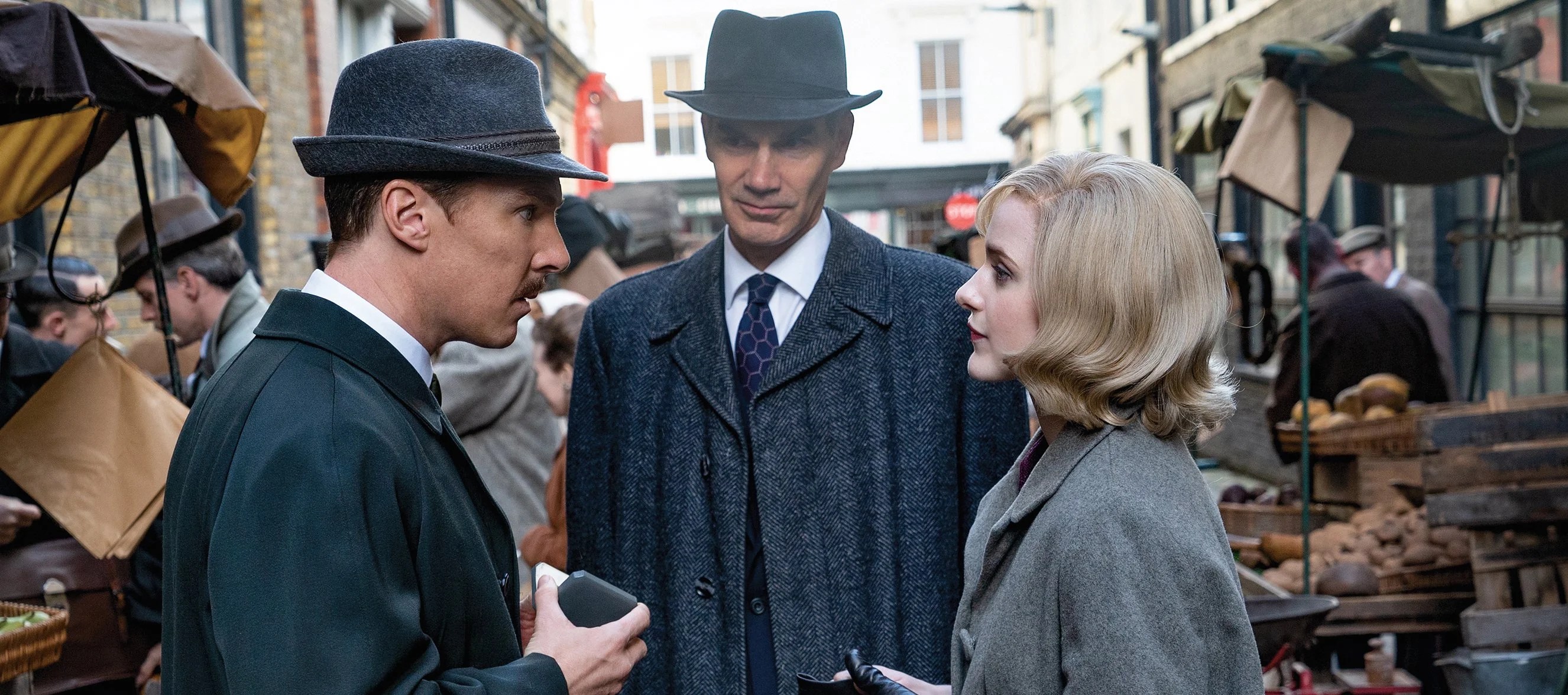
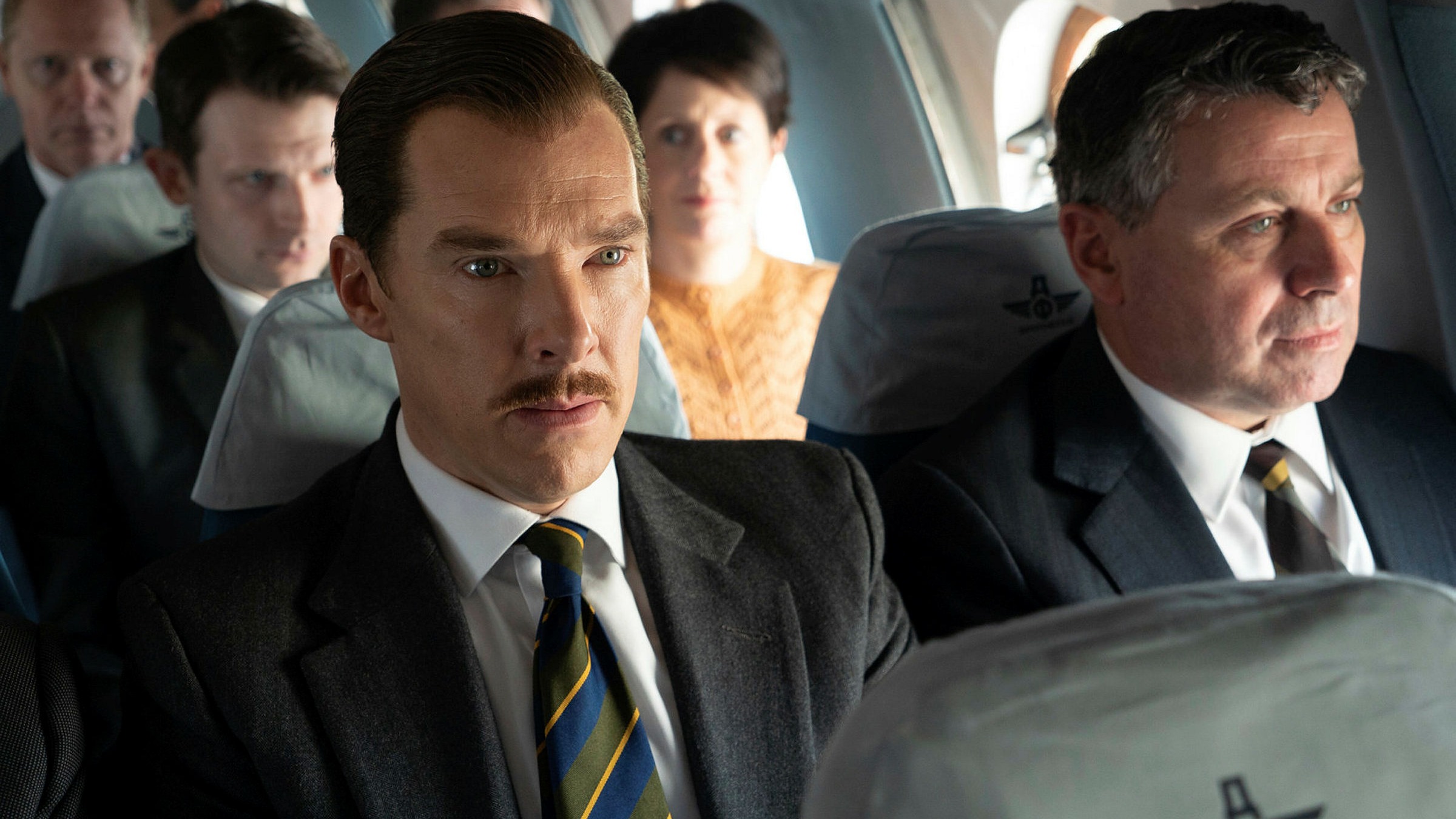
Some time later, CIA agent Emily Donavan (Rachel Brosnahan) approaches MI6, asking if they can suggest somebody who might act as a go-between for them. Agent Dickie Franks (Angus Wright) thinks he may have chanced upon the perfect recruit, innocuous businessman Greville Wynne (Benedict Cumberbatch), who spends most of his time travelling the world, wining and dining potential clients for his various business interests. Wynne would surely be above suspicion? So they ask him if he will be their inside man. At first Wynne is non-plussed, if perhaps a little flattered by their invitation, but, after some prevarication, he accepts their offer. Shortly thereafter, he finds himself making contact with Penskovsky in Moscow and carrying various secret messages back and forth between Russia and Great Britain.

But, of course, while this all might look dreadfully routine on the surface, the dangers of being discovered are just as nerve-wracking and the consequences every bit as deadly.

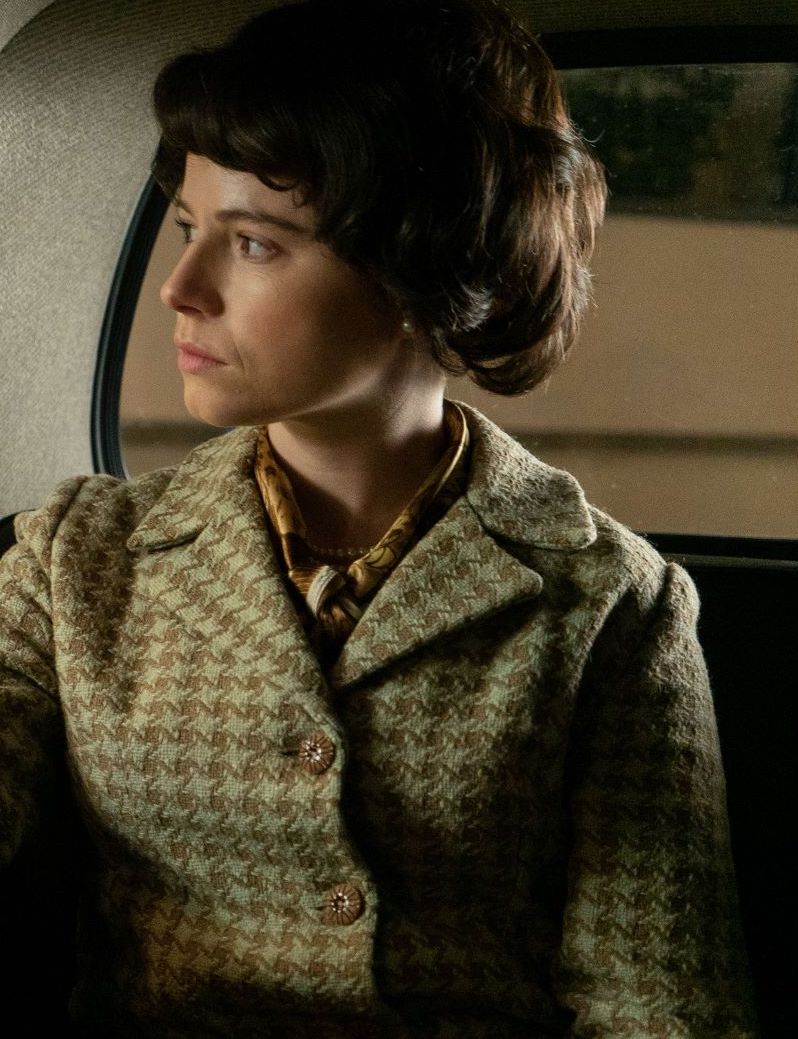
Director Dominic Cooke ensures that The Courier is strong on period setting: the drab, chain-smoking world of the early 60s is accurately depicted in every shot. Both Cumberbatch and Ninidze nail their roles with aplomb and Tom O’Connor’s script focuses on the developing friendship between the two men, making Wynne’s ultimate actions totally believable. Jessie Buckley takes a thankless role as Wynne’s buttoned-up wife, Sheila, and wrings every ounce of possibility out of it, proving once again what a consummate actor she is.

While the film might be short on action tropes, it never lacks suspense and, as Wynne’s deception begins to unravel, the stakes are increasingly cranked up for maximum tension. Also, this is a film that doesn’t back away from depicting the horrors of Wynn’s subsequent incarceration. (Next time I dine out, I think I’ll skip the soup course.)

Some heroes, it seems, are less showy than the Bonds and the Bournes – and here’s the proof that a spy movie can be thrilling without regular recourse to flashy sports cars and semi-automatic weapons.

4.6 stars

Philip Caveney
Misbehaviour

15/03/20

Misbehaviour chronicles the true-life weirdness of the 1970 Miss World pageant, notable both for being disrupted by the Women’s Liberation Front and for celebrating its first ever black winner. This tension between different types of progressiveness keeps the film interesting as it explores the nuances inherent in trying to effect change.

Gugu Mbatha-Raw plays Jennifer Hosten, ‘Miss Grenada,’ who made history by placing first in the contest. For her, Miss World is all about representation and opportunity: there are little black girls, she tells white activist Sally Alexander (Keira Knightley), who will see her on TV and know that they can be successful too. And she’s hoping that the exposure will give her a chance to achieve her dream of becoming a broadcaster. She’s composed and dignified, utilising the competition for her own ends. It’s difficult to argue with her point of view.

But that’s where this film succeeds: it doesn’t try to argue with her. It allows for the fact that competing narratives can be simultaneously true. Because Alexander and the rest of the Women’s Libbers aren’t wrong either: it is appalling to see women weighed, measured, paraded and graded. It is appalling that this is what women have to do in order to succeed.

But even within the activists, there is space for difference. Jo Robinson (Jessie Buckley)’s direct action mantra is a world away from Alexander’s ‘get a seat at the table and fight from within’ approach. As writers Rebecca Frayn and Gaby Chiappe make clear, there is no one path to righteousness. But one thing is certain, the Miss World pageant is an outmoded model, and casually misogynistic men like organiser Eric Morley (Rhys Ifans) and Bob Hope (Greg Kinnear, on fine form) are going to have to face the fact that their time is up.

Misbehaviour is a gentle film, despite its themes of outrage and activism. There’s no post #MeToo hint of inappropriate sexual attentions being foisted on the contestants; instead, director Philippa Lowthorpe concentrates on the insidiously benign sexism that pervaded the era, and on the bravery of the women who called it out, on whose shoulders today’s young feminists stand.

Thank you.

4.3 stars

Susan Singfield

Judy

03/10/19

The ‘Judy’ of the title is, of course, Judy Garland, and this rather downbeat film, directed by Rupert Goold and written by Tom Edge, concentrates not on the gloss and glitter of Hollywood, but on a less-celebrated period of her life: her five-week residency at London’s Talk of the Town, which proved to be – quite literally – the end of her career.

It’s 1969, long after her super-stardom and more than a decade after her cinematic comeback with A Star is Born. Judy (Renée Zellweger) is struggling to make ends meet. Addicted to barbiturates and hopelessly in debt to the IRS, she is virtually unemployable in her homeland, reduced to dragging her children, Lorna and Joey, onstage with her to perform song and dance routines for a hundred dollars a night. Judy’s ex-husband, Sid Luft (Rufus Sewell) is understandably concerned for the welfare of his kids, but Judy is determined to prove herself a good mother, despite never having had the luxury of a decent role model in her own childhood.

But then the offer from Bernard Delfont (Michael Gambon) rears its head and, sensing a way out of the corner she’s painted herself into, Judy heads off to England, reluctantly leaving her children in the care of their father. There are problems from the moment she arrives: she refuses to rehearse for the show and keeps complaining of ‘headaches’- but her no-nonsense PA, Rosalyn Wilder (Jessie Buckley), does at least manage to get her onstage for the opening night. Judy goes down a storm and things look promising… but of course, as history attests, from there, it’s anything but plain sailing.

The first thing to say about Judy is that Zellweger is totally convincing in the lead role, nailing Garland’s tragic self-doubt and vulnerability with aplomb and somehow even managing to look and sound uncannily like the real person. But a great performance doesn’t automatically make a great film. That, I’m afraid, is more of a mixed bag.

I like the flashbacks to the Hollywood years, where young Judy (Darci Shaw) does battle with the odious Louis B. Mayer (Richard Cordery), a man who thinks nothing of working a twelve year old relentlessly around the clock, knowing full well that she has to exist on a diet of ‘pep pills’ in order to keep going. Later on, there’s also a charming plot strand where Garland befriends a couple of gay fans (Andy Nyman, Daniel Cerquira) and ends up back at their flat, cooking them an omelette, which makes them, I suppose, the original ‘friends of Dorothy.’

But unfortunately, so much of the narrative is devoted to Garland, the other characters barely get a look-in. The super-talented Jessie Buckley, for instance, is second-billed here, but we learn virtually nothing about Rosalyn; and why bother to employ the mighty Michael Gambon if all he gets to do is sit in the audience and look disgruntled? Finn Whittrock also struggles to make anything of his role as ‘unsuitable husband number five,’ Micky Deans. Was this man a cruel opportunist looking for his own personal rake-off? Was he just lousy at doing business? Did he have genuine affection for Judy? There’s not enough information here to let me make a judgement on any of those questions and that’s a shame.

Still, if, like me, you have a soft spot for the divine Ms Garland, this is worth catching for that sublime central performance. Zellweger does rousing versions of some of Judy’s best-remembered songs and manages to capture her distinctive vocal inflexions perfectly. And, unless you’re made of stone, you’ll probably have a tear in your eye at the film’s unexpectedly redemptive conclusion.

3.8 stars

Philip Caveney
 

Wild Rose

19/03/19

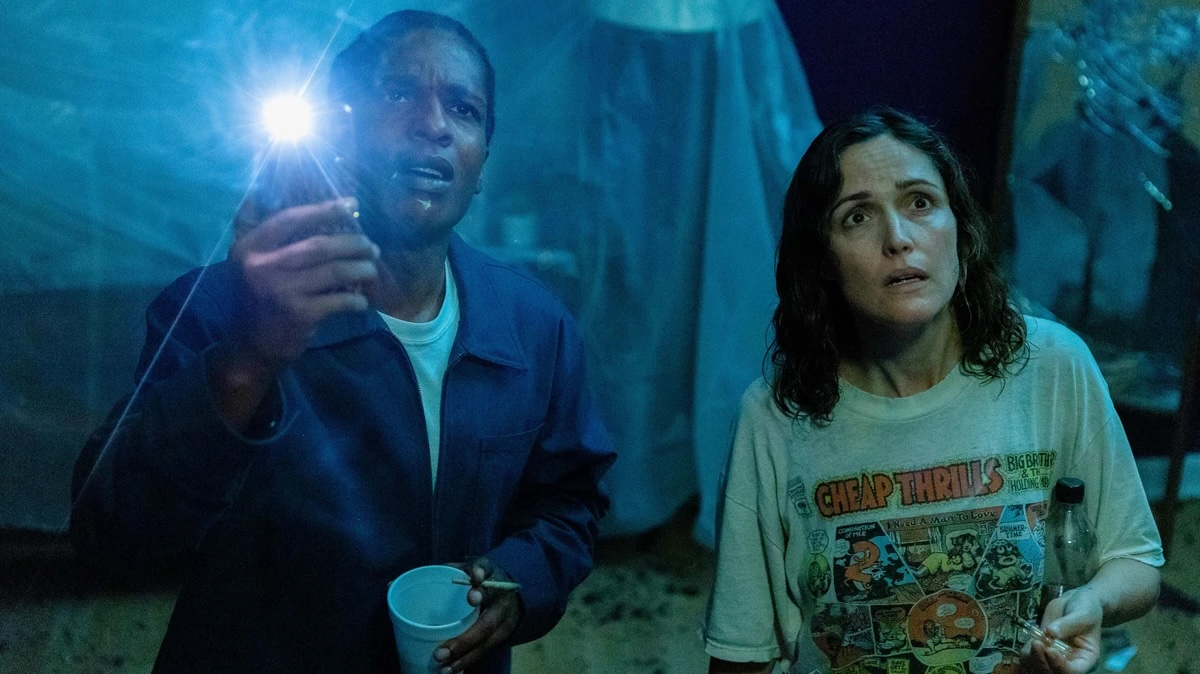
After her confident showing in Beast, it only seemed a matter of time before we saw Jessie Buckley in a star-making role – and Wild Rose might just be the film to do it for her. As Glaswegian wannabe country star, Rose-Lynn Harlen, she positively owns the screen, even when starring opposite professional scene-stealer, Julie Walters.

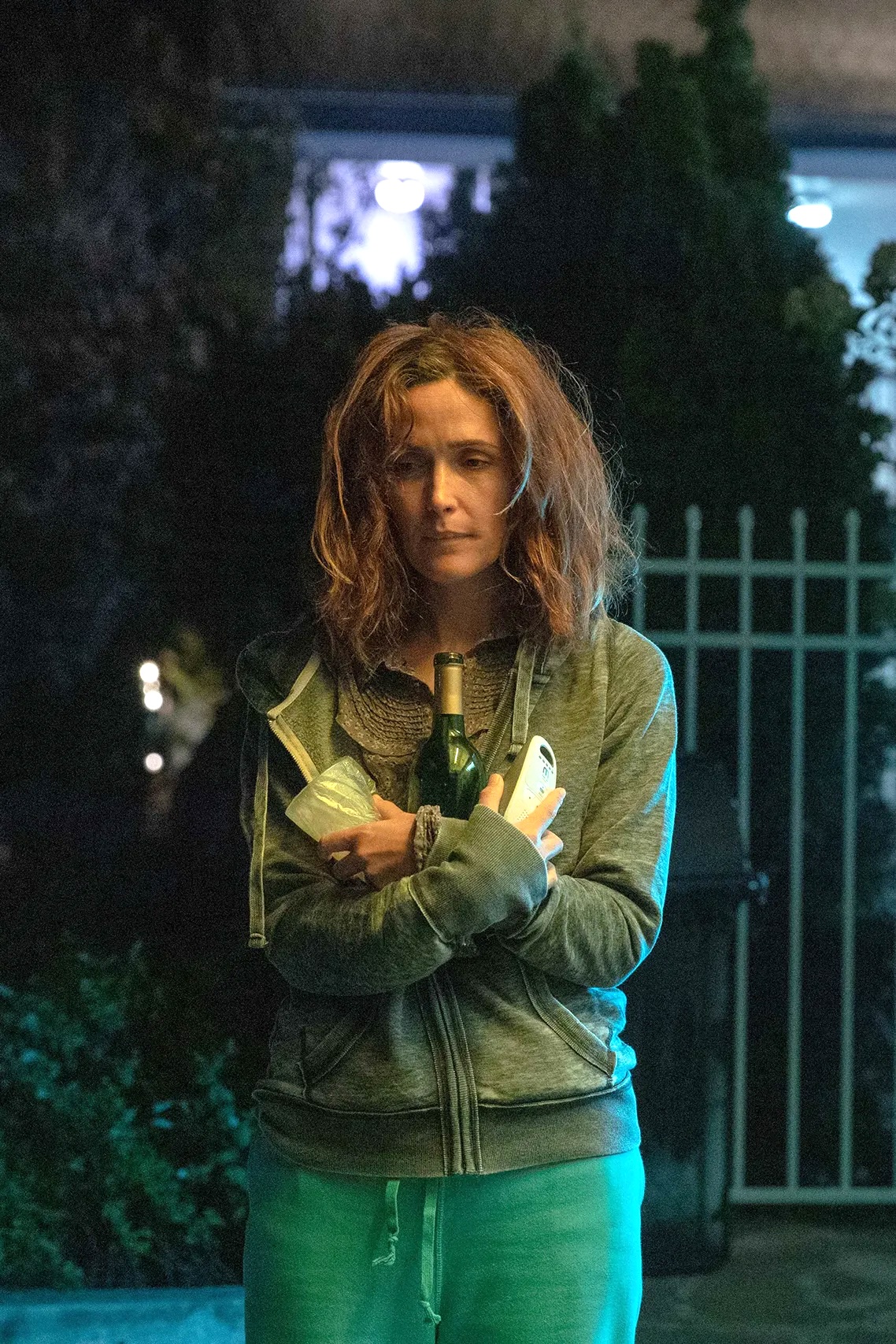
Rose-Lynn has long held an ambition: to go to Nashville and become a star of country music (not country and western, mind; that’s a whole different kettle of corn!). But when we first meet her, she’s in the process of being released from a year’s spell in prison, where she’s been sent for throwing a bag of heroin over the wall to one of the inmates. Issued with an ankle tag, which means she has to be home by seven o’clock every evening, she heads off to her mother, Marion (Walters), who has been looking after Rose-Lynn’s two young children in her absence. The children barely know Rose and it’s clear she needs to spend time learning to be their mother again – but those long-held ambitions don’t leave much room for anything so mundane as parenthood.

Rose-Lynn soon discovers that while she’s been away, her regular gig at a Glasgow country music venue has been taken over by someone far less talented than her, and she can’t perform in the evenings anyway. So, at Marion’s urging, she takes a day-job as a cleaner for the wealthy and influential Susannah (Sophie Okonedo), who, once appraised of Rose’s singing skills, decides to use her considerable clout to give her cleaner’s stalled career a boost – but it eventually becomes apparent that the only person who can really help Rose-Lynn achieve her ambitions is… Rose-Lynn herself.

The film is directed by Tom Harper and cannily scripted by Nicole Taylor, and is astonishingly sure-footed throughout. Every time the story threatens to edge too close to cliché, Taylor cannily subverts it and steers things in a much more interesting direction. Here are well-drawn working-class characters, who are never allowed to be the butt of cheap jokes, but emerge as fully drawn, sympathetic people with real lives to live. Okenedo’s character is also a delight, someone who’s prepared to give everything she’s got to help someone better their situation.

Of course, the icing on the cake is that Buckley has an absolutely amazing voice, delivering every song with real passion and vigour, whether she’s standing mournfully on the stage of the Grand Ole’ Opry or belting out a humdinger in a hometown nightclub.  Oh, and look out for a cameo from ‘Whispering’ Bob Harris, playing himself with absolute conviction.

Wild Rose is a genuine treat, a country music spectacular that never slows down long enough to drag its cowgirl heels. Miss this one and weep!

4.7 stars

Philip Caveney
Beast

16/04/18

Beast is a well-crafted psychological thriller with a twisty-turny storyline that keeps you gripped and guessing right up to the very last frame. The first full-length feature from writer/director Michael Pearce, it’s set on Jersey and exploits the island’s unique atmosphere to great effect. Make no mistake, this is an assured debut from a talented young film maker.

Moll (Jessie Buckley) is a troubled young woman haunted by a violent incident in her childhood. Years later, she’s still paying for her youthful transgressions, tethered to the family home by her domineering mother, Hilary (Geraldine James), and forced to provide care for her father, who is going through the early stages of dementia. Little wonder then that she chooses to bail out of her own birthday party in order to head to the local nightclub to chase up some drinks and a little action. On her way home, she bumps into Pascal (Johnny Flynn), a rough-hewn local handyman, who, it transpires, has also broken a few rules in the past. To Moll, he personifies the idea of escape and the two of them begin a passionate affair, much to the undisguised disgust of Moll’s mother and her straight-laced older sister, Polly (Sharon Tarbet). They are all too aware that a spate of brutal murders is currently unfolding on the island and they make no secret of the fact that Pascal is their number one suspect…

What might so easily have been a run-of-the-mill murder mystery is elevated into something much more profound as Moll’s dreams, preoccupations and hangups are expertly brought into the mix, maintaining a hazy borderline between what’s real and what might only be imagined. At various points in the story, I find my suspicions switching back and forth like a ride on a roller coaster with malfunctioning brakes – and, if there’s a certain ambiguity about the film’s conclusion, it’s no bad thing, offering plenty to discuss – and maybe even argue about – long after the closing credits have rolled. Both Buckley and Flynn (the latter also currently carving out a successful career as a folk singer) acquit themselves well and, as the ice-cold, uptight mother, Geraldine James is her usual brilliant self.

Shown here in an Unlimited screening, the film gets a regular release towards the end of the month and is well worth your attention.

4.4 stars

Philip Caveney