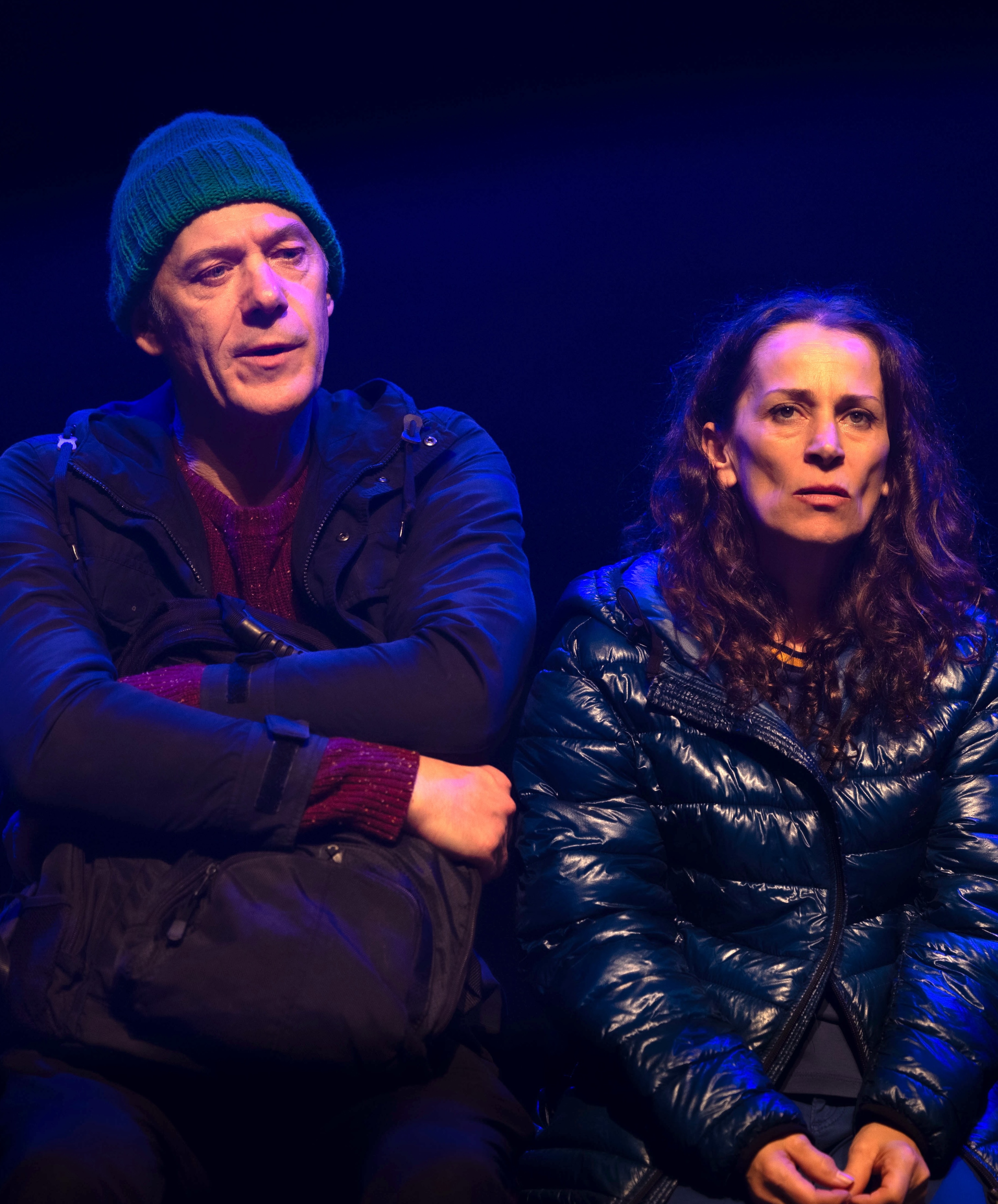
House of Oz

Edfest Bouquets 2024

Another incredible August in Edinburgh. Another Fringe packed with wonders to behold. As ever, we’ve put together our annual list of virtual bouquets for the shows that blew us away.

Julia VanderVeen : My Grandmother’s Eye PatchZOO Playground

“A lot of the comedy comes simply from VanderVeen’s exaggerated facial expressions and her tendency to skewer audience members with a scarily intense stare…”

Luke BayerDiva: Live from HellUnderbelly (Belly Button), Cowgate

“Channing (the name is obviously a reference to Bette Davis in All About Eve) is a delightful character, supremely self-obsessed, deliciously callous and intent on achieving stardom at any cost…”

The Sound Inside – Traverse Theatre

“Director Matt Wilkinson handles the various elements of the play with skill, and guides it to a poignant conclusion…”

Summer of Harold – Assembly (Checkpoint)
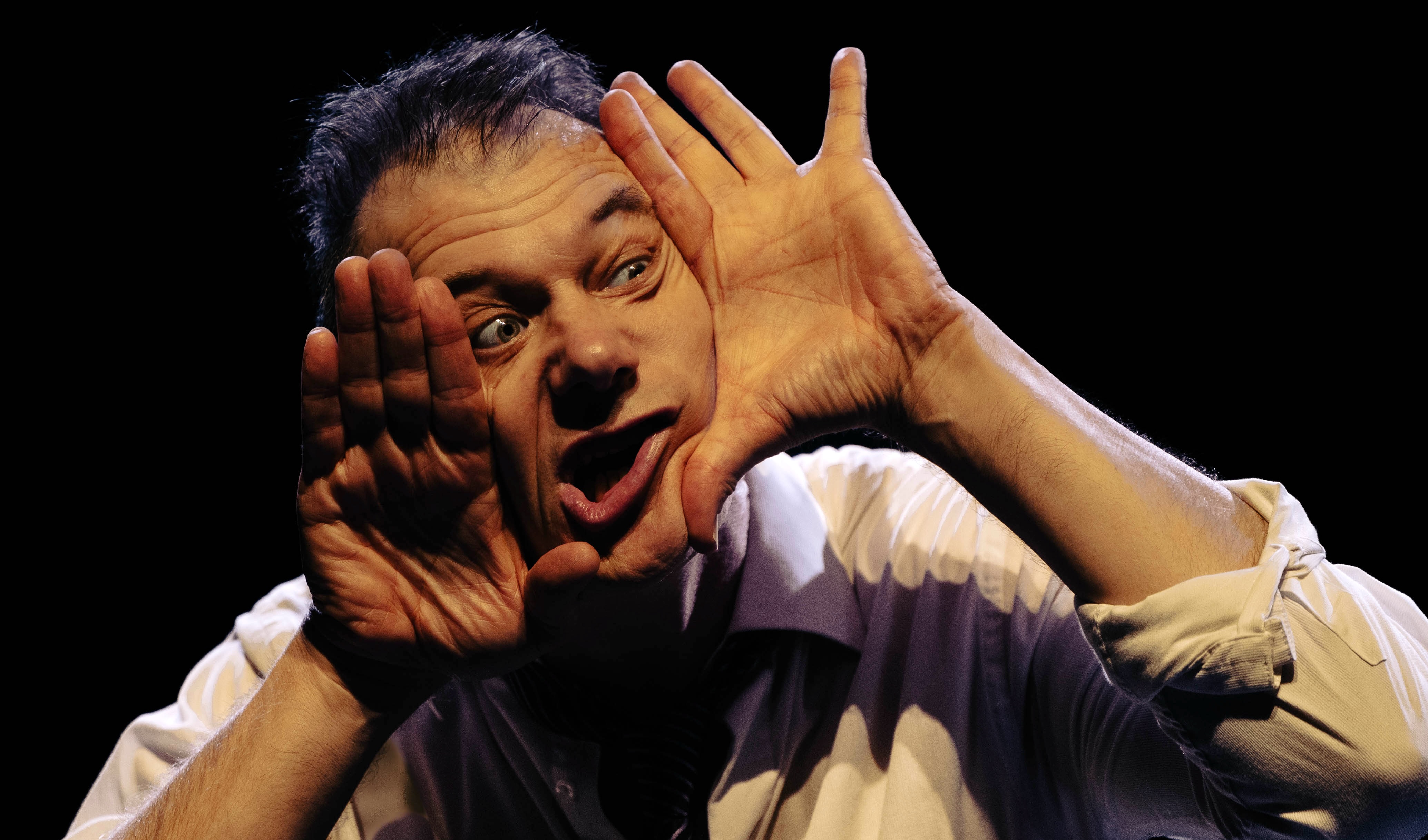
‘If you’re looking for an hour-and-a-half of impressive theatre, with snort-out-loud humour as well as profound emotional moments, then Summer of Harold ticks all the boxes…”

Rebels and Patriots – Pleasance Courtyard (Upstairs)

“Loosely stitched with a sprinkling of history and Shakespeare, it all adds up to something very thoughtful…”

Chris Dugdale: 11 – Assembly George Street (Ballroom)
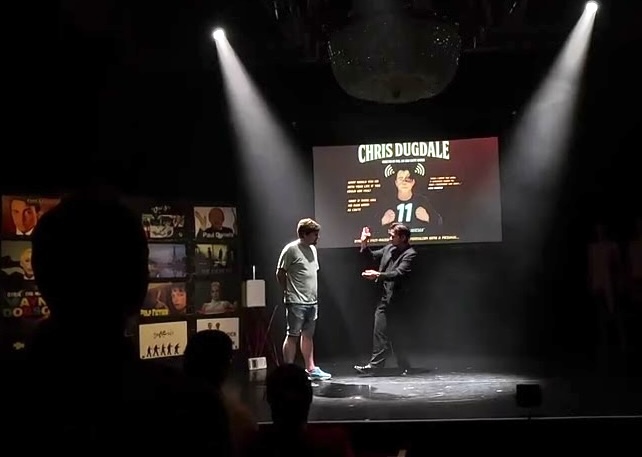
“There are some examples of mind control that have us shaking our heads in disbelief – and I may be guilty of muttering the odd expletive…”

Natalie Palamides: Weer – Traverse Theatre
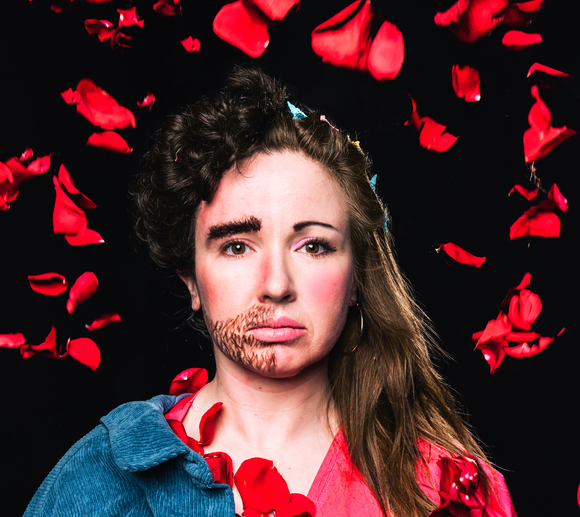
“A great big slice of the absurd, expert clowning performed with such reckless abandon that you can’t help loving it…”

V.L. – Roundabout at Summerhall
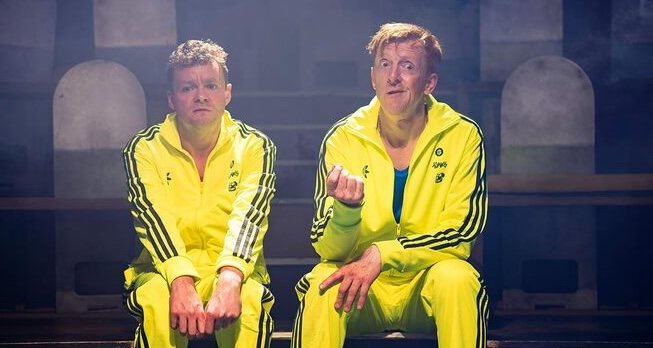
“A whip-smart comedy that also has some incisive things to say about the difficulties of adolescence and the importance of friendship…”

Sam Ipema: Dear Annie, I Hate YouZOO Playground

“A wonderfully inventive and cleverly-assembled slice of true experience, by turns funny, profound and – at one particular point – very challenging…”

Michaela Burger: The State of Grace – Assembly George Street (Drawing Room)

“Not so much an impersonation as a transformation. Burger talks eloquently and provocatively about the lives of sex workers, explaining why there is a need for their business to be recognised…”

Honourable Mentions

Werewolf – Summerhall (Former Women’s Locker Room)

“I love it. The wardens do an excellent job of inhabiting their characters at the same time as managing the narrative, expertly drawing what they need from the participants…”

Megan Prescot: Really Good Exposure – Underbelly (Belly Button)
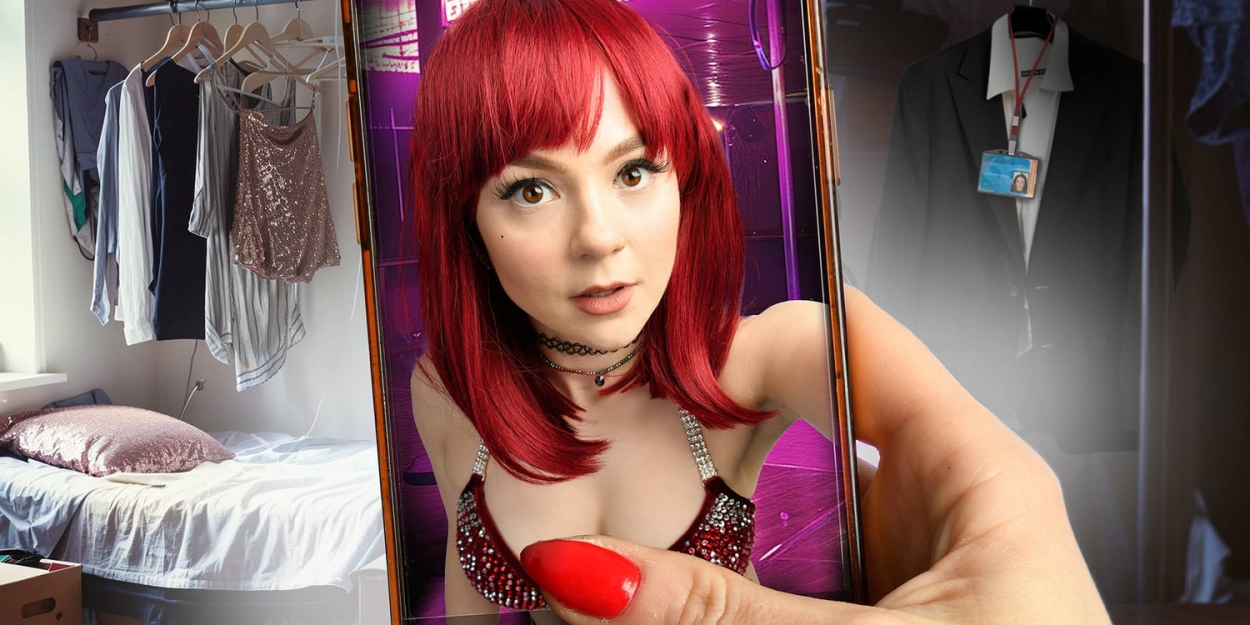
“Prescott is an accomplished performer. She tantalises and reels us in before skewering our internal biases and forcing us to think…”
Plenty of Fish in the Sea

20/08/24

Assembly George Square (Studio 2), Edinburgh

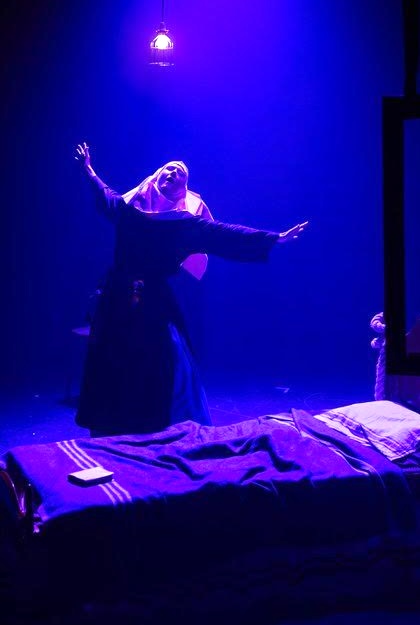
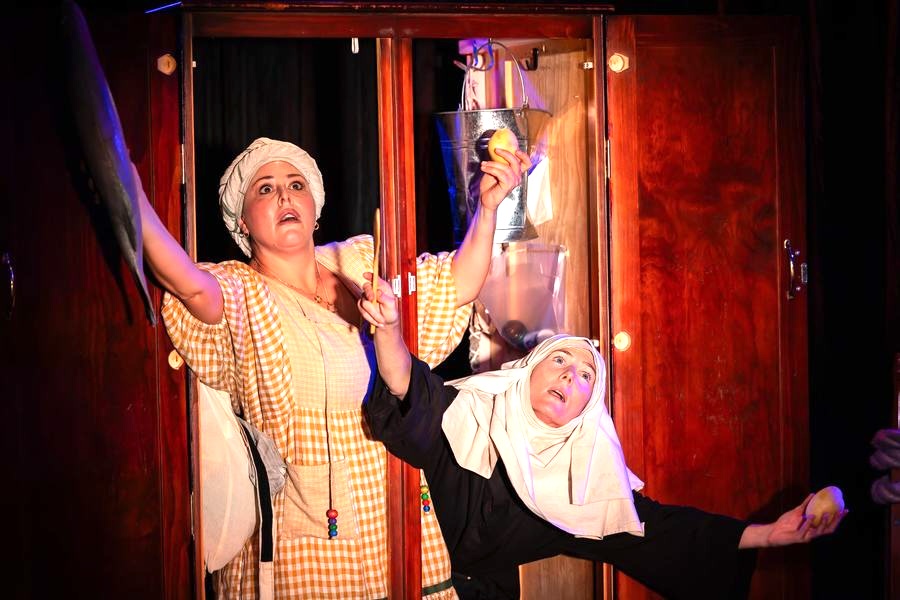
I hardly know where to begin with this one. Plenty of Fish in the Sea is – bear with me – an absurdist fable about a couple of isolated nuns (Madeline Baghurst and Emily Ayoub), who catch a man (Christopher Samuel Carrol) with their fishing rods; they then take hallucinogenic drugs and have wild sex with him before throwing him back into the sea. If ever proof were needed that the ‘seven basic plots’ theory is flawed, then look no further. I think it’s safe to say you haven’t seen this one before.

Devised by Baghurst and Ayoub of Clockfire Theatre Company, this is a mind-boggling delight. From the forbidding image of St Cotrillard to an obsessive plundering of the ocean and a gluttonous feeding frenzy, this is a play that defies explanation. It’s like being immersed in someone else’s fever dream. I’m hooked.

Clockfire’s roots lie in the Jacques Lecoq Theatre School, so this is – of course – a piece of perfectly-executed physical theatre, with some exquisite clowning. There are numerous elaborate set pieces, an abundance of striking tableaux that linger long after the final bow. There’s the nun (Baghurst), trudging along, pulling everything she owns behind her. There’s Bernadette (Ayoub), the silent novice, administering a mysterious salve to the man’s cheek – and then, cocaine-like, to her own gums. There’s the man (Carrol), passionately kissing a fish. And much, much more.

The props are simple: a cupboard, a bed, a window/picture frame. But they’re inventively designed (by Tobhiyah Stone Feller) and utilised to unsettling effect, with characters emerging, farce-like, from within the cupboard or behind the bed. Daniel Herten’s disquieting compositions add to the feeling of unease.

But what does it all mean? Ayoub says that the piece was “inspired by the modern societal pressures of ‘hook-up’ culture,” and there’s certainly something here about the soul-destroying nature of swiping right to find a mate. But it’s a lot more than that too. There’s surely a skewering of religion and consumerism, a commentary on human greed and the sheer silliness of the rituals we perform on an everyday basis. But Plenty of.. is a slippery fish, and it’s hard to pin it down.

And that’s exactly where its beauty lies.

4.3 stars

Susan Singfield

The State of Grace

19/08/24

Assembly Rooms (Drawing Room), George Street, Edinburgh

In any given year at the Fringe you’ll find a varied assortment of monologues on offer – some comic, some tragic, some wildly entertaining – but there are others that hit you like a ton of lead, leading you to question and reassess your own long-held beliefs about a specific subject. 

Michaela Burger’s The State of Grace covers all of these bases but mostly belongs in the final category.

The words we hear in this show are not Burger’s, but those of Pippa O’Sullivan – or as she became more widely known around the world, Grace Bellavue, an Adelaide-based sex worker, who was also a writer and influencer. Bellavue struggled with bipolar and PTSD for much of her life, before committing suicide in 2015 at the age of 28.

Bellavue’s mother subsequently entrusted Burger with a whole stack of her late daughter’s writings and even some of her favourite belongings. Burger has used them to create this fascinating show.

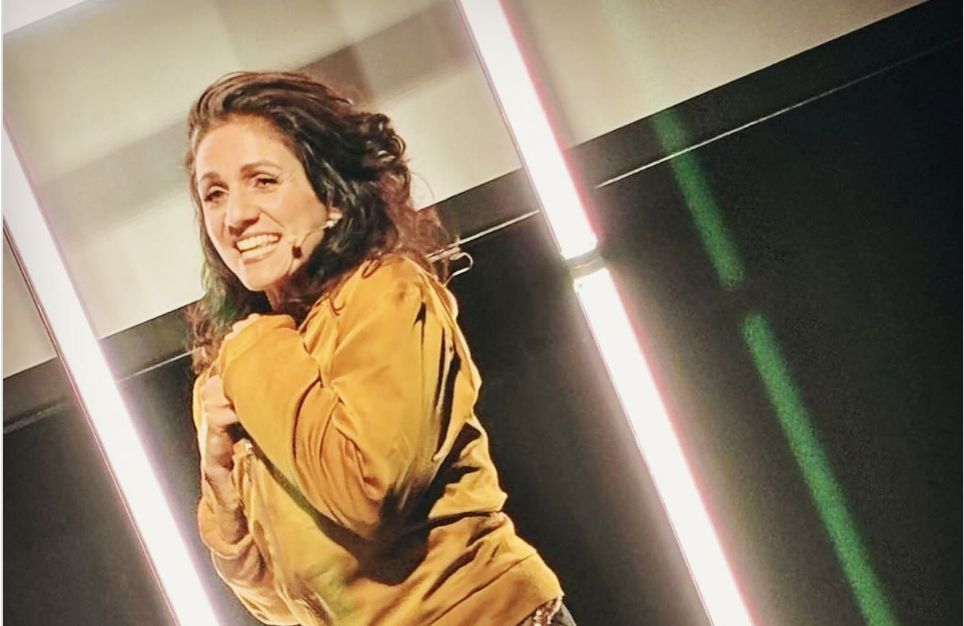
When she first walks out onto the small stage of the Drawing Room, Burger is simply herself, but she steps effortlessly into her alter ego and leads the audience deeper into Bellavue’s world.  It’s not so much an impersonation as a transformation. She talks eloquently and provocatively about the lives of sex workers, explaining why there is a need for their business to be recognised and decriminalised, pointing out the dangers inherent in the present system, and the ways in which those who work in the trade are denigrated and discriminated against.

And if this sounds like you’re going to be heading into a po-faced sermon, think again, because it’s performed with wit and nuance and, every so often, Burger sings some of Bellavue’s lyrics, using a loop pedal to overlay her own voice to create ethereal harmonies that seem to shimmer like aural mirages. I love the simple but effective staging here, where a couple of neon rectangles don’t just create a nightclub vibe, but are also used to suggest doorways, portals, a shower cubicle, even a bath into which a reluctant cat is plunged and scrubbed clean. 

And whenever you think you’ve got the measure of the piece, it twists in another new direction, giving fresh food for thought, breaking down the barriers that I’ve carried around in my head for years. In this astonishing, multi-faceted role, Burger is quite simply mesmerising. 

There are only a few more chances to see The State of Grace and, as I have occasionally observed before in week three of the Fringe, I wish I’d seen this earlier in the run, so I could try to coax even more people to see it before it packs its bags and heads back to Australia. 

No ifs or buts. This is a must-see.

5 stars

Philip Caveney

Summer of Harold

17/08/24

Assembly Checkpoint, Edinburgh

Ensemble Theatre’s three short standalone plays are brought to the Fringe via House of Oz. Written by Hilary Bell and performed by Berynn Schwerdt and Lucia Mastrantone, they form a perfect trinity, and we are treated to ninety minutes of exquisite storytelling.

The opening monologue, Summer of Harold, is all about Janet (Mastrantone), a middle-aged woman clearing out her junk room and reminiscing about the seasonal job she had when she went backpacking in her youth. But nineteen-year-old Janet doesn’t settle for bar work or fruit-picking. Instead, she spends her time in London working as a housekeeper for the titular Harold.

Pinter.

That’s right. Janet – whose story is inspired by the true-life adventures of one Margaret Woodward – provides holiday cover for Harold Pinter’s live-in help. And that summer, with Pinter and his wife, the novelist Lady Antonia Fraser, looms large and bright in Janet’s memories.

Mastrantone is tiny but she fills the stage with her glorious portrayals of the Pinters, as well as their many famous friends and her own chain-smoking Kiwi co-worker, Alison. She encapsulates the bold, vivacious swagger of youth, as the two girls bluff their way into a job they can’t do, and then learn how to do it anyway. Bell’s script is beautifully crafted and Mastrantone more than does it justice.

The second monologue, Enfant Terrible, stars Berynn Schwerdt, a man as big as Mastrantone is small, his gangly frame an interesting visual counterpoint to hers as they swap places and a new tale begins.

Gareth is a ceramicist but he’s not as famous as he’d like to be. More pressingly, he’s not as famous as his erstwhile best friend from art college, even though Gareth was the star back then and the work he’s producing now is definitely much better than anything “Mr Pinch-Pot” could create. Definitely. But his ex-pal is being given a big award so Gareth has to attend the ceremony and act like he is pleased.

There’s also a piece of very old and rancid Camembert he needs to deal with…

Again, it’s flawless. This is perhaps my favourite piece of writing of the three (although they’re all great), and Schwerdt’s performance has real emotional heft. His jealousy and resentment are both visceral and palpable – and any creative who says they don’t recognise these feelings is lying!

The final piece, Lookout, is a two-hander, with Schwerdt as Jonathan and Mastrantone as Rae, two people in their late 50s. It’s Jonathan’s birthday and they’re up a mountain in their special place, remembering the many times they’ve been here before. They haven’t visited recently though; they haven’t seen each other for a while. And Jonathan has some news for Rae that catches her off-guard…

Unlike the first two plays, Lookout relies on the element of surprise, so I won’t reveal too much about the storyline here. Suffice to say, it’s every bit as engaging as its predecessors, and just as skilfully acted.

Damien Ryan’s direction allows the trio of plays to shine. The transitions are particularly well-handled, overtly playful and theatrical. I especially like the device of using Schwerdt as a kind of silent removal man throughout Summer of Harold, carrying away Janet’s boxes one by one, leaving the stage bare and uncluttered for Enfant Terrible.

If you’re looking for an hour-and-a-half of impressive theatre, with snort-out-loud humour as well as profound emotional moments, then Summer of Harold ticks all the boxes. It’s an absolute pleasure from start to finish.

5 stars

Susan Singfield