Heather Grace Currie

Righ Lasgair: The Fisher King

28/10/25

Traverse Theatre, Edinburgh

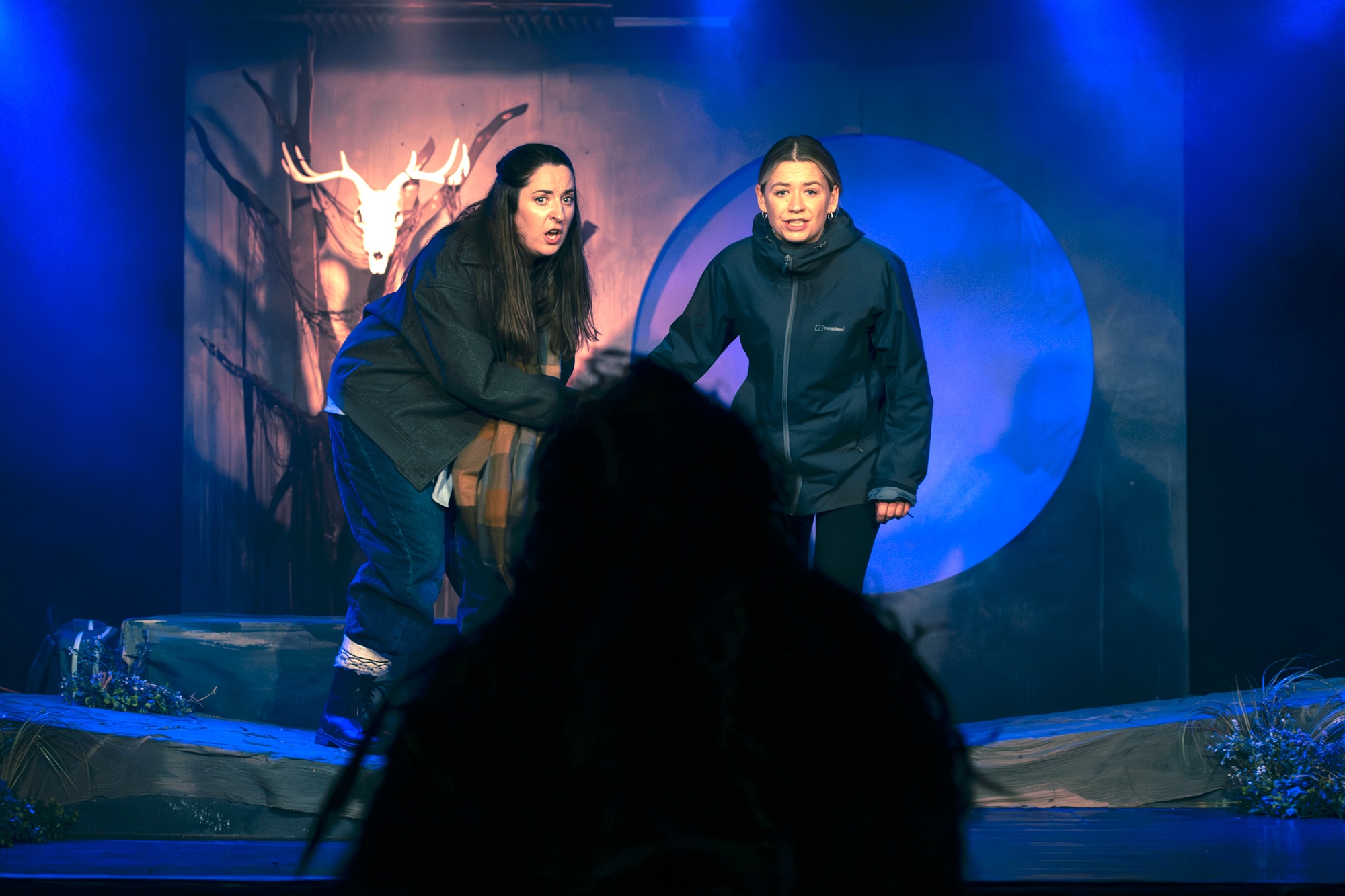
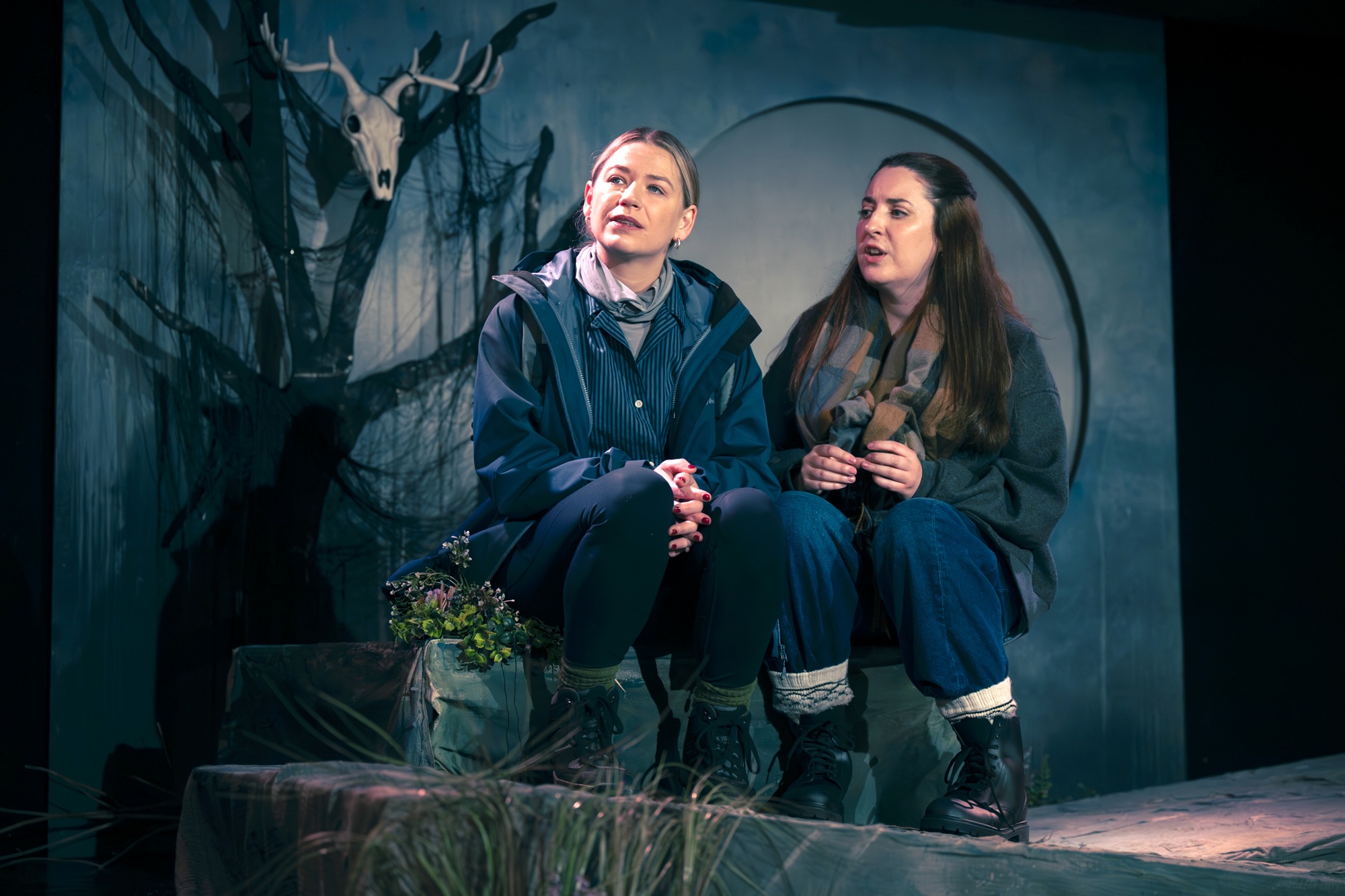
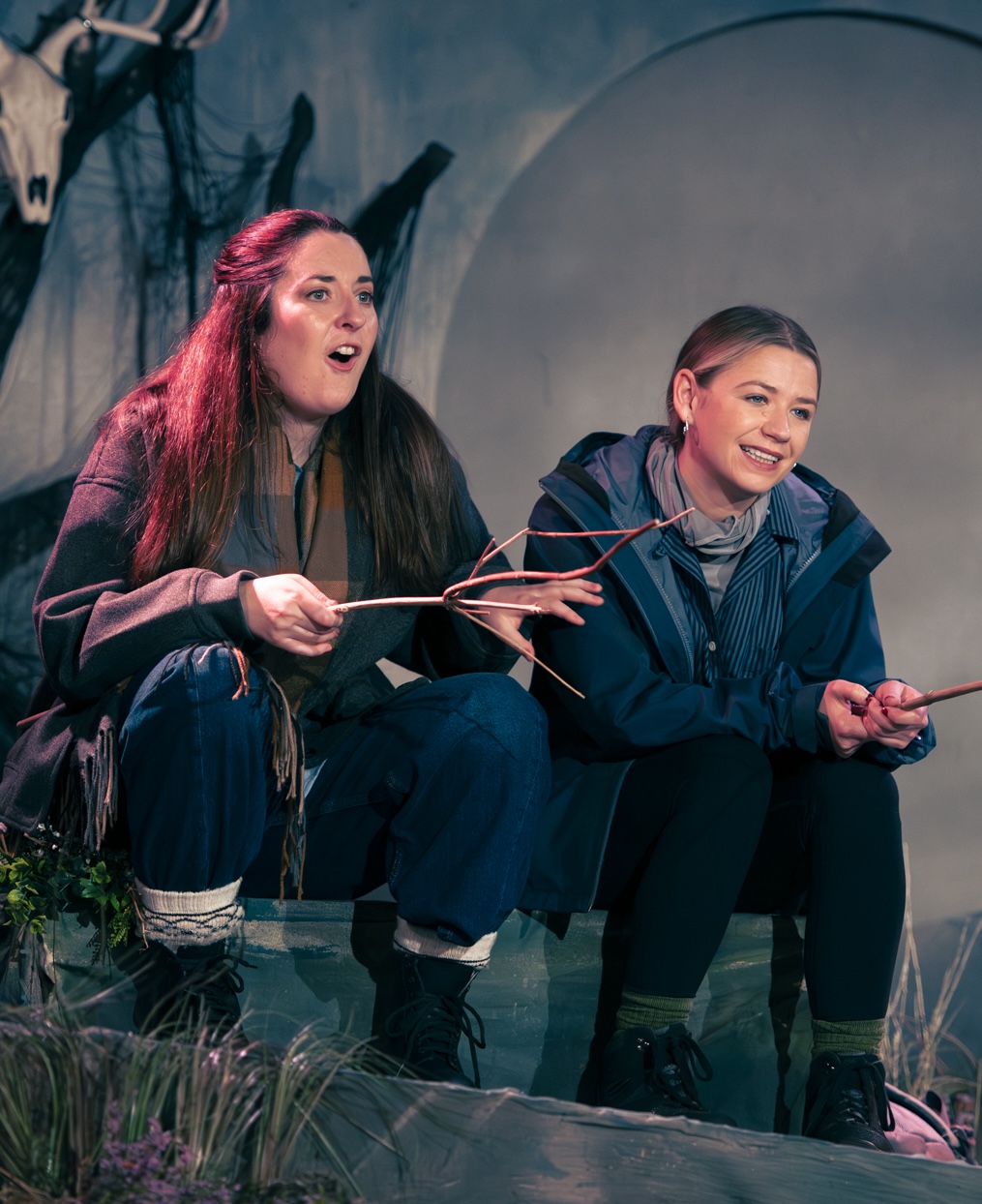
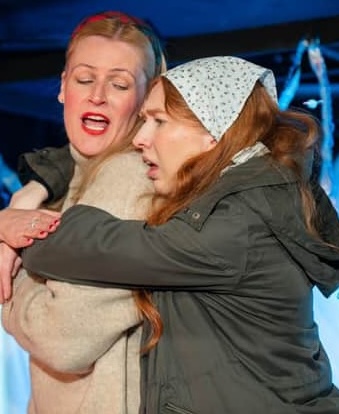
Lexie (Fiona MacNeil) and Effie (MJ Deans) have lived on the Isle of Lewis since childhood. At Lexie’s insistence, they have set off on a fishing trip to the remote Loch that she used to visit with her late father, back when she was wee. Effie has gone along with the idea, but it’s clear from the get-go she’s really not suited to the outdoor life, complaining every step of the way and much more interested in singing and chatting nonsense than pressing on with the hike.

On the long trek to their destination, Lexie spins yarns about some of the mysterious mythological creatures that are connected with this mountainous landscape. Chief among them is the elusive Righ Lasgar: The Fisher King, a creature renowned for luring his victims to their bloody deaths by apparently granting their heart’s desire. Lexie is desperate to catch fish today and, after a distinctly unpromising start, the two women begin to reel them in…

Kenny Boyle’s understated supernatural folk tale would, on the face of it, suggest that it’s an appropriate subject this close to Hallowe’en, but perhaps it’s too understated for its own good: the duo’s bickering is mostly played for laughs, which means that a late-stage attempt to shift the tone abruptly into the realms of terror really doesn’t come off.

There are other issues. While of course it’s commendable to incorporate Gaelic elements into new Scottish writing, reeling off words in the language and then repeating them in English feels ponderous. Non-Gaelic speakers should be able to work out what’s being said from the context. Furthermore, Lexie’s late-stage ‘revelation’ has no impact because it’s something that’s already been announced much earlier in the play.

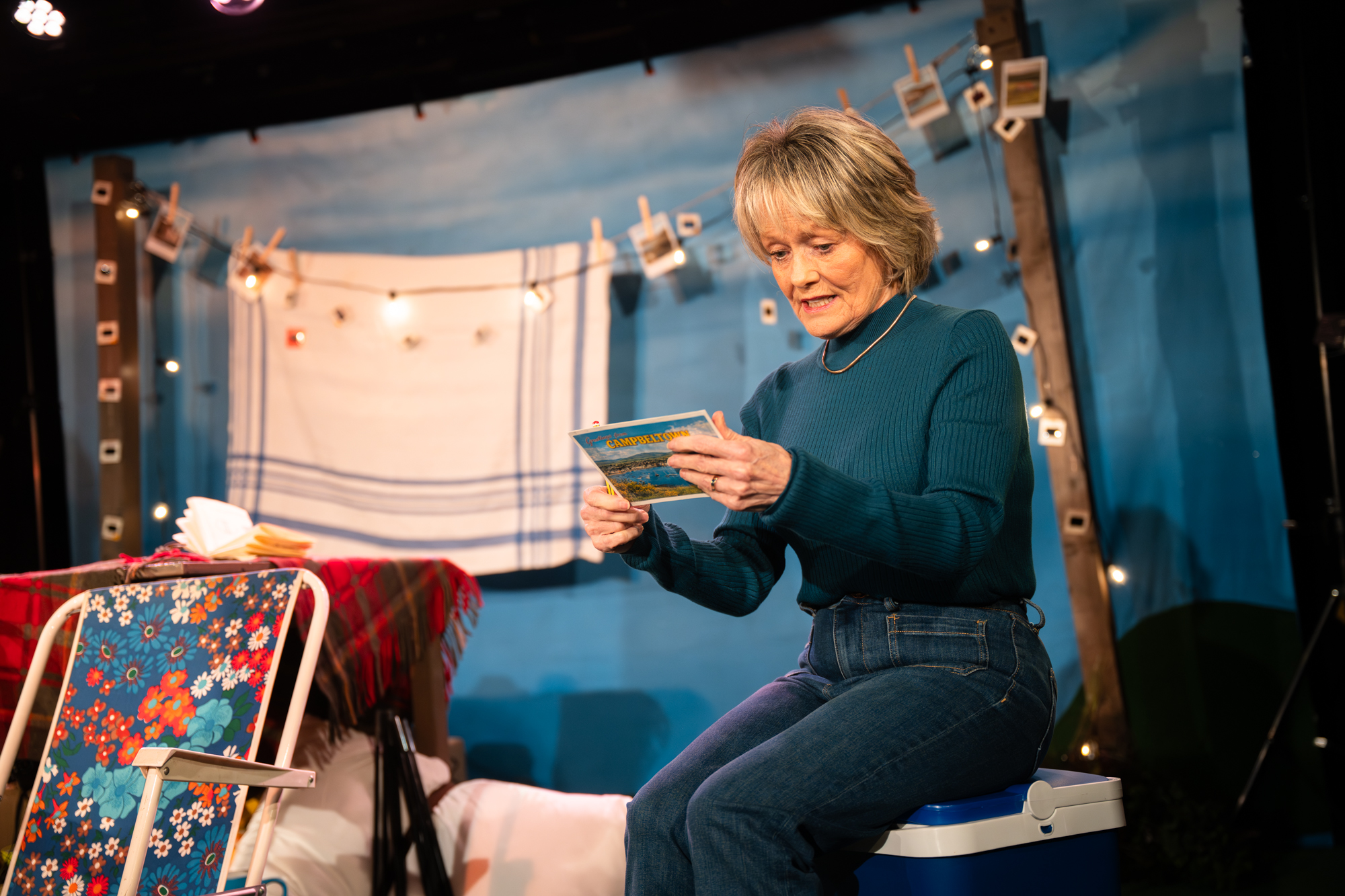
MacNeil and Deans give this their best shot, and Heather Grace Currie’s set design cleverly evokes the great outdoors in the tiny space of Traverse 2. The costuming of the titular creature (played by Adam Buksh) is also pretty impressive but, sadly, it fails to generate the necessary chills to make that final gear-change work.

2.8 stars

Philip Caveney

Ivor

15/04/25

Traverse Theatre, Edinburgh

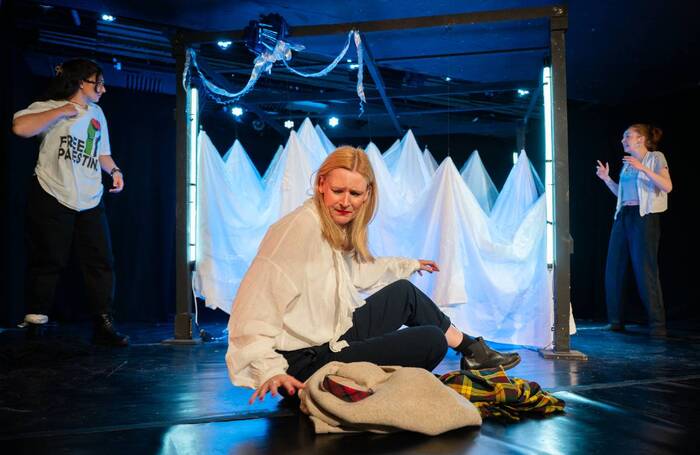
It’s Scarlet’s twenty-first birthday, and she’s promised to spend it with her mum. Single-parent Sarah (Laura Harvey) is beyond excited: she’s not enjoying her empty nest, and is determined to go the extra mile for her student daughter (Alice Glass). A landmark occasion requires a significant gift – and what could be more significant than an actual iceberg?

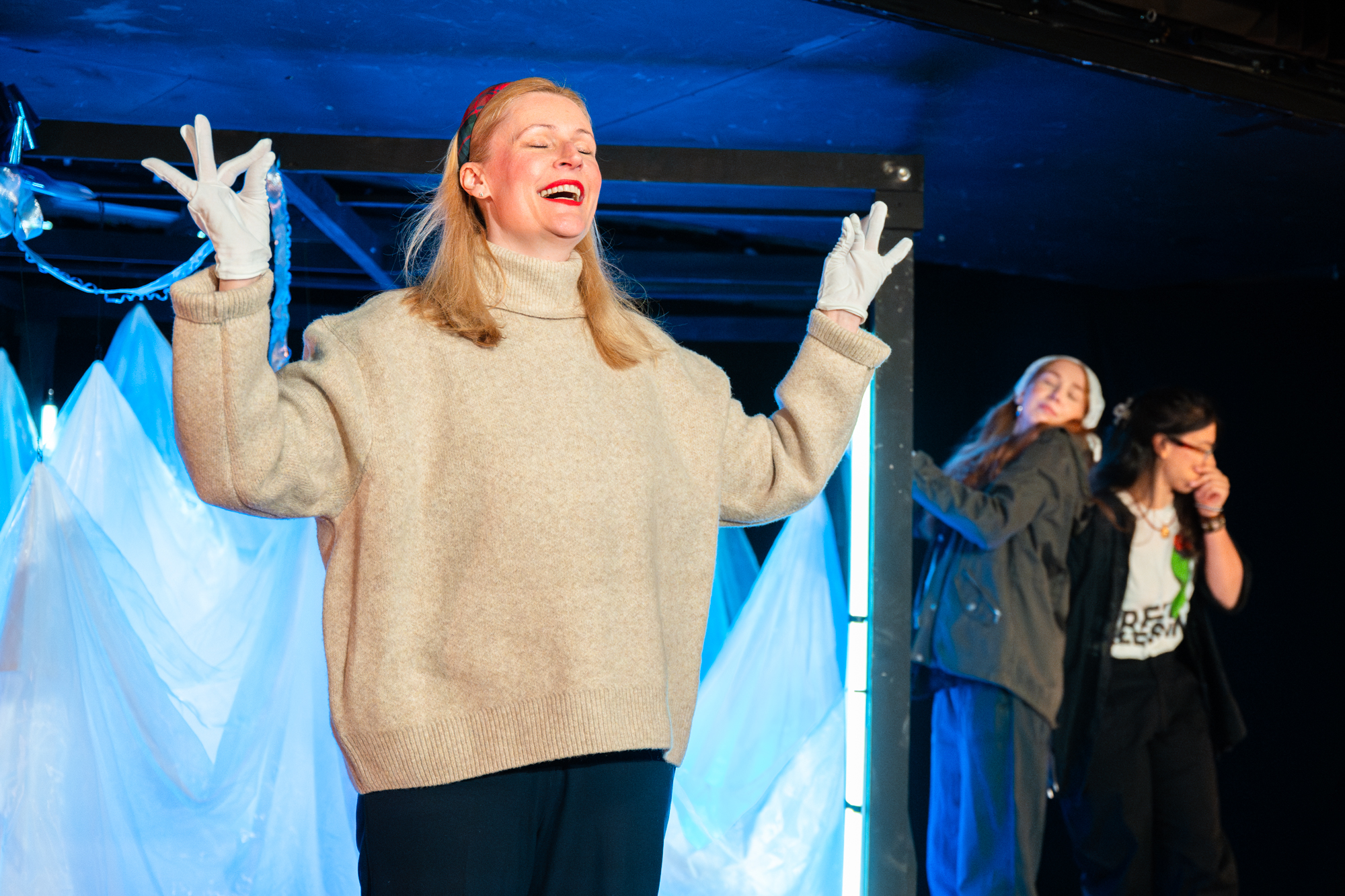
The titular piece of polar glacier – “Ivor” – dominates both the family kitchen and the Traverse 2’s stage: a great big hulking metaphor, displaced and dangerous.

Scarlet’s not exactly delighted by the surprise. Not only is it weird, it’s also way too much. She feels suffocated by her mother’s ridiculous largesse. How now can she break the news that, in fact, she won’t be staying here after all? That she’s planning to go to London with her girlfriend, Jude (Betty Valencia), and has only popped in to collect something…

Jennifer Adam’s sprawling script encompasses ecological disaster, terrorism and helicopter parenting. The creaking, leaking iceberg symbolises more than the melting ice caps: it’s a reminder of the enormity of the task ahead for Jude and Scarlet, young women determined to save the world. Meanwhile, the petty squabbles and hypocrisies between the three loom just as large. It’s a lot to pack in to fifty minutes’ playing time and, although director Catriona MacLeod succeeds in pacing it well, I can’t help wishing there were a little less here. Valencia’s performance is strong, but I think the play would be more compelling without Jude, with a tighter focus on the mother-daughter dynamic, set against the ever-looming climate crisis.

Heather Grace Currie’s clever design almost fills the small stage with an Ivor comprising huge white sheets teased into peaks, which is quite an achievement on a small budget. Unfortunately, this affects the sight-lines, and I wonder if a more abstract construction – an up-lit empty frame, for example – might serve the piece better.

The idea behind Ivor is pleasingly quirky but, in its current form, it doesn’t really suit the PPP running-time. Given longer to develop its themes – Jude’s family’s experiences in Colombia in particular need a lot more attention – this could be a really fascinating play, with much to say about the troubled times we live in.

3 stars

Susan Singfield

Detained

22/10/24

Traverse Theatre, Edinburgh

In a week when the Home Office has found the time to issue the fictional Paddington Bear with an official passport, it’s sobering to be faced with a stark reminder of the realities of the UK immigration system and the human lives caught up in it.

Playwright Michelle Chantelle Hopewell’s professional debut has a strong premise, exploring the uneven power dynamic between two friends, where a single impulsive moment of spite has a profound and devastating impact.

South African asylum seeker Yemi (Titana Muthui) is incarcerated in a detention centre, and she’s appalled to learn that she’s there because of her best friend, Bea (Laura Lovemore). The women work in the same restaurant, and Bea, catching her boyfriend in the arms of another waitress, has called the authorities to report her for being there illegally. She doesn’t know that Yemi’s visa has run out, that her ‘sister’ will get caught in the crossfire.

We’re witness to a series of visits spanning two years, as Yemi languishes in ‘jail’, refusing to open up about her traumatic past, even to the lawyer who might be able to assist her. Through her conversations with Bea, we learn how horribly dehumanising the process is, and how a simple oversight – such as not filling in a form on time – can change a person’s life. Bea is impacted too, learning to live with the guilt of what she’s done, trying – and failing – to compensate by campaigning for Yemi’s release.

Both Muthui and Lovemore are compelling in their roles, with Muthui in particular exuding a desperate dignity. Even though I want to shout at Yemi to tell the lawyer what he needs to know, I can’t help but be impressed by her quiet determination not to be forced to share her nightmares to appease others. Muthui makes this awful choice entirely credible.

Caitlin Skinner’s direction ensures that this wordy drama remains dynamic, and Heather Grace Currie’s simple set design manages to include both the barbed wire holding Yemi back and the blue skies still offering her a glimmer of hope.

Even for A Play, A Pie and A Pint, Detained is short, and doesn’t perhaps make the most of its potential, with a lot of ideas left unexplored. I’m also not convinced by the single section addressed to the audience by Yemi, which feels stylistically (but not tonally) different from the rest. I think for this to work, she would need to be revealing something we haven’t previously seen from her – a greater anger, maybe, or a deeper exploration of her situation.

A piece that asks more questions than it answers, Detained is certainly a play for our times. Let’s hope that fewer pretend bears and more actual people are afforded access to asylum over the coming years.

3 stars

Susan Singfield

Armour: A Herstory of the Scottish Bard

01/10/24

Traverse Theatre, Edinburgh

Today’s A Play, A Pie and A Pint production is a welcome revival of Shonagh Murray’s Armour: A Herstory of the Scottish Bard. Unwieldy title notwithstanding, this is a taut, well-scripted piece of theatre, the music deftly evoking the lyrical poetry at its heart.

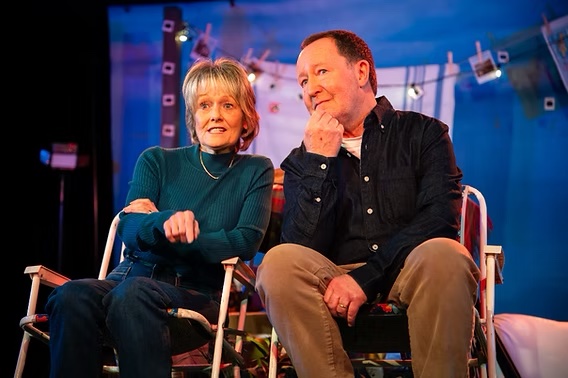
It’s thirty years since the death of Scotland’s beloved poet, Robert Burns, and his widow, Jean (Irene Allan), still misses him. But she has plenty to occupy her time, not least her headstrong young granddaughter, Sarah (Karen Fishwick), who’s been sent to live with her in Dumfries, while her dad’s away in India. And then there’s Nancy Maclehose (Hilary Maclean), Burns’ erstwhile mistress, who seems very keen to talk to Jean. There’s something important she needs to say…

Tom Cooper’s direction and Heather Grace Currie’s set design both serve to highlight Murray’s clever structure, ensuring that Burns’ absence forms the centre of the play, a model of his mausoleum gleaming from the mantlepiece, white against the dark furniture. Armour is a feminist piece but it doesn’t shy away from the fact that we only know these women in relation to a man, that they are destined to remain almost unknown, circling the ghost of a famous heavyweight, as small as the dolls that Sarah plays with.

Murray’s script breathes life into the women, imagining their responses to the scant details we have of their real circumstances. Allan imbues Jean with a sharp dignity, a refusal to be shamed or diminished by her husband’s infidelities. What’s more, Maclean’s Nancy defies the image of a paramour: she admits to feeling guilt for not thinking about Jean, but there’s no room here for any moral outrage. She loved Rab. He loved her. He loved Jean too. People are complicated and you can’t change that. What you can do, as Jean explains to Sarah, is choose whether to be “a sitter or a do-er”. And being a do-er is infinitely more admirable.

Fishwick shines as the motherless young child, fascinated by her granny’s stories and determined to follow in her grandad’s footsteps and become a bard herself. Her wistful demeanour – as she remembers India and her dad – contrasts beautifully with the irrepressible spirit she shows as she sings and dances around her granny’s house. Jean and Nancy might have been consigned to a life in the shadows, but Sarah believes she can have much more. Especially with those great women behind her.

Armour is a deceptively melodic piece, which smoulders gently before bursting into full flame.

4.1 stars

Susan Singfield

The Wolves at the Door

24/09/24

Traverse Theatre, Edinburgh

The Wolves at the Door, the second in this season of A Play, A Pie and A Pint at the Traverse, is a heartfelt polemic, written by Jack Hunter and directed by Amie Burns Walker. As Winter crooks its frosty finger and beckons, this timely piece zooms in on the issue of energy companies forcing impoverished people to use expensive prepaid gas and electricity meters.

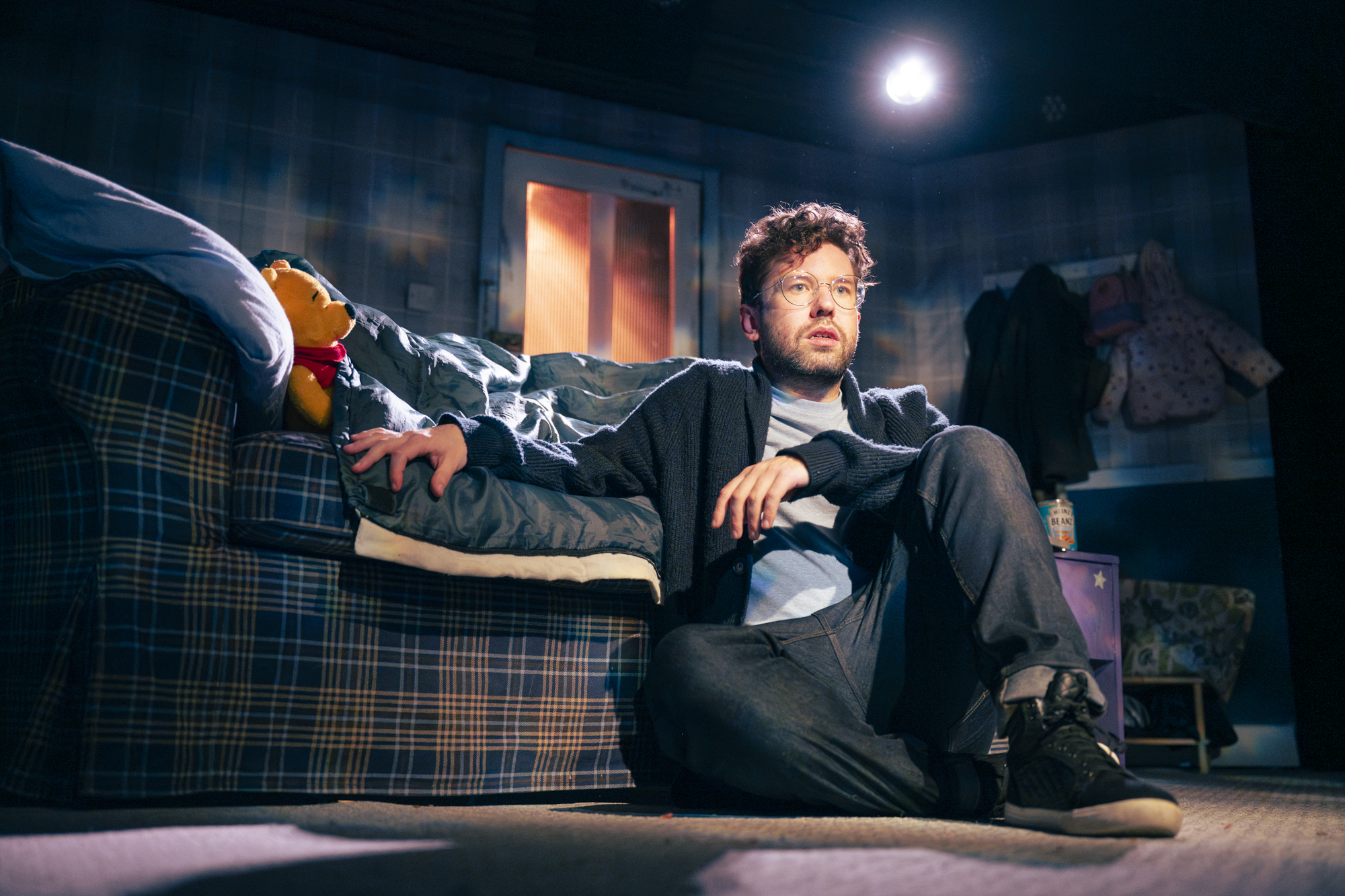
The allegory of a Big Bad Wolf threatening the security of a vulnerable Little Pig might not be subtle but it’s certainly effective, and Heather Grace Currie’s dingy set design reminds us exactly how Grimm (sorry) the situation is.

The Pig, Daniel (Ciaran Stewart), is struggling. He’s lost his job, his marriage has fallen apart and he’s desperate to maintain a good relationship with his seven-year-old daughter. But how can he do that when the flat he’s renting is mouldy and damp, and a combination of Universal Credit and part-time shelf-stacking barely leaves him enough to feed himself, let alone put the heating on? Worst of all, his daughter knows. She puts on a brave face for him, trying to reassure him that the crappy pizza he’s heated up is exactly what she wants for her tea. He can’t bear it.

Enter the Wolf, Malc (Ben Ewing), and his sidekick, Sussanne (Beth Marshall). He’s a debt collector and she’s an engineer, and they’re here at the behest of the energy company, to install a new smart meter – one that requires prepayment. If he doesn’t have the money up front, Daniel will be left without power.

Malc is unsympathetic. He knows what poor looks like; it’s how he grew up. But he believes it’s up to individuals to get off their arses and sort themselves out – like he has done. Ewing portrays the GB News-loving cynic with a charismatic swagger. “How can someone call themselves broke if they’re still drinking ground coffee, if they’ve got a TV and a Playstation?” he demands. Sussanne is less world-weary – it’s her first day – and more sympathetic too: she doesn’t think it’s a lot to ask for a warm, safe home and enough food in your belly; she’s in favour of a benefits system that allows people a few small treats. Marshall imbues the conflicted newbie with real heart – but hey, she’s got a job to do, and if she doesn’t do it, she’ll be in the same boat as Daniel.

Hunter makes some important points in this play, but the dialogue focuses too intensely on the issue, reducing the characters to representatives of their respective positions, rather than fully-rounded people. While the dark humour works well in places, a lighter touch is needed throughout to stop the story from being bogged down by its own good intentions – and perhaps the brusque conclusion ties everything up a little too neatly to be entirely convincing.

3 stars

Susan Singfield