Filmhouse

The Apartment

19/12/25

Filmhouse, Edinburgh

It’s the last day of term: I’ve taught my final drama class before the holidays, and I’m ready to wind down. Fortuitously, the Filmhouse has chosen this evening for a members’ free screening of one of Philip’s favourite Christmas movies, The Apartment. Although we arrive early, the foyer is already buzzing, people queuing amiably for the complementary mulled wine and mince pies that are being served. It smells delicious but, as we’re both tee-total, I’m gluten-free and Philip would rather starve than eat dried fruit, we don’t bother joining the line. Instead we head on upstairs to secure ourselves some decent seats.

When it comes to iconic festive movies, I’ve got a bad track record. I didn’t see 1992’s A Muppet Christmas Carol until 2019, but that 27-year lull pales into insignificance compared to the 65 years that have lapsed since Billy Wilder directed (and co-wrote) The Apartment. So I’m excited to finally catch up with this film that Philip is so enamoured of – and what a treat to see it on the big screen in an immaculate 4K restoration.

A study in toxic masculinity, where powerful middle-aged men exploit vulnerable young women, and the only way for anyone to get ahead in the workplace is to submit to the demands of their narcissistic bosses, this feels like a very contemporary tale. Indeed, if it weren’t for the monochrome cinematography, the 1960s fashions and the rolodexes on the office workers’ desks, this could easily pass for a #MeToo-inspired drama. Plus ça change, plus c’est la même chose

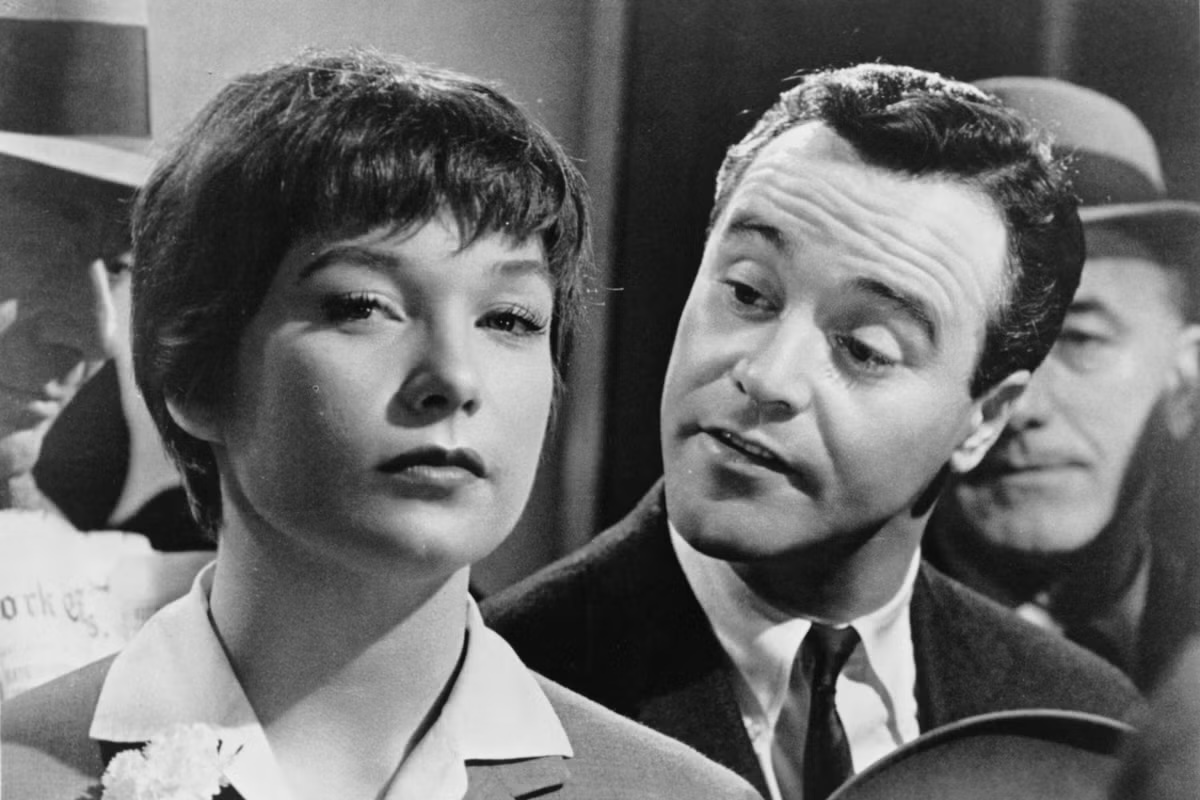
It’s Christmas-time in New York City, and CC Baxter (Jack Lemmon) is a lowly clerk with just one advantage: he has managed to secure a reasonably-priced apartment in a sought-after location near Central Park. When his supervisors learn where he lives, they promise him promotion… so long as he lets them use his conveniently-situated abode to conduct their extra-marital affairs. Cue comedic mayhem as CC struggles to maintain control of an overfull schedule, often forced to kill time lurking outside his own home as he waits for the lovers to leave. As if that weren’t enough, he also has to endure his neighbours’ disapproval: they think he’s some sort of Lothario, entertaining a parade of women. Still, if it means he can get on at work, then it’s worth it, right? And anyway, he doesn’t know how to refuse…

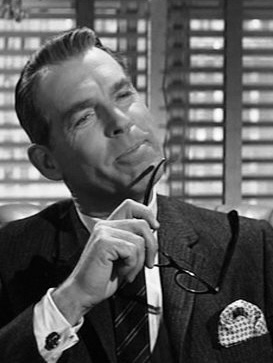
But then CC strikes up a friendship with lift attendant Fran Kubelik (Shirley MacLaine) and his priorities begin to shift. When he learns that she’s having an affair with the odious manager, Mr Sheldrake (Fred MacMurray), he’s devastated, but their warm relationship endures – and, in the end, their mutual affection saves them both.

It’s a beautiful film: at once funny and heartwarming, bleak and hopeful. Wilder and co-writer IAL Diamond’s script is vivacious and witty, and Lemmon and MacLaine are both dazzling in their roles, their naïvety and powerlessness so utterly appealing that I want them to flourish from the moment I see them on screen. Meanwhile, MacMurray makes an excellent villain, all surface charm and barely-concealed self-interest. Convincingly drawn, this is a perfect study of human nature – with an ultimately life-affirming and seasonally-appropriate message.

Merry Christmas! And don’t forget the fruitcake.

5 stars

Susan Singfield

Die, My Love

16/11/25

Filmhouse, Edinburgh

Die, My Love, based on Ariana Harwicz’s acclaimed novel, is another irresistible movie from Scottish director, Lynne Ramsay. With a script by Ramsay, Enda Walsh and Alice Birch, this unflinching study of a woman’s postpartum psychological breakdown is as compelling as it is harrowing – and Jennifer Lawrence is frankly wonderful in the lead role.

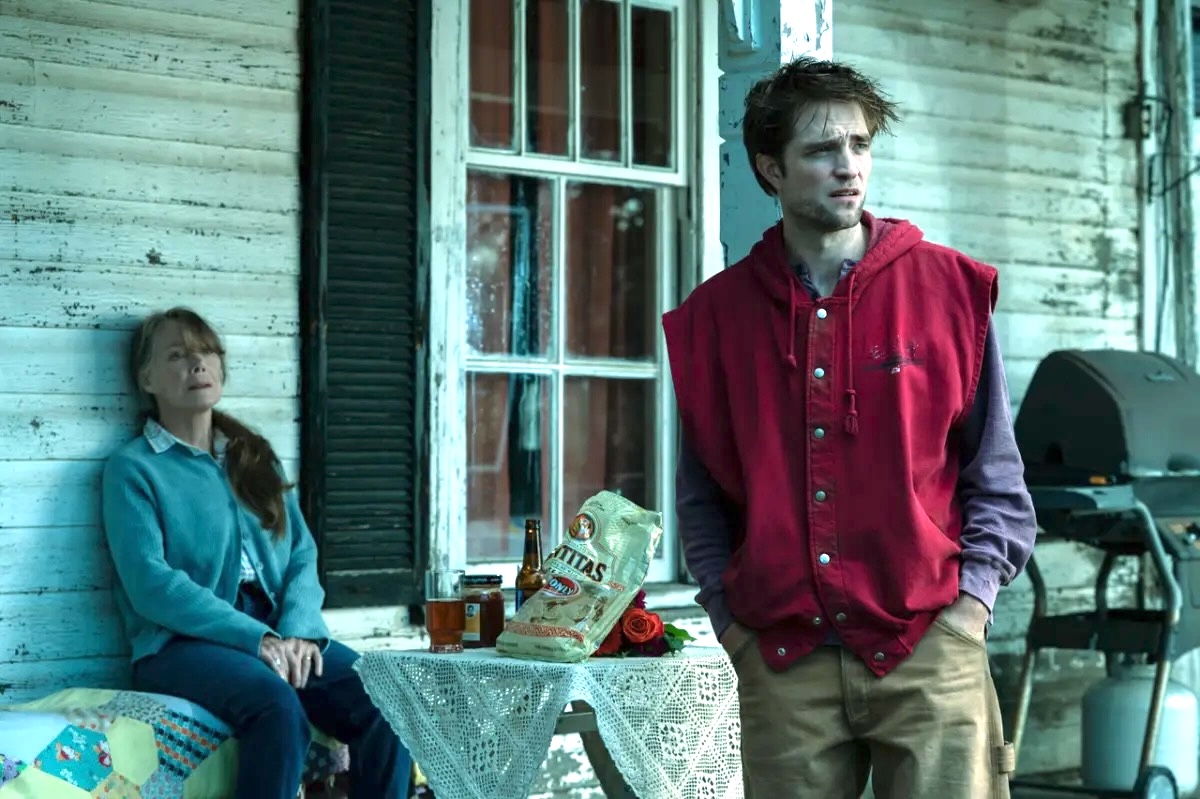
Grace (Lawrence) and Jackson (Robert Pattinson) are expecting their first baby and, in preparation for this new chapter of their lives, they move into Jackson’s deceased uncle’s house. They’re not fazed by the piles of leaves in every room, the old-fashioned decor or even a minor rat infestation: they’re young, excited and in love. They’ll make it work.

But once Grace gives birth to Harry, the spark between her and Jackson dies. She’s stuck at home: bored, resentful and unable to cope. Jackson’s job means that he can escape from the oppressive confines of their isolated house, but Grace’s work is writing; it doesn’t get her out and she can’t focus on it anyway. “I don’t do that any more,” she says.

She loves her baby but she feels trapped and abandoned. Jackson never wants to have sex with her any more, although the box of condoms in his car seems to be getting lighter by the week. She refuses to be just Harry’s mother: why can’t she also still be Grace-the-writer, Grace-and-Jackson, Grace-the-wild, the-impulsive, the-let’s-have-fun? With only Jackson’s bereaved mother, Pam (the fabulous Sissy Spacek), for company, Grace’s mental health begins to deteriorate, her behaviour becoming ever more erratic and dangerous.

Ramsay’s film is undoubtedly dark, but it’s bleakly funny too. Grace’s blunt responses to the platitudes she’s offered often fall into the “things-we-all-wish-we-could-say-but-can’t” category, and – if it weren’t for all the damage they cause – her devil-may-care actions are almost inspirational. I feel sorry for both Grace and Jackson, a couple trapped in a relationship that no longer works, dragging each other down in their attempts to meet society’s expectations of them. “Let’s get married,” says Jackson in desperation. Maybe a wedding is the glue they need to stick them back together?

Or maybe not…

More than anything, this movie reminds me of Charlotte Perkins-Gilman’s The Yellow Wallpaper; indeed, there are several overt references here to the 19th century short story, not least in Grace’s frantic stripping of the heavily-patterned wallpaper with her fingernails, or her crawling through the long grass just like Perkin-Gilman’s “creeping woman”. It’s not just the remote house and the remote husband, nor even the medicalisation of female emotions or the retreat into a fantasy world. More than any of that, it’s the mind-numbing boredom of the protagonist’s existence, and her refusal to accept this as her lot.

A real contender for my film of the year, Die, My Love is a bravura piece of movie-making: stark, beautiful and as uncompromising as its heroine.

5 stars

Susan Singfield

Baba

02/11/25

George Street, Edinburgh

We’re dubbing today the ‘Double-B’ – we’ve just been to Cineworld to see Bugonia and now we’re in Baba, keen to sate our hunger while we chat about the film.

Baba has been on our radar for a while. It’s part of the Scoop group, which also boasts the excellent Ox and Finch and – our favourite – Ka Pao. Like these, Baba is a fusion restaurant, this one blending Levantine cuisine with distinctly Scottish ingredients. The menu is very enticing.

After some deliberation, I decide to start with buffalo mozzarella. A generous portion of creamy cheese arrives, topped with sour cherries, harissa and basil, a flavour combo which comes as something of a revelation. It’s delectable. It’s served with pitta as standard but, as I’m in the process of working out if I have a gluten intolerance, I ask for the NGCI alternative. This takes the form of a paper bag filled with two charred slices of GF bread, which complement the mozzarella perfectly.

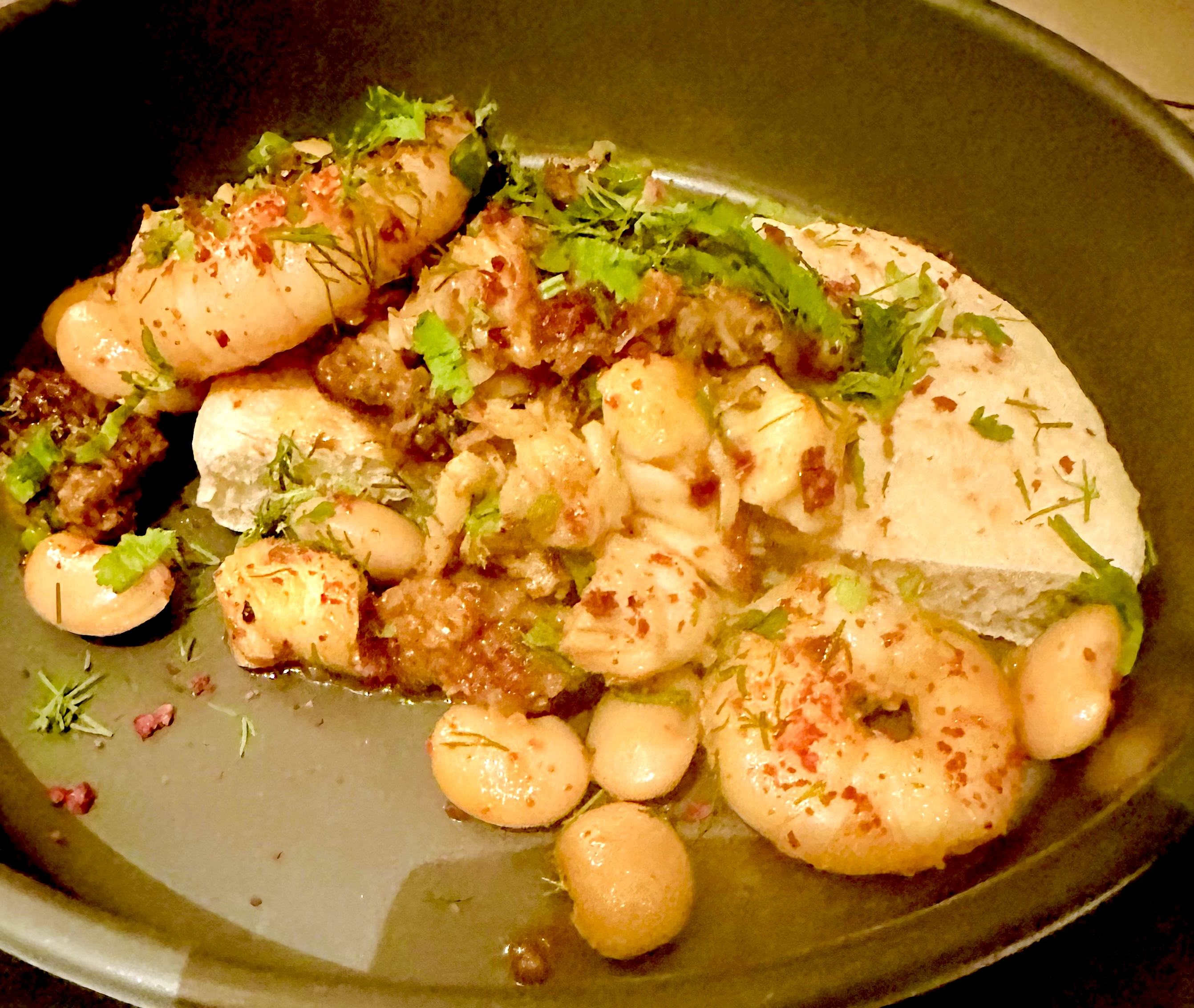
Philip opts for pan-fried cod cheeks, which come with prawns, merguez, butterbeans and toasted pitta. The dish as a whole is excellent, but it’s the prawns that stand out. They’re huge and wonderfully flavoured.

For our main, we decide to share a Baba mixed grill, comprising slow-cooked lamb shoulder, pork neck, chicken thigh and grilled veg, accompanied with harissa, zhug, tahini and herbs. It’s a simple dish, but the meat is tender and very well cooked, and we enjoy it immensely. We also have a side of blackened sweet potato, elevated by a mixture of saffron crème fraîche and harissa, which I’m planning to try to recreate at home.

Naturally we both want pudding. I have a dark chocolate and tahini crémeux, wiith sesame tuilles and my second helping of both cherries and crème fraîche, while Philip has a tahini cookie, with peanut praline, orange and chantilly cream. Both deliver the lip-smacking sweetness we’re craving, and we scrape our plates clean.

We leave the restaurant feeling pleasantly full, and head out into the November evening, debating whether or not to call at the Filmhouse bar for a (non-alcoholic) nightcap to round things off. Of course the answer is yes. After all, we’ve still got loads to discuss about the film, and what better place to do it?

4.4 stars

Susan Singfield

Sorry, Baby

15/09/25

Filmhouse, Edinburgh

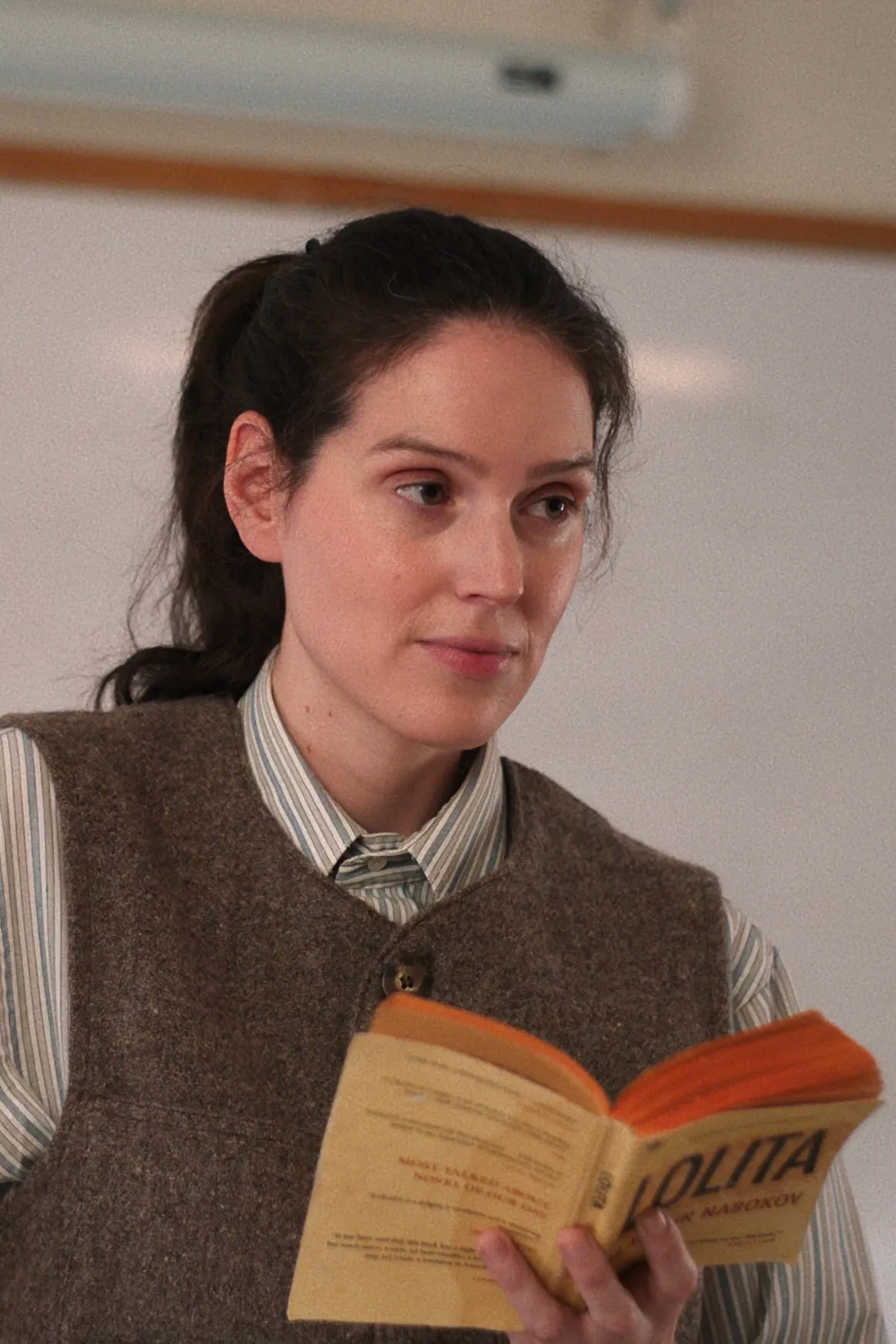
Brand new membership cards tucked into our phones, we’re back at the Filmhouse, ready to watch the much-talked-about Sorry, Baby – the debut feature from writer-director Eva Victor. 

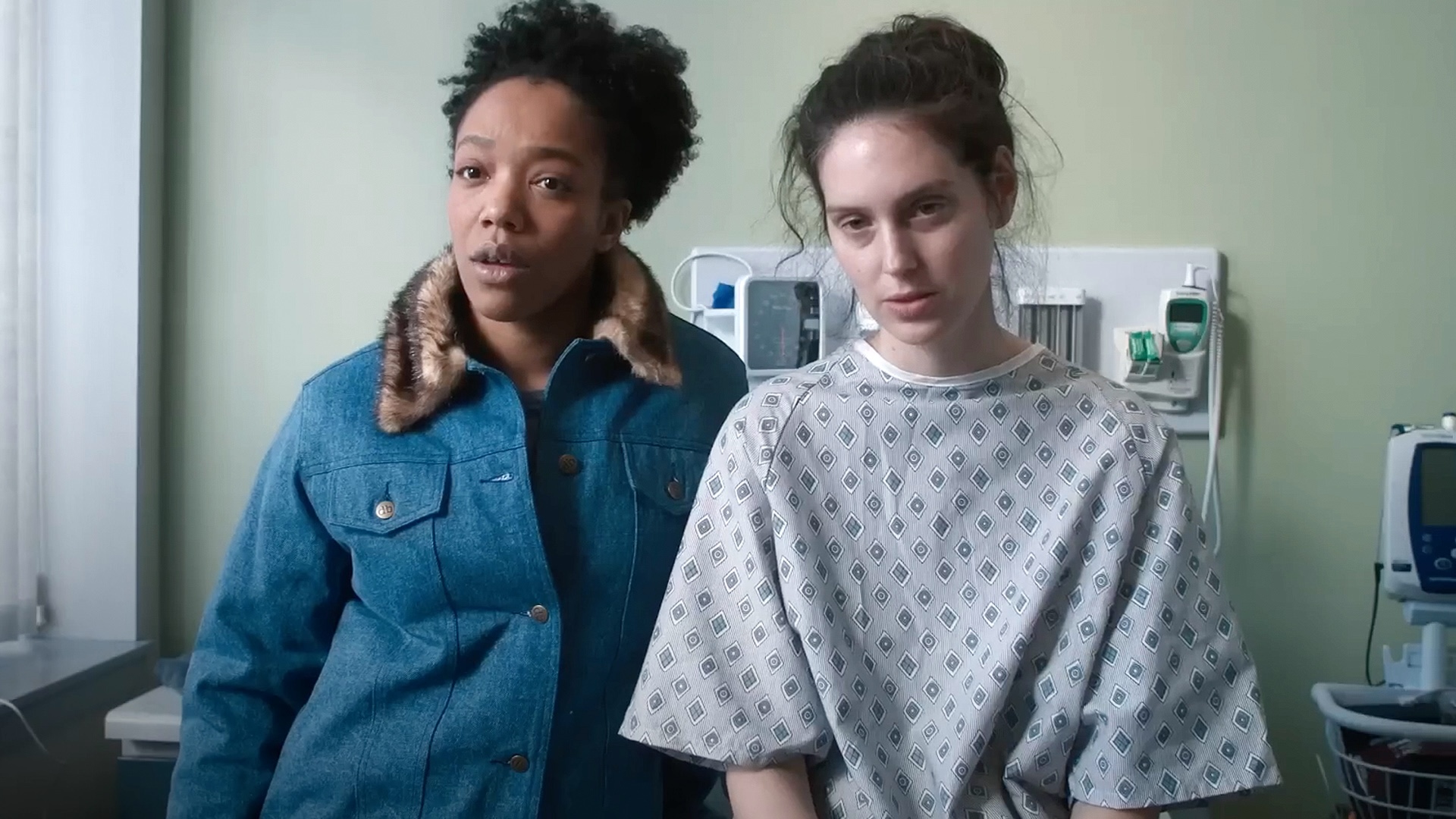
Victor also plays the protagonist, Agnes, a college teacher struggling with the aftermath of being raped by their professor (Louis Cancelmi). Their fiercely protective best friend, Lydie (Naomi Ackie), provides emotional support, as does their gentle neighbour, Gavin (Lucas Hedges). 

The plot is simple, but the structure is as complex as Agnes’s emotions, dropping us into the middle of the story before taking us back and then forward in time. This is film-making of the highest order, assured and nuanced, highlighting the myriad moments that mark Agnes’s darkest hours as well as their recovery. Sometimes, it’s as little as a sandwich from a stranger (John Carroll Lynch). Sometimes, it’s as consequential as officials assiduously avoiding blame.

At first, I find the dialogue a little mannered, but I soon settle into its rhythms as it becomes clear that the brittleness is part of Agnes’s reaction to The Bad Thing that happened to them. They’re not broken by it, but they are changed. Lydie takes her lead from Agnes, responding in kind, the very best of supportive pals.

Victor’s focus on what happens next – the fallout rather than the assault itself – is what makes this movie. It feels realistic, a complicated tangle of okay and not-okay. They don’t go to the police but they do report the attack to HR. Their academic ambition is uncurbed – they still pursue a professorship in the same college – but there are also panic attacks and a sense of being stuck. Their healing is incremental. These things take time.

There is some clever direction here: the exterior shot with its changing light representing the assault; the stilted quietude of the university hearing. Victor is utterly beguiling as the gauche Agnes, as vulnerable as they are fierce, as indomitable as they are hurt. Ably supported by Ackie and Hedges, Victor disarms us with an unflinchingly honest portrayal of violation and recovery.

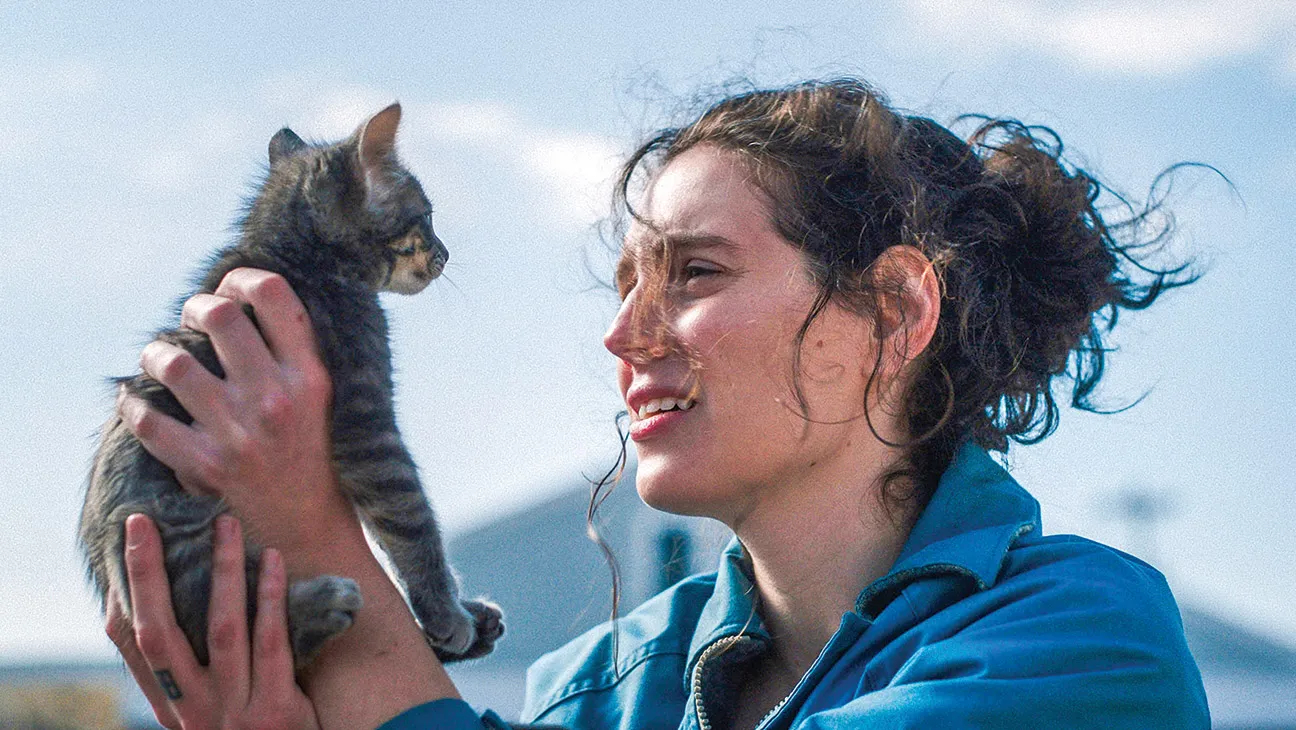
Victor’s comedic talents are also brought into play, leavening the movie with humour, both deadpan and farcical. Standouts include a droll encounter between a supermarket employee and a cat, and Kelly McCormack’s glorious portrayal of the prickly Natasha, her outrageous grievances and jealousy writ large on her expressive face.

In an era of sequels and AI assimilations, it’s a joy to discover a truly original voice like Victor’s. For all its thorniness, Sorry, Baby is a breath of the very freshest New England air.

4.8 stars

Susan Singfield