Festival Theatre

Common Tongue

03/10/25

The Studio at Festival Theatre, Edinburgh

Writer-director Fraser Scott explores the knotty relationship between language and identity in this searing polemic, which – despite the complexity of the subject – is both accessible and very funny.

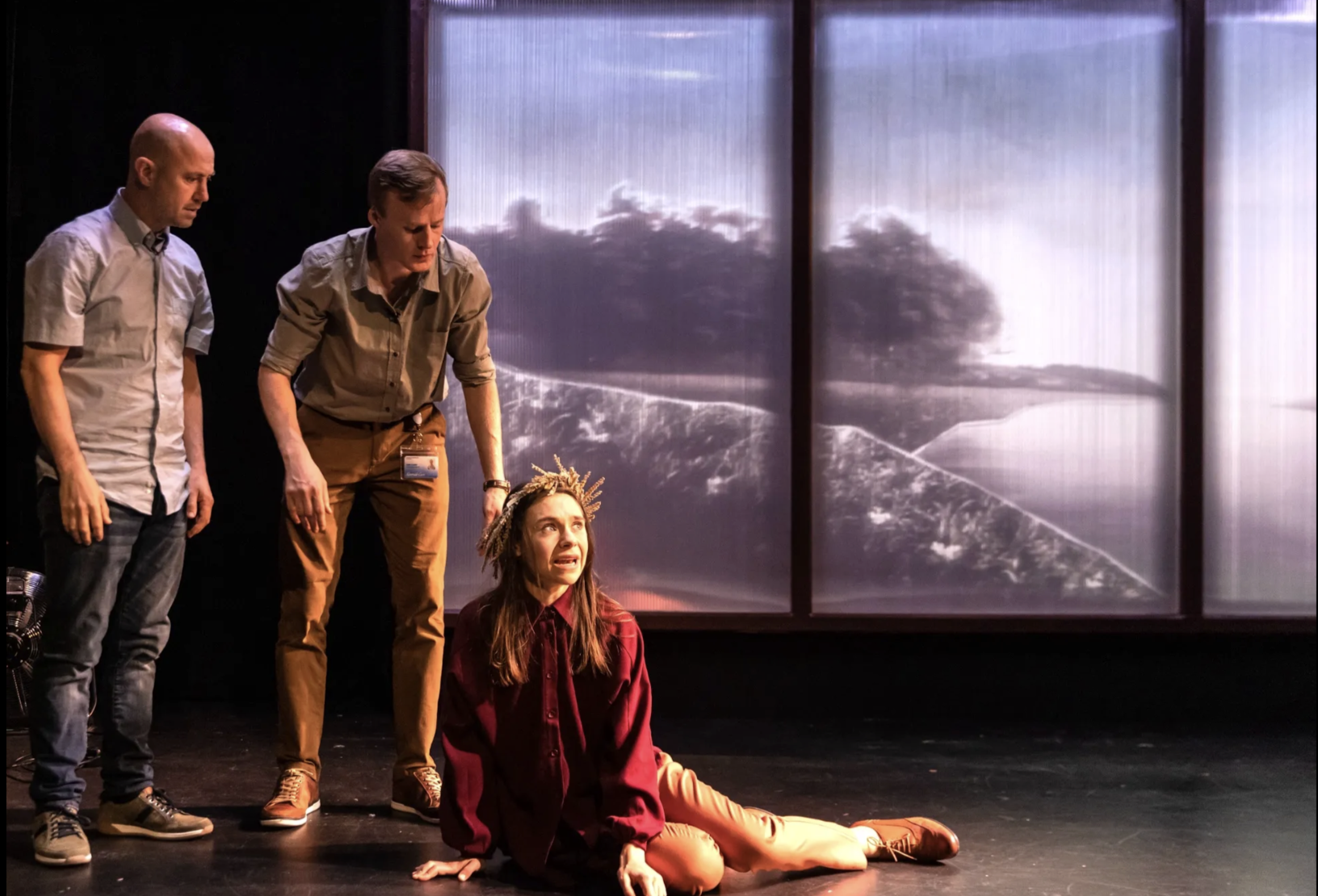
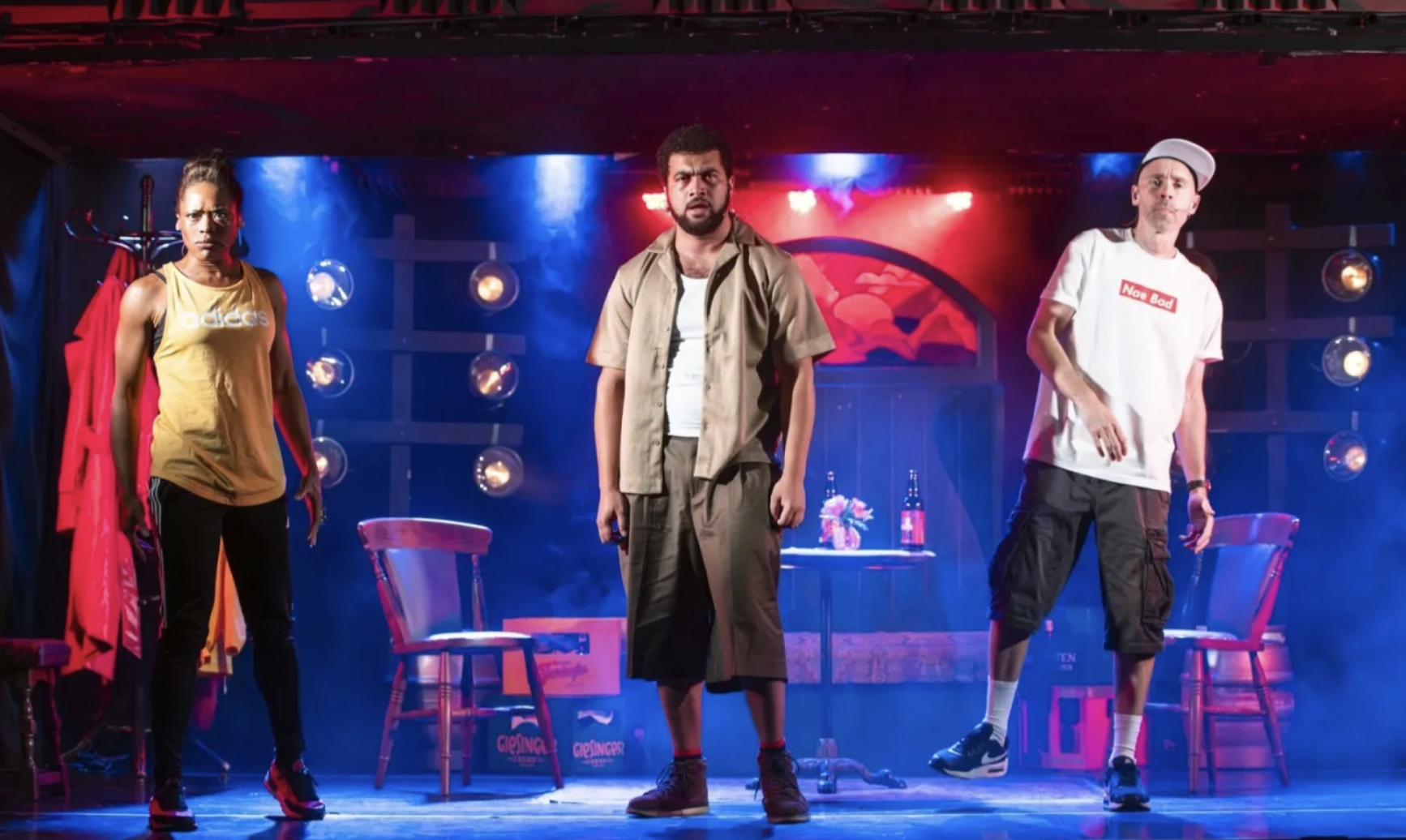
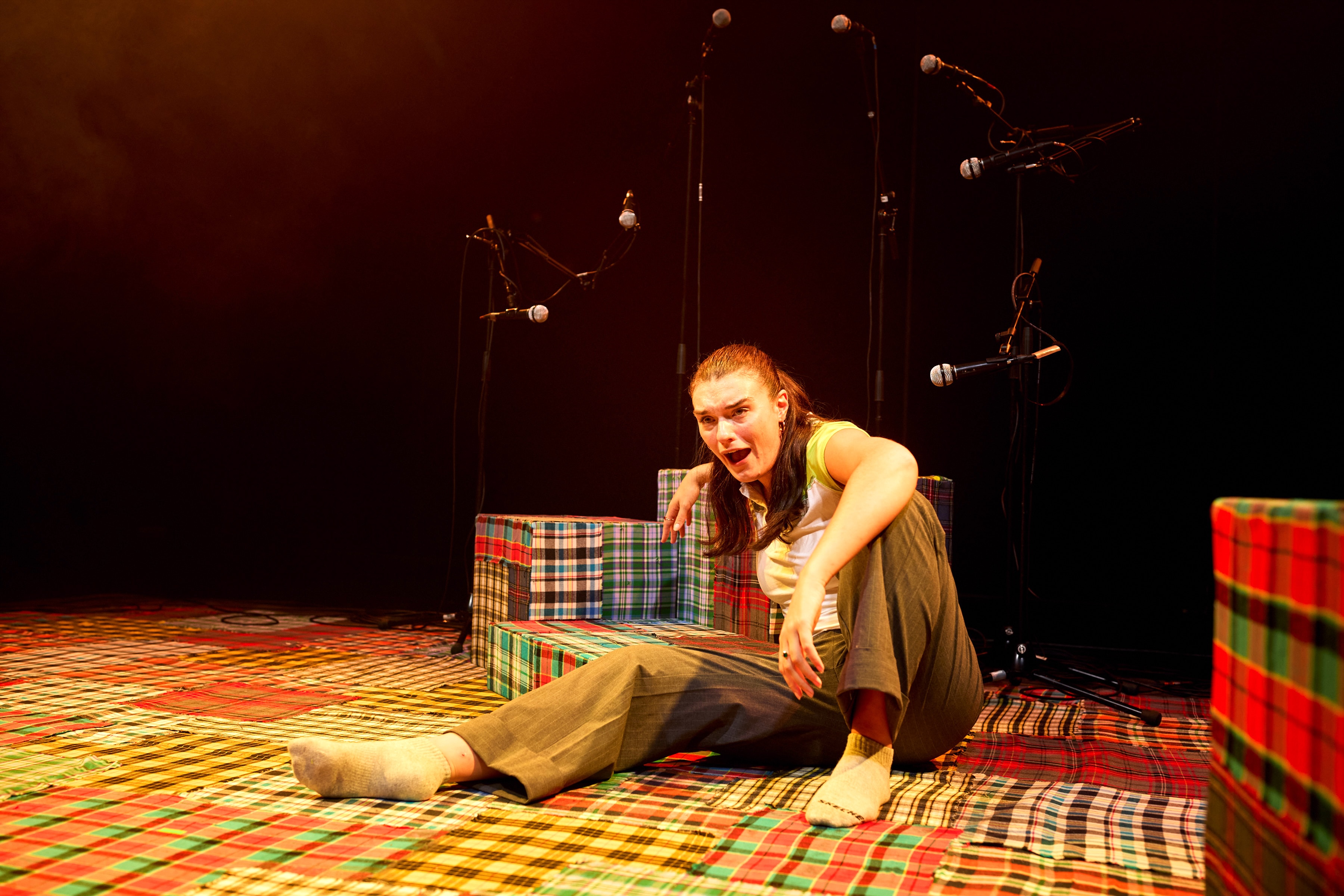
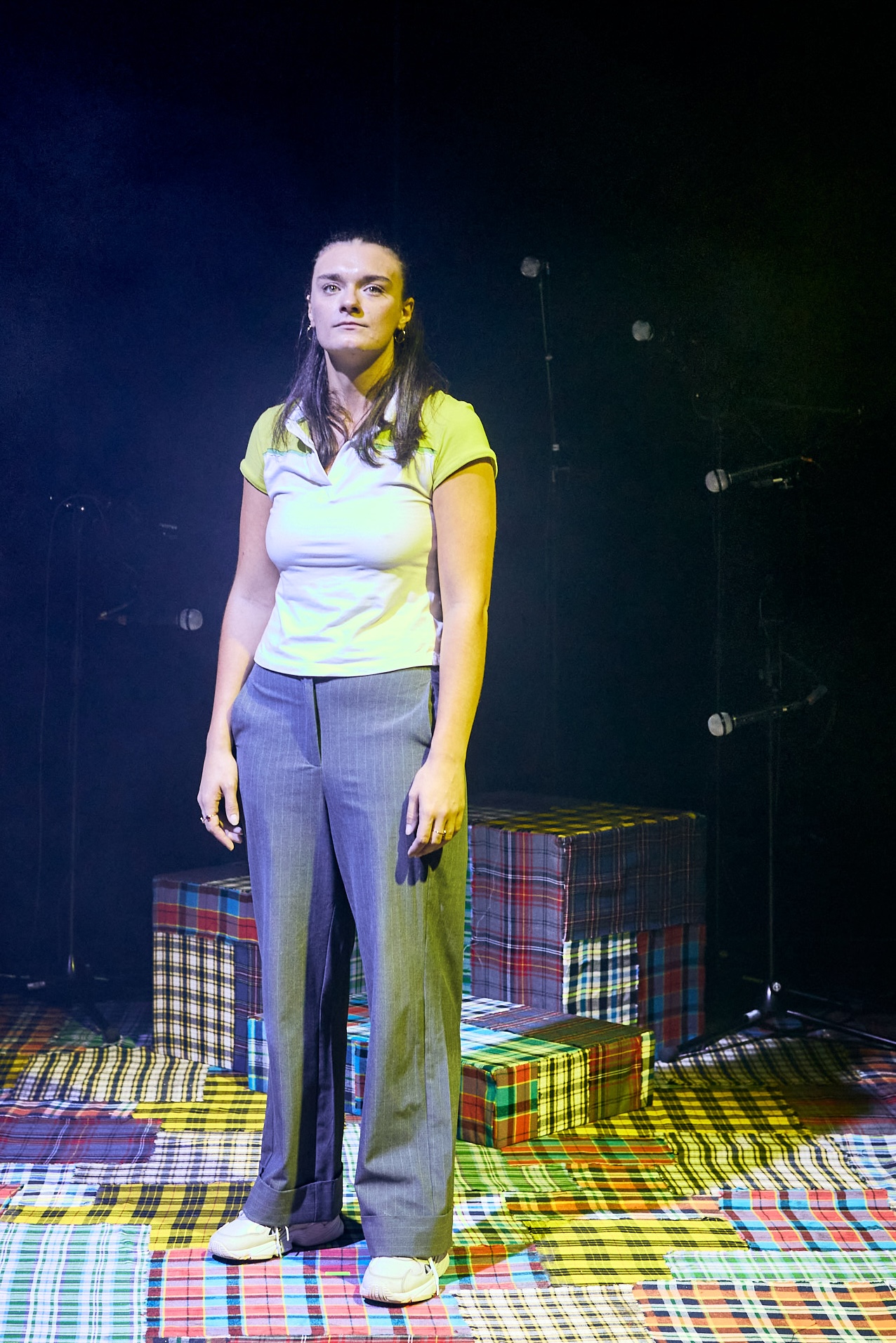
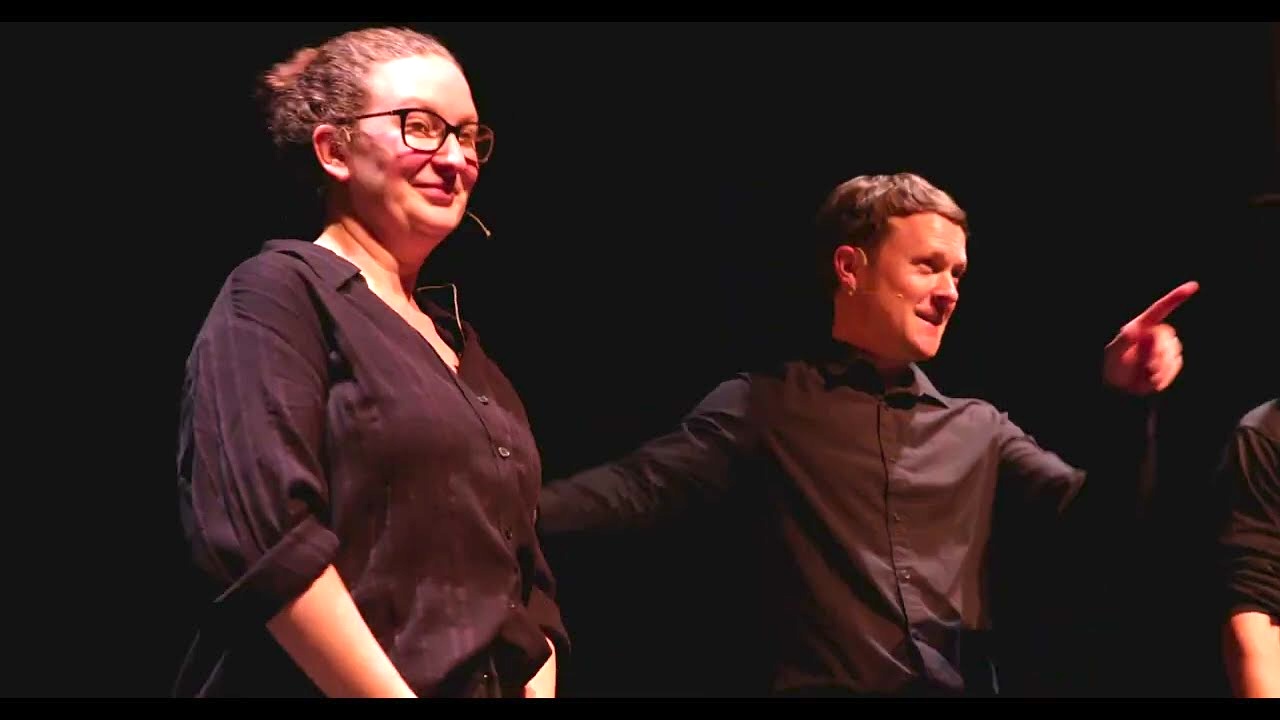
Bonnie (Olivia Caw) is fae Paisley, where she lives with her beloved Papa and speaks like him too. She’s sparky and clever and, as she grows up, keen to spread her wings and see the world.

Step one is St Andrew’s University, where her flatmates are all from England or Edinburgh – “aun a dinnae ken which is worse.” They tease Bonnie about the way she speaks, and she gives as good as she gets, mocking their accents in turn. But of course it’s not the same. The English girl who says, “You have to be okay with how we sound too,” is missing the point. The way she sounds isn’t always on the brink of being wiped out, has never been banned, will never disadvantage her. But Bonnie doesn’t yet have the words to articulate this point.

Step two is a year in the USA, where even those who enthusiastically claim their “Scotch” ancestry struggle to understand anything Bonnie says. She finds herself having to speak slowly and Anglicise her language, which seems harmless enough but it’s tiring. It takes its toll.

Back on home turf, a graduate now, killing time while she works out what she wants to do with her life, Bonnie is disconcerted by Papa telling her that she sounds different: “pure posh.” She realises she has to make a choice. Will she sacrifice her voice to achieve success in an unequal world, or will she roar at the injustice and fight to be heard on her own terms?

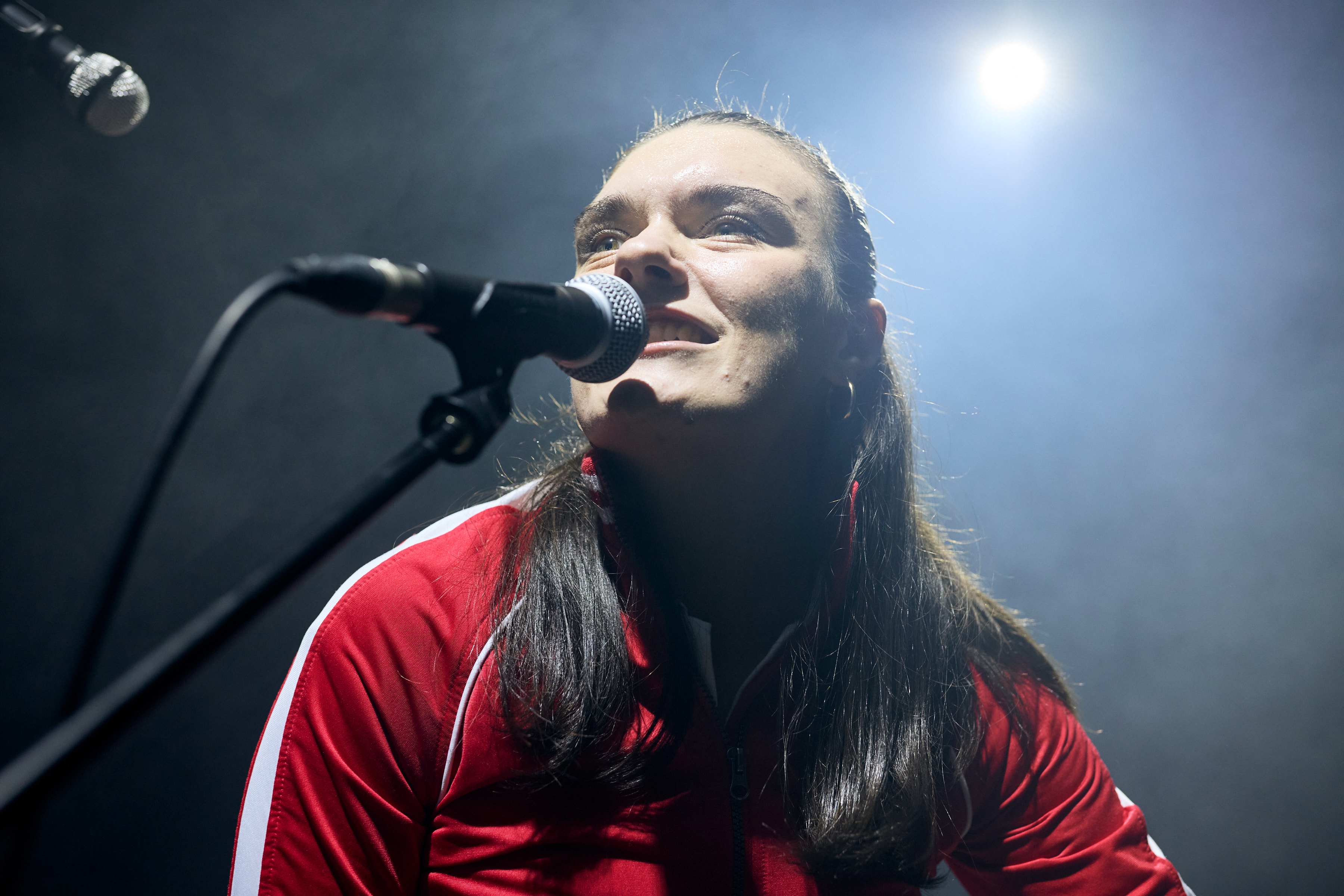
This is a demanding monologue and Caw’s performance is flawless, at once profound and bitingly funny: the jokes delivered with all the timing and precision of a top comedian; the emotional journey intense and heartfelt.

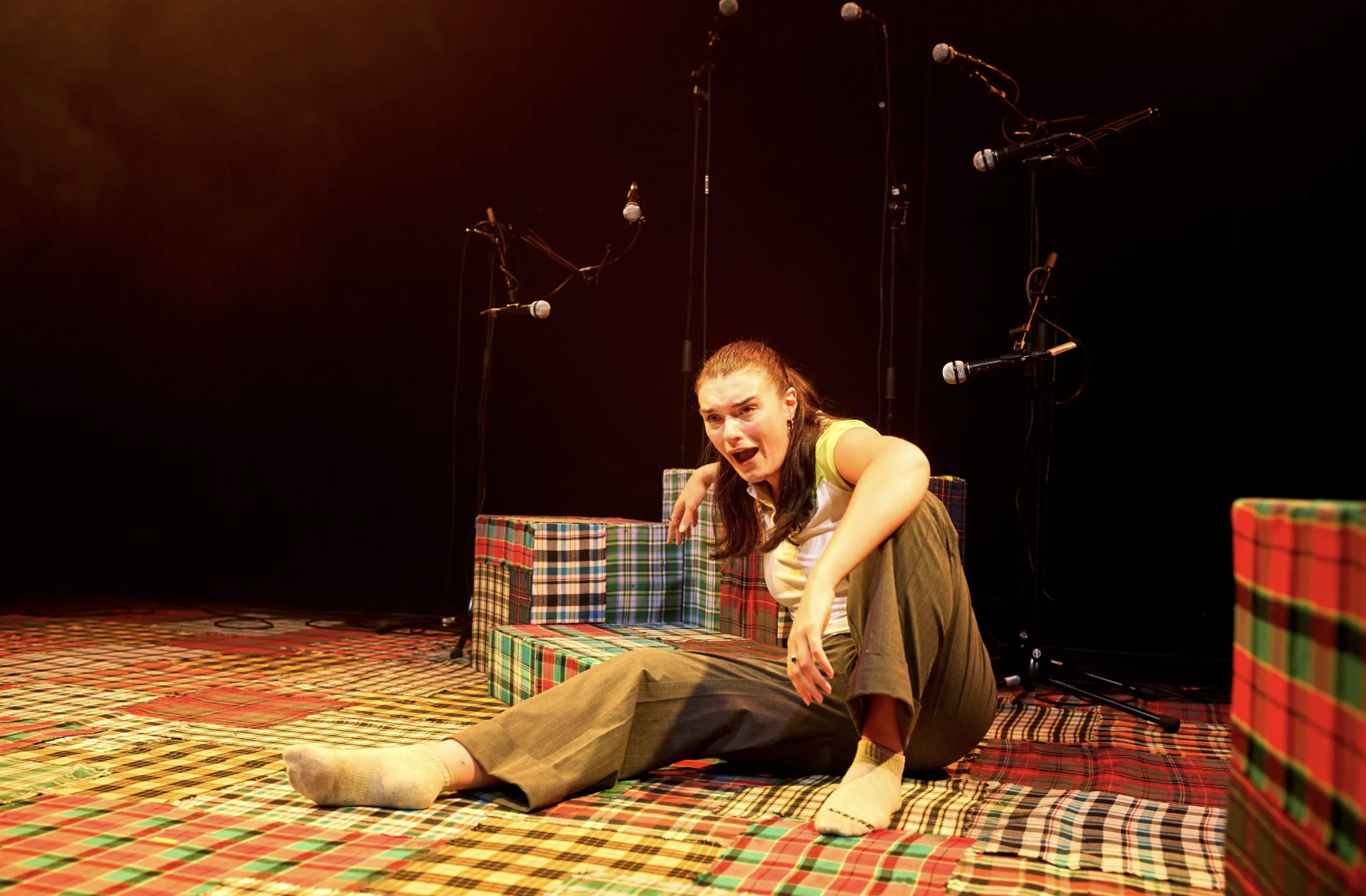
Patricia Panther’s sound design is integral to the production, and I especially like the use of multiple microphones, clustered to denote new places and people. Admittedly, there’s a lot of competition from Storm Amy raging outside and rattling the pipes, but it’s effective nonetheless.

Fraser makes his points cogently, probing both the Sapir-Whorf hypothesis (that the language we use shapes the way we think) and the repercussions of linguistic colonialism. As a Welsh woman, I’m familiar with historical tales of school-kids being punished for speaking Cymraeg, but the Scots issue is clearly ongoing. In fact, as I leave the theatre tonight, I bump into one of the teenagers who attends the drama club I teach. He tells me that he was sent out of class recently for saying, “I ken,” that his teacher deemed his language “cheeky.” I think his teacher needs to see this play.

Kinetic and engaging, Common Tongue has a lot to say and a braw way of saying it.

5 stars

Susan Singfield

The Talented Mr Ripley

16/09/25

Festival Theatre, Edinburgh

The enduring appeal of Patricia Highsmith’s anti-hero reasserts itself here in Mark Leipacher’s stylish adaptation. First unleashed on the novel-reading public in 1955, the murderous con-man has somehow kept us all rooting for him through four sequels, as well as numerous film and TV dramatisations. Can this stage version offer us anything new?

Tom Ripley (Ed McVey) is a chancer, living on his wits in NYC, largely untroubled by conscience. When the wealthy Herbert Greenleaf (Christopher Bianchi) approaches him with a lucrative offer, of course Tom accepts. No matter that Greenleaf’s proposal is predicated on an error: Tom is not friends with the old man’s errant son, Dickie (Bruce Herbelin-Earle); indeed, he’s only met him once. But Greenleaf Sr is desperate. Not only is Dickie frittering away his trust fund in Europe, playing at being an artist instead of taking over the family business, but his mother (Leda) is sick, and she wants to see her boy. If Herbert pays his expenses, will Tom travel to Italy and persuade Greenleaf Jr to come home?

You can bet Dickie’s life he will.

Before long, Tom has insinuated himself into Dickie’s world, revelling in the carefree habits of the idle rich, with spontaneous weekends in Rome or Nice, lounging on the beach and eating in restaurants. But when Herbert calls off the unsuccessful enterprise, Tom is faced with a dilemma. How can he go back to his old life now?

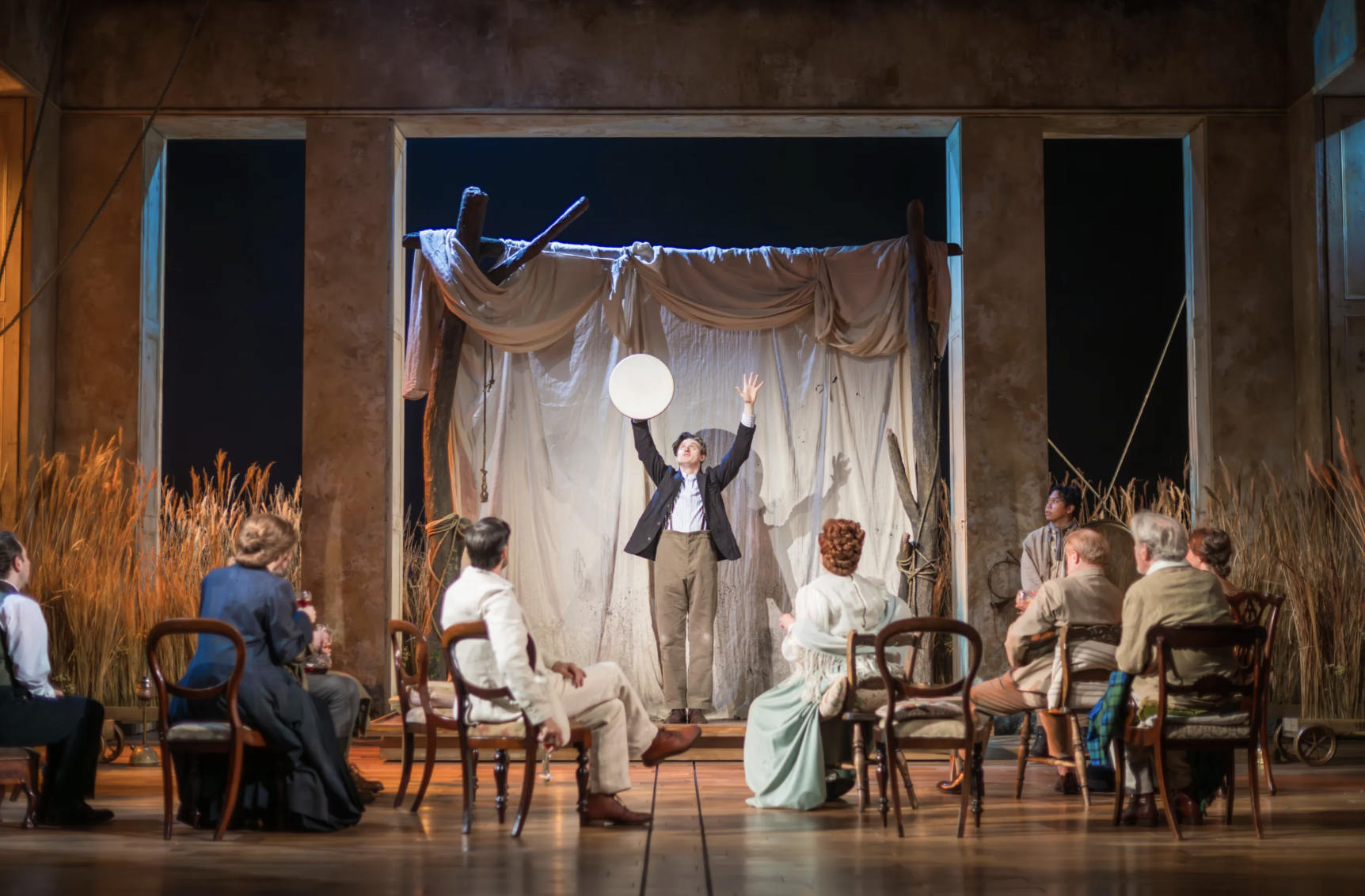
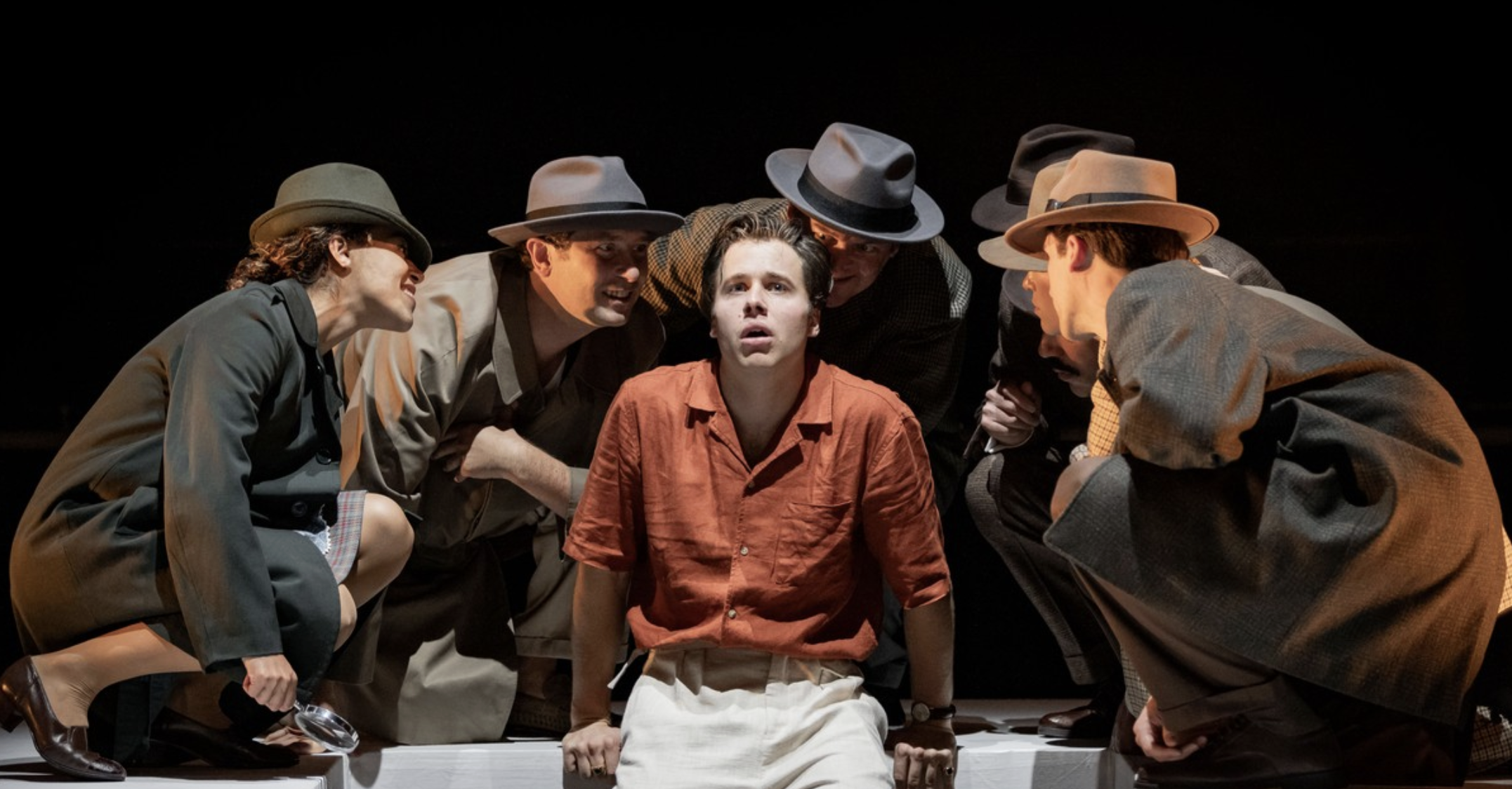
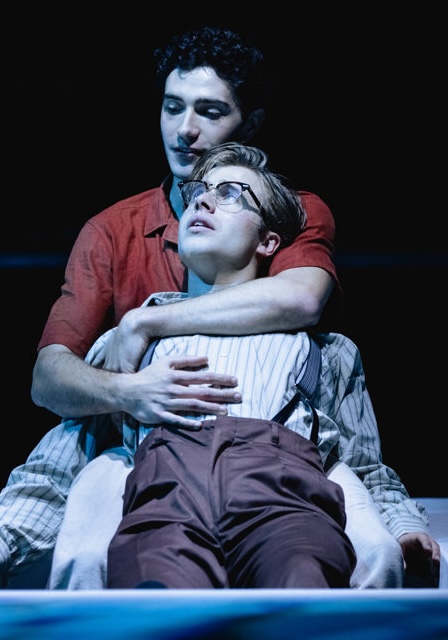
The abstract set design (by Holly Pigott) locates us firmly within Tom’s psyche, as he struts his stuff on the raised white square, nimbly avoiding the perilous hole in the middle, where all obstacles to his success are thrown. The threats to Ripley’s carefully-constructed façade appear as a chorus of noir detectives, complete with belted trench-coats and wide-brimmed Fedoras. “Do you ever feel like you’re being watched?” he asks repeatedly, as they peer at him from the shadows, always one step behind. The image is bold and memorable.

There are lots of directorial flourishes, some more successful than others. I love the Venetian plague doctor masks that also represent pigeons, and the way Dickie’s girlfriend, Marge (Maisie Smith), doubles as a Renaissance statue. I also like the convergence of Dickie and Tom. I’m less convinced by the fourth wall-breaking shouts of “Cut!” precipitating a reset. I understand the point – we’re following Ripley’s thought-processes as he figures out a course of action – but it’s distracting, further complicating an already-labyrinthine plot. The second act, in particular, feels cluttered, and would definitely benefit from paring down.

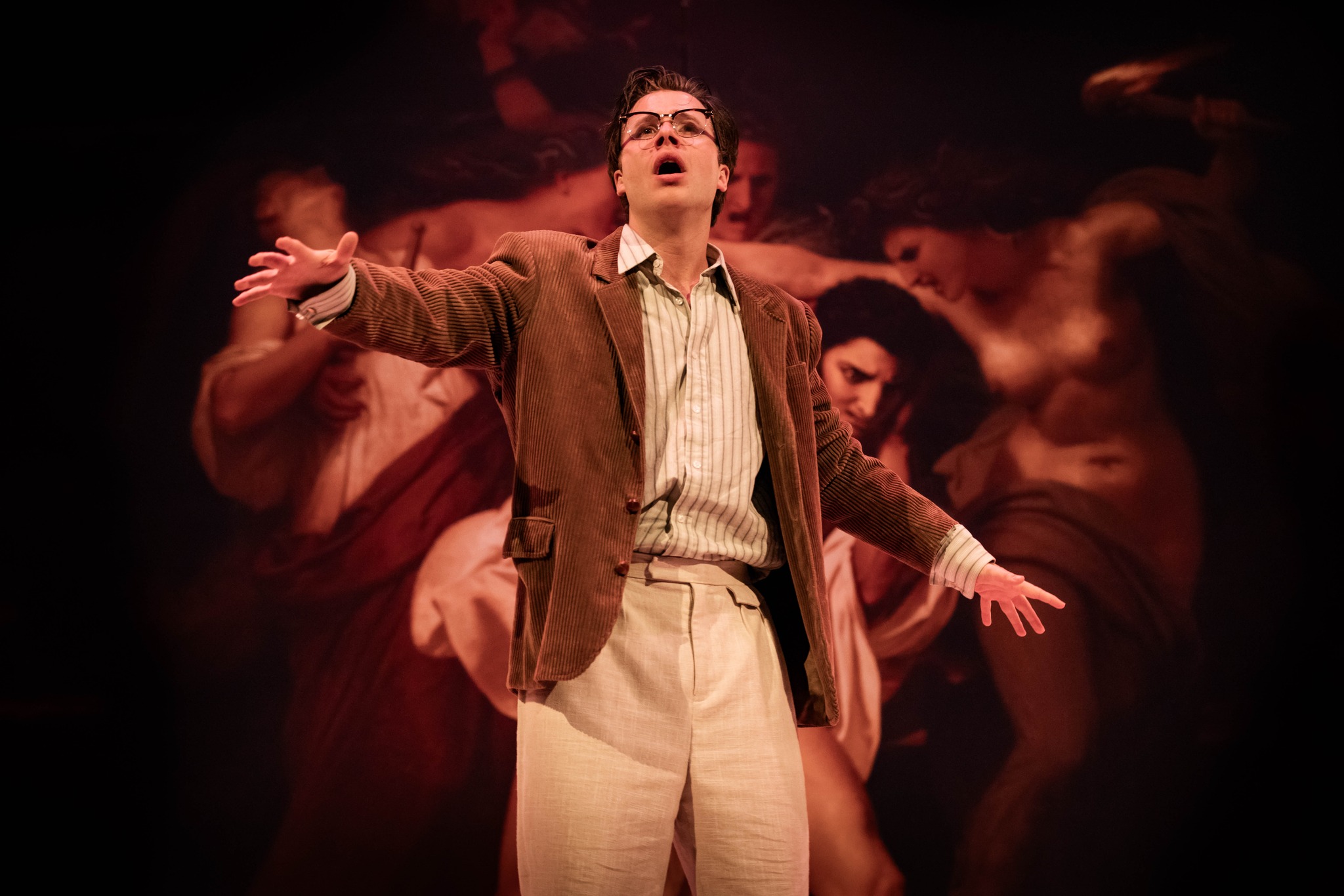
McVey delivers a star turn in this demanding role, exploring the complexity of Ripley’s multi-faceted character. Perhaps a smaller theatre would allow us a more nuanced view of his performance; as it is, we’re only able to see the broad strokes, but these are impressive enough.

An ambitious, stylish piece of theatre, proving that there’s plenty of life in Tom Ripley yet – if not in those who dare to get too close to him.

4 stars

Susan Singfield

SIX The Musical Live!

27/04/25

Cineworld, Edinburgh

We first saw SIX The Musical in 2018 on its triumphant return to the Edinburgh Fringe. A year earlier, as a bare-bones student production, it had garnered a lot of attention. Now it was back with a big budget and a lot of buzz. We duly went along to the purple upside-down cow tent dominating George Square Gardens (AKA the Udderbelly) and immediately understood what all the fuss was about. With its high-octane energy and witty lyrics, this re-writing of herstory was bursting with vim and invention. Afterwards, we bought the album and listened to it on repeat.

We saw it a second time when it came to the Festival Theatre on tour, now with a different cast. The production was as compelling as ever – but those Udderbelly Queens will always reign as far as we’re concerned.

So we’re delighted to see that an original-cast reunion performance has been filmed; what’s more, it’s included in our Cineworld Unlimited plan. What better way to spend a Sunday morning than engaging in a little Fringe-nostalgia, and trying to suppress the urge to sing along with some of our favourite songs?

It’s astonishing to think that Lucy Moss and Toby Marlow were still at uni when they wrote this juggernaut, which now boasts more than a thousand performances both in the West End and on Broadway, to say nothing of its wider global reach. Their combined talent is truly awesome and, directed by Liz Clare, the musical absolutely deserves its huge success.

The conceit is simple: each of Horrid Henry’s wives thinks she’s the most historically important. Unable to come to a consensus, they decide to battle it out via the medium of song, so that the audience can judge who’s suffered the most and is therefore the most deserving. It’s hardly a spoiler to reveal that, in this feminist reframing, they end up setting their differences aside and embracing their sisterhood. After all, together they amount to more than just one word in a stupid rhyme, right? Combined, they’re the main reason anyone remembers Henry at all.

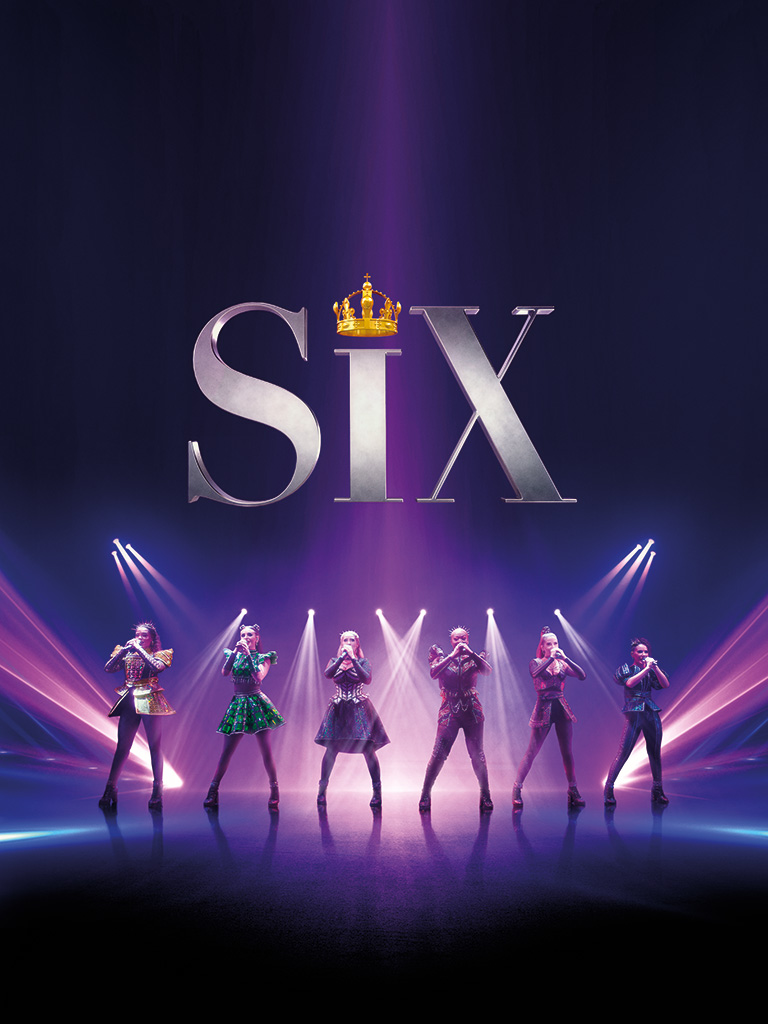
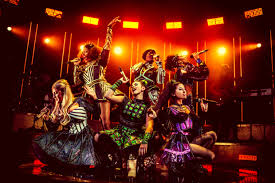
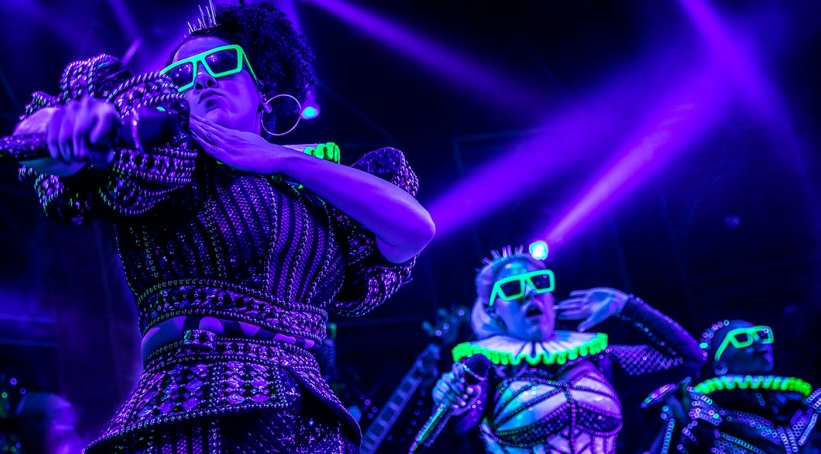
They sing in herstorical order: Jarneia Richard-Noel (Catherine of Aragon – divorced), Millie O’Connell (Anne Boleyn – beheaded), Natalie Paris (Jane Seymour – died), Alexia McIntosh (Anne of Cleves – divorced), Aimie Atkinson (Katherine Howard – beheaded) and Maiya Quansah-Breed (Catherine Parr – survived). The songs are wonderfully distinct, incorporating Latin-American-tinged funk, a plaintive ballad and thumping Teutonic techno. Each Queen earns every minute of her time on the throne.

For anyone who hasn’t seen it, grab the chance while you can: this version, filmed live at London’s Vaudeville Theatre, comes with a précis of the production’s journey, as well as a pre-show cast interview, and has several showings a day in multiplexes this week. You’d be hard pressed to find a more dynamic and entertaining group of dead women to spend your time with.

5 stars

Susan Singfield

Moments

30/01/25

The Studio at Festival Theatre, Edinburgh

One of the UK’s leading visual theatre companies, Theatre Re focus on making “deeply moving non-verbal productions about universal human challenges and the fragility of life”. Their latest piece, Moments, lays bare the creative process, taking the audience on a journey from nothing to something, from the flicker of an idea to a compelling dramatic sequence.

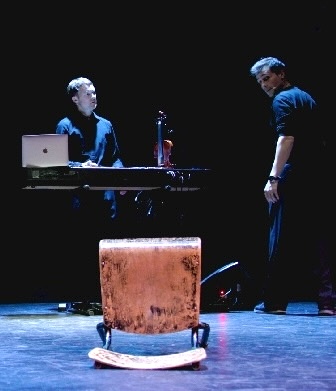
The metatheatrical concept is made clear from the outset, as four performers – dressed in rehearsal blacks – stand in a line and introduce themselves. They are: Guillaume Pigé – conceiver, director, actor and mime; Dr Katherine Graham – lighting designer; Alex Judd – composer; and Anna Kitson – BSL interpreter. From the sound desk behind us comes the disembodied voice of Benjamin Adams. They describe their roles and what they each bring to a show.

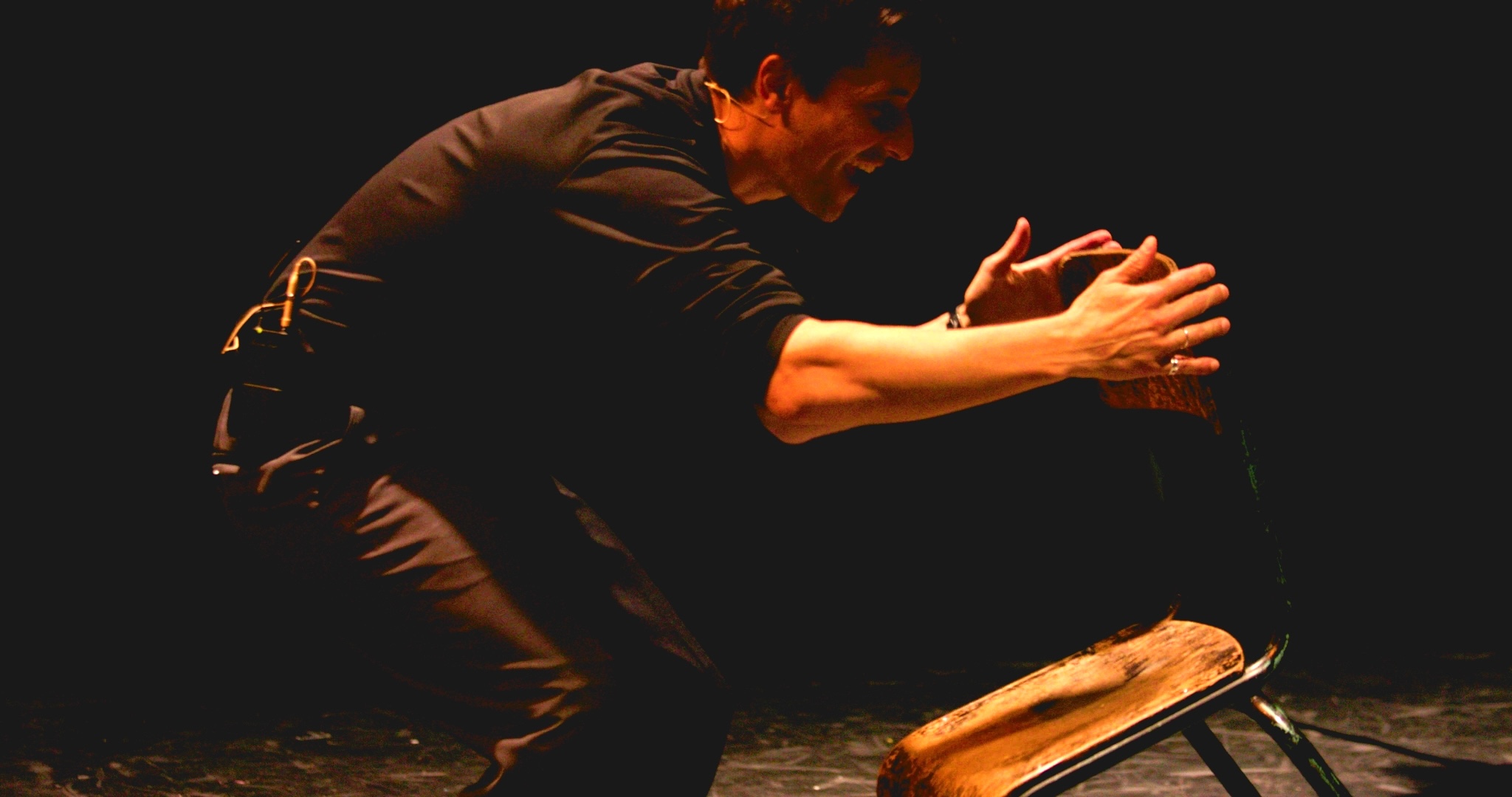
And then they begin. A chair, at first simply functional, changes before our eyes, becoming a child and then a father. The mood switches, initially light and amusing, then emotionally charged. The intensity swells with the music; the lighting focuses our attention one way and another. There is dialogue but it’s in French, so – for me, at least, with my school level knowledge of the language – it’s more about tone and tenor than it is about the words.

There’s no denying how skilful these theatre-makers are: the performances are incredibly precise and absorbing, and it’s fascinating to see what they can do with a bare stage, no costumes and one prop. However, it feels more like a demonstration than a play; it’s an exemplar of how to develop a piece of drama but the final scene – the culmination of the process – is too brief to be satisfying.

Moments would work well as an introduction to a drama workshop for A level, Higher or Uni students. It’s a dynamic and engaging piece of work that would surely appeal to anyone interested in learning about the process of making theatre.

3 stars

Susan Singfield

The Pantomime Adventures of Peter Pan

01/12/23

Festival Theatre, Edinburgh

It’s that time of year again – oh yes, it is. We’re sitting in the Festival Theatre, where there’s a very festive atmosphere. Behind us, two rows of Cubs and Brownies chatter excitedly, waving light-up wands and eating vast amounts of chocolate. Families, including adults, are no less giddy. Christmas outfits are clearly de rigeur: there’s an abundance of baubles and sparkle, from headbands to socks and every item in between. We’re soon caught up in the fun.

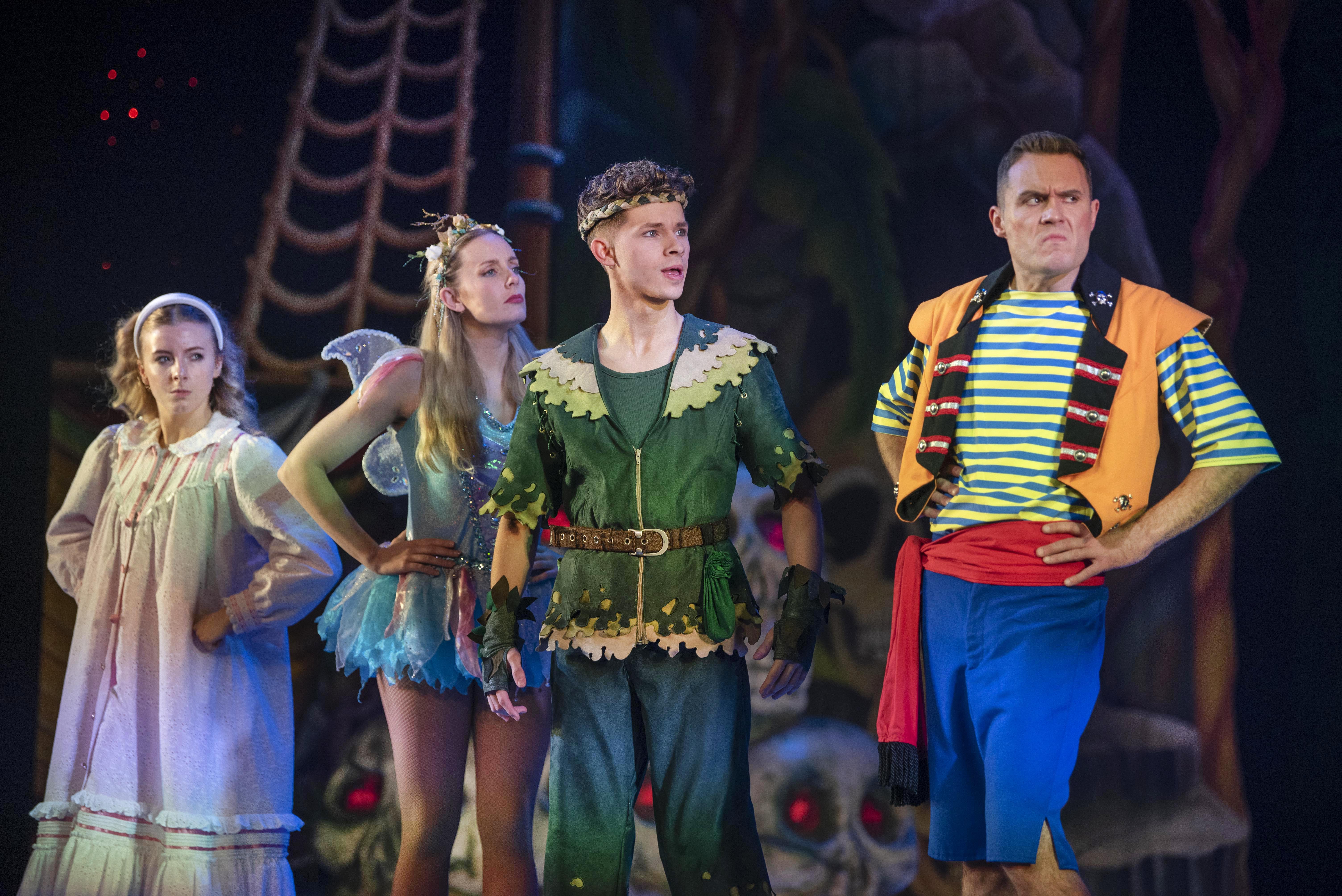
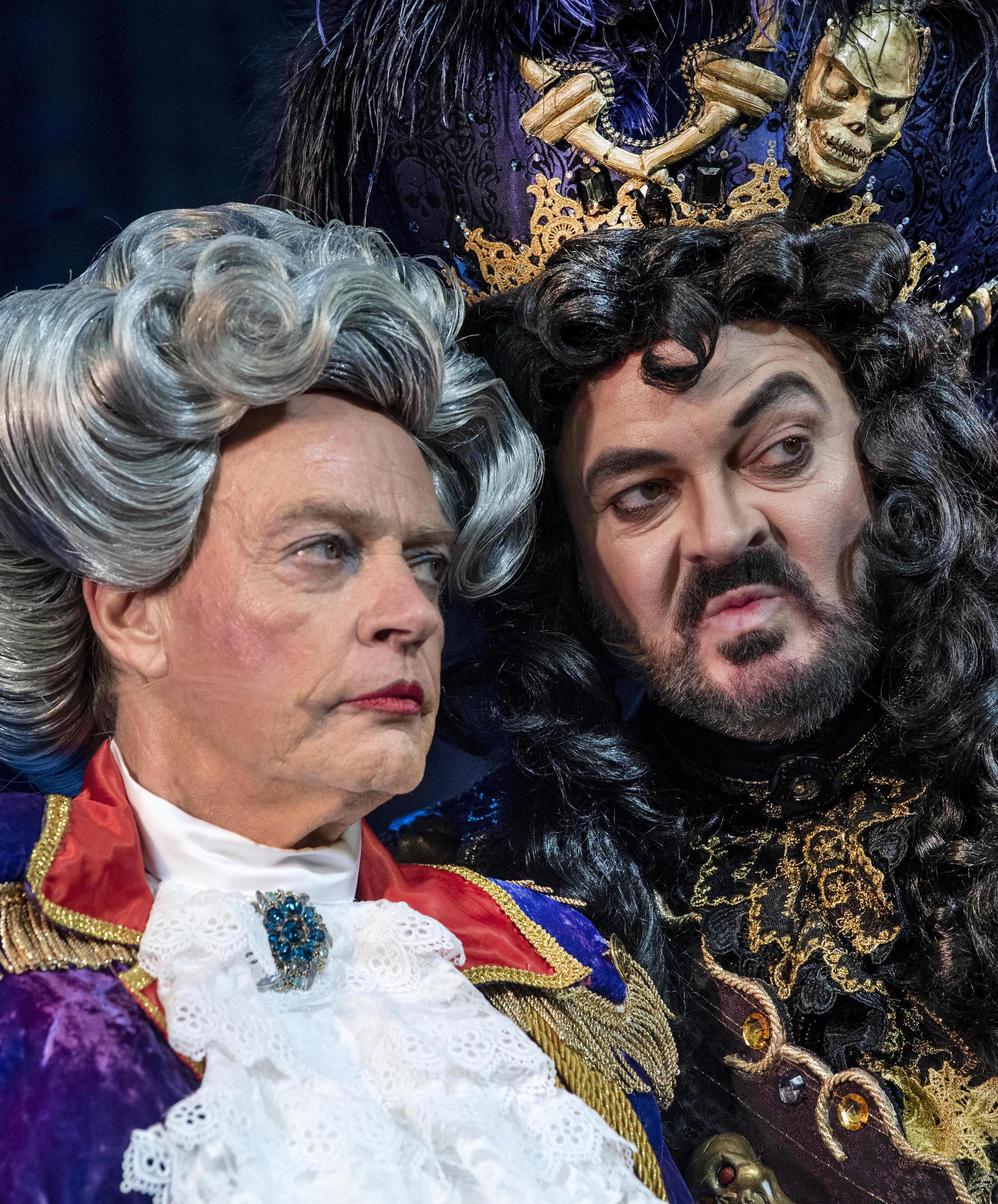
This year’s theme (and it is a theme, rather than a story) is Peter Pan. This version of the tale (written by Harry Michaels and Allan Stewart) takes the form of a sequel to JM Barrie’s original. Even though his old adversary, Captain Hook (Grant Stott) was eaten by Jock the Big Green Croc a long time ago, Peter Pan (Kieran Lynch) is in trouble: the pixie dust that allows him to fly has disappeared from the magic waterfall, leaving him grounded. He sends Tink (Rebecca Stenhouse) to fetch his old friend, Wendy (Robyn Whyte), to see if she can help. It soon transpires that somehow Hook has returned, and that he’s behind the problem… Can he and Starkey (Clare Gray) persuade the erstwhile ship’s cook, May McSmee (Stewart) and her son (Jordan Young), to rejoin his crew?

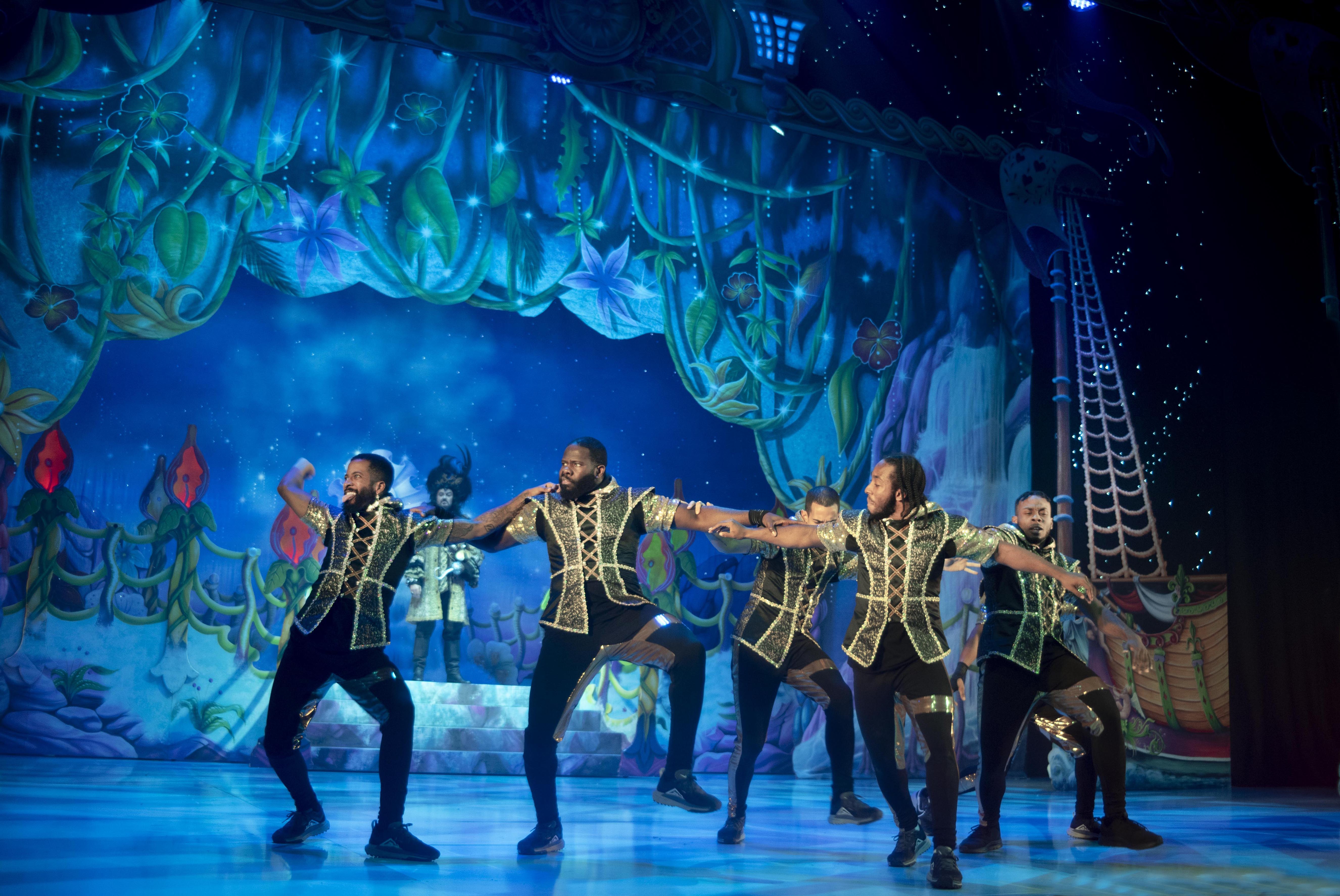
This Peter Panto is as big and bold a show as we’ve come to expect. Crossroads’ production values are always impressive: the costumes lavish, the props spectacular. The opening sequence sets the standard, with a beautifully animated video-projection that leads us straight into the fantasy. The lighting (by Jack Ryan) is very clever, transforming the same set in an instant from a pretty pastel fairyland into a terrifying red-hued pirate lair. The sound (by Guy Coletta and Andrew Kirkby) is dialled way past eleven, immersing us in Neverland. And there are pyrotechnics a-plenty too.

Pantomime survives by being endlessly adaptable, and nowhere is this more apparent than in the casting of Flawless as Hook’s pirate crew. This is a masterstroke, lending the pantomime some real edge, as the street dancers inject a dose of cool into the cheesiness. What seems on paper like an odd marriage, in fact works really well within the piece. It’s not just their awe-inspiring dance moves, but their presence as a kind of Greek chorus, observing the ridiculous antics around them and providing a silent commentary and response.

Stewart and Stott are the lynchpins, and this is a silver panto-versary for both of them. Their onstage rapport is legendary, and it lives up to the hype. They know how to work together to mine the laughs, and always give the impression that they’re having the time of their lives. Stewart is a fabulous Dame – his Aunty May can’t help but dominate every scene she’s in – and Stott clearly relishes his cartoonish villainy. Jordan Young fits in well as the still new-ish number three (following Andy Gray’s sad demise), and his clowning is superb.

There are a couple of negatives. It’s no secret that plot always comes second to tropes in a panto but the balance shifts a little too far here. The storyline gets lost: Peter Pan and Wendy are sidelined and Captain Hook’s redemption doesn’t really register. What’s more, the climactic moment when Peter Pan finally flies again (I’m not counting that as a spoiler – the only surprise would be if he didn’t) just isn’t as impressive as it should be. We’ve already seen Tink take to the air, after all, so it’s a little underwhelming when Peter just follows the same trajectory. I don’t think it helps that the cast look out into the auditorium when they’re wondering where Peter is, so that the audience follow their guidance and look up, prepared to see him appear above our heads; it’s an anticlimax when he simply descends from the flies on strings and flutters across the stage. In any other production, this would be enough, but our expectations have been elevated by the amazing animatronic crocodile and other effects.

But it seems churlish to dwell on these niggles when everything is nigh-on perfect and we’re having so much fun. The Pantomime Adventures of Peter Pan is on until Hogmanay, so grab yourself a ticket, dig out your Santa deeley-boppers and head on down to the Festival Theatre for a few hours of sheer joy.

5 stars

Susan Singfield

Treason the Musical

27/10/23

Festival Theatre, Edinburgh

“Remember, remember, the fifth of November, gunpowder, treason and plot. I see no reason why gunpowder treason should ever be forgot.”

We haven’t forgotten, of course. Bonfire Night looms large in the national calendar: every year, we bundle up in hats and gloves for an evening of funfairs, ginger parkin and fireworks. Guy Fawkes is burned again and again, his straw-stuffed effigies punished annually for his attempted crime.

So no, he’s not forgotten. But what exactly do we remember?

On the way to the theatre, I realise just how shaky my own grasp of the history is. I know that Guy Fawkes and some Catholic collaborators attempted to blow up the Houses of Parliament and that it was something to do with the Reformation. I know that he was hung, drawn and quartered. And, um, that’s it.

So I’m fascinated to learn more about the context, to understand how James I/VI angered Catholics by reneging on his promise to stop persecuting them, sacrificing their freedom for his own financial gain. Ricky Allan’s songs and Charli Eglington’s book help to illuminate the lives of those forced to deny their faith. It’s a salient message: in a world of tyranny and subjugation, terrorism is inevitable.

Although Guy Fawkes (Gabriel Akamo) is the name we all know, this show, directed by Hannah Chissick, focuses primarily on Martha and Thomas Percy (Nicole Raquel Dennis and Sam Ferriday), opening with their illicit wedding and charting their troubled marriage. Although both actors deliver strong performances, this seems like something of a mis-step, as the ups and downs of their relationship are less interesting than the actual gunpowder plot, which is relegated into second place.

In fact, Fawkes barely features in the actual story here. Instead, he’s cast as an observer, a narrator, leading the audience through the events as they unfold. This has a curiously distancing effect: he never actually enters the scenes to interact with the other characters, so it appears as if he were not involved. This means that the ending, when he’s captured and tortured, feels unearned. We don’t know what he’s being punished for.

There’s a problem with the pacing too, particularly in the second act. While the first is punctuated with a little levity in the form of Oscar Conlon-Morrey’s Iago-like Robert Cecil, manipulating King James (Joe McFadden) with practised ease, the second is a far more sombre affair, with too many ballads getting in the way of the action. Dennis and Emilie Louise Israel (Anne Vaux) give it socks and their soaring voices are undeniably impressive, but it does get a little wearing listening to them worry about how ‘vulnerable’ their menfolk are, when I’m impatient to know what’s going on with the barrels of explosives and the attack on parliament.

There is much to like, however. I love Taylor Walker’s choreography: the ensemble work is impressive, the artful movement adding to the sense of menace and unease. And the vocals are impressive: perhaps Israel is the standout, but there are no weak links here. It’s a real pleasure to listen to these performers sing.

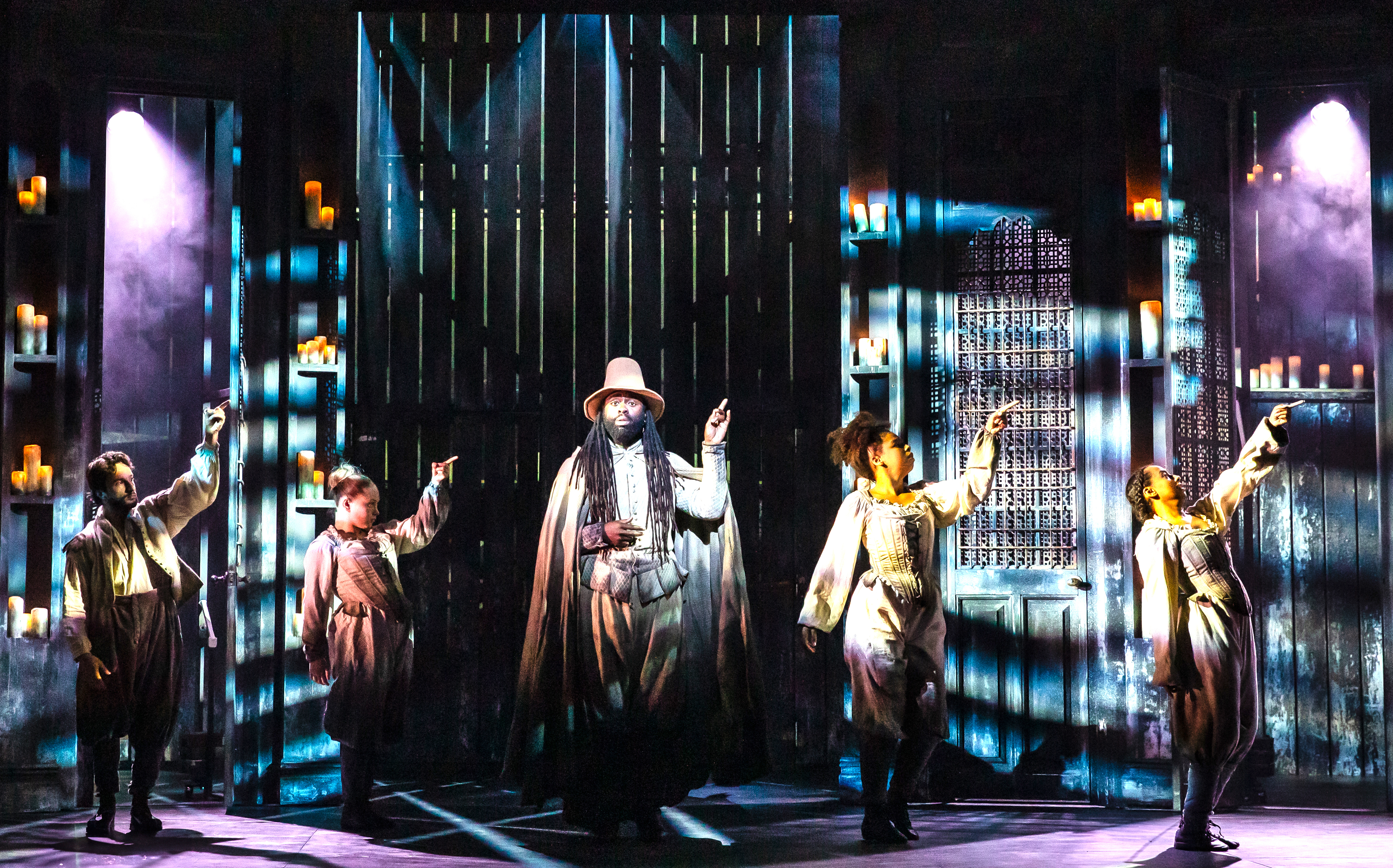
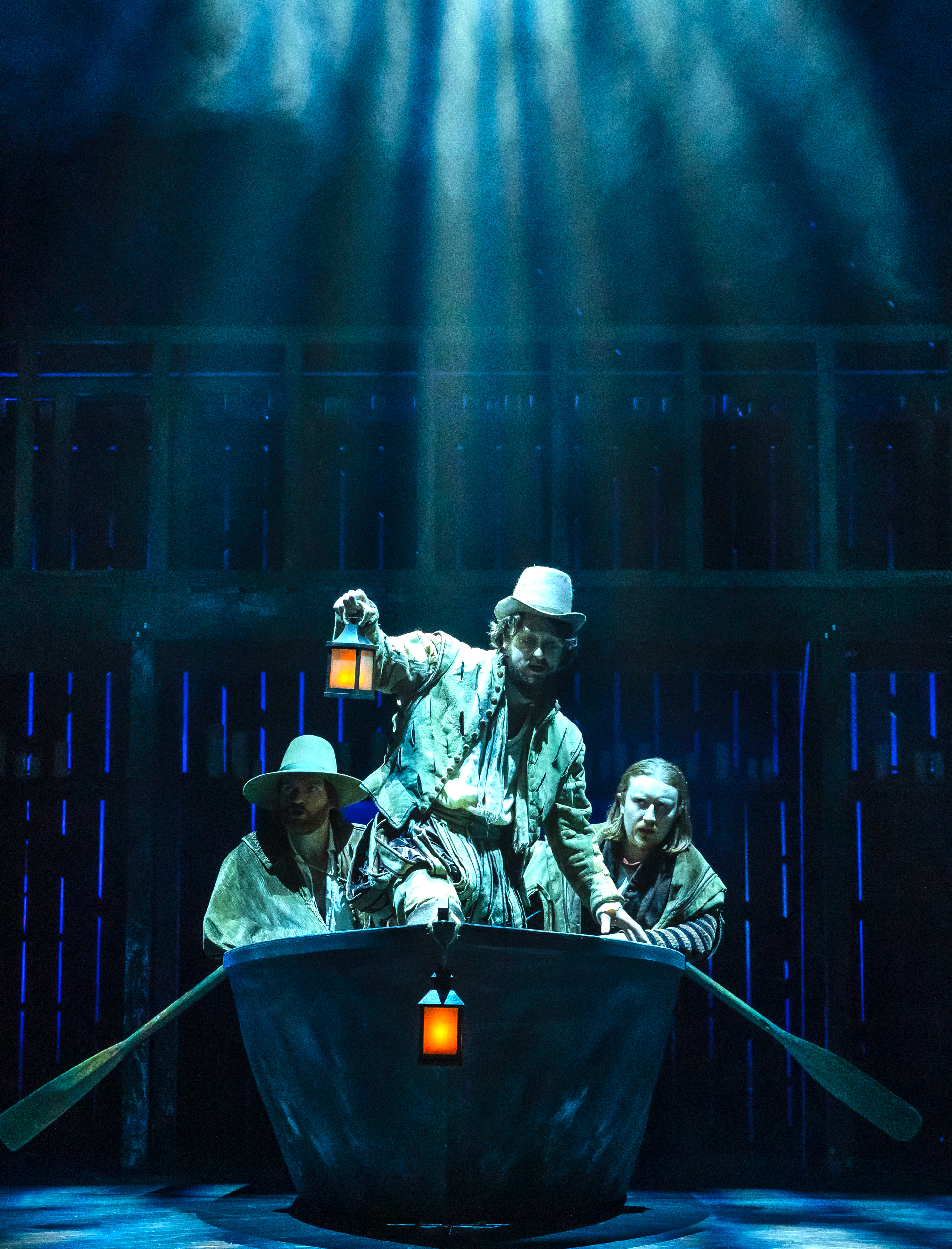
Best of all, the production looks sumptuous: between them, Philip Witcomb (set) and Jason Taylor (lights) have created a thing of beauty, all sliding doors and shafts of light; one moment a palace, the next a tunnel. The transitions are instant and almost magical, an exemplar of stagecraft’s sleight of hand. The moment when a boat comes sliding out of the darkness is thrilling, transporting us to the Thames at night, the tension immediately cranked right up.

So, although it smoulders rather than going off with a bang, this is certainly a handsome piece of work.

3 stars

Susan Singfield

Dracula: Mina’s Reckoning

11/10/23

Festival Theatre, Edinburgh

Bram Stoker’s Dracula is one of those novels, like Alice in Wonderland, that is more famous for its enduring imagery than for its story. Its iconic characters are part of the fabric of our culture, recognised instinctively, even by those who have never so much as picked up the book. Such tales are ripe for retelling, like ciphers waiting to be reshaped for our times.

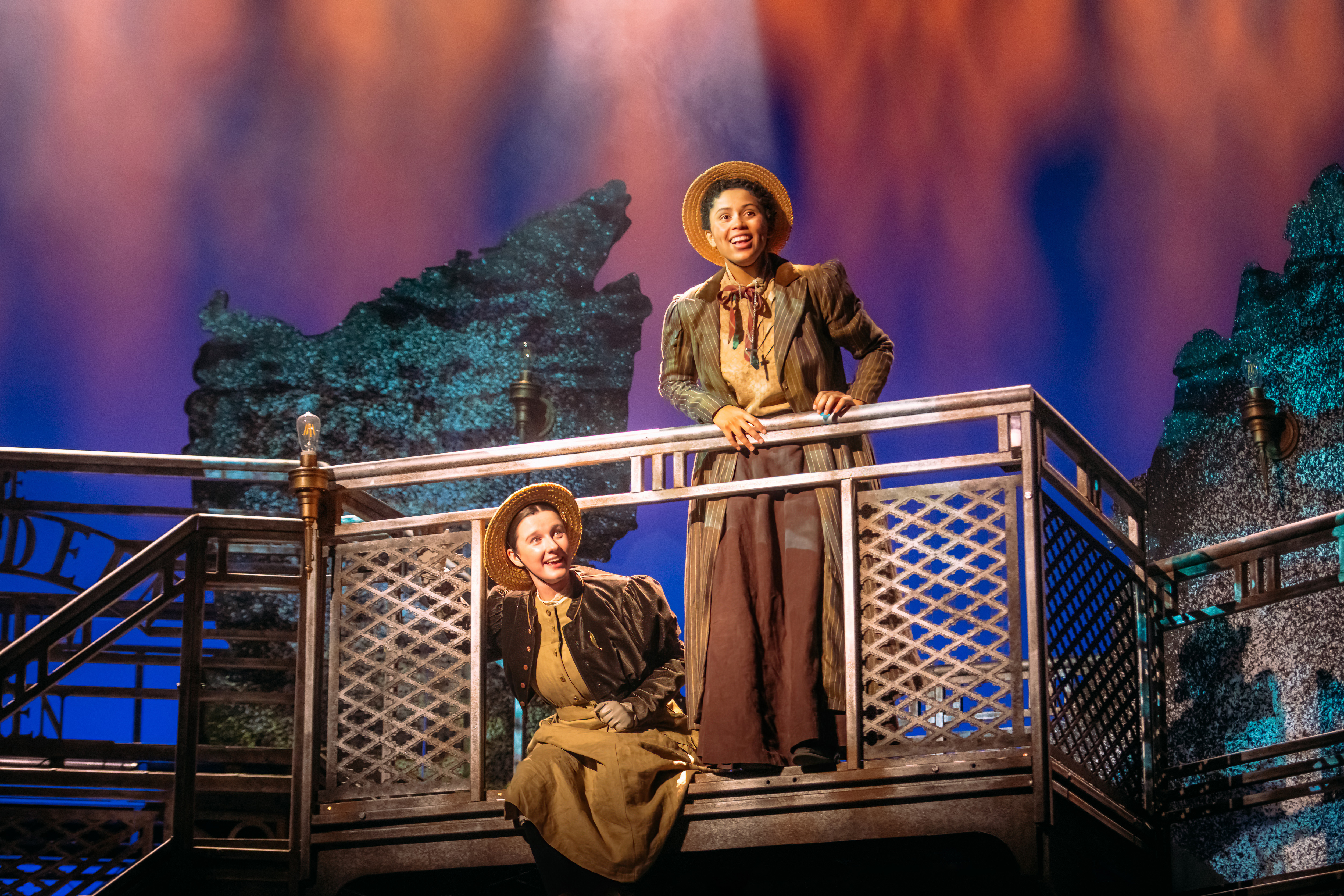
Into that space steps Mina’s Reckoning, a reimagining of the world’s most famous vampire, written by Morna Pearson and directed by Sally Cookson. This all-female and non-binary production redresses the gender imbalances in the source material: here, the women are elevated from mere victims and damsels-in-distress and are actually afforded some agency.

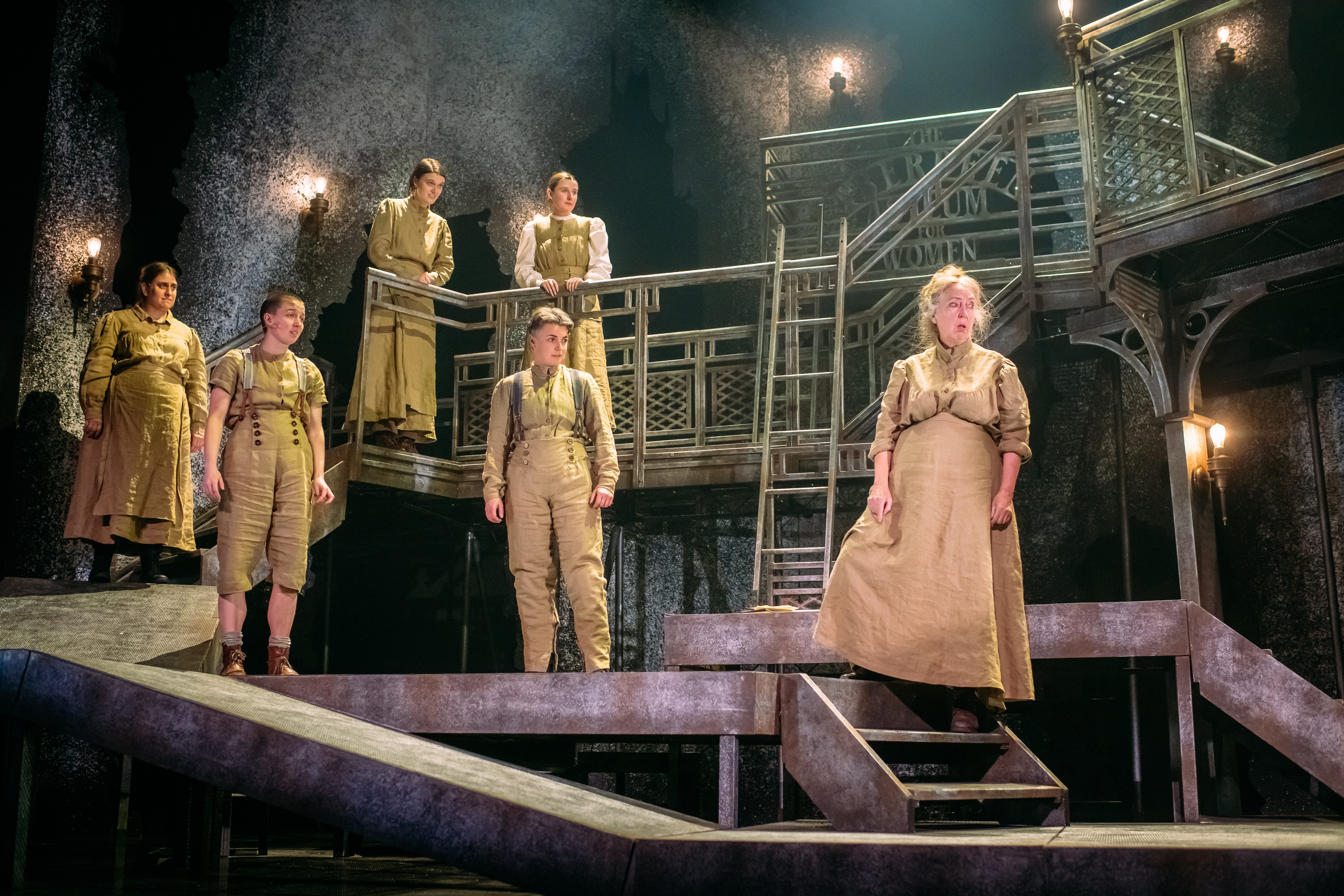
Whitby is out and north-east Scotland is in, justified by the fact that Scots writer Emily Gerard provided much of the inspiration for Stoker’s novel: it was from her work that he learned about the Romanian superstitions that inform some of the most compelling ideas in his book. More specifically, we’re in Cruden Bay, in a women’s asylum, where some of the characters speak in the Doric dialect. The Scots angle works well, the rhythms of the language creating an earthy poetry. The play opens with Mina (Danielle Jam) banging on the asylum door, demanding to be let in. She has Jonathan’s journals and wants Dr Seward (a wonderfully comic Maggie Bain) to help her ward off the evil that’s on its way.

The long first act sticks pretty closely to Stoker’s tale, albeit with more jokes and some judicious pruning (the boring suitor sequences are gone, thank goodness, and so are the details of Jonathan’s interminable journey). The second, shorter, act is much better, precisely because this is where the creative reimagining takes place, allowing Mina to come into her own. It’s a shame that the piece skews this way: it feels unbalanced. I’d like a shorter set-up and a longer unravelling.

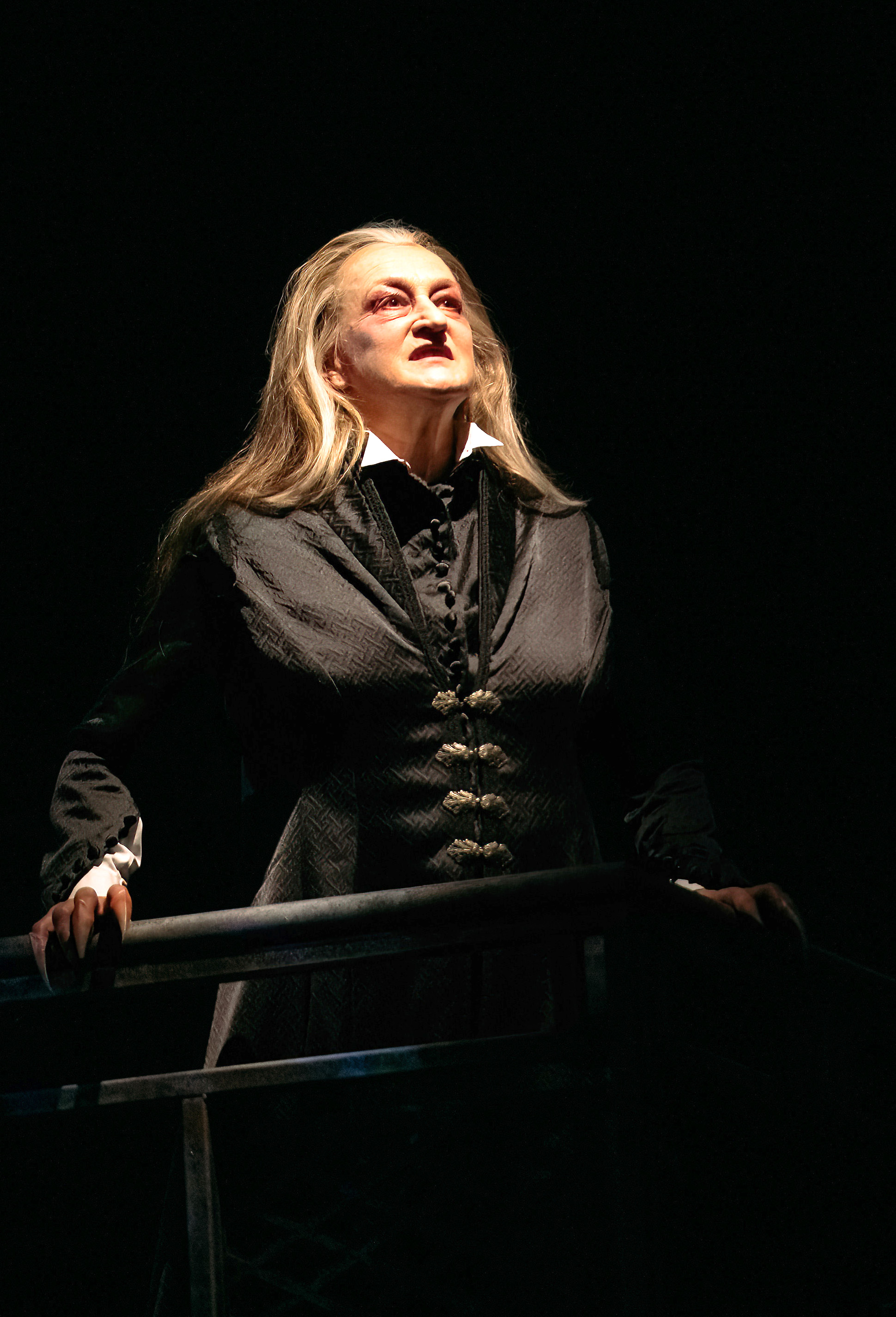
It’s a great idea to recast Dracula as a woman and Liz Kettle clearly relishes the role. She’s a bold presence, at once attractive and repellant, exactly as the Count should be. Here, the blood-sucker is more nuanced than her original incarnation, both supervillain and saviour. As Mina seals her Faustian deal, we recognise what Dracula is offering her, and understand exactly why she makes the choice she does.

Kenneth MacLeod’s set is both the production’s strength and its weakness. It’s clever and imposing, evoking the chillingly austere asylum as well as the grand gothic castle – all staircases and hidden corners – and I like the use of Lewis den Hertog’s video projections and Aideen Malone’s lights to stain the walls red with blood, turning them into journals, then night skies, then stormy seas. However, the set’s cage-like qualities – the bars and rails imprisoning the women – also create a sense of distance, so that it’s hard to feel close to the characters and to empathise with them. What’s more, it makes the whole play less scary because we’re not immersed in the ghoulish goings-on.

Benji Bower’s music is wonderfully eerie and evocative but the sound drowns out the dialogue at times, which is a shame, as it obscures some of the finer details of the plot. Likewise, the ensemble work is excellent, but comes at the expense of the individual characters, as the inmates of the asylum blend together.

Albeit a little uneven, there’s a lot to like about this NTS and Aberdeen Performing Arts production, in association with Coventry’s Belgrade Theatre. The powerful image of Kettle, striding the ramparts – grey hair flowing, coat tails billowing – is one that will stay with me for a long time.

3.8 stars

Susan Singfield

Sister Act

04/10/23

Festival Theatre, Edinburgh

There are some films that make the transition to stage musical against all the odds – and there are others that are clearly destined to be that very thing from the word go. 1992’s Sister Act, a comedy vehicle for the then rising star Whoopi Goldberg, definitely belongs in the latter category. Funny, irreverent and already packed with rousing gospel tunes, this feels like a natural progression.

Philadelphia, 1977. Deloris Van Cartier (Landi Oshinowo) is trying to make headway as a singer on the Philly soul scene and, when we first meet her, she’s auditioning at a nightclub owned by her shady boyfriend, Curtis (Ian Gareth-Jones). Curtis (who naturally is married) assures Deloris that she’s not quite ready for stardom and offers her one of his wife’s cast off fur coats as compensation. Deloris already has doubts about the wisdom of the relationship and this is compounded when she witnesses Curtis murdering one of his henchmen, whom he suspects is a police informant.

Deloris seeks help at the local police station, where she encounters former school chum and crush, ‘Steady’ Eddie Souther (Alphie Parker). Eddie wants Deloris to lie low until she can speak about the murder in court and he thinks he has the perfect hideout for her. It’s a convent, Our Lady of Perpetual Sorrow, an ancient establishment that has fallen on hard times and is struggling to survive. It’s presided over by the acerbic Mother Superior (Lesley Joseph), who struggles to cope with Deloris’s potty mouth and, in an act of desperation, assigns her the task of coaching the convent’s resident choir, which is frankly terrible.

But Deloris has her own methods of coaxing the best performances out of the sisters and the results are startling to say the least.

What ensues is a slick, funny, exhilarating and sometimes uproarious sequence of events that never loses momentum. There’s so much here to relish. The vocal performances of Oshinowo – and of Lizzy Bea who plays the young noviciate, Sister Mary Robert – are simply thrilling to witness, their voices soaring over the sound of a live band. The resident nuns all have their own individual characters and I’m particularly impressed by Isabel Canning’s Sister Mary Patrick, whose enthusiastic twirls and gestures demonstrate the sheer exuberance of a woman discovering the joy of her own inner creativity.

The set and costume designs by Morgan Large are gorgeous, a wonderful mash up of stained glass and 70s kitsch, the many complex scene changes happening as if by magic. Alistair David’s choreography makes everything look effortless and Joseph demonstrates the kind of comic chops that have kept her treading the boards for so many years. And yes, maybe there is a big dollop of schmaltz thrown in for good measure, but hey, that’s no hardship.

By the finale, which features more sequins than seems humanly possible, I’m clapping along with the rest of the packed audience, loving every minute. The term ‘feel-good theatre’ is sometimes overused but I can’t think of a more appropriate description for Sister Act. This is a ton of fun.

4.2 stars

Philip Caveney
2:22 A Ghost Story

27/09/23

Festival Theatre, Edinburgh

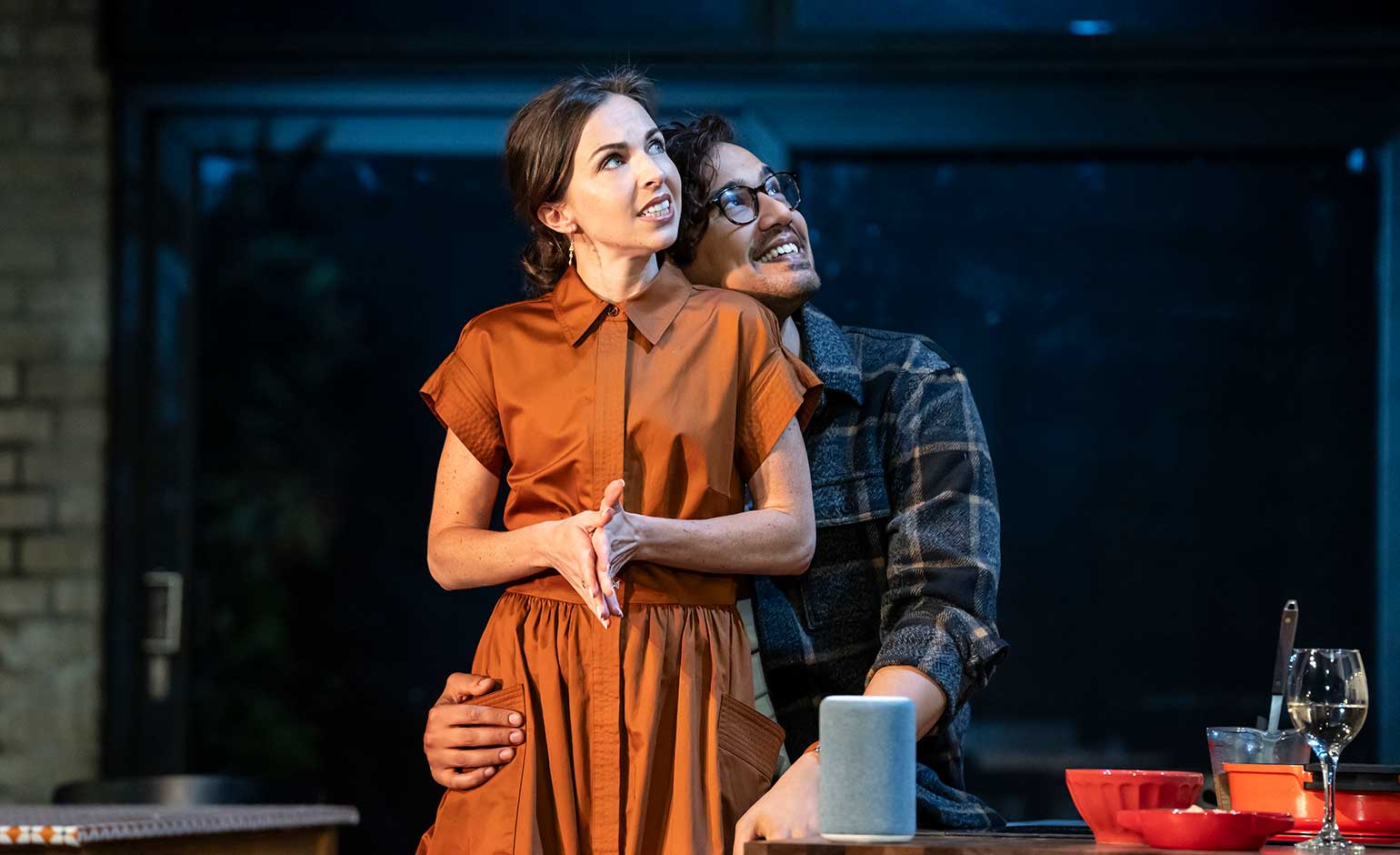
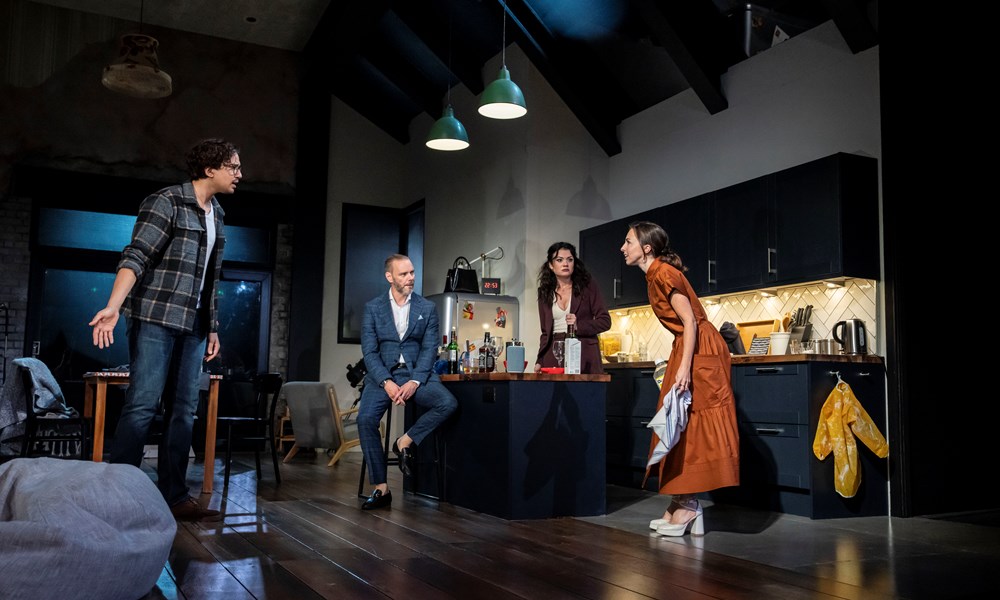
Written by Danny Robins and directed by Matthew Dunster and Isabel Marr, 2:22 A Ghost Story is remarkable, not least because it manages to feel like a traditional gothic tale at the same time as subverting many of the tropes. Screams in the night? Check – but that’s just the foxes in the garden, isn’t it? Flickering lights? Check – although the security sensors give us an instant explanation. Old creepy house? Well, kind of… except that this one has been renovated, so it’s light and bright – with a kitchen island and a window wall. But still, Jenny (Louisa Lytton) knows that something is wrong…

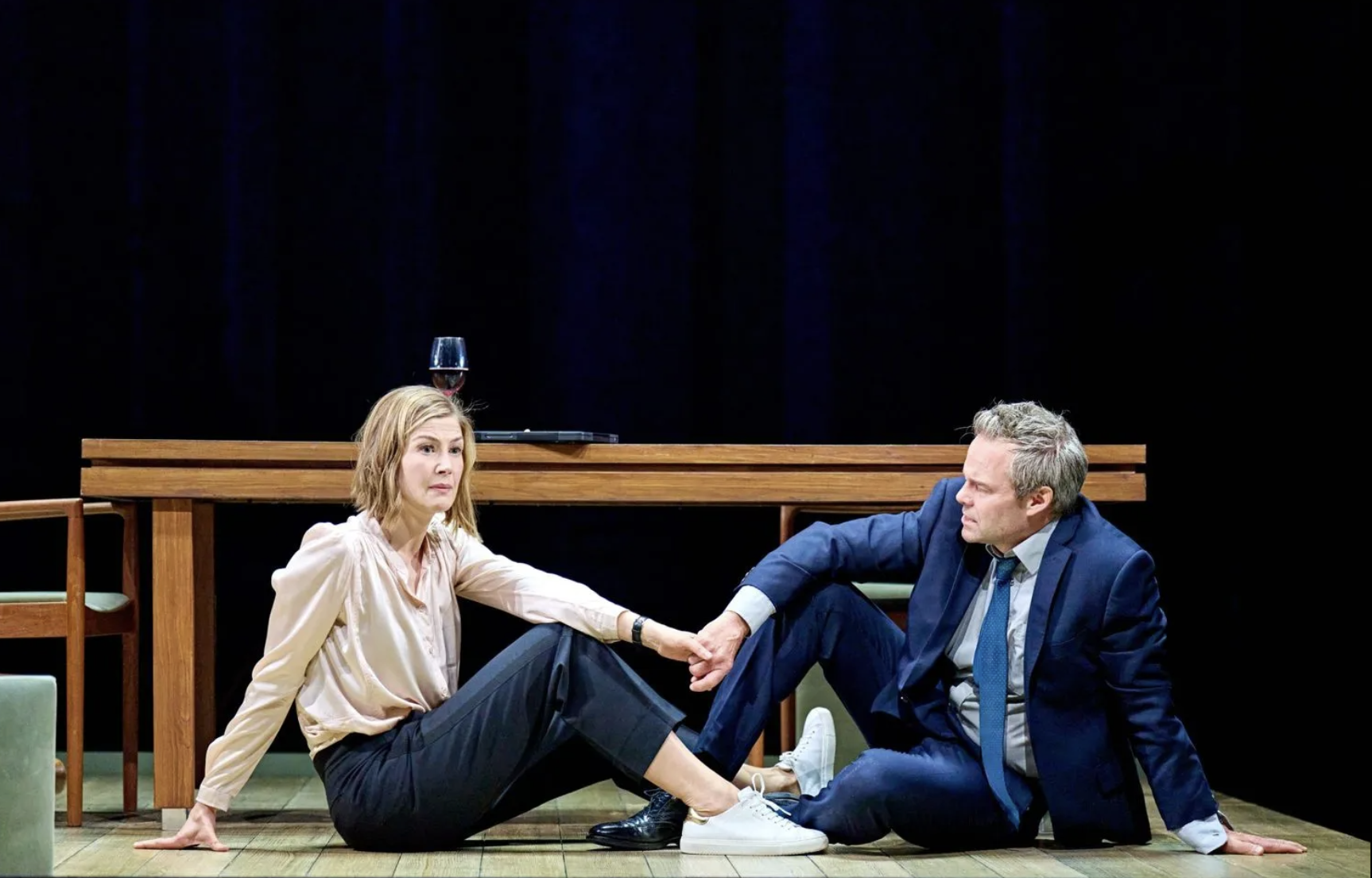
Jenny has been home alone with baby Phoebe, while her astronomer husband, Sam (Nathaniel Curtis), has been in Sark, studying its famous dark skies. He’s returned home just in time for a dinner party with Laura (Charlene Boyd), his best friend from university, and her new boyfriend, Ben (Joe Absolom). There is a lot of tension in the air: the antipathy between Sam (middle-class and pompous) and Ben (working-class and contemptuous) is open, while Jenny and Laura are polite on the surface, but clearly wary of one another. Jenny’s angry with Sam too: she keeps hearing spooky footsteps at the same time every night, but he isn’t taking her concerns seriously. And then Jenny suggests they all stay up until 2:22am, just to see…

As much a comedy of manners as it is a ghost story, 2:22 uses jump scares effectively and sparingly. Indeed, we find ourselves so caught up in the relationship dynamics that we almost forget about the supernatural element so that, when something spooky happens, it is genuinely shocking. An intimate four-hander, it’s to Dunster and Marr’s credit that it succeeds as a ‘big’ show, with no real sense of distancing, even from the back of the stalls in this two-thousand seater theatre. The set (by Anna Fleischle) helps: it’s got real depth, stretching back almost to the rear wall, so that the stage size seems to balance out the auditorium, as well as showcasing the understated opulence of Sam and Jenny’s abode. Of course, the size of the theatre means that the performances are a little heightened, but all four actors manage to make this work, never straying too far into the shouty or declamatory.

I do work out the much-touted twist before it’s revealed – but only because I know there is one and so spend a lot of time looking for it. It’s cleverly done, with lots of slippery diversions and sleights of hand.

A sprightly updating of one of my favourite genres, 2:22 A Ghost Story is a creepy delight.

4.6 stars

Susan Singfield

Keepers of the Light

08/09/23

The Studio at Festival Theatre, Edinburgh

It’s not difficult to understand why the island is a popular symbol in literature. Separate by its very nature, an island always exists as a counterpoint to a known ‘main’ land, allowing a writer to remove their protagonists from their usual environs and – by means of a storm or a lost sea vessel – trap them in a mysterious and unfamiliar place. The dimensions help too: the island serves as both a microcosm and a pressure pot, illuminating and intensifying the characters’ concerns.

Little wonder then that the real-life mystery of three lighthouse keepers who went missing from the Flannan Isles in 1900 looms large in the public imagination. From Wilfred Wilson Gibson’s 1912 poem (still commonly taught in schools), to Kristoffer Nyholm’s 2018 film, The Vanishing, the story continues to intrigue – and Scottish playwright, Izzy Gray, is the latest to be thus inspired. Indeed, as an Orcadian, rooted in island culture, she has a special connection to the subject matter. Lighthouses are in her blood.

The Flannan Isles lighthouse had only been operational for a year when a terrible storm struck. The light went out, alerting the authorities to the fact that something was amiss, but – by the time a search party made it to the island – there was no trace of the three keepers.

In Keepers of the Light, Gray intersperses the tale of the three lost men, Donald, Tam and Jim (Rhys Anderson, Fraser Sivewright and Garry Stewart respectively), with the parallel narrative of their modern-day counterparts, Mac, Alec and Davie. The lighthouse no longer requires keepers – it’s been automated for more than fifty years – but it does need maintenance, and the three engineers are helicoptered in for what is supposed to be a couple of hours for a routine job. But destiny has other ideas, and the men find themselves stranded overnight with nothing to do but consider the fates of their predecessors…

Gray explores the enduring nature of the mystery, pointing out that the reason the story is so compelling is that there is no answer: all we have is conjecture and gossip, supposition and fantasy. This meta-telling is made explicit by the decision to bookend the play with Alec’s musings, as he contemplates the idea that people are drawn to fill in the gaps. If something is unknown, we make up our own solutions.

It’s not all plain sailing. At times, the dialogue feels a little forced and unnatural, and some of the jokes and themes are hammered home (Davie’s Tic Tac error, for example, is clear; it gets a laugh: we don’t need Mac to add, “No, you mean TikTok!”). The piece would benefit from leaving more unsaid, trusting the audience to infer the meaning from the context.

Another minor niggle: I don’t think the actors need to leave the performance space every time they switch characters. After the first couple of metamorphoses, it’s clear what is happening, and the exiting and re-entering just slows things down. At one point, they do begin to transform on stage, taking off their fleeces and putting on their twentieth-century characters’ hats, which works well, but then they exit anyway, before returning a few seconds (and some minor costume changes) later.

Nonetheless, Keepers of the Light – ahem! – keeps the light shining on this fascinating tale, boldly straddling fact and fiction.

3 stars

Susan Singfield