08/02/25
Cineworld, Edinburgh
It’s September 1972 and in Munich the sports department of ABC television are busy in their studio in the Olympic village, beaming live coverage of the Games to viewers all over the world. In this pre-digital age, they need to use every trick at their disposal to ensure that they capture the action. And then some of them hear the sound of gunshots…
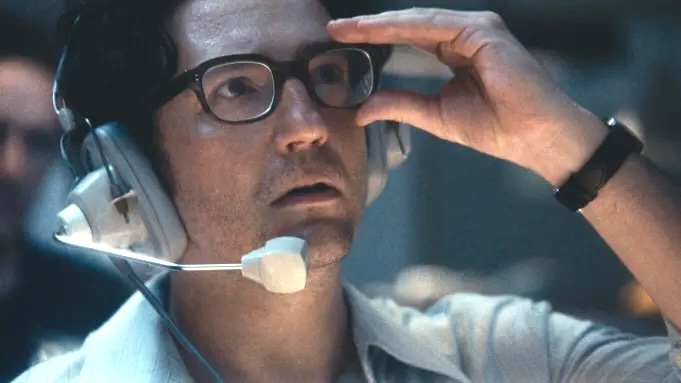
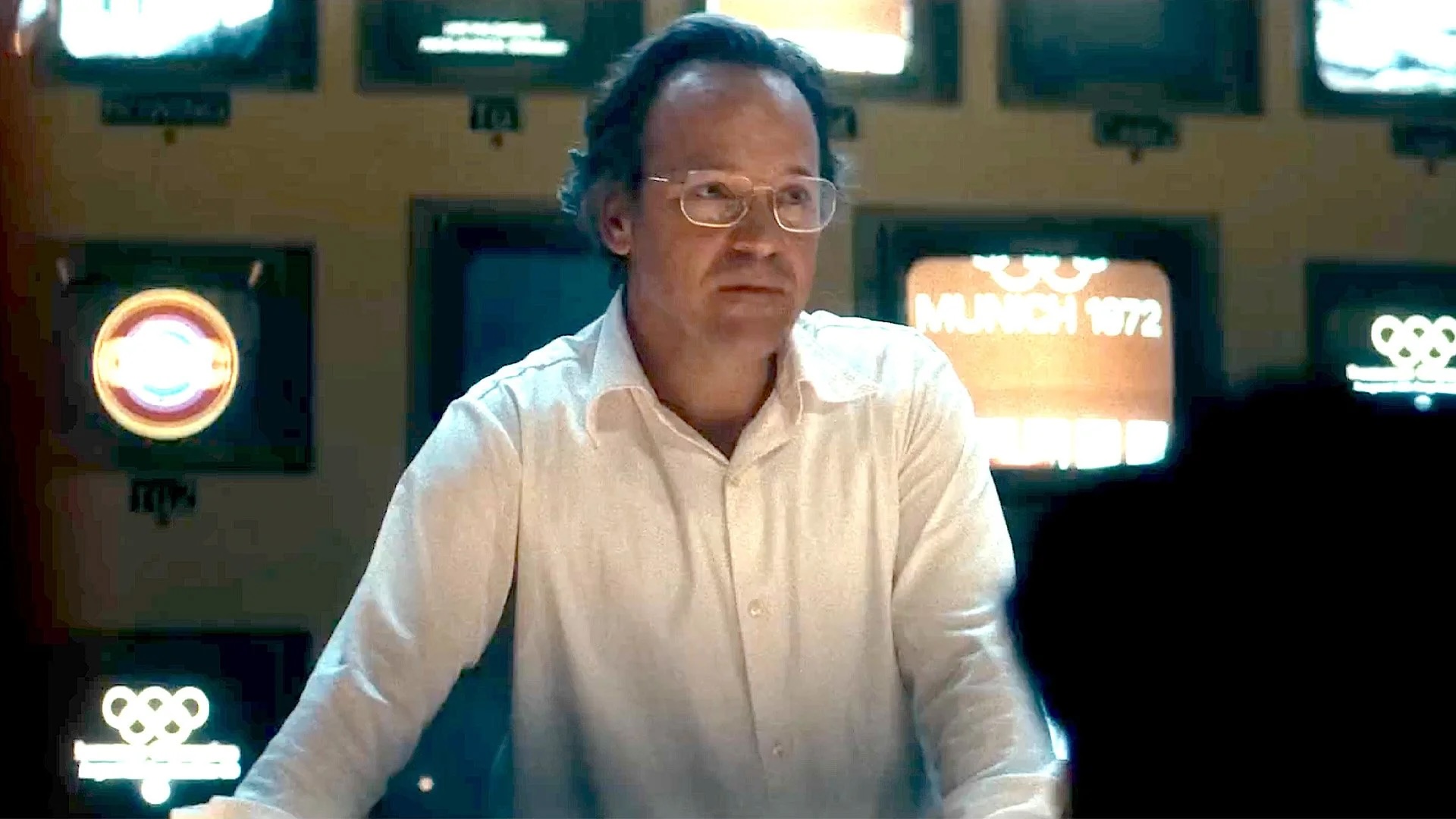
Swiss director Tim Fehlbaum’s ingenious account of this true-life story, written by Fehlbaum, Moritz Binder and Alex David, is a dark claustrophobic tale, which adopts the same approach as the broadcast team, never pointing the finger of blame but simply laying out what happens in meticulous detail. Geoffrey Mason (John Magaro), a relatively inexperienced studio director, has been handed the opportunity to helm today’s coverage and is anxious to do a good job, under the ever watchful gaze of head man, Roone Arlege (Peter Sarsgaard), and producer, Marvin Bader (Ben Chaplin).
But when eleven members of the Israeli team are taken hostage by the Palestinian Black September group, the stakes are suddenly kicked into the stratosphere. The terrorists announce that, if their demands are not met, they will kill one athlete every hour…
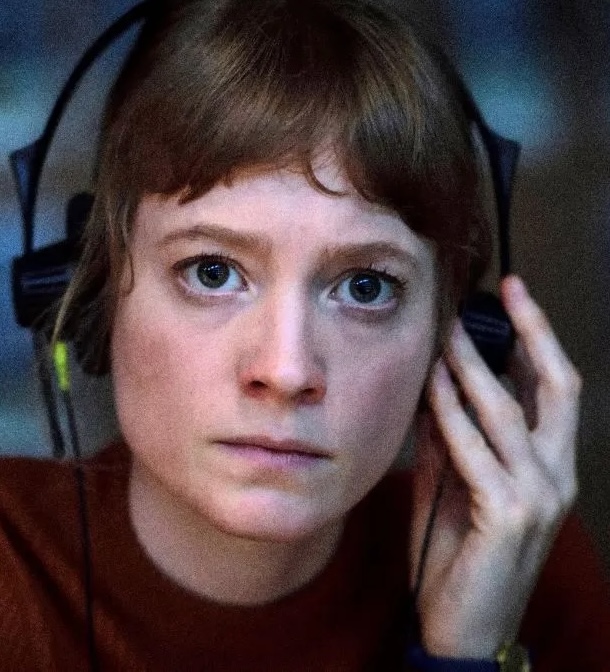
Arlege is determined that, as the crew closest to the action, the sports team must hang on to this ‘scoop’ at all costs. It is their responsibility, he claims, to ensure that the unfolding story is shown to the world. As the only person in their office who can speak German, young assistant Marianne Gebhardt (Leonie Benesch) finds herself pressed into service as an interpreter, horribly aware that she has been plunged headlong into a demanding position.
I’m old enough to actually remember the event but its shocking outcome (I’m almost ashamed to admit) has drifted into the mists of time. Consequently, September 5 wracks me with suspense throughout, the tension steadily mounting as the film hurtles towards its shattering conclusion.
Fehlbaum’s production team has done an incredible job here, seamlessly interweaving found footage with authentic recreations of the era and using sequences featuring the original presenter, Jim McKay, to great effect. I’m constantly impressed by the inventiveness of the original technicians, who have to come up with all kinds of tricks and shortcuts to ensure that their coverage reaches the widest possible audience.
It’s sobering to learn that the live broadcast (one of the very first of its kind) was seen by more than 900 million viewers. But be warned, this is real life and therefore not one of those action romps that results in a neat, heartwarming, happy ending. Nonetheless, it’s an assured and provocative film that’s earned its Oscar nomination for Best Original Screenplay.
4.4 stars
Philip Caveney

 Bouquets & Brickbats