
Baba

02/11/25

George Street, Edinburgh

We’re dubbing today the ‘Double-B’ – we’ve just been to Cineworld to see Bugonia and now we’re in Baba, keen to sate our hunger while we chat about the film.

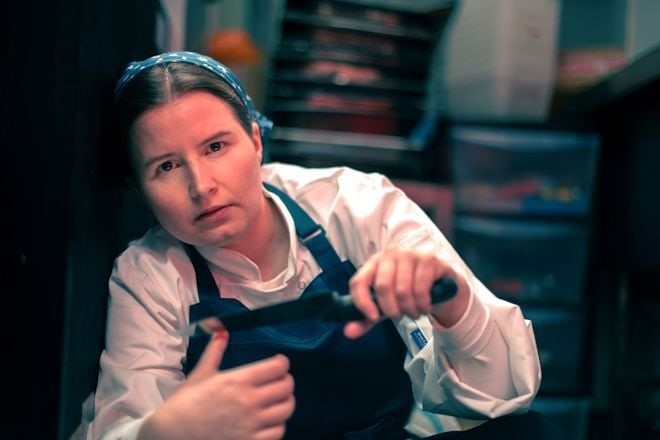
Baba has been on our radar for a while. It’s part of the Scoop group, which also boasts the excellent Ox and Finch and – our favourite – Ka Pao. Like these, Baba is a fusion restaurant, this one blending Levantine cuisine with distinctly Scottish ingredients. The menu is very enticing.

After some deliberation, I decide to start with buffalo mozzarella. A generous portion of creamy cheese arrives, topped with sour cherries, harissa and basil, a flavour combo which comes as something of a revelation. It’s delectable. It’s served with pitta as standard but, as I’m in the process of working out if I have a gluten intolerance, I ask for the NGCI alternative. This takes the form of a paper bag filled with two charred slices of GF bread, which complement the mozzarella perfectly.

Philip opts for pan-fried cod cheeks, which come with prawns, merguez, butterbeans and toasted pitta. The dish as a whole is excellent, but it’s the prawns that stand out. They’re huge and wonderfully flavoured.

For our main, we decide to share a Baba mixed grill, comprising slow-cooked lamb shoulder, pork neck, chicken thigh and grilled veg, accompanied with harissa, zhug, tahini and herbs. It’s a simple dish, but the meat is tender and very well cooked, and we enjoy it immensely. We also have a side of blackened sweet potato, elevated by a mixture of saffron crème fraîche and harissa, which I’m planning to try to recreate at home.

Naturally we both want pudding. I have a dark chocolate and tahini crémeux, wiith sesame tuilles and my second helping of both cherries and crème fraîche, while Philip has a tahini cookie, with peanut praline, orange and chantilly cream. Both deliver the lip-smacking sweetness we’re craving, and we scrape our plates clean.

We leave the restaurant feeling pleasantly full, and head out into the November evening, debating whether or not to call at the Filmhouse bar for a (non-alcoholic) nightcap to round things off. Of course the answer is yes. After all, we’ve still got loads to discuss about the film, and what better place to do it?

4.4 stars

Susan Singfield

Bugonia

02/11/25

Cineworld, Edinburgh

Yorgos Lanthimos must qualify as one of the hardest-working directors in the business – and one of the most consistently brilliant. Since his breakout with The Lobster in 2015, he’s unleashed a whole string of knockout films and, as I’ve observed elsewhere, he has the gift of turning the wildest, most experimental ideas into palpable hits at the box office. If, in its opening scenes, Bugonia seems like his most straightforward story yet, don’t be fooled. Eyebrow-raising revelations are waiting an hour or so further down the line.

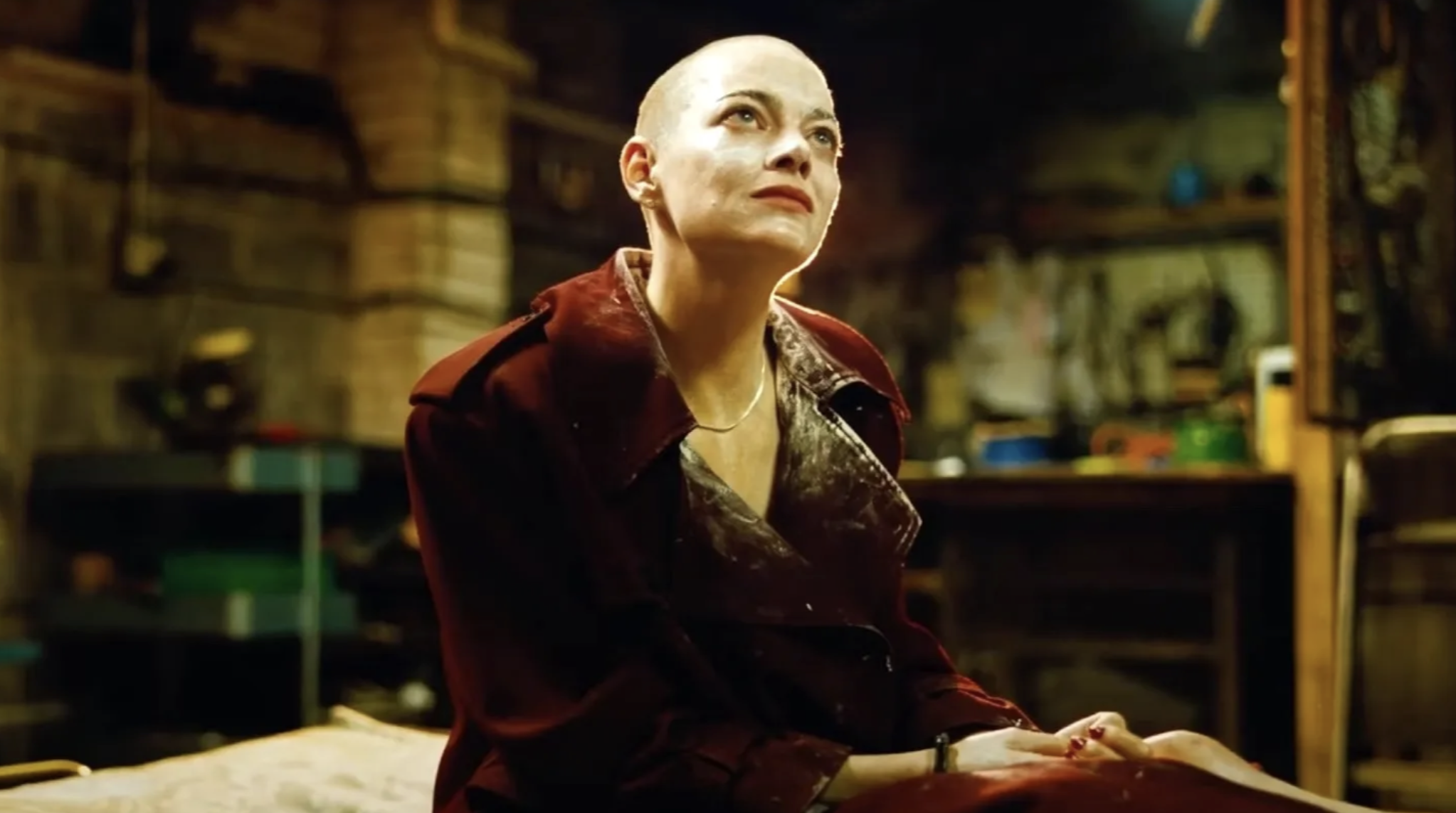
Michelle Fuller (Emma Stone) is the CEO of pharmaceutical megacorporation, Auxolith, located in an unspecified area of the USA – though surprisingly, much of the film was actually shot in and around High Wycombe. As she goes about her business, she’s blissfully unaware that her movements are being studied by Teddy Gantz (Jesse Plemons), a lowly worker at her company’s packaging warehouse.

In his spare time, Teddy studies internet conspiracies and has come to the conclusion that Michelle is actually an ‘Andromedan’ – an alien creature responsible for many of the problems currently facing humanity. She’s also indirectly responsible for the plight of his mother, Sandy (Alicia Silverstone), who is on life support after being used as a test case for one of Auxolith’s experimental drug projects. Worst of all, in Teddy’s mind, is the fact that Michelle is also directly responsible for the decline of the honeybee, which is key to the world’s survival.

Assisted by his vulnerable cousin, Don (Aiden Delbis), Teddy kidnaps Michelle and the two men take her to their ramshackle home in the middle of nowhere. They take the precaution of shaving her head and covering her with antihistamine cream – to prevent her from contacting her ‘mothership’. Teddy wants to use Michelle as a bargaining tool with the Andromedan Emperor, so he can negotiate freedom for the human race. But first, Michelle must be interrogated…

It would be a crime to reveal any more about the plot but, once again, I find myself marvelling at Lanthimos’s ability to manipulate me as a viewer, leading me first in one direction, then in an entirely different one before dashing all my assumptions. There are moments here where I have to restrain myself from gasping out loud. Inspired by Save the Green Planet by South Korean filmmaker, Jang Joon-hwan (which I haven’t seen), Bugonia has been adapted by Will Tracey and, in its latter sections, incorporates elements of a high-stakes thriller as Michelle is obliged to use all her considerable skills to stay alive.

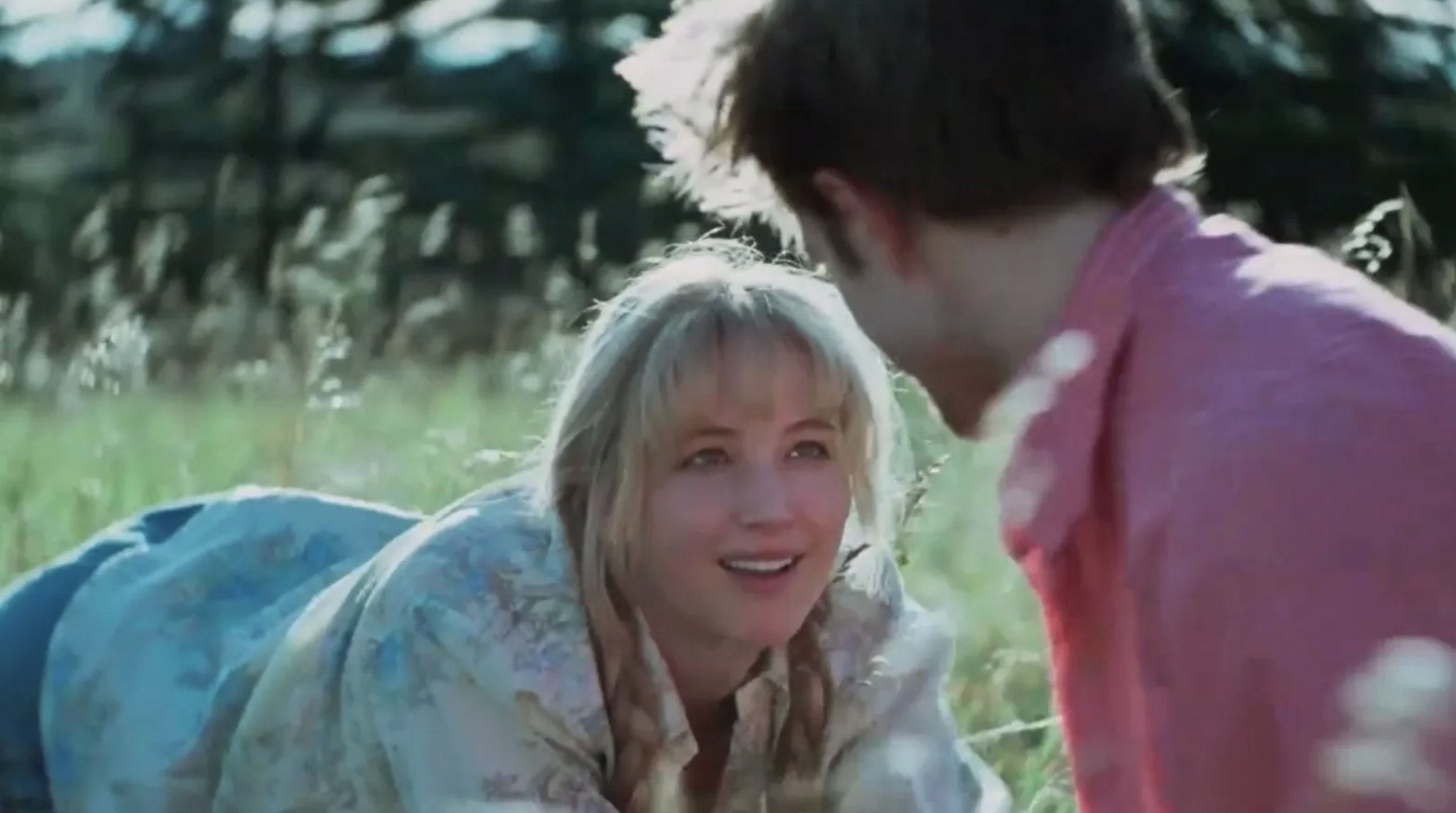
Both Stone and Plemons are utterly captivating in the central roles and it’s easy to see why they’ve become members of Lanthimos’s repertory theatre – while there’s something utterly adorable about Delbis as the hapless Don, unable to challenge the commands given to him by Teddy, even when it’s evident that they disgust and confuse him.

But the film’s true triumph is only revealed in a final extended sequence, where Lanthimos brings all the different strands of the story together to create a shattering, thought-provoking conclusion. The director has announced that he’s ‘taking a rest’ after this and, following a run that includes The Favourite, The Killing of a Sacred Deer, Poor Things and Kinds of Kindness, I’d say he’s definitely earned one.

5 stars

Philip Caveney

All of You

01/11/25

Apple TV

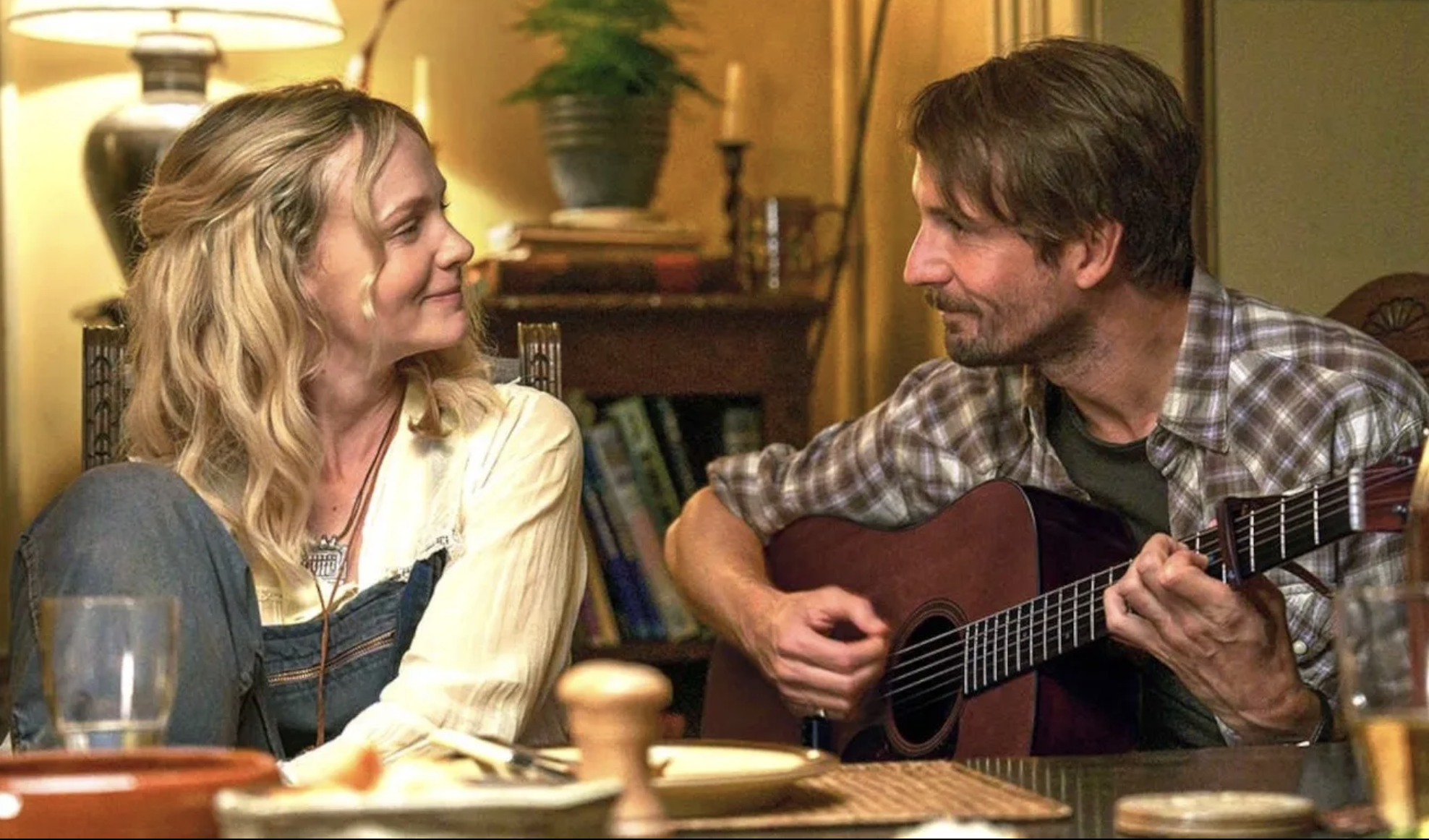
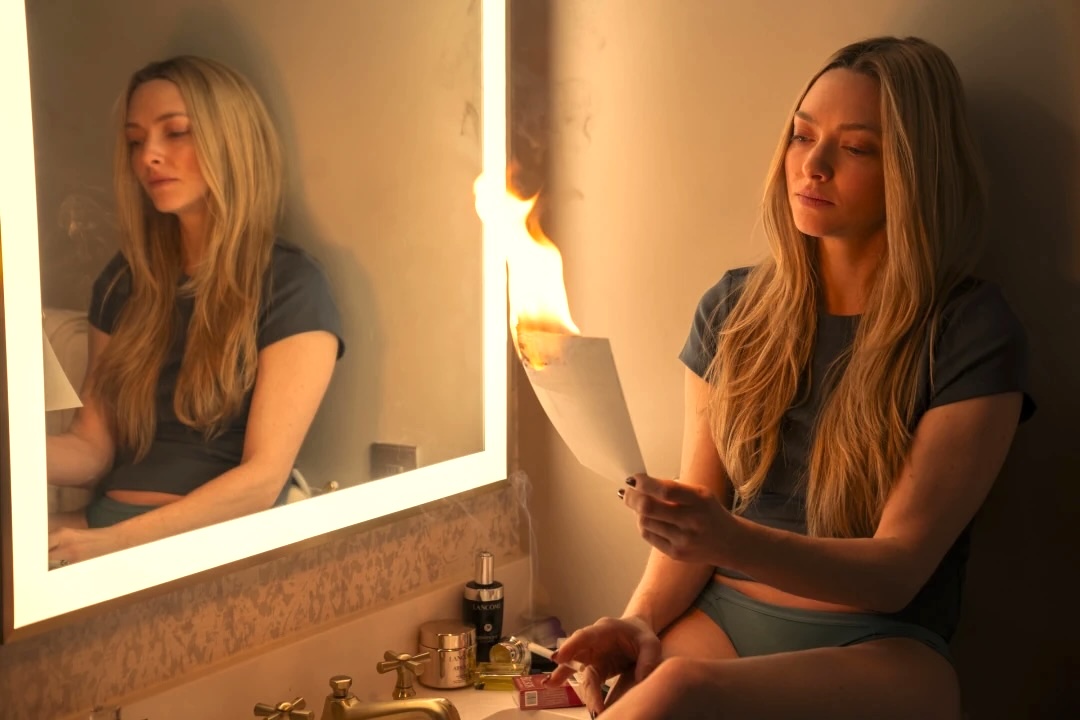
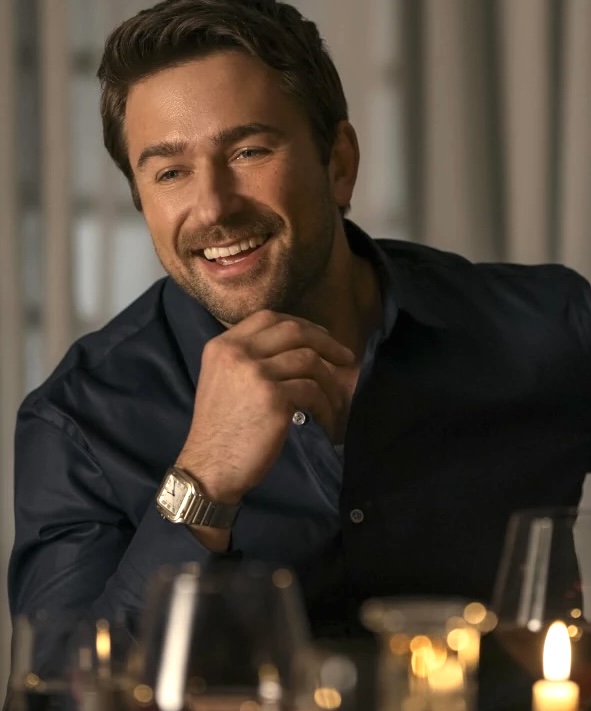
Simon (Brett Goldstein) and Laura (Imogen Poots) are best friends, who spend much of their time together, drinking and chatting shit in trendy London bars and nightclubs. From the moment we first encounter them, it’s pretty clear that they are just made to be a couple – but in the slightly futuristic world in which they dwell, the latest craze is a simple test that can identify the person who is your ‘soulmate.’ Simon is pretty cynical about the idea, but is prepared to pay the substantial sum for Laura to take the test and discover who her perfect match might be.

Then the story jumps forward several years. Laura is now married to Lukas (Steven Cree) – the affable and thoroughly likeable Scotsman who was identified in the selection process – and she’s pregnant with his child. But a complication has occurred and the only person handy to drive her to the local hospital is her old mate, Simon.

As the story continues in a series of flash forwards, it’s clear that at every stage, he’s still in thrall to Laura, ready to drop everything whenever she snaps her fingers – and, eventually, the inevitable consequence occurs…

All of You, co-written by Goldstein with director William Bridges, is a clever slice of minimalist cinema, one which trusts its audience to work out exactly what’s happening in each successive scene. Aside from the obvious flourishes – Goldstein’s beard varies in length from shot to shot – it also manages to convey more subtle changes in the characters as they grow older, amplifying those traits that are set in stone. It also features some fabulous locations around the UK.

Both Goldstein and Poots embody their roles with skill, hinting at the awful tragedy that lurks behind their jokey, smart-arse demeanours. From the word go, it’s clear that a reckoning is coming… but how and when will it occur?

If there’s a problem here, it’s that most viewers will (like me) think that one of the central duo is being a coward of the lowest order – I’ll leave it to you to decide which one that is – but it doesn’t make the eventual conclusion any less tragic. This Apple Original film didn’t qualify for a theatrical release but, for those with the appropriate subscription, it’s worth checking out. While it doesn’t exactly reinvent the wheel, it’s fresh enough to keep you hooked to the final frame.

3.6 stars

Philip Caveney

Springsteen: Deliver Me From Nowhere

29/10/25

Cineworld, Edinburgh

Many people who, like me, purchased Bruce Springsteen’s Nebraska on its release in 1982, must have experienced the same bewilderment as I did. How had the Boss gone from the stirring, upbeat anthems of Thunder Road and Hungry Heart to this bleak, introspective slice of Americana? And, perhaps more importantly, why? Okay, after a few listens, a couple of those ballads did eventually get their hooks into me but, as a career move, it seemed a spectacularly ill-judged decision.

Scott Cooper’s film, based on Warren Zane’s book, sets out to explain exactly what happened and, in choosing to concentrate on that difficult album, runs the risk of alienating itself from those fans who were anticipating an upbeat celebration of the great musician’s life and work (much like the record itself). True, when we first see Bruce (Jeremy Allen White) onscreen, he’s powering through a blistering performance of Born to Run. Coming off stage, he’s informed by his manager and close friend, Jon Landau (Jeremy Strong), that, with his latest album (The River) at number one in the charts, he is standing on the edge of superstardom.

But in the following break from touring, Bruce appears to be heading into a depression. He happens to catch a glimpse of Terence Malik’s 1973 film, Badlands, on TV, featuring newcomers Martin Sheen and Sissy Spacek – and in that moment a spark is ignited. Pretty soon, he’s reading up on Charles Starkweather and the killing spree he and his teenage girlfriend, Caril Anne Fugate, embarked on back in 1958. Bruce starts to write the lyrics of what will become Nebraska’s title track.

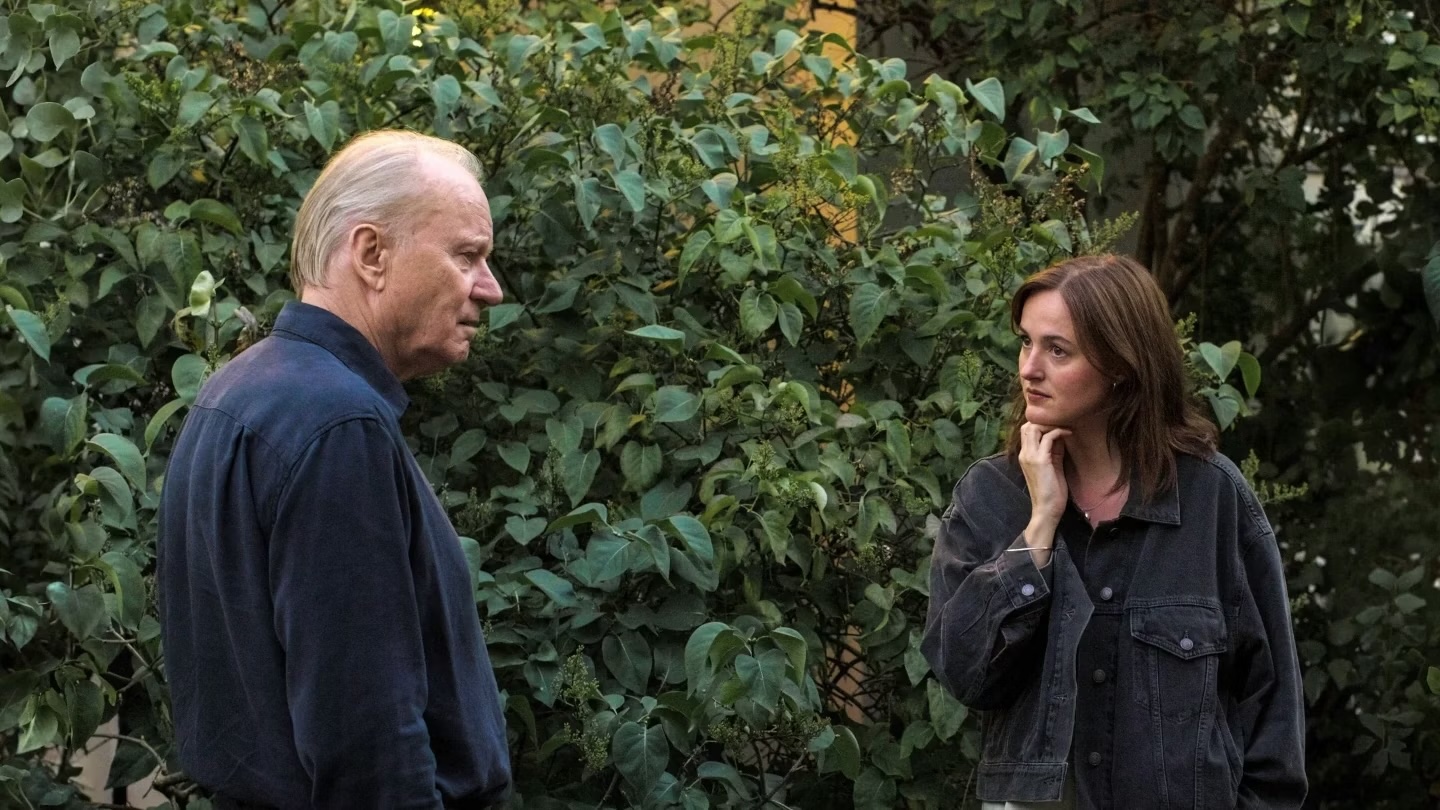
He’s driven by powerful memories of his own childhood, the issues he experienced with his abusive father, Douglas, played in flashback by Stephen Graham, who gives a brooding, mostly silent performance opposite an intense turn from Matthew Antony Pelicano Jnr as Young Bruce. Something that happened between father and son in those formative years is clearly behind Bruce’s current malaise.

Back in the present, he enlists the help of recording technician Mike Batlan (Paul Walter Hauser) to capture the new songs as they emerge on a simple 4-track deck at home. But, as his obsession with the new project steadily grows – and his record label continually pester him for new product – so he becomes increasingly determined that the resulting album must be as stripped-back as the songs on the ‘demo’ cassette he’s already recorded…

Deliver Me from Nowhere is essentially about a kind of exorcism, an artist’s attempt to cleanse himself of the emotional baggage he’s carried around since childhood. While the story offers an interesting angle on a lesser-known aspect of Springsteen’s career, it’s not the kind of material that biopics are traditionally built upon. Several viewers at the screening I attend decide to vote with their feet around an hour in. While I’m engaged enough to stay in my seat till the closing credits, I have to admit that overall the film is a mixture of the good, the bad and the downright puzzling.

Jeremy Allen White, it must be said, doesn’t look an awful lot like Springsteen, but still manages to portray the man with absolute conviction and, perhaps more importantly, he captures the Boss’s distinctive voice with evident skill. Strong is an exceptional performer and makes the softly-spoken, nurturing approach of Landau interesting to observe. The man clearly had the patience of a saint.

But the female performers are less well-served. Gaby Hoffman, as Bruce’s mum, Adele, and Grace Gummer as Landau’s wife, Barbara, are granted barely enough dialogue to justify their presence. Elsewhere, we witness Bruce’s on-off romance with waitress Faye Romano (Odessa Young), a fictional character who is a composite of several girlfriends he had around this time. Young does her best with what’s she given which is, to be honest, nowhere near enough.

There’s a frankly exasperating moment where Bruce is finally about to unburden himself to a psychiatrist, to explain exactly what’s been haunting him all these years… only for the camera to suddenly cut away, leaving the audience literally in the dark. On the plus side, there are a couple of upbeat scenes set in New Jersey club, The Stone Pony, that celebrate the energy and excitement of the early 80s rock scene. And a recreation of the original recording session for the song Born in the USA, is a definite high point.

But too often, Deliver Me From Nowhere struggles to justify its considerable running time. Hardcore Springsteen fans will find enough elements here to pique their interest but those with only a passing knowledge of the man and his work may soon start running out of patience.

3.4 stars

Philip Caveney

Righ Lasgair: The Fisher King

28/10/25

Traverse Theatre, Edinburgh

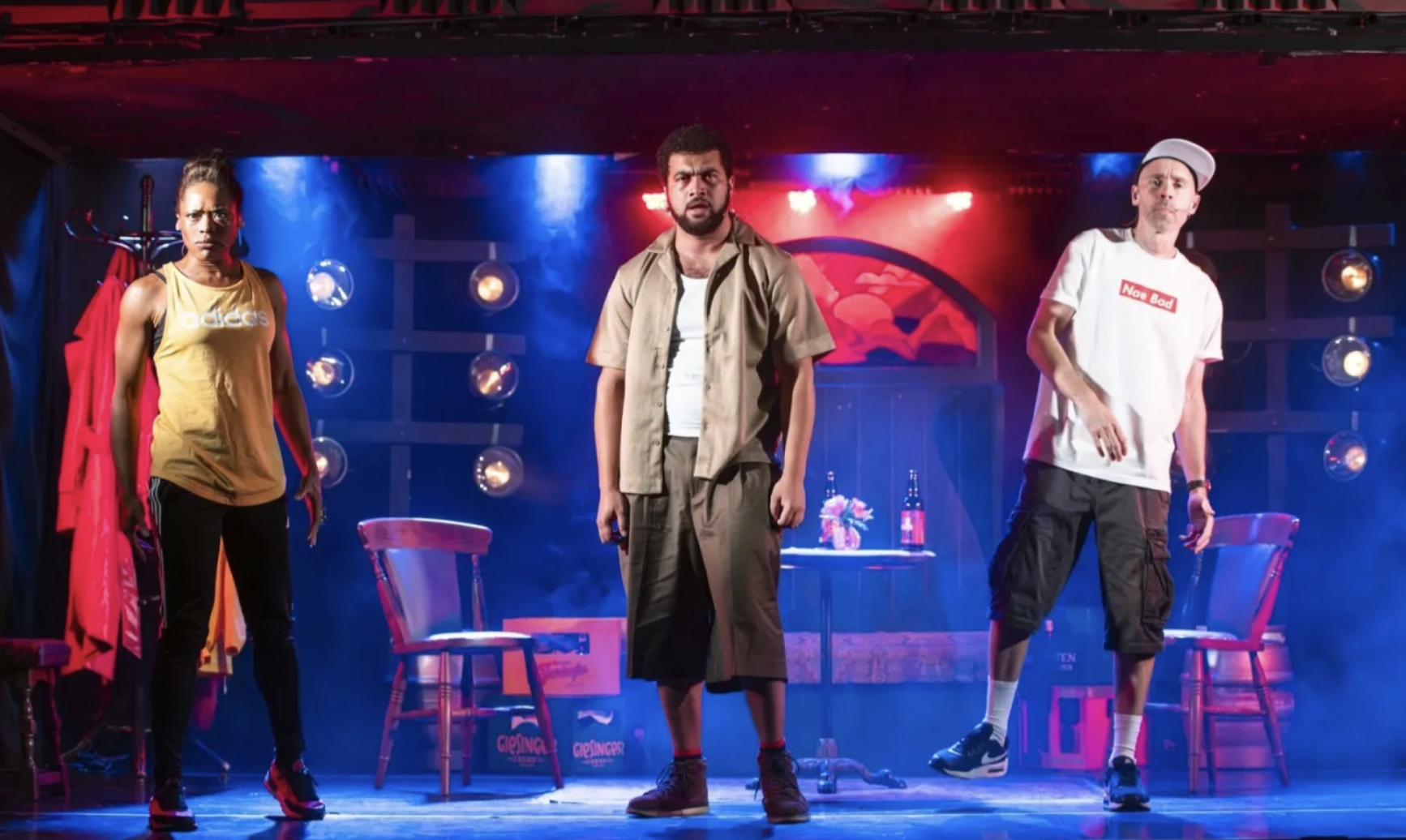
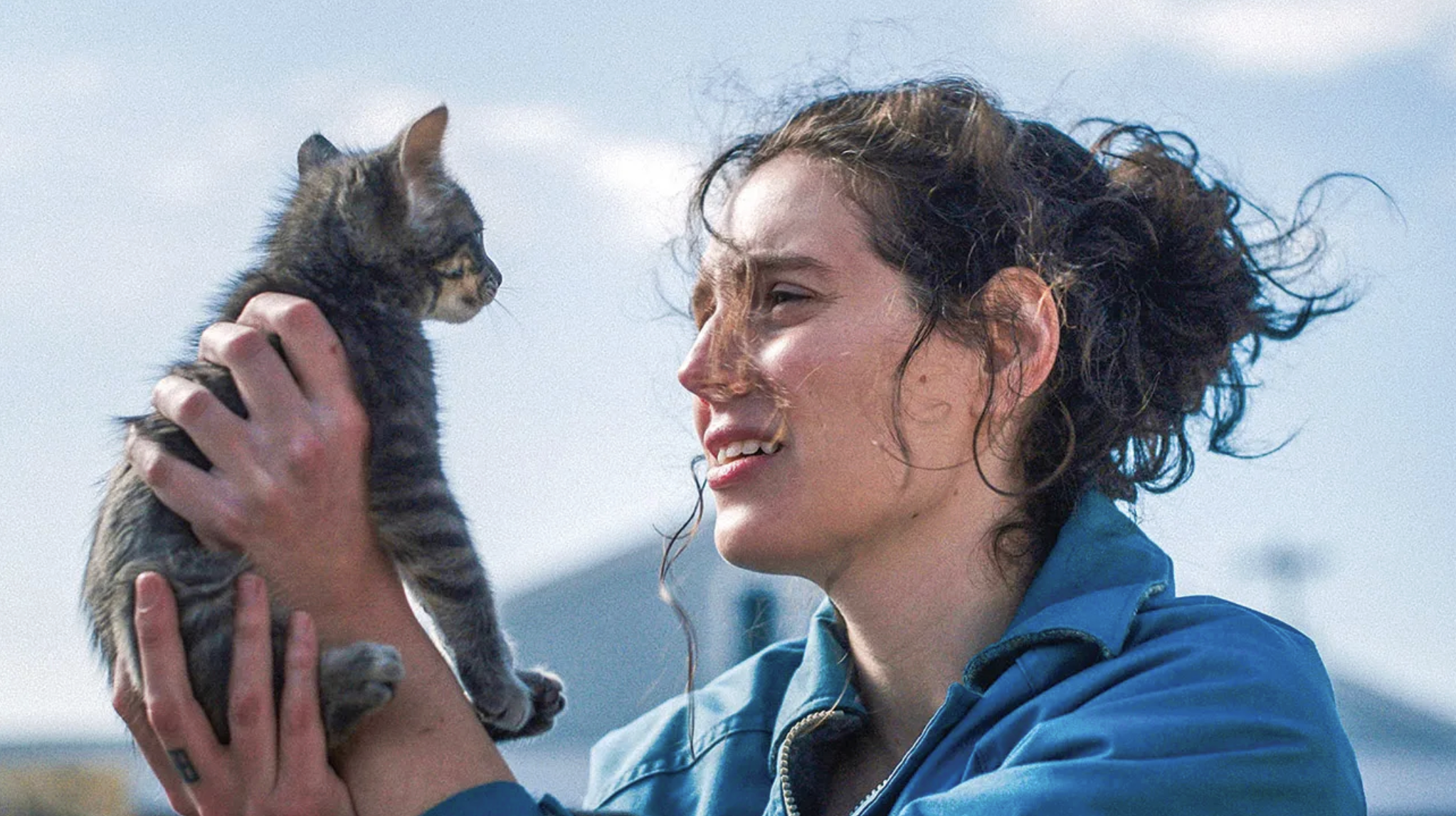
Lexie (Fiona MacNeil) and Effie (MJ Deans) have lived on the Isle of Lewis since childhood. At Lexie’s insistence, they have set off on a fishing trip to the remote Loch that she used to visit with her late father, back when she was wee. Effie has gone along with the idea, but it’s clear from the get-go she’s really not suited to the outdoor life, complaining every step of the way and much more interested in singing and chatting nonsense than pressing on with the hike.

On the long trek to their destination, Lexie spins yarns about some of the mysterious mythological creatures that are connected with this mountainous landscape. Chief among them is the elusive Righ Lasgar: The Fisher King, a creature renowned for luring his victims to their bloody deaths by apparently granting their heart’s desire. Lexie is desperate to catch fish today and, after a distinctly unpromising start, the two women begin to reel them in…

Kenny Boyle’s understated supernatural folk tale would, on the face of it, suggest that it’s an appropriate subject this close to Hallowe’en, but perhaps it’s too understated for its own good: the duo’s bickering is mostly played for laughs, which means that a late-stage attempt to shift the tone abruptly into the realms of terror really doesn’t come off.

There are other issues. While of course it’s commendable to incorporate Gaelic elements into new Scottish writing, reeling off words in the language and then repeating them in English feels ponderous. Non-Gaelic speakers should be able to work out what’s being said from the context. Furthermore, Lexie’s late-stage ‘revelation’ has no impact because it’s something that’s already been announced much earlier in the play.

MacNeil and Deans give this their best shot, and Heather Grace Currie’s set design cleverly evokes the great outdoors in the tiny space of Traverse 2. The costuming of the titular creature (played by Adam Buksh) is also pretty impressive but, sadly, it fails to generate the necessary chills to make that final gear-change work.

2.8 stars

Philip Caveney
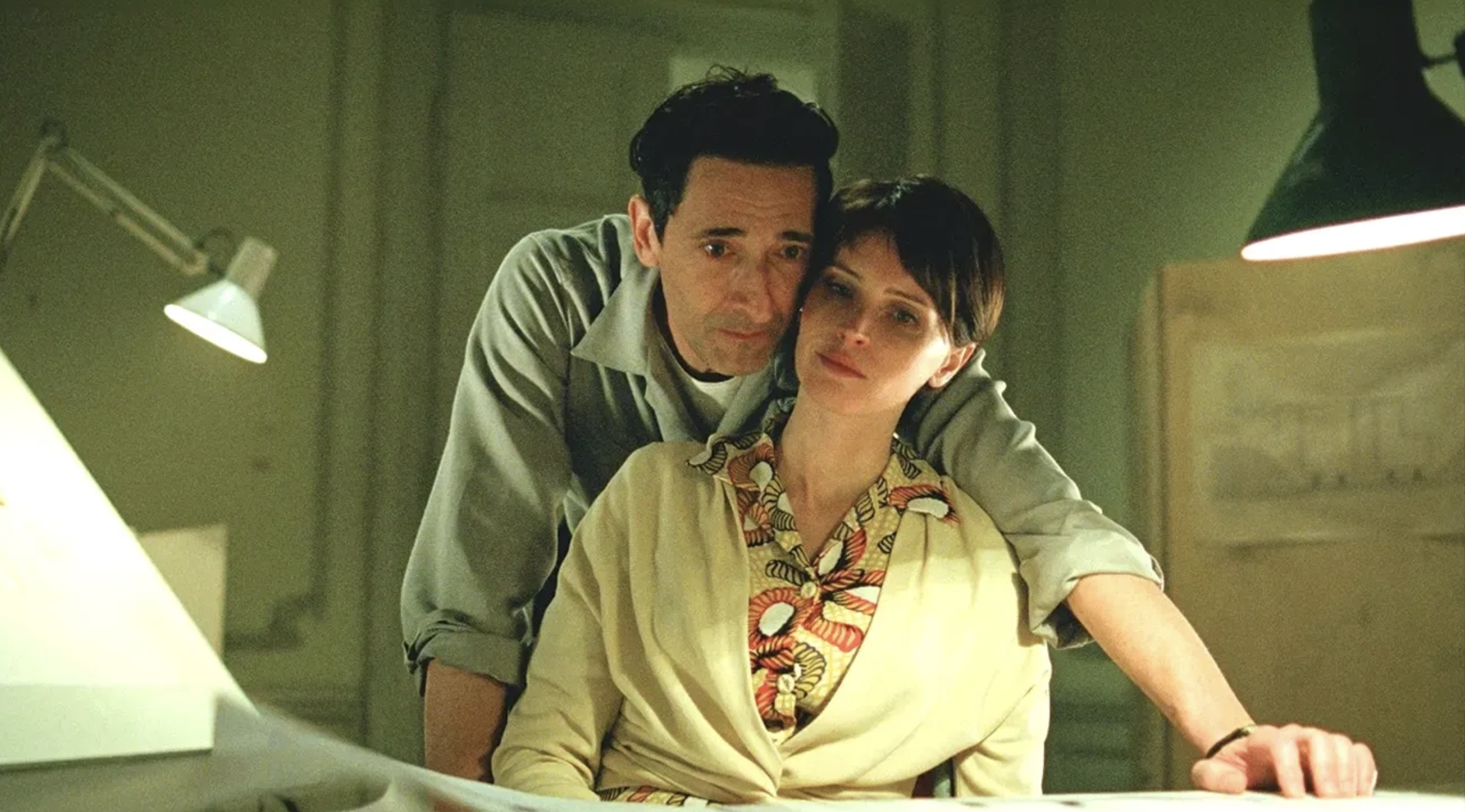
Roofman

26/10/25

Cineworld, Edinburgh

Rarely has Mark Twain’s pronouncement that, “Truth is stranger than fiction… because fiction is obliged to stick to possibilities” felt more apt. Imagine the pitch. “So there’s this really sweet-natured armed robber, who pulls off an inordinate number of heists before being caught. He escapes from prison and then hides out in a busy branch of Toys “R” Us – for six whole months – during which time he also finds himself a girlfriend and joins a church…”

Nah. Way too unlikely.

What do you mean, it actually happened?

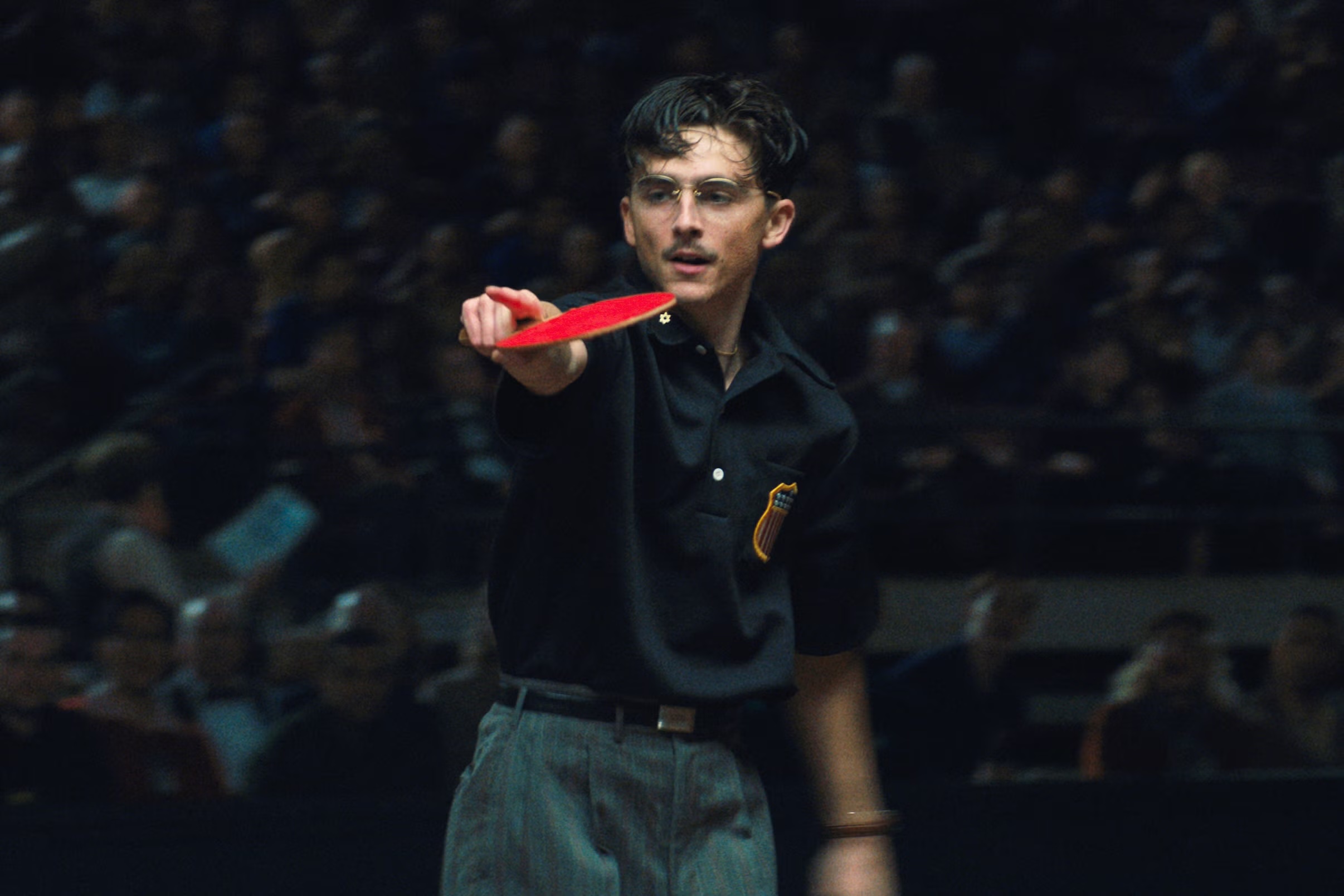
Channing Tatum is perfectly cast as Jeffrey Manchester, the charismatic criminal whose breathtaking chutzpah has us all rooting for him. He exudes the requisite warmth and charm to make us buy into this frankly incredible tale. All he wanted was to buy his daughter a bike, right? It’s perfectly reasonable for a man in his situation to load a gun and raid more than forty branches of McDonald’s. Isn’t it?

Of course, the key to this story is in the absurdity of Manchester’s hideout. There’s such a disconnect between the escaped convict and his surroundings: the Spiderman T-shirt and Heelys lend him an air of child-like innocence; the den he builds behind a bike display is a boyhood dream of unlimited computer games and bottomless bags of M&Ms. His night-time trolling of tyrannical store-manager Mitch (Peter Dinklage) is also a joy to behold.

Kirsten Dunst plays Leigh, a Toys “R” us employee who falls for “John” (Manchester’s alter-ego), an undercover intelligence officer, who charms both her and her two daughters (Lily Collias and Kennedy Moyer). He becomes an active member of Leigh’s church, forming strong relationships with the Pastor (Ben Mendelsohn) and his wife (Uzo Aduba), which even survive the eventual revelation of his true identity. (Apologies to anyone who thinks this is a spoiler, but the facts are out there in the public domain, so there’s not much point in gatekeeping them here.)

But of course the police haven’t forgotten about the armed robber on the loose and, alongside the fun and games, Manchester is plotting a vanishing act. And people are going to get hurt along the way…

Writer-director Derek Cianfrance’s adaptation of these true-life criminal escapades is a lively, engaging affair, encouraging the audience to goggle open-mouthed at Manchester’s audacity, and his ability to find joy in the most stressful conditions. Sensibly, Cianfrance and his co-writer Kirt Gunn have eschewed any cinematic flourishes in this straightforward, chronological account, the simplicity allowing the strangeness of the situation to speak for itself.

Roofman puts a different spin on ‘cosy crime’ and it’s certainly worth wrapping up and braving the ‘cosy season’ weather to make the trip to your local multiplex. Just keep an eye out for any holes in the ceiling. You never know who might be lurking up there…

4.4 stars

Susan Singfield


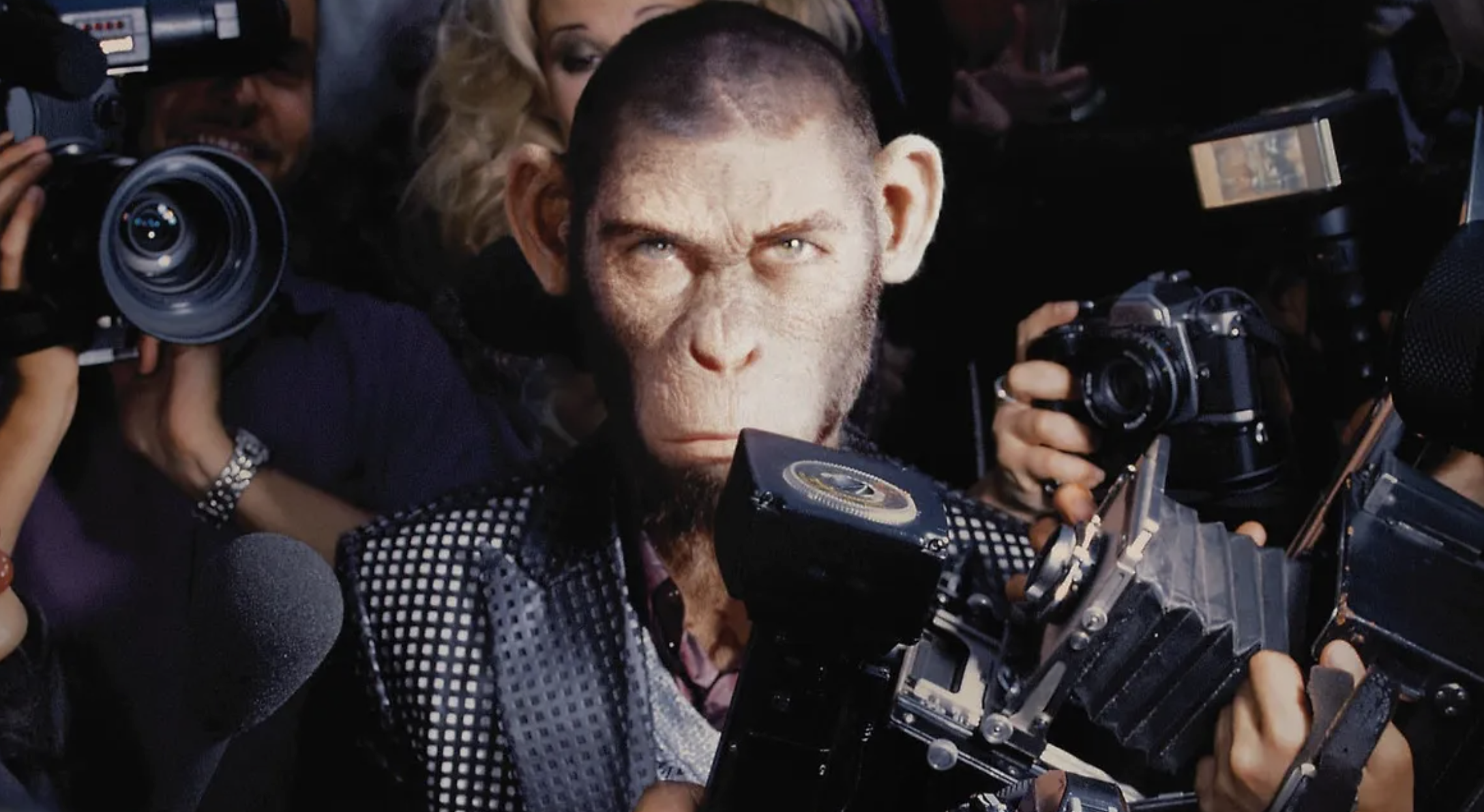
Frankenstein

25/10/25

Filmhouse, Edinburgh

Guillermo del Toro was always going to make his version of Frankenstein one day – the seeds were sown in his 1992 Spanish-language film, Cronos, the first of his features that I ever saw in the cinema and the one that convinced me he had a big future ahead of him. 

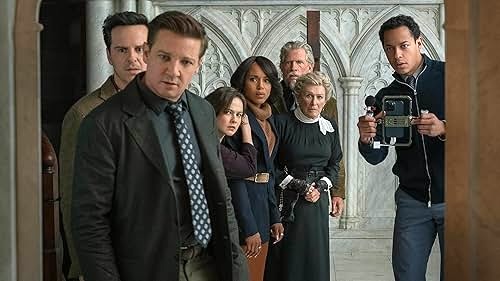
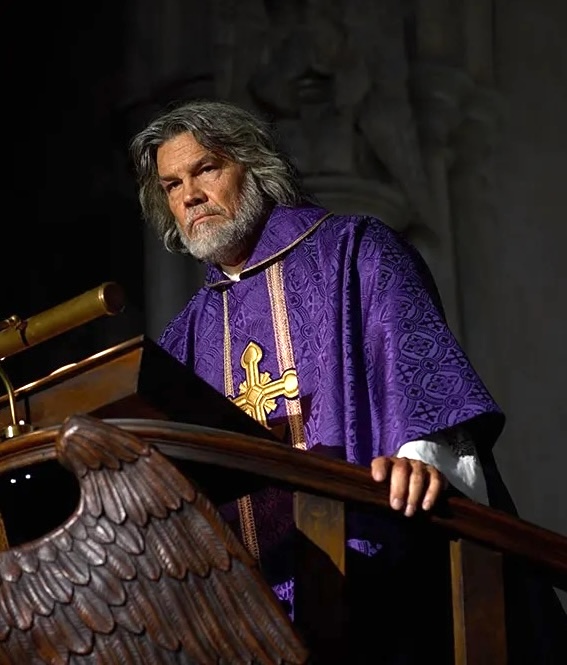
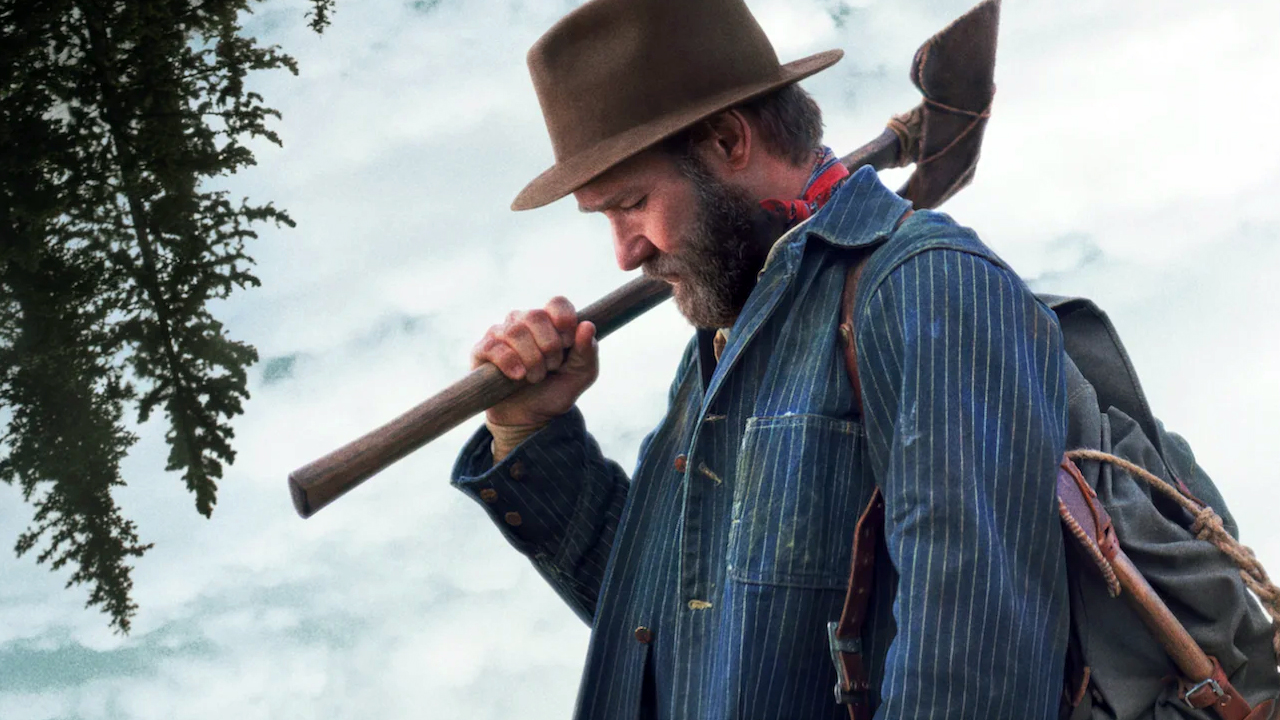
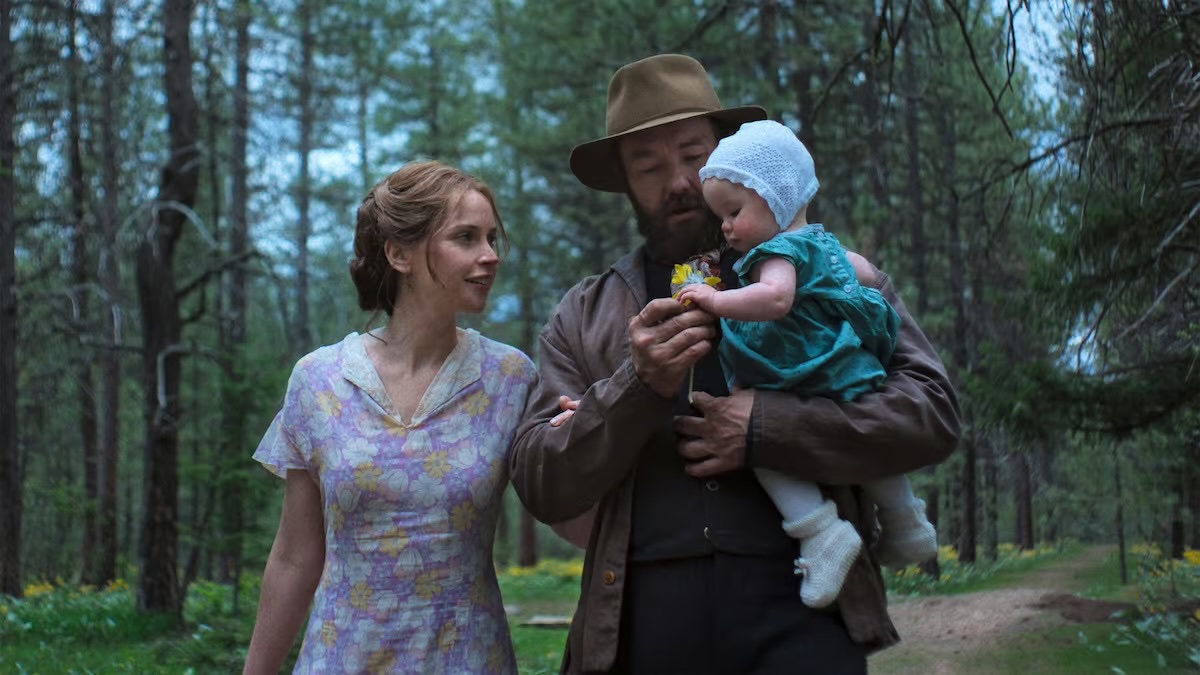
Now he’s finally got around to doing the job properly, courtesy of Netflix, who stumped up the $120m budget. For a while it looked as though there wouldn’t be any chance of seeing it in an actual cinema before the transfer to streaming. This would have been a crime because del Toro’s adaptation of the tale looks absolutely sumptuous on the biggest screen at Filmhouse and I’m delighted to see that the auditorium is  pretty busy for a Saturday afternoon showing.

Frankenstein is, of course, one of the most filmed books in history, but it’s probably fair to say that only a handful of the 423 movie adaptations (not to mention the 287 TV episodes – yes, I did Google it) have come anywhere close to capturing the essence of Mary Shelley’s seminal horror story. While del Toro does throw in a few original twists of his own (of course he does!), he sticks fairly close to Shelley’s narrative – indeed, he’s even credited her as his co-screenwriter. The tale is told in three distinct parts.

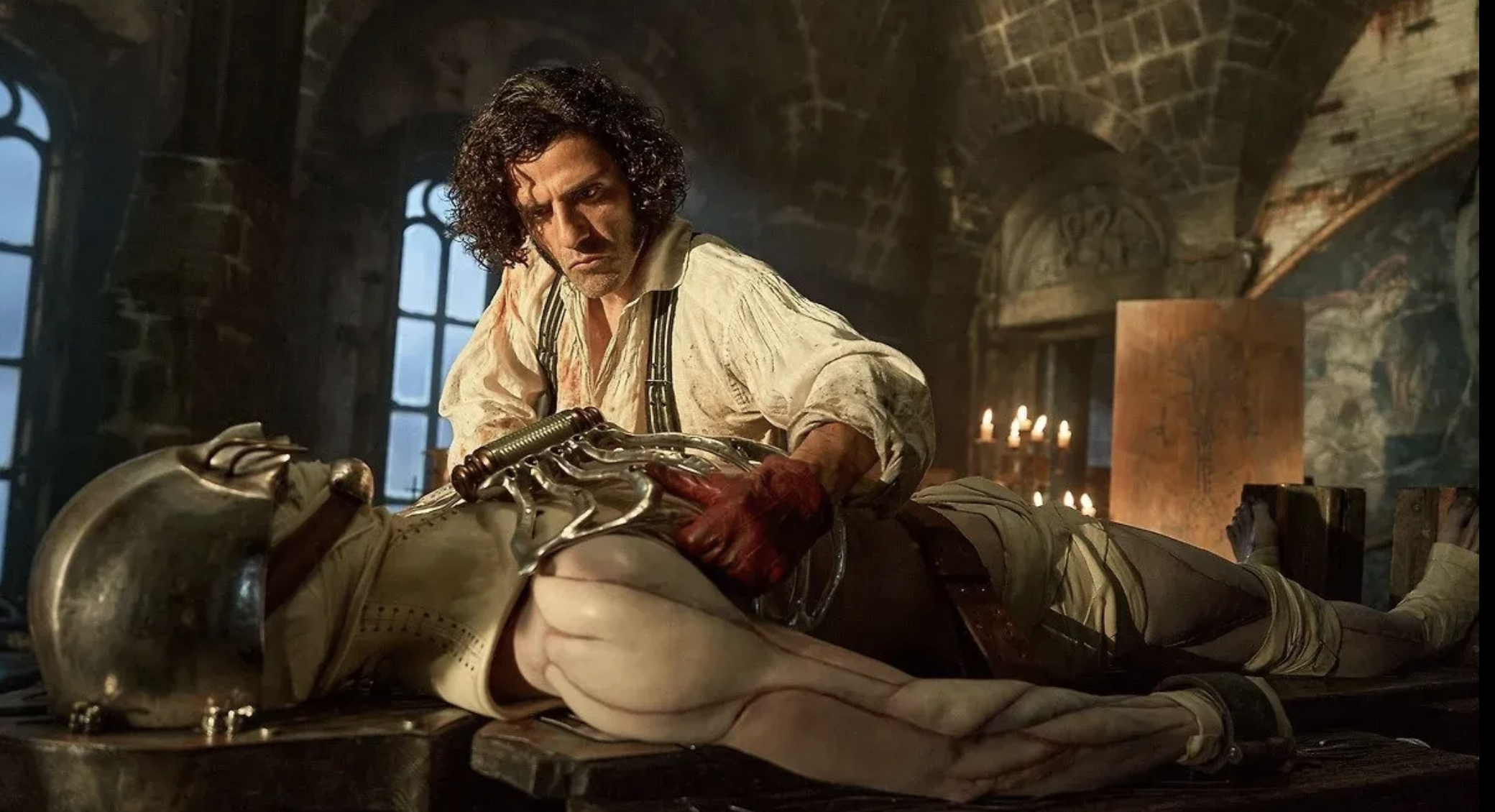
In the opening Prelude, we join Captain Andersen (Lars Mikkelsen) and the crew of his sailing ship, who are stranded on the ice in remote Arctic waters. There’s a sudden explosion nearby, from which the crew rescue Victor Frankenstein (Oscar Isaac), who has been pushed almost to the point of death by a monstrous assailant. After witnessing The Creature (Jacob Elordi) plunging into icy waters, they carry Victor onto the ship – but, once revived, he assures Andersen that his pursuer will not actually be dead and will surely come for him…

Before that happens, he needs to tell his story.

Victor then narrates The Creator’s Tale and we flashback back to his childhood where, under the rule of his despotic father, Leopold (Charles Dance), Young Victor (Christian Convery) first becomes obsessed with life and death. Keen-sighted viewers may spot something familiar about Victor’s barely-glimpsed mother, Claire. Something distinctly Oedipal is happening here.

We then cut to some years later. A grown-up Victor is causing controversy at medical school in Edinburgh with the grisly experiments he’s conducting on cadavers (and I get to revisit some of the sets that were evident around my home city in September 2024). We are introduced to Victor’s younger brother, William (Felix Kammerer), and his fiancée, Elizabeth (Mia Goth). We also meet Harlander (Christophe Waltz), a character created for the film, a wealthy man who, for clandestine reasons, is perfectly happy to finance Victor’s attempts to take his experiments all the way.

But Victor’s account is later contrasted with The Creature’s Tale, where we learn of the years when the monster and his creator were apart: how The Creature lived in a barn alongside a kindly blind man (David Bradley); how he mastered the art of speaking (with a distinctly Yorkshire accent); and how he slowly began to realise how shabbily he’d been treated…

It’s not just because I’m a devout Guillermo del Toro fan that I think this film is a million times better than every other Frankenstein-generated movie I’ve watched down the decades. Isaac is a revelation in the title role, nailing both the character’s sense of privilege and his fatal short-sightedness. Elordi, meanwhile, offers a fresh take on the Creature that really brings out his innate vulnerability and his desperate need to relate to others, something that’s been attempted before with much less success. 

The film is packed with sumptuous locations and thrilling action set-pieces, that have it hurtling through its lengthy running time. Cinematographer Dan Lausten captures every scene with an almost luminous intensity, Kate Hawley’s costume designs are exquisite, and there’s a beautiful score courtesy of Alexander Desplat. If I have a minor niggle it’s that the CGI-generated wolves in one long sequence aren’t quite as convincing as they need to be – and perhaps both Mia Goth and Felix Kammerer might have been given a little more to do?

But these are nitpicks. As ever in these situations, I’m urging people not to wait for this to drop onto streaming, because this level of filmmaking deserves to be watched on the biggest, brightest screen available, one of – dare I say it? – monstrous proportions.

I’ll get my coat.

4.8 stars

Philip Caveney

Little Women

24/10/25

Bedlam Theatre, Edinburgh

First, a plea to the good people of Bedlam: for the love of all little women, good wives and little men, PLEASE stop leaving the fire exit door open during your productions. Christopher Columbus! It’s cold enough in this unheated theatre without letting in a blast of late October air! I wasn’t expecting to identify quite so closely with Amy after her fall through the ice, “shivering, dripping and crying” until she’s wrapped in blankets in front of a fire.

But, to quote Louisa May Alcott, “there is always light behind the clouds” and EUTC’s Little Women, directed by Lauryn McGuire and Meri Suonenlahti, is a case in point: a bright, sparky production, perfectly encapsulating the wholesome vivacity of the nineteenth-century New England classic.

Not a lot happens in Little Women – the coming-of-age novel is character rather than plot-driven – so the play’s success relies on the actors’ embodiment of the four sisters. Liv De Pury excels as Alcott’s alter-ego, Jo, the irrepressible second child, who rails against the constraints of her gender and burns with ambition to become a writer. De Pury imbues the popular heroine with sass and drive, creating an engaging protagonist for us to root for. Sophie Davis’s Meg is a softer, sweeter young woman than Jo, but no less likeable, her warmth and kind nature almost palpable. Elsie Frith, as Beth, captures the girl’s gentleness and fragility, while Rachel McLaren shines as Amy, the melodramatic baby of the March family, eliciting much laughter from tonight’s audience.

The set (managed by Azalea Drace) works well, making the most of the small stage. A raised area represents Jo’s garret, with the rest of the performance space given over to the March family’s living room. The trusty green Chesterfield is back (it’s made an appearance in almost every show we’ve see in this venue), its period style especially appropriate for this piece. I also like the fact that the sisters actually play the old upright piano, rather than relying on recorded sound.

The costumes (managed by Millie Franchi) are similarly effective, making clever use of corsets to convert simple modern skirts into clear approximations of 1800s fashion.

The production as a whole works well. Dylan Kaeuper (Laurie) and Theodore Casimir-Lambert (John Brooke) provide excellent support as the love interests, while Roni Kane (Marmee), Hunter King (Father) and Rufus Goodman (Old Mr Laurence) are all impressively convincing as characters much older than themselves. Watching events play out, I feel transported back into the cocoon of my childhood, curled up in bed reading about these faraway adolescents and their travails.

I can’t urge you to buy a ticket because there’s only one performance left and I know that it’s sold out. But I can congratulate EUTC on another delightful production, allowing this good wife to indulge in a little nostalgia and leave the theatre with a great big smile on her face.

4.4 stars

Susan Singfield

Batshit

23/10/25

Traverse Theatre, Edinburgh

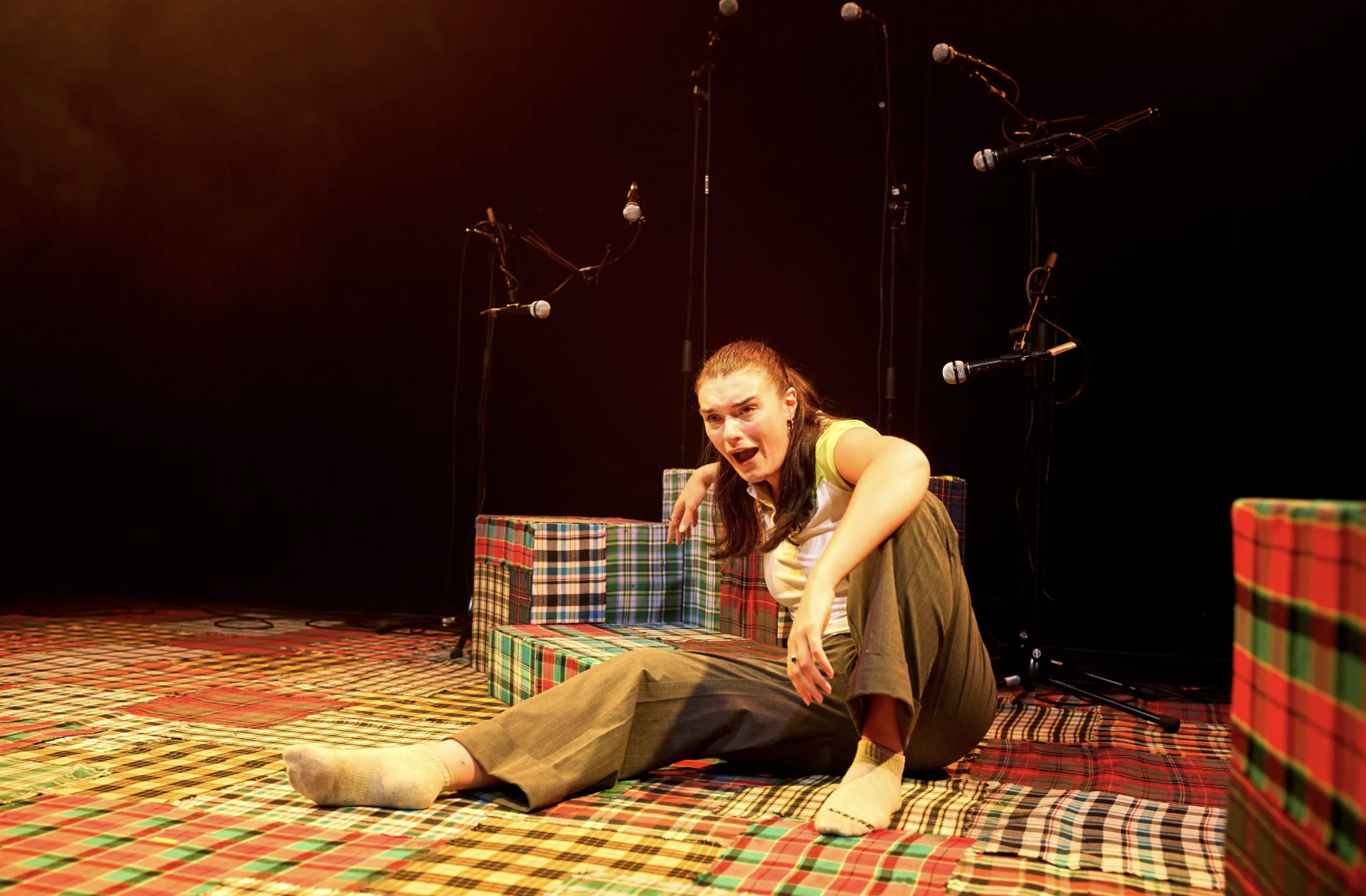
Leah Shelton’s Batshit explores the prevailing notion of madness as a female malady, where women’s physical and emotional states are pathologised and othered, deemed peculiar because they differ from the ‘norm’, i.e. the male.

Equal parts cabaret, polemic and eulogy to Shelton’s grandma, Gwen, this clever one-woman show brings its disparate strands together with absolute precision. It’s a demanding piece, blending the personal and the political with compelling sincerity. 

Gwen’s story is the microcosm, neatly illuminating the bigger picture. In the 1960s, following a miscarriage, she announced she didn’t want to be a housewife any more. Crazy, eh? Her husband certainly thought so and, backed up by a male-dominated medical profession, managed to have her sectioned. Despite many months of incarceration, drugged to the eyeballs and under constant surveillance, Gwen didn’t change her mind. She must be really, really cuckoo, right? Maybe repeated sessions of ECT might encourage her to listen to reason? Spoiler: they did. Turns out that people say what you want them to if you torture them enough…

Shelton is a talented physical performer, contorting her body to mirror her characters’ contorted thoughts. The movements are exaggerated and often grotesque, but delivered with such charm and gravitas that they never seem absurd. The metaphors are writ large – there’s nothing subtle about a straight jacket or a gag – but they’re incredibly effective, reminding us that we need to be vigilant even in these so-called enlightened times. Women’s freedoms have been hard-won and we take them for granted at our peril. Have you ever heard an angry or frustrated man being dismissed as ‘hysterical’?

Directed by Ursula Martinez, Batshit is a dazzling firework of a production, its message lingering in a trail of sparks that keep me thinking long after the applause has died away. These three nights at the Traverse (23-25 October) mark the end of the UK tour, so be sure to catch it while you can!

4.3 stars

Susan Singfield

The Seagull

15/10/25

Lyceum Theatre, Edinburgh

Sometimes a particular production of a play can be a revelation. The Royal Lyceum’s The Seagull is a good case in point. Chekhov famously insisted that his plays were actually comedies – yet every time I’ve gone along to see one, I have been presented with something ponderous and rather miserable.

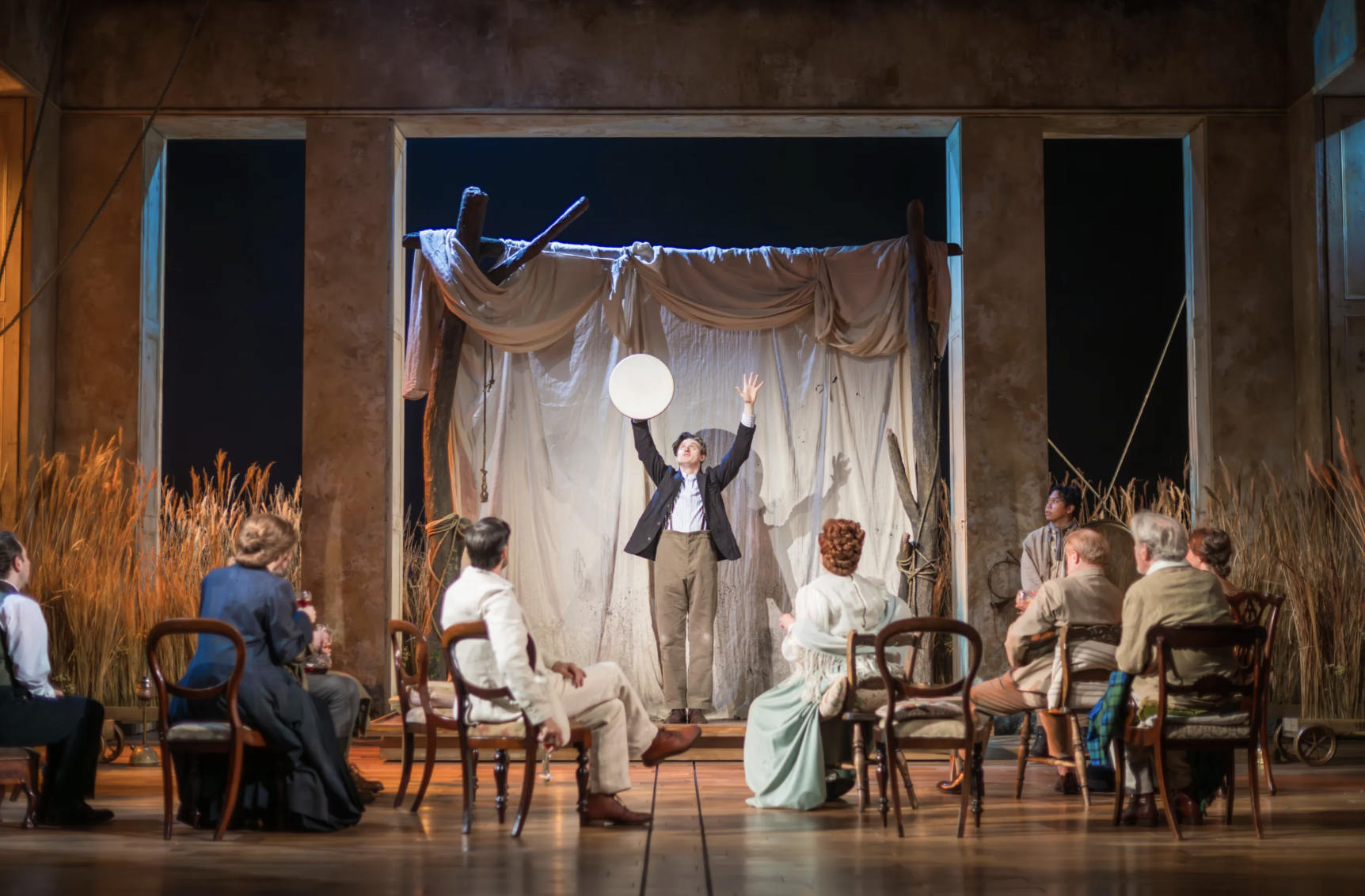
This inspired interpretation of the Russian’s best-known play, adapted by Mike Paulson, finally sets the record straight. While it’s indisputable that the story has a tragic conclusion, the journey there is spirited and so chock-full of acerbic humour that, from the opening lines, I’m laughing.

In the first act, the elderly and infirm Pyotr Sorin (John Bett) is entertaining his family and their friends at his country estate. His younger sister, former actress Irena Arkadina (Caroline Quentin), has brought along her son, Konstantin (Lorn McDonald), who is deeply in his mother’s thrall and has aspirations to be a playwright. Irena is also accompanied by her lover, Trigorin (Dyfan Dwyfor), a fêted young writer, though it’s clear he derives very little pleasure from his success.
Although unnerved by Trigorin’s presence, Konstantin presses ahead with a performance of his latest project. He’s enlisted the help of an aspiring actress, Nina (Harmony Rose-Bremner), who lives on a neighbouring estate. He claims to be seeking a ‘new theatrical form’ and he’s devastated when his mother airily dismisses the monologue as ‘incomprehensible.’ He’s even more upset when Nina (who he clearly adores) seems much more interested in talking to Trigorin than to him.

Meanwhile, Masha (Tallulah Greive), the daughter of the estate’s boorish steward, Shamrayev (Steven McNicholl), is hopelessly in love with Konstantin, though he seems barely aware of her existence. She views the fact that shy local schoolteacher, Medvendenko (Michael Dylan), is in love with her as something of a major irritation.

In such a tangle of unfulfilled longing, it’s inevitable that tragedy is waiting somewhere in the wings…

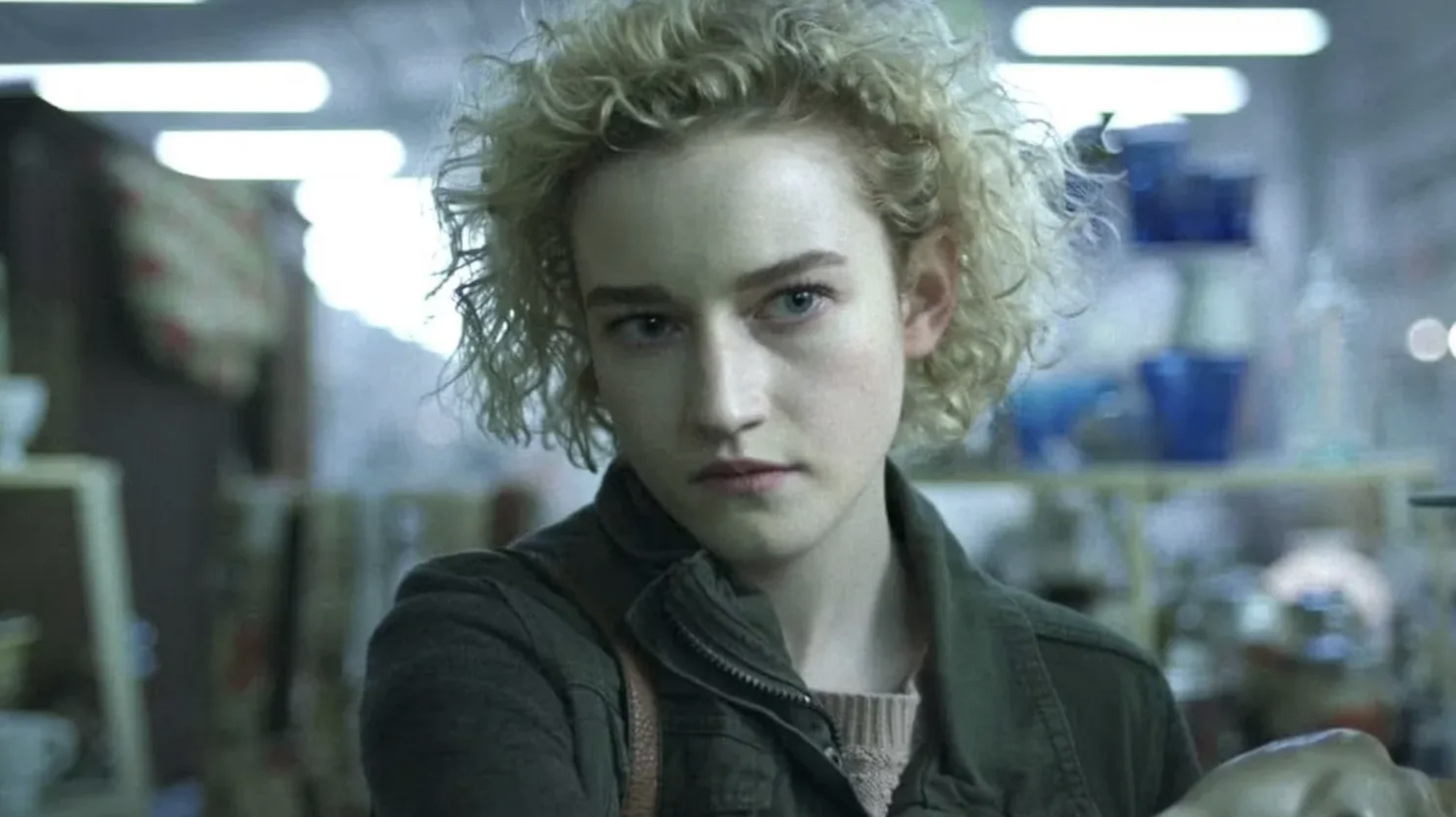
There’s so much to enjoy here and not just Quentin’s perfectly-judged performance as the conceited, self-aggrandising Irena, intent on making every conversation all about her. The gathering of disparate characters is well-realised, with Bremner excelling in the role of the increasingly-unsettled Nina, whose obsession with becoming an actress threatens to lead her headlong into madness. Dylan generates a goodly share of the laughs as the hapless and self-critical Medvendenko, in particular during his pithy exchanges with the local physician, Dr Dorn (Forbes Masson), who seems to have brought along enough laudanum to put everyone out of their misery.

I’m entranced by Anna Kelsey’s autumnal set design, particularly in the first act where Konstantin’s outdoor stage has an ethereal beauty. Director James Brining brings out all the nuances of Chekhov’s witty script and the piece seems to zip along, buoyed by what I assume is the simple intention of making this one of the most accessible Chekhovs you’re ever likely to see – an aim that is accomplished with élan.

4.5 stars

Philip Caveney