Singin’ in the Rain

30/12/25

Royal Exchange Theatre, Manchester

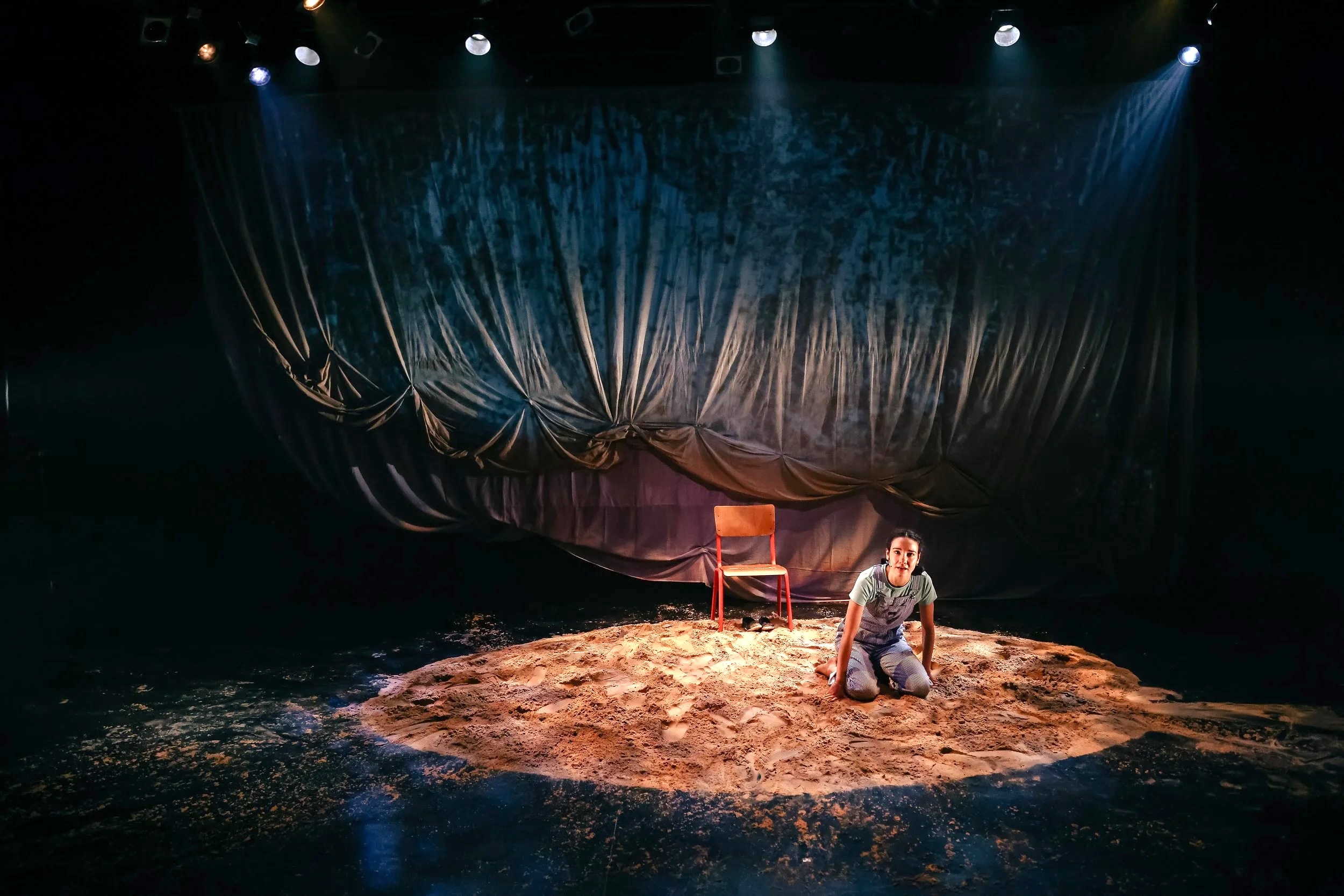
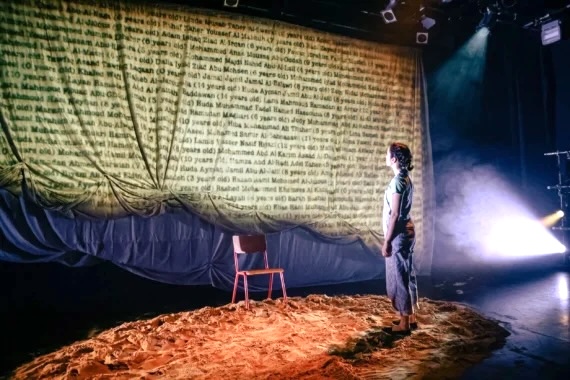
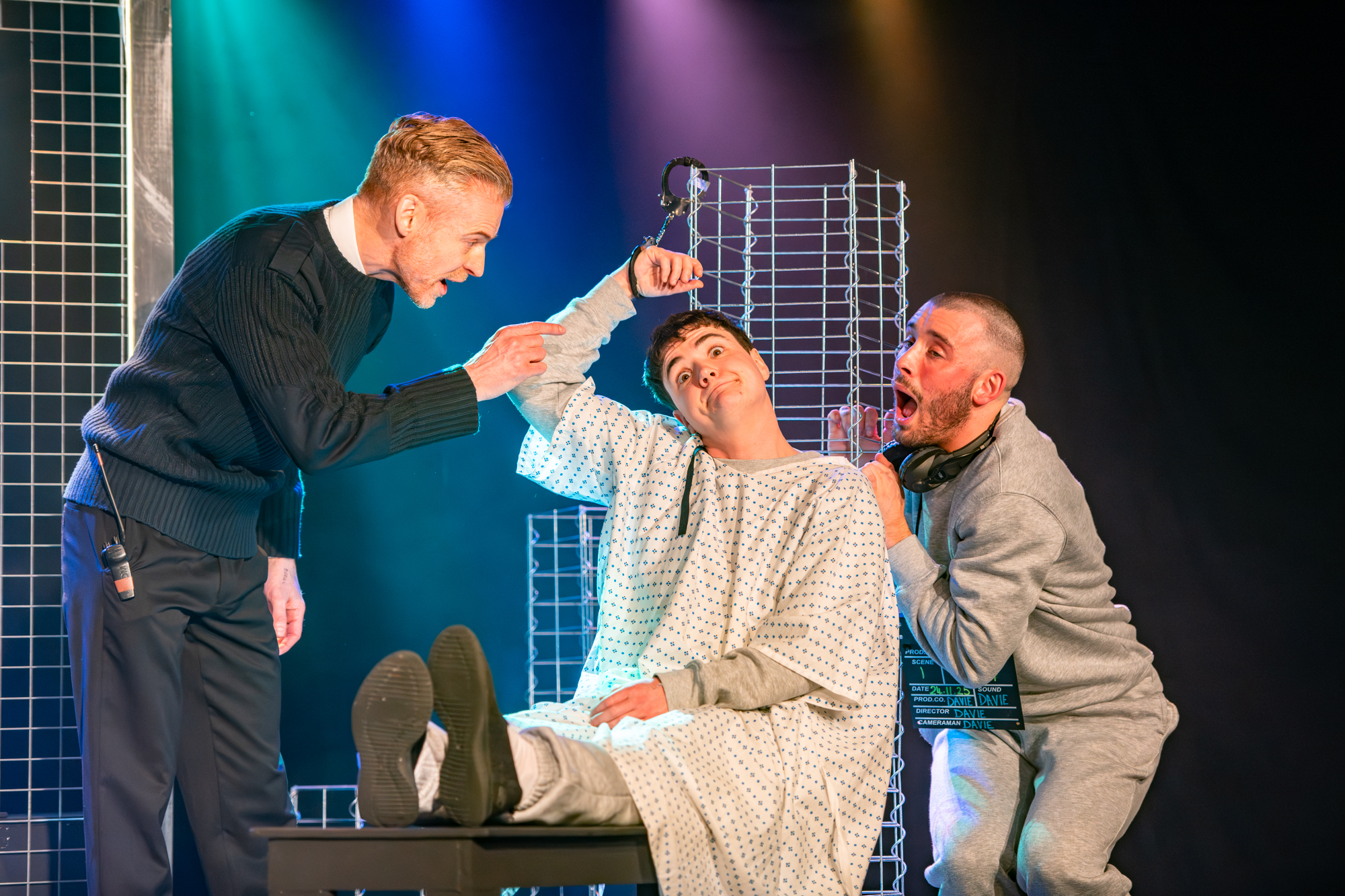
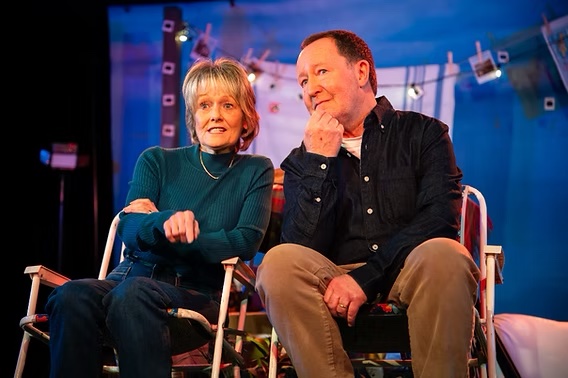
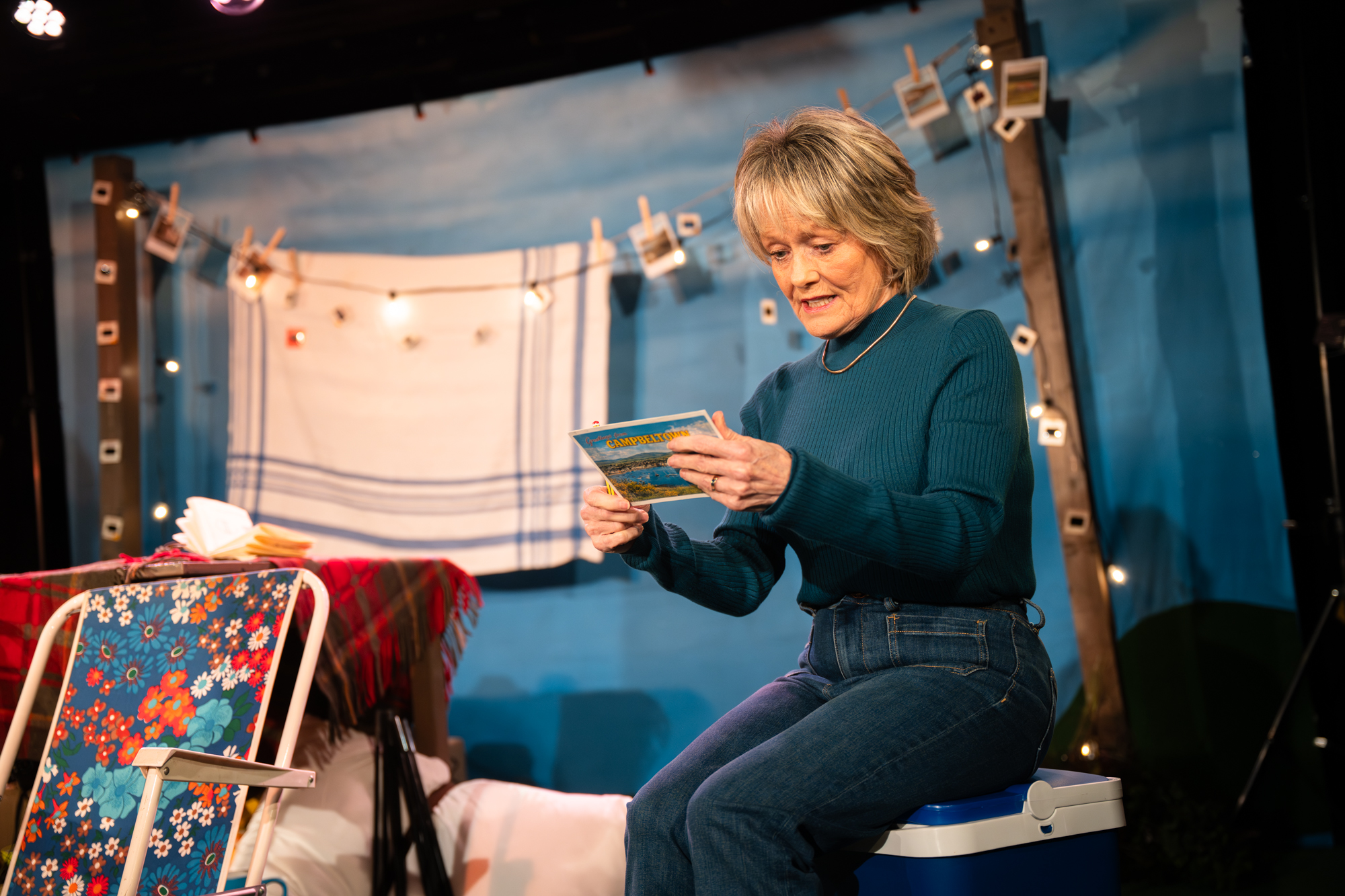
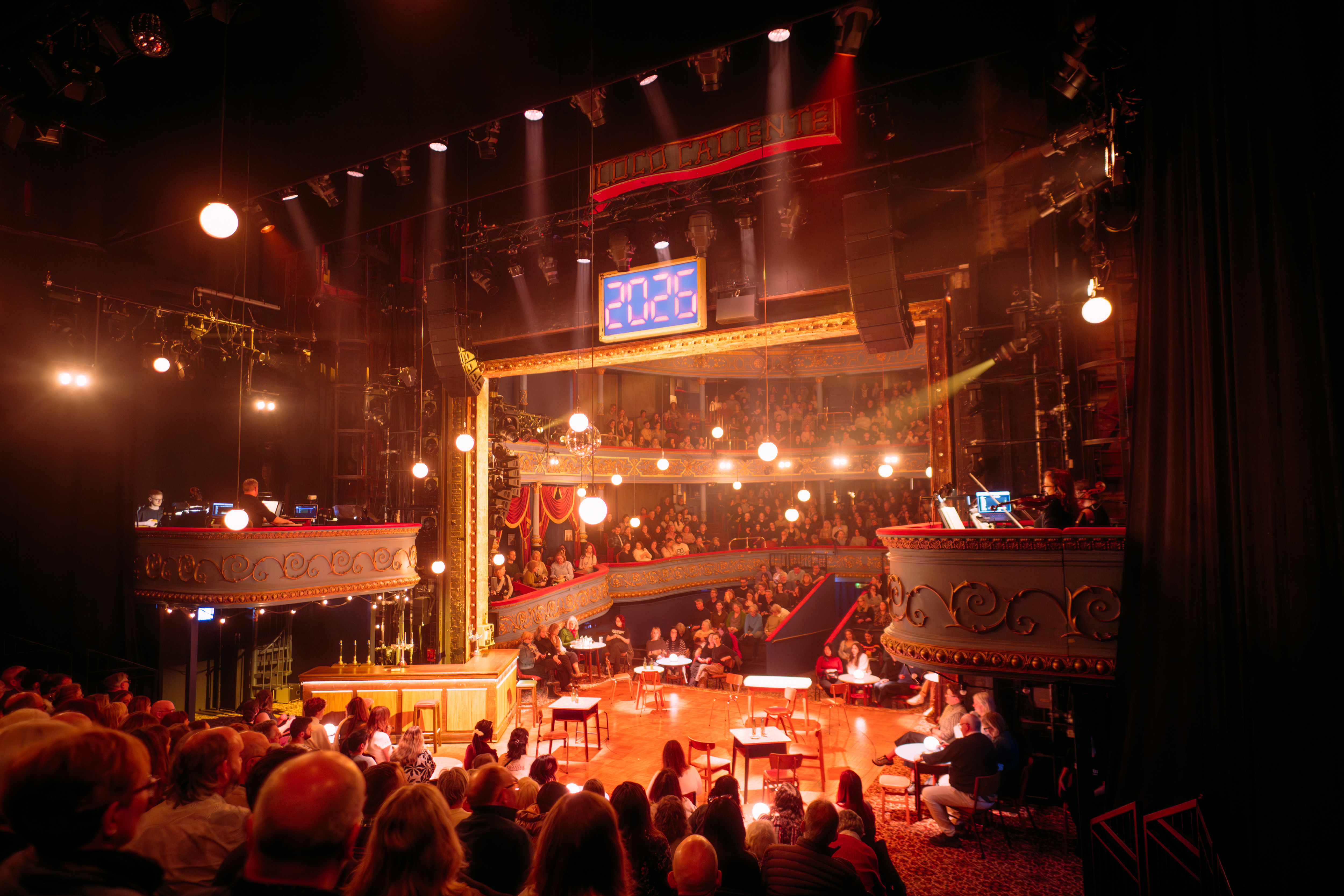
It’s Philip’s birthday, and his lovely daughter and her husband have treated us to a night out at our favourite theatre. We were press-night regulars at Manchester’s Royal Exchange before we relocated to Edinburgh a decade ago, and we’ve never lost our love for the alien-like glass pod, squatting improbably amid the opulence of the old corn exchange. But we’re here for more than just the bricks and mortar, of course, and director Raz Shaw’s revival of Singin’ in the Rain offers a whole lot of nostalgic fun – as well as another chance to see the venue’s well-used water feature in action.

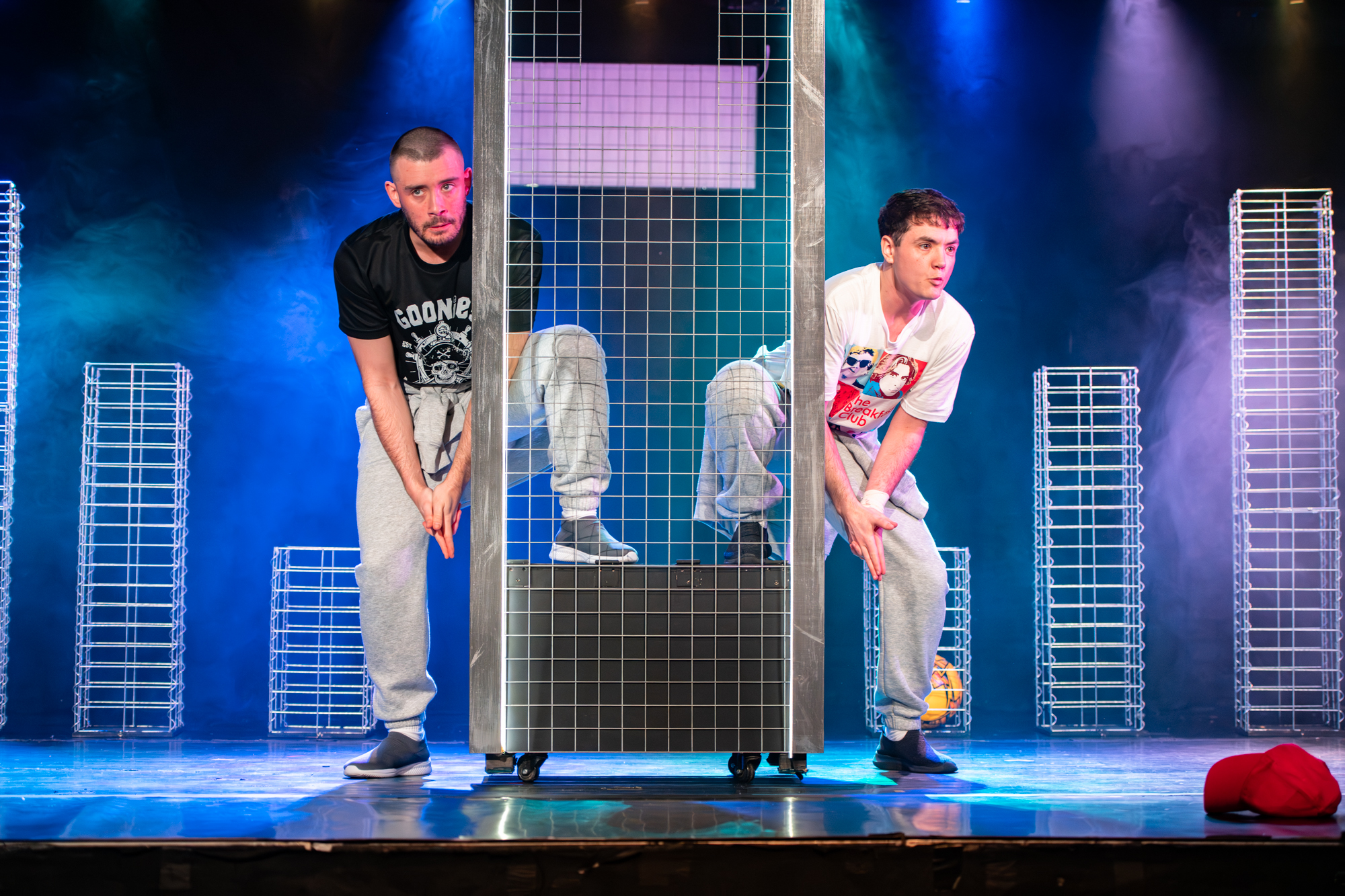
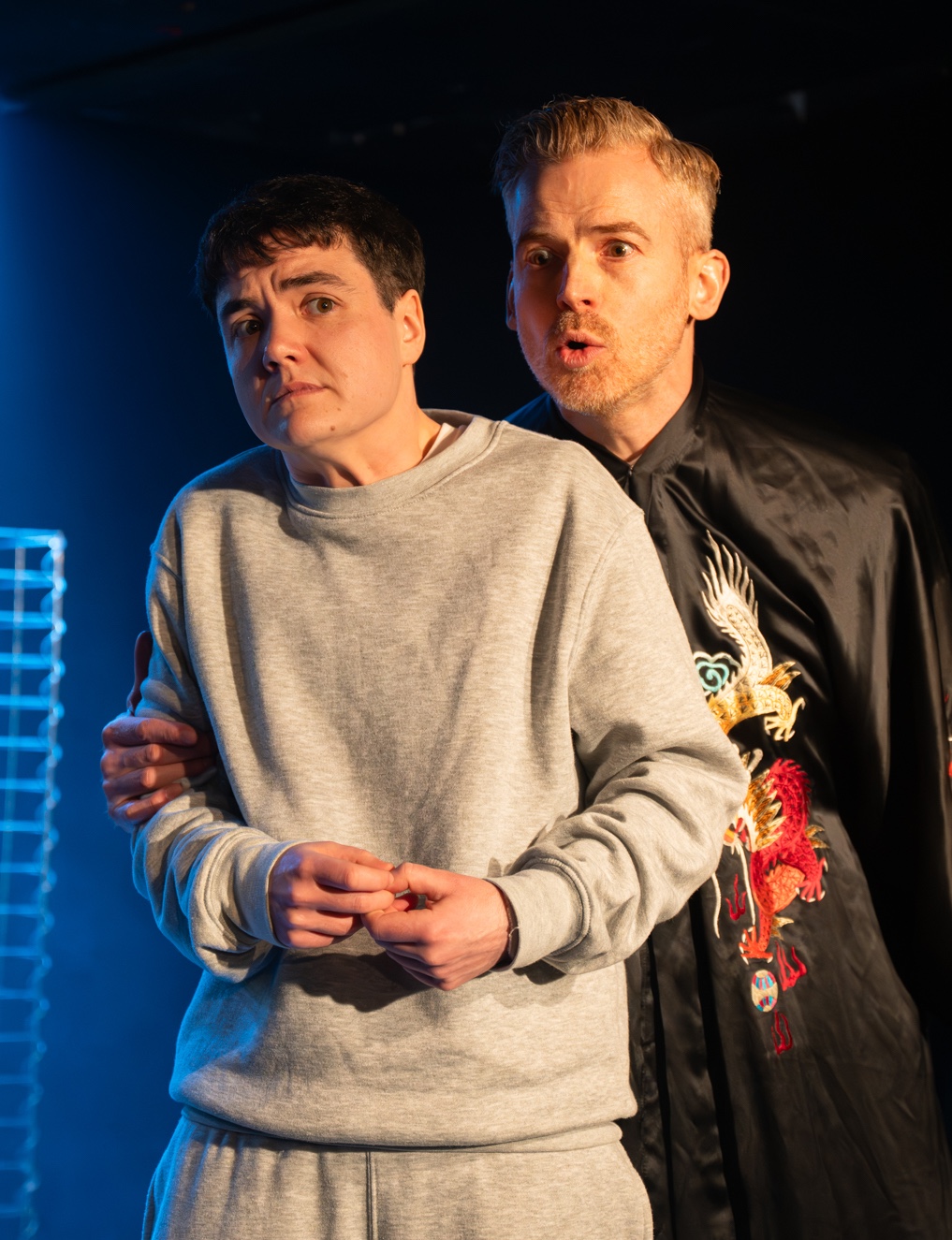
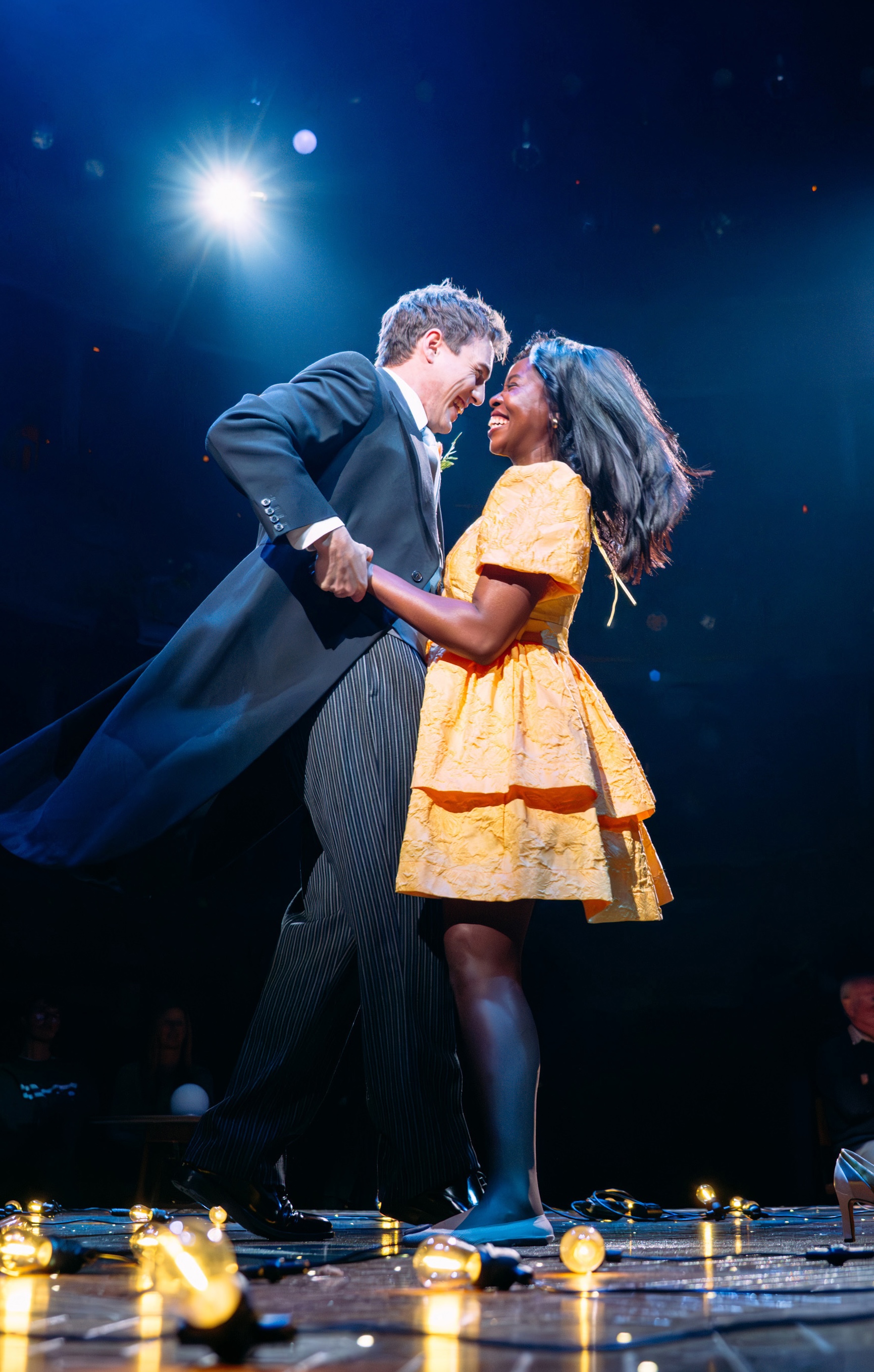
The show’s lead, Louis Gaunt, is off sick tonight, so understudy Adam Davidson steps into Don Lockwood’s black and white Gatsby brogues, impressing with his slick performance of this incredibly demanding role. He and Danny Collins (as Cosmo Brown) make a formidable duo, hoofing up a storm and delighting the audience with their dance moves.

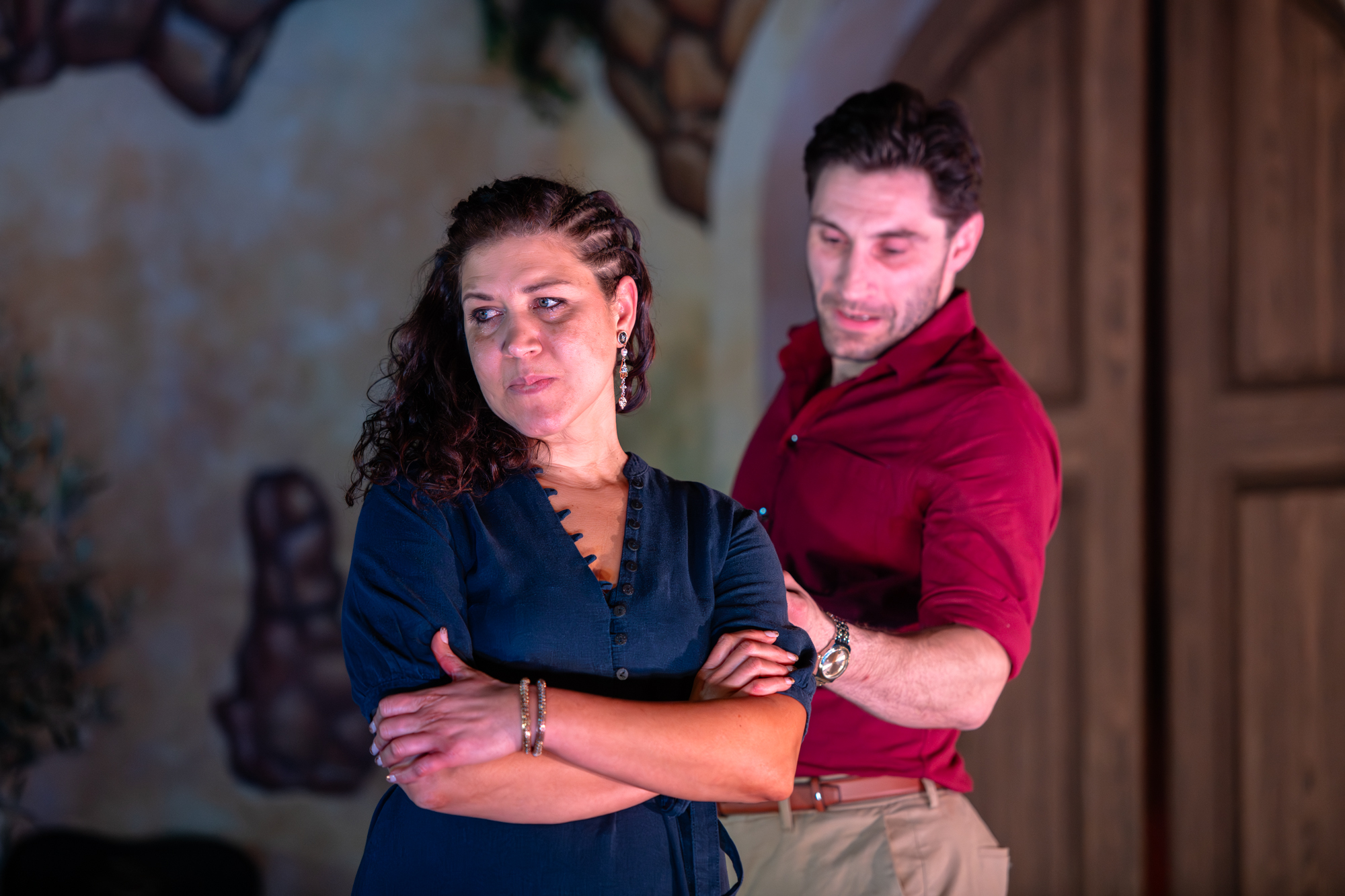
Laura Baldwin plays Lockwood’s silent movie co-star, Lina Lamont, who refuses to accept two major facts: she doesn’t have the requisite talent to succeed in the newfangled ‘talkies’ and her engagement to Don is just a PR stunt. Baldwin nails the character of the petulant diva, imbuing Lina with just enough vulnerability to make us sympathise with her, despite her cruelty and hubris. Meanwhile, Carly Mercedes Dyer dazzles as Lina’s nemesis, Kathy Seldon, who is not only an accomplished singer and actor, but also Don’s true love. Dyer’s vocals are soaringly beautiful, making it easy to believe that studio boss RF Simpson (Julius D’Silva) wants to hire her, even if it means betraying Lina, his most bankable star.

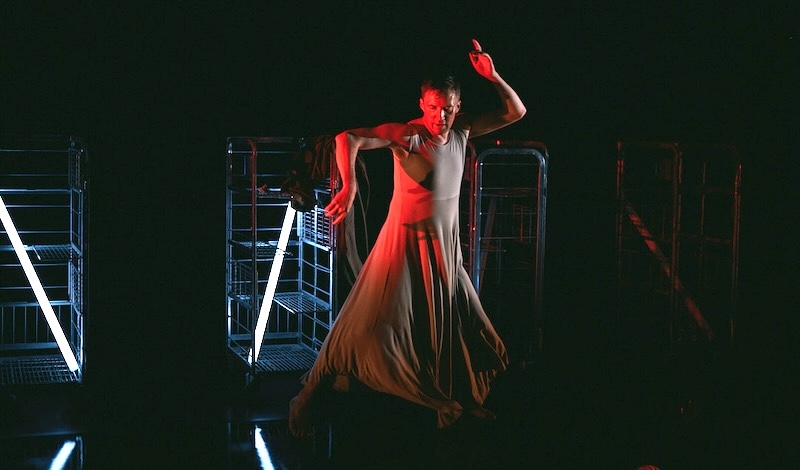
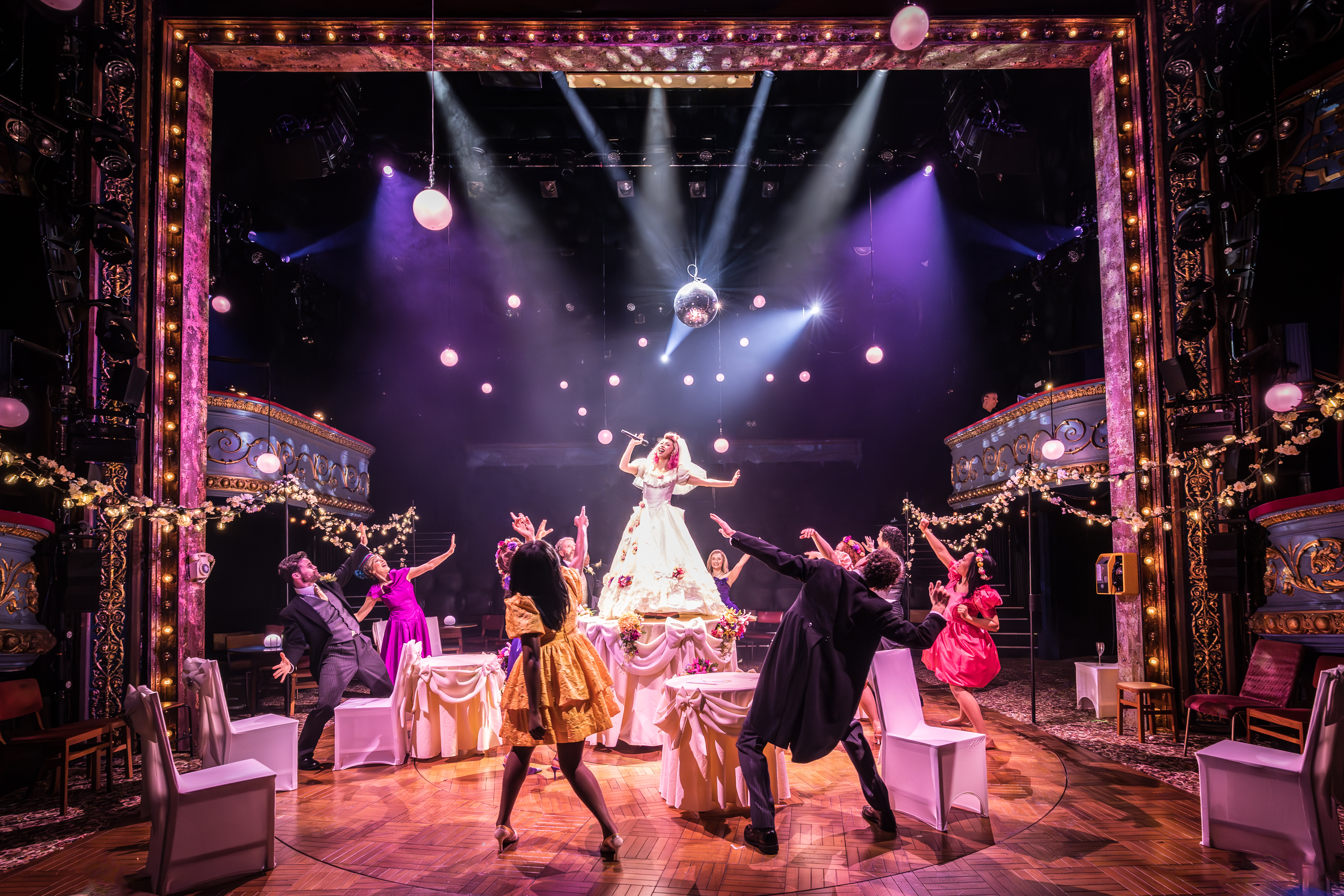
The movie clips are cleverly staged, designer Richard Kent perfectly utilising the in-the-round performance space to suggest the rotating of the cinema reels. Captions are projected onto semi-circular boards framed with vanity lights, while Alistair David’s exuberant choreography reinforces the circularity. The use of blackouts and freeze-frames is wonderfully comic: this is a very playful musical, gently satirising not only the characters but also the theatrical conventions they employ.

It’s no mean feat to take a well-loved classic and render it so fresh and appealing. But Shaw’s sprightly production manages to do just that, allowing each of the big numbers (by Nacio Herb Brown and Arthur Freedby) enough space to shine. My only slight criticism comes courtesy of Betty Comden and Adolph Green’s original screenplay: I think the Broadway Ballet sequence at the start of the second act is far too long. Although the dancing is magnificent, I can’t help feeling it interrupts the narrative, akin to a self-indulgent drum solo in a live performance of a song. That niggle aside, I have nothing but praise for this sparkling show. Collin’s rendition of Make ‘Em Laugh is comic perfection, while the titular number is a vibrant spectacle. But be warned: if you’re in the first two rows, you’re really gonna feel the effects of that infamous water feature…

We couldn’t have asked for a better way to see out 2025. Happy New Year!

5 stars

Susan Singfield

Theatre Bouquets 2025

Another varied year of theatre-going presents us with the usual problem of choosing what we think were the twelve best shows of the year. But once again, here they are in the order we saw them.

Vanya (National Theatre Live)

“Glides like gossamer through the cuts and thrusts of a family drama – even a scene where Scott is obliged to make love to himself unfolds like a dream…”

Dr Strangelove (National Theatre Live)

“This brilliantly-staged production is a weird hybrid – part play, part film – and at times astonishing in its sheer invention…”

Wild Rose (Lyceum Theatre, Edinburgh)

“A fabulously entertaining story about ambition and acceptance, anchored by a knockout performance from Dawn Sievewright…”

Chef (Traverse Theatre, Edinburgh)

“Sabrina Mahfouz’s Chef is an extraordinary play, a monologue delivered in a lyrical, almost poetic flow of startling imagery…”

Lost Lear (Traverse Theatre, Edinburgh)

“Dan Colley’s beautifully-conceived script intertwines excerpts from Lear with moments in the here and now, gently but relentlessly uncovering the horrors of cognitive decline…

Alright Sunshine (Pleasance Dome, Edinburgh)

“Directed by Debbie Hannan, Cowan’s taut, almost poetic script is brought powerfully to life by Geddes’ mesmerising performance: a tour de force with real emotional heft…”

A Streetcar Named Desire (Lyceum Theatre, Edinburgh)

“Eschews the victim-blaming that so often blights interpretations of this play and turns up the heat on the sweaty, malevolent scenario, so that the play’s final half makes intense, disturbing viewing…”

Common Tongue (The Studio at Festival Theatre, Edinburgh)

“A demanding monologue, Caw’s performance is flawless, at once profound and bitingly funny: the jokes delivered with all the timing and precision of a top comedian; the emotional journey intense and heartfelt…”

Little Women (Bedlam Theatre, Edinburgh)

“Watching events play out, I feel transported back into the cocoon of my childhood, curled up in bed reading about these faraway adolescents and their travails…”

The Seagull (Lyceum Theatre, Edinburgh)

“There’s so much to enjoy here and not just Quentin’s perfectly-judged performance as the conceited, self-aggrandising Irina, intent on making every conversation all about her…”

Wallace (Traverse Theatre, Edinburgh)

“Whip-smart, caustically funny and actually pretty informative (I come out knowing a lot more about the titular Scot than I previously did), Wallace snaps from song to song and from argument to argument like the proverbial tiger on vaseline…”

Inter Alia (National Theatre Live)

“Doesn’t offer any easy answers or let anyone off the hook, but expertly straddles the fine line between trying to understand assailants without diminishing their victims…”

Susan Singfield & Philip Caveney

Film Bouquets 2025

2025 has been a rewarding year for cinema-goers, with enough great movies to make it especially difficult to narrow our list down to just twelve favourites. But here they are in the order that we watched them. As ever, we invite you to pitch in with your comments.

Better Man

“A fabulous piece of filmmaking that effortlessly oversteps the relative simplicity of its subject to create something genuinely spectacular…”

The Brutalist

“Has plenty to say about the creative process and nails perfectly the powerful seduction that success offers to any artist – the fateful allure of patronage and its unpalatable compromises.”

Flow

“The word ‘masterpiece’ is overused but this groundbreaking animation by Latvian director Glints Zilbalodis is so accomplished, it’s all too easy to see why it was handed an Oscar.

Hallow Road

Hallow Road ticks all the boxes, amping up the suspense with every passing mile, until I am almost breathless with anxiety…”

28 Years Later

“There are elements of folk horror woven into the script and the eerie atmosphere is beautifully accentuated by the music of the Young Fathers and the use of an old recording of Rudyard Kipling’s militaristic poem, Boots…”

The Ballad of Wallis Island

“A warm, gentle hug of a film, one that takes a long look at the subject of relationships and the many ways in which memories can still affect people long after an initial attraction has gone…”

Weapons

“An absolute smorgasbord of delights, by turns poignant, tense, bloody and, in its later stretches, darkly comic…”

Frankenstein

“Packed with sumptuous locations and thrilling action set-pieces, that have it hurtling through its lengthy running time…”

One Battle After Another

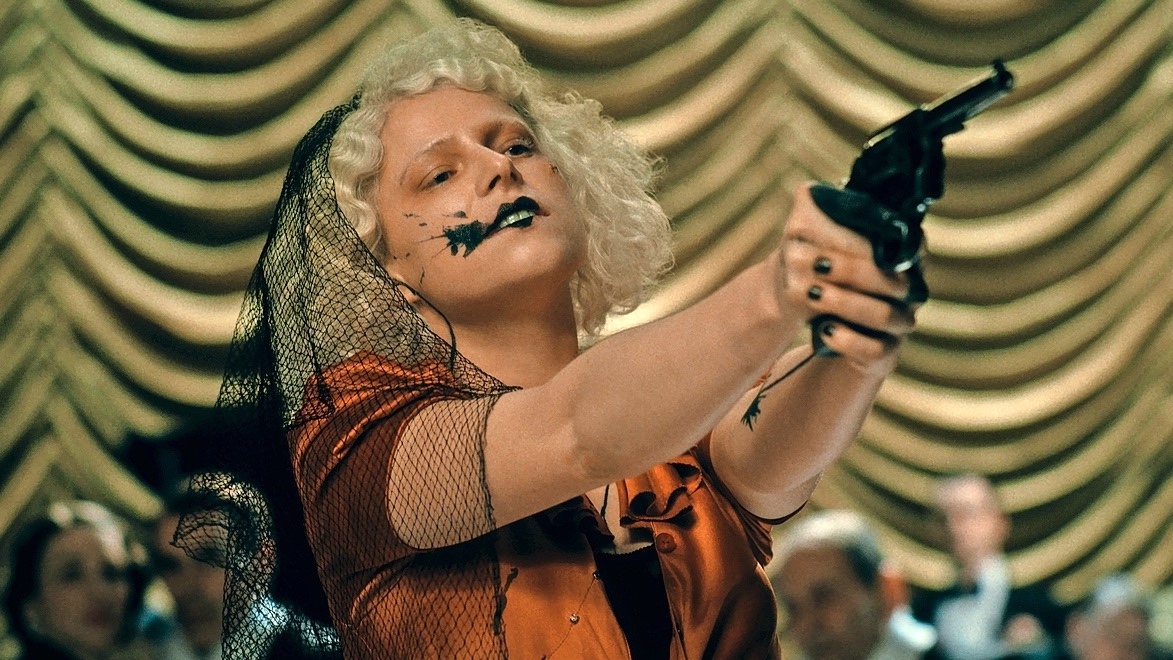
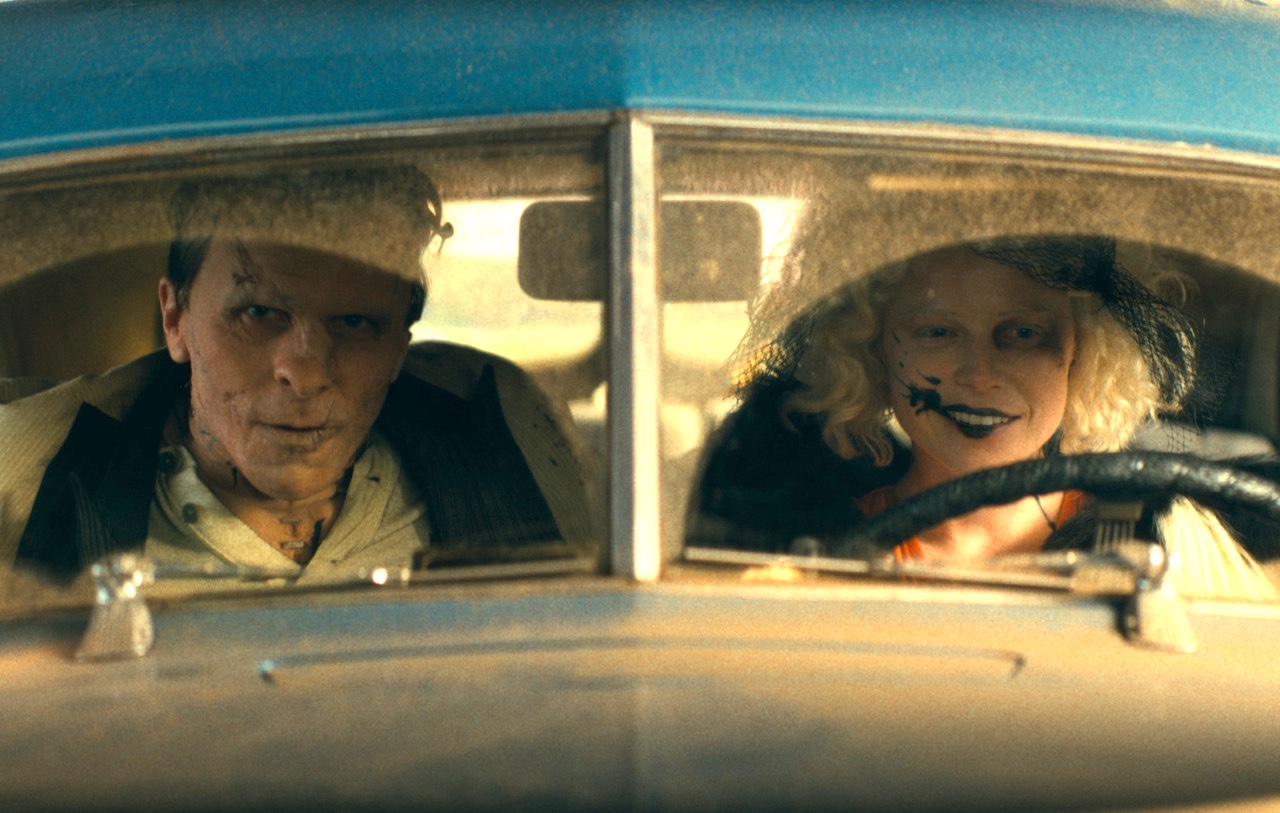
“Even the car chase is given a mesmerising makeover, as vehicles glide silently through a shimmering waterfall of desert roads like some kind of LSD-induced hallucination…”

Sorry, Baby

“Film-making of the highest order, assured and nuanced, highlighting the myriad moments that mark Agnes’s darkest hours as well as their recovery…”

Die, My Love

“This unflinching study of a woman’s postpartum psychological breakdown is as compelling as it is harrowing – and Jennifer Lawrence is frankly wonderful in the lead role…”

Bugonia

“The film’s true triumph is only revealed in a final extended sequence, where Lanthimos brings all the different strands of the story together to create a shattering, thought-provoking conclusion…”

Philip Caveney & Susan Singfield

The Housemaid

28/12/25

Strand Cinema, Rhyl

It’s the dying days of 2025 and, mostly due to an apparent absence of Marty Supreme in Wales, we plump for The Housemaid as our post-Christmas watch. Directed by Paul Feig and adapted by Rebecca Sonnenshine (from Freida McFadden’s 2022 novel), The Housemaid is a twisty-turny sado-thriller, where everything’s dialled up to 11 and any hint of subtlety has gone straight through the nearest attic window. This isn’t necessarily a criticism, so much as an observation.

Millie Calloway (Sydney Sweeney) is desperately seeking employment. Ten years into a fifteen-year prison sentence (it’s a long time before we find out what she actually did to get there), she’s been released on good behaviour and is now living in her car and finding work where she can. When she lands an interview as housemaid at the swanky residence of the Winchester family, she’s desperate to get the job, though her expectations are understandably low.

Her potential employer, Nina Winchester (Amanda Seyfried), seems like the perfect easygoing boss, though Nina’s daughter Cerce (Indiana Elle) gives every indication of being a sour little grump-bucket. Nina’s husband, Andrew (Brandon Sklenar), on the other hand, seems like a regular saint: handsome, ripped and blessed with a perfect grin. But no sooner has Millie landed the job of her dreams than Nina starts to reveal a very different side to her personality. She’s prone to flying into angry fits and taking every opportunity to make Millie look bad in front of her friends.

And then the first of several major plot twists occurs and it becomes clear that nothing in this scenario is quite as straightforward as it initially appears…

Okay, so The Housemaid isn’t destined to win any prizes for nuance, preferring instead to keep upping the ante at every opportunity, joyfully ramping up the anxiety, the sadism and the nasty injury detail. (Delicate viewers may feel compelled to look away at key moments.) The central trio offer colourful interpretations of their roles, with Seyfried in particular revelling with relish in Nina’s unfettered gear changes, and just about managing to stop herself from chewing the scenery.

If some of the story’s later developments test my credulity, well, at least I’m never bored and – as the film thunders into its final furlong – I find myself laughing out loud at its absurdities. Rhyl’s new Strand Cinema offers customers a choice of five crystal-sharp screens with clean, loud Dolby stereo and plenty of legroom. Those looking to blow away the post-prandial fug of too much Xmas excess, may find this to be just the ticket.

3.5 stars

Philip Caveney

Beyond Monet/Van Gogh

23/12/25

Royal Highland Centre, Edinburgh

Beyond Monet: The Immersive Experience offers visitors the chance to see “Monet like they’ve never seen him before.” This isn’t quite true for us though: we’ve been to the Carrières des Lumières in Provençe about a dozen times, and – unsurprisingly – many of those exhibitions have focused on the famous impressionist’s work, particularly those pieces that depict the area. So, although we’re keen to see what this travelling showcase has to offer, we don’t really expect images projected onto the interior walls of the Royal Highland Centre – where we went to get our Covid jags – to wow us in the same way as they do in the disused quarry beneath Les Baux’s castle.

We’re pleasantly surprised. Despite the conference-venue vibes of the building, the immersive experience has been so cleverly curated that we soon forget where we are. What we lose in size and majesty, we gain in subtle animation and a clear visual narrative. Beyond Monet is showing ‘in rep’ with Beyond Van Gogh and, in all honesty, we’d have chosen to see Vincent if we could have made the dates work. That didn’t pan out, so we’ve settled for Claude – and we’re delighted with the result.

We already knew we loved Van Gogh, but we’ve tended to dismiss Monet as a bit too pretty, a bit too safe. But under Mathieu St-Arnaud’s creative direction, we see just how transgressive the artist really was, not only for the ‘unfinished’ look of his art, but also in his obsession with painting the same scene over and over, in order to capture it in different weathers, different lights. Seeing the various giant iterations of the Haystacks and the Houses of Parliament – sometimes side by side, sometimes layered over one another – really helps to illustrate his aim of capturing his immediate sensory reaction to a particular scene.

The Waterfall Room, which we enter first, gives us an eight-minute ‘starter’, where we stand, enraptured by the fleeting impressions (sorry!) of what is coming up, with glimpses of Monet’s paintings projected onto the walls and floor. In the Infinity Room next door, people are sitting on benches and cushions, settling in for the ‘main course’ – which runs on a thirty-five minute loop. Combined with Jean-Sébastien Côté’s hypnotic soundtrack, the hallucinatory imagery wraps itself around us, creating an intense auditory and visual experience that keeps us entranced for the whole running time.

Finally, we enter the Reflection Room, which has been mocked up on one side to look like the Giverny gardens, while the other features Van Gogh’s starry night skies looming over a field of giant sunflower sculptures. Like all the best desserts, it’s fun and light – and gives us an opportunity to take a selfie or two.

If it’s showing near you, I highly recommend you visit this extraordinary exhibition – and take the chance to see Claude Monet in an entirely new… ahem… light.

4.5 stars

Susan Singfield

Sunset Boulevard

21/12/25

Filmhouse, Edinburgh

Hard on the heels of seeing one Billy Wilder masterpiece, The Apartment, comes an opportunity to see another, his 1950 film, Sunset Boulevard. I’m eager to watch it, as I haven’t seen it since I viewed it on TV in my youth. Whereas The Apartment looks forward to the new permissive era of the 1960s, this one takes its inspiration from the movies of the silent years, and the vast sea-changes that came in 1927, when Al Jolson became the first actor to talk onscreen in The Jazz Singer.

While the silent era has been revisited in a more lighthearted manner in movies like Singin’ in the Rain, Wilder casts a more meditative light on the previously-bankable stars suddenly left stranded by arrival of the talkies.

The movie is narrated by Joe Gillis (William Holden), a once promising young screenwriter, now struggling to make his way in the highly-competitive world of 50s Hollywood and quickly running out of options. Trying to evade some guys who are attempting to repossess his car, he pulls into the garage of a crumbling Hollywood mansion, assuming that the place is abandoned. But here he meets up with faded silent-movie megastar, Norma Desmond (Gloria Swanson) and her devoted butler, Max (Erich Von Stroheim). When Norma learns that Joe is a writer, she immediately invites him to stay in the guest room, telling him that she’s working on a screenplay of Salome, which she plans to star in when she makes her “return” (for some reason, she hates the term “comeback”). Joe realises she hasn’t a hope in hell of getting the movie financed, but he needs somewhere to kick his heels, so he reluctantly takes her up on her offer and agrees to help her write the script.

But as the days pass, he becomes her constant companion, and he starts to appreciate the full depths of her obsession – and realises that walking away from this situation isn’t going to be as straightforward as he initially supposed…

Of course, Wilder is writing about the same studio system that he himself progressed through, and his sharp, witty screenplay (co-written with Charles Brackett and DM Marshman Jnr) has about it the utter veracity of lived experience. Swanson had actually been a silent-movie star back in the day and exerts an extraordinary screen presence, portraying her possessive, vulnerable and ultimately-tragic character with consummate skill. Von Stroheim, meanwhile, was himself an influential director of silent films. There are also cameos from other real stars, like Cecil B DeMille and (very briefly) Buster Keaton. Holden, of course, is just embarking on his own long and monumental screen career and he makes the perfect foil, calm and measured despite all the madness that surrounds him.

The film’s final scene is one of the most enduring in movie history, as Norma Desmond takes her final prowl down a staircase for the camera and prepares for her close-up, so caught up in her own fantasy, that all the surrounding cops and news reporters somehow become her acolytes.

Sometimes, you return to a classic film after a long absence and wonder what all the fuss was about. But Sunset Boulevard is still a powerful and bitterly-spiced cinematic confection, as fresh and hard-hitting as it was all those years ago – and I feel privileged to have the opportunity to see it on the big screen.

5 stars

Philip Caveney

The Apartment

19/12/25

Filmhouse, Edinburgh

It’s the last day of term: I’ve taught my final drama class before the holidays, and I’m ready to wind down. Fortuitously, the Filmhouse has chosen this evening for a members’ free screening of one of Philip’s favourite Christmas movies, The Apartment. Although we arrive early, the foyer is already buzzing, people queuing amiably for the complementary mulled wine and mince pies that are being served. It smells delicious but, as we’re both tee-total, I’m gluten-free and Philip would rather starve than eat dried fruit, we don’t bother joining the line. Instead we head on upstairs to secure ourselves some decent seats.

When it comes to iconic festive movies, I’ve got a bad track record. I didn’t see 1992’s A Muppet Christmas Carol until 2019, but that 27-year lull pales into insignificance compared to the 65 years that have lapsed since Billy Wilder directed (and co-wrote) The Apartment. So I’m excited to finally catch up with this film that Philip is so enamoured of – and what a treat to see it on the big screen in an immaculate 4K restoration.

A study in toxic masculinity, where powerful middle-aged men exploit vulnerable young women, and the only way for anyone to get ahead in the workplace is to submit to the demands of their narcissistic bosses, this feels like a very contemporary tale. Indeed, if it weren’t for the monochrome cinematography, the 1960s fashions and the rolodexes on the office workers’ desks, this could easily pass for a #MeToo-inspired drama. Plus ça change, plus c’est la même chose

It’s Christmas-time in New York City, and CC Baxter (Jack Lemmon) is a lowly clerk with just one advantage: he has managed to secure a reasonably-priced apartment in a sought-after location near Central Park. When his supervisors learn where he lives, they promise him promotion… so long as he lets them use his conveniently-situated abode to conduct their extra-marital affairs. Cue comedic mayhem as CC struggles to maintain control of an overfull schedule, often forced to kill time lurking outside his own home as he waits for the lovers to leave. As if that weren’t enough, he also has to endure his neighbours’ disapproval: they think he’s some sort of Lothario, entertaining a parade of women. Still, if it means he can get on at work, then it’s worth it, right? And anyway, he doesn’t know how to refuse…

But then CC strikes up a friendship with lift attendant Fran Kubelik (Shirley MacLaine) and his priorities begin to shift. When he learns that she’s having an affair with the odious manager, Mr Sheldrake (Fred MacMurray), he’s devastated, but their warm relationship endures – and, in the end, their mutual affection saves them both.

It’s a beautiful film: at once funny and heartwarming, bleak and hopeful. Wilder and co-writer IAL Diamond’s script is vivacious and witty, and Lemmon and MacLaine are both dazzling in their roles, their naïvety and powerlessness so utterly appealing that I want them to flourish from the moment I see them on screen. Meanwhile, MacMurray makes an excellent villain, all surface charm and barely-concealed self-interest. Convincingly drawn, this is a perfect study of human nature – with an ultimately life-affirming and seasonally-appropriate message.

Merry Christmas! And don’t forget the fruitcake.

5 stars

Susan Singfield

Being Charlie

18/12/25

Amazon Prime

The recent murders of film director Rob Reiner and his wife, Michele, were tragic to say the very least. Reiner followed his own director father, Carl, into the world of entertainment, initially as an actor and latterly as a director, responsible for some of the most-loved films of the 1980s. His debut offering, This is Spinal Tap, is still perhaps my all-time favourite comedy and recently celebrated its 50th anniversary. Even if the long awaited sequel, The End Continues, wasn’t a patch on the original – how could it ever hope to be? – it was nevertheless warm, affectionate and highly enjoyable.

The news that the Reiners were killed by their son, Nick, was a chilling addition to an already horrible situation. I was, like many of Rob Reiner’s fans, appalled and bewildered by what happened. In the ensuing news investigation, I learned something that I had previously been unaware of: in 2015, Rob and Nick collaborated on a film project called Being Charlie, a drama based around their shared experiences of Nick’s addiction. Somehow, I had completely missed it. It only took a brief search to establish that the film is right there on Amazon Prime and – completist that I am – I decided I needed to see it.

Charlie (Nick Robinson) has just turned eighteen and he celebrates by walking out of the youth rehab centre he’s been based in for a while. As an afterthought, he heaves a large stone through the stained glass window of the church where it’s based and then thumbs a lift from a passing motorist. During a brief stopover at the driver’s home, he steals some of the drugs the man’s terminally-ill mother takes for cancer. 

Charlie, as you will no doubt have gathered, is completely out of control. He hooks up with his best friend, Adam (Devon Bostik), and the pair of them head straight to Adam’s place to get seriously off their heads. Mission accomplished, they drive to Charlie’s swish family home in Los Angeles, where he is confronted by his parents, David (Cary Elwes) and Liseanne (Susan Misner), who have come to the ends of their respective tethers and are more than ready to stage an intervention. David is currently running for the post of state governor and cannot afford any more bad publicity. Charlie must make a choice: enrol at an adult rehab centre or go to prison in Utah for damaging that window.

Charlie reluctantly accepts the former option but, once installed in his new home, under the watchful eye of the straight-talking Travis (Common), he hooks up with the rebellious Eva (Morgan Saylor) and it quickly becomes apparent that, while the two of them are passionate about each other, their relationship is mutually destructive.

What’s immediately evident in Being Charlie is that Rob gives his son free rein to express himself. The witty script, co-written by Nick and Matt Elisofon, explore the lead character’s mind set, his volatility, his doomed attempts to exert any measure of self-control. If his antics are sometimes loathsome, it’s made clear that he cannot change them, that he is a helpless victim of his own crazed impulses. Robinson is a charming and likeable actor, and makes me root for Charlie even when he does heinous things.

David, the character who most closely represents Rob, at first comes across as a callous jerk, determined to follow the ‘tough love’ route, because that’s the advice he’s been given by every expert he’s consulted. It’s only later in the story that his genuine love for his son – and his determination to do his best by him – finally comes across. But it’s also apparent that he’s in an impossible situation and vulnerable to whatever wild notion Charlie comes up with next.

Of course, in light of what happened between Rob and Nick in real life, the film’s conclusion makes for even more heartbreaking viewing. As it stands, it serves to shed some light on a situation that would eventually have devastating consequences. If, like me, you missed it on first release, here’s your chance to catch up – but be warned, it’s not an easy watch.

4 stars

Philip Caveney 

Relay

15/12/25

Amazon Prime

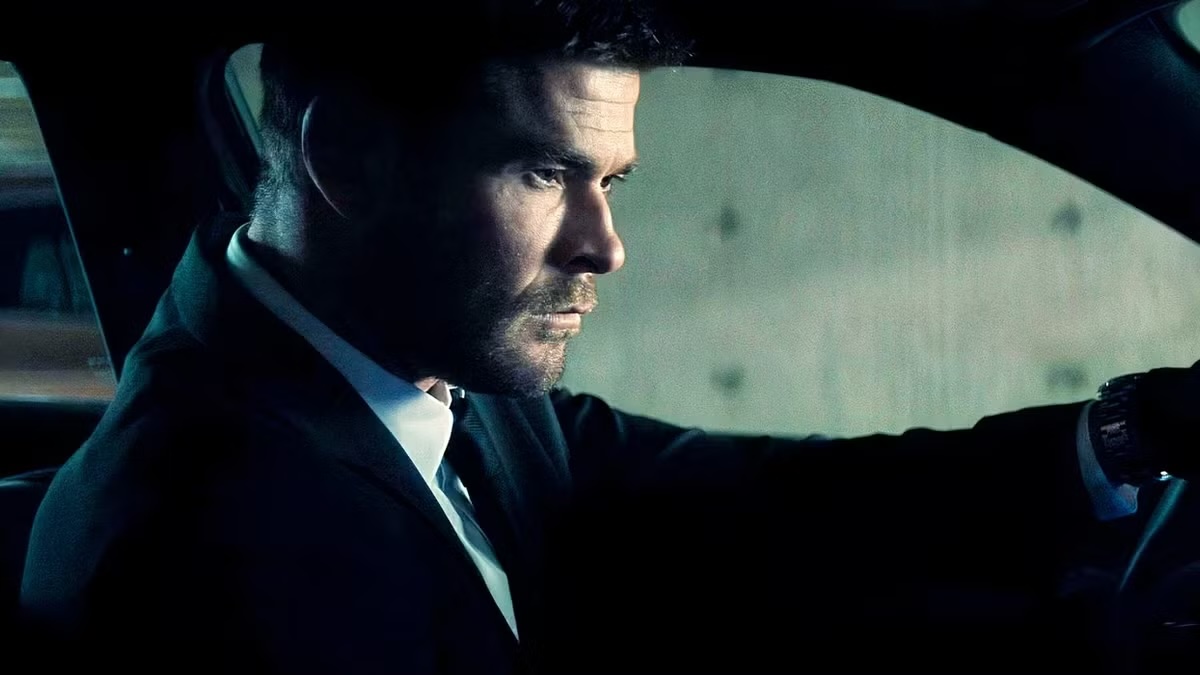
The latest film to be handed a ‘blink and you’ll miss it’ theatrical release is this intriguing espionage thriller from David McKenzie. While it’s clearly not the kind of feature that’s destined to pack ’em in at the cineplex, it’s nonetheless brilliantly realised – and, while it starts in a relatively laidback fashion, it steadily builds to a powerful climax with a sucker-punch twist that I just don’t see coming.

Ash (Riz Ahmed) spends his days as a fixer, mediating between whistle-blowers and the big companies about which they have damning evidence. Obviously, such organisations are rich beyond the dreams of avarice and stand to lose a lot of money if the truth ever gets out, so they are willing to spend big bucks having those problem ex-employees ‘removed’. 

In order to help his clients, Ash uses a telecommunications device designed for deaf people, which means that he and his customers never speak face-to-face or even directly on the telephone. The calls between them are transcribed and delivered by a team of complete strangers, who never store any of the information they are asked to deliver, making it virtually untraceable.

When Ash is approached by Sarah (Lily James), who has stolen some documents from her former employers, a major research institute, she tells him the company has been covering up the side-effects of genetically-modified wheat, which has led to the deaths of countless people. Sarah also reveals that, having taken the documents, she’s now had second thoughts about it and wants to return them without fear of recrimination.

Ash takes on Sarah’s case and promises to keep her safe until he can give her the all-clear. But a highly-skilled (and heavily-armed) team of ruthless investigators has been assigned to the situation and they begin to trace Ash’s movements. As they close in on him, it becomes a game of cat and mouse – and there’s a further complication when Ash finds himself beginning to fall in love with his client…

On paper, this doesn’t sound particularly pulse-pounding, but the combination of Justin Piasecki’s intriguing script and Mackenzie’s taut direction ensures that the cinematic pot is kept bubbling throughout. While it may start at a gentle simmer, events incrementally rise to boiling point until, in the film’s latter stages, we are hurled into breathless chase territory. 

Ahmed is always an interesting performer, while James is also impressive in the kind of role she’s not previously explored. There are plenty of other characters featured in Relay but it’s essentially a two-hander. Anyone like me looking to catch up with films they’ve recently missed at the cinema will find this on Amazon Prime, where it’s waiting to be watched at the touch of a button.

4.2 stars

Philip Caveney

Oh. What. Fun.

15/12/25

Amazon Prime Video

Honestly, we’re not the target audience for Michael Showalter’s Oh. What. Fun. There are lots of lovely people out there who just revel in a Christmas movie – but we’re not them. Still, as reviewers, it falls to us to watch as wide a range as possible, and – as it’s charting well on Amazon Prime – we feel we really ought to give this one a go. Also, Chloë Grace Moretz is in it, and we’ve liked everything else she’s done. So that’s how we find ourselves snuggled up under a blanket watching a festive film on a Monday afternoon, the very model of the cosy winter aesthetic we usually reject (because summer and sunshine are just better, right?).

Anyway. This is basically Home Alone in reverse. Every year, Claire (Michelle Pfeiffer) puts vast amounts of effort into creating the perfect middle-class American Christmas for her husband, Nick (Denis Leary), and their grown-up family. The trouble is, her kids (Felicity Jones, Dominic Sessa and Moretz respectively) kind of resent the pressure she puts on them: they don’t want to feel obliged to come ‘home’ every year, exaggerating their appreciation for all those extra, unasked-for flourishes Claire insists on. It’s the opposite of relaxing, the antithesis of fun.

Needy Claire isn’t happy either. She desperately wants one of her kids to nominate her as a ‘Zazzy Tims Christmas Mom’ so that she can win a ticket to a recording of her favourite TV show, hosted by her role model, Zazzy (Eva Longoria). But of course, Channing (Jones), Sammy (Sessa) and Taylor (Moretz) fail to respond to her many hints, so it seems a trip to California is not on the cards…

…until Christmas Eve, when Claire’s entire family – husband, kids, partners, grandkids – fail to notice that she’s not with them at the theatre for the So You Think You Can Dance tour, which she arranged (and paid for) as an extra surprise. Alone and forgotten in an empty house, Claire decides it’s time to do something for herself. And off she heads to Hollywood.

If it’s nuance you’re after, this is not the film for you. There’s no subtlety at all: everything is laid on with the proverbial trowel, from Taylor’s over-the-top rudeness towards Channing’s well-meaning husband, Doug (Jason Schwartzman), to the unfiltered bitchiness of Claire’s ‘perfect’ neighbour, Jeanne (Joan Chen). What’s more, it’s hard to feel much sympathy for Claire, with her massive McMansion and basically decent kin. There’s never any real jeopardy or heartbreak here.

Oh. What. Fun. hasn’t changed my feelings about Christmas films, but it’s not a bad movie. In fact, it’s very watchable. So why not pour yourself a glass of mulled wine, switch on the fairy lights and enjoy a bit of lighthearted… well… fun.

3 stars

Susan Singfield