Film

Film Bouquets 2025

2025 has been a rewarding year for cinema-goers, with enough great movies to make it especially difficult to narrow our list down to just twelve favourites. But here they are in the order that we watched them. As ever, we invite you to pitch in with your comments.

Better Man

“A fabulous piece of filmmaking that effortlessly oversteps the relative simplicity of its subject to create something genuinely spectacular…”

The Brutalist

“Has plenty to say about the creative process and nails perfectly the powerful seduction that success offers to any artist – the fateful allure of patronage and its unpalatable compromises.”

Flow

“The word ‘masterpiece’ is overused but this groundbreaking animation by Latvian director Glints Zilbalodis is so accomplished, it’s all too easy to see why it was handed an Oscar.

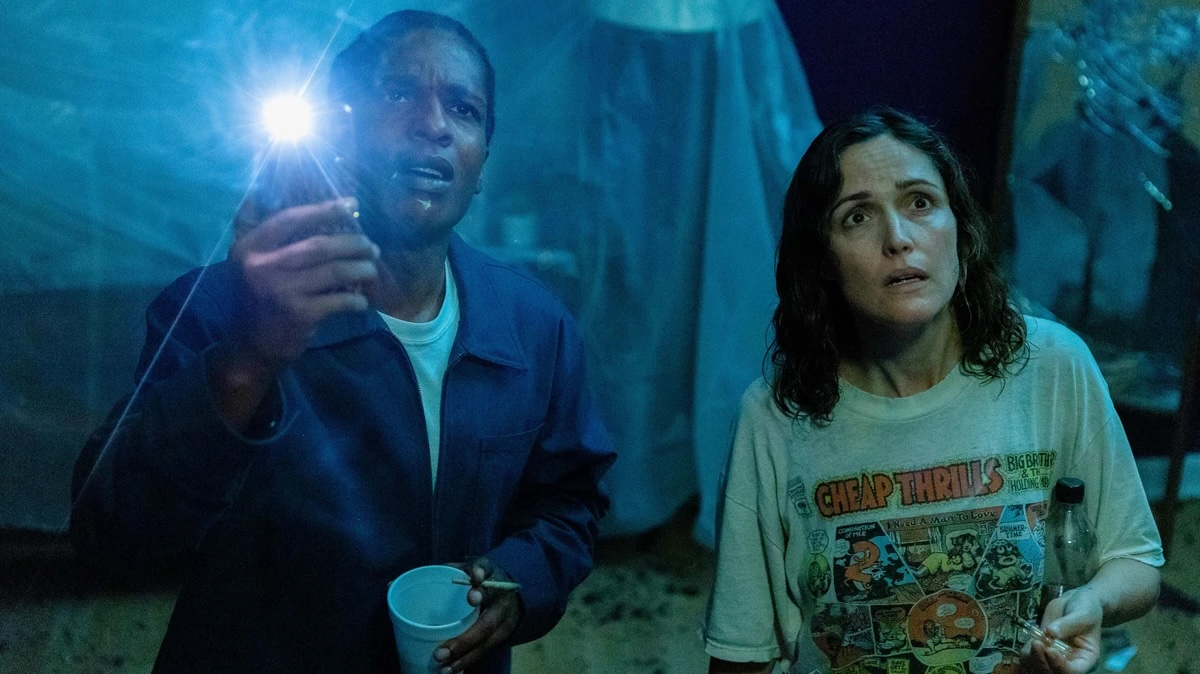
Hallow Road

Hallow Road ticks all the boxes, amping up the suspense with every passing mile, until I am almost breathless with anxiety…”

28 Years Later

“There are elements of folk horror woven into the script and the eerie atmosphere is beautifully accentuated by the music of the Young Fathers and the use of an old recording of Rudyard Kipling’s militaristic poem, Boots…”

The Ballad of Wallis Island

“A warm, gentle hug of a film, one that takes a long look at the subject of relationships and the many ways in which memories can still affect people long after an initial attraction has gone…”

Weapons

“An absolute smorgasbord of delights, by turns poignant, tense, bloody and, in its later stretches, darkly comic…”

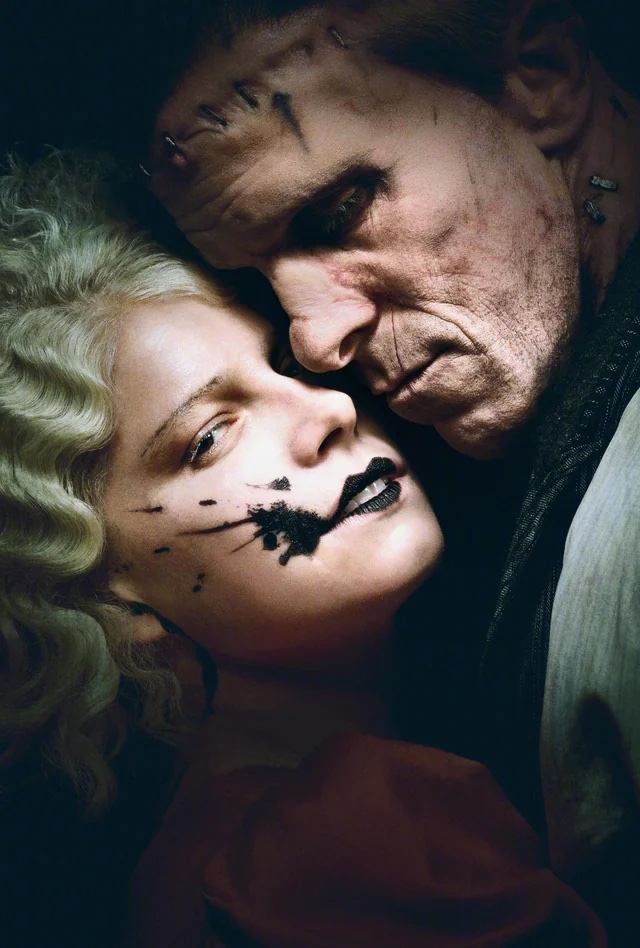
Frankenstein

“Packed with sumptuous locations and thrilling action set-pieces, that have it hurtling through its lengthy running time…”

One Battle After Another

“Even the car chase is given a mesmerising makeover, as vehicles glide silently through a shimmering waterfall of desert roads like some kind of LSD-induced hallucination…”

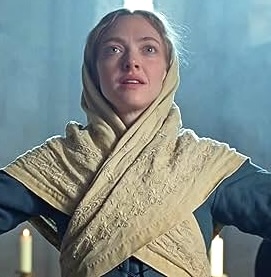
Sorry, Baby

“Film-making of the highest order, assured and nuanced, highlighting the myriad moments that mark Agnes’s darkest hours as well as their recovery…”

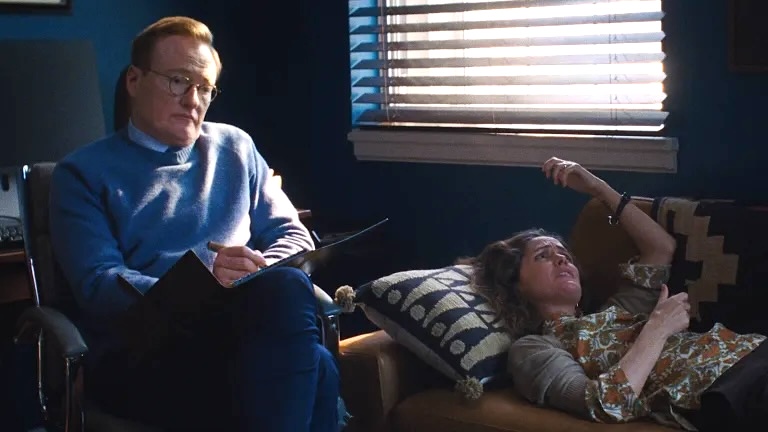
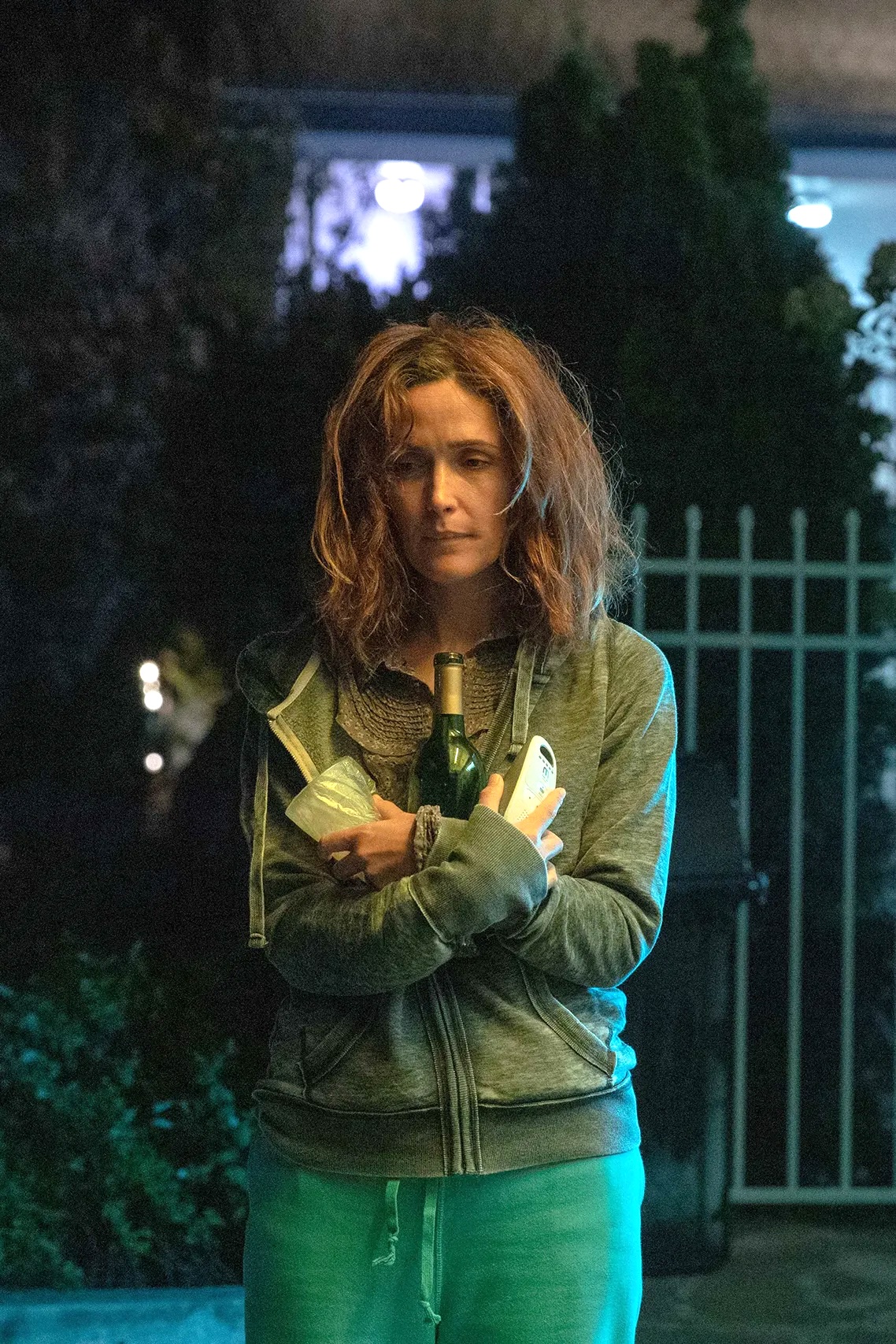
Die, My Love

“This unflinching study of a woman’s postpartum psychological breakdown is as compelling as it is harrowing – and Jennifer Lawrence is frankly wonderful in the lead role…”

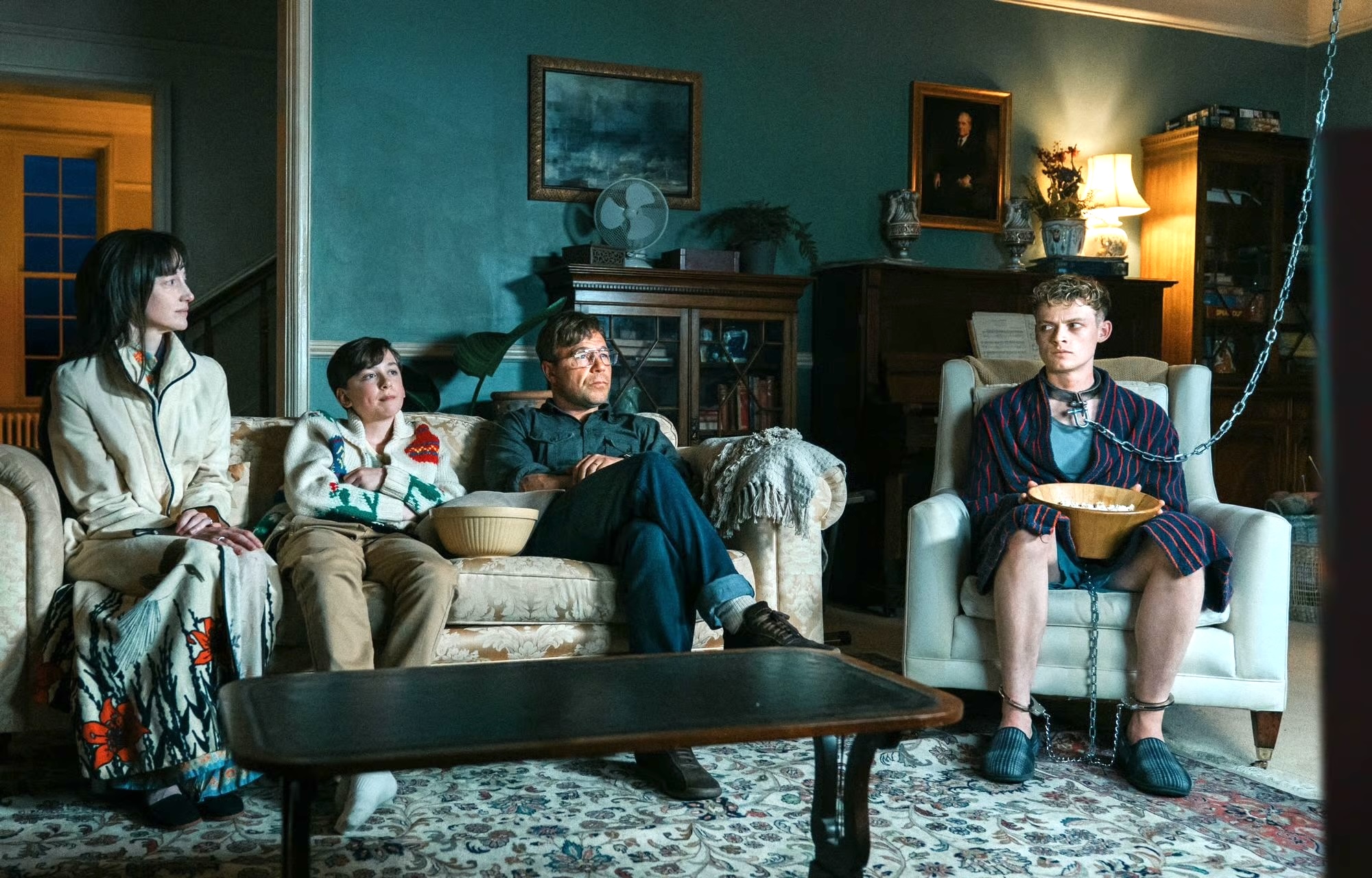
Bugonia

“The film’s true triumph is only revealed in a final extended sequence, where Lanthimos brings all the different strands of the story together to create a shattering, thought-provoking conclusion…”

Philip Caveney & Susan Singfield

Sunset Boulevard

21/12/25

Filmhouse, Edinburgh

Hard on the heels of seeing one Billy Wilder masterpiece, The Apartment, comes an opportunity to see another, his 1950 film, Sunset Boulevard. I’m eager to watch it, as I haven’t seen it since I viewed it on TV in my youth. Whereas The Apartment looks forward to the new permissive era of the 1960s, this one takes its inspiration from the movies of the silent years, and the vast sea-changes that came in 1927, when Al Jolson became the first actor to talk onscreen in The Jazz Singer.

While the silent era has been revisited in a more lighthearted manner in movies like Singin’ in the Rain, Wilder casts a more meditative light on the previously-bankable stars suddenly left stranded by arrival of the talkies.

The movie is narrated by Joe Gillis (William Holden), a once promising young screenwriter, now struggling to make his way in the highly-competitive world of 50s Hollywood and quickly running out of options. Trying to evade some guys who are attempting to repossess his car, he pulls into the garage of a crumbling Hollywood mansion, assuming that the place is abandoned. But here he meets up with faded silent-movie megastar, Norma Desmond (Gloria Swanson) and her devoted butler, Max (Erich Von Stroheim). When Norma learns that Joe is a writer, she immediately invites him to stay in the guest room, telling him that she’s working on a screenplay of Salome, which she plans to star in when she makes her “return” (for some reason, she hates the term “comeback”). Joe realises she hasn’t a hope in hell of getting the movie financed, but he needs somewhere to kick his heels, so he reluctantly takes her up on her offer and agrees to help her write the script.

But as the days pass, he becomes her constant companion, and he starts to appreciate the full depths of her obsession – and realises that walking away from this situation isn’t going to be as straightforward as he initially supposed…

Of course, Wilder is writing about the same studio system that he himself progressed through, and his sharp, witty screenplay (co-written with Charles Brackett and DM Marshman Jnr) has about it the utter veracity of lived experience. Swanson had actually been a silent-movie star back in the day and exerts an extraordinary screen presence, portraying her possessive, vulnerable and ultimately-tragic character with consummate skill. Von Stroheim, meanwhile, was himself an influential director of silent films. There are also cameos from other real stars, like Cecil B DeMille and (very briefly) Buster Keaton. Holden, of course, is just embarking on his own long and monumental screen career and he makes the perfect foil, calm and measured despite all the madness that surrounds him.

The film’s final scene is one of the most enduring in movie history, as Norma Desmond takes her final prowl down a staircase for the camera and prepares for her close-up, so caught up in her own fantasy, that all the surrounding cops and news reporters somehow become her acolytes.

Sometimes, you return to a classic film after a long absence and wonder what all the fuss was about. But Sunset Boulevard is still a powerful and bitterly-spiced cinematic confection, as fresh and hard-hitting as it was all those years ago – and I feel privileged to have the opportunity to see it on the big screen.

5 stars

Philip Caveney

The Apartment

19/12/25

Filmhouse, Edinburgh

It’s the last day of term: I’ve taught my final drama class before the holidays, and I’m ready to wind down. Fortuitously, the Filmhouse has chosen this evening for a members’ free screening of one of Philip’s favourite Christmas movies, The Apartment. Although we arrive early, the foyer is already buzzing, people queuing amiably for the complementary mulled wine and mince pies that are being served. It smells delicious but, as we’re both tee-total, I’m gluten-free and Philip would rather starve than eat dried fruit, we don’t bother joining the line. Instead we head on upstairs to secure ourselves some decent seats.

When it comes to iconic festive movies, I’ve got a bad track record. I didn’t see 1992’s A Muppet Christmas Carol until 2019, but that 27-year lull pales into insignificance compared to the 65 years that have lapsed since Billy Wilder directed (and co-wrote) The Apartment. So I’m excited to finally catch up with this film that Philip is so enamoured of – and what a treat to see it on the big screen in an immaculate 4K restoration.

A study in toxic masculinity, where powerful middle-aged men exploit vulnerable young women, and the only way for anyone to get ahead in the workplace is to submit to the demands of their narcissistic bosses, this feels like a very contemporary tale. Indeed, if it weren’t for the monochrome cinematography, the 1960s fashions and the rolodexes on the office workers’ desks, this could easily pass for a #MeToo-inspired drama. Plus ça change, plus c’est la même chose

It’s Christmas-time in New York City, and CC Baxter (Jack Lemmon) is a lowly clerk with just one advantage: he has managed to secure a reasonably-priced apartment in a sought-after location near Central Park. When his supervisors learn where he lives, they promise him promotion… so long as he lets them use his conveniently-situated abode to conduct their extra-marital affairs. Cue comedic mayhem as CC struggles to maintain control of an overfull schedule, often forced to kill time lurking outside his own home as he waits for the lovers to leave. As if that weren’t enough, he also has to endure his neighbours’ disapproval: they think he’s some sort of Lothario, entertaining a parade of women. Still, if it means he can get on at work, then it’s worth it, right? And anyway, he doesn’t know how to refuse…

But then CC strikes up a friendship with lift attendant Fran Kubelik (Shirley MacLaine) and his priorities begin to shift. When he learns that she’s having an affair with the odious manager, Mr Sheldrake (Fred MacMurray), he’s devastated, but their warm relationship endures – and, in the end, their mutual affection saves them both.

It’s a beautiful film: at once funny and heartwarming, bleak and hopeful. Wilder and co-writer IAL Diamond’s script is vivacious and witty, and Lemmon and MacLaine are both dazzling in their roles, their naïvety and powerlessness so utterly appealing that I want them to flourish from the moment I see them on screen. Meanwhile, MacMurray makes an excellent villain, all surface charm and barely-concealed self-interest. Convincingly drawn, this is a perfect study of human nature – with an ultimately life-affirming and seasonally-appropriate message.

Merry Christmas! And don’t forget the fruitcake.

5 stars

Susan Singfield

Relay

15/12/25

Amazon Prime

The latest film to be handed a ‘blink and you’ll miss it’ theatrical release is this intriguing espionage thriller from David McKenzie. While it’s clearly not the kind of feature that’s destined to pack ’em in at the cineplex, it’s nonetheless brilliantly realised – and, while it starts in a relatively laidback fashion, it steadily builds to a powerful climax with a sucker-punch twist that I just don’t see coming.

Ash (Riz Ahmed) spends his days as a fixer, mediating between whistle-blowers and the big companies about which they have damning evidence. Obviously, such organisations are rich beyond the dreams of avarice and stand to lose a lot of money if the truth ever gets out, so they are willing to spend big bucks having those problem ex-employees ‘removed’. 

In order to help his clients, Ash uses a telecommunications device designed for deaf people, which means that he and his customers never speak face-to-face or even directly on the telephone. The calls between them are transcribed and delivered by a team of complete strangers, who never store any of the information they are asked to deliver, making it virtually untraceable.

When Ash is approached by Sarah (Lily James), who has stolen some documents from her former employers, a major research institute, she tells him the company has been covering up the side-effects of genetically-modified wheat, which has led to the deaths of countless people. Sarah also reveals that, having taken the documents, she’s now had second thoughts about it and wants to return them without fear of recrimination.

Ash takes on Sarah’s case and promises to keep her safe until he can give her the all-clear. But a highly-skilled (and heavily-armed) team of ruthless investigators has been assigned to the situation and they begin to trace Ash’s movements. As they close in on him, it becomes a game of cat and mouse – and there’s a further complication when Ash finds himself beginning to fall in love with his client…

On paper, this doesn’t sound particularly pulse-pounding, but the combination of Justin Piasecki’s intriguing script and Mackenzie’s taut direction ensures that the cinematic pot is kept bubbling throughout. While it may start at a gentle simmer, events incrementally rise to boiling point until, in the film’s latter stages, we are hurled into breathless chase territory. 

Ahmed is always an interesting performer, while James is also impressive in the kind of role she’s not previously explored. There are plenty of other characters featured in Relay but it’s essentially a two-hander. Anyone like me looking to catch up with films they’ve recently missed at the cinema will find this on Amazon Prime, where it’s waiting to be watched at the touch of a button.

4.2 stars

Philip Caveney

Oh. What. Fun.

15/12/25

Amazon Prime Video

Honestly, we’re not the target audience for Michael Showalter’s Oh. What. Fun. There are lots of lovely people out there who just revel in a Christmas movie – but we’re not them. Still, as reviewers, it falls to us to watch as wide a range as possible, and – as it’s charting well on Amazon Prime – we feel we really ought to give this one a go. Also, Chloë Grace Moretz is in it, and we’ve liked everything else she’s done. So that’s how we find ourselves snuggled up under a blanket watching a festive film on a Monday afternoon, the very model of the cosy winter aesthetic we usually reject (because summer and sunshine are just better, right?).

Anyway. This is basically Home Alone in reverse. Every year, Claire (Michelle Pfeiffer) puts vast amounts of effort into creating the perfect middle-class American Christmas for her husband, Nick (Denis Leary), and their grown-up family. The trouble is, her kids (Felicity Jones, Dominic Sessa and Moretz respectively) kind of resent the pressure she puts on them: they don’t want to feel obliged to come ‘home’ every year, exaggerating their appreciation for all those extra, unasked-for flourishes Claire insists on. It’s the opposite of relaxing, the antithesis of fun.

Needy Claire isn’t happy either. She desperately wants one of her kids to nominate her as a ‘Zazzy Tims Christmas Mom’ so that she can win a ticket to a recording of her favourite TV show, hosted by her role model, Zazzy (Eva Longoria). But of course, Channing (Jones), Sammy (Sessa) and Taylor (Moretz) fail to respond to her many hints, so it seems a trip to California is not on the cards…

…until Christmas Eve, when Claire’s entire family – husband, kids, partners, grandkids – fail to notice that she’s not with them at the theatre for the So You Think You Can Dance tour, which she arranged (and paid for) as an extra surprise. Alone and forgotten in an empty house, Claire decides it’s time to do something for herself. And off she heads to Hollywood.

If it’s nuance you’re after, this is not the film for you. There’s no subtlety at all: everything is laid on with the proverbial trowel, from Taylor’s over-the-top rudeness towards Channing’s well-meaning husband, Doug (Jason Schwartzman), to the unfiltered bitchiness of Claire’s ‘perfect’ neighbour, Jeanne (Joan Chen). What’s more, it’s hard to feel much sympathy for Claire, with her massive McMansion and basically decent kin. There’s never any real jeopardy or heartbreak here.

Oh. What. Fun. hasn’t changed my feelings about Christmas films, but it’s not a bad movie. In fact, it’s very watchable. So why not pour yourself a glass of mulled wine, switch on the fairy lights and enjoy a bit of lighthearted… well… fun.

3 stars

Susan Singfield

Fackham Hall

14/12/25

Cineworld, Edinburgh

I’ve never fallen under the spell of Downton Abbey (even though I loved Gosford Park, the film that spawned it), so I’m more than happy to see the franchise lampooned – and that’s pretty much the motivation behind Fackham Hall. Based by an idea by comedian Jimmy Carr and his brother Patrick (and adapted by three other writers), this sprightly tale thunders along at full gallop, flinging out a whole deluge of jokes, sight gags and historical references as it proceeds. Anyone who’s come to this expecting subtlety has clearly come to the wrong place, but that’s not a criticism. I enjoy the experience and, if a joke occasionally falls flat, well it’s reassuring to know that there’ll be another one along in the blink of an eye.

The titular hall is the ancestral home of Lord and Lady Davenport (Damian Lewis and Katherine Waterston). They have two daughters, Poppy (Emma Laird) and Rose (Thomasin McKenzie), and – in the time-honoured tradition of the upper classes – Poppy is due to marry her first cousin, the odious Archibald (Tom Felton), in order to keep their stately home in the family. But on the big day, Poppy simply cannot bring herself to do it – which inevitably puts a lot of pressure on Rose to step up and take one for the team.

But then handsome and homeless young pickpocket, Eric (Ben Radcliffe), is selected to deliver an urgent message to Lord Davenport and, on the way there, he and Rose cross paths. While this is unfortunate in one way – she’s at the wheel of a car and he’s on a bicycle – once they’ve set eyes on each other, it’s clear that romance is their destiny. But if Rose decides to be with Eric, what will happen to their family estate?

And then a key character is murdered – and the plot begins to thicken.

The recent reboot of The Naked Gun seems to have reignited the public’s taste for a decent spoof and, on that level, Fackham Hall doesn’t disappoint. I spend the film’s duration alternately chuckling, groaning and occasionally guffawing out loud at the film’s smörgåsbord of comic offerings. (The sight gags arrive so relentlessly, I’m actually in danger of missing some of them.)

Director Jim O’Hanlon keeps the pot bubbling nicely and the production is blessed with a cast of excellent actors, who appreciate that the secret of a spoof is to play everything absolutely straight. Anna Maxwell-Martin is great as the ruthless housekeeper, Mrs McCallister, and I love Tim McMullen’s deadpan performance as the butler, Cyril, who also doubles as a prototype AI assistant. Carr has a couple of funny cameos as a short-sighted vicar who specialises in making every sermon a series of tortuous misunderstandings. And I’m delighted by one of the Davenport’s house guests in particular: JRR Tolkien, who is working on what will become his best-known book, finding inspiration in the strangest places…

The big ‘reveal’ at the end will come as a surprise to absolutely nobody but, really, in something like this the usual rules of criticism feel somewhat superfluous. Some Downton diehards might clutch their pearls in outrage, but I have a lot of fun with this and no doubt many others – from both upstairs and downstairs – will find plenty to enjoy.

4 stars

Philip Caveney
Wicked: For Good

06/12/25

Cineworld, Edinburgh

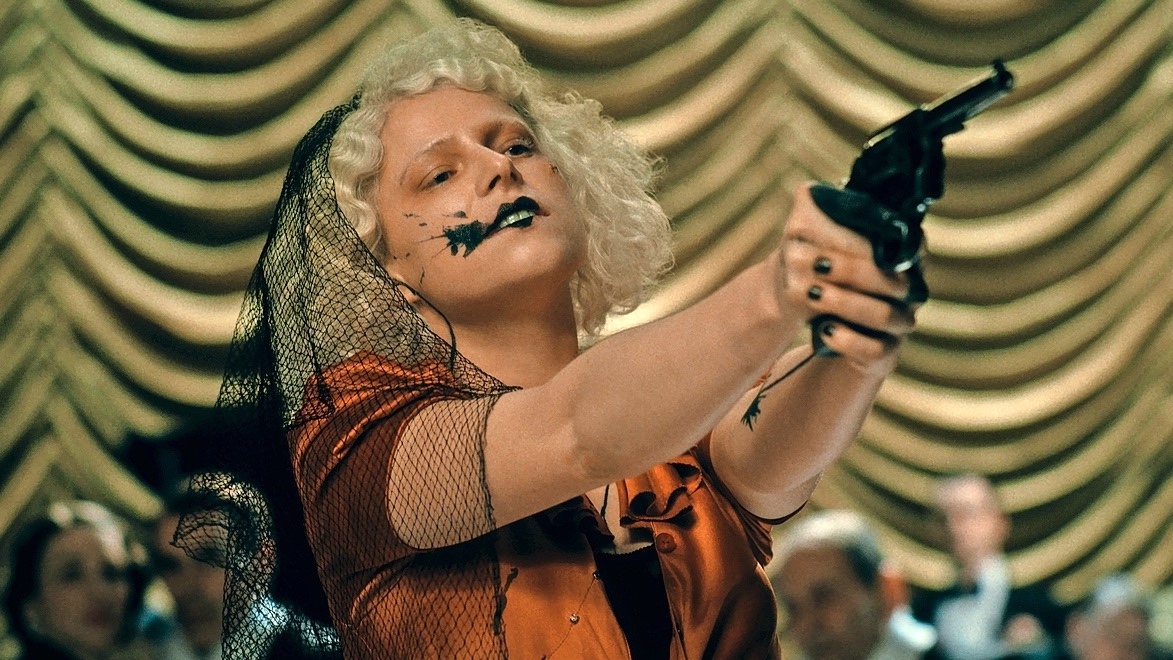
Despite being dazzling, bold and unashamedly in-your-face, Wicked: For Good somehow manages to fall flat. Perhaps the problem lies in the year-long gap between the two parts of this story; it’s like a glass of champagne that’s been left out too long and lost its fizz.

That said, in many ways I prefer this second act (which I’m refusing to call a sequel, because it isn’t: the story arc spans both films, and neither stands alone). At least there’s a resolution here, and I enjoy the creative ways the storyline feeds into The Wizard of Oz. Narratively, For Good – directed by Jon M Chu – is stronger than Wicked, but as a musical? I’m no aficionado, but even I can tell there’s only one real banger in this show (Defying Gravity), and it isn’t reprised here. As a result, the big song and dance numbers, even with Christopher Scott’s sumptuous choreography and the cast’s impressive vocals, just aren’t very memorable.

We catch up with Elphaba (Cynthia Erivo) and Glinda (Ariana Grande-Butera) after their erstwhile friendship has been well and truly shattered by the Wizard (Jeff Goldblum) and Madame Morrible (Michelle Yeoh). Neither young woman is exactly happy about the way the duo uses propaganda and misinformation to control the citizens of Oz but, while Glinda opts for a pragmatic, ‘if-you-can’t-beat-’em-join-’em’ approach, Elphaba favours revolution, exposing the truth at any cost. Each feels betrayed by the other…

The two leads are magnificent: perfectly cast and with crackling on-screen chemistry. Their combined talent is beyond formidable, and the strongest scenes are those where they’re together. But they’re let down by a histrionic script (by Winnie Holzman, Dana Fox and Gregory Maguire), where emotions are always dialled up to eleven, and unrequited love is enough of an excuse to destroy a realm. It’s all very teenage – and all very one-note. Nessa (Marissa Bode) fares especially badly, her death-by-Kansas-farmhouse so fudged that you wouldn’t know what had happened if you weren’t familiar with the tale.

There’s plenty to admire here: the production values are second-to-none, and the world-building is exquisite. I just think that it would have been better to make one excellent three-hour film rather than two quite good ones, whose combined five hours add up to less than the sum of their parts.

If you’ve already seen Wicked, then you’ll need to watch For Good to see how it all turns out. It’s not dreadful (there are certainly worse ways to spend a winter afternoon). But is it worth all the money and the hype? You’ll have to decide for yourself if you want to follow the yellow brick road back to Oz.

3.5 stars

Susan Singfield

Pillion

04/12/25

Cineworld, Edinburgh

Adapted from Adam Mars Jones’ 2019 novel, Box Hill, Pillion is – I think it’s fair to say – something of an oddity. Described by one of its stars as a ‘dom-com,’ it’s set within the world of BDSM and has been assigned an 18 certificate for nudity and explicit sex. And yet there are elements at play here to appeal to a much broader audience than you might expect.

Colin (Harry Melling) is an affable young fellow, still living with his parents. He works as a traffic warden and occasionally sings as part of his father Pete’s barber-shop quartet. Pete (Douglas Hodge) is every bit as genial as his son, but he’s coming to terms with the fact that his wife, Peggy (Lesley Sharp), is in the final stages of her life after a long struggle with cancer. Colin’s parents know he is gay; in fact, Peggy has devoted her final months to trying to get him fixed up with a suitable boyfriend, but he doesn’t like any of the dates she sets up for him.

And then, at the local pub where the group regularly performs, Harry encounters Ray (Alexander Skarsgård), a handsome but monosyllabic biker. Something clicks between them and, when Ray hands Colin a note (on the back of a beermat), instructing him to be at a certain place at a certain time, Colin doesn’t hesitate to comply.

It isn’t long before Colin is on his knees in a dark alleyway giving Ray a BJ – and shortly thereafter, he’s initiated into the small group of submissive followers who ride pillion with Ray’s biker friends, ready to accede to their masters’ sadistic whims. Soon Colin has shaved off his long hair and is decked out in racy leather outfits, complete with a padlock around his neck.

In these scenes the 18 certificate is certainly well-earned – but it’s important to note that Colin enthusiastically consents to every indignity that’s meted out to him. Indeed, he seems to thrive on this new regime, as he discovers a sense of community that he’s never had before.

There’s more to the film than just the sexual content. A wonderfully toe-curling scene where Peggy cajoles Colin into bringing Ray to the family home for dinner and then delivers her unflinching opinion of him is a particular delight – and I’m quite unprepared for the genuinely poignant conclusion. There are also several scenes that make me completely re-evaluate everything that has gone before.

Both Melling and Skarsgård are outstanding in their polar opposite roles: one so vulnerable and desperate to show his devotion; the other locked away, sullen and uncommunicative. Director/screenwriter Harry Lighton handles the difficult material with skill and it’s no great surprise to learn that Pillion has recently walked away from the British Independent Film Awards with five trophies, including best film and best debut screenwriter. It’s also stirred up some indignant editorials in the press, enquiring how the BBC could have ‘lowered itself’ to commission something like this.

But there are all kinds of voices in the world and Pillion sheds fresh light onto a subject about which I previously knew very little. Of course, it won’t be to everyone’s taste but I can honestly say that I haven’t seen quite anything like this before, which – to my mind – is one of the highest recommendations a film can aspire to.

4.6 stars

Philip Caveney
The Fifth Step: NT Live

01/12/25

Dominion Cinema, Edinburgh

As if NT Live performances weren’t enough of a treat, we’ve recently ramped up the indulgence levels by choosing to watch them at Edinburgh’s most bougie cinema, the Dominion. At 3pm this afternoon, we zip up our raincoats and venture out into the December drizzle, ready for the half-hour walk that will take us to our huge, reclining seats.

The Fifth Step is a compact, one-act play by Jack Ireland, and its ninety-minute running time is perfectly judged. This is a tight and concentrated piece, where small impulses are magnified, vague doubts forensically explored. The in-the-round set, designed by Milla Clark, is almost brutalist, comprising a stark square with raised, cushioned sides, reminiscent of a boxing ring or a trampoline: a taut jump mat, ready to absorb the characters’ anger, or give them the push they need to set themselves free.

We’re in the world of AA, where acceptance meets strict protocols and kindness sometimes seems harsh. Jack Lowden plays Luka, a twenty-something alcoholic, scared that he’s turning into his dad, and desperate to avoid this destiny. Nervy and uncertain, he isn’t sure that he can do it, not when sobriety leaves a booze-shaped void he fills with loneliness and self-loathing. Hovering in the room after a meeting, he gets chatting to James (Martin Freeman), who has been on the wagon for more than twenty-five years. The older man knows exactly what Luka is going through, and offers to become his sponsor. From hereon in, we watch as their relationship develops – and as they both continue to battle against their respective addictions.

Ireland’s script is darkly funny, and director Finn Den Hertog maximises its comic potential, without ever belittling the men’s experiences. Not much happens, and yet all of human life is here: our frailty, our fabulousness; our bravado, our beauty; our destructiveness and our shared desperation. Luka begins by looking for easy answers: if he does whatever his sponsor says, then surely he’ll find happiness. But James has his own demons to grapple with and he knows that life is far more complex than that. You just have to keep on being honest, keep facing up to your own failings – and keep supporting one another along the way…

Unsurprisingly, Lowden and Freeman deliver faultless performances. They’re perfectly cast, Freeman’s wry stillness the ideal foil for Lowden’s twitchy, pent-up energy. A fascinating insight into not just addiction but also notions of authority and responsibility, this is definitely one to watch if it’s showing at a cinema near you.

4 stars

Susan Singfield

Keeper

22/11/25

Cineworld, Edinburgh

In 2024 Longlegs established Osgood Perkins as a horror auteur. If 2025’s The Monkey felt more like an audacious splatter comedy than anything else, it still delivered a fresh approach to his chosen genre. Keeper is perhaps closer in tone to the first film, a brooding atmospheric piece that takes its own sweet time to offer the viewer any real clues as to what’s actually going on. For reasons best known to Cineworld, it’s only offered in a late night screening, but I’m interested enough by what’s gone before to seek it out.

Liz (Tatiana Maslany), an artist, and Malcolm (Rossif Sutherland), a doctor, have been going out together for a year and, as a treat, he takes her to his secluded cabin in the woods for a leisurely weekend. As ever in these scenarios, Liz has no qualms about accompanying him, seemingly unperturbed by the fact that, despite being with him for quite some time, she really doesn’t know very much about him.

When they arrive, a chocolate-smeared package is waiting for them. Malcolm explains that the cabin’s ‘caretaker’ has baked them a special cake as a welcome present. Liz is understandably dismayed to discover that the cabin isn’t quite as remote as she’s been led to believe. There’s another one nearby, which – Malcolm explains – belongs to his cousin, who he rarely ever speaks to. But shortly thereafter, Darren (Birkett Turton) pays them an unscheduled visit and turns out to be a smirking, obnoxious creep. He’s accompanied by Minka (Eden Weiss), a young model who Darren claims can’t speak a word of English. But in a rare moment when they’re alone, Minka warns Liz – in English – not to eat the cake.

But Malcolm is insistent that she should sample a piece – it would be rude not to, he tells her – so she complies and, later, waking in the night, finds herself compelled to sneak downstairs and devour the rest of it…

Keeper is a weirdly compelling story written by Nick Leppard and inspired, I suspect, by the myth of Bluebeard. This is a film that exerts a powerful sense of dread throughout, one that chooses to derive its chills from things only half-heard and half-seen. Unexplained shadows move inexplicably across a scene, blurred visions exist somewhere between sleep and wakefulness and occasionally we’re unsure of what’s actually happening and what belongs in Liz’s dreams.

What is that out-of-focus shape lurking in the background of a scene? Who is that talking somewhere upstairs? And who are the mysterious women from different time zones who we keep catching glimpses of? Whoever they are, they’re clearly not happy.

Perkins handles the various elements with considerable skill and, for the first hour, manages to keep this pressure cooker of a tale bubbling nicely – but an attempt in the final third to offer a coherent explanation for what’s actually going on places the story in the realms of folk horror and is arguably not quite as assured as what’s gone before. 

Still, this is nonetheless big steps ahead of the usual slice-and-dice-cabin-in-the-woods fare we’ve seen so many times before and, even if I don’t get home till after midnight, it’s worth the price of admission. News that Perkins has another film arriving shortly confirms that he’s not one to rest on his laurels. I’ll be interested to see whatever he comes up with next.

3.8 stars

Philip Caveney