
Film

La Passion de Dodin Bouffant (The Taste of Things)

17/02/24

Cineworld, Edinburgh

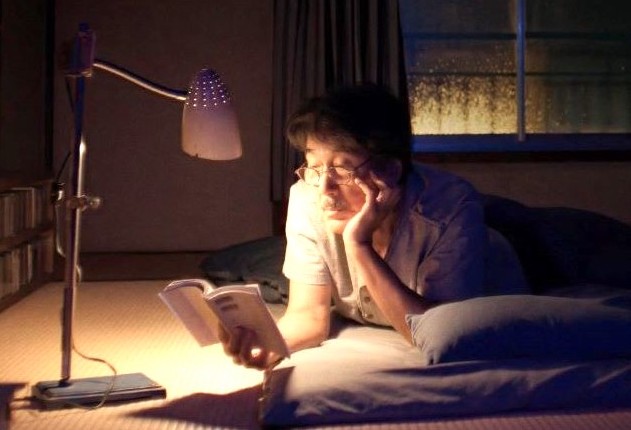
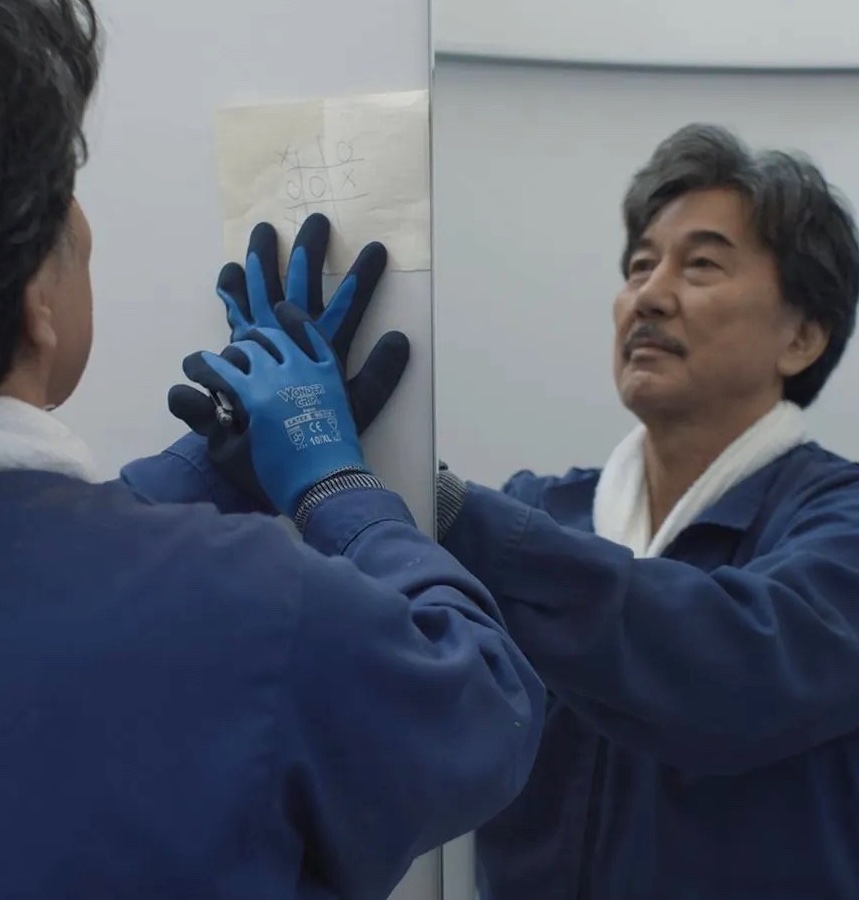
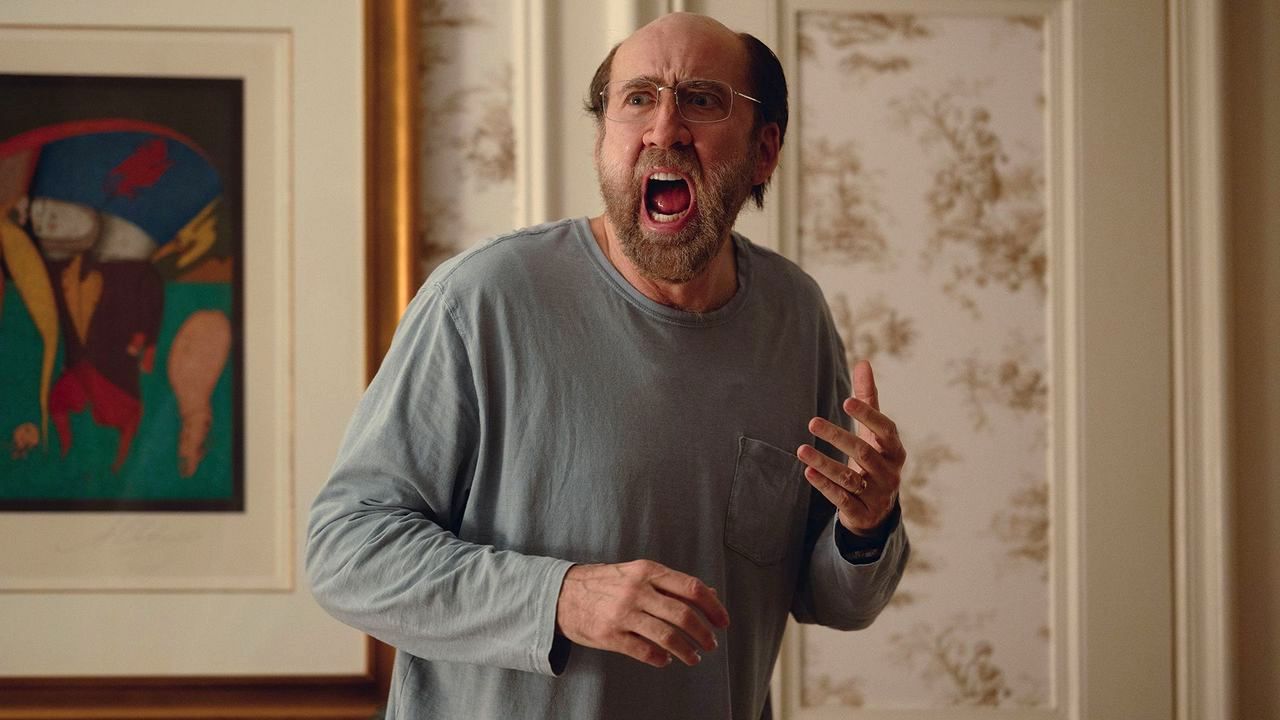
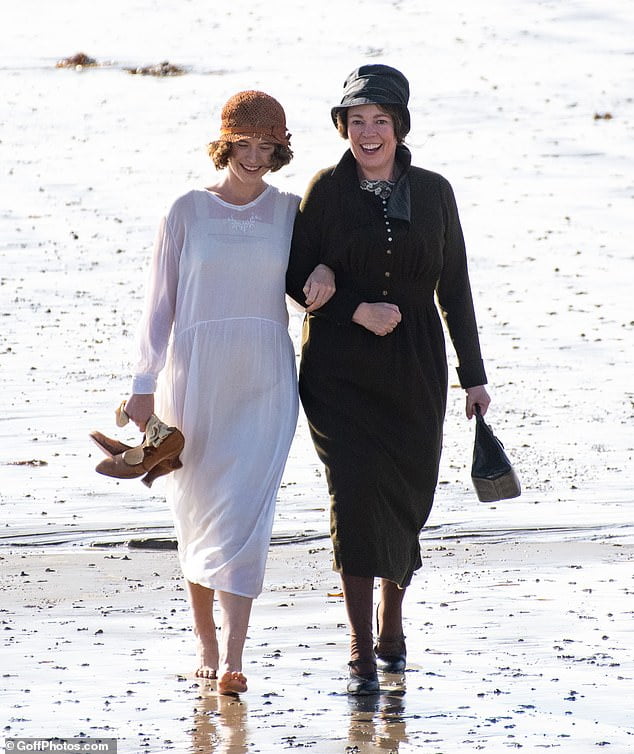
Apéritif: Set in France in 1885, La Passion de Dodin Bouffant or The Taste of Things is very much a foodie film.

Amuse-bouche: The pace is languid, the plot – such as it is – simmering slowly, allowing the audience to absorb the complex flavours of the central characters.

Entrée: French-Vietnamese film-maker Anh Hung Tran has already won the coveted Best Director award at Cannes, and this unusual film is now an Oscar-contender too.

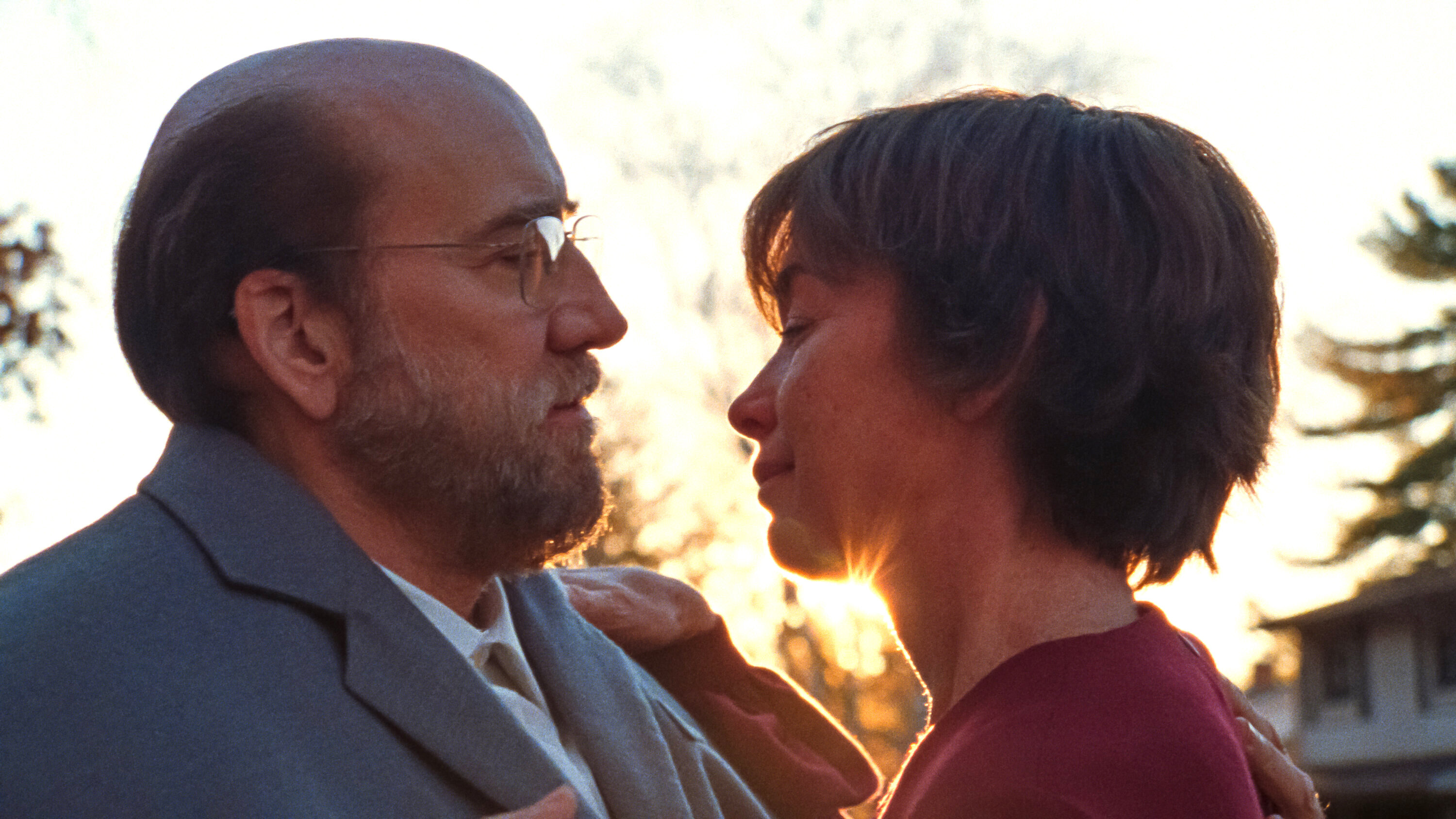
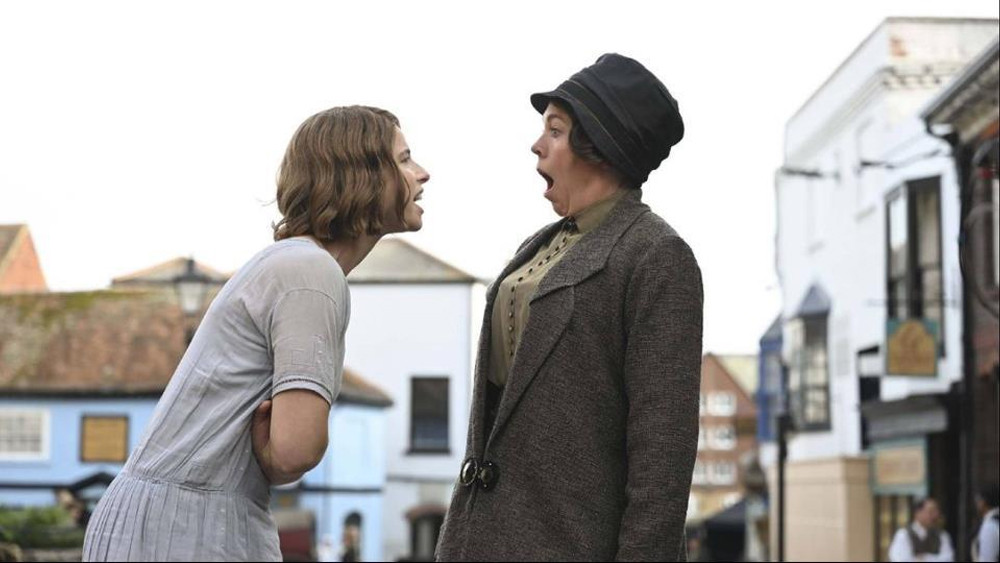
Plat principal: Benoît Magimel plays the eponymous Dodin Bouffant, a famed gourmet; his real-life ex, Juliette Binoche, is his trusted cook, Eugénie. She lives in his château, which diners come to visit from all over the world. Over two leisurely hours, we imbibe a sense of how their twenty-year relationship has matured, like the fine wines Dodin keeps in his cellar. Food binds them together: they are lovers, yes, but first and foremost they are cooks.

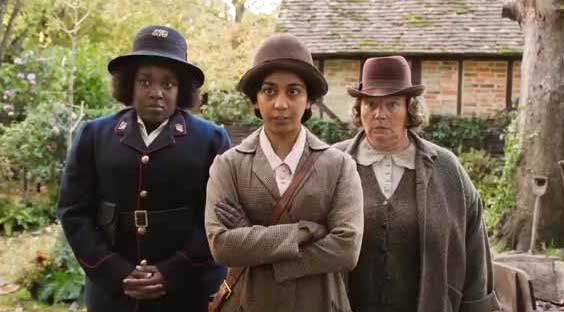
Salade: Kitchen assistant Violette (Galatéa Bellugi) brings her teenage niece to work one day. Pauline (Bonnie Chagneau-Ravoire) might be green, but Eugénie recognises fresh talent when she sees it, and she soon persuades Dodin to let her take the girl on as her apprentice. Pauline’s appearance signals change. Will Eugénie finally agree to marry Dodin?

Fromage: It might seem a little cheesy to use food as a metaphor for love, but when it’s as sumptuously done as this, it’s perfectly justified. The connections feel real as well as symbolic, the care taken over each component of every dish surely an indication of deep affection.

Dessert: I defy anyone to watch this film without salivating. Cinematographer Jonathan Ricquebourg’s camera lingers lovingly over basted meats and exquisite sauces; we see glass-clear consommés and glistening poached pears. When she tastes Eugénie’s Baked Alaska, Pauline weeps. I almost do the same, even though it’s just an image on a screen.

Café: A gentle story with notes of romance and an aftertaste of melancholy, The Taste of Things is a lovely film. Just not one to watch when you’re hungry.

4 stars

Susan Singfield

The Iron Claw

14/02/24

Cineworld, Edinburgh

As I sit watching this film unfold, I can’t help picturing writer/director Sean Durkin’s hopeful pitch to a room full of potential financiers.

“So Sean, what’s this film about?”

“It’s about the world of wrestling – and it’s inspired by a real-life family drama. Oh, and it will star Zac Efron. You know, from High School Musical?”

Whatever those execs pictured in that moment, I’m pretty sure it was nothing like The Iron Claw, but – trust me – the resulting movie is about a hundred times better than it could ever sound as a pitch. If you have expectations, prepare to adjust them.

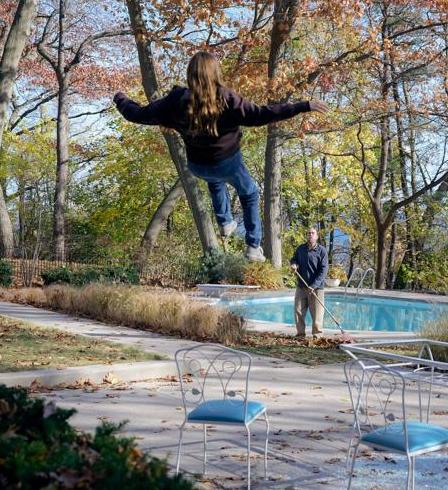
We first meet the Von Erich clan in the 1970s, when they are conducting their lucrative tag-wrestling partnership and going from strength to strength under the tutelage of their father, Fritz (Holt McCallany), a veritable toxic stew of a man. Fritz thinks nothing of flinging his boys headlong into the wrestling life, even those who are not cut out for it. The Von Erichs have the physiques of Greek gods and the hairstyles to match and, as all-American boys, they do whatever Daddy says, getting little in the way of guidance from their mom, Doris (Maura Tierny), who seems mostly preoccupied with putting gargantuan amounts of carbs on the table.

The oldest (surviving) boy is Kevin (Efron), who, though built like the proverbial stone sewage outlet, somehow manages to maintain his good humour even when being passed over in favour of one of his younger siblings. These include human chameleon Harris Dickinson as David, whose good looks and articulacy make him an ideal frontman and Kerry (Jeremy Allan White), whose dream of throwing the discus at the 1980 Moscow Olympics are scuppered when America withdraws for political reasons. And then there’s young Mike (Stanley Simons), a gentle, optimistic teenager who hankers after a career as a musician – until Fritz derides this as a pipe dream and demands he become a wrestler like his brothers…

As you might expect, the Von Erichs come in for more than their fair share of tragedy; indeed, their story is so overloaded with the stuff that Durkin has removed some of the bleaker occurrences and completely eliminated one member of the clan – Chris, if you’re wondering – arguing that there’s only so much misery an audience can endure in a two-hour cinema visit. Put it this way: if this was fiction, nobody would believe that one relatively small bunch of people could possibly encounter so many slings and arrows in their journey through life. Little wonder that rumours of a ‘Von Erich curse’ proliferated as the family was hit with one terrible disaster after another.

Don’t get me wrong, The Iron Claw (named for Fritz’s signature technique) isn’t one endless blub-fest. Indeed, Durkin ensures that there’s plenty here to lift the mood as the action unfolds. There’s a wonderfully cheesy evocation of the 70s and 80s, with an upbeat soundtrack comprising some of the biggest rock songs of the era, and there’s a whole raft of superb performances from the ensemble cast. Lily James, in a change from her usual ‘middle-class posh girl’ roles, delivers what may be a career-best performance as Kevin’s vivacious and resourceful partner, Pam. And there’s a delightful cameo from Aaron Dean Eisenberg as motor-mouthed wrestling champion, Ric Flair, who comes across as a nasty piece of work on TV, but is revealed to be a nice guy when he’s allowed to be himself.

I was warned to bring some Kleenex to this, but though I’m often shocked by the constant barrage of bad luck the family encounters, I remain resolutely dry eyed throughout. But maybe that’s just me. The Iron Claw is a brilliantly-nuanced story that looks at the toxic nature of the wrestling industry, skilfully eviscerates it and reveals the genuine humanity that lurks behind all that pantomime posturing. 

And it’s clear from the word go which member of the family is chiefly responsible for all that heartbreak.

4.7 stars

Philip Caveney

Argylle

07/02/24

Cineworld, Edinburgh

There’s a lot riding on Argylle. An expensive co-production between Paramount and Apple, with a cast of A-listers to die for, Matthew Vaughn’s high concept spy spoof is a valiant attempt to restore his box office fortunes after his last project, The King’s Man, pretty much sank without trace. But the new film has already opened to dismal advance reviews of the one and two star variety. Can it really be that bad?

It doesn’t help that at Edinburgh’s Cineworld, it can only be viewed in expensive special formats not covered by an Unlimited card. My gruelling session at the dentist’s this morning precludes me from being thrown around in a 4DX chair, so I opt for IMAX and settle down to watch – with the other four customers. Word has clearly got around.

Welcome to the world of best-selling novelist, Elly Conway (Bryce Dallas Howard), one of those annoying writers whose every publication is greeted with rampant adulation – and who has an irritating habit of reading the end of her latest books at launches, which is wrong on just about every level.

In her head, her titular spy hero, Argylle, is played by smooth, handsome Henry Cavill, so imagine her surprise when she climbs aboard a train to visit her parents and finds herself sitting opposite genuine spy, Aidan (Sam Rockwell). He’s more unkempt than his fictional counterpart, but just as deadly when push comes to shove, as it soon does. Aidan reveals that the plots of Ellie’s books are so near to actual real life happenings, that an evil cabal of terrorists are determined to take her out.

Ellie (and her cat, Alfie) follow Aiden into a dizzy world of punch ups, shoot outs and explosions. The plot is so ridiculously complex, it doesn’t bear scrutiny but – largely due to the fabulous chemistry between Dallas Howard and Rockwell – I find myself going along with it. There’s a jaw-dropping revelation every ten minutes or so (nobody is who you think they are, and sometimes they’re not who they think they are either) and Vaughn has the good sense to keep his foot on the accelerator so we don’t waste too much time pondering the stupidity of much of what’s happening.

It’s almost worth the price of admission for a delightful, extended ‘guns and gas masks’ dance sequence, which would have provided the perfect climax, but is almost immediately undermined by another lengthy set-piece that follows hard on its heels and doesn’t quite measure up to the one we’ve just seen.

In the end, Argylle is a little too overstuffed for comfort and I can’t help feeling that thirty minutes could be excised from this to deliver a leaner, meaner version that would play more effectively. That said, I have a good time with this.

Those who like post-credit sequences will probably be as baffled by the one we’re offered as I am. Something to do with The Kingsmen franchise? I give up.

If you enjoy high concept movies, you might care to give this one a whirl. At least you won’t be bored. But be warned, you’ll need to suspend your disbelief.

3.6 stars

Philip Caveney

American Fiction

03/02/24

Cineworld, Edinburgh

If these first few weeks are anything to go by, 2024 is going to be a good year for film. Cord Jefferson’s debut feature is a long way from your typical bums-on-seats blockbuster, but the cinema is hearteningly busy tonight. We’re in for a treat.

American Fiction is a clever, cerebral film, exploring the reductive nature of the Black stories that are promoted by white-controlled media. Thelonious ‘Monk’ Ellison (Jeffrey Wright) is a Black writer and professor, earning more from teaching than he does from his highbrow books. But in a brilliantly satirical scene, we see his white students complaining that he is making them uncomfortable by explicitly referring to the racist language deployed by the period authors they’re studying. When his white bosses back them up, Monk bristles: he isn’t the sort to back down easily. Before long, he’s been practically ordered to ‘take a break’, and so he heads reluctantly to Boston for a long overdue visit to his family, his employment status decidedly shaky. Is this what happens to Black people when they don’t comply with liberal white people’s notions of how to address racism? Wow.

To add to Monk’s woes, his agent (John Ortiz), calls to say that his latest manuscript hasn’t found a buyer. “It’s not Black enough,” Arthur tells him. “What does that mean?” asks Monk, although he knows exactly what it means. It means that his literary novels don’t conform to the blaxploitation model that white people like to indulge in; it isn’t anything like Sintara Golden’s runaway bestseller, We’s Lives in da Ghetto. As a fawning TV interviewer heaps praise on Golden (Issa Rae), Wright imbues Monk with an understated and entirely credible fury. In Bialystock-Blum mode, he pseudonymously dashes off a ridiculous pastiche of a Black novel and then watches incredulously as it become a huge success. He’d like to take the opportunity to go public and make his point – but his mom (Leslie Uggams) is sick, and someone has to pay for her care…

This well-written and often laugh-out-loud funny script, based on the novel Erasure by Percival Everett, deftly punctures the self-aggrandising nature of allyship, as white people vie to show off their woke credentials, often at the expense of the actual Black people sitting next to them. It’s also a beautifully-observed depiction of complex family dynamics, as Monk and his doctor siblings (Tracee Ellis Ross and Sterling K Brown) struggle to deal with their fractured relationships and their mother’s decline. It’s bold, intelligent – and also very accessible. The fourth-wall-breaking final ten minutes are especially audacious, but the entire two-hour run is a joy to behold.

Both thoughtful and thought-provoking, American Fiction is an impressive piece of work, deftly straddling the highbrow/lowbrow chasm that so infuriates its protagonist.

5 stars

Susan Singfield

The Color Purple

01/02/24

Cineworld, Edinburgh

Not so much an adaptation of Alice Walker’s 1982 novel (or Steven Spielberg’s 1985 film, for that matter), this ambitious production is based on the Broadway musical which first got to strut its stuff in the early 2000s and has gone through several iterations since. Inevitably, much of the novel’s more hard-hitting elements have been sanded and burnished for consumption by a mass audience.

Directed by Blitz Bazawule, with music composed by Kris Bowers, the result is a film that occasionally bursts into exuberant, joyful life but just as often feels bowdlerised as it struggles to make a song and dance about incidents that don’t quite fit the medium.

We first meet Celie (Phylicia Pearl Mpasi) when she’s a teenager, pregnant with her second child – by her father, Alfonso (Deon Cole). Mpasi brilliantly portrays Celie’s loneliness and distress, especially when, as he did with the previous baby, Alfonso takes the infant away from Celie without any explanation. Shortly thereafter, he offers her up as a bride to the heinous ‘Mister’ (Colman Domingo), a musician of sorts who has several motherless kids to care for in his ramshackle home down by the swamp. He needs somebody to get the place in shape and, if Celie is slow in following his orders, he’s all too ready to let his fists do the talking. Colman too, is utterly convincing as a man who’s never had his authority challenged by anyone.

Celie sets to work, determined to look after her new ‘family’ but when her beloved sister, Nettie (Halle Bailey), turns up saying that Alfonso has been making moves on her, Celie begs Mister to allow Nettie to move in with them. He agrees and inevitably, it isn’t long before he attempts to sexually assault her. When she dares to hit back, he throws her out of the house telling her never to return – and Celie has nobody to fight her corner.

The years move inexorably on – a scene where Celie views the changing seasons through the windows of the house as she ages is brilliantly handled. Celie (now played by Fantasia Barrino) has become inured to her own suffering, but redemption arrives in the form of vivacious blues singer, Shug Avery (Taraji B Henson), the woman who Mister reveres above all others and whom he’ll go to any lengths to please. When Celie and Shug form an unlikely alliance, it’s clear that change is in the air…

To give The Color Purple its due, Bazawule brings a whole host of invention to the difficult task of directing this piece, constantly exploring different approaches to a complex project. Cinematographer Dan Lautsen makes everything look luminous and remarkable and I particularly love a fantasy sequence set on a huge gramophone turntable. For me, the film is at its most successful during the big, ensemble pieces with scores of dancers whirling and leaping to vibrant, blues-inflected songs. I should also mention Danielle Brooks’ remarkable performance as Sophia, a powerful and assertive woman, eventually brought to heel by the injustice of the age. Brooks brings genuine verve to her portrayal and the scenes where she languishes in a prison cell provide the film’s most heartbreaking moments.

The relationship between Celie and Shug has been not so much downplayed as eradicated. In the book, it’s explicitly sexual; here it amounts to a quick snog in the cinema and a few meaningful looks, which I think speaks volumes about what makes contemporary American audiences uncomfortable. Why the subject of rape is deemed acceptable for depiction but a concensual lesbian relationship isn’t remains something of a head scrambler. Go figure.

The story’s conclusion, where everybody gathers to let bygones be bygones, feels every bit as unlikely as it did in the original story and, if I’m honest, it’s in this sequence where it all gets a little too schmaltzy for my liking. 

So, once again, here is another of those curate’s egg productions (a phrase I use far too often). It’s good in parts (sometimes very good) but elsewhere, I find the ingredients a little too bland for my taste.

3.6 stars

Philip Caveney
How To Have Sex

31/01/24

Mubi

Molly Manning Walker’s debut film comes screeching onto the screen like, well, a trio of teenage girls. Tara (Mia McKenna-Bruce), Em (Enva Lewis) and Skye (Lara Peake) have just finished their GCSEs and now they’re in Malia, buoyant, excited and ready to cut loose. They’re looking at seven days of sheer, unadulterated hedonism. And, as Skye keeps reminding her, Tara needs to seize the opportunity to lose her virginity.

At its heart, How to Have Sex is about peer pressure. The holiday resort’s formulaic enforced ‘fun’ doesn’t leave much space for dissent, especially when you’re sixteen and desperate to fit in. The girls really enjoy their first night, getting drunk, doing bad karaoke and eating cheesy chips, but the following morning, hungover, Skye puts the kibosh on all that. “We’re not going to get laid if we stick together all the time,” she says.

And from then on, Tara stumbles, adrift.

McKenna-Bruce is perfectly cast as Tara: all big eyes and yearning, wanting to find her place in the world. Meanwhile, Peake deftly captures Skye’s insecurity-turned-meanness, while Lewis shines as the only one of the three who is at ease with herself: unlike her friends, she knows who she is and what she wants. She’s got the grades, the career plan – and she’s comfortable with her sexuality, enjoying her holiday fling with Paige (Laura Ambler), their next-door neighbour at the hotel.

Paige’s room-mates are Badger (Shaun Thomas) and Paddy (Samuel Bottomley). There’s an unmistakable spark of attraction between Tara and Badger, but they’re both quite shy and soft underneath their brash surfaces – and swept along by the pressure to conform. They’d clearly like to be together but instead, hyped up by a baying nightclub mob, he goes onstage for an unsatisfactory public blow job, while she endures a miserable first shag with Paddy.

Molly Manning Walker convincingly evokes the teenage experience, and I especially like Tara’s palpable sense of not fitting in, not being able to enjoy herself in the same way as the others appear to be doing. Despite its in-your-face appearance, the film is actually pretty nuanced, the emotional and social complexity acknowledged and explored.

My only bugbear is a petty one: why are they talking about “getting ten As” when GCSEs have been graded by number since 2019?

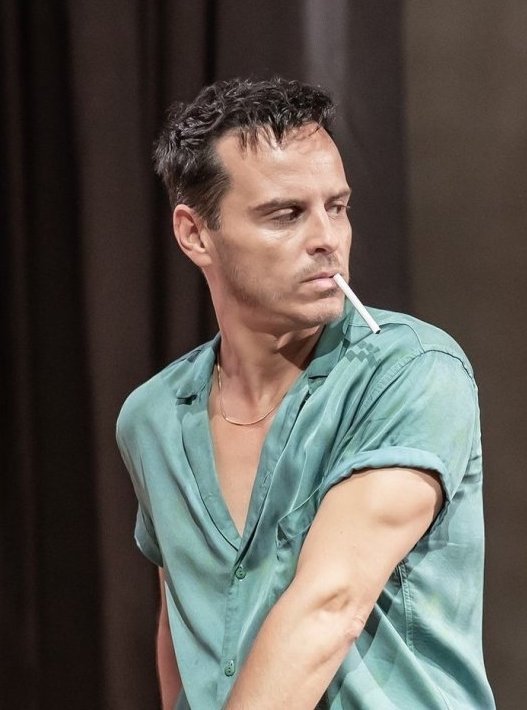
Nitpicks aside, How to Have Sex is a sweeter, more engaging and thought-provoking film than its name and cover-image might suggest. Much like its characters.

If, like us, you missed this movie’s fleeting cinema release, you’ll be pleased to know that you can now catch it on Mubi.

4 stars

Susan Singfield

The Zone of Interest

28/01/24

Cineworld, Edinburgh

The opening credits roll, the title appears onscreen… and then it slowly fades to black and the screen goes blank. For a very long time. I’m starting to think that something has gone wrong but then I become aware of dull sounds: a hubbub of voices, the occasional twittering of birdsong. And I think I know why director Jonathan Glazer has engineered this. 

He is giving the audience an opportunity to relax and take a few deep breaths, something we will doubtless be thankful for later.

The screen finally illuminates and we observe a family enjoying a tranquil summer picnic on the banks of a river: a father, a mother and their children of various ages. They laugh and splash in the water and chase each other through the trees. And a little while later, the family pack up their things and head back through the verdant countryside to their lovely home with its extensive garden. We can’t help noticing though, that a high wall borders that garden, a wall topped with barbed wire. And on the far side of it, we can just see a tall chimney spouting a thick column of smoke…

Welcome to the family home of Rudolf Höss (Christian Friedel) and his wife Hedwig (Sandra Hüller). He, of course, is the commandant of Auschwitz and spends much of his time on the other side of the wall, committing atrocities on a daily basis. Meanwhile, Hedwig runs the home, keeping a sharp eye on her many servants and even playing gracious host to her mother, who can’t believe how lucky her daughter is to have such a lovely home and garden to spend her time in. Mother even peers towards the wall and wonders if that woman is in there. You know, the one she used to clean for…

The Zone of Interest, adapted by Jonathan Glazer from the novel by Martin Amis is an extraordinary film – stark, chilling and impossible to dismiss. This is about the mundanity of evil, the bureaucracy of mass murder. It’s a film in which smiling men in business suits sit around a table with charts and statistics and work out the best way they can feed ever more people into the ovens – and how, if the ovens are recharged in rotation, they can, in effect, wipe an entire race of people off the face of the planet. 

Rudolph, we see, does not think of himself as a monster; he’s simply a man working to the orders of his Führer, doing his best to accomplish the difficult task he’s been set. He loves his wife, his children, even his horse. But of course, real monsters are just everyday people fuelled by hierarchy, encouraged by their superiors to wade ever deeper into the sewer of depravity. People who obey without question.

Like the best horror films, The Zone of Interest understands that what frightens an audience most is what it doesn’t see. There are no torture scenes here, no images of people burning, starving or fighting for their lives. But there are sounds in the background, a constant mingling of shouts, moans, screams and gunshots – a relentless cacophony that gradually grows in volume as the film progresses, sometimes accompanied by Mica Levi’s hellish soundtrack.

I cannot stop thinking about what’s happening on the other side of the wall, cannot feel anything but appalled that human beings can inflict such savagery on each other. And I’d be a lot happier if I believed that such things could never happen again. But sadly, I don’t.

The film has a coda which I won’t reveal, only to say that it depicts the aftermath of the Nazis’ attempted genocide, showing in a few broad strokes the enduring, poisoned legacy that they left in their wake. This may not be a film to ‘enjoy’ in the traditional sense, but it is undoubtedly a cinematic masterpiece, and one which I would urge every viewer to see.

5 stars

Philip Caveney
All of Us Strangers

27/01/24

Cineworld, Edinburgh

All of Us Strangers is a curious creature. Not exactly a tale of the supernatural, not really a love story, it borrows elements from both genres and weaves them seamlessly together to create something that’s impossible to classify. More than anything else, this feels like a lament for lost opportunities – a meditation on longing and regret.

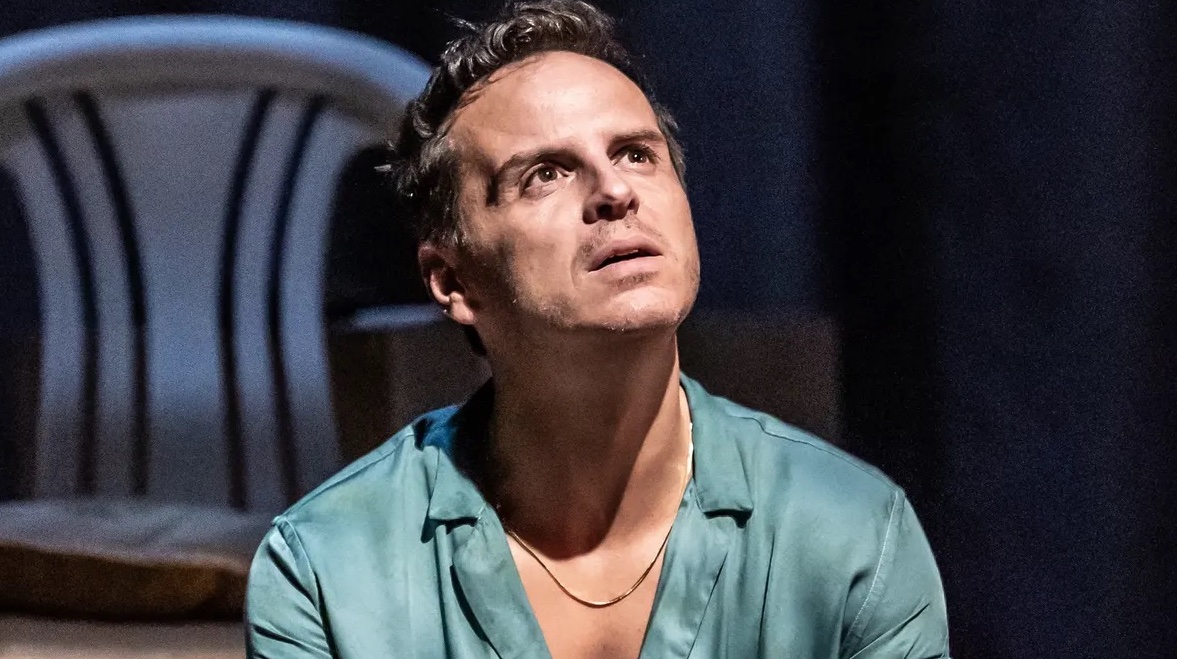
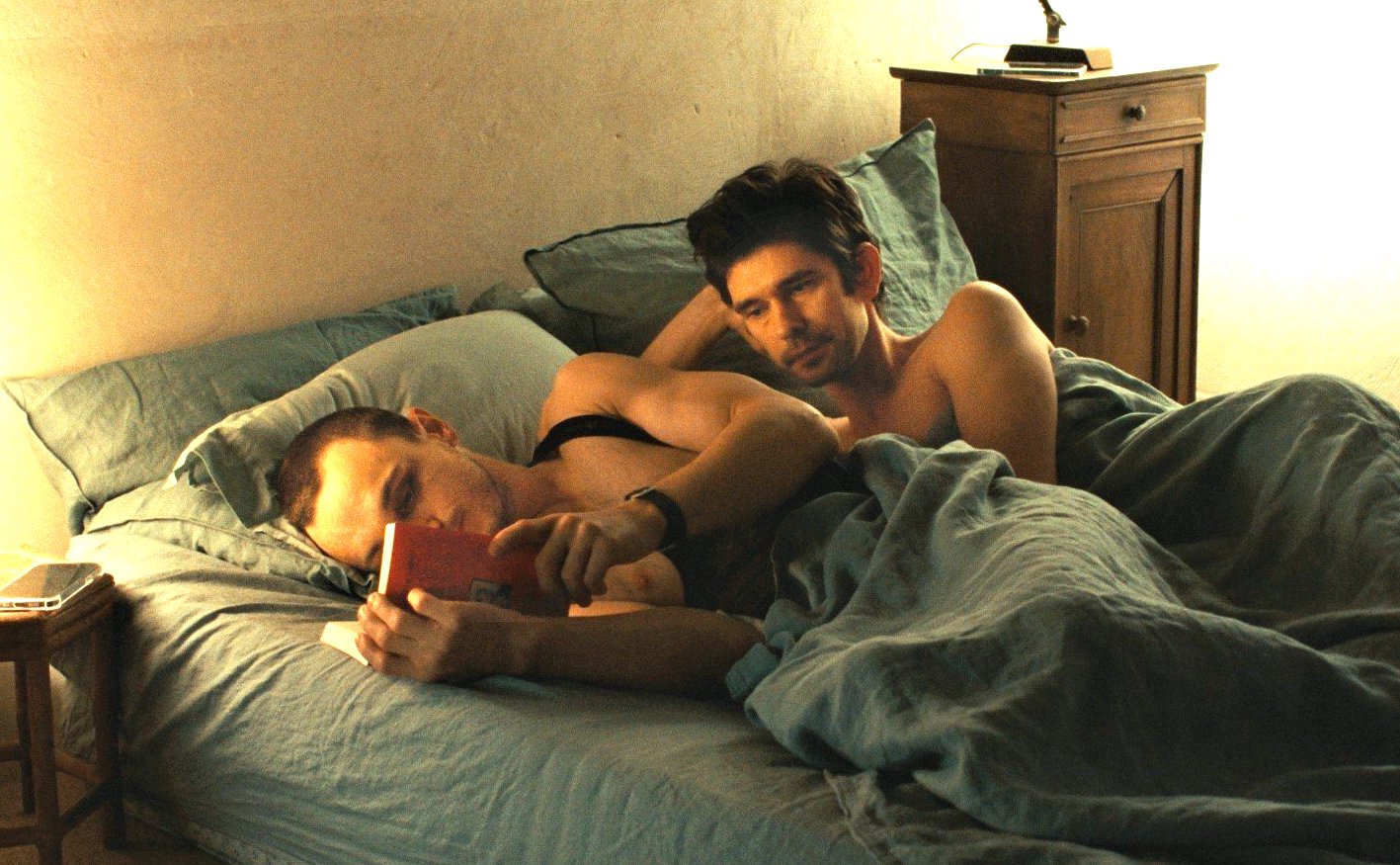
Written and directed by Andrew Haigh and based on a novel by Taichi Yamada, it tells the story of Adam (Andrew Scott), a lonely screenwriter, currently plying his trade in a near-empty high-rise somewhere in London. He’s currently attempting to write a screenplay based on a true incident from his childhood: the death of his parents in a car crash back in 1978, when he was eleven years old.

Adam’s musings are interrupted by the arrival of the man who appears to be the block’s only other resident. He’s Harry (Paul Mescal), currently halfway through a bottle of whisky and clearly looking for company. But Adam is nervous and politely refuses Harry’s advances.

Seeking inspiration, Adam makes the train journey to his parents’ old house in the suburbs of Dorking and is astonished to discover that both Dad (Jamie Bell) and Mum (Claire Foy) are still alive, looking exactly as he remembers them. The 70s aesthetic of their lives is convincingly evoked, right down to the soundtrack of Erasure and Frankie Goes to Hollywood, and his folks are eager to find out how their boy has fared since they last saw him.

And then, Adam reconnects with Harry and an intense sexual relationship develops, their first encounter sensitively captured, their wild hedonistic nights in London’s gay clubs accompanied by a succession of pounding nightclub bangers. But where are they – and the story – heading?

Essentially a four-hander – we never meet any other characters – this sweetly-sad narrative is anchored by impressive performances from the four stars. Scott, in particular, creates a beautifully-judged picture of loneliness and regret, a man struggling to come to terms with a world where he struggles to function. In the scenes where he’s enjoying some time with his parents, he effortlessly slips into a state of childlike wonder.

Many viewers have said that watching this moved them to tears, though I stay resolutely dry-eyed throughout. Perhaps this says more about me than it does about Haigh’s film, but what All of Us Strangers captures particularly well for me is the curious way a writer’s mind works; how half-remembered incidents from childhood can be developed into something tangible, the stuff of alternative reality, and how such discoveries can sometimes become almost overwhelming.

If not the five-star masterpiece I’ve been led to expect, this is nevertheless an exciting and provocative slice of contemporary cinema.

4.2 stars

Philip Caveney
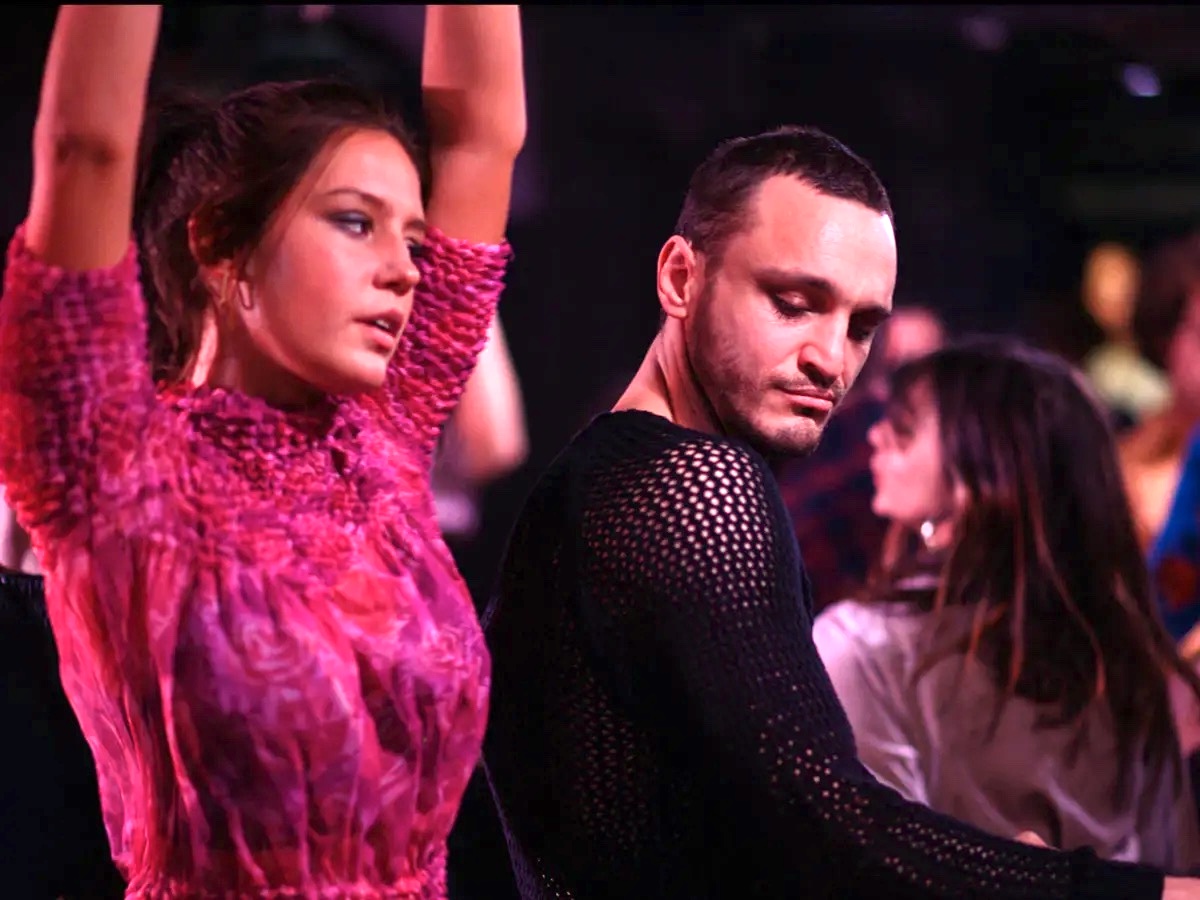
The End We Start From

21/01/23

Cineworld, Edinburgh

The End We Start From – with a screenplay by Alice Birch based on the novel by Megan Hunter – comprises two distinct stories in a single telling. On the surface, we have the literal tale of an apocalyptic flood rendering much of the UK uninhabitable. Underneath, there is a metaphorical account of a new mother drowning under pressure.

Directed by Mahalia Belo and starring Jodie Comer, the allegory is not subtle. As the Woman takes a bath and caresses her heavily-pregnant belly, the camera inverts: her whole world is about to be turned upside down; as the Woman’s water breaks, so the flood smashes through her kitchen window, engulfing her and changing everything. She’s nameless, billed only as ‘Woman’; she is clearly supposed to be an archetype, a universal Everymother.

But it doesn’t need to be subtle. This works.

Comer is luminous; she has that elusive quality we used to call the ‘X’ factor until the phrase was hijacked by Simon Cowell’s karaoke nights. The camera loves her, and she is a truly talented actor. The supporting cast (especially Joel Fry as her partner and Katherine Waterston as her friend) are great, but there’s no doubting whose movie this is. Comer imbues the Woman with a strong, relatable character, fighting for survival against the odds.

Birch’s script is spare and under-stated – and therefore terrifyingly believable. This isn’t a Zombie flick, where everyone suddenly becomes feral, but the prospects are just as bleak; this climate disaster is devastating but credibly so. People are flooded out of their homes so they take to their cars in search of somewhere safe. Before long, the roads are blocked; towns and villages on higher ground close ranks, scared of sharing and losing what they have. Shelters are set up, but spaces are limited. In the midst of all this is the Woman, wide-eyed with the shock of having just given birth, frightened for herself and for her baby. And desperate people do desperate things…

Belo’s low-key direction cleverly magnifies this awful plausibility. She never lingers on the violence we know is out there, its menace amplified by the fact it’s just out of sight. The aftermath of a broken, waterlogged London emerging from the storm is especially affecting. The tempestuous weather – beautifully, even languorously, shot by Suzie Lavelle – feels like a warning, a case of ‘when’, not ‘if’. We can almost feel the strength of nature and our powerlessness against it.

Indeed, emerging from the cinema into the wild wind and rain of Storm Isha, the storyline seems scarily prescient as we battle our way home.

4.3 stars

Susan Singfield

The Holdovers

20/01/24

Cineworld, Edinburgh

Great Christmas movies are such rare creatures – hard to get right at the best of times – so when one arrives at multiplexes in late January, I can only put it down to circumstances beyond the filmmaker’s control. Alexander Payne’s The Holdovers definitely belongs on Santa’s nice list, and better late than never, I guess. 

The action takes place at Christmas 1970 and tells the story of a grumpy educator, who finds himself thrown into the company of a headstrong young student, and gradually begins to discover the true meaning of the festive celebration. Anybody thinking that this sounds a little like Ebenezer Scrooge is on the right lines, though any similarities to Charles Dickens’ classic tale may be entirely unintentional.

The curmudgeon in question is Paul Hunham (Paul Giametti), a classics teacher at elite New England boarding school, Barton Academy. Paul has taught there for years and is plagued by problems, including an eye condition and a rare syndrome that makes him smell of rotting fish. Perhaps unsurprisingly, thanks to his acerbic manner and his refusal to ever back down on any given subject, he’s disliked by pupils and staff alike. He’s obstinate, even when the school’s head virtually begs him to give a more forgiving exam grade to a boy whose father is one of the school’s most generous patrons.

As the Christmas holidays loom and snow blankets the countryside, Paul is assigned the thankless task of looking after those few pupils who, for whatever reason, are unable to make it home to their families. At first, there are five boys in this invidious position, but, when a wealthy father with his own helicopter intervenes to ferry most of them away on a skiing holiday, there’s only one of them stuck with the prospect of seeing in the New Year with Paul.

He’s Angus Tully (Dominic Sessa), a boy plagued by depression ever since the break up of his parents’ marriage, and currently struggling to make it through each day. The ill-matched duo’s only other companion is Mary Lamb (Da’Vine Joy Randall), the school’s head cook. She’s mourning the recent death of her only son, a former student at Barton, obliged to join the American army, when Mary can’t provide the necessary money to secure her Black son a place at one of the prestigious Universities his white classmates take for granted.

A merry trio indeed.

From these distinctly unpromising beginnings, Payne spins a moving, endearing and sweetly sad story about human interaction. As Paul and Angus begin to learn about each other, so their respective defences are gradually breached. The film, already nominated for several awards, demonstrates what a brilliant performer Giametti is when given the right material, while Sessa and Joy Randall are right there with him. The era is convincingly evoked (down to a set of vintage pre-credit titles) and Eigild Bryld’s stark, snow-bound cinematography captures the story’s bleak setting perfectly. As a former boarding school boy, I find myself constantly reminded of the occasional ‘holdover’ experiences from my own childhood.

Whether this film has the power to make waves against this year’s impressive raft of Oscar contenders remains to be seen, but I suspect that The Holdovers will be the Christmas film of choice for a lot of movie fans in years to come. But maybe I’m putting too much emphasis on the festive setting: a film this good is welcome any time.

4.8 stars

Philip Caveney