

Film

H is for Hawk

25/01/26

Cineworld, Edinburgh

Based on Helen Macdonald’s 2014 memoir, H is for Hawk is the story of the author’s headlong plunge into depression after the sudden death of her beloved father, Alisdair (Brendan Gleeson). When we first meet Helen (Claire Foy), she’s an academic, teaching History and Philosophy at the University of Cambridge, but already feeling that she’s not really inspiring her students. Alisdair, a celebrated newspaper photographer, is her constant source of solace: warm, understanding, the only one who really ‘gets’ her. His unexpected demise leaves her utterly bereft, unable to properly communicate with her mother (played by Lyndsey Duncan) and strangely detached from her Aussie best friend, Christina (Denise Gough).

After chancing upon one of her father’s old photographs, where a teenage version of herself is standing with a hawk perched on her outstretched hand, Helen becomes obsessed with the idea of revisiting this long-forgotten interest and, almost before she knows it, she’s impulsively driven to the North of Scotland to purchase a goshawk – the most feral and unpredictable of birds. But once she has ‘Mabel’ installed in her college digs, she realises that she will now have to spend her days working with the bird, learning its habits, how to feed it, care for it and, eventually, take it out to hunt in the Cambridgeshire countryside.

Meanwhile, her commitments at the University are going to have to take a back seat. To her friends and family, it seems as though she’s having some kind of nervous breakdown…

H is for Hawk is a ‘small’ film with big things to say about the nature of bereavement. Adapted from Macdonald’s book by director Philippa Lowthorpe and novelist Emma Donoghue, it’s an absorbing story, anchored by a remarkable performance from Foy. Lacking the kind of budget that would allow for CGI, she works alongside real birds – there are four of them in total, though only the eagle-eyed will spot the joins – and the developing ‘relationship’ between woman and raptor is at the heart of this affecting story. The moments where Helen unconsciously mirrors some of Mabel’s feral characteristics are a particular delight and so are the scenes featuring extraordinary wildlife footage, courtesy of veteran cinematographer Charlotte Bruus Christensen.

Flashbacks to Macdonald’s memories of Alisdair are nicely interwoven throughout the narrative and a climactic scene where Helen delivers a moving eulogy at her father’s memorial mass has me in floods of tears. The mournful tone won’t appeal to everyone, but for me, this ticks all the right boxes.

4.2 stars

Philip Caveney

No Other Choice

24/01/26

Cineworld, Edinburgh

Korean director, Park Chan Wook’s latest offering is very hard to pigeonhole. The mastermind behind films like Oldboy and The Handmaiden has always played fast and loose with genre, and No Other Choice continues in that tradition. While it initially feels like a free-spirited romp in the vein of classic Ealing comedy, Kind Hearts and Coronets, it also ventures fearlessly into the realms of crime thriller, knockabout slapstick and, in its latter stages, body horror, as the main character becomes ever more embroiled in his own ruthless machinations.

Yoo Man-su (Lee Byung-hun) is a long-serving employee of paper-making company, Solar. He’s been with them for twenty-five years and has recently managed to fulfil his dream of buying his childhood home. He lives there with his devoted wife, Son Ye-jin (Lee Mi-ree), his teenage stepson, Si-one (Woo Seung-Kim), and his young daughter, Ri-one (So Yul Choi), who barely speaks and is obsessed with playing the cello. When the company gifts the family some very expensive eels for their barbecue, Man-su is at first delighted – until a colleague warns him that such gifts are generally made before the bosses issue bad news.

Sure enough, Man-su soon finds himself on three months’ redundancy notice and his initial attempts to find work seem doomed to failure. He and his family try to cut back on expenses as much as they possibly can, but it’s not long before they are obliged to consider the possibility that they may have to consider selling their home, complete with the greenhouse where Man-su cultivates his beloved bon sai trees. When he hears about a new, highly-successful company called Moon Paper, he realises it’s his last hope of staying in work. But he also knows that there will be other veterans of the industry seeking employment there.

So he embarks on a ruthless mission to eliminate the opposition…

Based on a story by American crime writer, Donald E Westlake (and previously filmed by Greek director Costa Gavras – to whom No Other Choice is respectfully dedicated), this version of the tale swings confidently from one set-piece to the next. None of Man-su’s elaborate plans go anywhere near as smoothly as he has hoped, causing him to flail wildly through a series of botched executions and desperate attempts to conceal evidence. In less accomplished hands, the variations in tone could be jarring, but Chan Wook handles the different story strands with absolute authority, while cinematographer Kin Woo-hyung manages to make every scene look ravishing: one long-shot in particular, which depicts an ocean-side murder, actually makes me gasp in admiration.

Byung-hun – who many viewers will recognise as one of the key actors from TV’s Squid Game – is superb in the lead role, his seemingly implacable gaze somehow conveying the lead character’s inner desperation and his overriding will to succeed, whatever the cost. As the story hurtles to its inevitable conclusion, Man-su’s family find themselves increasingly drawn into the intrigue and are faced with a terrible decision. Do they shop him to the authorities or help him achieve his goal?

But it’s in the final sequences where the true horror of the situation is fully revealed: the realisation that all of Byung-hun’s efforts have been wasted on ensuring humanity’s looming obsolescence in the very industry to which he has devoted his working life. It’s a sobering and thought-provoking conclusion to yet another triumphant film by Park Chan-wook.

4.6 stars

Philip Caveney

The Rip

20/01/26

Netflix

It’s what’s known as ‘The Netflix Effect”: a movie that was originally conceived and filmed to be watched on a giant screen, which – through no fault of its own – ends up on a much smaller one. Joe Carnahan’s The Rip features plenty of action sequences filmed in dark corners and on gloomy rain-drenched streets. Even when projected onto the big-ish B&B home-viewing screen, I occasionally find myself struggling to establish who is shooting/stabbing/punching whom. A shame, because I’m convinced that in a movie theatre, this would easily have made it into four-star territory.

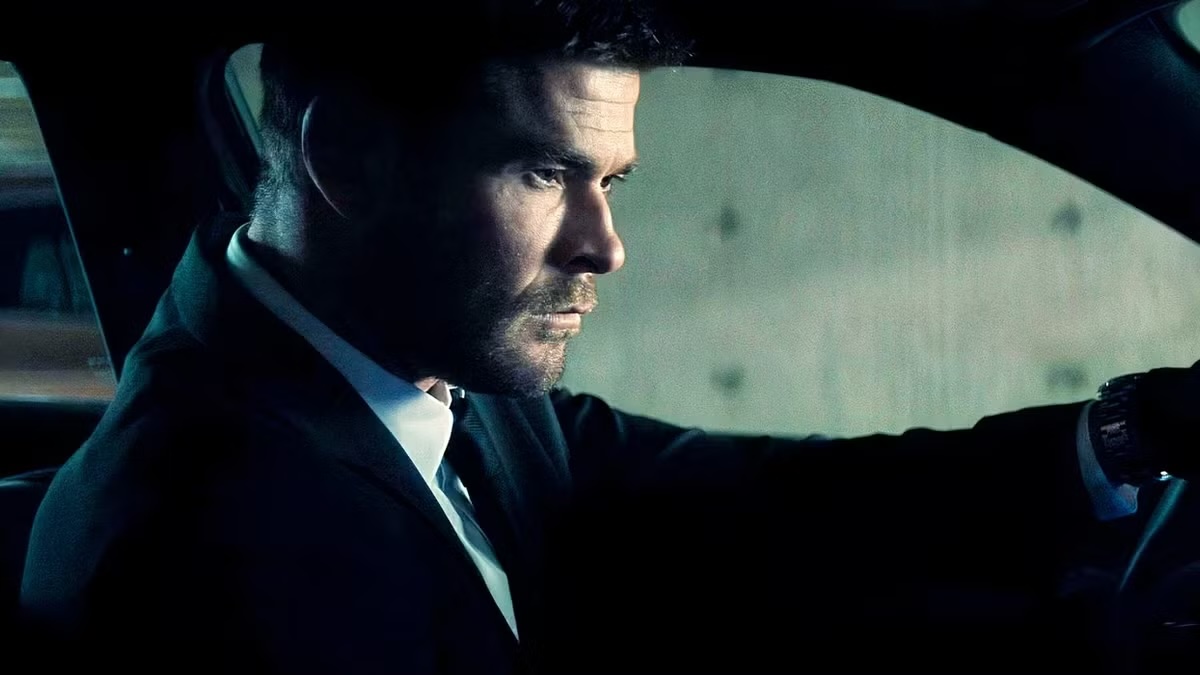
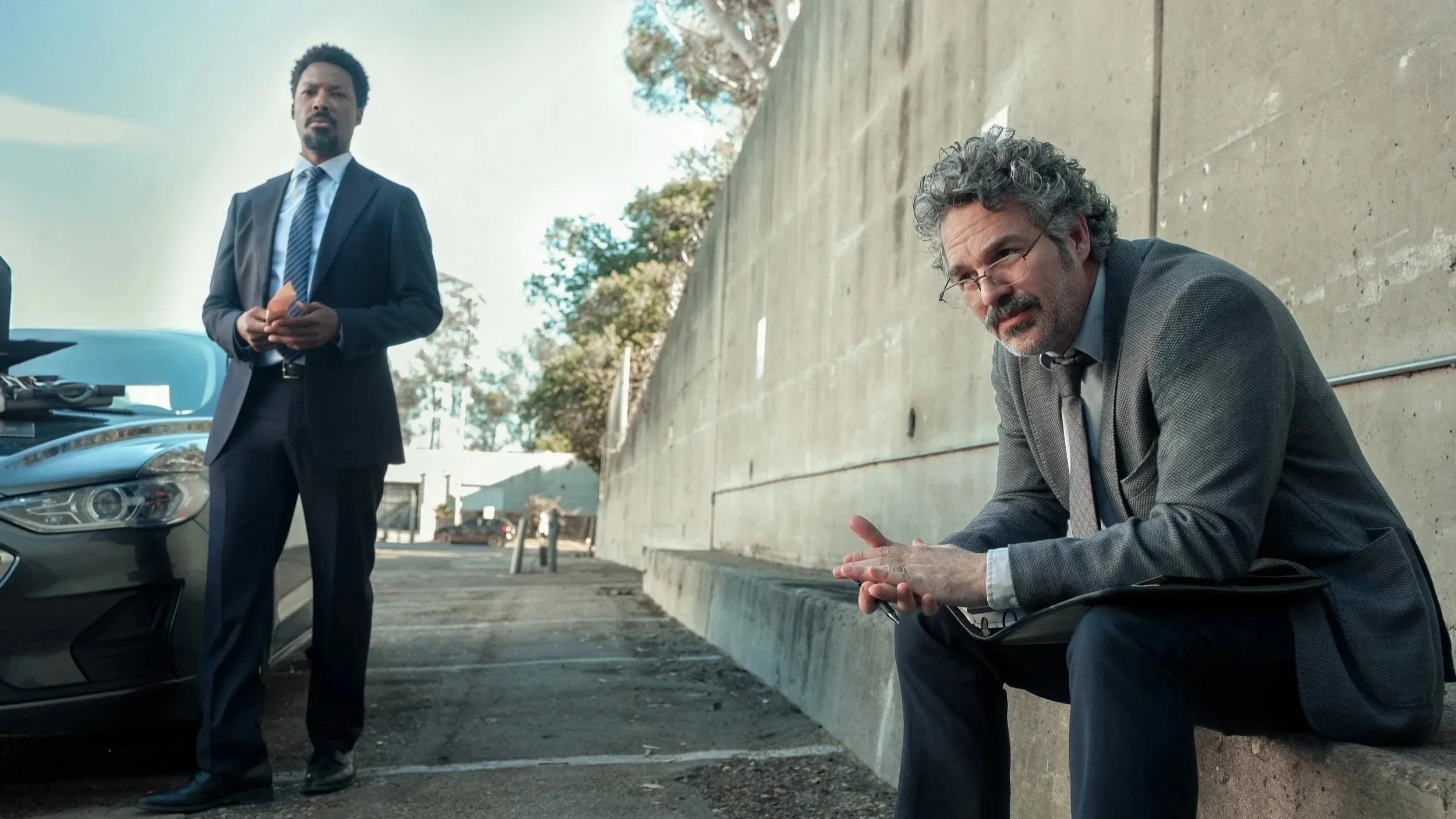
Welcome to Florida, where the cops appear to be every bit as ruthless and foul-mouthed as the drug dealers they repeatedly find themselves up against. After the brutal murder of Captain Jackie Velez (Lina Esco) of the Miami-Dade Police Department, suspicion falls upon members of her special unit, the Tactical Narcotics Team. The FBI are brought in to question them, but find themselves drawing a blank. The team’s leader, Lieutenant Dane Dumars (Matt Damon), and his bestie, Sergeant JD Byrne (Ben Affleck), are bewildered. Who could have killed Jackie? (Byrne has particular reason to be cut-up about it as the two of them were in a serious relationship.) Could it really be that somebody on the team murdered her?

Then an anonymous tip-off comes in. A house in Hialeah contains hidden drug money, belonging to a local cartel. Dumars and JD head out there with their regular team in support: Detectives Mike Ro (Steven Yeun), Numa Baptiste (Teyana Taylor) and Lolo Salazar (Catalina Sandino Moreno), the latter with her trusty dog in tow, trained to sniff out not drugs, but dough. (Hmm. Where can I get a dog like that?) When said pooch becomess very excited, Dumars convinces the current tenant, Desi Molina (Sasha Calle), to let the team in to her late Grandmother’s house, whereupon they do find an eye-watering sum in used notes. It’s the kind of haul that could change their lives forever.

But it soon becomes apparent that certain unidentified others know all about that hidden stash – and are determined to get their hands on it by any means possible…

Okay, so it’s essentially another version of The Pardoner’s Tale, but Carnahan’s twisty script, co-written with Michael McGrale, is a clever mix of whodunnit and taut action adventure. The former element keeps me guessing for the film’s first two thirds – some of the reveals are genuinely surprising – while the final section flings me headlong into a breathless chase. It’s here where the aforementioned Netflix Effect begins to take its toll.

Damon and Affleck demonstrate the kind of chemistry they’ve had ever since Good Will Hunting, and the supporting players all make the most of the screen-time they’re afforded – though it’s probably true to say that the female actors are somewhat sidelined in what feels increasingly like a big boys punch em’ up. But if action is what you’ve been craving, you’ll find it here by the bucket load.

Those who persist in watching movies on their iPhones should probably quit while they’re ahead.

3.5 stars

Philip Caveney

Rental Family

18/01/26

Cineworld, Edinburgh

This whimsical, Japanese-set film was previously the subject of Oscar buzz, but seems to have slipped quietly out of contention. It’s a charming and affecting tale and, if there’s a danger of it occasionally straying towards ‘White Saviour’ territory, writer/director Hikari mostly manages to keep everything just the right side of the line.

Phillip Vanderploeg (Bendan Fraser) is an American actor, currently in his seventh year of residence in Tokyo. The former star of a successful toothpaste commercial, he’s now grimly attending auditions for proper acting roles without much success. When his agent sends him along to a job as an extra, he’s bewildered to find that he’d been cast as a mourner at a funeral – and that the man in the coffin is still alive. Afterwards, he meets Shinji (Takahiro Hira), who runs the company, Rental Family. They specialise in providing actors who can play stand-in family members or friends for lonely strangers (and, before you raise your eyebrows, let me assure you that agencies like this are long-established in Japan). Shinjo tells Phillip that he’s been looking for a token white guy. Would he be interested in signing up?

Pretty soon, Phillip’s finding regular work with the agency. He plays a stand-in straight husband for a woman who is secretly gay, but wants to give her parents the conventional wedding experience they expect. He is hired to ‘interview’ elderly film director, Kikuo Hasegawa (Akira Emoto), once much revered by the industry but now slipping into the realms of dementia. And he is asked to play the absent father of Mia (Shannon Mahina Gorman), a young half-Japanese girl whose mother wants her to attend an elite high school and needs to have a visible father-figure in attendance in order to improve her chances.

Inevitably, Phillip finds himself becoming emotionally involved with the people he works with, even though Shinji keeps warning him to stay detached from his clients…

Rental Family hits plenty of pleasing notes as the story unfolds, and its depiction of Japan is exuberant and colourful, making me wish I could experience it for myself. There’s some barbed criticism of one aspect of the agency’s services – the supplying of stand-in ‘mistresses’ for aggrieved wives to vent their anger on – but again, this is something that genuinely happens.

Fraser handles the role of Phillip with his customary skill, managing to convey a whole variety of emotions with little more than a grimace or a smile. I do however find myself unconvinced by one decision he makes concerning Kikuo – would anyone of his maturity act so rashly? But his interplay with Mia is nicely judged and there are moments here that have me wishing I’d come armed with a handkerchief. There’s also a late-stage revelation concerning one of Phillip’s co-workers that really does take me utterly by surprise.

Overall, Rental Family makes for enjoyable viewing. But be warned: one scene where Phillip and Kikuo share a delicious-looking meal in a tiny barbecue restaurant may have you leaving the cinema feeling absolutely ravenous.

3.8 stars

Philip Caveney
28 Years Later: The Bone Temple

15/01/2026

Cineworld, Edinburgh

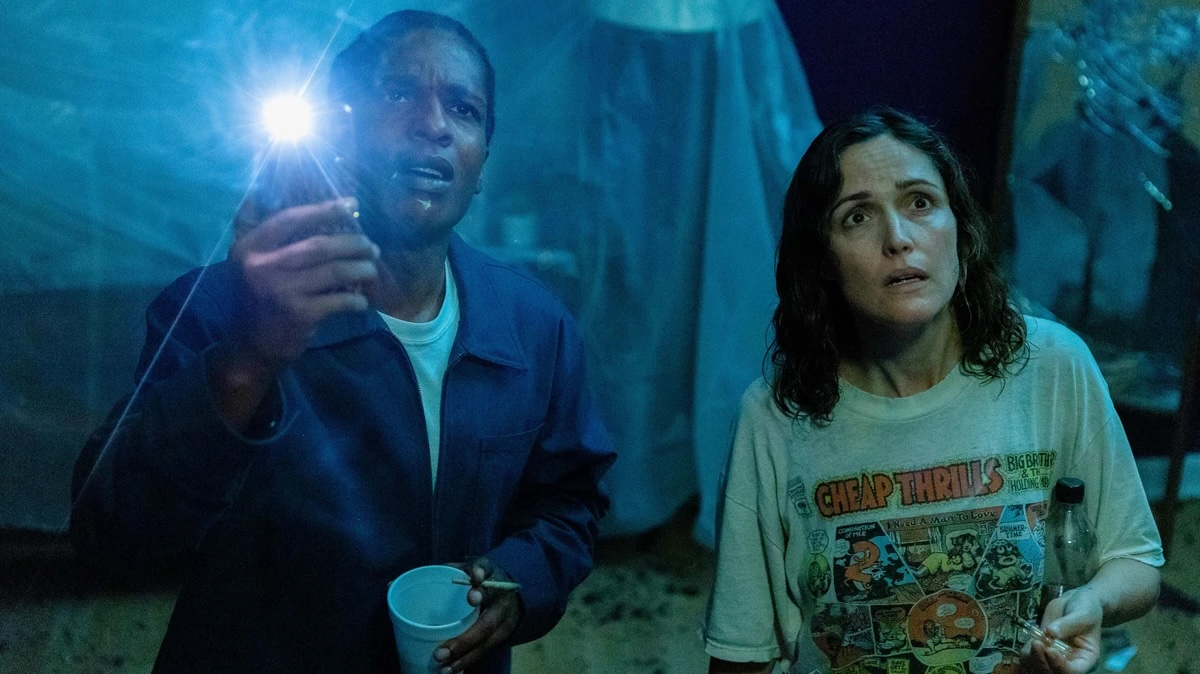
The ’28 Years’ trilogy moves confidently into its second act, with Danny Boyle handing the directorial reins to Nia DaCosta. She rises to the challenge with her customary zeal and delivers a film that, for my money, comes close to equalling its predecessor. This time out there’s less emphasis on the blood and mayhem and more on the interplay between characters. Gore-hounds may complain they’ve been short-changed but, ironically, there’s still enough spine-ripping and brain-munching to ensure that this episode earns itself an 18 certificate. Young actor Alfie Williams is, once again, unable to officially attend the film’s premiere. (He was thirteen for the last one’s 15 classification.)

Did he get a private viewing? I hope so.

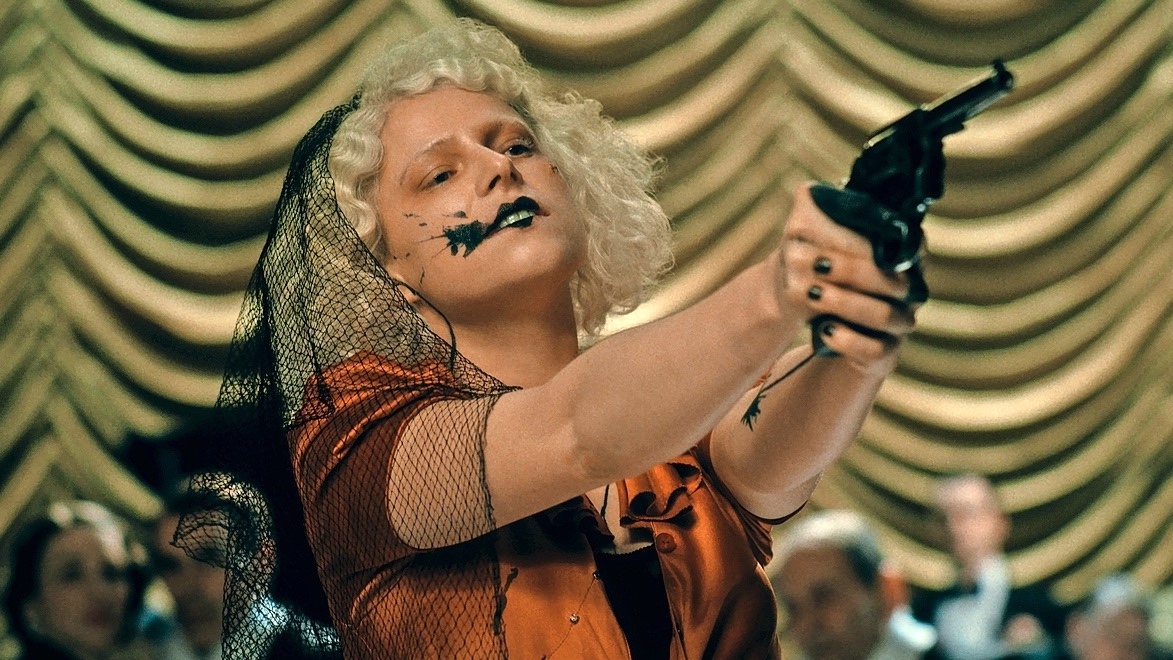
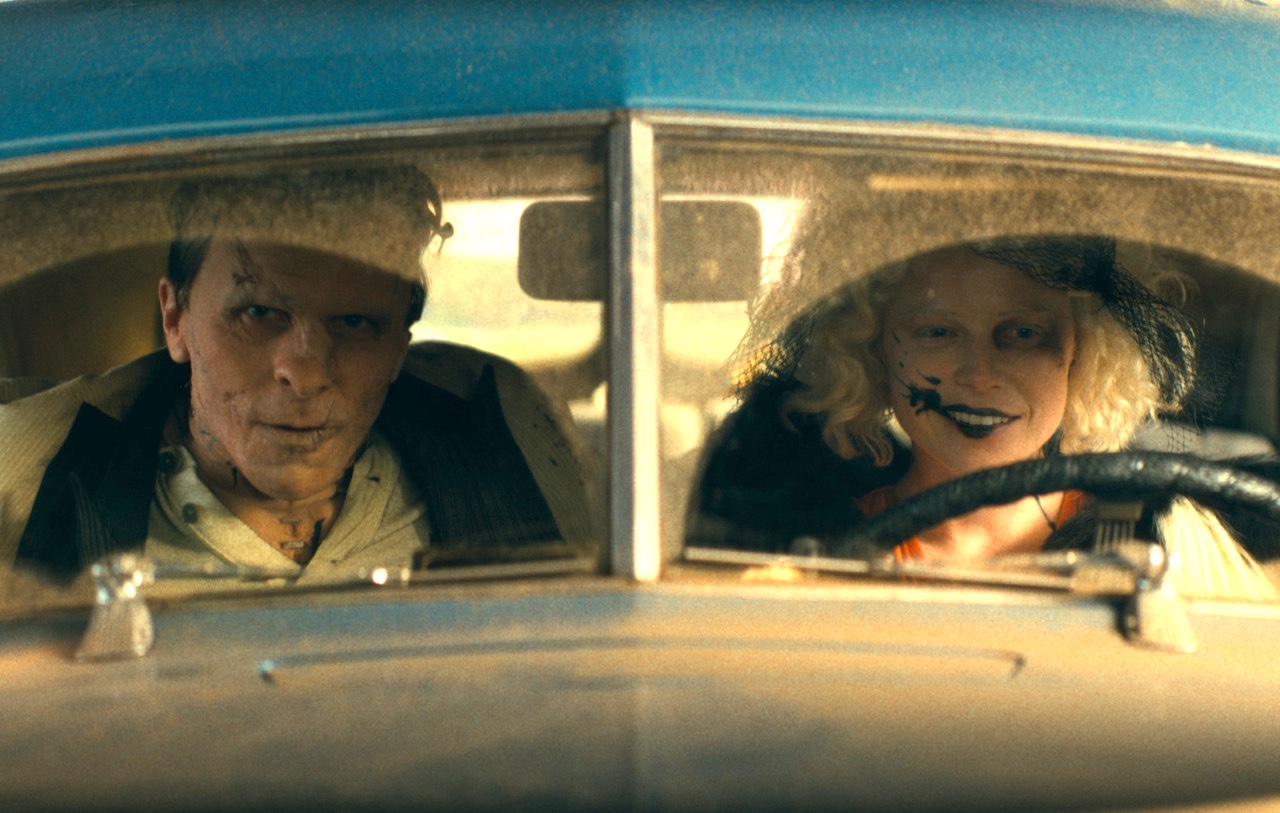
We pick up pretty much where we left off with Alfie (Williams) now a captive of ‘The Jimmys,’ the track-suited, blonde-bewigged followers of Sir Lord Jimmy Crystal (a malevolent Jack O’Connell, sporting a pretty convincing Scottish accent). Alfie soon learns that, if he wishes to remain alive, he’s going to have to fight for his place in the gang and, once a member, somehow embrace the heinous cruelty that Crystal likes to inflict on anyone he encounters – including, if the mood takes him, his own followers. Luckily, one of the gang, Jimmy Ink (Erin Kellyman), seems to have taken a sisterly shine to Alfie.

Meanwhile, Dr Ian Kelson (Ralph Fiennes) continues his gruesome work in the titular temple, with particular emphasis on trying to develop his growing ‘friendship’ with Samson (Chi Lewis-Parry), an infected Alpha. Kelson is attempting to tame the angry giant with regular doses of morphine, applied via a strategically-aimed blowpipe. Could it be that these experiments are leading Kelson tantalisingly closer to finding a cure for the deadly infection that has overtaken the world? More bafflingly, why is he listening to so much Duran Duran?

If the two main story strands are frankly bonkers, they nonetheless make for riveting viewing. DaCosta’s strong visual style combines with Alex Garland’s storytelling and the powerful music of Hildur Guǒnadóttir, to exert an almost hypnotic spell. There are kinetic action sequences, some astutely-handled flashbacks (Samson’s recollections of a childhood experience on a crowded train is particularly powerful), and Fiennes’ outrageous climactic dance routine, backed by Iron Maiden’s The Number of the Beast, is something I never expected to see – a slice of pure theatre writ large on a cinema screen. I also respond strongly to the film’s obsession with religion and the way that Kelson cleverly uses it to his own advantage.

And then, just when you think it’s all over, we’re treated to a short coda which neatly flips the whole concept back to its origins and reintroduces a character I had pretty much given up hope of ever seeing again – all of which ensures that I leave the cinema already looking forward to part three.

Job done. Bring it on.

4.6 stars

Philip Caveney
Labyrinth

11/01/26

Cineworld, Edinburgh

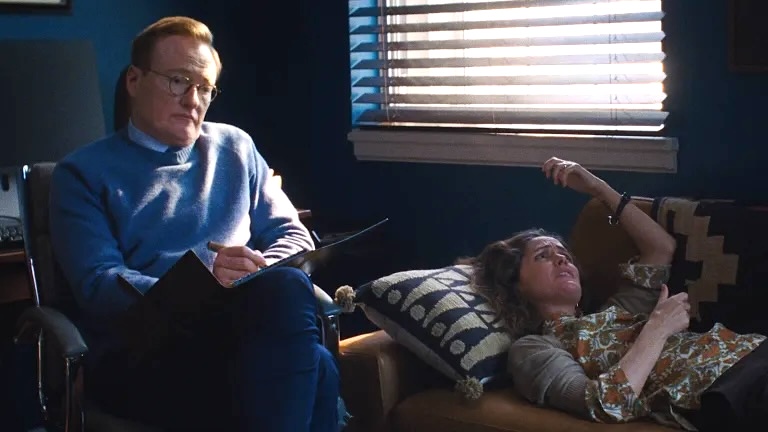
Forty? Can it really be forty years since I went into a cinema to watch Jim Henson’s Labyrinth for the first time? Well, this being the 40th Anniversary re-release in a brand new 4K restoration, I guess it must be so. Back in 1986, I was certainly a David Bowie fan and The Muppet Show was a regular treat every Sunday, so naturally I was first in the queue to see it, though the mists of time have managed to erase which particular cinema the event took place in.

I can only recall that I enjoyed the experience, even if the particulars of the film itself remain hazy. So here’s my chance to clarify matters. Glancing around the busy auditorium, it’s clear I’m not the only one revisiting the past.

Sixteen-year-old Sarah Williams (Jennifer Connelly) is running late for the task of babysitting her infant half-brother, Toby. When she arrives, rushed and apologetic, her step-mother, Irene (Shelley Thompson), is angry and unforgiving. When Sarah discovers that Irene has given Sarah’s beloved teddy bear, Lancelot, to her brother, it’s the last straw. She impulsively wishes aloud that Toby could be abducted – by goblins from the titular book she’s just been reading.

Whereupon the Goblin King, Jareth (David Bowie), grants Sarah’s wish and tells her that, in exchange for Toby, he will give her her deepest desires. When she decides she’s acted too rashly, Jareth sets her a challenge: she has just thirteen hours in which to rescue the child. If she fails Toby will belong to Jareth forever. So Sarah has little option but to set off into the labyrinth which lies between her and Jareth’s castle. On the way, she enlists help from some of the strange creatures she encounters.

Henson’s film divided the critics on its release. It had poor box office in America but was a palpable hit in the UK, where audiences had more of a taste for the weird. And make no mistake, Labyrinth is weird in the truest sense of the word. Scripted by Monty Python-stalwart Terry Jones, it’s heavily influenced by Maurice Sendak’s Outside Over There (which also features a child kidnapped by goblins). And isn’t there a bit of The Wizard of Oz about it? A teenage girl accompanied by three fantastical companions, each of whom will learn something on the journey? Hmm.

The film’s look is largely due to the influence of illustrator Brian Froud – every frame look like one of his gorgeous picture books. Lest we forget, there was no CGI in those pre-Jurassic Park days, so Henson is called upon to push the practical puppetry to its very limits, his team dreaming up incredible creations and building them from whatever they could lay their hands on.

Bowie fits effortlessly into this world, sporting an outlandish fright-wig, some very tight trousers and a bizarre accent, which sounds like somebody mangling RP to within an inch of its life. Whatever it is, it works. He also sings a few self-composed songs along the way, none of which is particularly memorable, but are perfectly suitable for the capering, twitching creatures that back him up.

A sequence towards the end of the film in which Sarah pursues Toby up, down and under a series of MC Escher-style staircases provides a suitably mind-blowing finale. Forty years may have passed since its creation, but Labyrinth has aged well and it serves to provide a fitting tribute to the late Jim Henson, a man who devoted his life to creating magic.

4.2 stars

Philip Caveney
Left-Handed Girl

11/01/26

Netflix

I’m feeling a bit sorry for myself this Sunday afternoon: I didn’t sleep well last night, I’ve got a cold and the temperature outside is bloody freezing. We’d planned a long walk but I’m not up for it. Is there anything good on Netflix that we haven’t seen?

Philip’s right on it: yes, there is. He’s just been reading about Left-Handed Girl, written by Shih-Ching Tsou and Sean Baker (the latter a firm favourite of ours), which has not only created a buzz at Cannes, but has also been chosen as Taiwan’s Oscar entry. Apparently, the long-time collaborators penned the script way back in 2010 but it’s taken until now for director Tsou to secure the financing for her debut feature. However frustrating that must have been for her, it’s certainly worth the wait. Because Left-Handed Girl is a triumph.

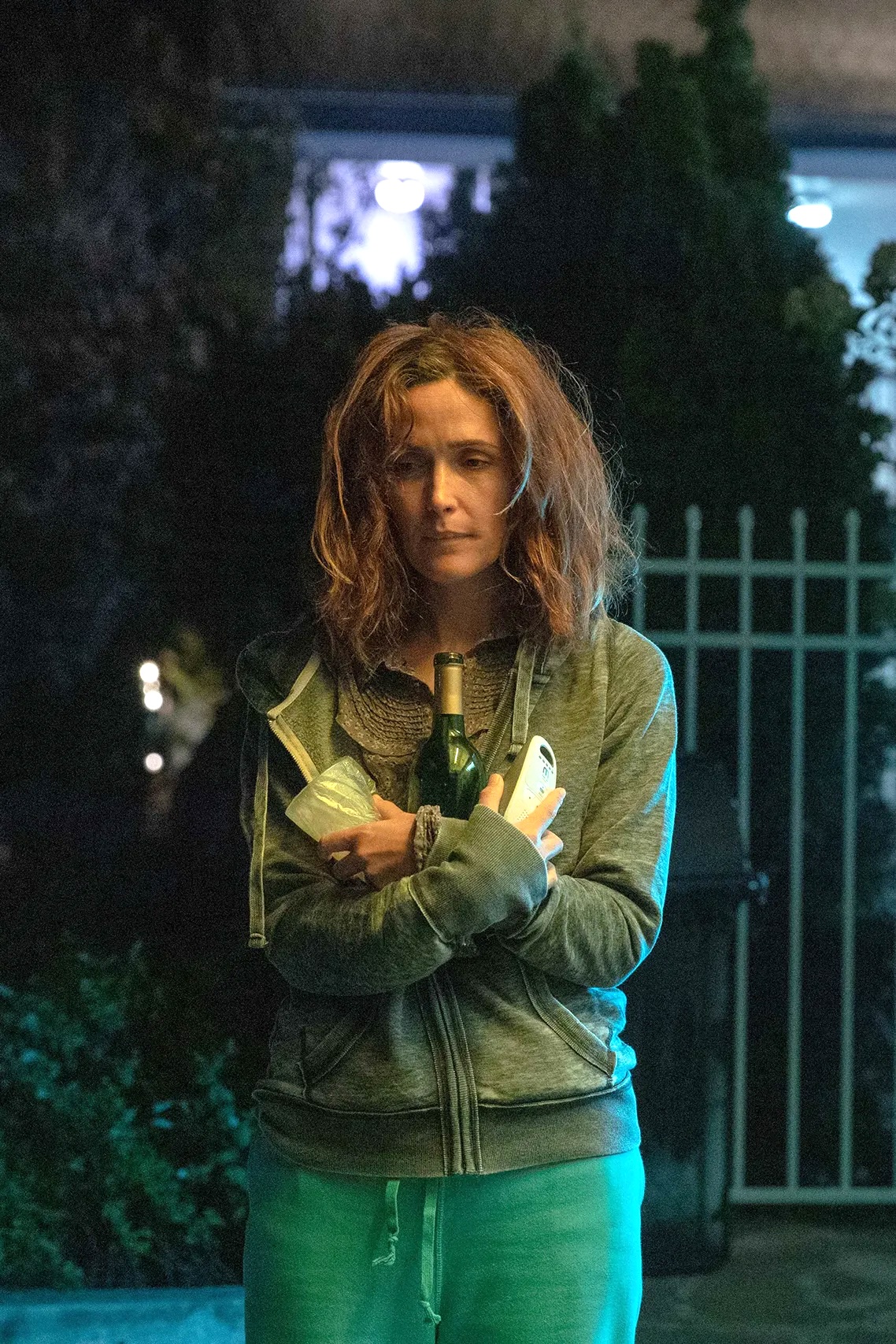
The film follows the travails of the Cheng family as they return to the bustling capital of Taipei after several years living in the Taiwanese countryside. Single mum Shu-Fen (Janel Tsai) is struggling financially, and she’s hoping to get back on track by opening a noodle stall in the city’s famous night market.

Her teenage daughter, I-Ann (Shih-Yuan Ma) is moody and miserable. She’s left school to work at a betel nut stall, where she’s shagging the boss with the same lack of enthusiasm she brings to her job. Something’s troubling her, and the mystery only deepens when she bumps into an old classmate, who expresses surprise that the former straight-A student is not at university…

Meanwhile, Shu-Fen’s youngest daughter, the titular five-year-old southpaw, I-Jing (Nina Ye), is settling happily into her new life, charming the market traders as she smiles and dances through the stalls. She hasn’t a care in the world – until her granddad (Akio Chen) admonishes her for using her left hand to draw. “It’s the devil’s hand,” he tells her, as she stares in awe at the offending appendage. Although the superstitious old man’s intention is to get I-Jing to start using her right hand, his plan has unforetold consequences as, unwittingly, he has given her a pass to be naughty. “It’s not me,” she tells herself as she steals a trinket from a shop, “I can’t help it; it’s my devil hand.”

Cinematographers Ko-Chin Chen and Tzu-Hao Kao shot the entire movie on iPhones, which lends the piece a convincing veritas, thanks to the agility and immediacy of the footage. We see the market from I-Jing’s point of view, eye-level with the traders’ tables as we run with her between the stalls, ducking through the crowds. We ride with I-Ann on her scooter, hair streaming in the night air, precious minutes of freedom between her household duties and her boss’s demands. Taipei comes to life on screen, a kaleidoscopic riot of colour and sound.

Under Tsou’s direction, this collection of moments slowly takes shape. We learn to care for not only the three main characters, but also those on the periphery, such as Johnny (Brando Huang), the kindly trader with the stall next-door to Shu-Fen’s. These are people on the edges of society, only barely getting by, but they are all afforded their dignity. And, as the various vignettes coalesce, a story emerges – with a pretty explosive denouement.

Film-wise, 2026 has started off in great style, with Left-Handed Girl our third five-star cinematic experience in just eleven days. Long may it continue!

5 stars

Susan Singfield

Goodbye June

08/01/26

Netflix

Amidst the roster of Christmas-themed films that we failed to see over the festive season, Goodbye June shines – at least in its earlier stages – with an unflinching sense of realism. It’s centred around a tragedy, the kind of experience that so many viewers will be familiar with, and – as the name suggests – depicts the actions of a family bidding farewell to their resident matriarch.

It’s just a couple of weeks before 25th December when June (Helen Mirren) collapses whilst making the morning cuppa. She’s rushed to hospital where it’s quickly established that the cancer she’s been suffering from for quite some time has progressed to the stage where further treatment would be pointless. All the hospital staff can do is make her comfortable until the end arrives. This news comes as no great surprise to her husband, Bernie (Timothy Spall), her three daughters, Julia (Kate Winslet), Molly (Andrea Riseborough) and Helen (Toni Collette), and her son, Connor (Johnny Flynn).

They have no option but to hunker down and show what support they can until the dreaded day finally dawns. But can June make it to Christmas?

It doesn’t help matters that Bernie seems barely able to register any kind of reaction to what’s happening to his wife; that Julia and Molly are incapable of burying a long-brandished hatchet; that Helen is lost in some kind of hippy-dippy alternative reality; and that the vulnerable Connor simply cannot envisage a life without his adored mum to hold his hand. Throw into the equation a bunch of bewildered spouses and offspring of various ages and it soon becomes clear this isn’t going to be a tranquil farewell.

For her directorial debut, Winslet has managed to enlist an incredibly starry cast, while her son, Joe Anders, provides the screenplay. For the most part, the story brims with absolute authenticity – though Molly’s rudeness to every member of staff unlucky enough to cross her path occasionally feels a little too on the nose. Would anyone in this situation actually react with such unbridled vitriol?

And a late-stage development where the entire family works together to put on an impromptu Nativity play for June’s benefit also ignites my incredulity, with Bernie’s sudden transformation into the life and soul of the party particularly implausible. This kind of sudden about-turn weakens that sense of veracity.

But perhaps I’m being a bit of a Scrooge about this. Goodbye June is a sizeable step-up from much of the twinkly, feel-good fodder we’ve come to expect at this time of year – and the addition of a short coda set the following year at least offers us a chance to dry our tears before the end credits.

3.8 stars

Philip Caveney
Train Dreams

03/01/26

Netflix

Adapted from Denis Johnson’s 2011 novella of the same name, Clint Bentley’s Train Dreams is set in the Pacific Northwest during the first half of the last century. More character study than story, this beautifully-contrived film proves a difficult watch.

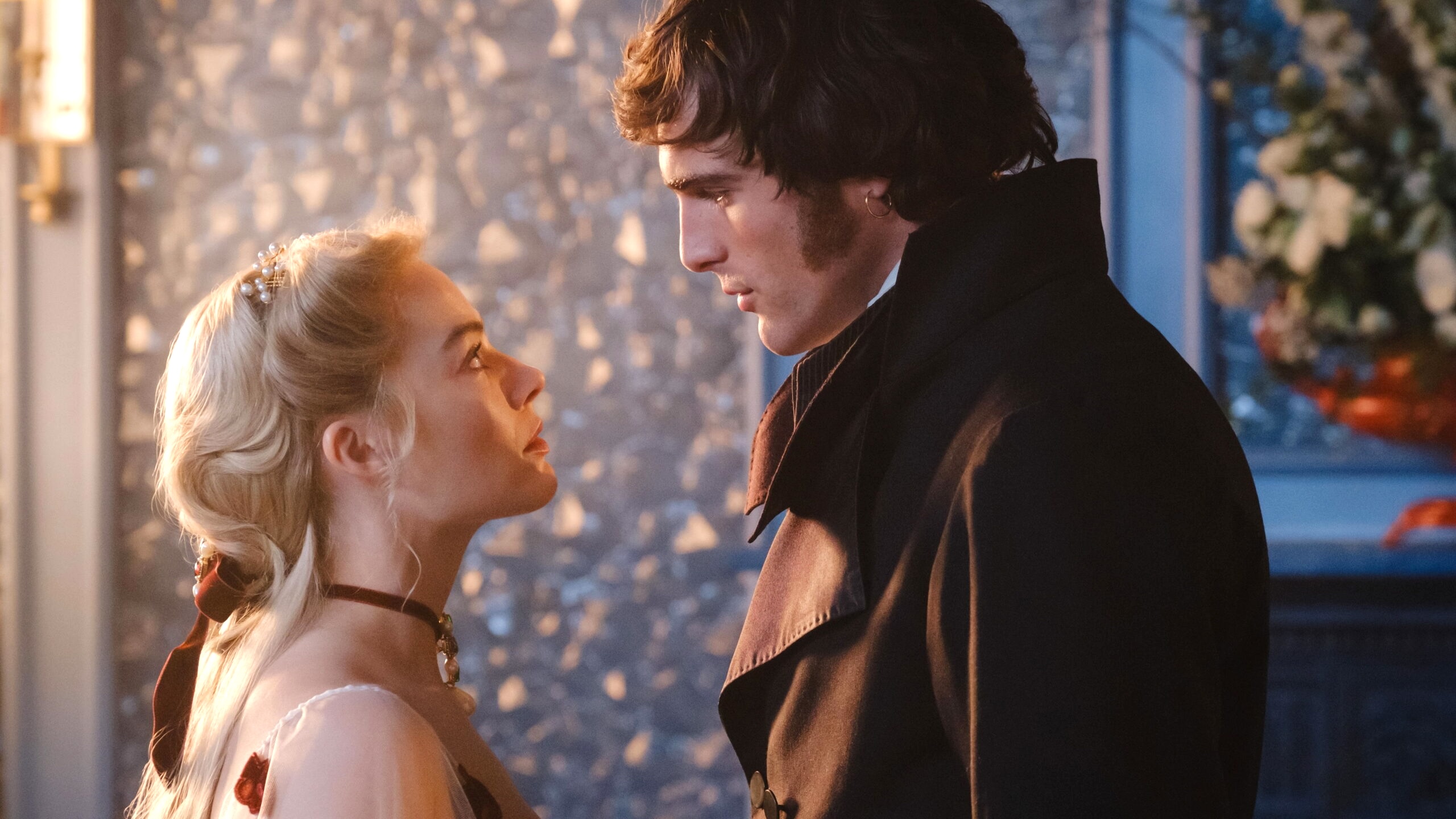
Idaho orphan Robert Grainier (Joel Edgerton) is born in poverty, destined to a hard-scrabble life. An itinerant worker, he toils uncomplainingly, felling trees to make way for the expansion of the American railroads. He is watchful and taciturn, but nonetheless forms strong bonds with his fellow loggers. These include Arn Peeples (William H Macy), a sagacious old man concerned about deforestation, and Fu Sheng (Alfred Hsing), shockingly murdered in a racist attack by his colleagues – while Robert silently looks on.

The only glimmer of cheer in Robert’s life is Gladys (Felicity Jones). For a brief period, they enjoy a happy marriage, buying an acre of land, building a cabin, having a baby. But they’re poor, and Robert’s work takes him away from home, so he’s not with Gladys when a forest fire sweeps the region, taking everything – and everyone – he cares about.

From hereon in, Robert becomes even more introverted. It’s as if he’s frozen in time, living hermit-like in his rebuilt cabin, haunted by dreams, flashbacks and premonitions. His occasional brushes with the outside world are jarring: the twentieth century’s brash progression at odds with his pioneer lifestyle. While he’s stuck in the past, stubbornly homesteading, other people are buying motor cars, going to the cinema, landing on the moon.

Edgerton’s performance is undeniably impressive, albeit in an understated, muted way. Here is a man who expects hardship and bears his pain in silence – all of which Edgerton communicates effectively through very little dialogue. Adolpho Veloso’s cinematography is admirable too: the Washington vistas are both beautiful and bleak, the perfect backdrop to Grainier’s grief.

But this is a depressing piece of cinema, with barely any lighter moments to alleviate the misery: no redemption; no hope. It’s clever and moving and has excited much interest from the Awards Academy – but it’s not an enjoyable ride.

3.6 stars

Susan Singfield

Song Sung Blue

02/01/26

Cineworld, Edinburgh

It’s a fact universally acknowledged that the most unlikely film plots are those based on true stories. Take the tale of Mike and Claire Sardina for example, whose adventures have already made it to the screen in Greg Kohs’ 2008 documentary (also called Song Sung Blue). Writer/director Craig Brewer spotted its potential as a feature film and has adapted it into a heartwarming – and occasionally heartbreaking – feature. And should some of the events portrayed here raise your eyebrows, well, it only takes a quick Google search to establish that all this really did happen.

We first meet Mike Sardina (Hugh Jackman) in the early noughties as he performs an appealing song and chat routine… at his local AA meeting. He’s not had a drink for twenty years, but still considers himself an alcoholic. Divorced from his wife, he plies a precarious trade as a mechanic and makes a few dollars on the side performing songs in tribute acts to various rock stars – though he resists a powerful impulse to impersonate his idol, Neil Diamond, whom he feels he could never do justice to.

At a tribute night organised by his Buddy Holly-worshipping pal, Mark (Michael Imperioli), Mike sets eyes upon Claire (Kate Hudson), who is performing as Patsy Kline and there’s an immediate attraction between them. It isn’t long before they are dating and Claire soon persuades Mike to pursue those Neil Diamond ambitions, offering backing vocals and keyboards in support. Very soon after that, the two of them are married and their act, Lightning and Thunder, is having a lot of success in their native Milwaukee. But as their musical career soars like a meteor, something darker is waiting in the wings…

Song Sung Blue is an appealing story that easily sweeps me up and keeps me hooked throughout. It could so easily be unbearably mawkish but Brewer handles the material with great skill, so that what comes through is a genuine warmth and a sense of community, particularly from the various other tribute acts, who work alongside the central duo to ensure their success. Of course, it’s no surprise that Jackman can sing up a storm but Hudson is something of a revelation in this department, her distinctive, slightly husky vocals nailing every song with aplomb.

It’s lovely to watch the couple’s relationship enduring through the slings and arrows of outrageous fortune and there’s also a winning sub plot in which Claire’s daughter, Rachel (Ella Anderson) and Mike’s daughter, Angelina (King Princess), develop a supportive friendship. Claire’s young son, Dana (Hudson Hensley), also makes a big impression simply by expressing open enthusiasm for everything his parents do and documenting much of what happens on his video camera.

If the first half is mostly joyful stuff, the second moves ever deeper into tragedy and I spend the latter stages of Song Sung Blue dreading what fresh disaster is going to assail the Sardinas next. I’m not ashamed to say that I watch some of the film’s scenes through a fog of tears.

And for those of you wondering, ‘Do I have to be a Neil Diamond fan to appreciate this?’ I can only point out that I would never class myself as a devotee, but I still have a lovely time with the film. And I come out singing Sweet Caroline.

4.2 stars

Philip Caveney