Author: Bouquets & Brickbats

Memories of Murder

11/02/21

Apple TV

2020 will be remembered for many things and, alas, very few of them good ones – but it was the year that Bong Joon-Ho’s extraordinary film Parasite conquered the Oscars, carving its way through the opposition with apparent ease. For the director, it was the culmination of a varied career in cinema. Of course, he had already acquired many fans along the way, myself included. His 2016 monster movie, The Host is one of the best examples of an often underwhelming genre, while his 2013 film, Snowpiercer, though virtually annihilated by studio intervention, and never given a theatrical release, was subsequently adapted into a very successful Netflix series.

So the chance to revisit the director’s second feature, 2003’s Memories of Murder, is an opportunity not to be missed, especially when it comes with a dazzling 4K restoration.

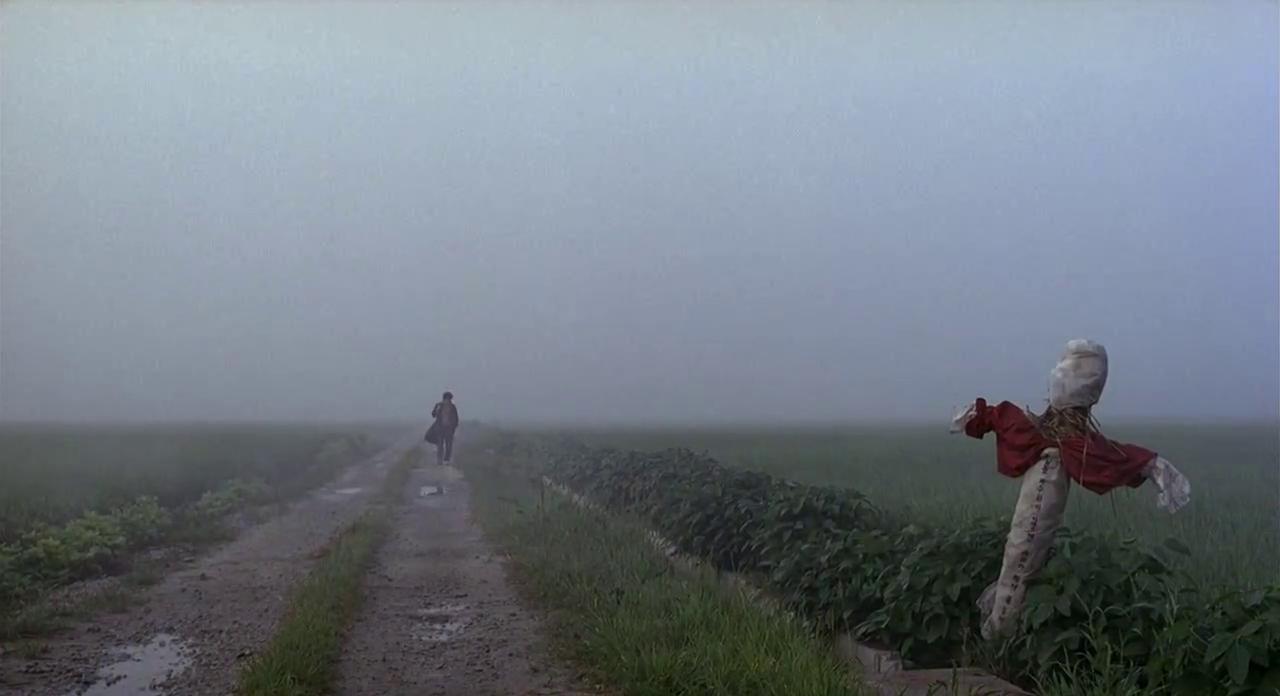
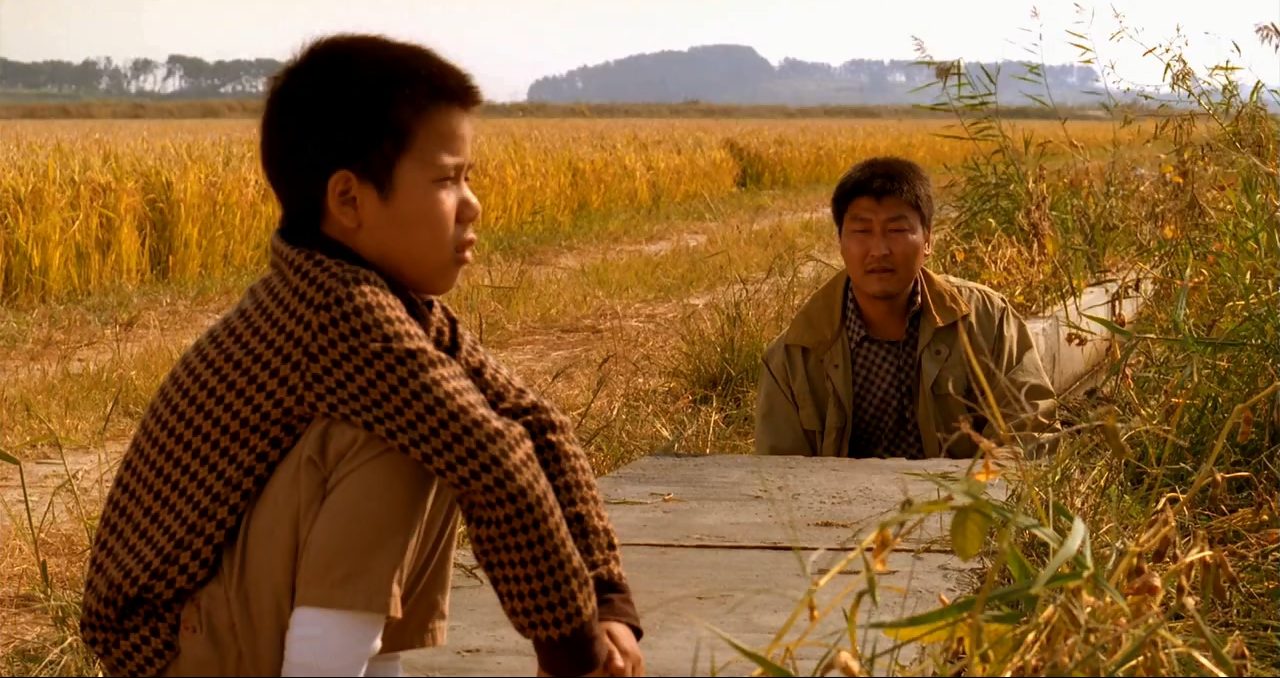
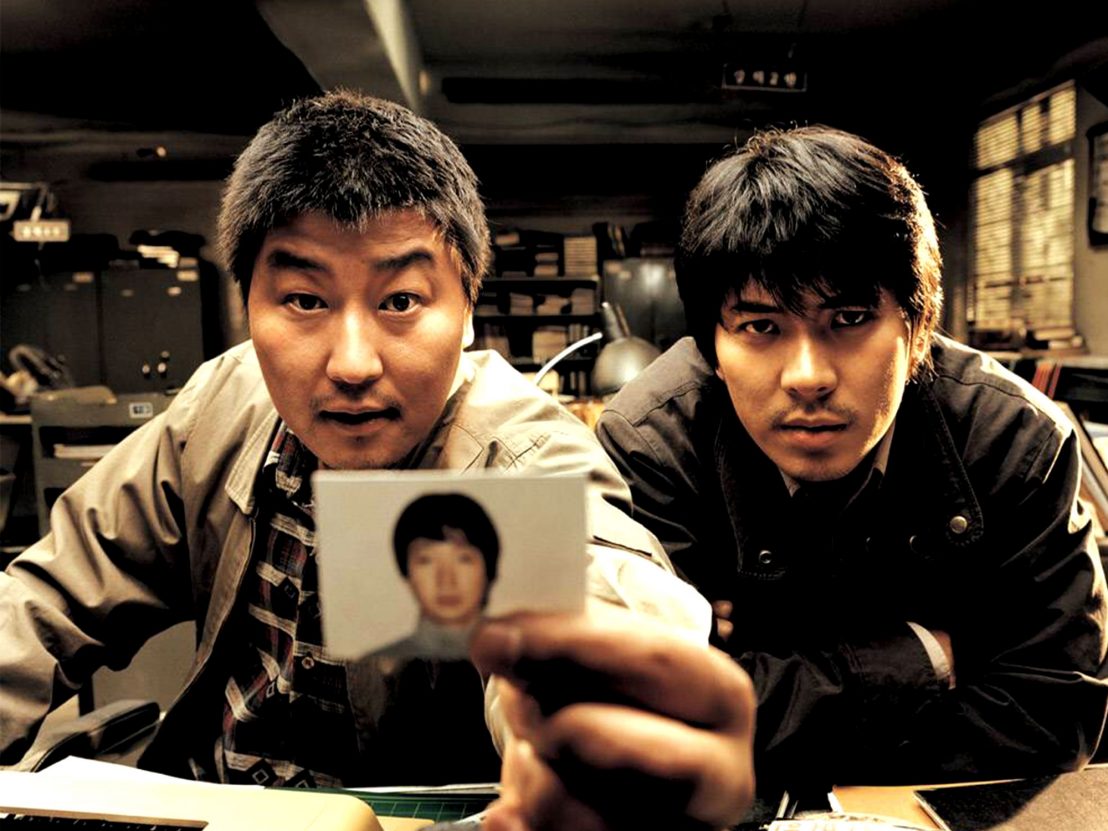
Inspired by South Korea’s first recorded serial killer case and set in the 1980s, the film depicts how a police force in a remote province struggles to come to terms with a series of baffling murders. Detective Park Doo-man (Kang-ho Song) is a rough-and-ready cop, convinced that he can identify a guilty suspect simply by looking at them, and ever ready to beat out a confession, aided by his even more quick-fisted assistant, Cho Yong-koo (Roe-ha Kim). But when Detective Seo Tae-yoon (Kim Sang-kyung) arrives from Seoul, he applies a more sophisticated approach to the investigation, quickly establishing that the department’s current chief suspect could never have committed the crime.

The two detectives find themselves at loggerheads and, as each new lead takes them down a series of bewildering rabbit holes, it’s anybody’s guess which of their approaches will prove most successful…

Memories of Murder manages to take a well-worn cinematic path and reinvent it as it goes. It’s hard to think of a Western serial killer film that so audaciously interweaves slapstick comedy throughout a very serious storyline, but it’s pulled off here with apparent ease. An early sequence, where the poorly-equipped cops flail oafishly around a crime scene, is perfectly judged – and it’s just the start, as Park Doo-man blunders headlong through a series of disasters, always managing to jump to the wrong conclusion, always missing the evidence that dangles right in front of his – supposedly magical – gaze. We really ought to hate him, but Kang-ho Sang somehow makes him immensely likeable – the same trick he managed so effectively in Parasite.

Meanwhile, his supposedly more sophisticated rival, Seo Tae-yoon, is driven by his own internal demons and, when he finally fixes on a possible suspect, finds himself in serious danger of resorting to the kind of approach he so despises. It’s at the film’s conclusion where the story really delivers its most powerful gut-punch, with a final shot that lingers in the memory.

This is far above the usual crime procedural. And, lest I give the impression that it’s a film that was unfairly ignored on first release, don’t be fooled. Memories of Murder won 31 awards at film festivals around Asia.

It’s simply that it took Oscar quite some time to catch on to a good thing.

4.4 stars

Philip Caveney
News of the World

11/02/21

Netflix

Director Paul Greengrass is generally considered an ‘action’ director.

With three Jason Bourne films to his credit, Captain Philips and the Anders Breivick movie, 22 July, he’s established a reputation for the use of hand-held cameras, rapid cutting and heart-stopping stunts, all designed to keep his public biting their collective fingernails. News of the World seems an unlikely vehicle for his talents. For one thing, it’s a western. For another, the story unfolds in a slow – one might even say ‘stately’ manner – and, while it’s strong on period detail, handsomely filmed and and nicely acted, there are no real surprises in this narrative.

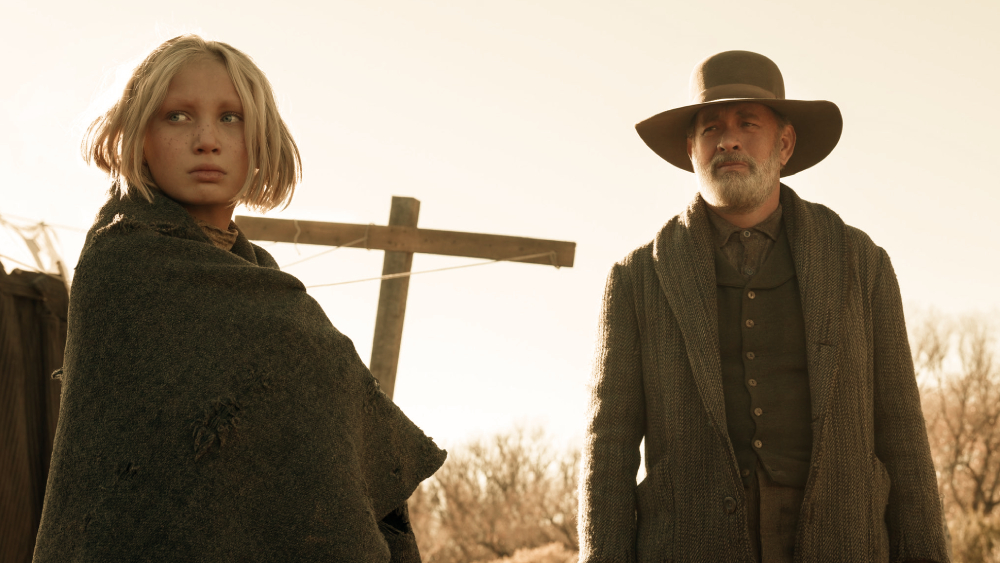
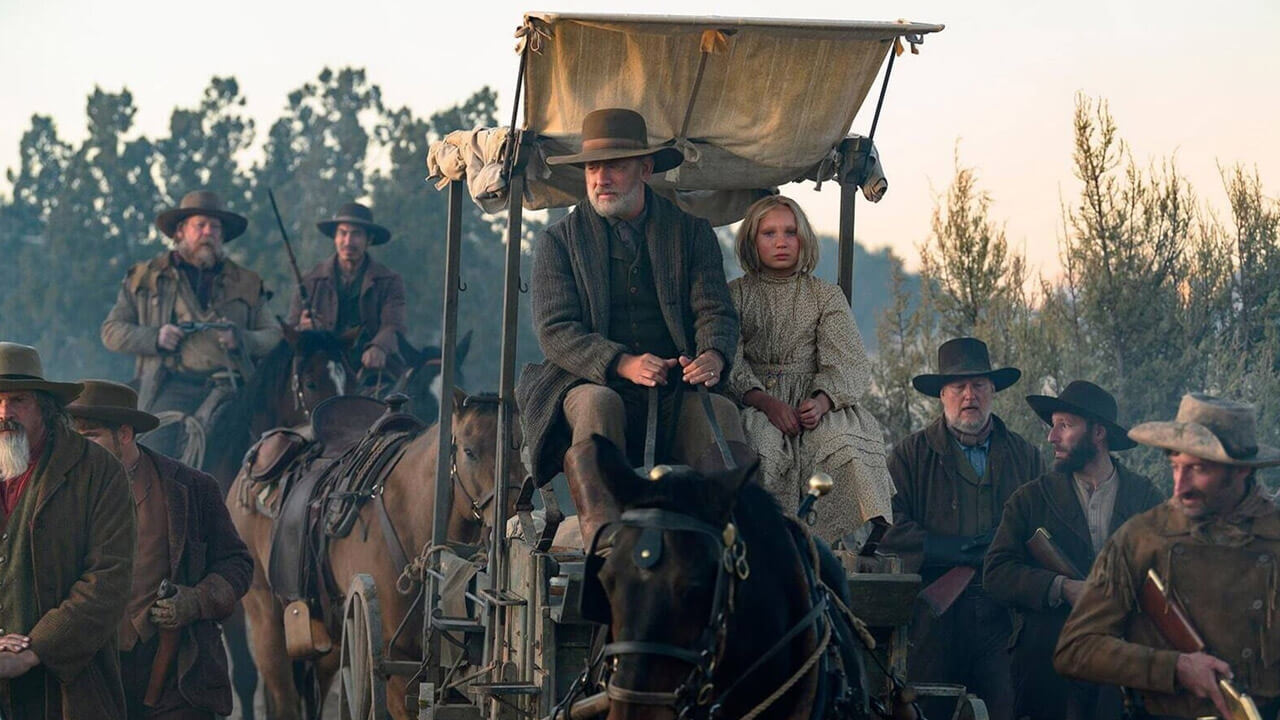
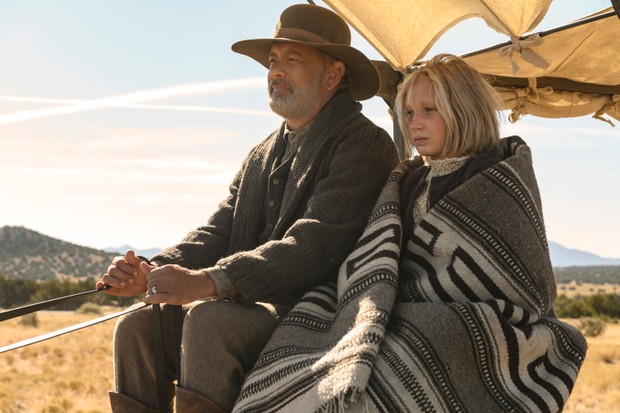
In the years following the civil war, former Confederate officer Captain Jefferson Kyle Kidd (Tom Hanks) plies a humble trade, riding from town-to-town with a selection of newspapers, from which he reads extracts to grateful audiences. His aim is to inform them about the massive changes taking place in this ‘Brave New West.’ As he travels across the land in his ramshackle wagon, we witness some of those changes – and few of them are for the better: buffalo are being slaughtered for profit, Native Americans are herded off the land they’ve owned for centuries, and there are some small town entrepreneurs determined to make Kidd tell the local news in ways that make them look like heroes, no matter how heinous their actions.

But Kidd is steadfast. Facts are facts and he has little tolerance for fantasy, even when sticking to the truth spells danger.

Matters take an unexpected turn, when Kidd chances on Johanna (Helena Zengal), a thirteen-year-old German girl who has been the captive of a tribe of Kiowa for many years – the same Kiowa who murdered her parents when she was little. She has recently been ‘liberated’ and was en route to her surviving relatives in Castroville, Texas, when persons unknown decided to lynch the black trooper who was escorting her. After fruitless attempts to get somebody else to take on the responsibility, Kidd realises his only option is to accompany her himself, a trip of some 400 miles. At first it’s an uneasy alliance – Johanna only speaks Kiowa, so she and Kidd have to rely on signs and gestures to communicate. But as they travel onwards, so the ice thaws, and their friendship begins to develop…

To give the film its due, there is some welcome action in the middle section, when Kidd and Johanna are pursued by three sleazy drifters, determined to ‘acquire’ the girl so they can put her to work as a prostitute. It’s only in the ensuing chase sequence that we see some flashes of Greengrass’s action credentials – but, all too soon, we’re back to that leisurely pace as the odd couple close in on their destination, the point where they must finally part company.

Don’t get me wrong, this is entertaining stuff and Greengrass manages to make the theme of the importance of an impartial press feel relevant to contemporary America. Hanks offers another of his seemingly endless collection of taciturn heroes, and Zengal, who made such an impression in System Crasher, gets the most out of a role where she barely has an opportunity to speak.

But I’d have been happier if some of the events depicted here didn’t have quite such predictable outcomes.

3.8 stars

Philip Caveney

Palmer

05/02/21

Apple TV

Justin Timberlake plays the eponymous Palmer in this gentle, life-affirming film. At its heart, Palmer is an odd-couple movie, charting the unlikely alliance between a fists-first felon and a princess-obsessed little boy.

Palmer has just been released from prison after serving a twelve-year sentence for attempted murder. He moves back in with his grandmother, Vivian (June Squibb), and reunites with his old schoolmates. He has a lot to deal with, of course: learning to accept the past, and trying to forge a future for himself.

But there’s trouble literally in his yard, where the drug-addicted Shelly (Juno Temple) rents a trailer from Vivian. Shelly is sweet but chaotic; her on-off boyfriend, Jerry (Dean Winters), is the shouty, violent sort. And, in the midst of all this turbulence is seven-year-old Sam (Ryder Allen), a boy with a penchant for fairy wings and high-heeled boots, who likes nothing more than styling Vivian’s hair and holding dolls’ tea-parties with his best friend, Emily (Molly Sue Harrison).

When Shelly takes off and (spoiler alert) Vivian dies, Palmer finds himself tasked with looking after Sam. Initially reluctant, he tries to refuse, but this is a small town, and his old pal Coles (Jesse Boyd) – now the local cop – tells him Shelly does this all the time and she’ll soon be back, and begs him not to abandon Sam to ‘the system.’ Of course, Palmer knows only too well what state institutions can do to the soul, so he shoulders the burden and takes the boy on.

They don’t have much in common, but they each have a lot to learn, and that’s the point. It’s to director Fisher Stevens’ credit that this never seems saccharine. And there’s some real nuance in the script too: yes, Sam is bullied at school for being ‘different,’ but writer Cheryl Guerriero makes him so much more than a victim. His sense of self never wavers in the face of his tormentors, and he has allies as well as enemies. Shelly might not be a contender for mother-of-the-year, but she has given her son the confidence to be proud of who he is.

Alisha Wainwright plays Maggie, Sam’s sympathetic teacher and Palmer’s new lover. They make a delightful trio, a model pseudo-family, all kindness and acceptance, and all three flourish in the others’ care. But their idyll is temporary, and Shelly is bound to return to claim her son…

Of course, none of this is groundbreaking: it’s a well-trodden tale of redemption, and not a particularly subtle one. But it’s all done with such generosity of spirit, and with such understated, believable performances, that it belies its own simplicity.

This really is a lovely film.

4.4 stars

Susan Singfield

St Maud

03/02/21

Amazon Prime Video

St Maud is another movie that got away. Released just before cinemas across the country closed their doors, we’ve been literally counting the days to its release on streaming networks. Finally, it’s available and though, inevitably, some of its visceral power must be diluted by viewing it on a smaller screen, it’s nonetheless an assured and confident debut from writer/director Rose Glass.

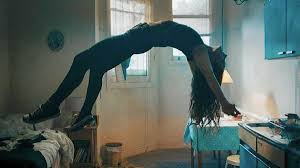
In a taut one hour, twenty-four minutes, the film manages to keep me guessing right up to the final shocking frame: is Maud simply deluded? Or is there something more to the series of religious ‘visions’ that afflict her on a day-to-day basis? The result, though unremittingly bleak, is undeniably compelling.

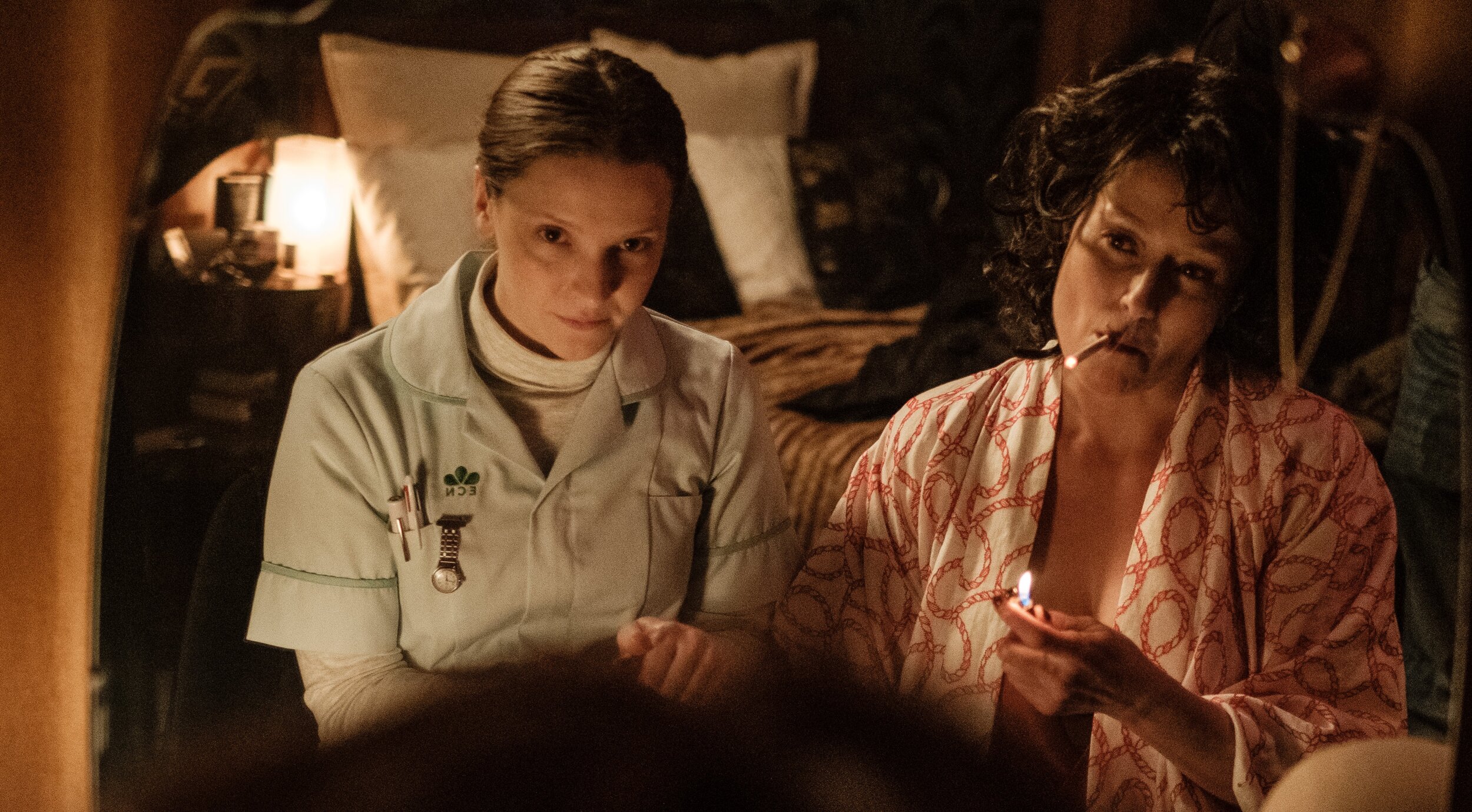
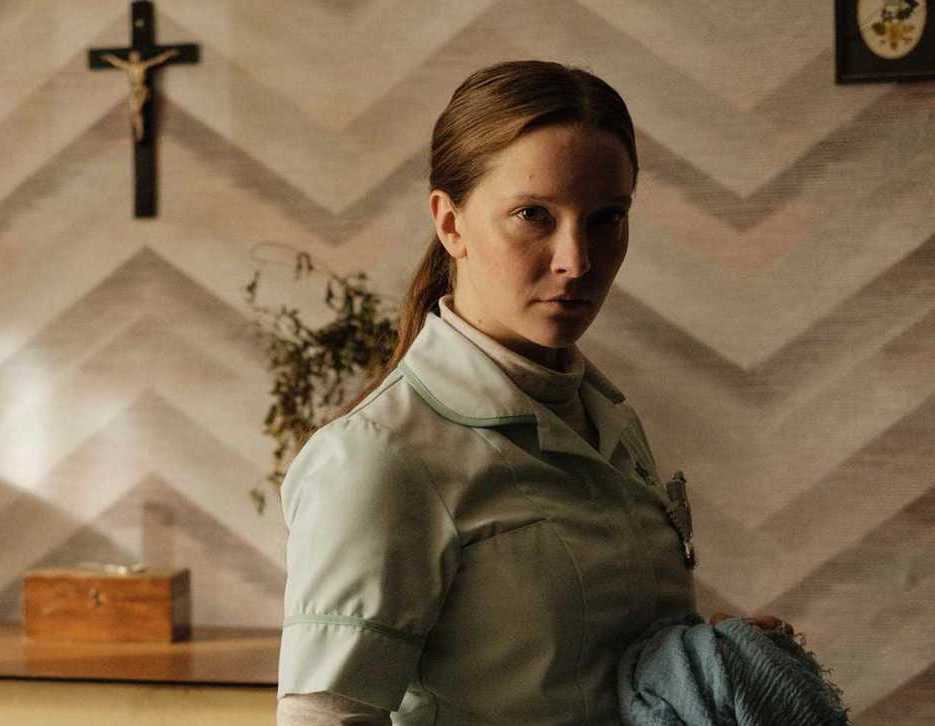
Maud (Morfydd Clark) is a former nurse, banished from the hospital where she formally worked for reasons that are only hinted at. We soon learn that ‘Maud’ isn’t even her real name, which explains how she comes to be working in the private sector, caring for the tragic Amanda (Jennifer Ehle) in her home. Amanda is a former dancer and choreographer, a leading light of the theatrical world, now gradually succumbing to the ravages of cancer of the spine, unable to stand, let alone perform a pirouette.

At first, Maud seems like the perfect carer – polite, attentive and gentle – but, as she and Amanda become closer, so Maud is increasingly convinced that Amanda is transgressing God’s laws. Initially, this merely encourages Maud to overstep the mark as a carer, meddling in Amanda’s personal life – but it’s only a matter of time before the mounting conflict results in tragedy.

Set in a sleazy, rain-splashed Scarborough, Glass takes every opportunity to depict the seaside resort as some kind of hell on earth, employing skewed perspectives, even turning the camera lens upside down at key moments in the narrative. The extended sequence where Maud attempts to go out for a ‘night on the town’ is unlikely to put the place on the tourist maps. Clark is phenomenal in the lead role, depicting Maud as an uneasy mixture of smiling geniality and twisted anxiety. I never know which aspect is going to emerge at any given moment, and it’s this uncertainty that keeps me on the edge of my seat throughout.

For Rose Glass, the timing has been disastrous, but it’s interesting to note that, despite everything, St Maud managed to find its way onto many critics’ top-ten films for 2020.’ I’m late to the game but have to agree: this is an astonishing first flight for a director. I look forward to seeing where she goes next.

4.4 stars

Philip Caveney
The Dig

30/01/21

Netflix

The Dig sounds fairly unpromising on paper. It’s based around the excavation of the Sutton Hoo horde – one of the most significant discoveries in British archeological history – and, since we know the eventual outcome of the tale before a single sod of earth has been lifted, it’s all too easy to surmise that this will be a story bereft of any suspense. However, as written by Moira Buffini (based on a novel by John Preston), and directed by Simon Stone, this is nonetheless a compelling story that never fails to hold the attention and, in one particular sequence, will have you holding your breath and crossing your fingers.

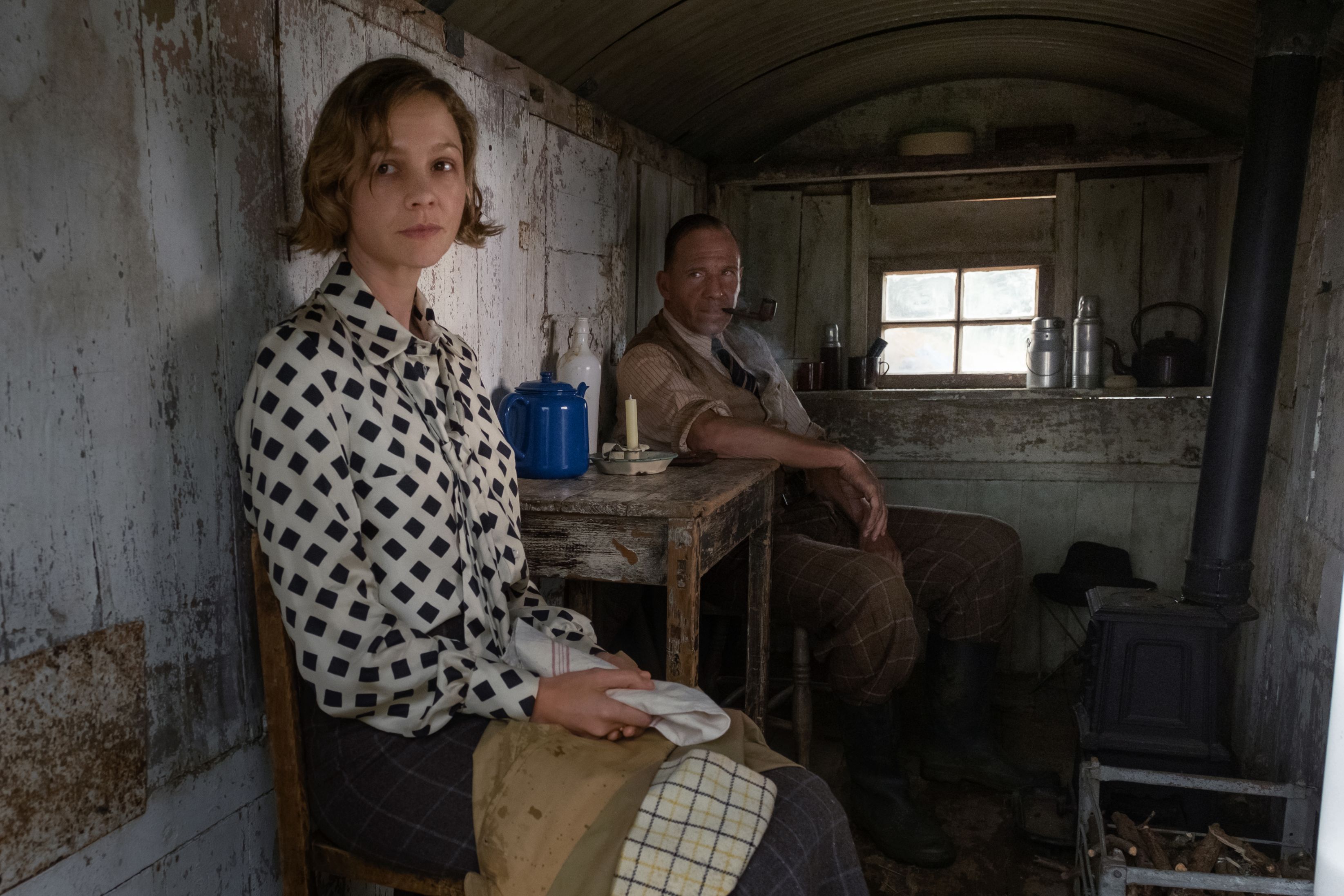
It’s 1939 and Great Britain is hurtling irrevocably towards World War 2. Suffolk landowner Edith Pretty (Carey Mulligan) has long wanted to explore three ancient burial mounds in one of her fields and, to this end, she decides to hire local man, Basil Brown (Ralph Fiennes). Brown has years of practical experience in excavation, but not much in the way of qualifications. However, once the little matter of payment has been finalised, he sets to with gusto.

When the excavation begins to yield some promising results, the glowering, overbearing Charles Phillips (Ken Stott) is dispatched by the British Museum to stake their claim on the gradually emerging treasures. Soon, more hands are called to help out with the donkey work. These include Peggy Piggot (Lily James), recently betrothed to Stuart (Ben Chaplin), who, it turns out, isn’t ideal husband material – and Edith’s cousin, Rory Lomax (Johnny Flynn), fills in some time while waiting to take up his commission with the RAF. The various characters make up a volatile mixture, and there is an added shot of tragedy when Edith discovers that time is running out in more ways than one…

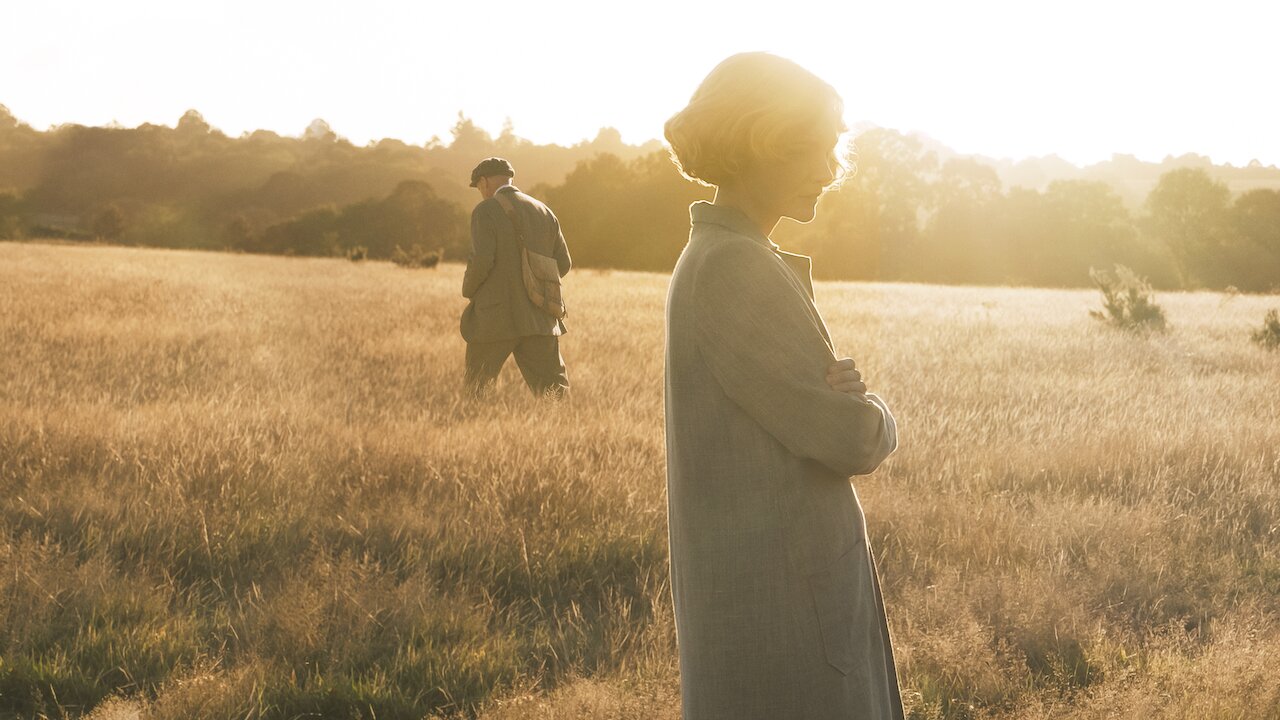
This is a handsomely-mounted production – the English countryside, thanks to cinematographer Mike Eley, has rarely looked more sumptuous – and Mulligan and Fiennes make a memorable on-screen partnership, she playing her vulnerability for all its worth, and he portraying the kind of stoic, no-nonsense personality that seems to go hand-in-hand with the era. There’s no actual romance between them – Brown is married to the equally steadfast May (Monica Dolan) – yet Pretty and Brown eventually establish a relationship based on mutual respect. Brown does forge a friendship with Edith’s young son, Robert (Archie Baines), built around a mutual interest in star gazing, and the scenes where he counsels the troubled boy are beautifully handled.

Those looking for something to transcend the current glum realities of life, could do a lot worse than clicking the Netflix button, but be warned, there’s a poignant conclusion here that may have some of you reaching for the tissues.

4 stars

Philip Caveney
A Gambler’s Guide to Dying

26/01/21

Traverse Online

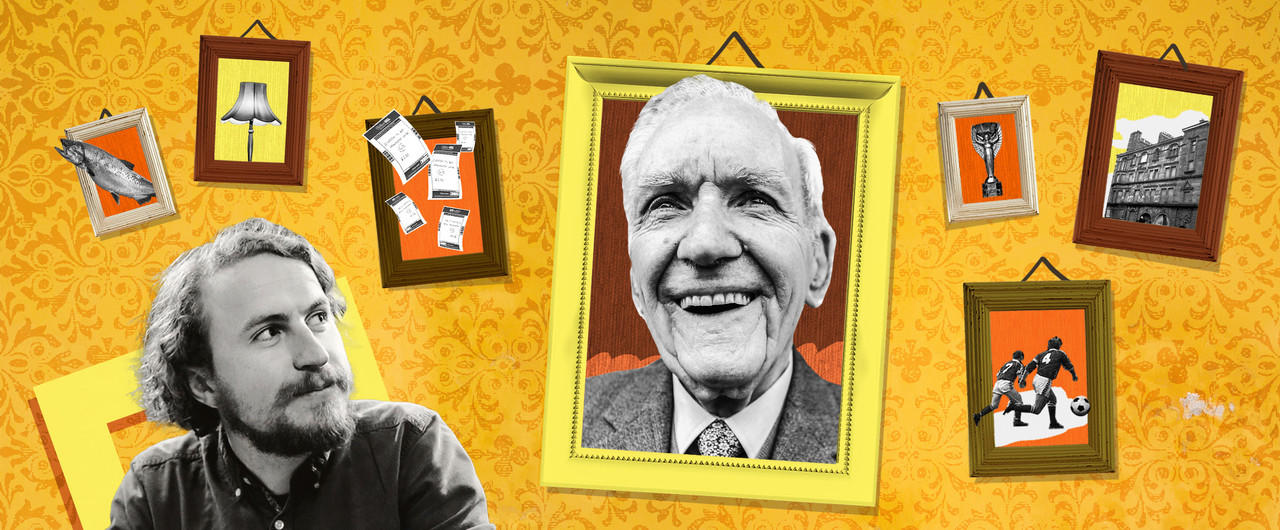
We’re a little late to this one, which is a shame because A Gambler’s Guide to Dying, written and performed by Gary McNair, is a charming and engaging monologue, a delightful way to fill a spare hour. It’s the story of the narrator’s grandfather, a hardbitten Glaswegian, who discovers a love for betting on a long shot, even when such an approach incurs the wrath of the drinkers in his local bar.

Undeterred, Granddad continues with his mission, placing an accumulator bet every day, never spending any of his winnings, and always keeping an eye on the potential millions he might one day be able to leave for his family. When he is diagnosed with a fatal illness, he even spots an opportunity to turn that into a lucrative betting proposition.

Can he somehow outlive the remaining time that his doctors have predicted for him?

This could so easily have been mawkish and overly sentimental, but McNair’s approach is too skilful to allow that to happen. The marvel here is that the narrator manages to take on several roles in this story, never relying on costume changes or make-up, but just adding subtle vocal inflexions to identify each character. Gareth Nicholls’ and Siri Rødnes’s simple but effective direction develops this, positioning the camera to establish who is who, so that I’m never in any doubt as to which of them is speaking at any given moment, even when it’s a quick-fire exchange of words between grandfather and grandson.

I also love that McNair steadfastly refuses to offer a straightforward happy ending to his tale, yet somehow manages to use the gut-punch of failure to give his story a realistic, yet satisfying conclusion. The tragedy here is that this little gem will only be available to stream for one more day.

Do try to catch it.

4.2 stars

Philip Caveney
Boy Erased

20/01/21

Netflix

An eighteen year old boy thinks he might be gay.

When his father, a baptist minister, learns of it, he has his son unceremoniously deposited in a ‘school’ for conversion therapy. Here, the boy is subjected to a daily diet of verbal abuse, bullying and indoctrination. This may sound like the plot of some sinister dystopian novel, but Boy Erased is based upon the real life experiences of Garrard Conley, who underwent just such an ordeal in the early 2000s. The film bears comparison with The Miseducation of Cameron Post, starring Chloe Grace Moretz, which related a similarly distressing tale.

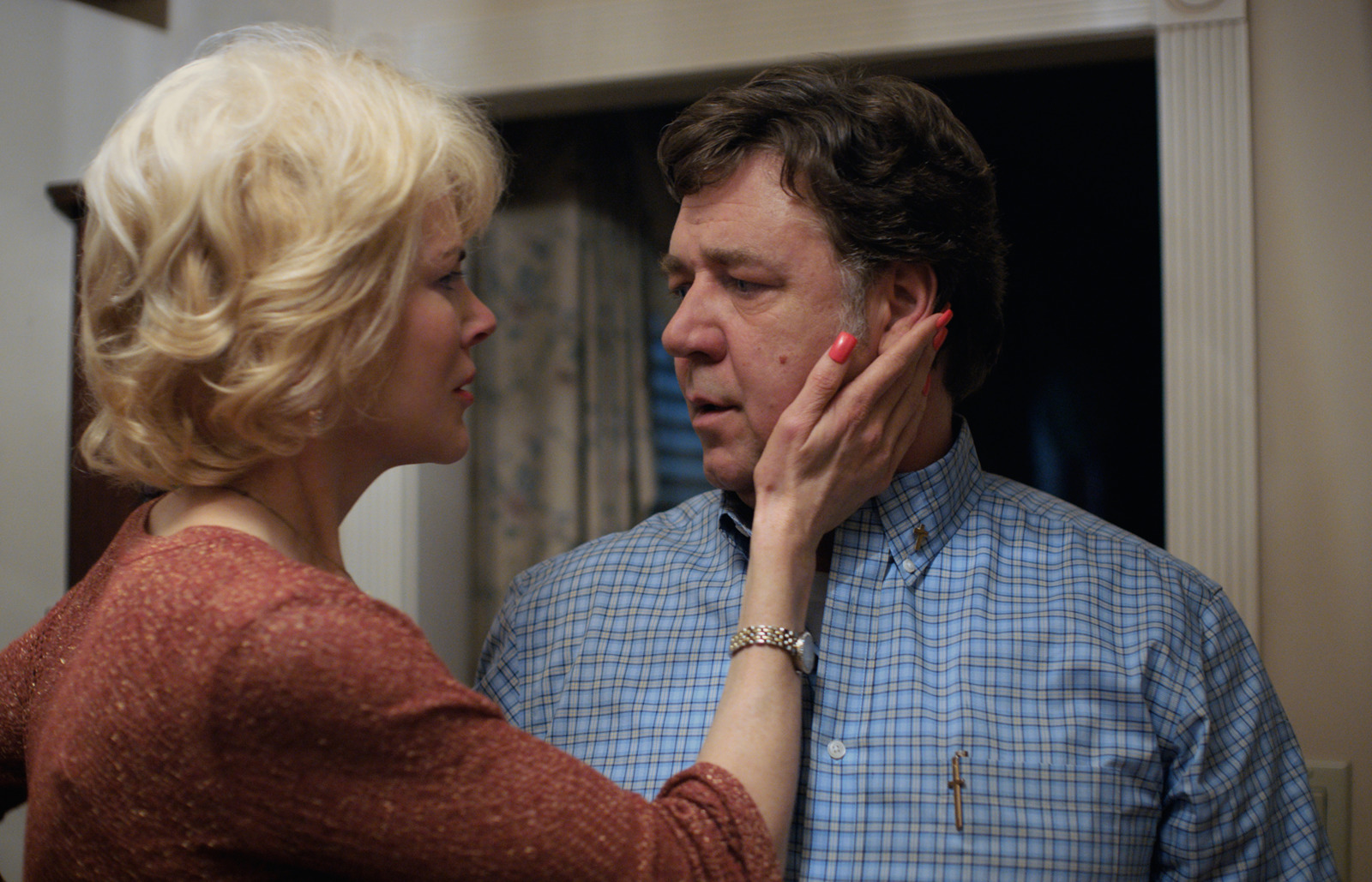
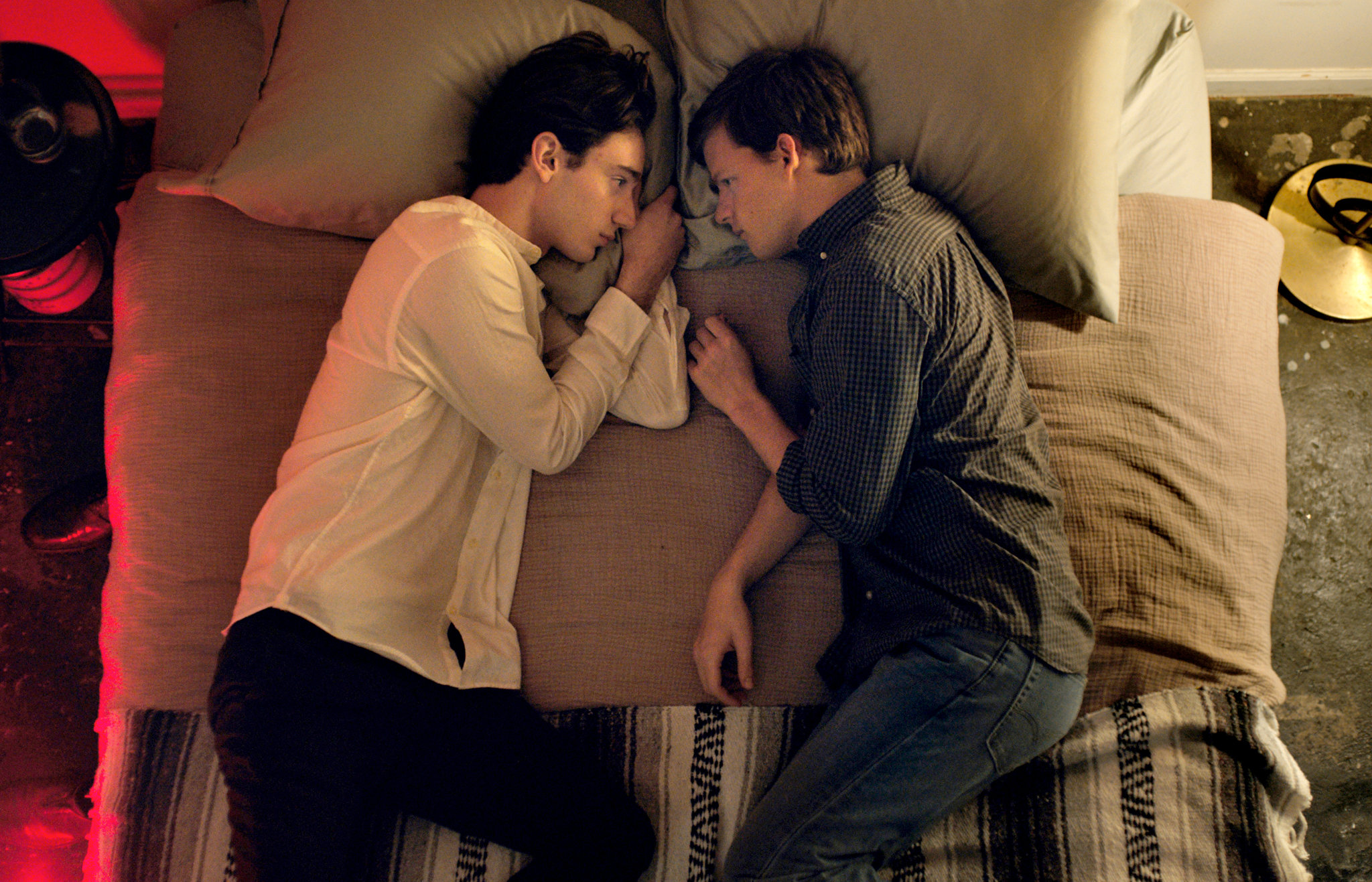
In this version of Conley’s story, Garrard is Jared Eamons (Lucas Hedges), hiding his sexuality from his domineering father, Marshall (Russell Crowe), and his protective mother, Nancy (Nicole Kidman). But Marshall begins to have suspicions about his son when the boy’s relationship with a local girl fizzles out and, when Jared returns unexpectedly from college after being raped by one of his classmates, the truth soon emerges.

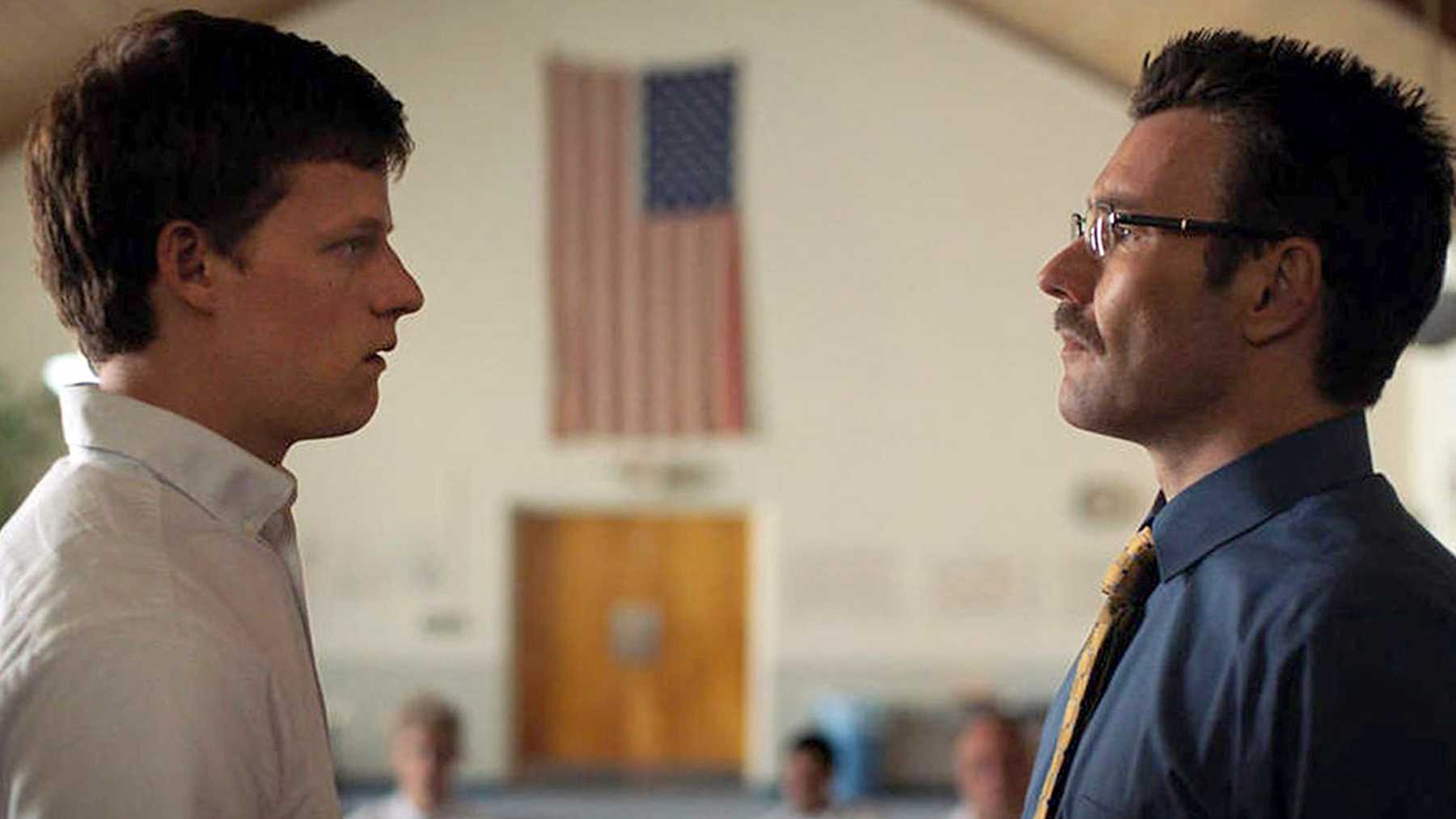
Jared finds his day-to-day life handed over to the harsh ministrations of Chief Therapist at ‘Love in Action,’ Victor Sykes (Joel Edgerton, who also directed the film, based on Conley’s memoir). Jared doesn’t protest his harsh treatment – on the contrary, he tries his best to fit in at the school, where he’s surrounded by a whole collection of other characters receiving ‘therapy’. Some of the inmates accept the religious hogwash they are being fed and do their best to change their ways – and then there are those, like Anders (Devin Michael), who have learned to play the system and convince their teachers that they are actually ‘making progress.’

To give the film its due, it’s nicely nuanced. Crowe’s character, for instance, isn’t the stereotyped tub-thumper he could so easily have been, but is shown to be a loving father, struggling with the tenets of a religion in which he truly believes, and one that he has devoted most of his life to teaching. And Kidman’s Nancy – another in a whole series of chameleonic screen characters – is perhaps the film’s strongest suit, the scenes between mother and son having particular resonance. When Nancy finally decides to stand up for Jared’s rights, it’s a moment to be celebrated.

While it may seem incredible that such institutions can be allowed to exist in the modern age, the truth is that they can and do – I have recently heard testimony to the existence of just such a place in the UK – and Boy Erased makes a compelling argument for their total eradication.

A harrowing tale, but one worth telling.

4 stars

Philip Caveney
Hamilton

15/01/21

Disney +

Yes, I know, I know. What took us so long?

Well, I’ll be absolutely honest. I had some trepidation about watching this and most of it can be attributed to one three letter word. Rap. I haven’t previously been known for my appreciation of that musical form. Furthermore, I’m also unashamed to say that I’d never heard of Alexander Hamilton until Lin Manuel Miranda’s celebrated musical took the world by storm. But, finally here it is on Disney +, just waiting for me to get up the courage to press the button. Eventually, I can put it off no longer…

And of course, there is a large helping of humble pie waiting to be consumed. And while some of this most assuredly is rap – even in my ignorance, I picked up on a brief homage to Grandmaster Flash and the Furious Five – for the most part it’s an assured musical packed with memorable songs and some swaggering performances.

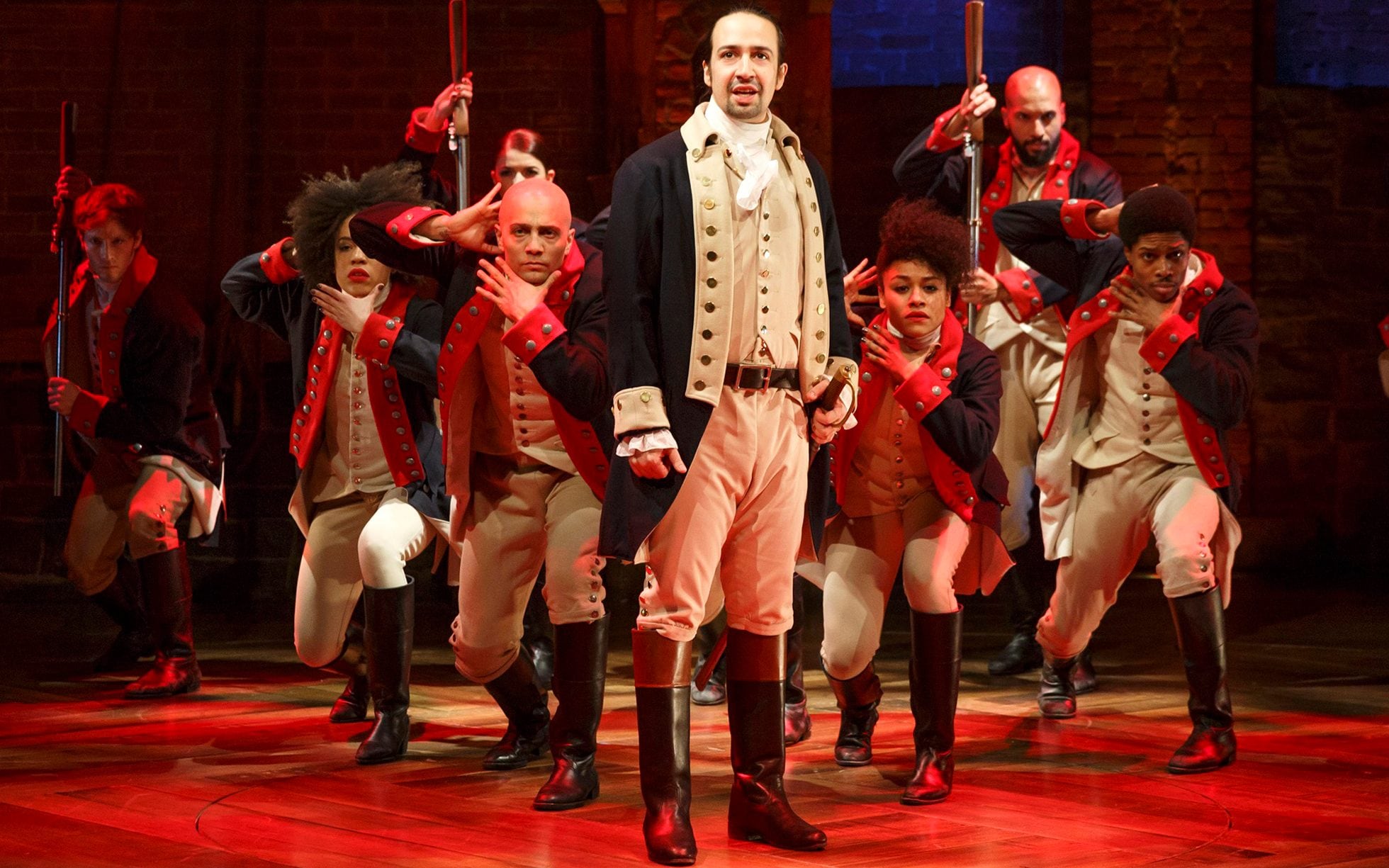
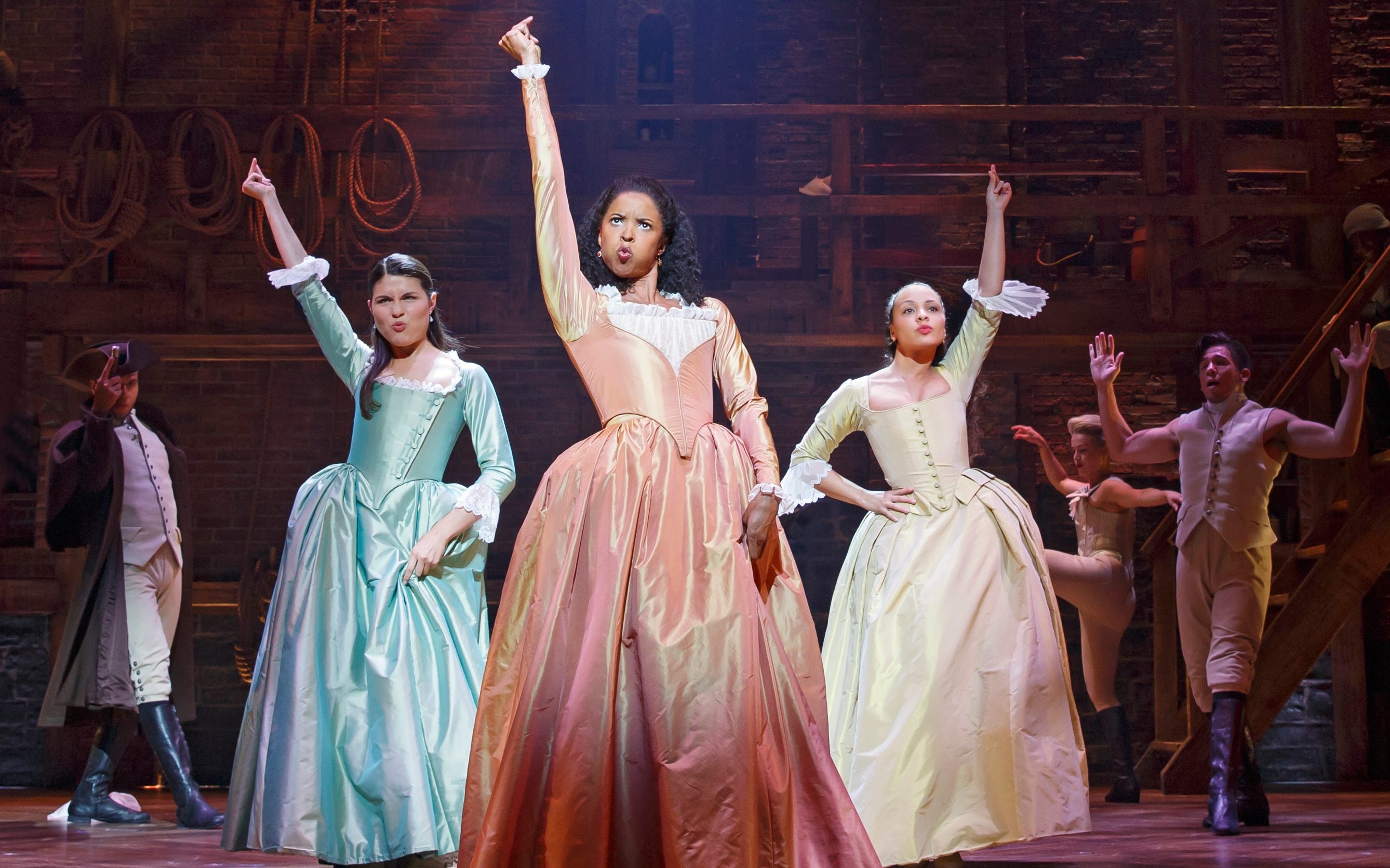
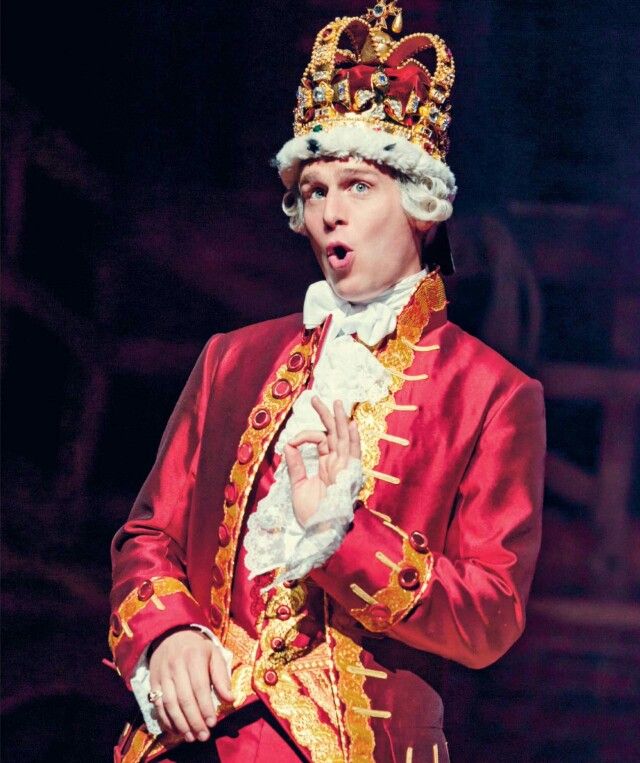
Alexander Hamilton (Lin Manuel Miranda) was an American statesman, politician , military commander, lawyer, banker and economist. (But what did he do in his spare time, you might ask?) The musical follows his progress from eager student to influential founding father; it marks his first encounters with Aaron Burr ((Leslie Odom Jnr), and his time as right-hand man to George Washington (Chris Jackson). There’s his romance and marriage to Eliza (Phillipa Soo), his platonic relationship with her sister, Angelica (Renée Elise Goldsberry), and his skirmishes with Thomas Jefferson (Daveed Diggs). Whenever things threaten to become a tad too serious, up pops Jonathan Groff as a simpering, preening King George, to lament about the loss of his colonies, accompanied by a jolly, bouncing melody.

After some initial reluctance, I find myself increasingly drawn into the story. It’s a complicated one that lends itself surprisingly well to the disciplines of the form. It’s interesting to note that when Shakespeare’s plays were first produced, they were performed in iambic pentameter, the voices strictly tied to the rhythm, which is, in a way, what Miranda is doing here, the different vocal exchanges perfectly judged and executed.

And, while it’s mostly about the songs and the incisive wordplay, there are also plenty of theatrical flourishes to catch the eye, excellent ensemble choreography, superb costumes and some astute stagecraft. Hamilton looks like a class act and that also contributes to its success.

So, yes, I’m glad I finally watched this and also I’m pleased that I learned something about an era of American history I previously knew little about. Strangely, with everything that’s happening in the USA right now, maybe I saw it at exactly the right time.

4.2 stars

Philip Caveney
The Vigil

14/01/21

Netflix

Writer/director Keith Thomas makes his directorial debut with this creepy, low-budget ghost story, a tale steeped in Jewish folklore and set in the Boro Park community of New York.

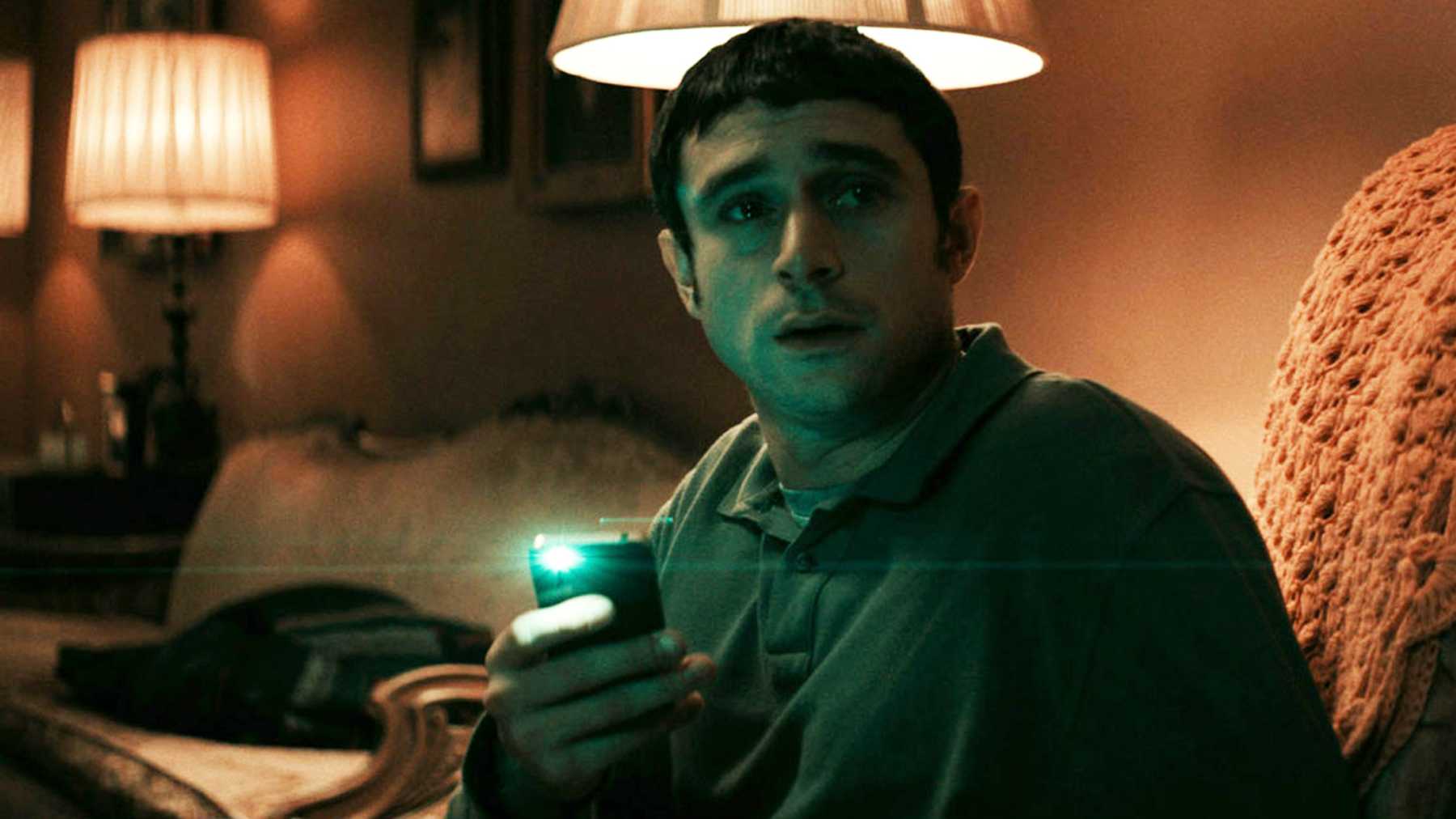
Yakov (Dave Davis) is a young man attempting to escape from the confines of his orthodox upbringing, whilst simultaneously struggling with the memories of a recent tragedy. He’s also fairly impoverished so, when he’s approached by his former rabbi, Reb Shulman (Menashe Lustig), with the offer of a night’s paid work, he cannot really afford to say no – even though the job requires him to fulfil the role of a shomer, keeping a solitary vigil over the recently deceased.

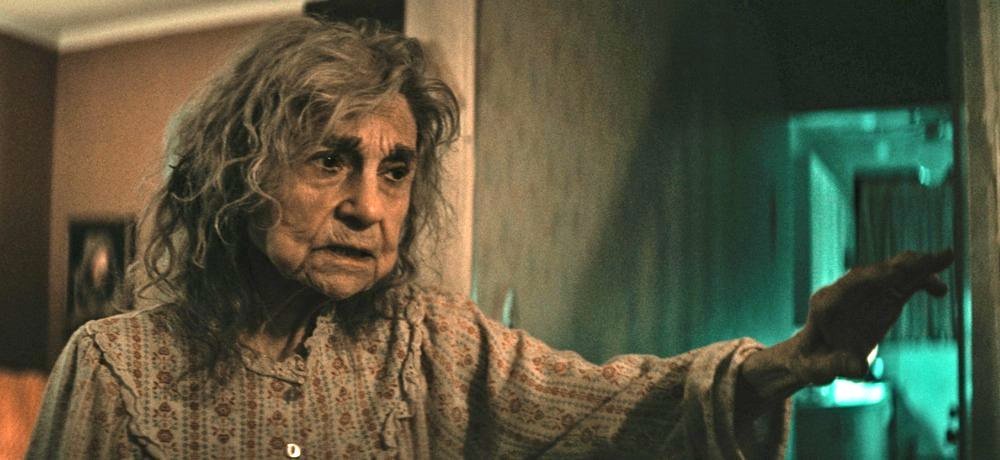
The dead man is Mr Litvak and, soon enough, we’re in his suitably creepy house and Yakov is left alone, except for the unsettling presence of Mrs Litvak (Lynn Cohen), an elderly woman afflicted with dementia and prone to popping out of the woodwork at unexpected moments. She tells Yakov that, all his life, her husband was followed by a dybbuk, an evil spirit intent on twisting the mind of its chosen victim. The problem is, now Litvak is dead, the creature is seeking a new victim…

At first, Yakov is dismissive. After all, the woman doesn’t really know what she’s saying… does she? And yet, there are some very strange noises coming from upstairs… and that shrouded body isn’t moving…. is it?

You get the picture. It has to be said that the film’s first half is deliciously unnerving, aided by the dark, claustrophobic set, as well as Davis’s enigmatic performance and Michael Yezerski’s nagging electronic score. The best scares are provided by things that are barely glimpsed, by noises, shadows and Thomas’s clever misdirection. But of course, this isn’t enough to fuel an entire film, so, in the second half, there’s an attempt to delve into the psychological aspects of the story, to probe the spectres from the past that fuel both the mythical creature that haunts the Litvak’s home and Yakov’s own inner demons.

While this is certainly more interesting territory, it isn’t handled as assuredly as the more conventional jump-scares from earlier. The result is a loss of momentum, and the final confrontation, when it comes, lacks conviction. This is a shame, because Thomas has me perched on the edge of my seat for much of the journey. All in all, this is an impressive first film and I look forward to seeing where this director goes next.

3.6 stars

Philip Caveney

Zootropolis

12/01/21

Disney +

Our recent flirtation with the House of Mouse affords us the opportunity to investigate some of the Disney product we’ve previously missed. Zootropolis seems worthy of investigation. There are several people out there (you know who you are) who’ve urged us to give it a try and, for no other reason than the fact that – pre-Covid – we were somewhat spoiled for choice, we have chosen to ignore them.

We no longer have that excuse. And of course, it turns out our friends were right. Doncha just hate it when that happens?

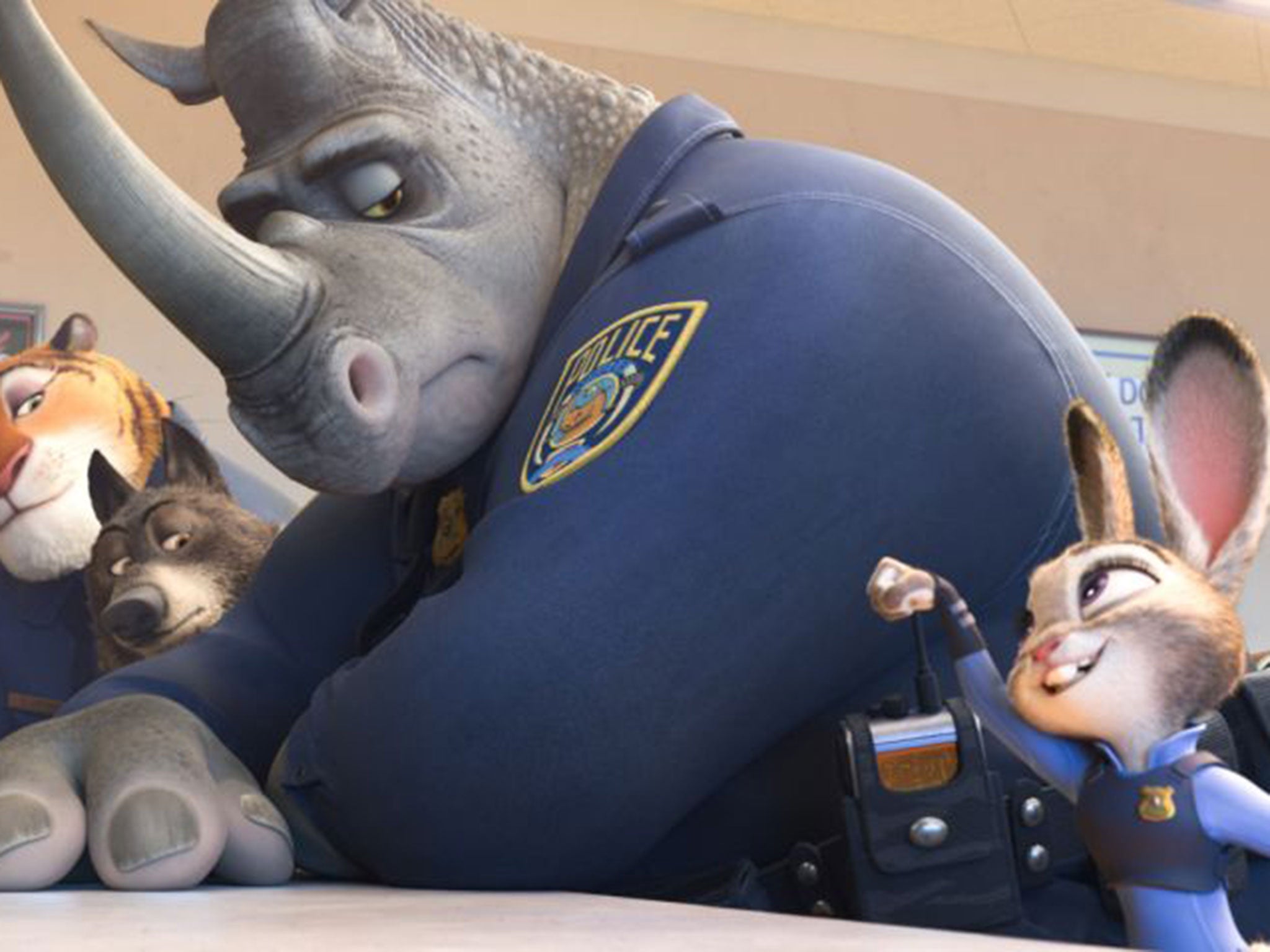
In a world where all animals happily co-exist, young rabbit Judy Hopps (voiced by Ginnifer Goodwin) grows up with one overpowering ambition: to become a police officer. Her carrot-farming parents are really not keen on the idea. Bunnies, they insist, are meek and cute, and not cut out for such shenanigans. But Judy is determined and, sure enough, after graduating valedictorian from the police academy, she heads off to the city of Zootropolis to start her new career.

The titular city, by the way, is the film’s most glorious achievement. A fully-realised environment divided into different sectors – desert, rain forest, tundra – it’s all rendered in eye-popping animation with extraordinary attention to detail. Watching it, you can almost believe it exists.

Judy arrives at her police precinct all ready to go, but the stern Chief Bogo (Idris Elba) clearly shares her parents’ views of what a bunny is capable of and promptly assigns her to parking duties. She applies herself to the task, and soon encounters the streetwise Nick Wilde (Jason Bateman), a wily fox who has devised his own ways of making a living by skirting very, VERY close to the edges of the law.

When a series of mysterious disappearances occur around the city, Judy spots an opportunity to step up her career a couple of notches and cunningly blackmails Nick into helping her investigate the situation. They soon realises that this particular rabbit hole goes very deep indeed…

Zootropolis is enormously appealing – a bizarre marriage between a futuristic sci-fi adventure and an old fashioned noir mystery. Look out for a delightful spoof of The Godfather in the engaging form of Mr Big (Maurice LaMarche) and relish the scene where Judy and Nick visit an information department serviced exclusively by sloths, led by Flash (Raymond S. Persi). You’ll giggle too at an appearance by Tommy Chong as a fly-infested yak, the manager of a… health spa.

Of course, there’s another of those famous Disney ‘messages’ embedded in this tale – a subtext that warns of the dangers of making cultural and racial assumptions, and how every individual deserves the personal freedom to pursue what interests them. It’s not particularly subtle, but it’s an important message, isn’t it, and maybe subtlety isn’t always appropriate.

At any rate, it’s great fun and it’s chock full of invention. If, like me, you’ve put this onto the back (bunny) boiler, now might be the perfect time to try it out.

4.4 stars

Philip Caveney