Month: June 2024

Pride 10th Anniversary

30/06/24

Mareel, Lerwick, Shetland

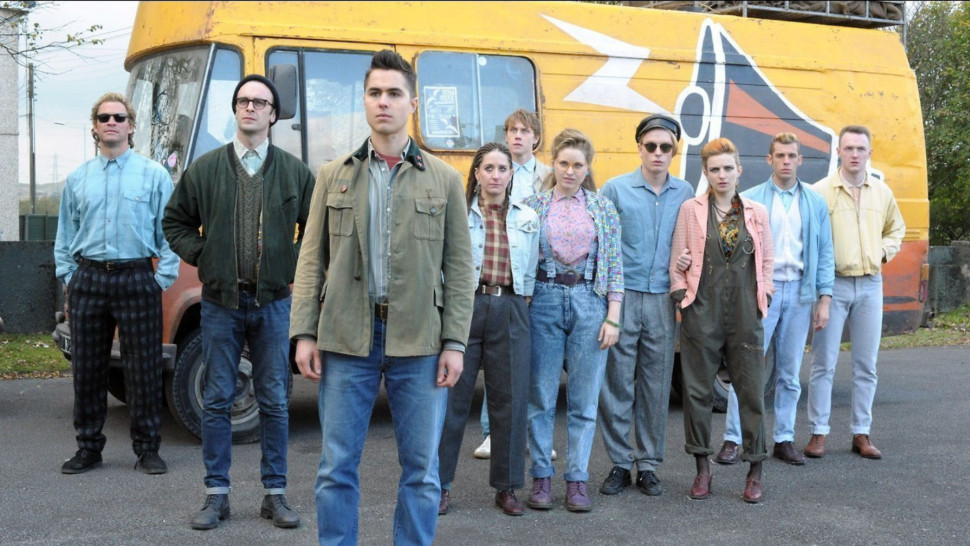
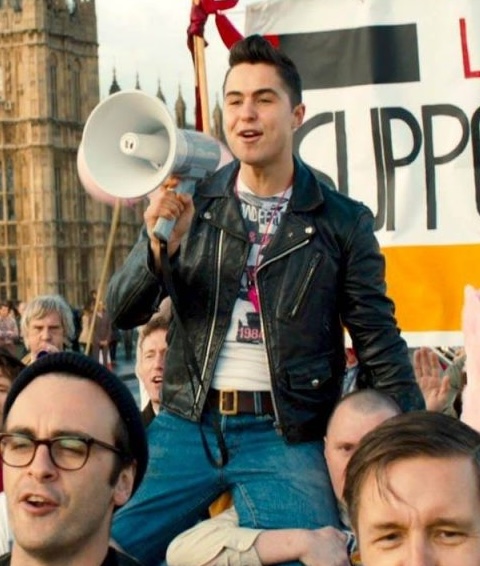
We reviewed Pride on its initial release in 2014 and, ten years later, it’s given this timely rerelease. What strikes me most about it now is how relevant it still feels, the same – or similar – battles still needing heroes to fight them. I’m fascinated too by the stellar cast, many of whom have on to even greater things, notably Andrew Scott and George MacKay – and also Jessica Gunning, who (thanks to Baby Reindeer) has recently been catapulted to wider recognition.

If Pride made me weep first time around, it leaves me in floods today.

I post my original review here and absolutely stand by the observations, though in retrospect I might be tempted now to boost those stars to a full 5.

14/09/14

Cineword, Didsbury

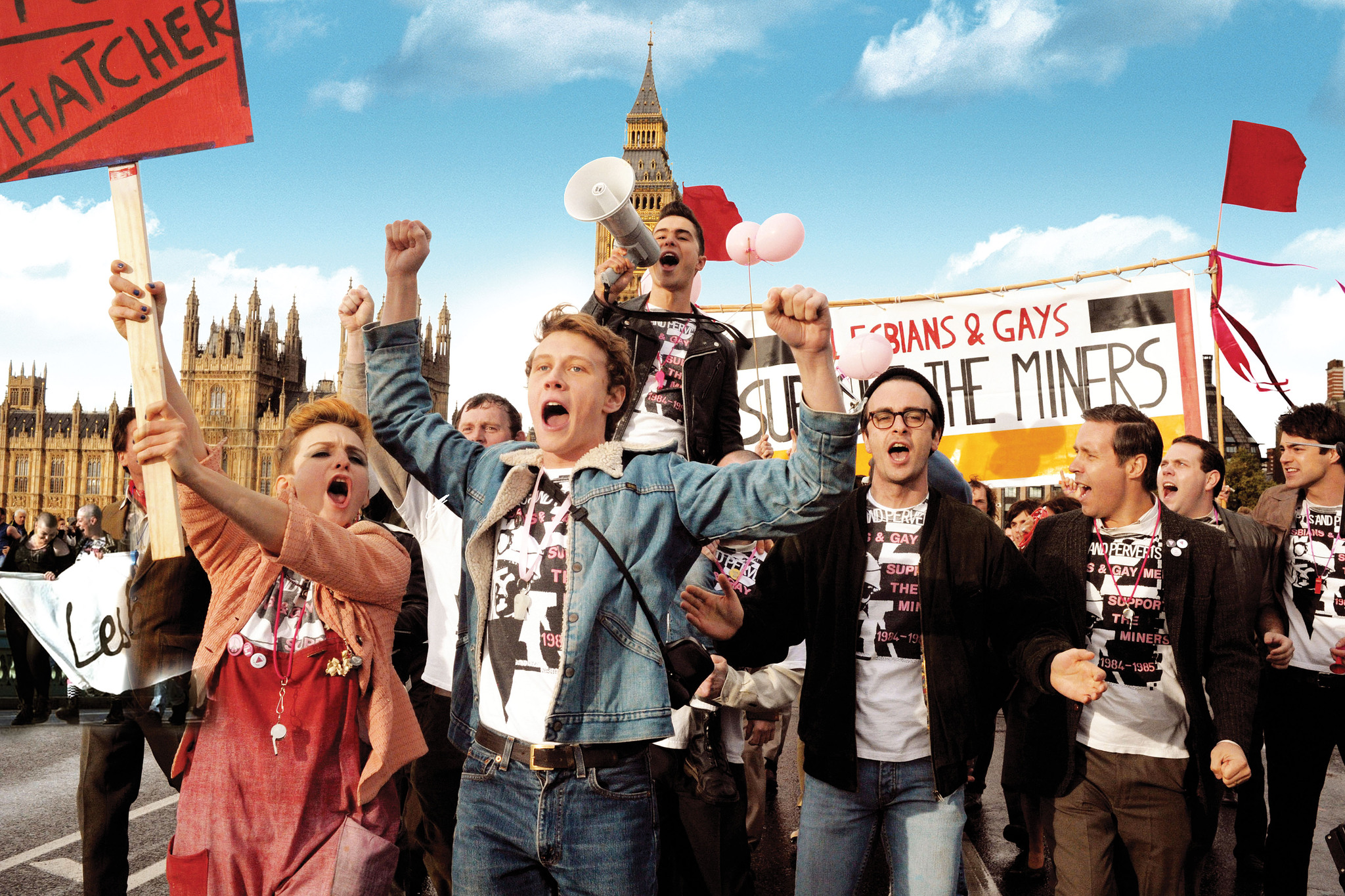
Set in 1984, at the height of the miners’ strike, Pride tells the true-life story of Mark Ashton (Ben Schnetzer), a young gay activist who manages to persuade a group of like-minded friends to form LGSM (Lesbian and Gays Support the Miners). They start to collect money on behalf of one particular group of strikers in South Wales and are so successful, it’s not long before the group meets up with likeable Union man, Dai (Paddy Considine).

He invites them to the sleepy village of Onllwyn, to meet the miners in person – where inevitably, they encounter resistance from some of the more reactionary inhabitants. But after a frosty initial reception, they start to find allies in some rather unlikely places…

Pride is simply irresistible. Cut from the same cloth as films like The Full Monty and Brassed Off, it features a terrific ensemble – Bill Nighy, George MacKay, Imelda Staunton and Dominic West are undoubted highlights, but the overall casting is note-perfect. While it occasionally plays for easy laughs (‘Dai, your gays have arrived!’), it’s never less than entertaining and also takes the opportunity to slip in some genuinely thought-provoking moments.

It would be a cold heart indeed that doesn’t shed tears at the film’s emotional conclusion. Like most ‘true-life’ stories, there remains the conviction that a little dramatic licence may have been exercised on some of the actual events, but nevertheless, this is a successful slice of drama, snappily directed by Matthew Warchus, wittily scripted by Stephen Beresford and one that manages to keep itself just the right side of sentimentality.

4.5 stars

Philip Caveney
Kinds of Kindness

28/06/24

Cineworld, Edinburgh

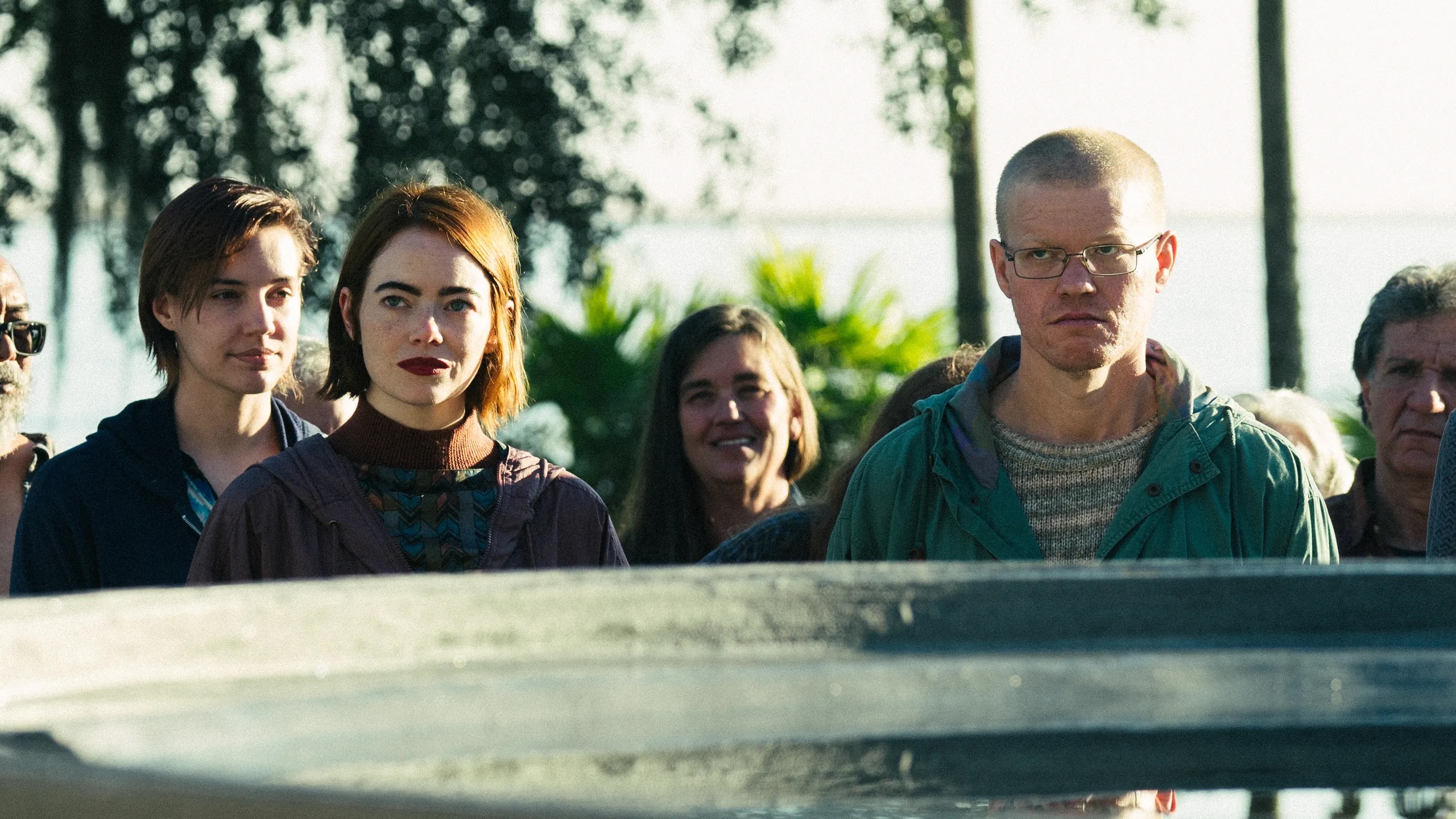
You have to hand it to Greek director Yorgos Lanthimos – he doesn’t let the grass grow. His sublime adaptation of Poor Things only aired in January, bringing with it a well-deserved Oscar for Emma Stone – and already, here’s his next creation, a more stripped-back, contemporary tale: a kind of portmanteau featuring three different stories with the same actors playing different roles.

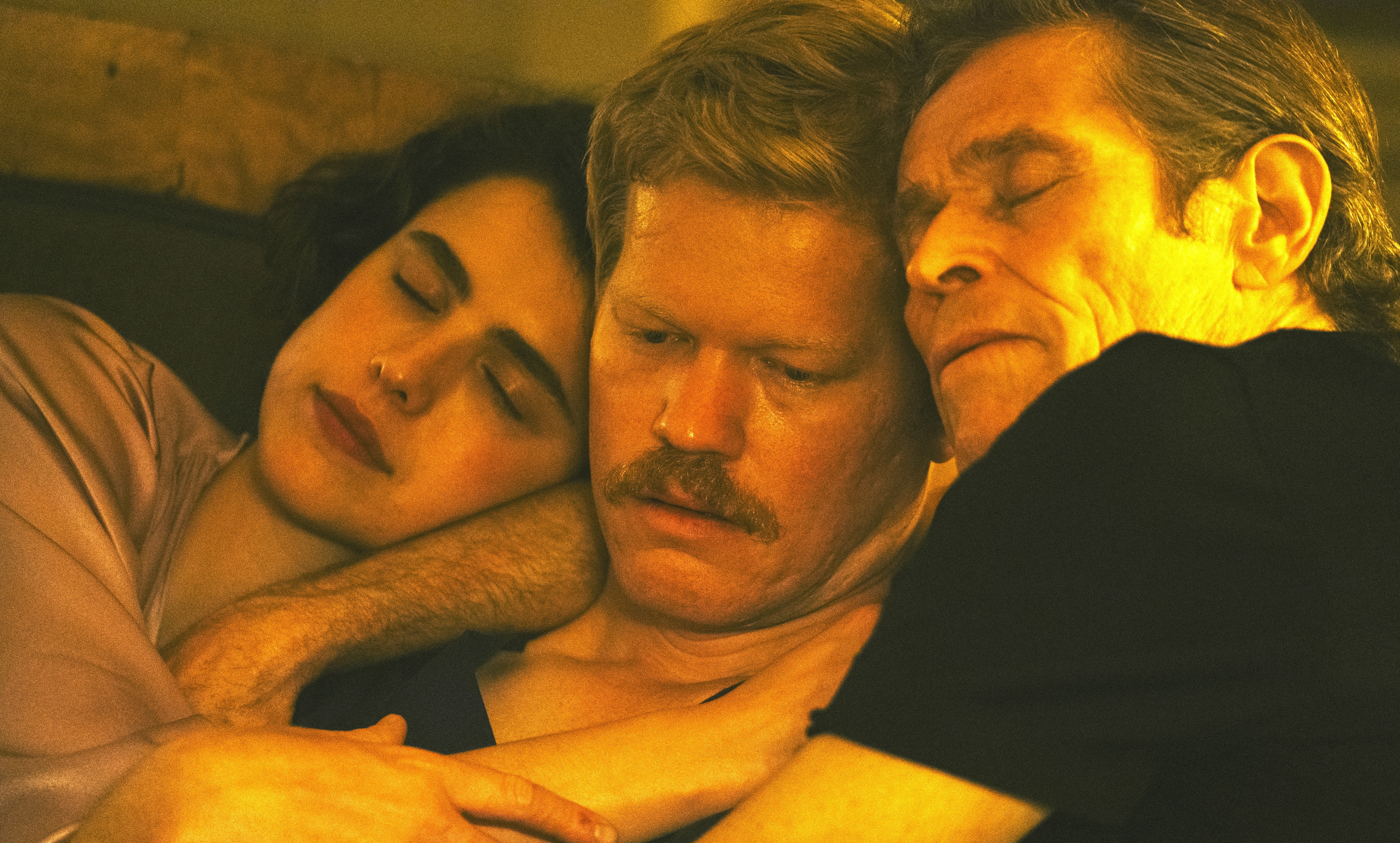
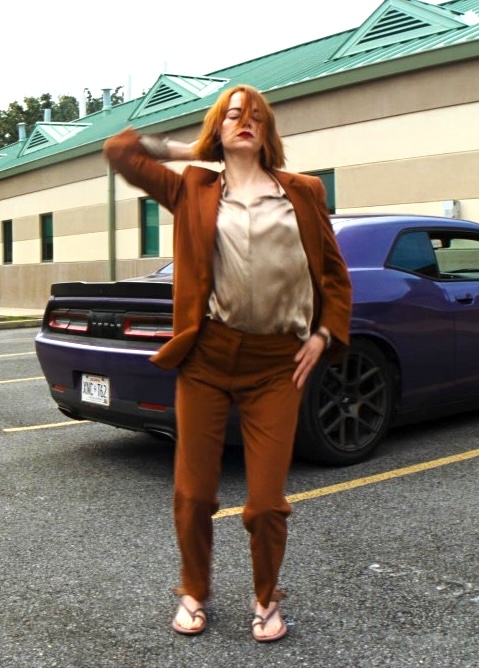
Kinds of Kindness, co-written by Lanthimos with long-time collaborator Efthiminus Filippou, begins with The Death of RMF. This is the story of Robert (Jesse Plemons), a submissive office worker who is compelled by his ruthless boss, Raymond (Willem Dafoe), to carry out a series of humiliating duties. He finally baulks at committing an extraordinary act of violence and is consequently cast out of Raymond’s orbit. Seeking solace, he attempts to forge a relationship with chance encounter, Rita (Emma Stone), but soon makes an unsettling discovery…

In the second tale, RMF is Flying, Plemons plays cop Daniel, whose wife, Liz (Stone), is missing, shipwrecked on a desert island. When she finally returns, Daniel starts to notice changes in her character and, in order to test her, he asks her to to prove her love for him.

In the concluding story RMF Eats a Sandwich, Plemons and Stone play Emily and Andrew, disciples in a weird cult run by Omi (Dafoe again). The two of them have been assigned a difficult task – to locate a mysterious woman who has the power to re-animate the now dead RMF (Yorgos Stefanakos). Could veterinarian Ruth (Margaret Qualley) be the woman to accomplish the impossible?

If this all sounds incomprehensible on paper, fear not, because Lanthimos takes enough time to delineate every character arc with such skill that there is never any confusion about what’s happening onscreen, even when it’s totally mind boggling. These stories are allegories focusing on three of life’s greatest preoccupations: work, marriage and religion – and, as the bizarre events unfold, audiences are led fearlessly through a series of interactions that alternate between harsh reality and haunting dreamscapes.

If I claimed I understood everything that happens here I’d be lying. I only know that this is exciting, unpredictable filmmaking, and – as I was with Poor Things – I’m fascinated to see large numbers of people turning out to see what Lanthimos has come up with. I can think of few other directors who have this ability to push boundaries and simultaneously satisfy the box office. I’m already excited to see what he will come up with next.

While this may not be the exquisite slice of cinematic perfection that was its predecessor, it’s nonetheless the work of a gifted director at the top of his game. Don’t miss it.

4.6 stars

Philip Caveney

The Bikeriders

27/06/24

Cineworld, Edinburgh

The poster for The Bikeriders might lead a viewer to expect something rather different from what this film actually is: a serious recreation of the misadventures of a motorcycle club, founded in the early 60s and initially memorialised in a 1967 book by photojournalist Danny Lyon.

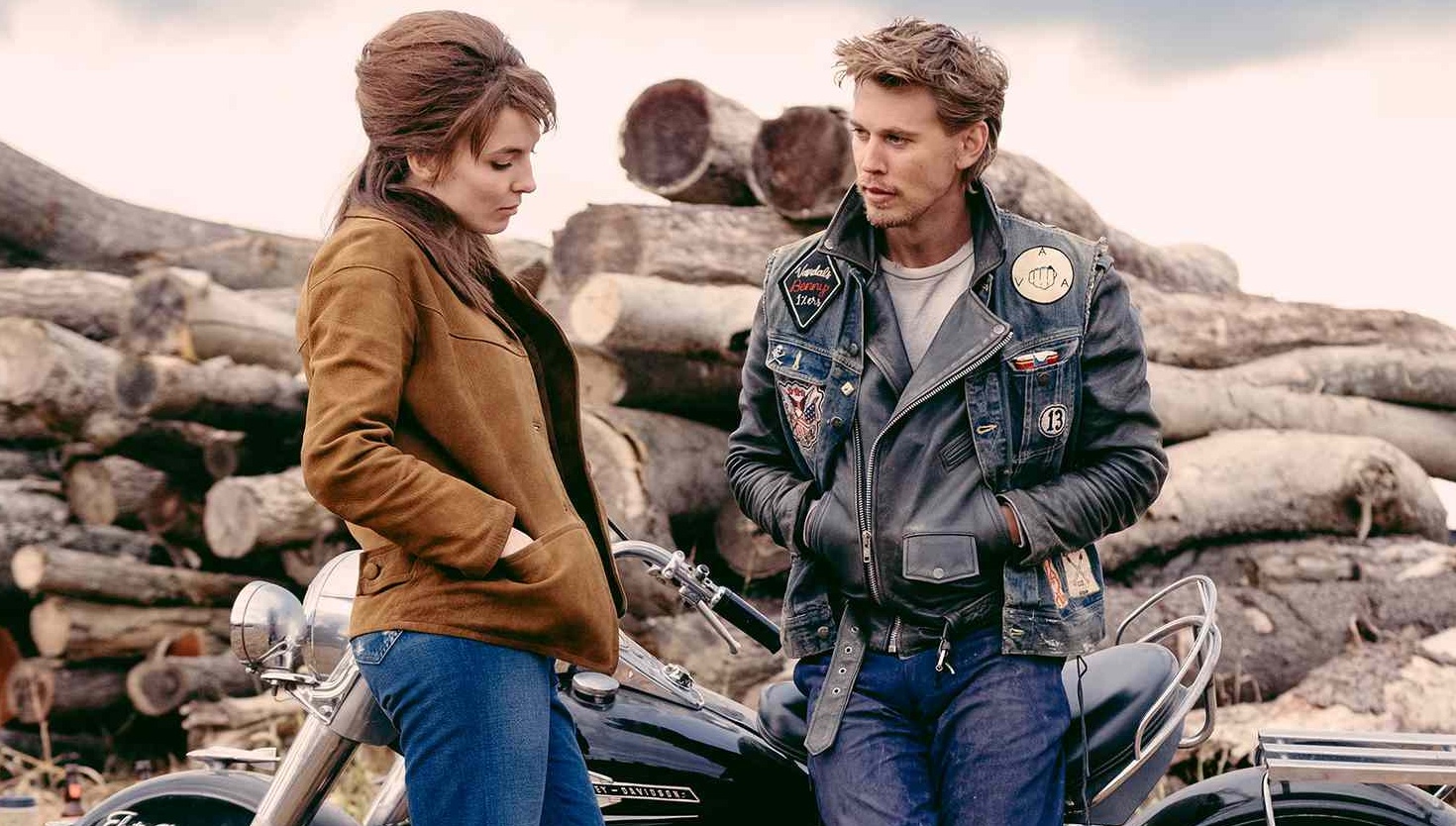
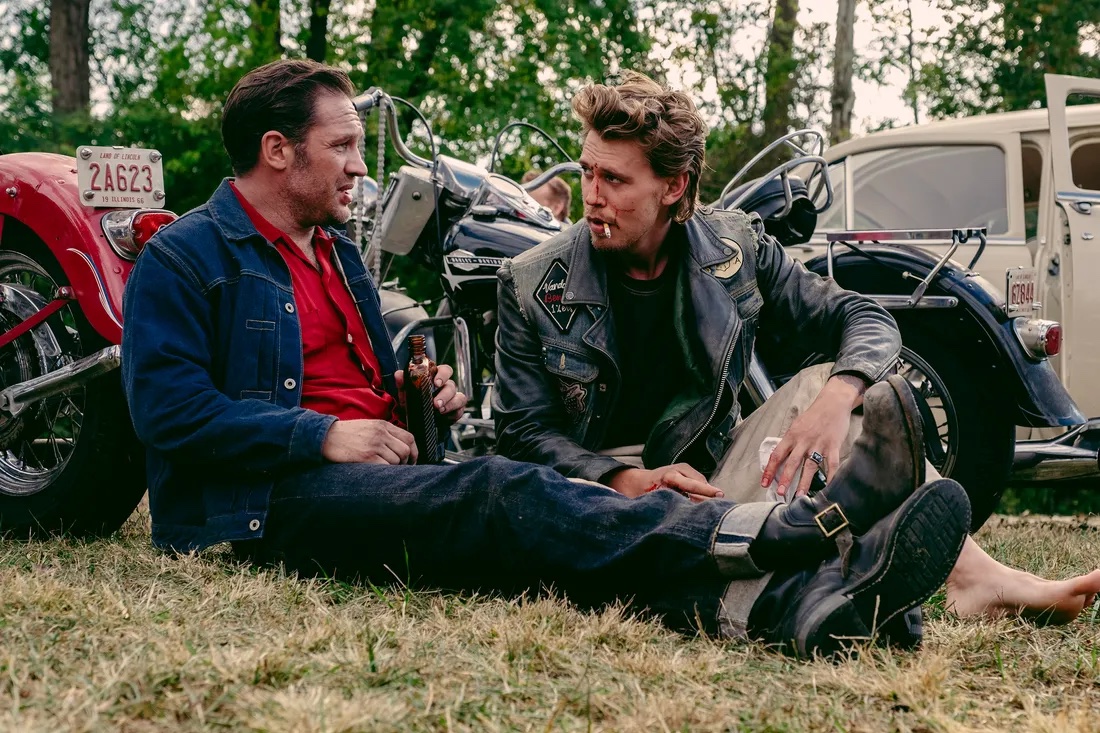
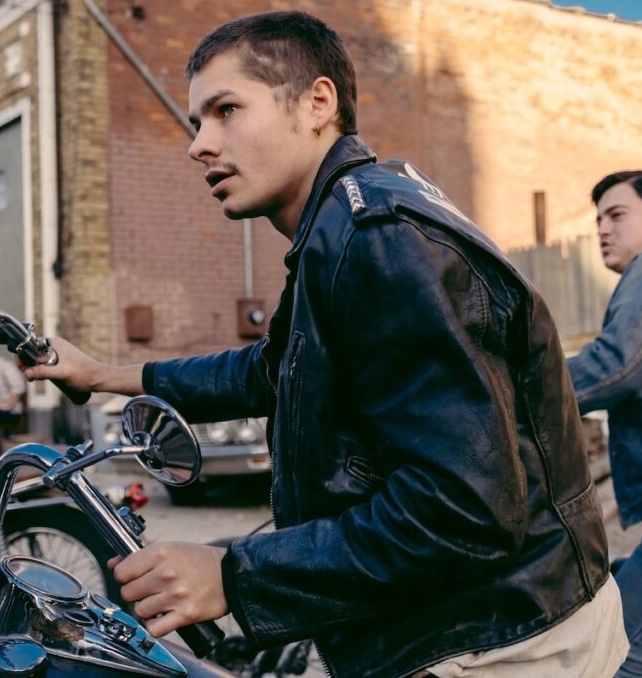
In Jeff Nichols’ film, we see Danny (Mike Faist) conducting a series of interviews with Kathy (Jodie Comer). She’s the long-term girlfriend of Benny (Austin Butler), a member of `The Vandals’, a Chicago-based group of bike enthusiasts, created and led by Johnny (Tom Hardy). In its early days, the group has a rigid code of honour that none of its members will ever ignore. Indeed, when we first encounter Benny, he’s about to be badly beaten up by a couple of rednecks when he refuses to remove his ‘colours’ in a local bar.

But as the years move on and the Vandals’ numbers inevitably begin to swell, that original code becomes increasingly muddied by the raft of newcomers, each with their own agenda. They include The Kid (Toby Wallace), a tough young wannabe, who has set his sights on joining up and who isn’t about to let anything stand in his path.

While The Bikeriders is light on plot, it’s loaded with characterisation. Comer is extraordinary as Kathy, who chronicles the group’s history in an eerily impressive midwestern accent; and Hardy too is eminently watchable as their leader, channeling early Marlon Brando (at one point we even see Johnny watching The Wild One and virtually taking notes). He’s somewhat mystified to discover that the Vandals are increasingly like a runaway train that, once kicked into life, proves impossible to stop. As Benny, Butler has very little in the way of dialogue, but his chain-smoking, smouldering presence makes it easy to understand why Kathy is so obsessed with him.

The other members of the gang have their own opportunities to shine. Nichols’ regular muse, Michael Shannon, is effective as the dim-witted Zipco, a man who has been repeatedly passed over by society since childhood and who has found his spiritual home amongst this gang of misfits – and Emery Cohen is also effective as Cockroach, who is destined to ride a motorcycle in the future for an entirely different reason. The 60s and 70s settings are convincingly evoked and fans of vintage motorcycles will doubtless be drooling at the sight of scores of bikes thundering in formation along the highways. But the tone of the film is essentially an elegy, a lament for the many ways in which an original idea can be twisted and debased until its original aims have all but vanished.

This won’t be for everyone. There’s no denying that it glamourises thuggery and, with a running time of nearly two hours, it could perhaps have benefitted from a tighter edit, especially around its flabby midsection. Nichols has spent the best part of twenty years putting the film together and it feels very much like a labour of love. Those looking for thrills and action might prefer to look elsewhere. But if it’s classy performances you’re after, you’ve definitely chosen the right vehicle.

3. 8 stars

Philip Caveney

Bad Boys: Ride or Die

19/06/24

Cineworld, Edinburgh

True confession. I’ve never watched a Bad Boys film. Until now.

And having watched one, I can never regain that feeling of being blissfully oblivious to the franchise. Here’s what happens: I find I have the opportunity to see a movie and the only one that starts at a convenient time is Bad Boys: Ride or Die. I know that the previous instalment, Bad Boys for Life, took a shitload of money at the box office, so I decide to book a ticket. After all, how bad can it be?

The answer to that is an unequivocal ‘very.’ It may have helped if I’d seen the previous instalment, but there’s not much I can do about that because nothing short of a hefty bribe will ever induce me to go back for a second helping of this nonsense. There is a plot and I will attempt to (briefly) explain it.

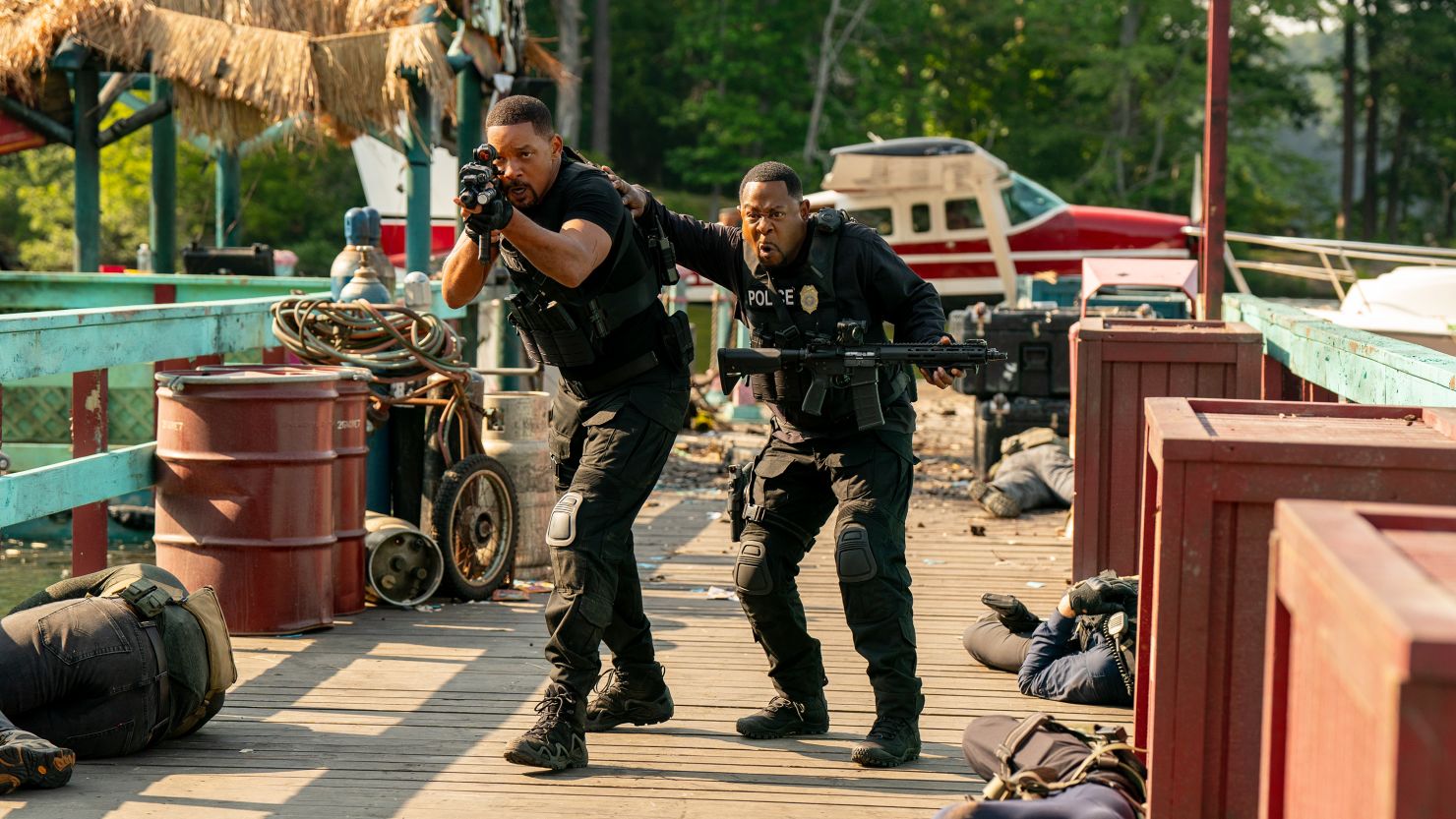
Mike Lowrey (Will Smith) gets married to Kelly (Vanessa Hudgens) and at the following knees-up, Mike’s sidekick, Marcus Burnett (Martin Lawrence), suffers a near-fatal heart attack. He manages to shrug it off (virtually overnight) and seems reinvigorated by the experience, to the extent that he starts throwing himself headlong into every situation like a teenager on steroids.

Then there’s bad news. The BB’s previous boss, Captain Howard (Joe Pantoliano), who was shot dead in the last film, is being framed by ‘The Cartel.’ They are downloading millions of dollars into his bank account. (Full disclosure: I watch the film carefully but I honestly have no idea why they are doing this). Of course, Mike and Marcus love their ex-boss and so, when they receive videos featuring him – only to be watched in the event of his death – they vow to clear his name.

In this endeavour they are aided by Mike’s illegitimate son, Armando (Jacob Scipio), who was in jail but escapes after a helicopter crash. Armando is subsequently hunted by US Marshall Judy (Rhea Seehorn), who has sworn to kill him. (Again, I guess I needed to have seen For Ever to fully appreciate why. Or, I don’t know, maybe they could have put in a few flashbacks? Just saying.)

There ensues a series of shoot-outs in a variety of locations in Florida, where gangs of bad guys are punched, shot, stabbed or blown to smithereens but, since I don’t know anything about them, I don’t care – though I am strangely bewildered by their seeming ability to reproduce mid-action so that what seems like a handful at the start winds up as a veritable army. There’s also a climactic gun battle in an abandoned theme park (of course there is) that for no apparent reason features a gigantic albino alligator, who you just know is going to eat somebody.

Every so often, Mike and Marcus break off from killing people to have an improvised comedy conversation about life, or jelly beans, or… barbecues. I’m hoping it’s improvised because if screenwriters Chris Bremner and Will Beall actually scripted this, there’s little hope left for humanity. Smith keeps his performance relatively downbeat while Laurence acts like he’s still having that heart attack, gurning and dilating his eyes every time he speaks and, at one point, even shouting ‘Chitty Chitty Bang Bang Motherfucker!’ which again, probably refers back to… something. I am somewhat saddened to see the excellent Seehorn (of Better Call Saul) reduced to running around in a bullet proof vest and looking angry, but at least she’s given more to do than the other female characters.

Directors Adil El Arbi and Bilall Fallah give cinematographer Robrecht Heyvaert every opportunity to employ a whole battery of arty styles to every action sequence, so that even in the simplest punch-up it’s impossible to tell who is hitting who and why. One extended sequence plays out like a video game, with the camera freewheeling around an interior like a super-charged pinball.

The credits finally roll and I let out a long sigh of relief. Then I scuttle out, just in case there’s a Bad Boys post-credit sequence. I’ve seen enough of this franchise to last me a lifetime.

2 stars

Philip Caveney

Heron

16/06/24

Henderson Street, Leith

Birthdays are an opportunity to push the boat out and we’ve heard good things about Heron, a Michelin starred restaurant out in the culinary kingdom of The Shore. We like the sound of their tasting menus and decide the best way to work up an appetite for them (standard for me and pescatarian for Susan) will be to walk there via the Water of Leith. There’s a few light rain showers en route but we arrive right on time, order our drinks and settle down in the light and spacious dining room. We don’t have to wait long. The service here is prompt and attentive.

First up there’s something called cucumber (Heron, it turns out, has a gift for understatement). This is a bowl of chilled cucumber granita, vibrant with stem ginger and jalapeno. It’s closely followed by langoustine (mini cups of squid ink nori filled with the titular shellfish) and Isle of Wight tomato, light and sumptuous parcels stuffed with burrata. Pop these into your mouth and they sort of melt away in an explosion of pure flavour.

There are chunks of freshly baked sourdough with smooth crab butter, which I tell myself I shall eat slowly, but I fail, simply because it’s just too damned delicious.

Now comes mackerel, the salty fish liberally sprinkled with chunky hazelnuts, ponzu and blackcurrant leaf and I keep reminding myself I’m supposed to be critical but I’m too busy eating. Potato may be the most unassuming name given to a dish in the entire history of fine dining and yet this single new spud, cooked hasselback style, studded with crisps and sprinkled with orange roe, is a little wonder. It’s surrounded by a creamy oyster sauce that makes me reach for ever-more elaborate words to describe its joys. Scrumptious? Mouthwatering? De-fucking-licious? So far it’s the stand-out and it’s early yet.

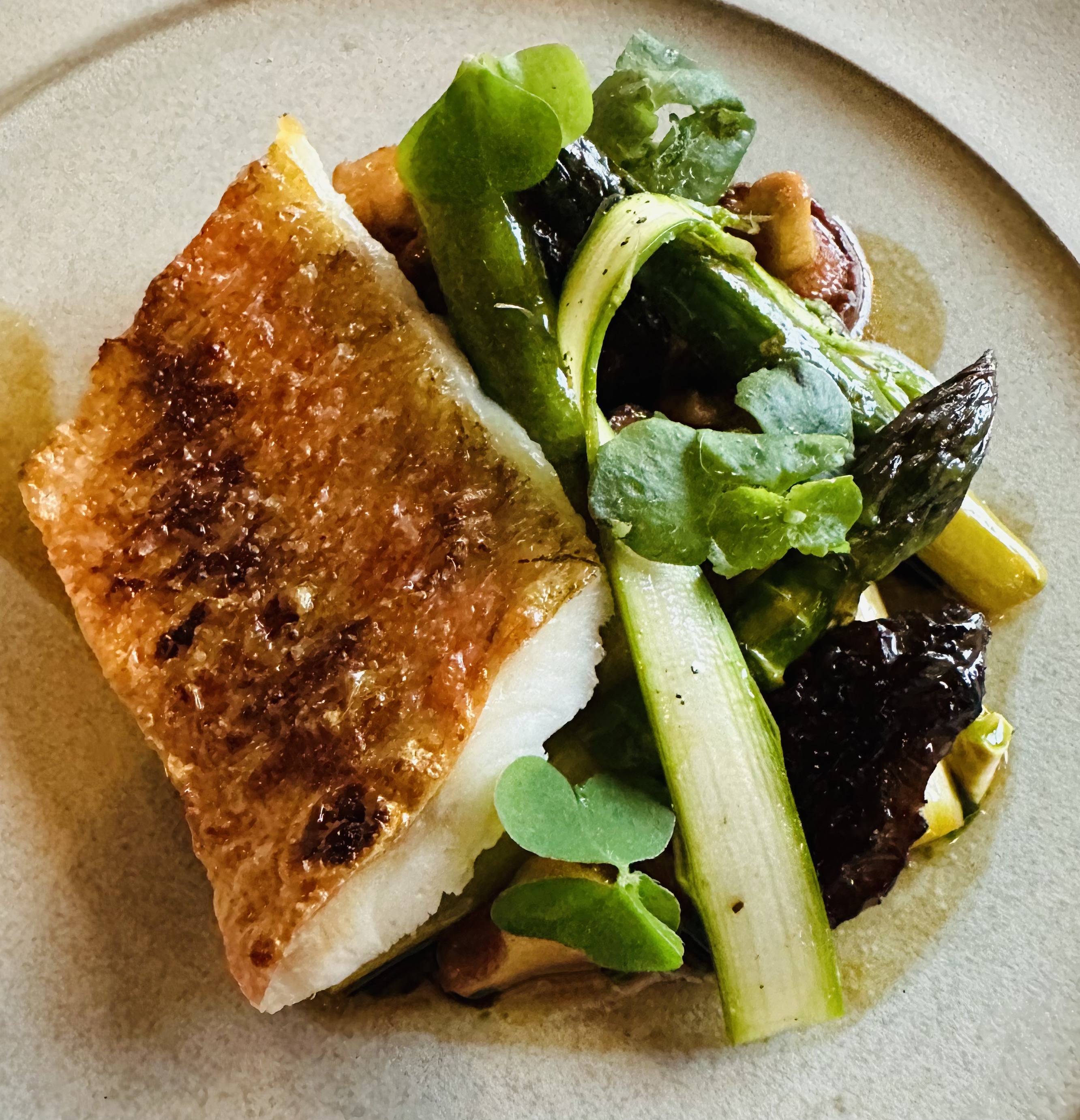
Next there’s turbot, a chunk of perfectly-crisped fish, drizzled with white crab, lovage and thinly-sliced courgette, another inspired creation.

After that, Susan has spelt, an unprepossessing bowl of what looks suspiciously like porridge but which tastes of wild mushrooms and comes with a generous measure of summer truffle grated over it. And for me it’s East fortune pork, slices of slow-cooked belly meat, decorated with wild garlic, tonka and coffee.

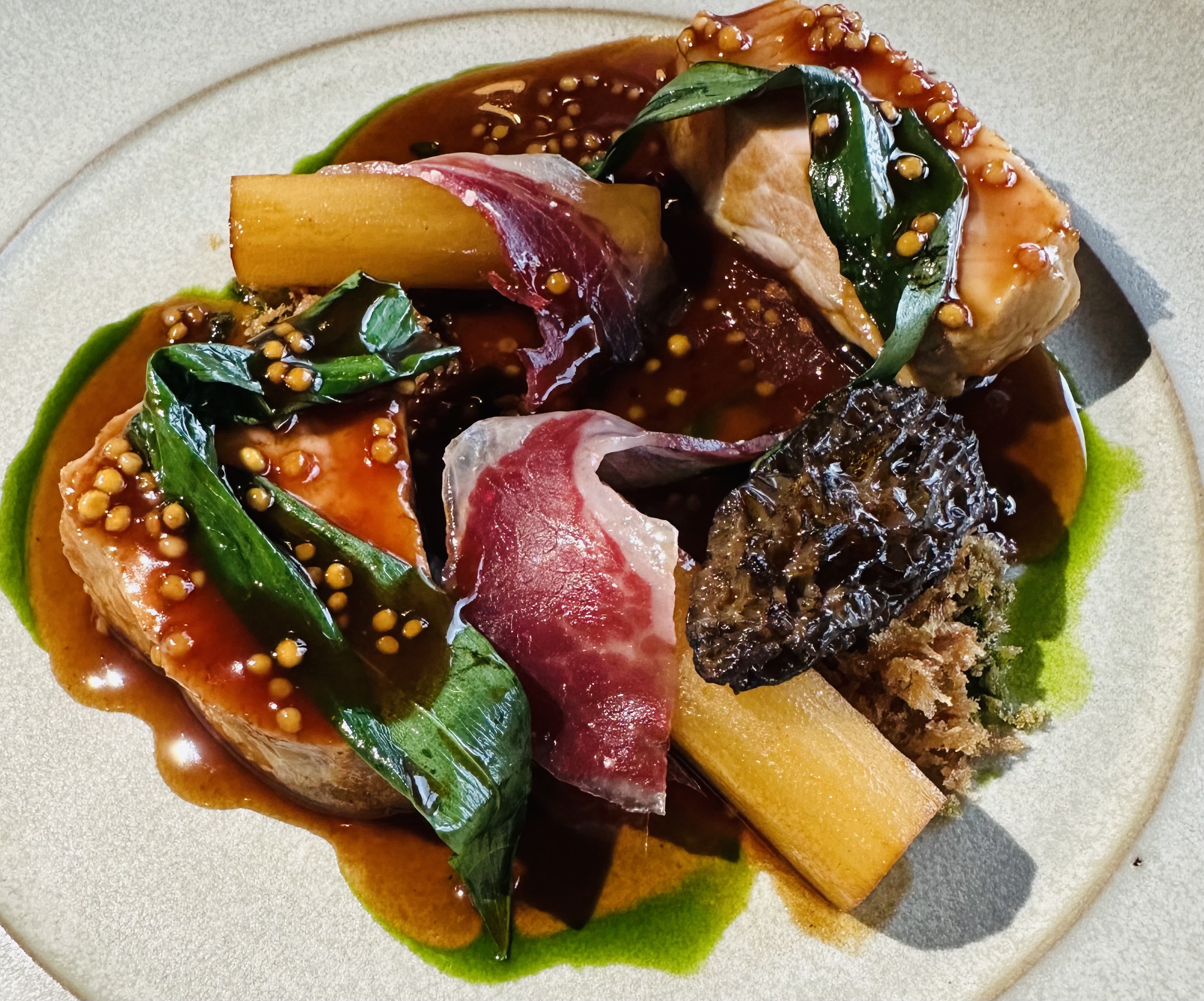
Now to the ‘main courses’. Susan’s is red mullet; mine is Aberdeen Angus beef, perfectly cooked and accompanied by veal sweetbread, buckwheat, pepper dulse and girolle mushrooms, the whole thing liberally covered with a red wine jus. This is best described in three letters. O.M.G.

For puddings, first up is carrot – a powerfully flavoured dish, rich with ginger and pistachio. It’s hard to believe that such a little morsel can provide so much flavour.

And finally there’s lemon, something that looks every bit as fabulous as it tastes: a swirl of soft meringue, a scoop of basil sorbet, succulent pools of lemon curd, white chocolate and toasted almonds. If this meal has been a series of wonders then the last dish tops every delicious offering that has gone before.

I’m not sure there are enough accolades in the lexicon to adequately express how good this meal is. Put it this way: if you love adventurous cooking and you’re looking to celebrate a special occasion, I’d be hard pressed to think of anywhere better than Heron to spend your hard-earned cash. It’s ridiculously easy to see why it was awarded that much-coveted star and, if they keep up this kind of impeccable standard, a second surely won’t be long in coming.

5 stars

Philip Caveney

Inside Out 2

16/06/24

Cineworld, Edinburgh

In 2015, Inside Out was a deserved hit for Pixar Animation, a clever and sophisticated story about the antics of the various emotions that dwell within a human being, helping them – and, for much of the time, hindering them. We awarded the film 5 stars and wondered if its creators would deem it worthy of a sequel. Nine years later, here it is and, while it might not be quite as perfect as its innovative predecessor, it’s nonetheless beautifully executed and full of glorious invention.

Riley (voiced by Kensington Tallman) is now thirteen years old, a promising ice hockey player who makes up a formidable sporting trio with her best friends, Grace (Grace Lu) and Bree (Sumayyah Nuriddin-Green.) Meanwhile, the inner team that maintains Riley’s everyday existence is being ably supervised by Joy (Amy Poehler), who manages to keep Fear (Tony Hale), Sadness (Phyllis Smith), Anger (Lewis Black) and Disgust (Liza Lapira) in check as Riley approaches adolescence.

But when she and her friends are invited to a weekend hockey camp by an influential coach, a puberty alarm goes off, and some new recruits promptly turn up to join the party. They are Anxiety (Maya Hawke), Envy (Ayo Edebiri), Ennui (Adèle Exarchopoulos) and Embarrassment (Paul Walter Hauser.) Suddenly, Riley isn’t the calm, capable creature she used to be; she’s a nervous wreck – and Joy and her team are going to have a heck of a job getting her through the weekend…

There’s enough progression here to make this worth the price of the ticket, and screenwriters Meg LeFauve and Dave Holstein have a lot of fun unleashing a whole torrent of problems for Joy and co. to deal with as best they can. We’re introduced to a bunch of eye-popping new locations, many of them built around puns. Ever tried drifting along the Stream of Memory whilst braving a Brainstorm? Here’s your opportunity.

As ever, the animation is bright and brash and beautifully detailed. Check out Grace’s chipped nail varnish for starters! I worried first time out that there might not be enough here to appeal to younger kids and this sequel seems even more intent on aiming for the teen market. The wee ones at the screening I attend seem to spend an awful lot of their time going back and forth for toilet breaks. Their parents on the other hand are doubtless having a field day playing ‘spot the movie reference’ and there’s enough inventive twists here to keep them on board. I love the repeated joke about sweet Grandmother figure, Nostalgia, who keeps making hopeful appearances only to be told to ‘come back in a few years.’ Clever. The ultimate message – of course there’s a message, there always is – manages to avoid being chock full of schmaltz and the ending is nicely handled.

Pixar have been in a bit of a slump in recent years, but despite that unadventurous title, Inside Out 2 puts them back where they belong, ahead of most of the Hollywood competition. Not sure there’s enough left to risk making this a trilogy, but we’ll see how that pans out. Meanwhile, the message remains the same. For best results, see it on a cinema screen!

4.5 stars

Philip Caveney

Sasquatch Sunset

15/06/24

Cameo Cinema, Edinburgh

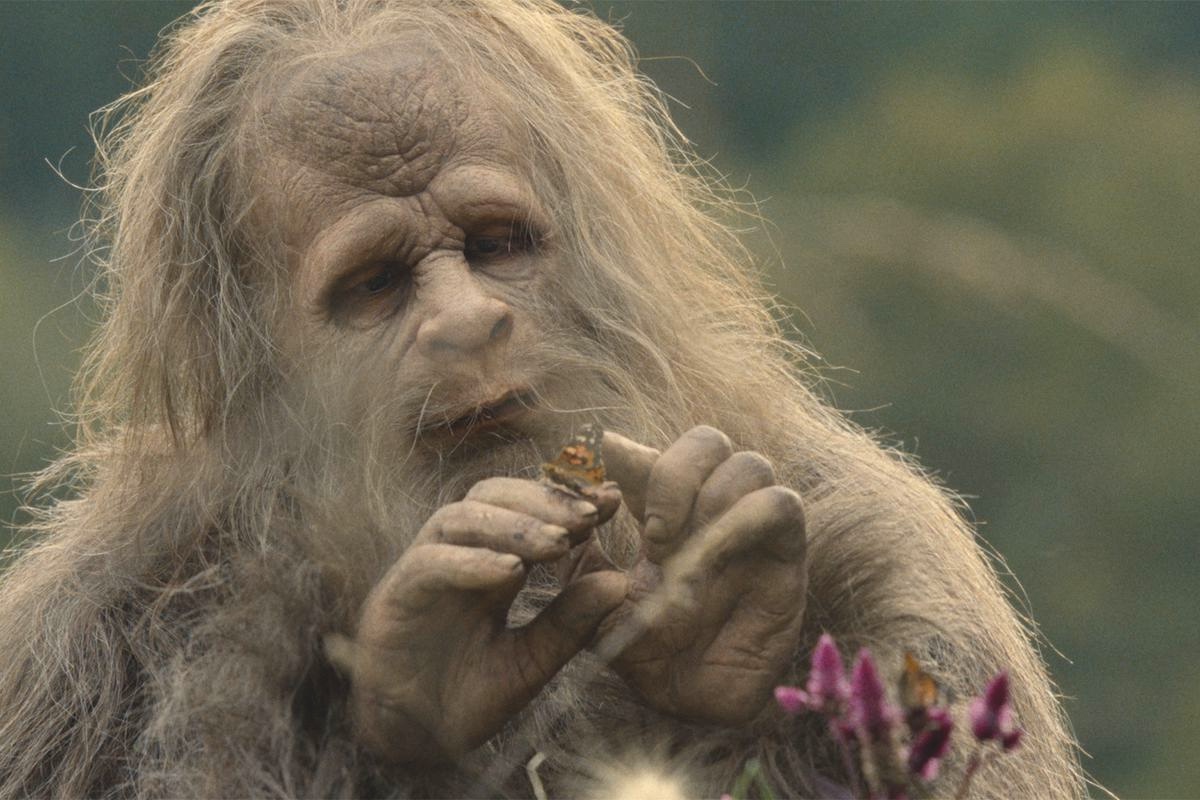
There’s a charming idea at the heart of Sasquatch Sunset, which follows, season by season, a year in the lives of four sasquatches (sasqui?). They live in a remote forest somewhere in North America. There’s an alpha male (Nathan Zellner), a beta male (Jesse Eisenberg), a pregnant female (Riley Keough) and a child (Christophe Zajac-Denek) and the four of them amble around the forest, foraging for food, attempting to procreate and every night constructing a crude shelter in which to sleep. They also spend time thumping tree trunks with branches in an attempt to contact others of their species – with no success.

The conceit of this film, conceived and directed by Nathan and David Zellner, is to treat it with all the seriousness of a nature documentary and, as our four protagonists go about their shuffling business in the tranquility of various woodland settings, there are indeed moments of wry amusement and occasionally some suspense as they stumble into peril.

The creature makeup is pretty convincing – though the film’s budget clearly didn’t extend to making a new-born sasquatch look convincing – and there are surely some cogent observations about the process of survival that can easily be extended to endangered species in the real world. Sasquatch Sunset is, I suppose, an allegory and it doesn’t take a Sherlock Holmes to work out what it’s really about.

But ultimately, there isn’t really enough here to fill the film’s (relatively short) running time and, by the halfway mark, I find myself longing for some more progression. Though the film flirts with the possibility of the creatures encountering humans, this never happens. It would have made an excellent short but, to my mind at least, as a feature-length movie it feels like an interesting failure.

2.8 stars

Philip Caveney

Shirley Valentine

13/06/24

Lyceum Theatre, Edinburgh

In Edinburgh, the weather is dreich, the rain falling endlessly from grey skies – but in the welcoming environs of the Lyceum Theatre, the sun blazes down onto fine white sand and shimmering Mediterranean waters. It’s here that Shirley Valentine has just experienced a personal revelation. The clitoris really does exist! Who knew?

Willy Russell’s celebrated play gets a welcome revival in this delightful production from Pitlochry Festival Theatre. Many will be familiar with the 1989 film adaptation starring Pauline Collins, where the story is opened out to include the various other characters whom Shirley describes in such hilarious detail, but here it’s presented in its original form – a funny, acerbic monologue in three acts.

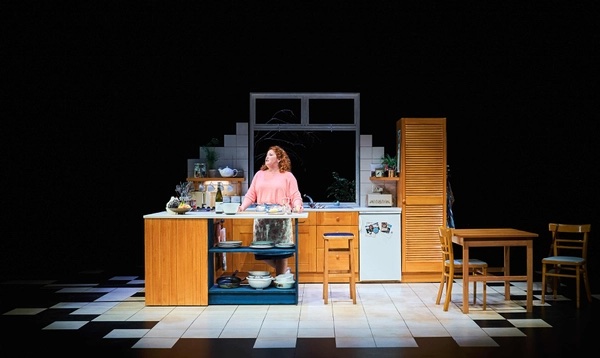
We first encounter Shirley (Sally Reid) as she prepares a dinner of “chips ‘n’ egg” for her husband, Joe, and considers the best way to inform him that she has fed the mince he’s expecting to a vegan dog. Meanwhile, she chats to her oldest friend, the wall. In the second act, she’s anxiously preparing to head off on the Greek holiday she has also neglected to tell Joe about.

And, in the final act, she’s there: on an idyllic island, getting to know boat owner, Costas, and coming to terms with a newly-discovered sense of personal freedom.

Of course, the play stands or falls on the strength of its performer and Sally Reid does a fabulous job here, encapsulating Shirley’s strengths and weaknesses, her ability to move from mocking good humour to tragedy in the blink of an eye, the beat of a heart. She also manages to nail a Scouse accent while convincingly frying eggs. No easy matter. And Russell manages that rare thing, a male playwright effortlessly capturing a female personality with what feels like absolute clarity, managing to find the humour in her weary worldview without ever making his subject feel like a caricature.

Emily James’ set design mirrors the play beautifully. Shirley’s Liverpool home is solid and brutally realistic, the walls constricting her. The Greek beach, however, comprises sequinned blocks, all shimmery and dreamlike – a mirrorball of possibilities. Director Elizabeth Newman keeps everything nicely nuanced throughout. I’ve seen other productions of the play that amp up the laughs until the bittersweet charm of it is all but swamped, but here is comes through loud and clear. Those looking for the perfect alternative to a disappointing summer need look no further than the stage of the Lyceum, where Shirley Valentine offers a warm and vibrant alternative.

4.6 stars

Philip Caveney
The Dead Don’t Hurt

10/06/24

Cineworld, Edinburgh

I’ve always had a soft spot for Westerns but these days (on the big screen, at least) they’re about as rare as hens’ teeth. The Dead Don’t Hurt is clearly a passion project for Viggo Mortensen. As well as starring, he wrote it, directed it and even created the distinctive folk-tinged score. (For all I know, he did the catering as well.) As Westerns go, this is an atypical example, featuring few of the genre’s familiar tropes and cleverly subverting the ones that it actually does borrow. It’s handsomely mounted and beautifully filmed by cinematographer Marcel Zyskind.

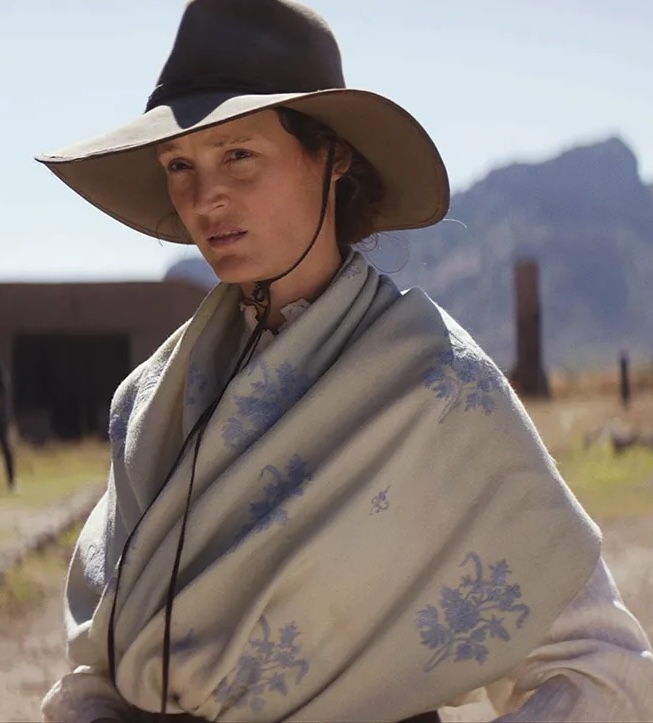
Mortensen plays Danish immigrant carpenter, Holger Olsen, who, when we first encounter him, is bidding a sad farewell to his dying partner, Vivienne Le Coudy (Vicky Krieps), watched by their young son, Vincent (Atlas Green). From here the story flashes back to Holger’s first meeting with Vivienne, showing how he instantly falls under the spell of this headstrong, unconventional young woman.

The main action of the story occurs when Holger and Vivienne set up home together in a remote cabin, close to the town of Elk Flats, Nevada, a place dominated by corrupt landowner, Alfred Jeffries (Garret Dillahunt) and his violently-inclined son, Weston (Solly McLeod). Together with crooked Mayor Rudolph Schiller (Danny Huston), the Jeffries have the place pretty much under their collective thumbs – the evils of capitalism are already exerting a powerful influence and God help anyone who dares to oppose it.

When Holger decides to enlist in the Union Army to fight in the Civil War, his only option is to leave Vivienne alone to run the homestead and, of course, he is away for years. While he’s gone, Vivienne is at the mercy of Weston, who has had his eye on her from their first meeting…

The Dead Don’t Hurt unfolds a compelling story of anger and retribution and both Krieps and Mortensen portray their characters with sensitivity. The various shifts in time and place are handled with considerable skill and the scenes where Vivienne manages to grow exotic flowers in the heart of the Nevada badlands are particularly memorable. It’s clear from the outset that the story is heading (inevitably) towards darker territory and, while Weston is a relentlessly unpleasant character, there’s some explanation for why this might be the case.

Even a climactic showdown between hero and villain is understated and the film is brave enough to offer an open-ended conclusion as to where Holger and Vincent may be headed next.

While it’s unlikely to make much of a dent at the box office, this is enjoyable stuff and those who have a hankering for a decent Western should seek it out on the big screen, where those Nevada landscapes will look more impressive than on streaming.

3.8 stars

Philip Caveney

La Bête (The Beast)

08/06/24

Cameo Cinema, Edinburgh

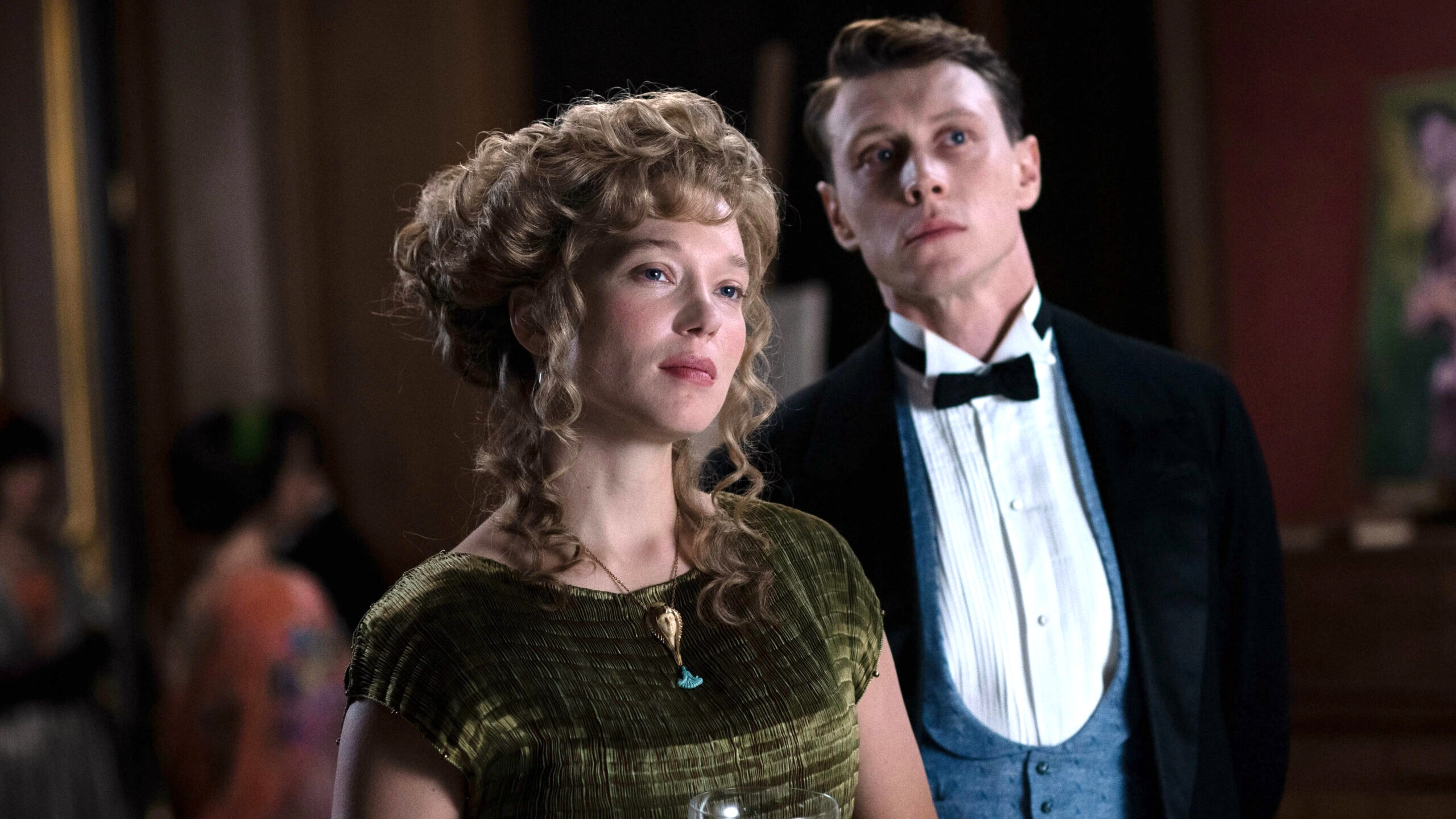
Some films almost defy logical analysis and Bertrand Bonello’s La Bête is one such er… beast, depicting as it does three distinct time-strands, each one featuring different versions of the same two characters. We first meet Gabrielle (Léa Seydoux) in a green-screen room, where the film’s director is talking her through a scene where she must pick up a knife from a kitchen table. This instantly alerts the audience to the fact that what we are about to see is an elaborate construct.

The story begins in 2044, where AI has pretty much taken over everyone’s lives, leaving them with precious little to do. Gabrielle is struggling to come to terms with a thankless job, which requires her to put her hand on a glass screen every so often. She decides to undergo ‘purification’, a procedure which will remove all of her troublesome human emotions. Meanwhile, she is offered the companionship of a doll, Poupée Kelly (Guslagie Malanda), who will do anything that Gabrielle asks of her.

As the purification begins events flash back to Paris in the year 1910, where Gabrielle meets Louis (George McKay) at a society party. In this version of her life, Gabrielle is a talented musician and she’s happily married to Georges (Martin Scali), a doll-maker, but her chance encounter with Louis clearly strikes a significant chord with both of them.

Have they already met somewhere else? Gabrielle confides to Louis that for most of her life she has lived with the fear that something terrible is going to happen to her. And just when that’s starting to sink in, we flash forward again to the year 2014, where Gabrielle is trying to make a living as a model and Louis is a terrifying incel, spewing hatred onto social media, intent on destroying all those women who have so callously spurned him over the years…

Bonello’s film is the very definition of a slow-burner, a whole series of events and repetitions gradually building to relate a mystifying narrative. Gina (Marta Hoskins), a blank-eyed clairvoyant, keeps popping up to put an even more disturbing spin on what’s happening. If I claimed to absolutely understand everything that happens in the film’s two hours and twenty-six minutes, I’d be exaggerating. I’m also unsure if a climactic scene, which appears to echo David Lynch’s Blue Velvet, is an intentional homage or just a coincidence.

Whatever, as the story moves assuredly through its many (often startling) twists and turns, I find myself increasingly fascinated with what I’m watching. Seydoux is fabulous in all of her versions and McKay (who took over the role of Louis at very short notice – and also learned to speak French into the bargain) continues to be a chameleon, seemingly able to transform himself into whatever is asked of him.

La Bête arrives heavily laden with five-star reviews and, though I’m not quite in that camp, I do feel this is a bold, ambitious film that goes to places where few others have dared to tread. I also readily accept that it won’t be for everyone.

Please note, in place of the usual rolling credits, viewers are offered the opportunity to scan a QR code instead, something I did for the purposes of this review. I urge everyone to do the same, only because there’s also a short clip on there that offers yet another piece to this enigmatic puzzle of a film.

4.2 stars

Philip Caveney