12/01/24
Cineworld, Edinburgh
What is Yorgos Lanthimos’ secret? Since 2015’s The Lobster, he has released a string of wild, absurdly funny and generally unhinged films, the kind of projects you’d expect to see consigned to little art house cinemas, but – as we saw withThe Favourite – his inventive offerings are pulling in the big crowds and attracting top-flight performers to star in them. Tonight’s early evening screening is packed with a predominantly young crowd, who spill out afterwards, excitedly discussing what they’ve just watched. In an age where predictable comic-book films have ruled the roost for far too long, this is heartening to see.
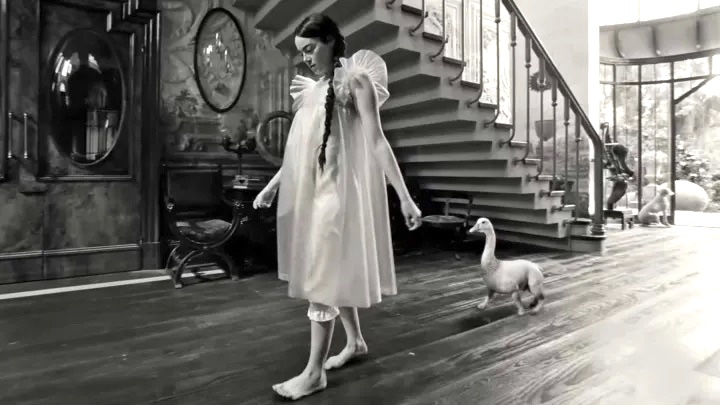
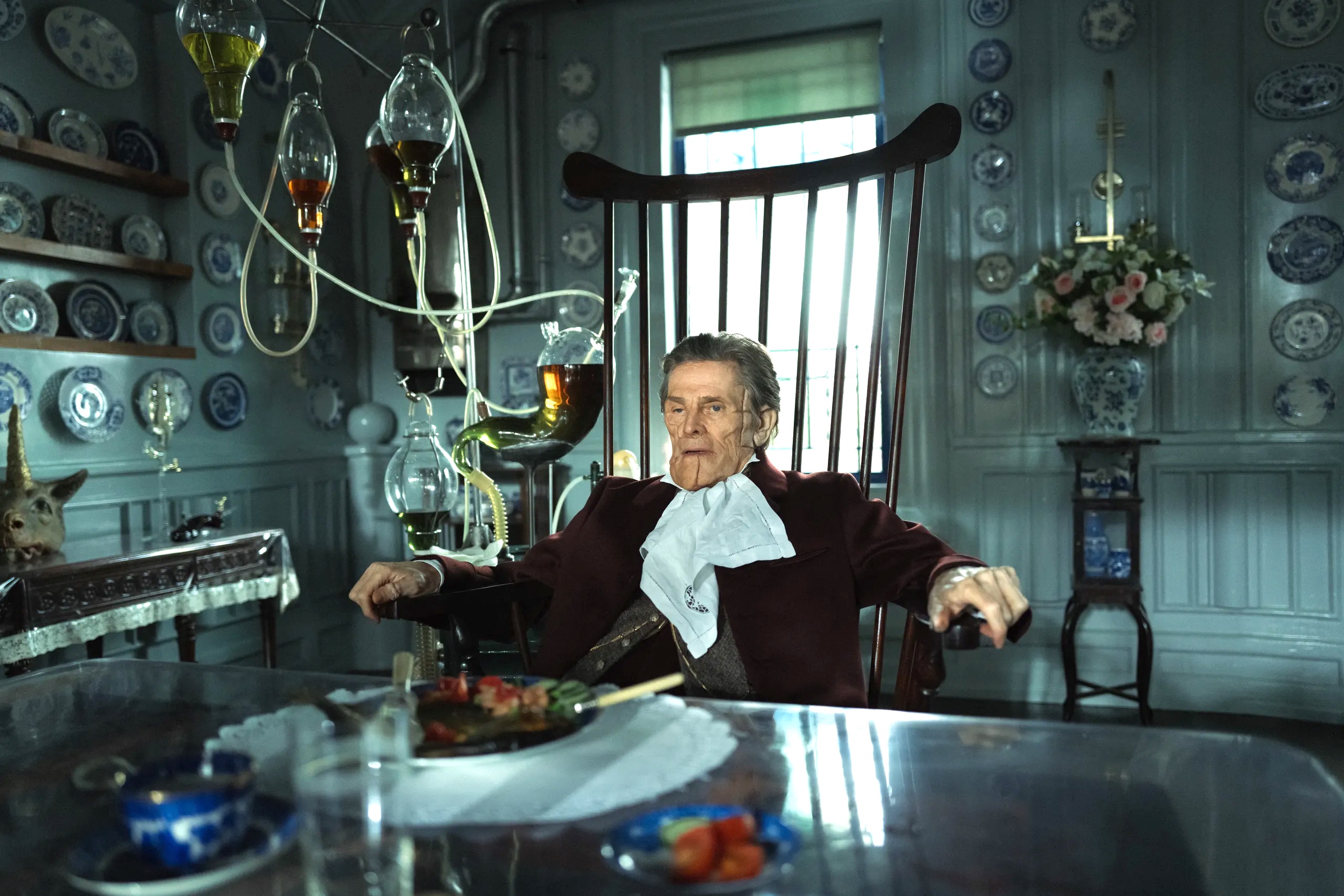
Poor Things, adapted by Tony McNamara from the novel by Glaswegian author Alasdair Gray, is surely Lanthimos’ most surreal piece yet. It’s been relocated to London (much to the ire of Gray’s fans) and relates the story of Bella Baxter (Emma Stone), a woman who, in the film’s opening scene, throws herself from a bridge into the River Thames. Her corpse is found by Dr Godwin Baxter (Willem Dafoe), a scientist in the Victor Frankenstein tradition. He carries her to his laboratory, reanimates her and makes a few radical adjustments, creating a new being who has to completely relearn how to speak, walk and generally comport herself.
Godwin is assisted by his young protégée, Max (Ramy Youssef), who quickly falls in love with Bella, but into this already weird scenario wanders caddish lawyer, Duncan Wedderburn (Mark Ruffalo). He spots an opportunity and promptly purloins Bella for his own nefarious purposes. He whisks her away on a whistle-stop tour of the world, calling in at some of the strangest cities you’ll ever witness on the screen…
It’s hard to know where to start throwing superlatives at this, but I’ll try.
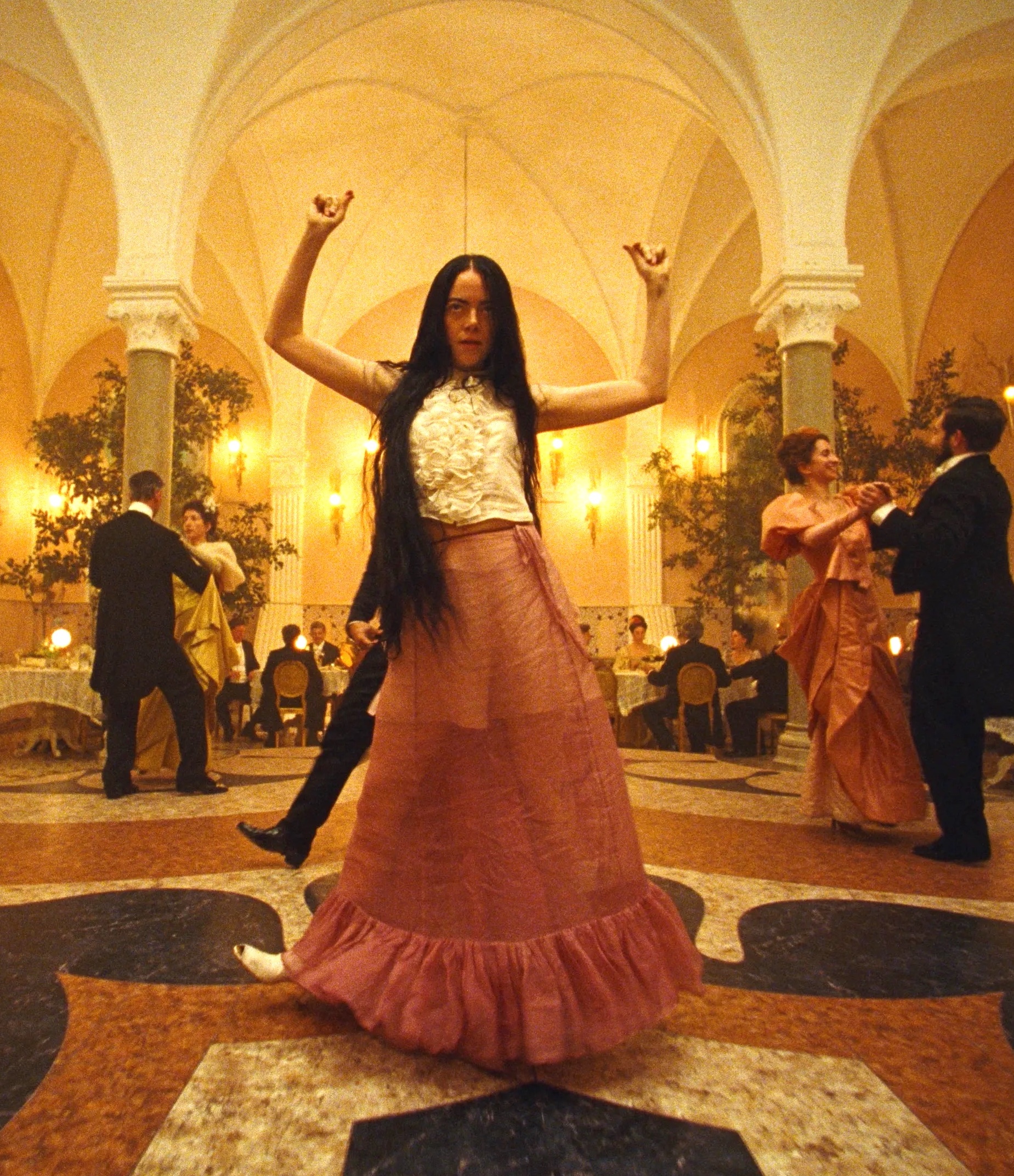
Poor Things simply vibrates and hums with pure invention, switching from black and white, to heightened colour, from fish-eye lens interiors and cramped city streets, to majestic – almost hallucinatory -landscapes, every frame so packed with ideas that I’m convinced I could watch this a dozen times and spot something new with every viewing. Stone, in a performance that has already claimed a Golden Globe and seems a good bet for an Oscar, is extraordinary here, uncannily inhabiting the character of a naïve woman. She is subjugated and exploited by the vicissitudes of toxic males, but somehow manages to assert her own agency and emerge victorious. Dafoe, who could so easily have been a clichéd horror figure, emerges as a sympathetic and weirdly adorable character, who has devoted his life to exploring the mysteries of science but still cares about his ‘daughter”s happiness. Hats-off also to composer Jerskin Fendrix for the suitably eerie score, which complements the action perfectly.
A word of warning: Poor Things has an 18 certificate and some of the content – especially those sections set in Paris – are unapologetically sexual in nature, but the film somehow never feels prurient. These scenes only serve to fuel the essence of the story: how the inherent nature of mankind is to corrupt and destroy everything of value. This may sound po-faced, but I’ve seldom seen a message delivered with such unfettered exuberance.
This is Lanthimos’ best feature yet (after The Favourite, that’s praise indeed). I’m already excited to hear about where he’s headed next. Just name the date, Yorgos; I’ll be first in the queue.
5 stars
Philip Caveney


 Bouquets & Brickbats