Traverse Theatre

FEIS

23/09/25

Traverse Theatre, Edinburgh

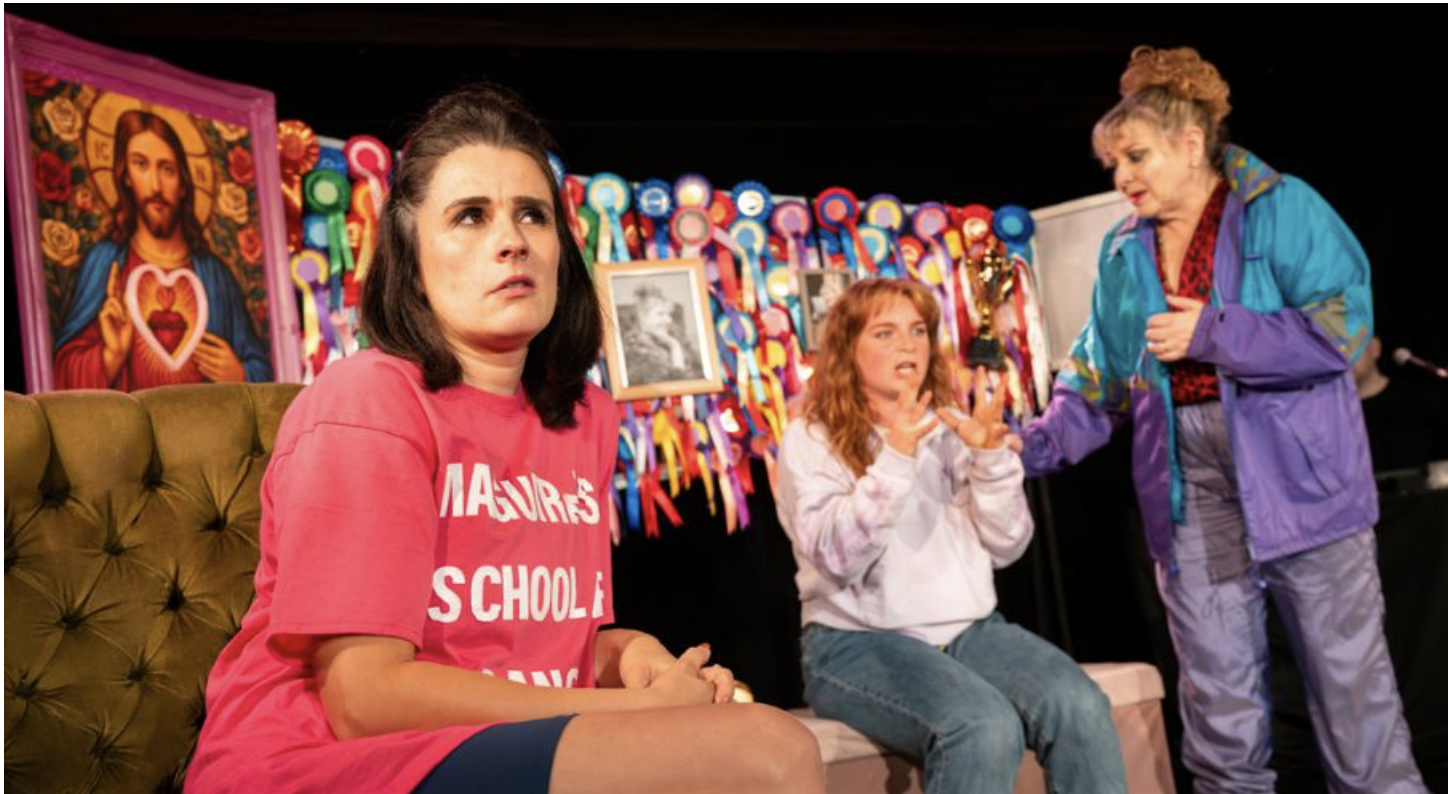
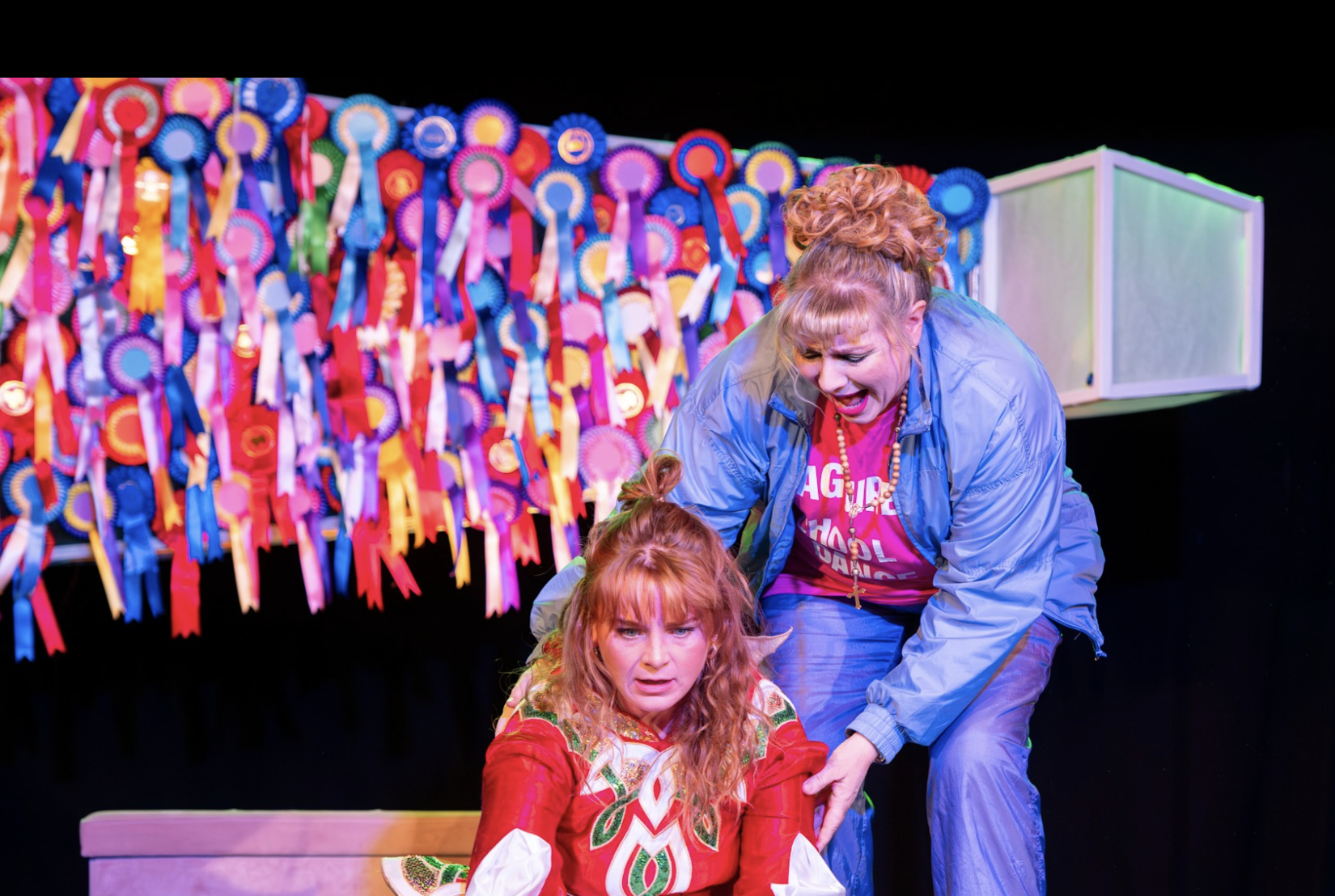
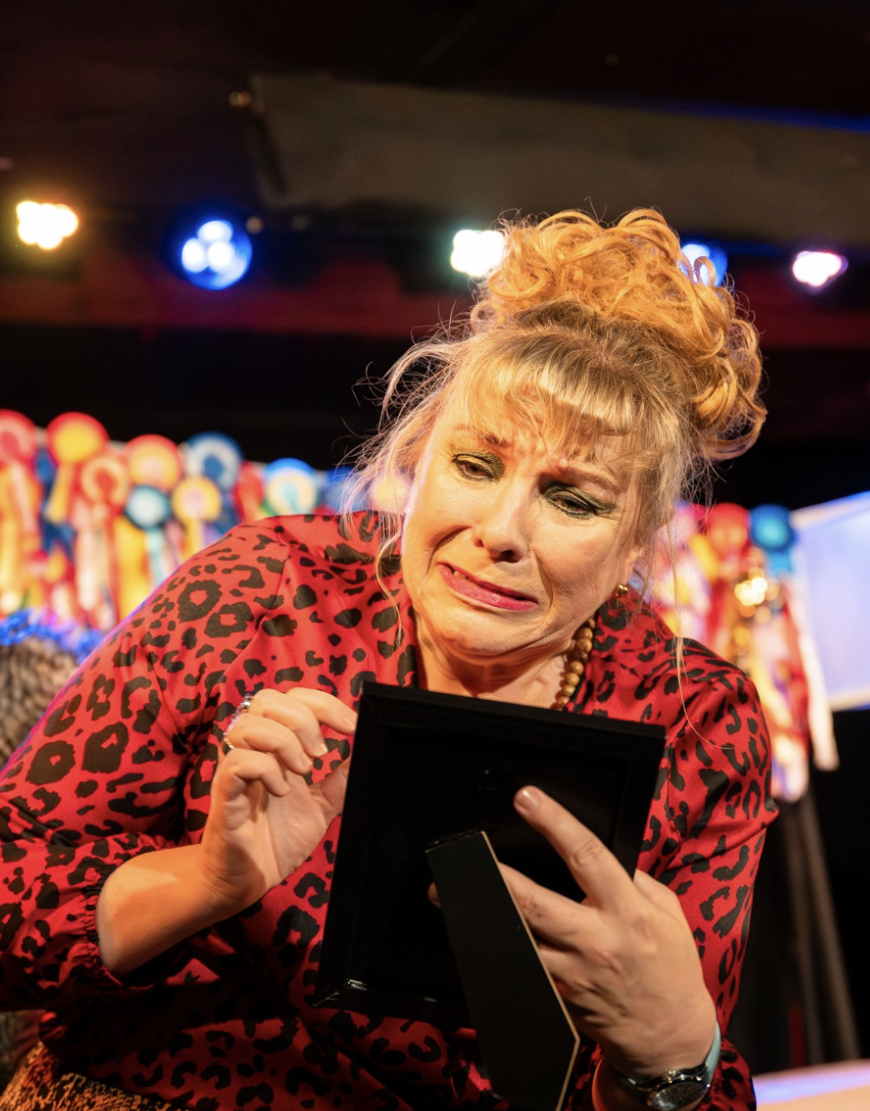
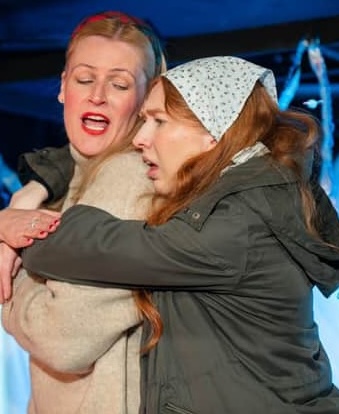
All is not well at Maguire’s School of Irish Dance. Back in the day, this Glasgow-based outfit was seen as a leader in its ghillie-footed field, when Deirdre (Louise Haggerty) won enough rosettes to paper the walls of her teenage bedroom. Decades later, the school’s fortunes are flagging disastrously and she’s been reduced to offering a ‘VIP’ service, performing online for an exclusively male clientele, who are not above offering extra money for her used socks.

Deidre’s mother, Maura (Julie Coombe), is blissfully unaware of these new measures but, when her teenage granddaughter, Aoife (Leah Balmforth), falls flat on her face at the 2023 Irish World Championships, things look pretty grim. Then Maura manages to scare off the school’s only other decent dancer and it’s clear that something has to give…

Billed as a dark comedy – though perhaps the term ‘farce’ might be more appropriate – FEIS (pronounced fesh) is a cautionary tale about ambition and the lengths to which some people are prepared to go to in oder to secure a win.

Writer Anna McGrath pursues the laughs with a vengeance, though it has to be said that the various twists and turns of the story often defy credibility and, in one particular instance, a real-life star of the Irish dance world has a pretty heinous accusation levelled against him.

Haggerty gives the lead role her all, even throwing in what looks to this novice like an impressive bit of Irish-dancing, but I remain unconvinced that anybody would go to the lengths Deidre does in order to attain her objective. Balmforth feels severely underused throughout, while Coombe’s is obliged to deliver a series of fat-shaming comments at an unseen dancer that feel somewhat at odds with contemporary thinking. (This may be the point but it feels ill-judged to me.)

Musician Brian James O’ Sullivan adds some spirited jigs and reels to the proceedings. Michael Flatley, meanwhile, was unavailable for comment.

3 stars

Philip Caveney

The Beautiful Future is Coming

08/08/25

Traverse Theatre, Edinburgh

Flora Wilson Brown’s The Beautiful Future is Coming is a triptych: a thought-provoking meditation on the subject of climate change set over centuries. 

New York, 1856. Eunice (Phoebe Thomas) believes she has discovered evidence that sunlight and carbolic acid will one day have a dramatic effect on the world’s weather. She’s understandably keen to spread the word – obsessed with the notion – and she’s supported at every step by her well-meaning husband, John (Matt Whitchurch). However, nobody in the scientific community is prepared to take the word of an amateur – and what’s more, a woman – seriously.

In 2027, Claire (Nina Singh) and Dan (Jyuddah Jaymes) are based at a design agency in London where, ironically, they are working on an advertising campaign for Greenpeace. They begin a flirtation, which develops into a serious relationship. But when Dan’s mother home is flooded by a sudden, catastrophic weather event, Dan’s whole worldview is irrevocably tainted.

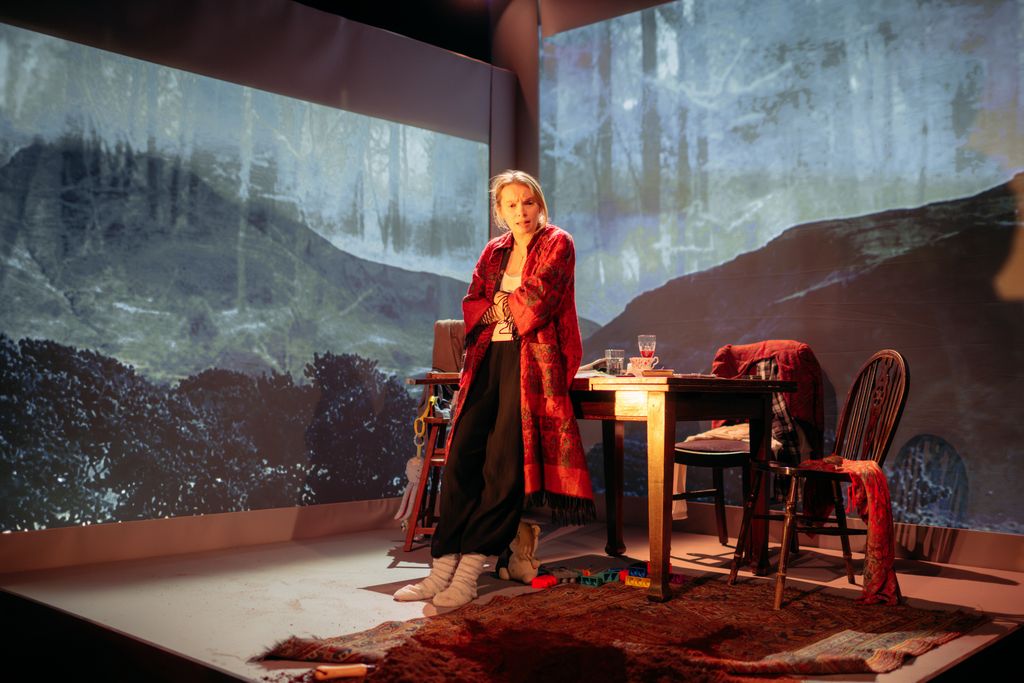
In 2100, scientists Malcolm (James Bradwell) and Ana (Rosie Dywer) are trapped in a research centre in Svalbard, Norway, where a storm has been raging for months. Ana is trying to conduct experiments on weather-resistant strains of wheat – and getting precisely nowhere. She is heavily pregnant and beginning to wonder if she can make it to safety before her baby arrives…

The story switches effortlessly back and forth in time, the scenes interconnecting almost seamlessly, the events occasionally echoing each other, as if to emphasise that, no matter how hard humanity tries to effect change, we hardly ever succeed. 

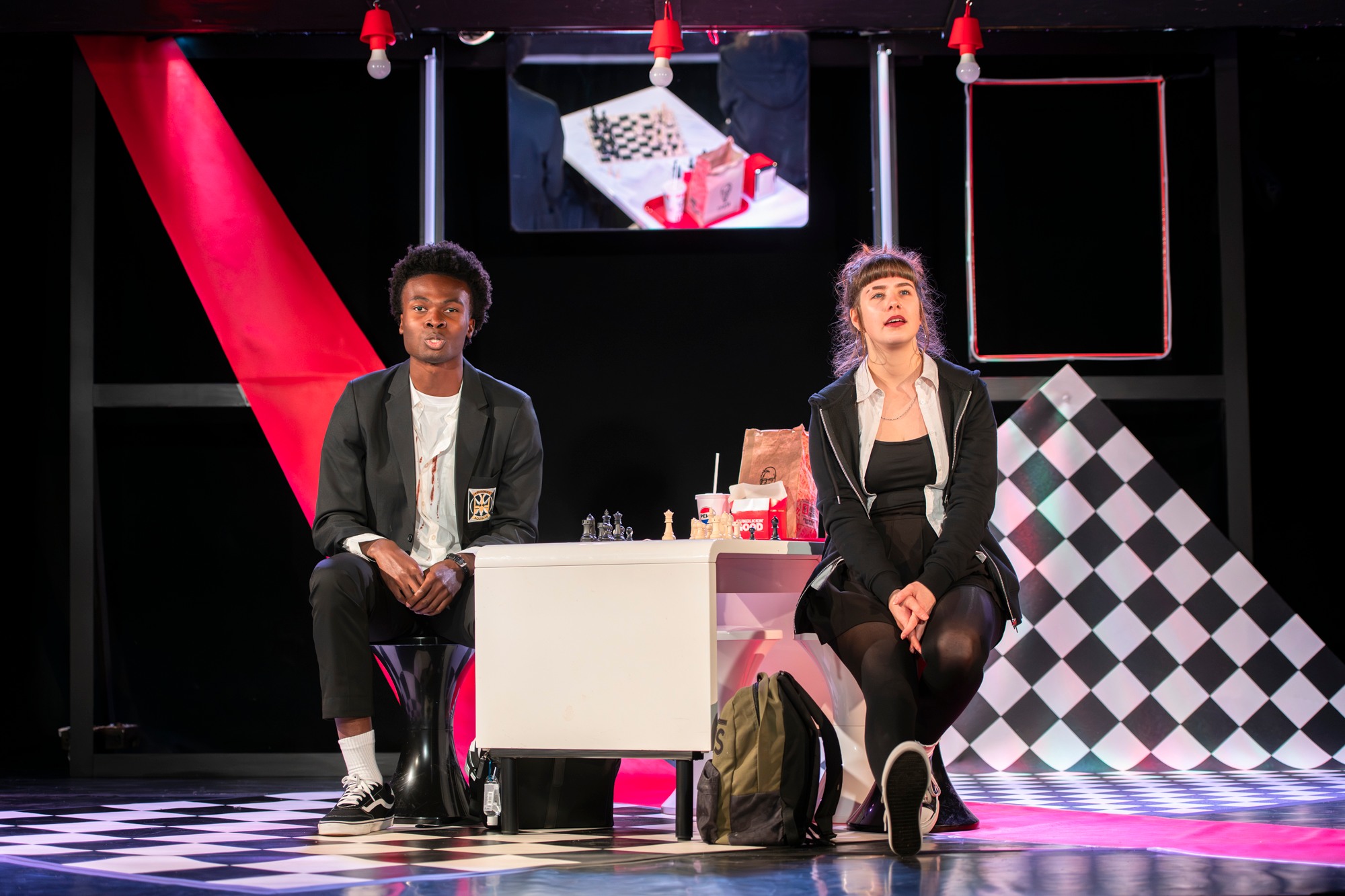
This complex tale is told with deceptive simplicity. The three couples move around Aldo Vázquez’s set like chess pieces on a board, while Elena Penãs atmospheric sound and Ryan Day’s lighting contribute to the play’s immersive atmosphere. For me, the only uncertain point here is Dan’s OTT reaction to his mother’s fate – there’s been no hint in his previously cheerful demeanour that such darkness lies within him.

But The Beautiful Future is Coming does have a profound impression on me, even if I can’t help feeling that the words ‘Don’t Hold Your Breath’ would make an apt suffix.

4 stars

Philip Caveney

She’s Behind You

03/08/25

Traverse Theatre, Edinburgh

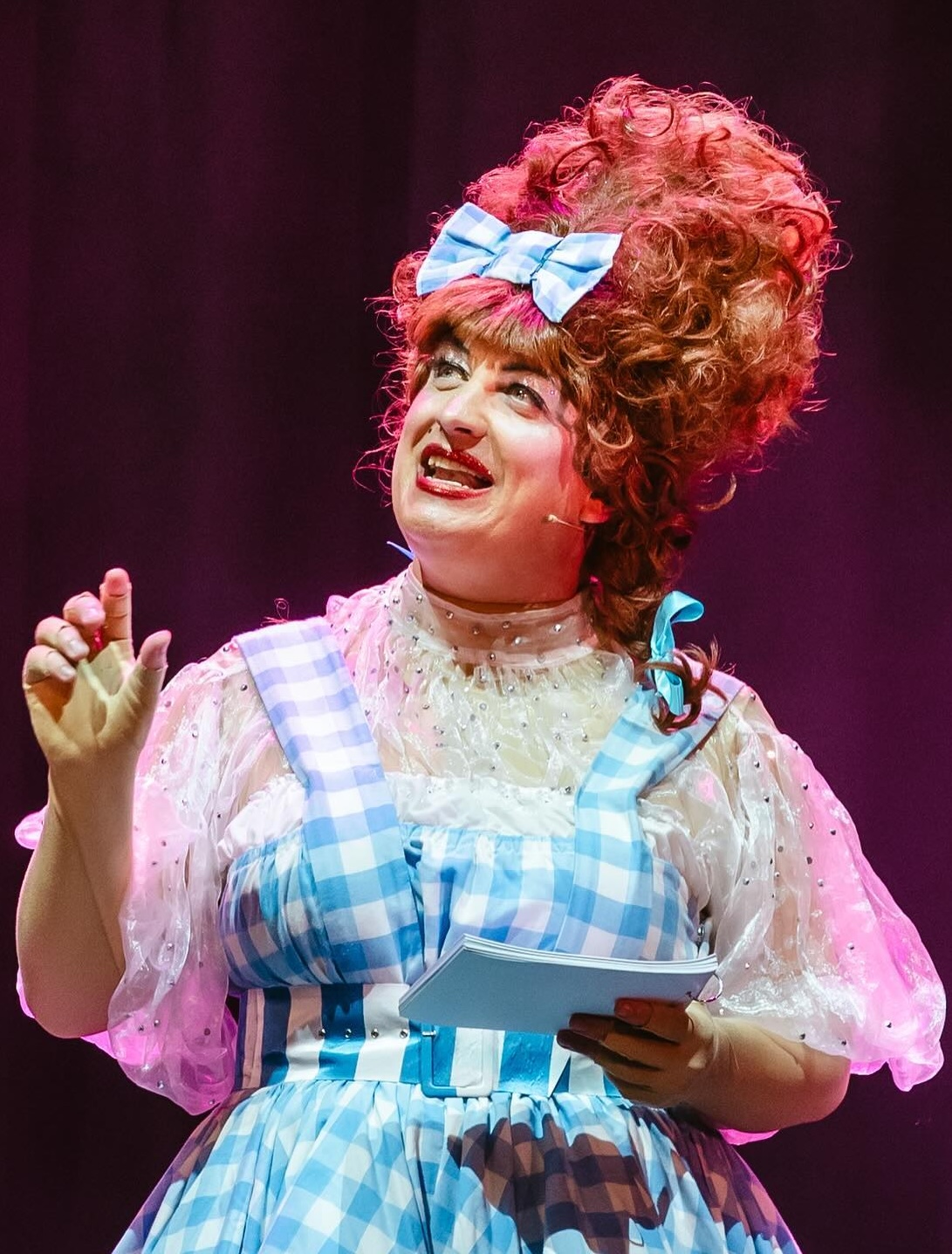
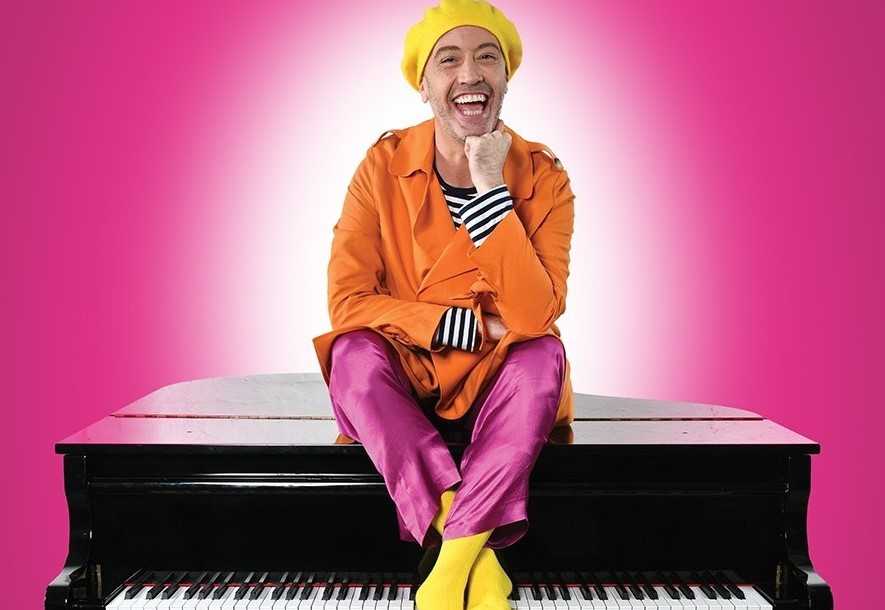
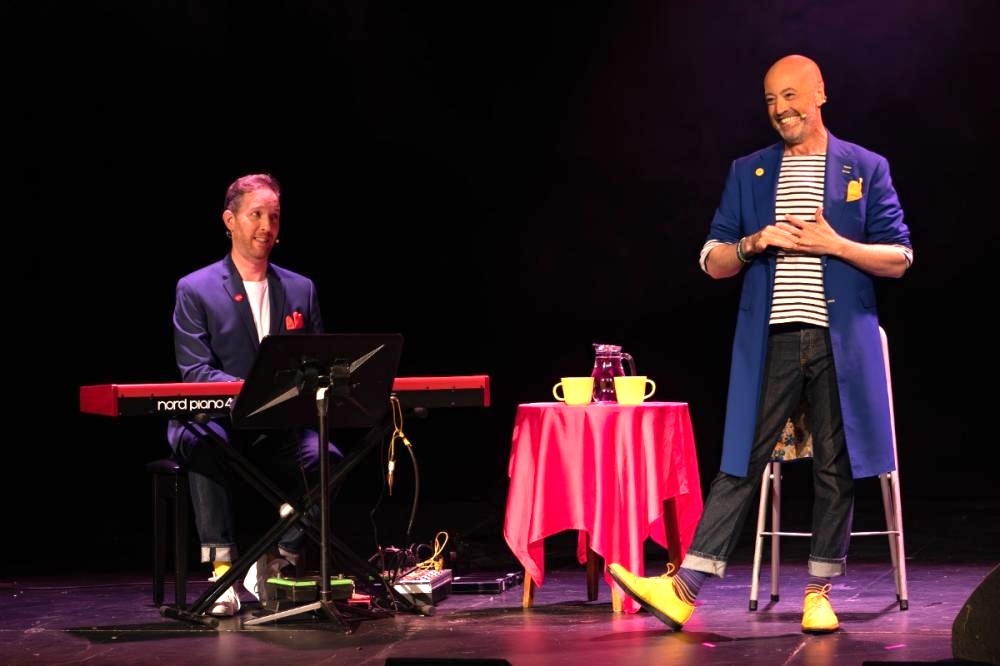
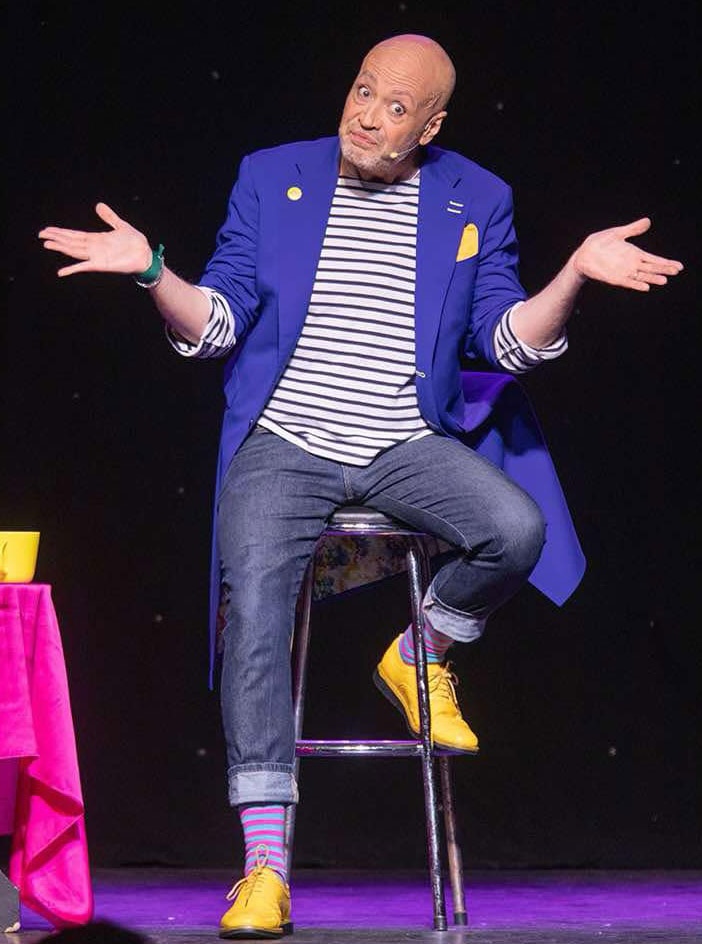
Johnny McKnight lifts the lid on all things panto in this hugely entertaining and informative one-dame show, directed by John Tiffany. She’s Behind You is an interesting hybrid, retaining all the bawdy glamour of Britain’s most popular theatrical form, while simultaneously offering a thoughtful commentary on its strengths and weaknesses. A seasoned writer and performer, McKnight has the audience in the palm of his spangly-gloved hands, eliciting gales of laughter as well as contemplative silences. He knows exactly how to tell his tale to best effect, effortlessly undercutting the more sombre moments with a raucous one-liner or comic song, carrying us along with him. It’s all beautifully designed by Kenny Miller and there’s a lightning-fast costume change (courtesy of Jennie Lööf) that will leave you breathless.

McKnight’s stage persona, Dorothy Blawna-Gale, is as warm as she is sassy, brash but never brutal – more Elsie Tanner than Cruella de Vil. “Punch up,” McKnight exhorts, reflecting on earlier iterations of his dame, where he followed in the footsteps of the Widow Twankeys and Ugly Sisters he’d so admired in his youth, making ‘harmless’ jokes about race, gender, sexuality and body size. “Times change,” he reminds us – and panto has to change with it. Some rules need to be kept – after all, the conventions of the genre date back to commedia dell’arte, a working-class art form that spurned elitism and focused on entertaining the masses – but some need to be broken.

For example, the gender imbalance doesn’t sit well any more, but most commercial panto casts are still at least 75% male, and the few women don’t get much agency, let alone the chance to tell jokes. There’s also an inherent homophobia, he tells us, which genuinely surprises me (I guess that’s my straight privilege showing). I’ve always thought of pantomime as gender fluid, sometimes sexist but never anti-gay. McKnight’s insider perspective opens my eyes, and I’m impressed by his efforts to walk the walk, writing scripts he can stand by and be proud of, serving his audiences rather than belittling them. Pantomime has survived so long by being adaptable and irreverent, so why is there so much resistance to challenging certain tropes?

But if all this sounds po-faced, then I’m doing McKnight a disservice, because – more than anything – She’s Behind You is a cyclonic blast, as big and bold as its glittering protagonist, and fully deserving the standing ovation it receives tonight.

So click your age-appropriate-but-sparkly orthotic heels together three times, and repeat, “There’s no place like the Traverse.” Dorothy Blawna-Gale will be waiting to see you. Oh yes she will!

5 stars

Susan Singfield

Lucky Tonight

31/07/25

Traverse Theatre, Edinburgh

Lucky Tonight is an interactive play/pub quiz, performed by its creator, Afreena Islam-Wright. It’s a fascinating theatrical hybrid, the form mirroring the tale. After all, Afreena is used to having a foot in more than one camp: this show explores the complexities of growing up Asian in Manchester: part Gorton-rebel, part Bangladeshi-brainbox. Islam-Wright is an engaging storyteller, skilfully creating a relaxed, informal vibe as the genial host, before slowly revealing a much darker undertone.

Perhaps the vibe is a little too relaxed: Islam-Wright interrupts her own flow with frequent questions to both her director (Julia Samuels) and the tech desk, asking for clarification of where she’s up to or if she’s missed a chunk of text. This isn’t billed as a work-in-progress, so I’m a little disconcerted by these moments. The vast number of largely unnecessary props cluttering the stage doesn’t help. I like the ramshackle spirit of the piece, but I think it needs a more solid base, with clearer audio and visual clues to keep the protagonist’s complex narrative on track.

The quiz is fun, nicely judged so that it feels challenging without being impossible. We’re given tablets and some simple instructions, and we all enter gamely into the competition. Without giving anything away, there are some audaciously-themed rounds, which add edge and a sense of jeopardy. I think there’s scope to take these further, to make the piece more impactful. (Aside: thanks to our third team member’s impressive music knowledge, we actually win the quiz!)

Islam-Wright captures our sympathy: it’s impossible not to empathise with a young woman caught in a trap between her own desires and her family’s demands, finding a way to make peace with the people she loves without compromising who she is. The tone is gentle throughout, creating an unsettling contrast with what is revealed – and, for me, this is the show’s strength. I’m like the proverbial frog who doesn’t notice he’s immersed in boiling water until it’s too late, and I leave the Traverse after what’s felt like a fun-filled ninety minutes, surprised to find myself in awe of Islam-Wright’s resilience and my mind focused on deeper themes.

All in all, Lucky Tonight offers a fresh approach to a coming-of-age story. With more precision and a willingness to push the boundaries, it could be something really great.

3.3 stars

Susan Singfield

A Little Inquest Into What We Are All Doing Here

24/04/25

Traverse Theatre, Edinburgh

As the title suggests, ThisEgg’s A Little Inquest Into What We Are All Doing Here takes the form of a legal hearing scrutinising the cancellation of their 2022 piece, The Family Sex Show. Some readers may remember the furore: news of the play, aiming to open up avenues for safe, open conversations about sex for children and parents, was picked up by extremist hard-right groups, and there were calls for it to stop. And so, before it was fully developed, the fledgling drama had its wings well and truly clipped. Venues, understandably scared by bomb threats, pulled out. Members of the company, their families and venue staff were called paedophiles and subjected to death threats. The pearl-clutching moral outrage had its intended effect, and The Family Sex Show never made it into production.

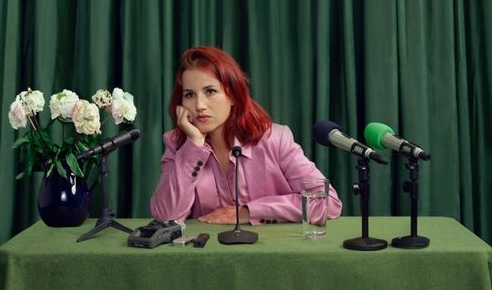
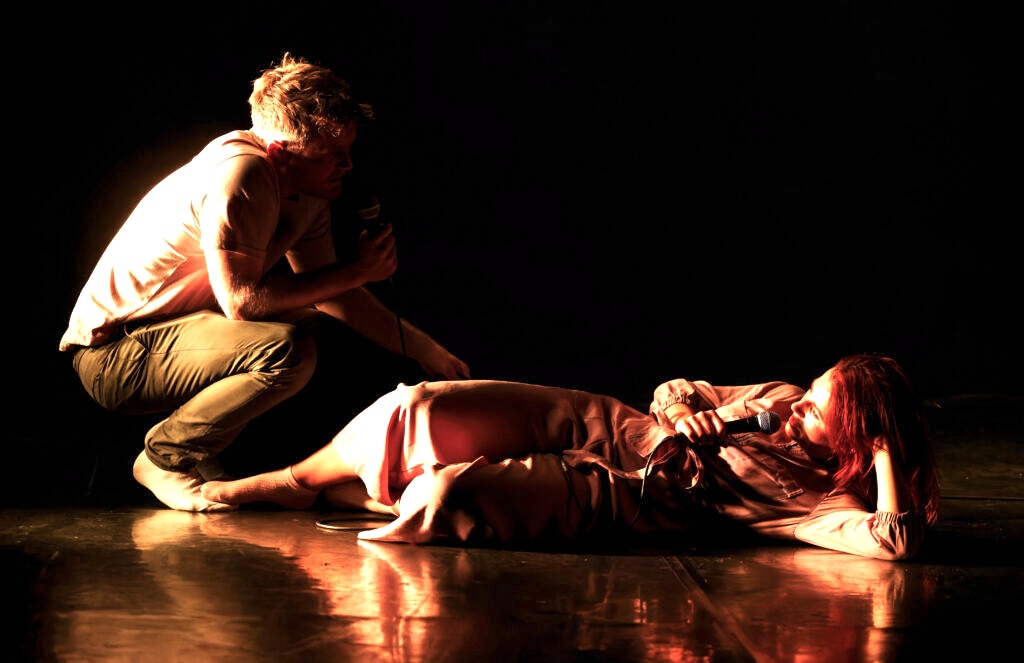
Lead artist and producer Josie Dale-Jones sits behind a desk and speaks into a microphone, laying out the details for us to consider. She is scrupulously even-handed, not only defending her much-maligned play, but also acknowledging some of the mistakes she made along the way.

The main focus, however, is on two issues.

First, our current approach to sex education does children a disservice. Not everyone has parents who are willing – or even able – to listen to their concerns and offer them sensible advice. Teachers have neither the time nor the training to deliver the guidance young people need in this area. So what’s the answer? Let them learn about sex and relationships from their equally ill-informed classmates? From porn? Or perhaps we should leave it to Andrew Tate to let them know what’s what? The Family Sex Show might have had its faults, but it should never have been cancelled without even being seen. How can we decry something without understanding what it is? At least ThisEgg were trying to make a difference. Who knows? Maybe this play would have been some youngsters’ salvation, helping them to navigate their way through their thorny adolescent years.

Second, being the victim of a wave of public vitriol is horrific. Dale-Jones reads out a selection of the violent, misogynistic emails and letters she received. They’re terrifying. Who are these people, who – hiding behind the anonymity of a jaunty email address – casually advise a stranger to commit suicide, or threaten to murder them, gleefully citing their parents’ address? They’re not so few in number that we can afford to rest easy. They walk among us. Maybe we’re related to them; maybe, unwittingly, we count them as friends. Unsurprisingly, the impact on the recipients’ mental health is devastating.

Dale-Jones is a committed performer, and the interrogative format of Abbi Greenland’s script stops the piece from feeling too didactic. The wider concerns are skilfully woven into her personal story, combining the macro with the micro to form a challenging and thought-provoking narrative.

About forty minutes into this hour-long production, there is a sudden shift of gear, and we find ourselves hurtling in an entirely unexpected direction. There’s glitter, tap-dancing, a second actor (Laurence Baker) – and a depiction of the dying throes of a longterm relationship. Here, director Rachel Lemon offers us a glimpse of the more private consequences of being silenced: the loss of confidence; the loss of self-esteem; the loss of income. This section is figurative, providing a stark contrast to the more literal earlier stretches. I like the audacity but, although there are some moments I enjoy and admire, I find it weakens the message overall.

Nonetheless, this is a clever, provocative piece of theatre, which raises a lot of important points for debate. It’s easy to see why it won a Fringe First award last year.

3.6 stars

Susan Singfield

Looking For Me Friend: The Music of Victoria Wood

23/04/25

Traverse Theatre, Edinburgh

Victoria Wood was on my radar early on. Like many others, I first became aware of her when she appeared on (and won) TV talent show New Faces in 1974. Over the years, I regularly tuned in to her latest TV iteration, witnessing her various working partnerships with the likes of Julie Walters, Celia Imrie and Maxine Peake – and was dismayed to hear of her death from oesophageal cancer in 2015 at the age of just 62.

Paulus grew up through the strictures of the 1970s and 80s and, as a gay man, he found Wood an inspiration, enjoying in particular her songs and the playful way she used lyrics to create and define characters. When he met kindred spirit, Michael Roulston, it was perhaps inevitable that the two of them would eventually collaborate on a show, which they brought to the Edinburgh Fringe in 2022.

Looking For Me Friend is essentially a love letter to Victoria Wood, a celebration of the woman who would never use the word ‘biscuit’ when she could say ‘Garibaldi,’ who helped launch the careers of so many other performers, who always came across as somebody you’d love to have a long chat with over a cup of coffee. (I’m fascinated when Paulus tells us that, early in his career, he sent begging letters to scores of entertainers asking for their financial help and the only one who actually came back with a cheque – for £50- was Victoria Wood.) Sadly, he never met her in person.

This is a warm hug of a show, and Paulus is a confident and charming performer, nailing each song with aplomb and chatting with the audience in between. This isn’t an impersonation so much an interpretation of Wood’s best musical pieces, which vary in tone from laugh-out-loud funny to downright heartbreaking. Roulston provides sensitive musical accompaniment and occasionally weighs in with some pithy one-liners from Wood’s back catalogue. The two men work together with absolute ease.

It’s clear that there are some people in tonight’s audience who harbour the same devotion to the woman that inspired Paulus, some of them able to shout out even Wood’s most obscure catch-phrases on cue. I’m not that much of an expert myself but listening to the surprising range of material in tonight’s performance does make me appreciate that I’ve missed out on much of the late comedian’s finest compositions. Of course, you don’t have to be a Victoria Wood fan to enjoy this show: even in the unlikely event that you’ve never heard of her, you’ll feel that this is an hour and a half in which you’ve been thoroughly entertained.

Looking For Me Friend has just one more show in Edinburgh before it moves on to pastures new, so grab some tickets. Do it! Do it toniiiiiiiight!

4 stars

Philip Caveney

Ivor

15/04/25

Traverse Theatre, Edinburgh

It’s Scarlet’s twenty-first birthday, and she’s promised to spend it with her mum. Single-parent Sarah (Laura Harvey) is beyond excited: she’s not enjoying her empty nest, and is determined to go the extra mile for her student daughter (Alice Glass). A landmark occasion requires a significant gift – and what could be more significant than an actual iceberg?

The titular piece of polar glacier – “Ivor” – dominates both the family kitchen and the Traverse 2’s stage: a great big hulking metaphor, displaced and dangerous.

Scarlet’s not exactly delighted by the surprise. Not only is it weird, it’s also way too much. She feels suffocated by her mother’s ridiculous largesse. How now can she break the news that, in fact, she won’t be staying here after all? That she’s planning to go to London with her girlfriend, Jude (Betty Valencia), and has only popped in to collect something…

Jennifer Adam’s sprawling script encompasses ecological disaster, terrorism and helicopter parenting. The creaking, leaking iceberg symbolises more than the melting ice caps: it’s a reminder of the enormity of the task ahead for Jude and Scarlet, young women determined to save the world. Meanwhile, the petty squabbles and hypocrisies between the three loom just as large. It’s a lot to pack in to fifty minutes’ playing time and, although director Catriona MacLeod succeeds in pacing it well, I can’t help wishing there were a little less here. Valencia’s performance is strong, but I think the play would be more compelling without Jude, with a tighter focus on the mother-daughter dynamic, set against the ever-looming climate crisis.

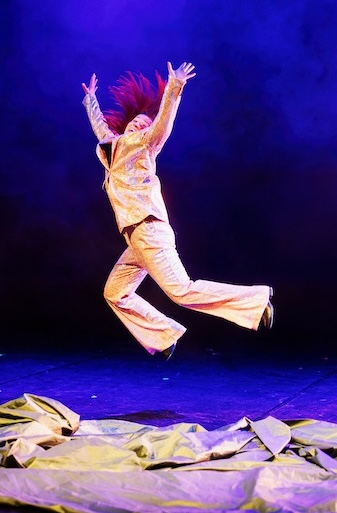
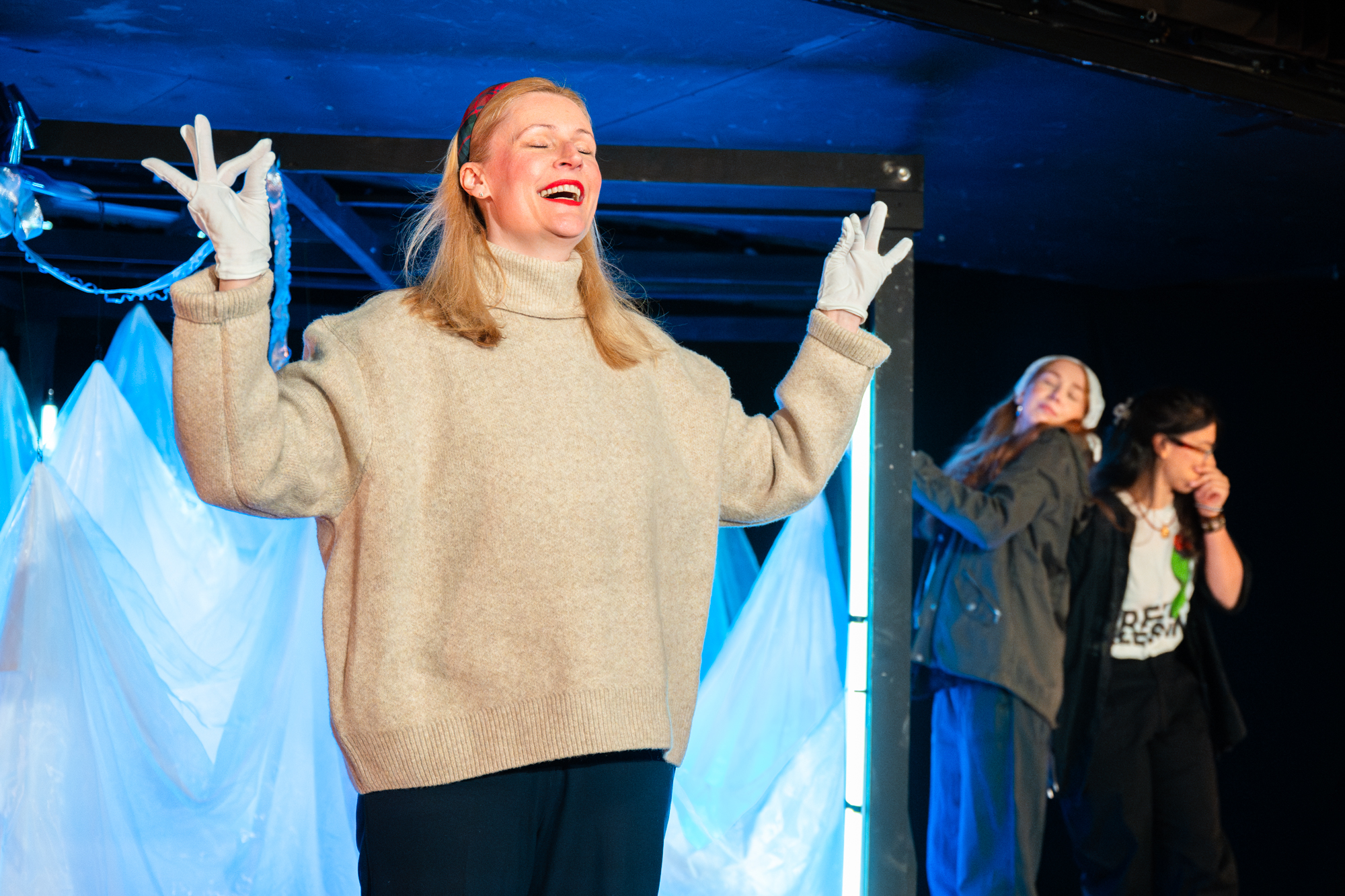
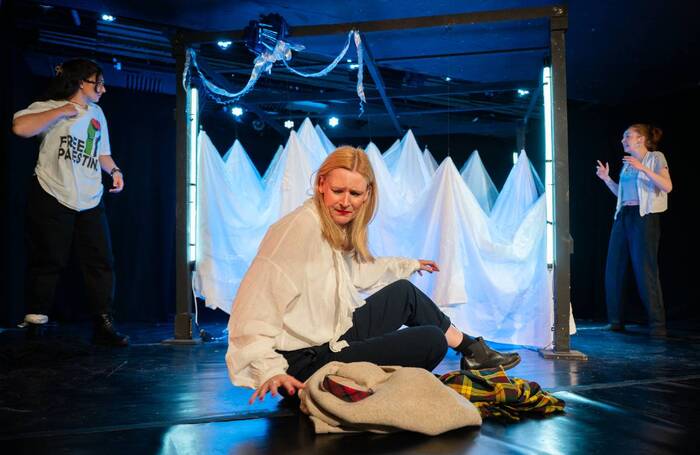
Heather Grace Currie’s clever design almost fills the small stage with an Ivor comprising huge white sheets teased into peaks, which is quite an achievement on a small budget. Unfortunately, this affects the sight-lines, and I wonder if a more abstract construction – an up-lit empty frame, for example – might serve the piece better.

The idea behind Ivor is pleasingly quirky but, in its current form, it doesn’t really suit the PPP running-time. Given longer to develop its themes – Jude’s family’s experiences in Colombia in particular need a lot more attention – this could be a really fascinating play, with much to say about the troubled times we live in.

3 stars

Susan Singfield

Night, Idiot

12/04/25

Traverse Theatre, Edinburgh

Night, Idiot promises to be a breezy comedy of manners, with a strong focus on inter-generational differences. Dani (Zoë Bullock) and her boyfriend, Paul (Andrew Barrett), have just moved into a new flat, and they’ve barely started unpacking when Paul’s mum, Ruth (Pauline Lynch), announces a visit. Zoë’s nervous: she’s only met Ruth once before and that didn’t go well. After all, it’s hardly Zoë’s fault that Paul is still working in a coffee shop, or that his great novel remains a concept rather than anything as concrete as a finished manuscript. So it’s Zoë’s job as a paralegal that pays the rent and bills; so what? That’s up to her and Paul. But Ruth has other ideas: she wants her son to fulfil his potential. And, more importantly, she wants grandchildren. Soon.

The first third is very funny, if sometimes a little far-fetched (surely no one is ever as blunt as Ruth in their criticism of their child’s partner?). But something is clearly troubling Dani…

And then things take a darker turn…

Directed by Shilpa T-Hyland, Night, Idiot is a dynamic piece of theatre: poignant, engaging and full of twists and turns. The script – by Bullock – is clever, offering clear insight into Dani’s mental anguish as she obsessively replays events, dwelling on every Sliding-Doors moment and pondering what might have been. These glimpses into the hypothetical are slick, and I like the fact that Bullock doesn’t offer any easy answers for us or Dani, and nor does she shy away from difficult themes.

Bullock and Lynch make an appealingly-fiery central duo, while Barrett ensures Paul is a sympathetic character, despite his uncommunicative nature and ultimate cowardice. Bullock in particular gets to show off her acting chops: watch out for her so-heavily-signposted-this-isn’t-a-spoiler rendition of Shrek and you’ll see exactly what I mean.

Night, Idiot is an ideal piece for A Play, A Pie and A Pint, with lots packed into the short running time. There’s emotional heft here and I find myself really rooting for the characters. Zoë Bullock is clearly one to watch.

4.3 stars

Susan Singfield

Dancing Shoes

01/04/25

Traverse Theatre, Edinburgh

01/04/25

Traverse Theatre, Edinburgh

Lunchtime theatre generally comes with built-in limitations – small casts, modest sets, humble props. But sometimes a production is so chock-full of joy that it effortlessly transcends all barriers. Dancing Shoes, written by Stephen Christopher and Graeme Smith and directed by Brian Logan, is a perfect example: a ‘little’ play that has a lot to say about male friendship and the pressures of trying to escape the stigma of addiction.

We are at a meeting of a support group somewhere in Edinburgh, where recovering drug addicts Craig (Ross Allan) and Jay (Craig Mclean) are eager to introduce themselves and tell us all about their friend, Donny (Stephen Docherty). He’s an older man, something of a loner, who – left to his own devices for far too long – eventually succumbed to the powerful lure of alcohol. Since his mother’s death, he’s been drinking several bottles of wine a night and has become enveloped by an overpowering sense of shame. 

But after visiting the group, he’s managed to step away from temptation and is determined not to slip back into his former habits. At one meeting, the three men discuss the things that really fire them up. Donny makes a surprising admission: he loves to dance. And when Jay gets out his phone and innocently films Donny, leaping around his apartment to one of his favourite tunes, none of them is quite prepared for what happens next…

From this simple premise, a delightful story emerges – an uplifting and heartwarming tale about the pursuit of personal happiness. The script is fast-paced and acerbic, the men’s conversation often laugh-out-loud-funny, yet utterly authentic.

The story is anchored by three delightful performances. Docherty reveals Donny’s inner self, forever peeking cautiously out from behind a veneer of respectability, but simultaneously compelled to reach for new horizons. Allan is terrific as the deadpan, fatalistic Craig, all too aware of how lives can sometimes go awry. And McLean is wonderfully enthusiastic as Jay, constantly looking for ways to turn the latest events to his own advantage. These are not caricatures but fully-fleshed human beings, who carry the scars of their respective addictions deep within them.

The packed audience at this A Play, A Pie and A Pint event reward the performers with a heartfelt ovation and I’m in total agreement with them. Anybody in search of an uplifting afternoon of theatre should slip on their spangly dancing shoes and quickstep their way to the Traverse.

5 stars

Philip Caveney
Wasps

25/03/25

Traverse Theatre, Edinburgh

Cameron Forbes’ Wasps, the latest offering from A Play, A Pie and A Pint, buzzes along busily, like its  hymenoptera lookalike. Anchored by a gutsy performance from Yolanda Mitchell, this tragic coming-of-age monologue has quite a sting in its tail (sorry, not sorry).

Teenager Rianne (Mitchell) just wants to fit in. At school, she’s perfected the art of invisibility: if she dresses right, wears her make-up exactly so, earns just enough detentions, she can move through the corridors without attracting any attention at all. But there are downsides to never being seen. For one thing, her crush, Oran, doesn’t seem to realise she exists. And for another, not even her best friend notices when her life implodes…

I’m not usually a fan of so-called inspirational quotations but “what doesn’t kill you makes you stronger” serves as a pretty decent précis of Wasps‘ central message. And I mean that in a good way. Rianne faces some really serious problems – including a confrontation with her spheksophobia -which she has to dig deep to face up to. And yes, she emerges battle-scarred, but at least she’s no longer desperate to disappear. She’s bolder, braver and ready to take up space. A bit more… wasp-like.

Director Lesley Hart ensures that the pace never flags, so that the play has a convincingly propulsive teenage energy, and Mitchell does a wonderful job of conveying both Rianne’s turbulent emotions and her evident disdain for many of the people in her life, evinced by her scathing impressions of them.

Gillian Argo’s set is visually arresting. I like the hexagonal construction, suggestive of a wasp’s nest, and the flickering projections of the worker wasps . However, I’m not always fully convinced by the wasp analogy; the comparison is perhaps stretched a little too thin. I’m also left with a couple of nagging questions about the plausibility of some of what occurs. (I can’t elucidate without spoilers but let’s just say that, though social care in the UK is undoubtedly in dire straits, Rianne is a vulnerable child and her situation would surely be flagged up; she wouldn’t be left to deal with it entirely alone.)

Nonetheless, this is a sprightly, engaging piece of drama, with some lively writing and a spirited delivery – a worthy addition to the PPP canon.

4 stars

Susan Singfield