14/02/26
Church Hill Theatre, Edinburgh
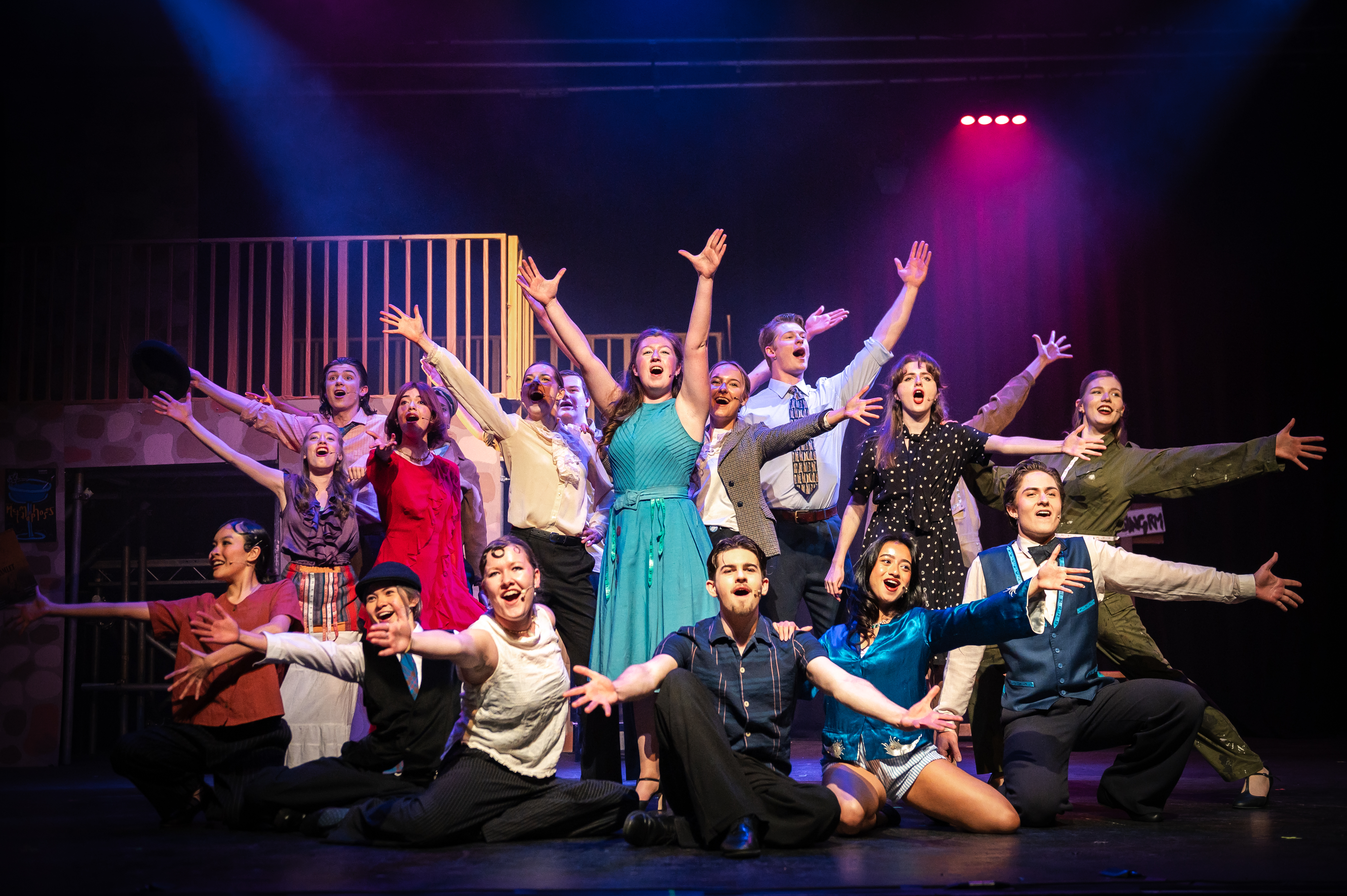
Seemingly tailor-made for Valentine’s Day consumption, Kiss Me Kate is an ambitious undertaking for any company, but Edinburgh University Footlights handle it with their customary skill. From the first strains of Another Ope’nin, Another Show, the twenty-two strong cast unleash an absolute barn stormer of a production, backed by a 15-strong band.
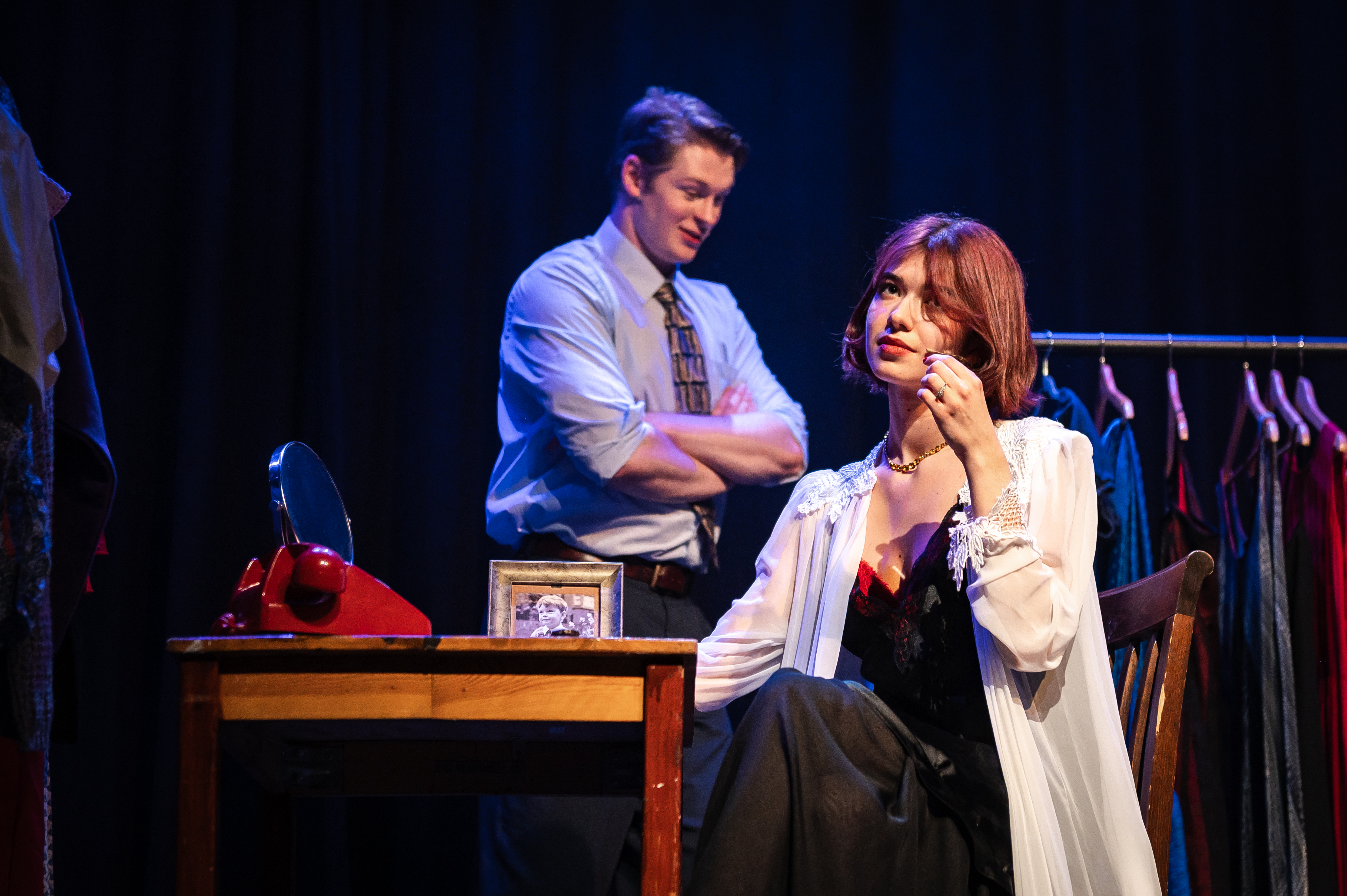
Theatre impresario Fred Graham (Ewan Rotherston) is putting on his production of The Taming of the Shrew and has also taken on the lead role of Petruchio. He has somehow persuaded his former wife, Lilli Vanessi (Nina Birbeck), to return to the stage after a long absence as the titular Katherine. It soon becomes apparent that the two of them still have unfinished business. Arguments inevitably ensue and further complications arise thanks to lead dancer, Bill Calhoun (Dan Bryant). He’s currently playing Lucentio whilst romancing the show’s flighty Bianca, Lois Lane (Elham Khosravipour) – a woman who seems to have had relationships with just about every man in the vicinity.
When Bill gets involved in a shady poker game and loses a large amount of money, it emerges that he’s cheekily ‘borrowed’ Fred’s identity. Suddenly, the production finds itself with two new additions to the cast: a couple of gangsters (Bella Cripwell and Christiana Doe), who are determined to ensure that the show is successful enough to pay off Bill’s massive debt…
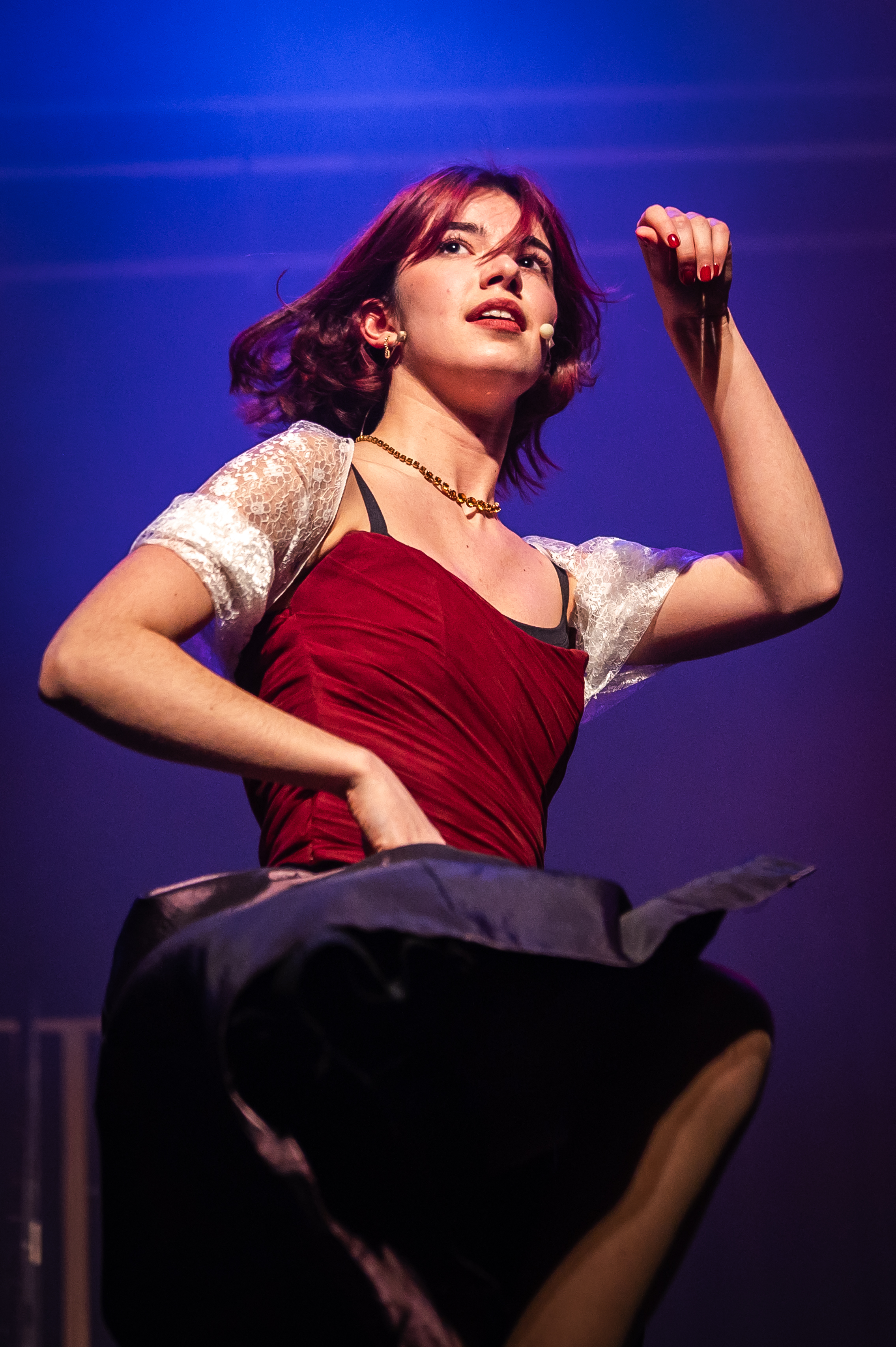
With music and lyrics by the legendary Cole Porter, Kiss Me Kate offers a clever ‘show within a show’ framework, and it’s liberally peppered with memorable songs and frenetic dance routines. Both Rotherston and Birbeck have incredible vocal ranges (Birbeck’s unfettered performance of I Hate Men is a particular standout), while Bryant dances up a storm throughout and Khosravipour embodies the mischievous Lois with relish. Her rendition of every Tom, Dick or Harry is a hoot.
But of course in productions like this, the ensemble work is essential and choreographers Lysa Britton and Caitlin Visser have drilled the cast to perfection. The rendition of Too Darn Hot which opens the second half, led by an athletic Paul (Aaron Ventnor), threatens to blow the roof off the theatre.
And naturally, those two unnamed gangsters are an integral part of the show as they increasingly muscle their way into proceedings until they are performers in their own right. Hilariously personified by Cripwell and Doe, they add the final flourish to a dazzling production. If you don’t come out of this singing Brush Up Your Shakespeare, there’s clearly no hope for you.
4.6 stars
Philip Caveney



 Bouquets & Brickbats