
09/12/22
Cineworld, Edinburgh
The real-life silent twins of the title are Jennifer and June Gibbons, born in 1963, who refused – for years – to speak to anyone but each other. No one really knows why, but there are myriad theories: they were outsiders – the only Black kids in their small Welsh town; they were bullied; one was controlling the other – or, more crudely, they were ‘disturbed’.
Certainly ‘disturbed’ was the verdict of a baffled legal system, which over-reacted to the girls’ teenage crimes of petty theft and arson, and sent them to Broadmoor high security mental health hospital – a place more commonly associated with hardened murderers than wayward kids. How did they get through the eleven long years they spent there?
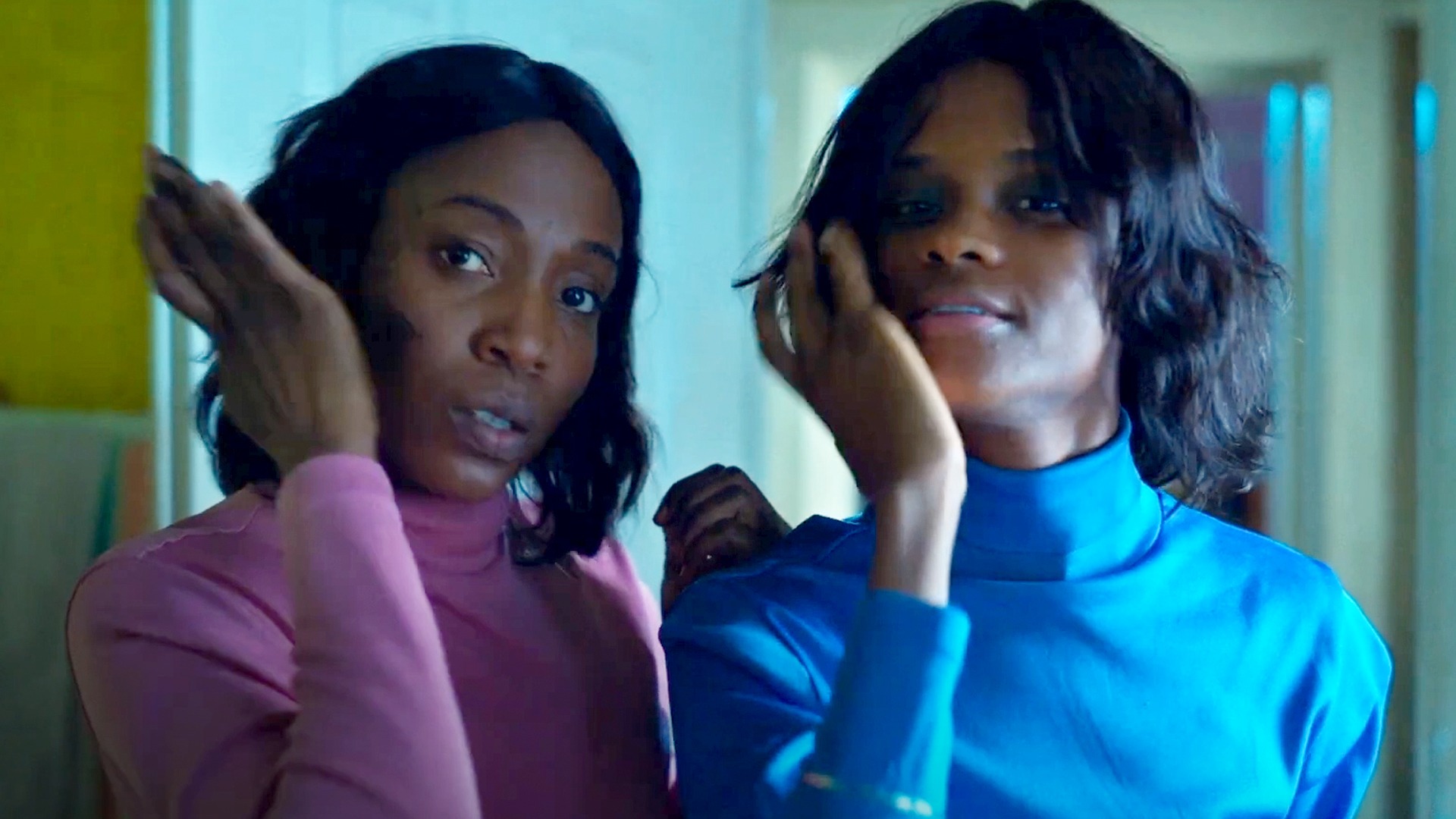
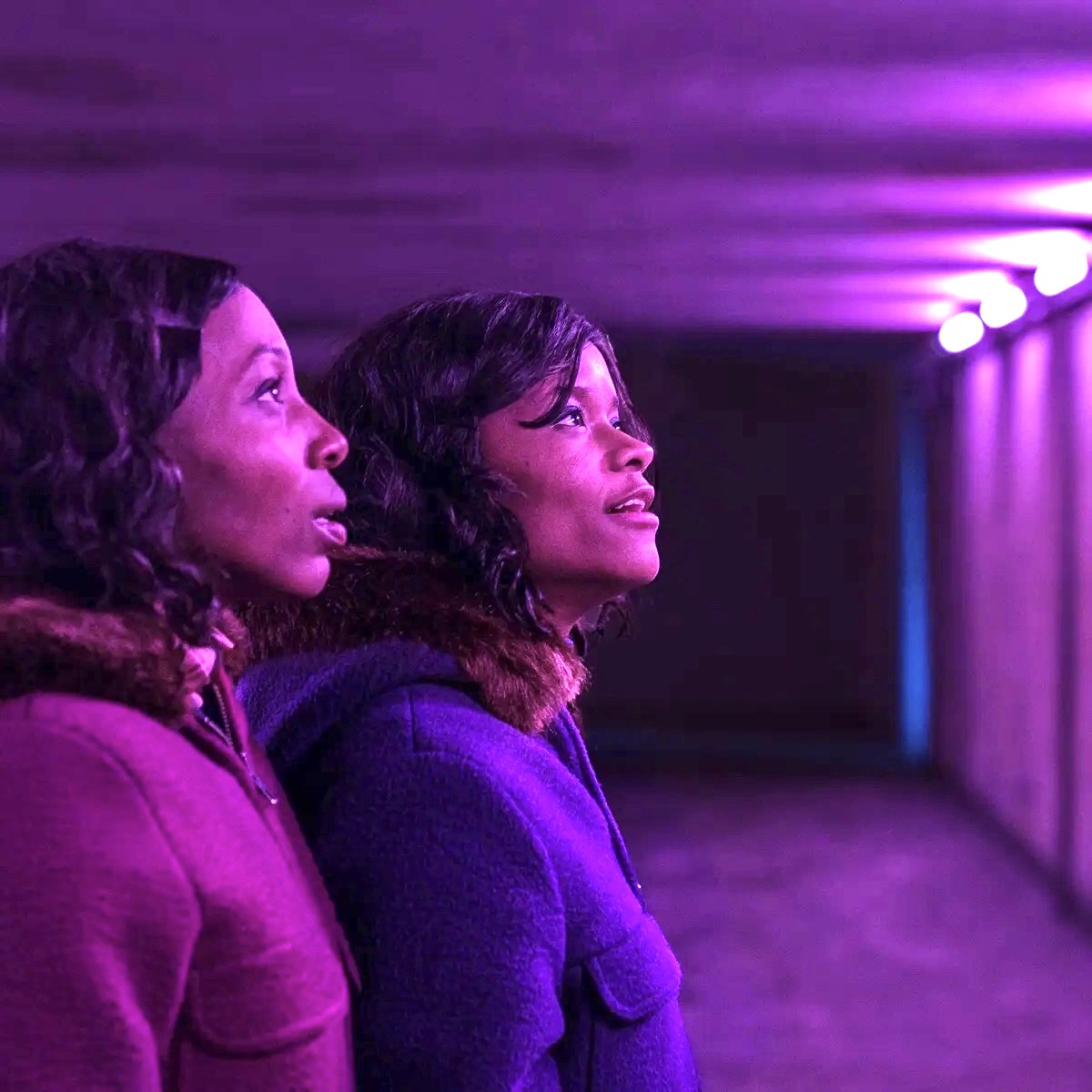
Director Agnieszka Smoczynska shows us how: by retreating into their rich inner lives. In this illuminating biopic, adapted by Andrea Seigel from the book by journalist Marjorie Wallace (played here by Jodhi May), we see that Jenny and June are far from mute and far from short of things to say. They just have a different way of expressing themselves. In reality, their so-called ‘secret language’ was a mixture of Bajan slang and super-fast English, which they used to tell stories to each other; here, their tales are depicted as distinctive animations. The girls are writers, producing countless reams of short stories, poems, even novels, spending their meagre benefits on foolscap, typewriter ink and – eventually – vanity publishing. They refuse to engage with their seemingly lovely family, rejecting any offers of help. Sent to separate schools for kids with special educational needs, they both become further withdrawn, refusing to move or eat, let alone speak. They’re driven by their art: once school is behind them, they realise they need to interact with the outside world – how can they write about romance if they’ve never experienced it? But romance is in short supply in their dalliances with the odious Wayne (Jack Bandeira)…
If only all biopics were as imaginative, engaging and sensitive as this! Jenny and June are not presented here as curiosities, but as troubled young people, let down by a system totally lacking in empathy, keen to other them, to set them apart. We see them as little girls (Eva-Arianna Baxter and Leah Mondesir-Simmonds) and as young women (Tamara Lawrance and Letitia Wright), by turns mischievous and vulnerable, selfish and self-absorbed. The four performances are exemplary, like a house of mirrors, amplifying the twins’ co-dependence, as well as the monstrous cruelty of sending them to an institution destined to destroy them, breaking two butterflies on a barbaric wheel.
Smoczynska imbues the girls’ story with humanity: there is sweetness here, and humour, as well as misery and obsession. It’s a thought-provoking, insightful piece of work.
4.5 stars
Susan Singfield


 Bouquets & Brickbats